
Time Flashcards
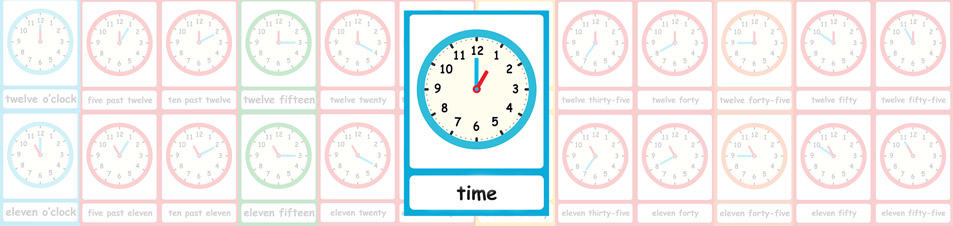
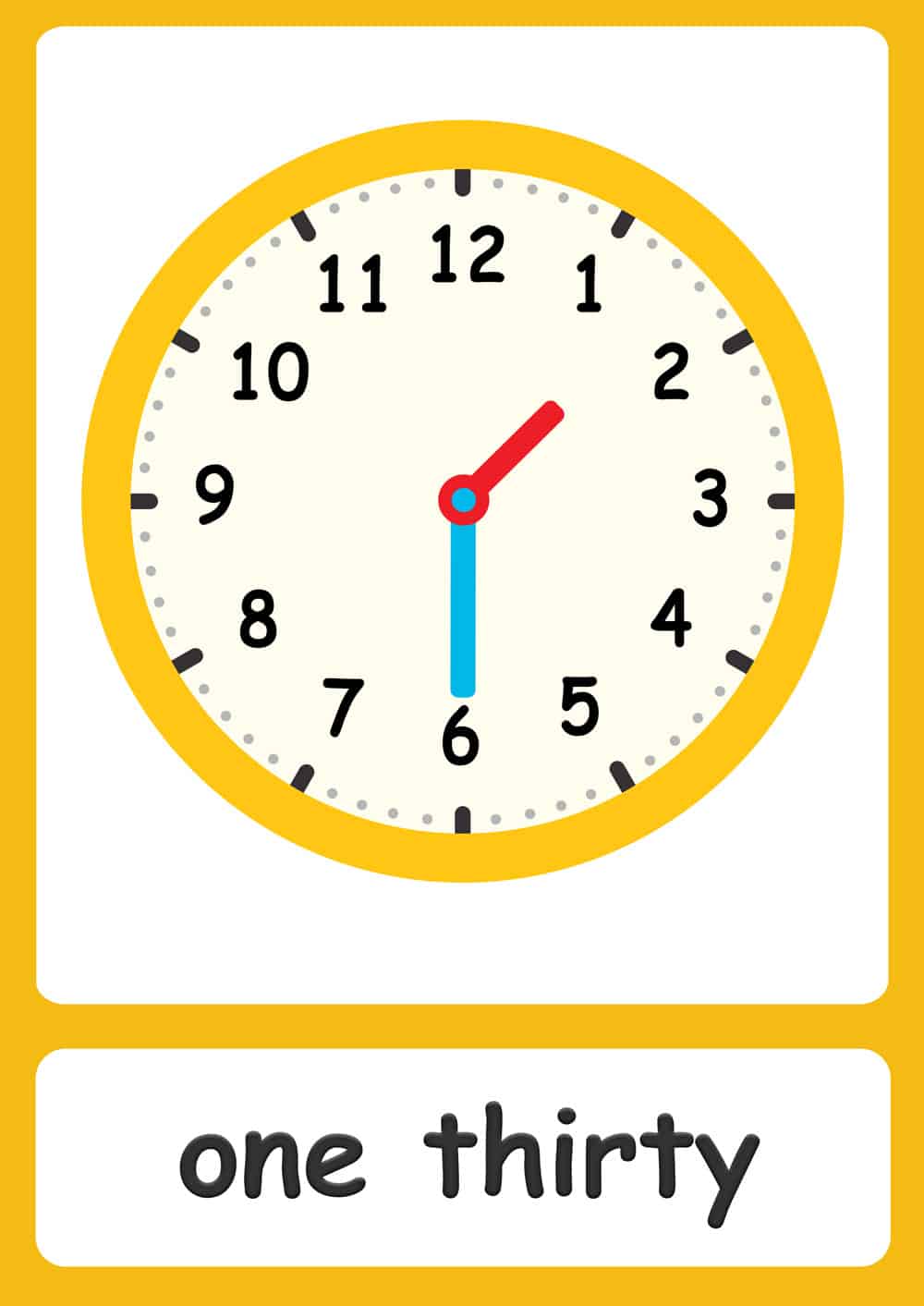
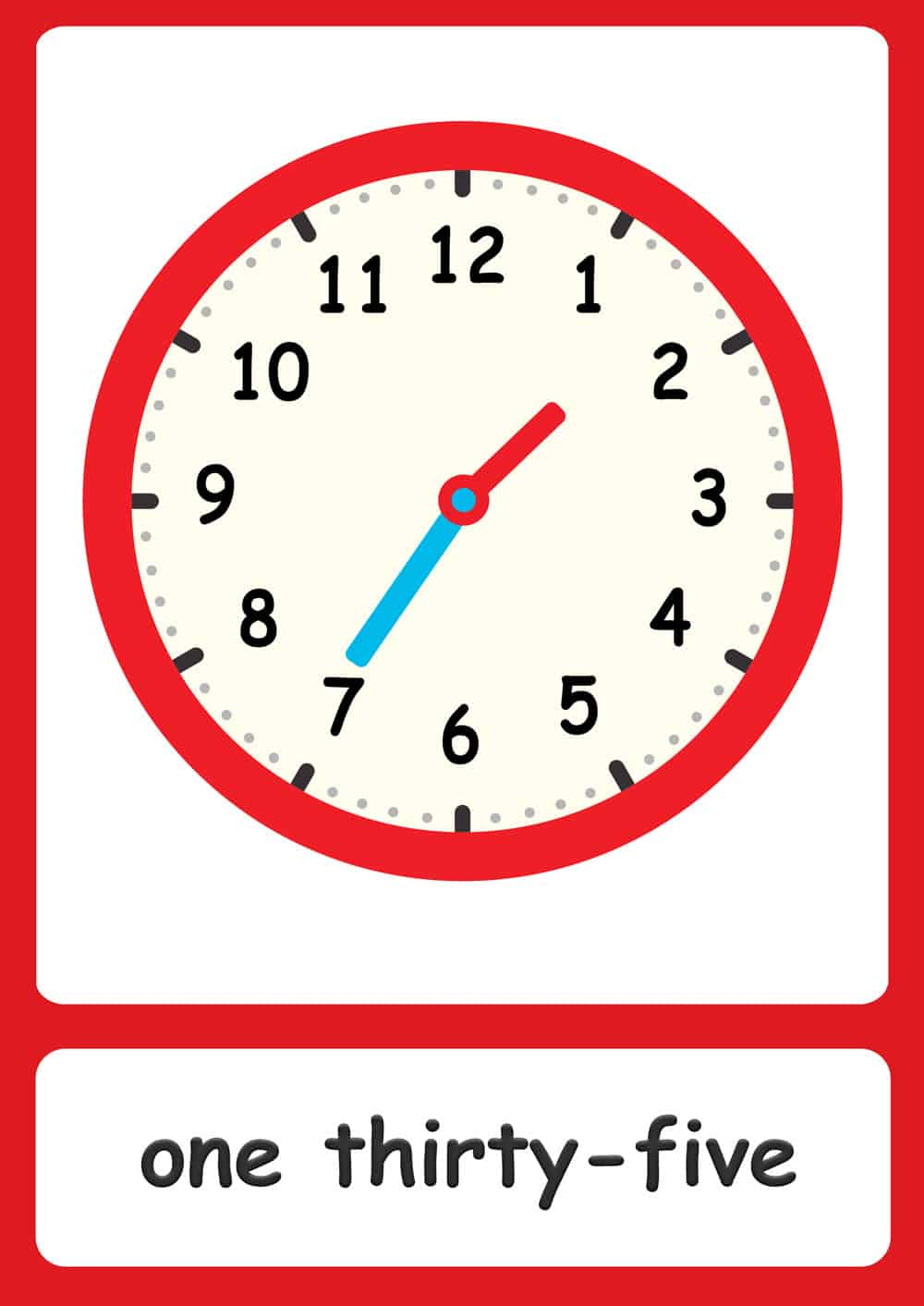
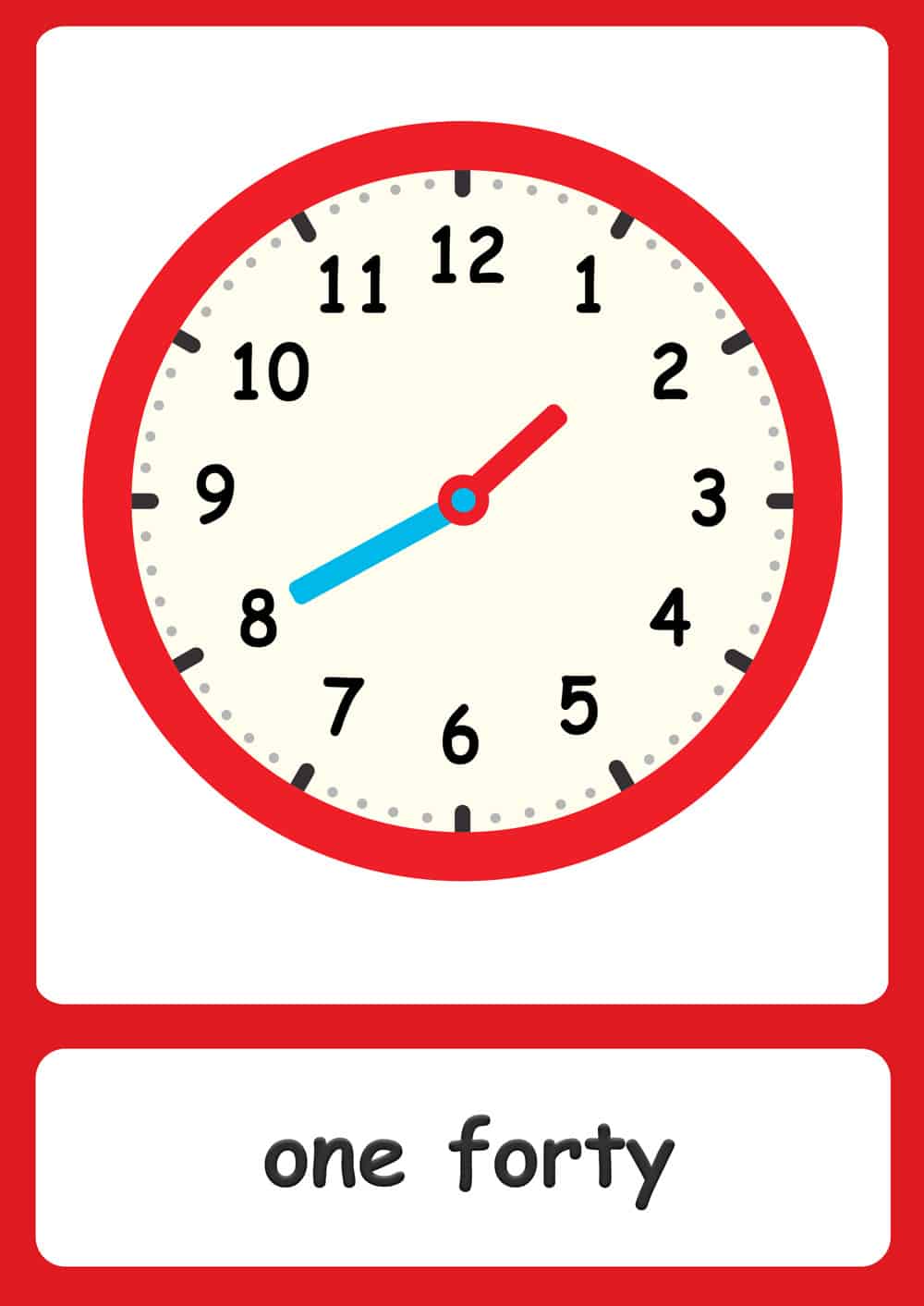
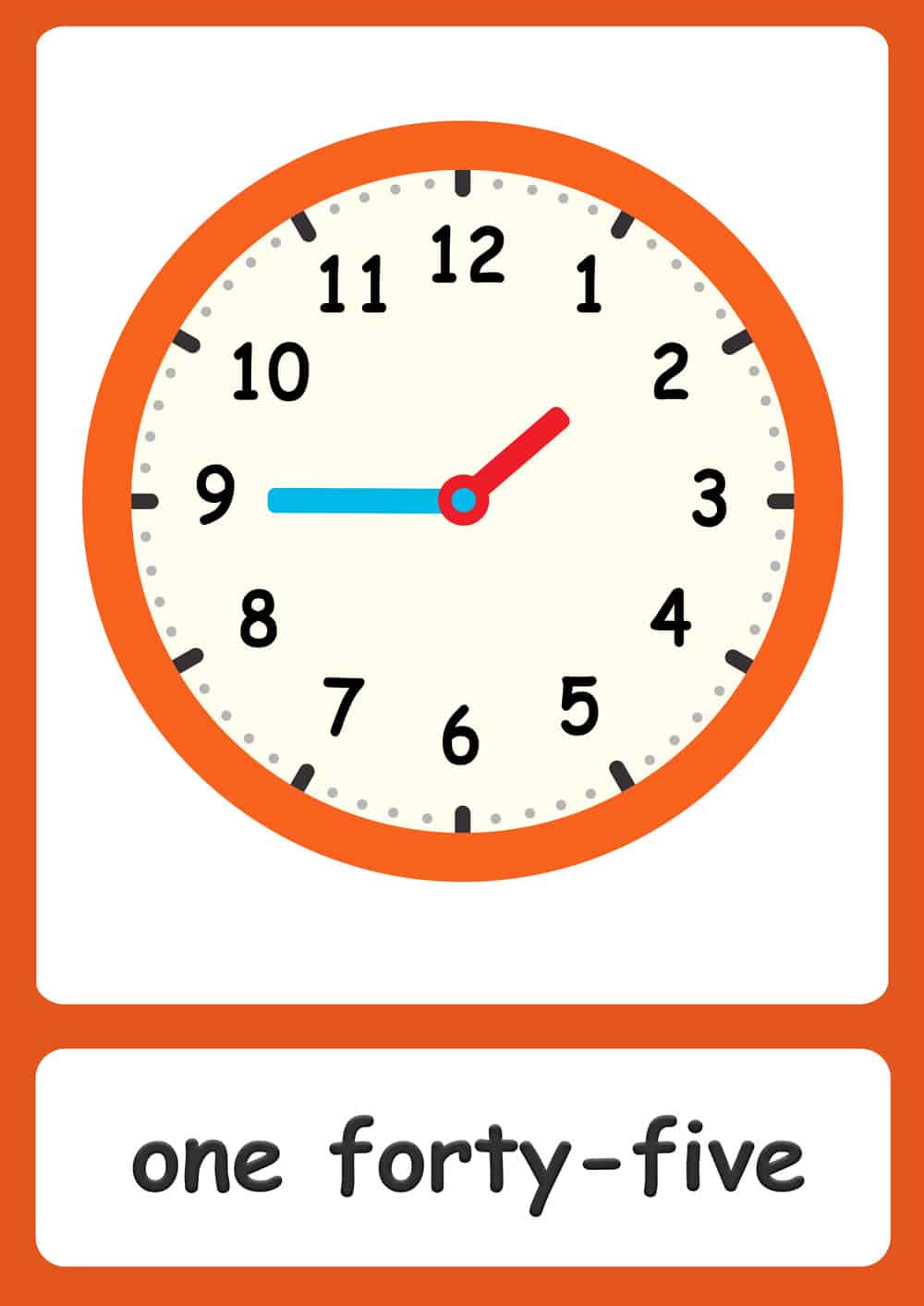
These free printable time flashcards help children learn how to tell the time using analogue clocks, digital watches, and smartphone displays. Perfect for kindergarten, elementary, ESL, and homeschool learners.

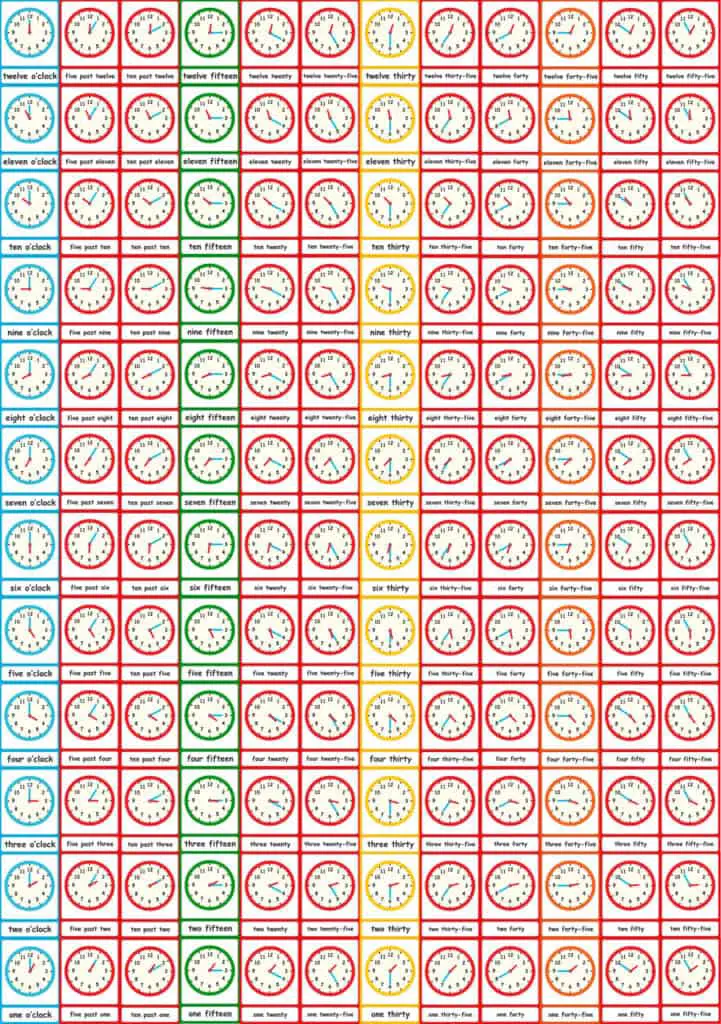
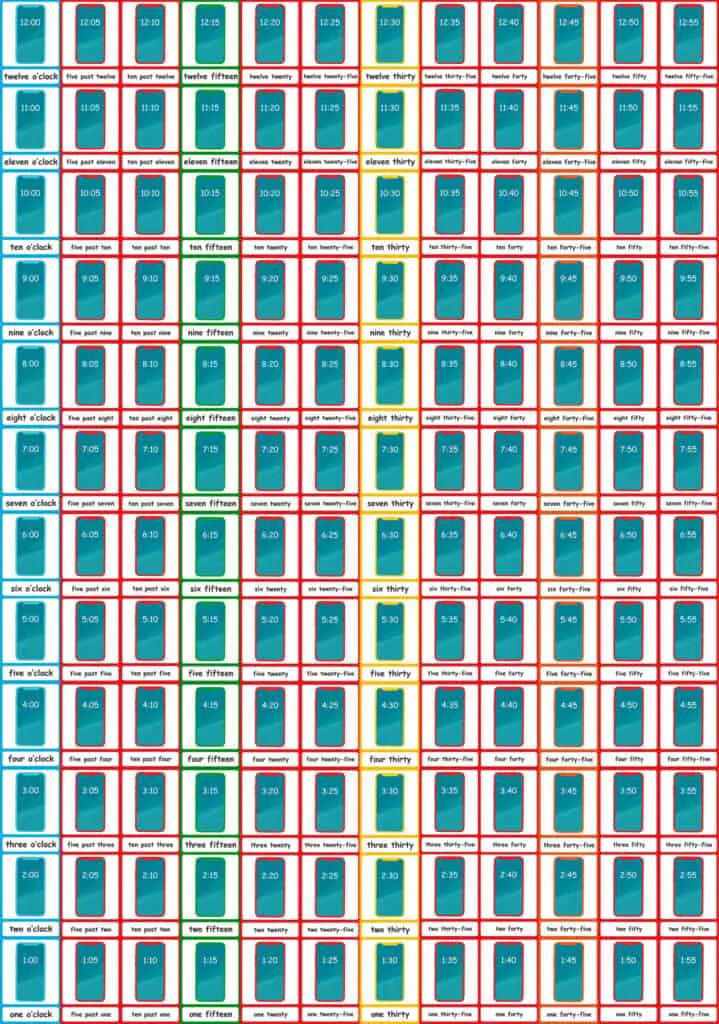
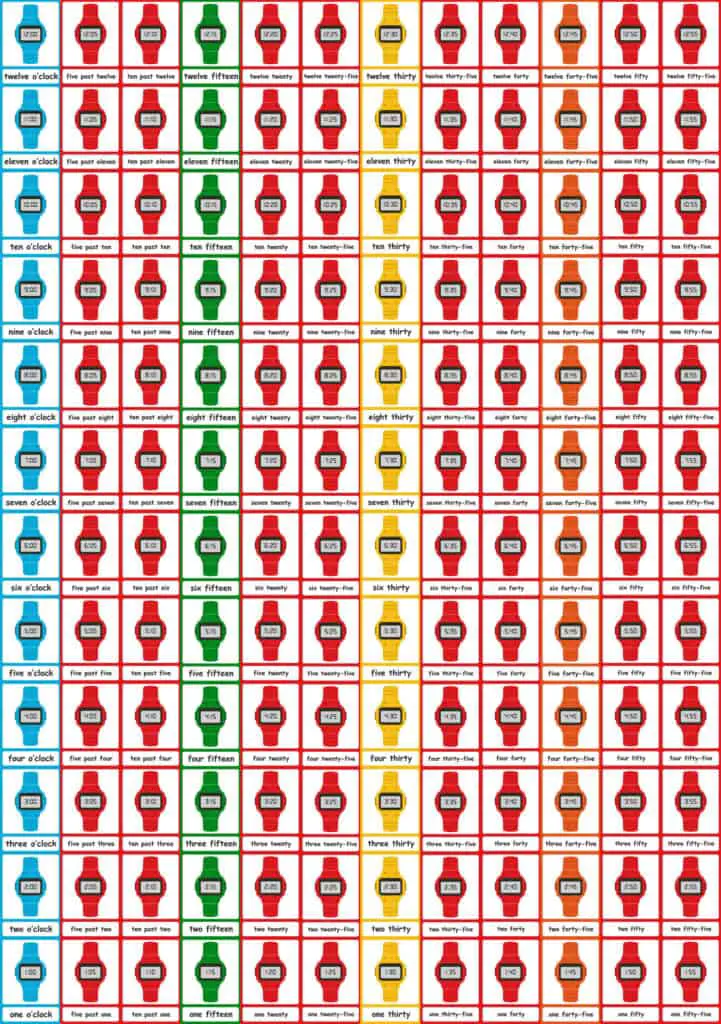
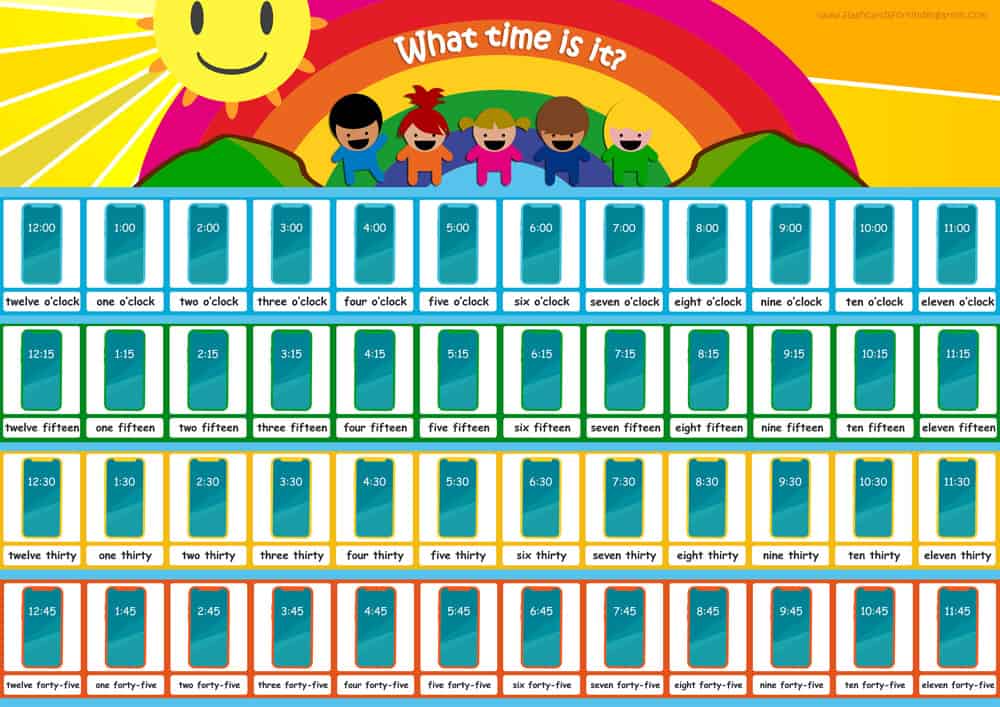
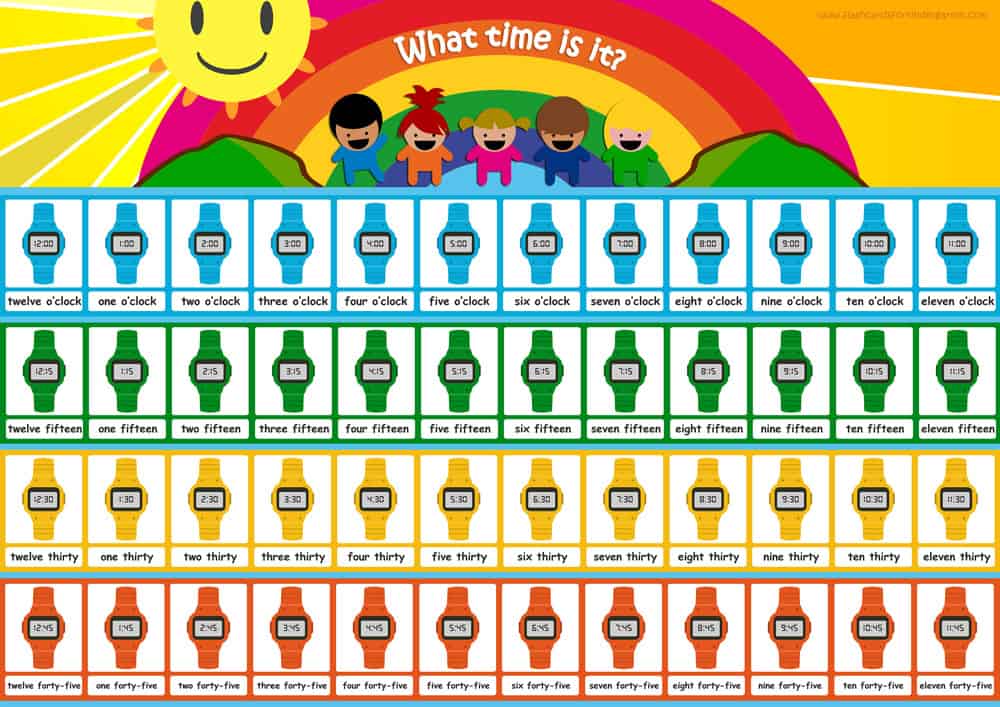
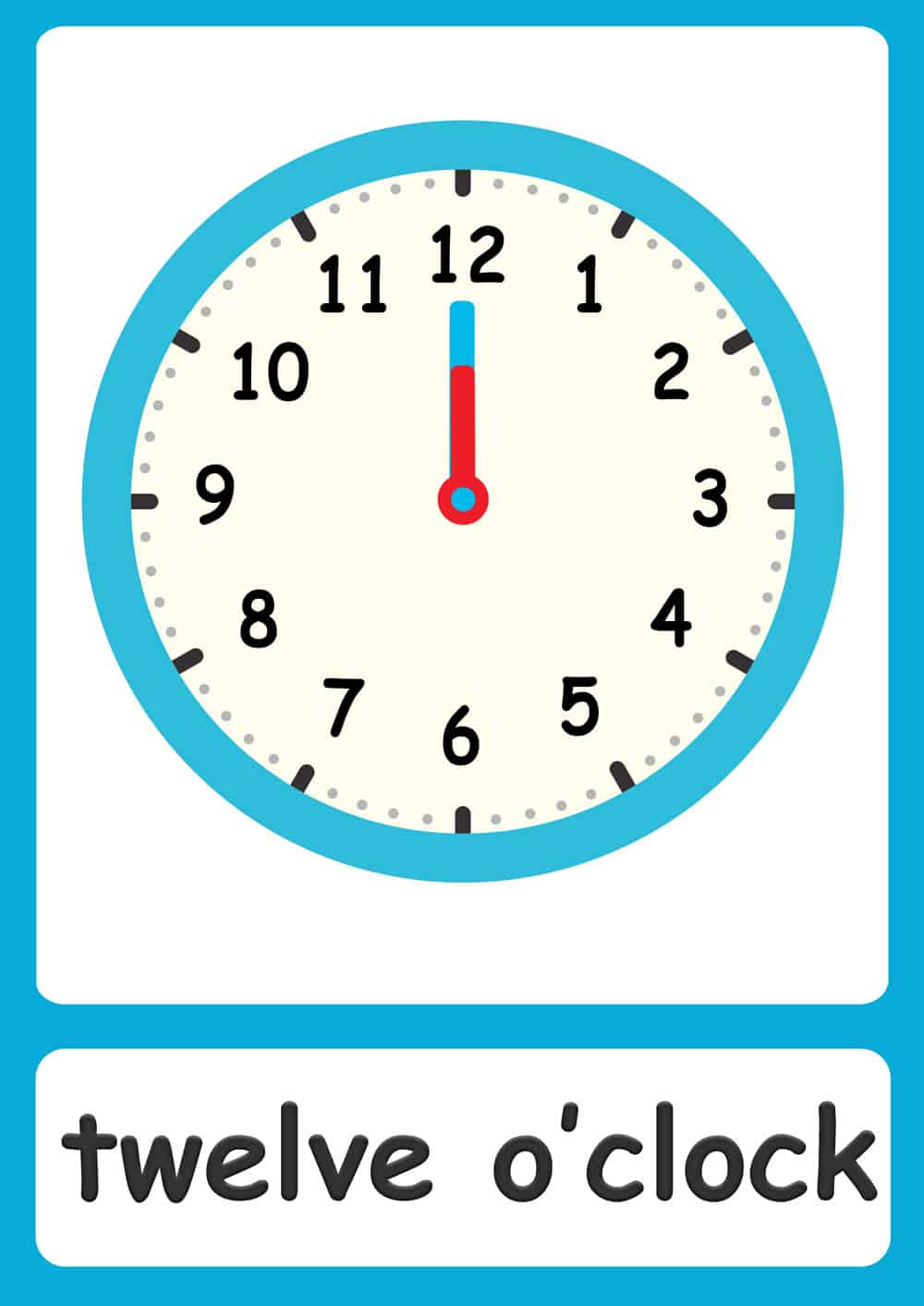
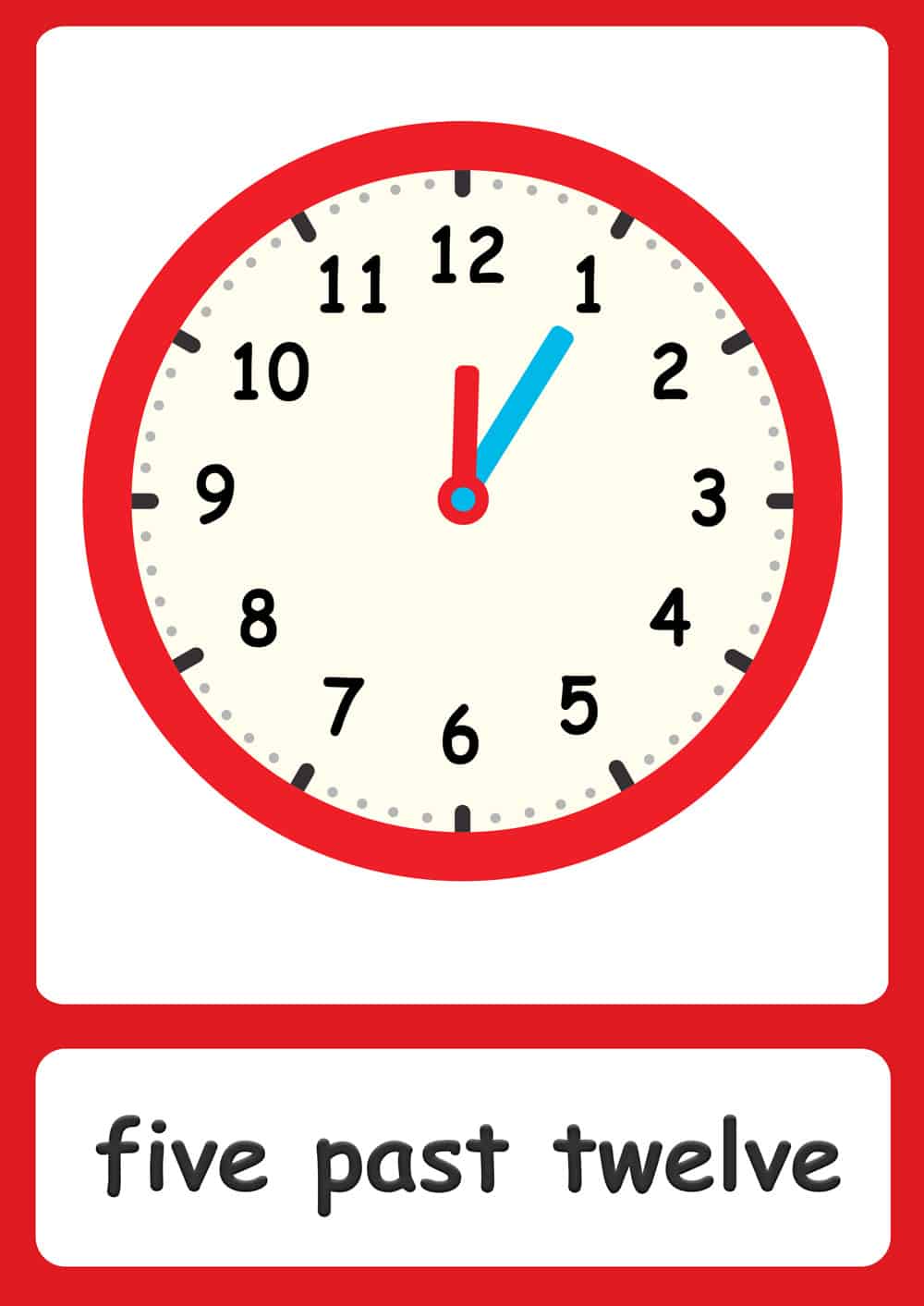
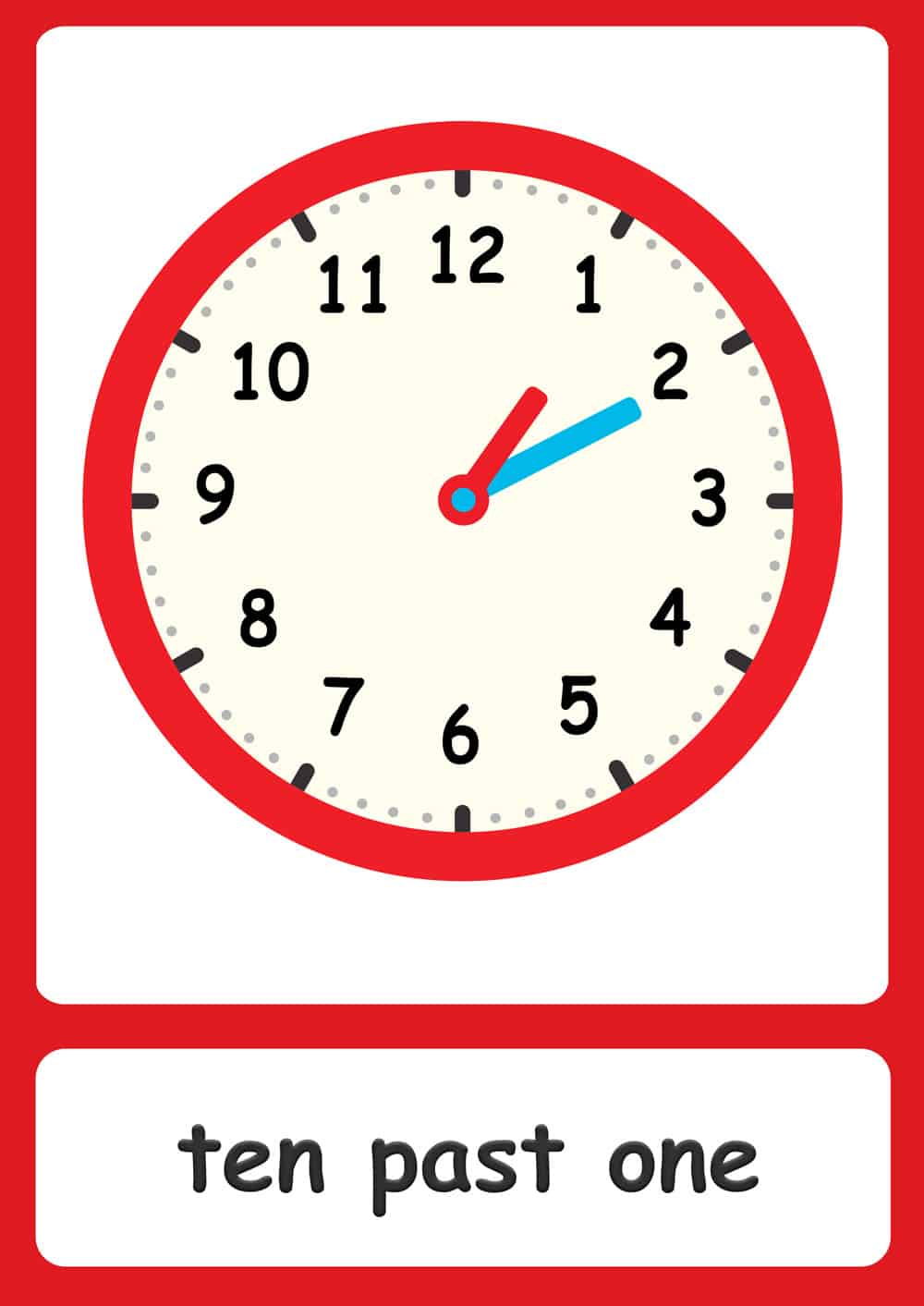
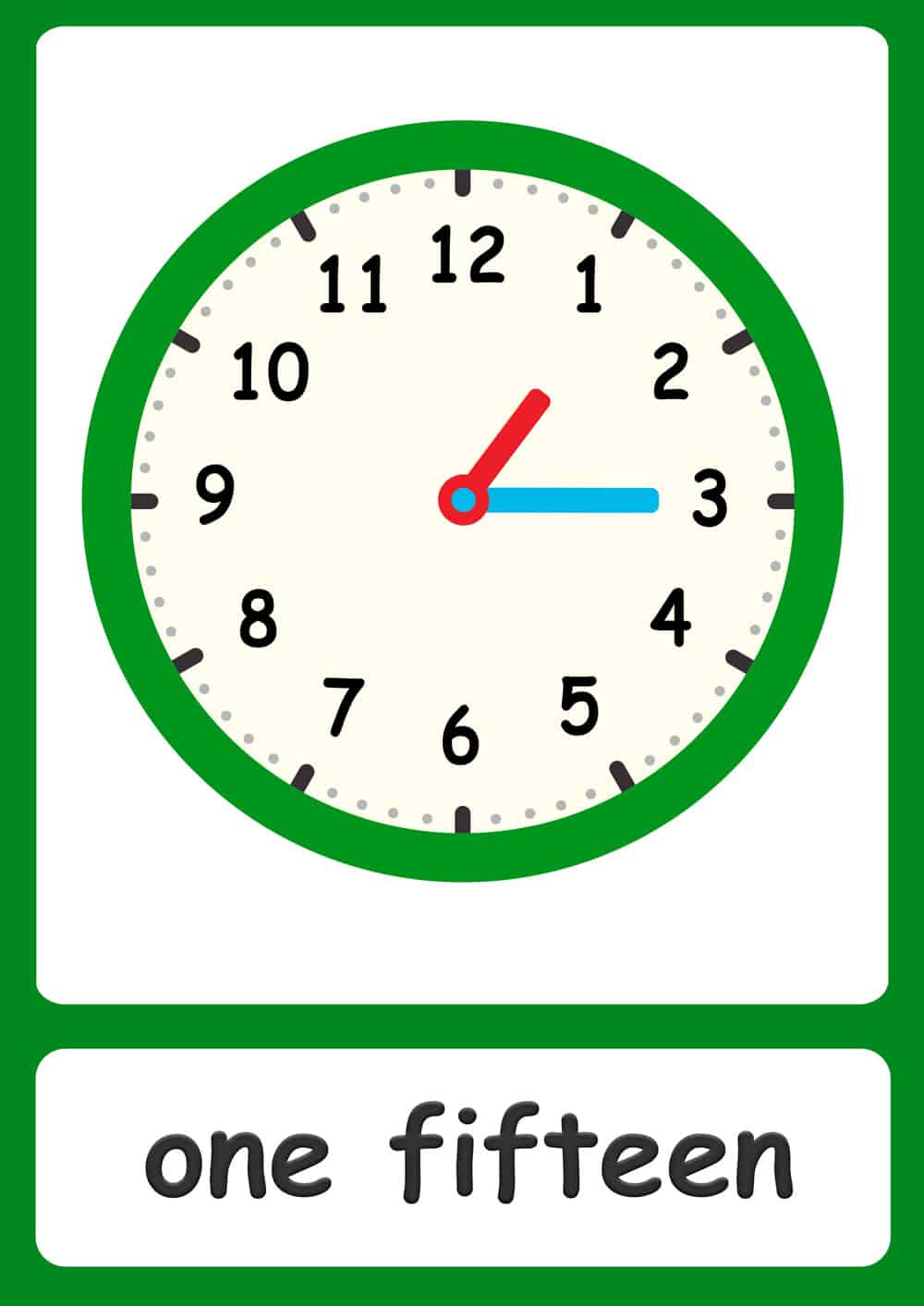
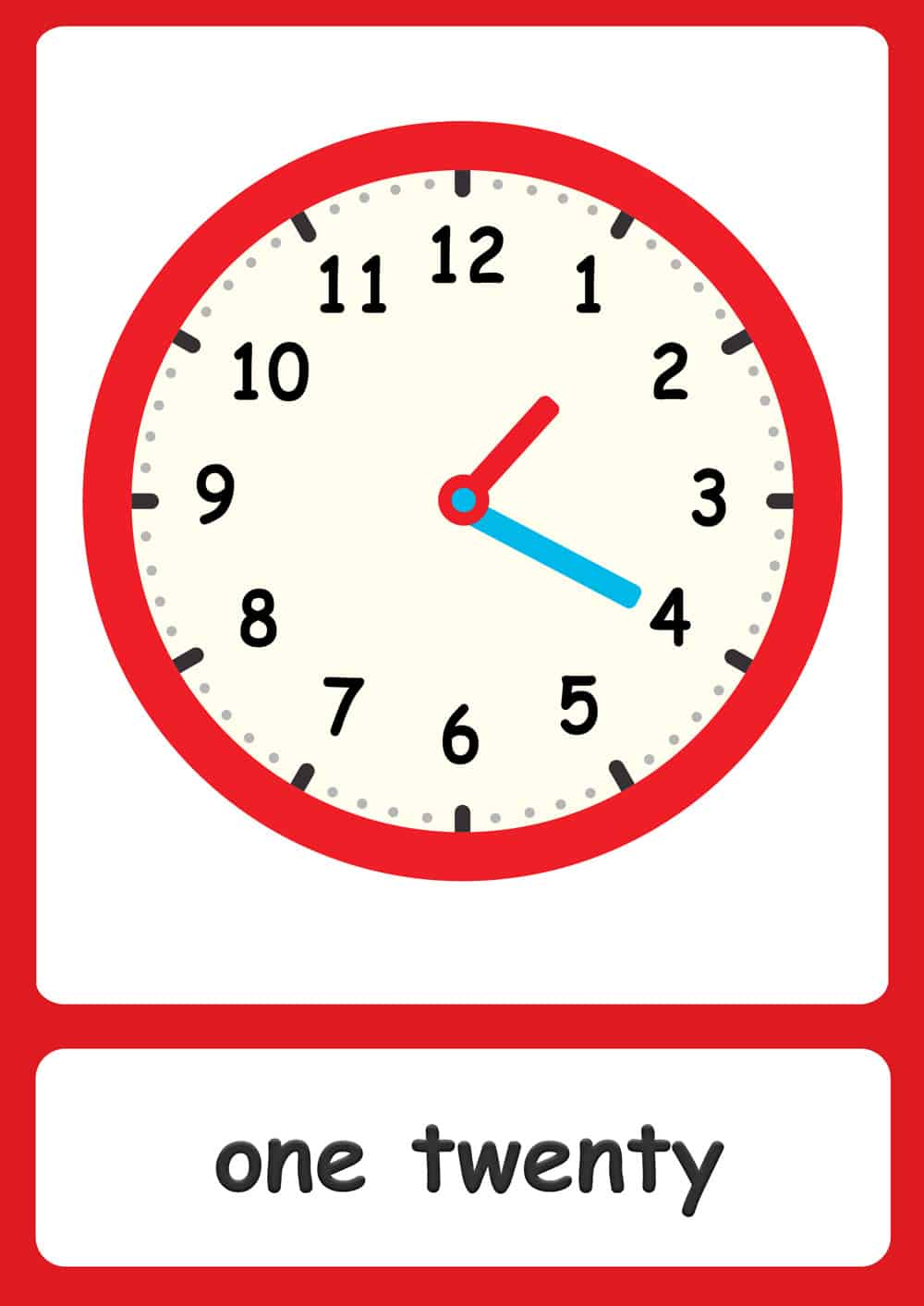
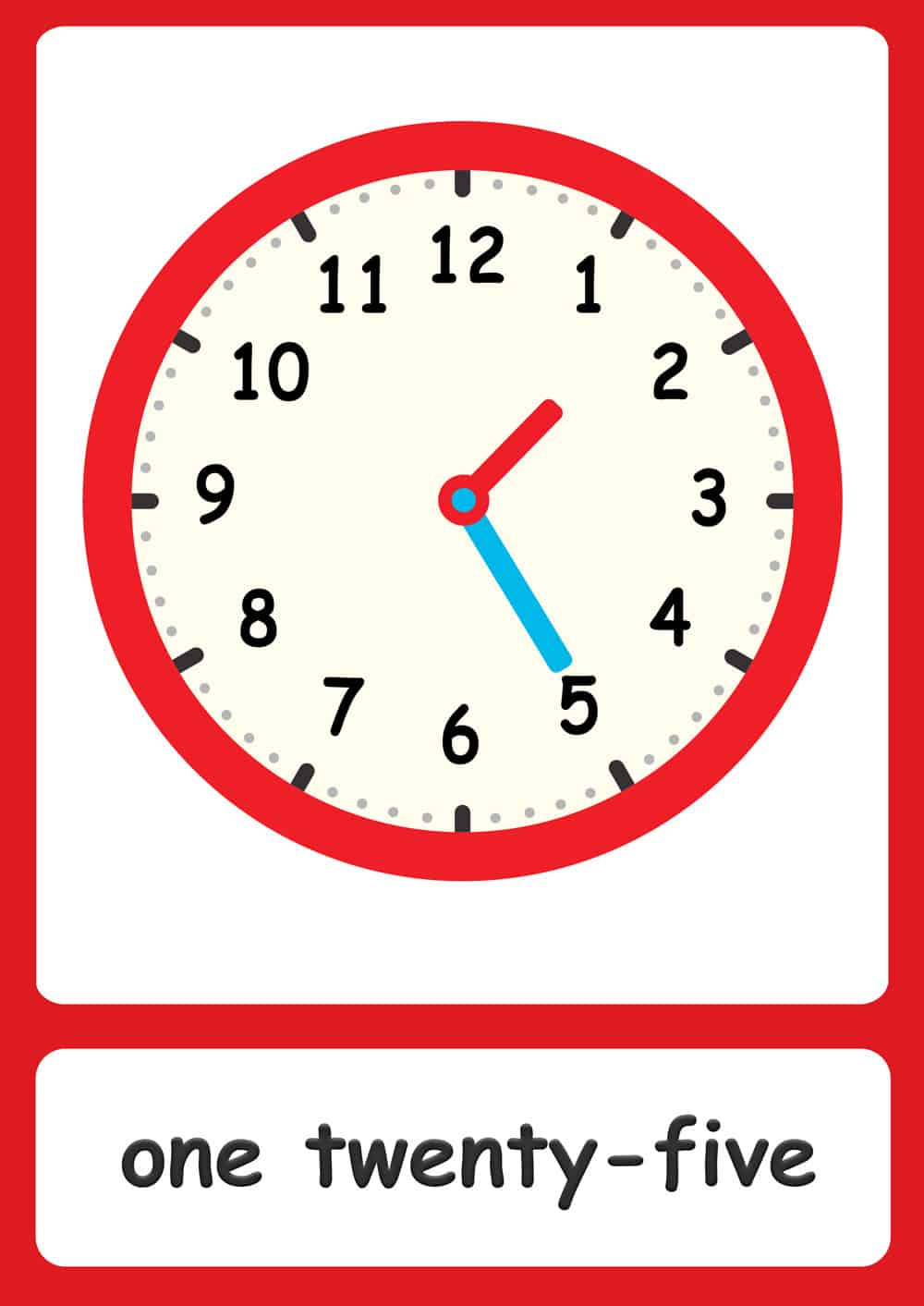
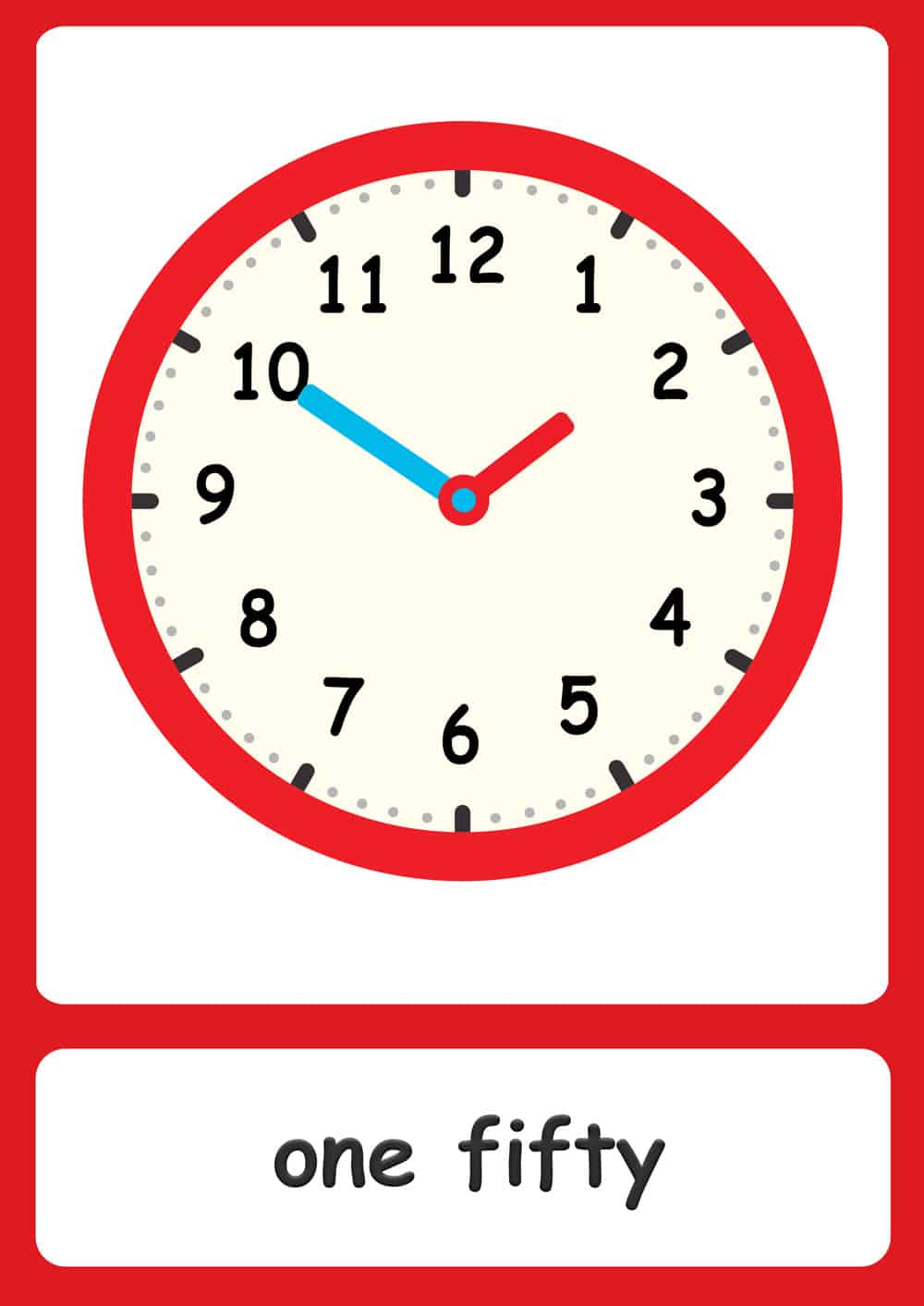
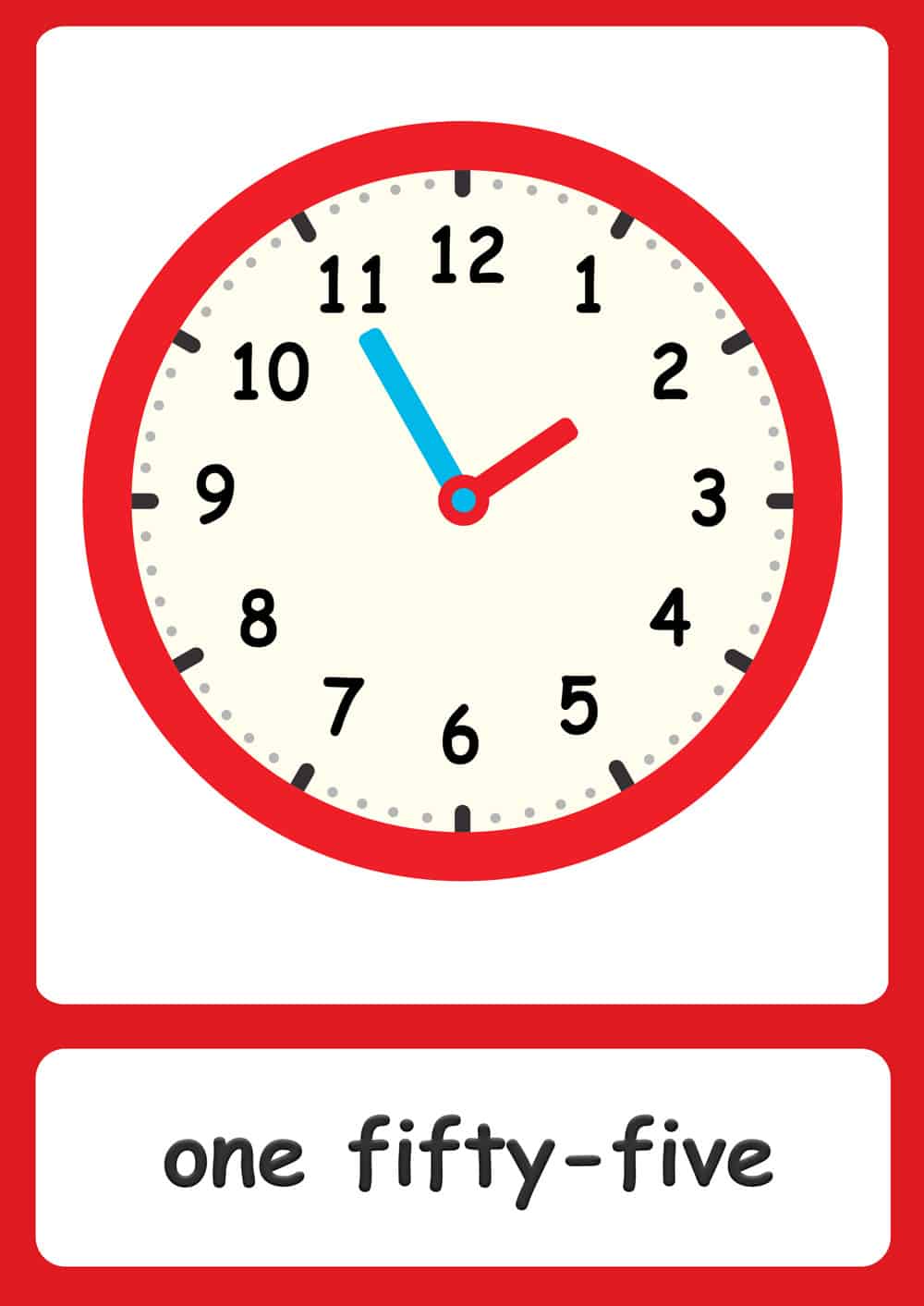
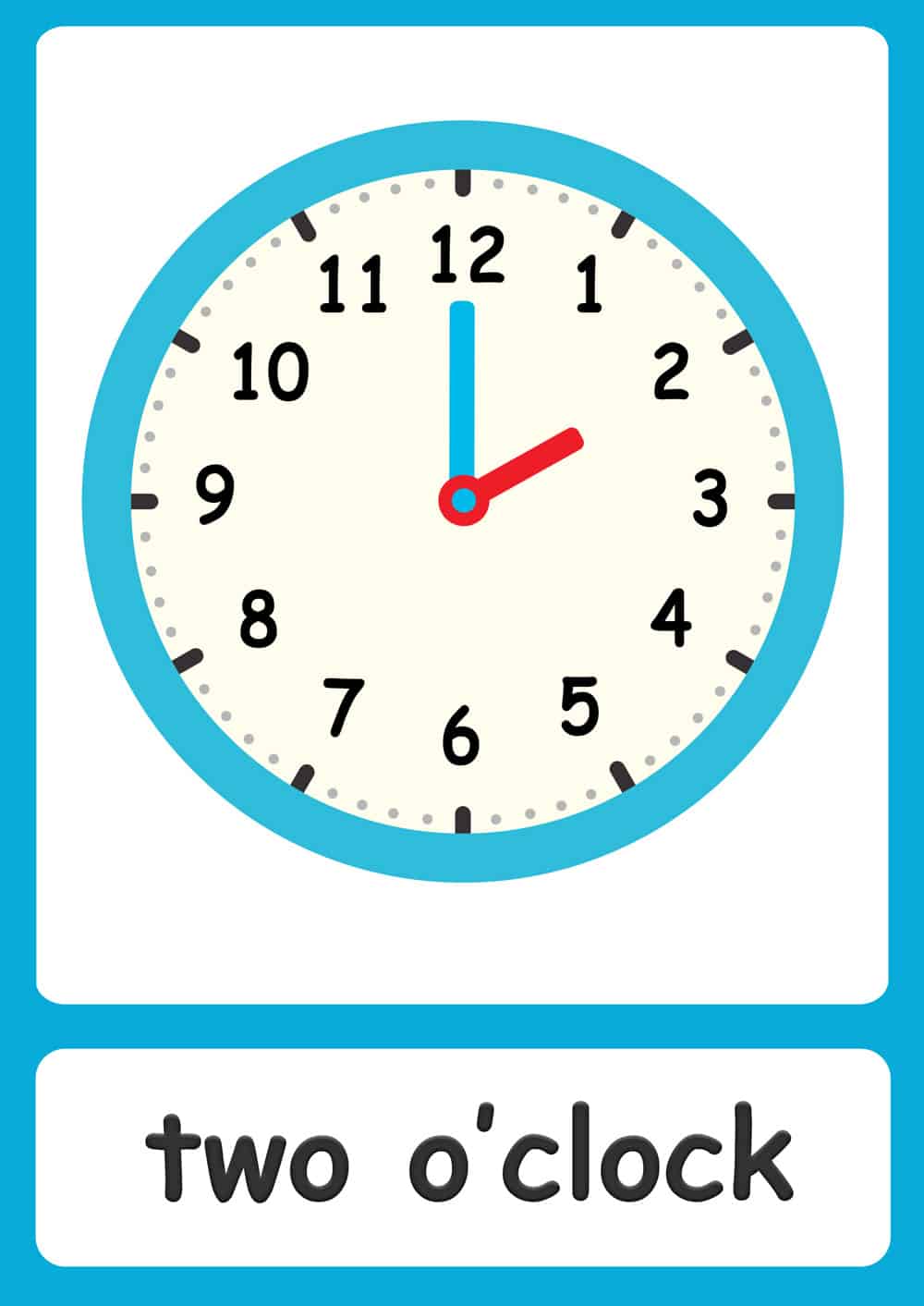
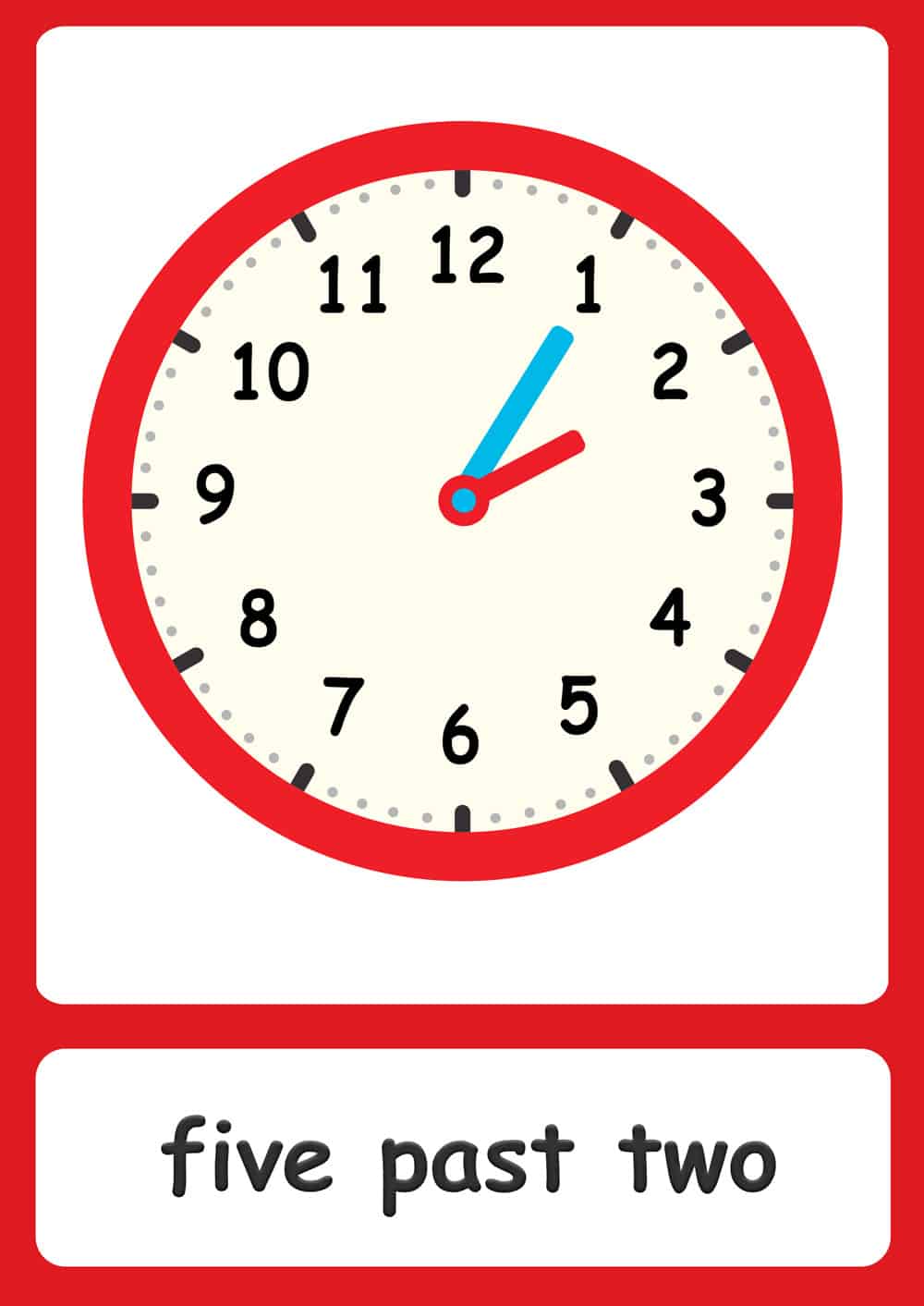
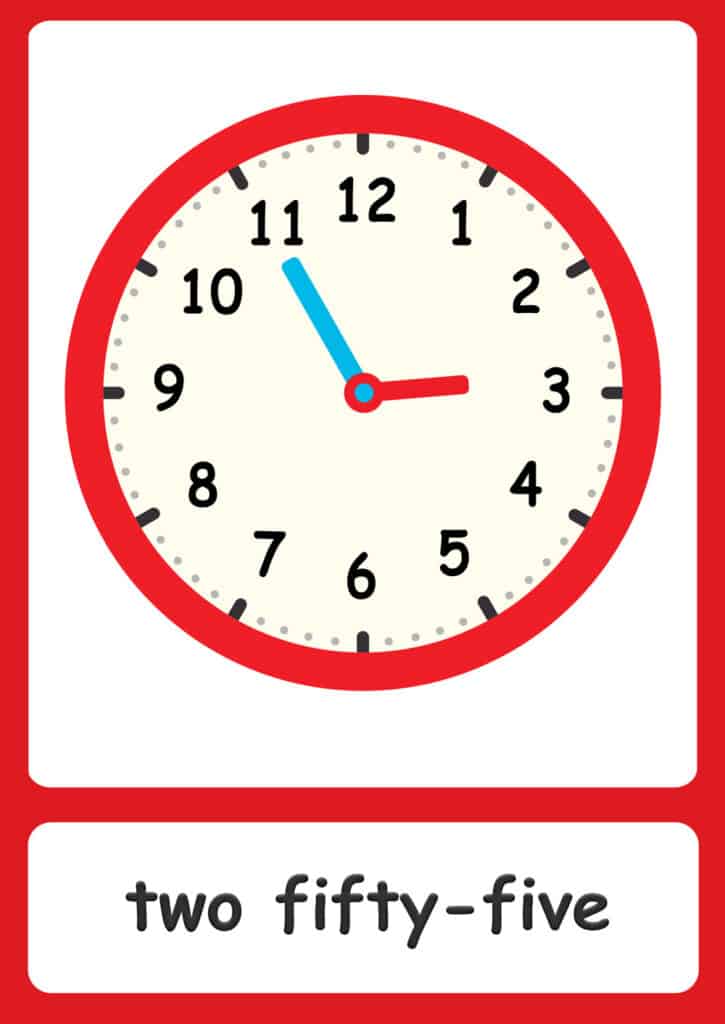
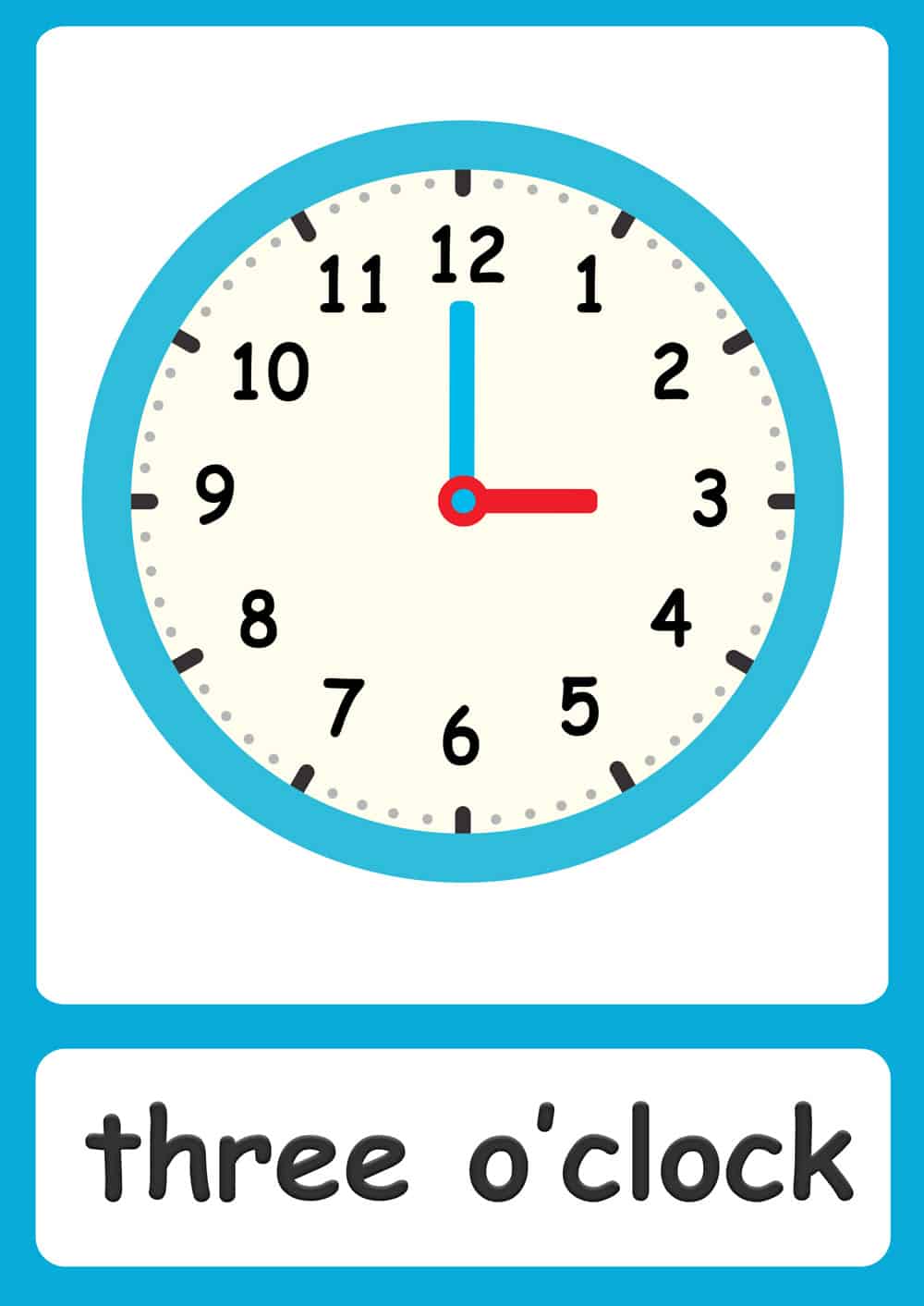
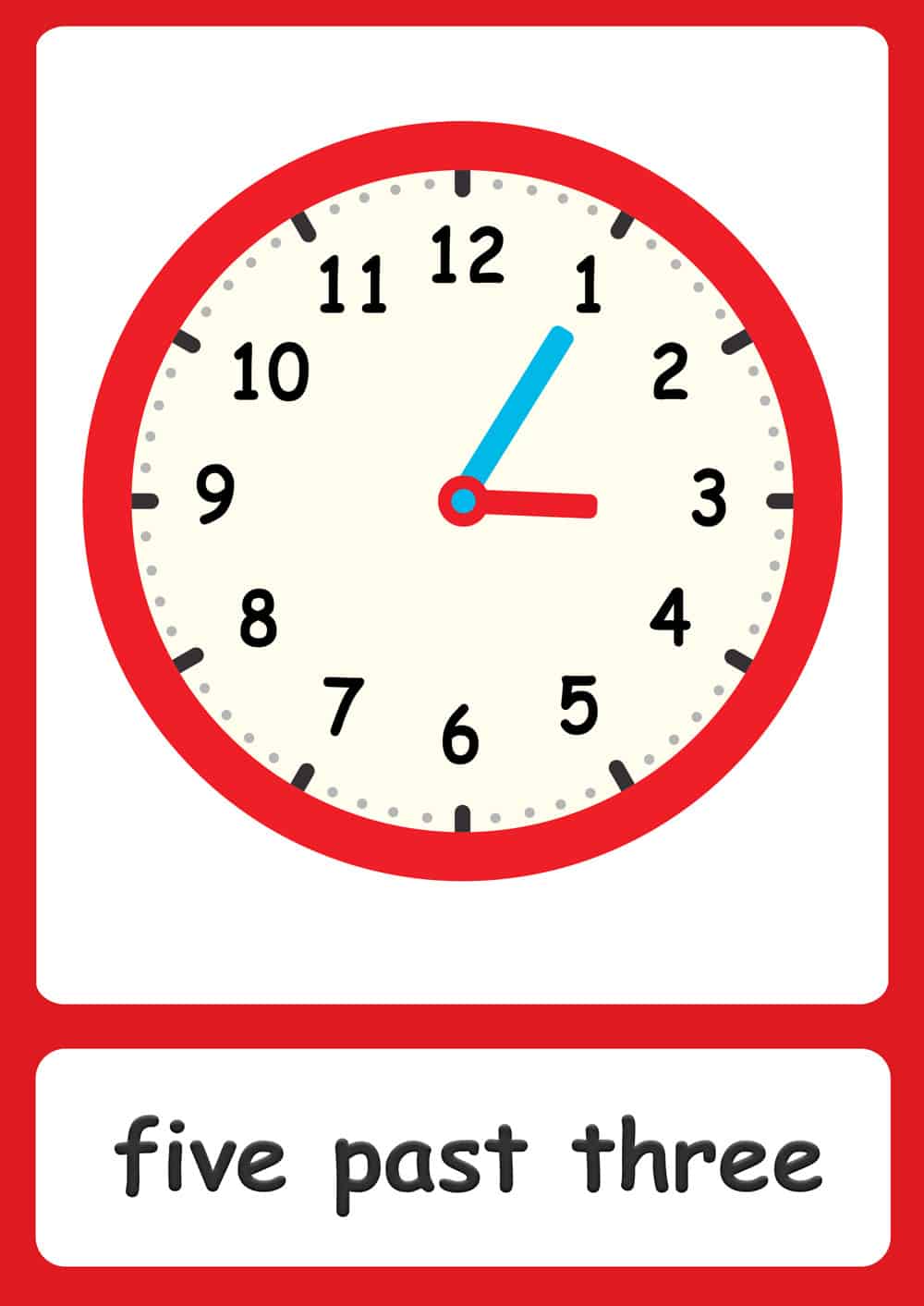
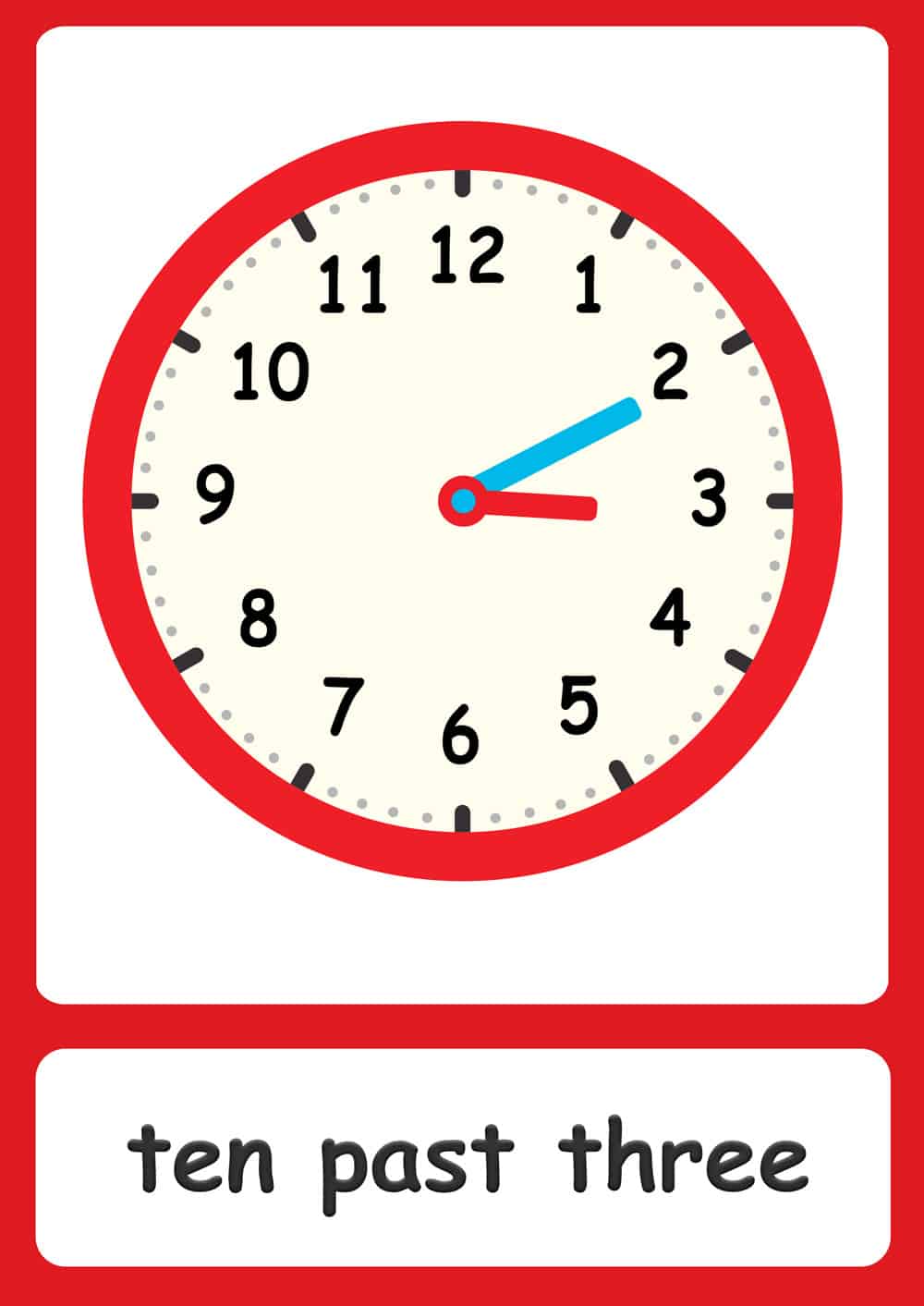
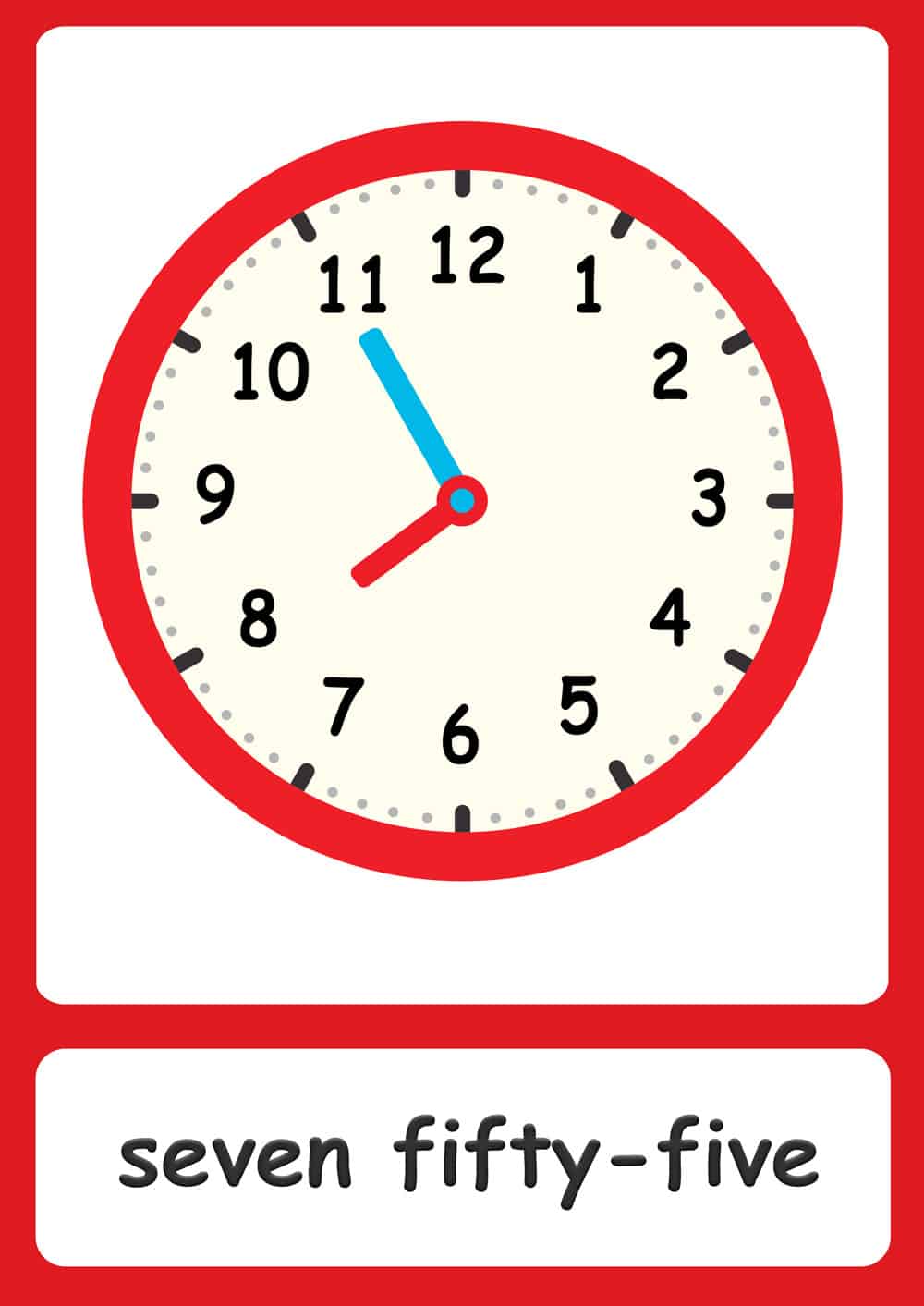
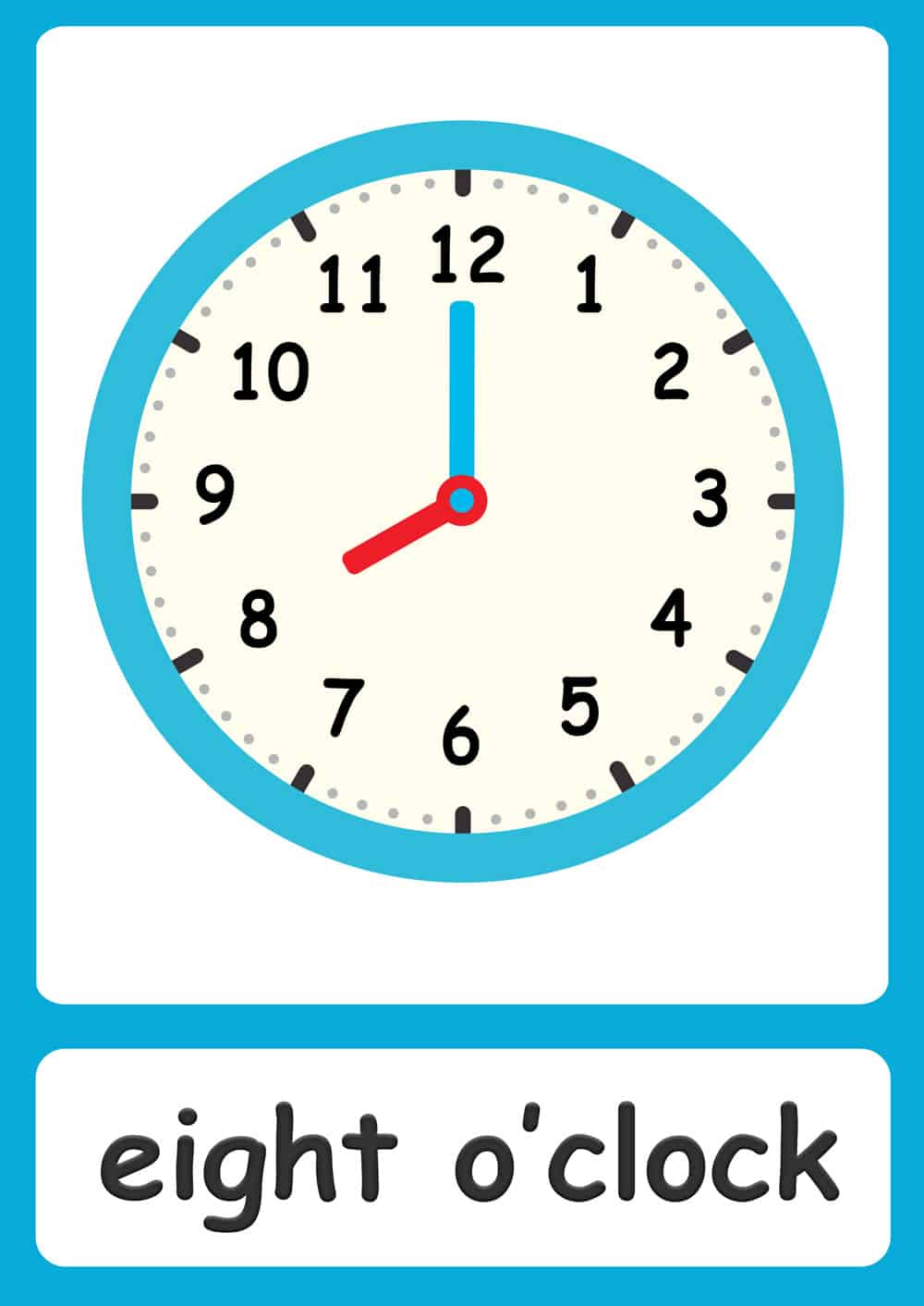
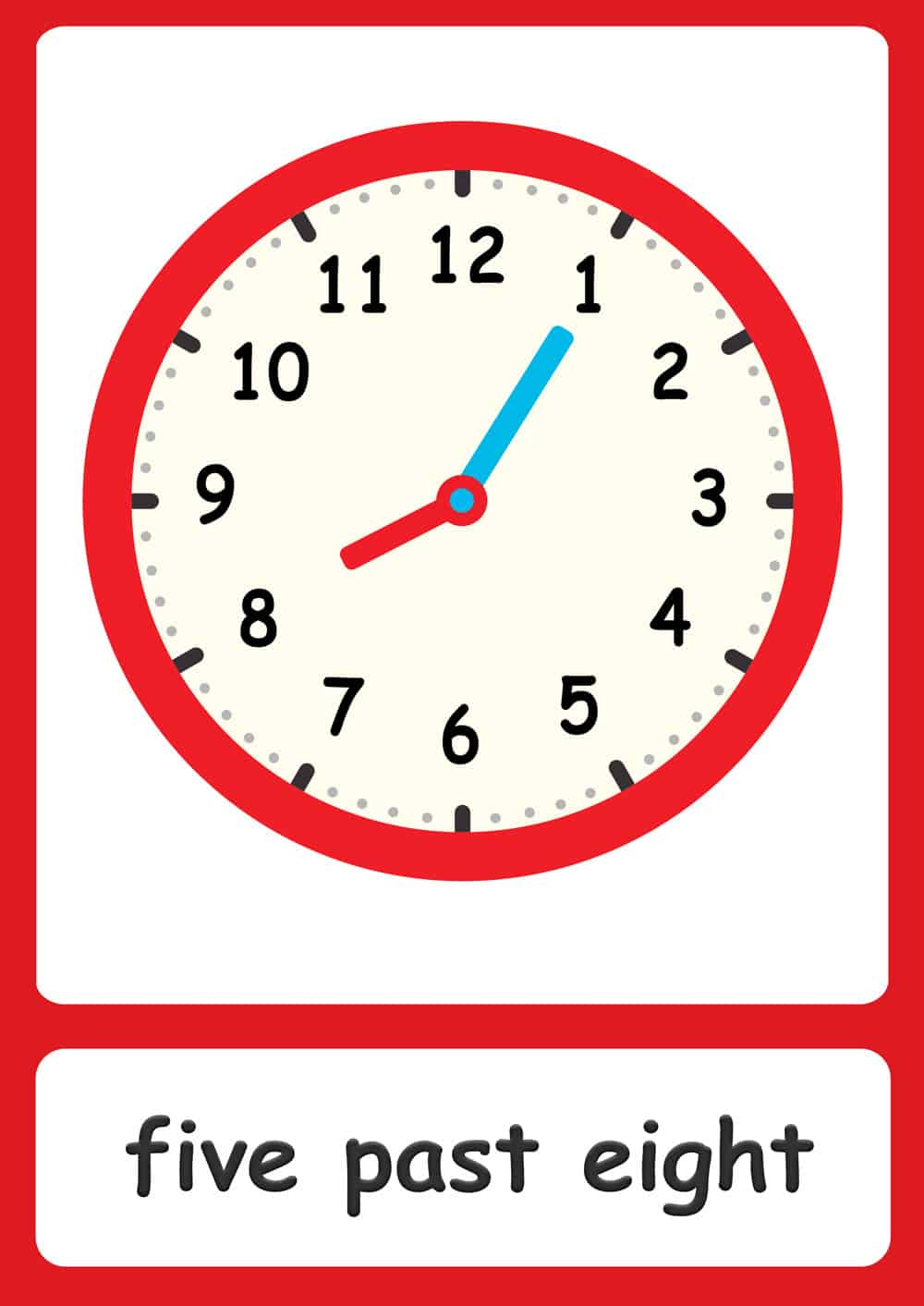
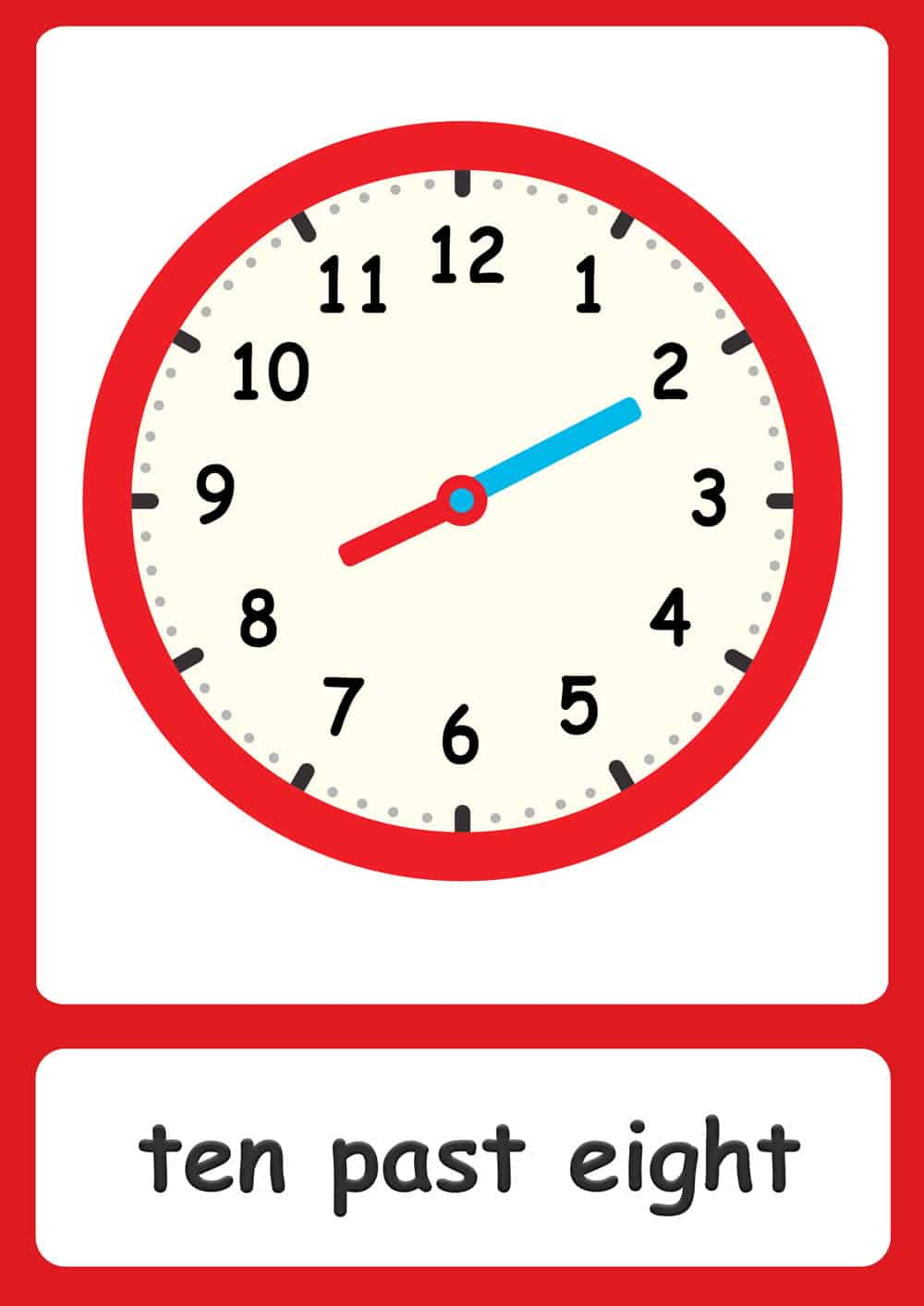
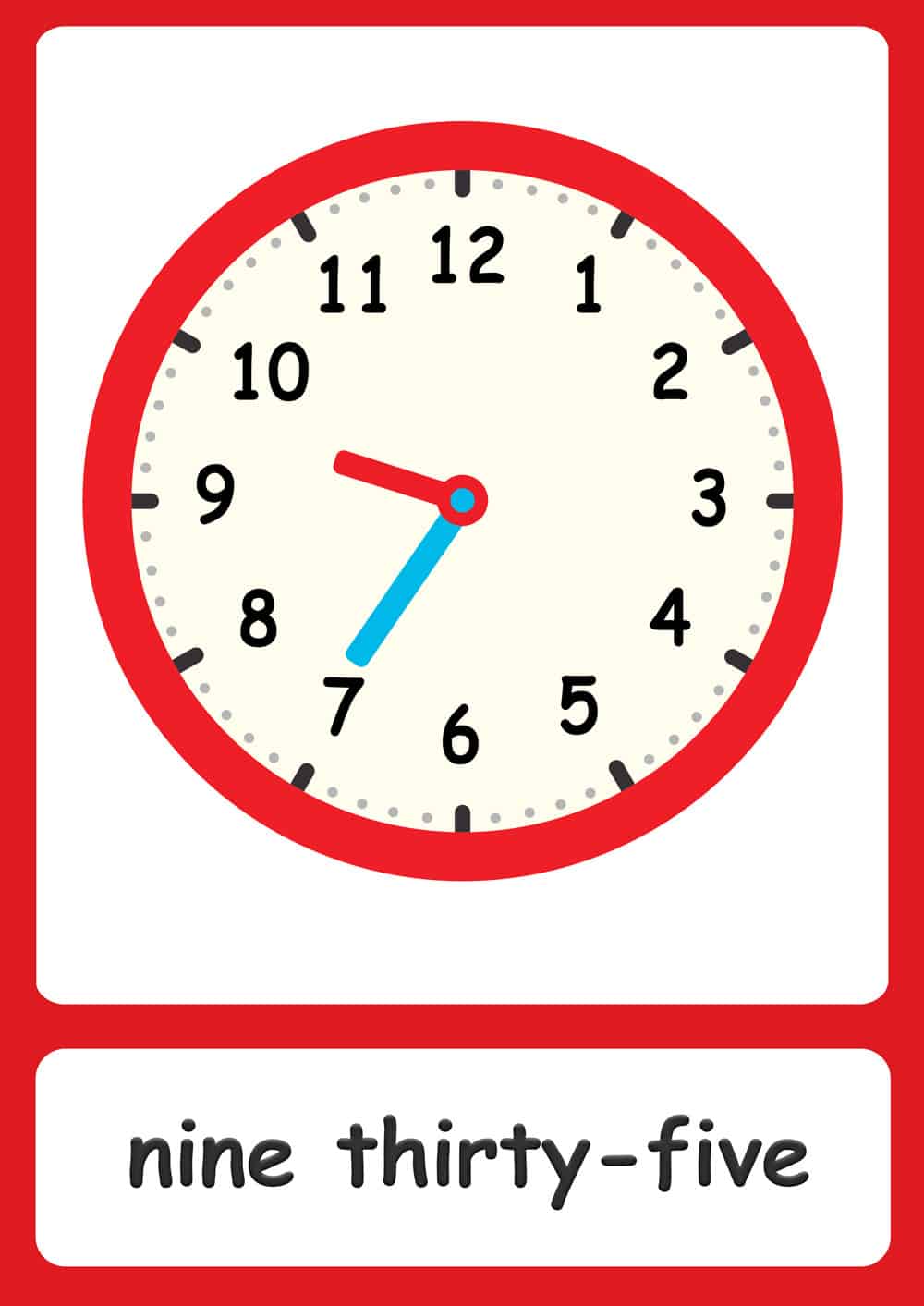
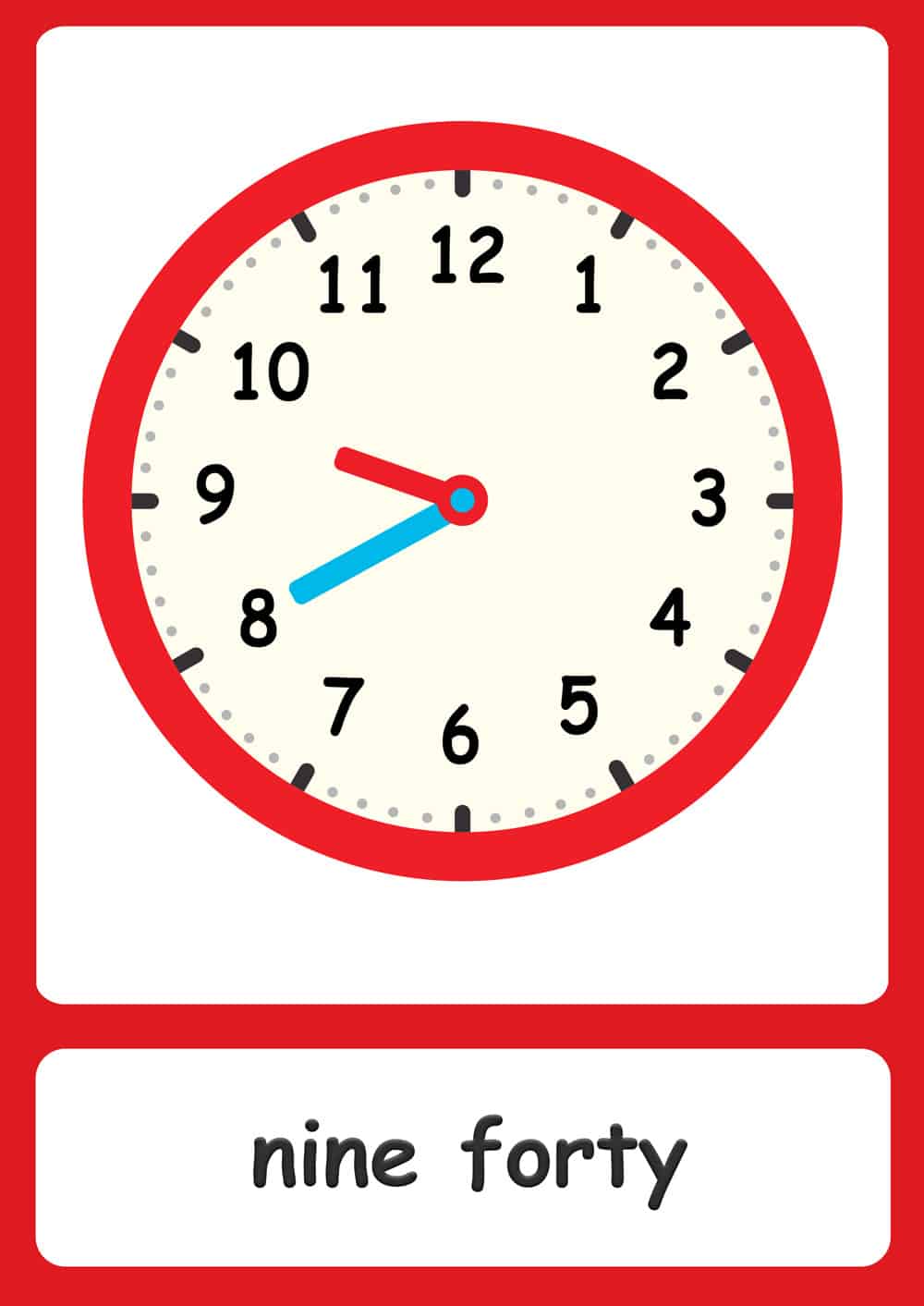
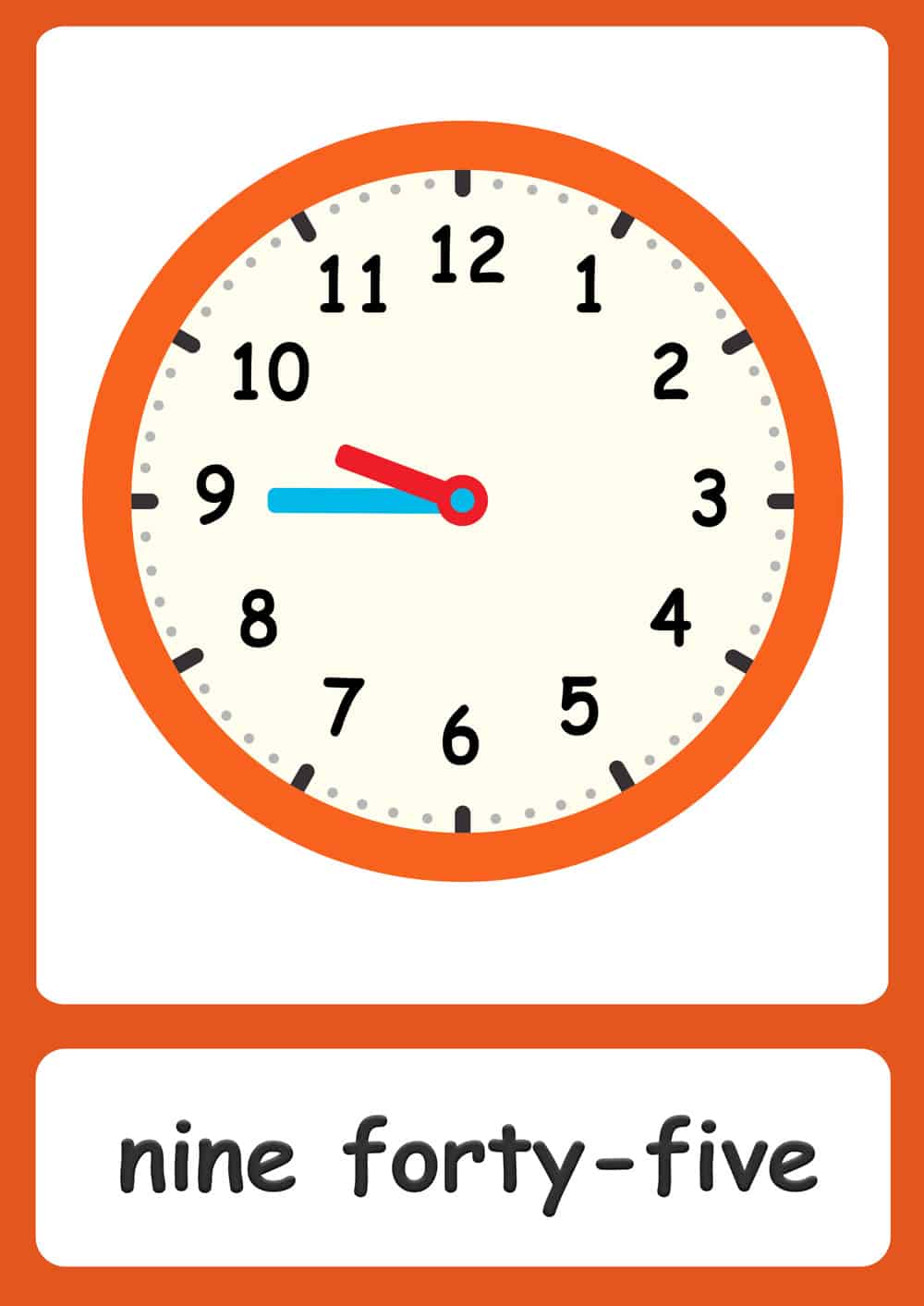
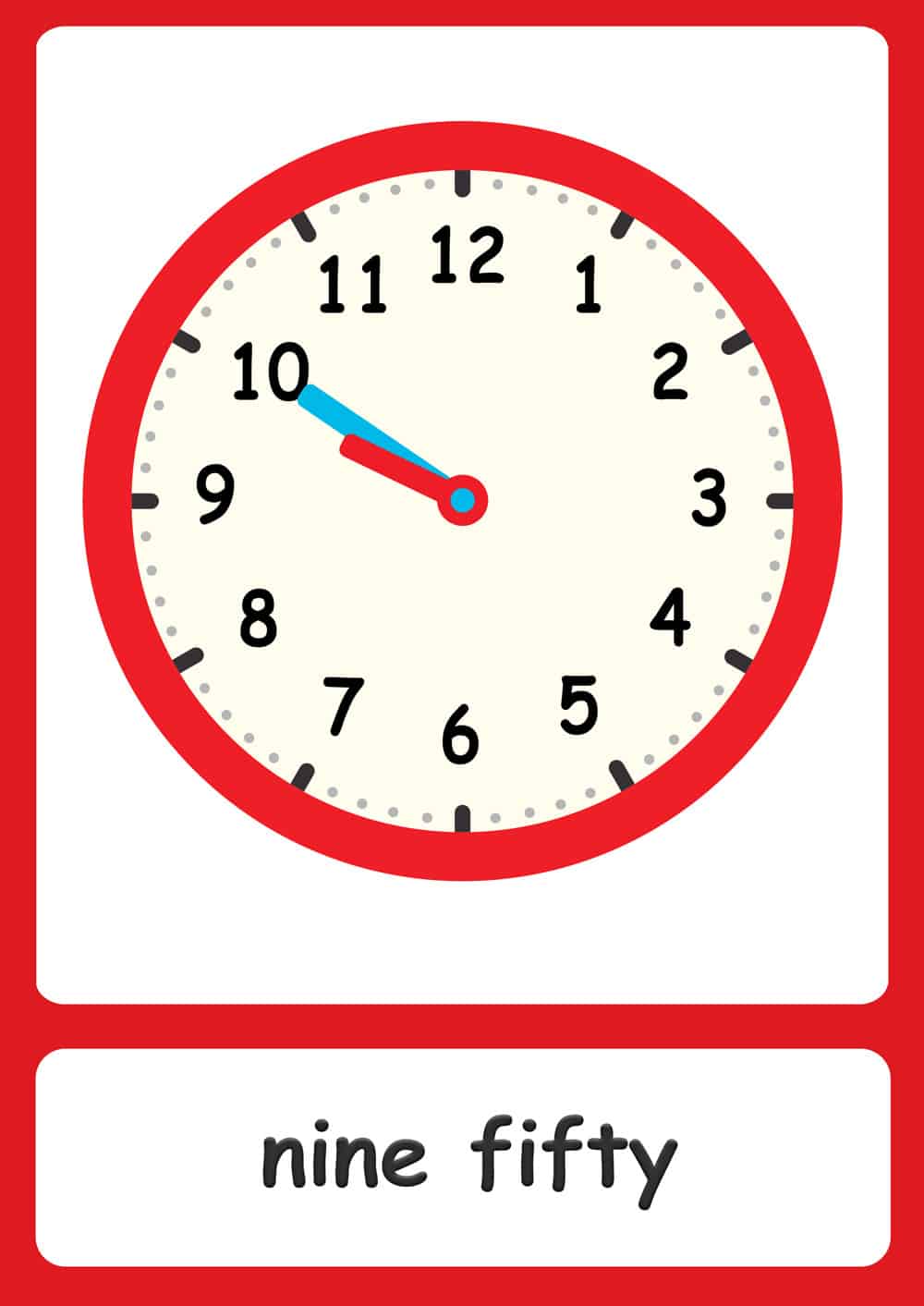
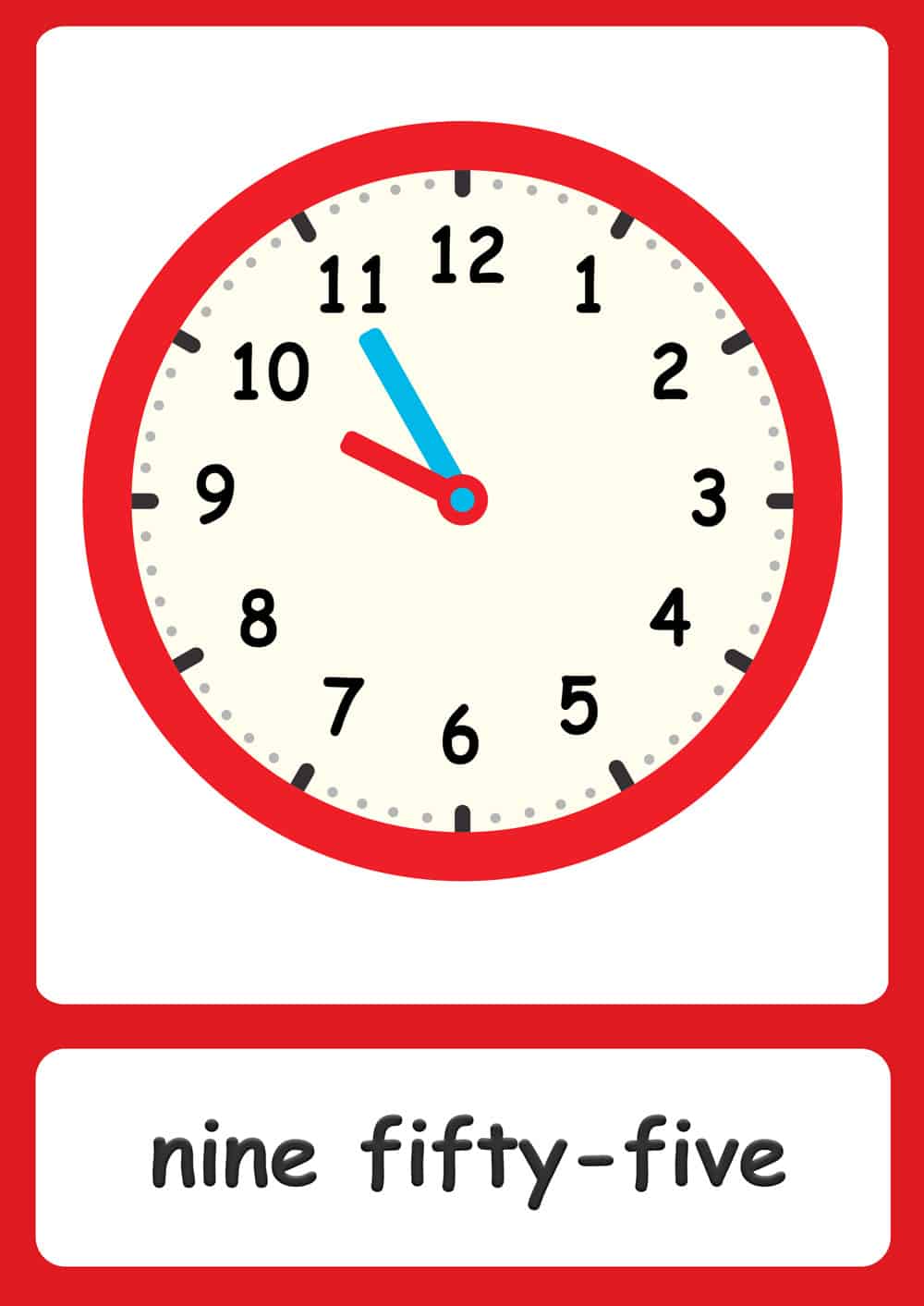
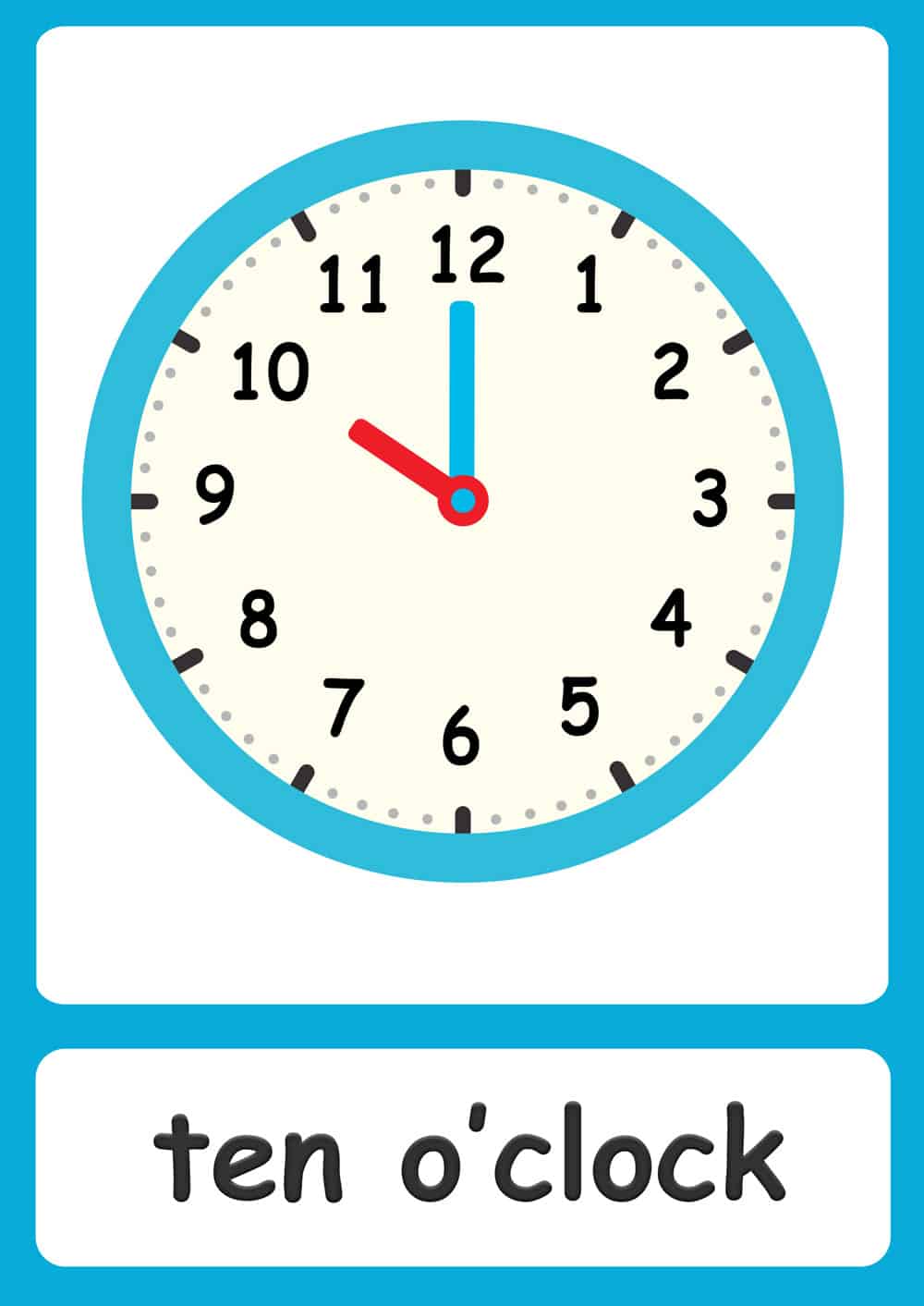
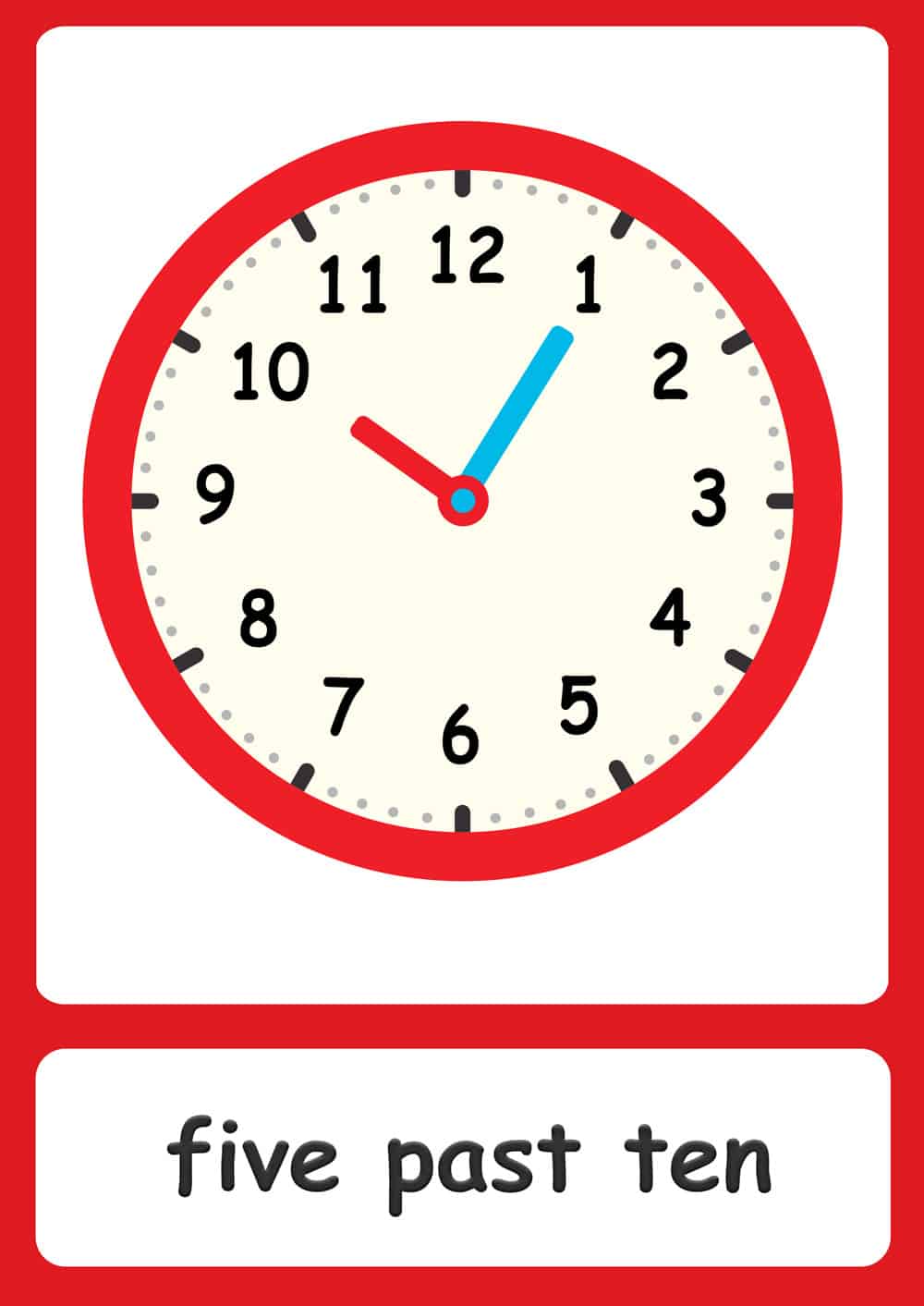
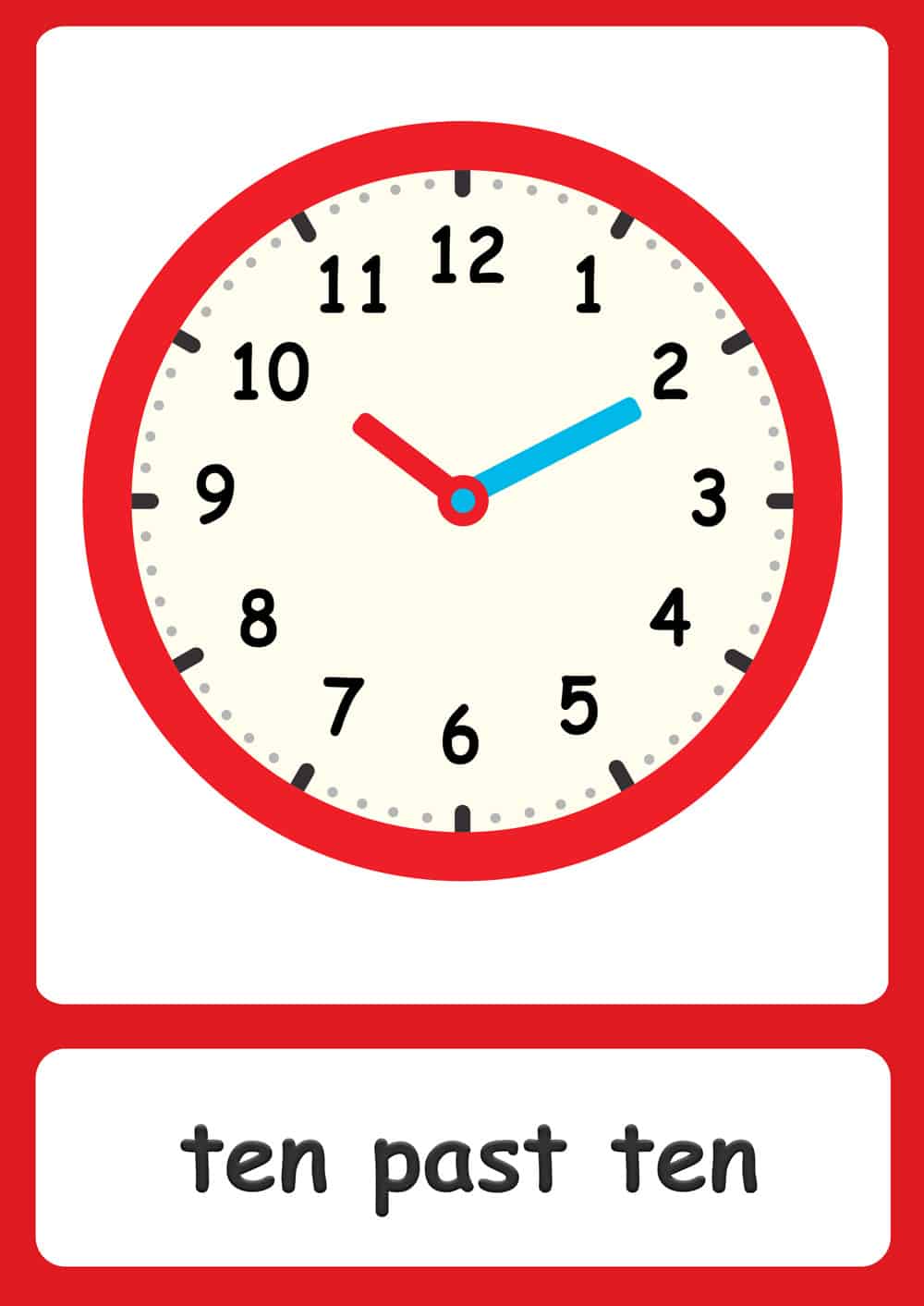
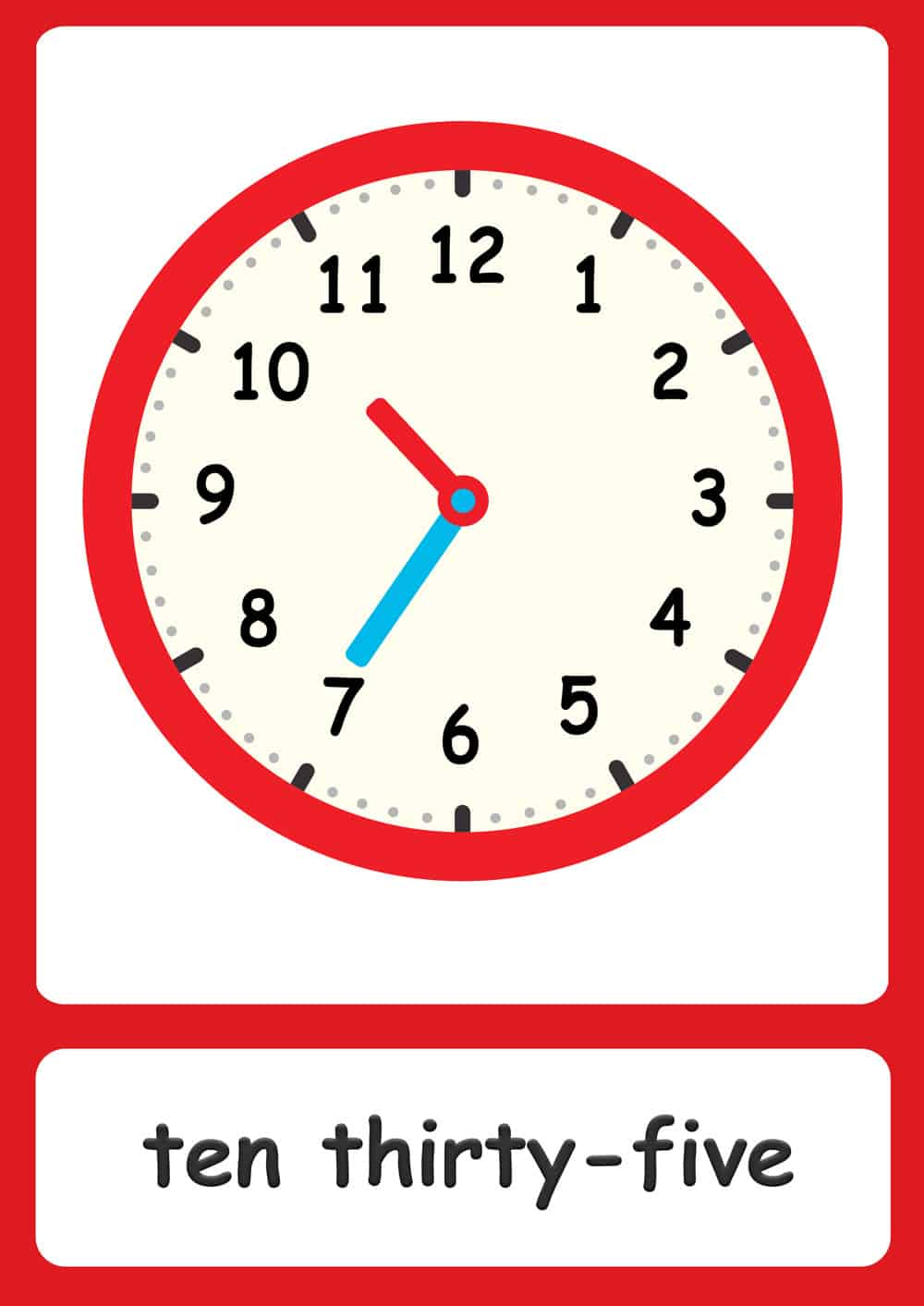
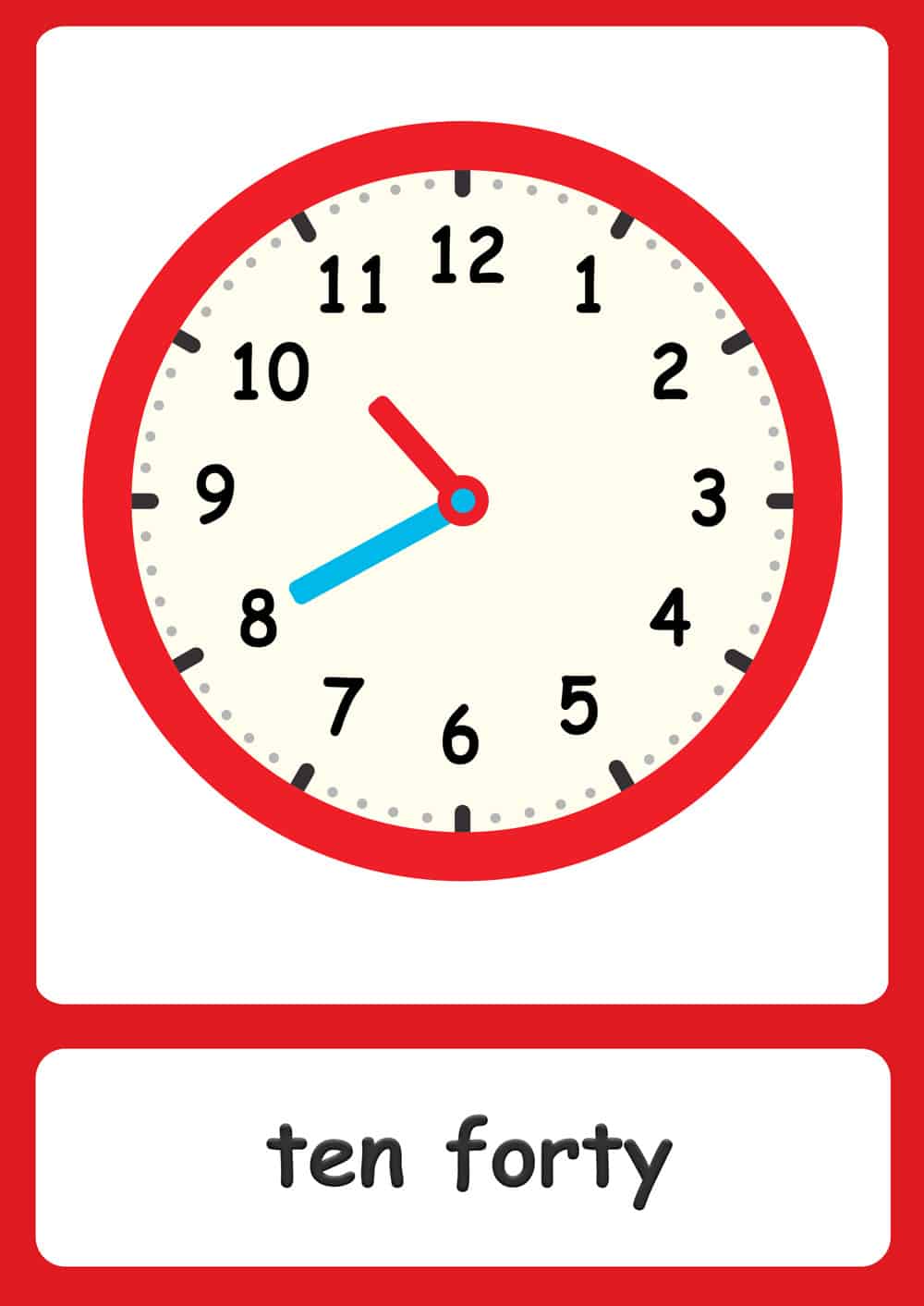
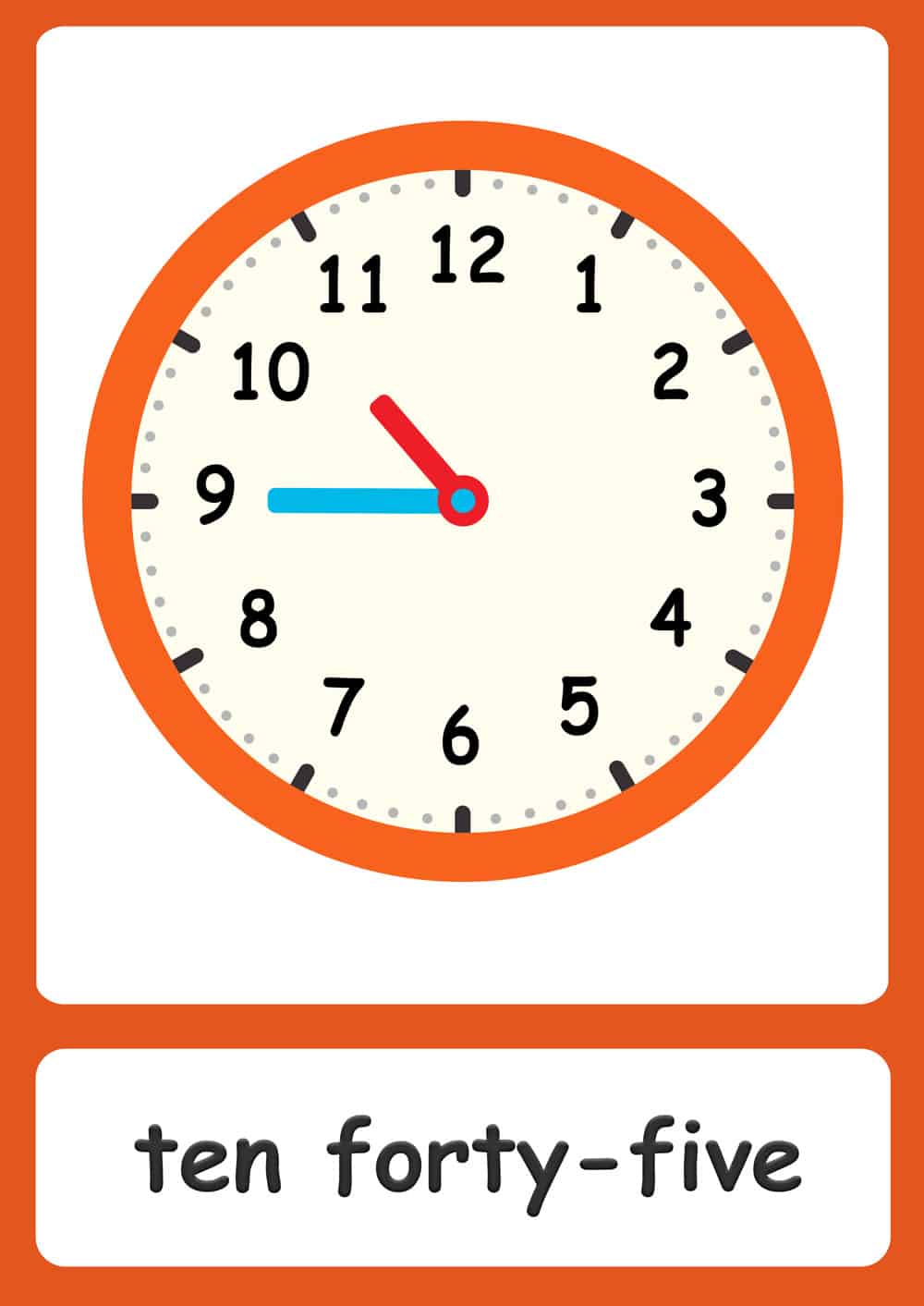
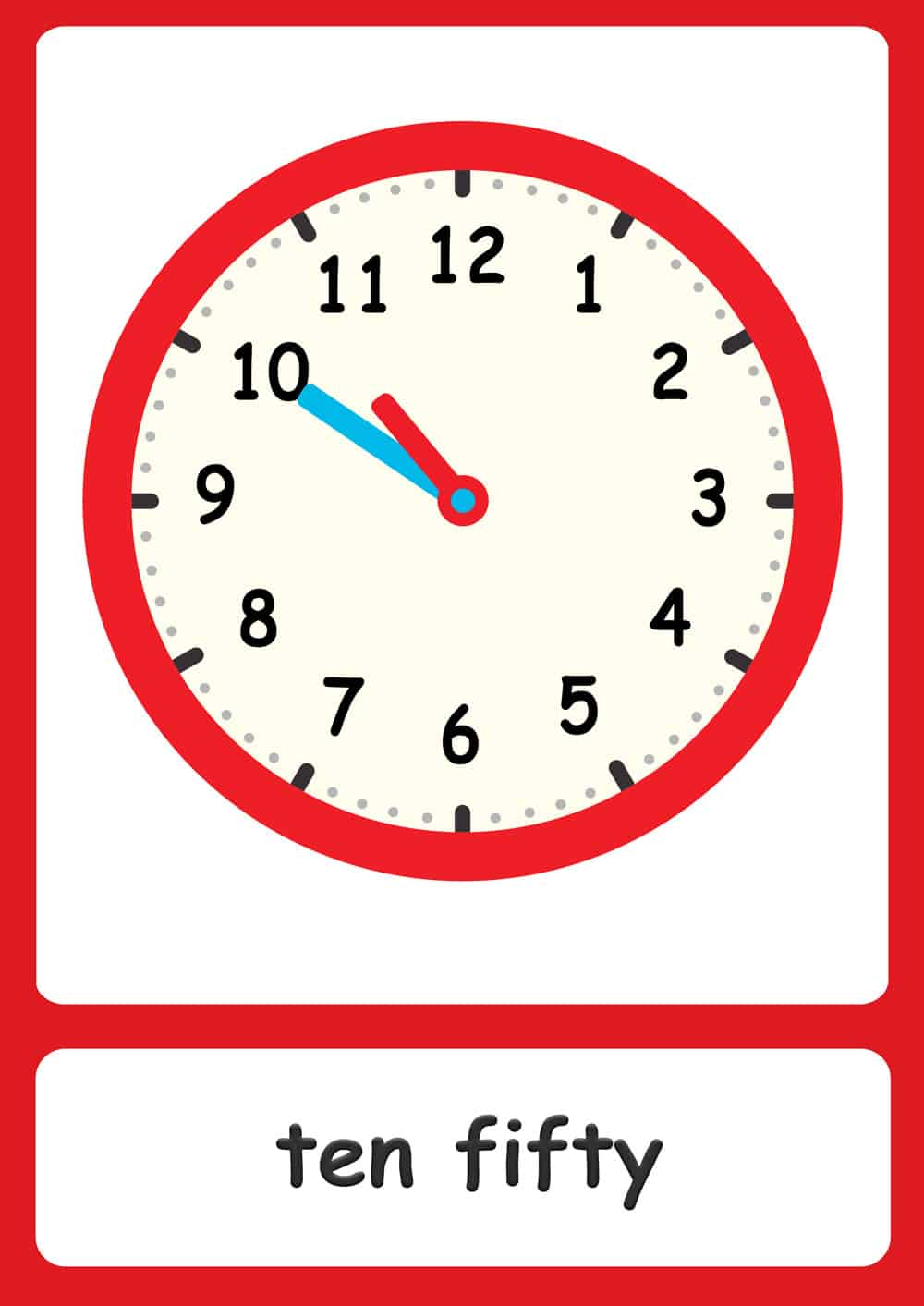
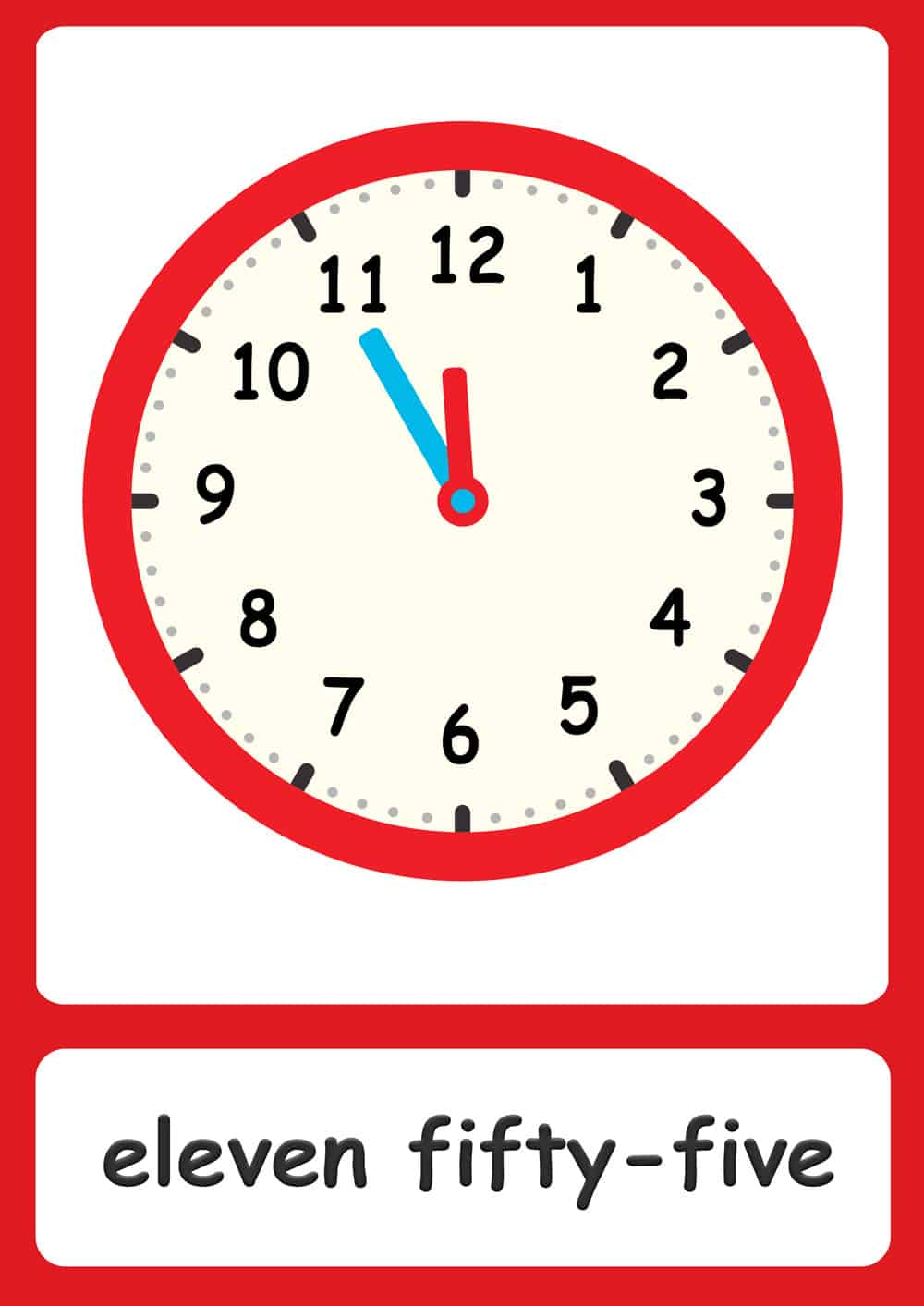
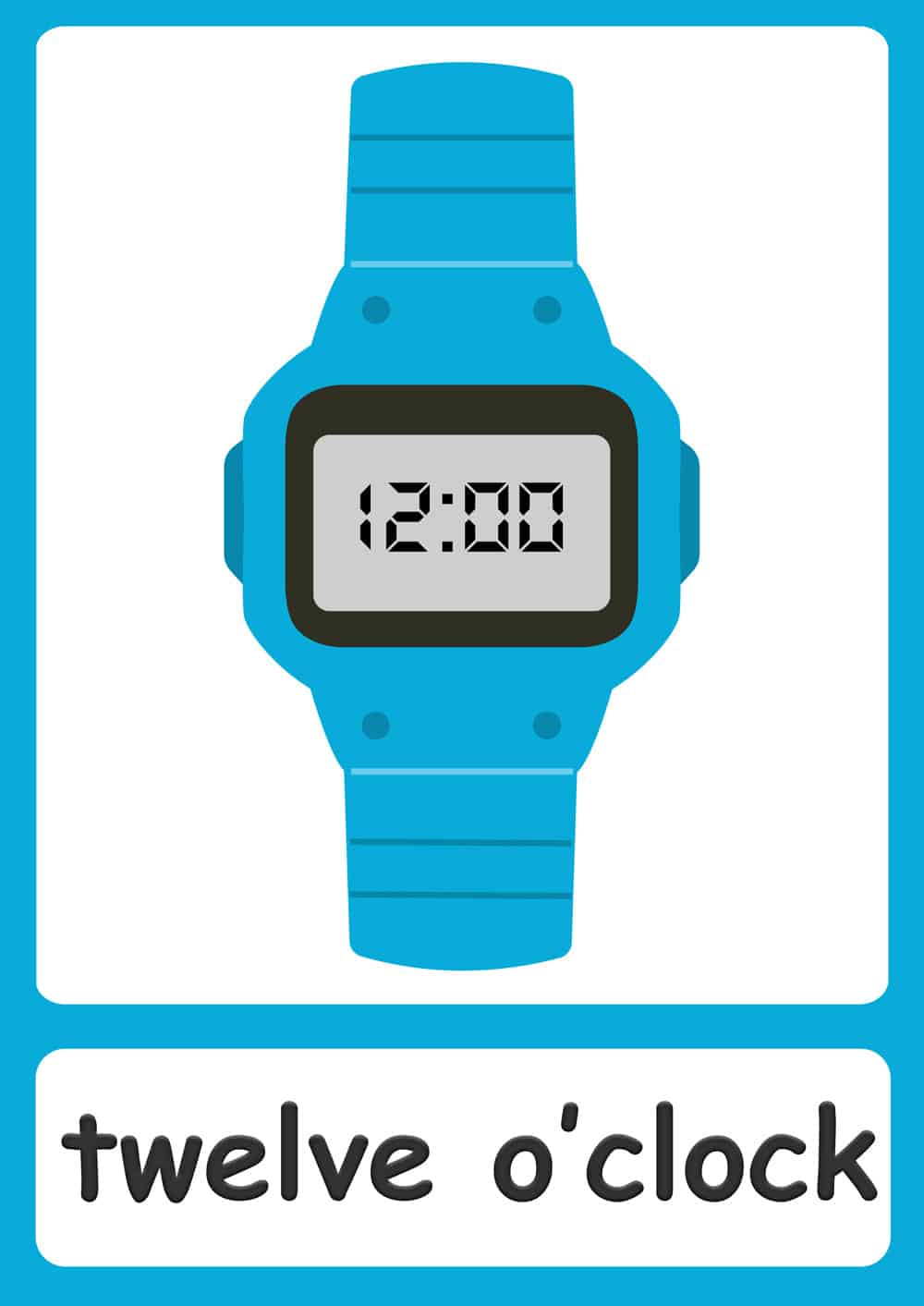
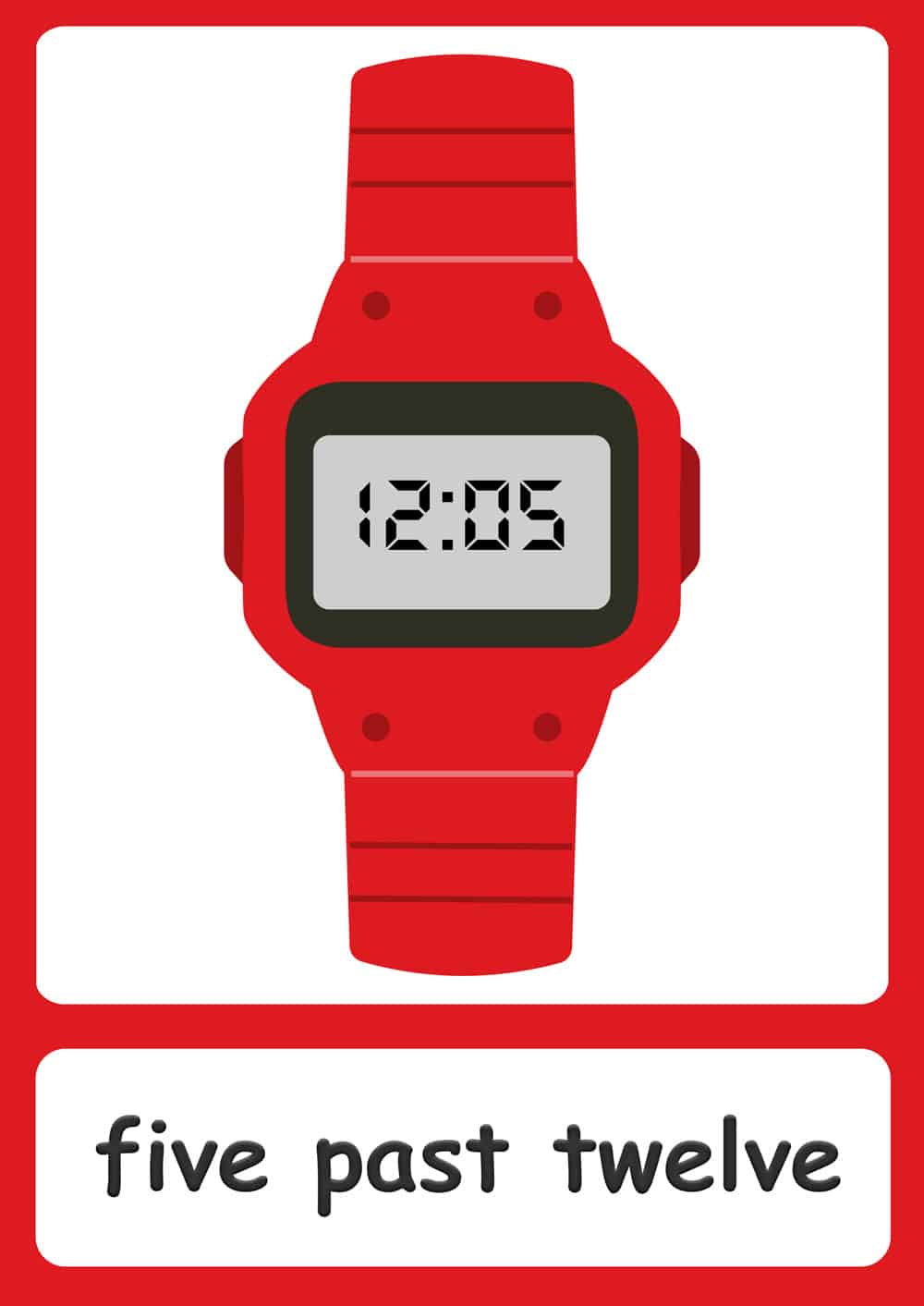
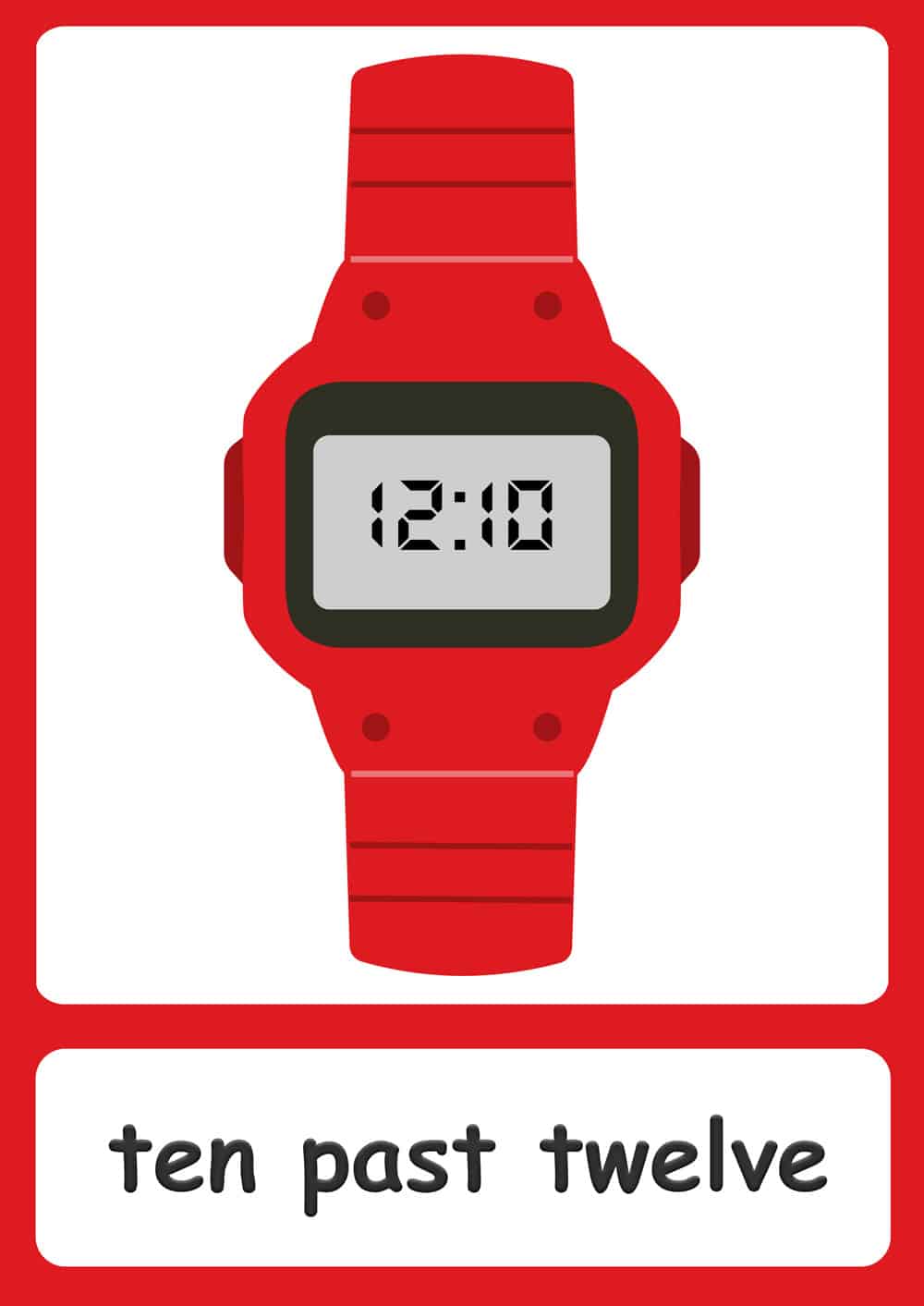
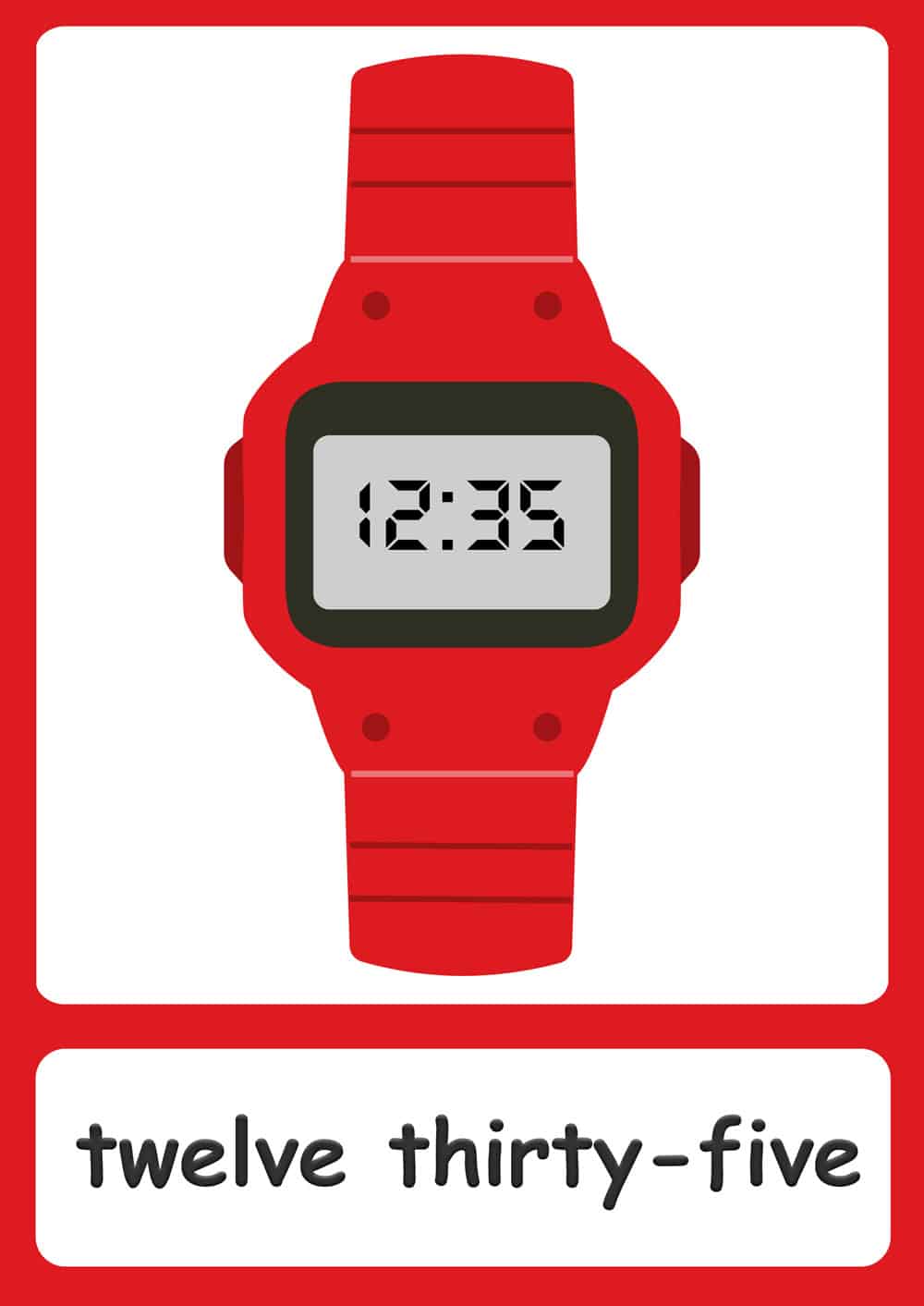
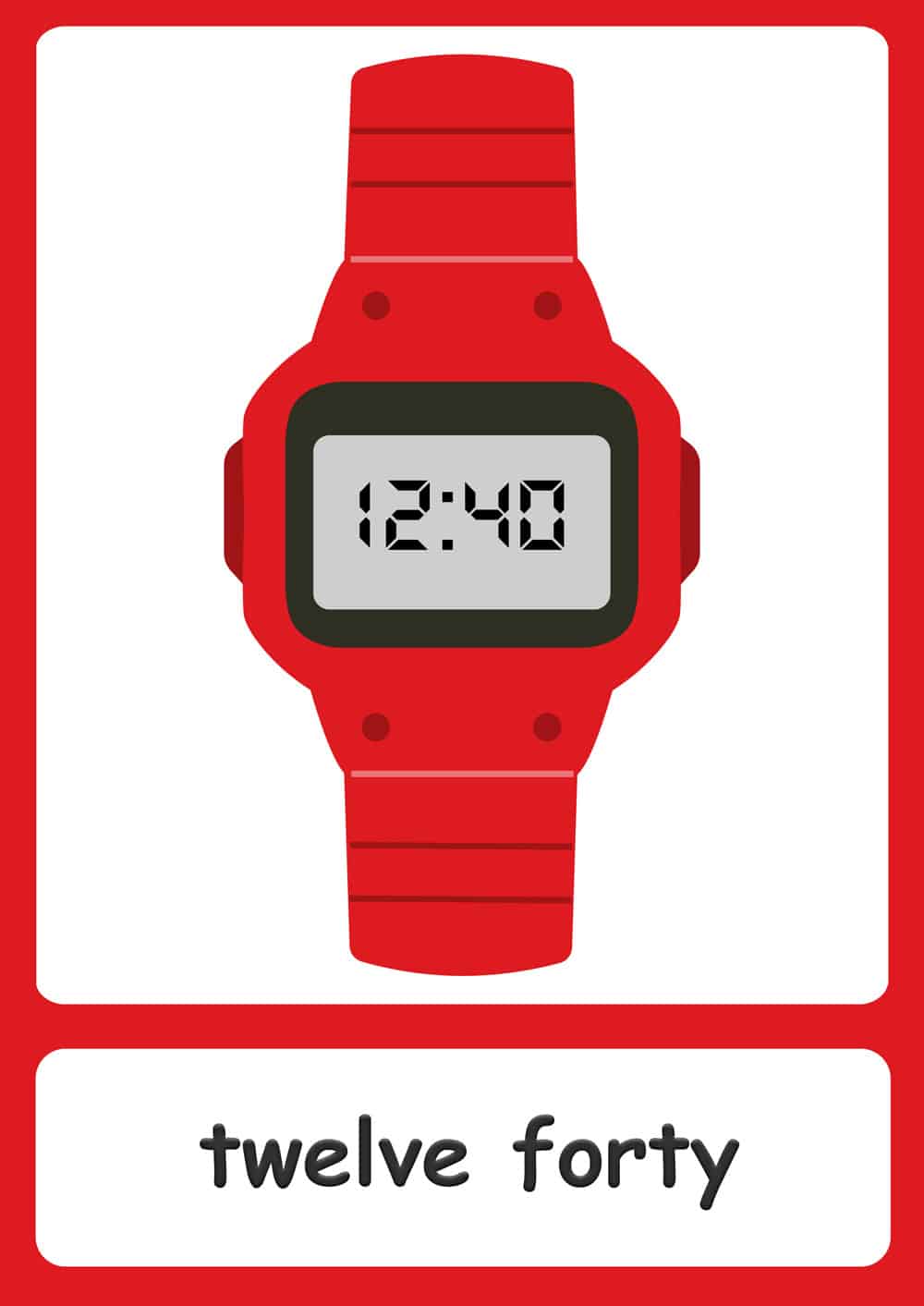
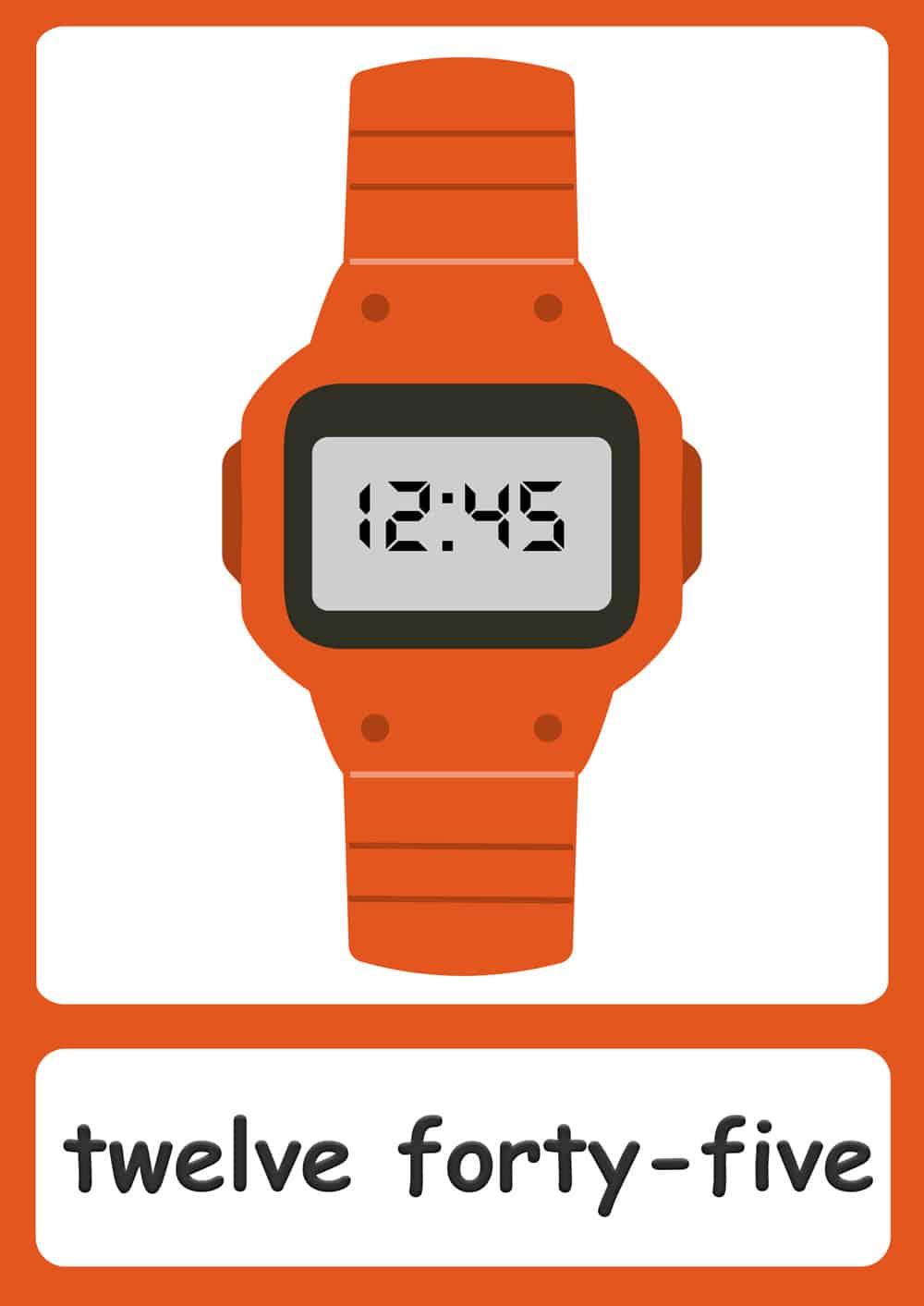
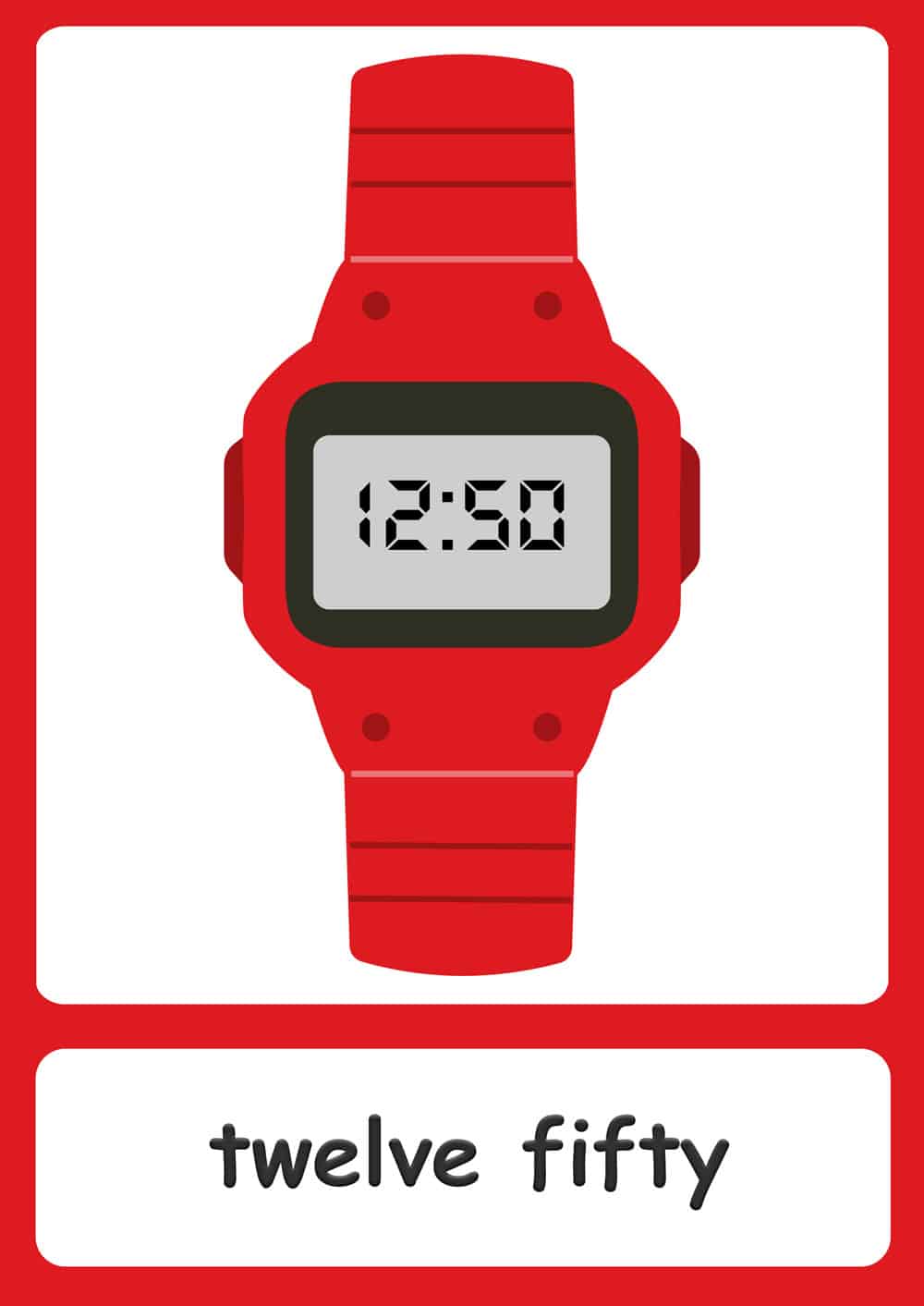
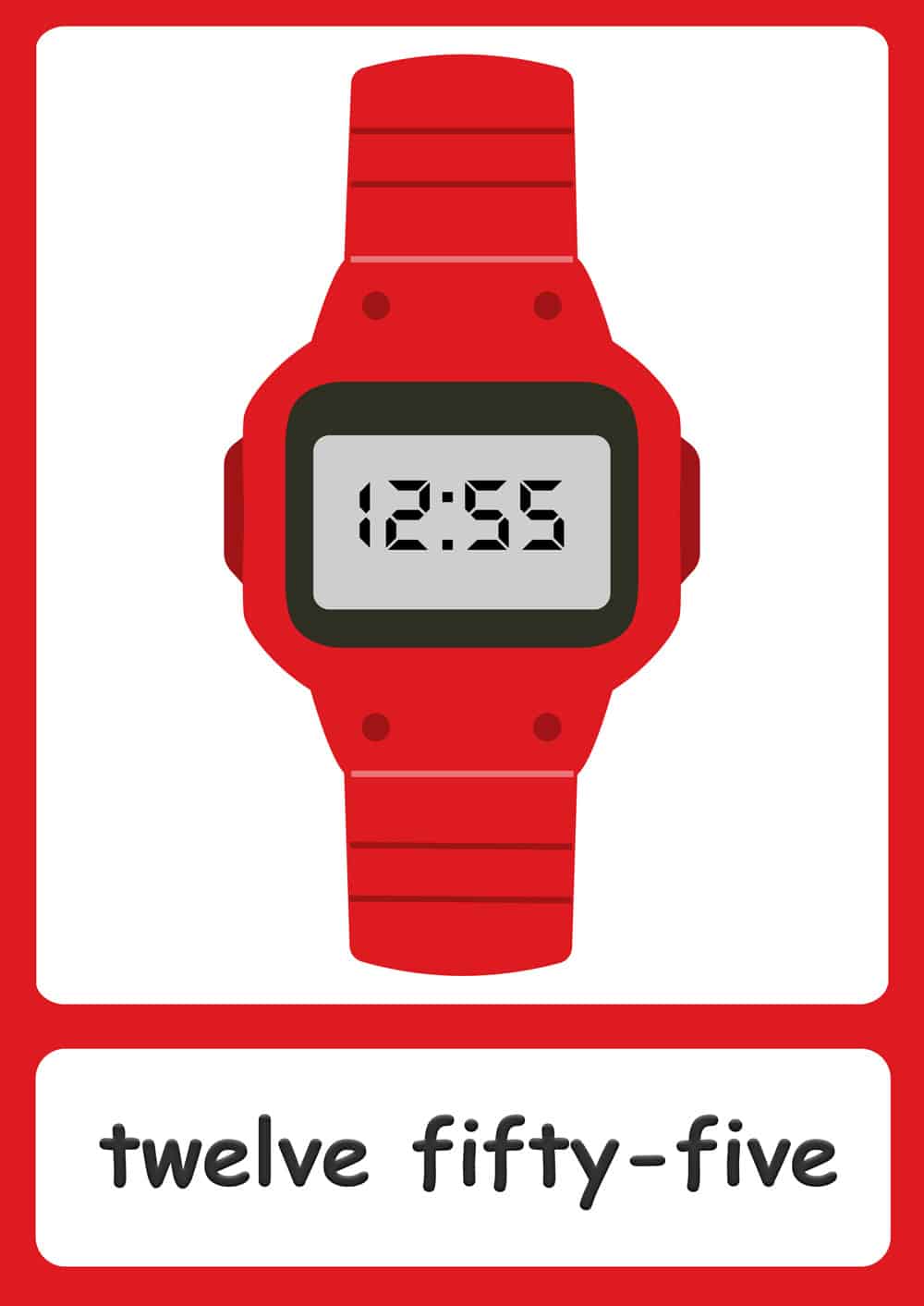
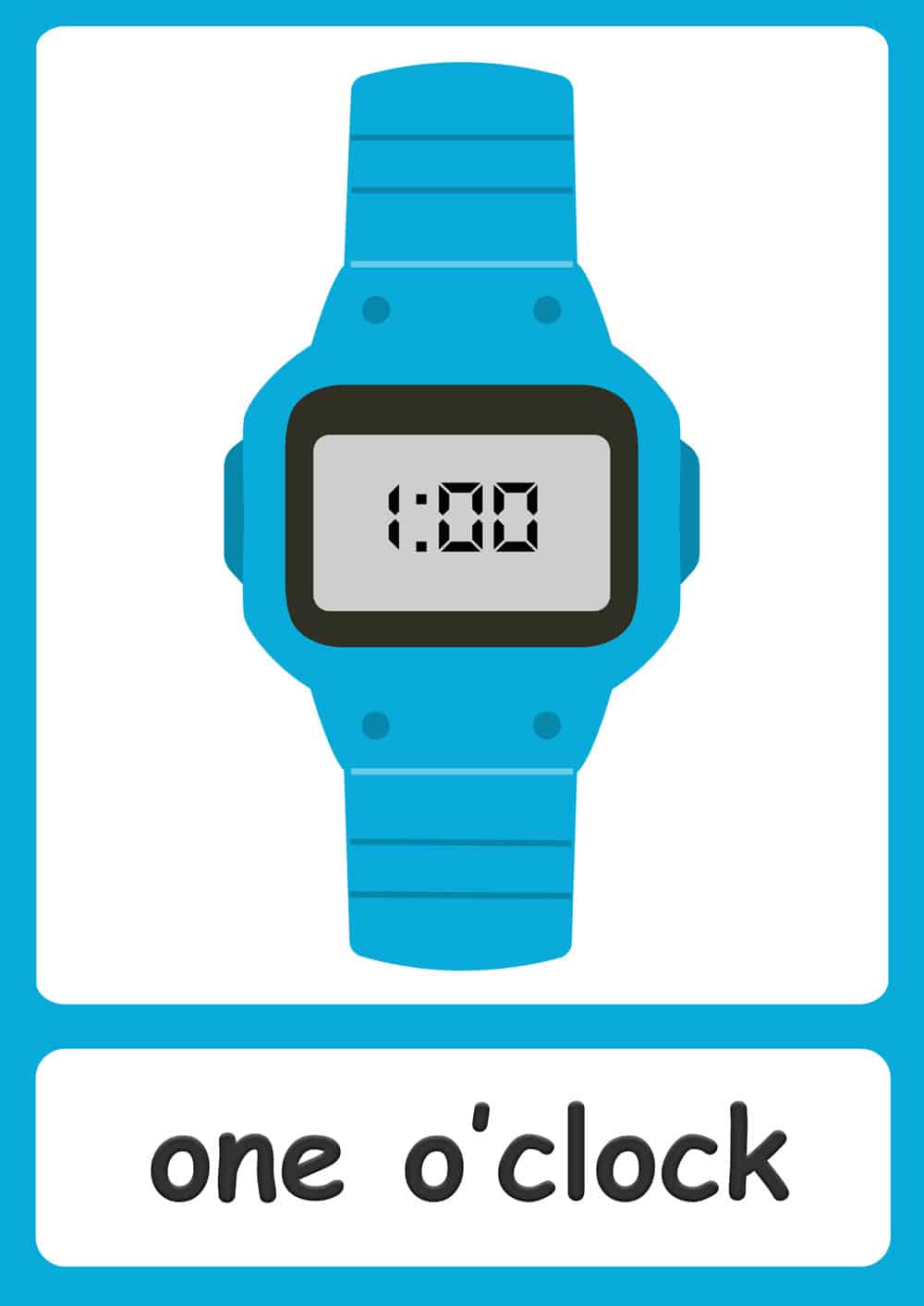
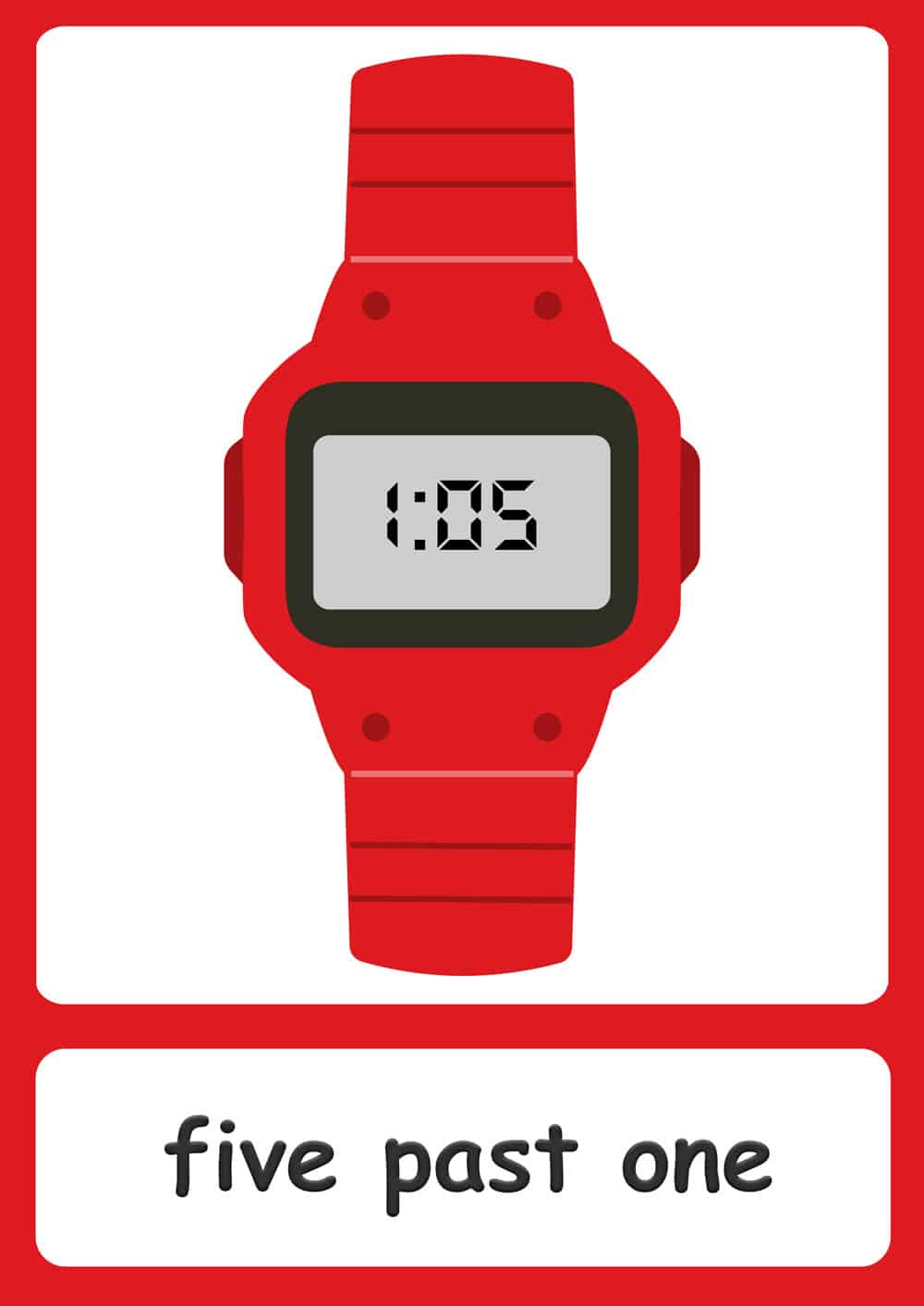
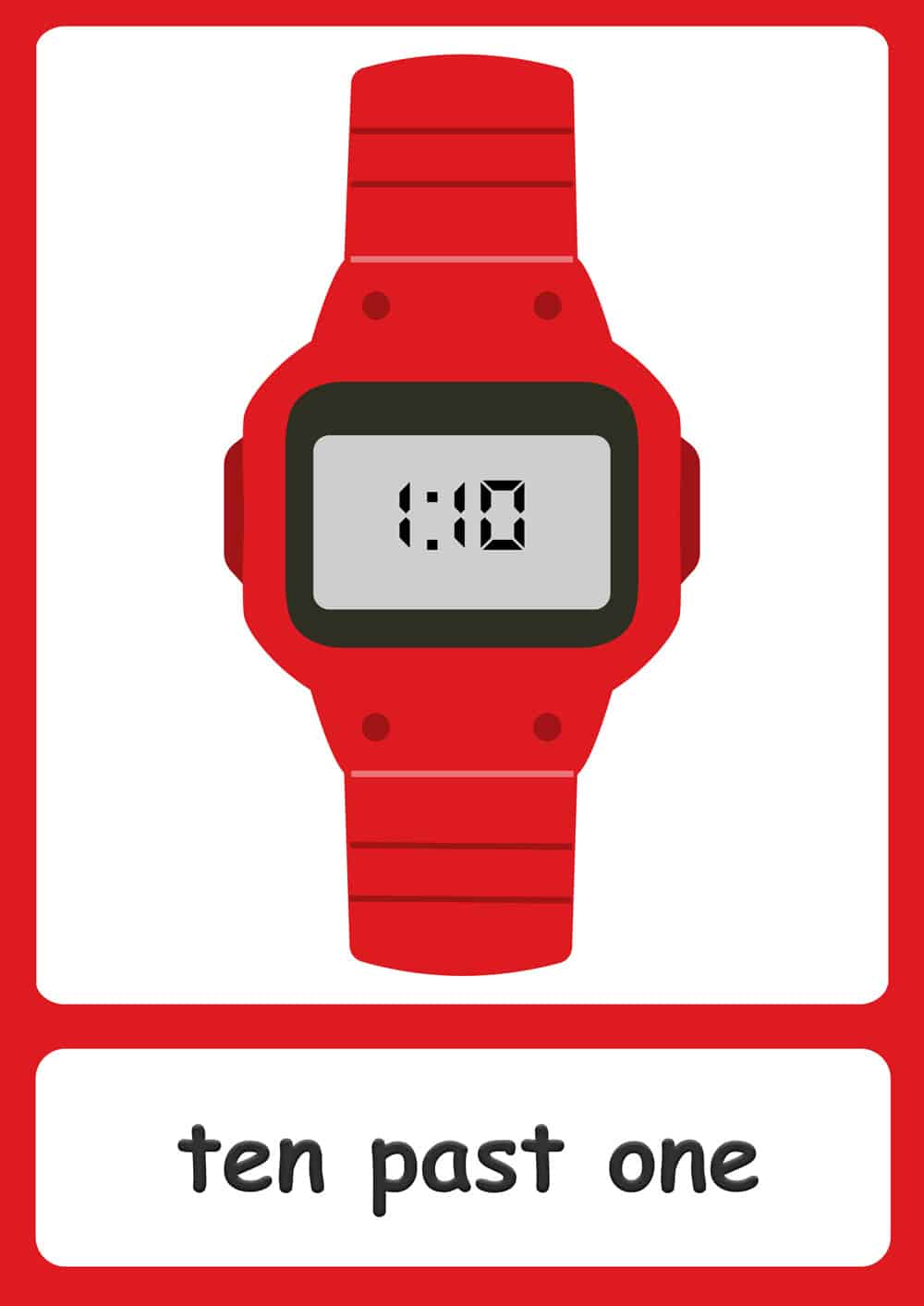
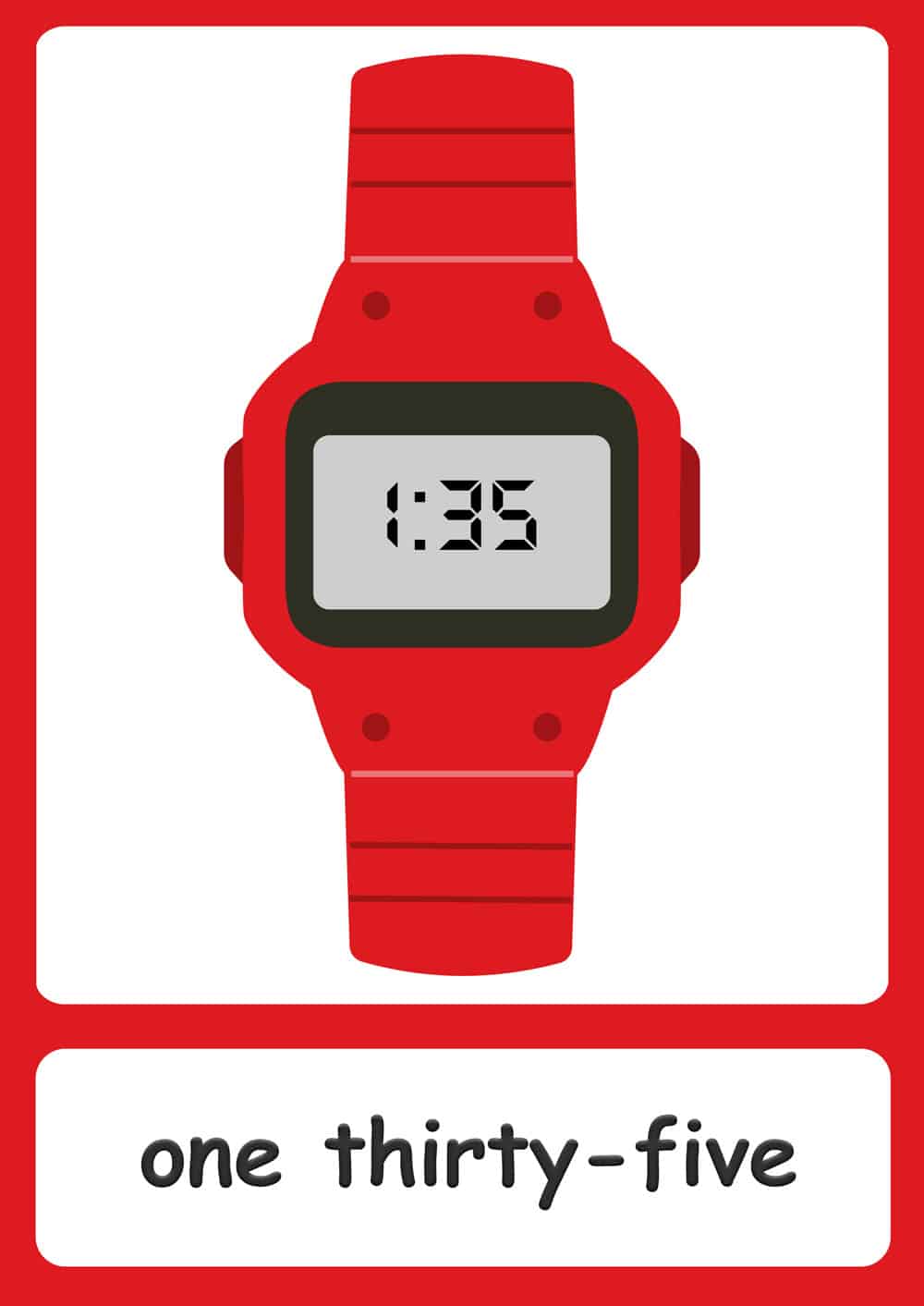
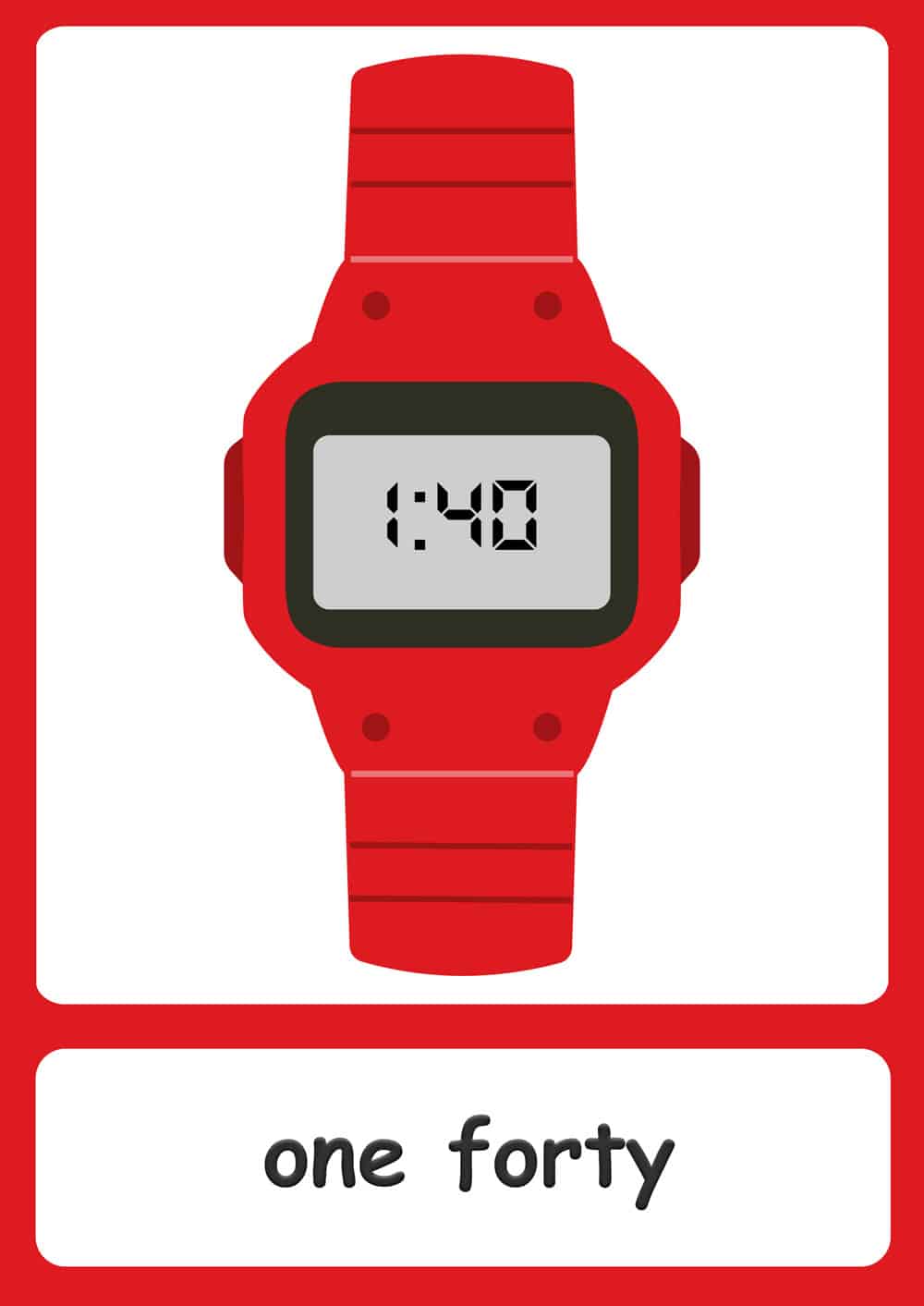
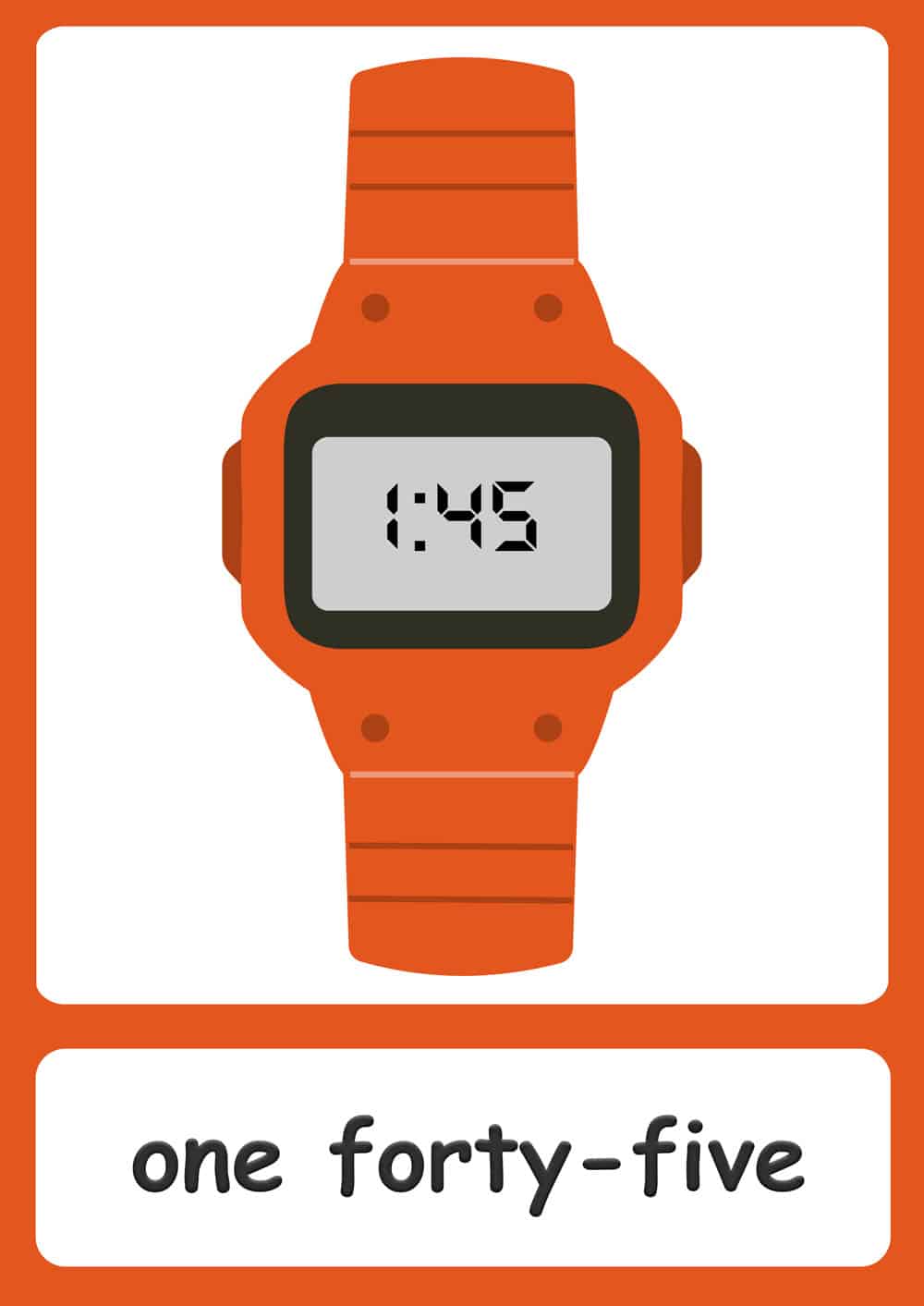
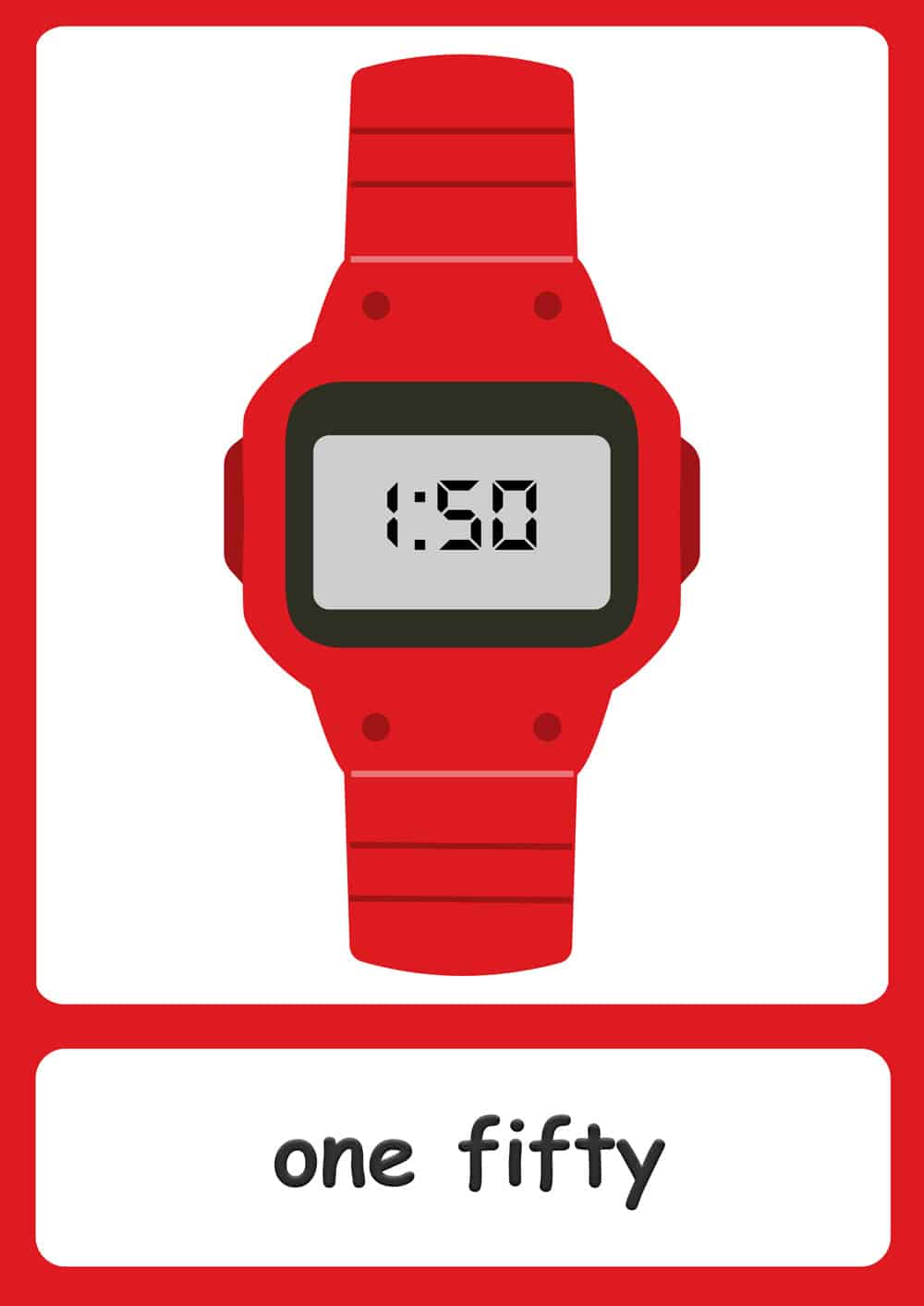
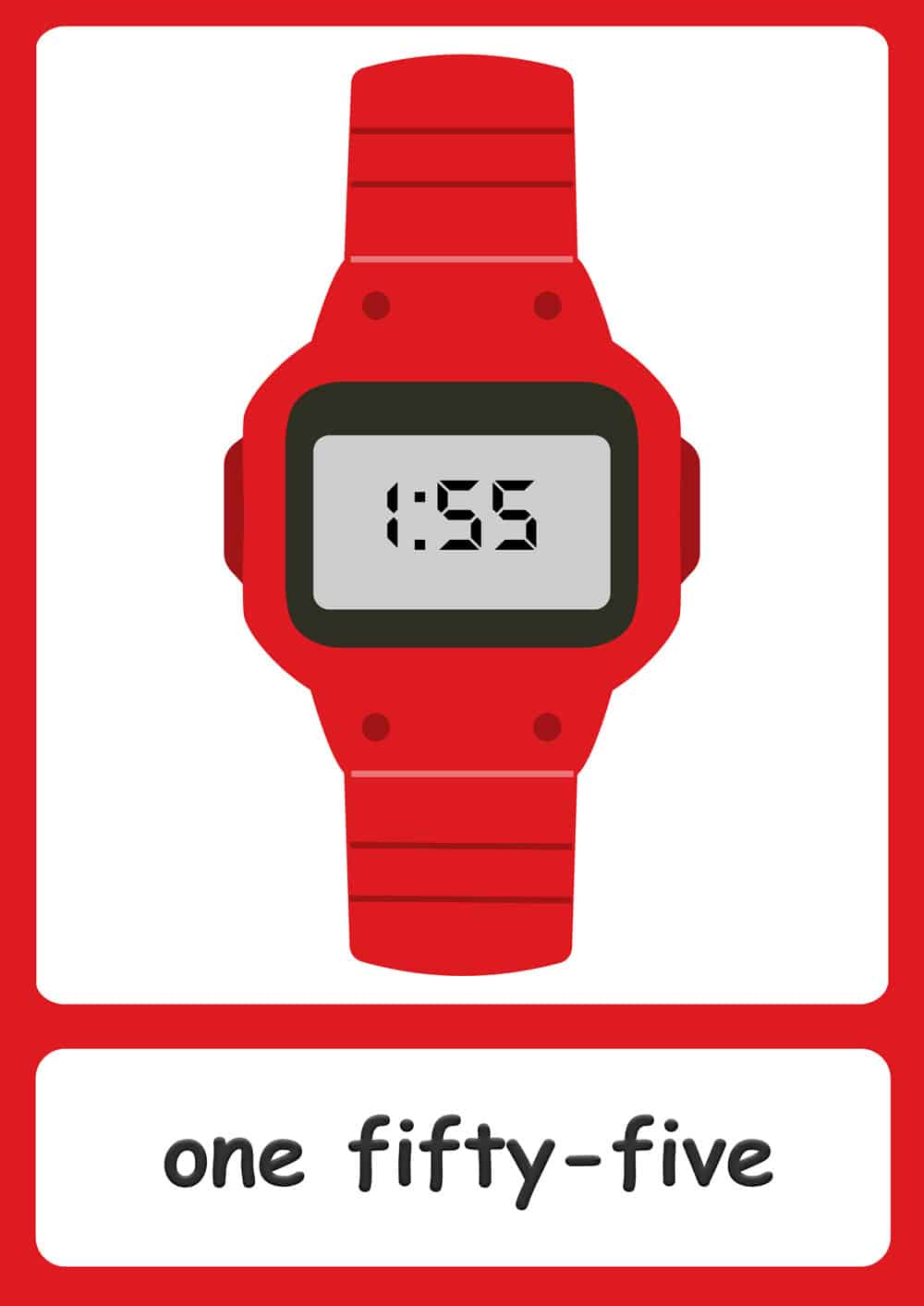
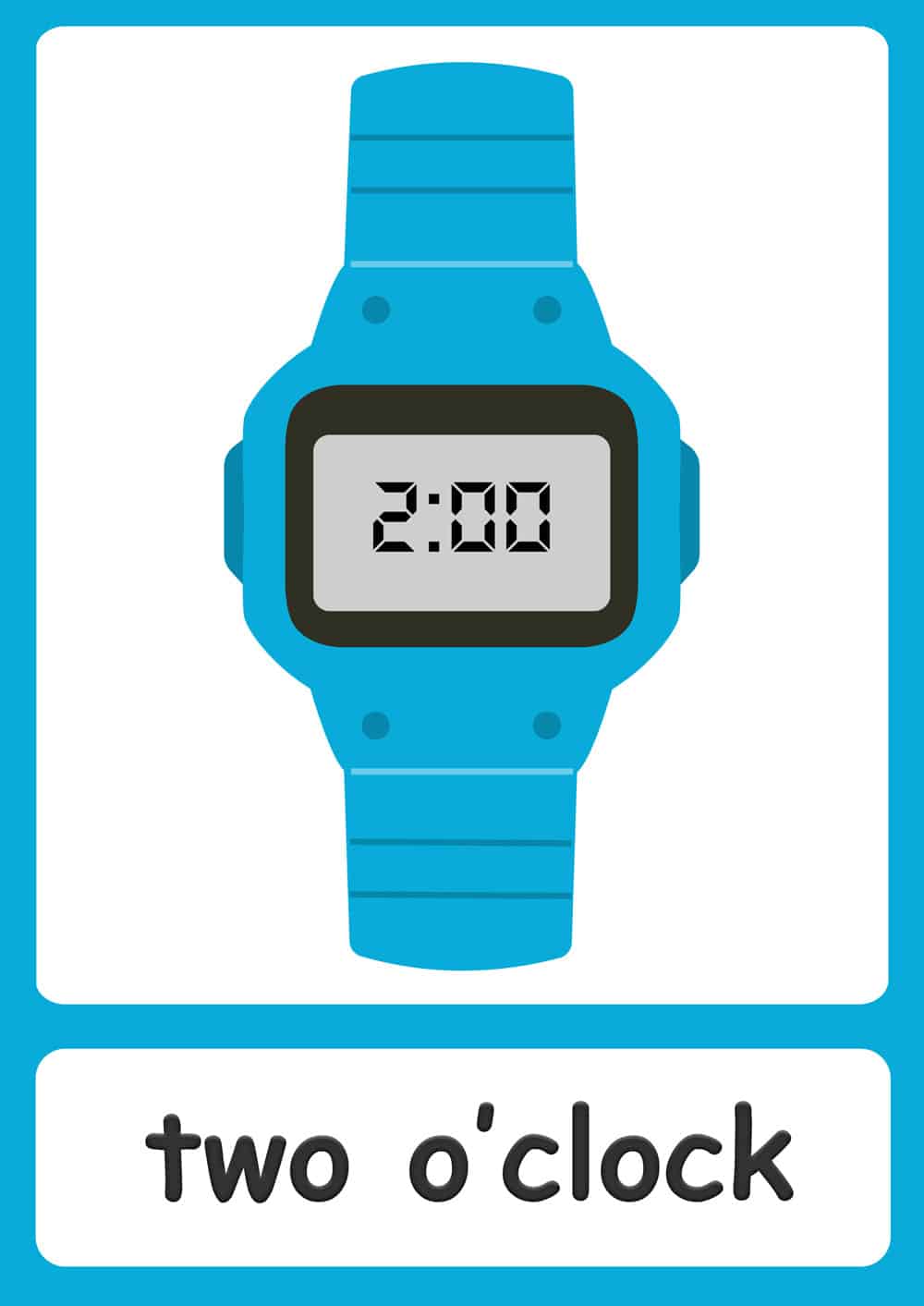
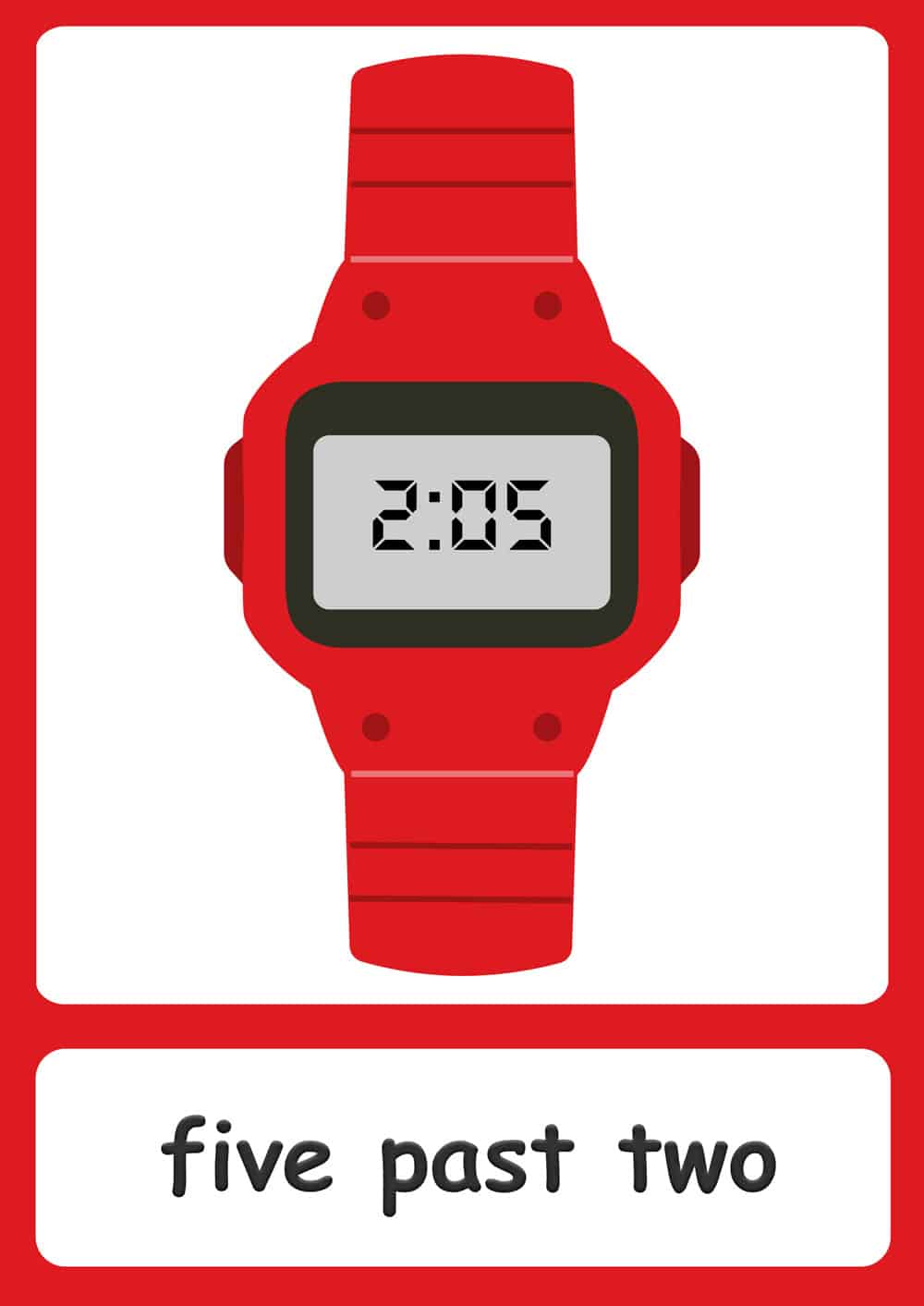
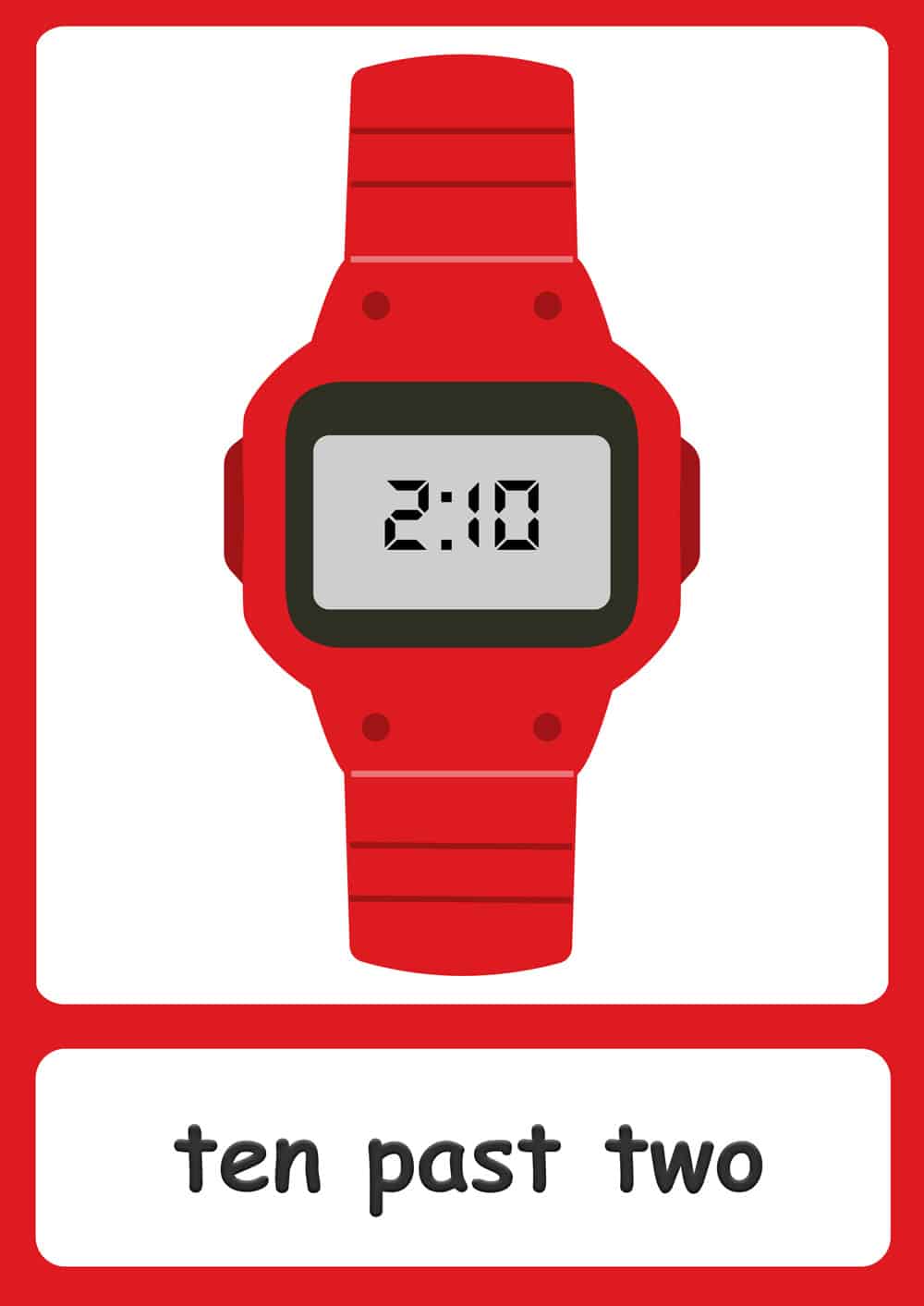
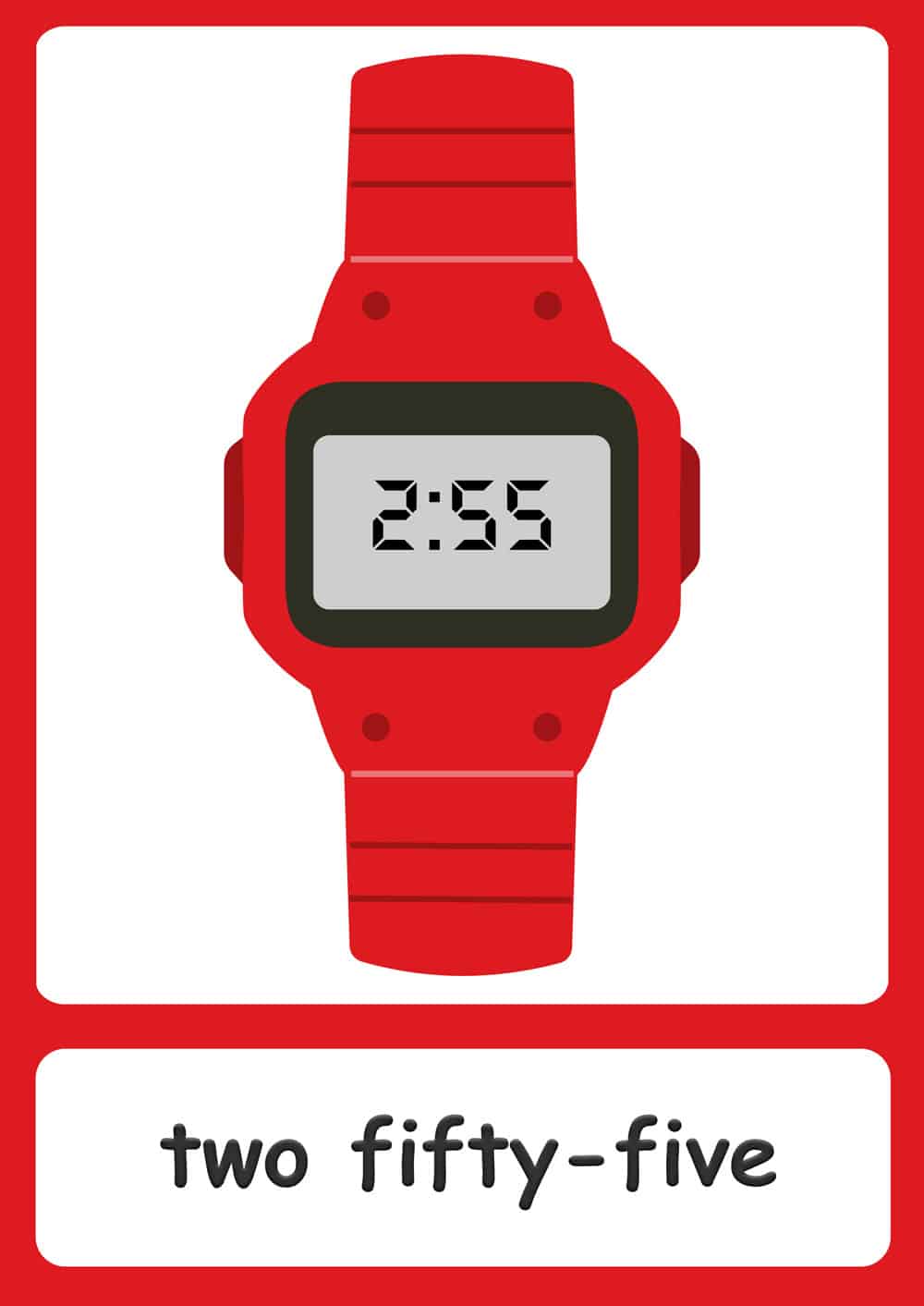
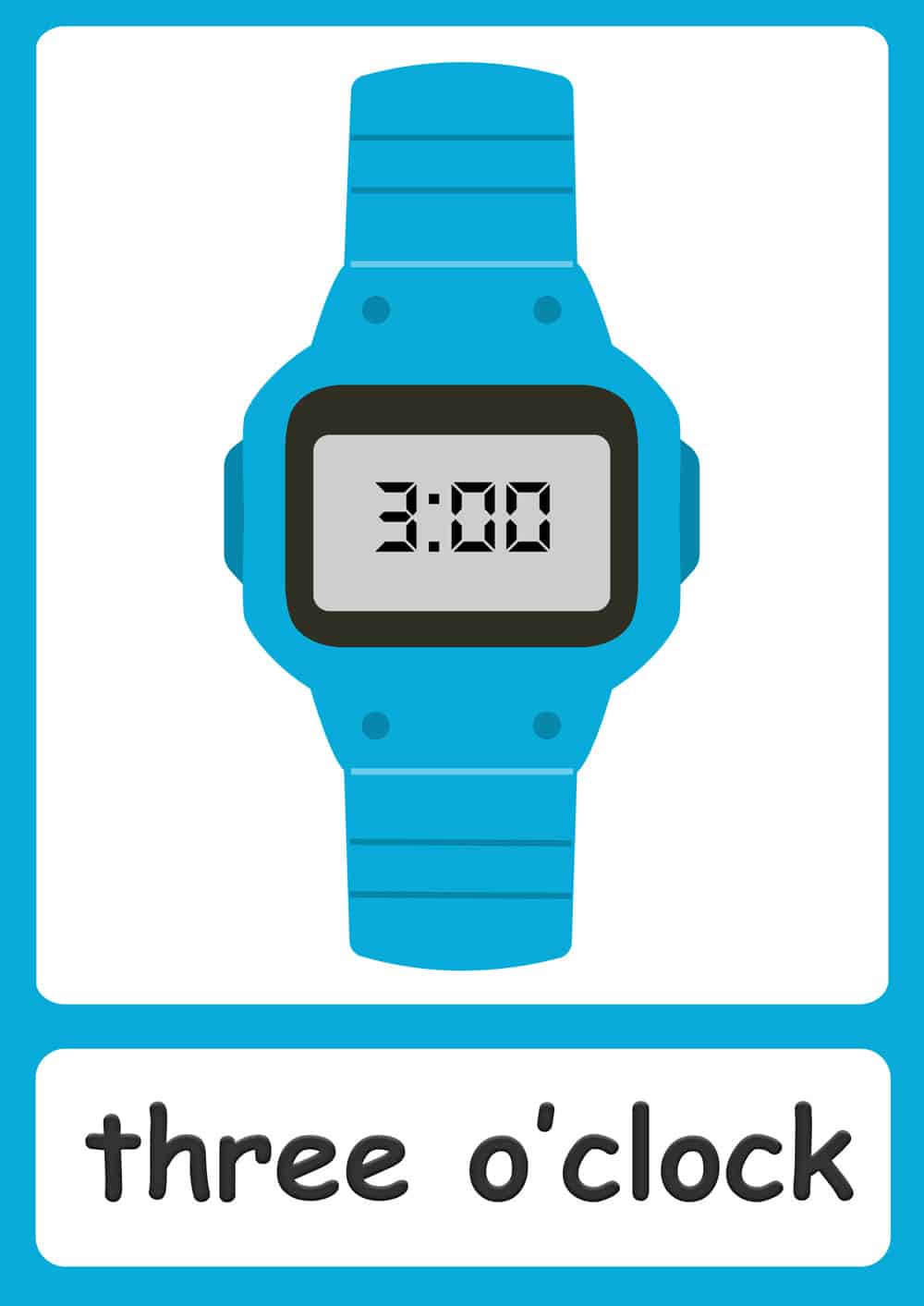
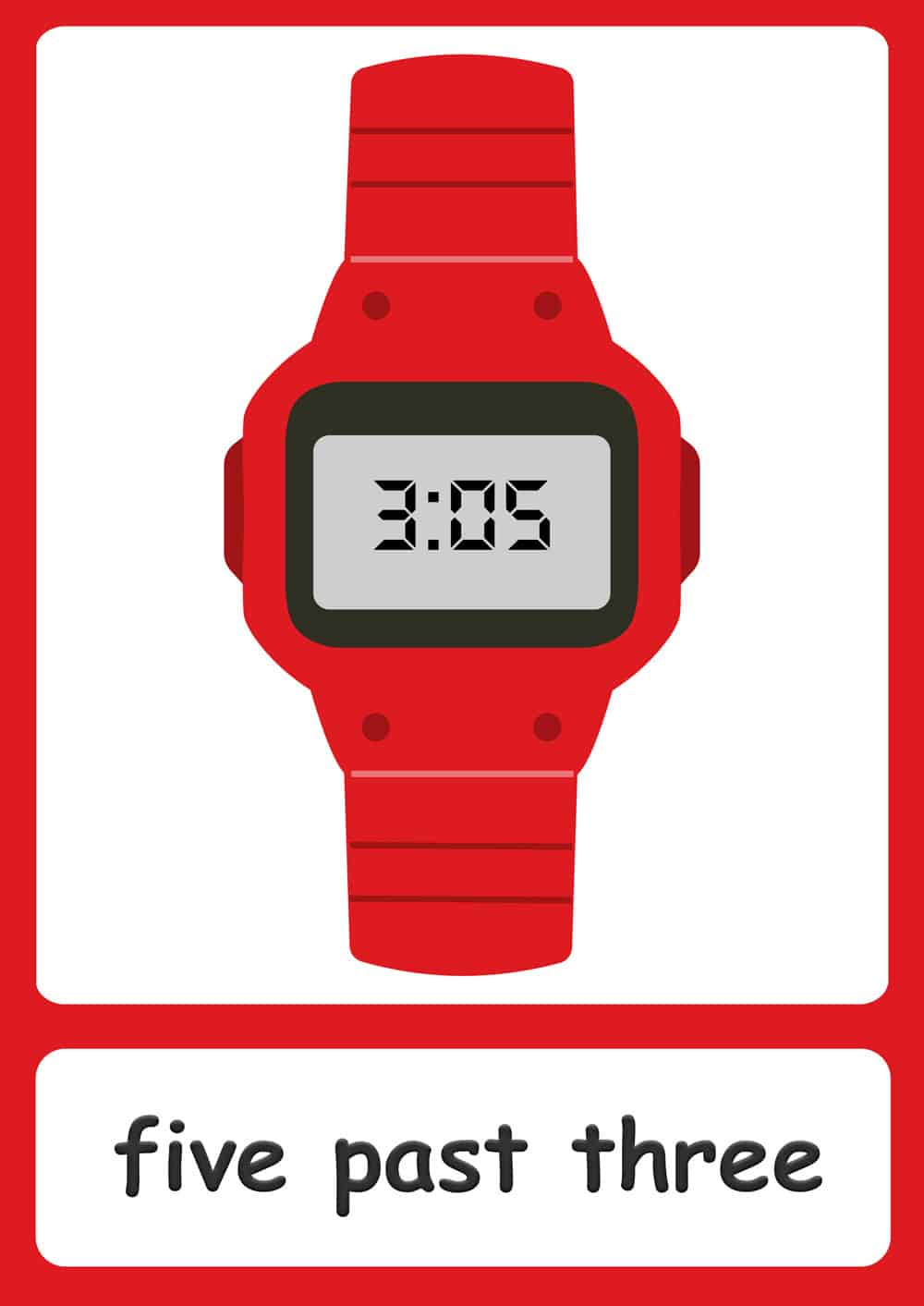
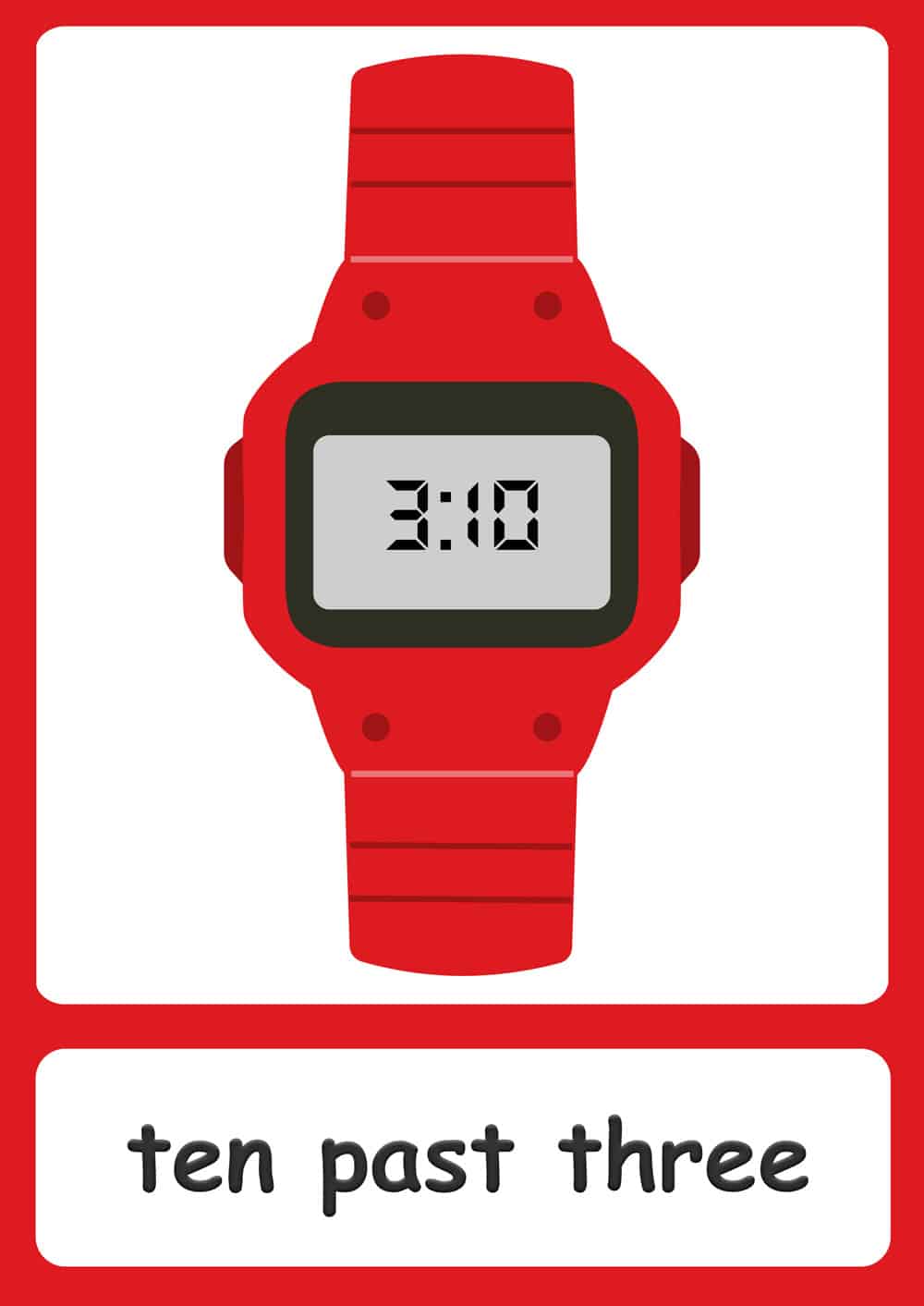
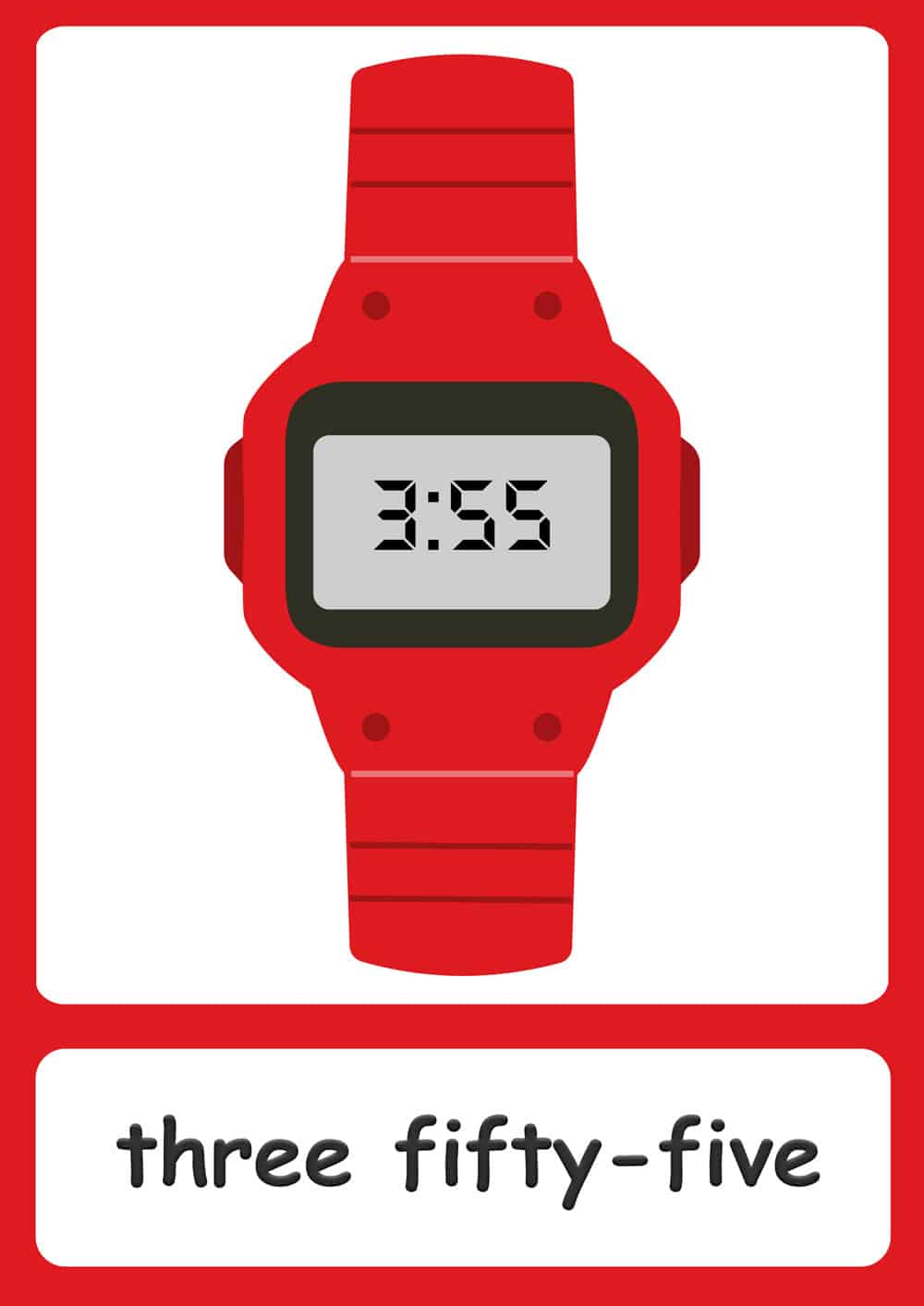
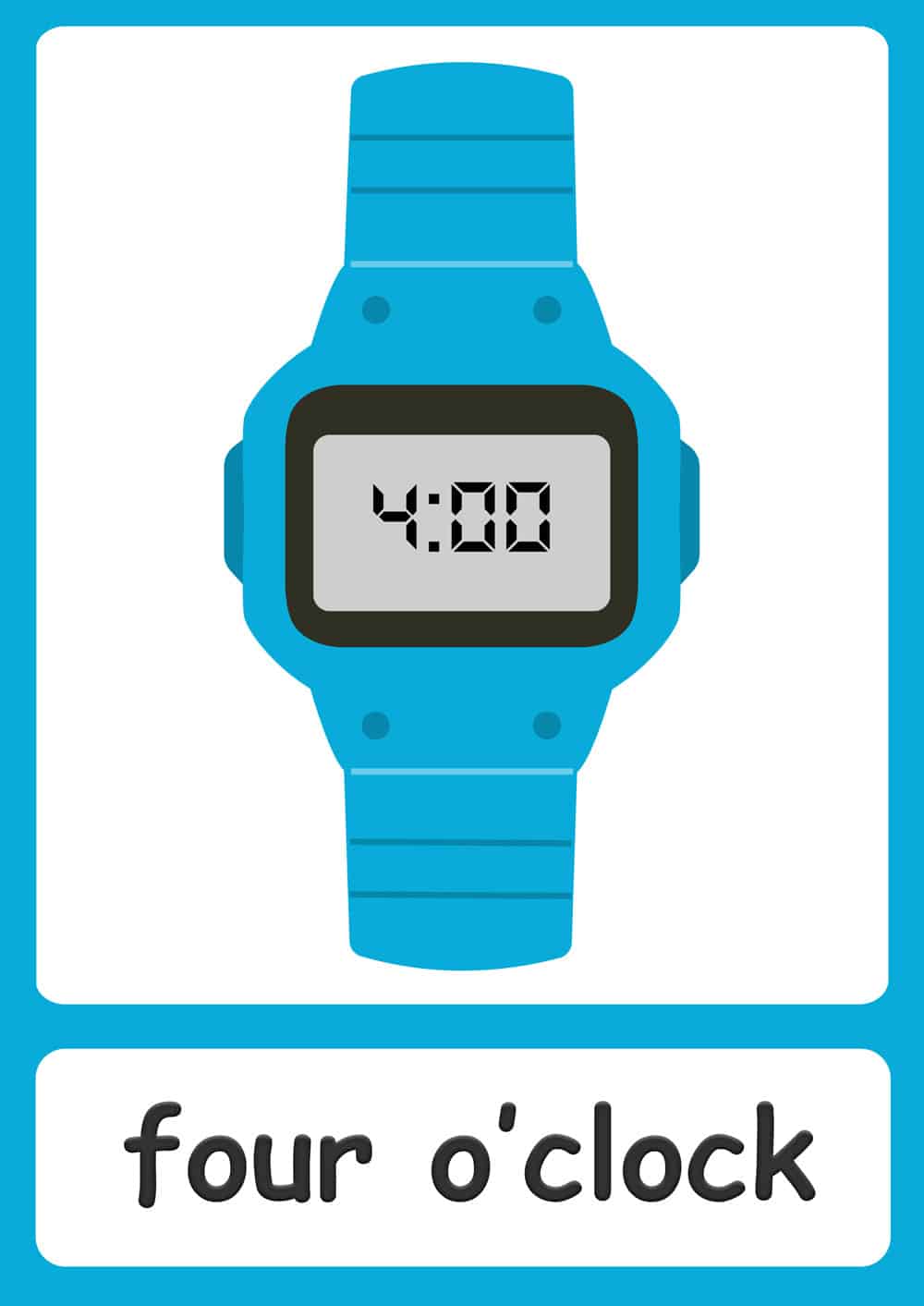
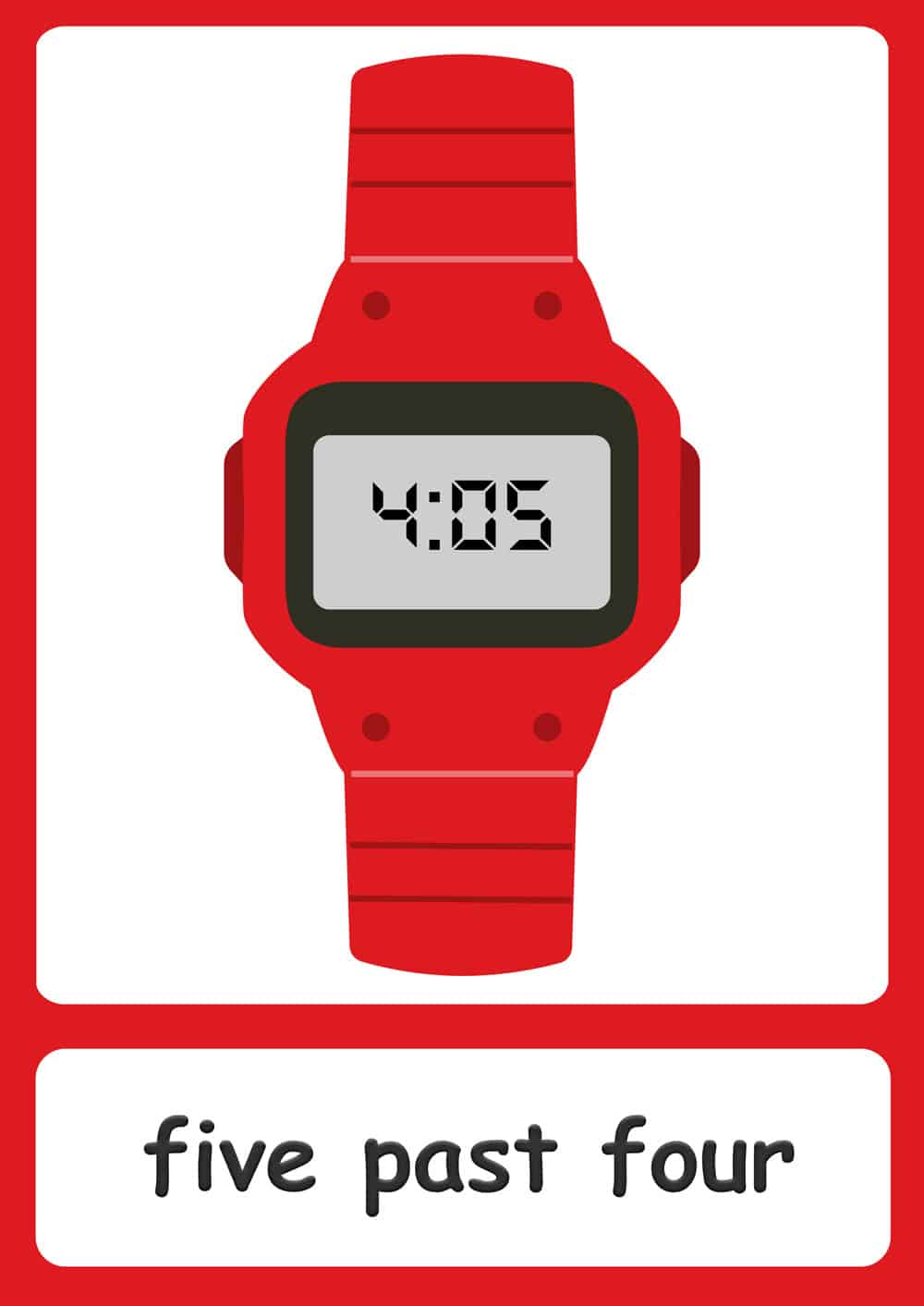
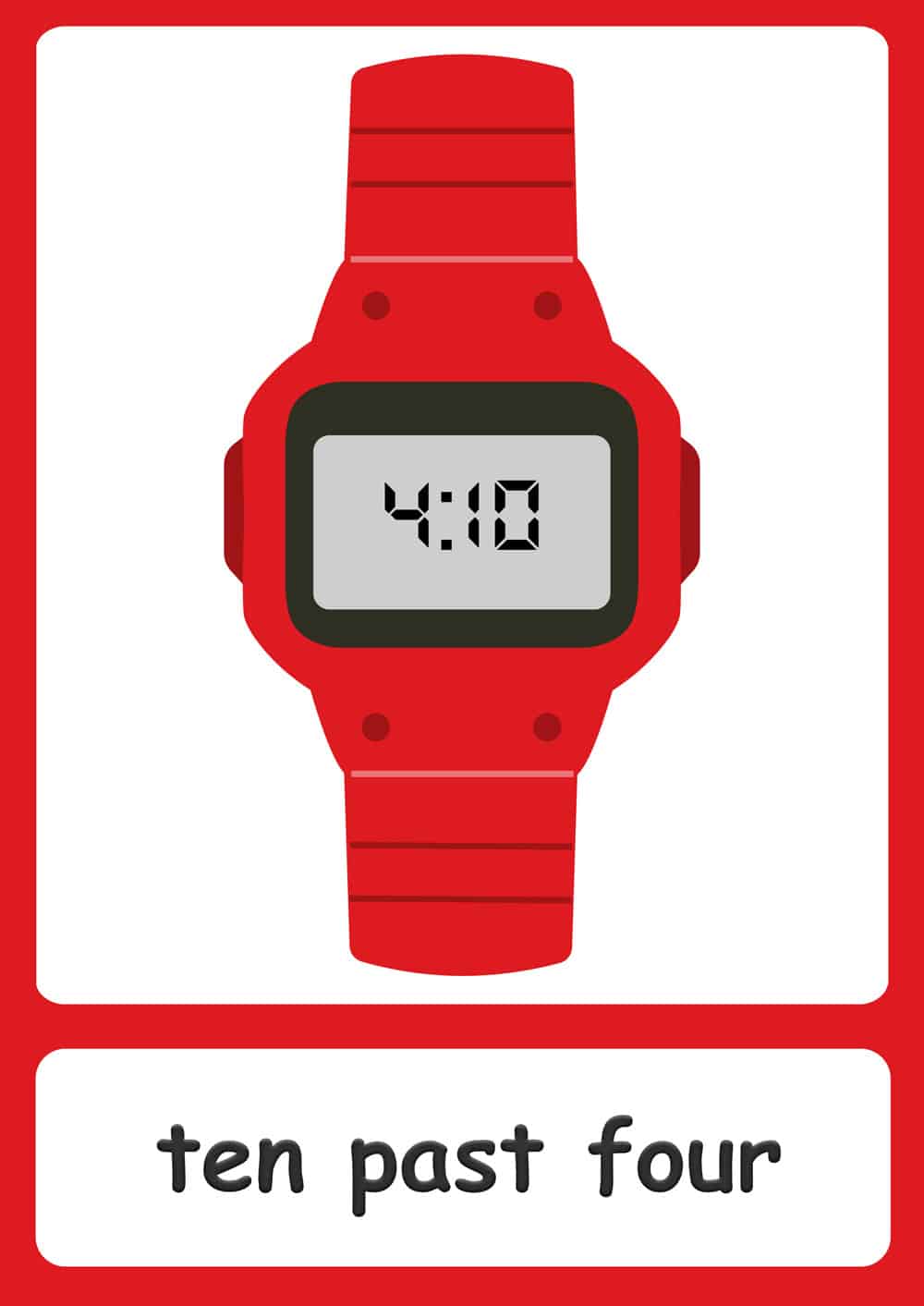
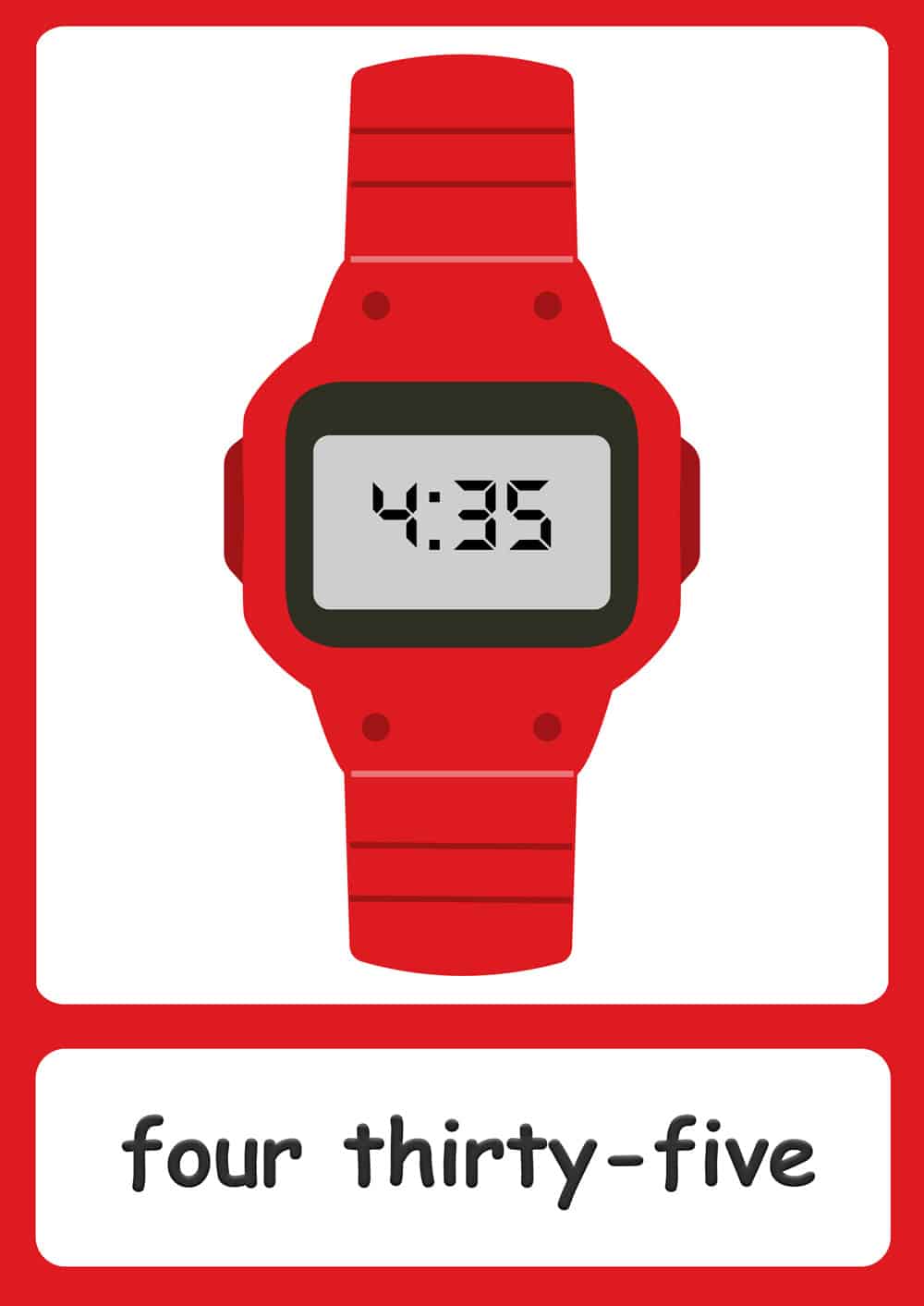
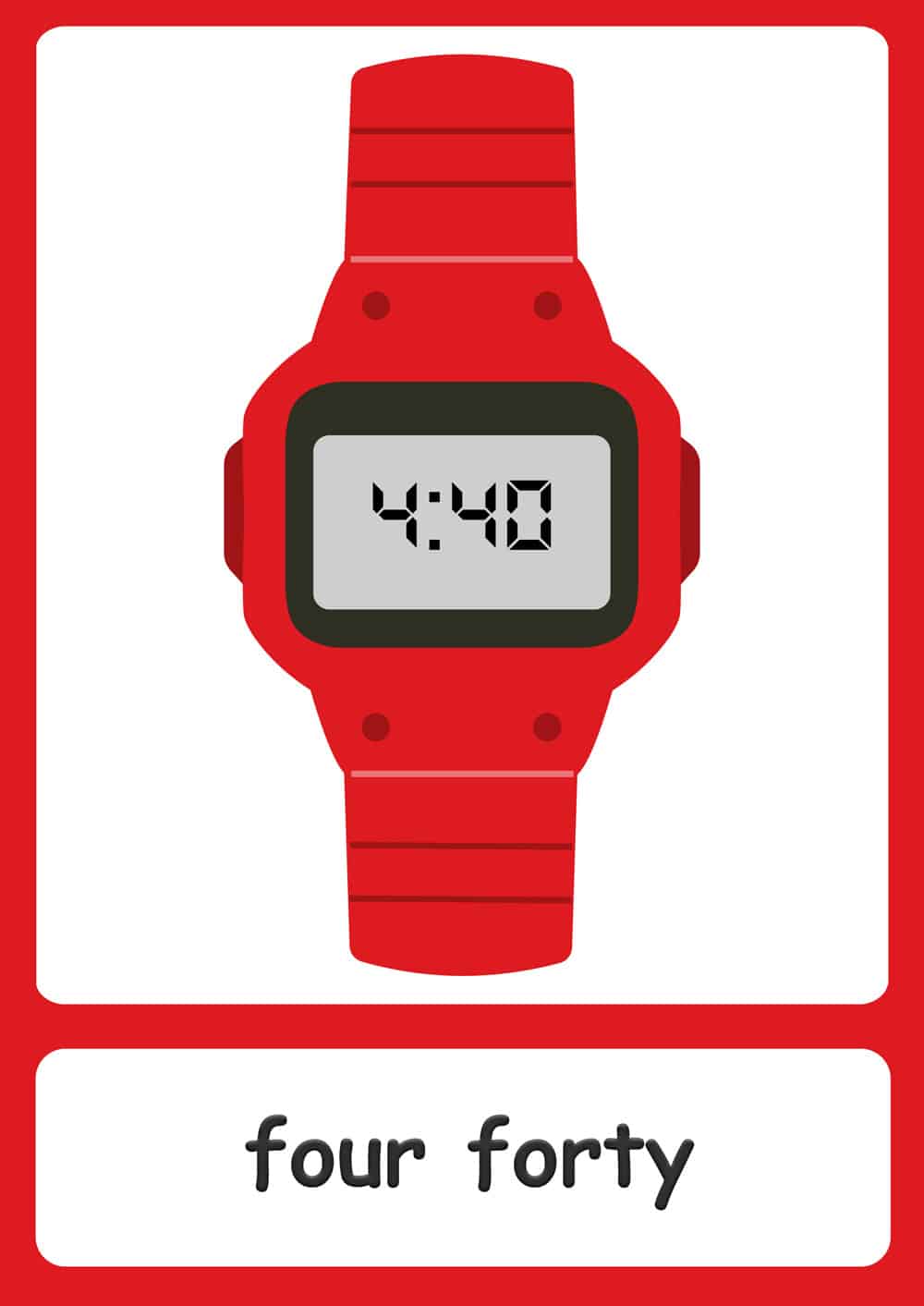
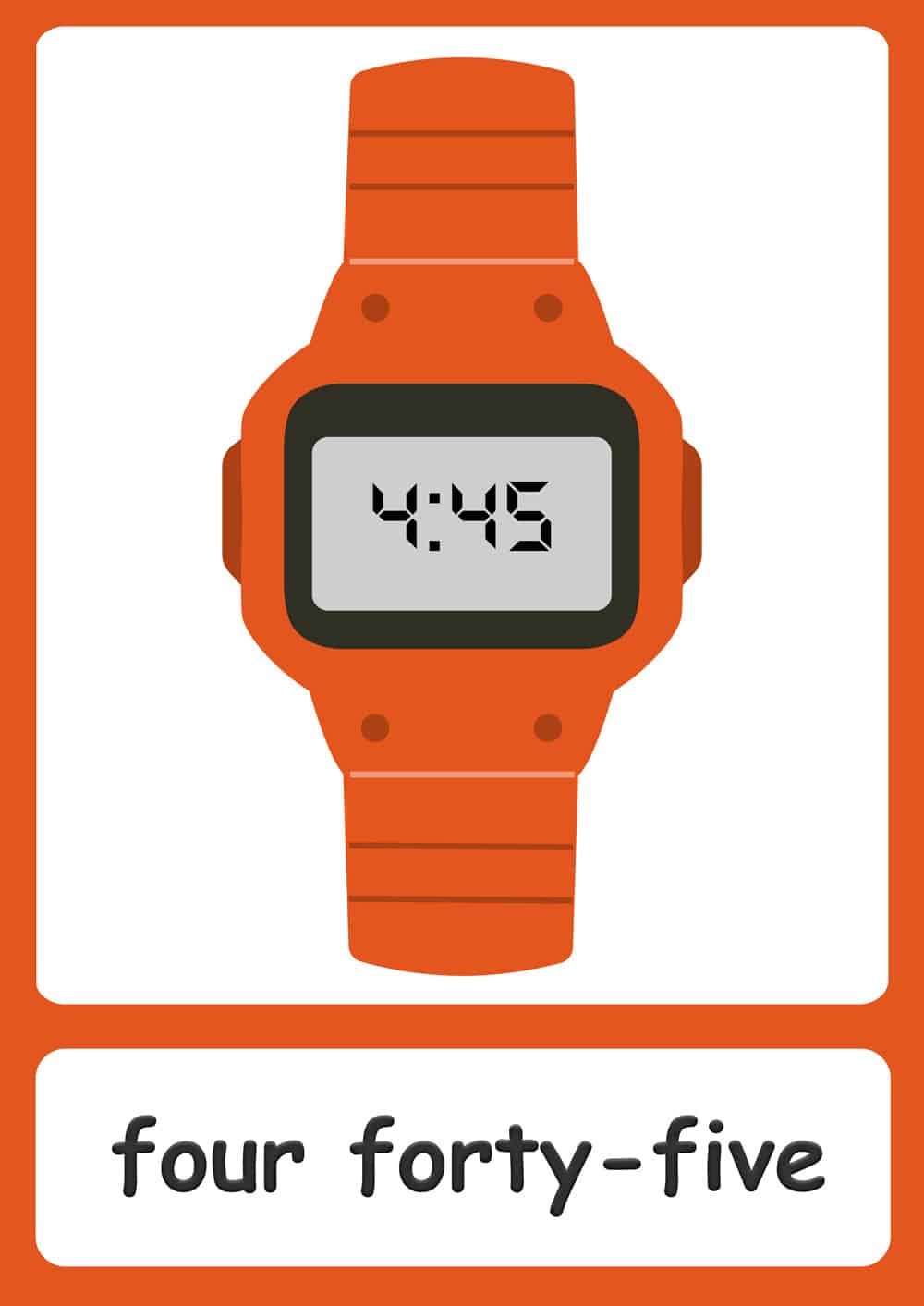
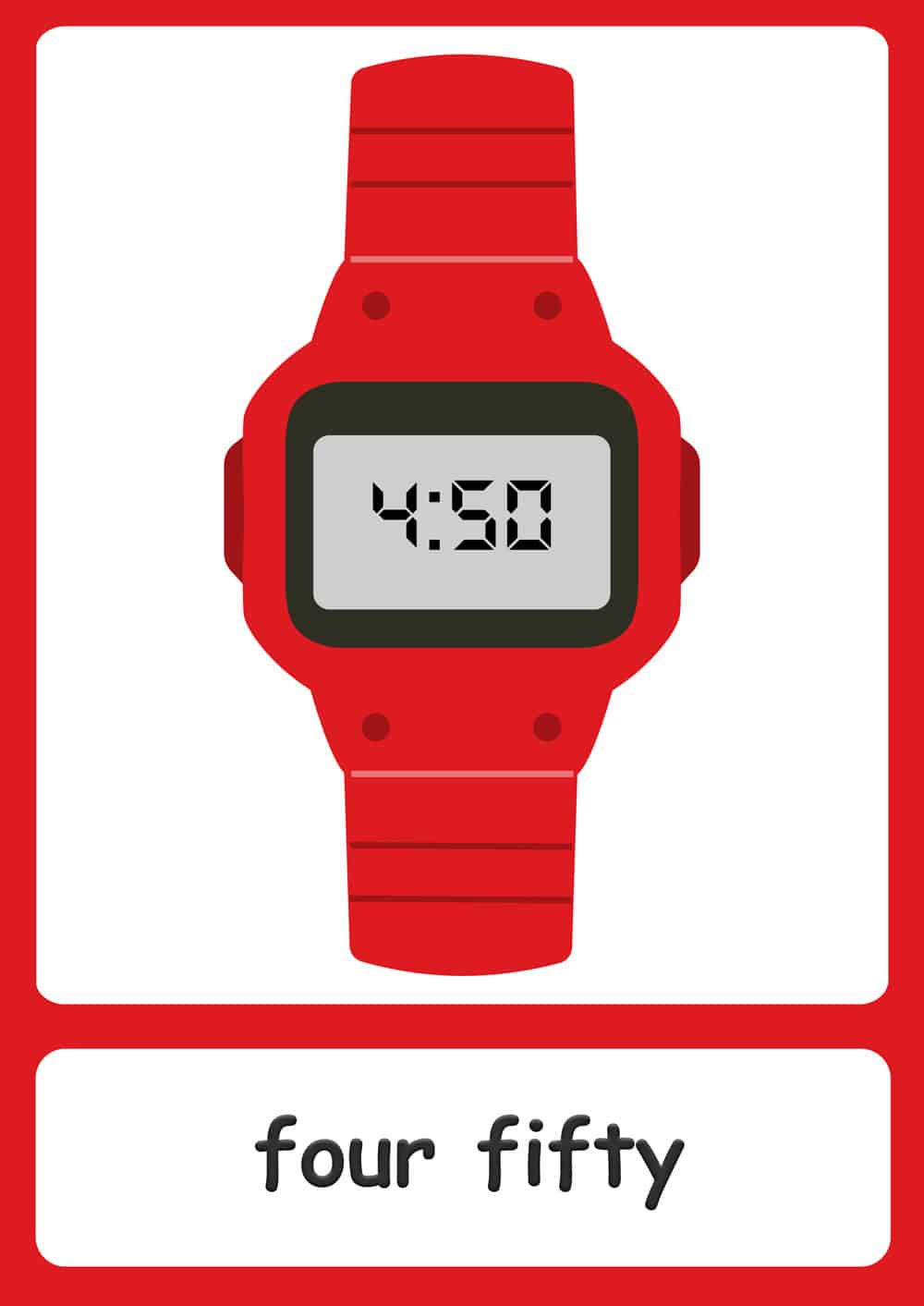
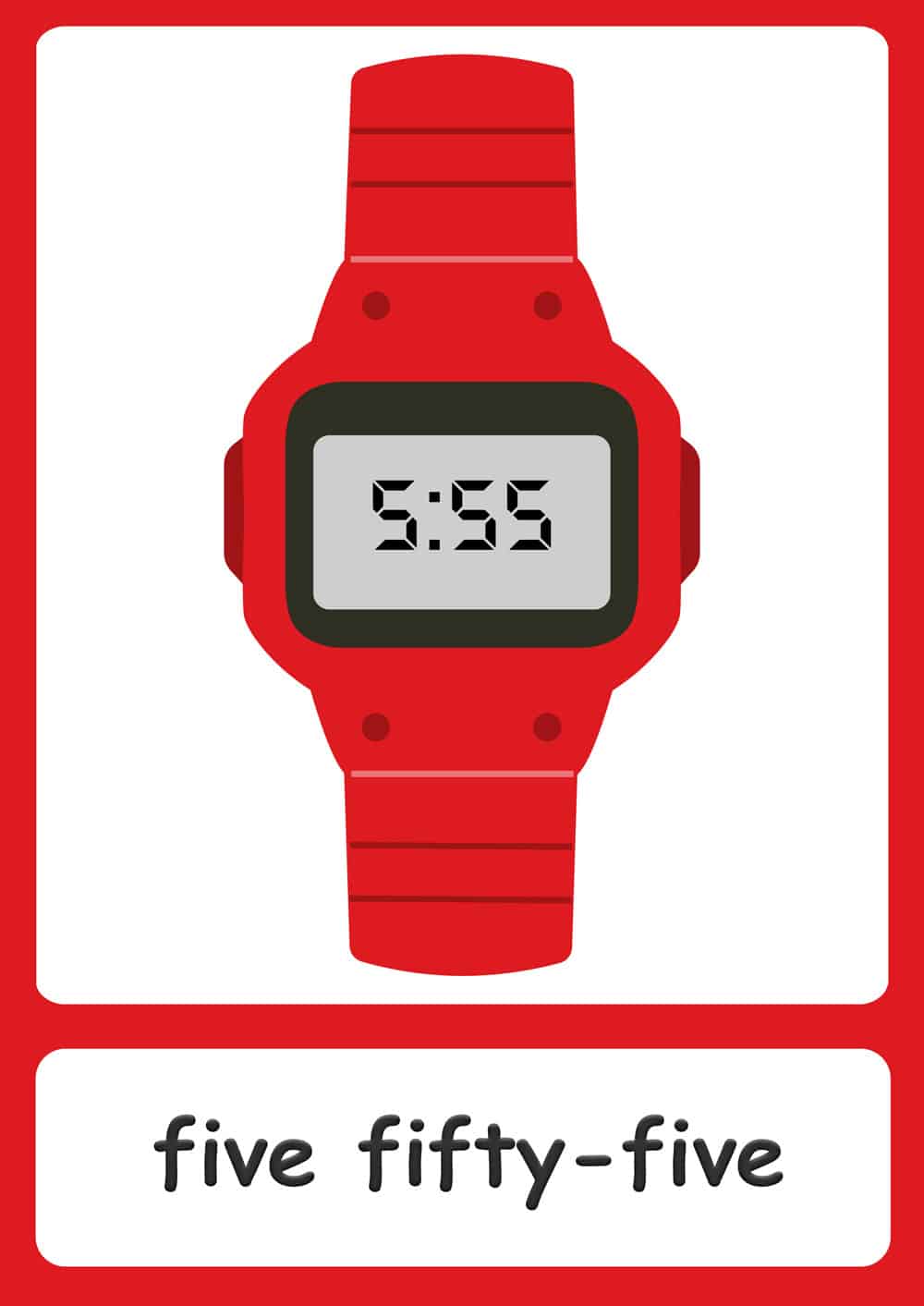
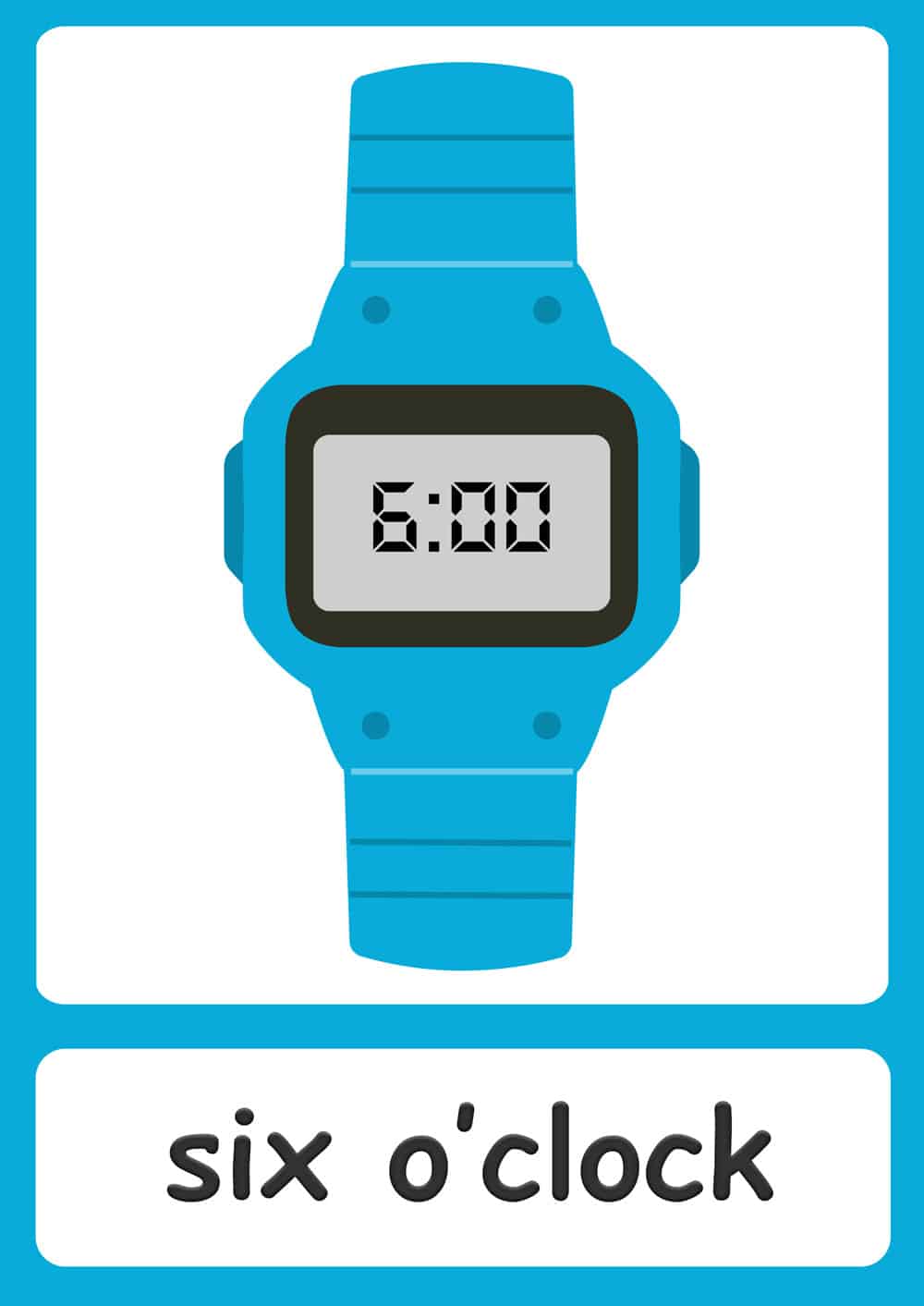
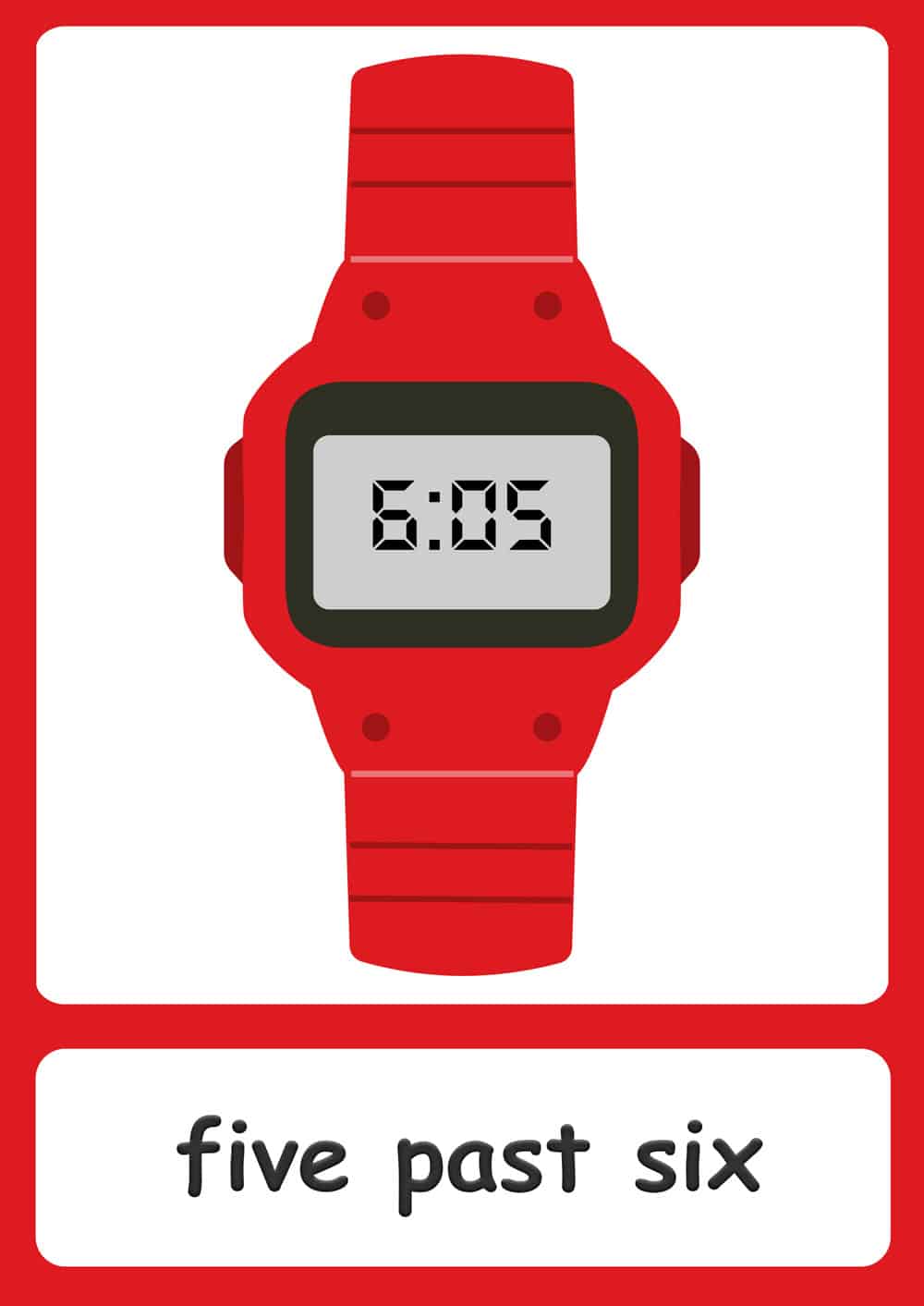
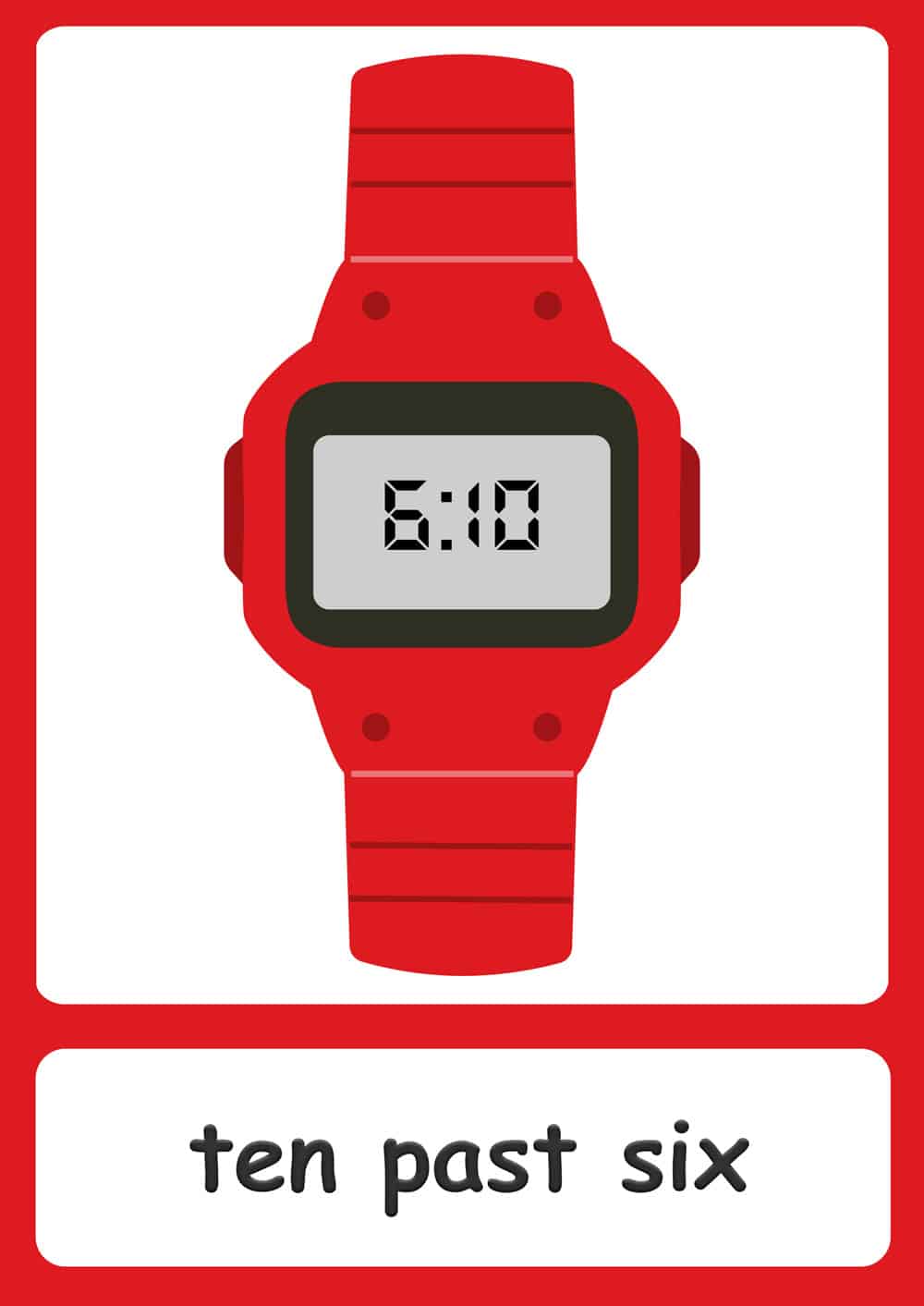
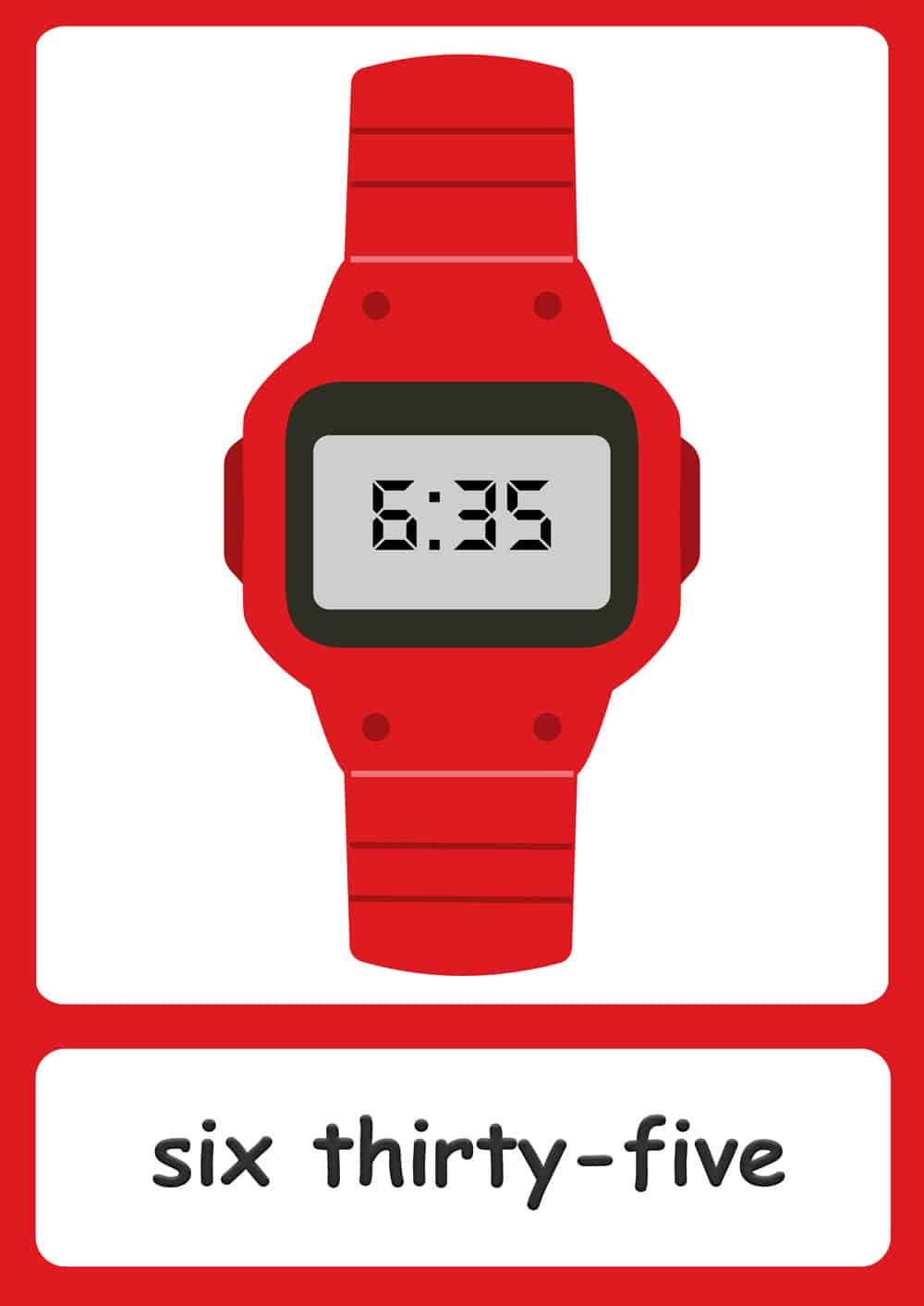
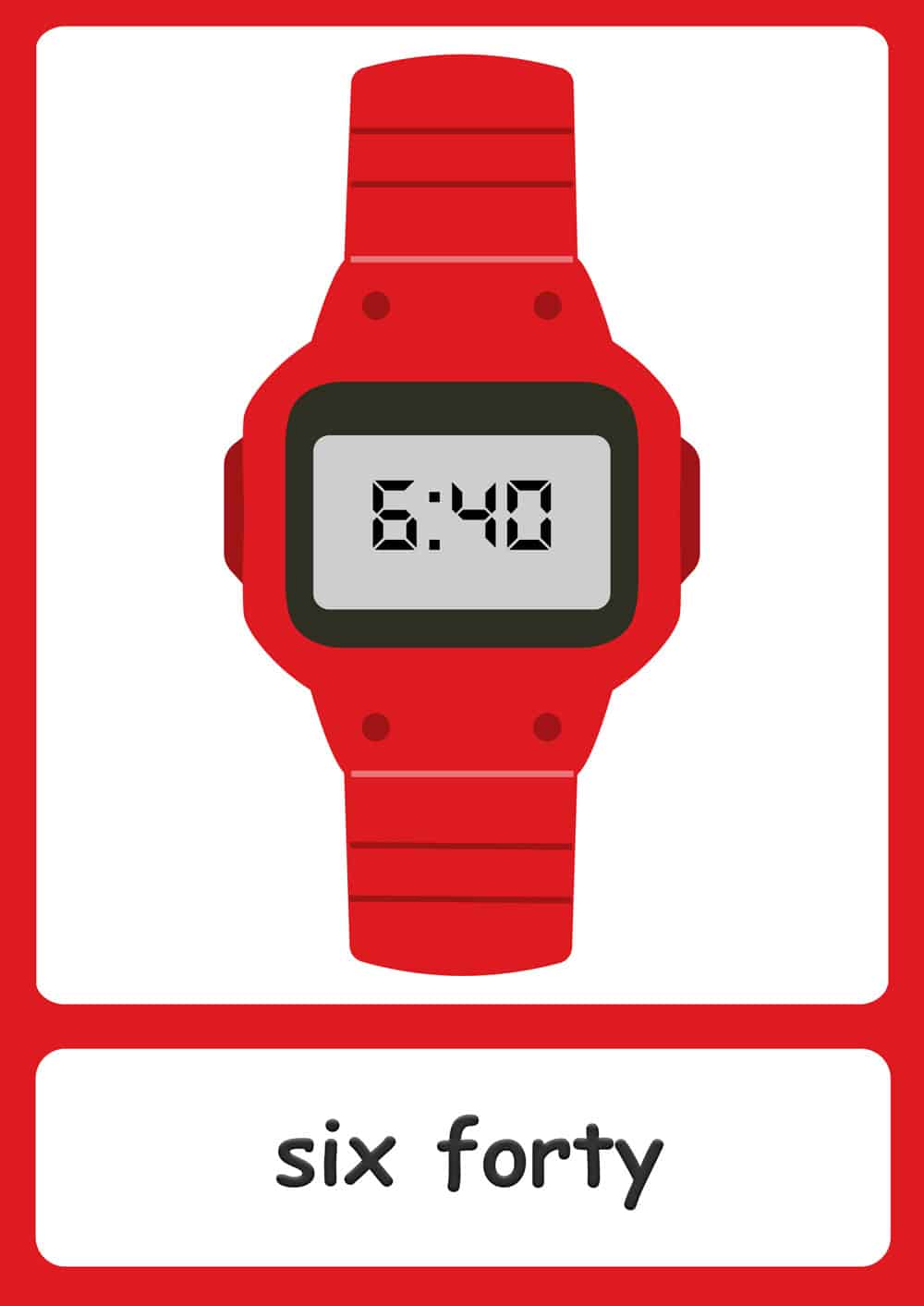
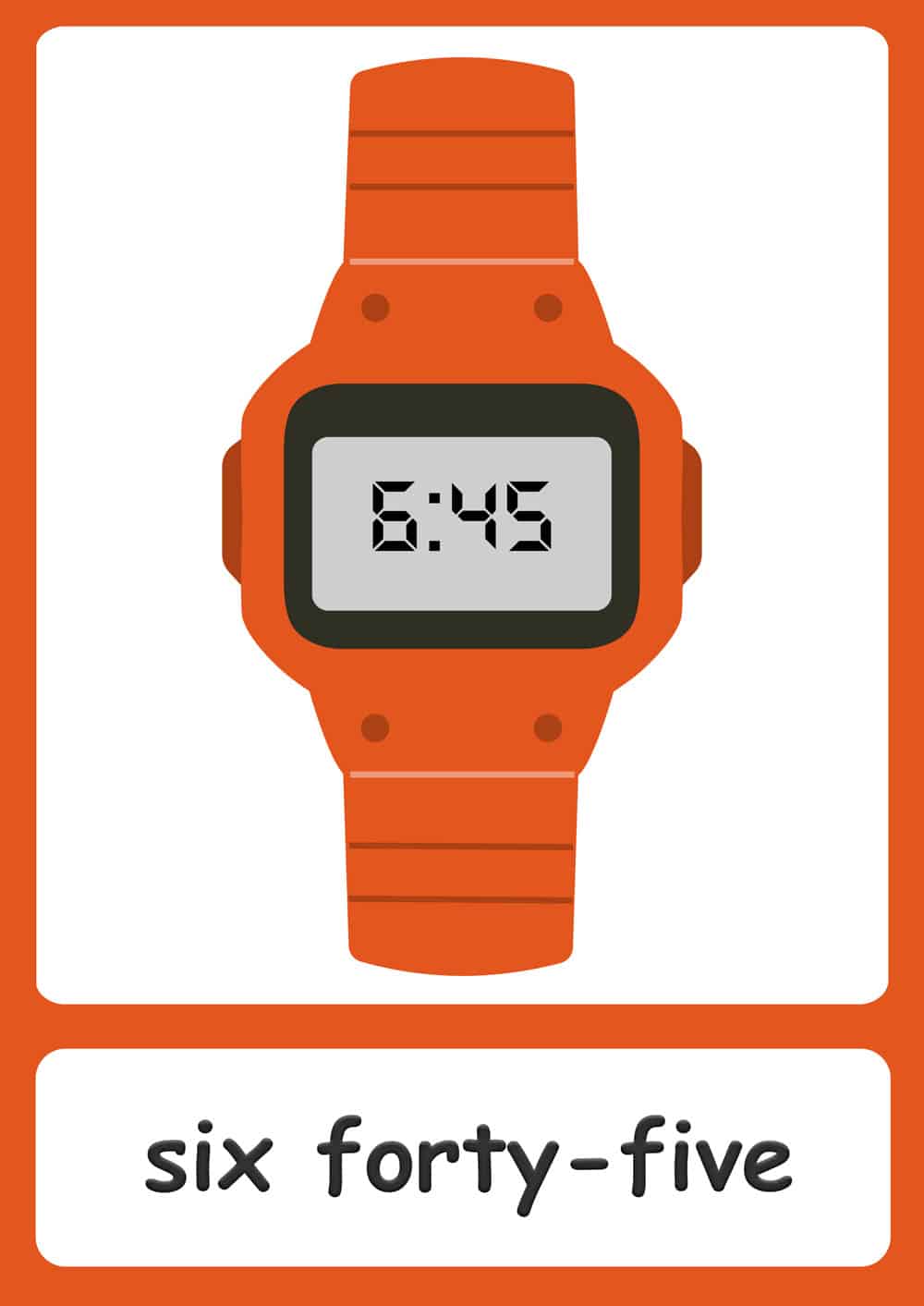
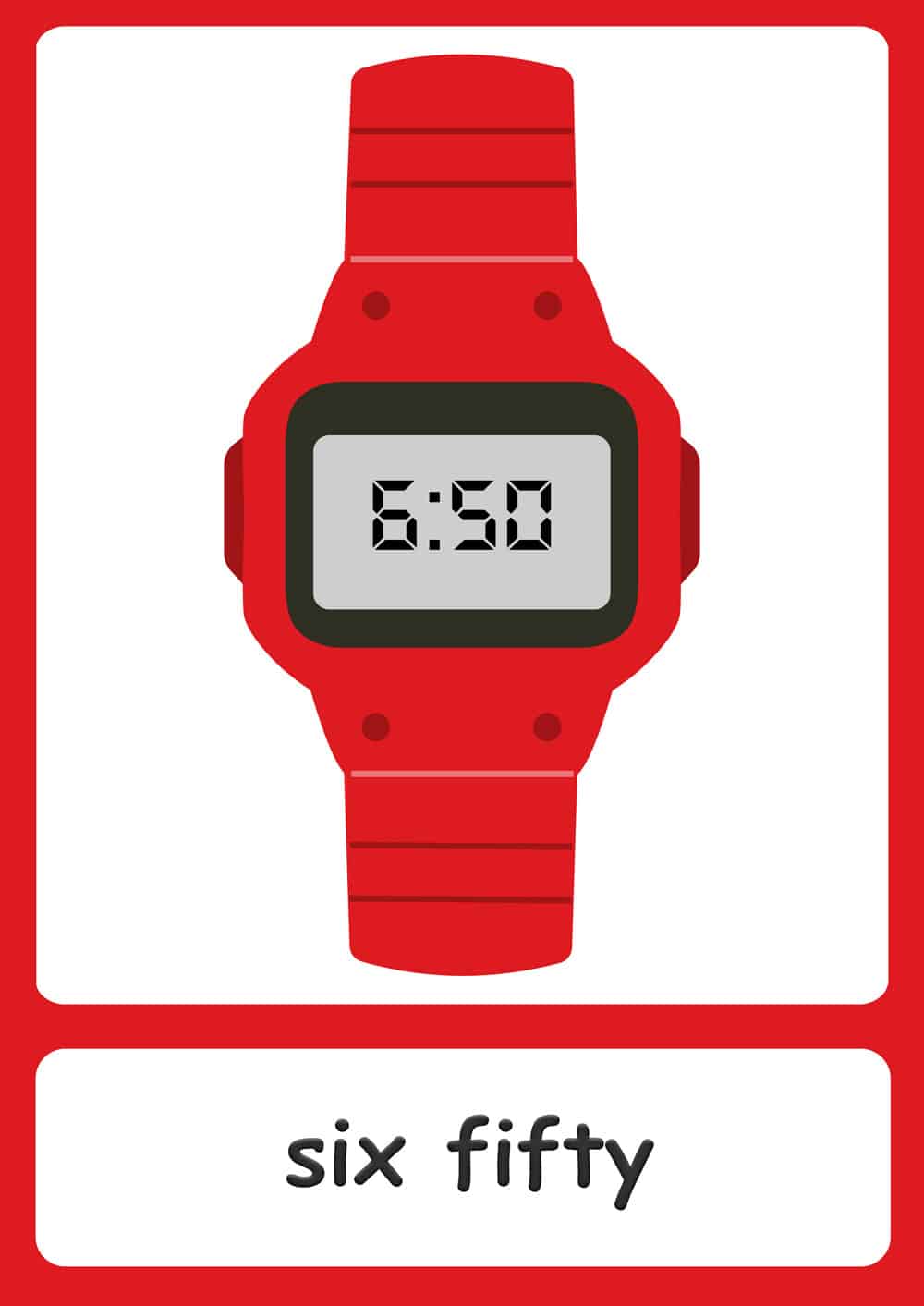
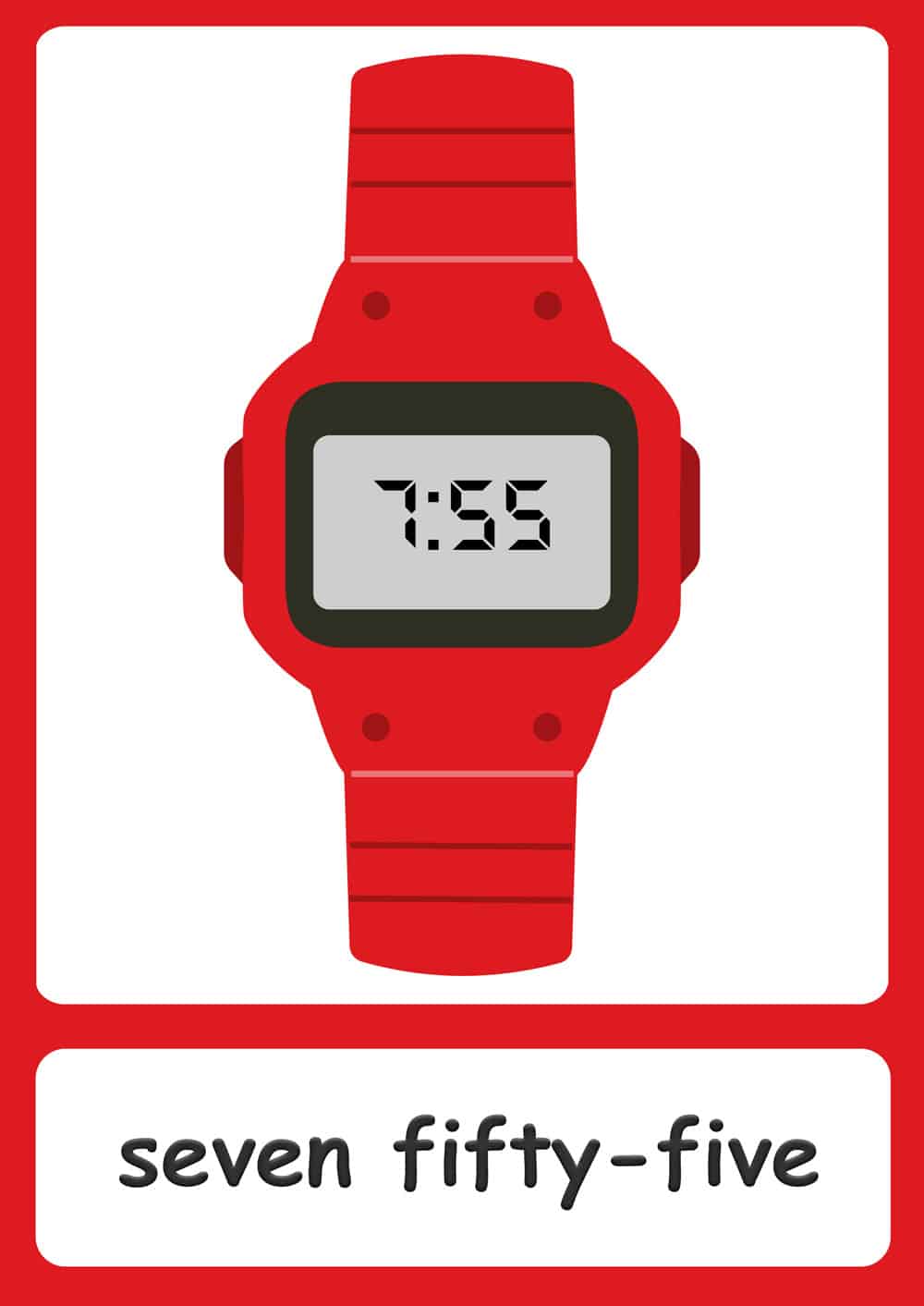
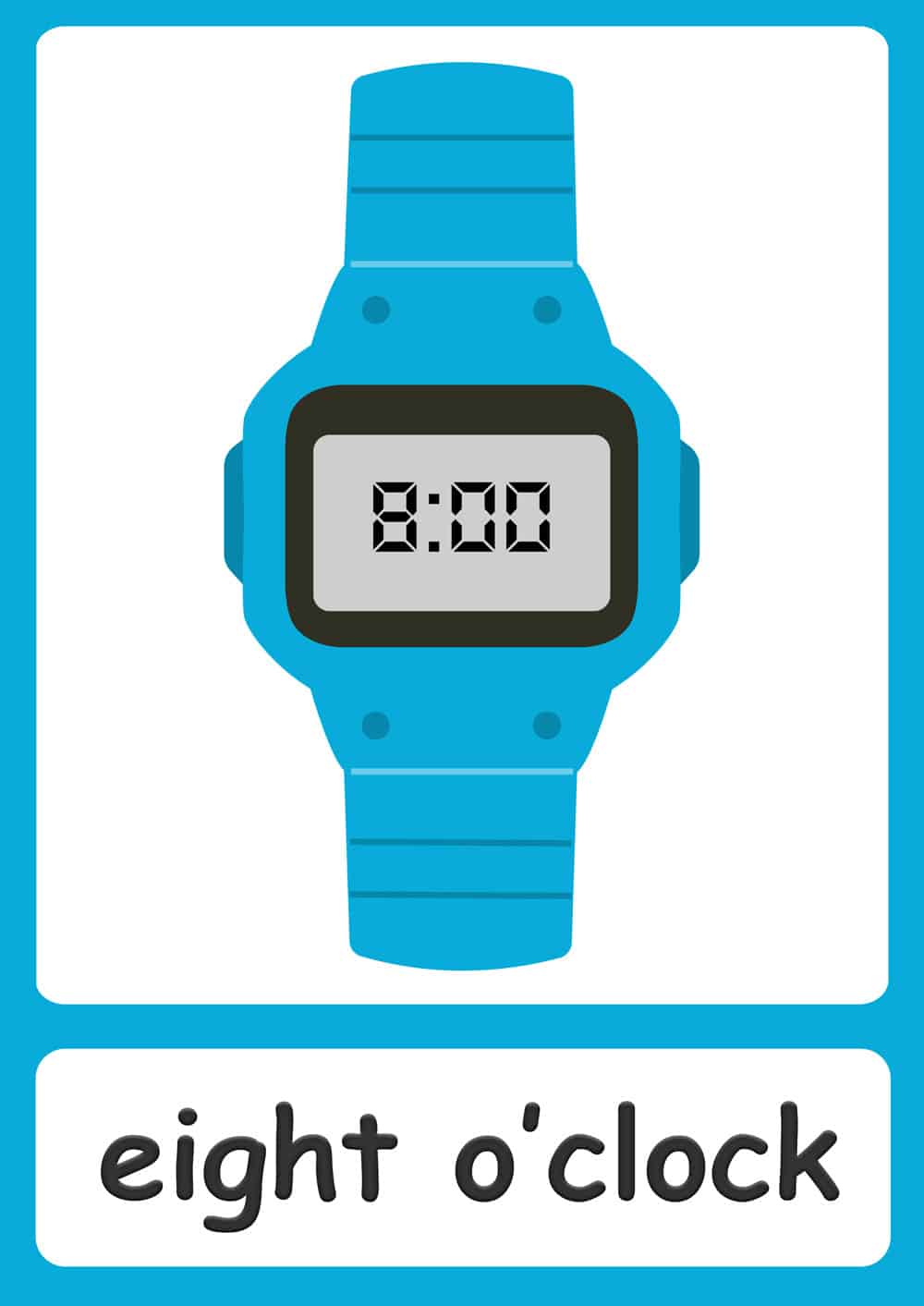
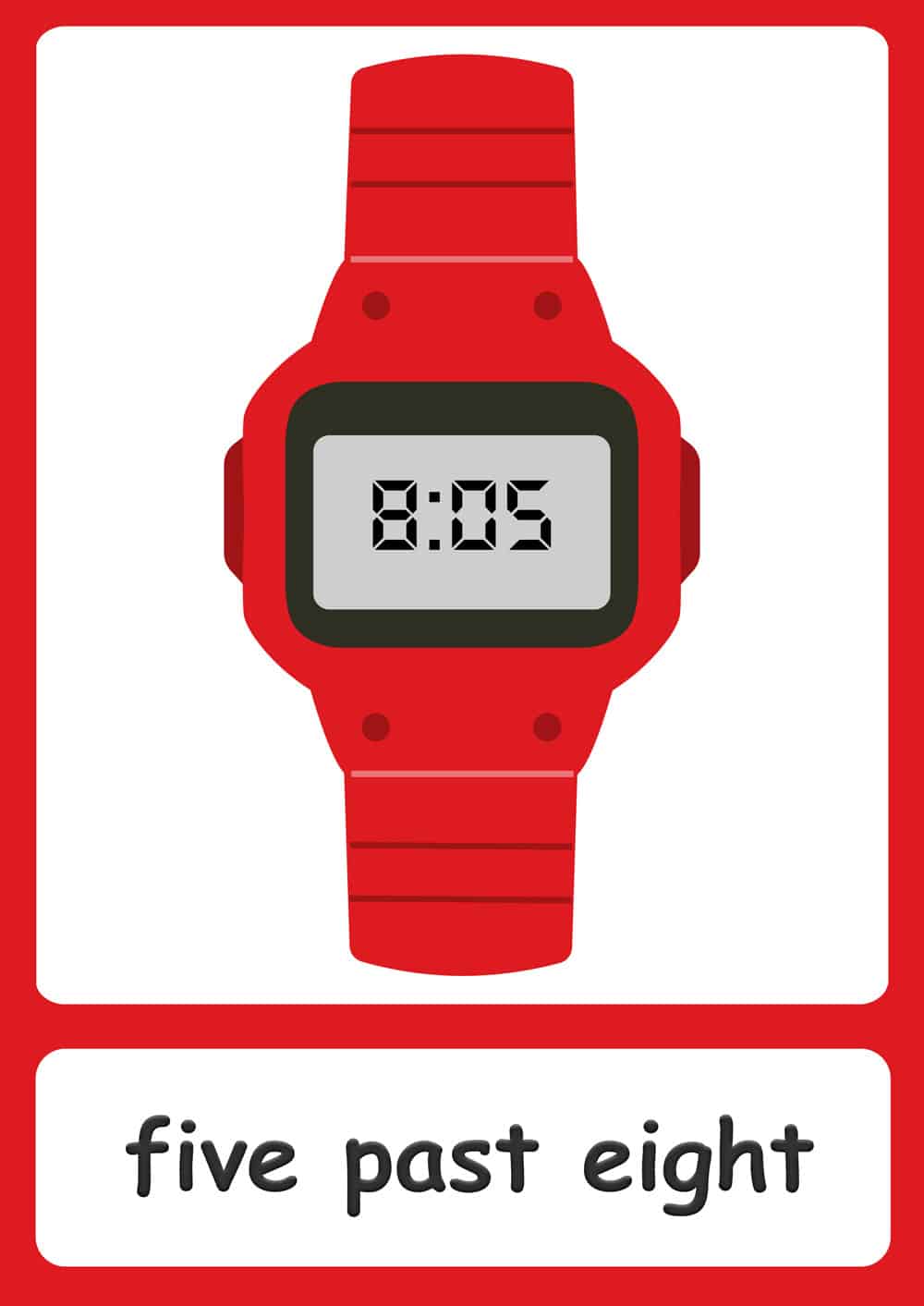
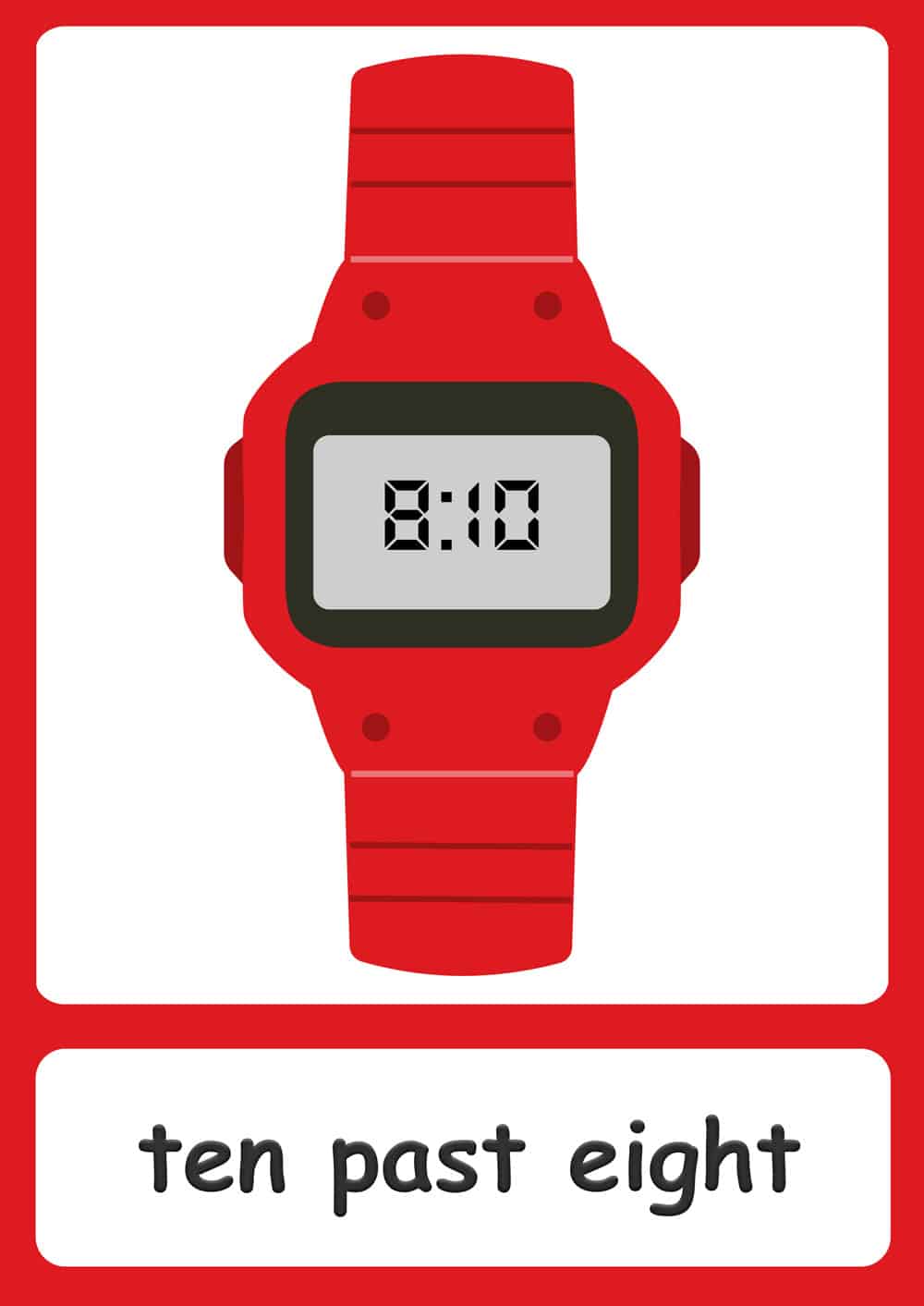
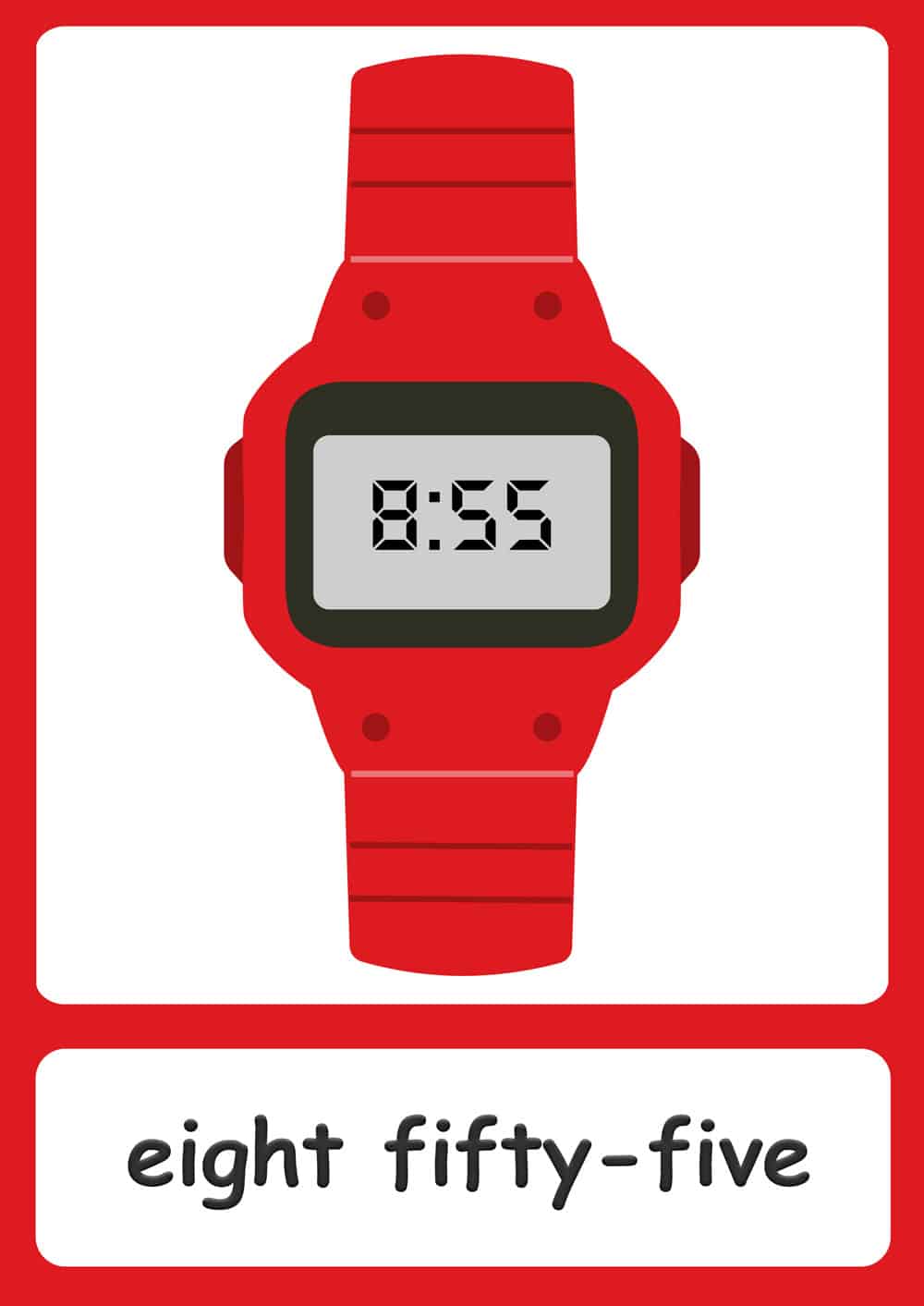
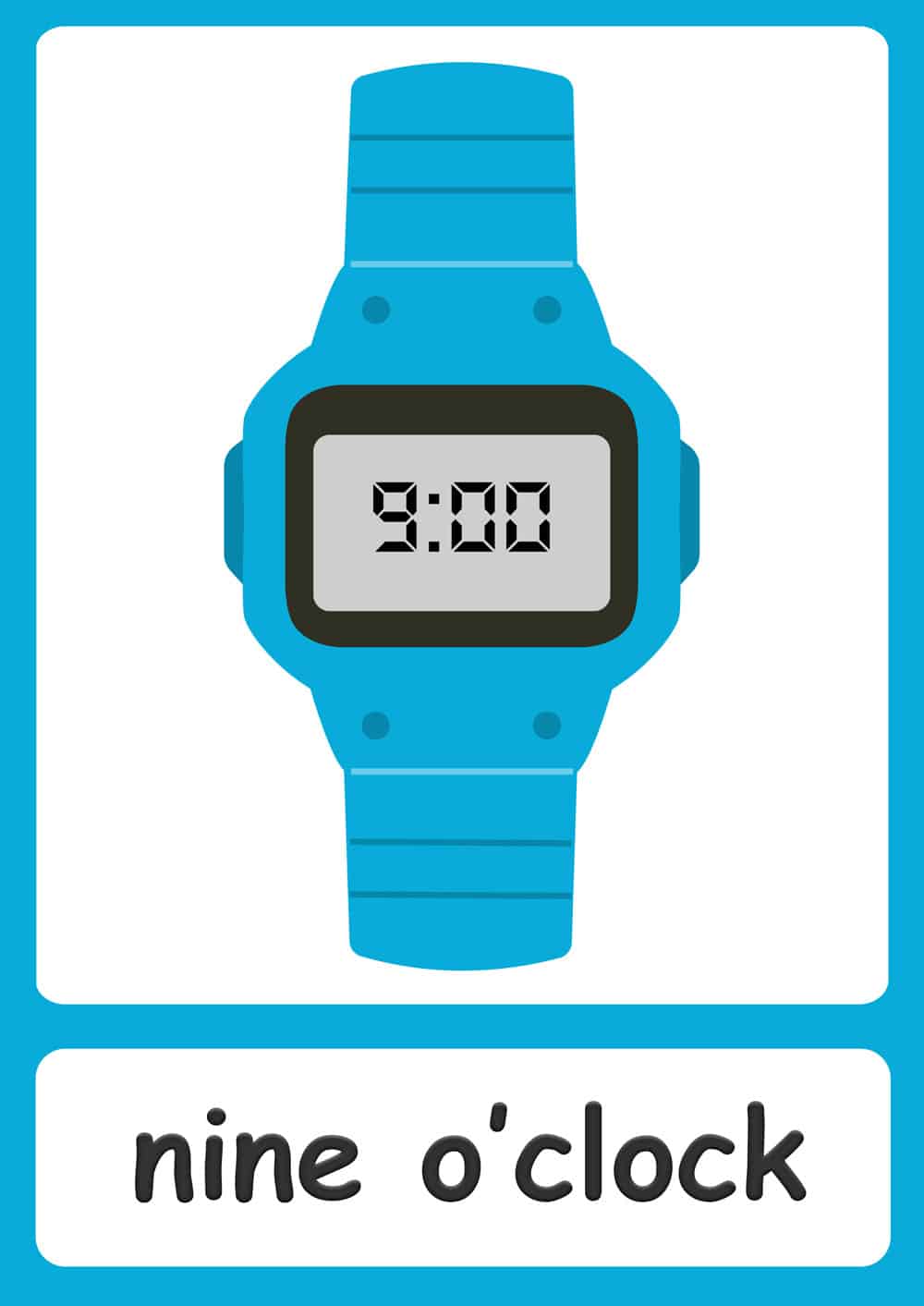
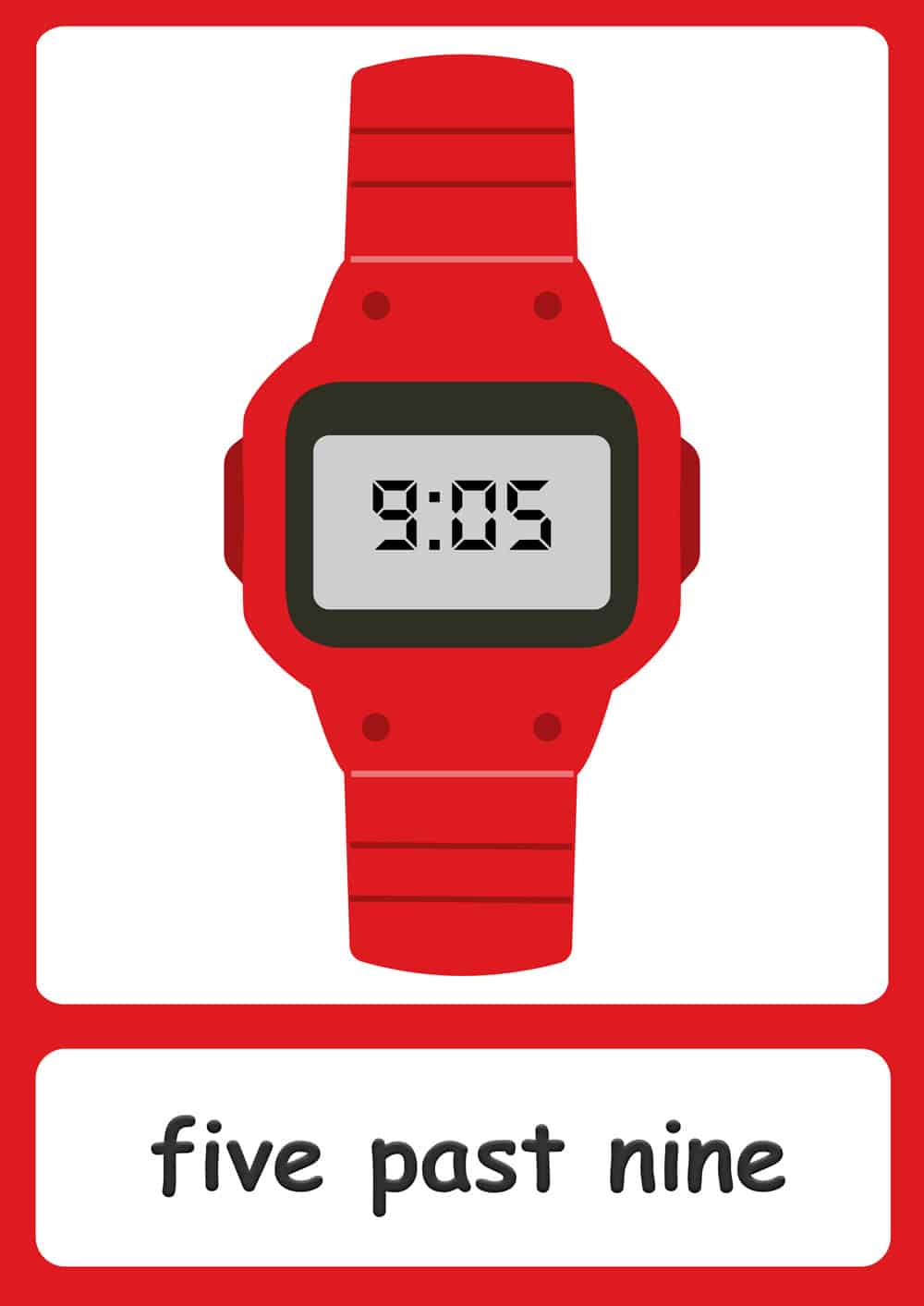
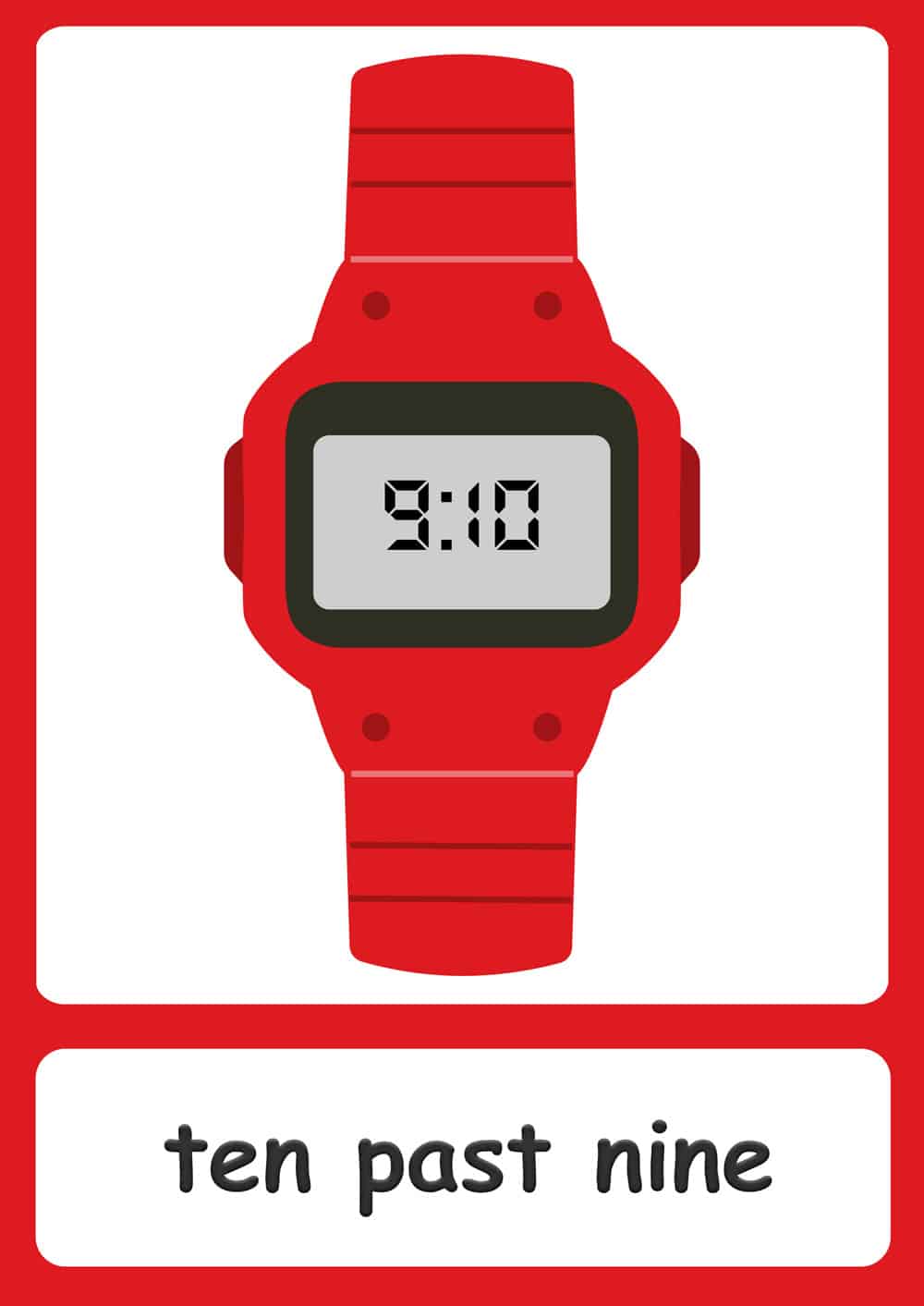
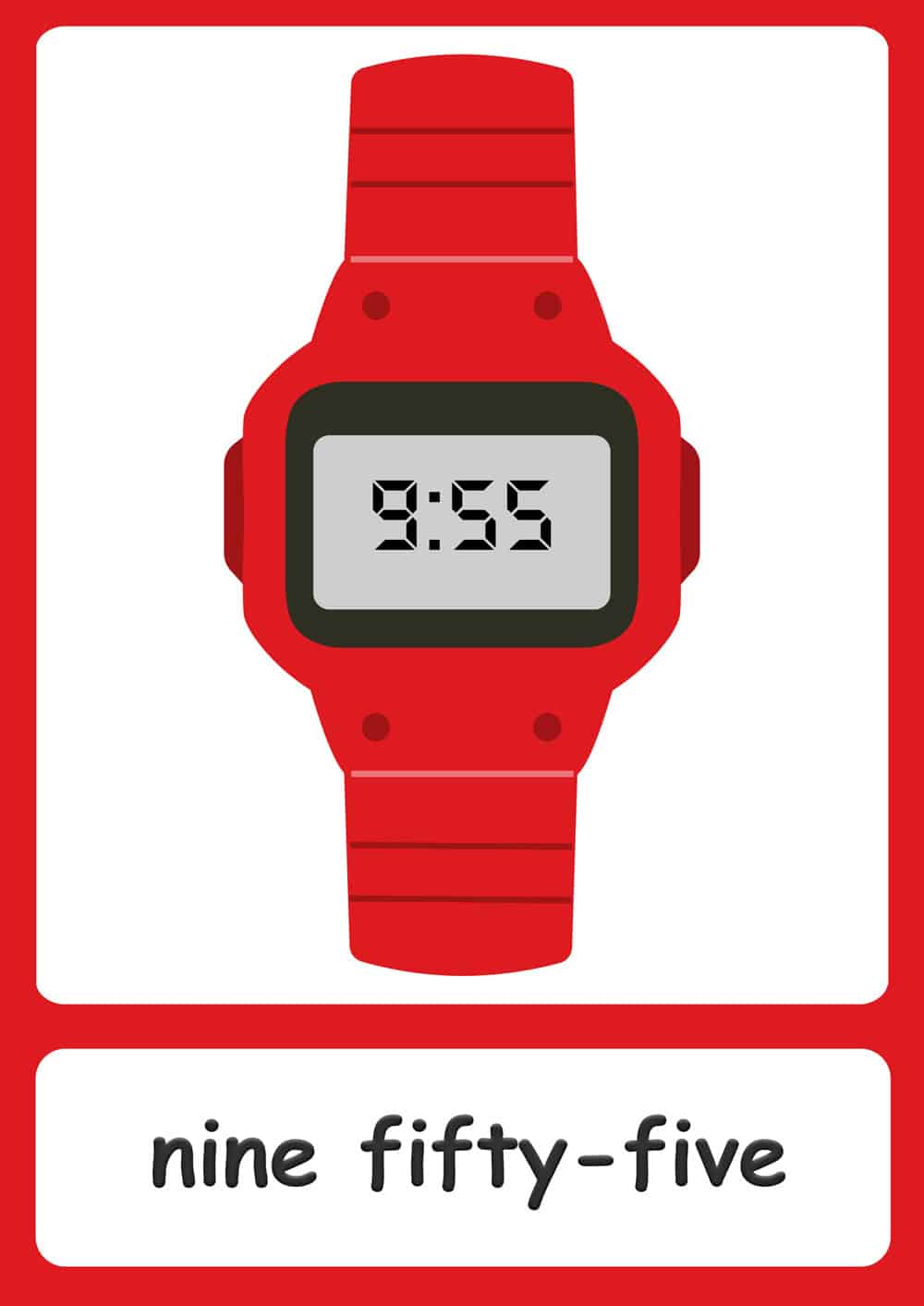
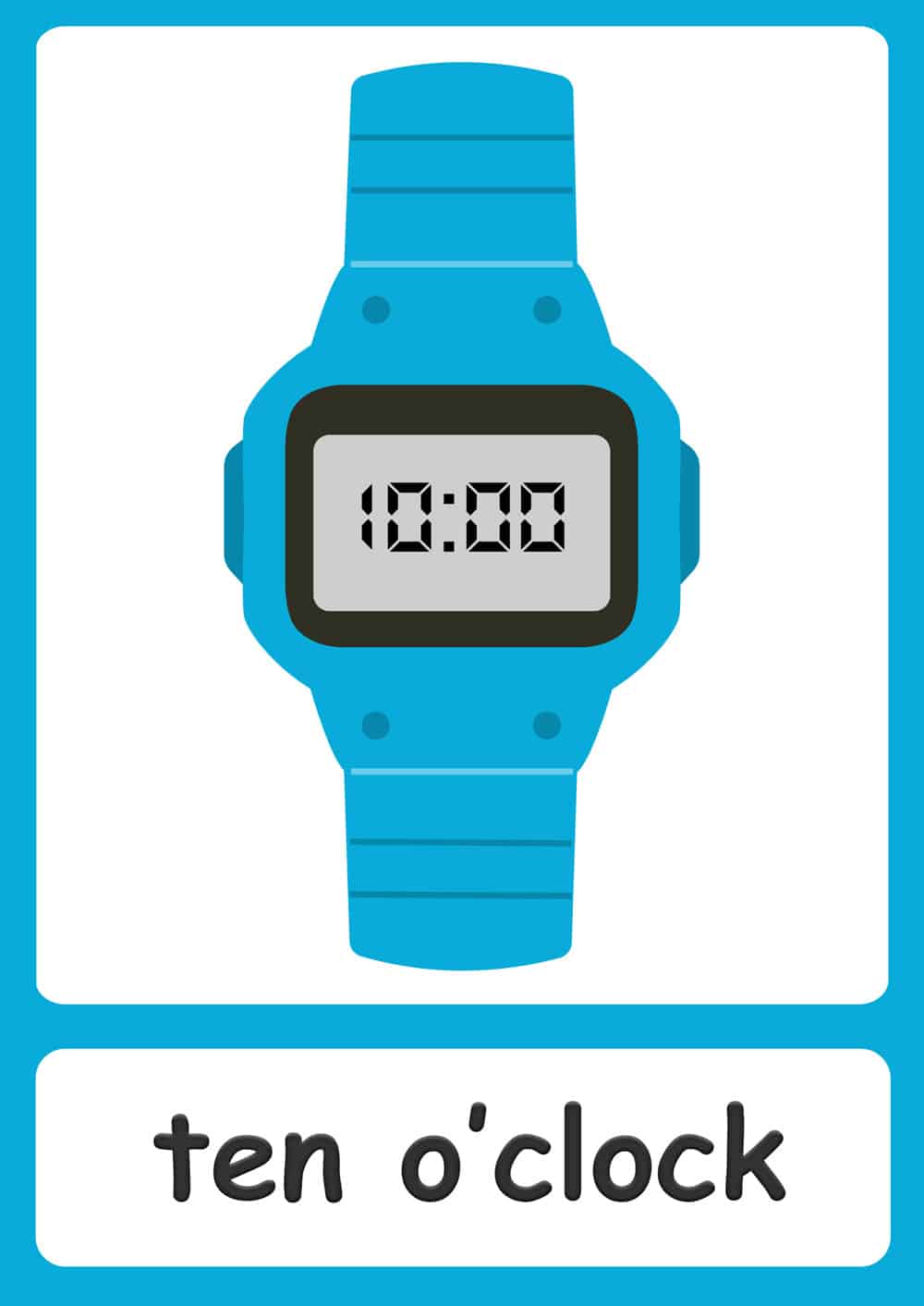
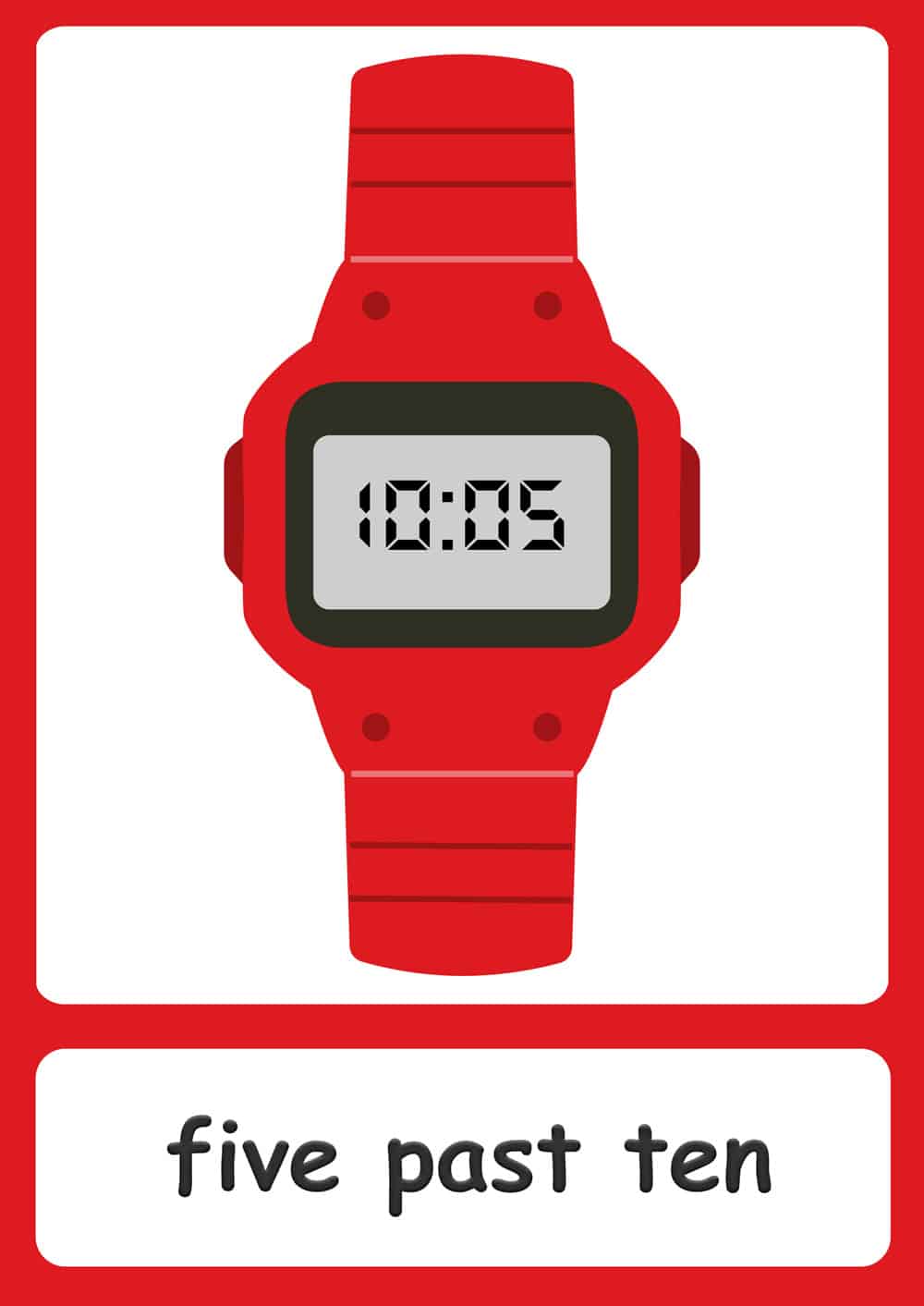
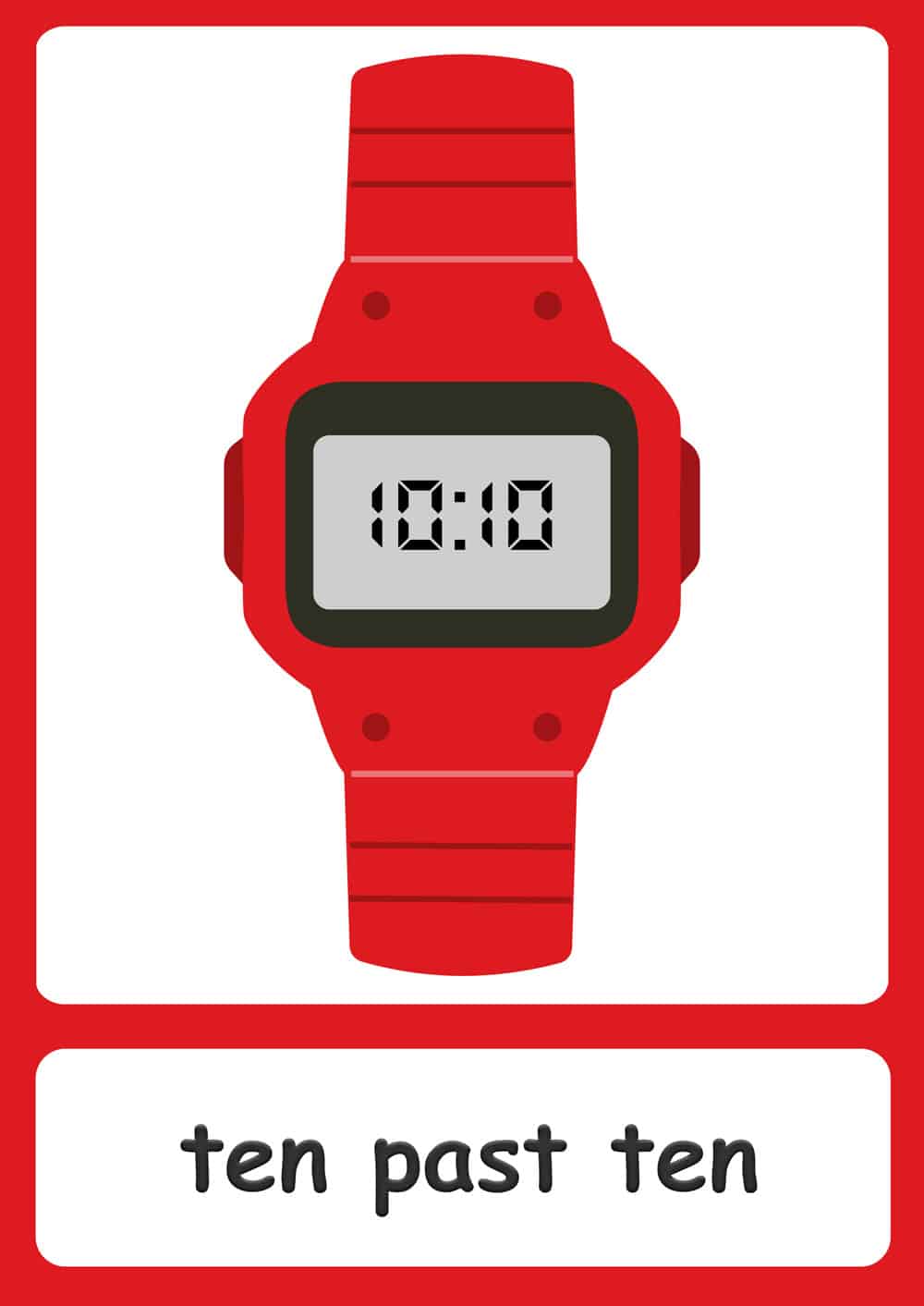
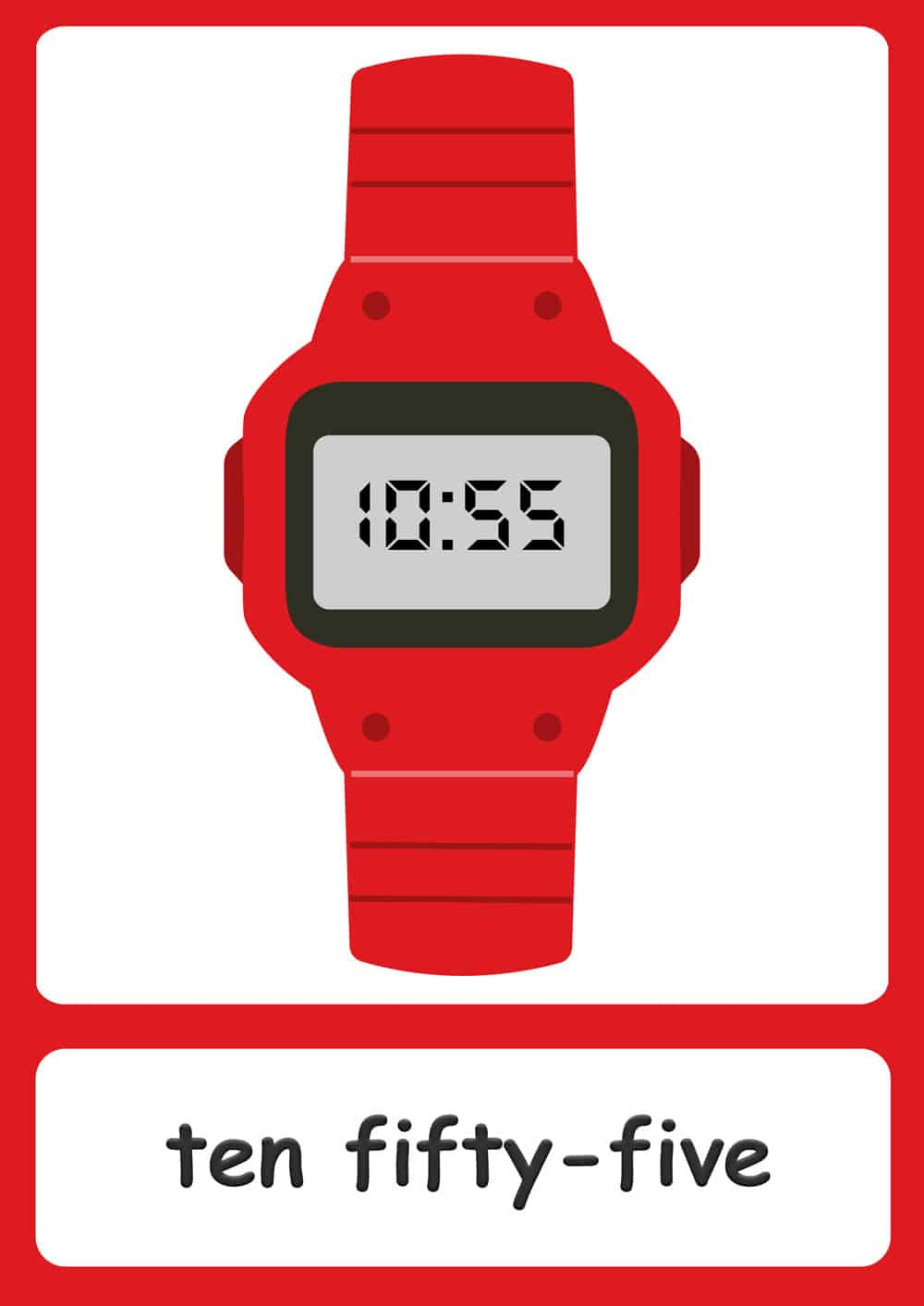
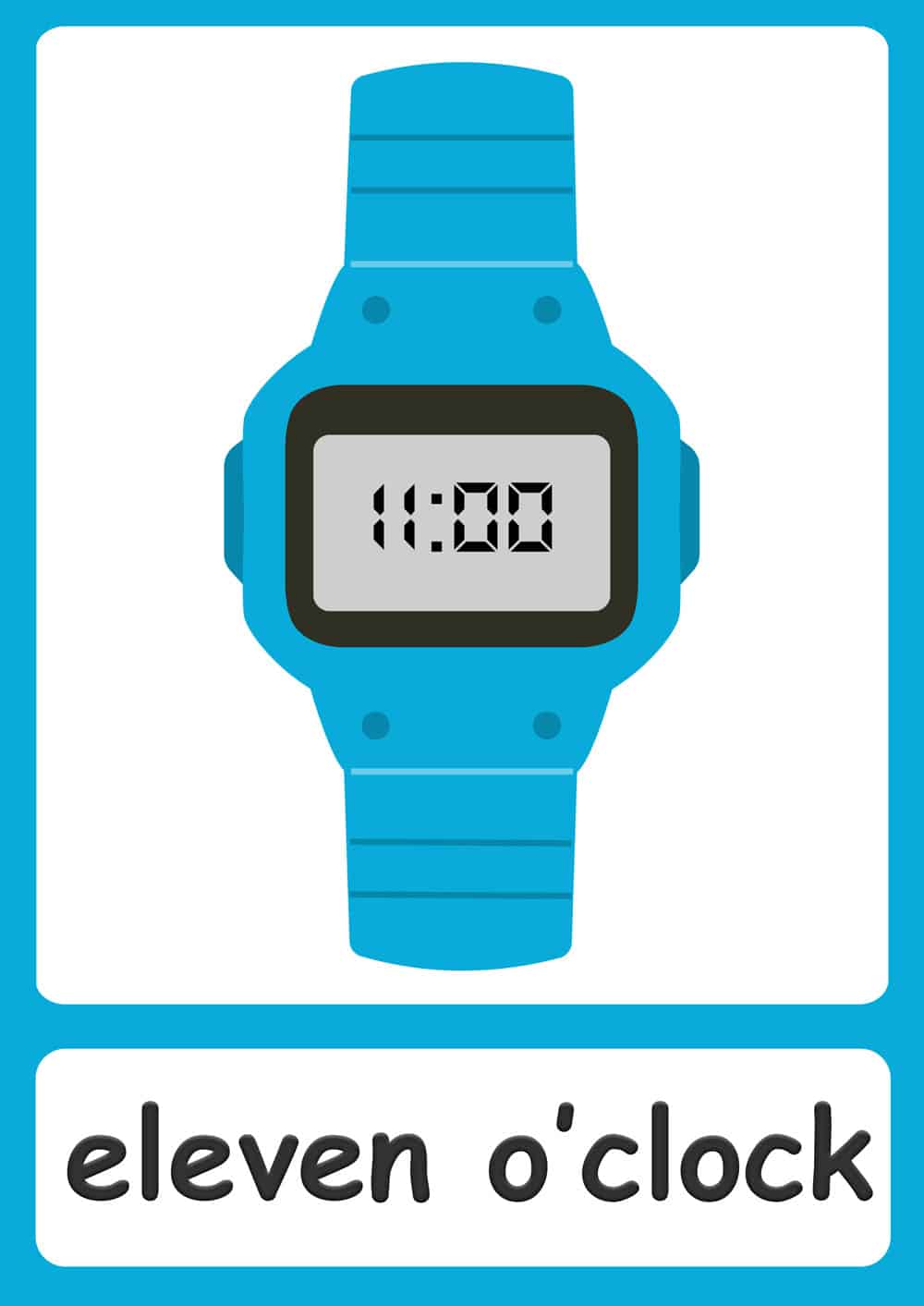
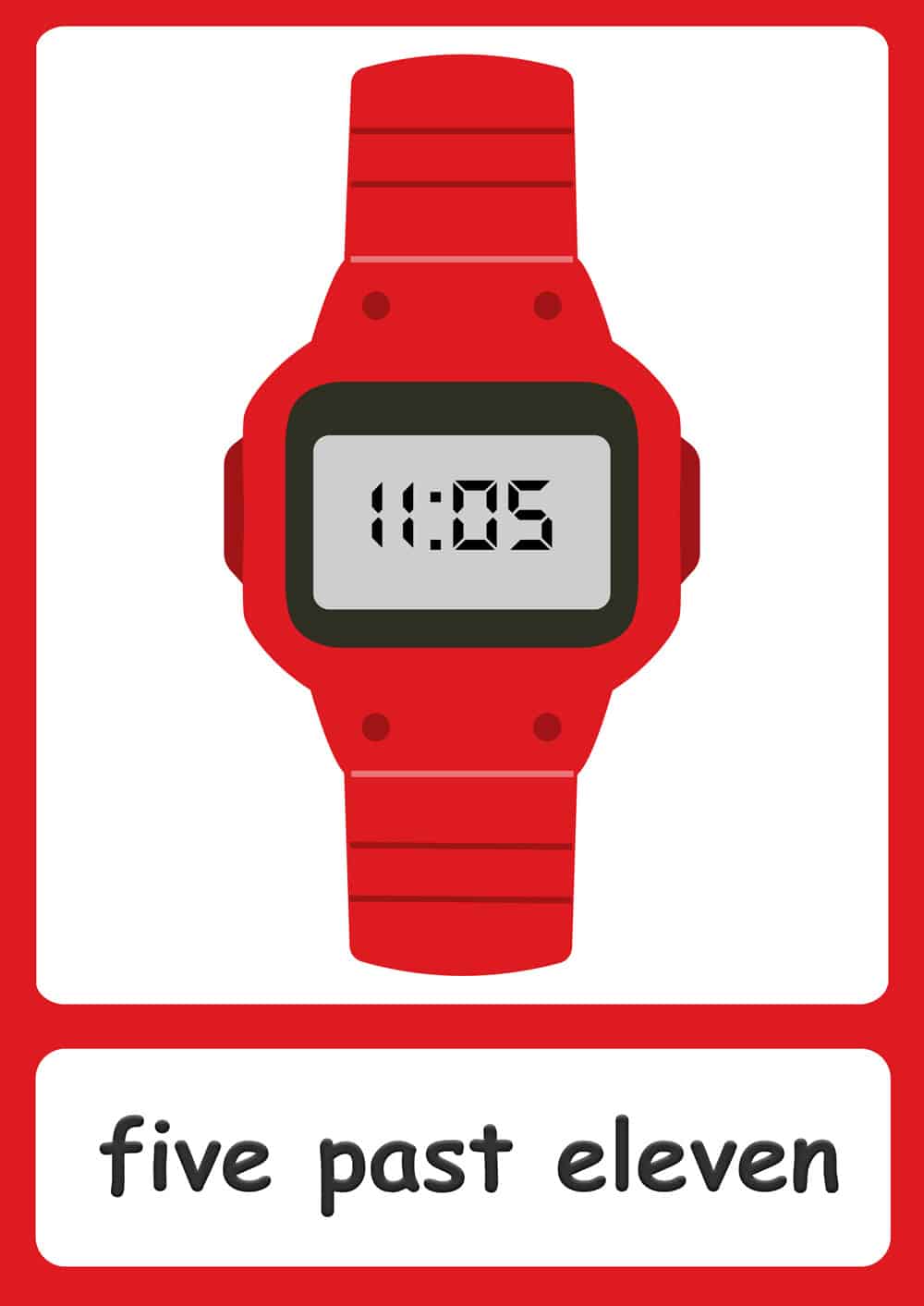
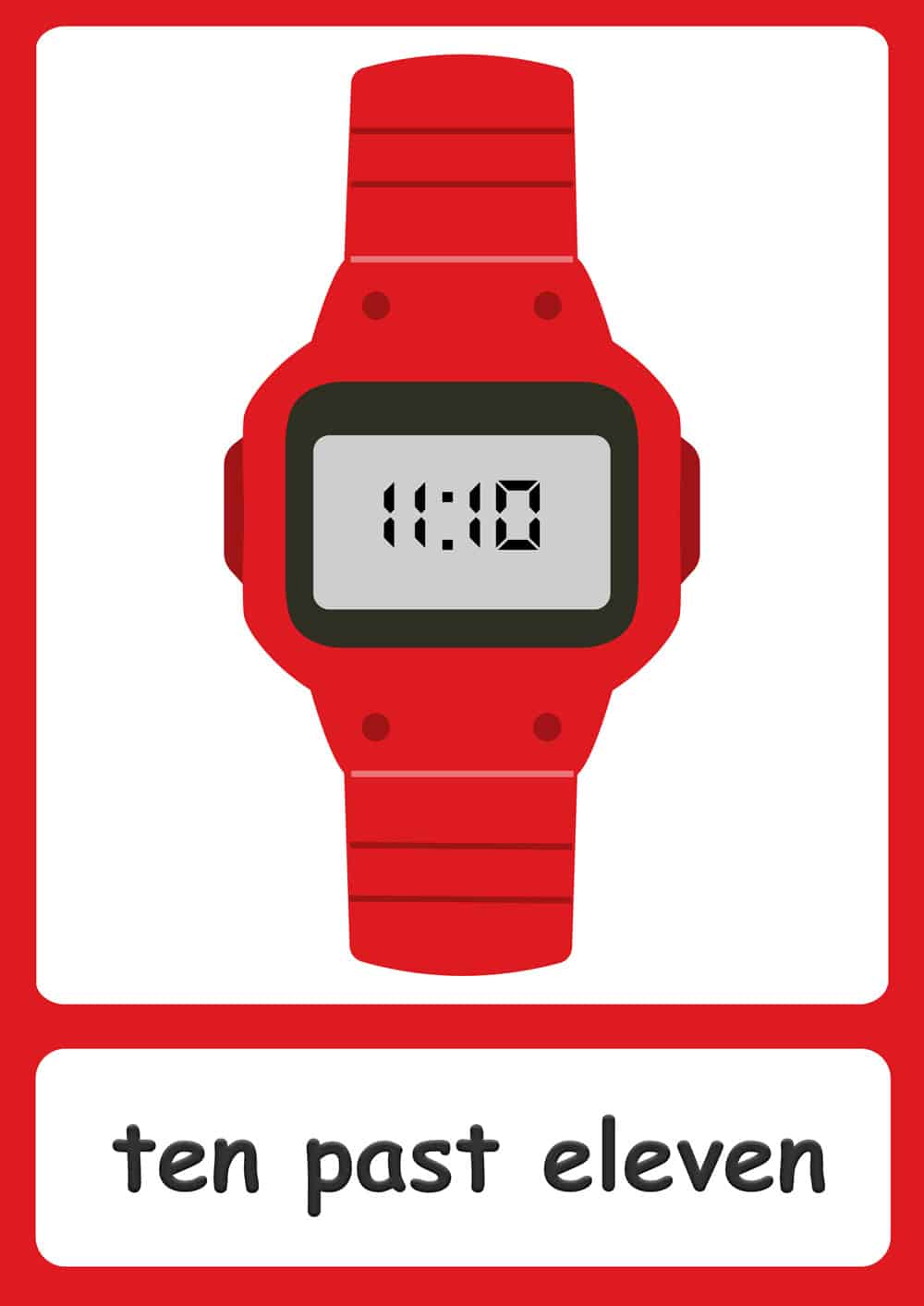
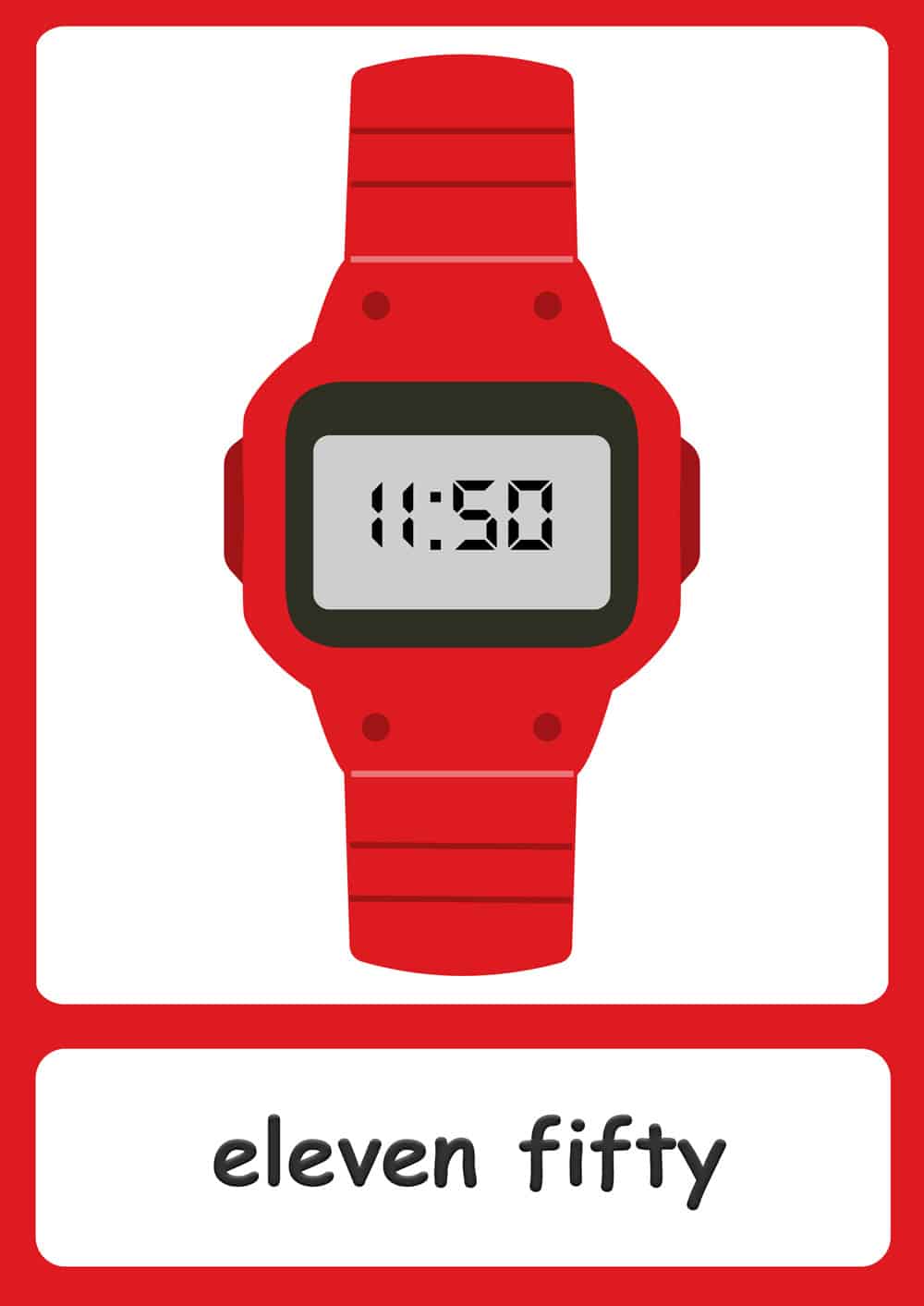
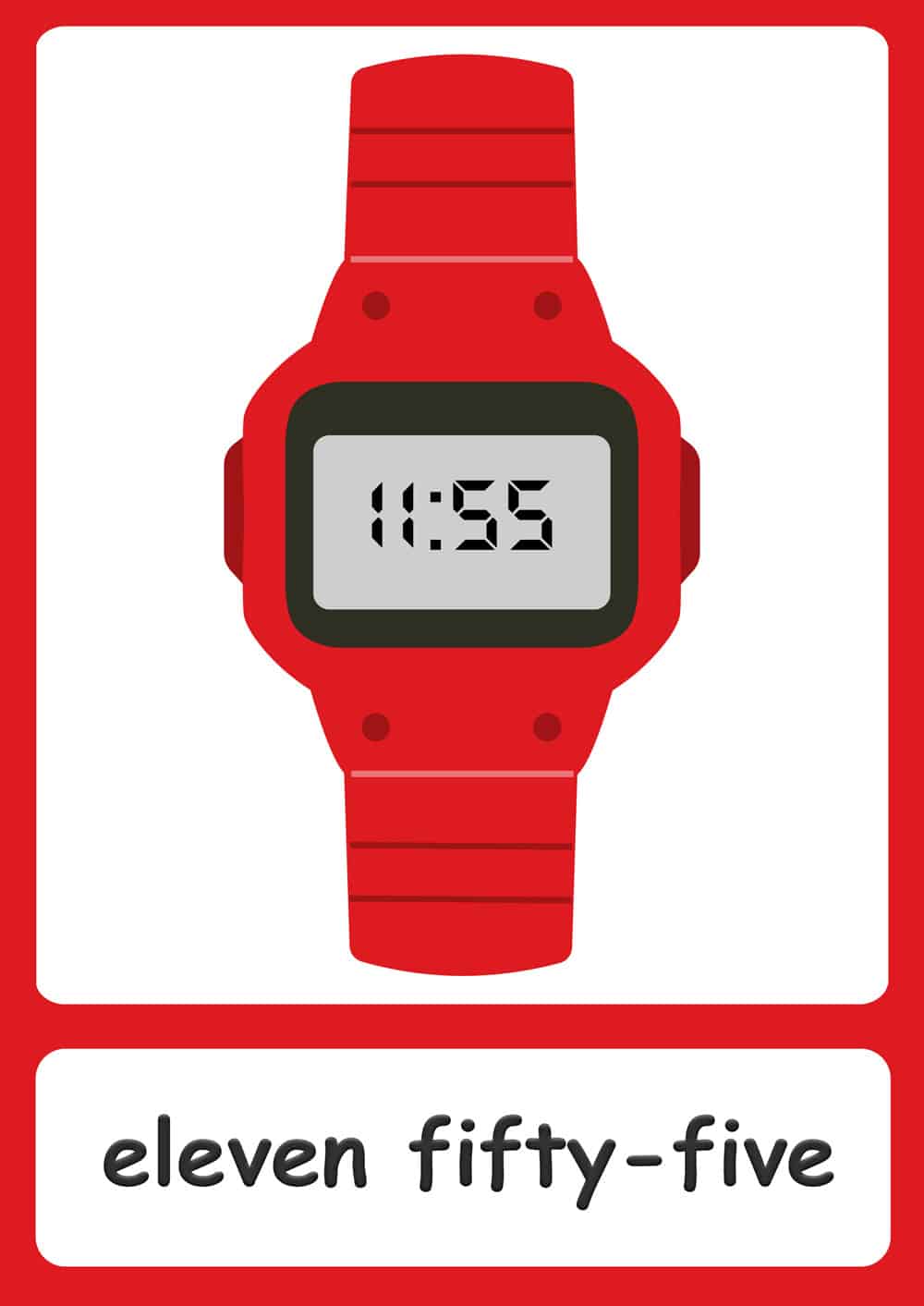
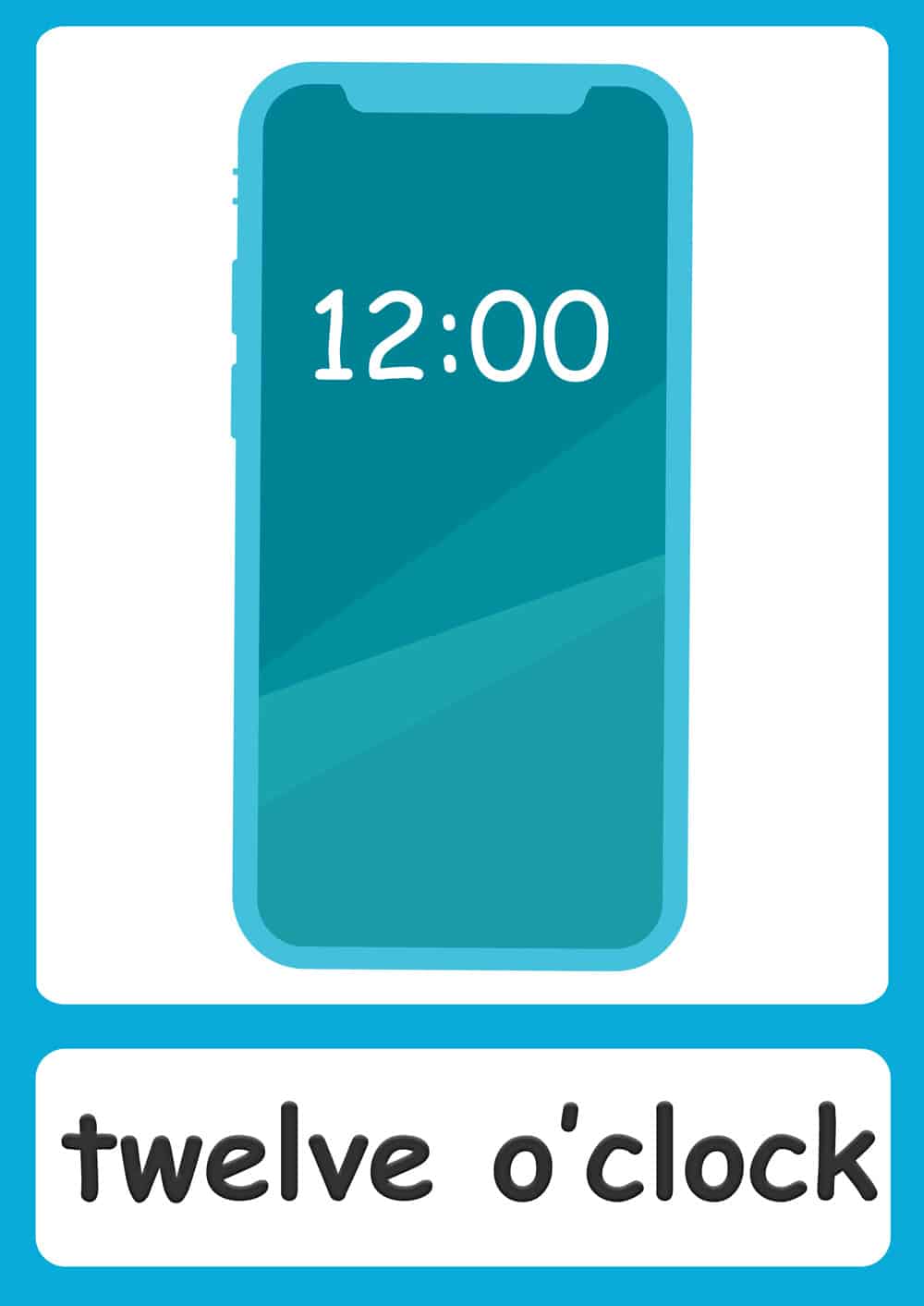
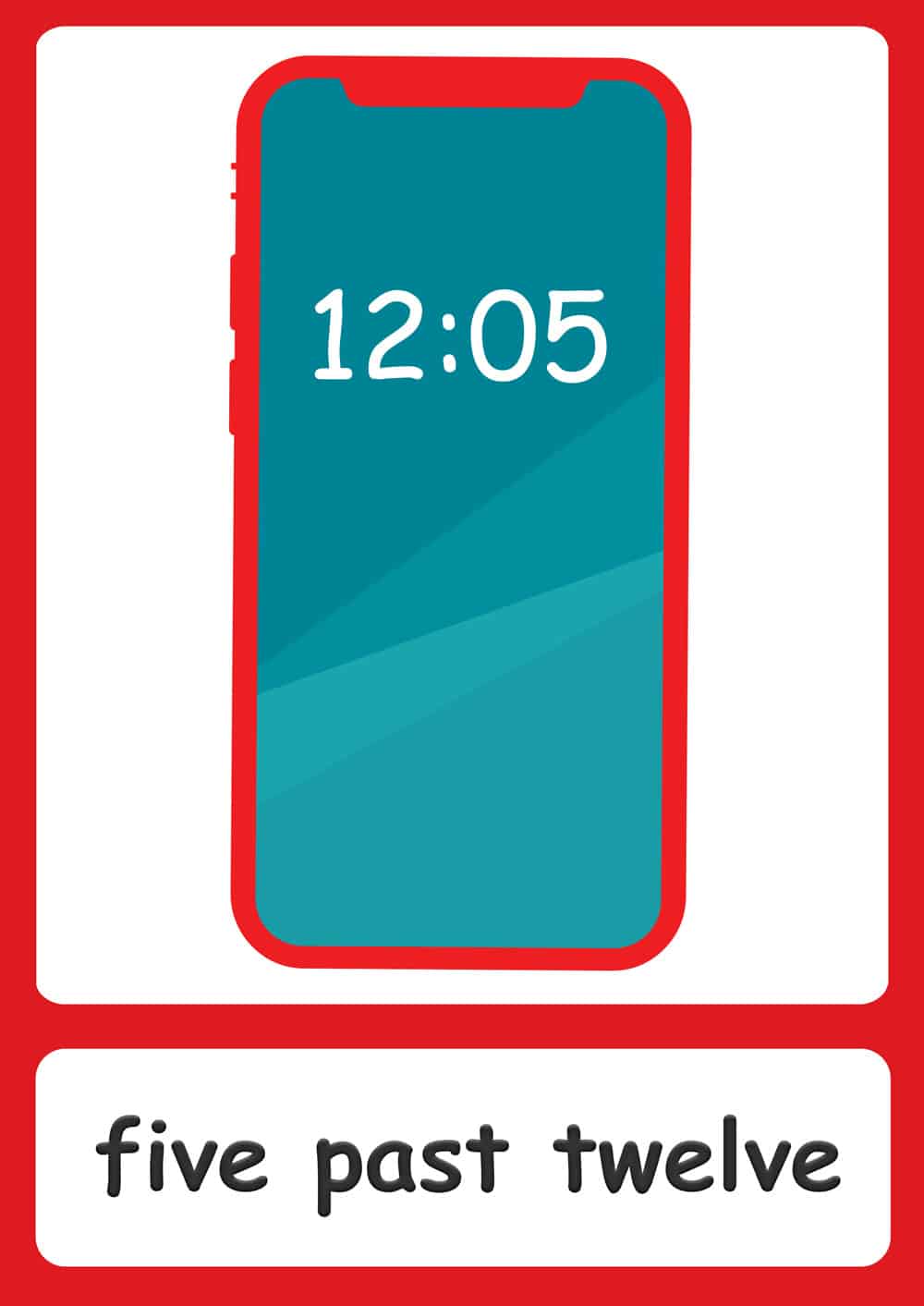
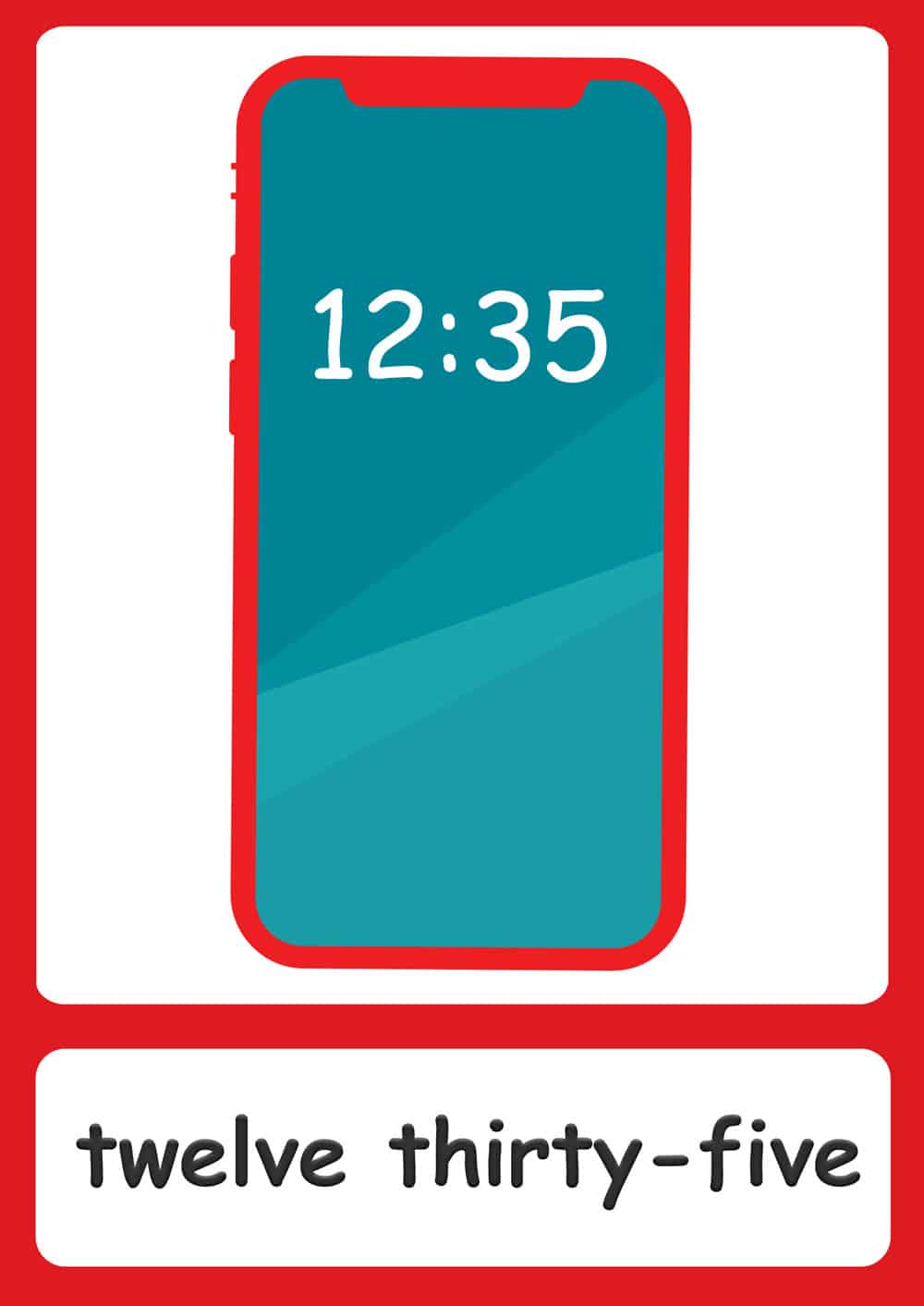
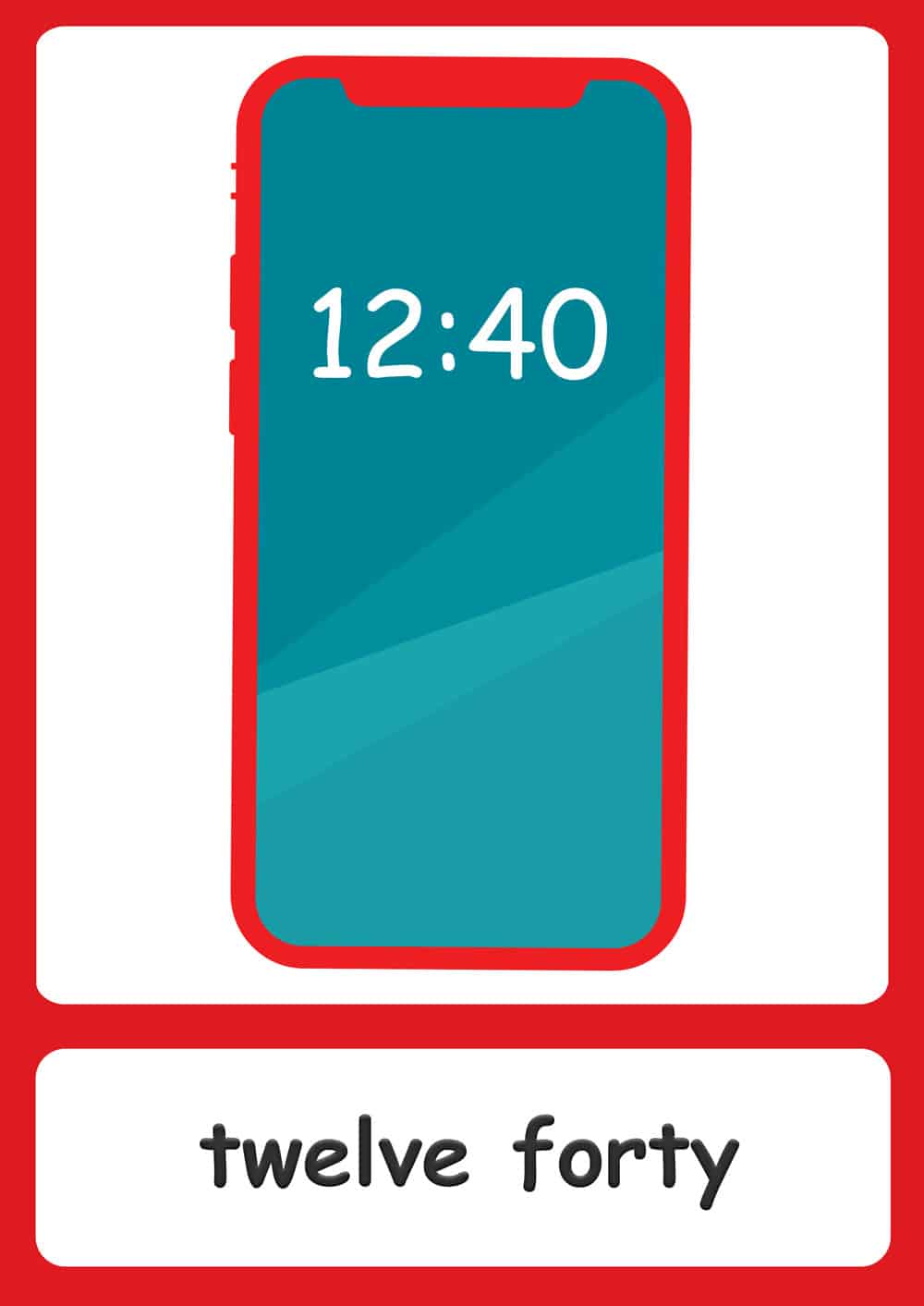
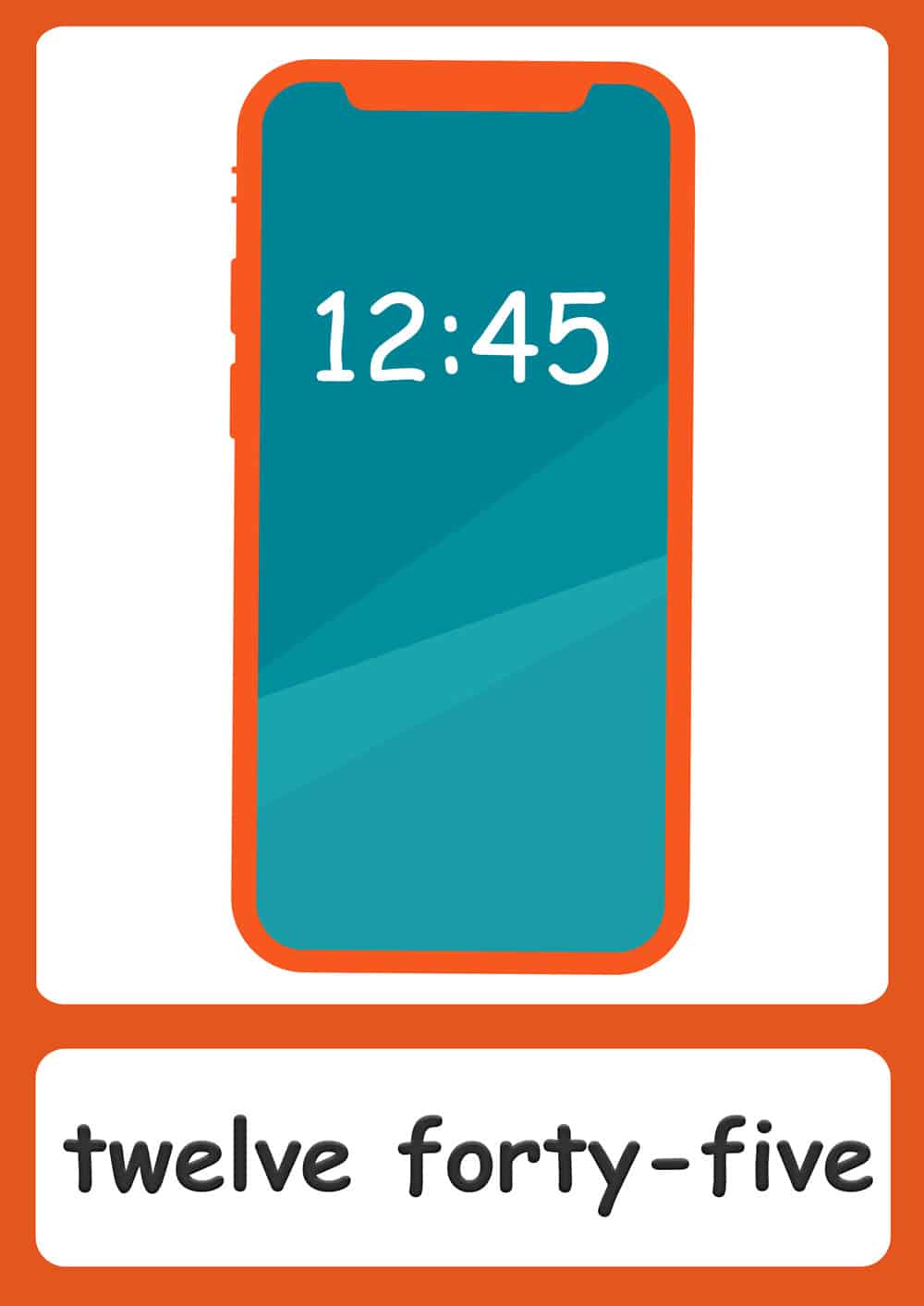
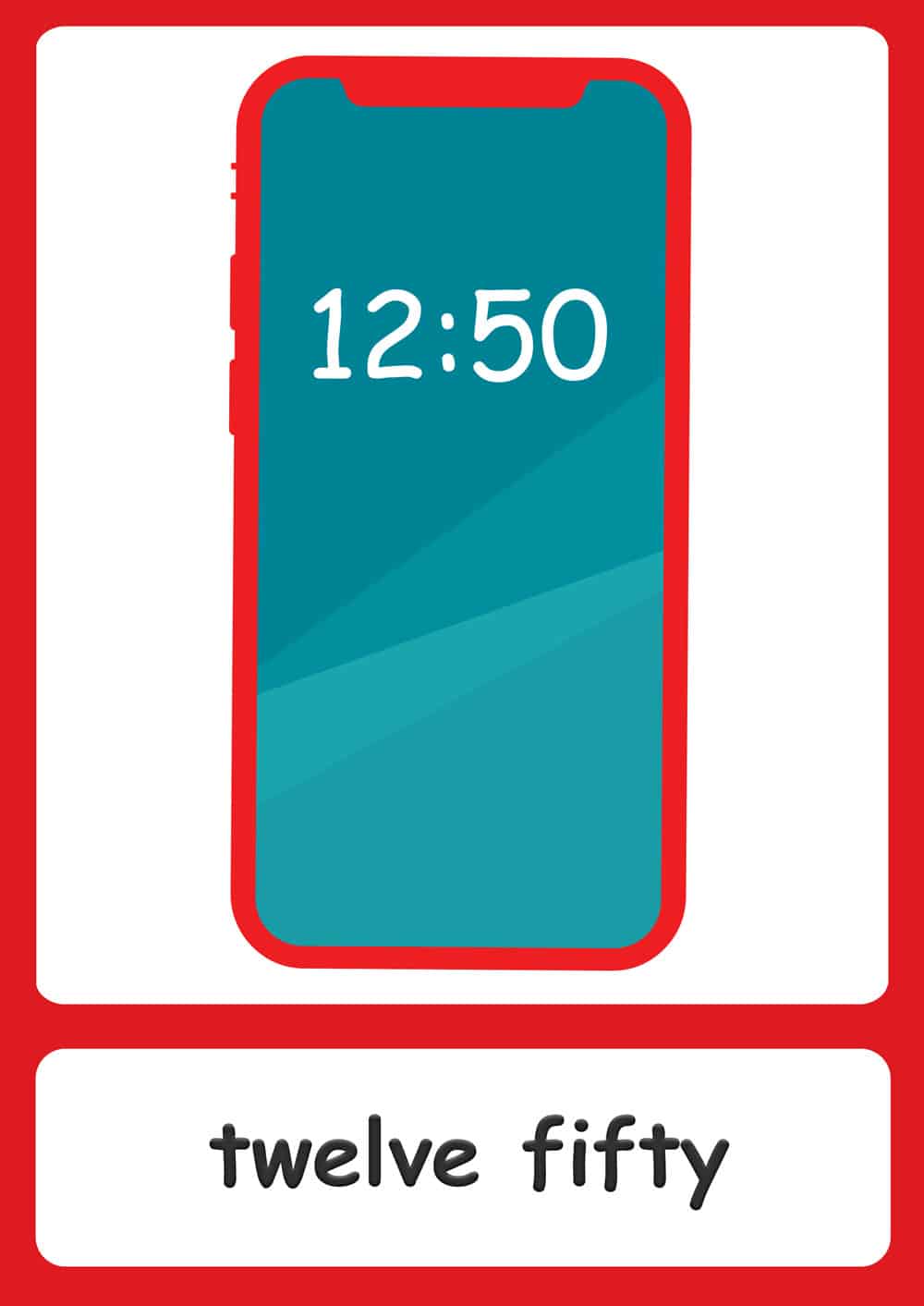
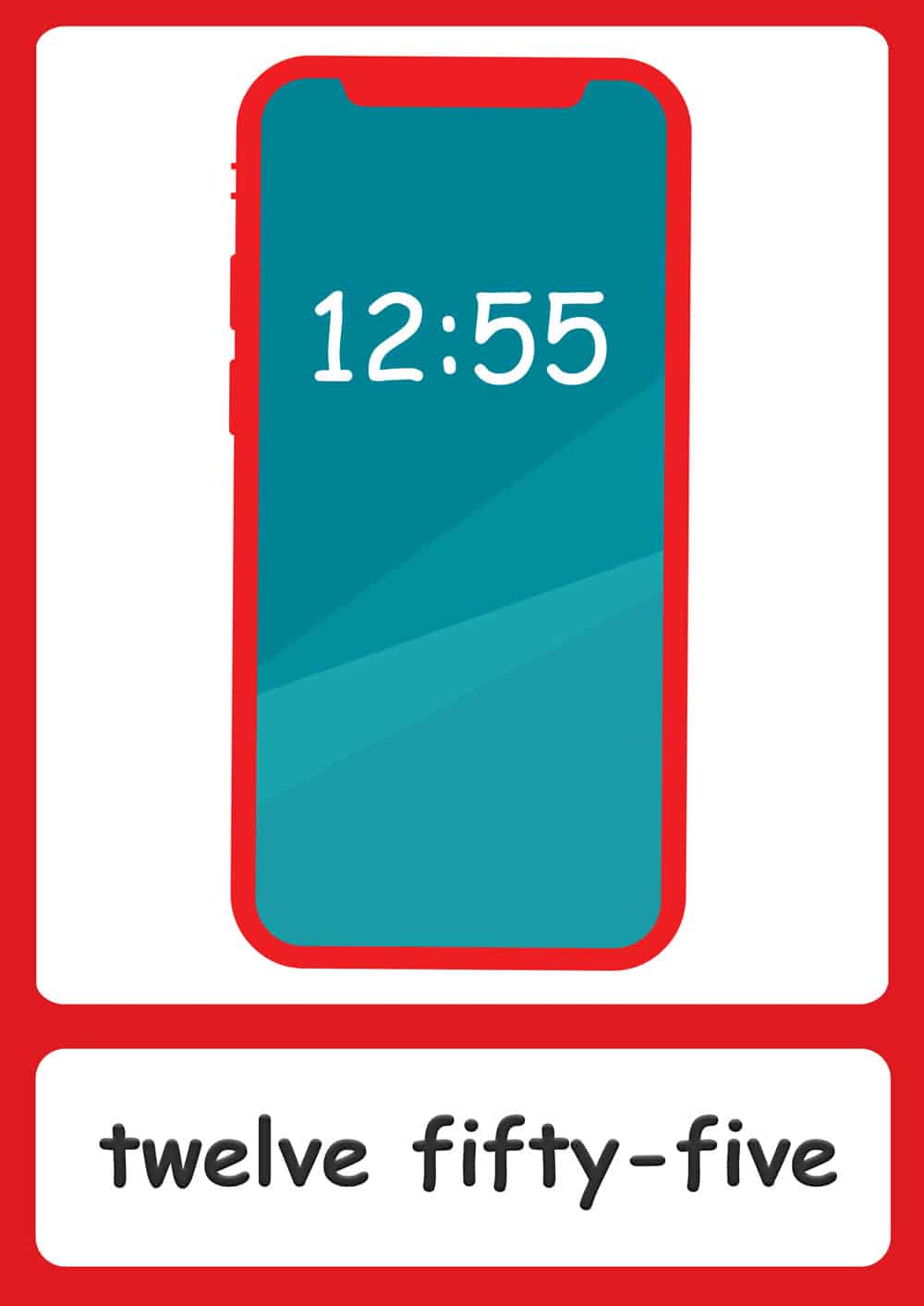
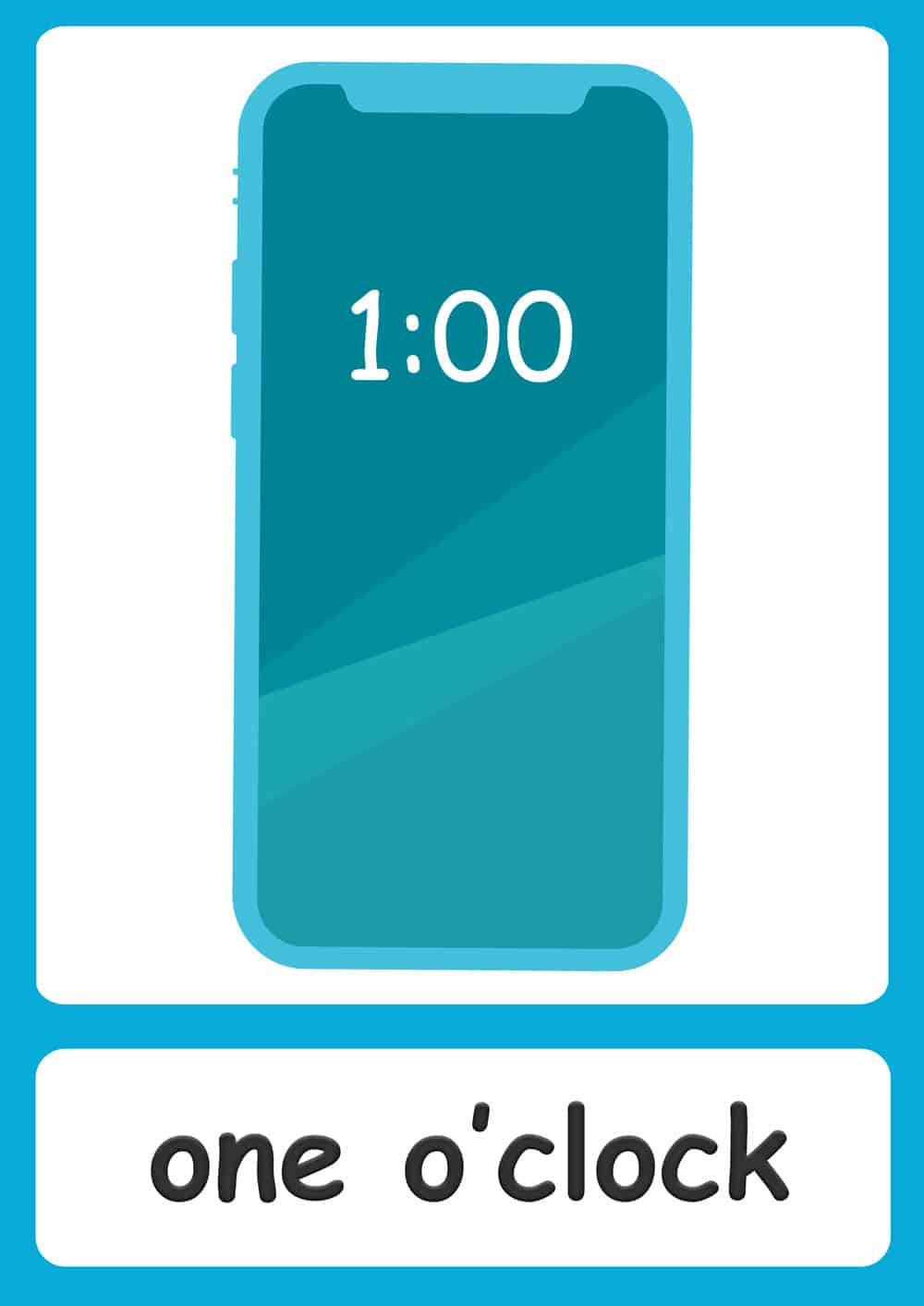
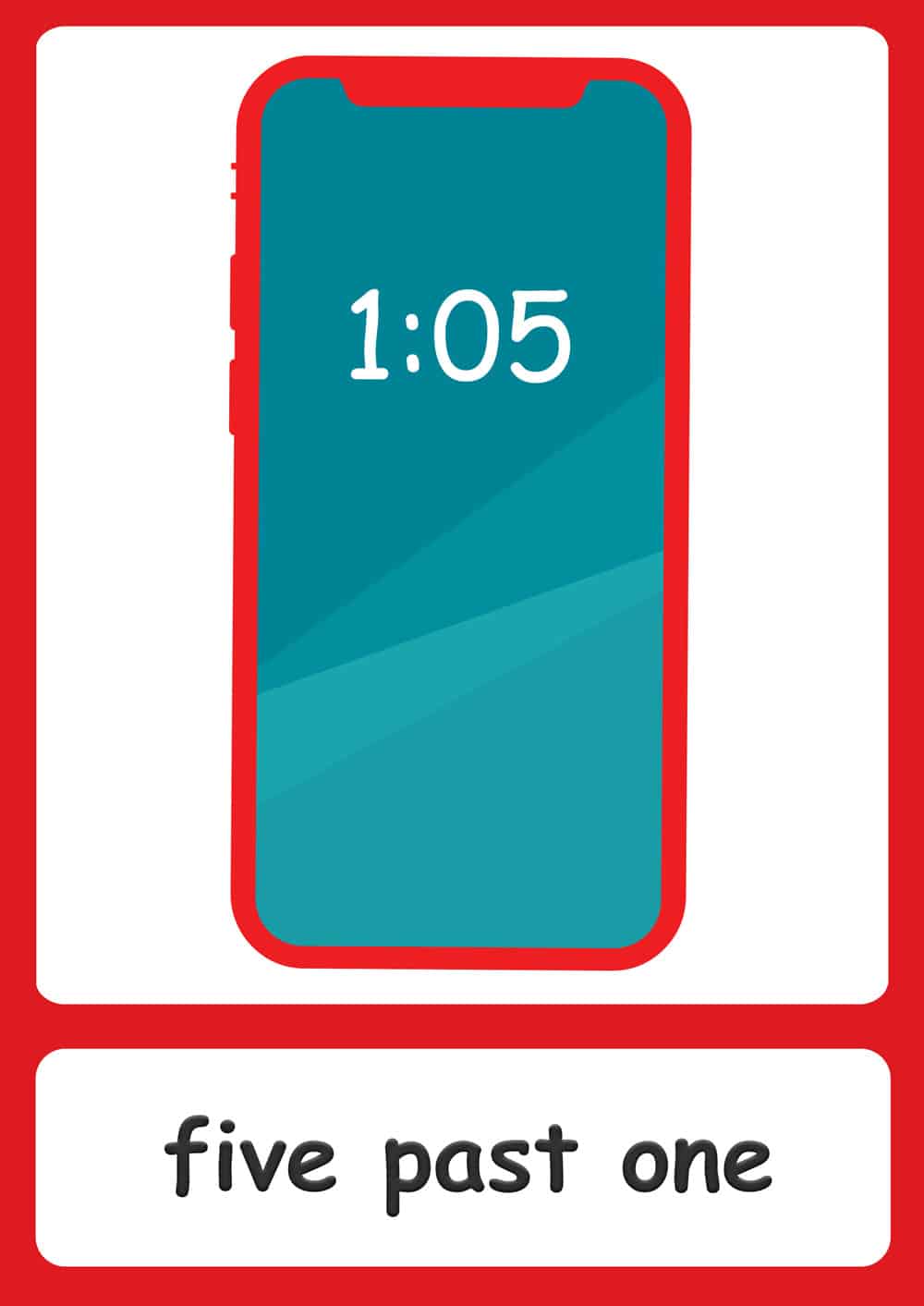
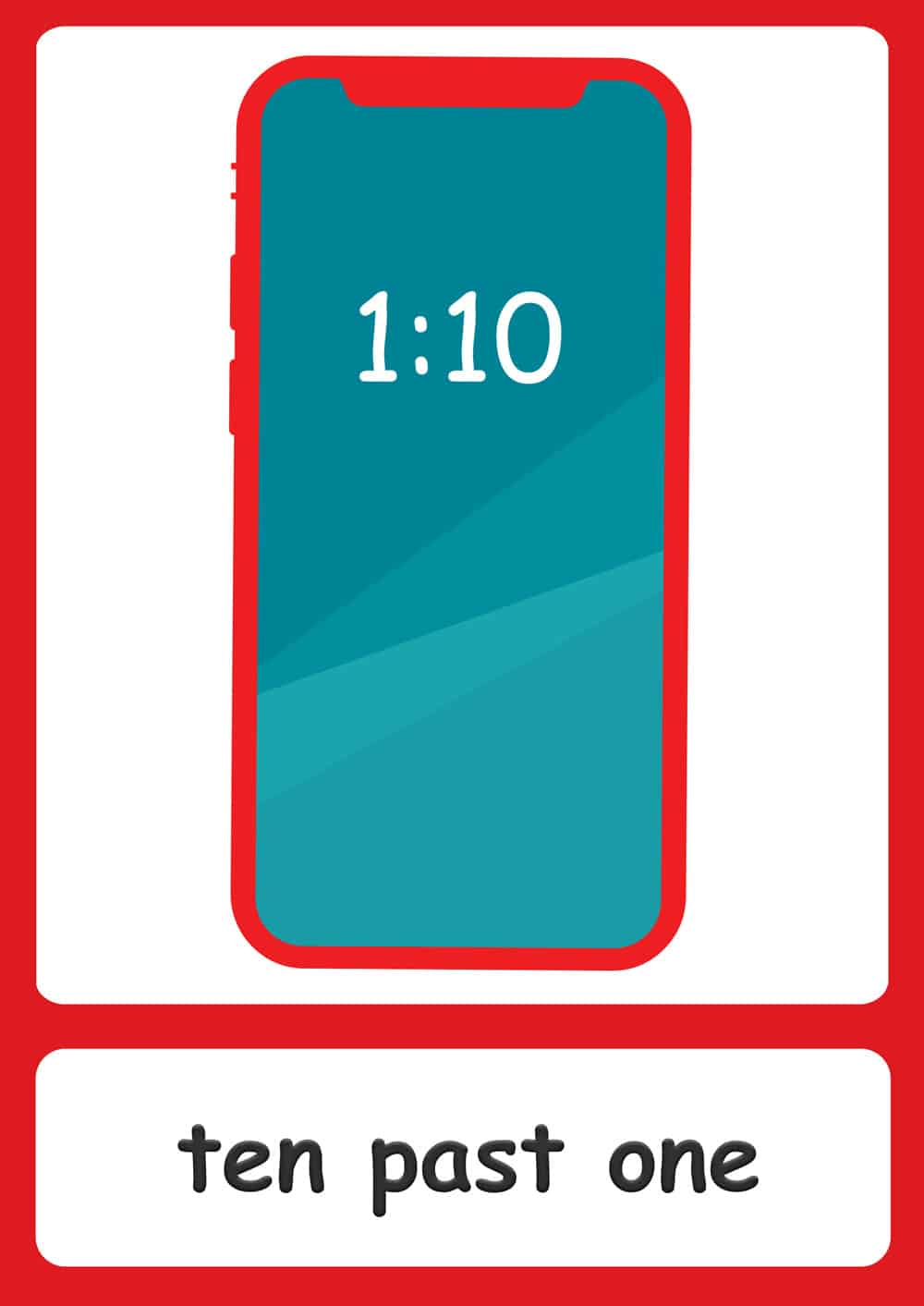
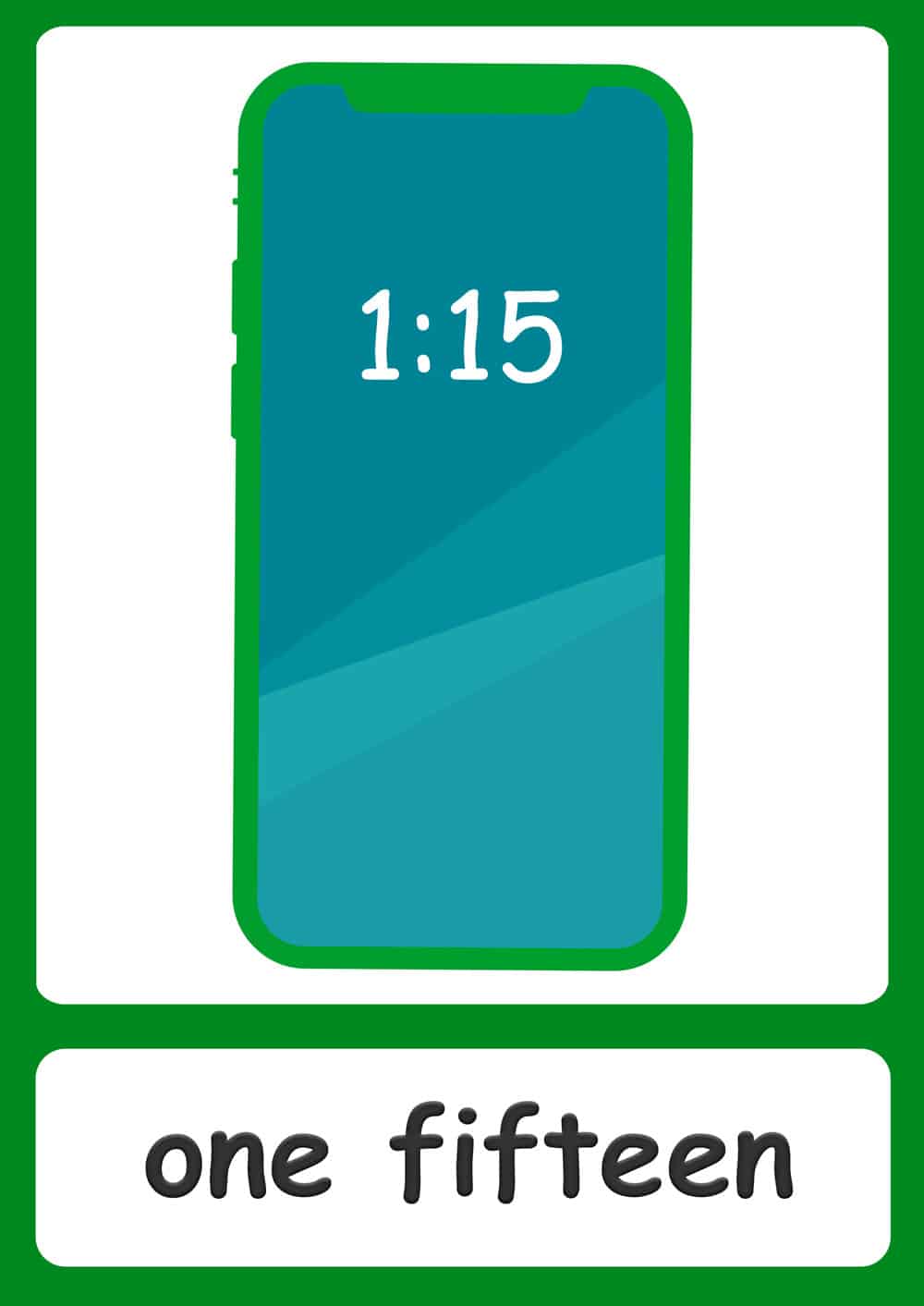
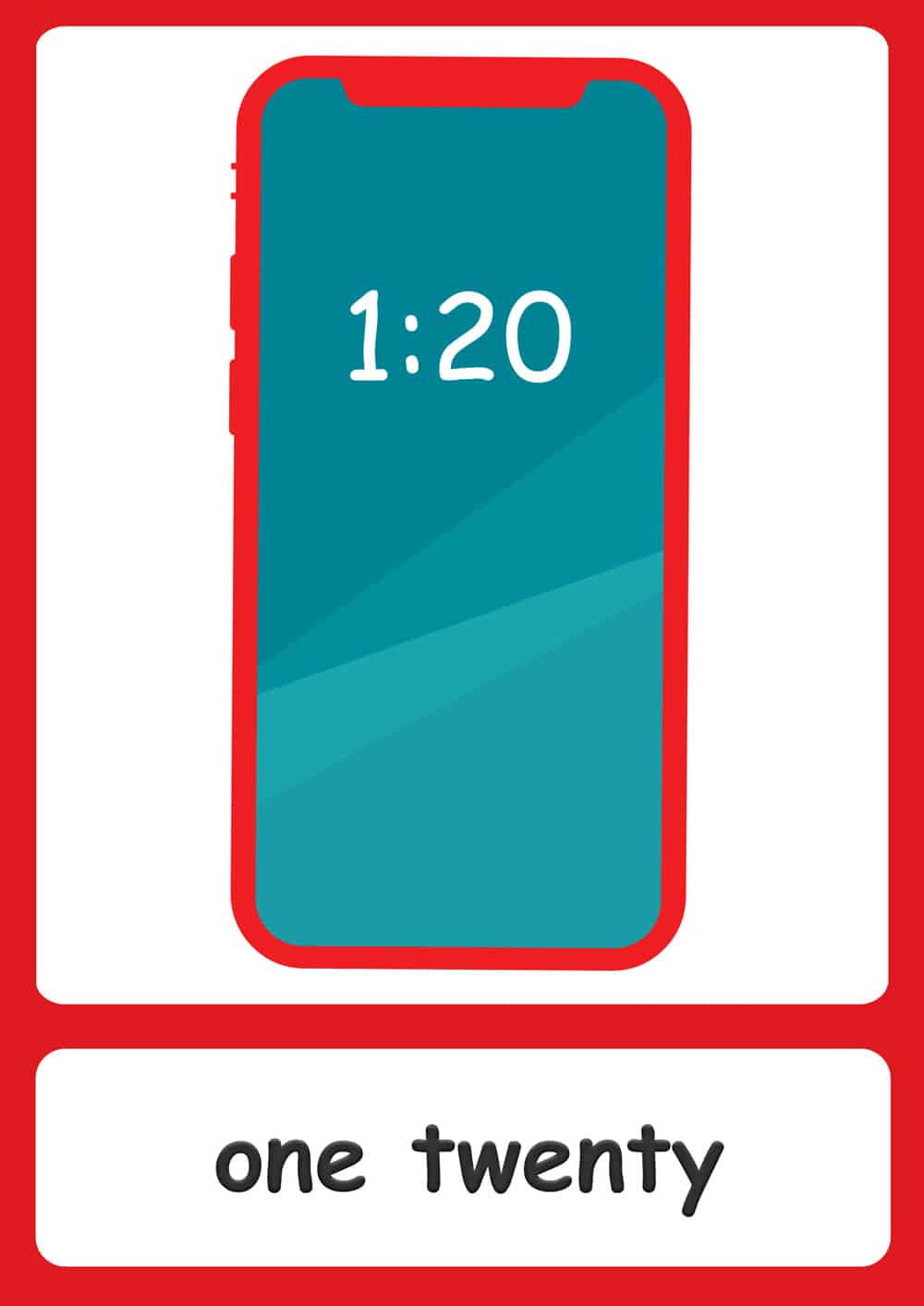
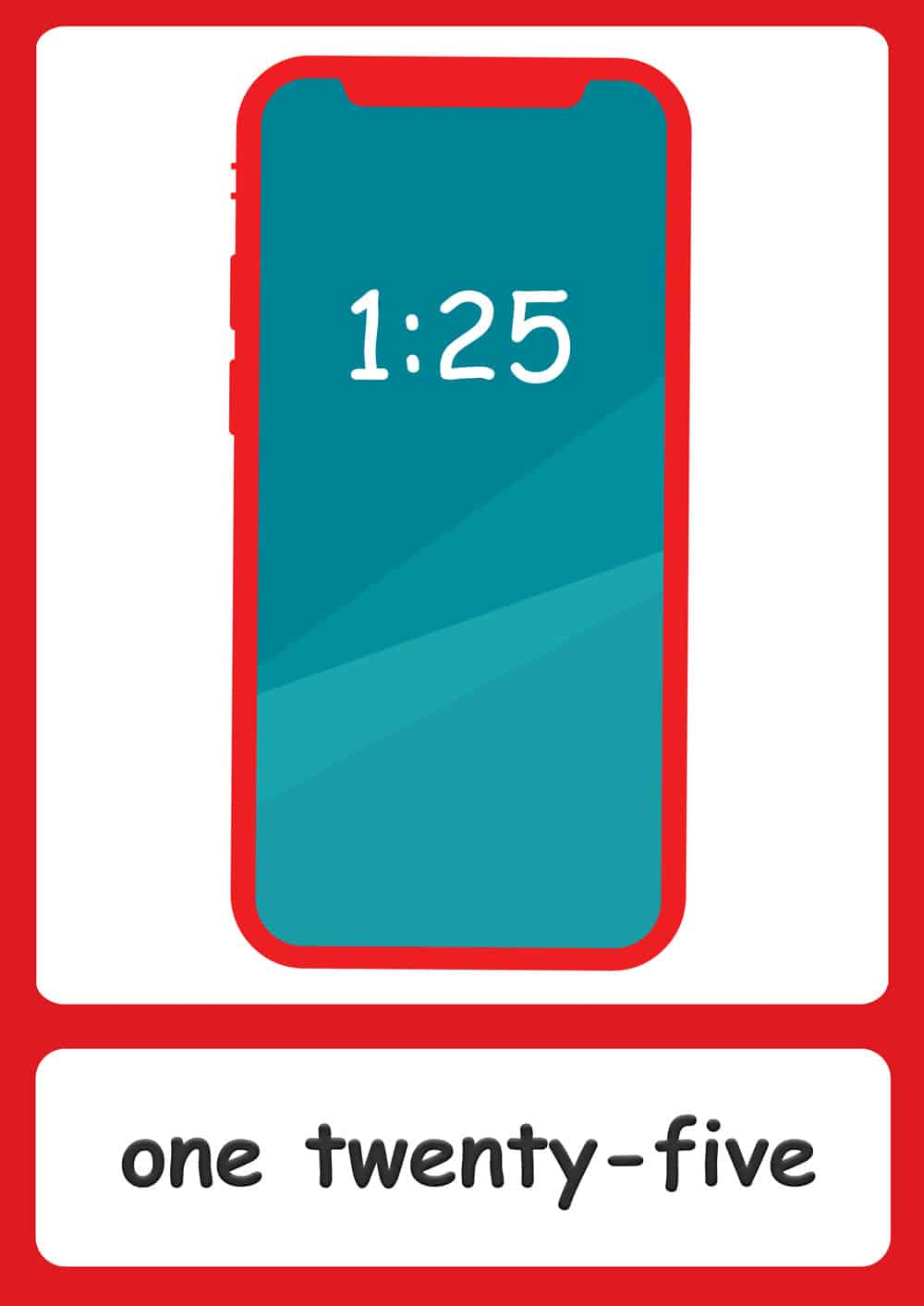
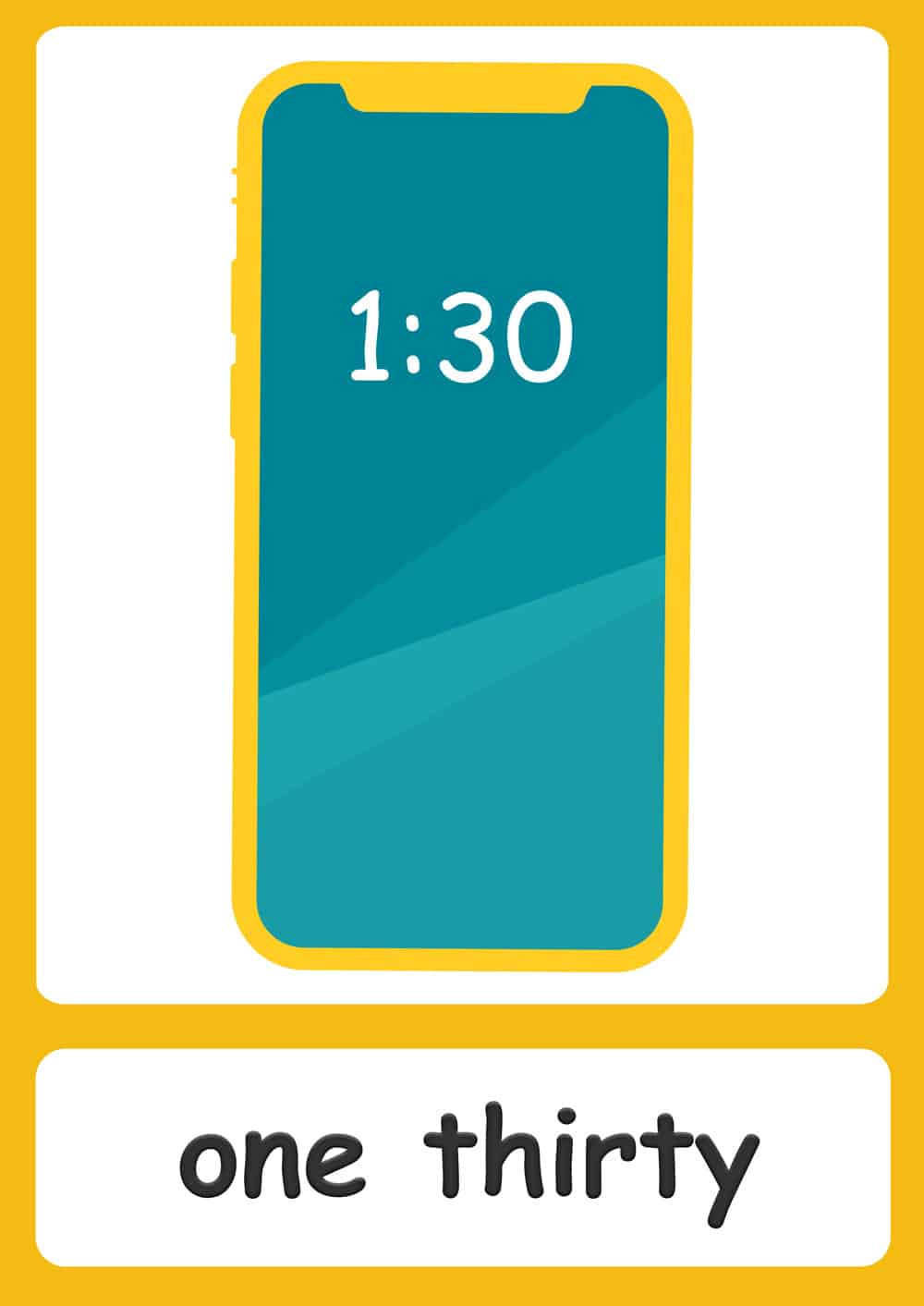
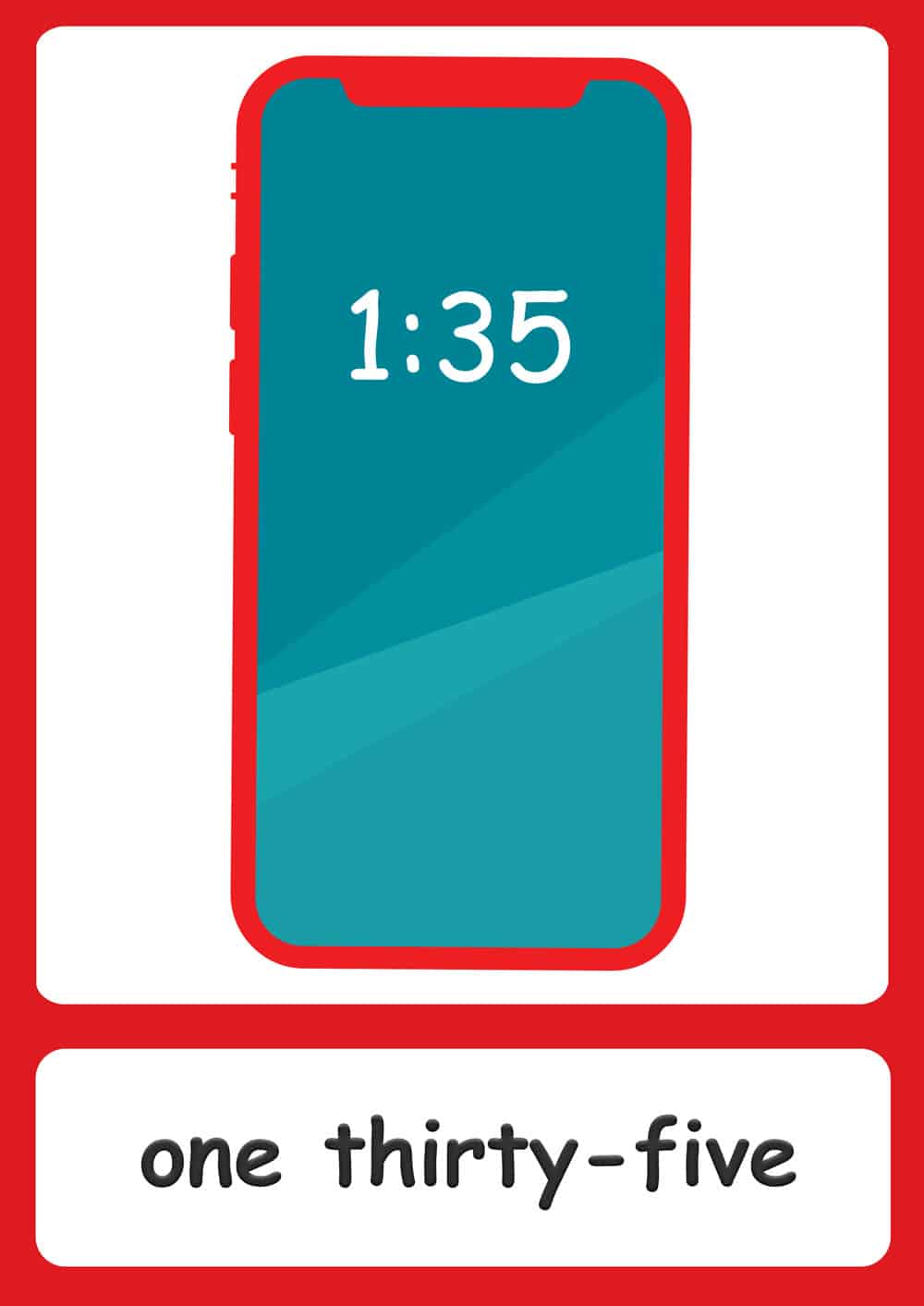
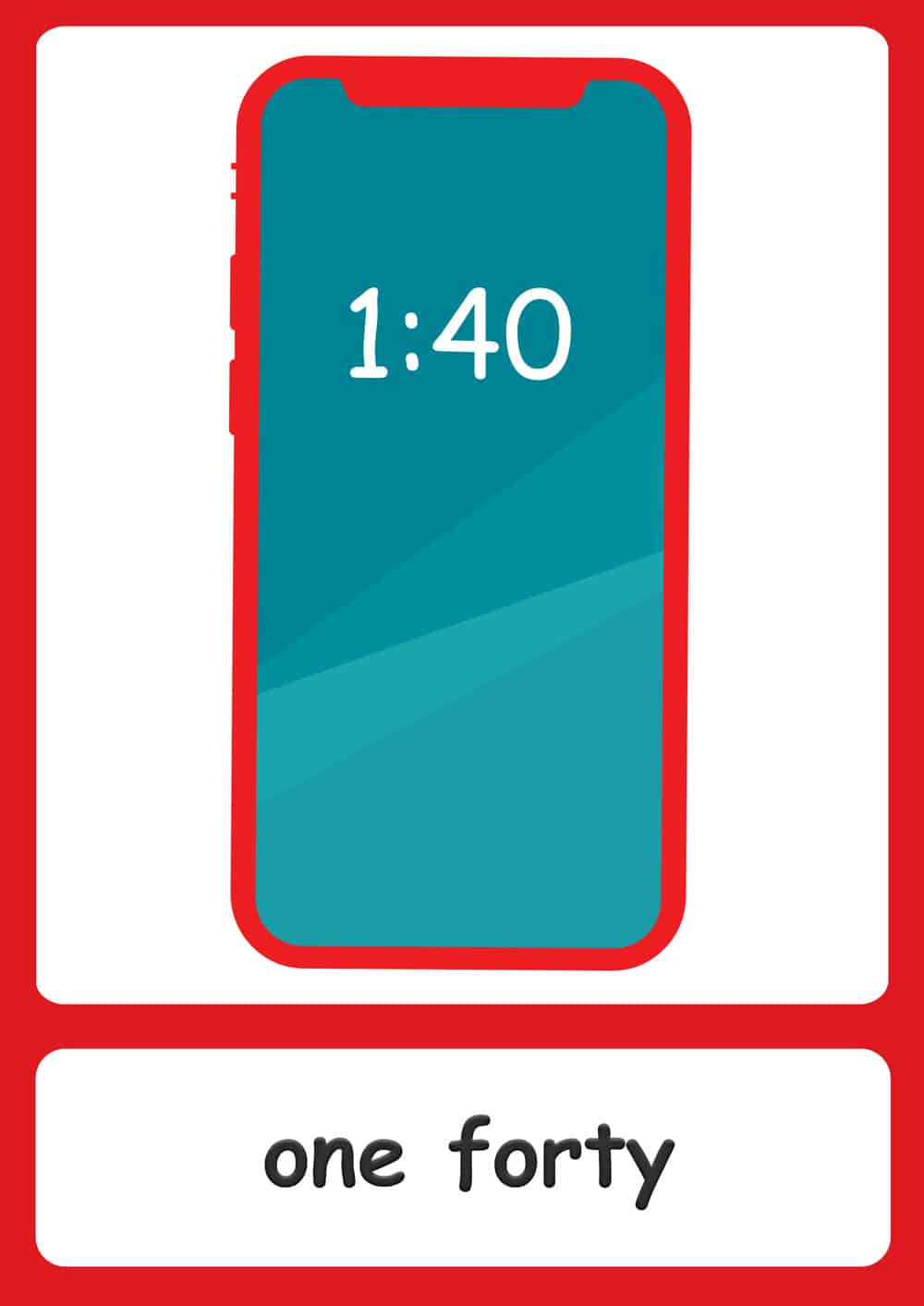
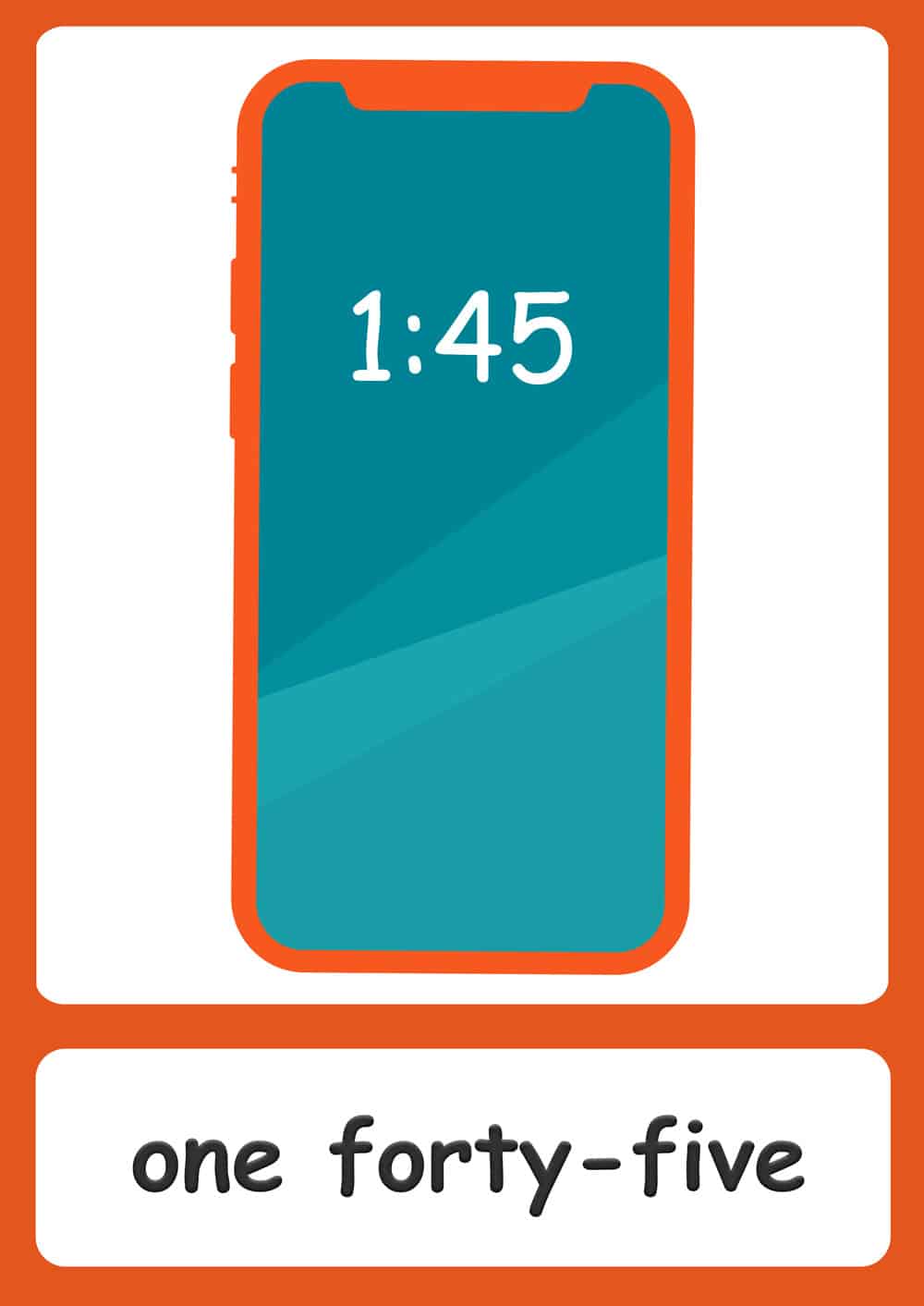
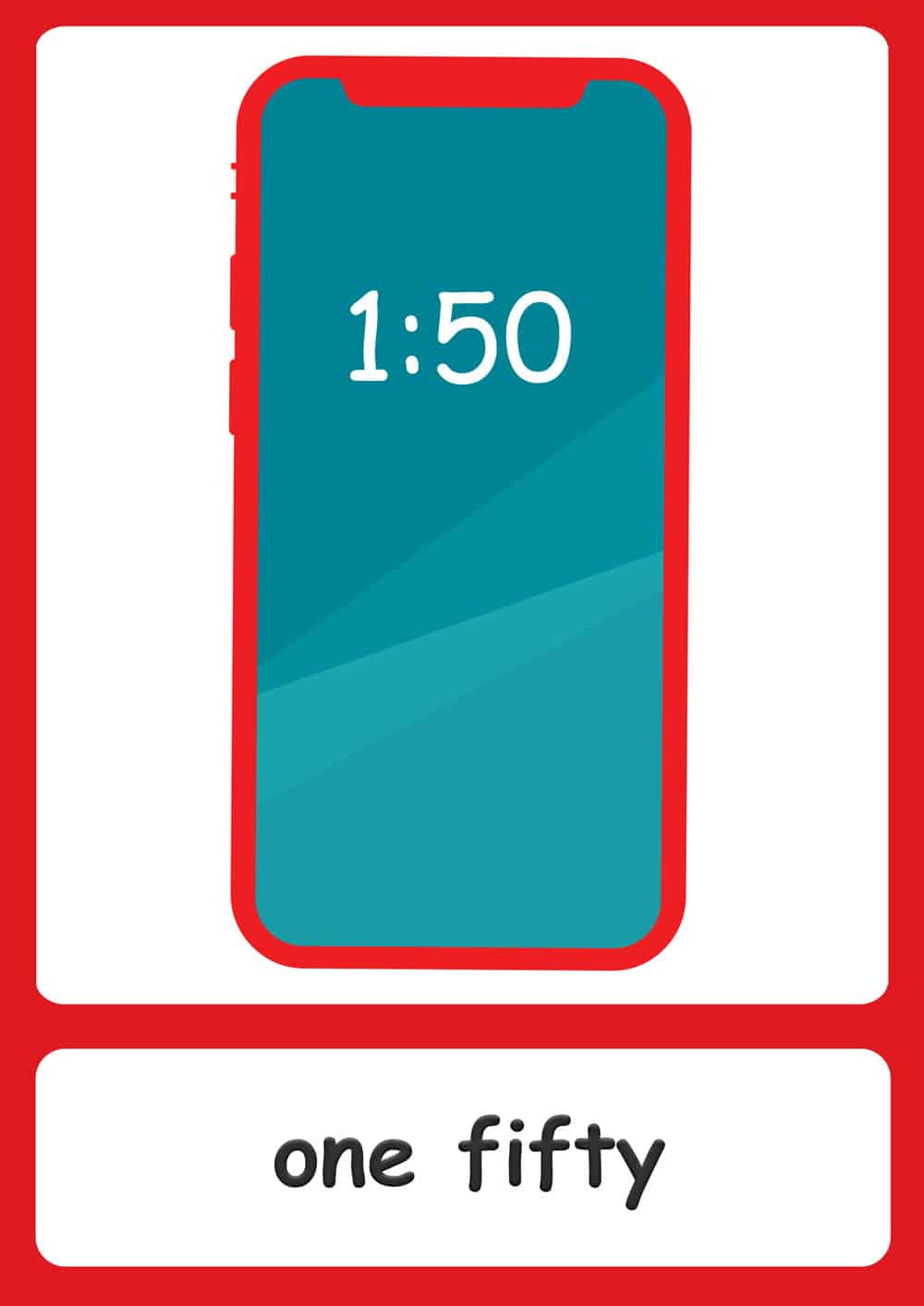
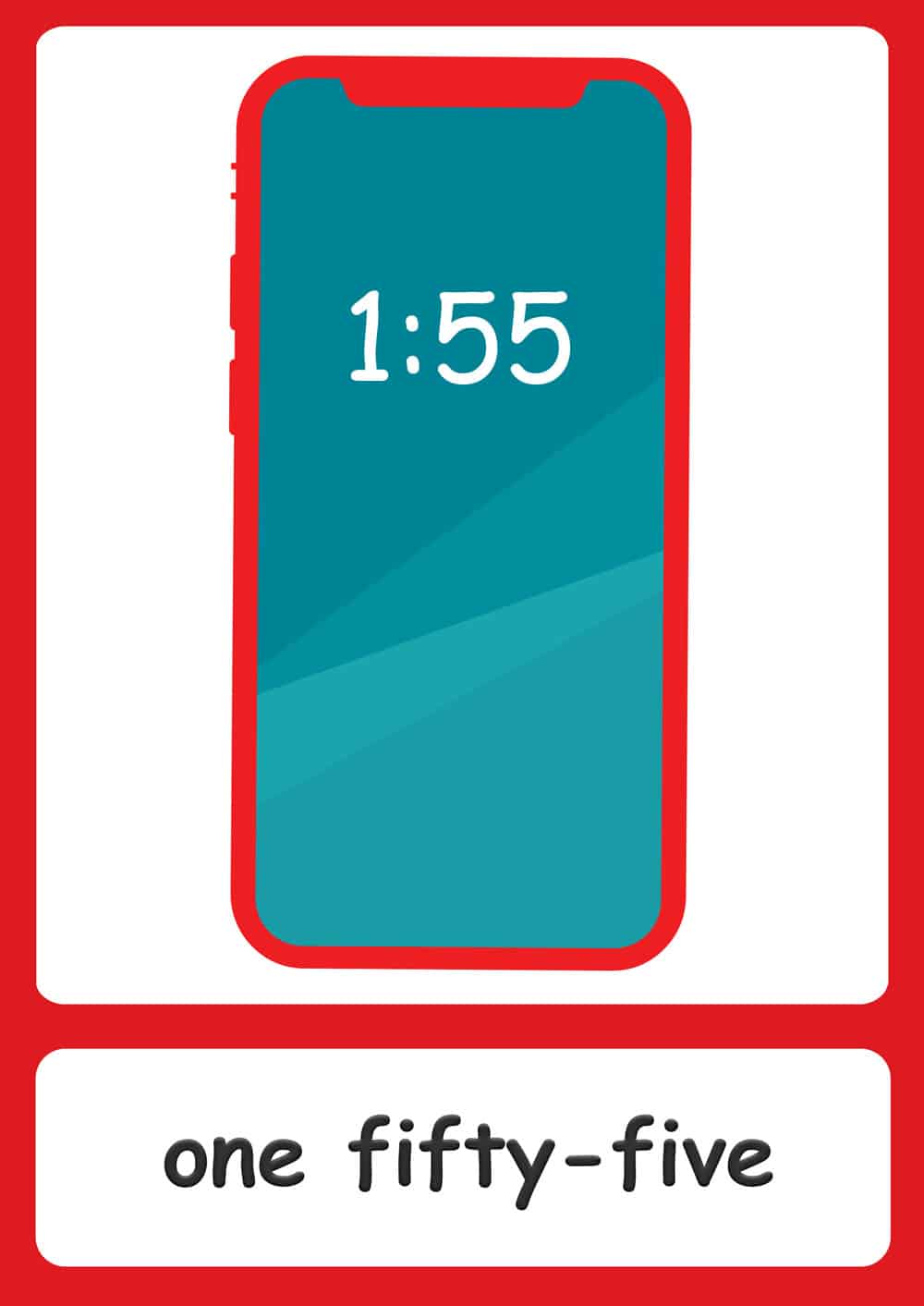
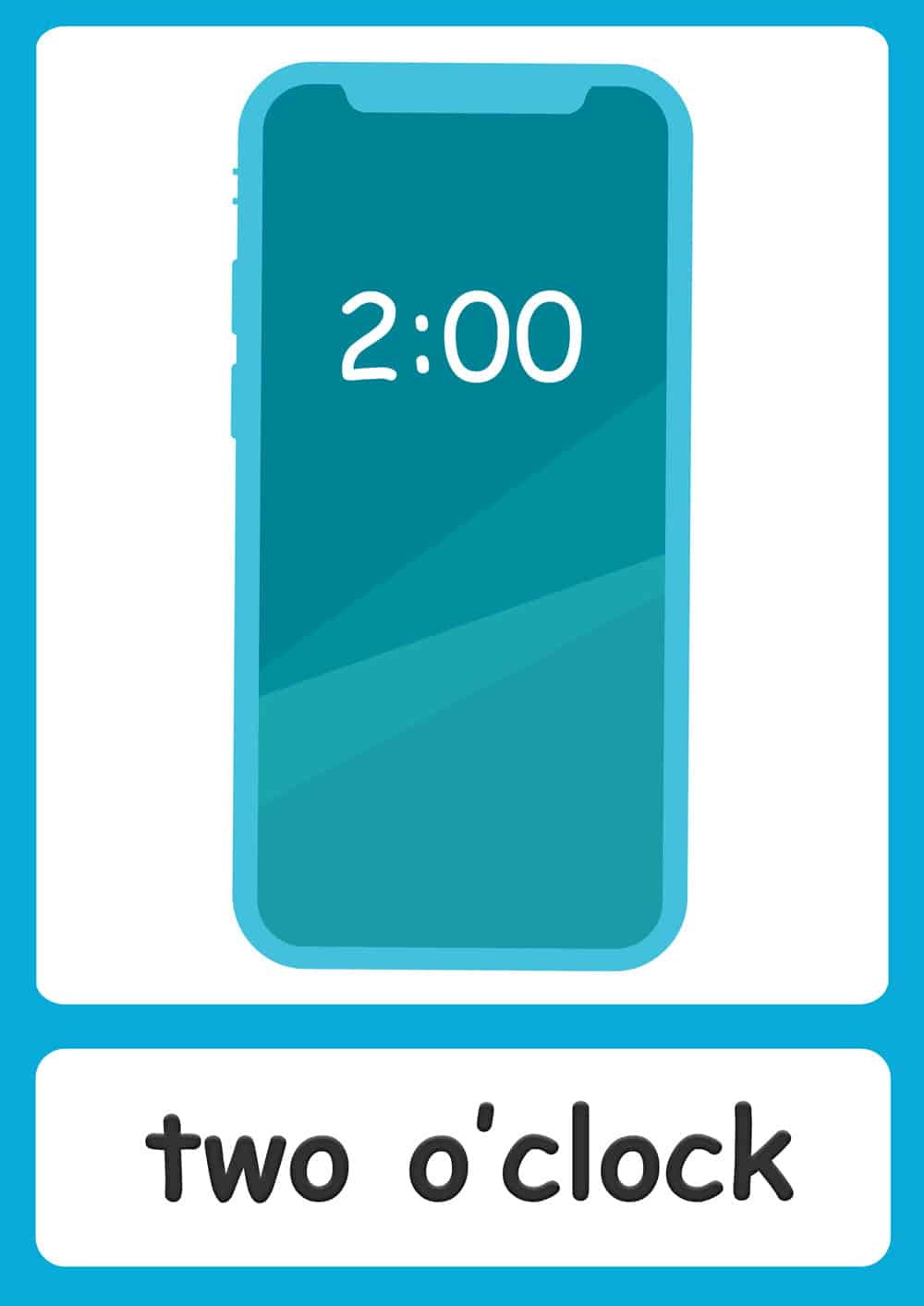
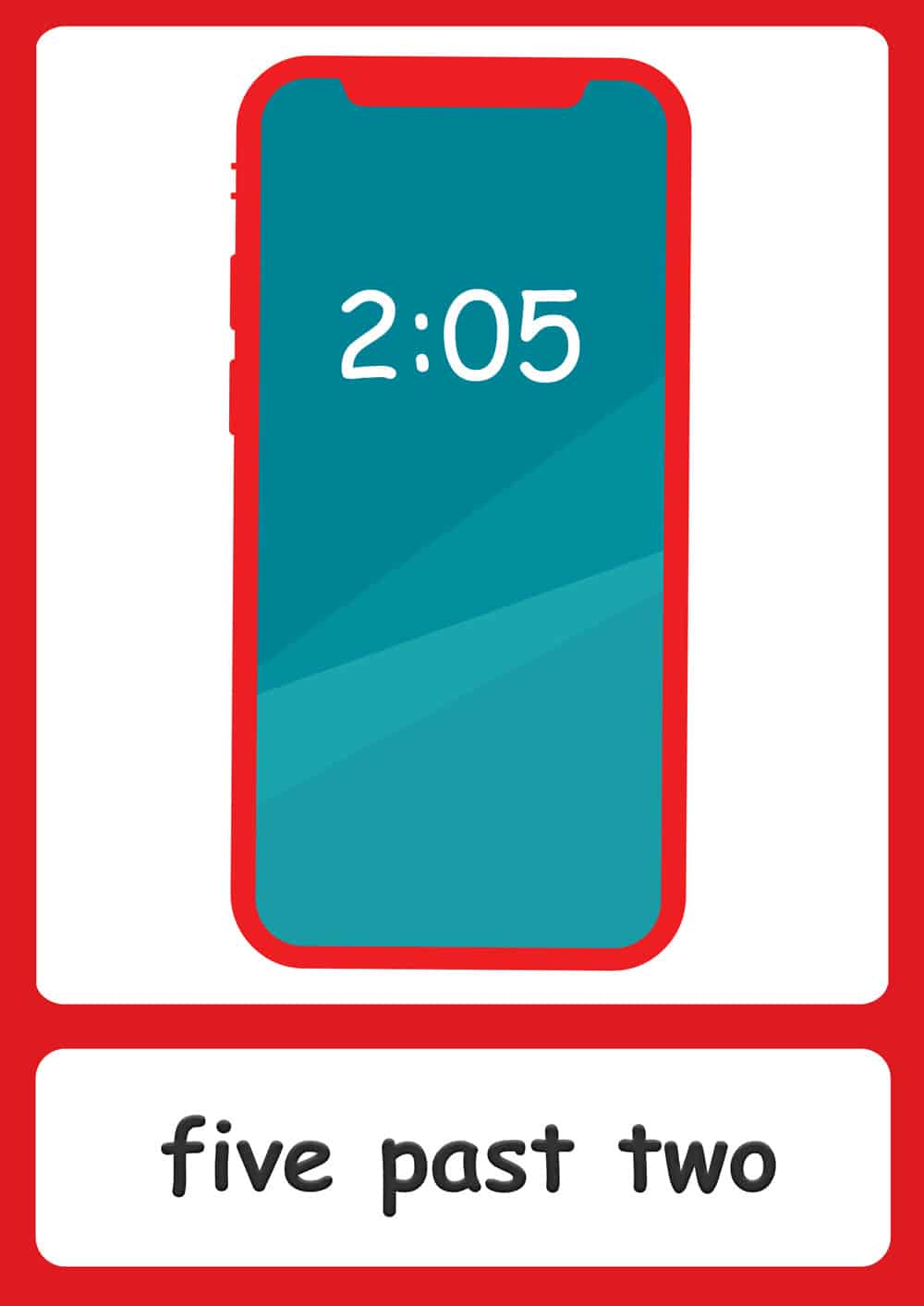
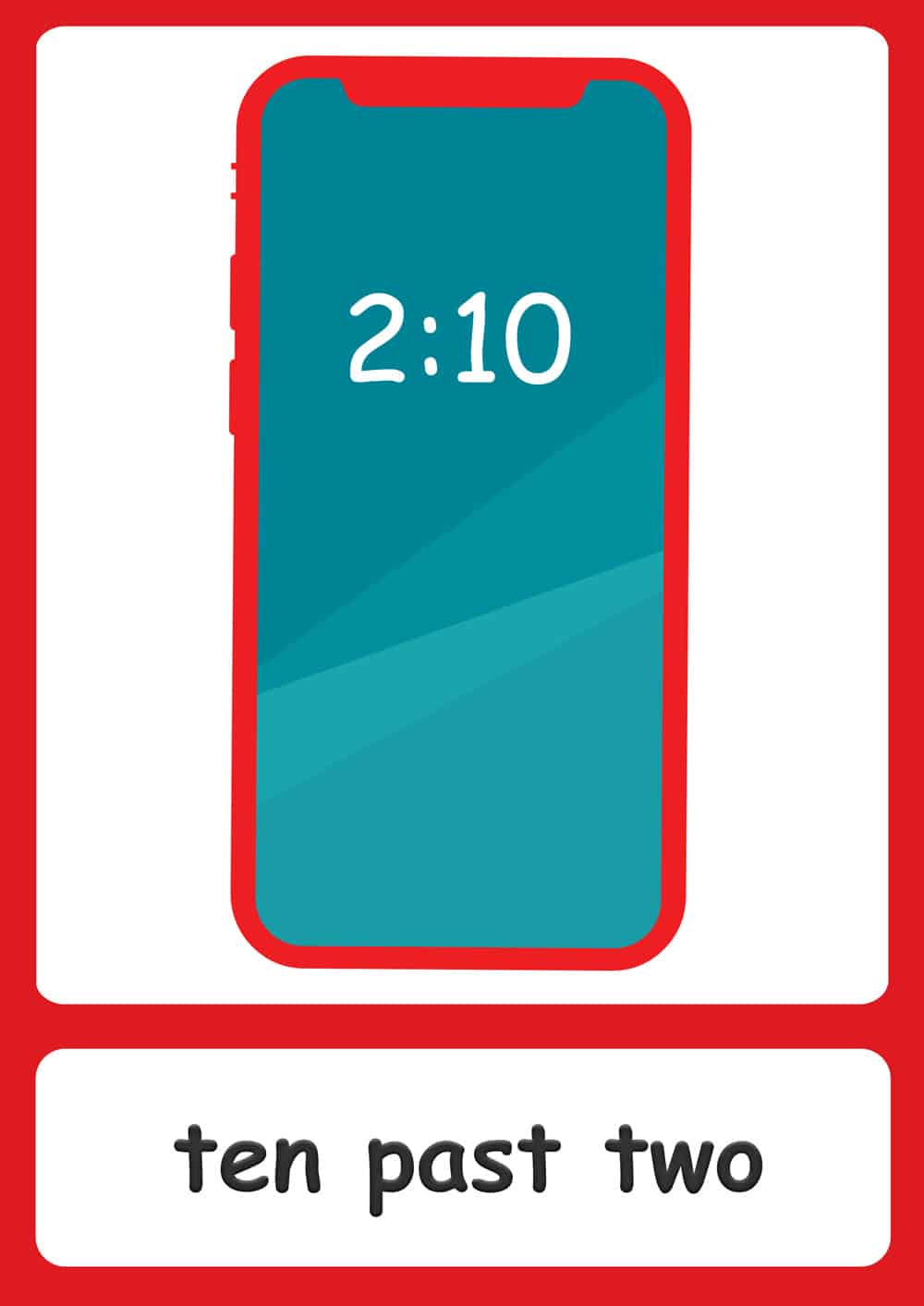
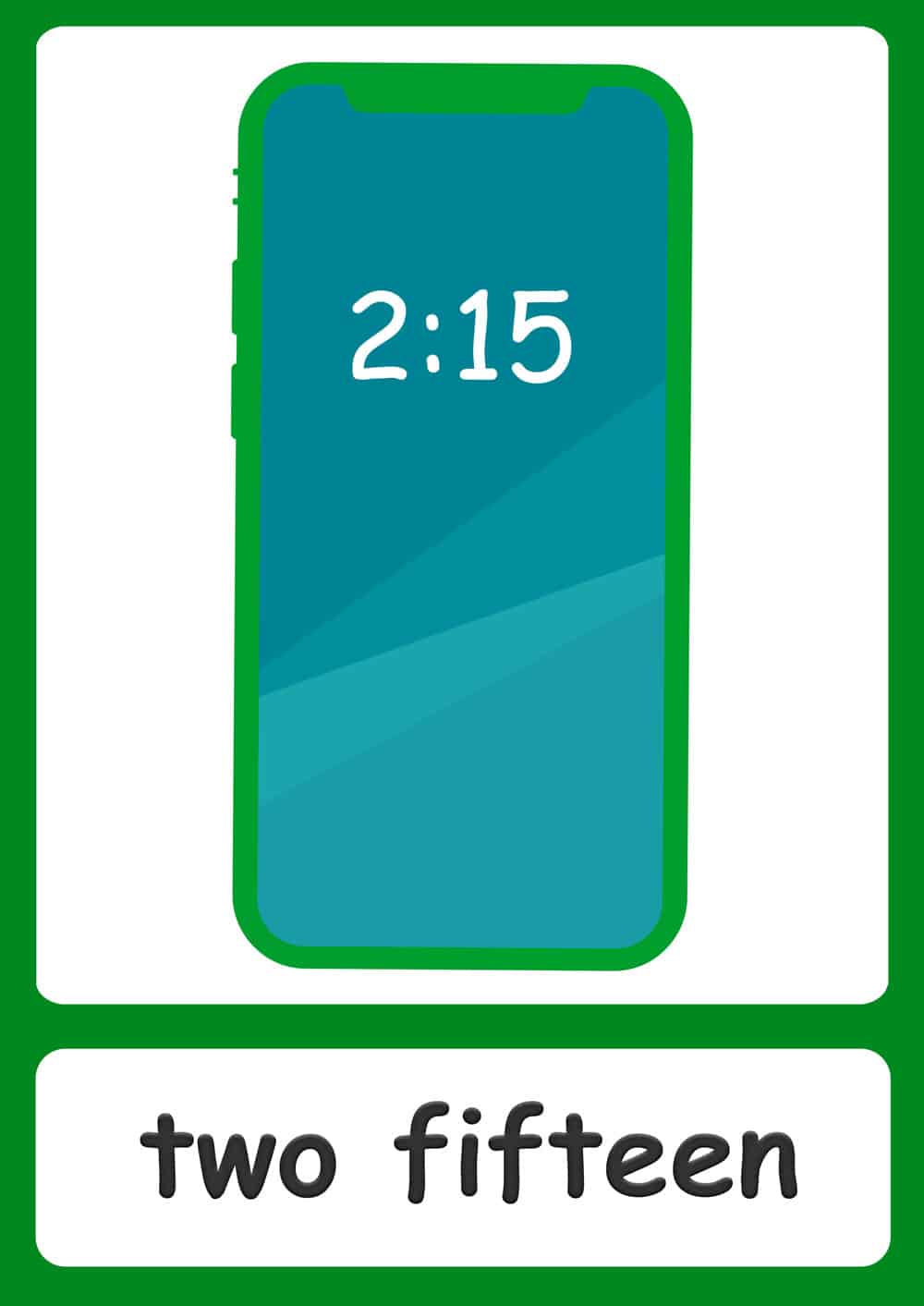
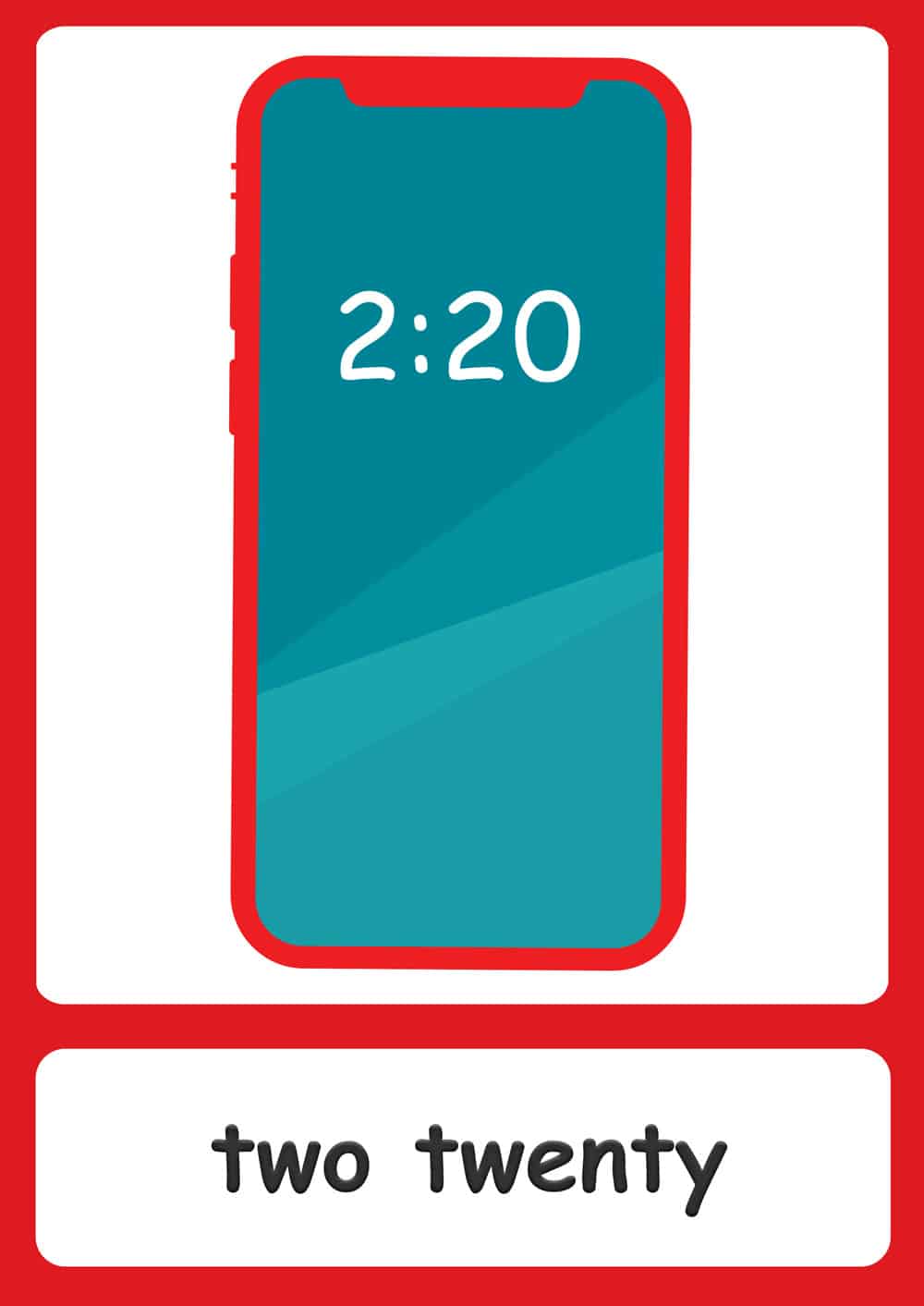
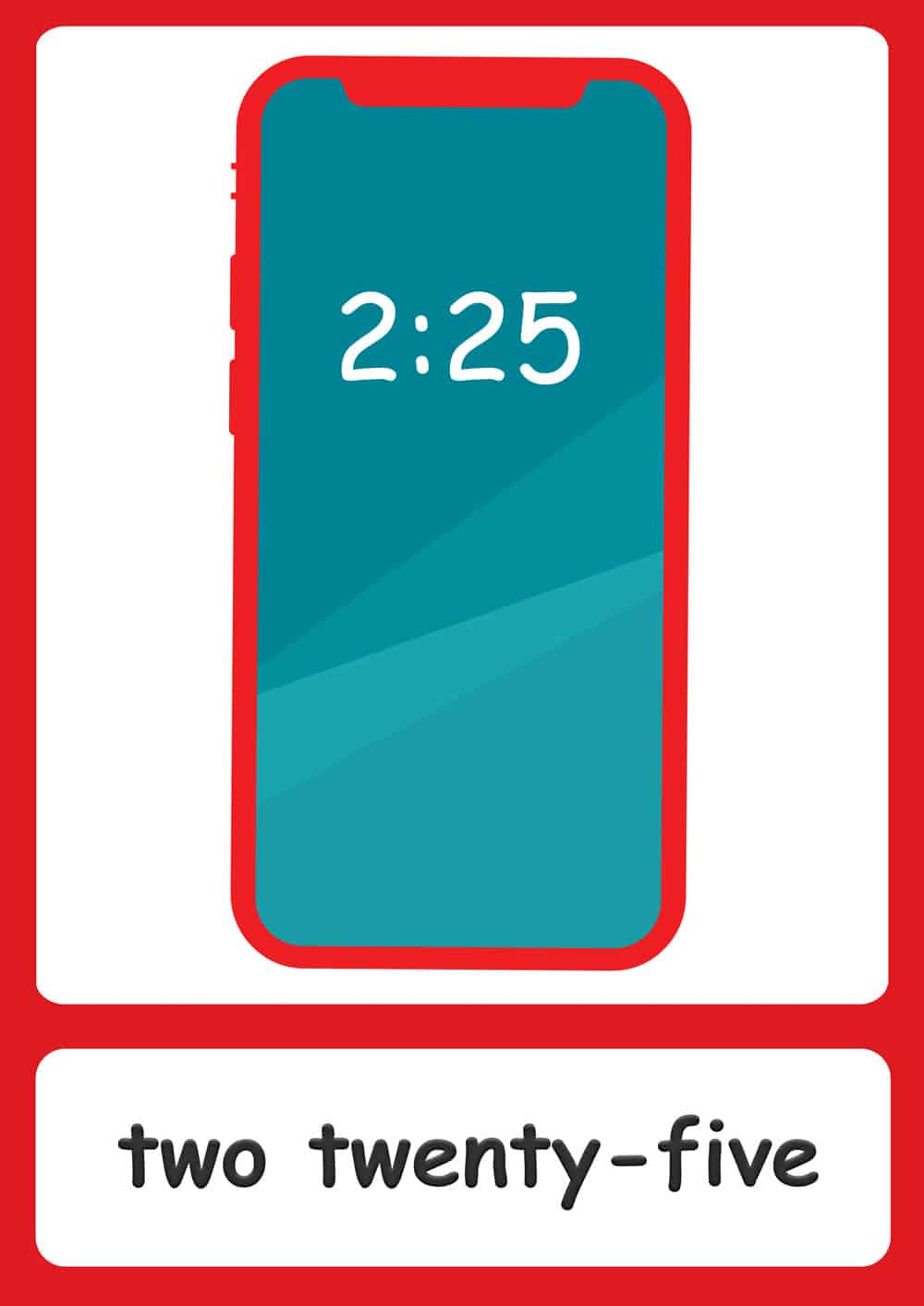
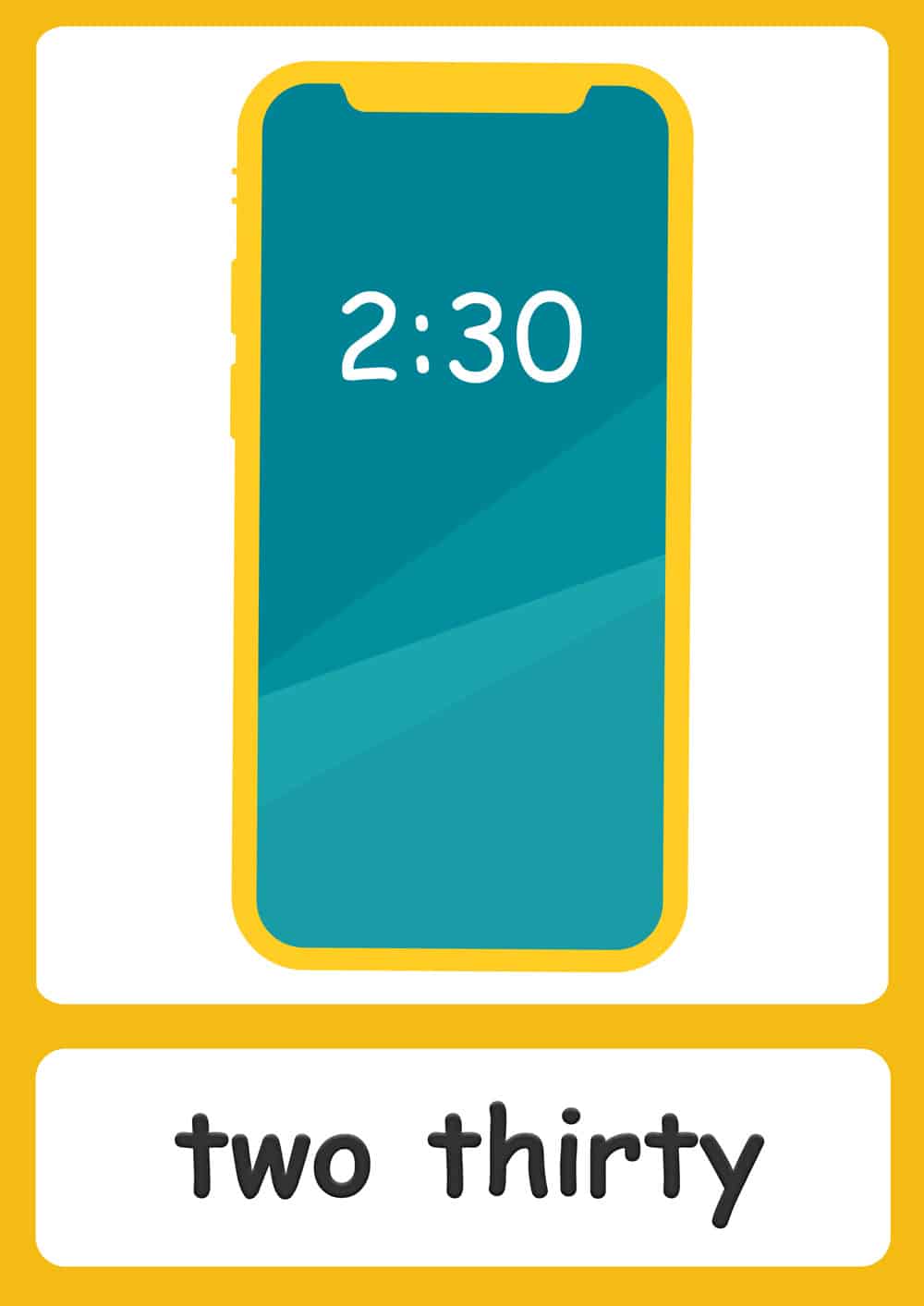
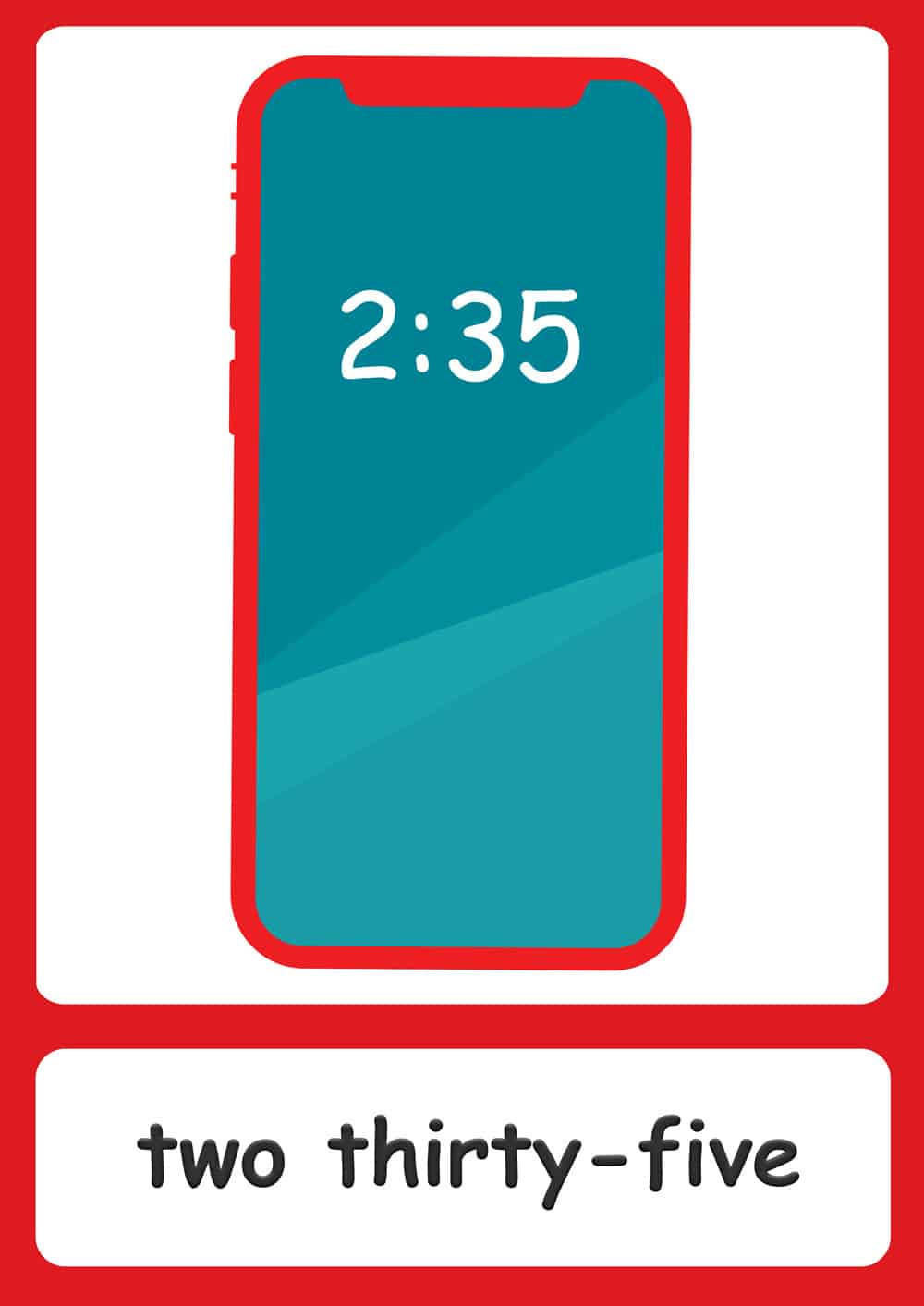
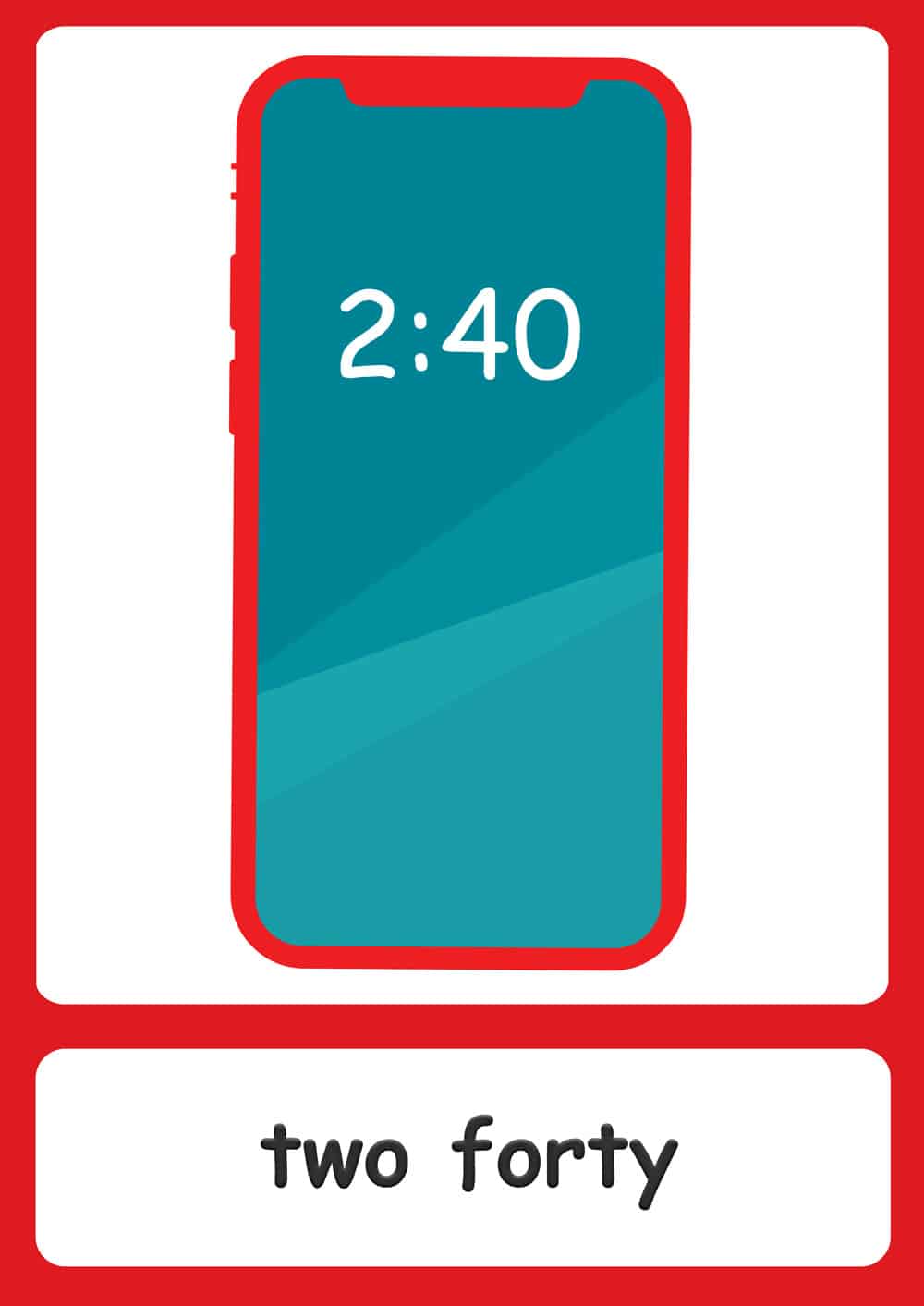
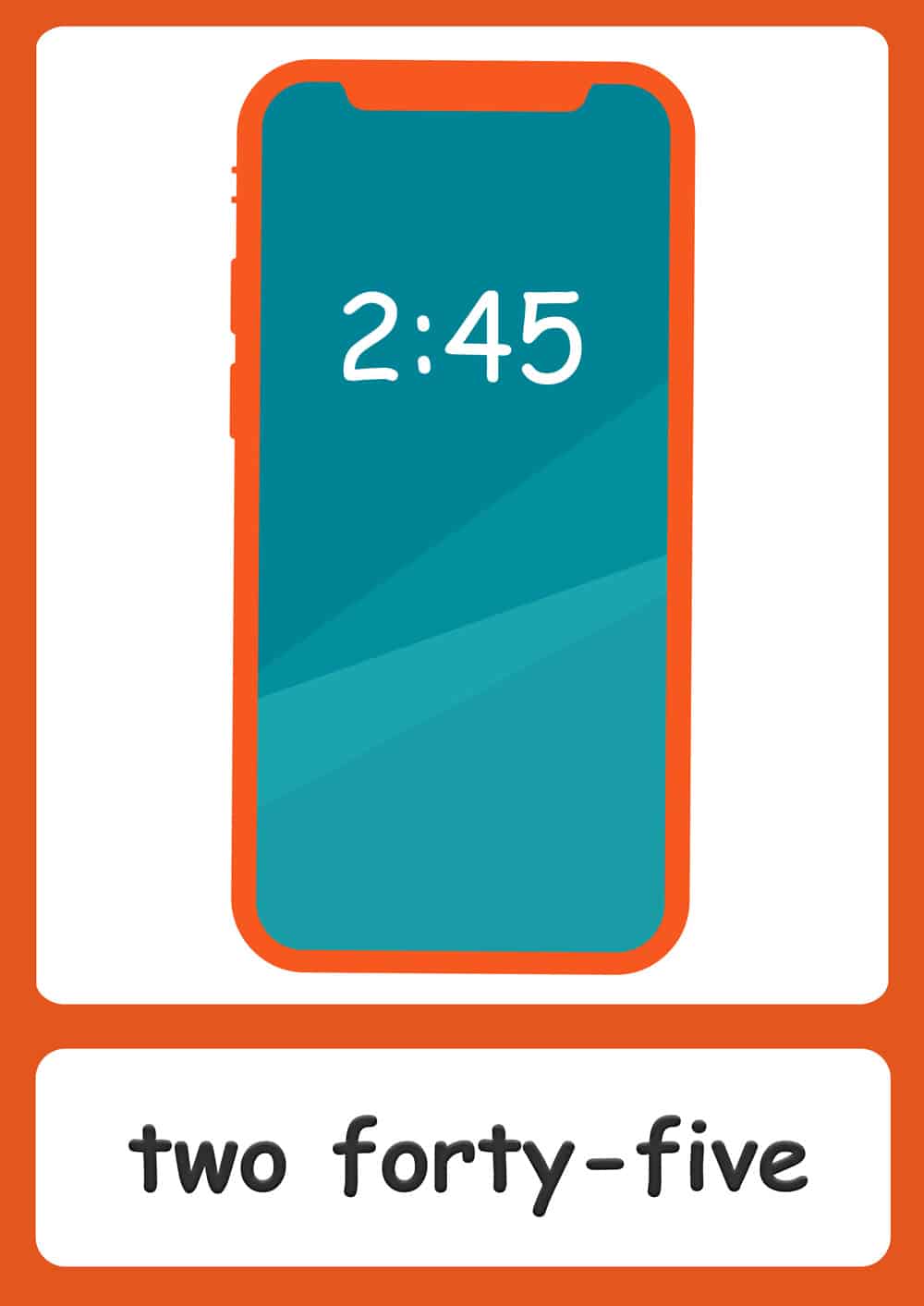
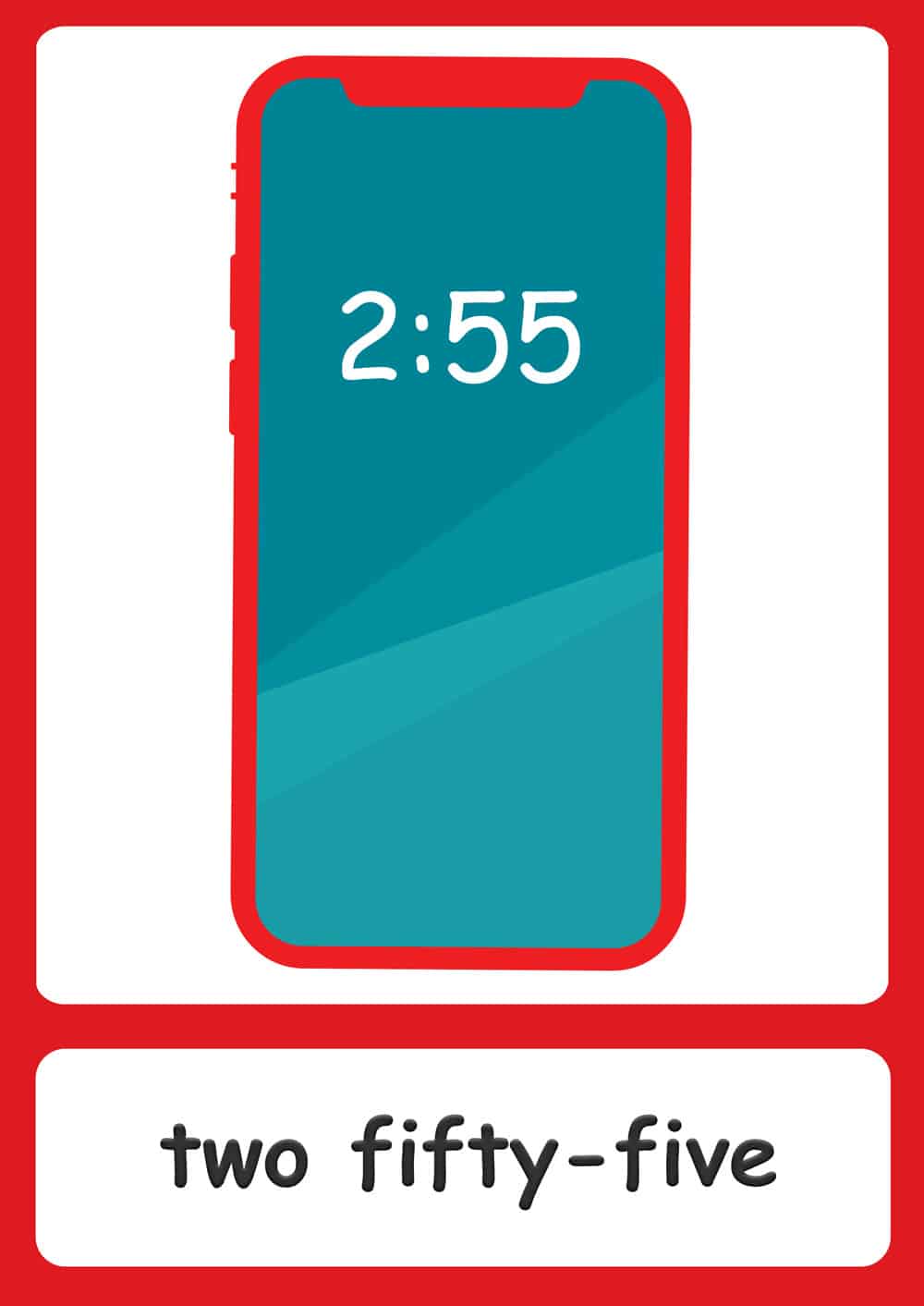
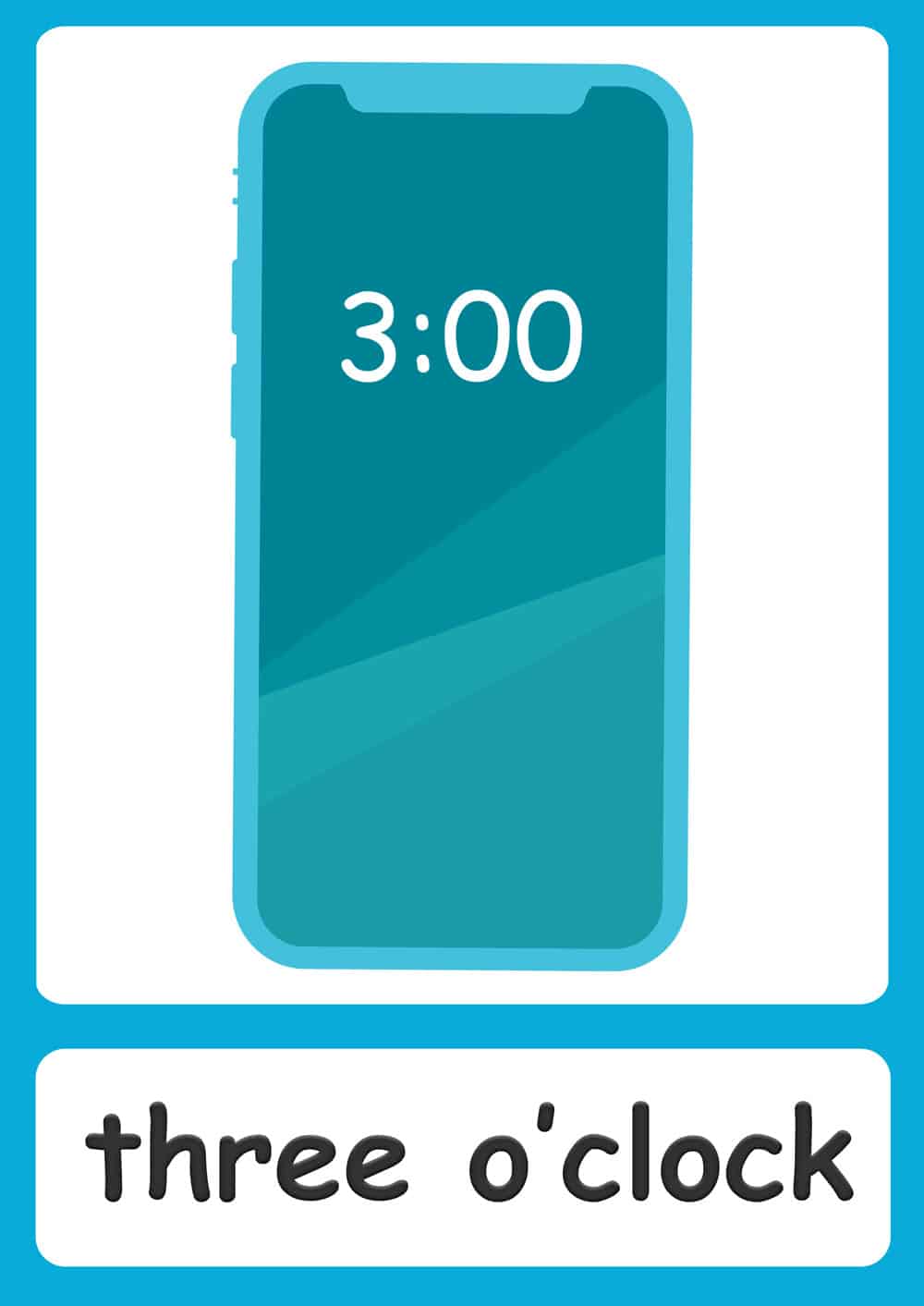
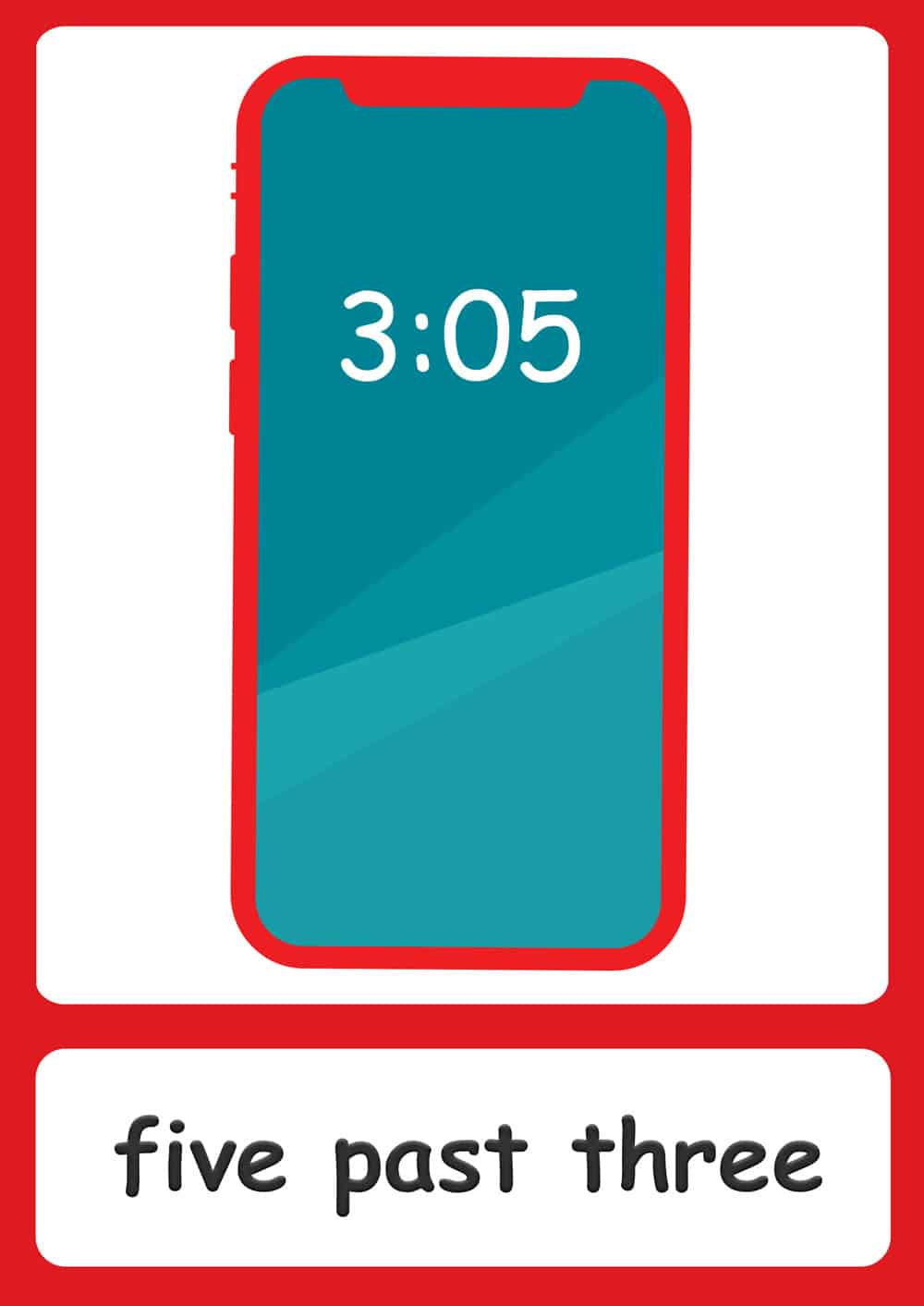
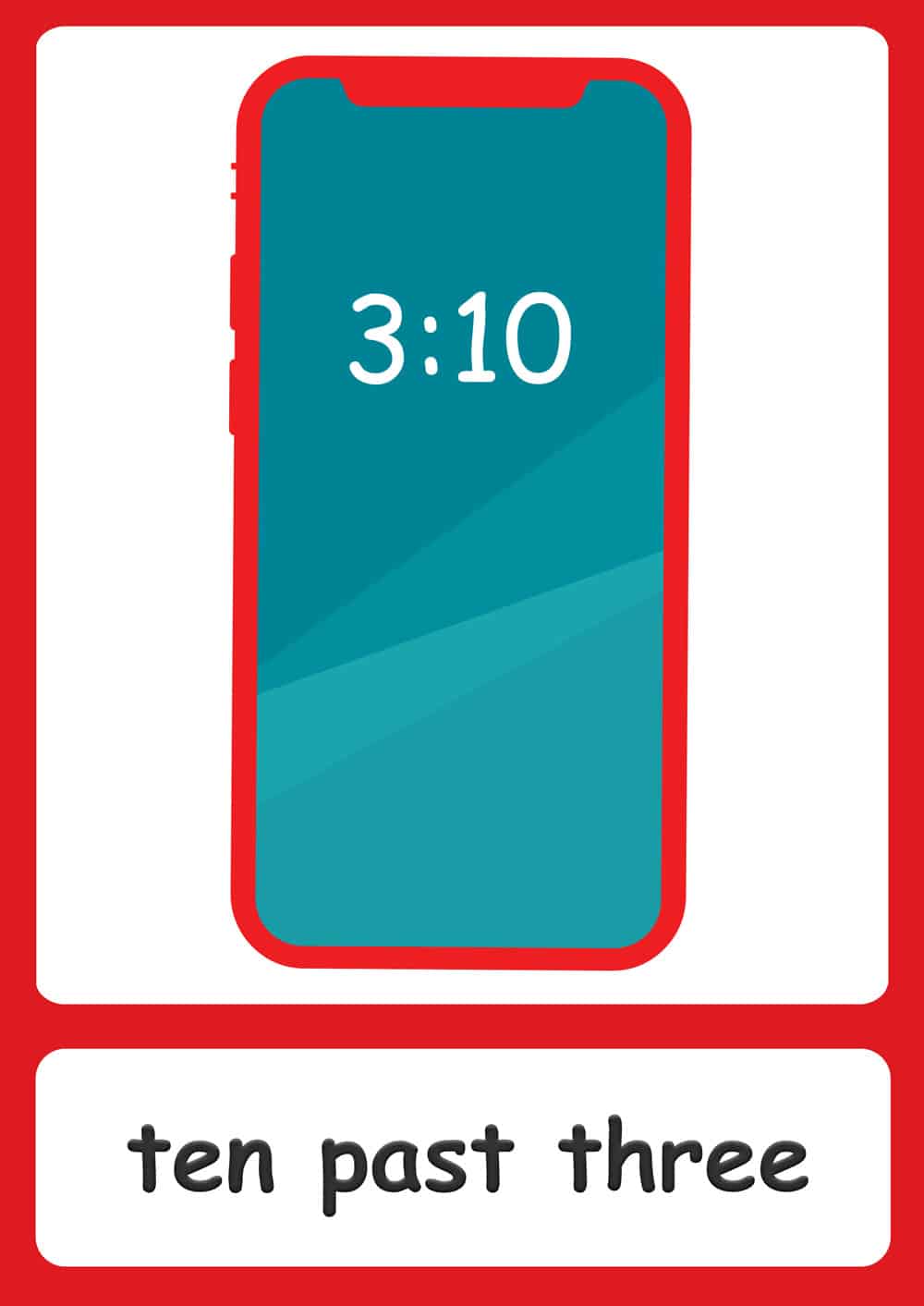
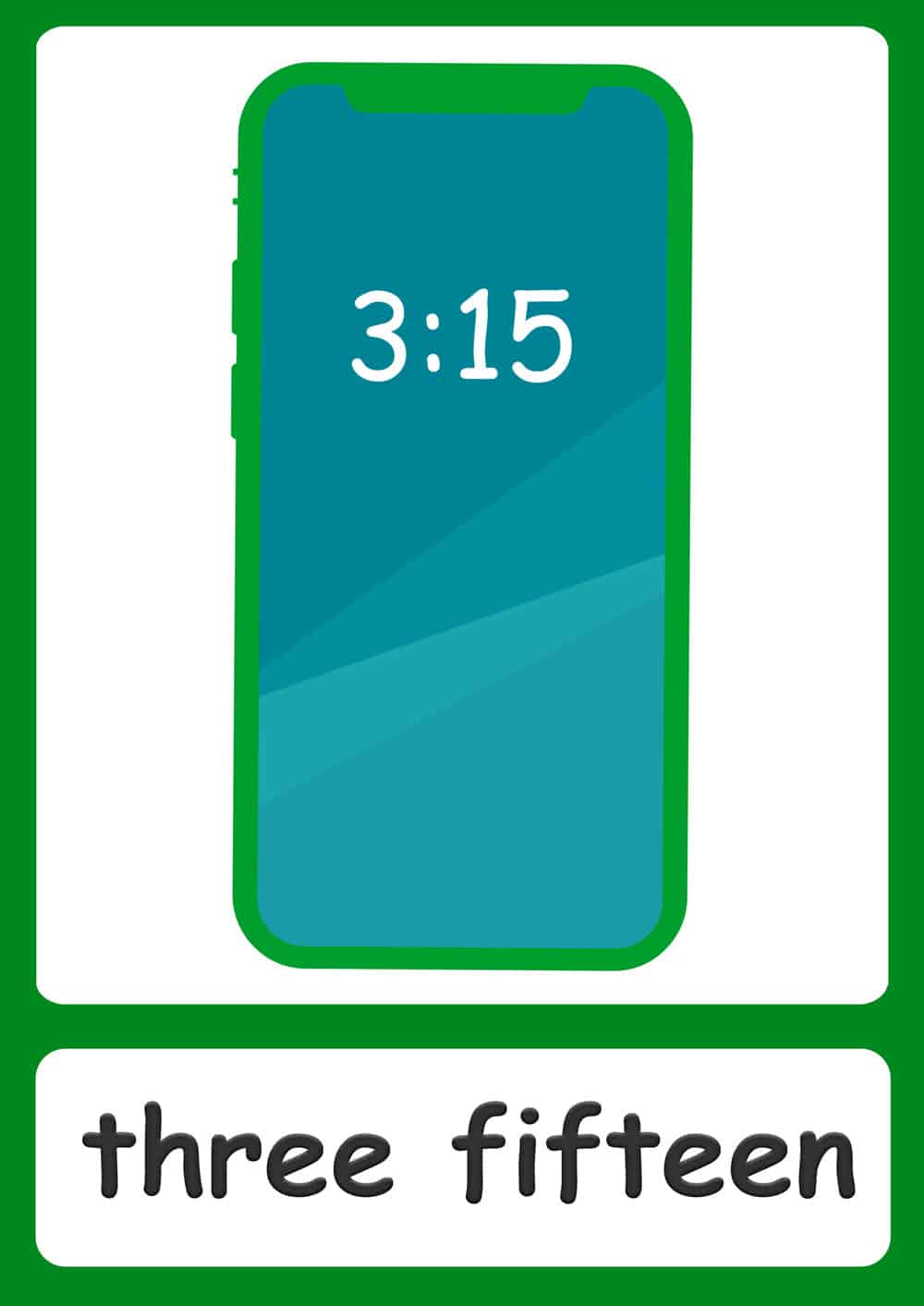
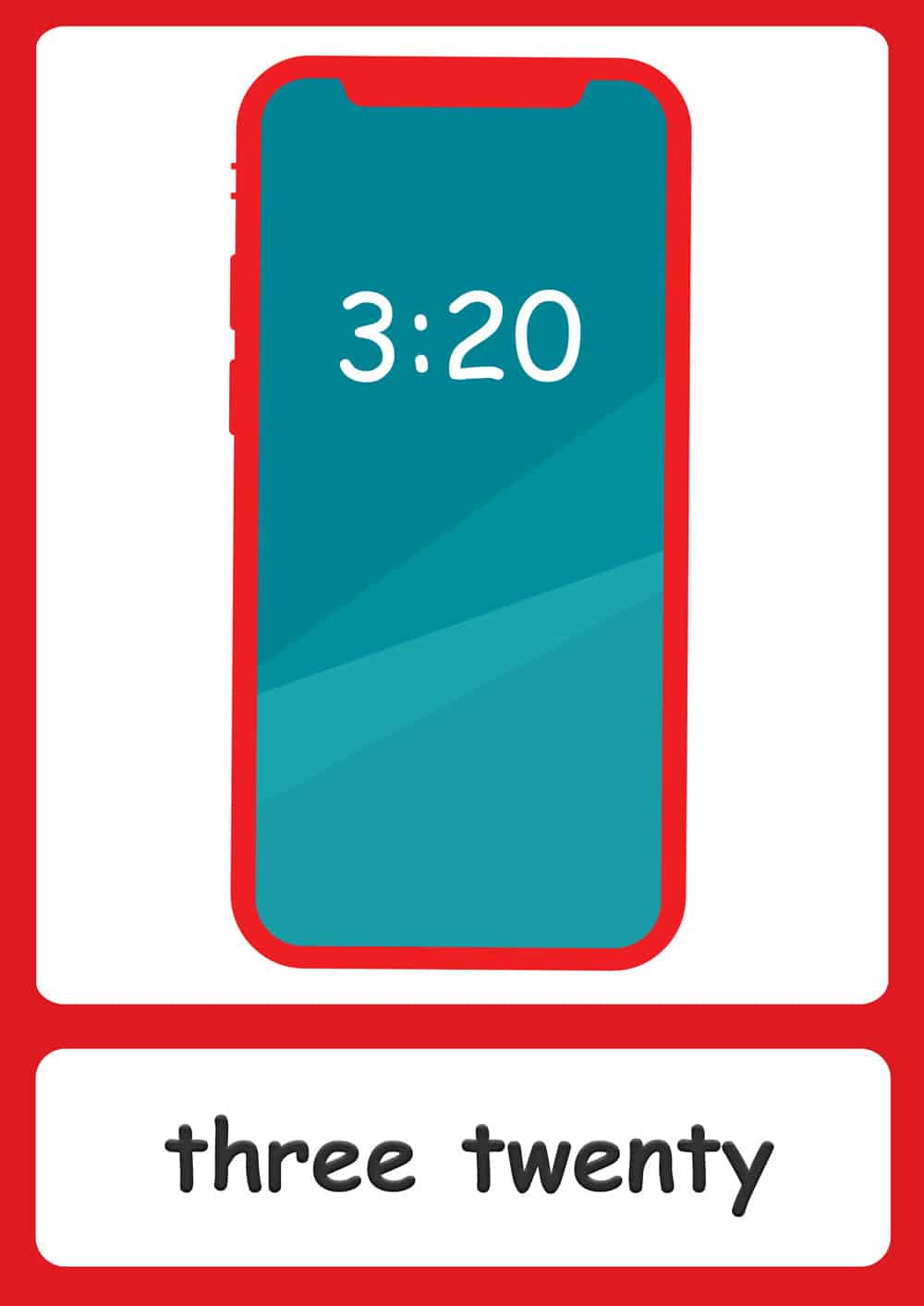
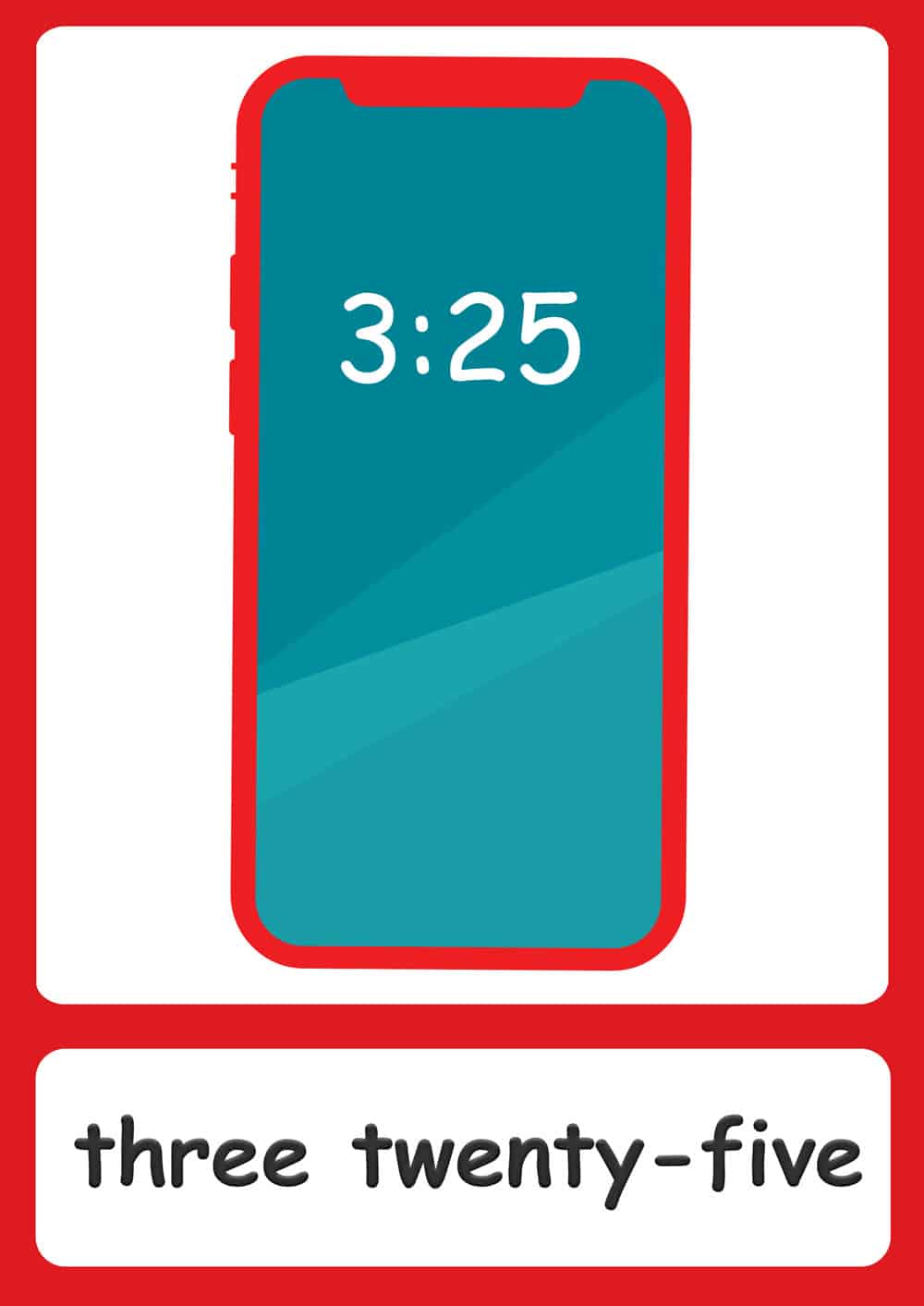
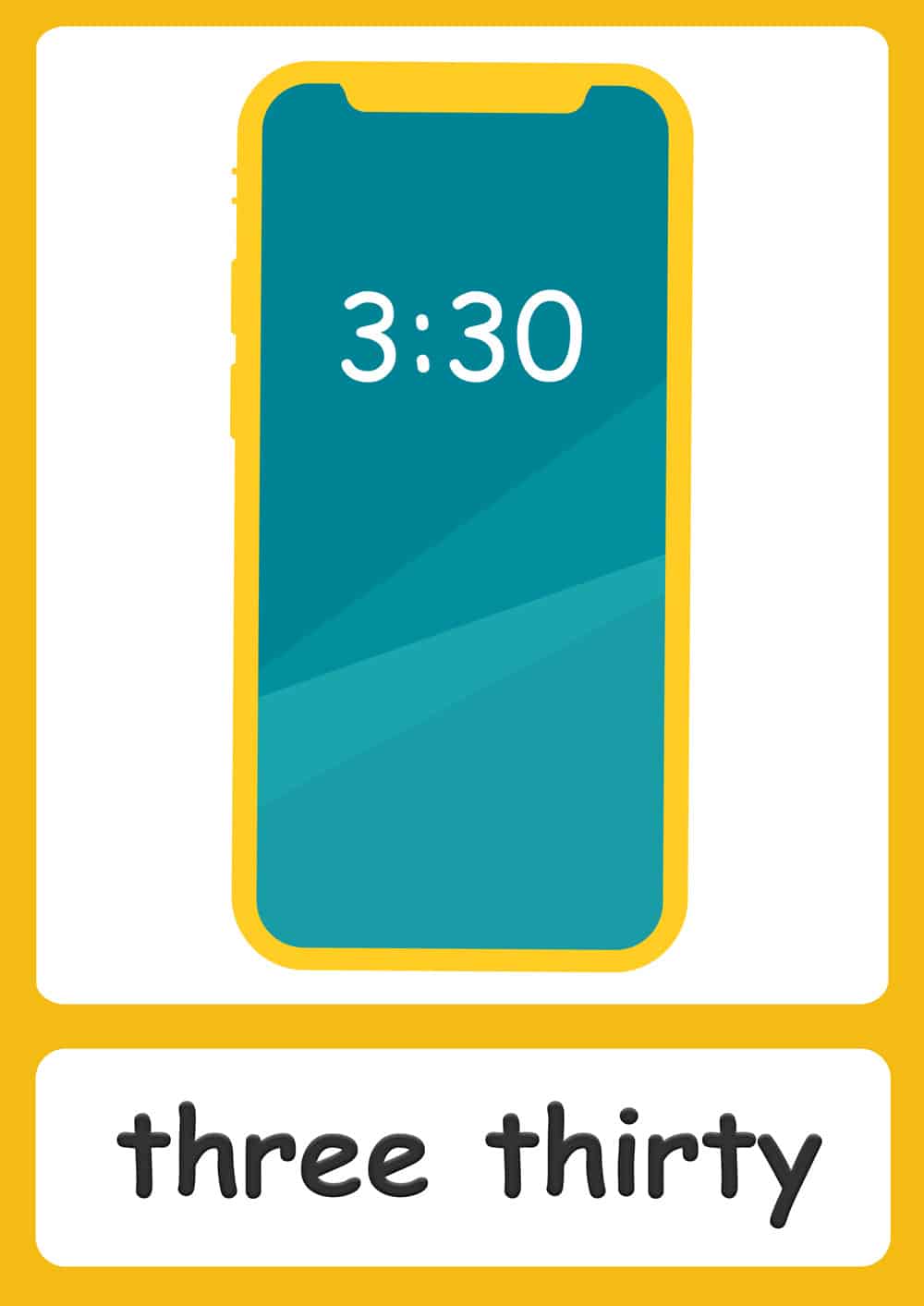
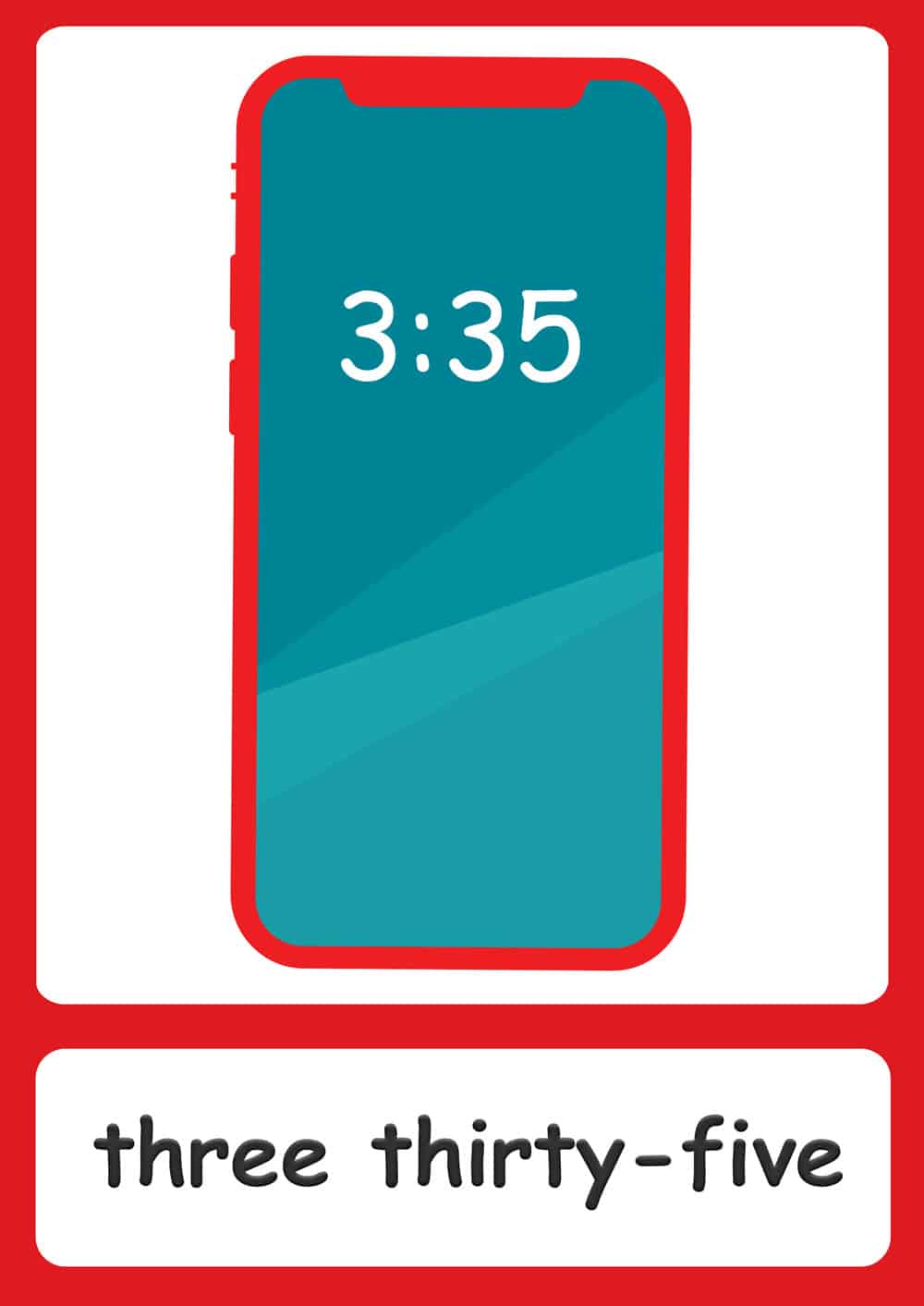
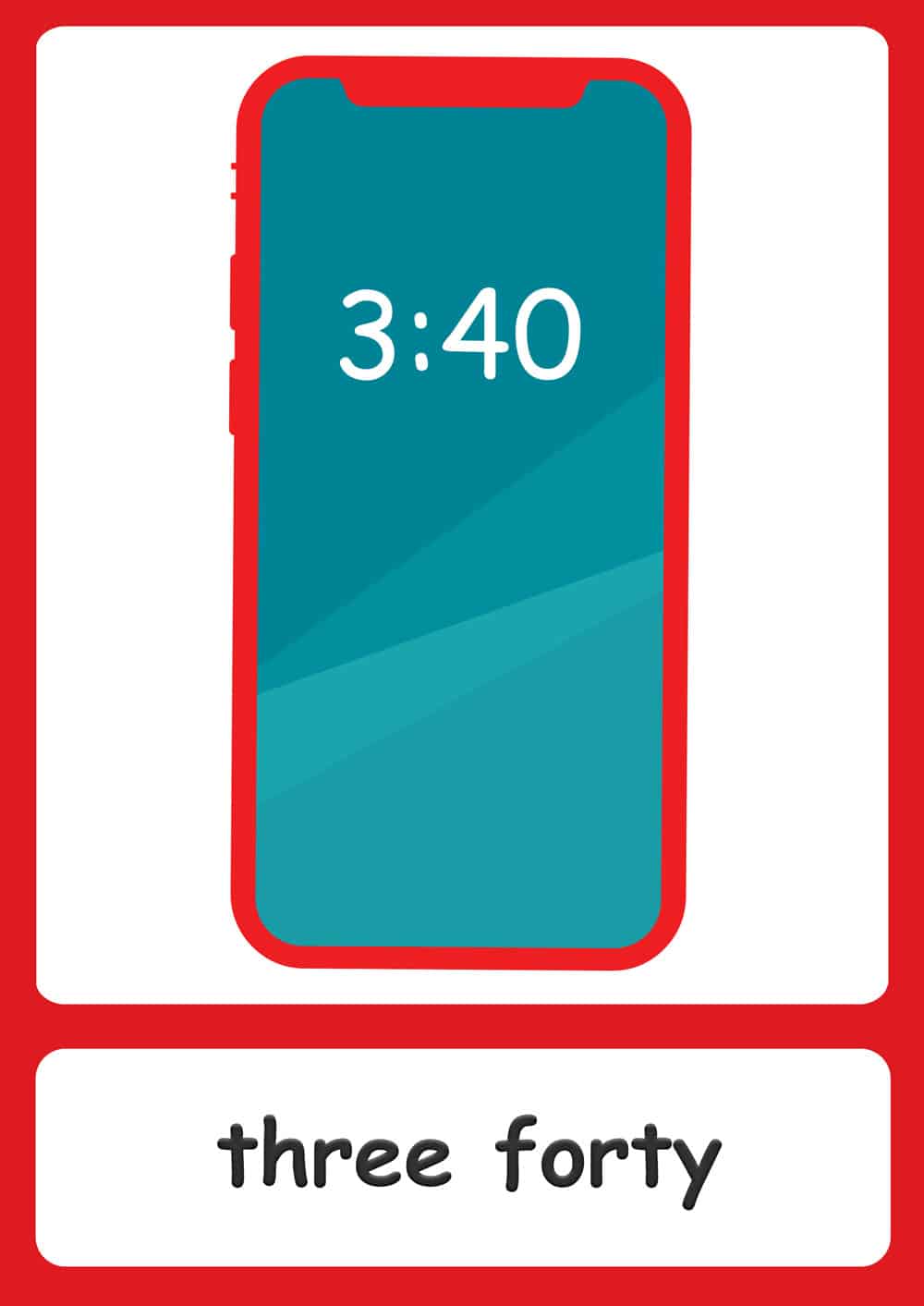
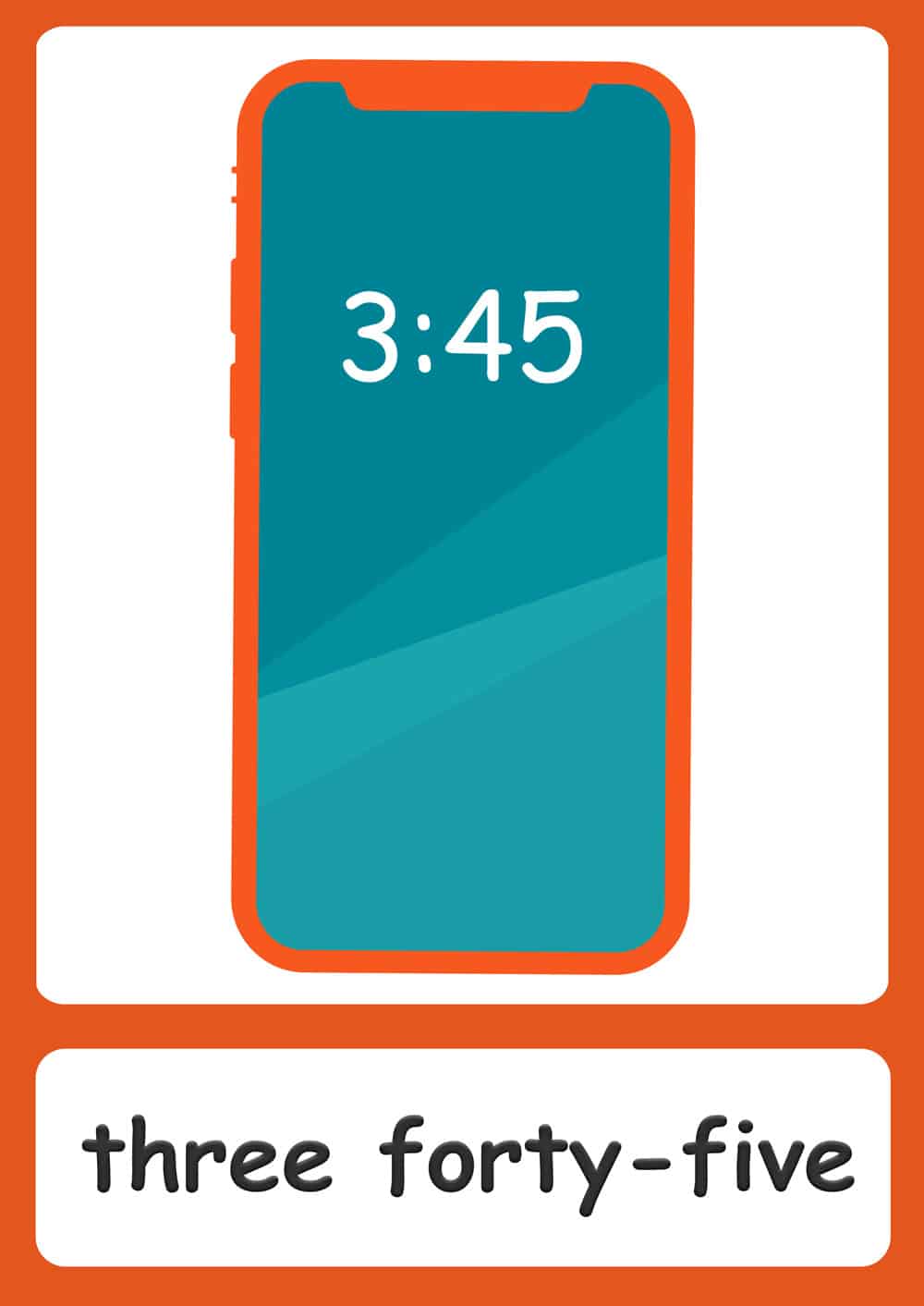
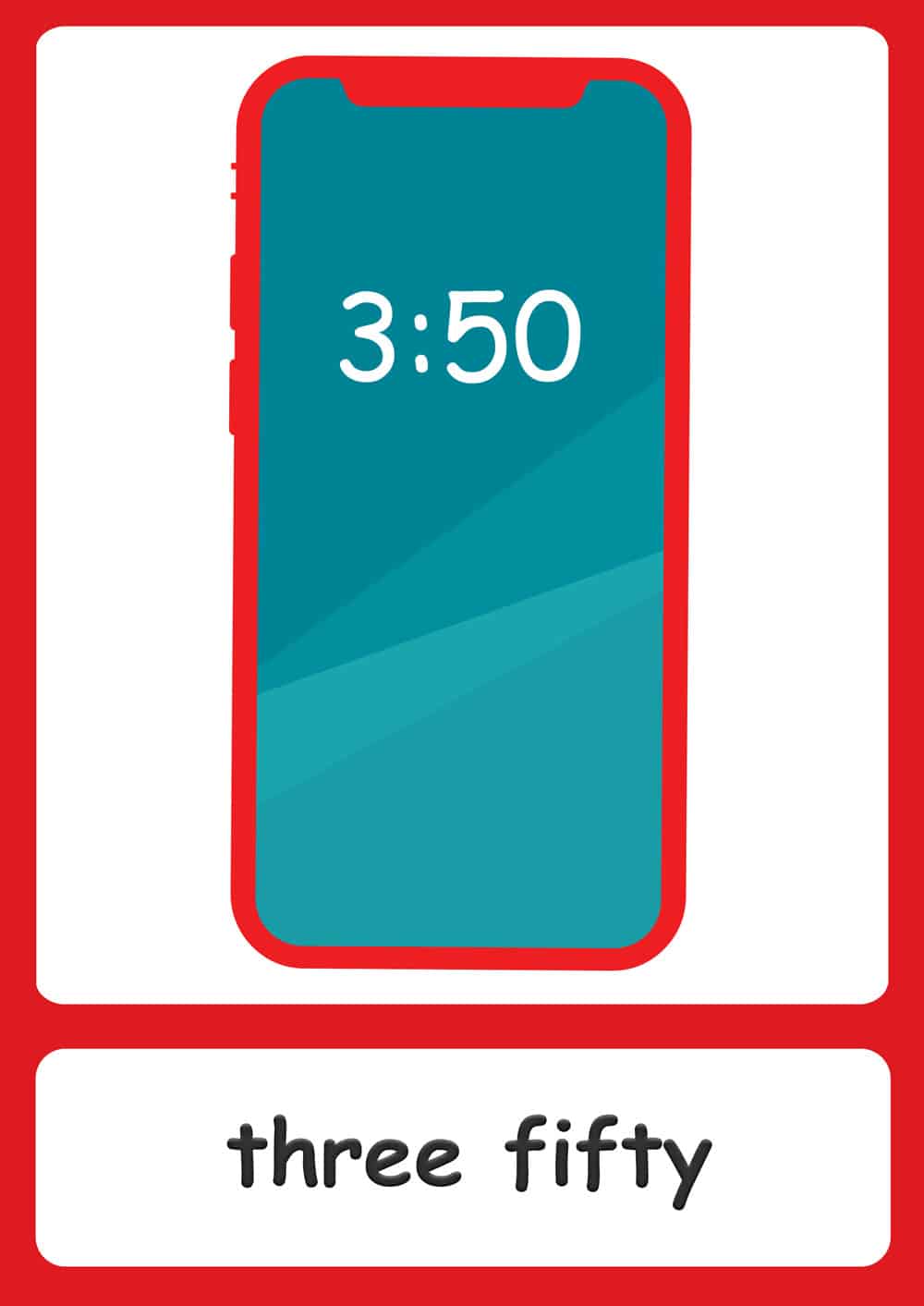
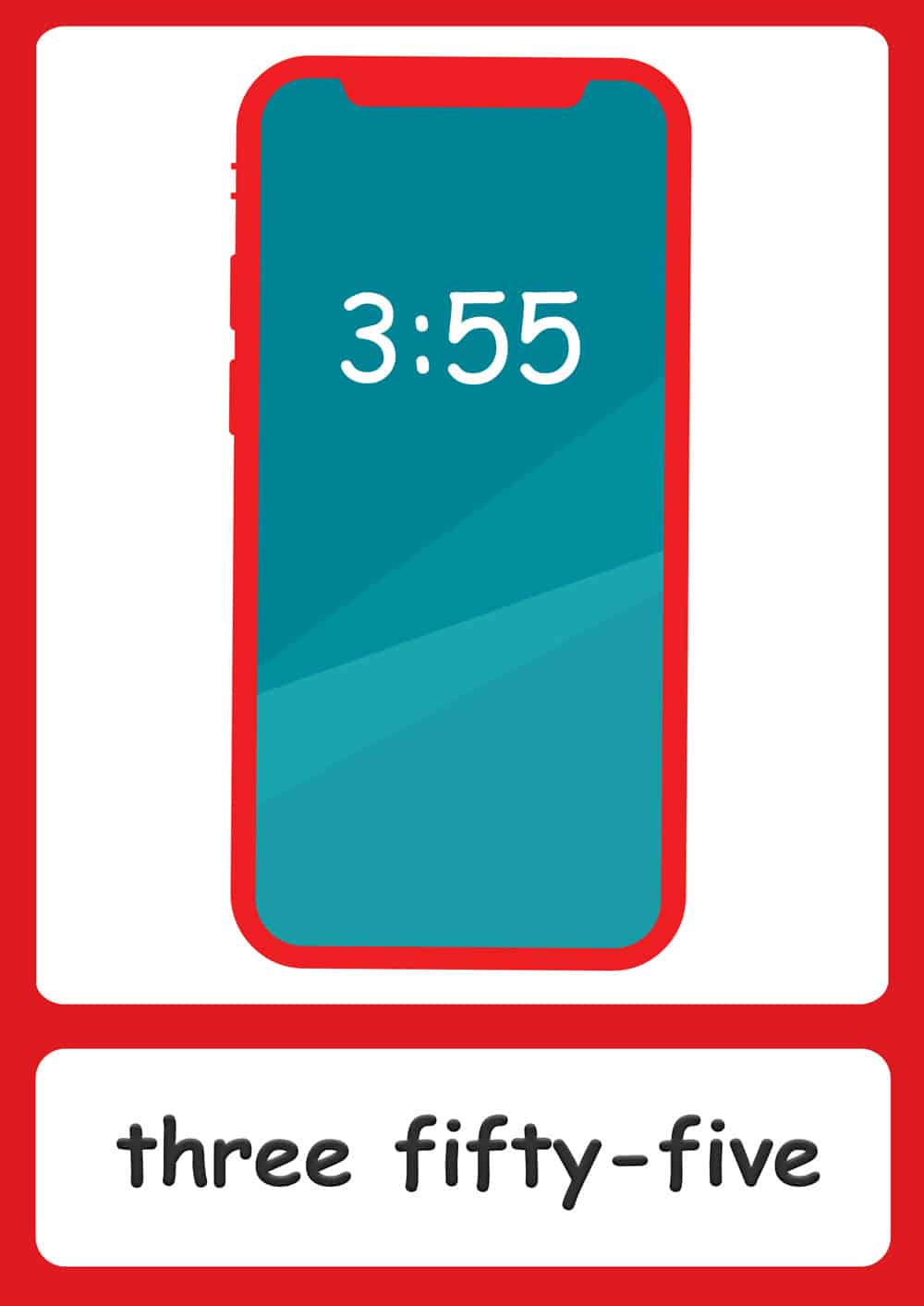
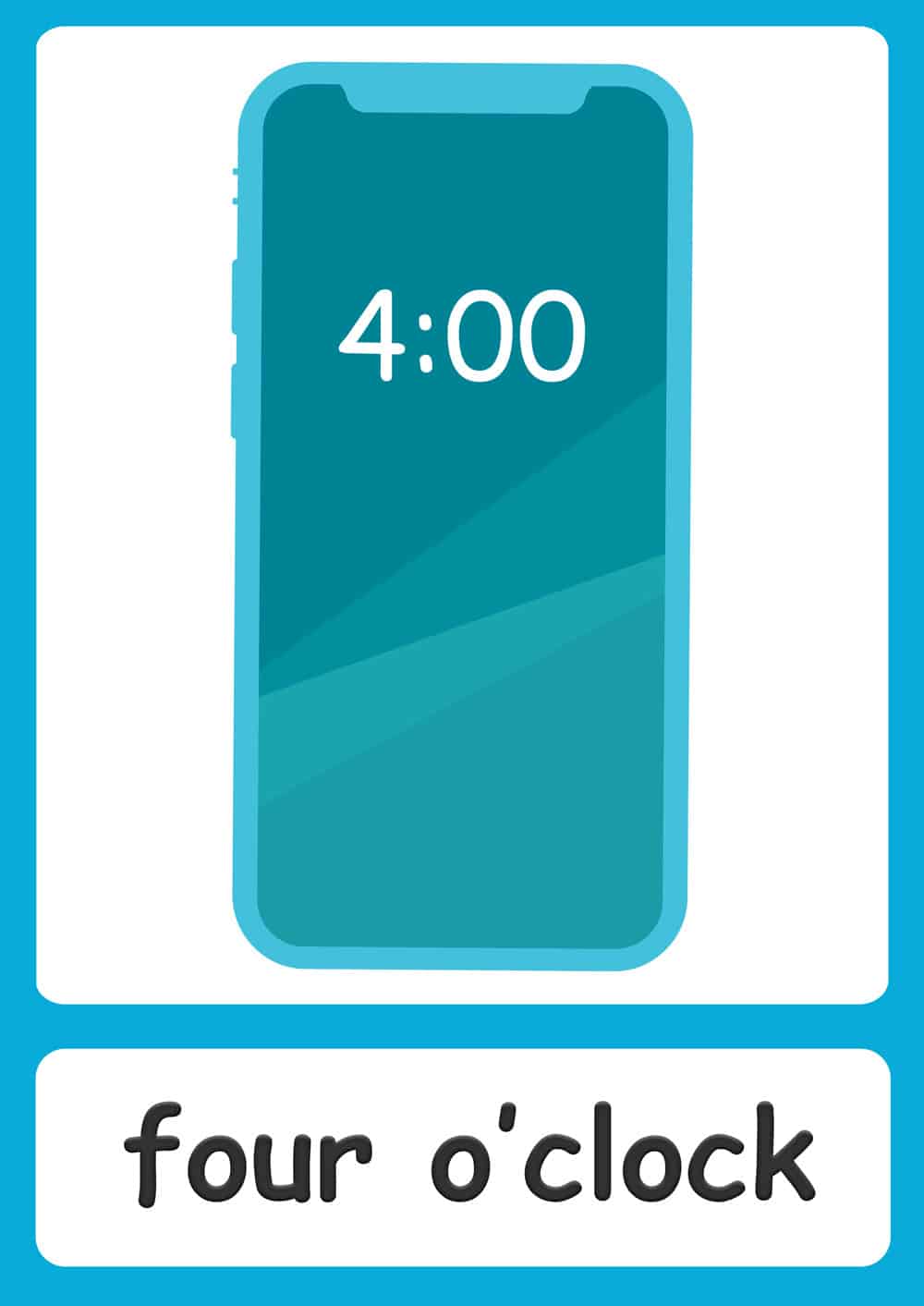
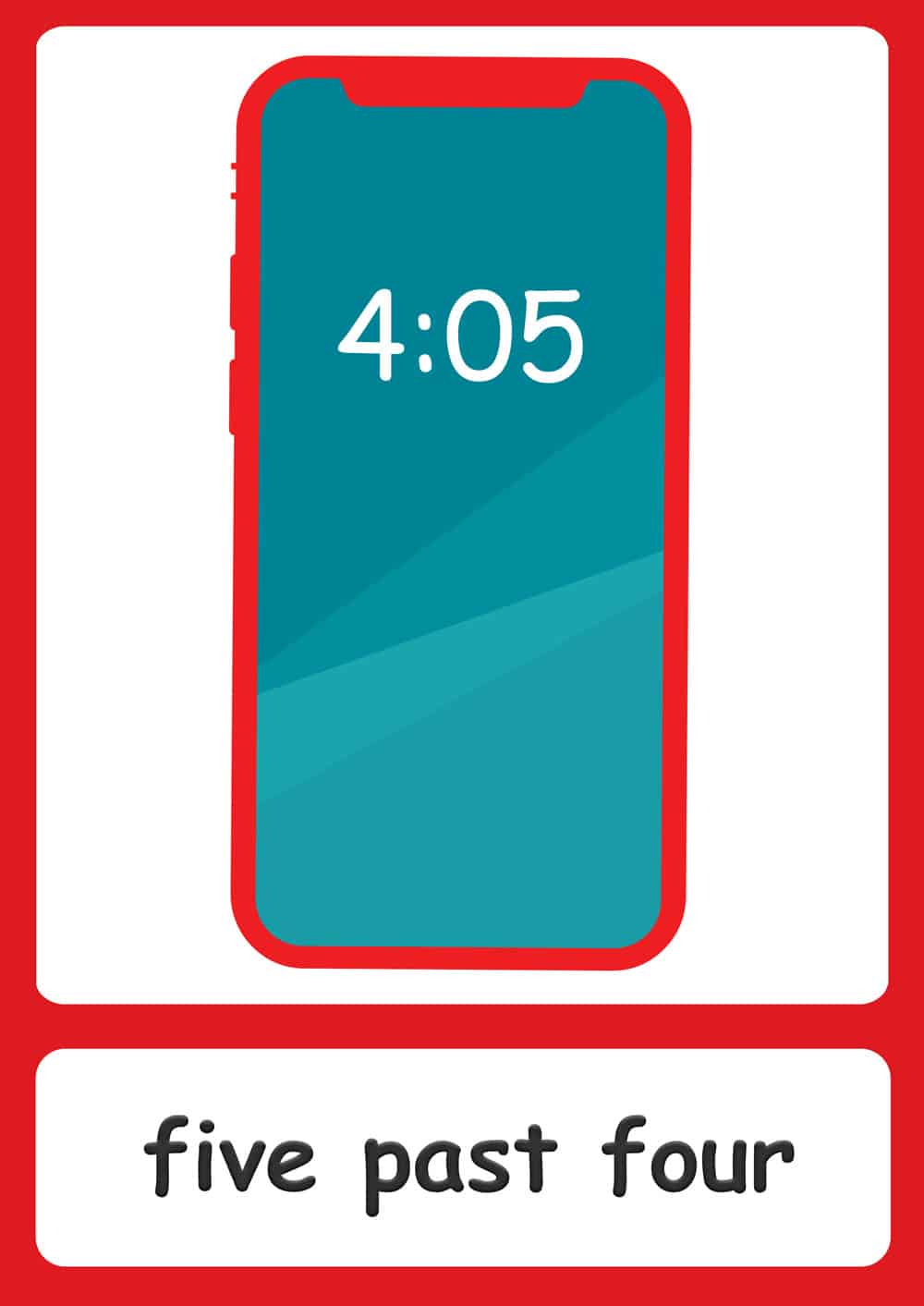
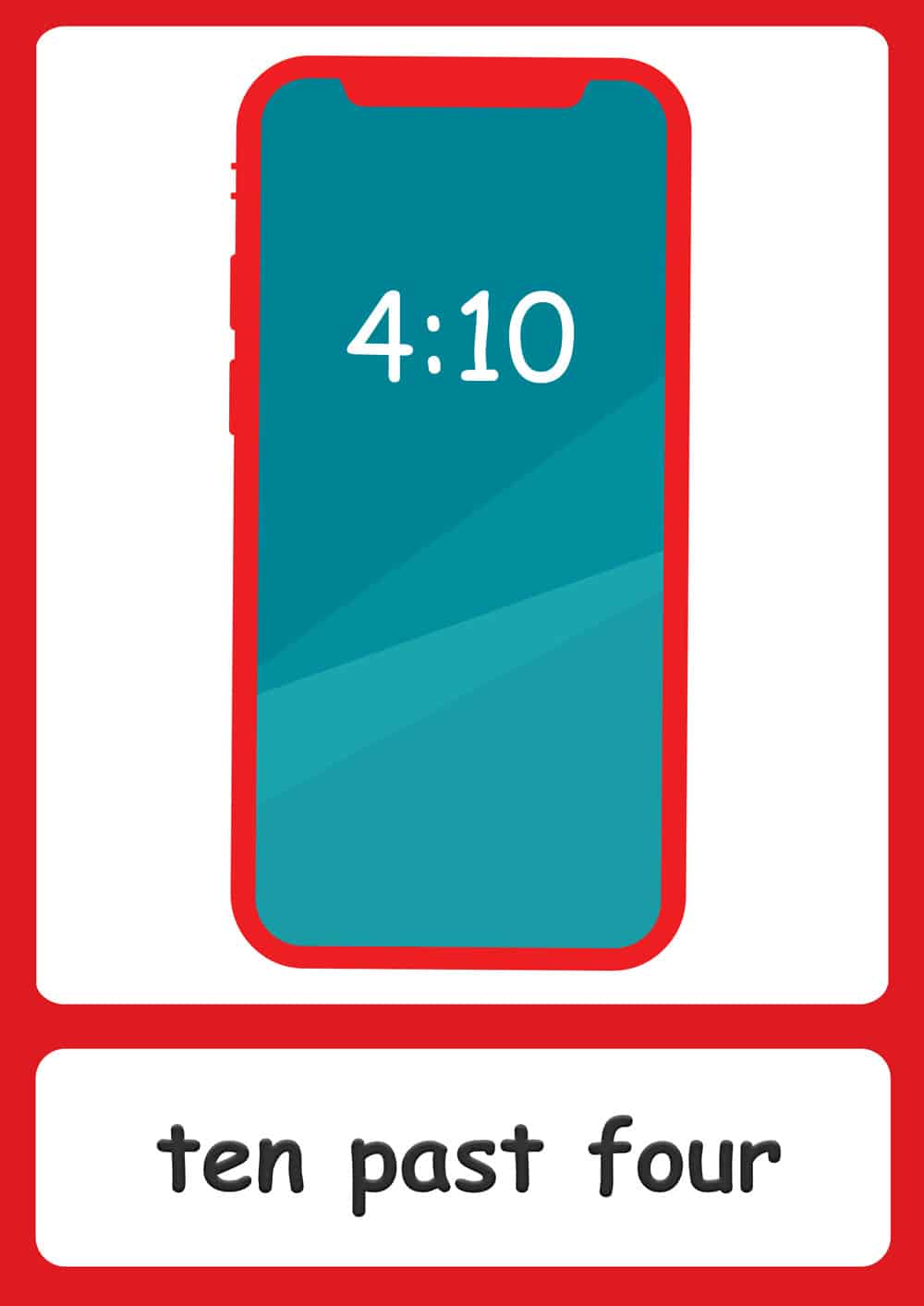
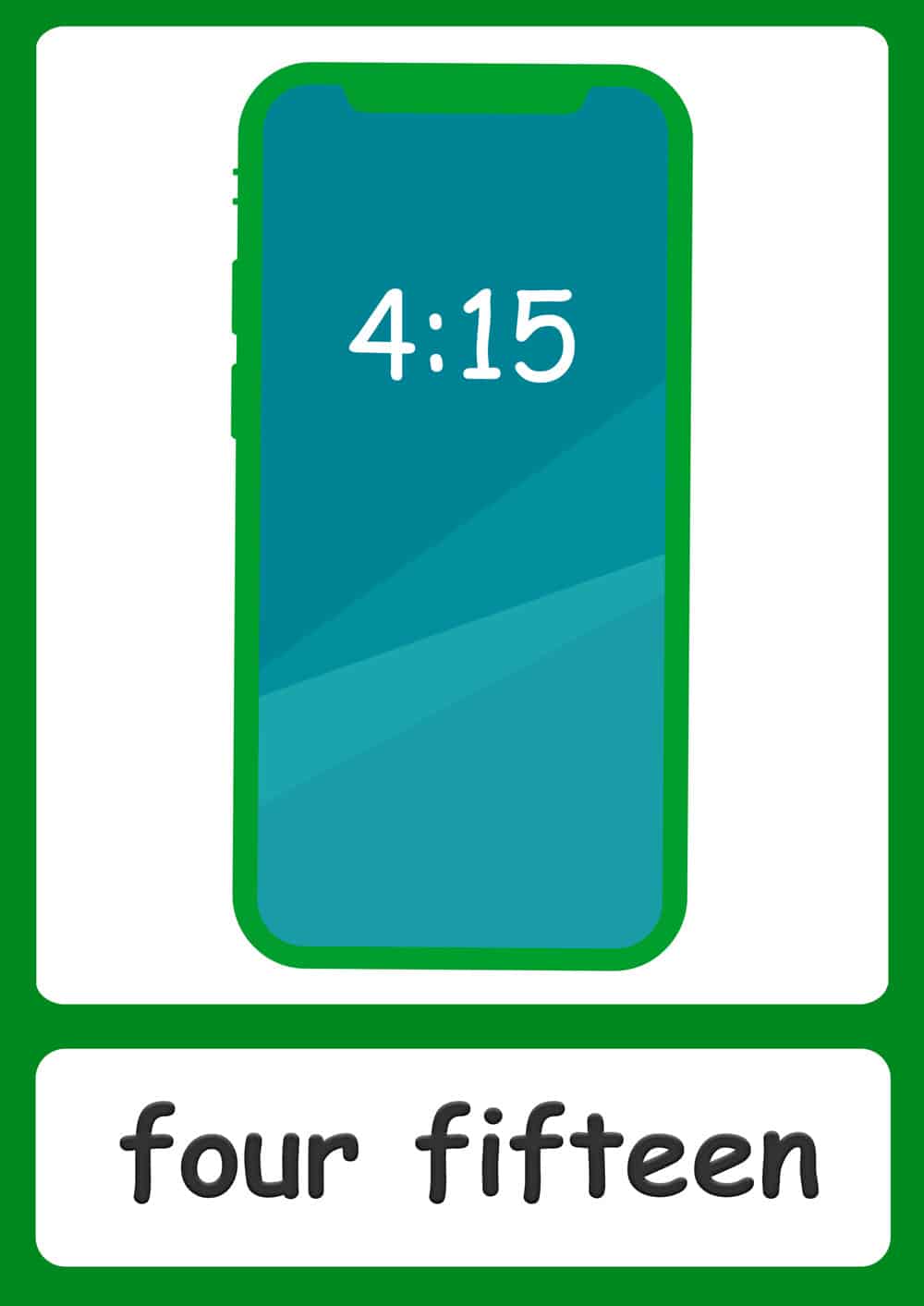
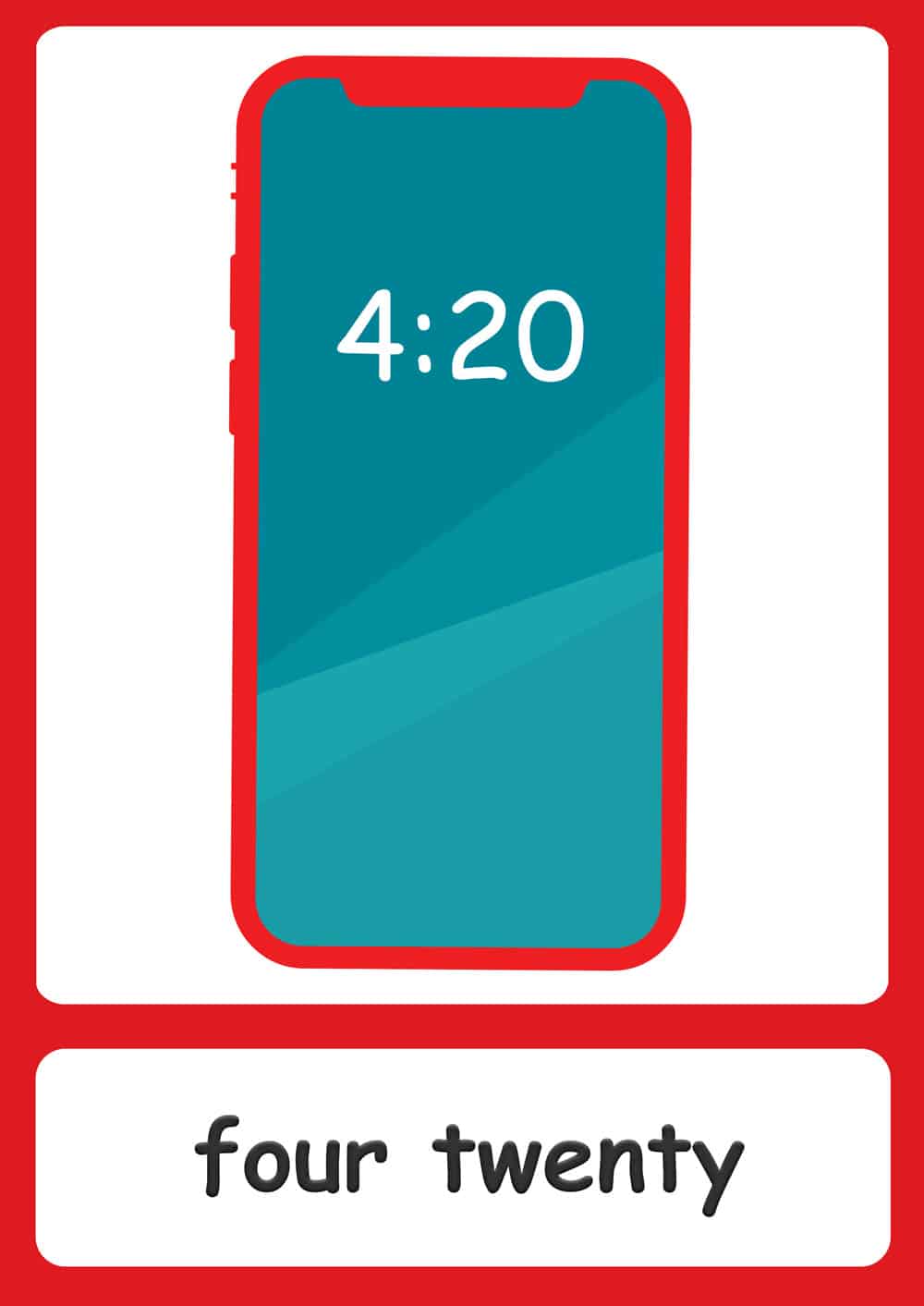
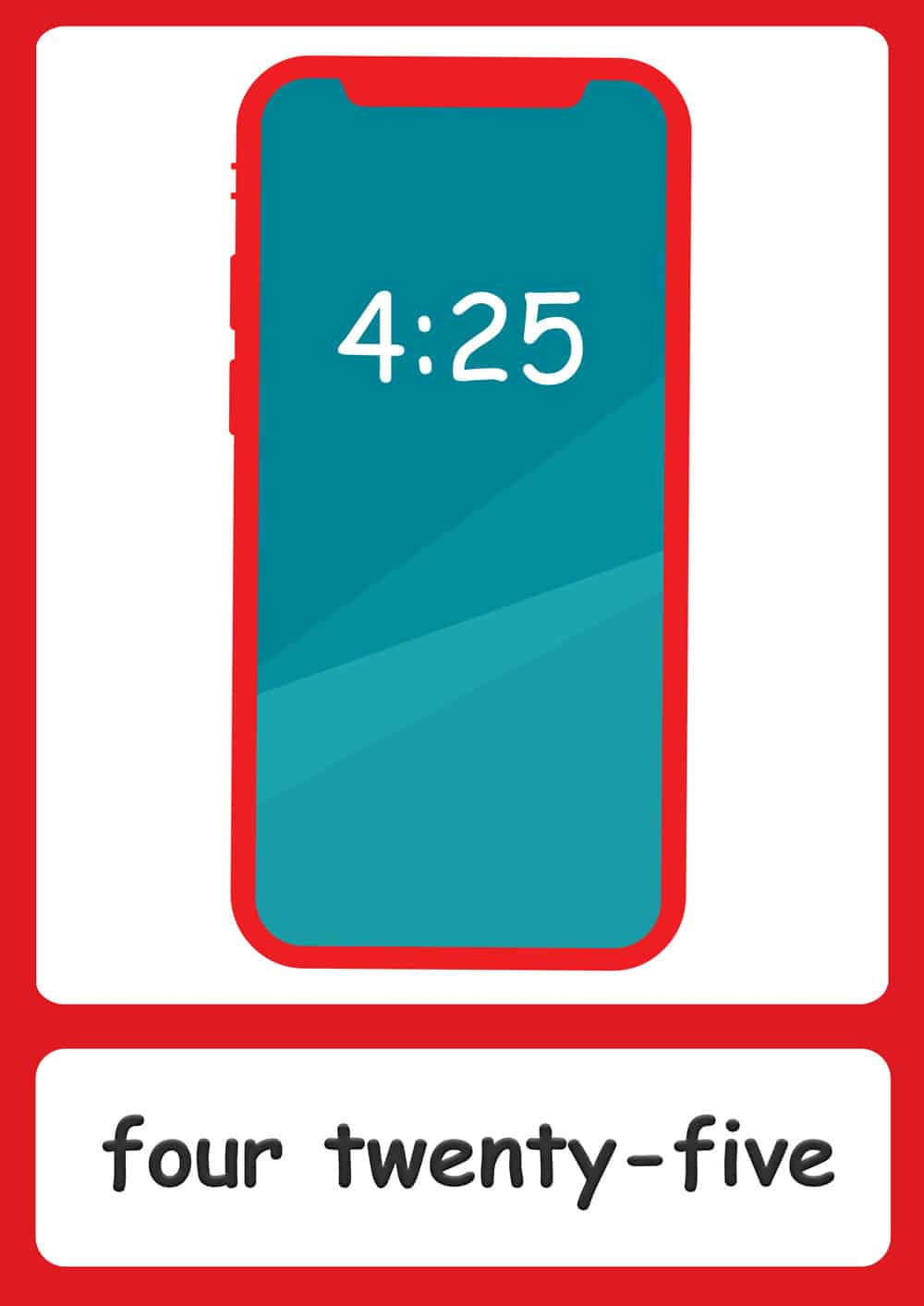
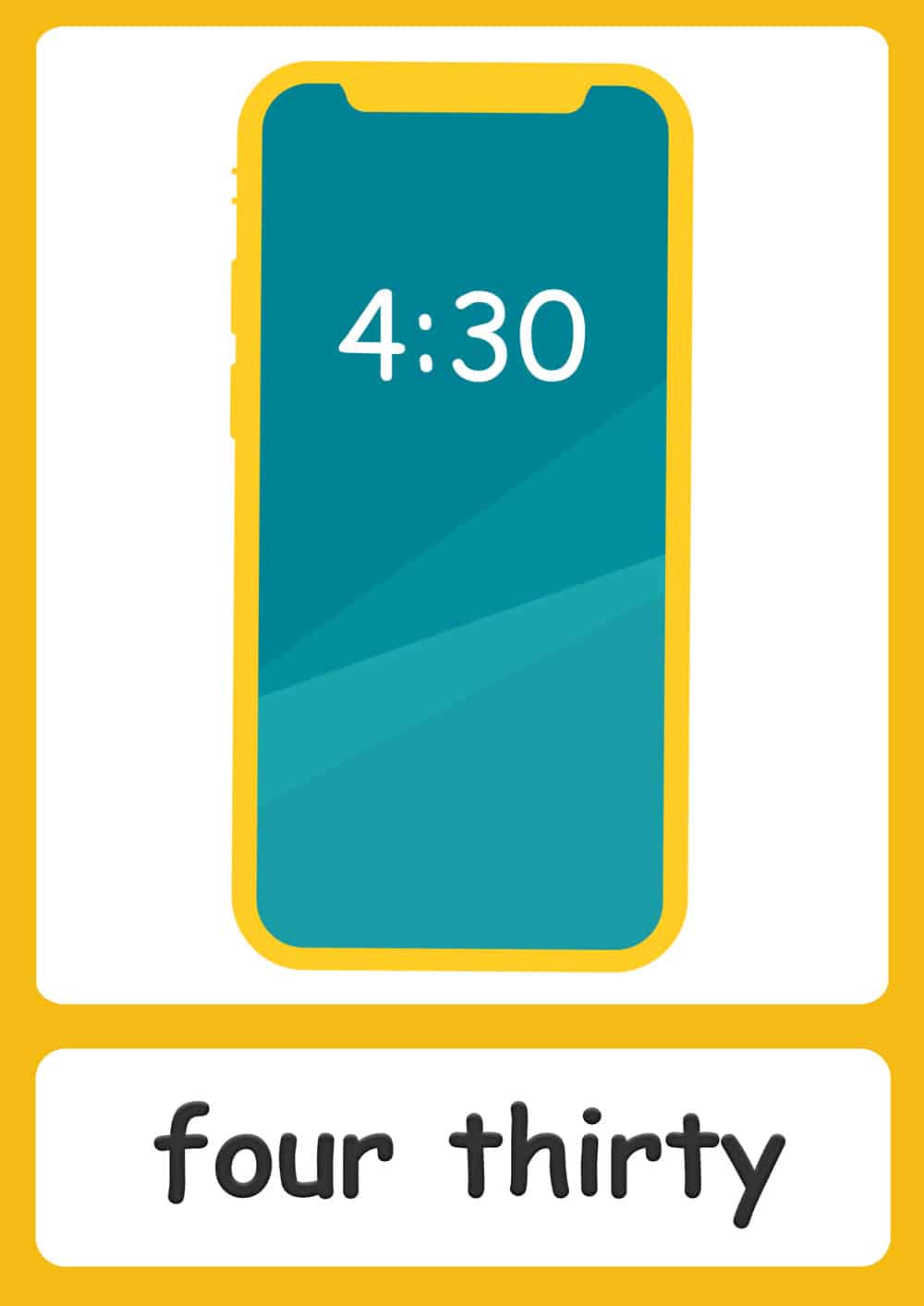
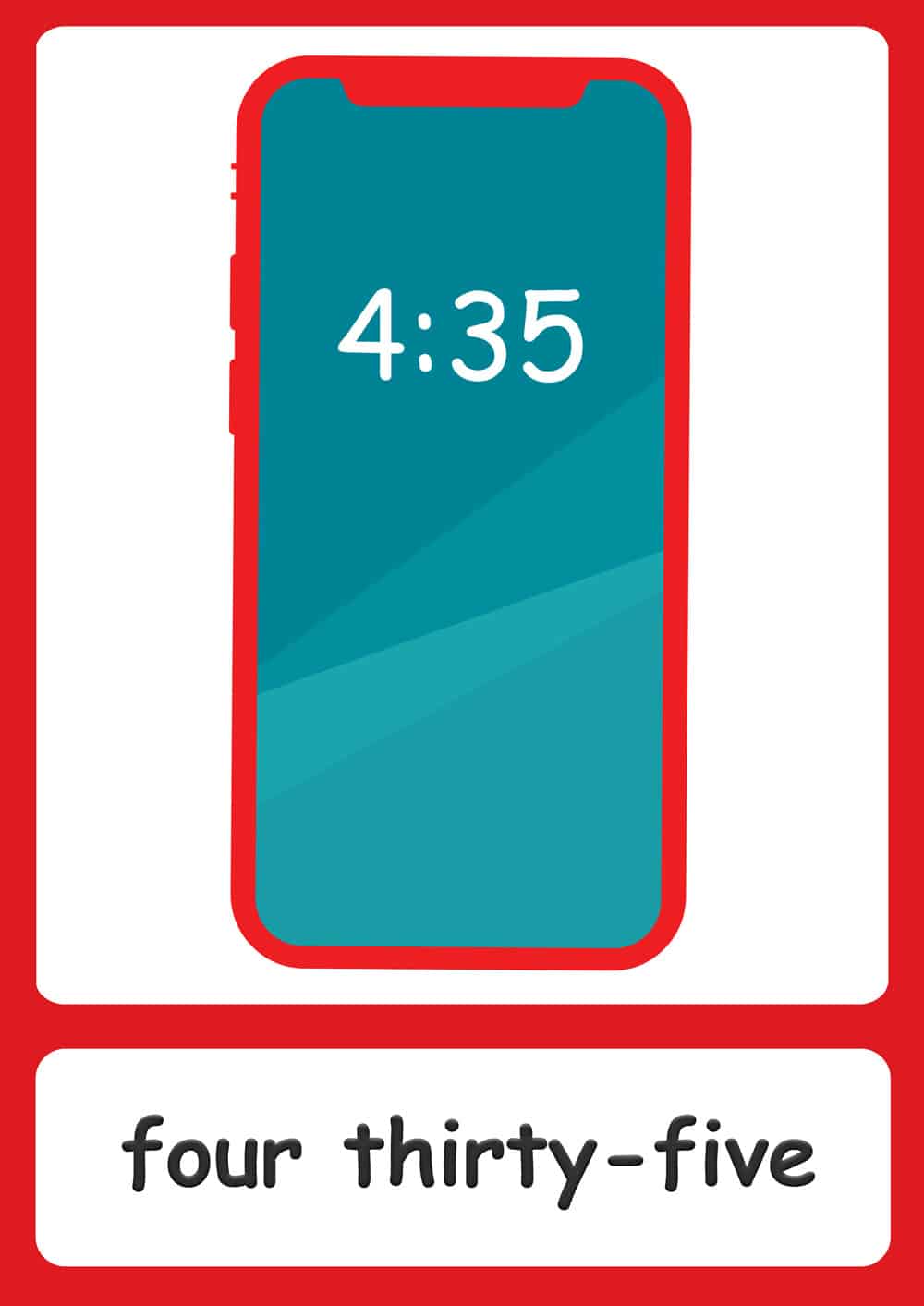
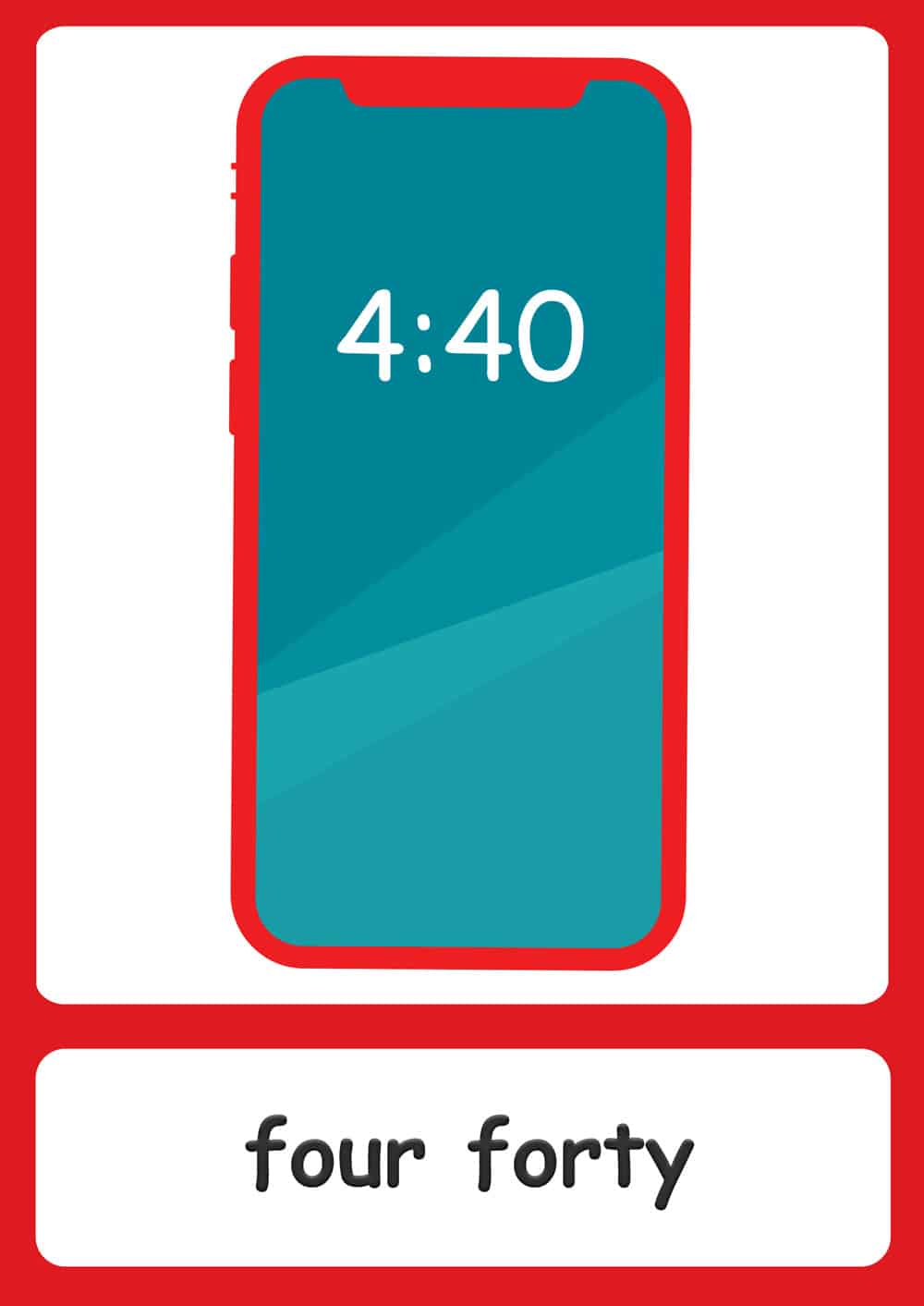
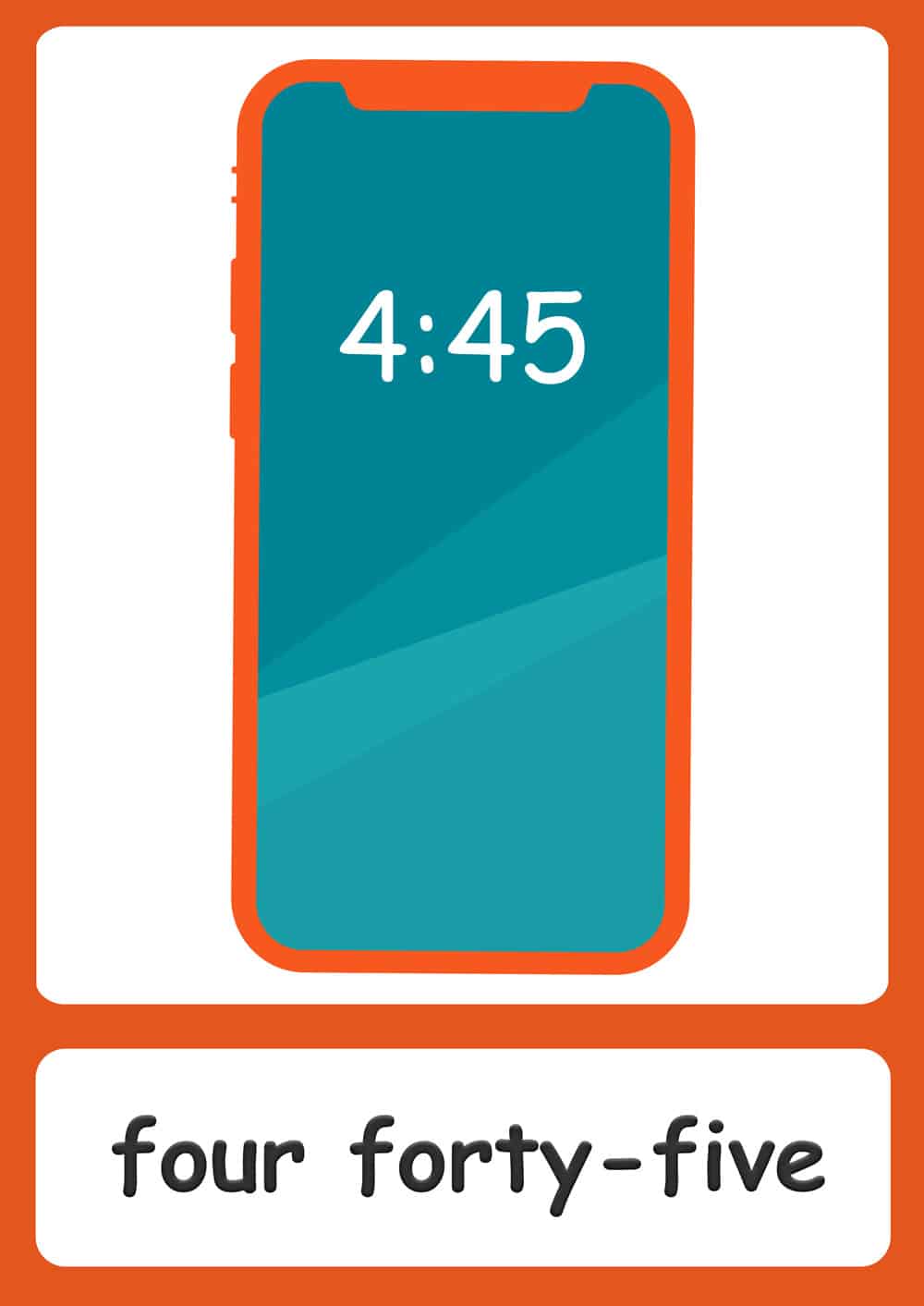
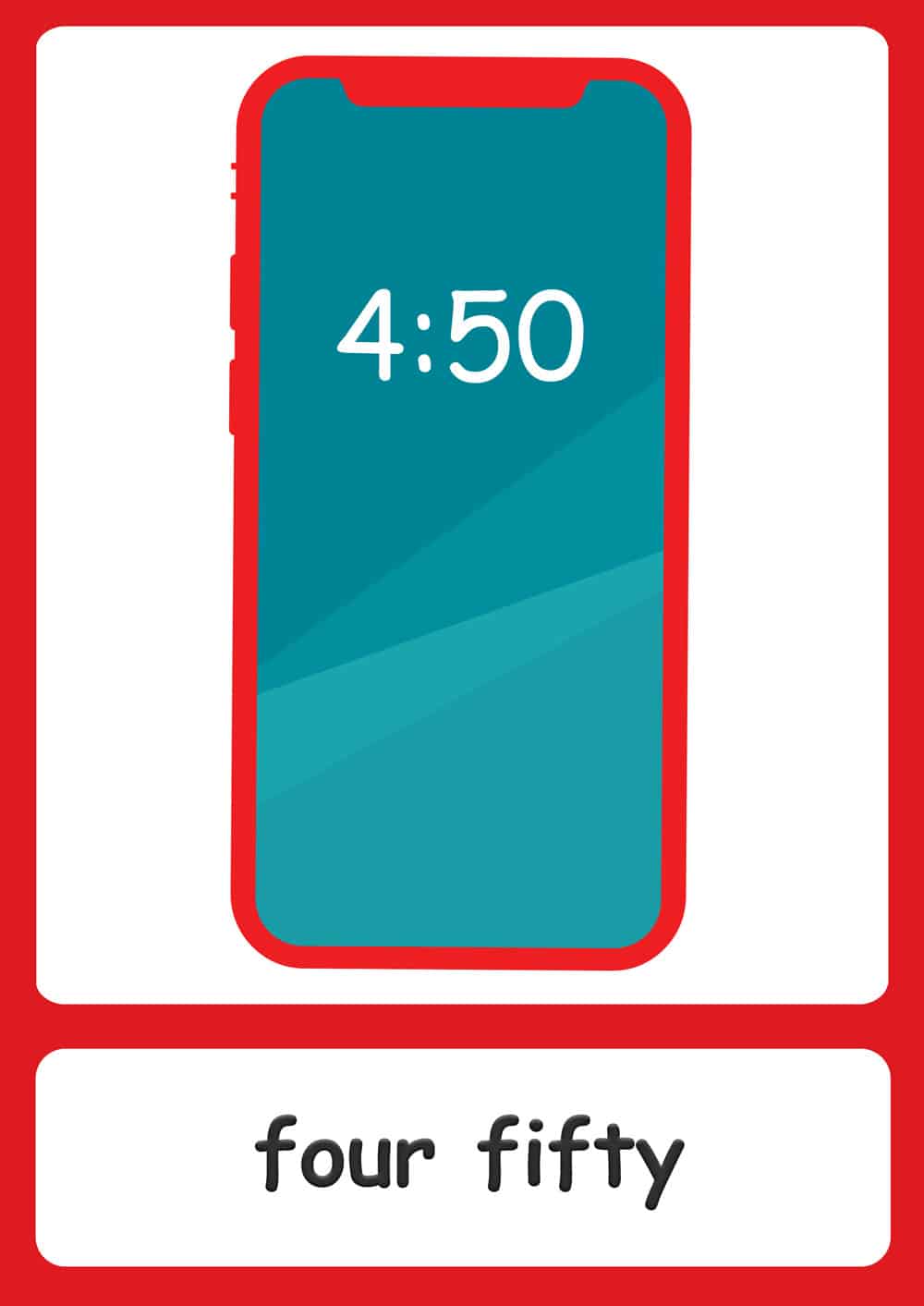
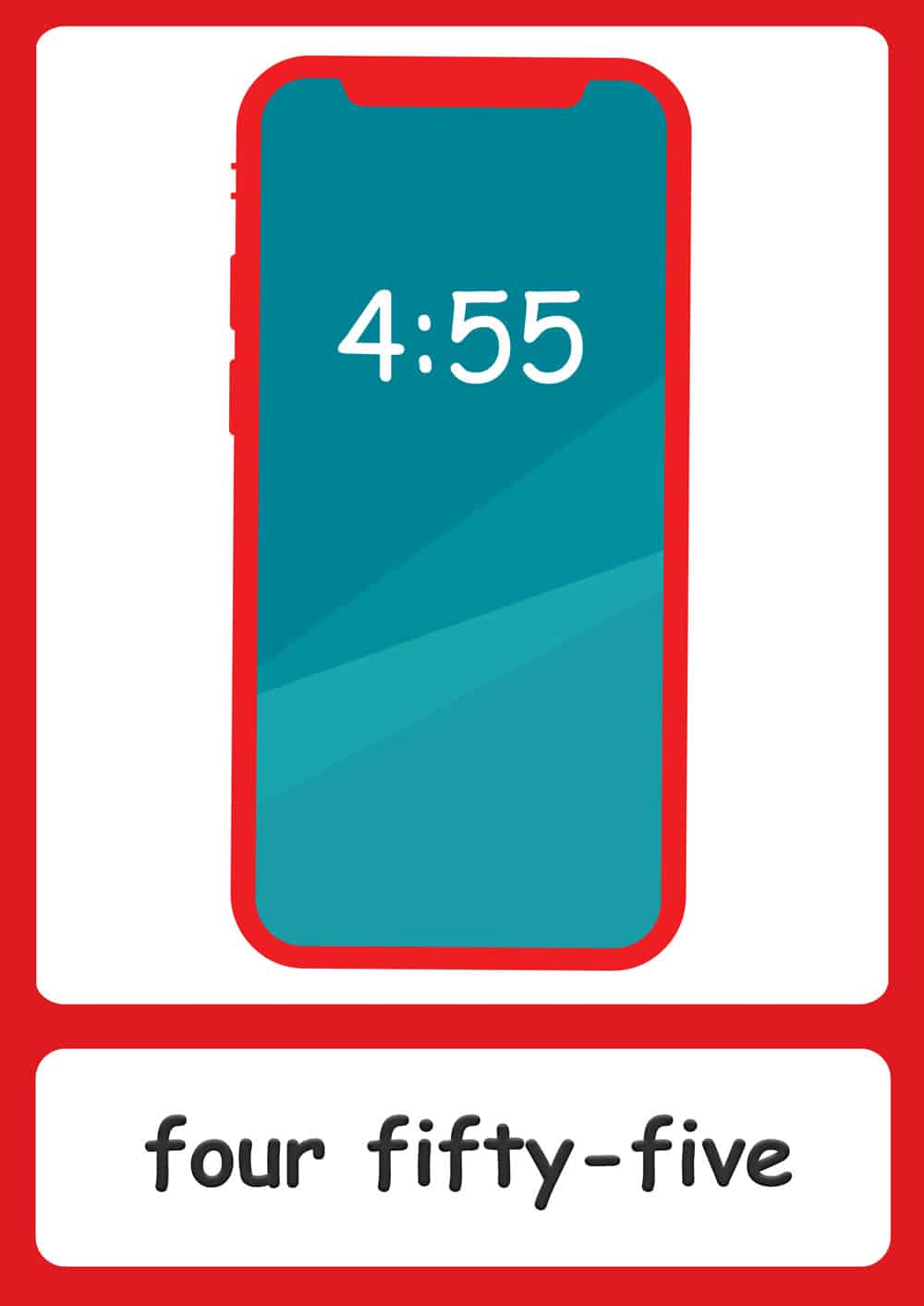
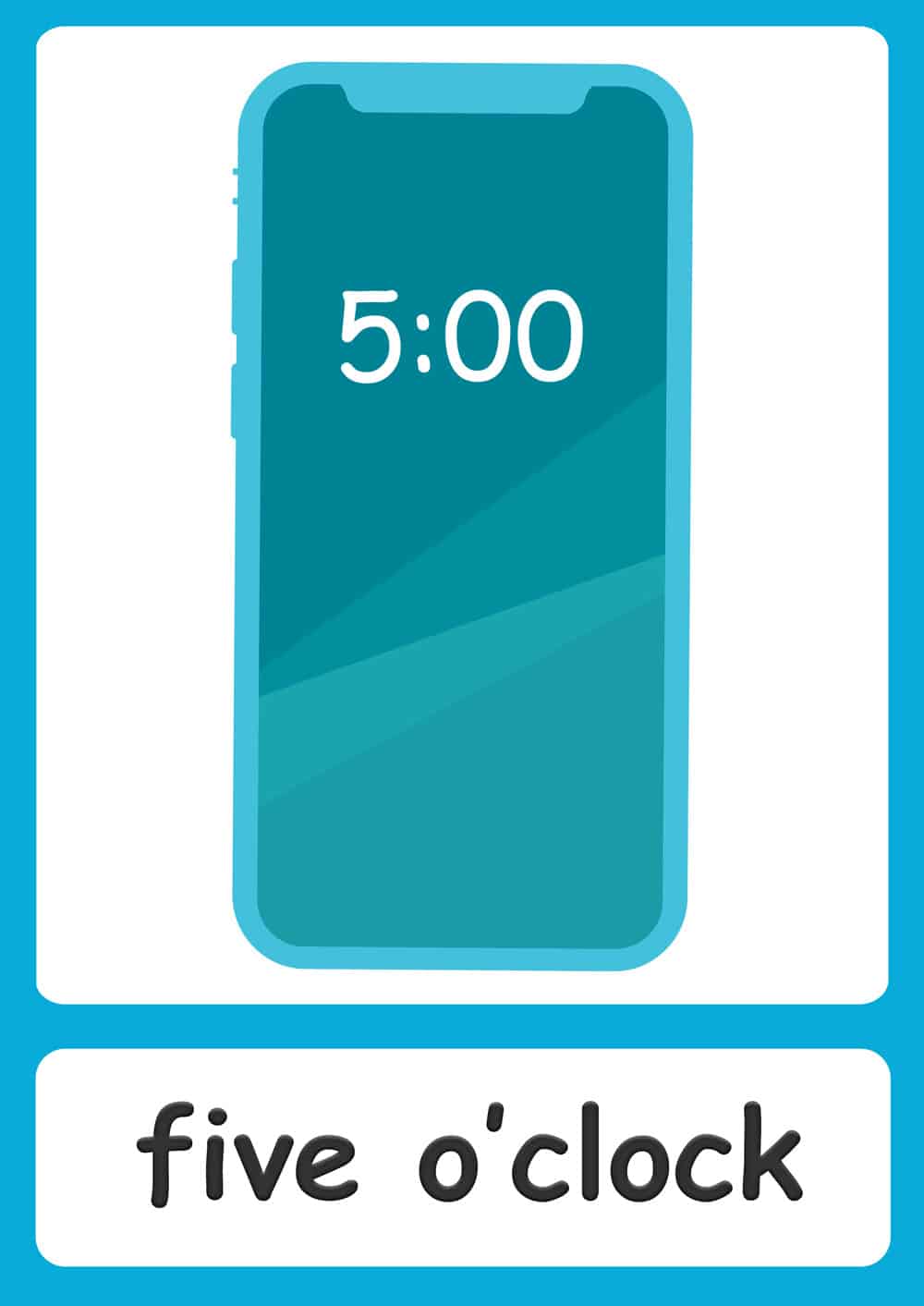
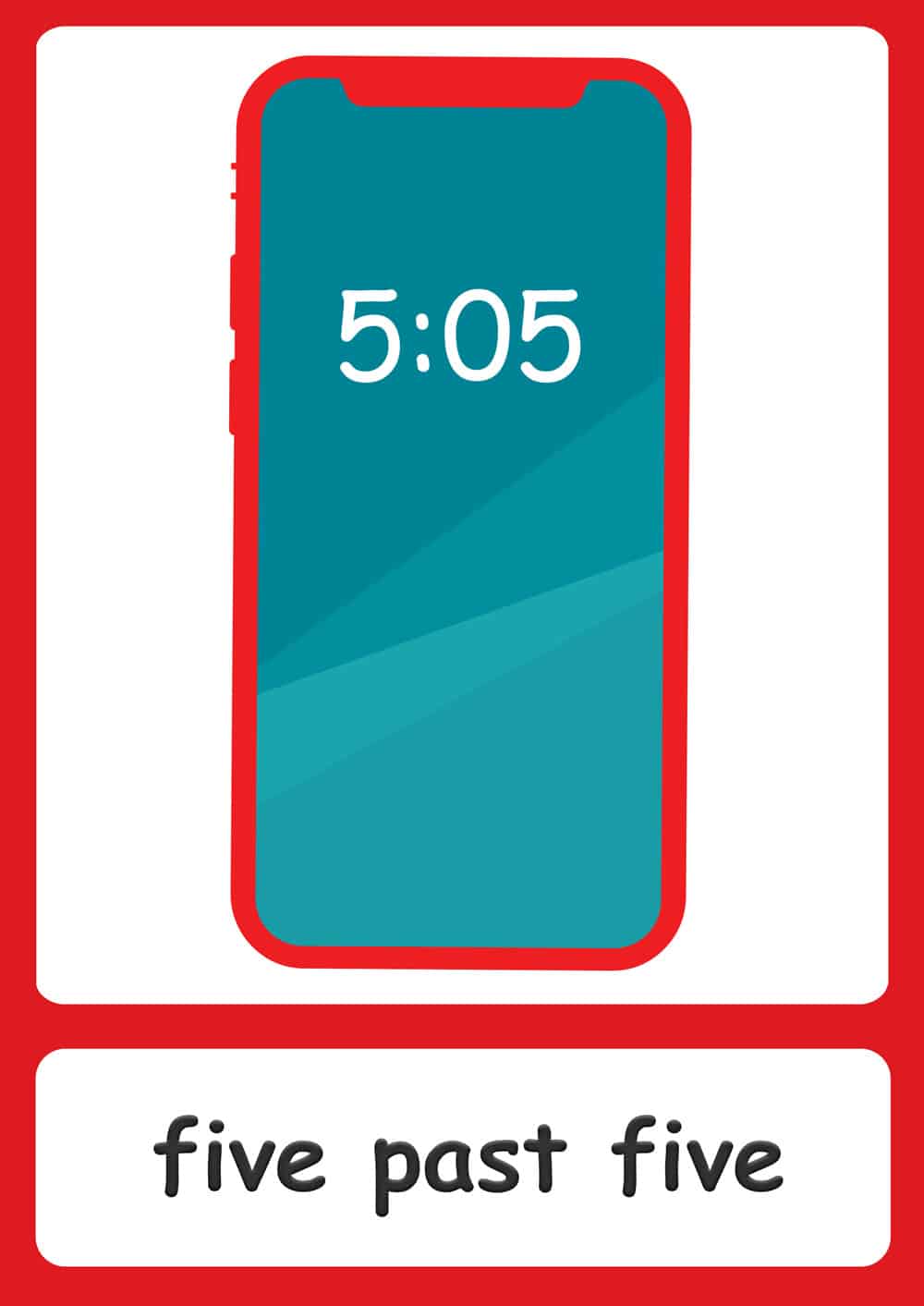
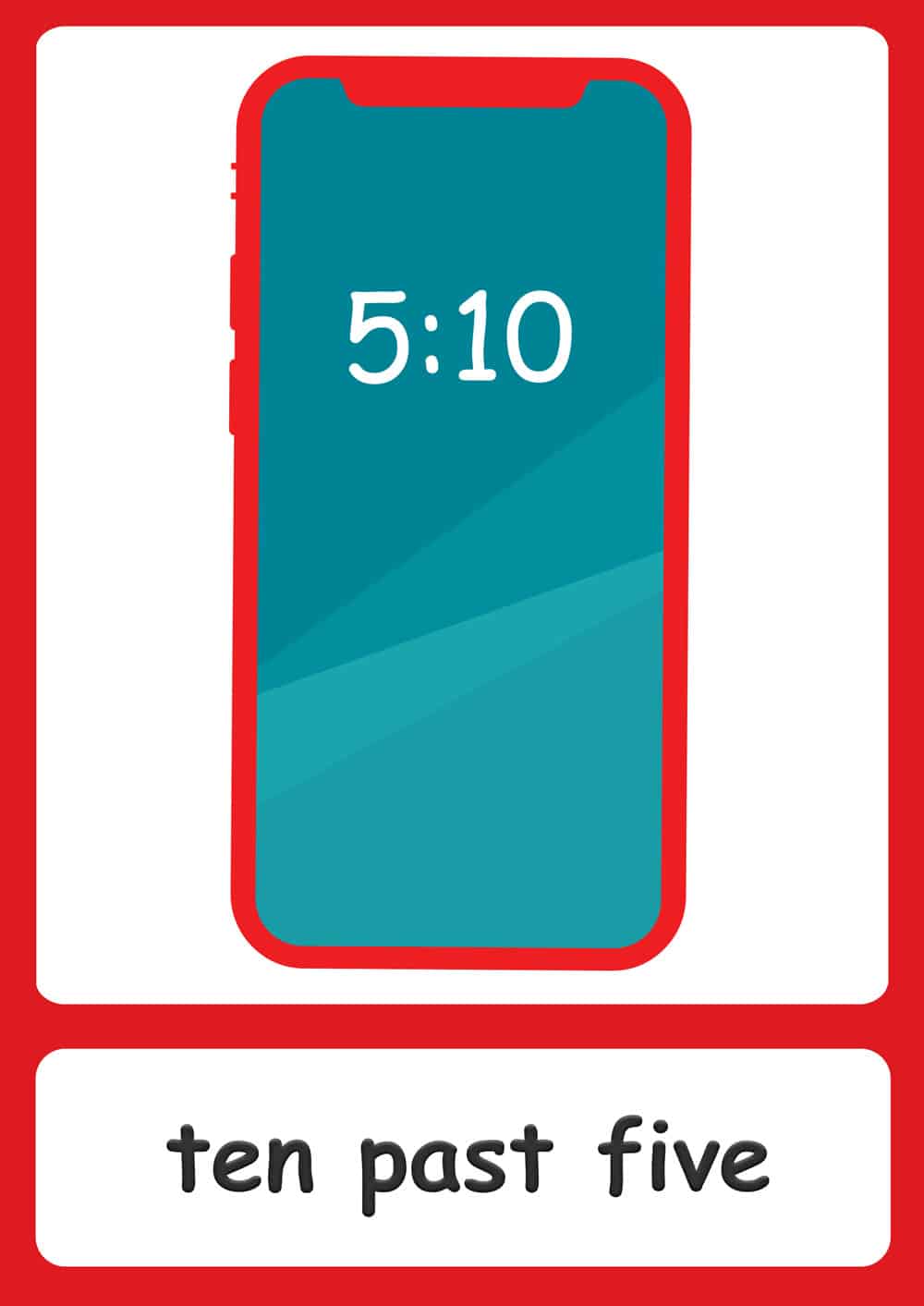
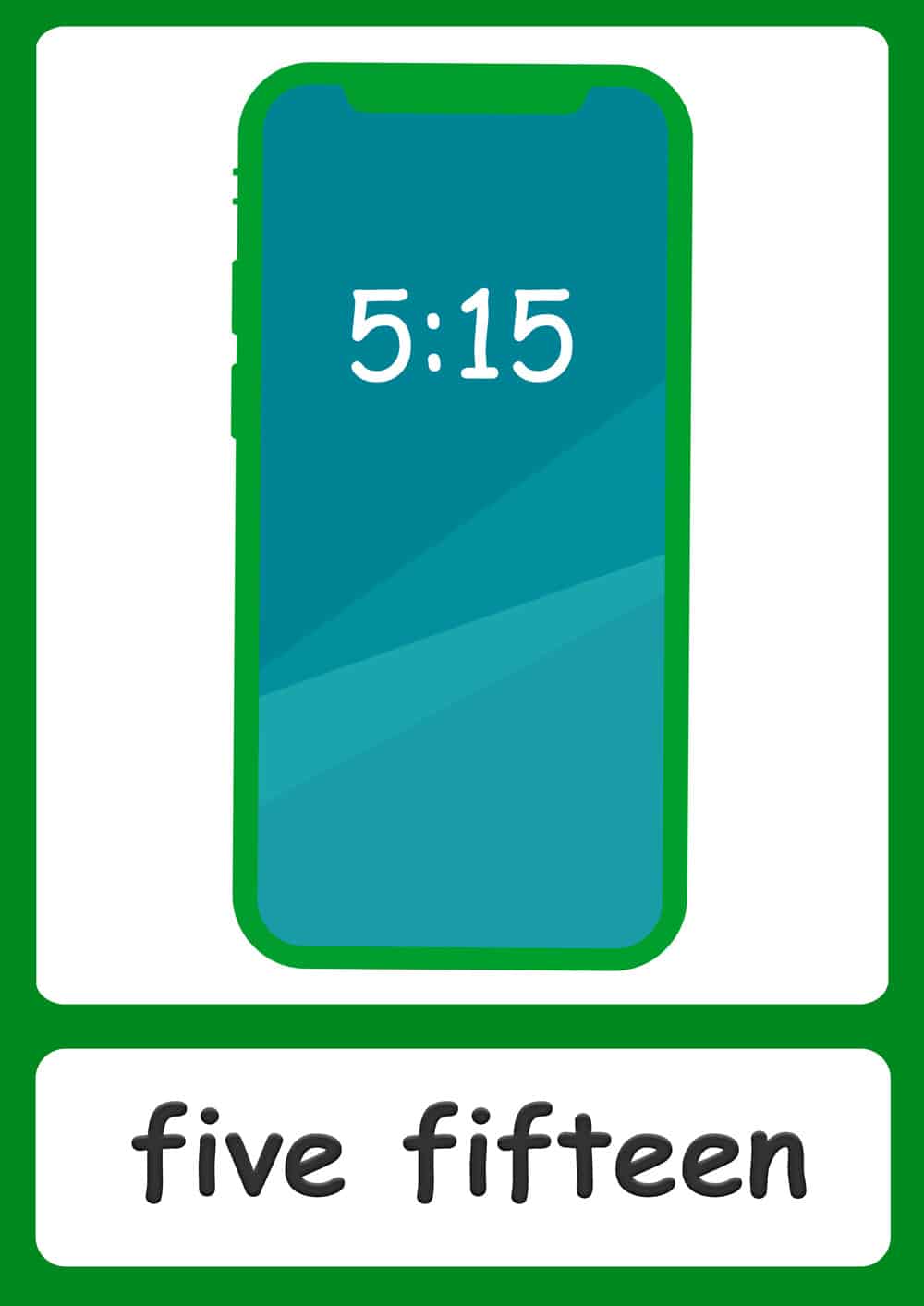
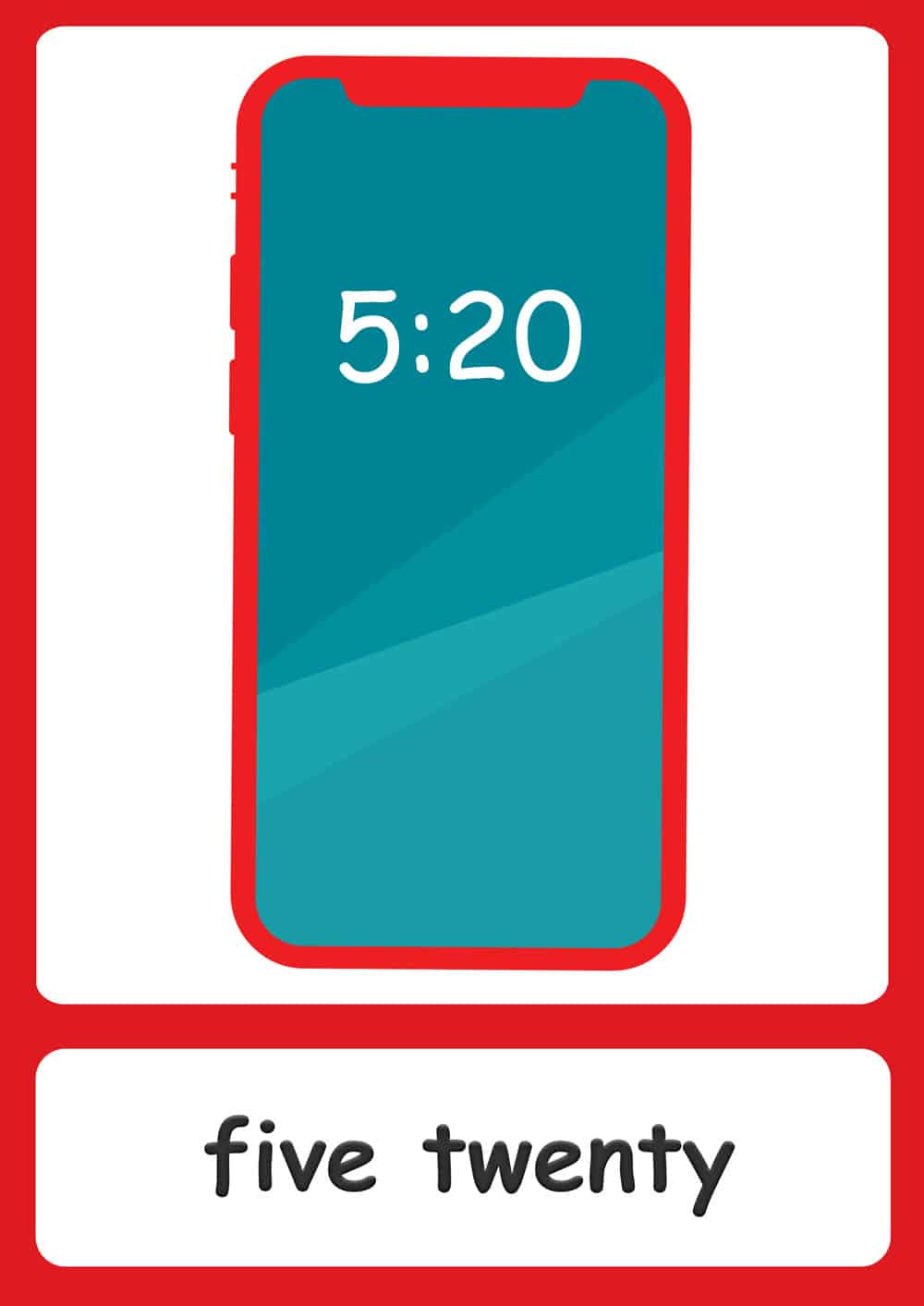
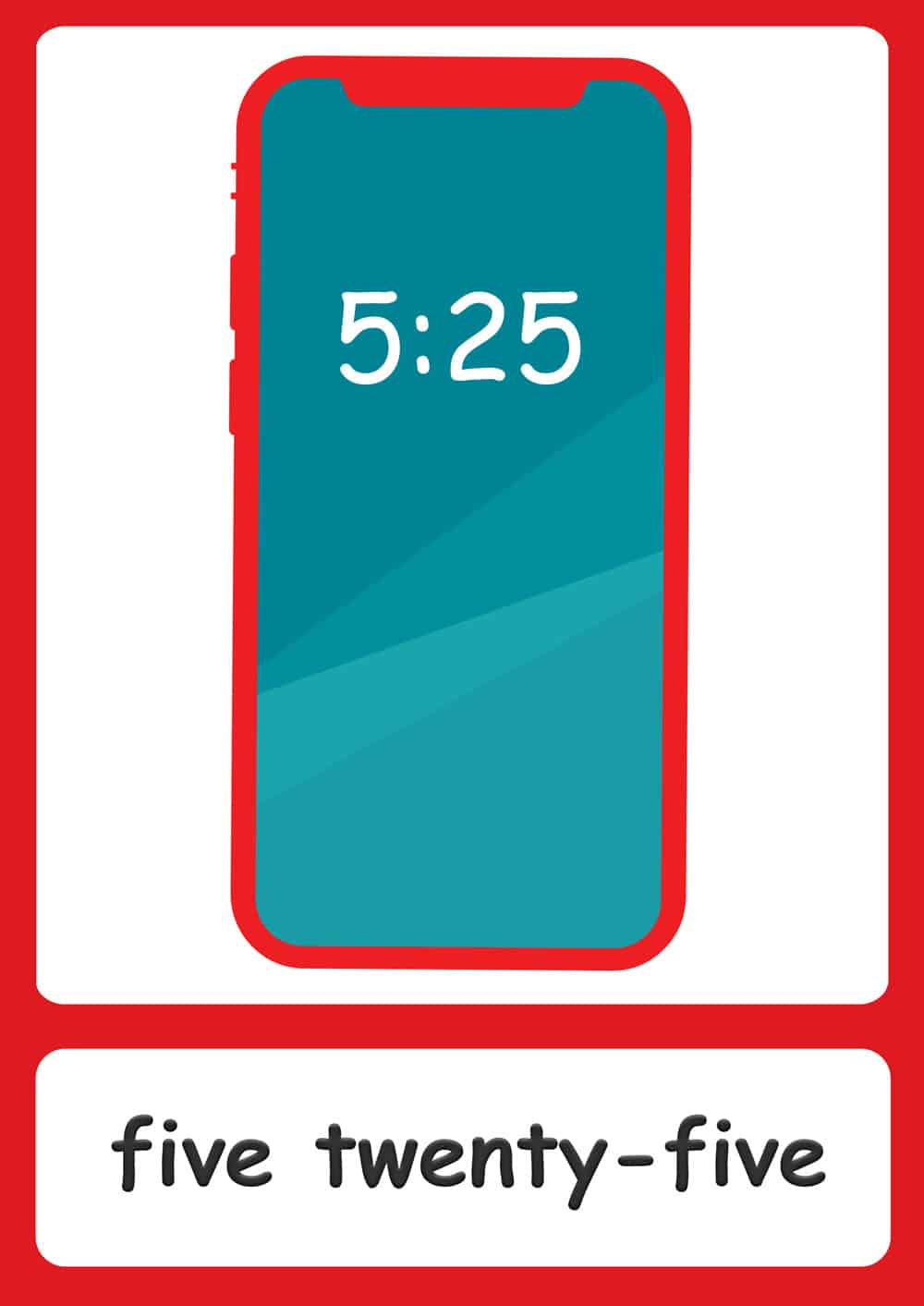
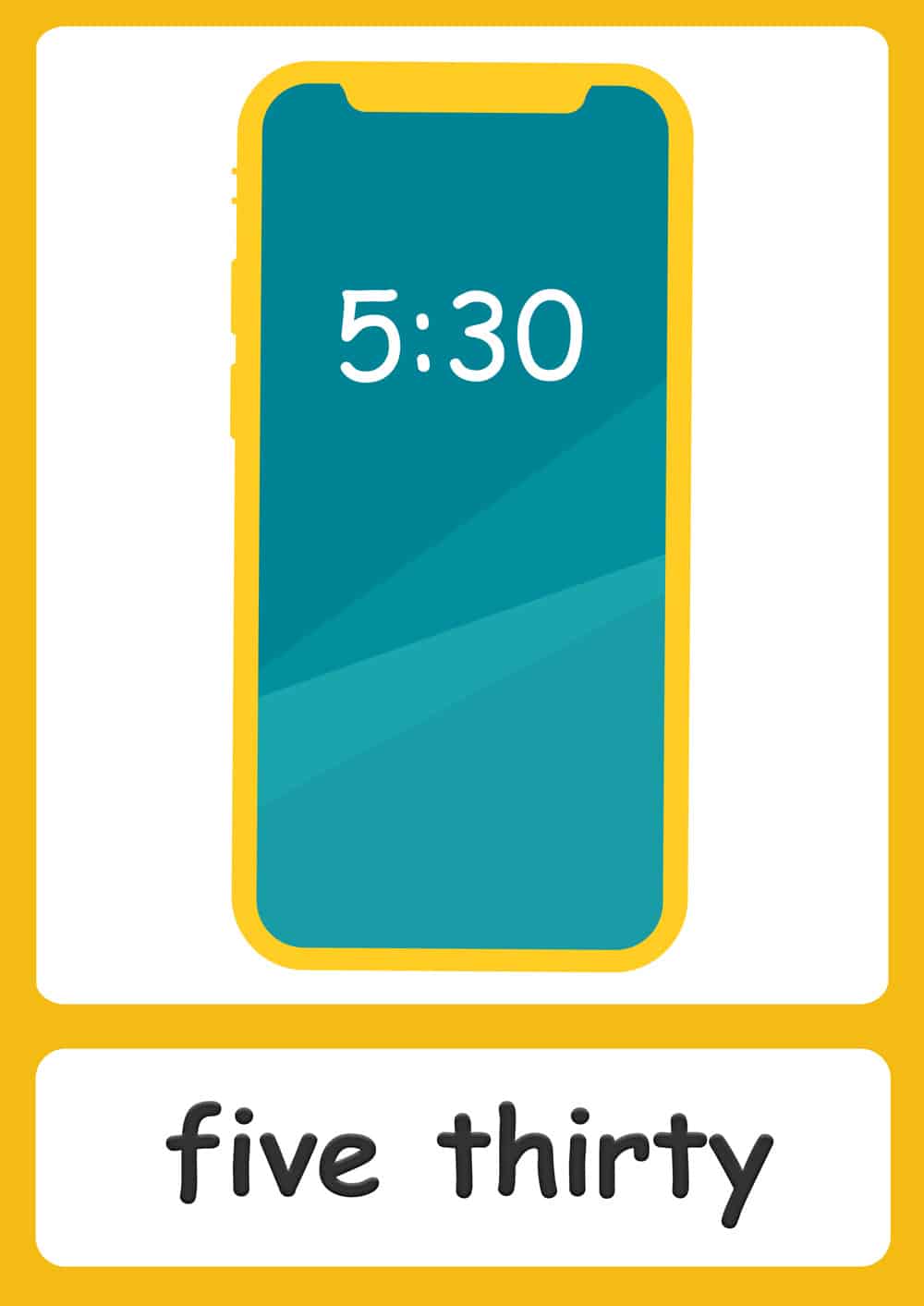
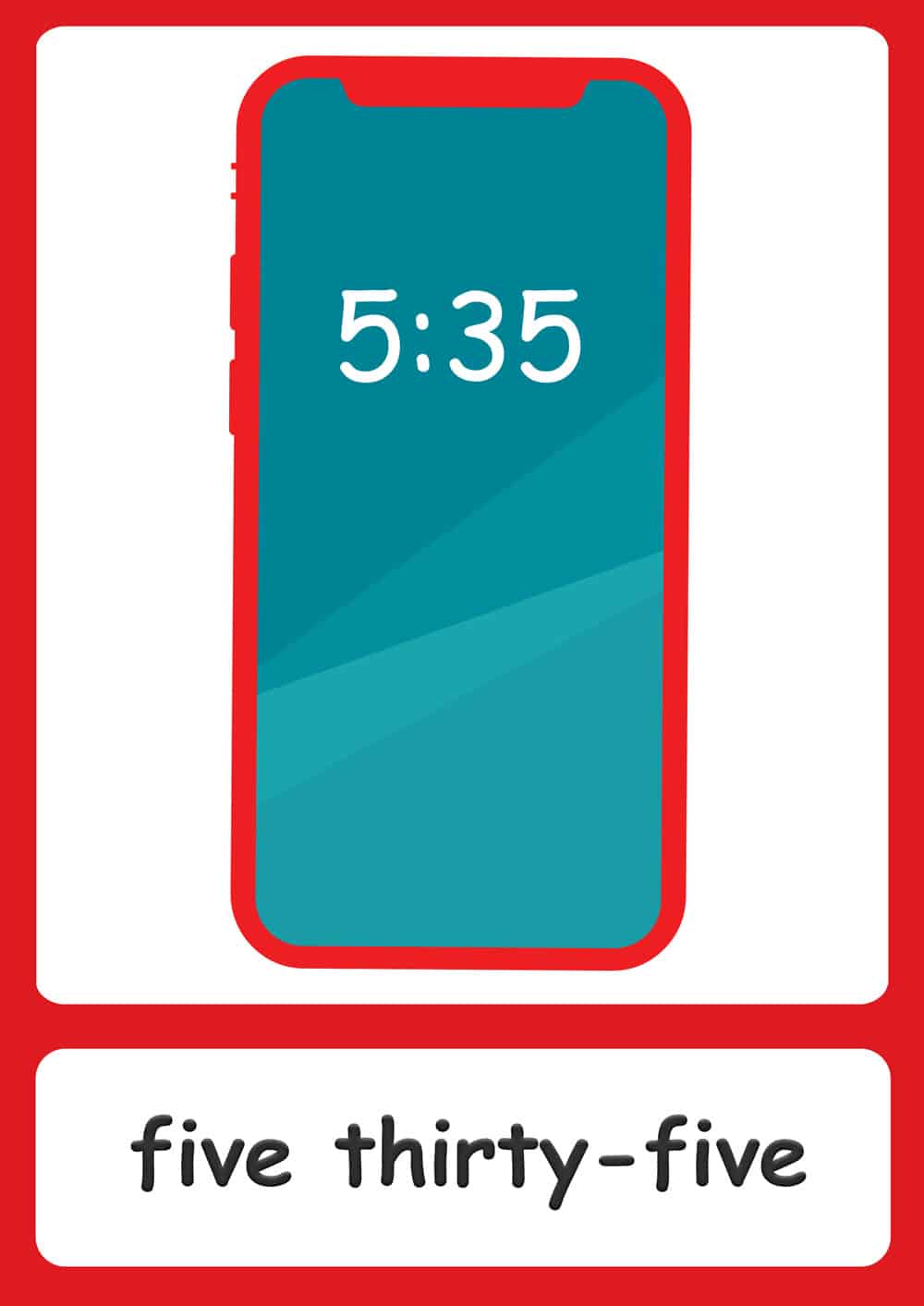
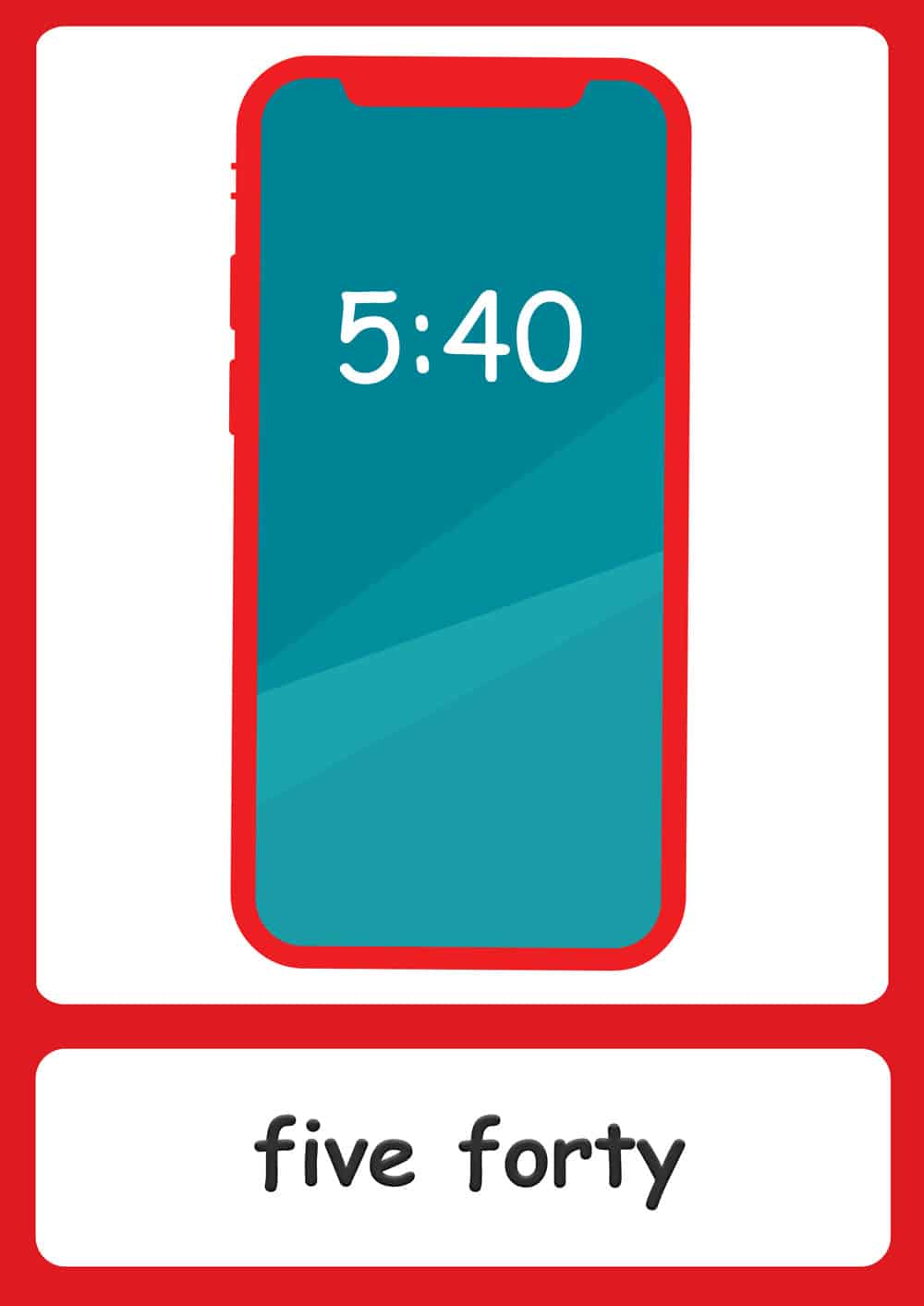
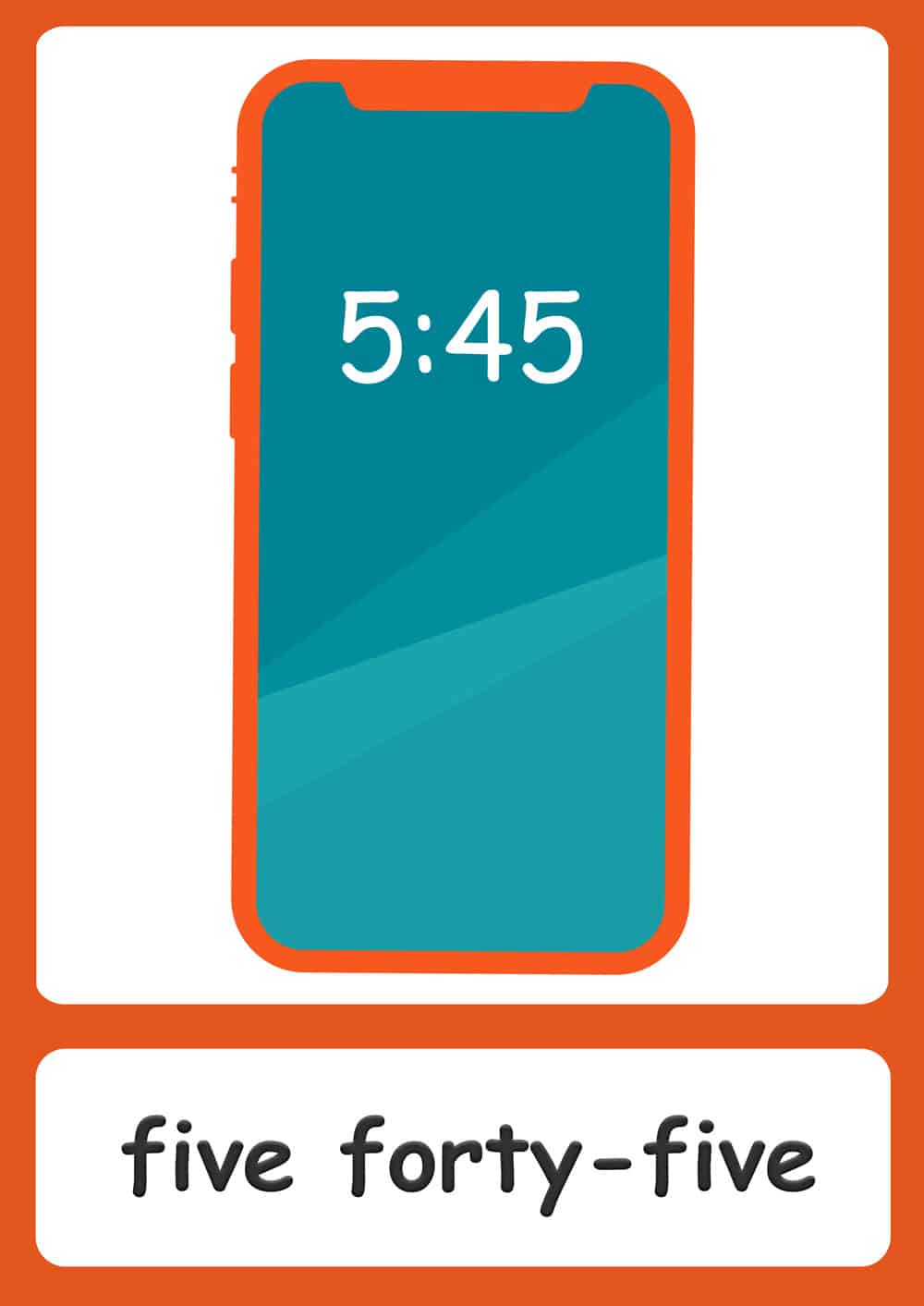
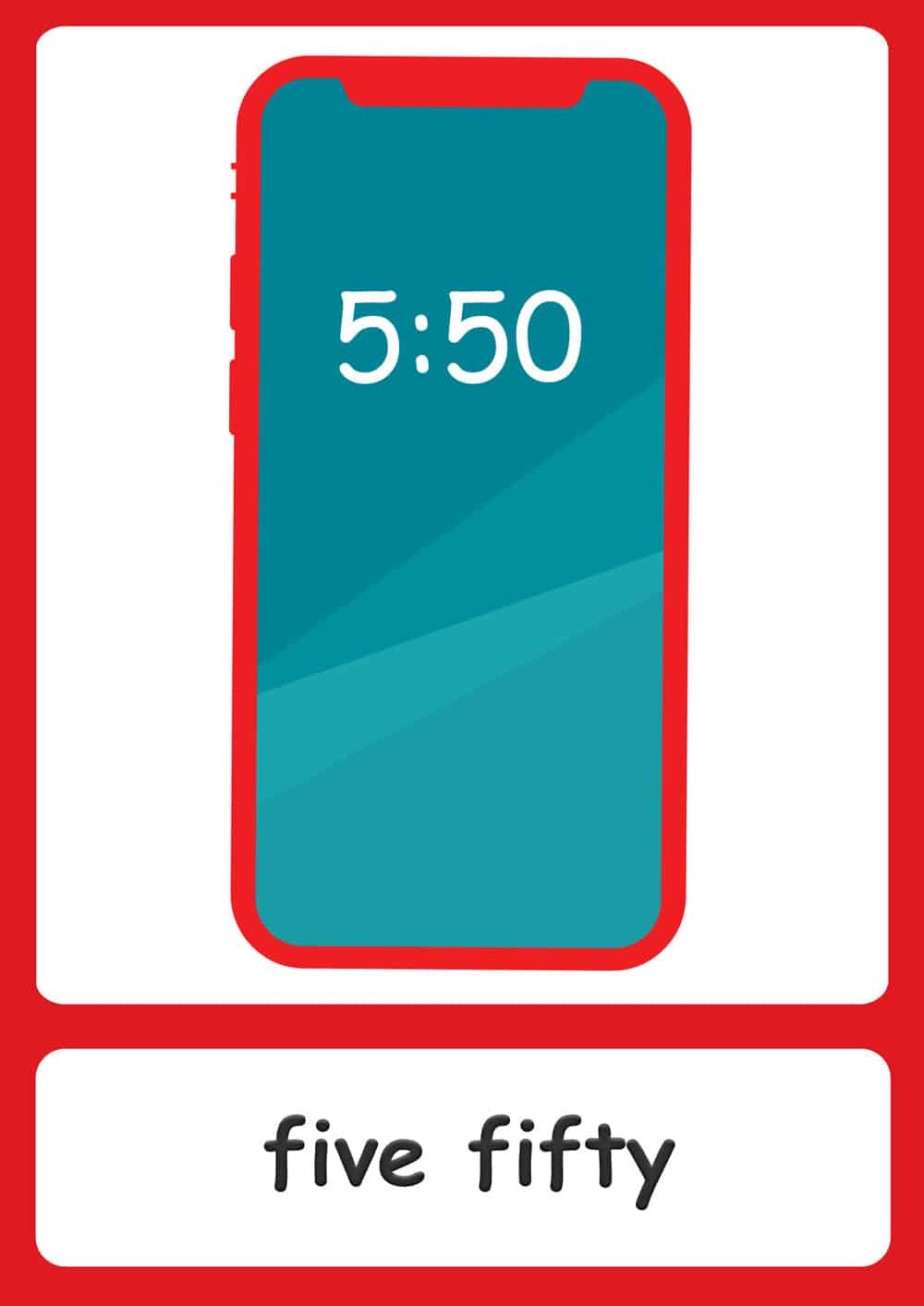
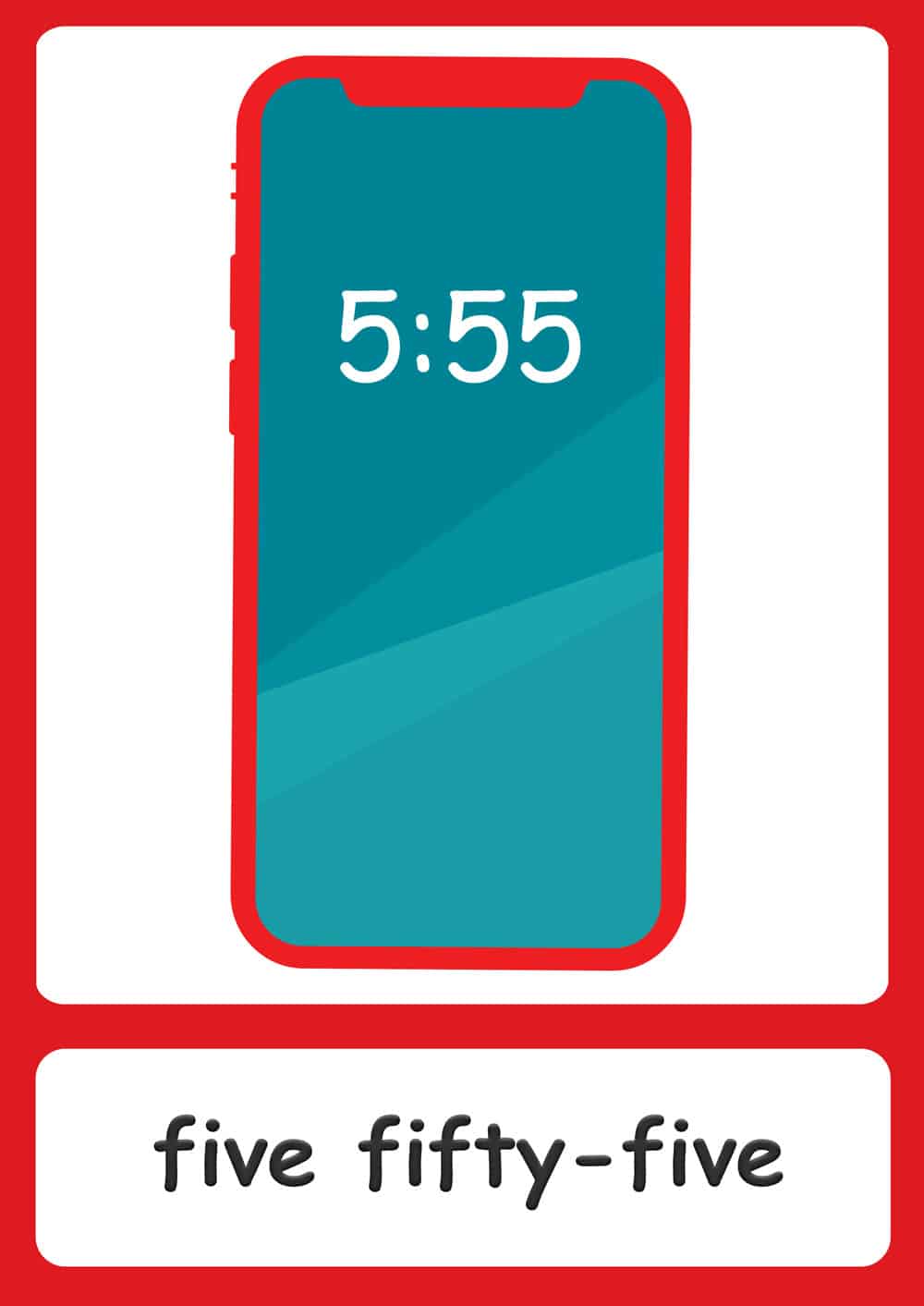
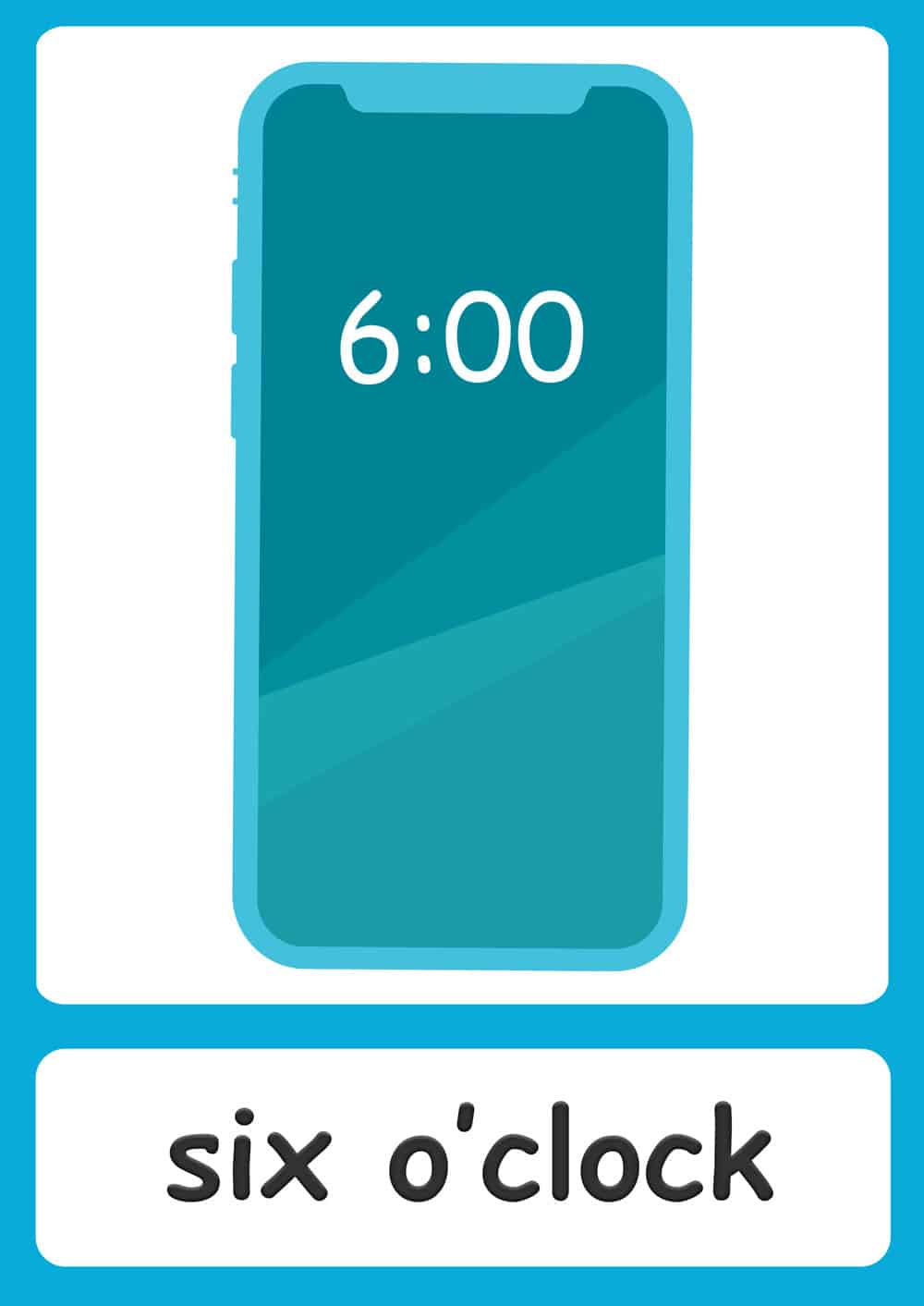
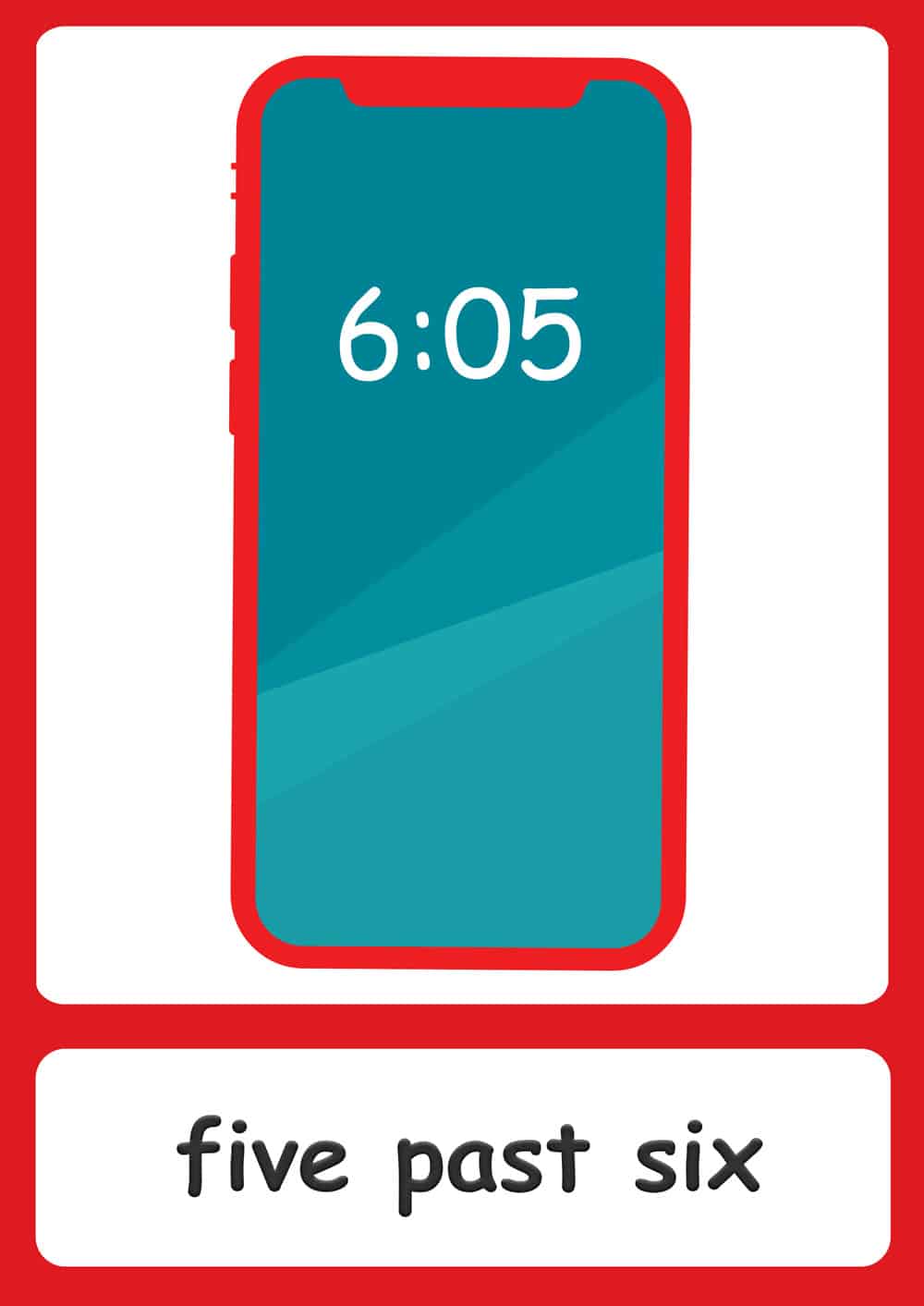
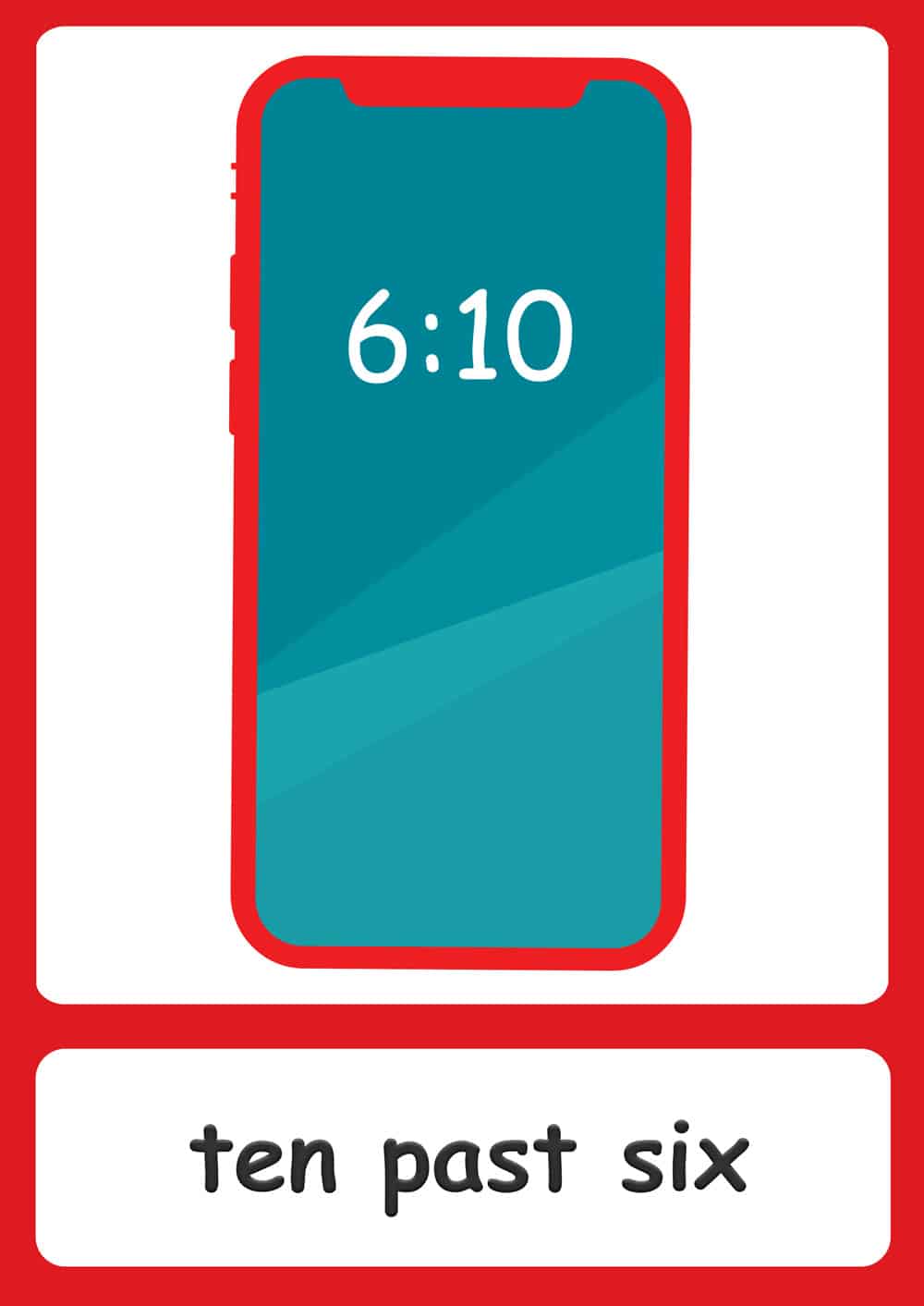
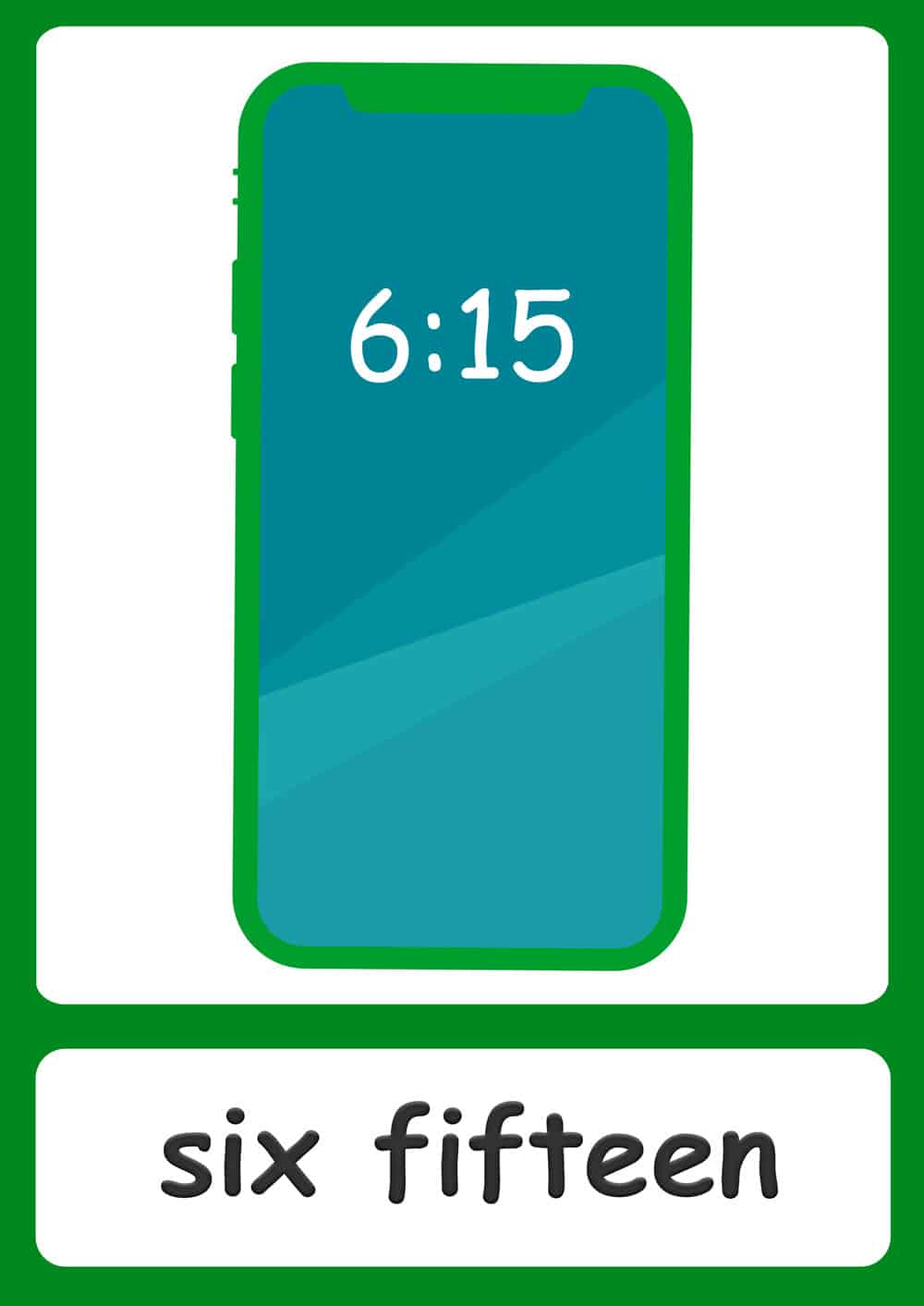
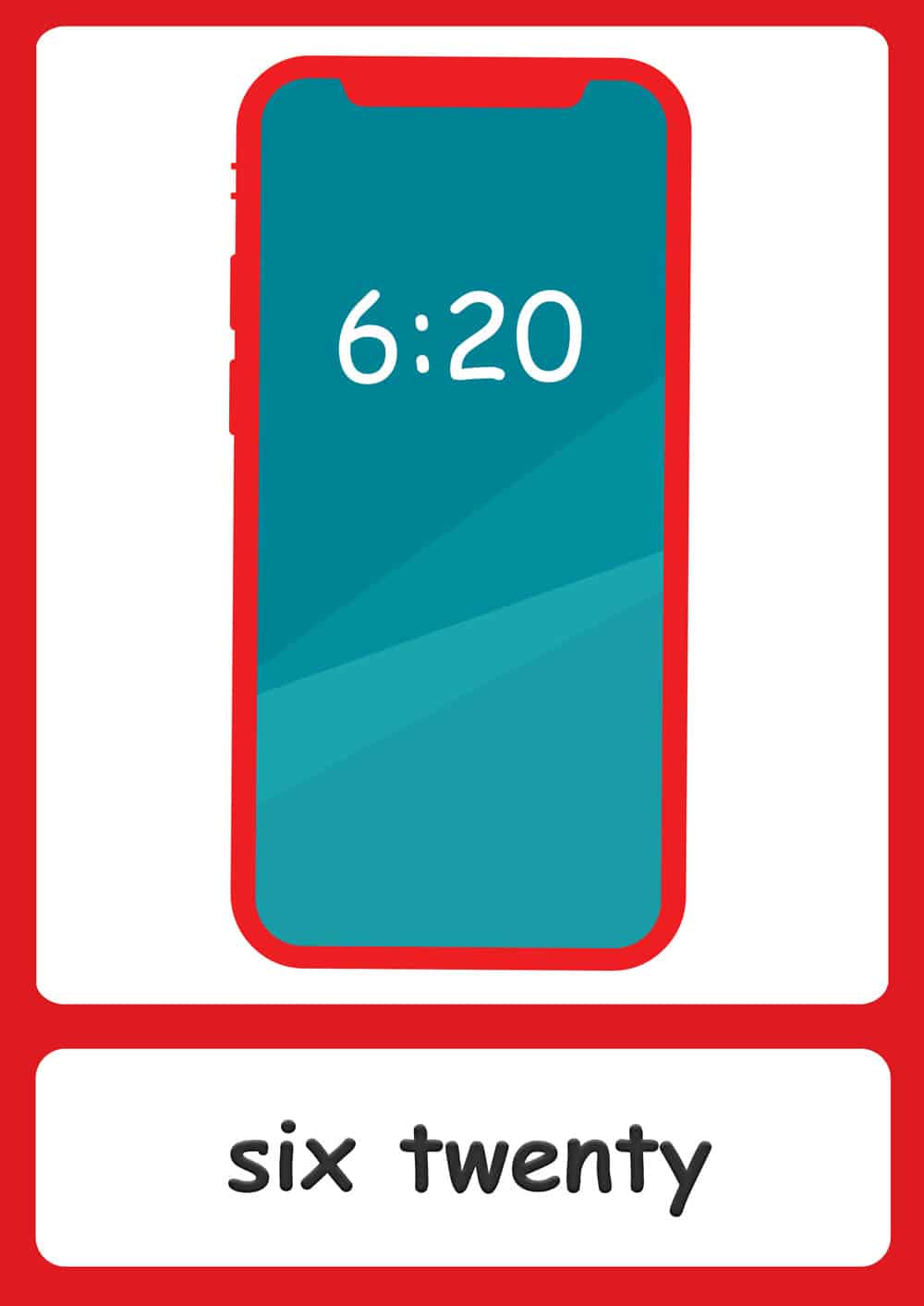
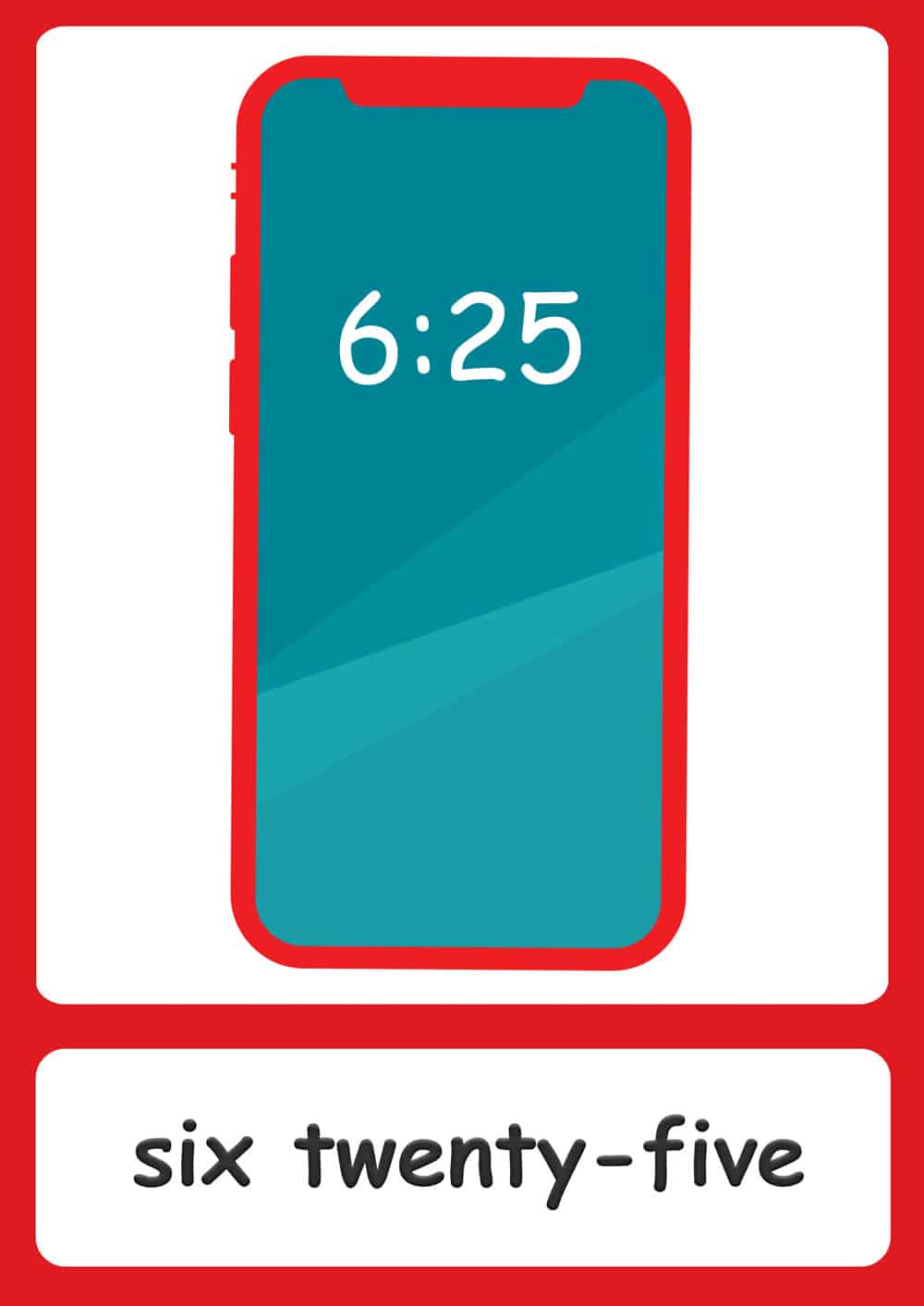
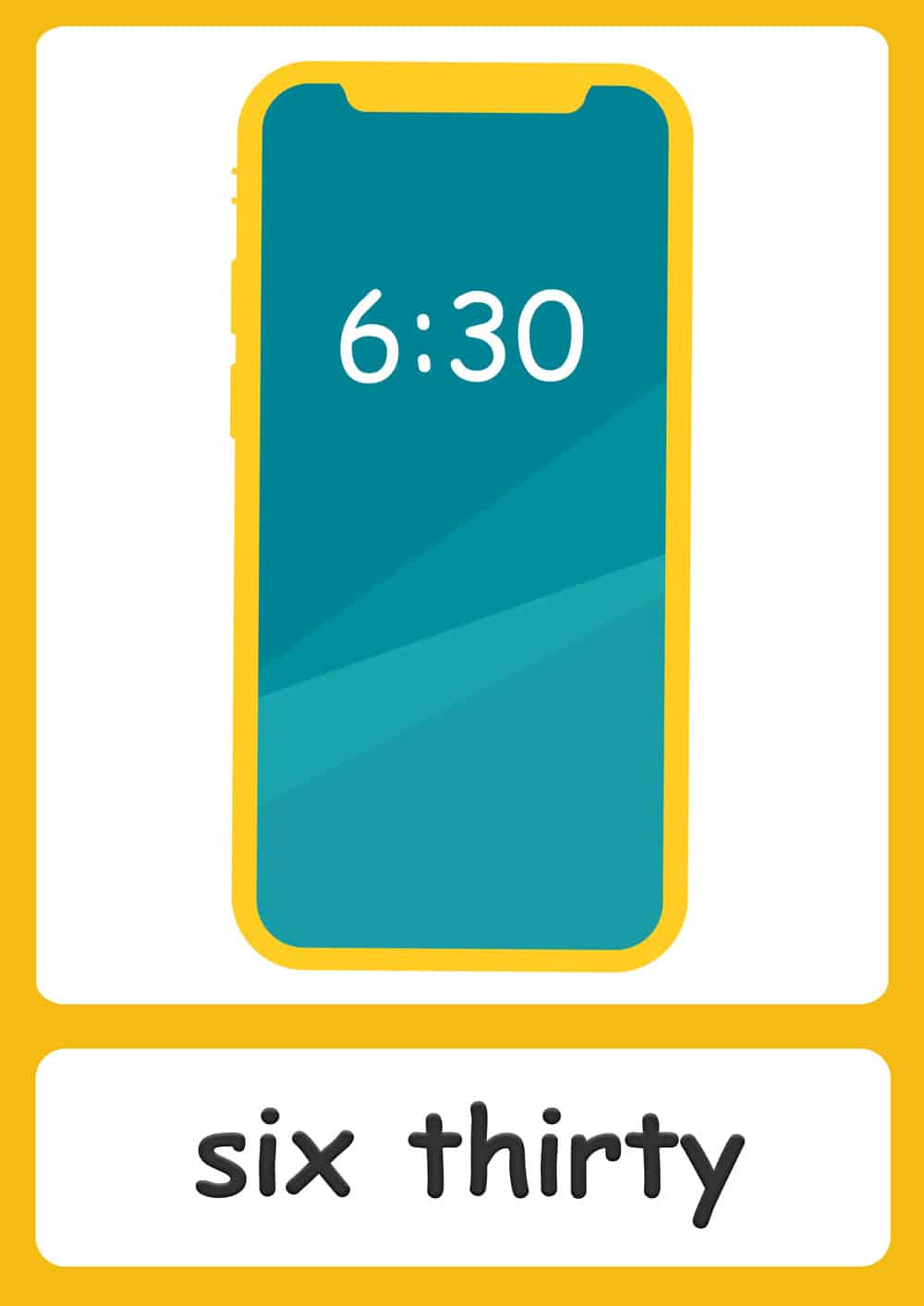
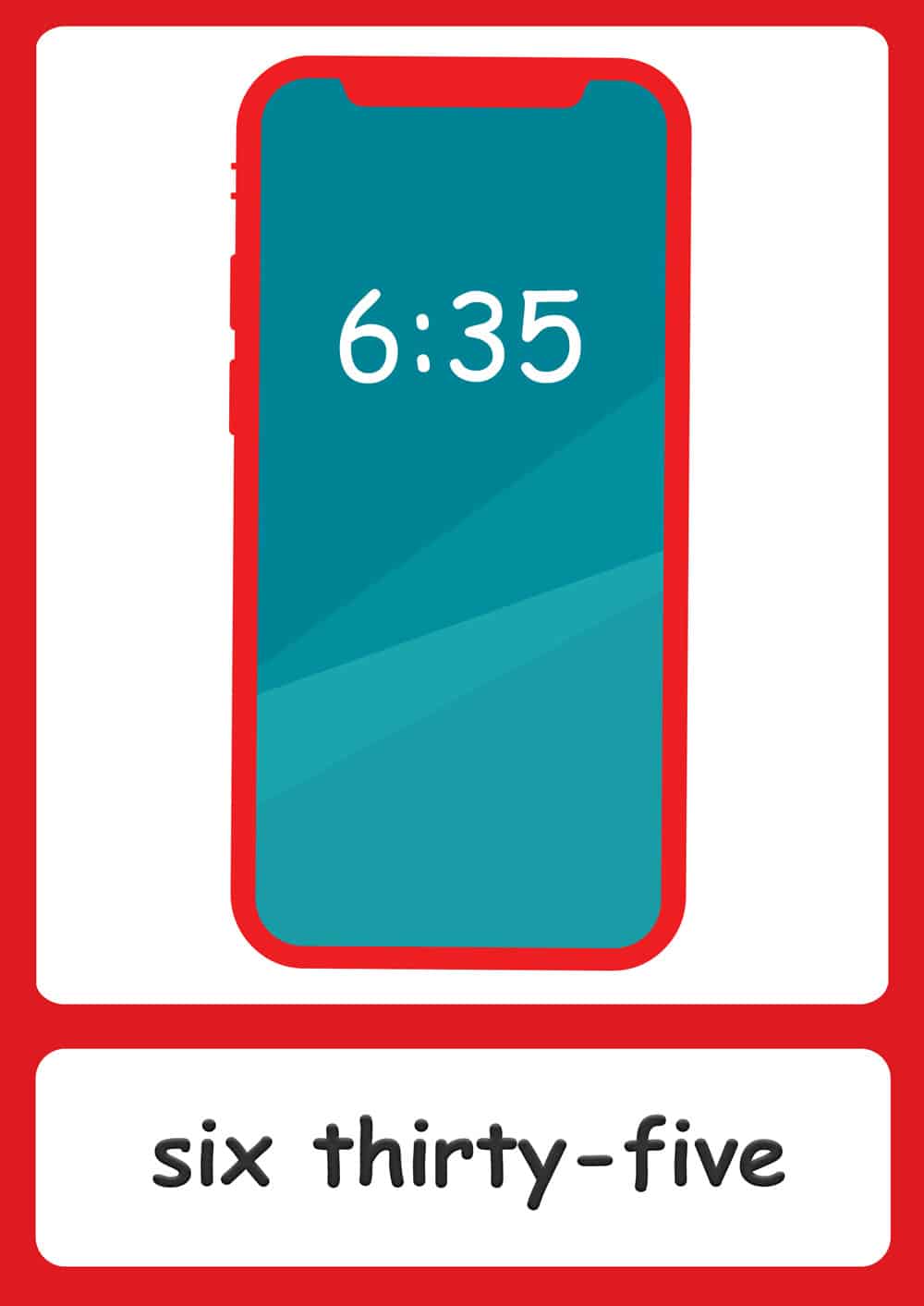
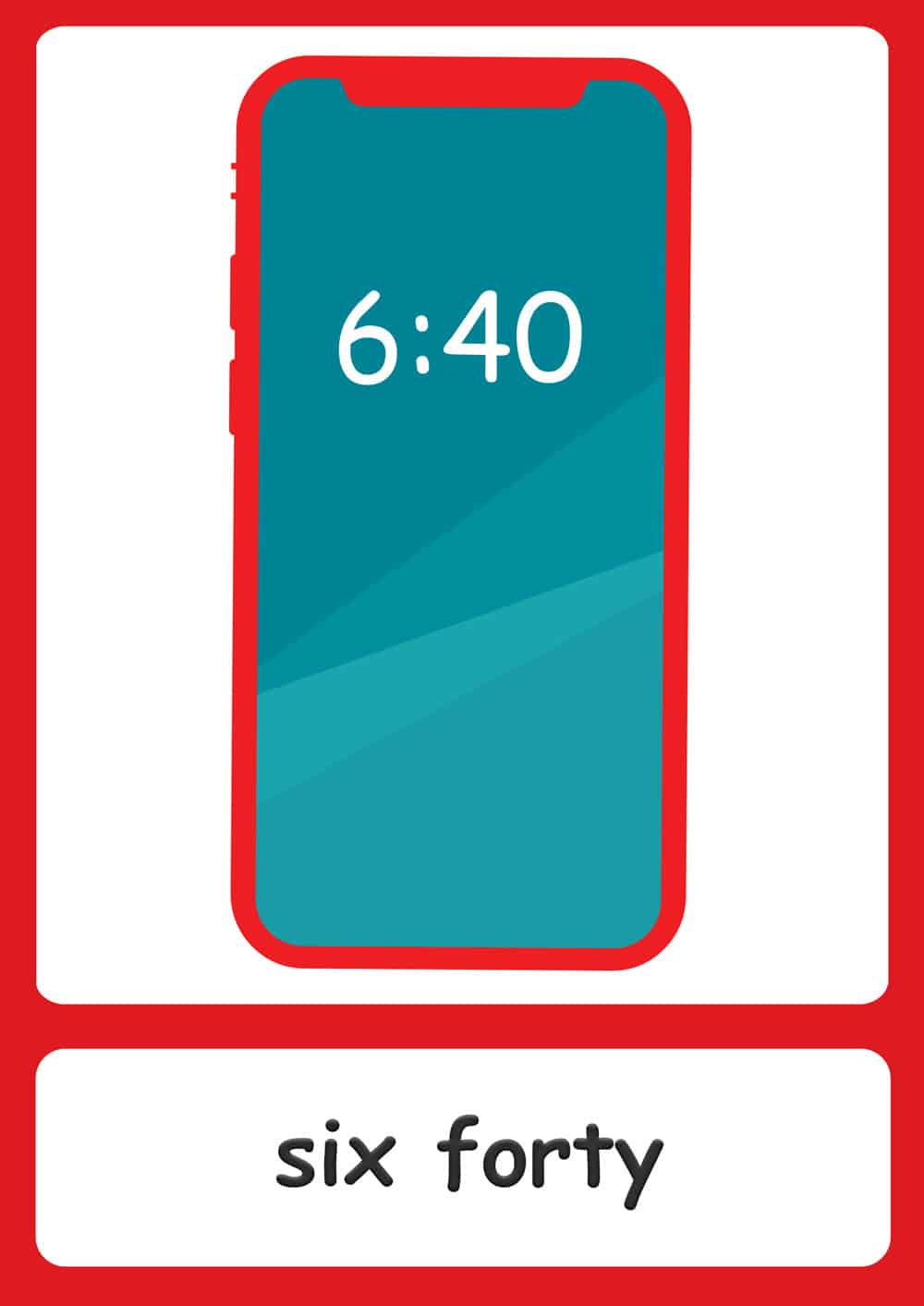
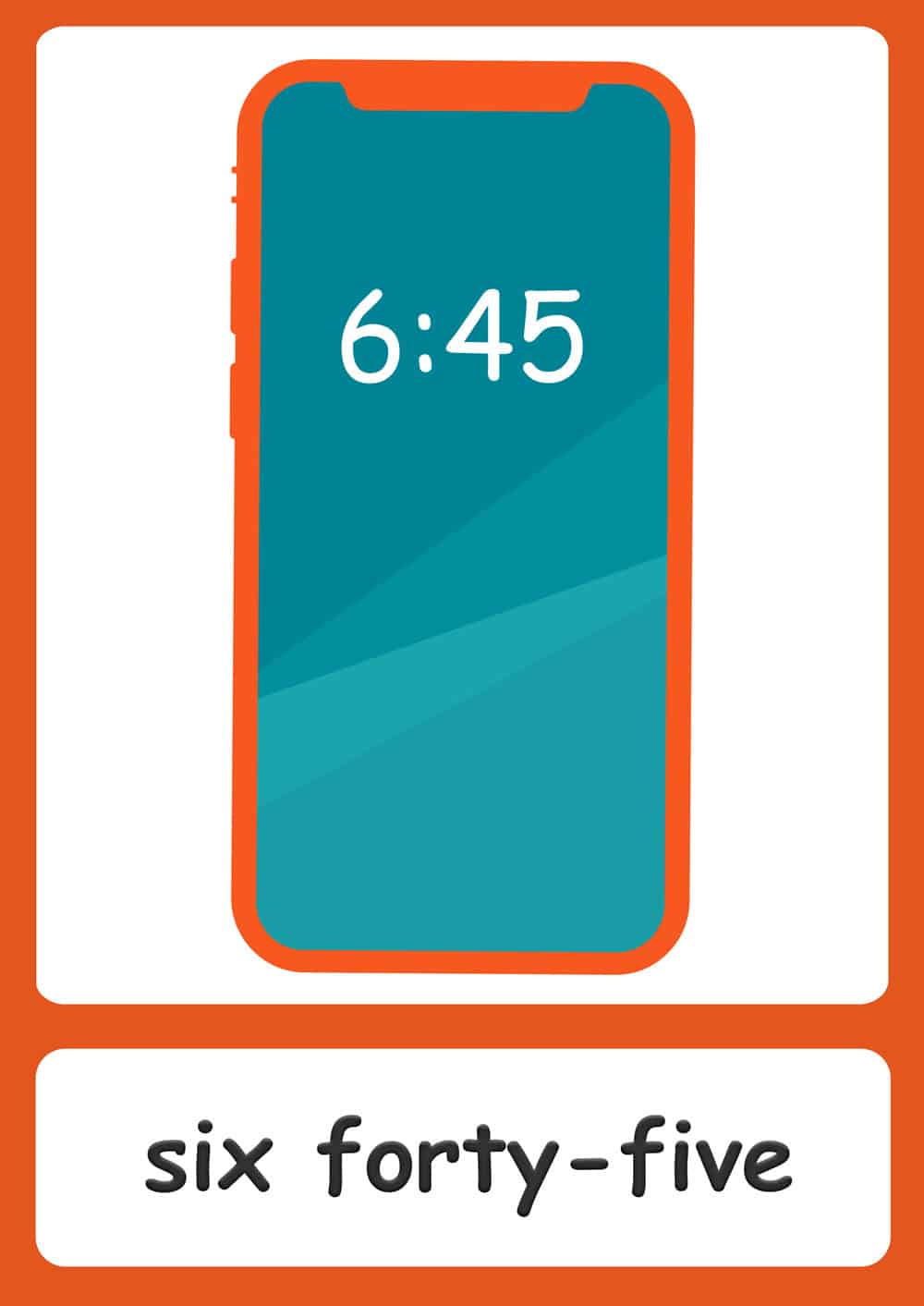
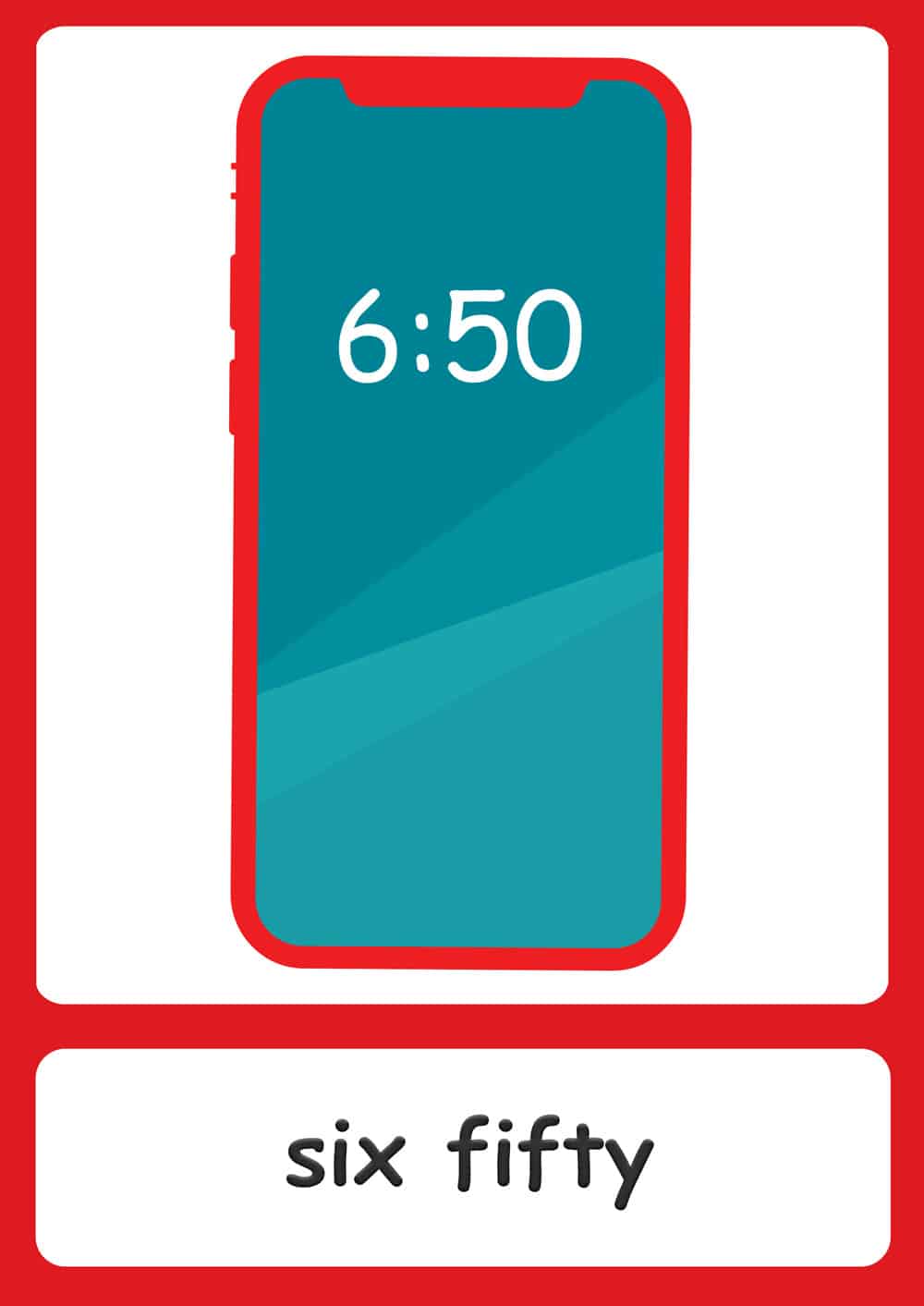
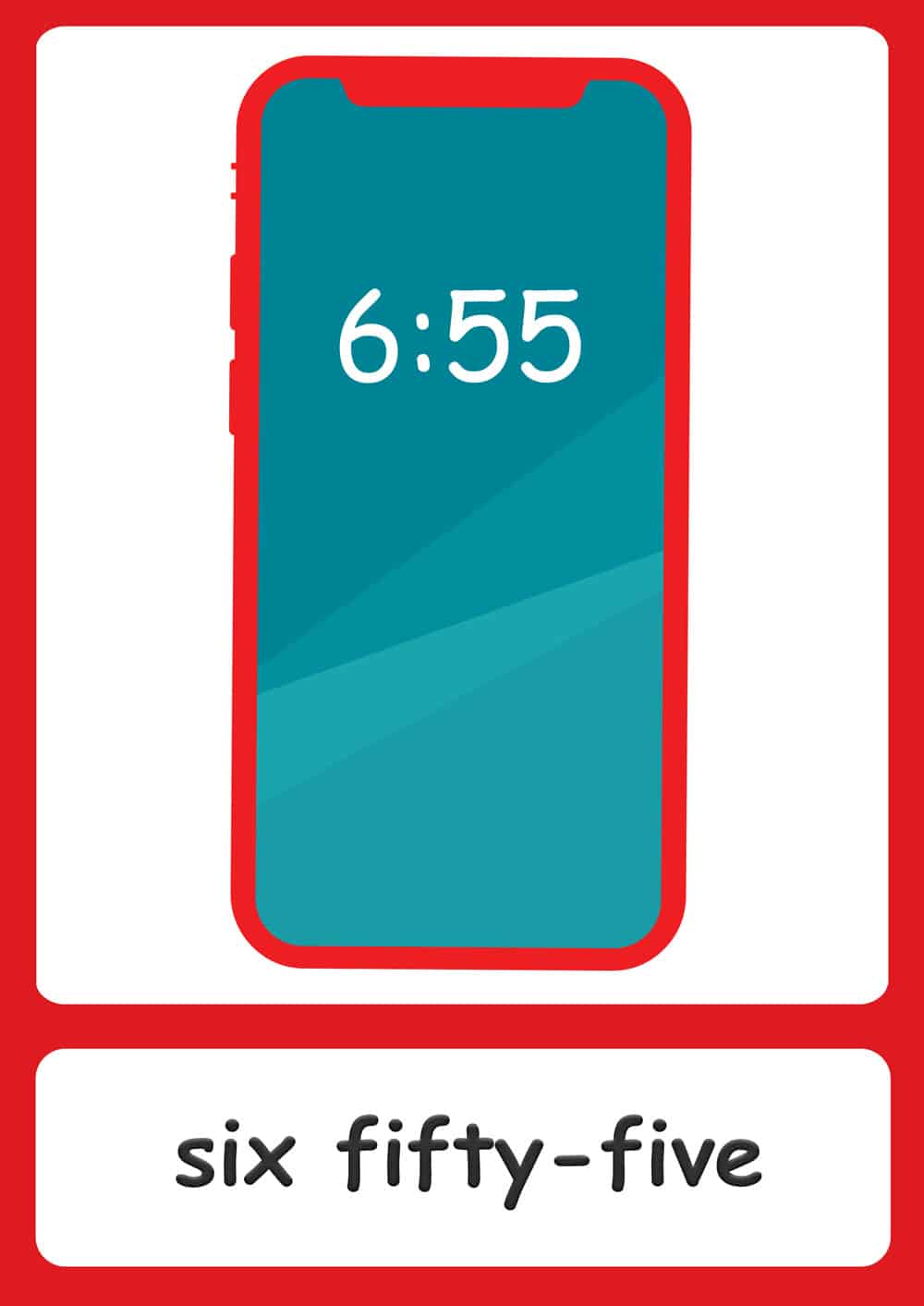
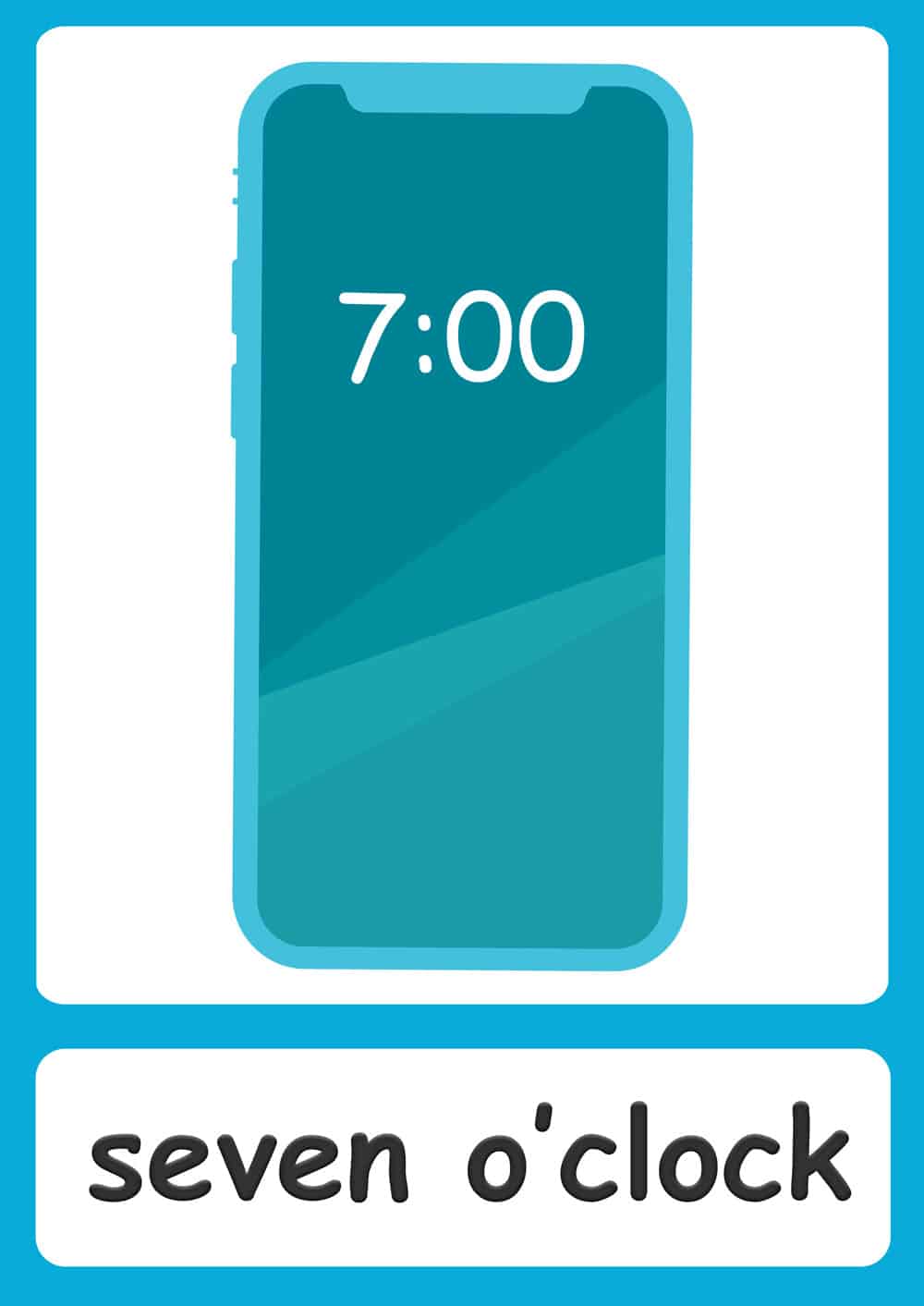
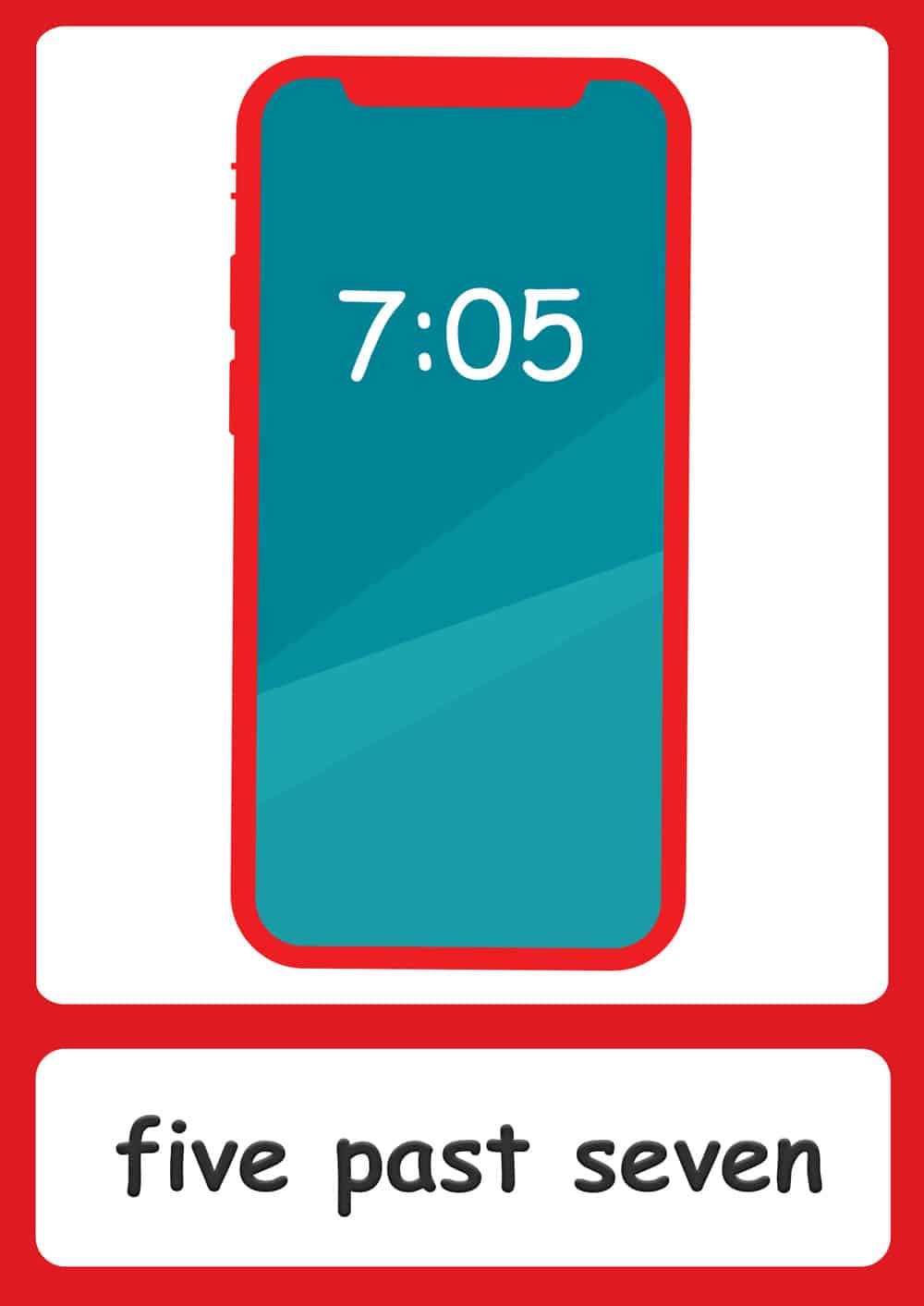
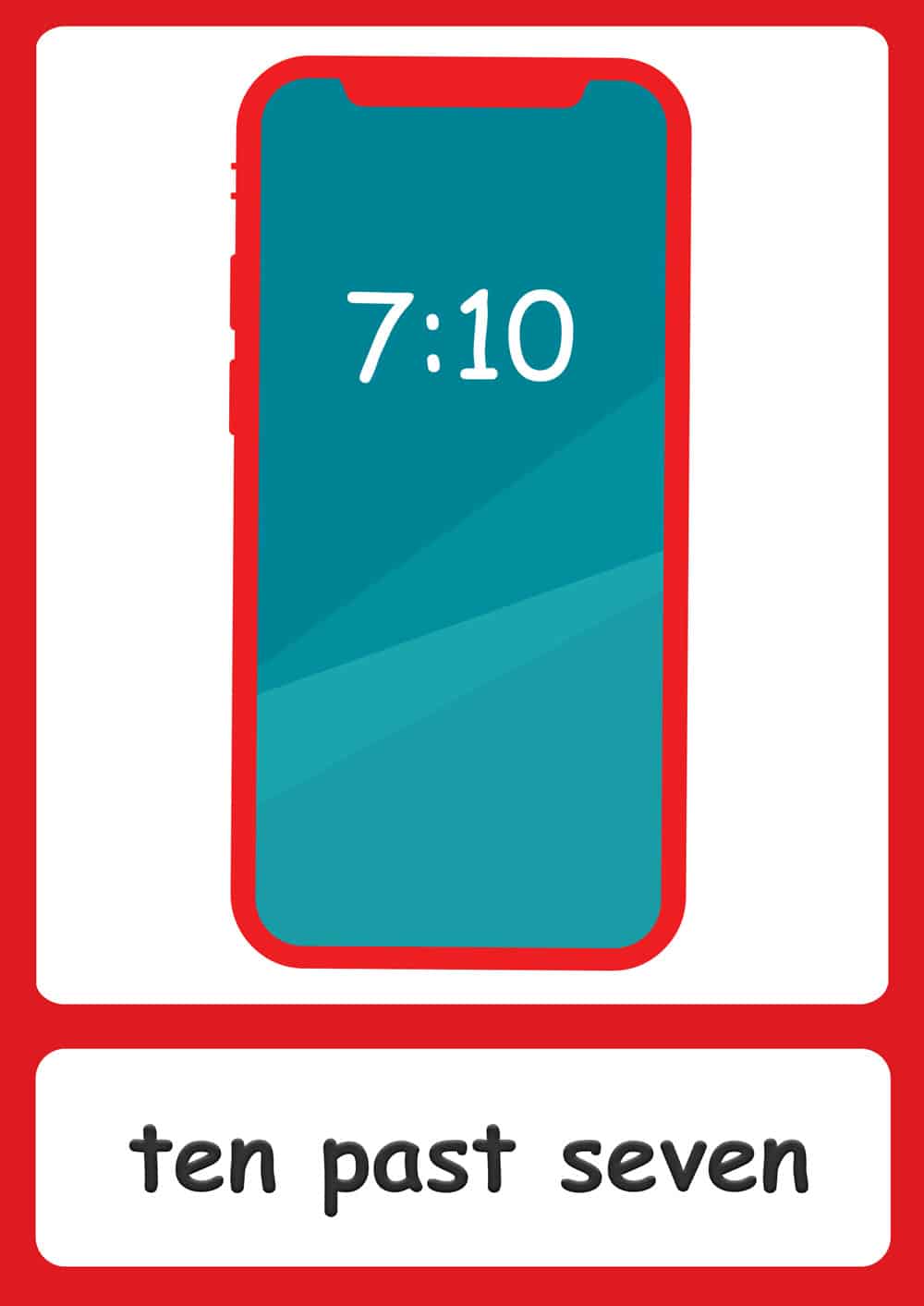
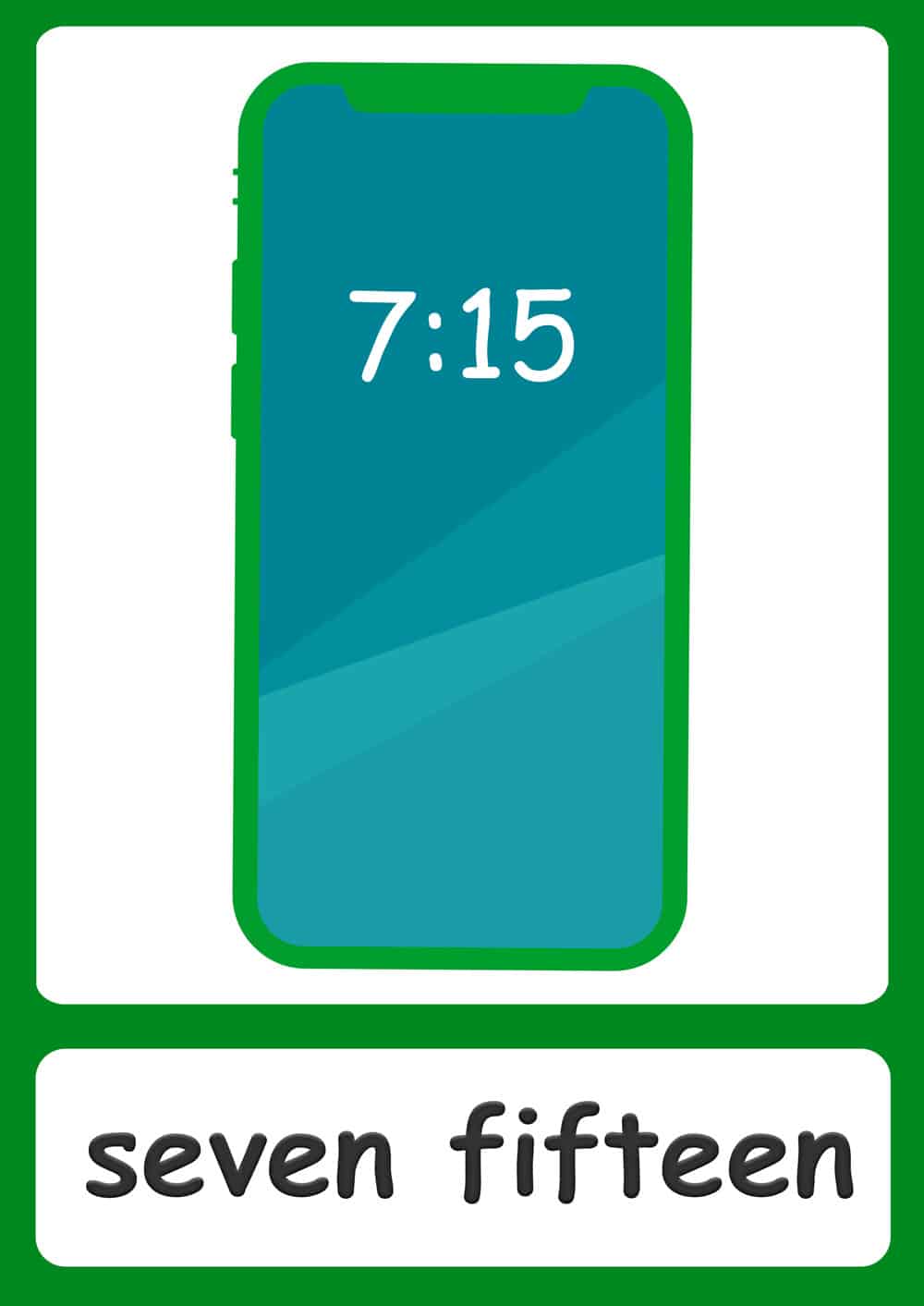
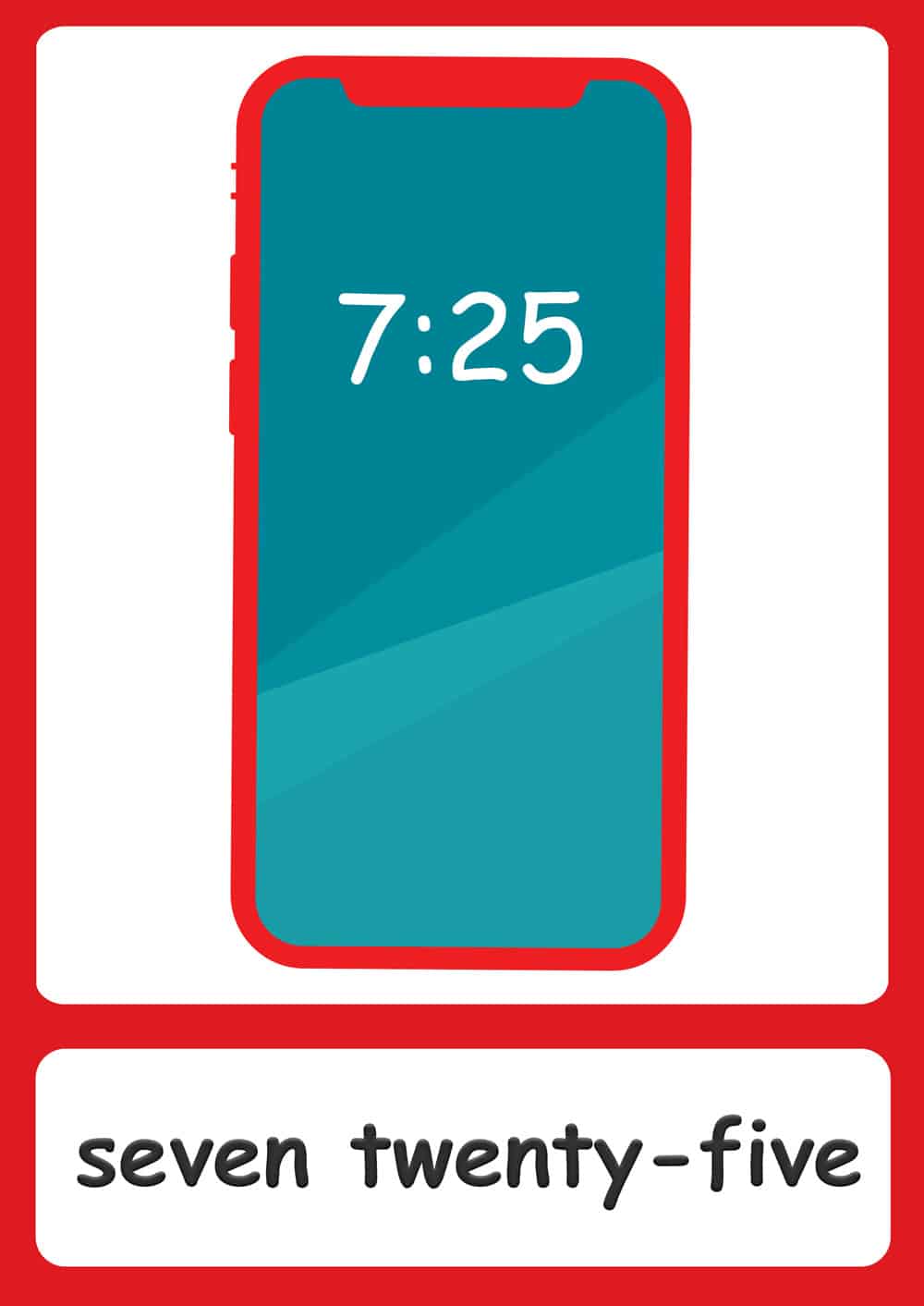
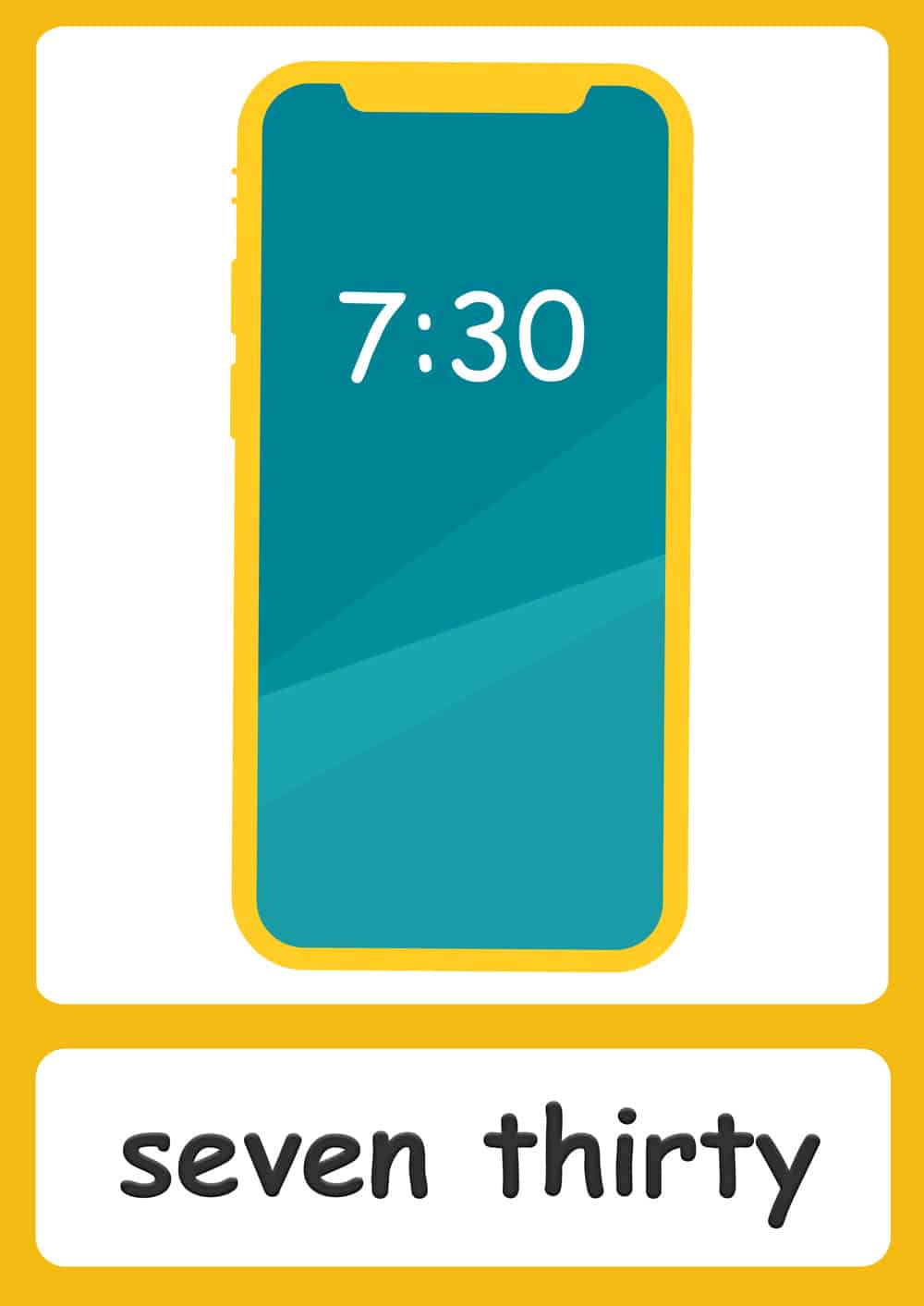
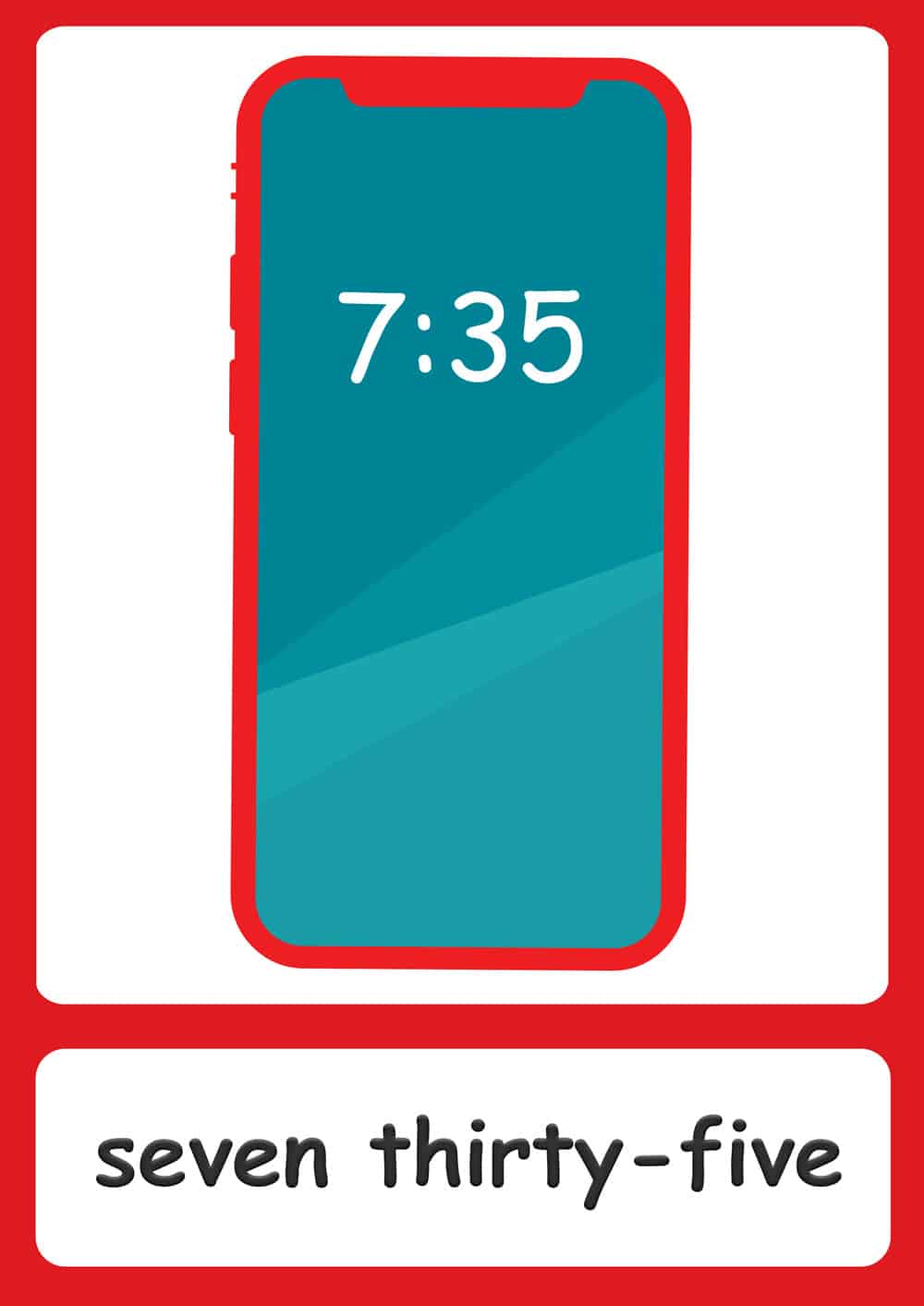
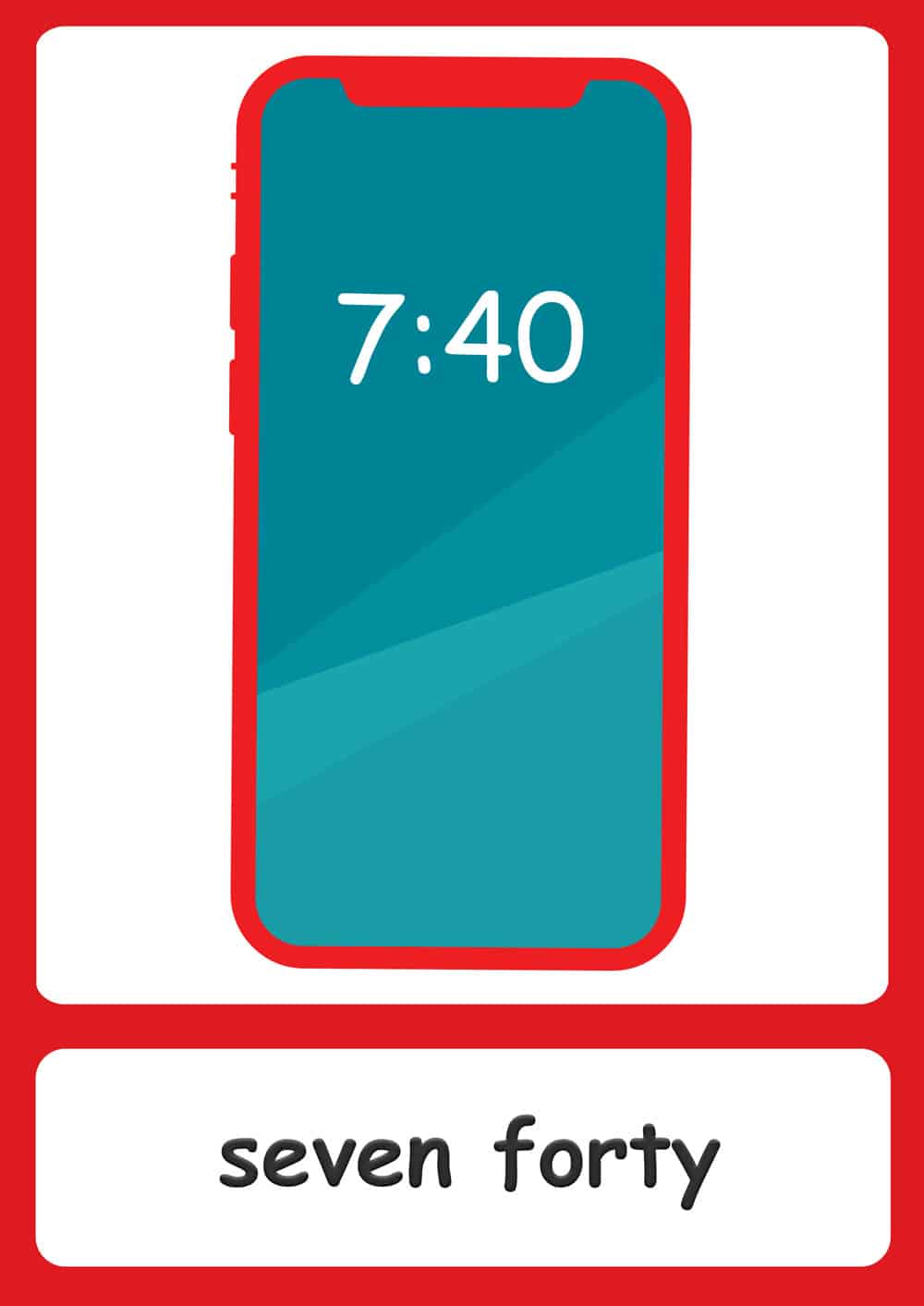
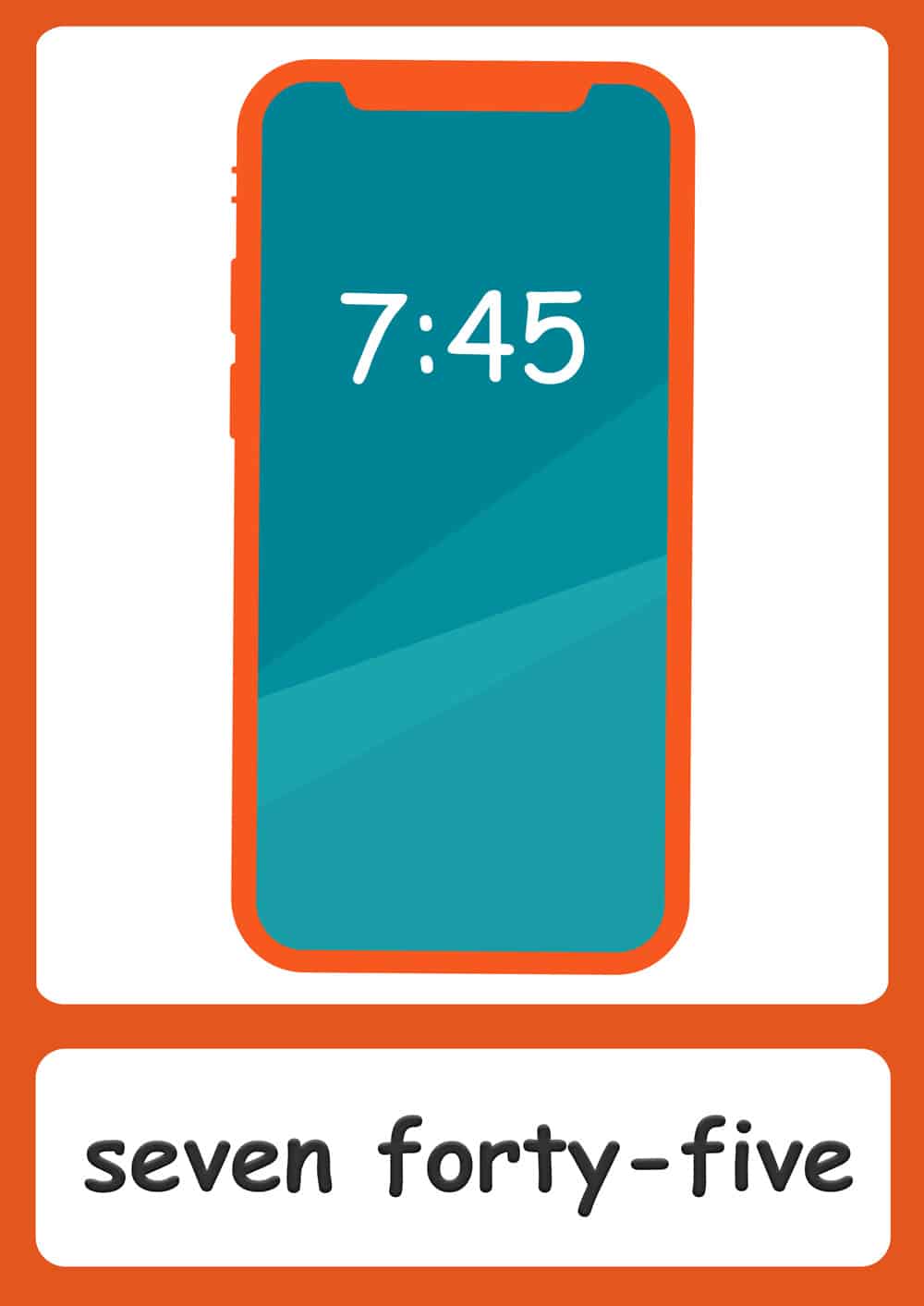
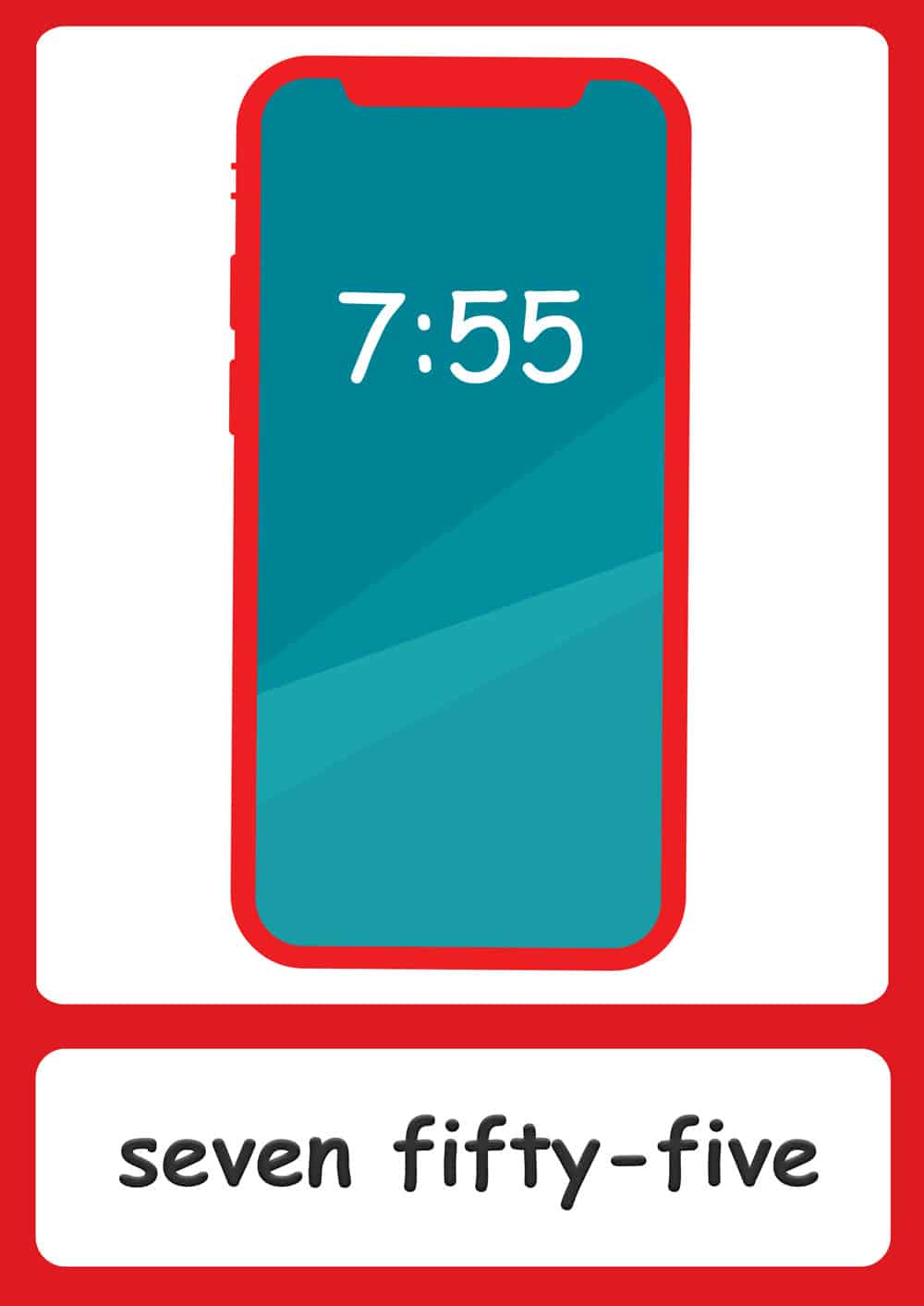
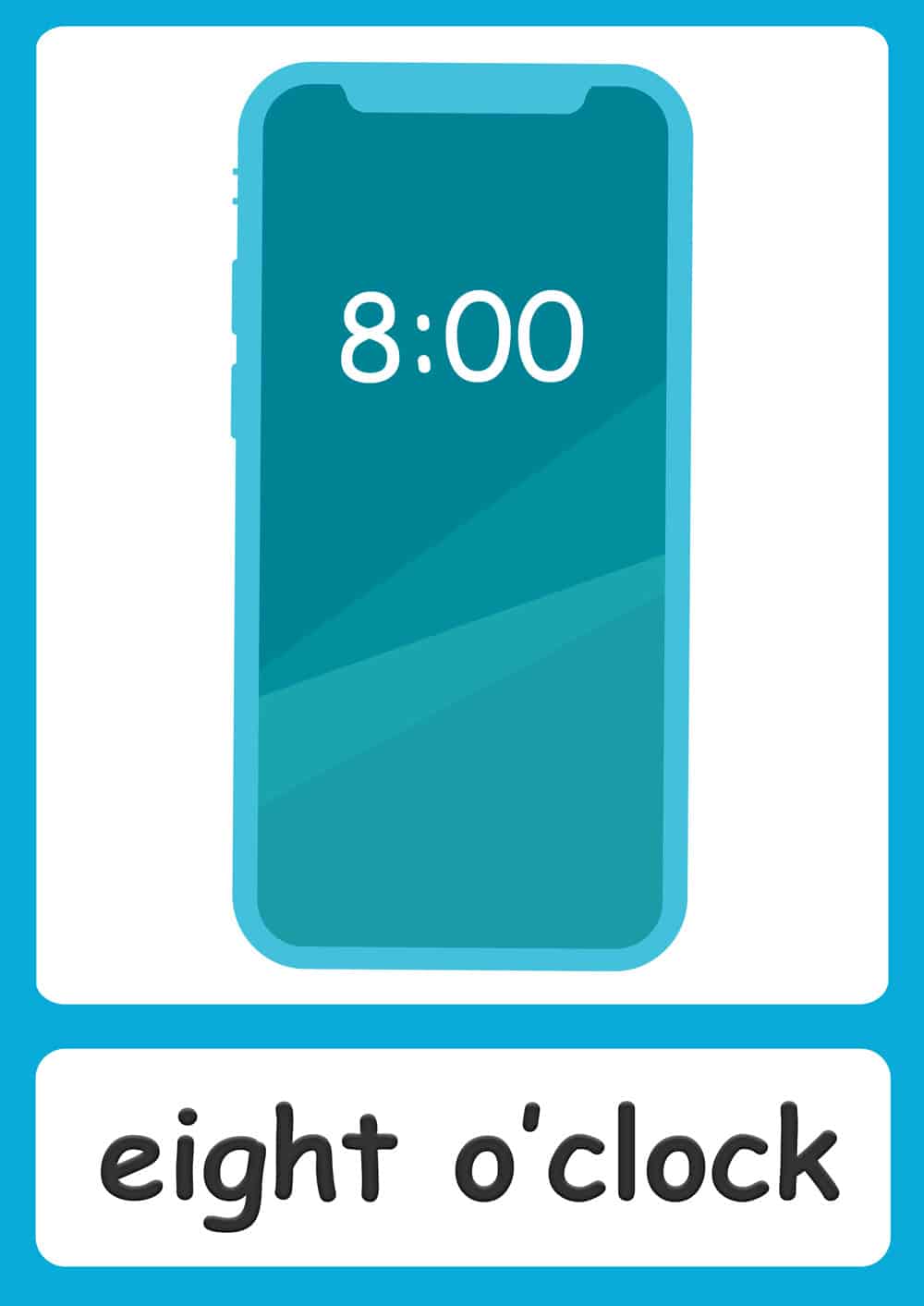
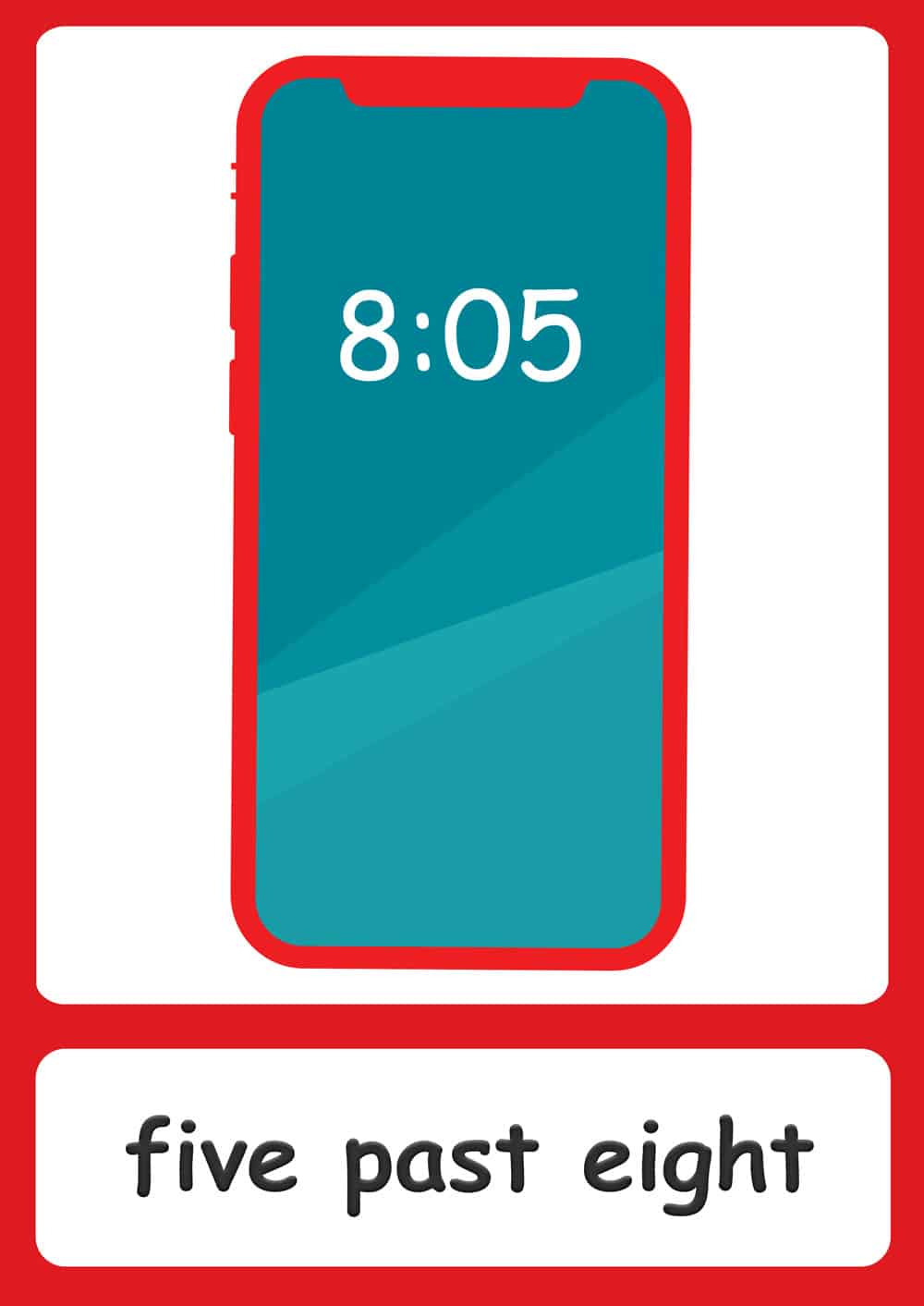
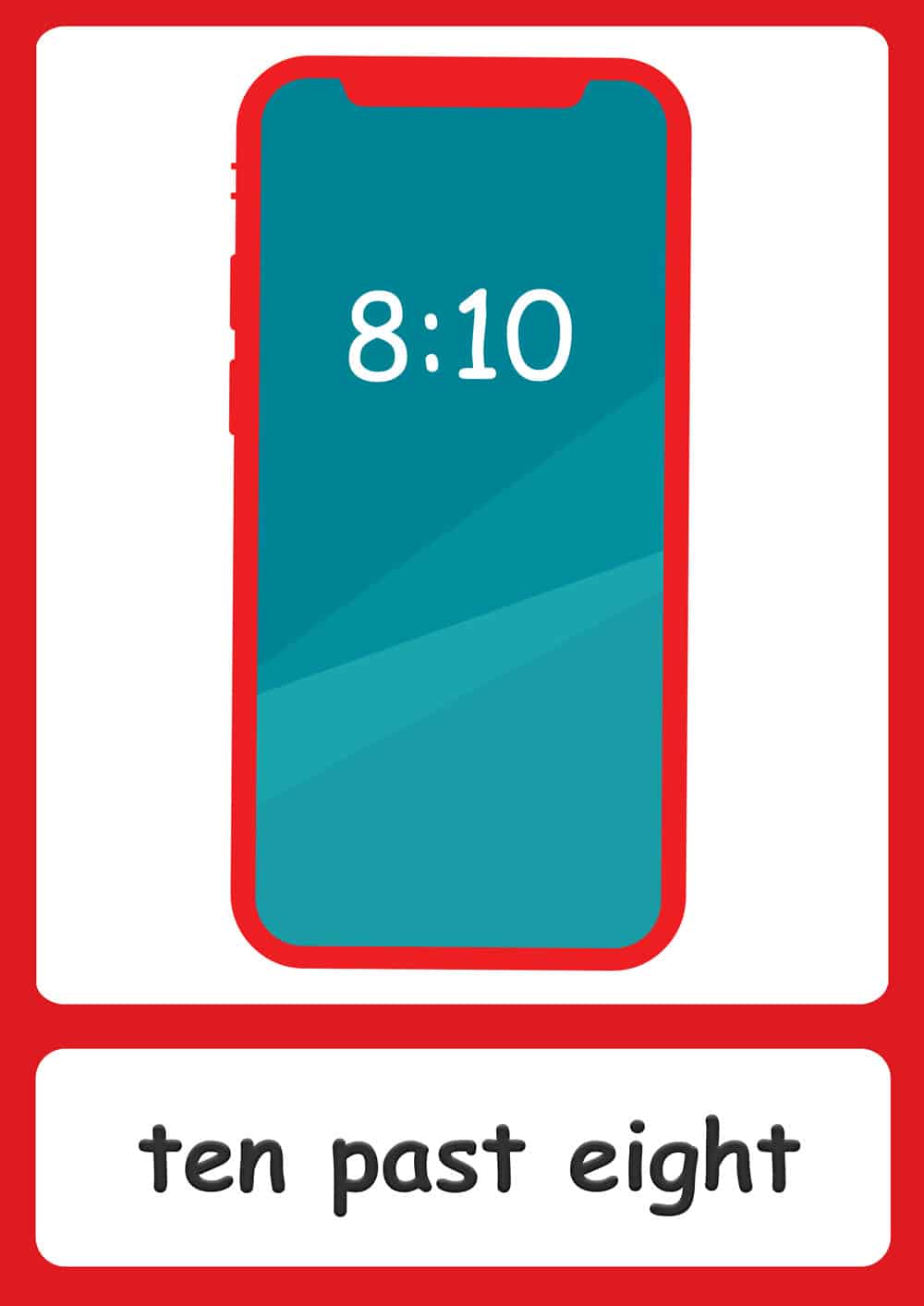
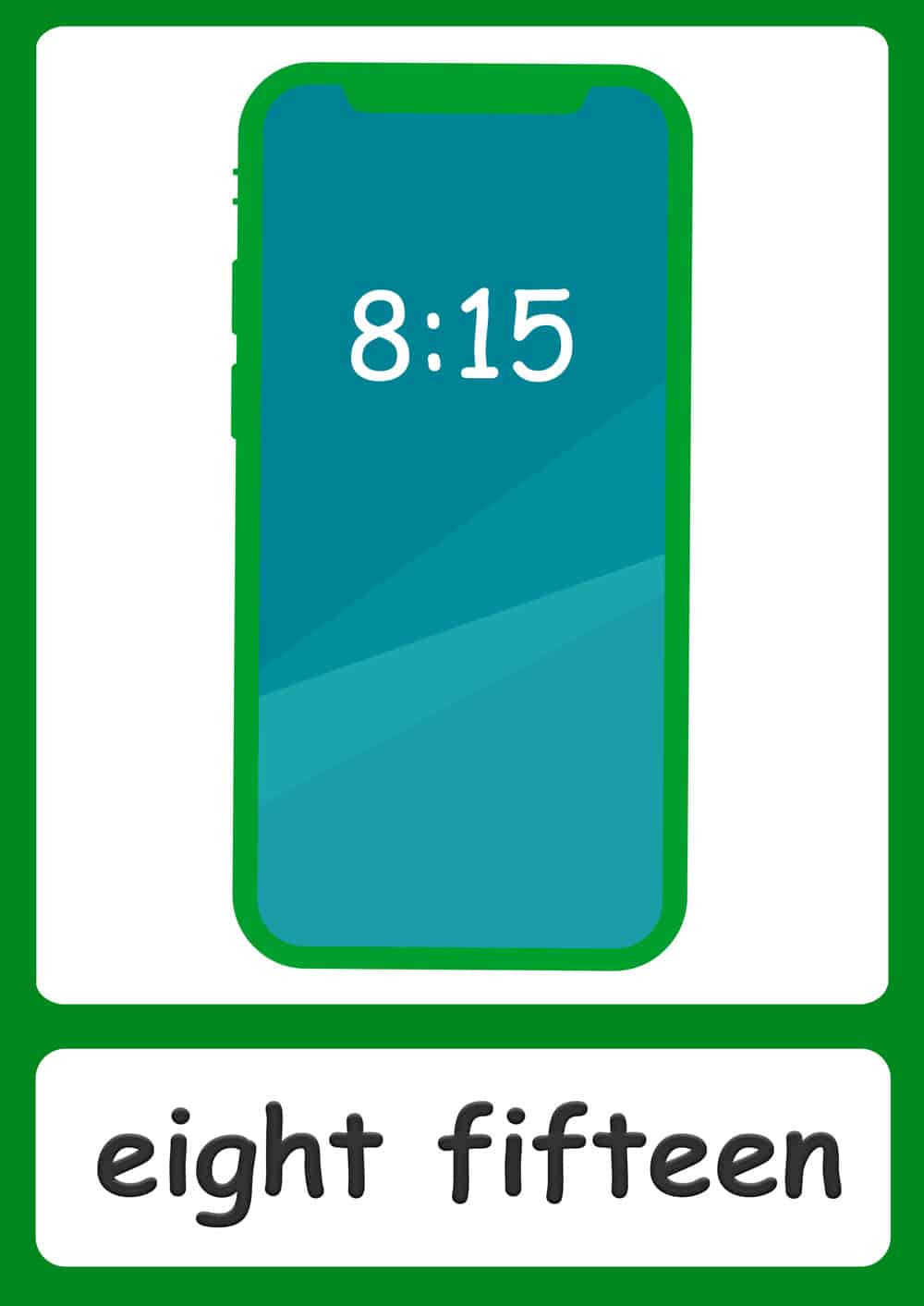
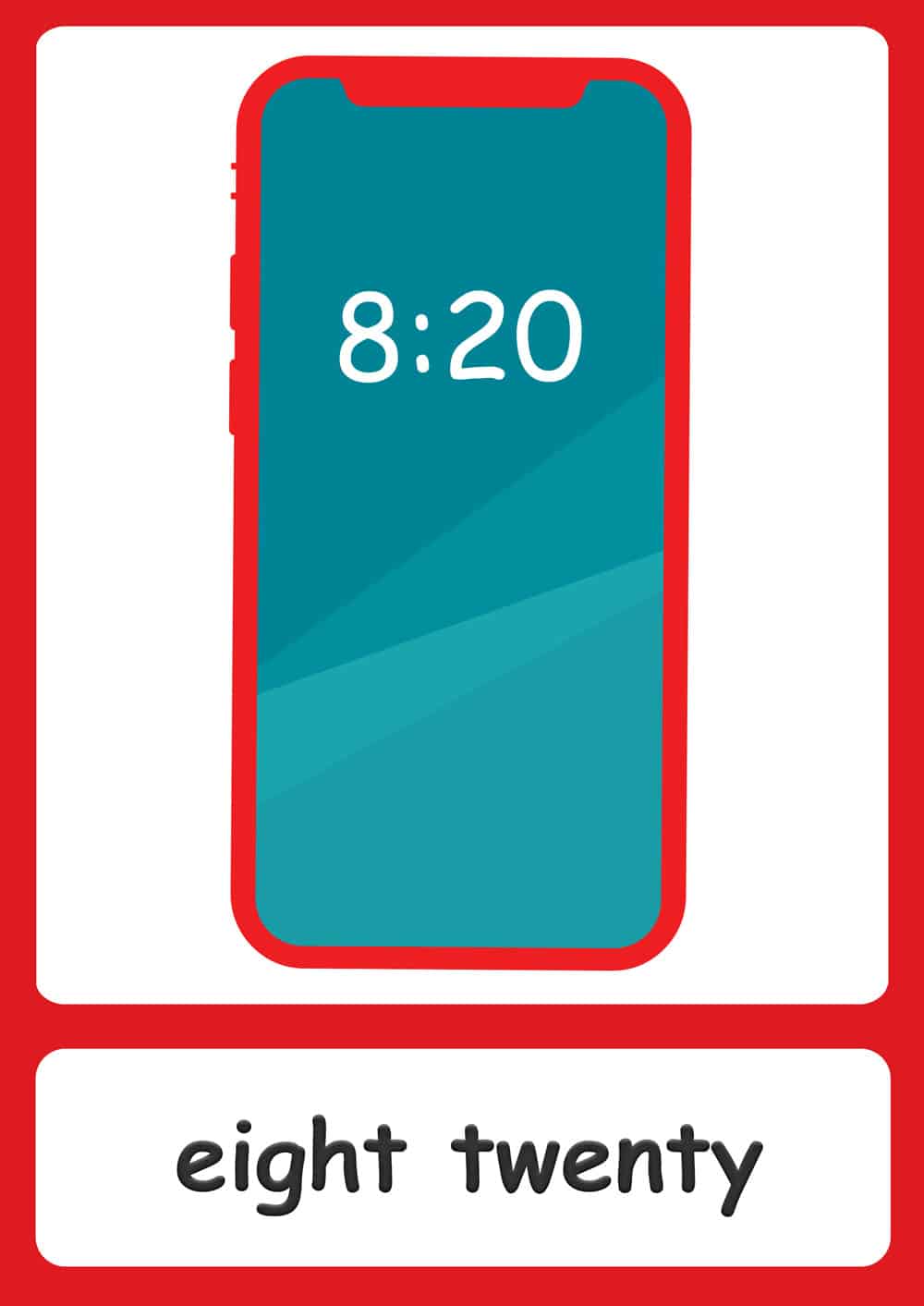
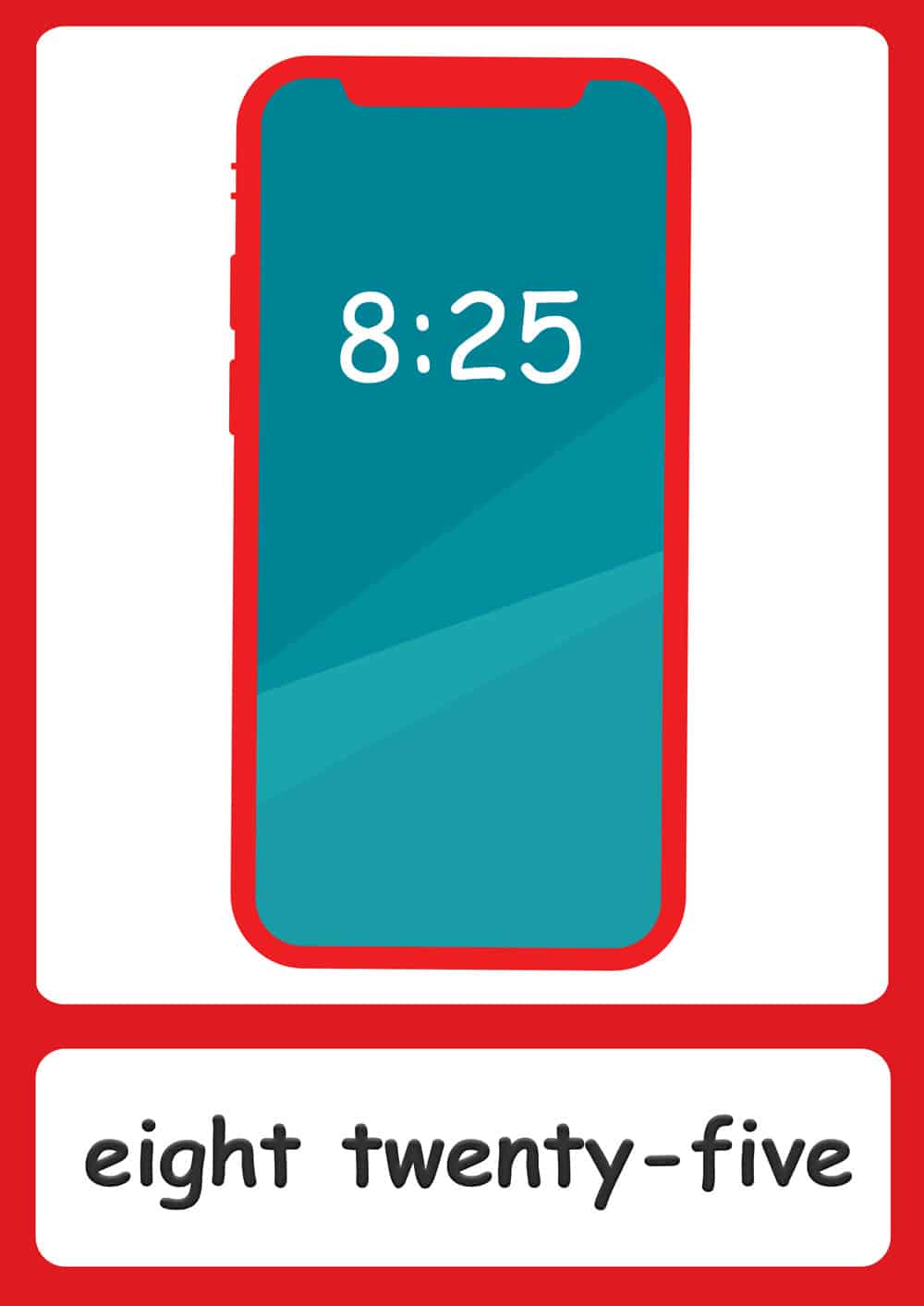
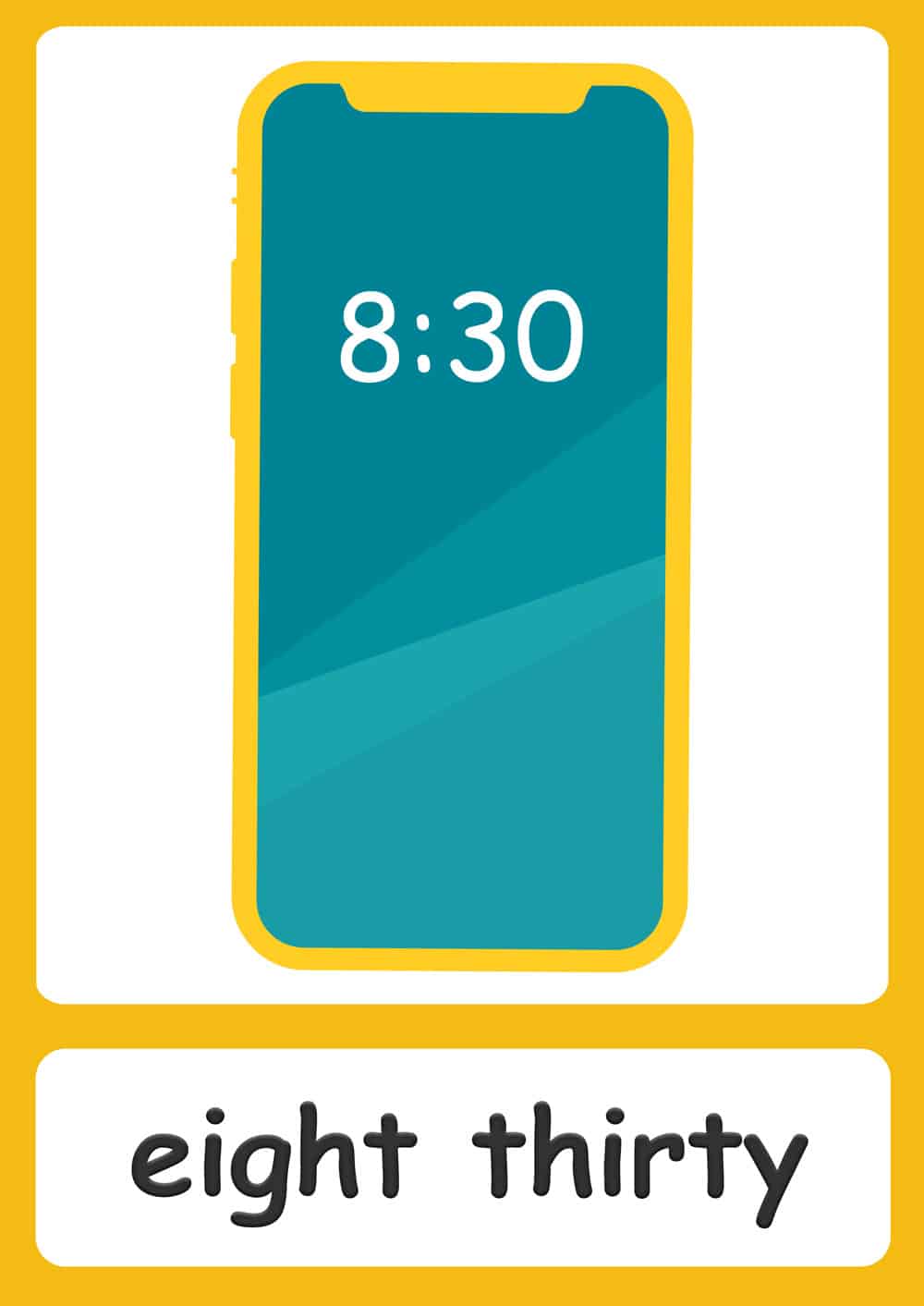
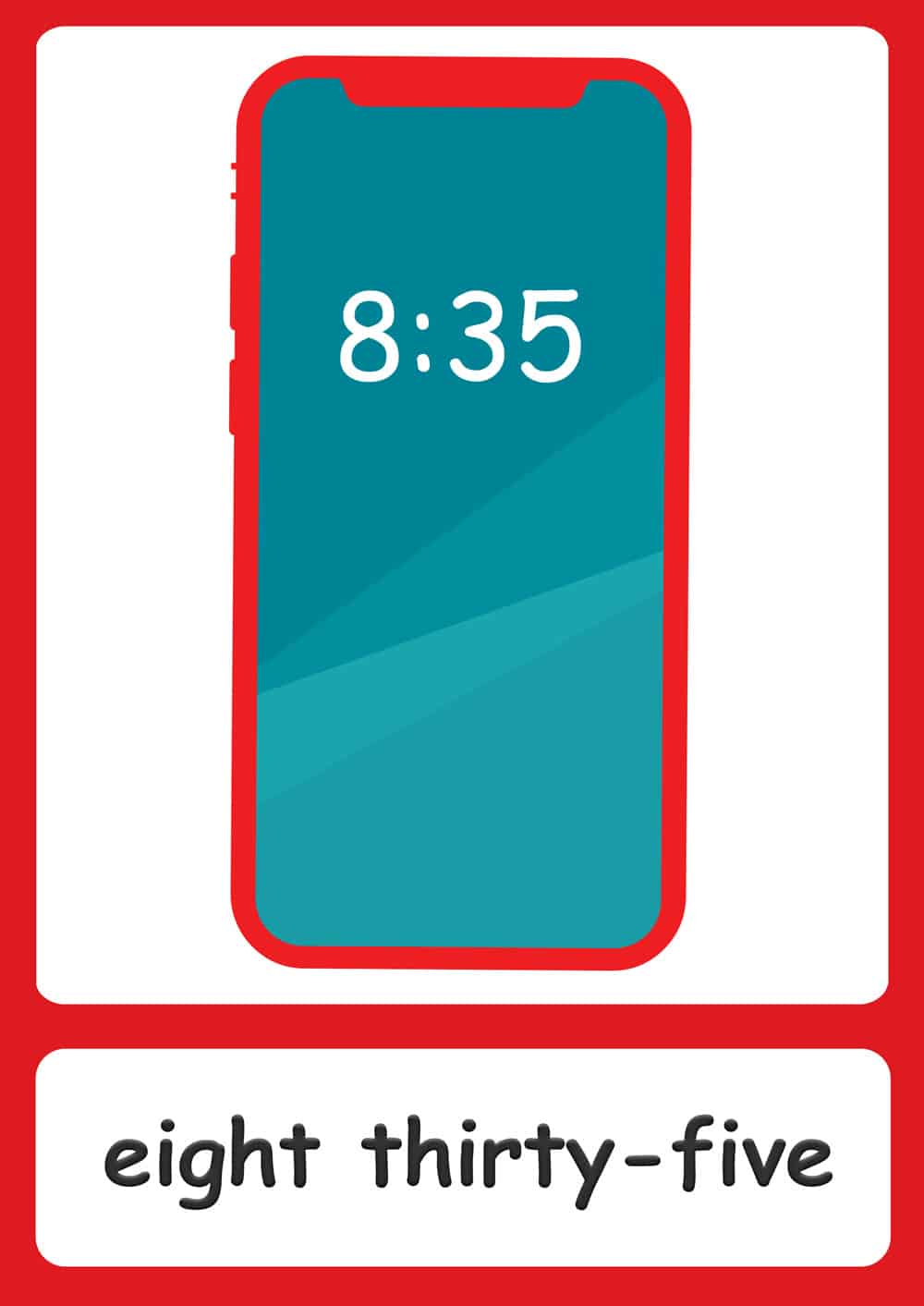
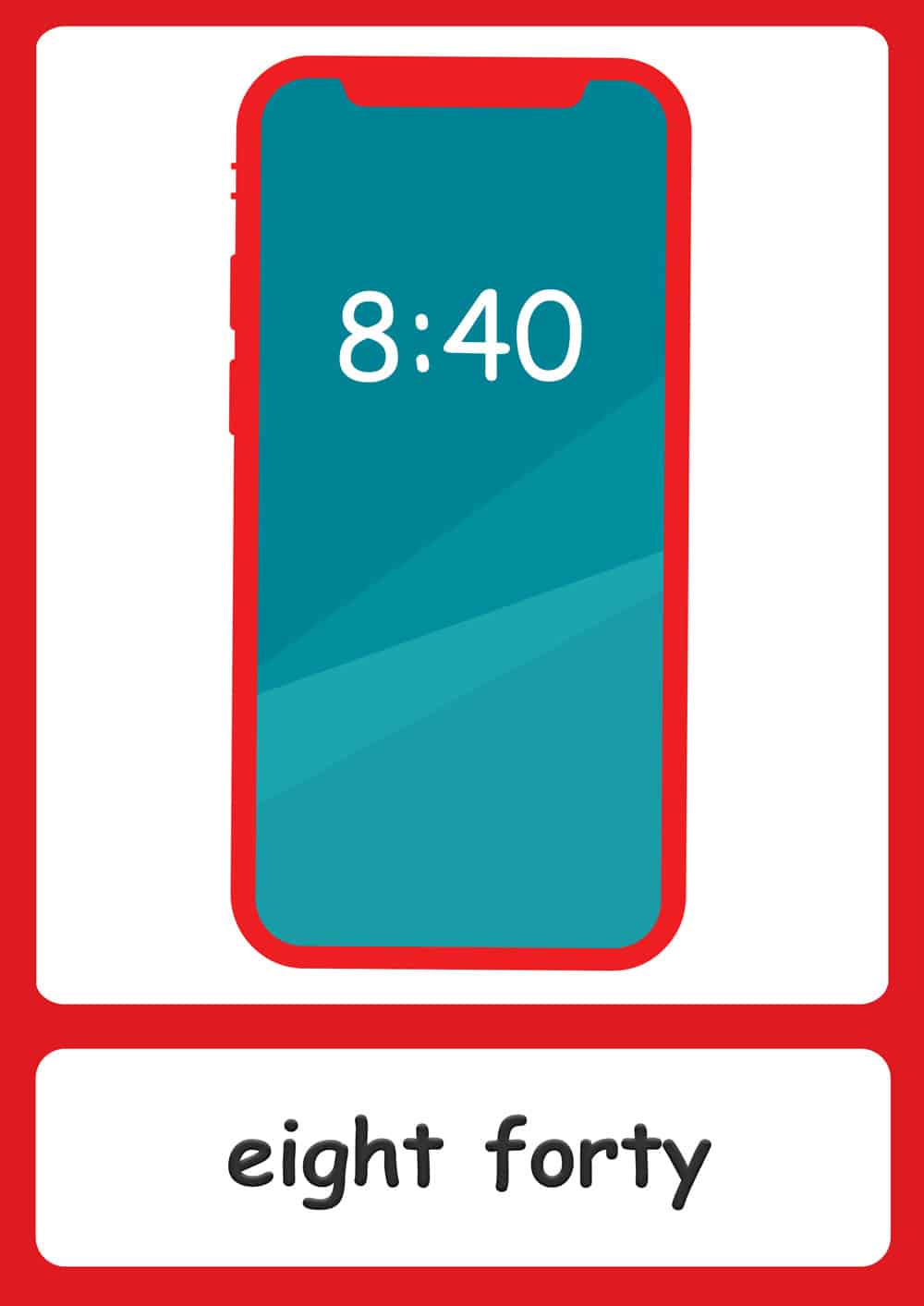
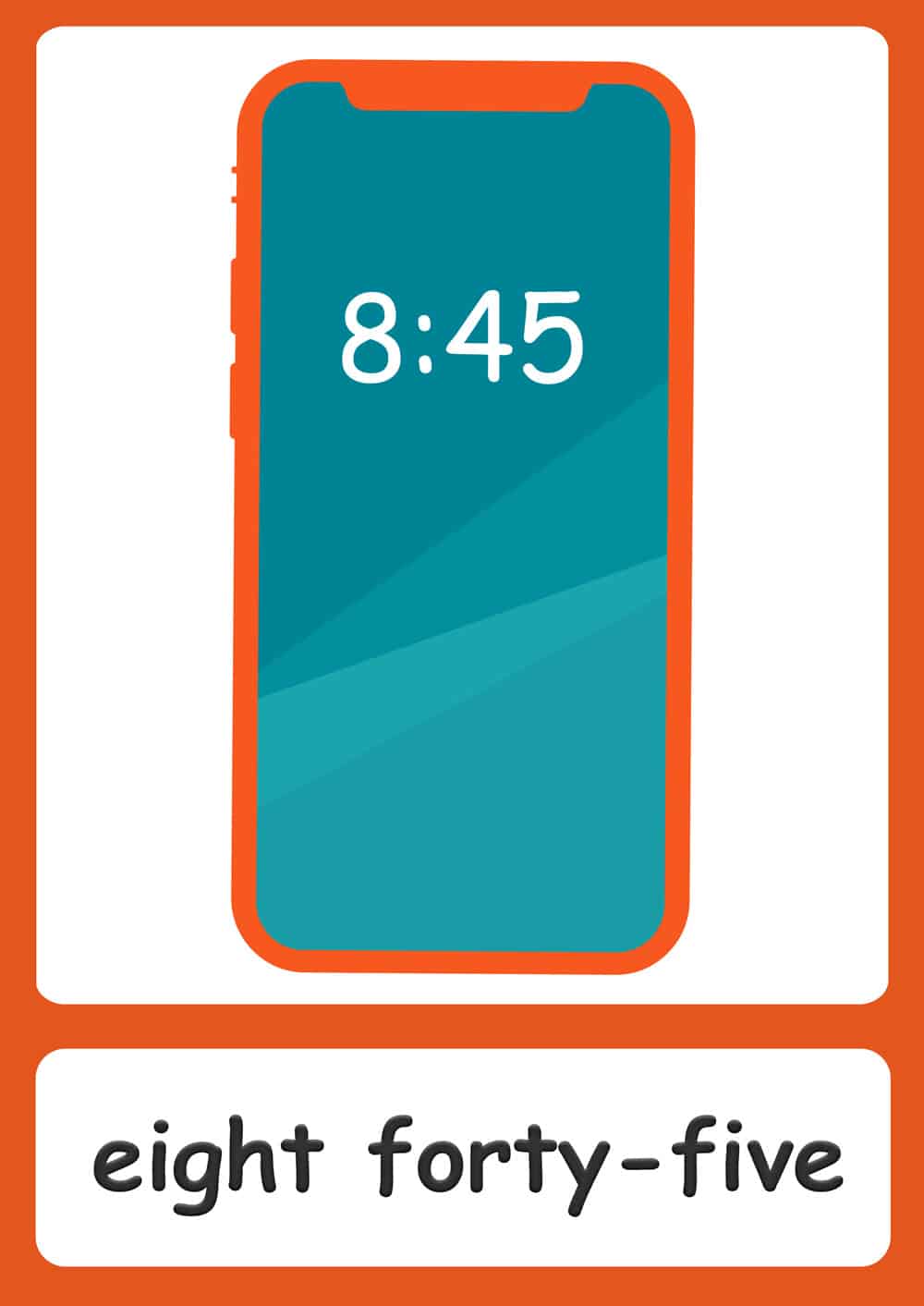
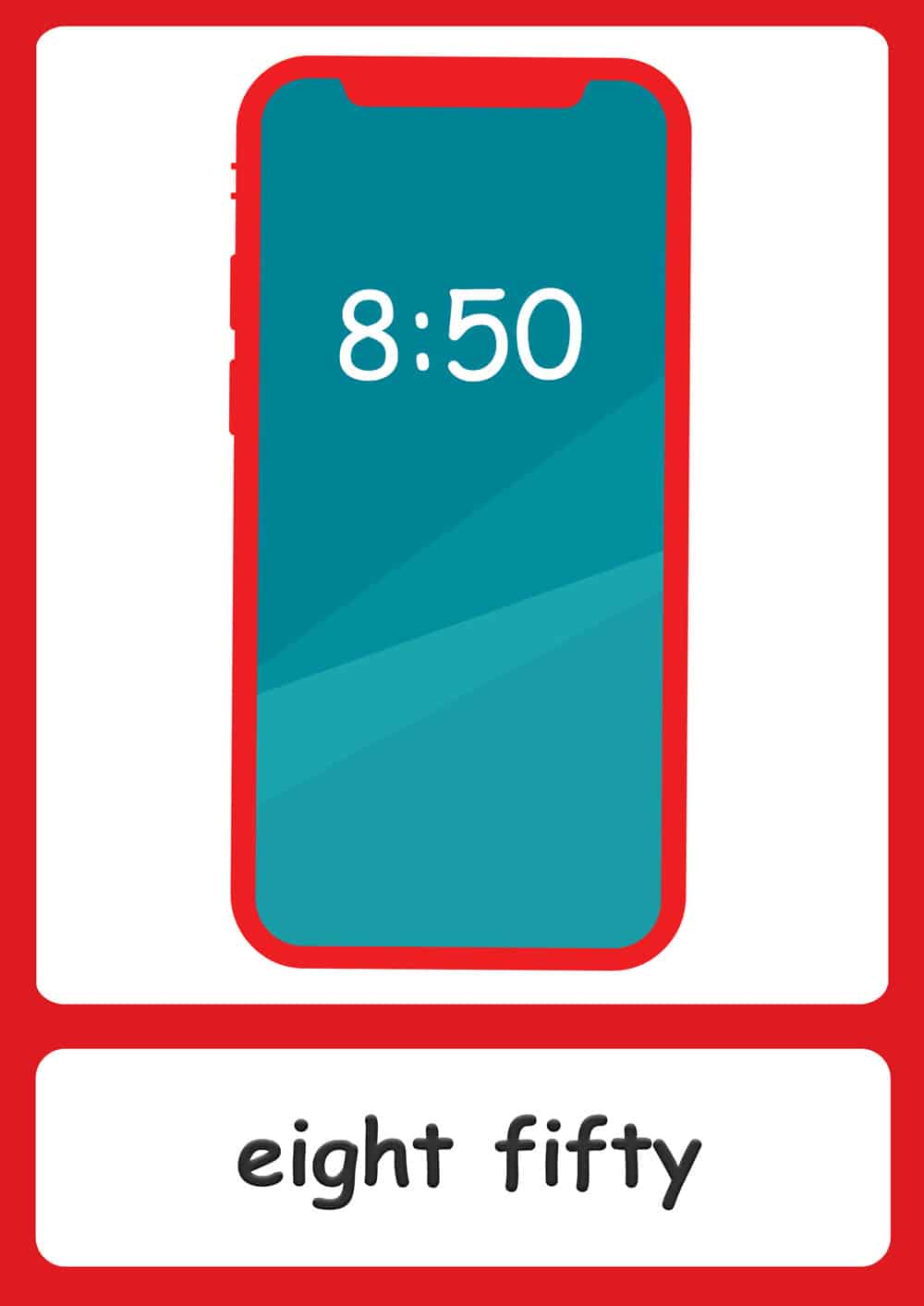
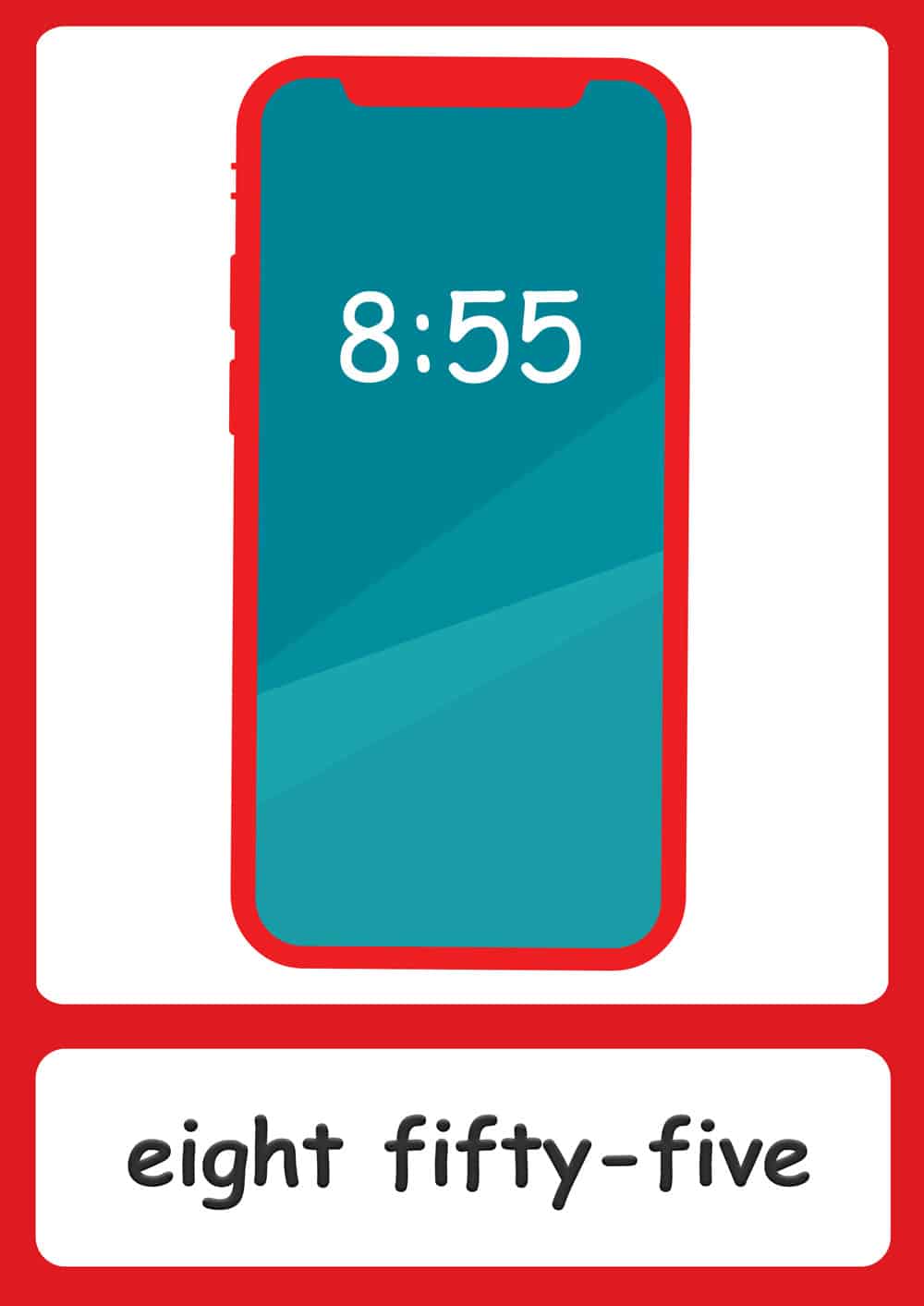
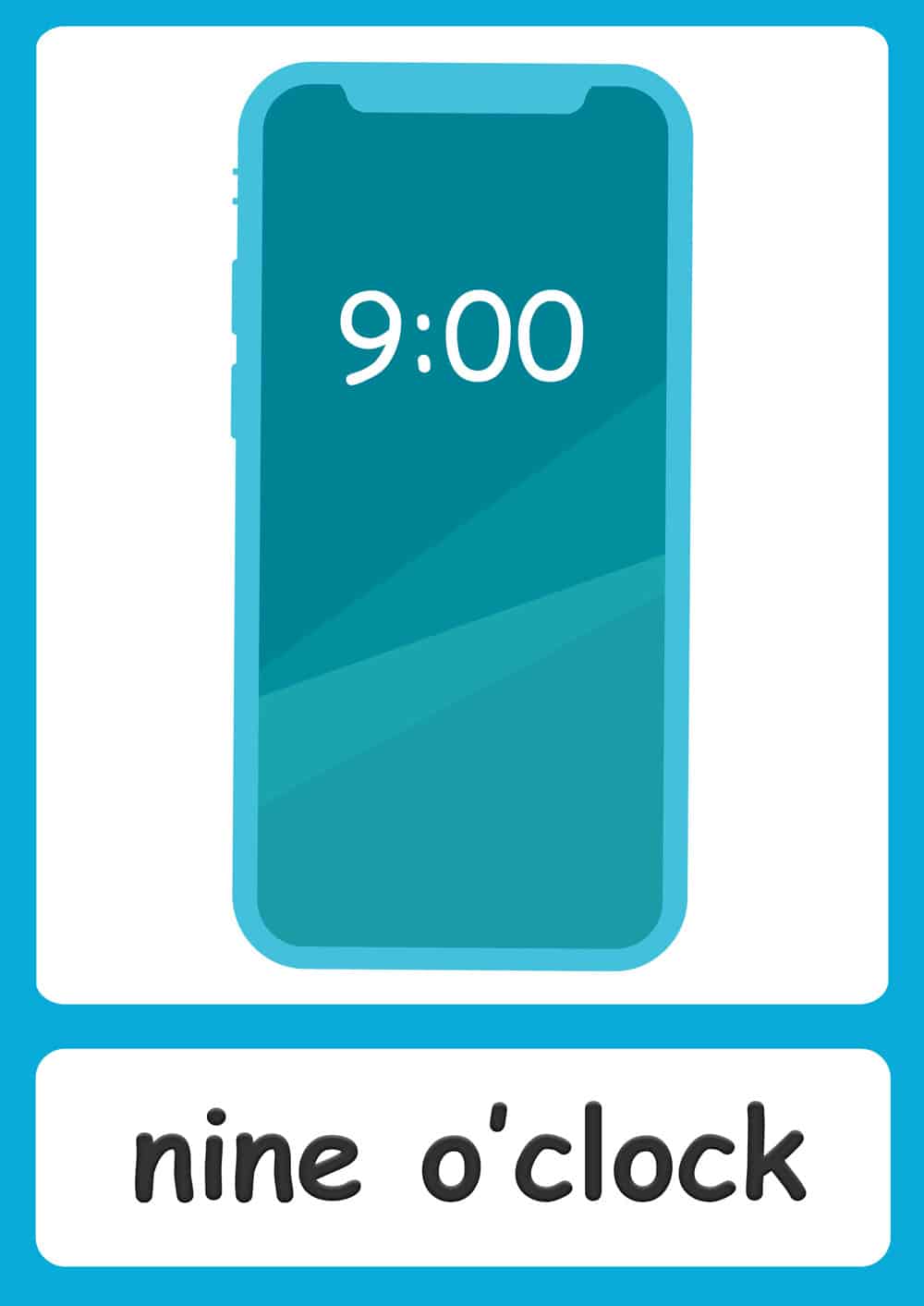
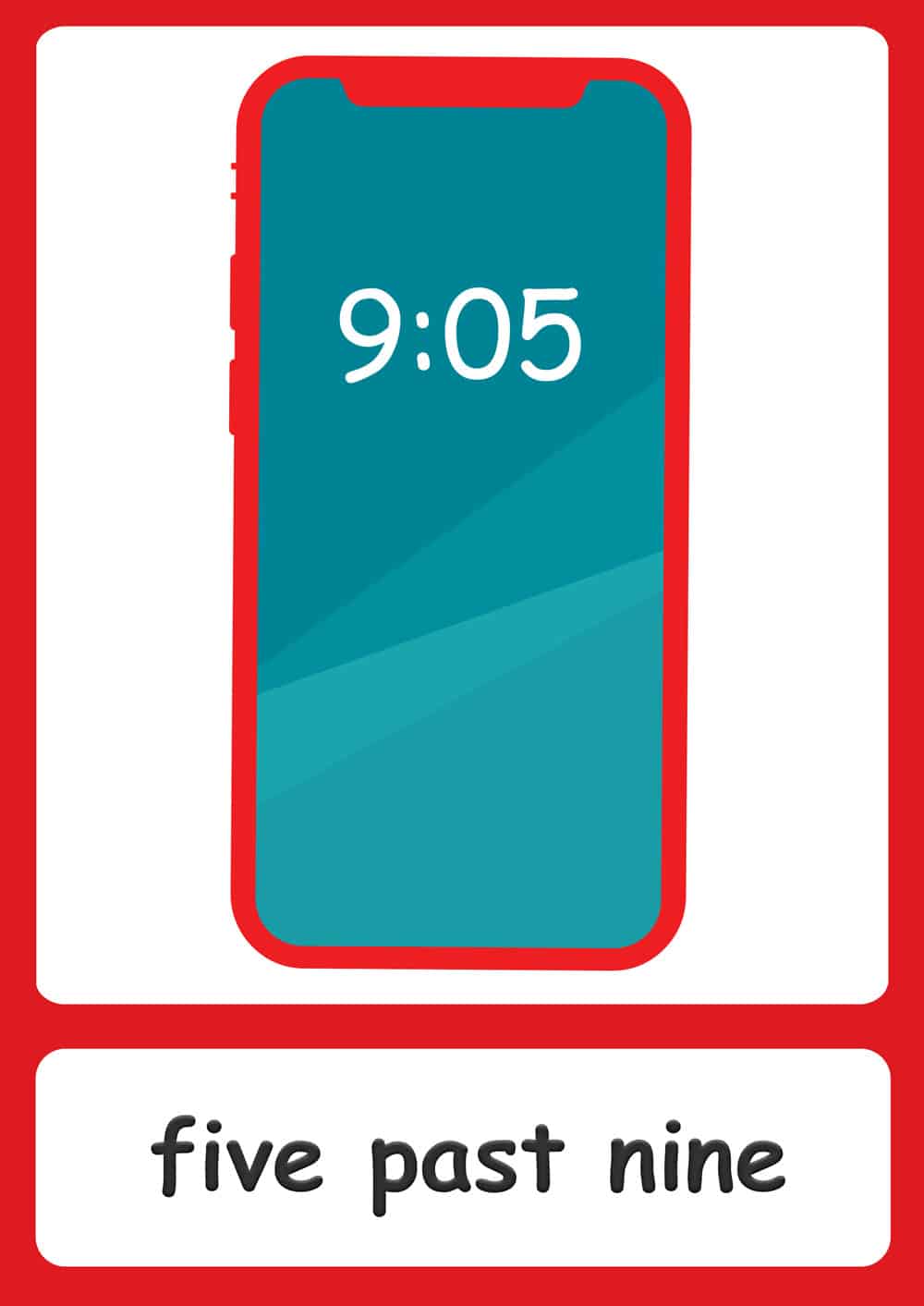
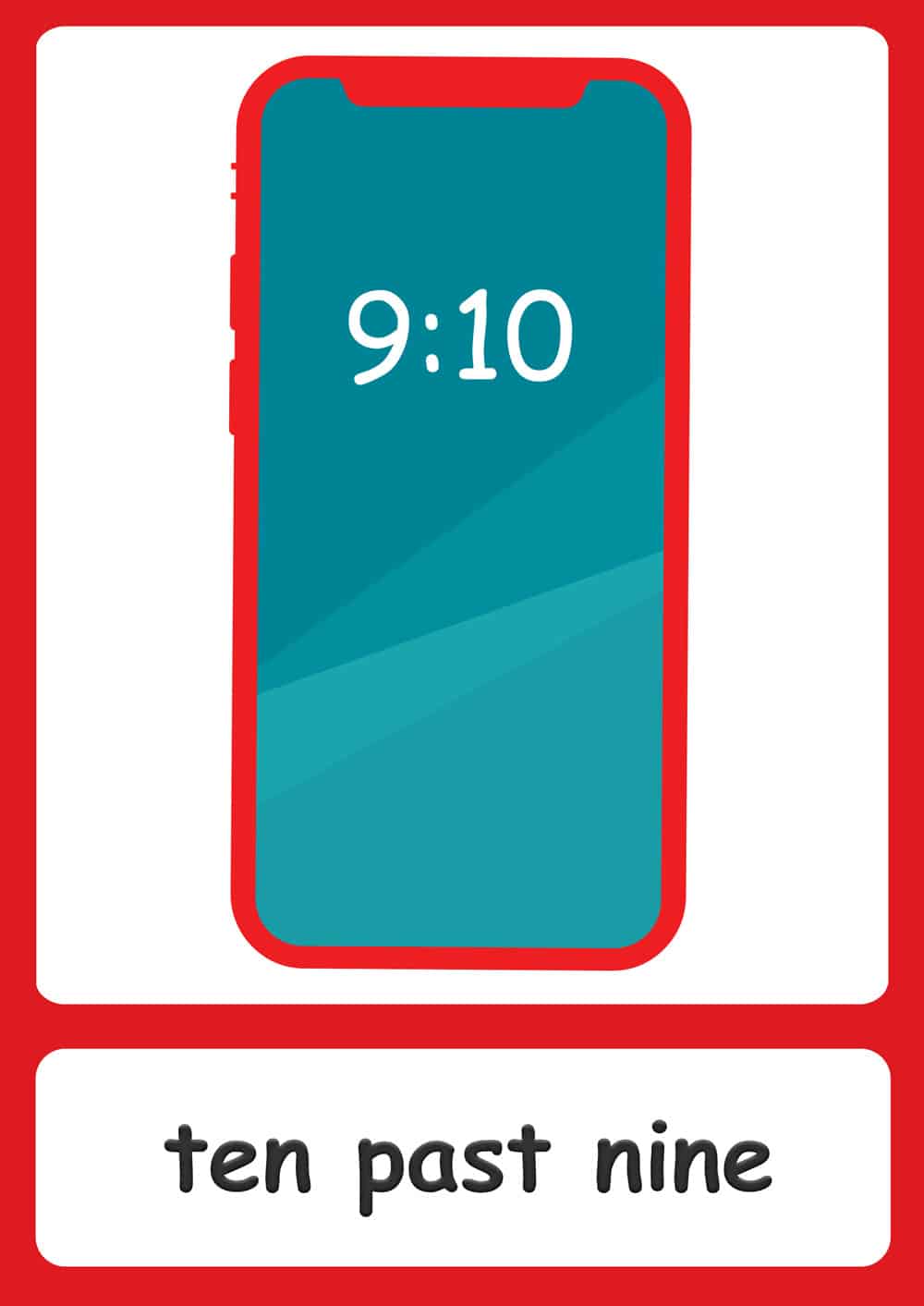
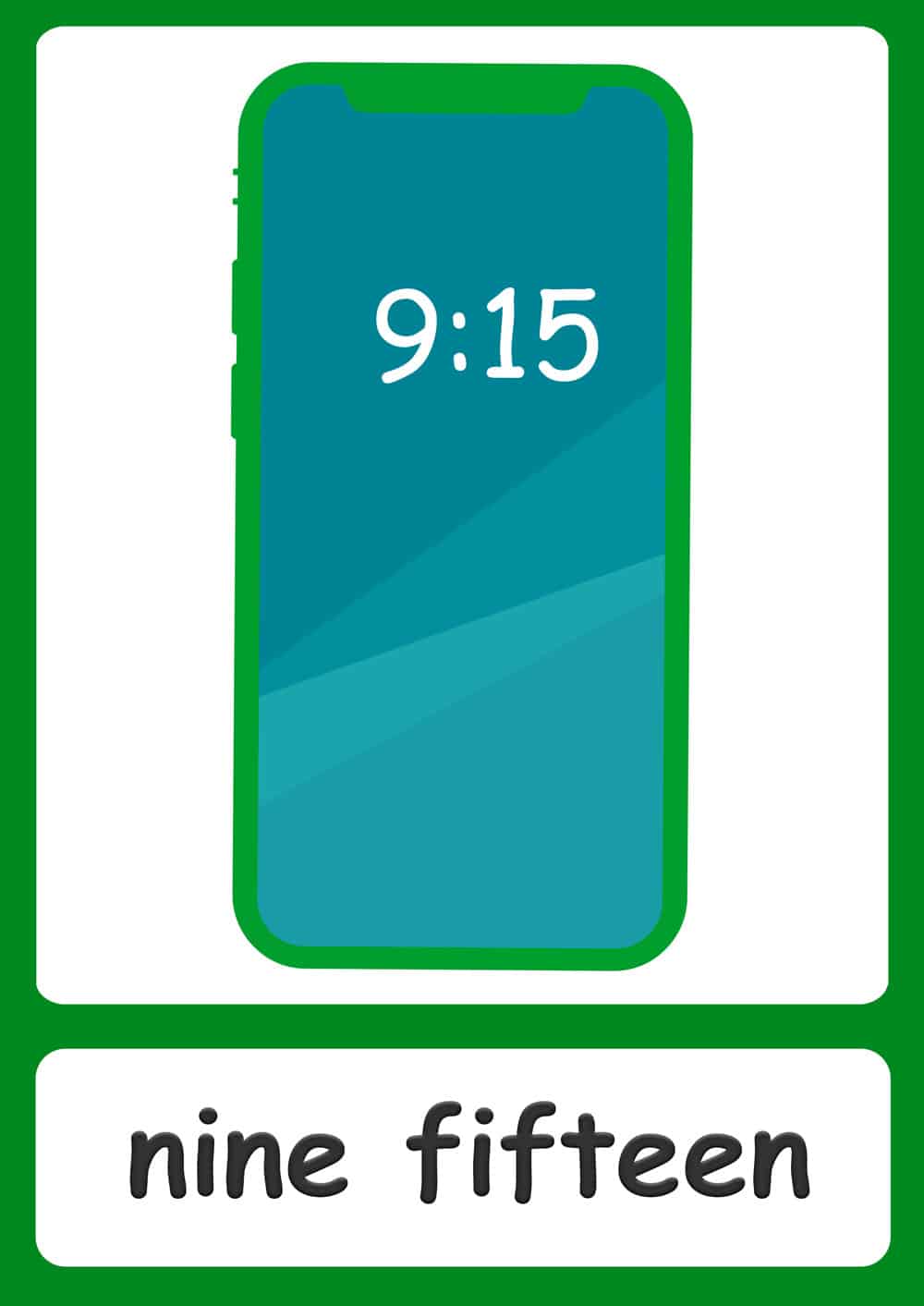
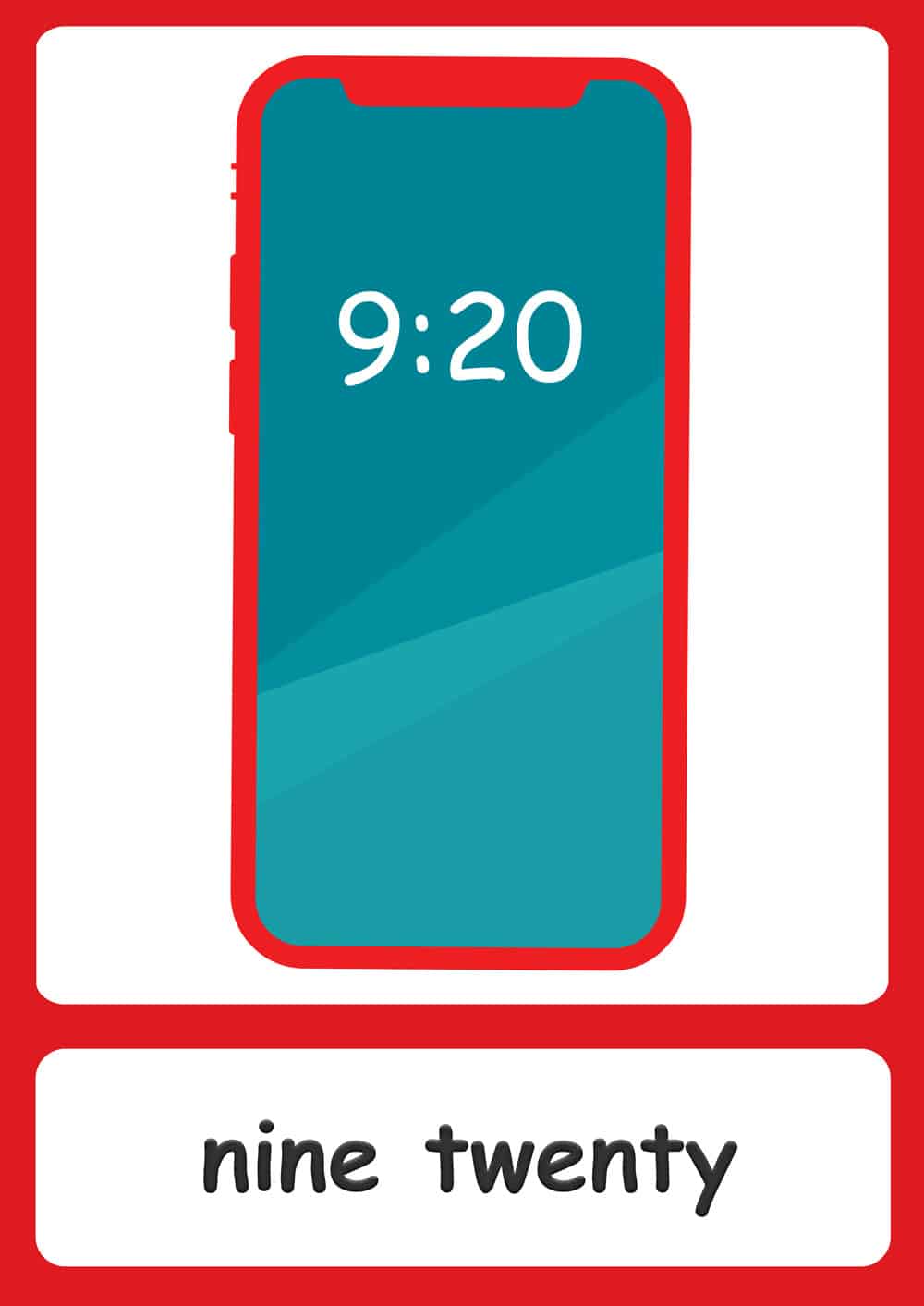
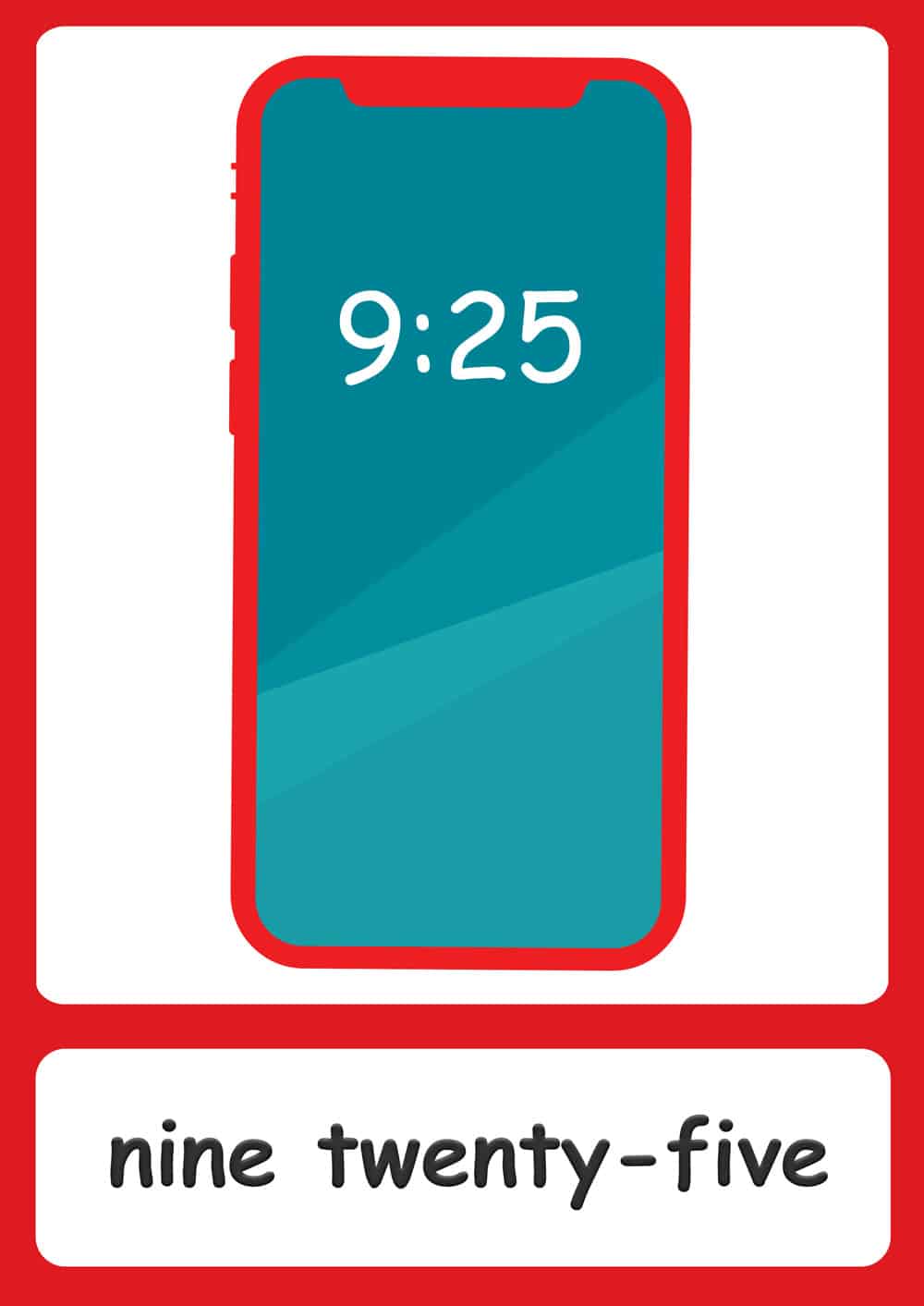
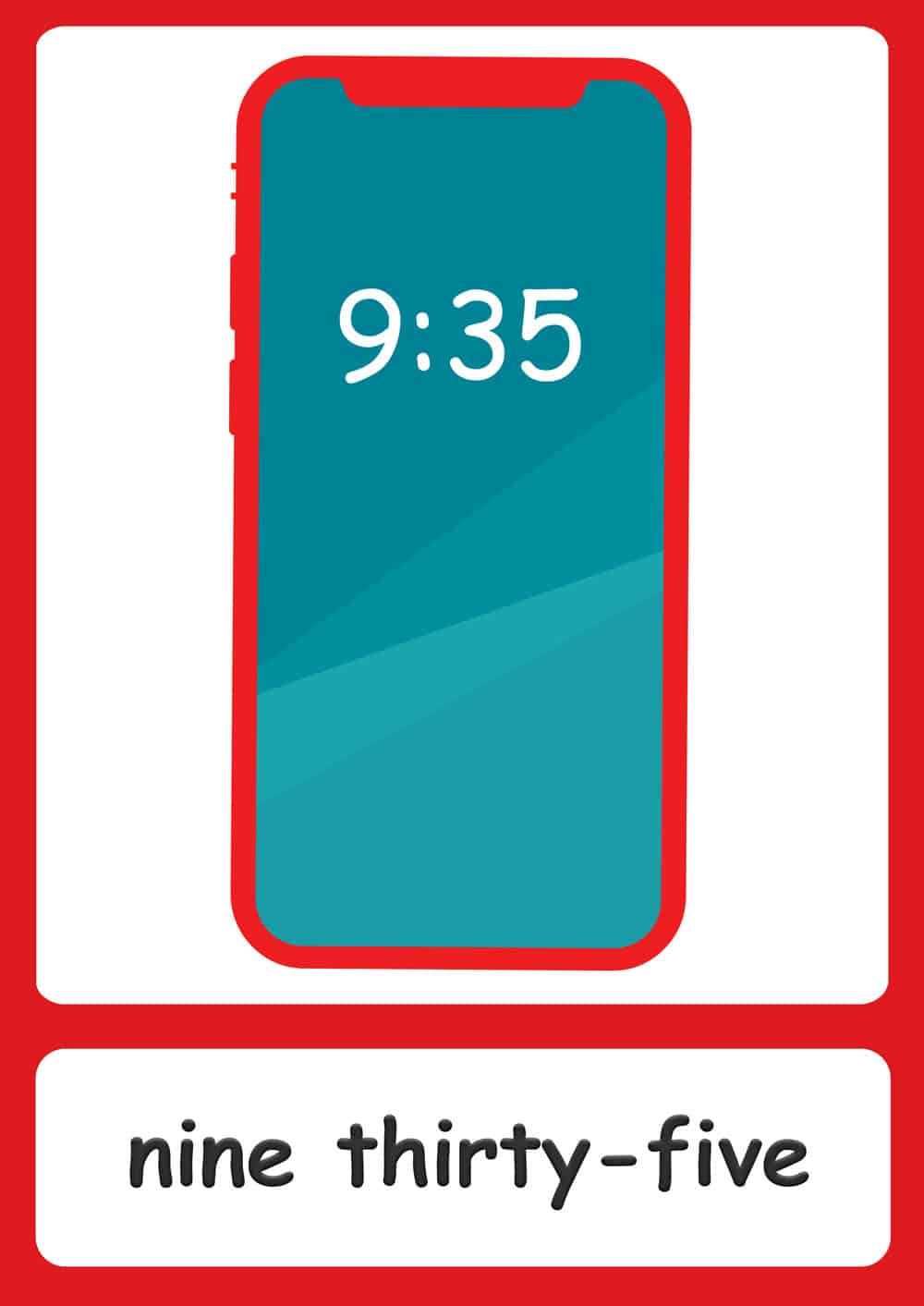
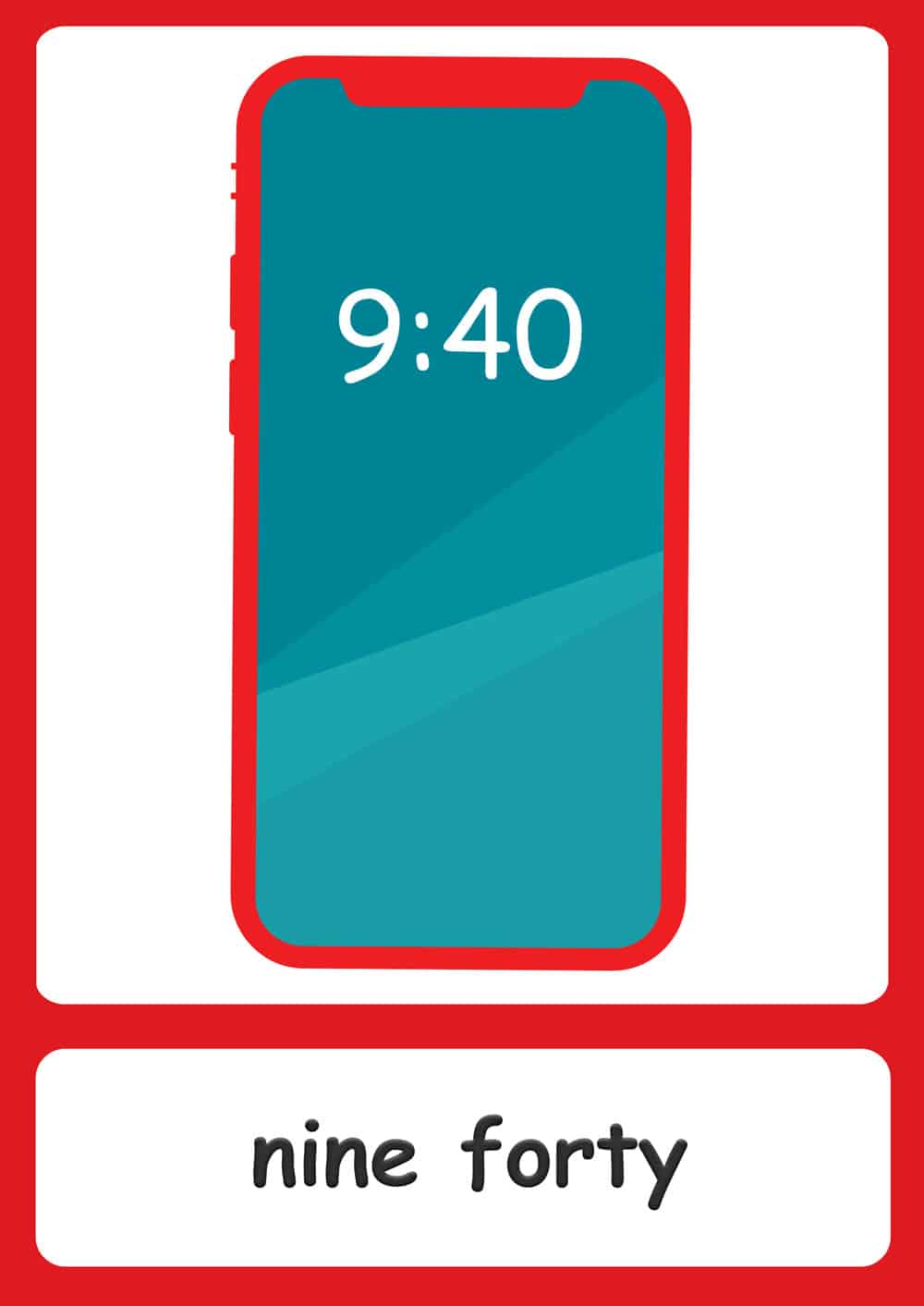
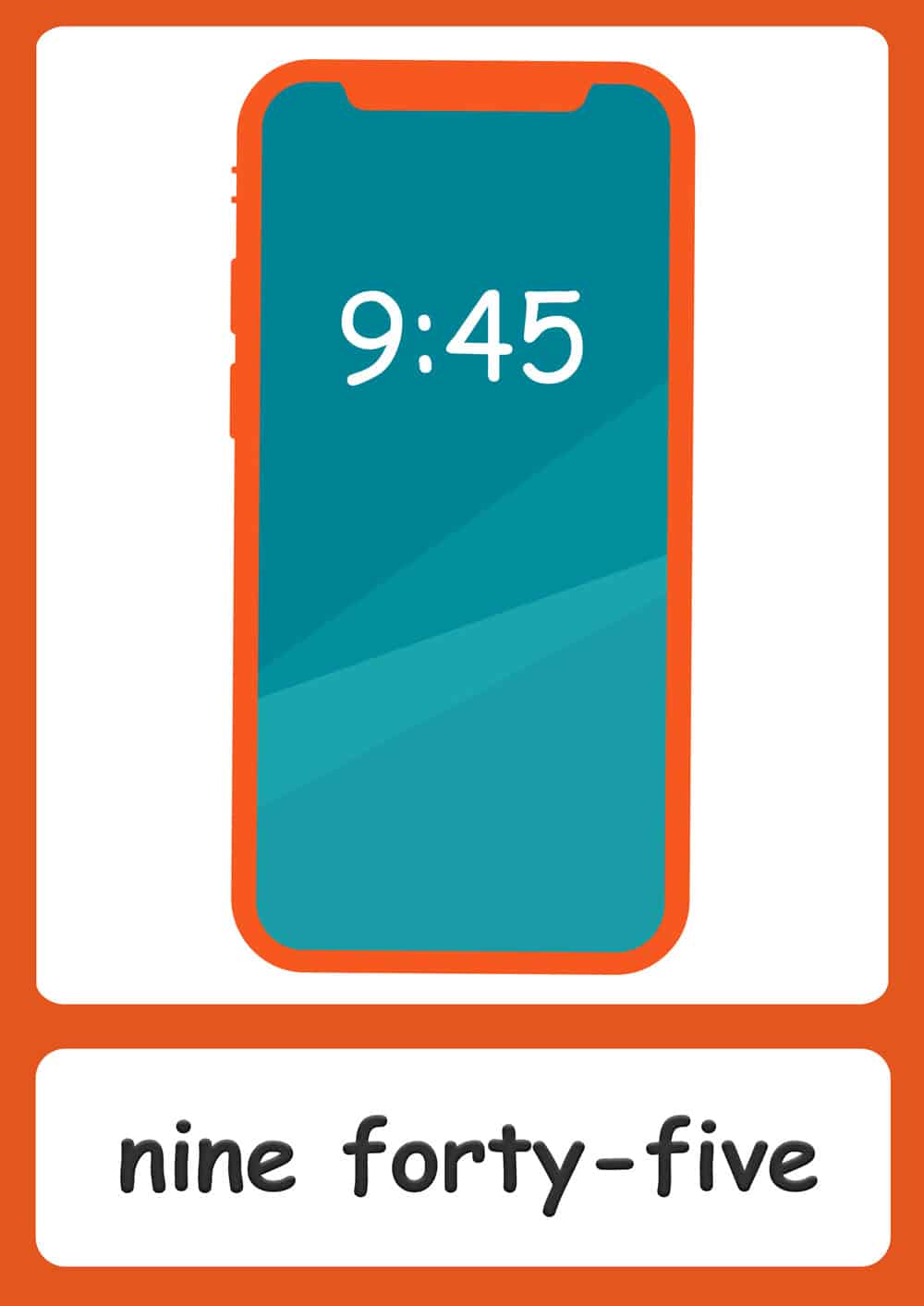
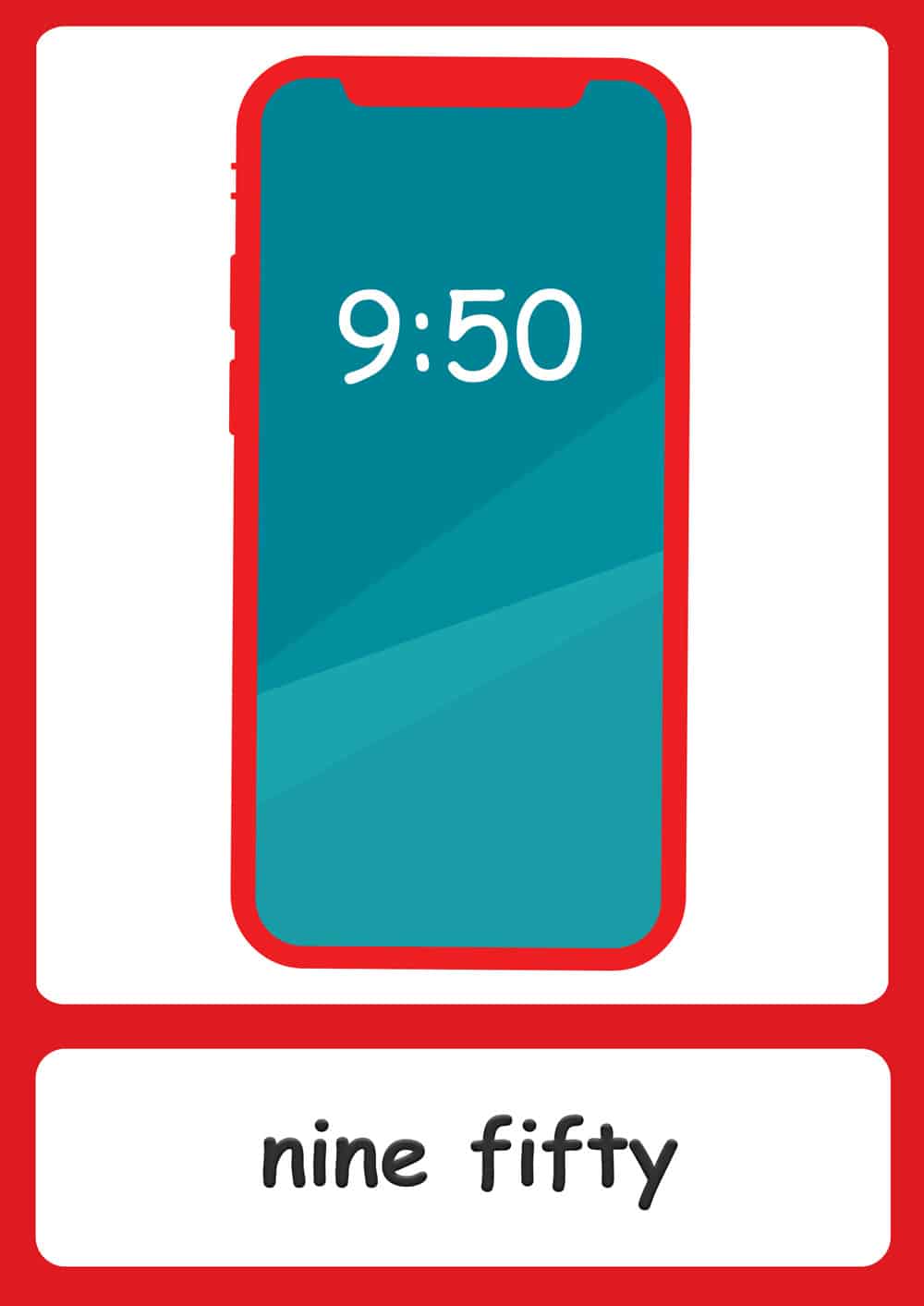
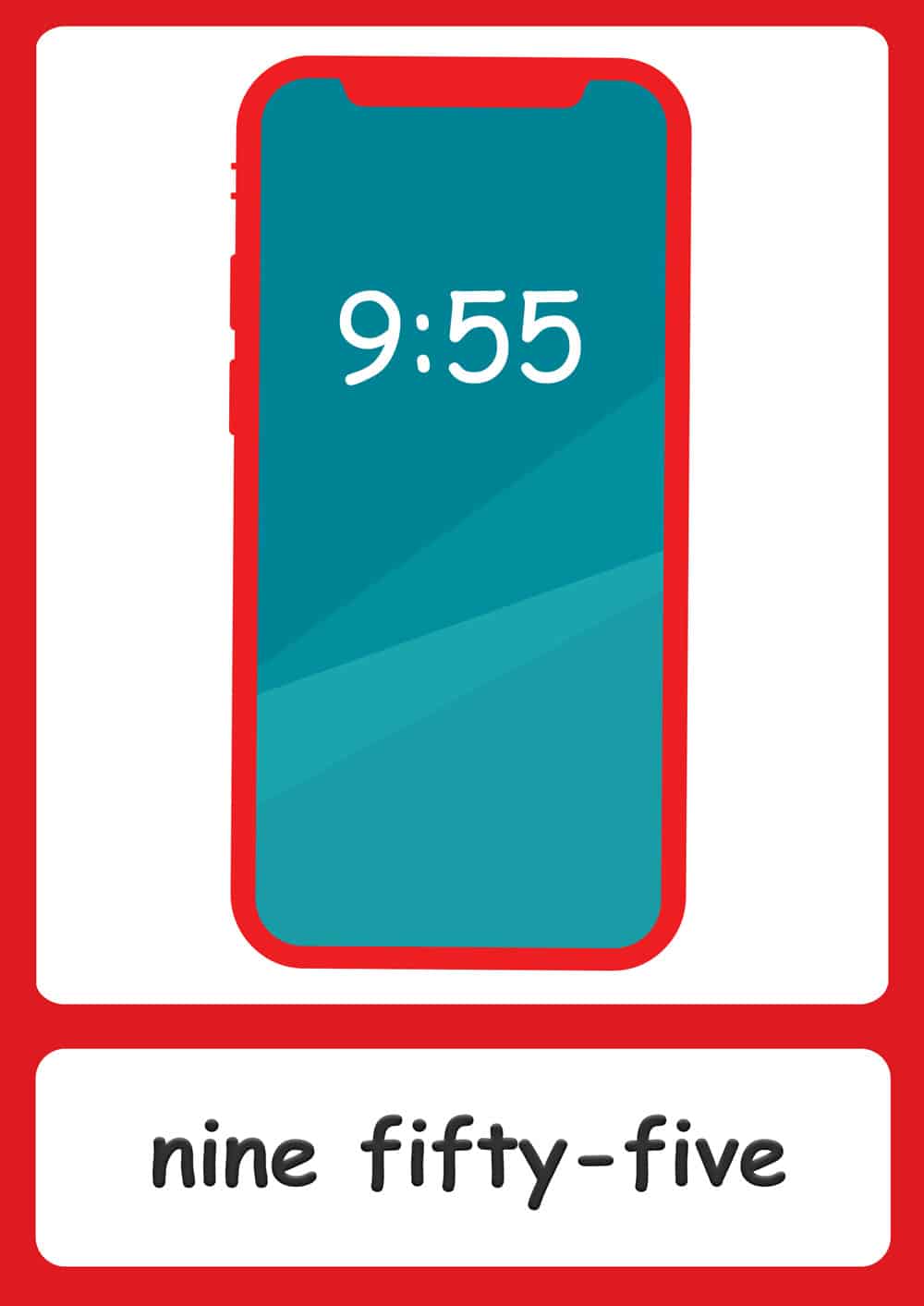
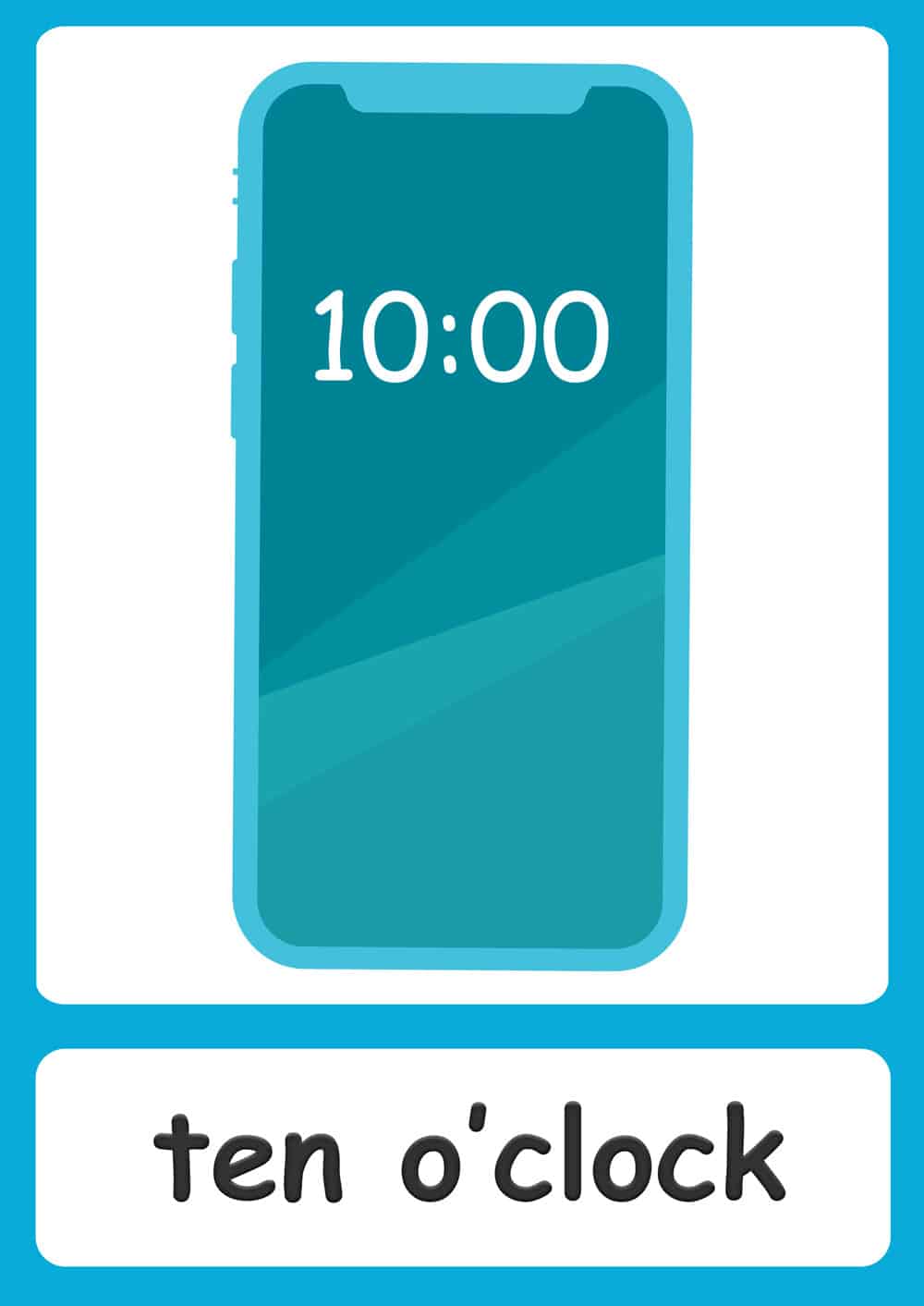
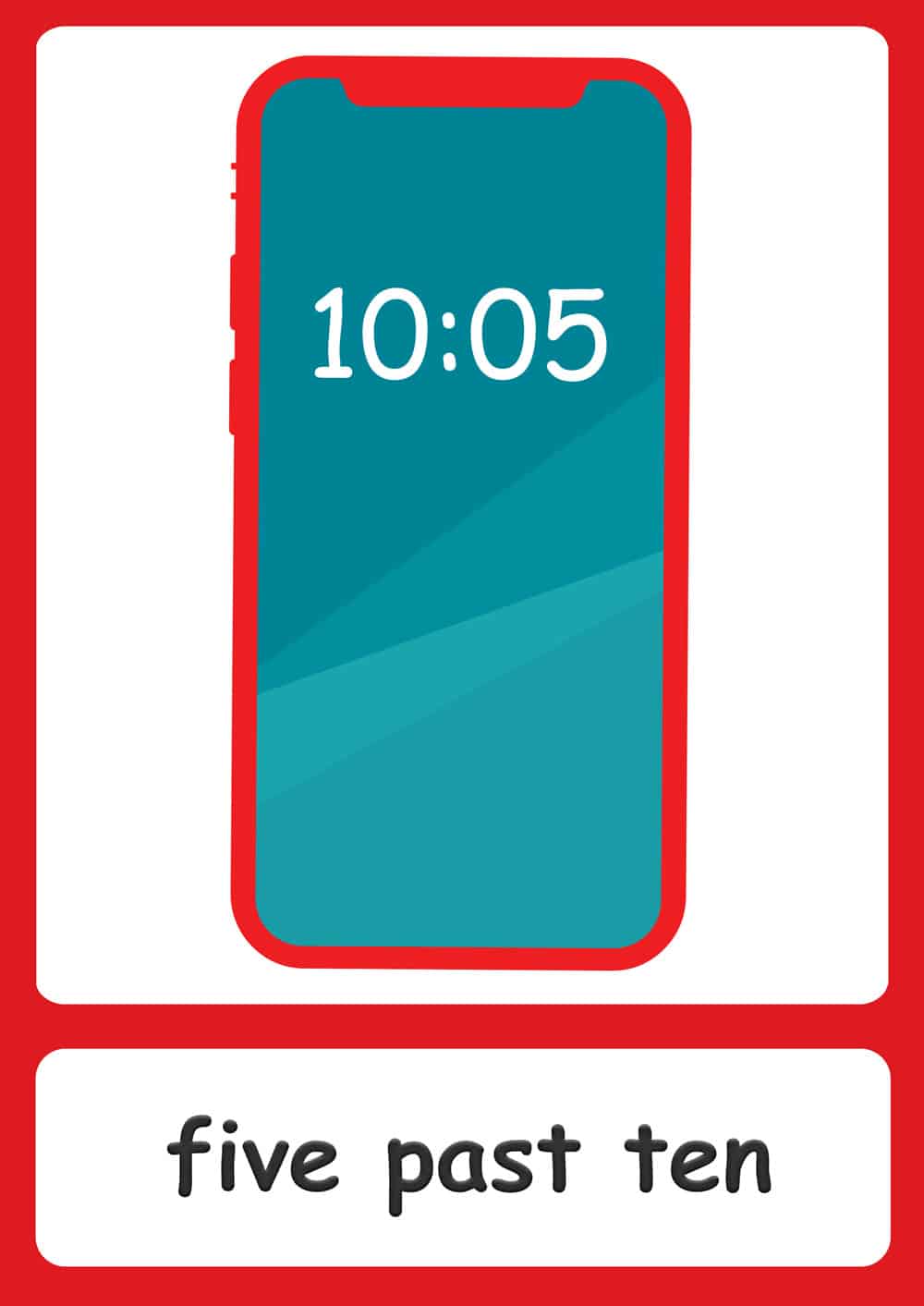
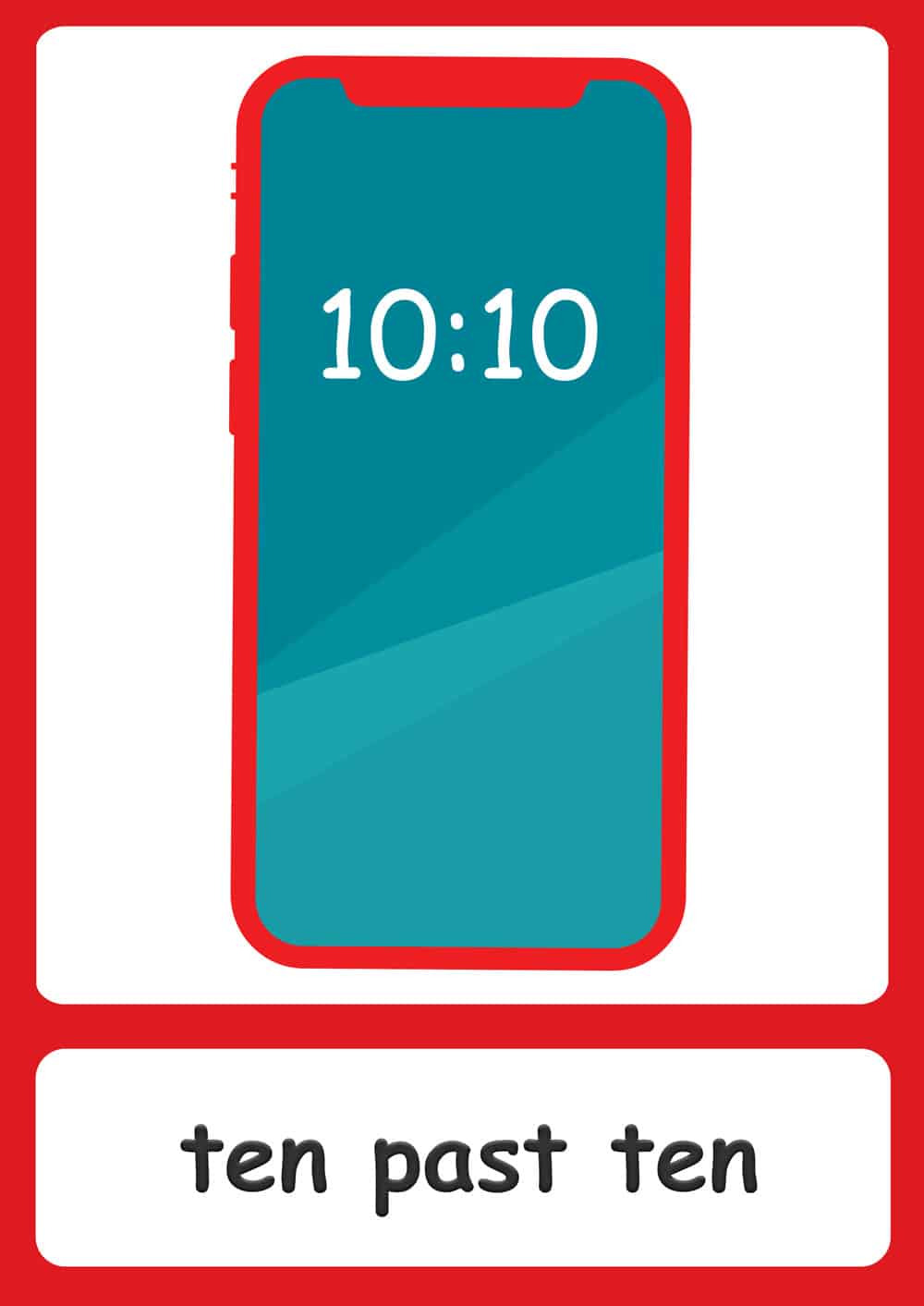
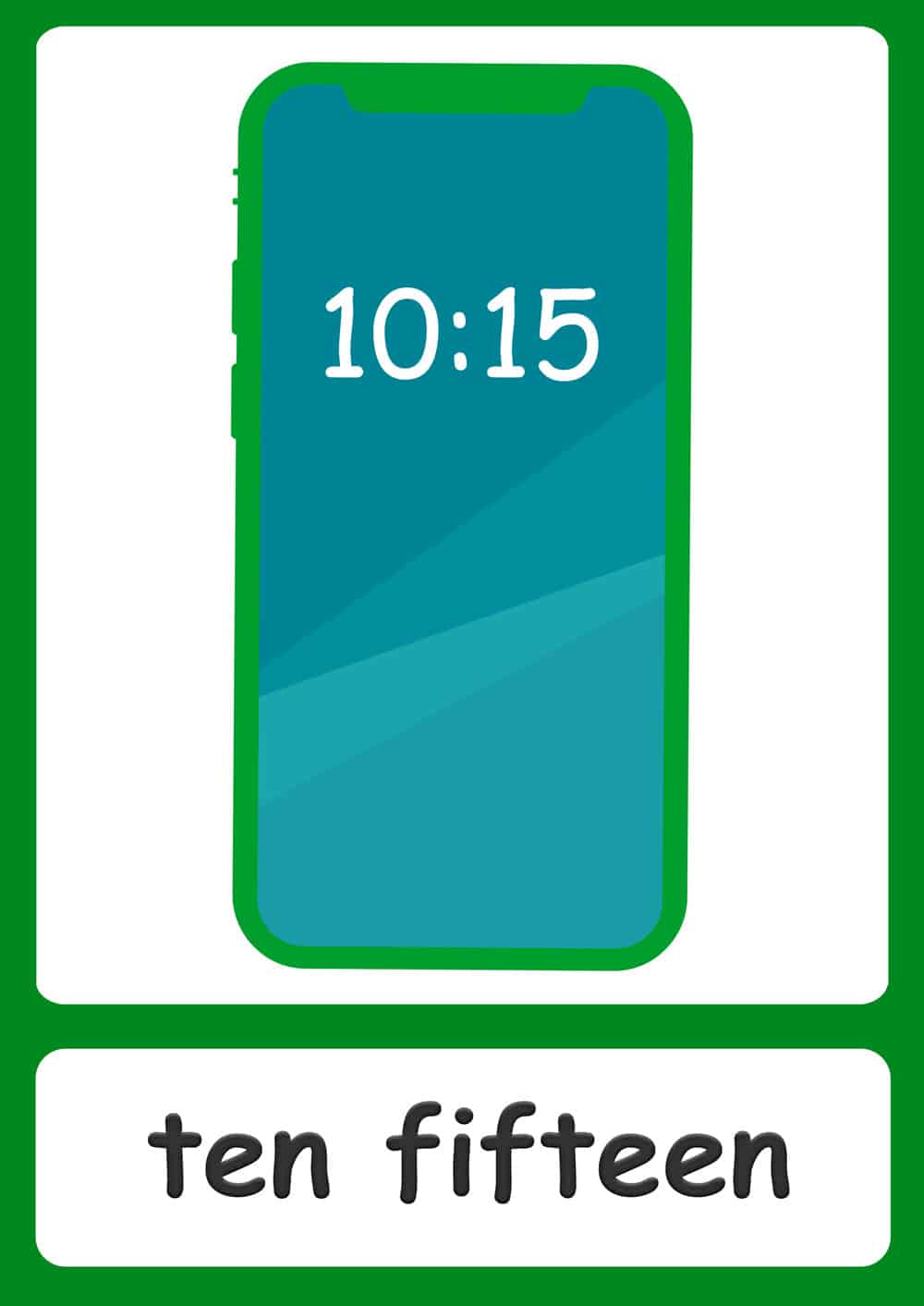
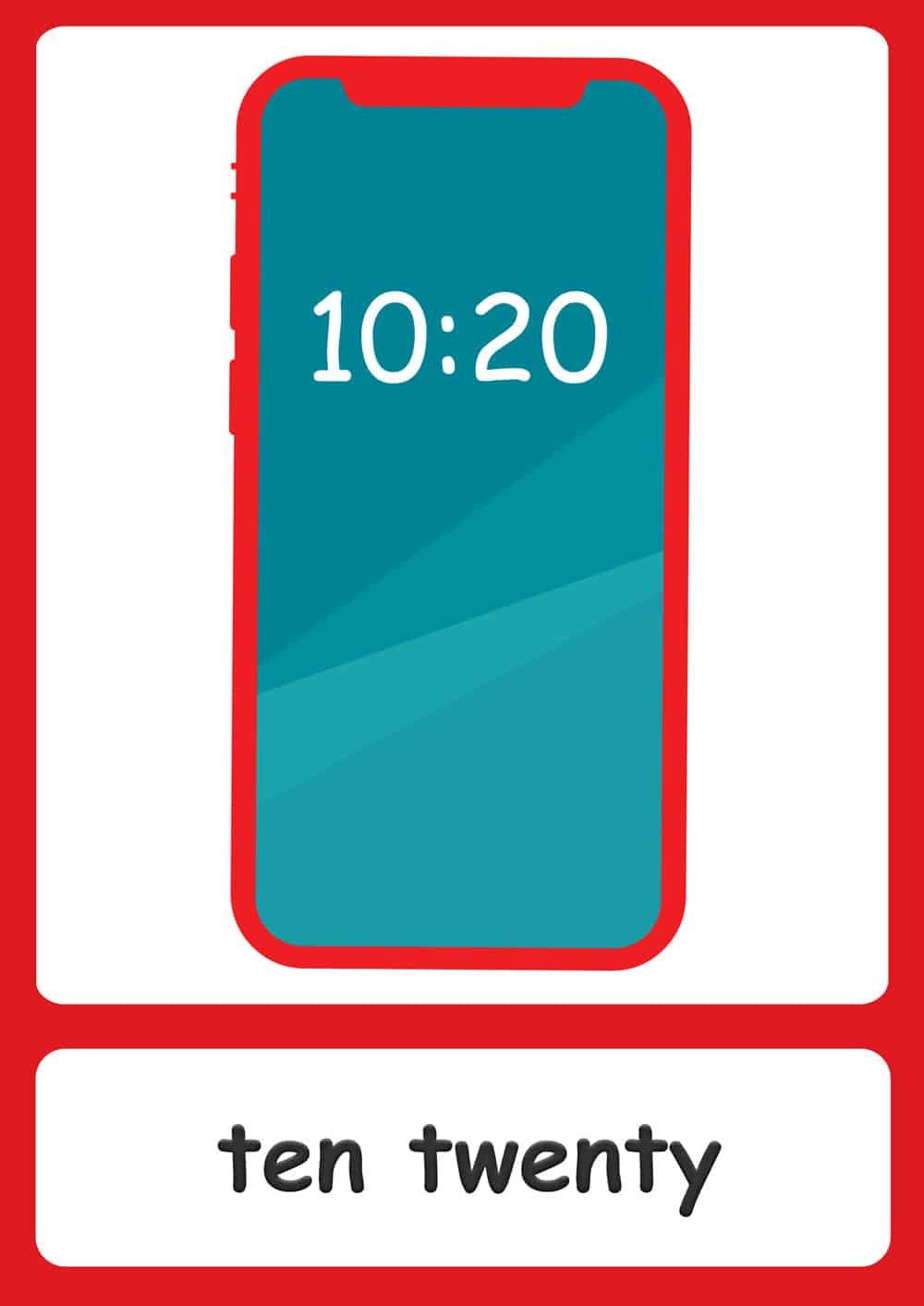
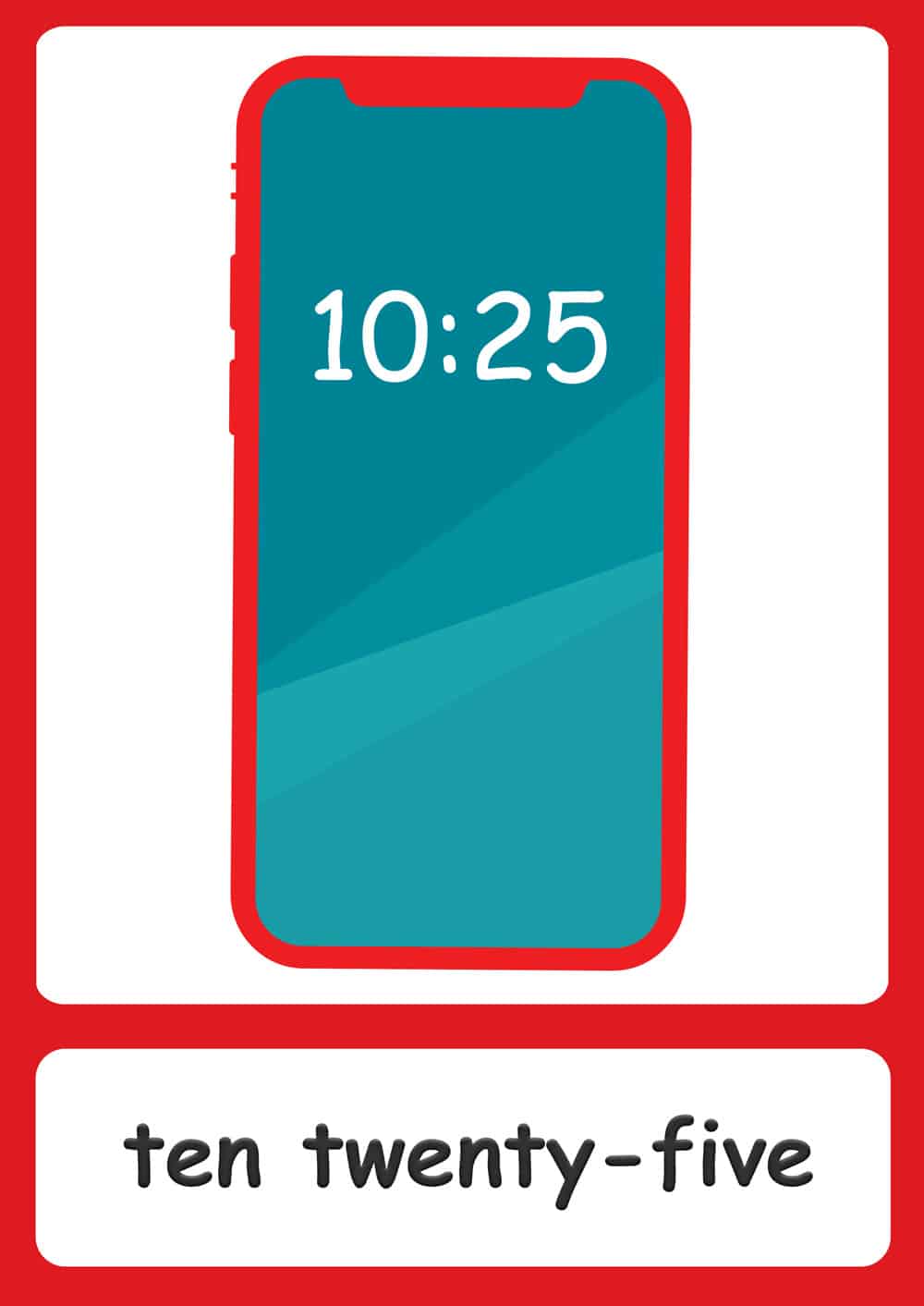
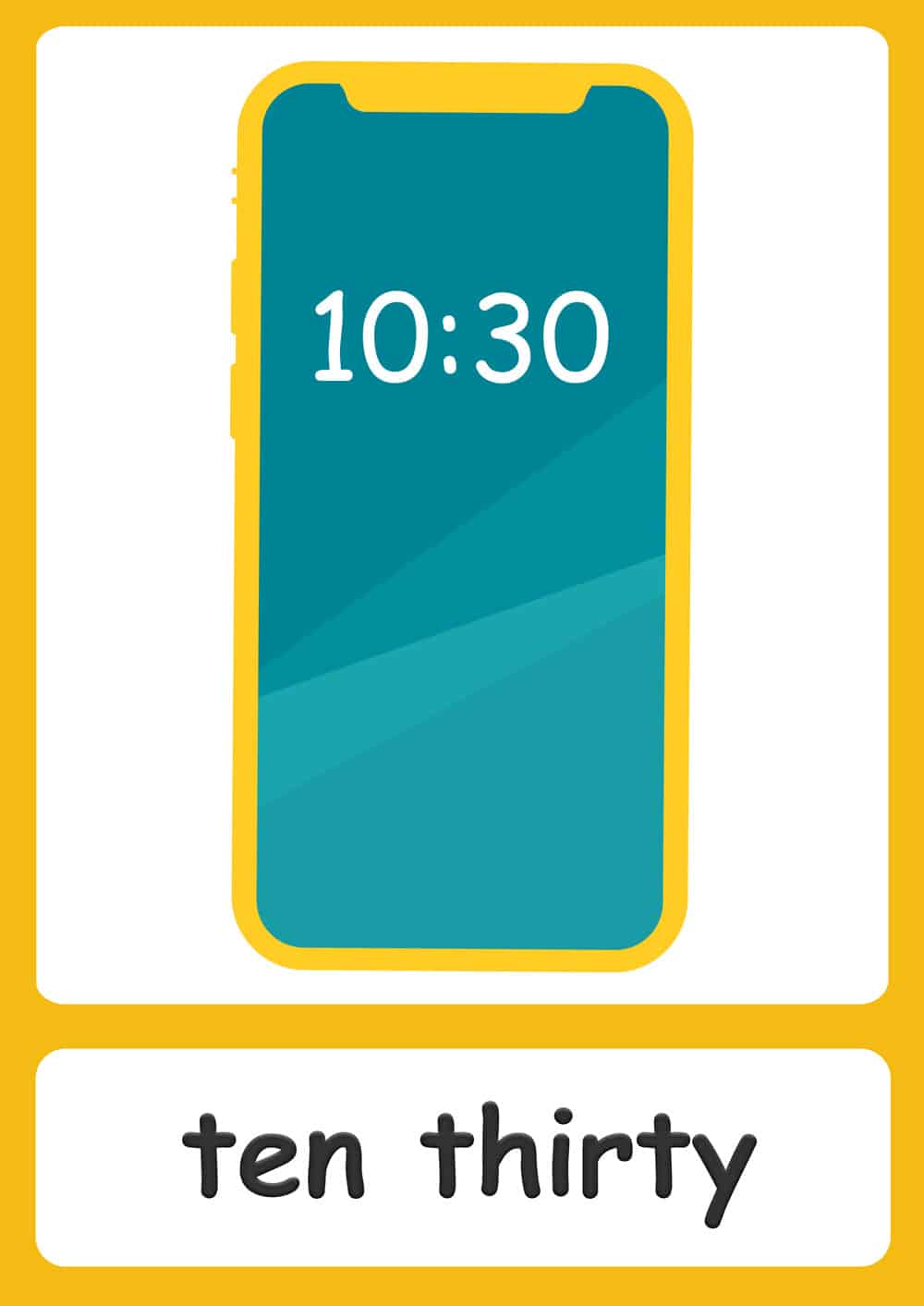
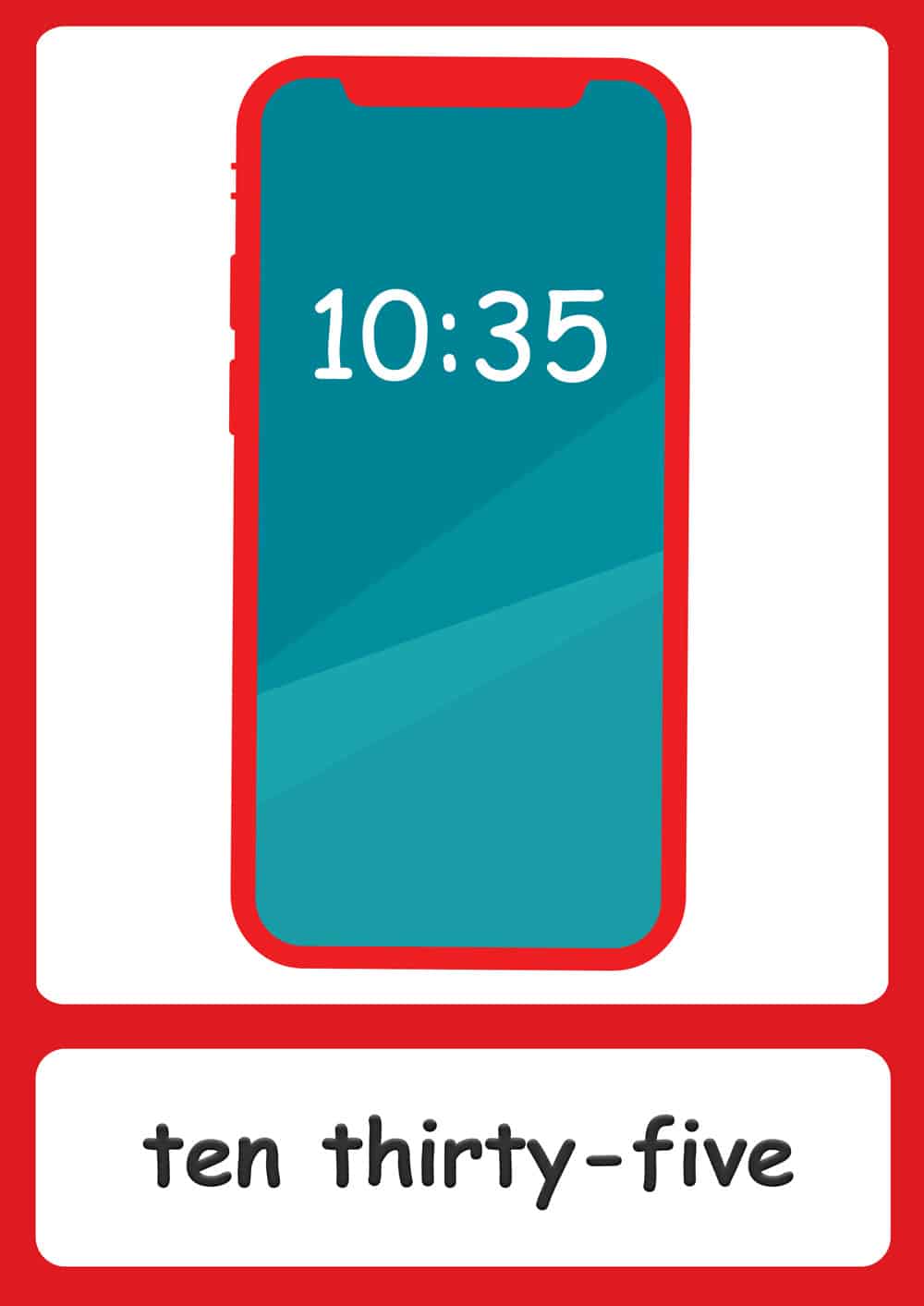
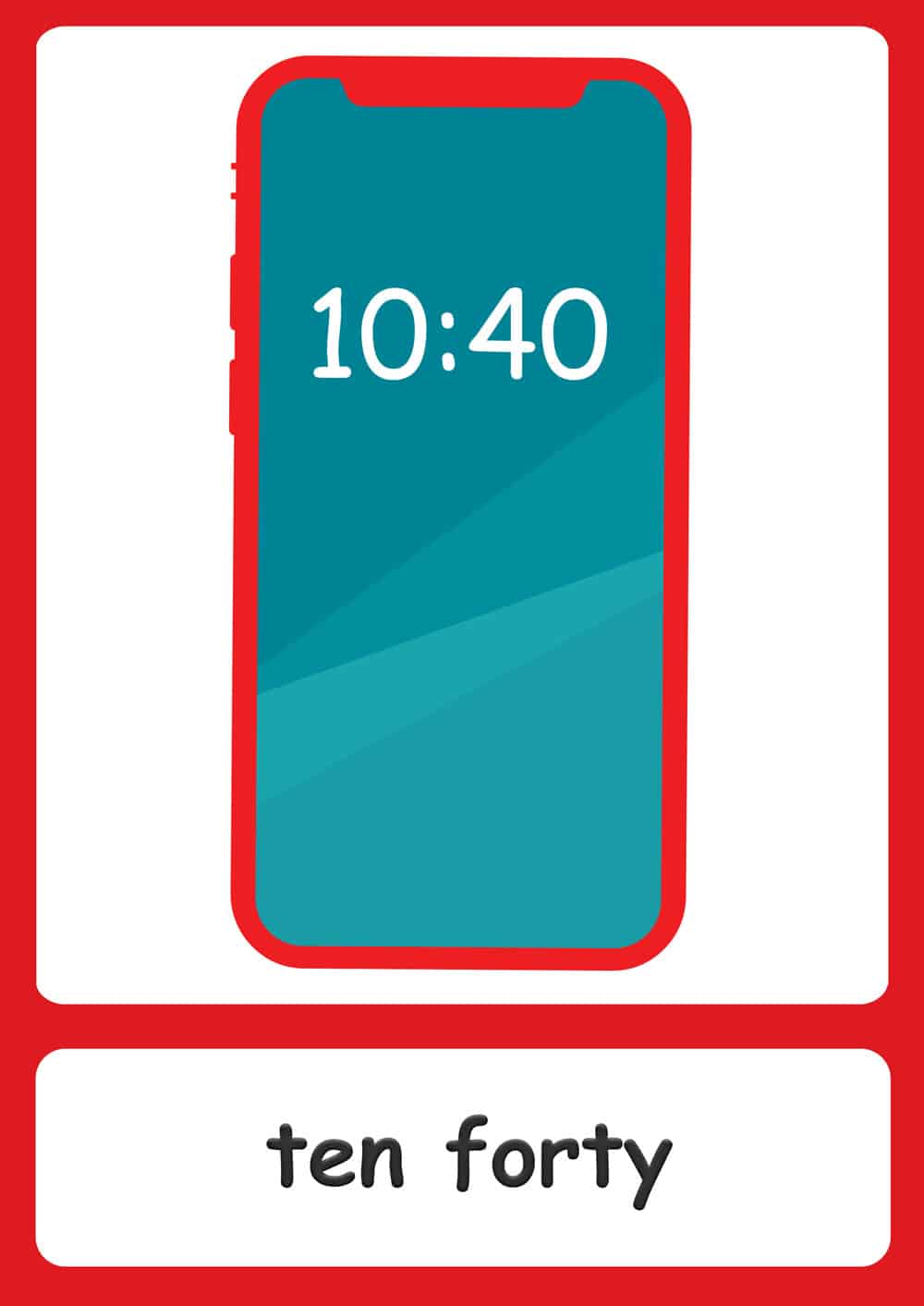
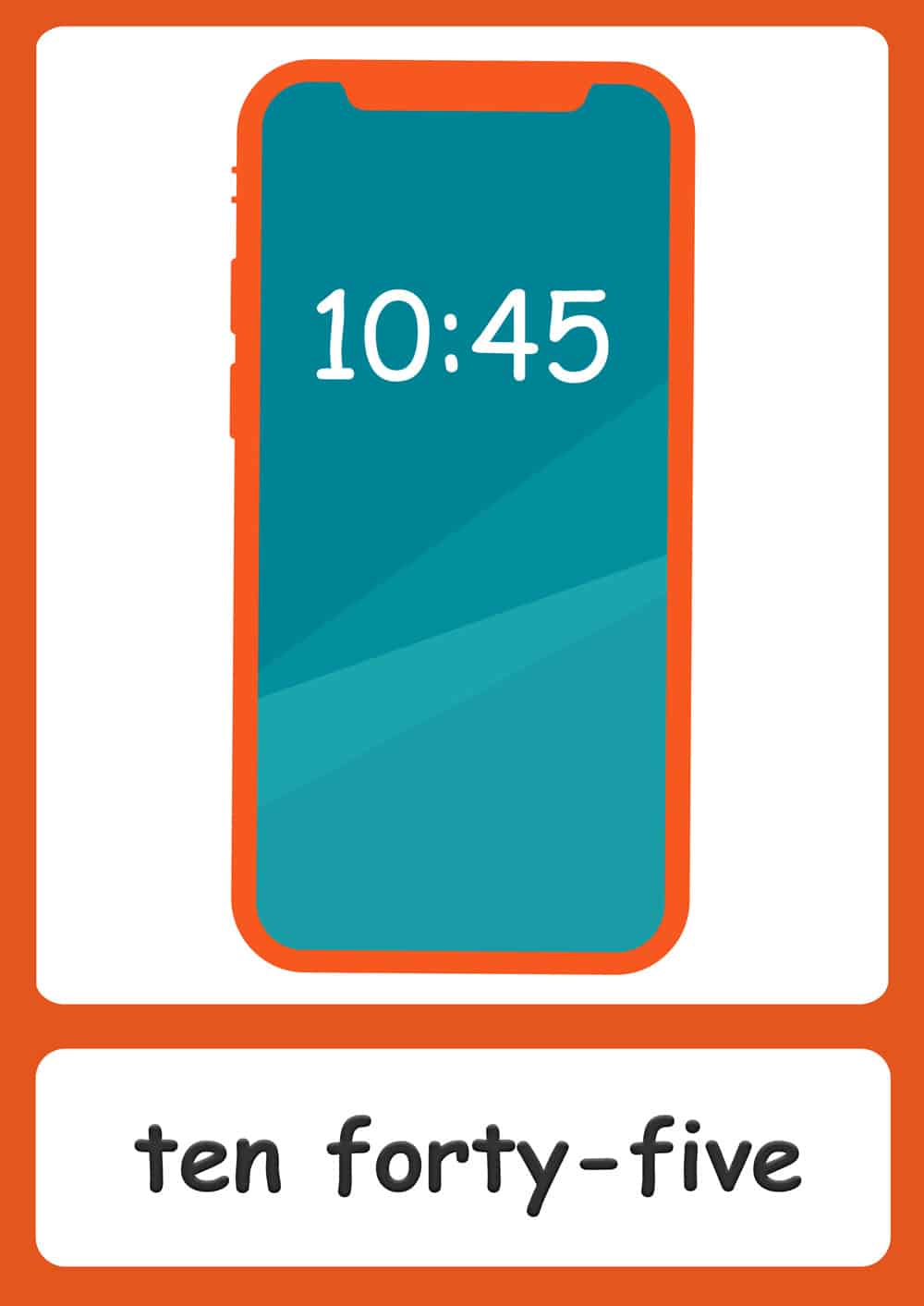
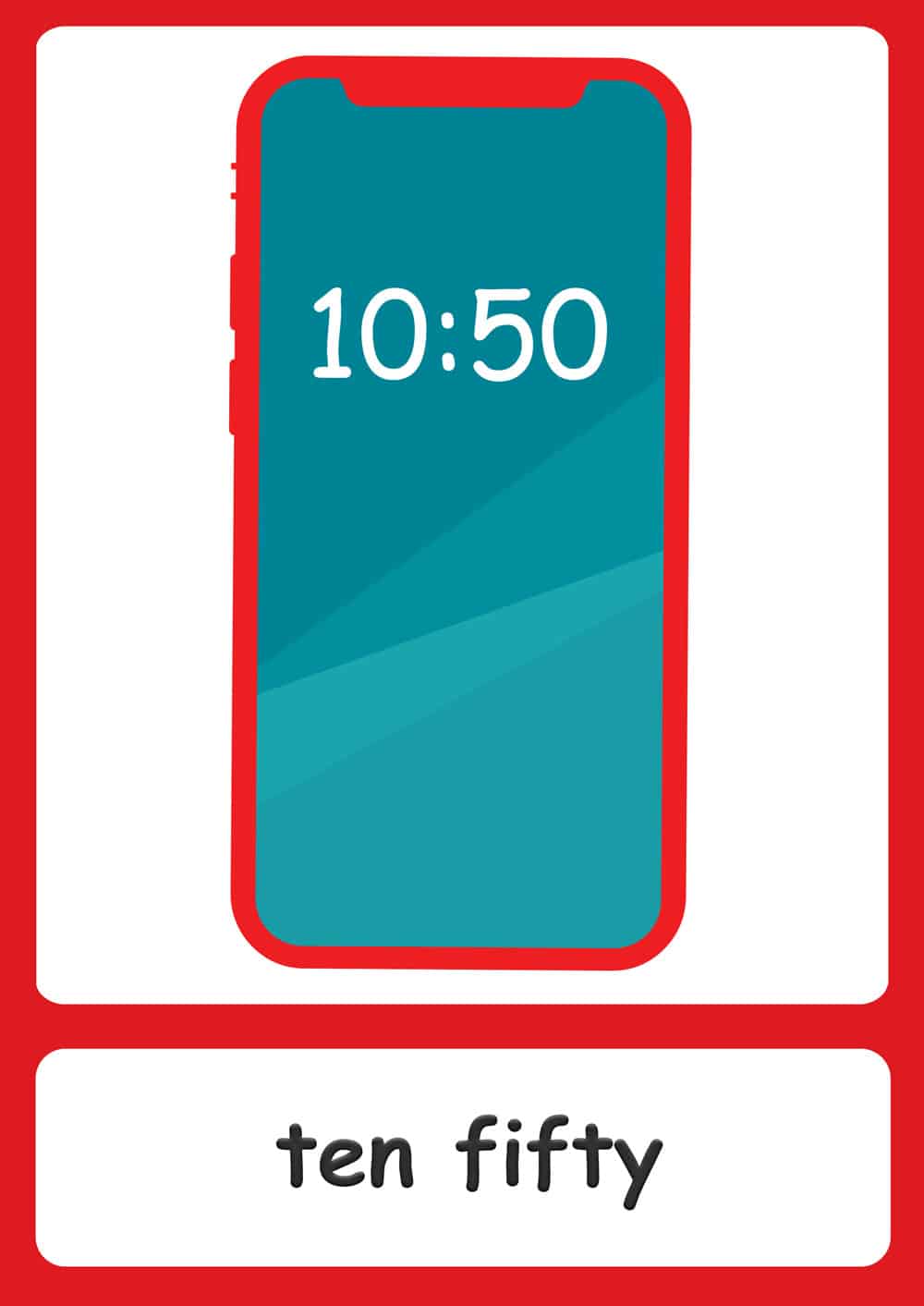
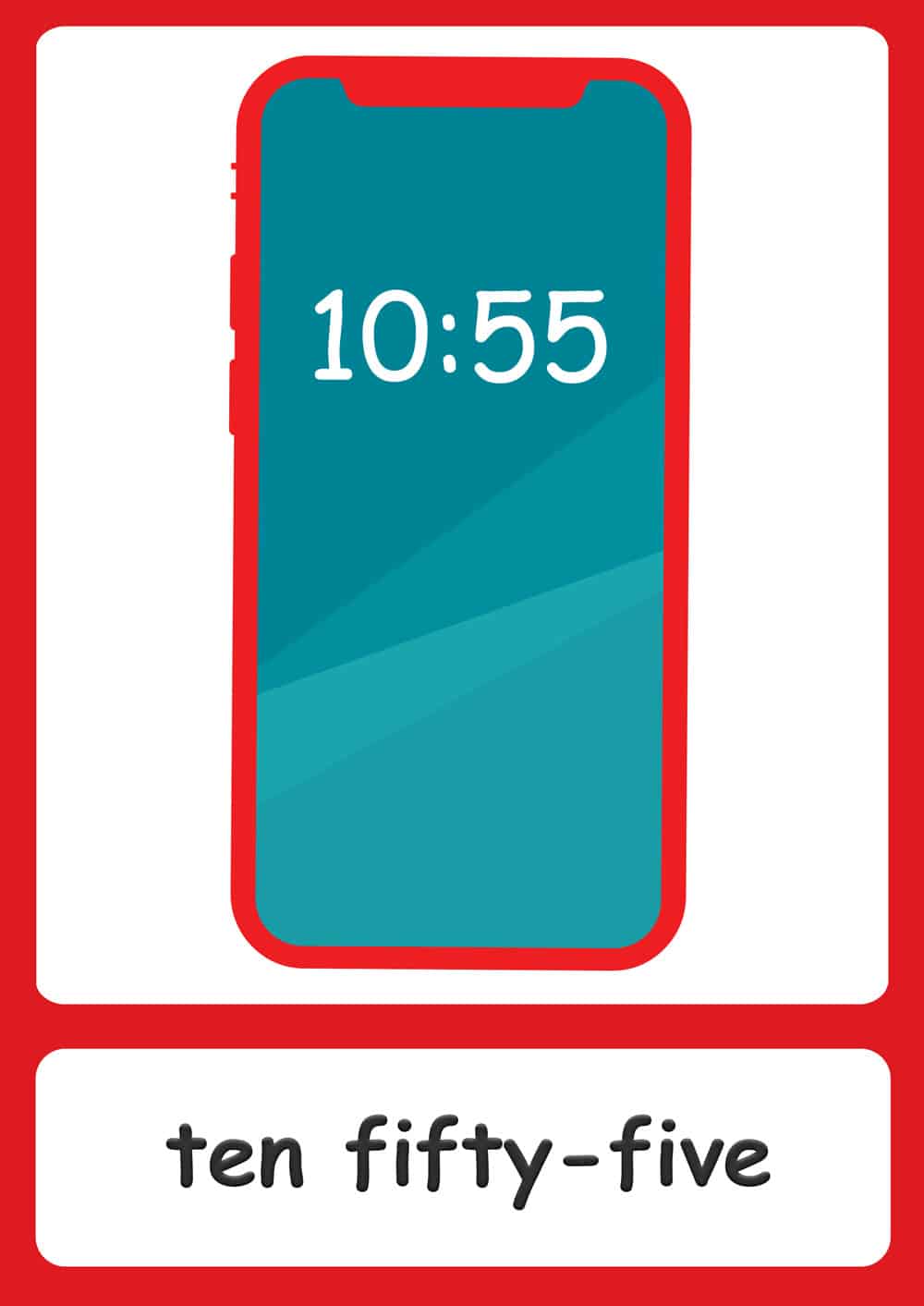
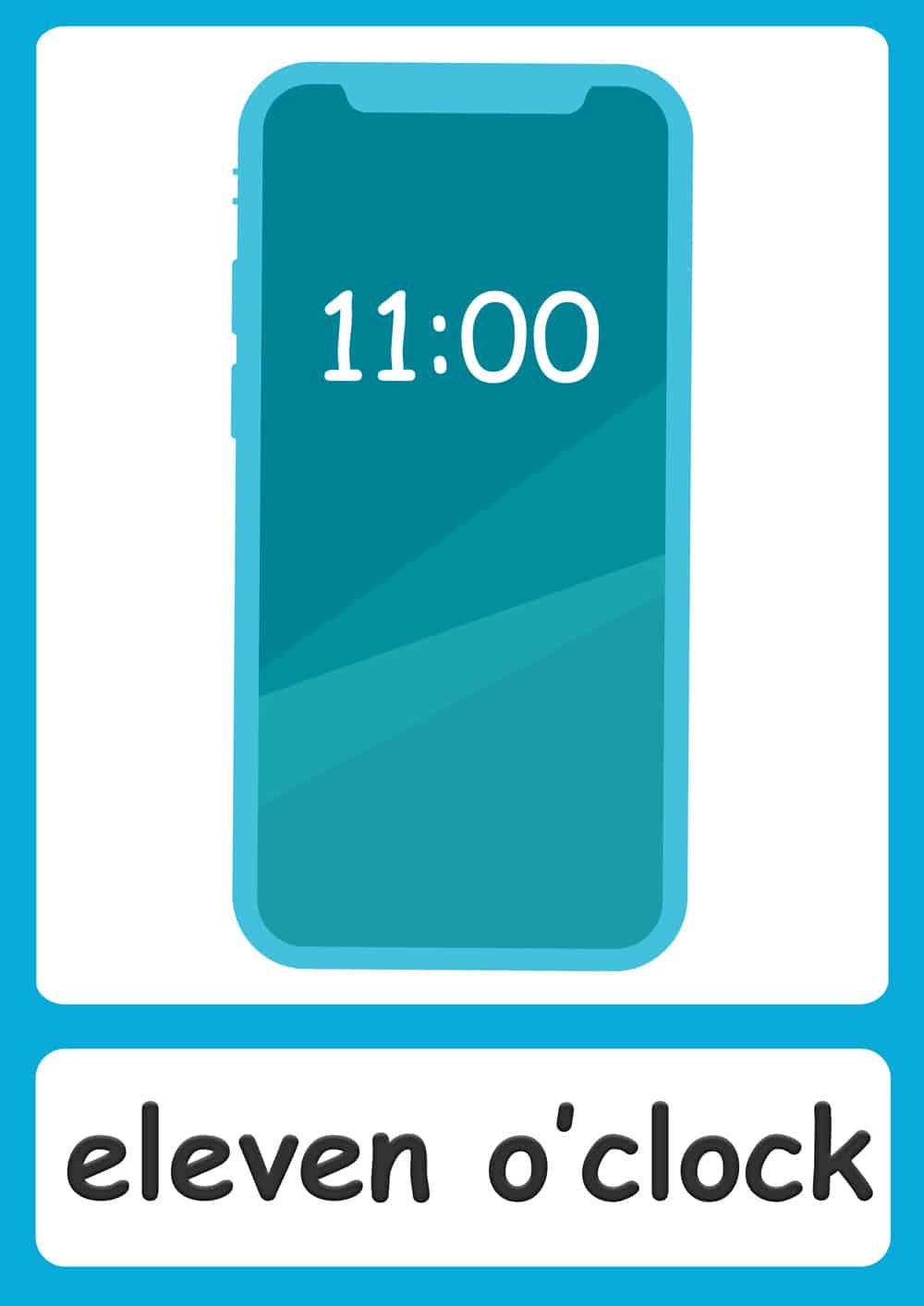
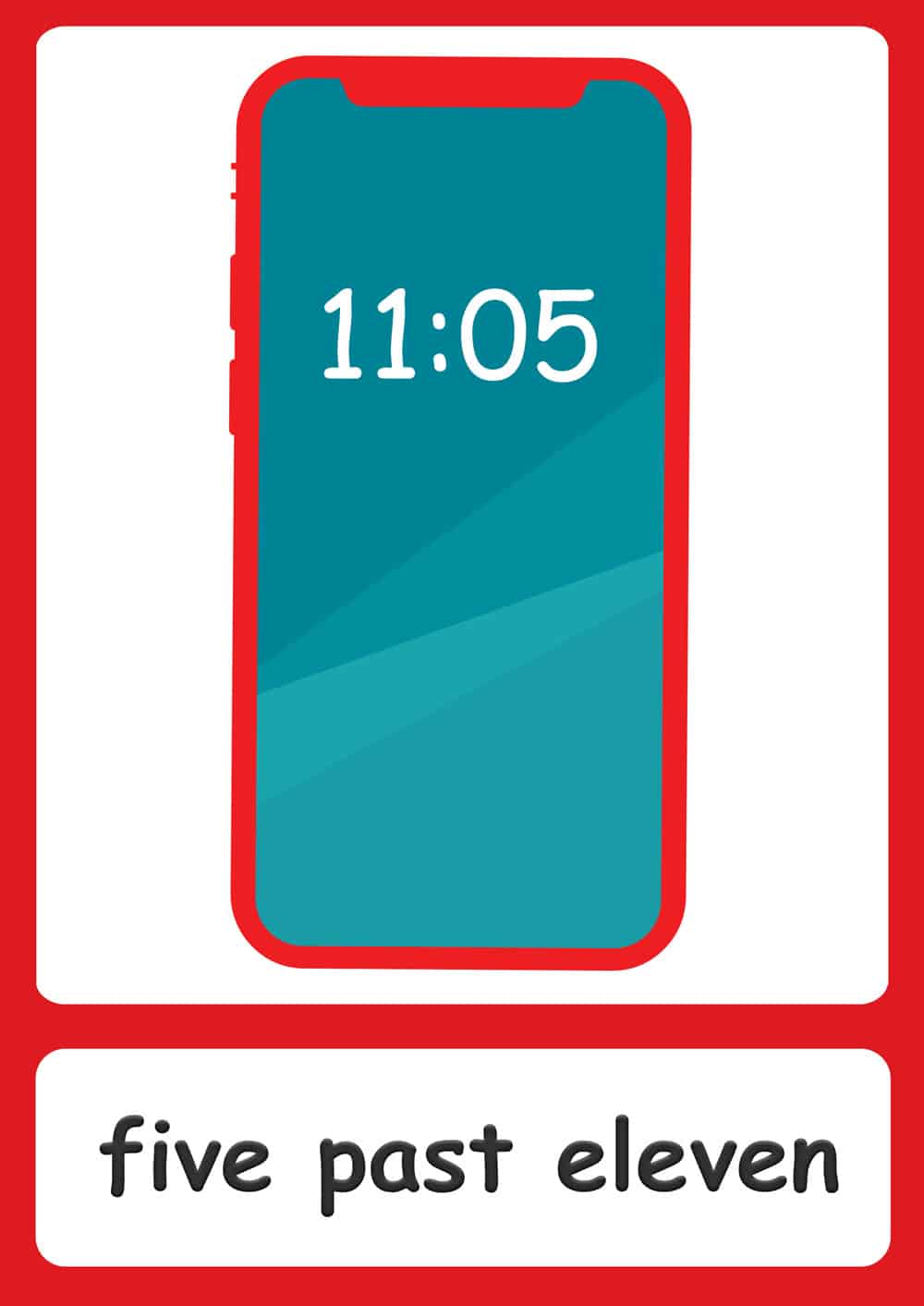
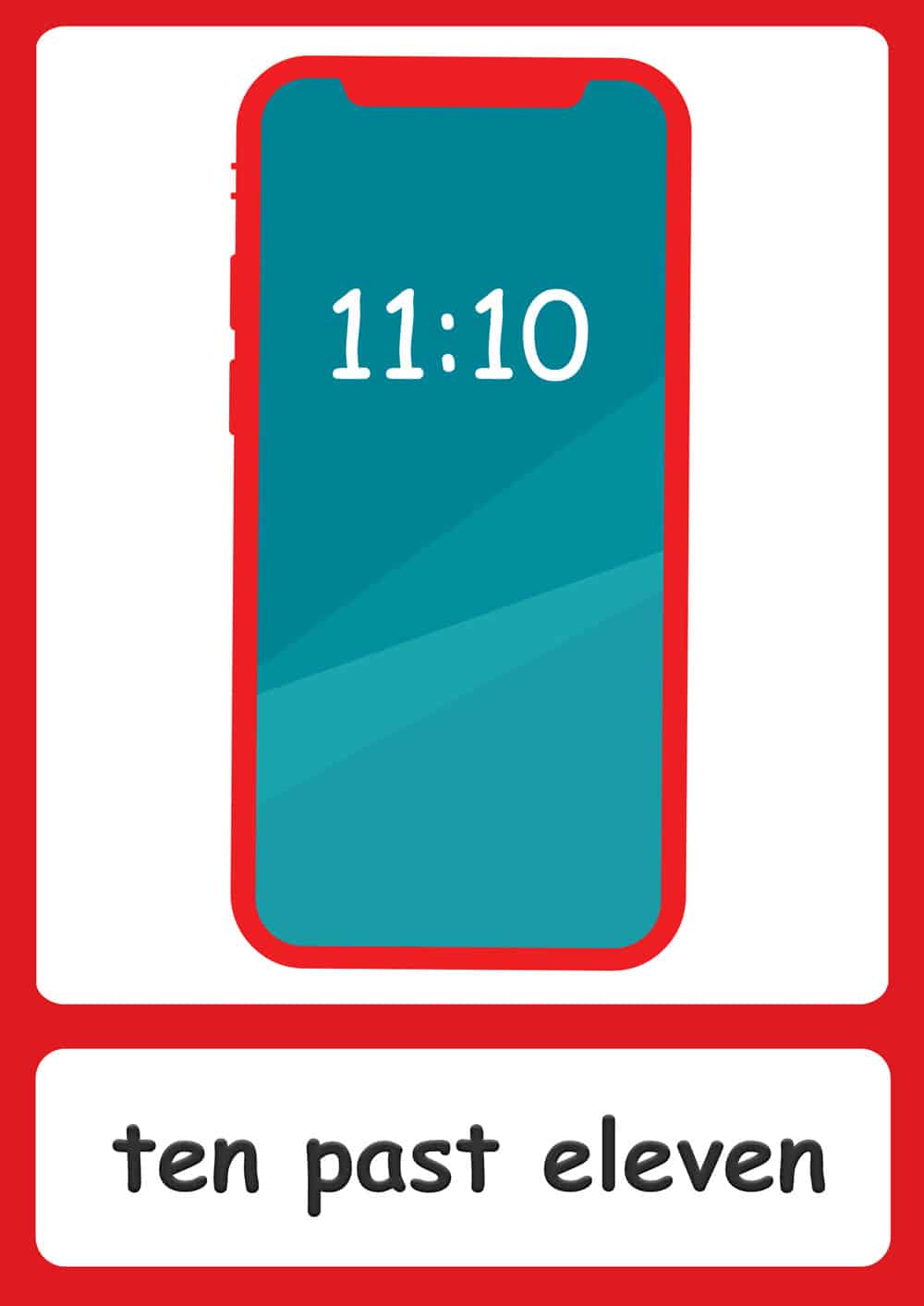
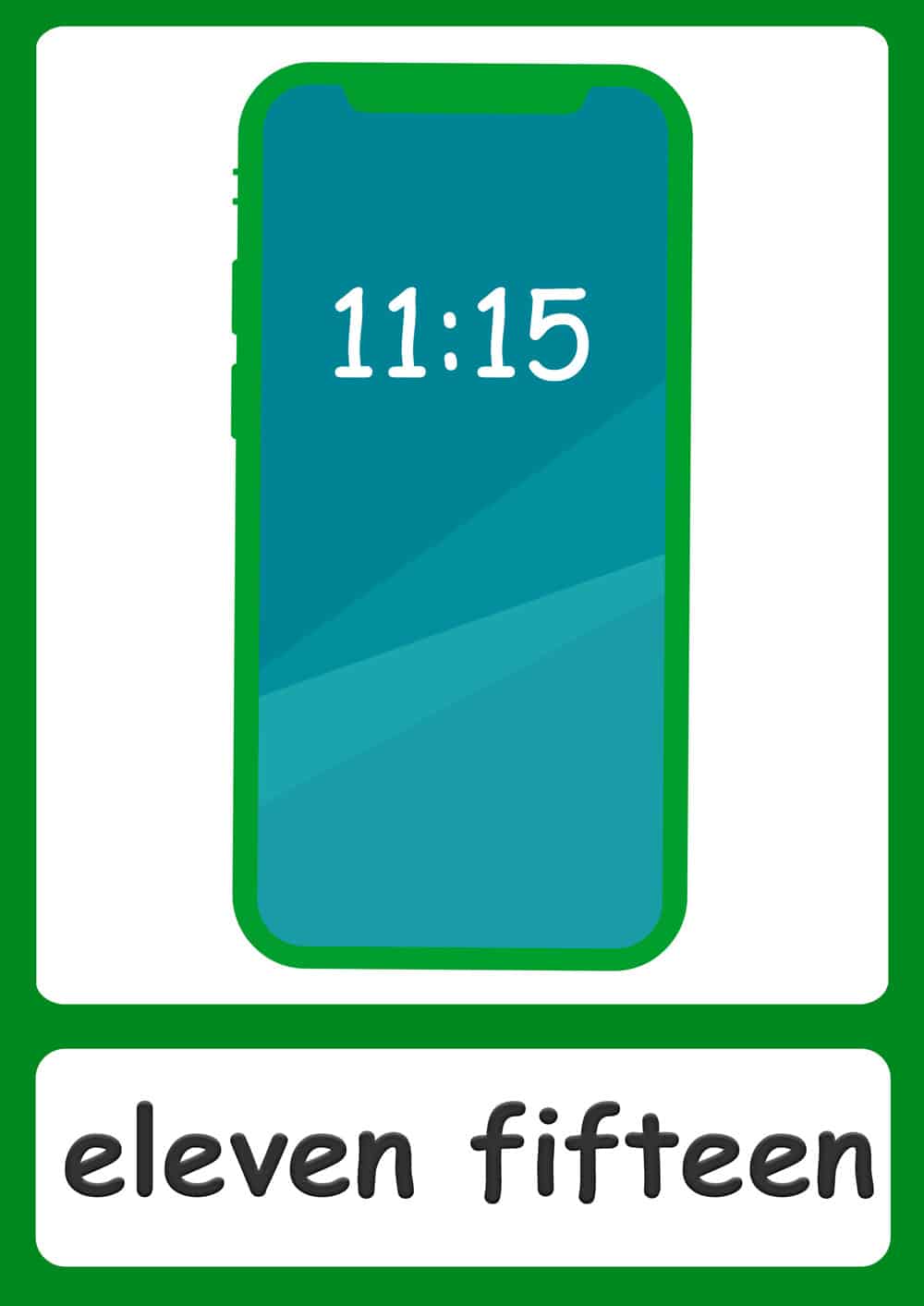
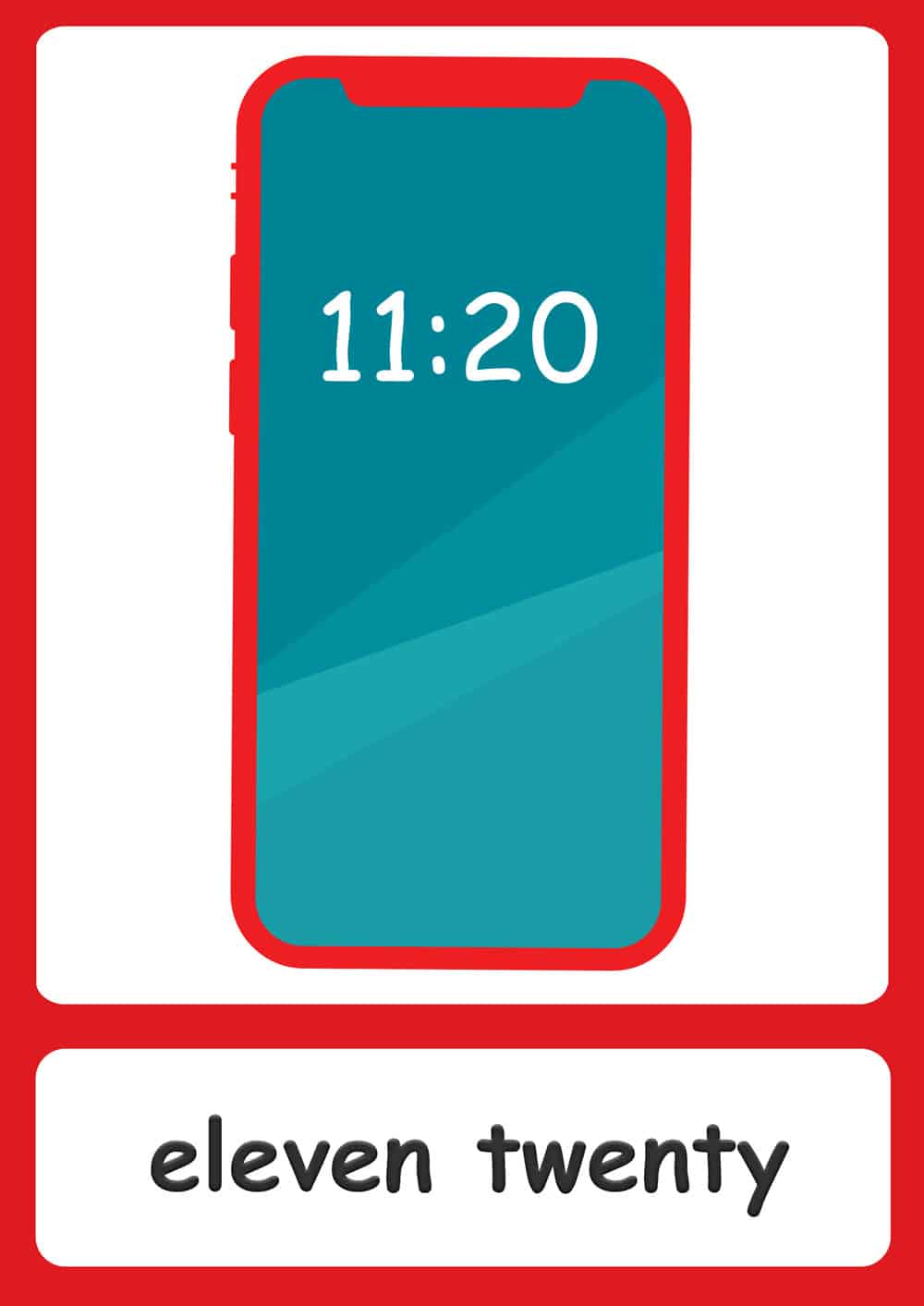
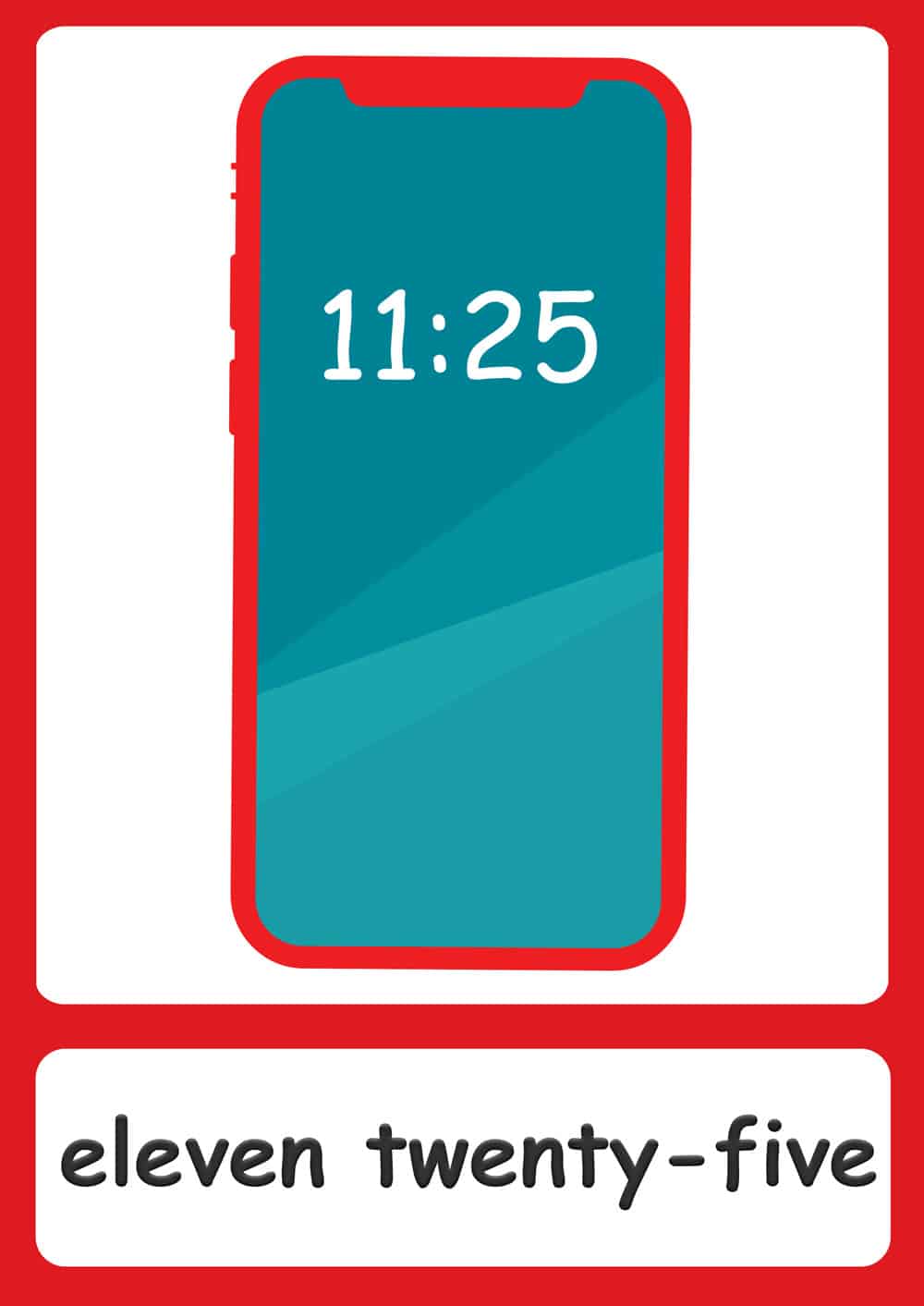
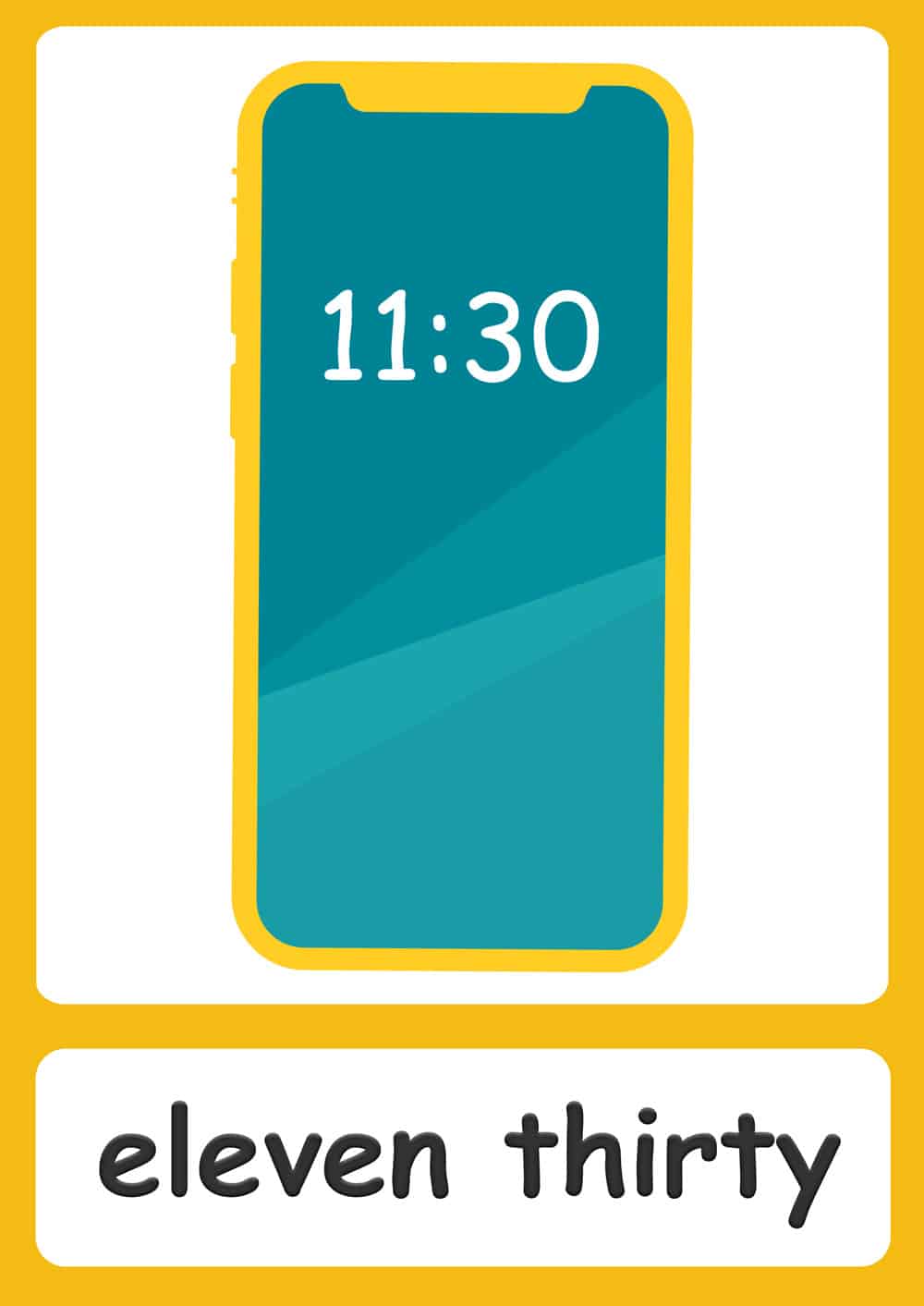
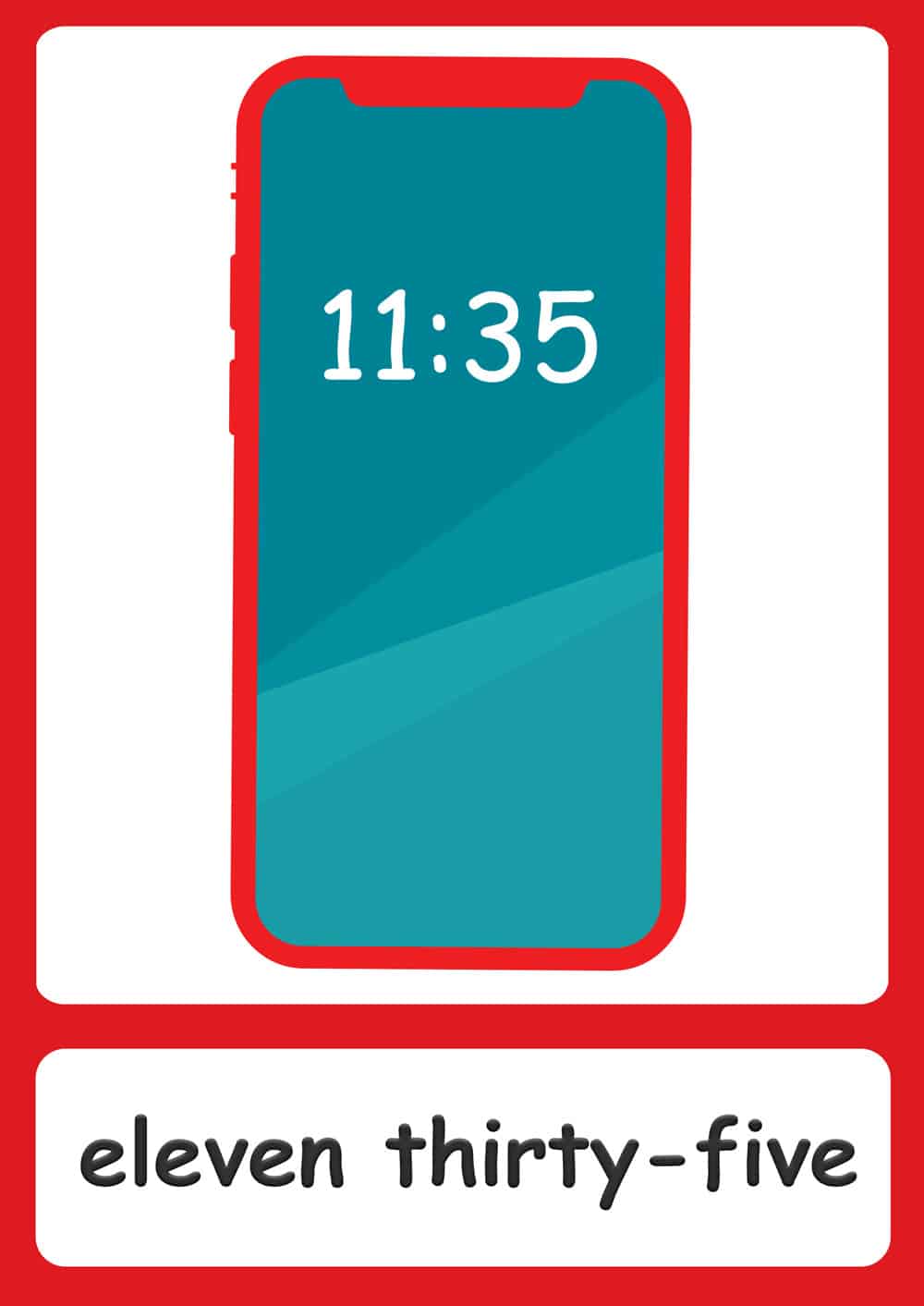
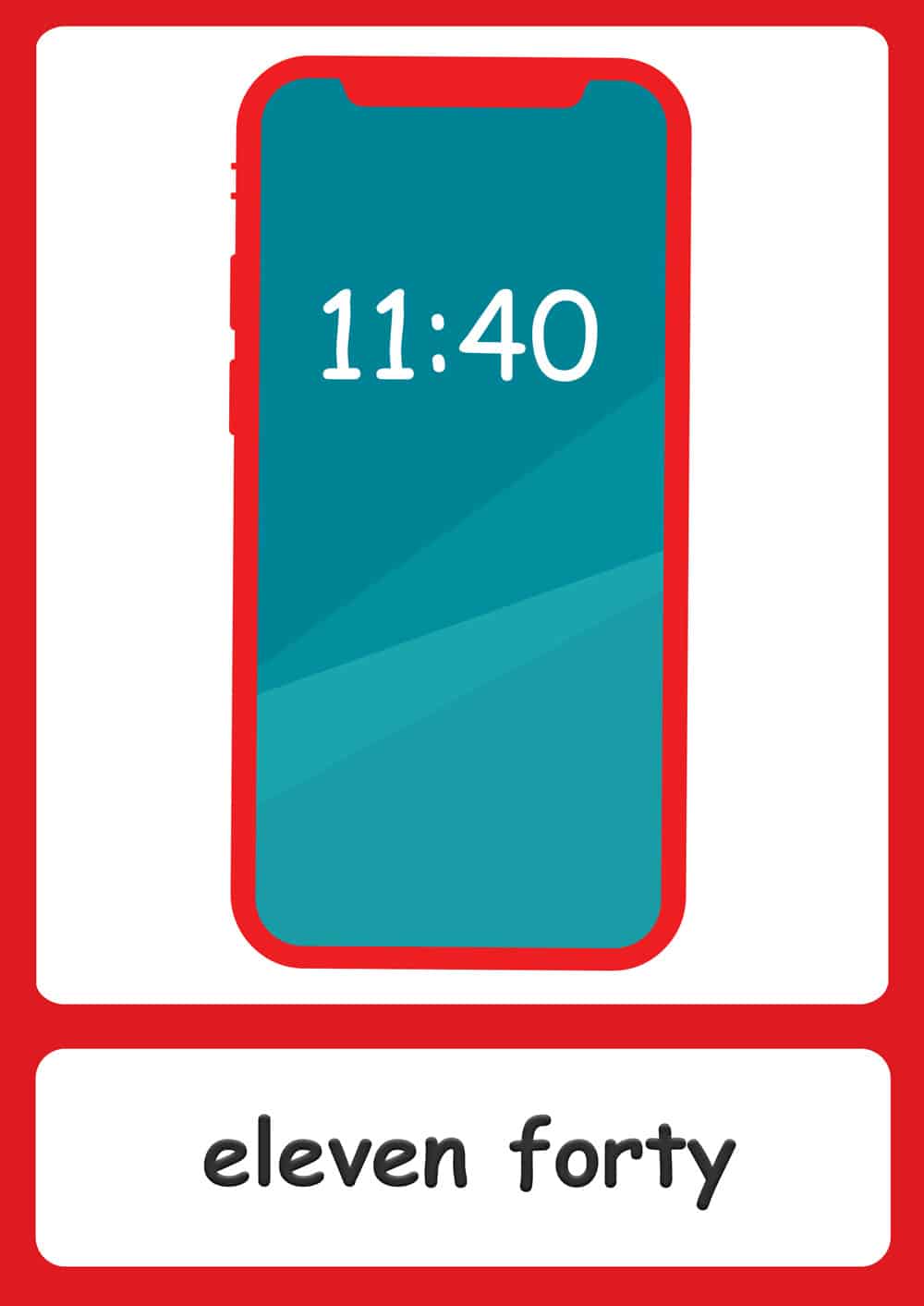
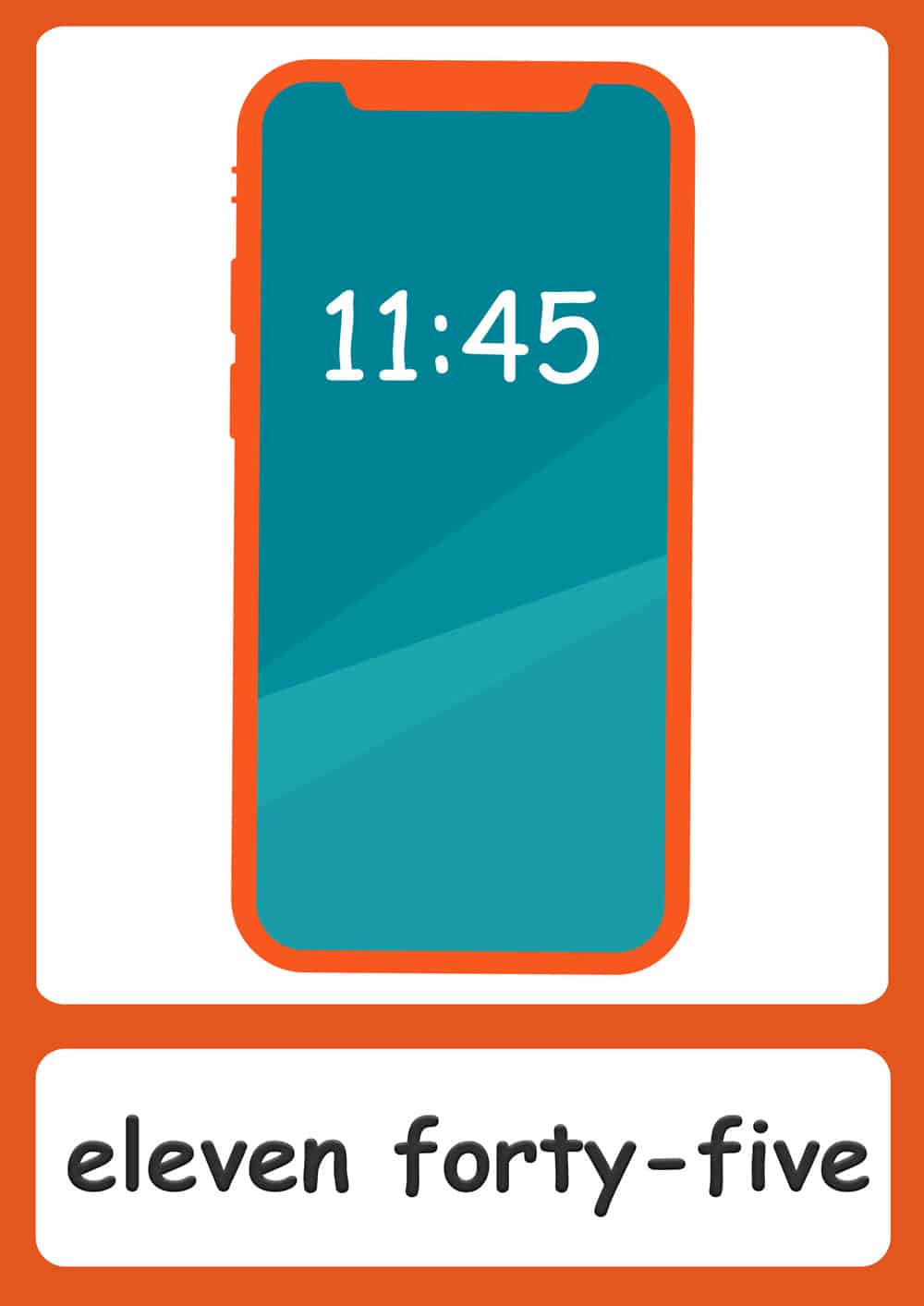
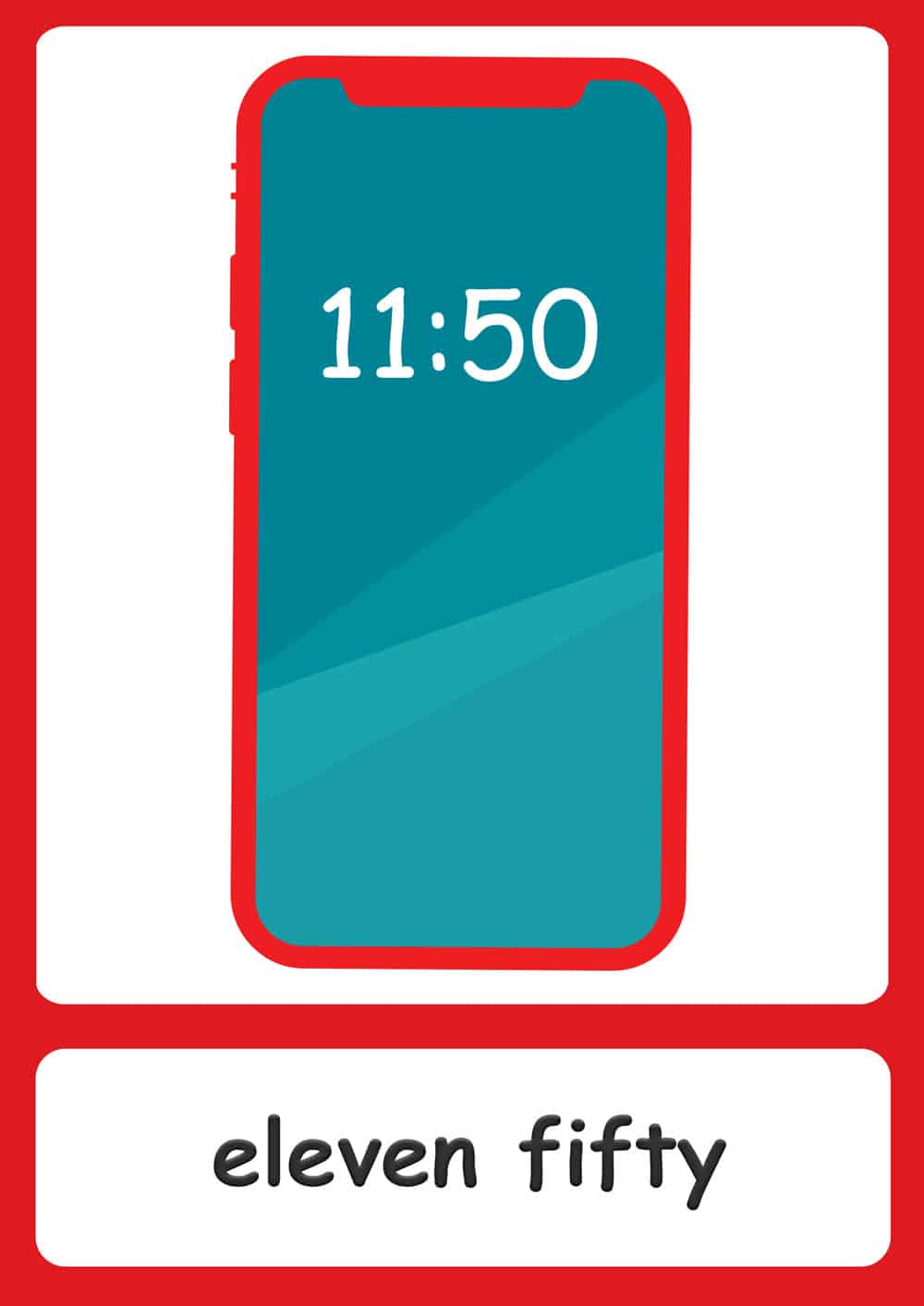
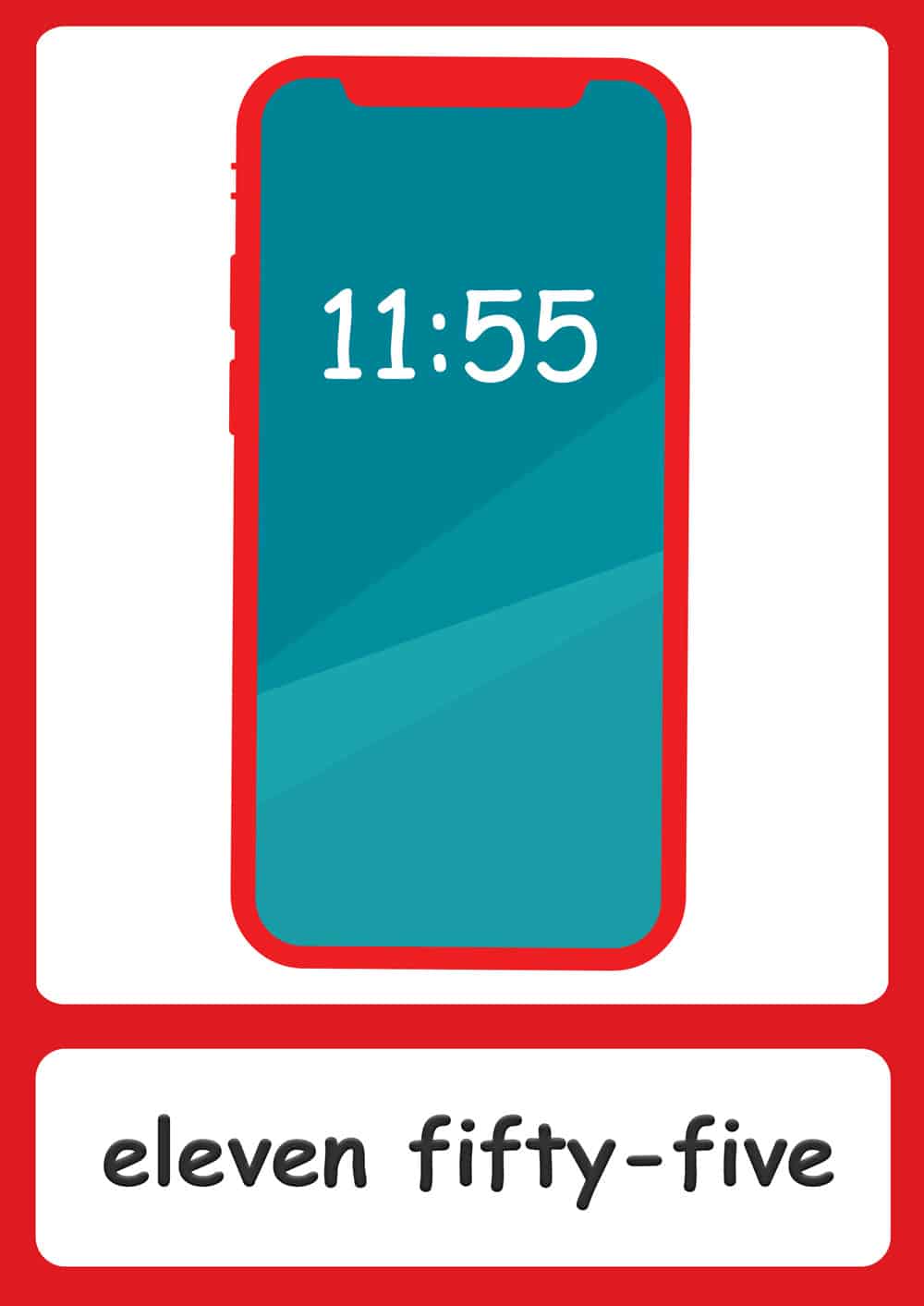
The cards come is 3 different designs including a clock face, digital watch and even a Smartphone clock design! The downloads include 432 time flashcards that are completely FREE!


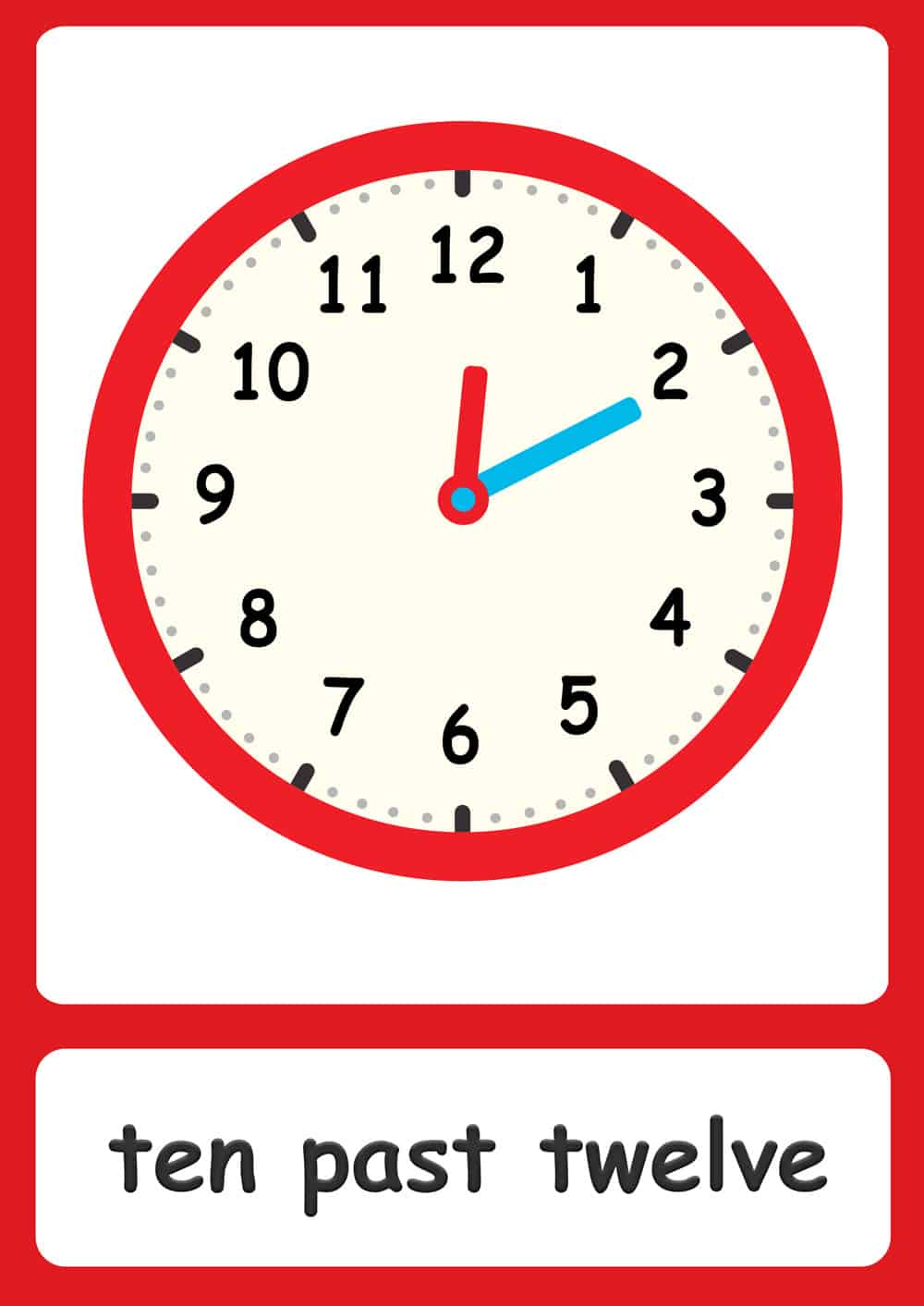
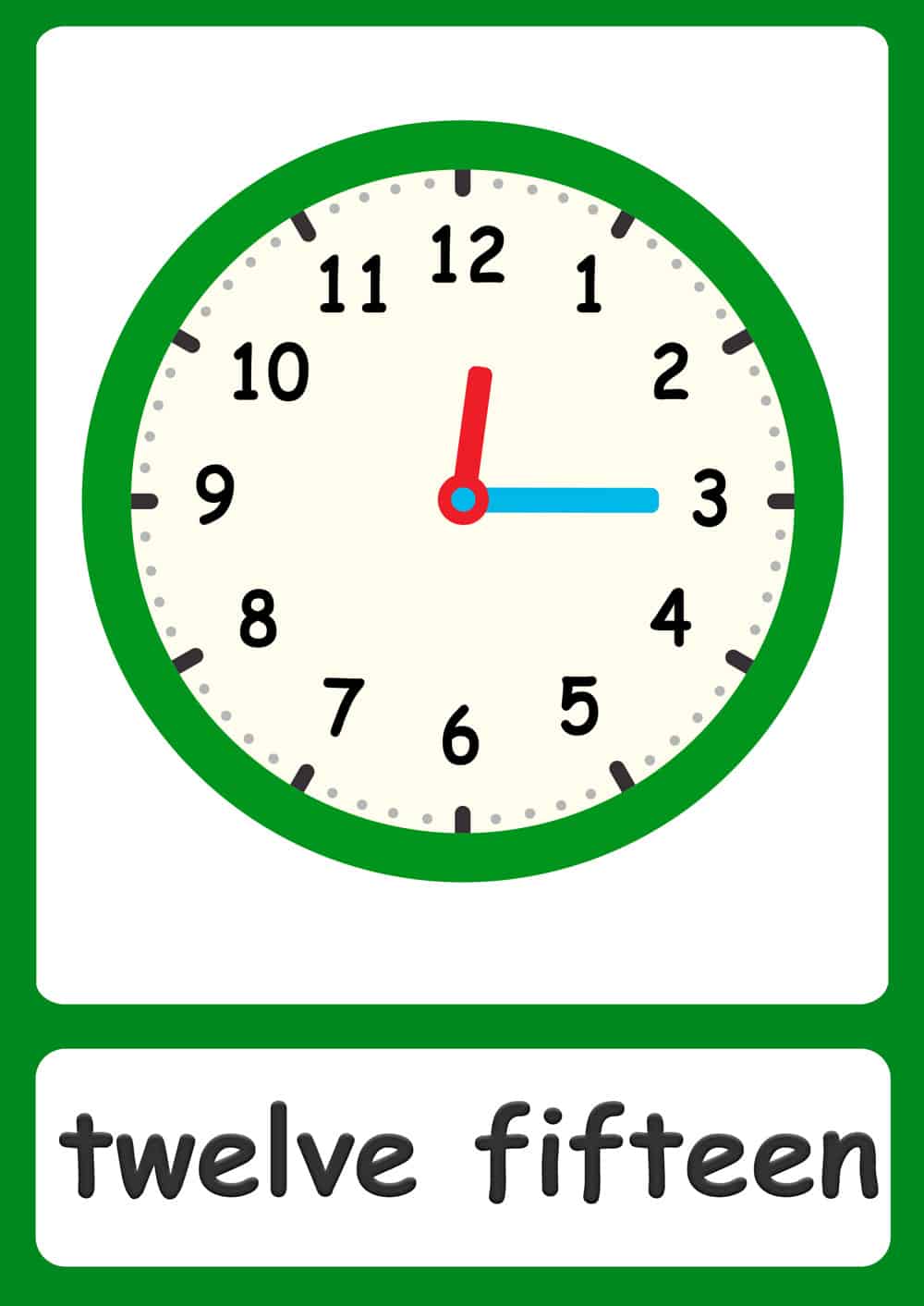
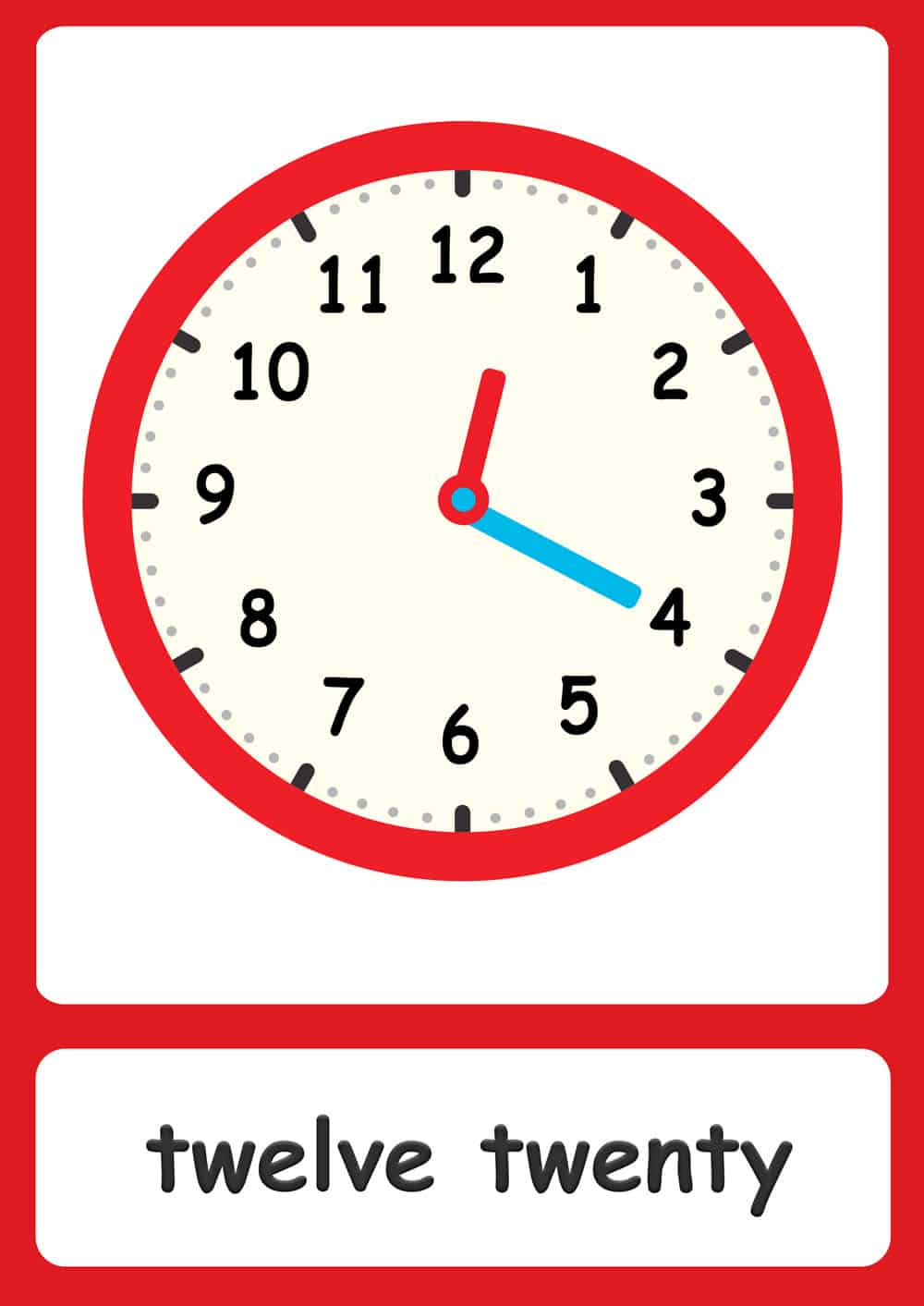
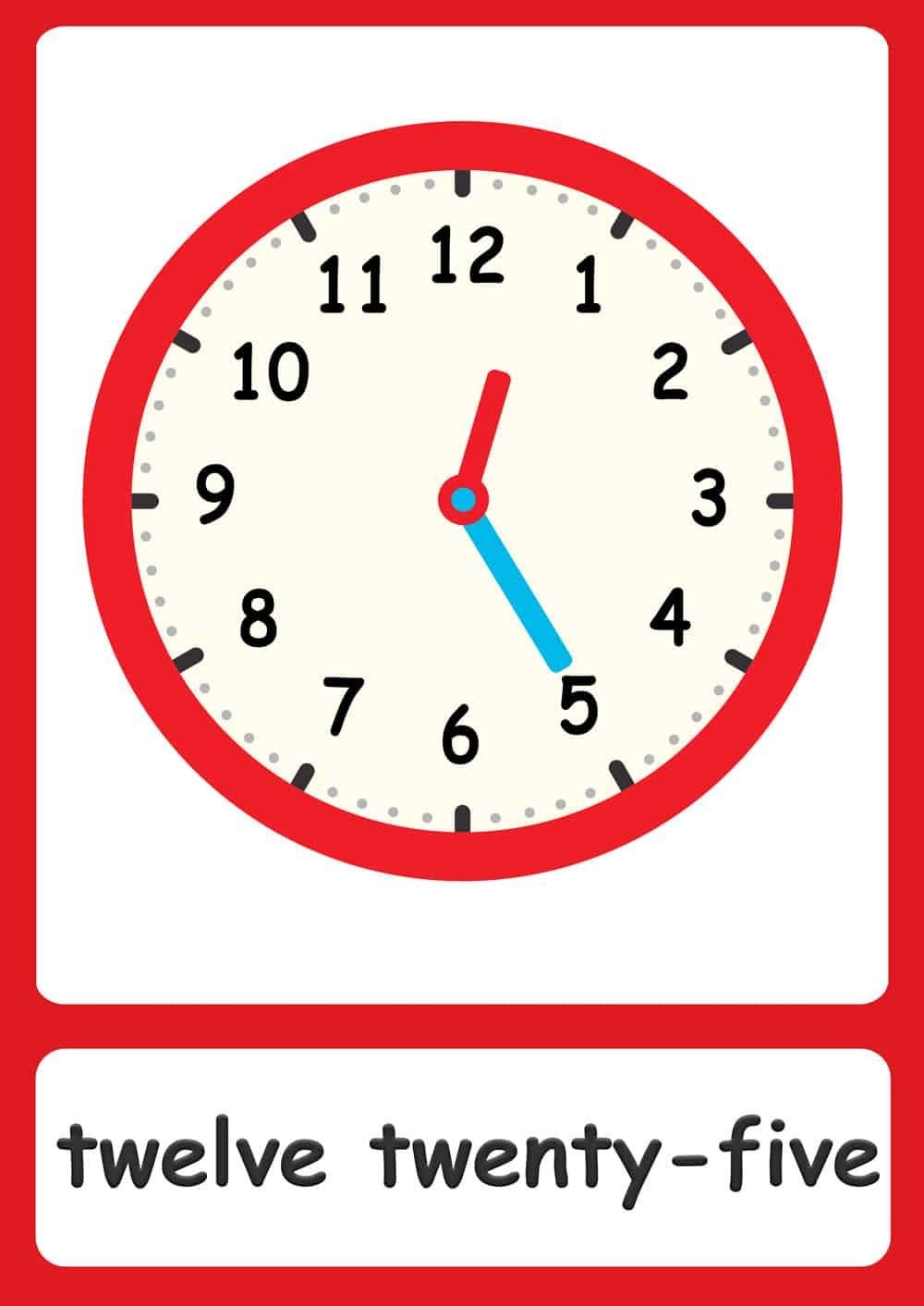
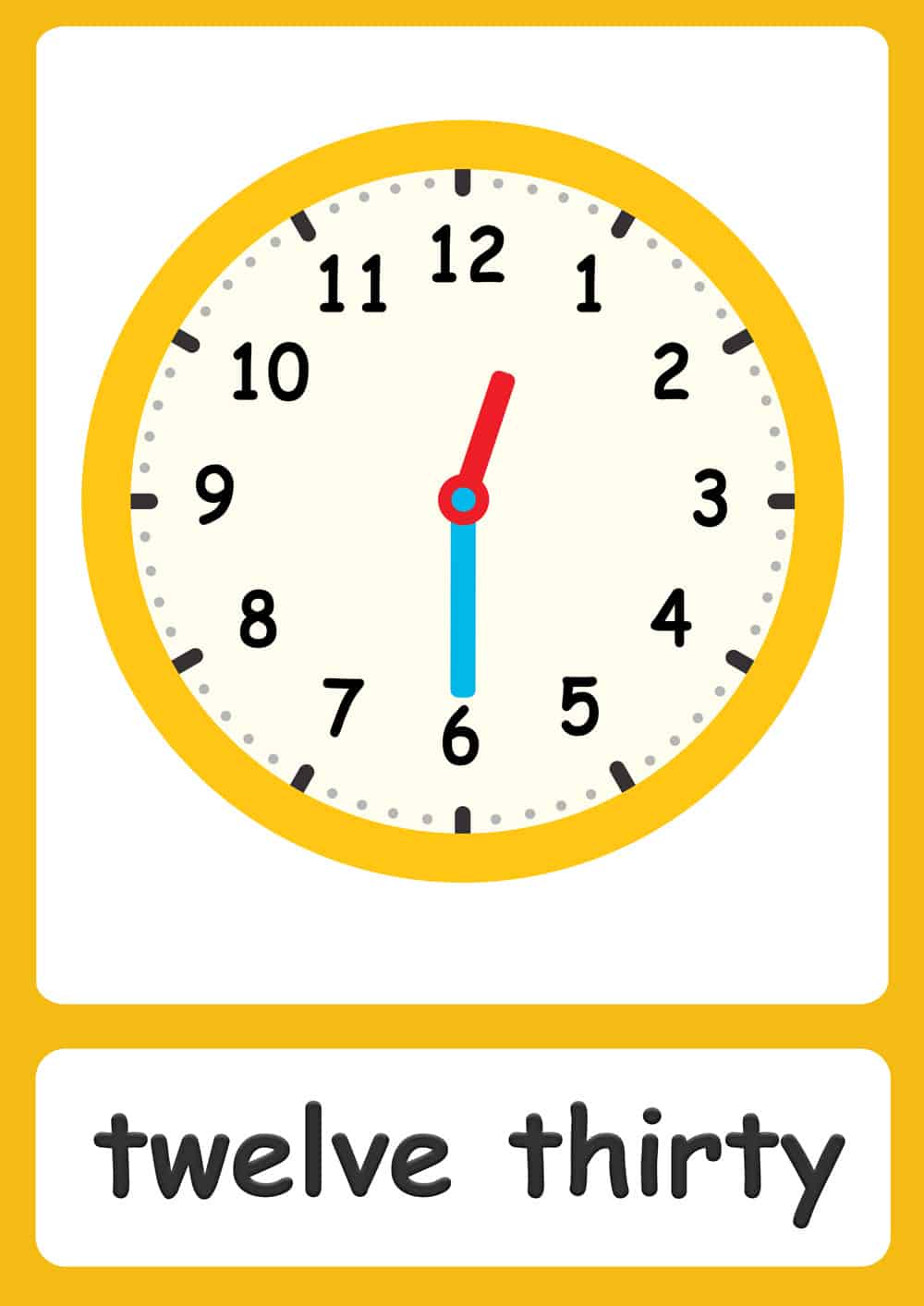
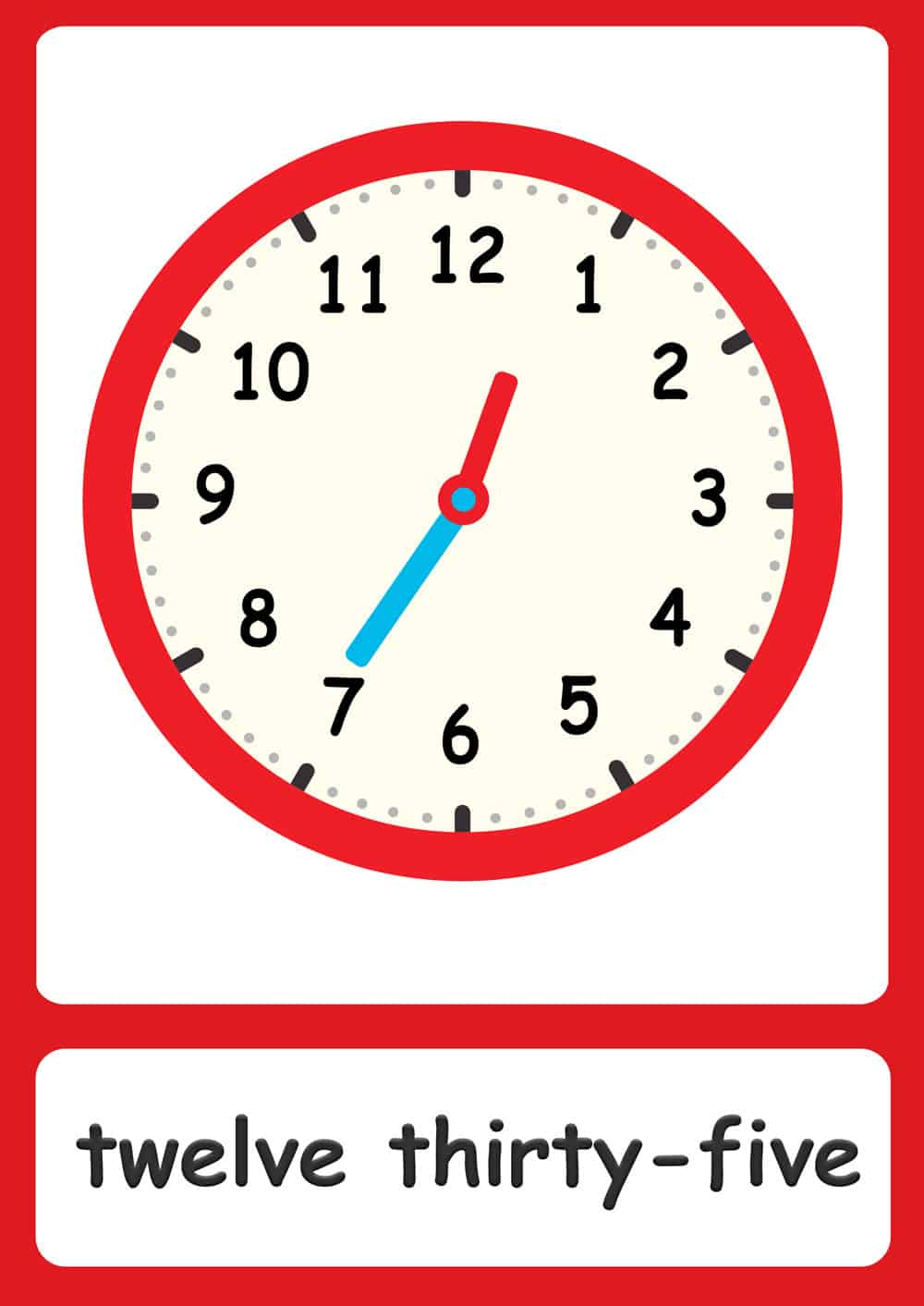
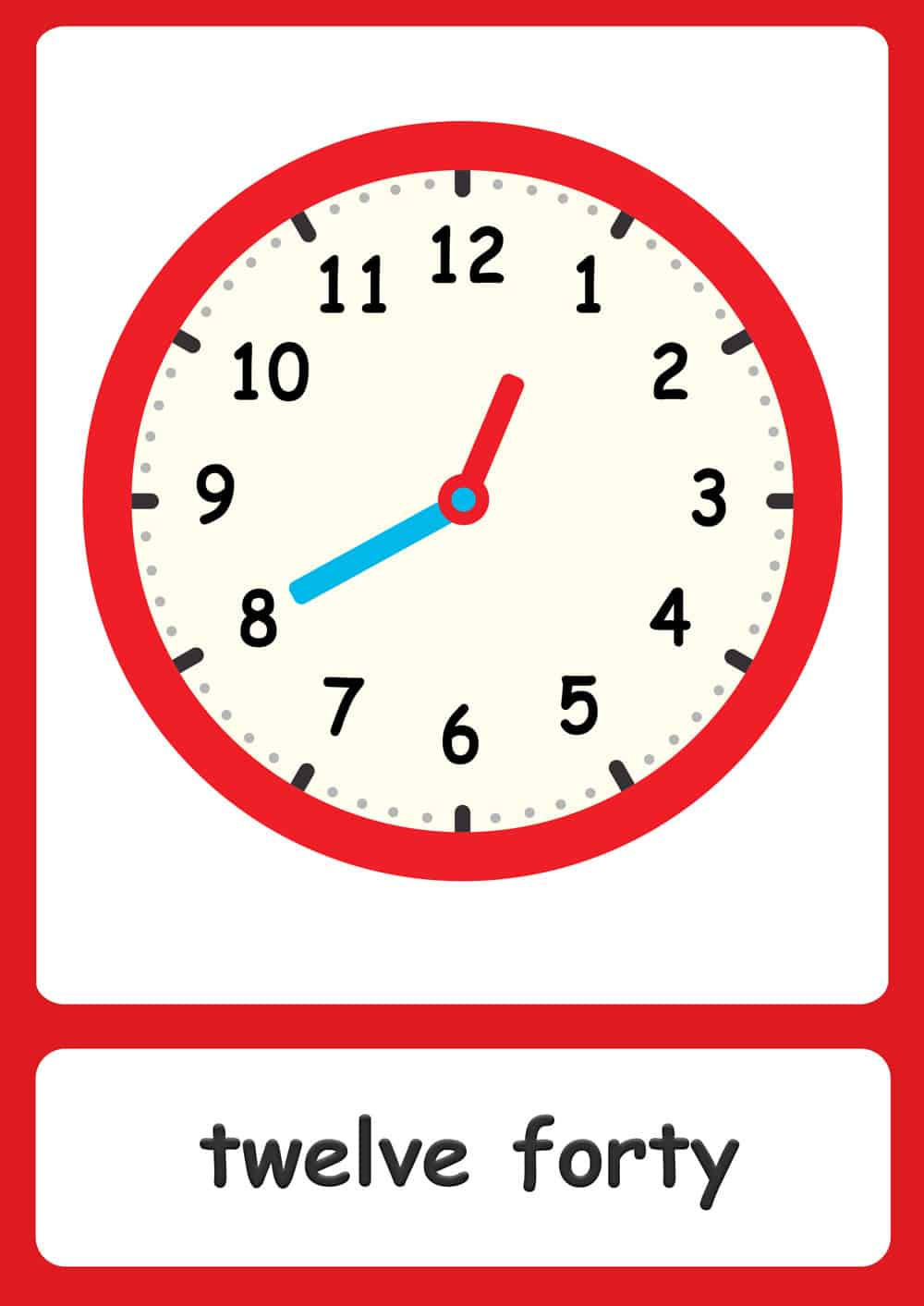
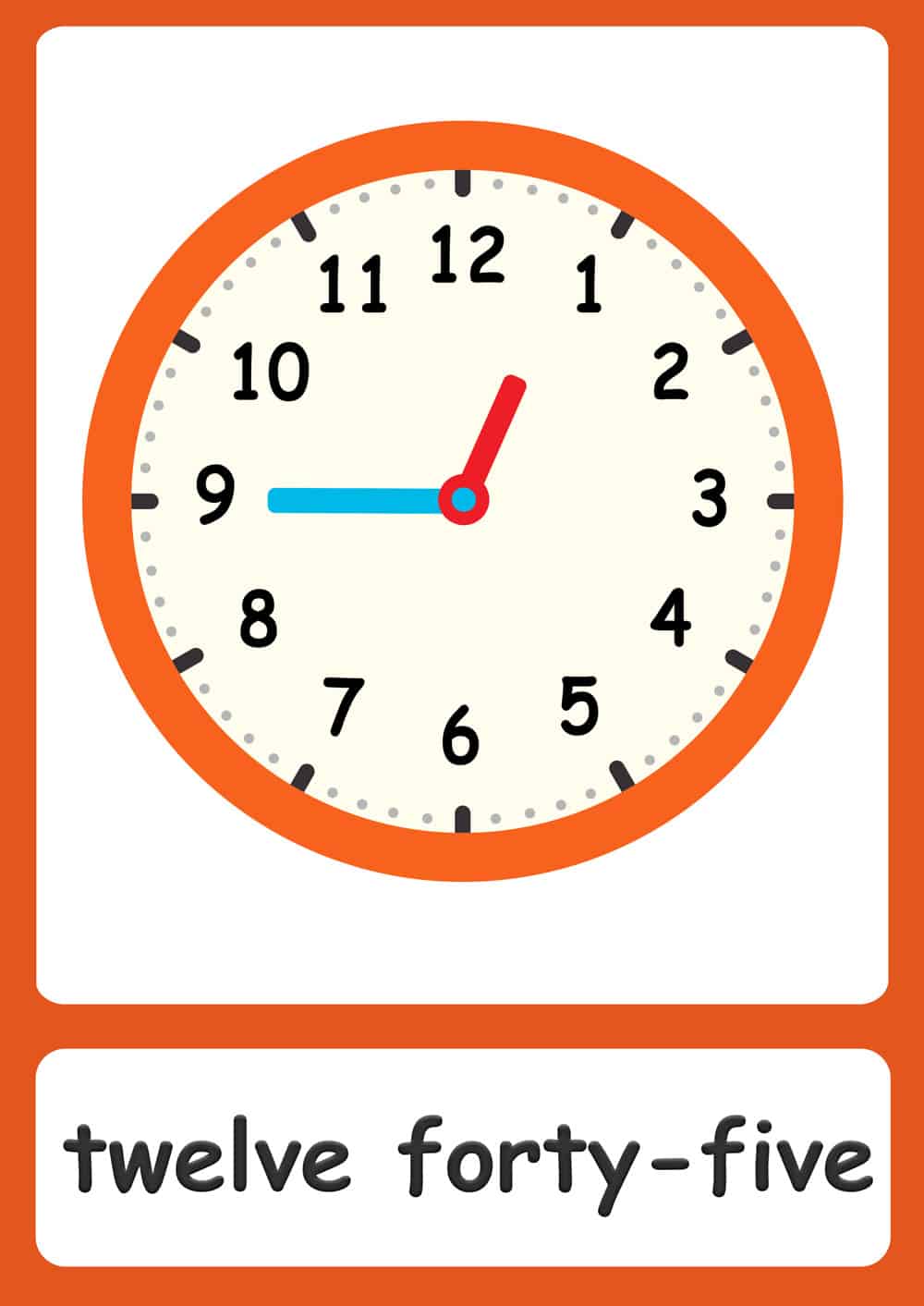
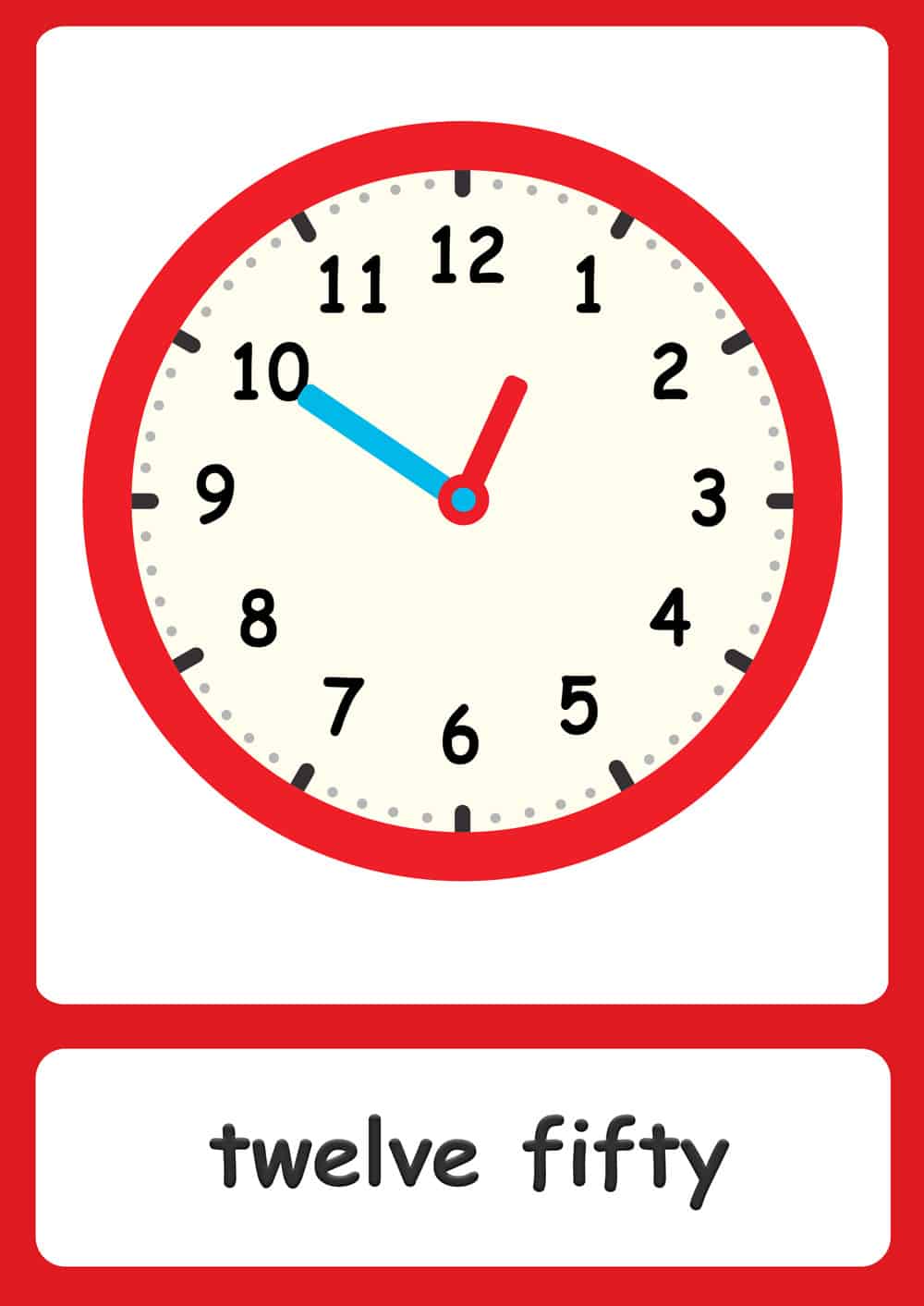
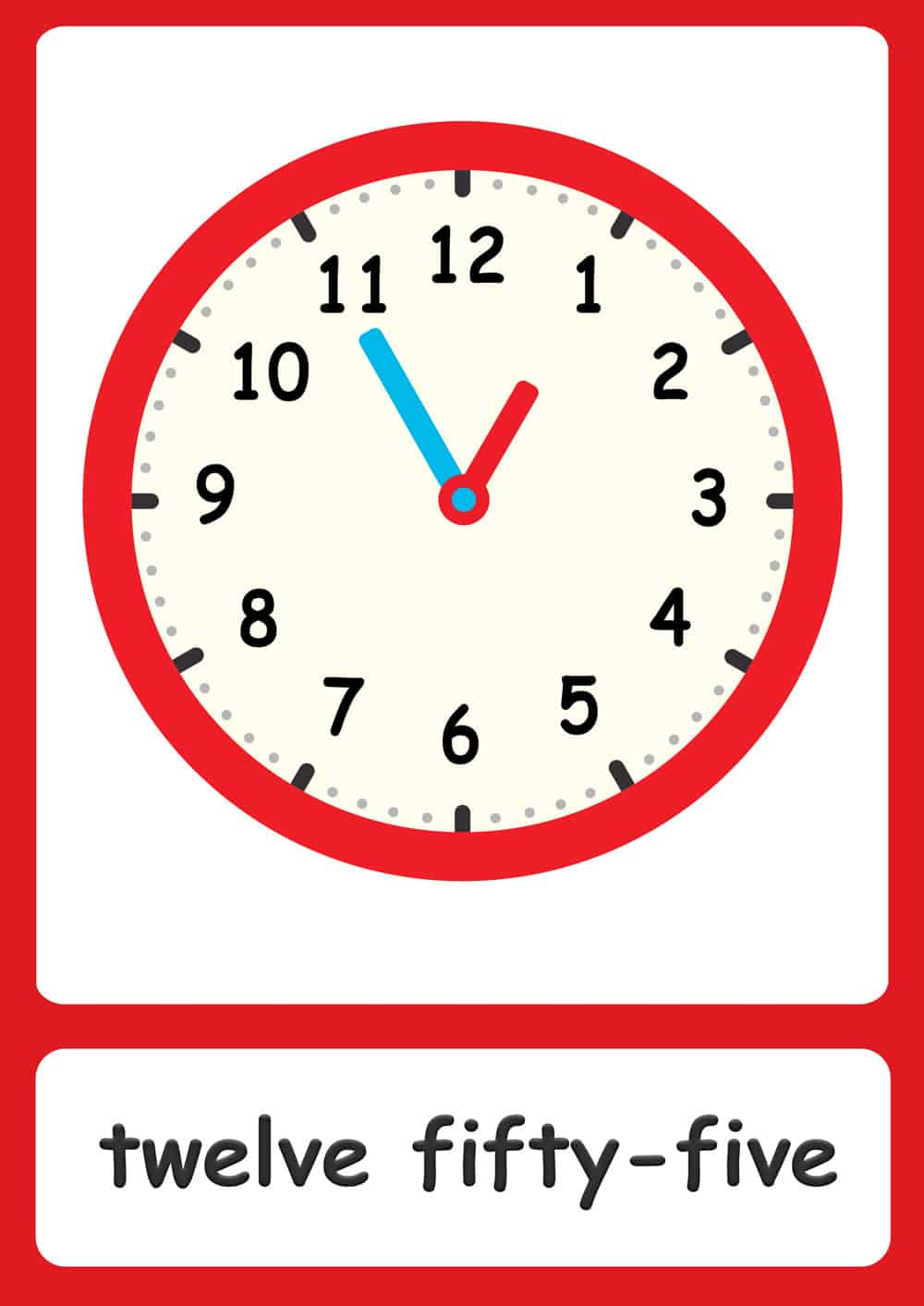
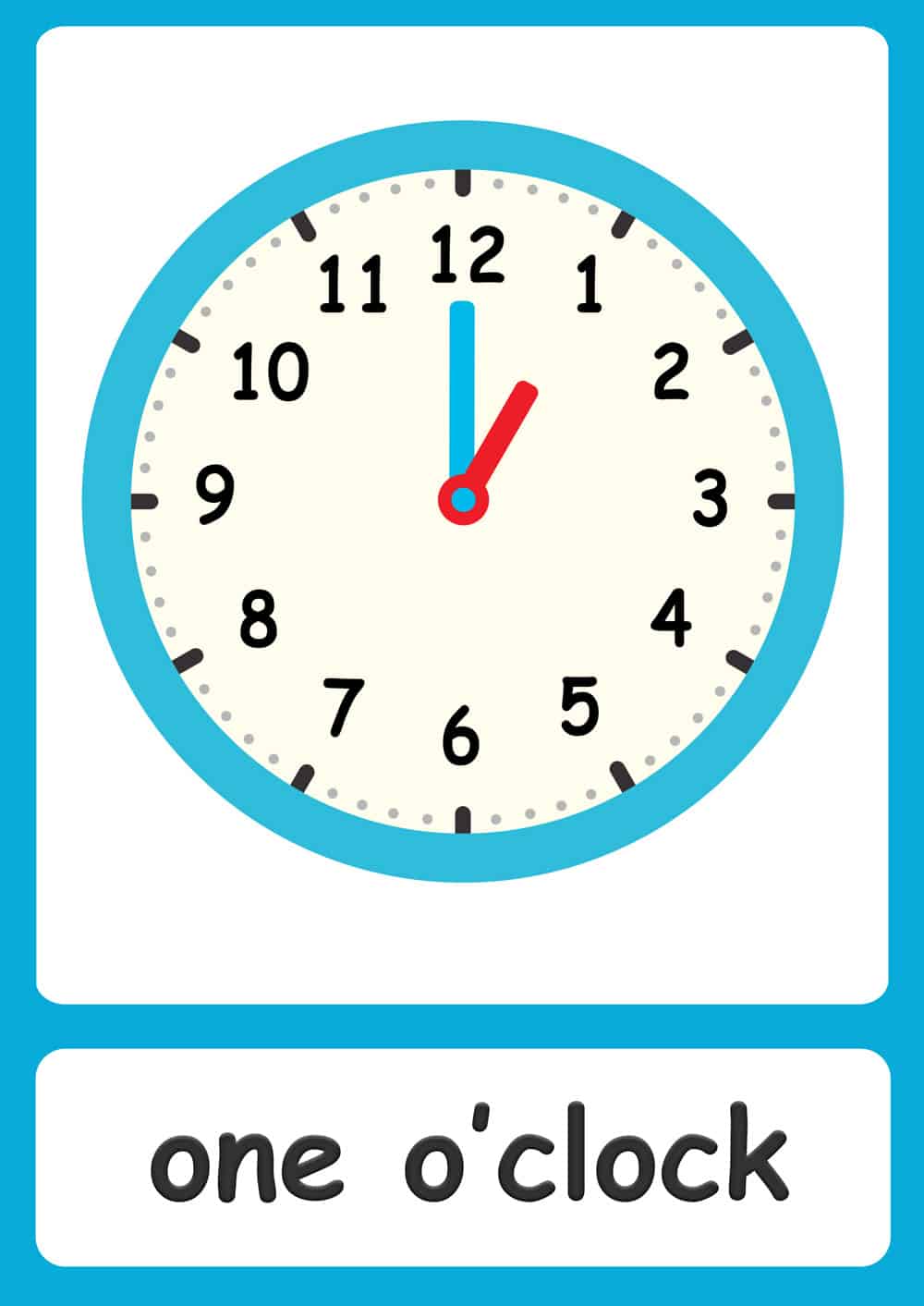
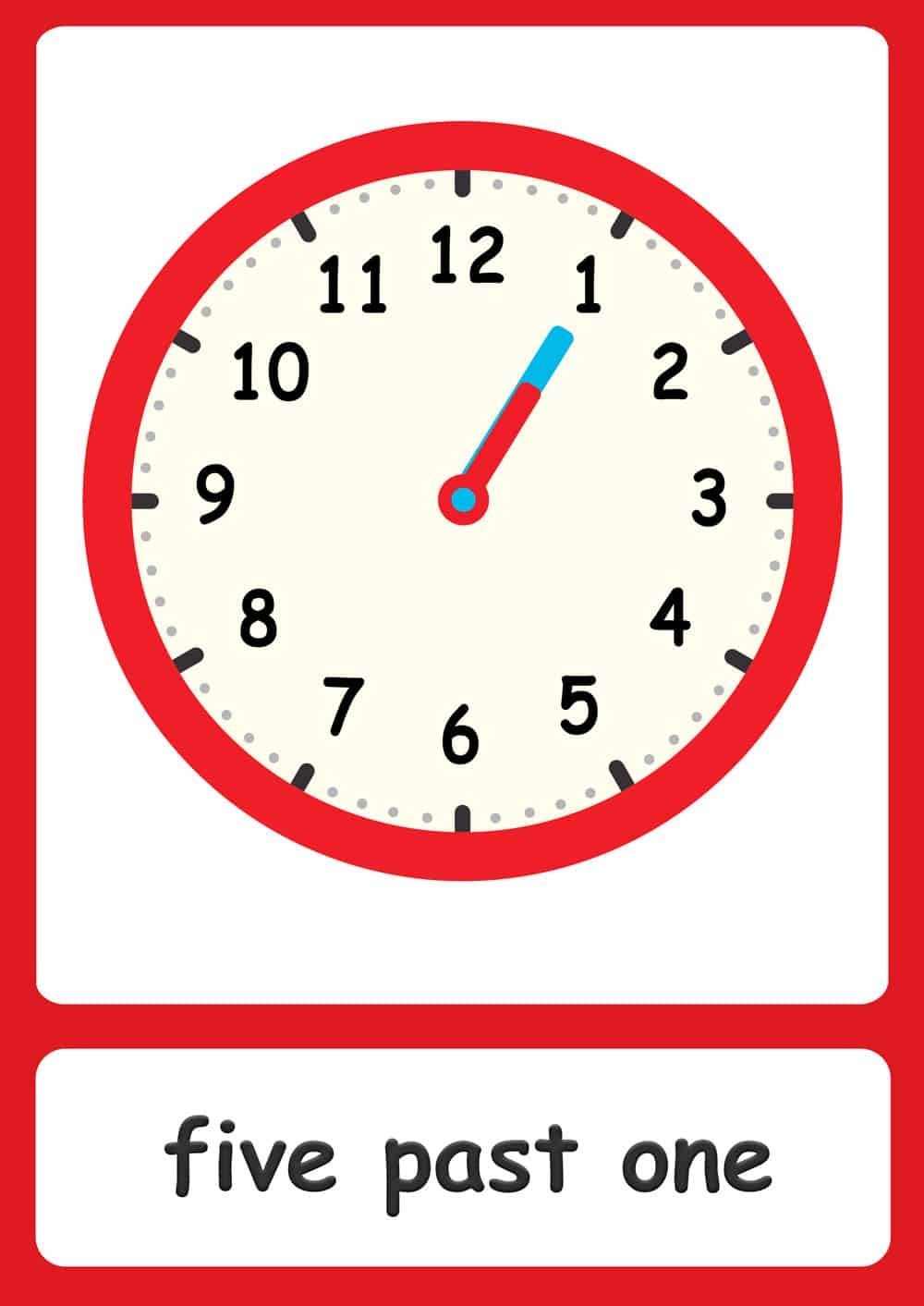
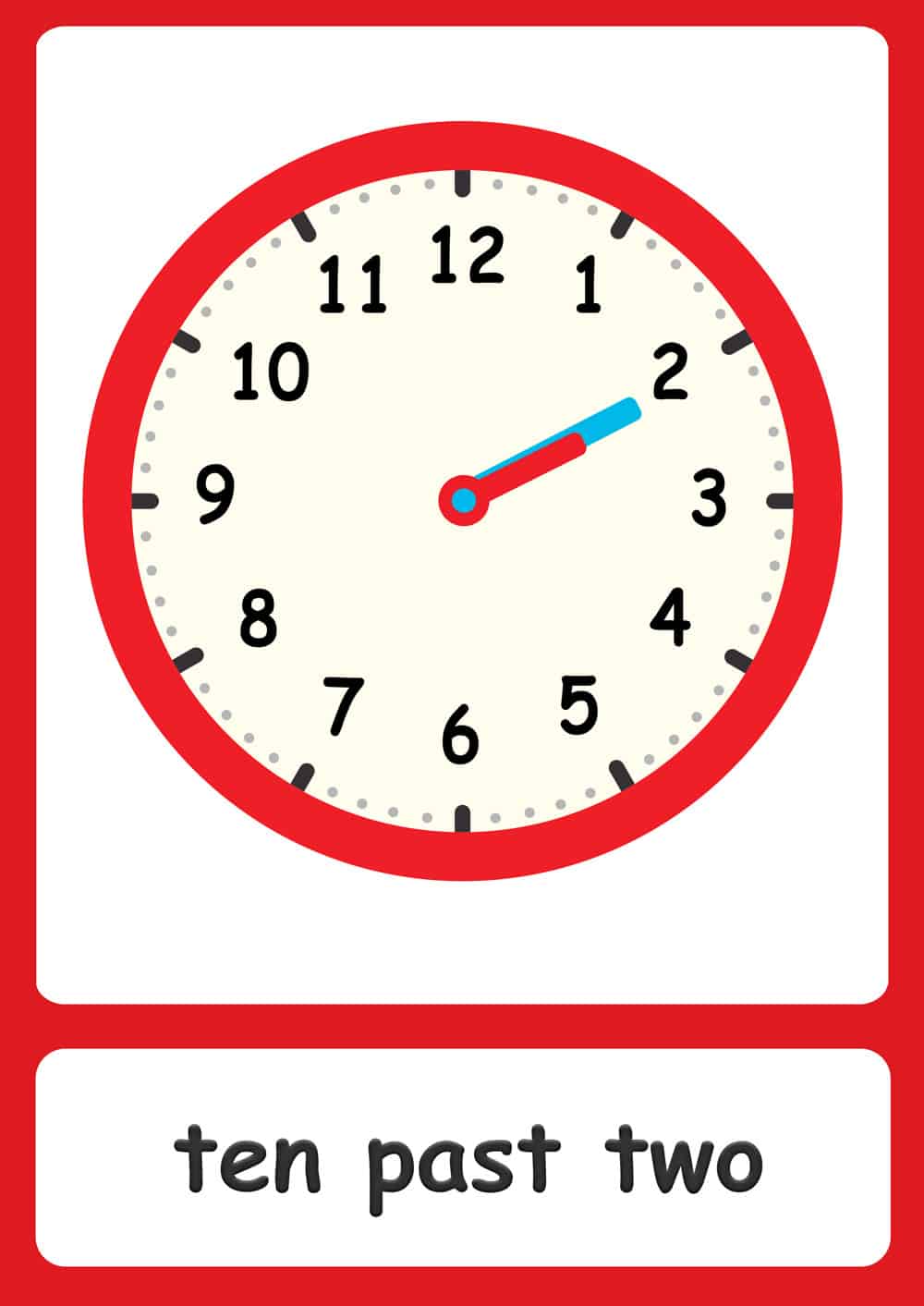
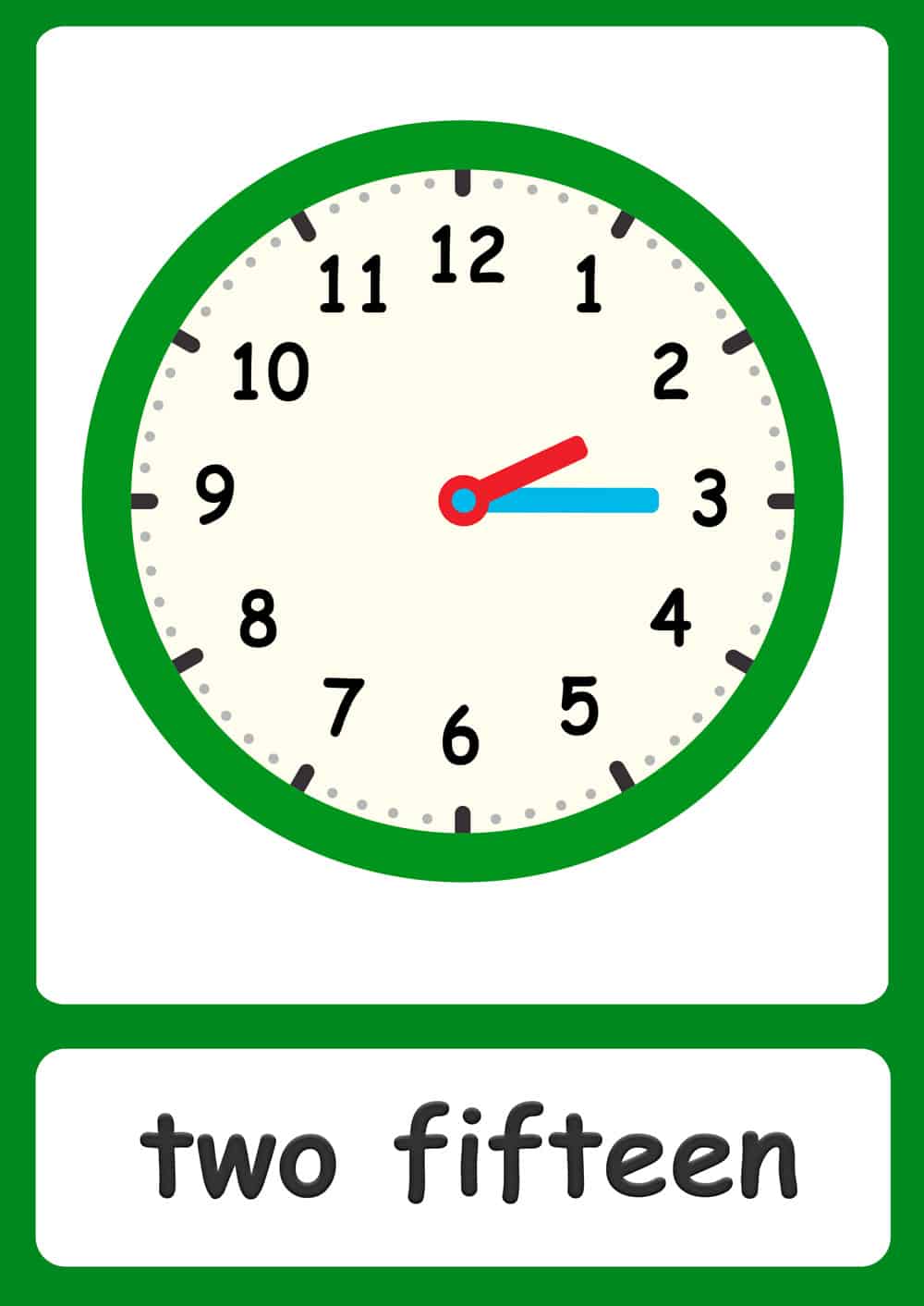
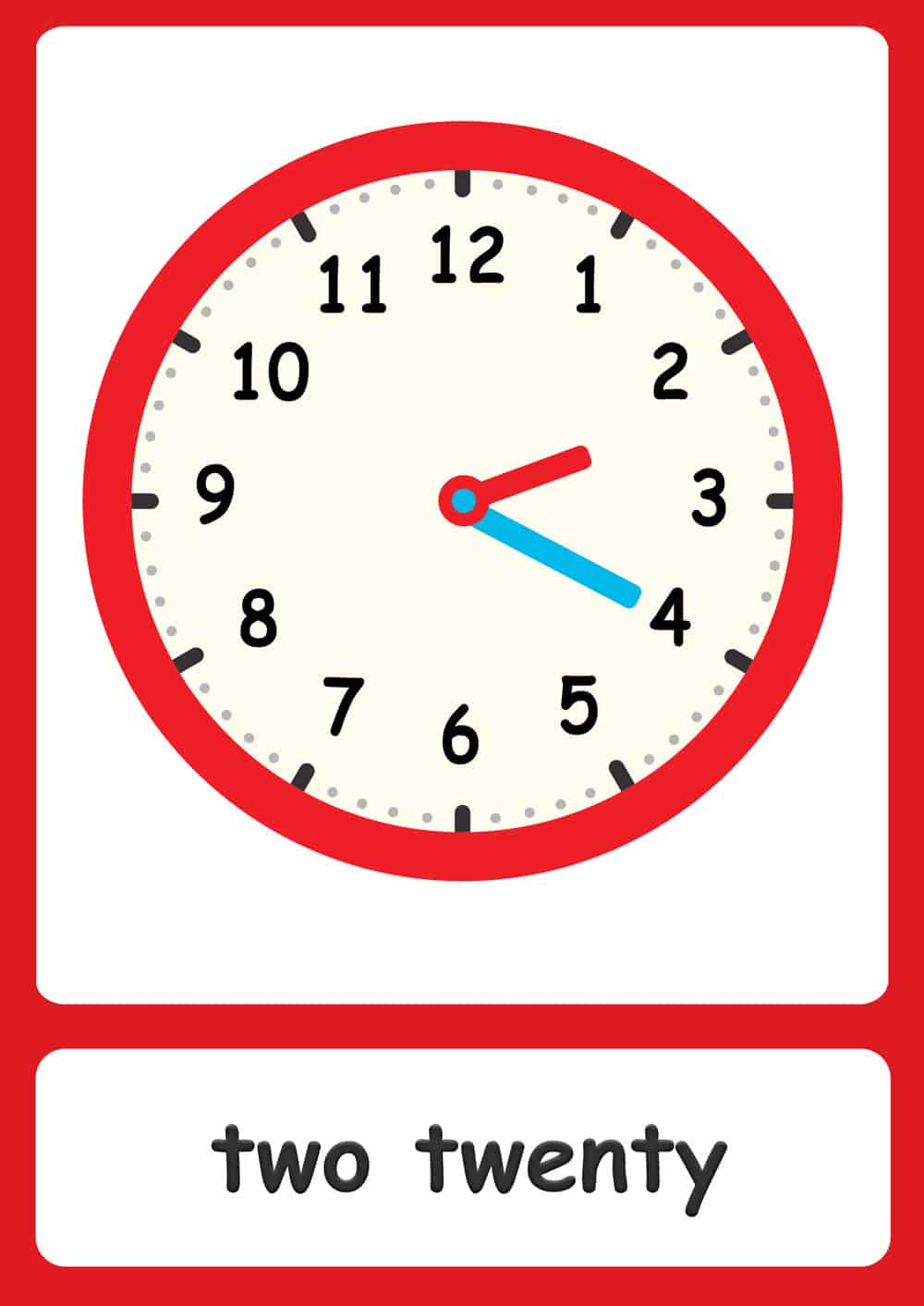
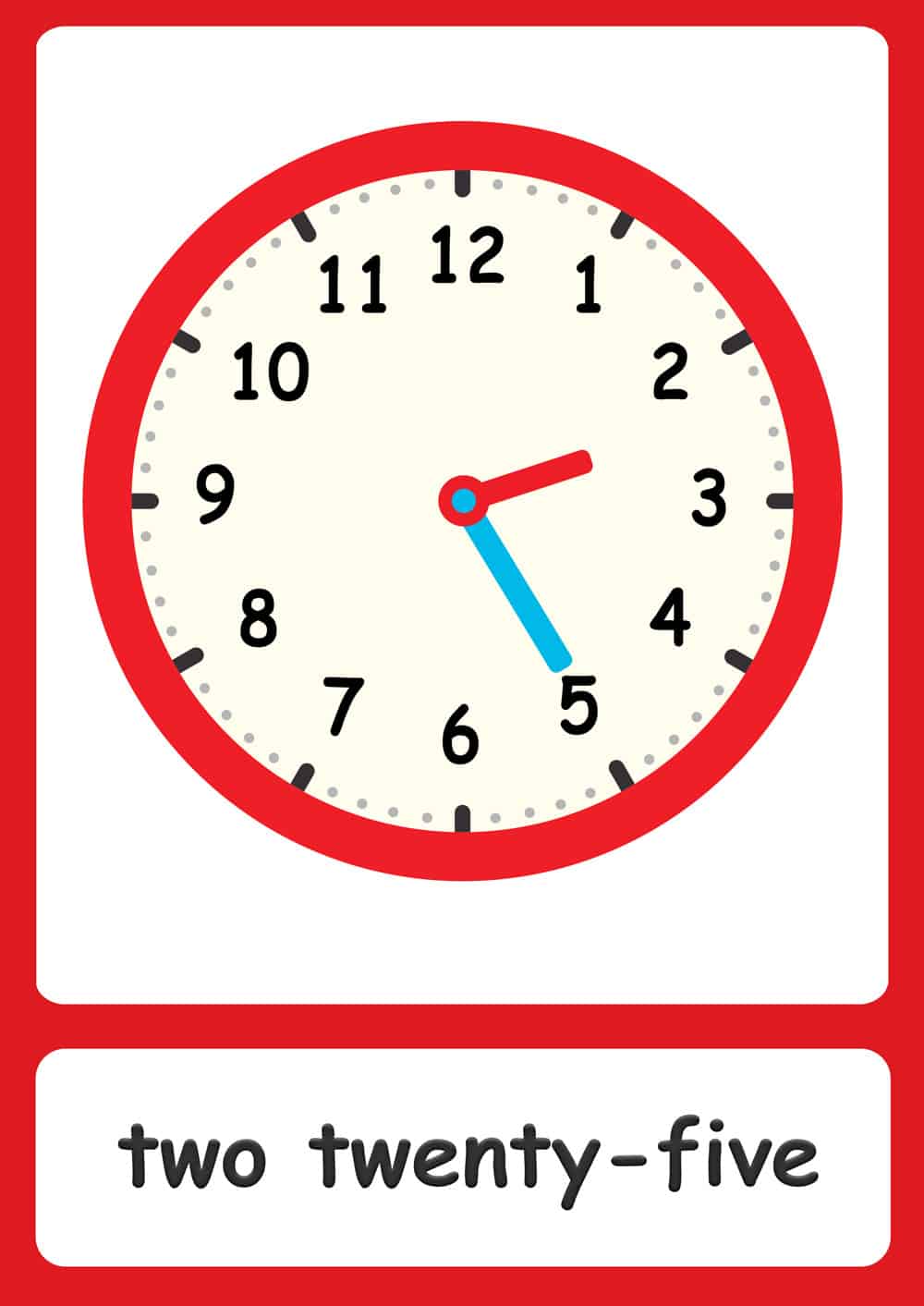
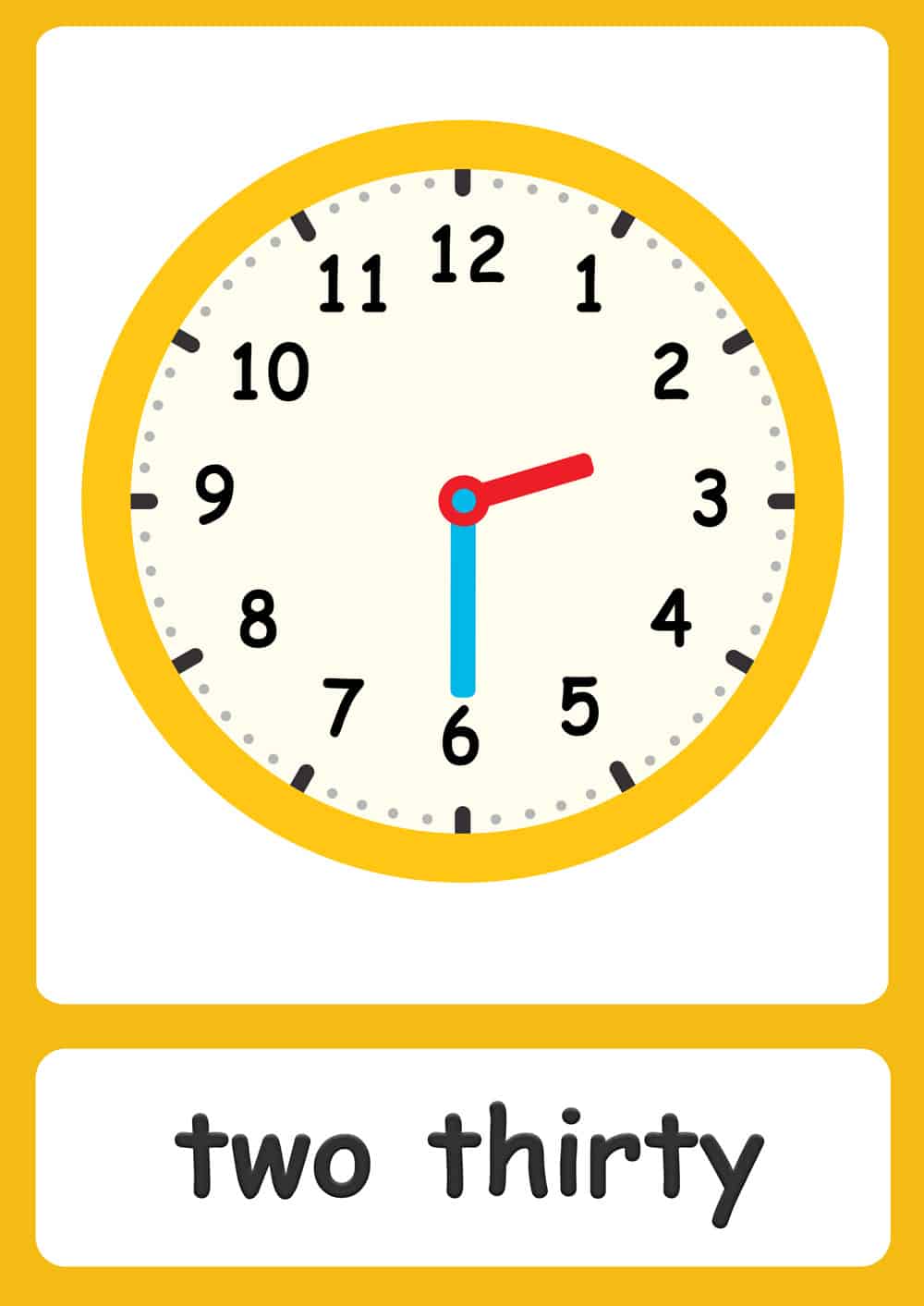
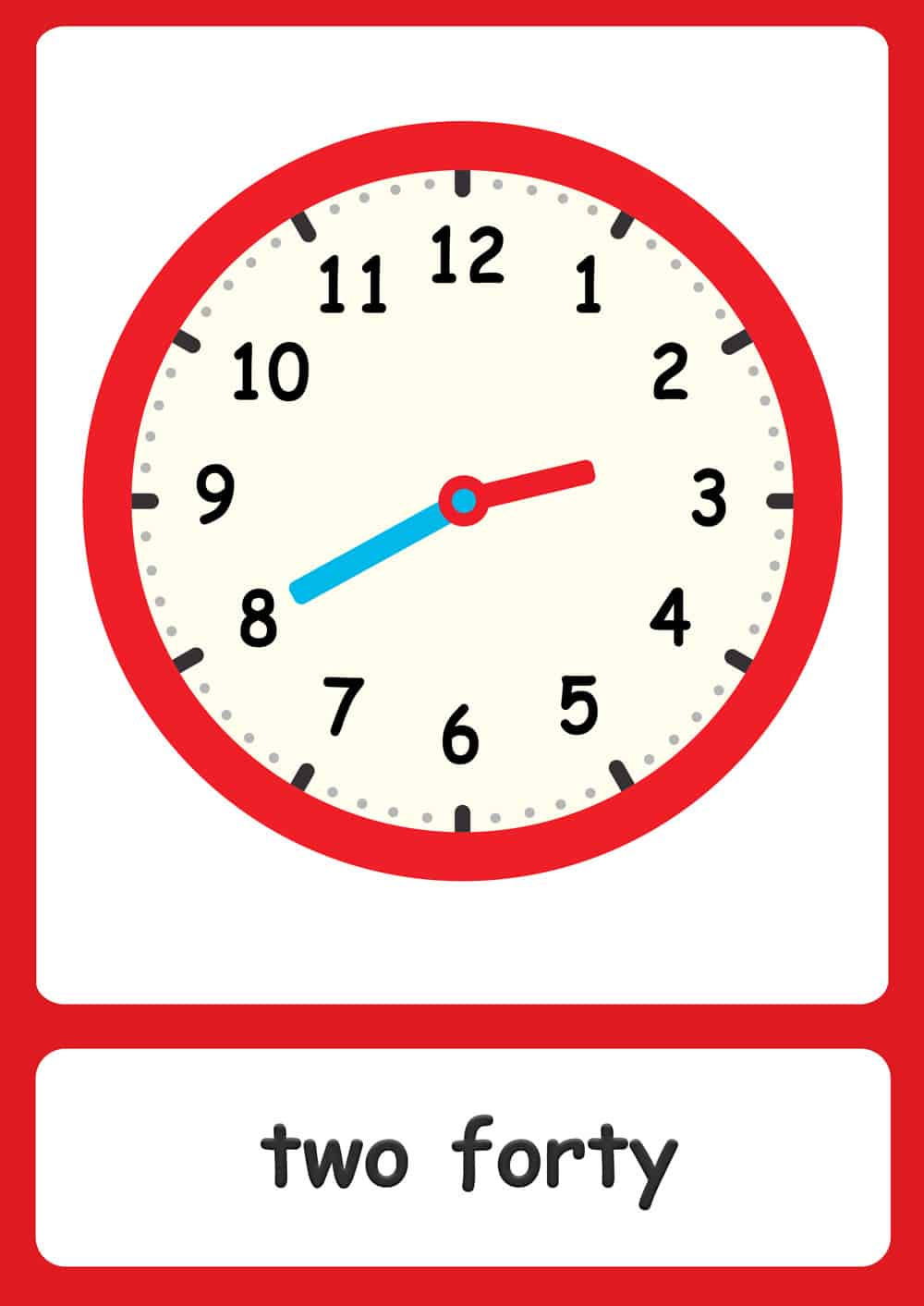
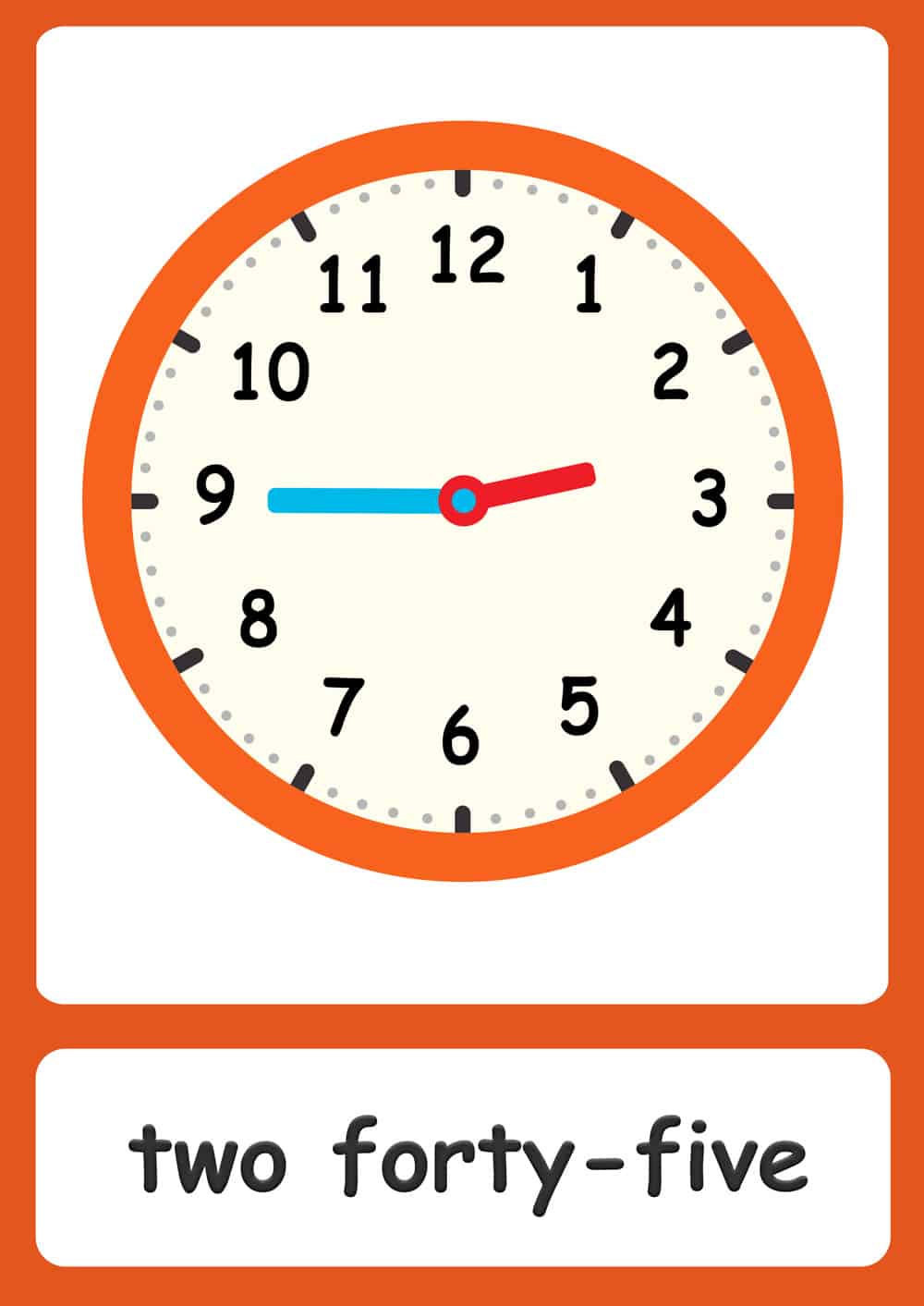
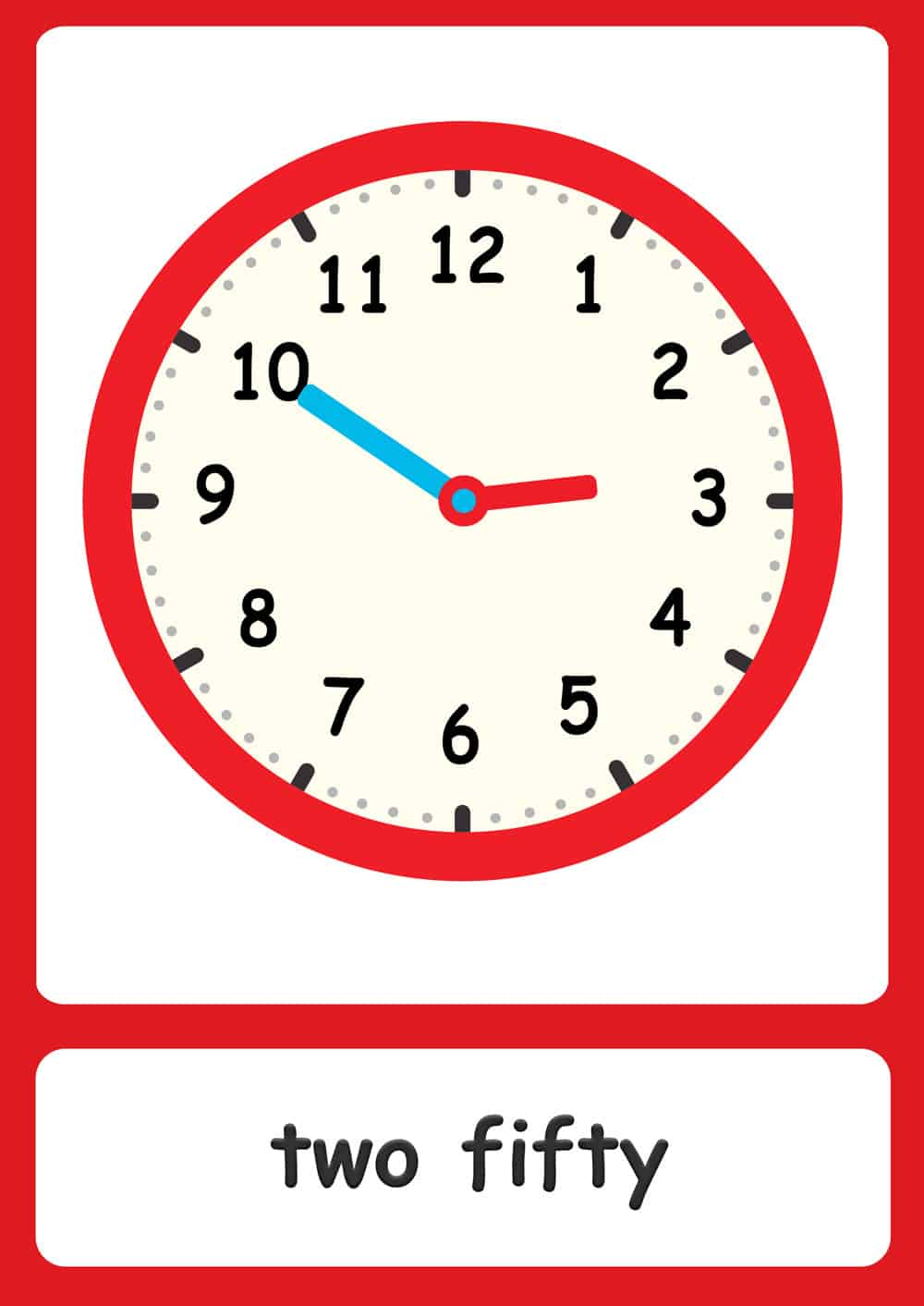
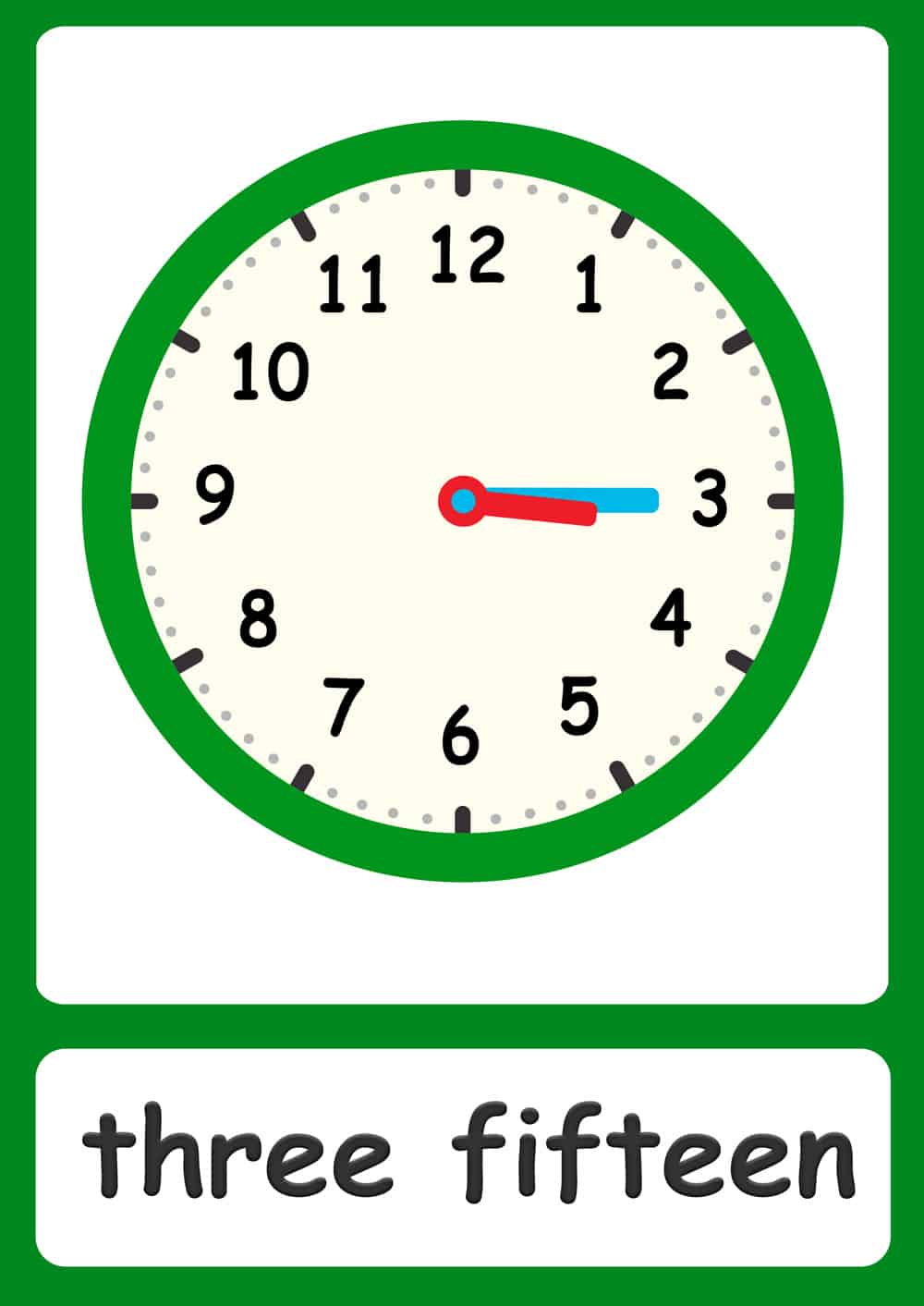
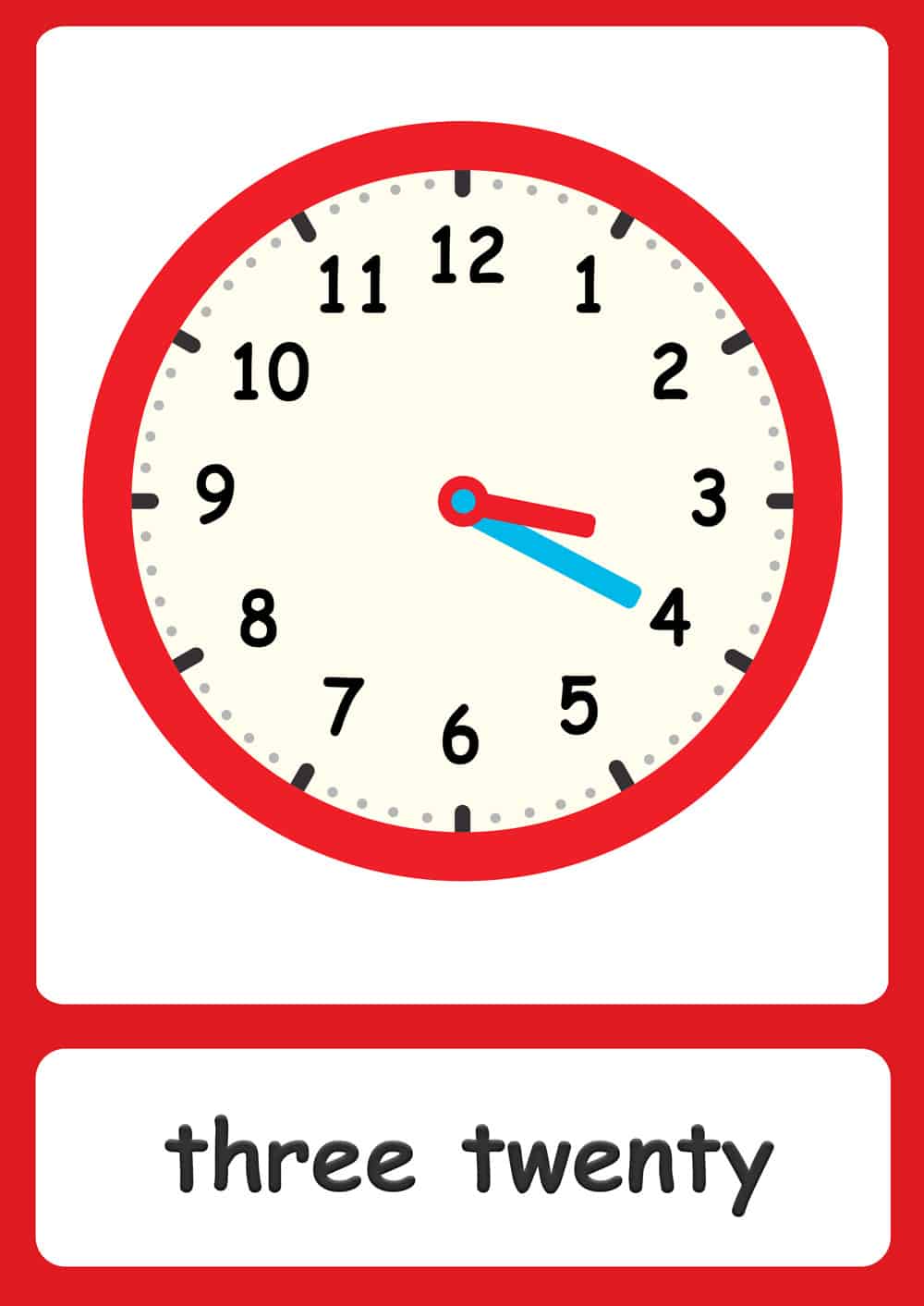
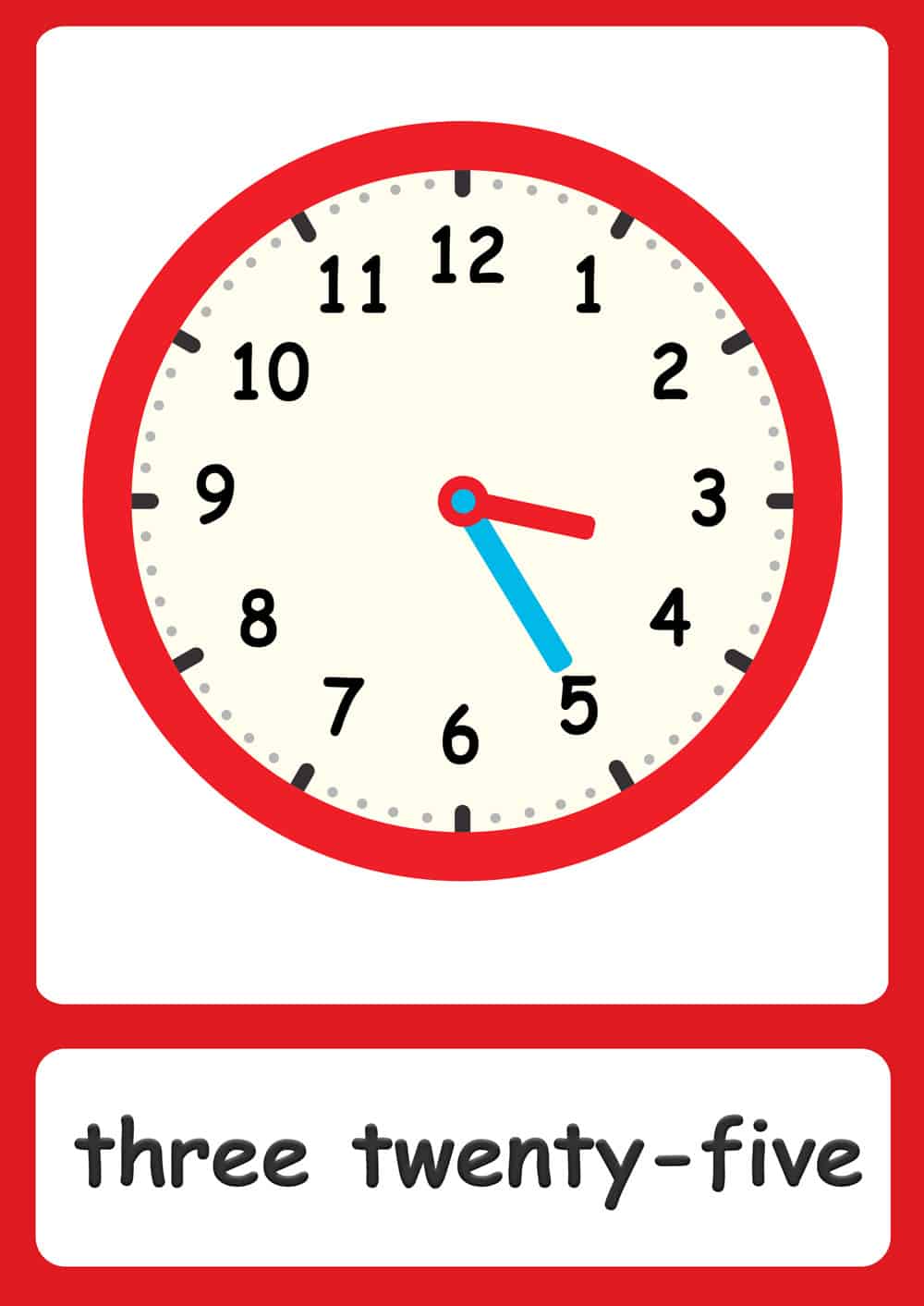
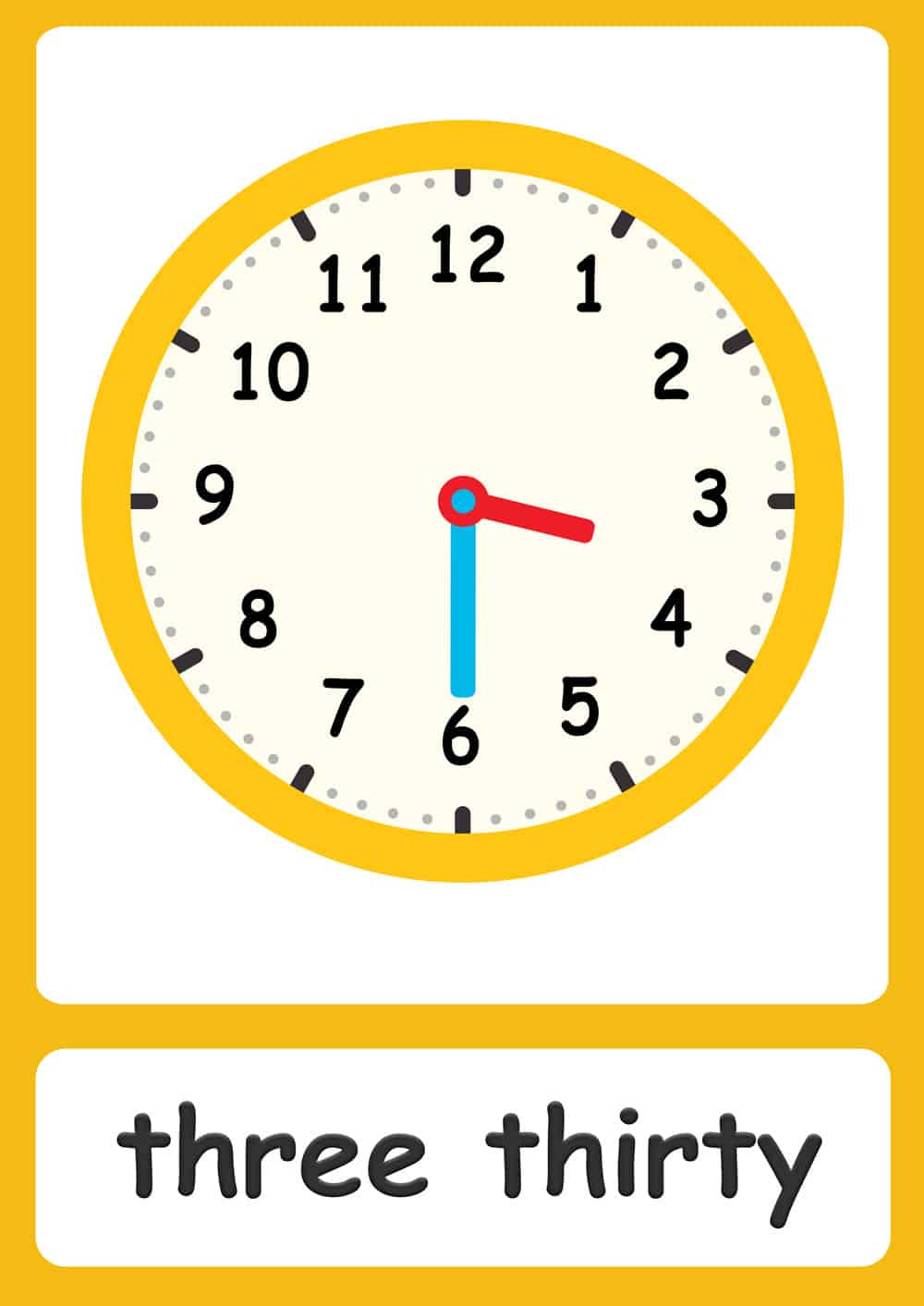
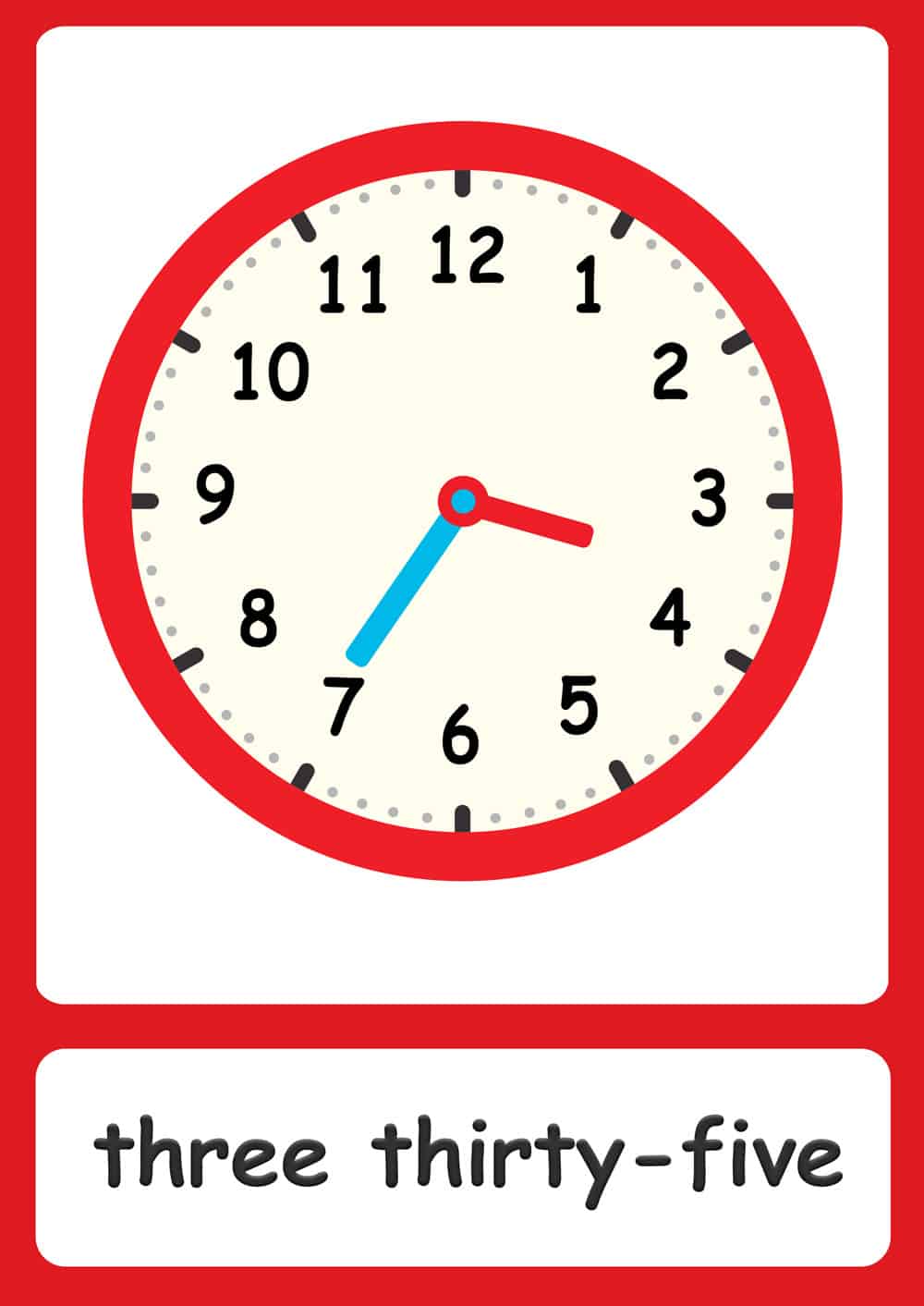
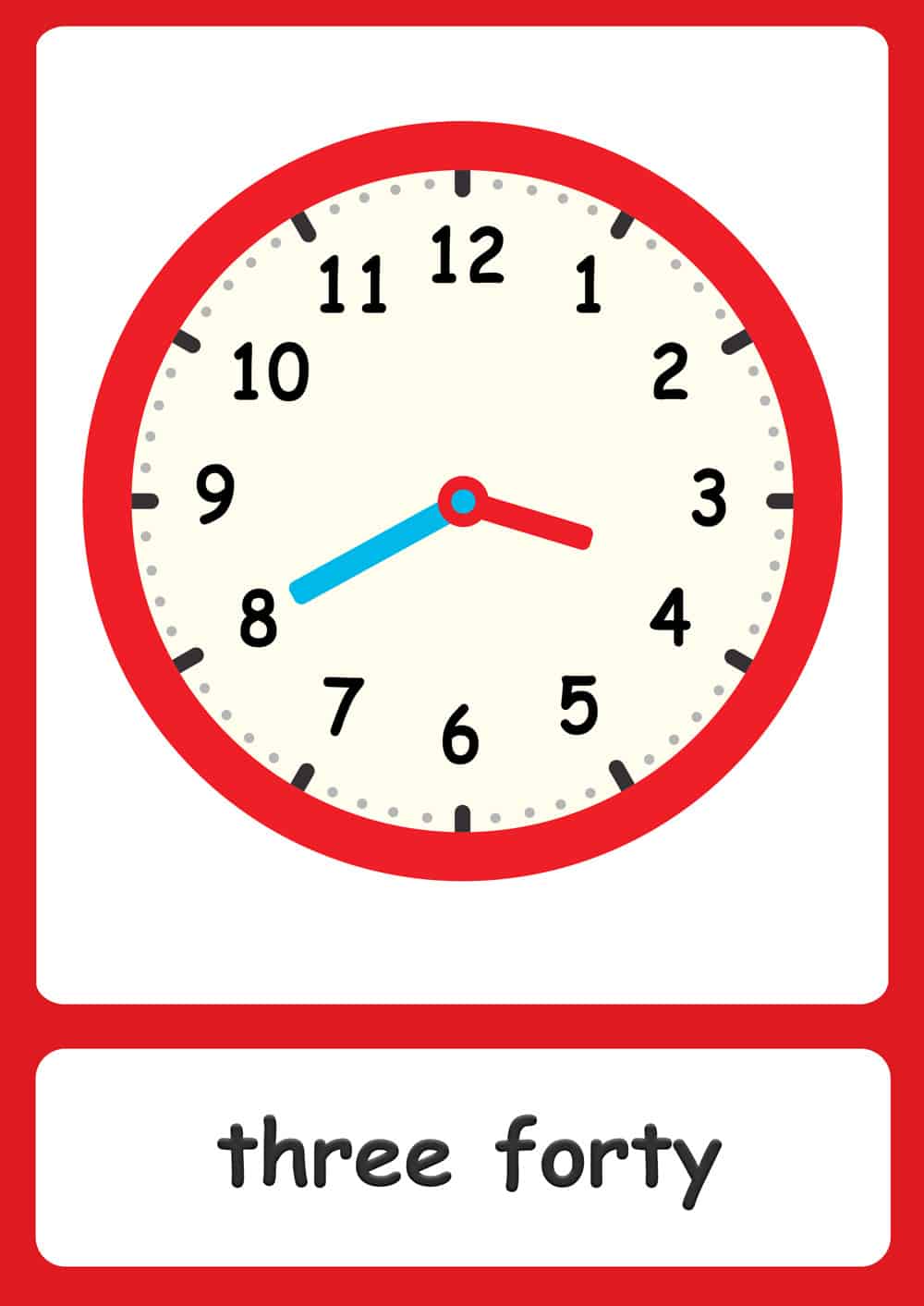
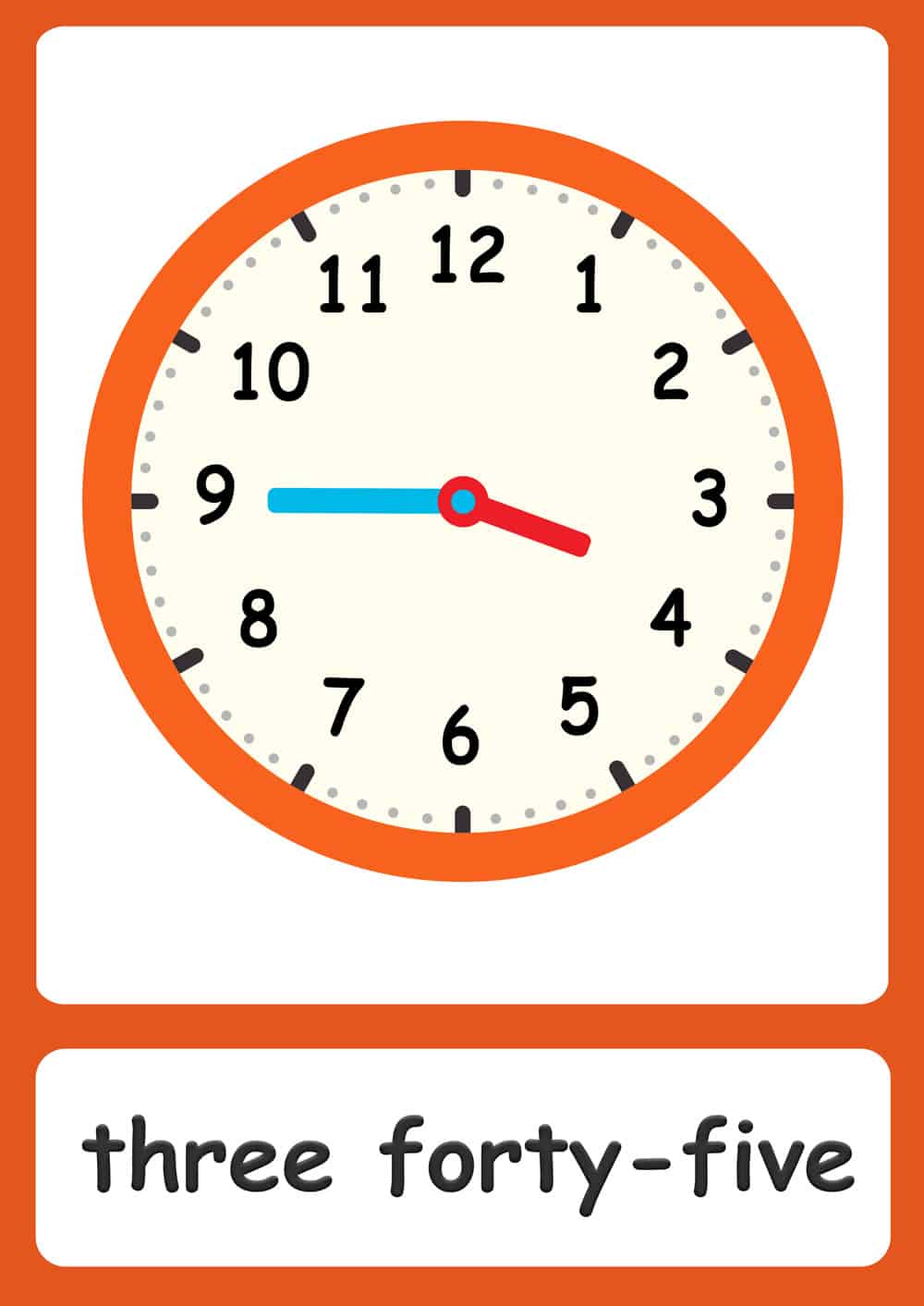
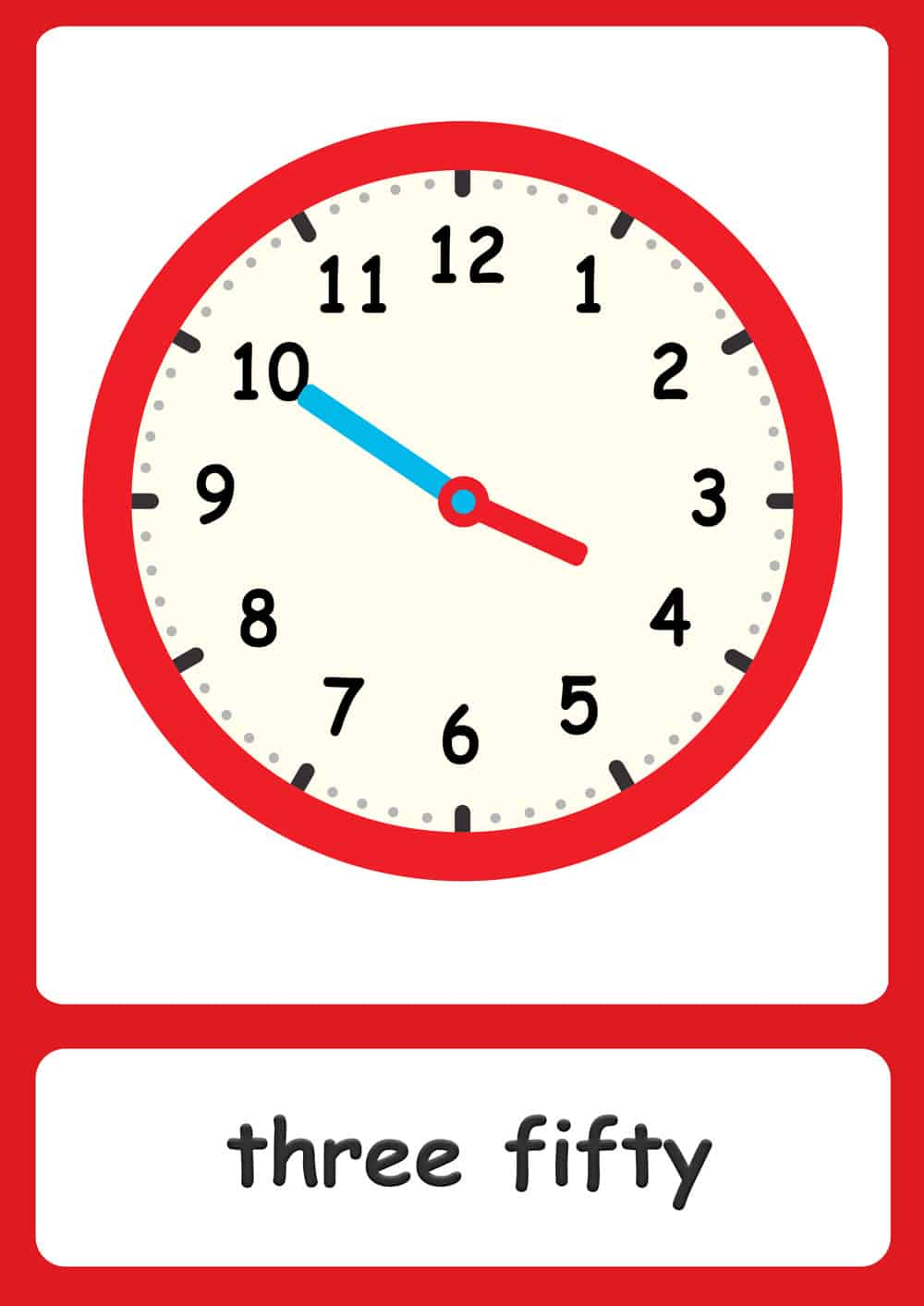
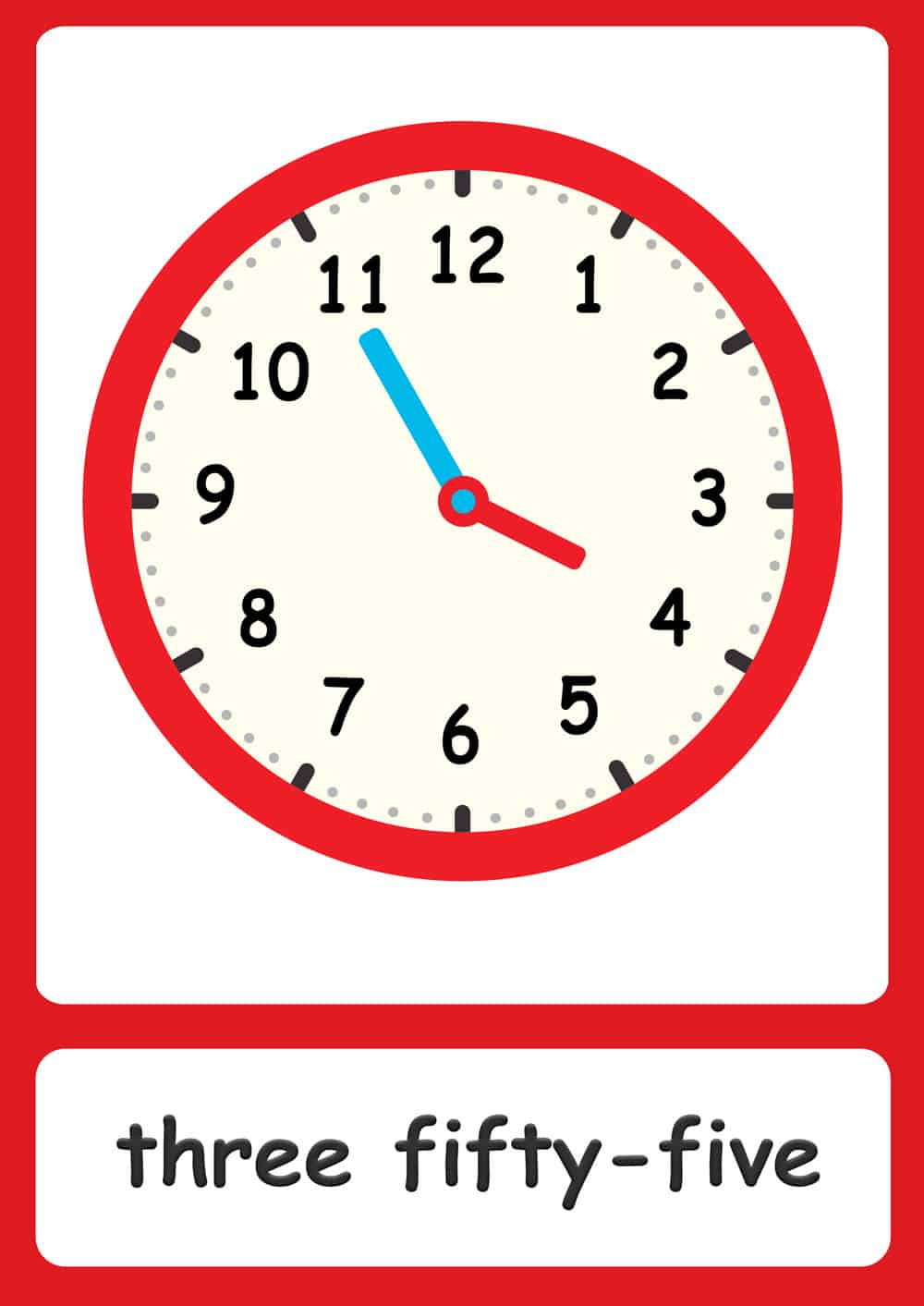
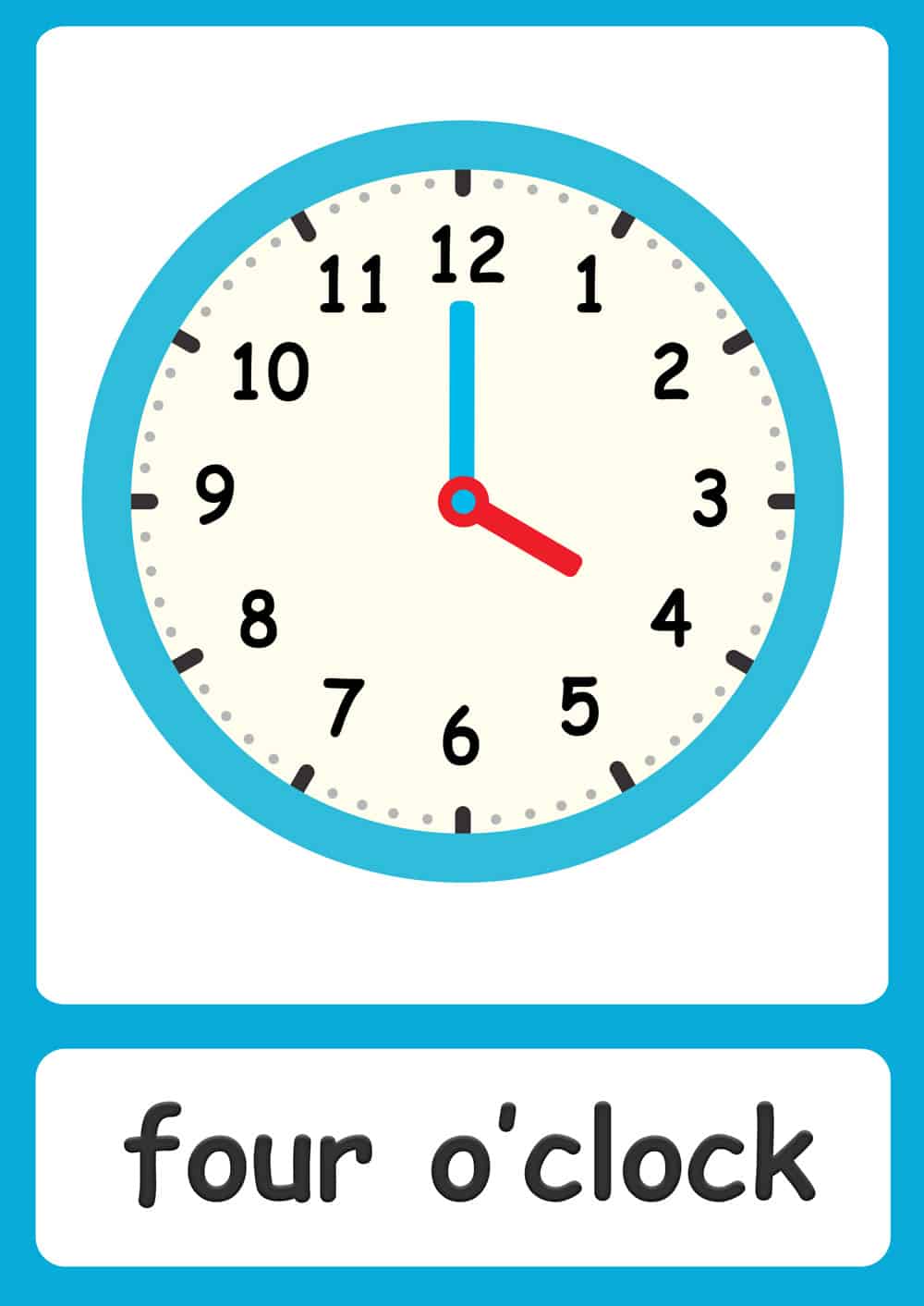
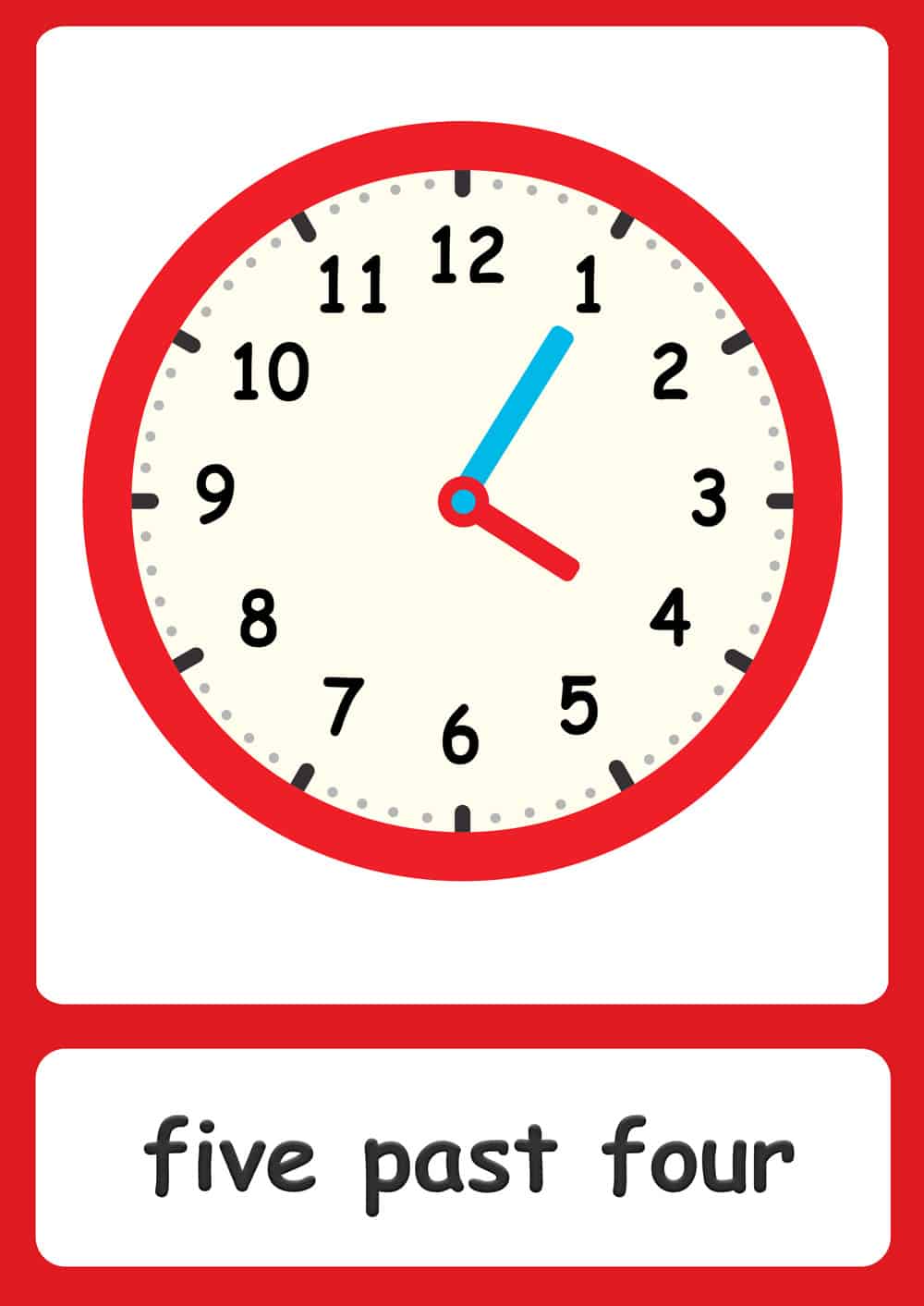
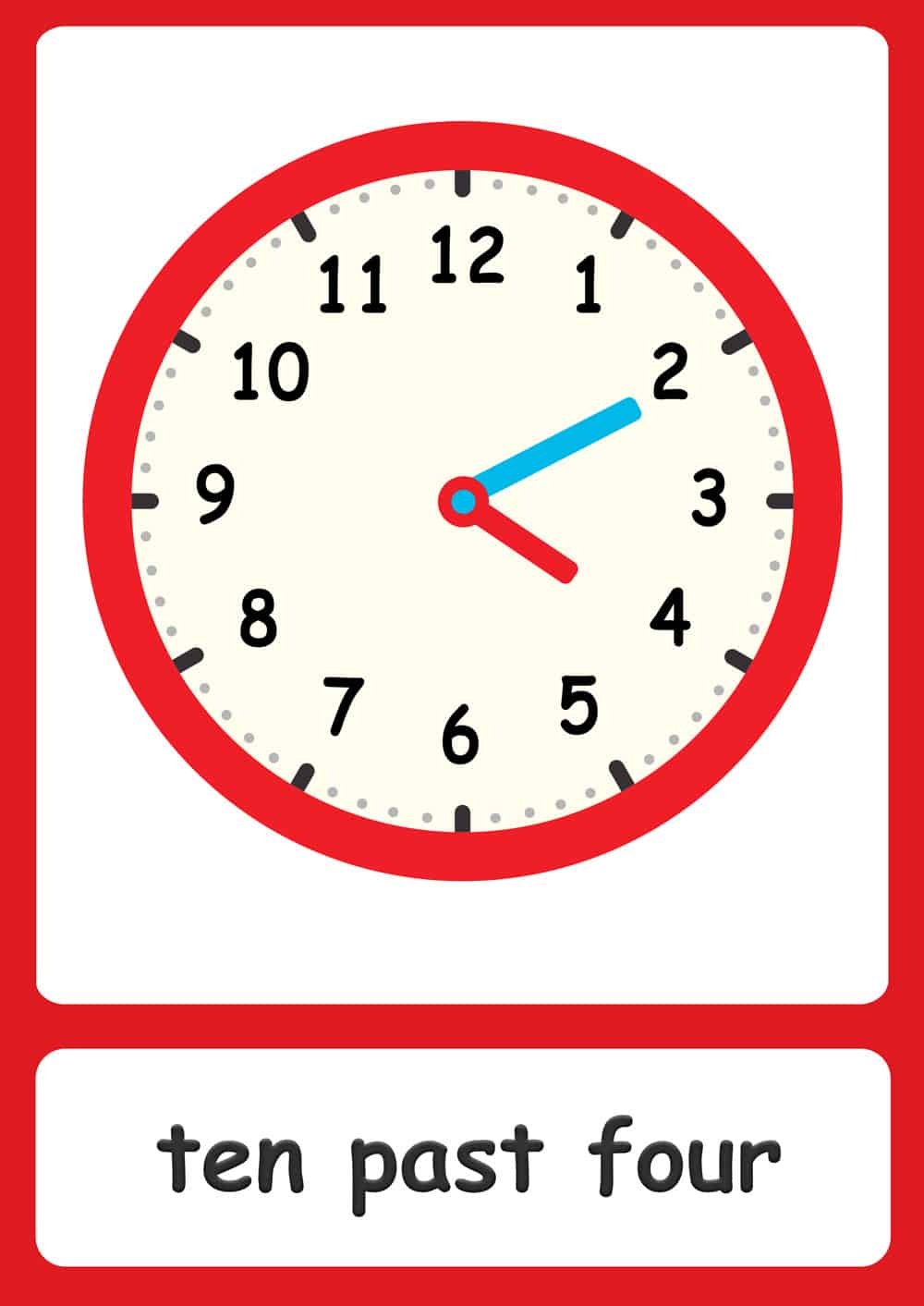
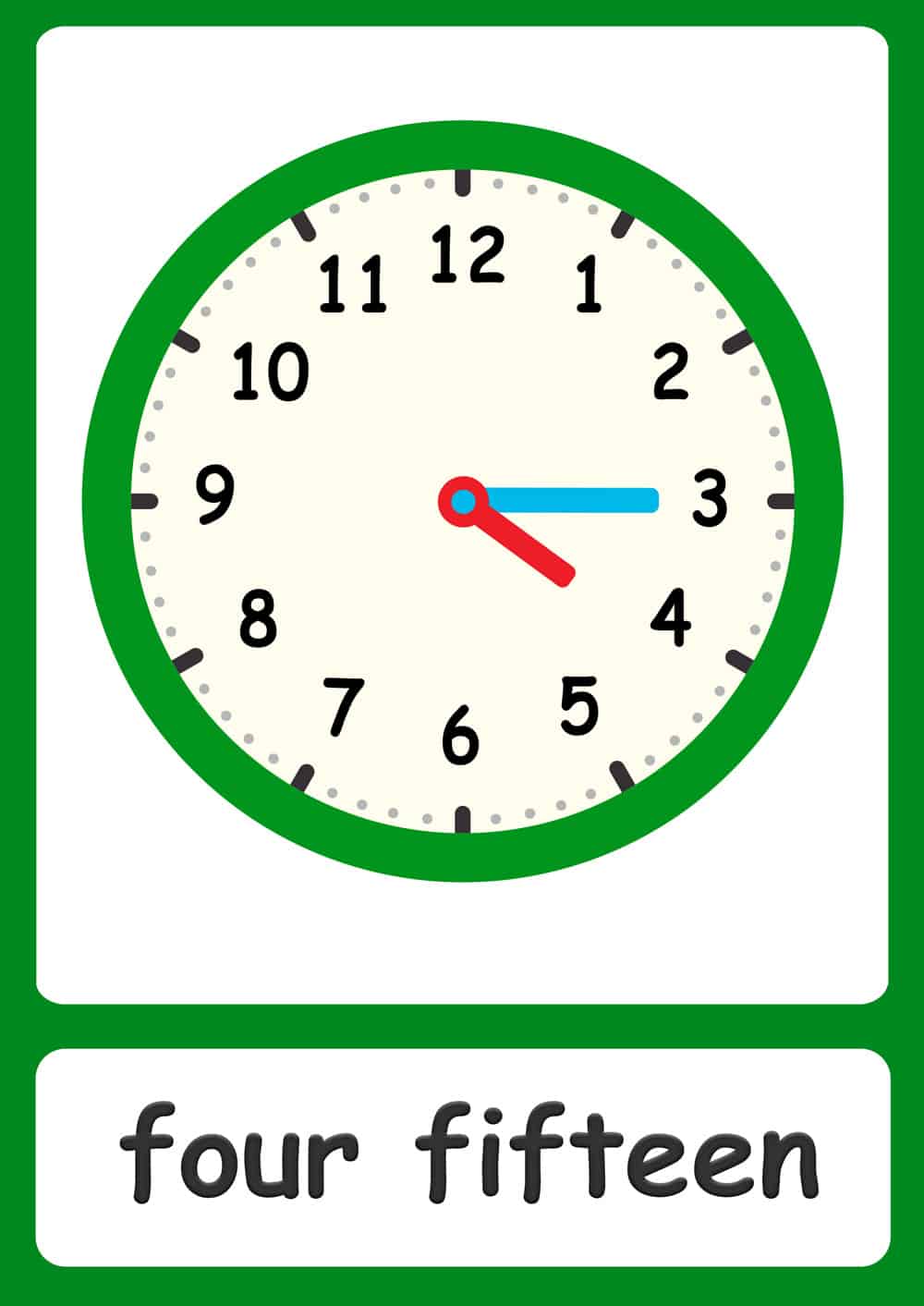
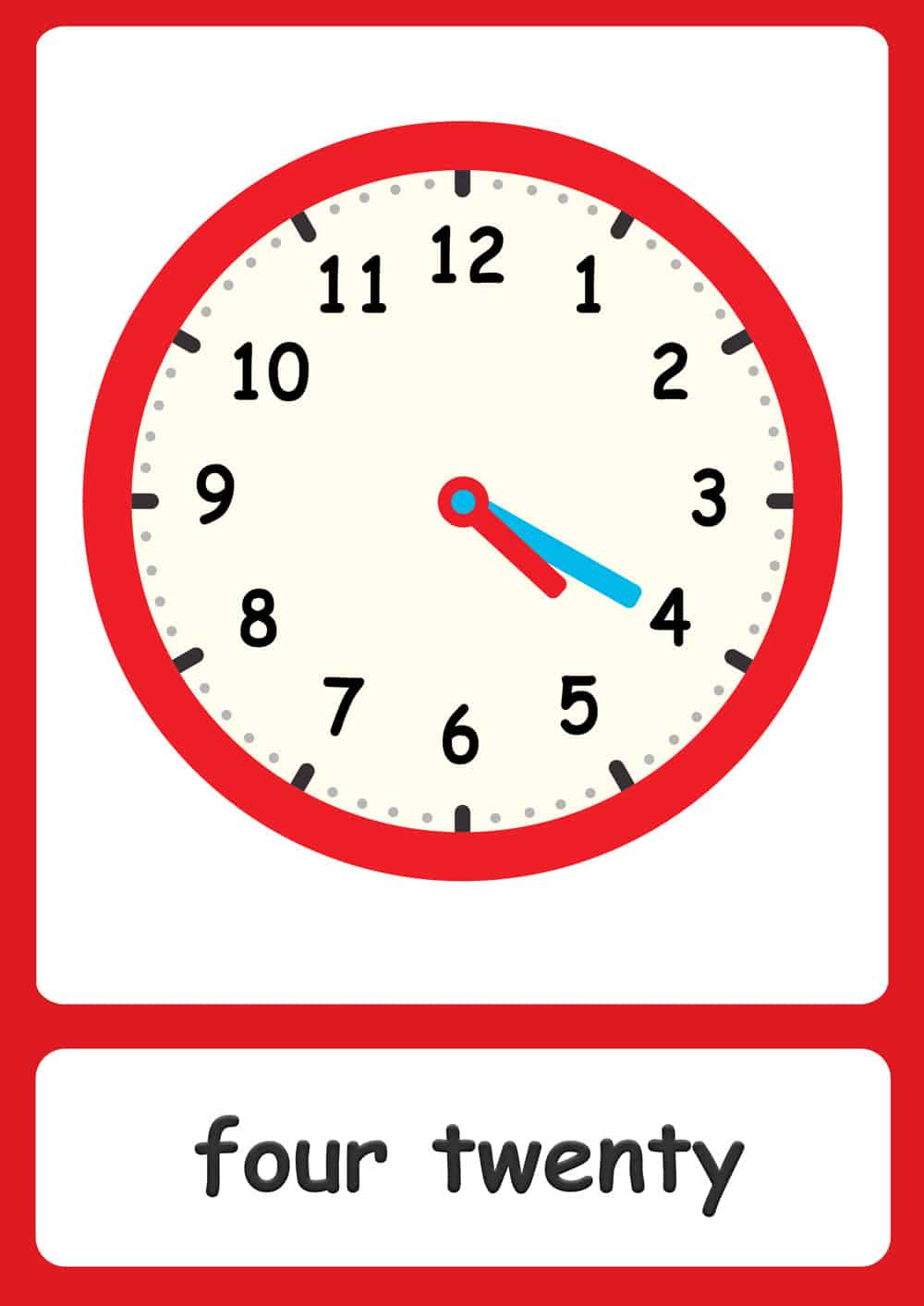
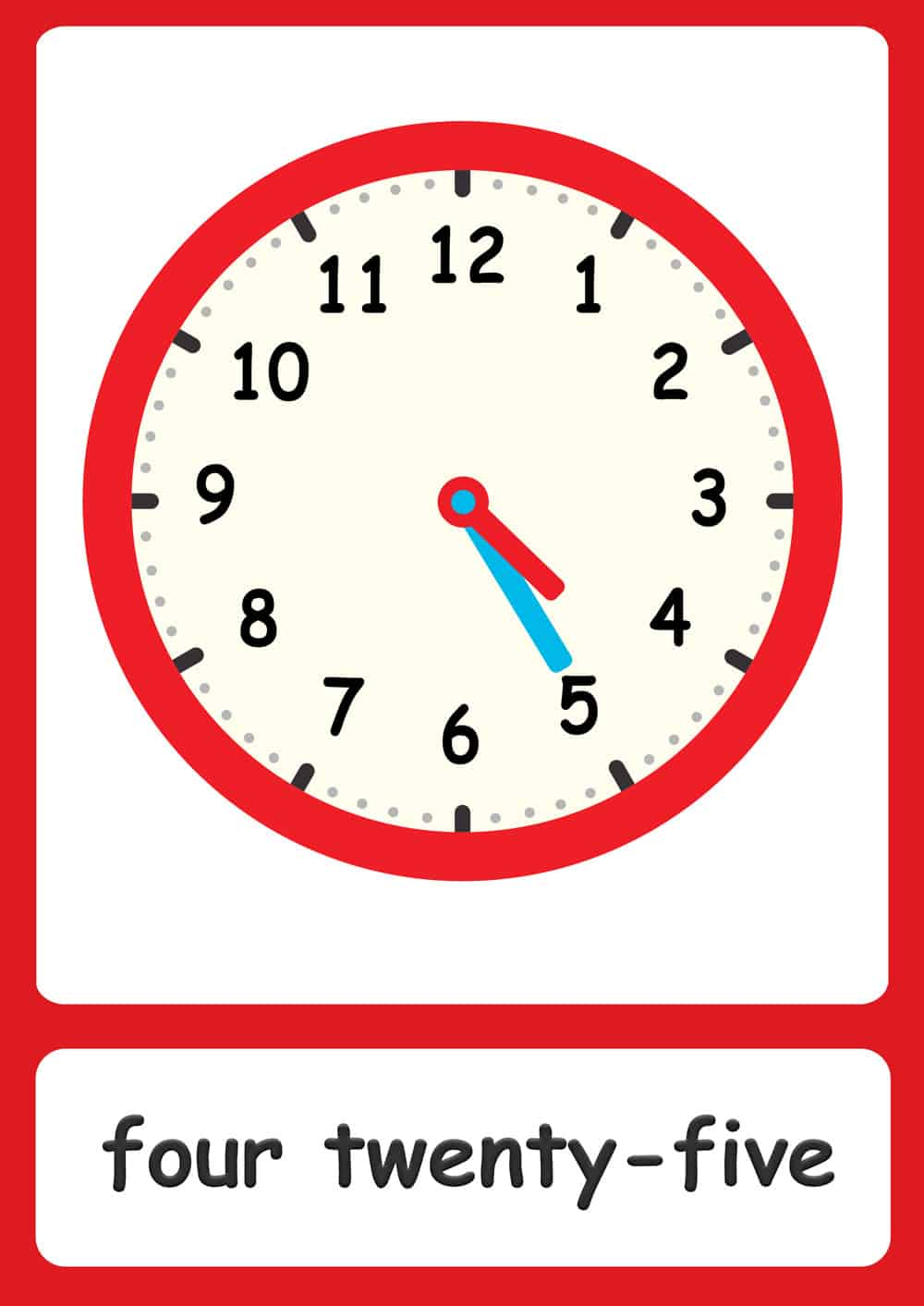
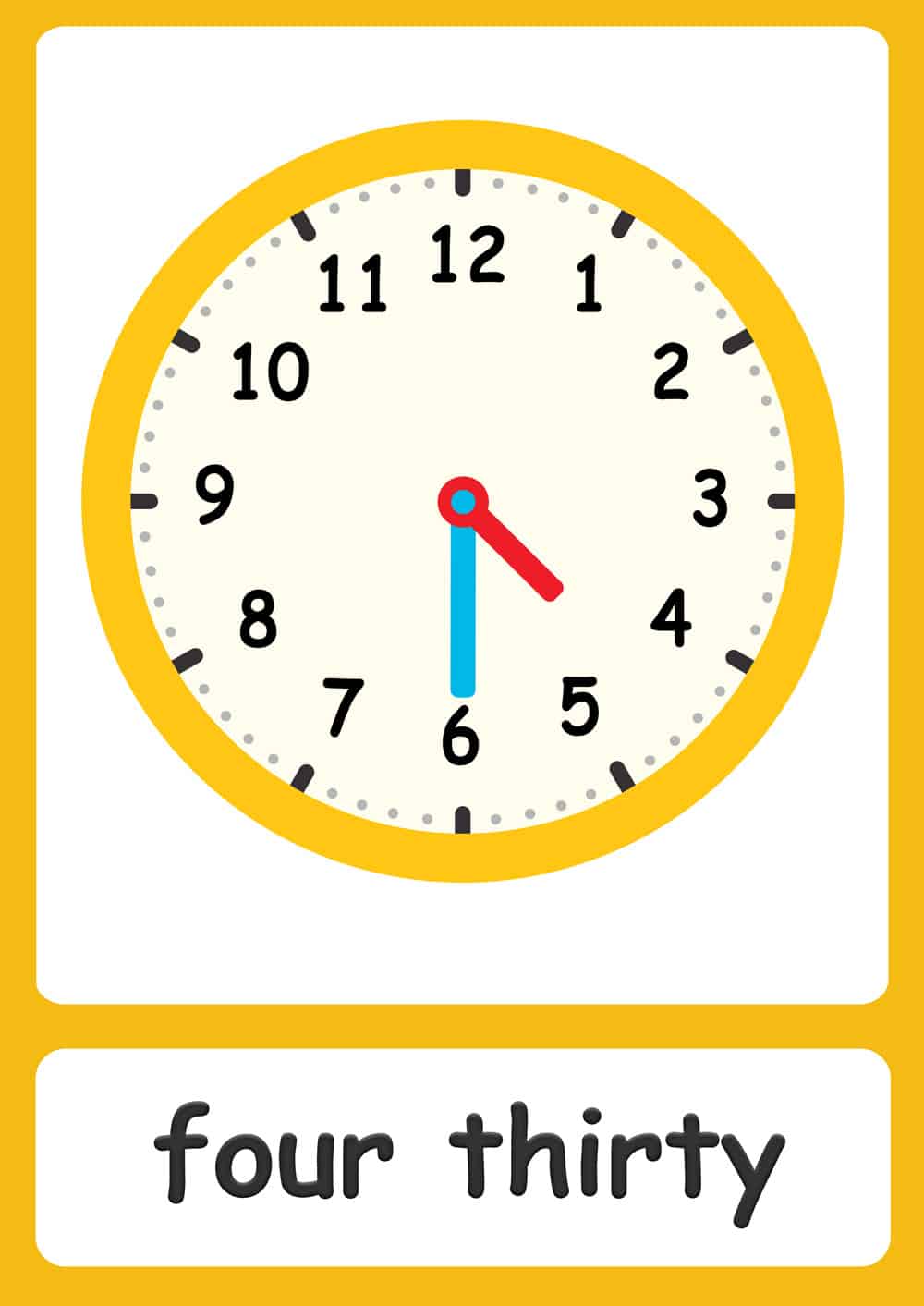
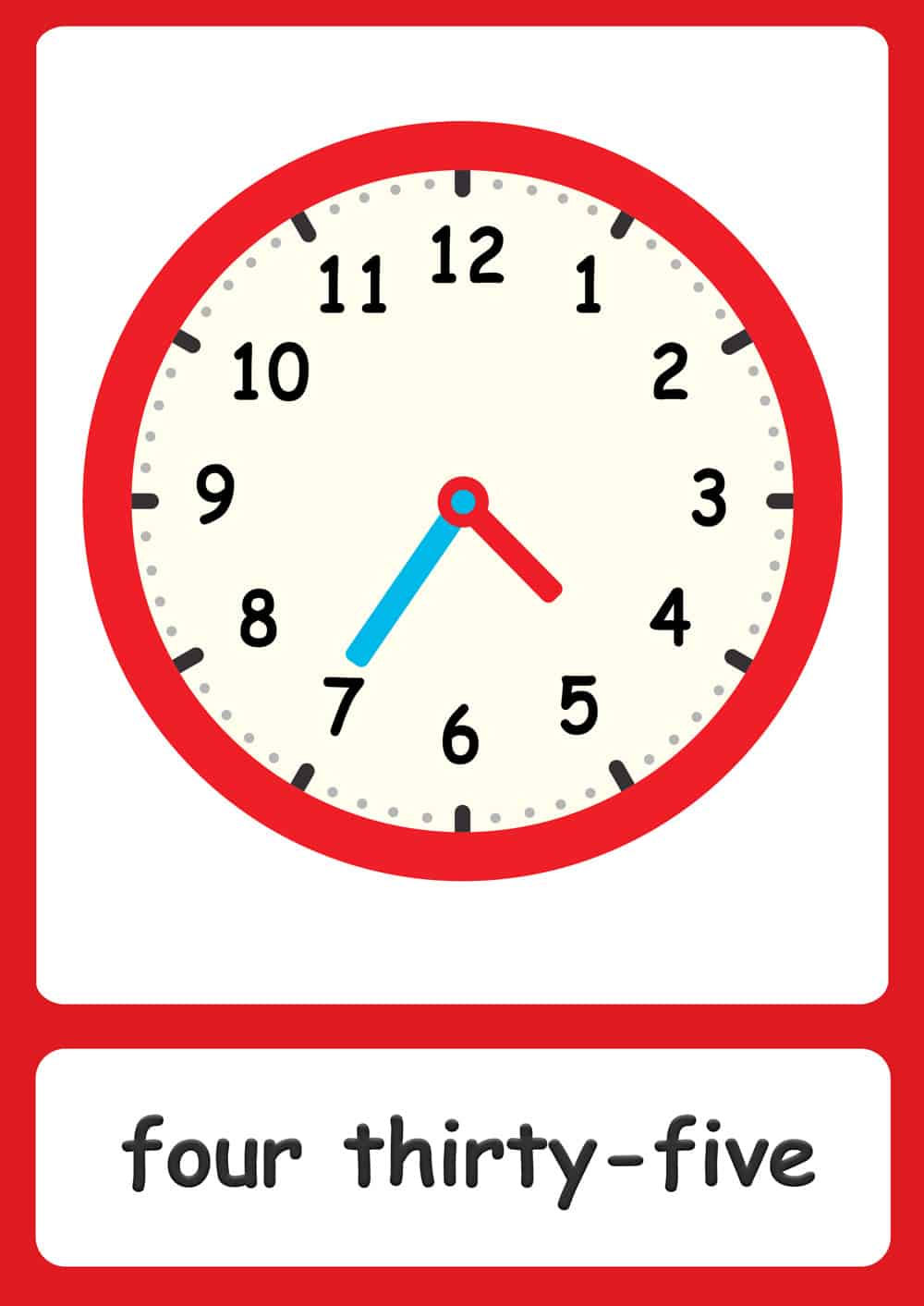
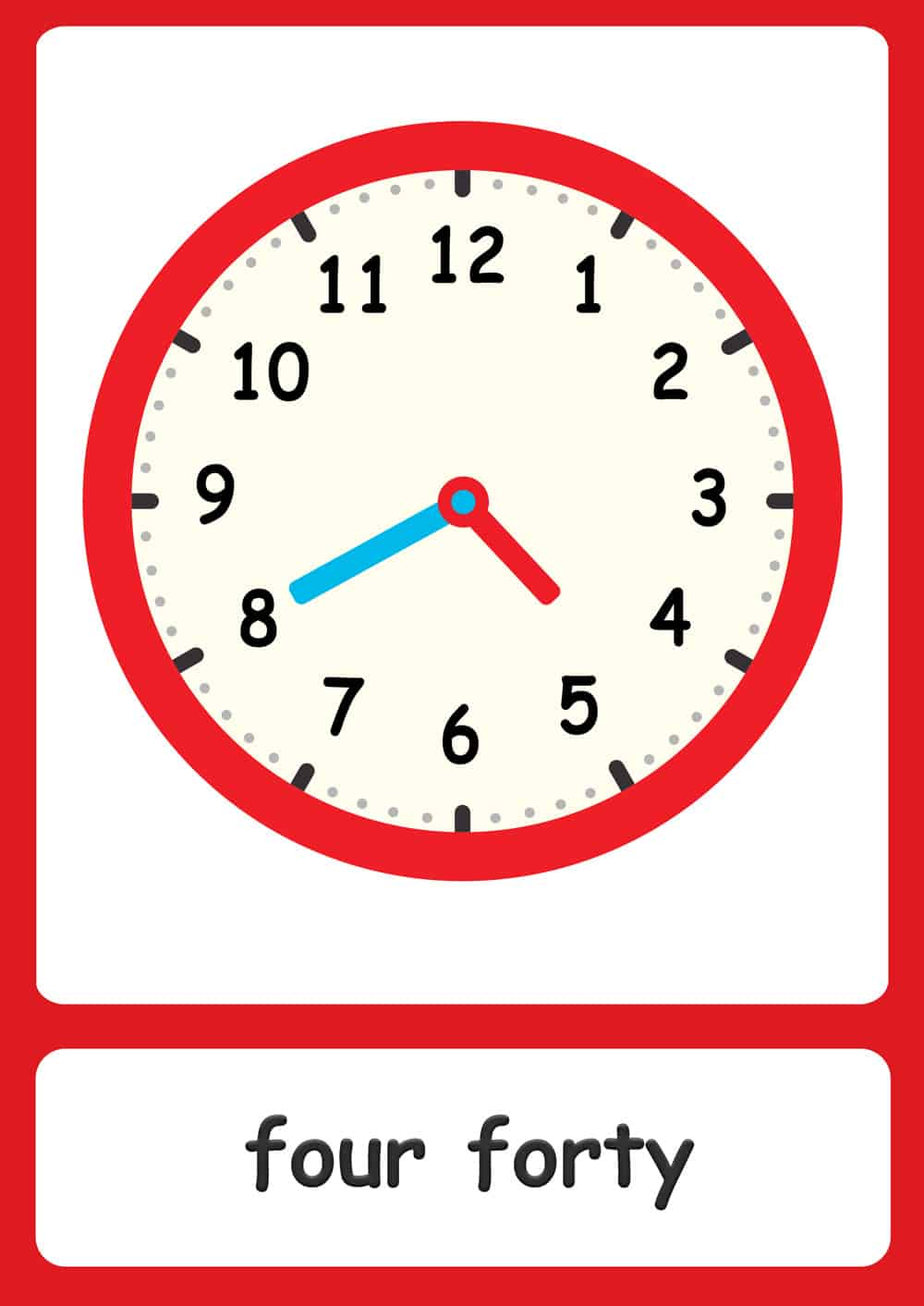
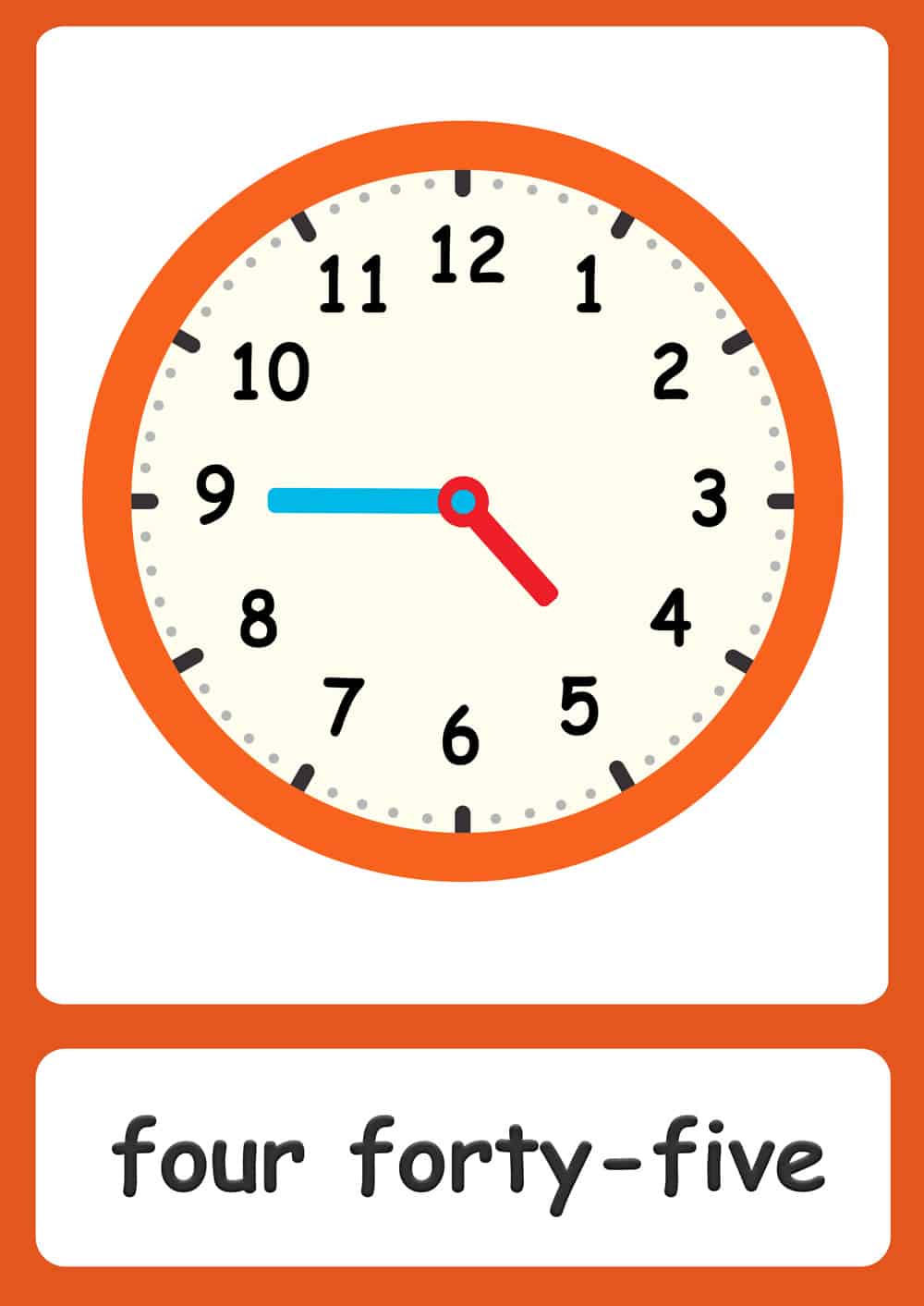
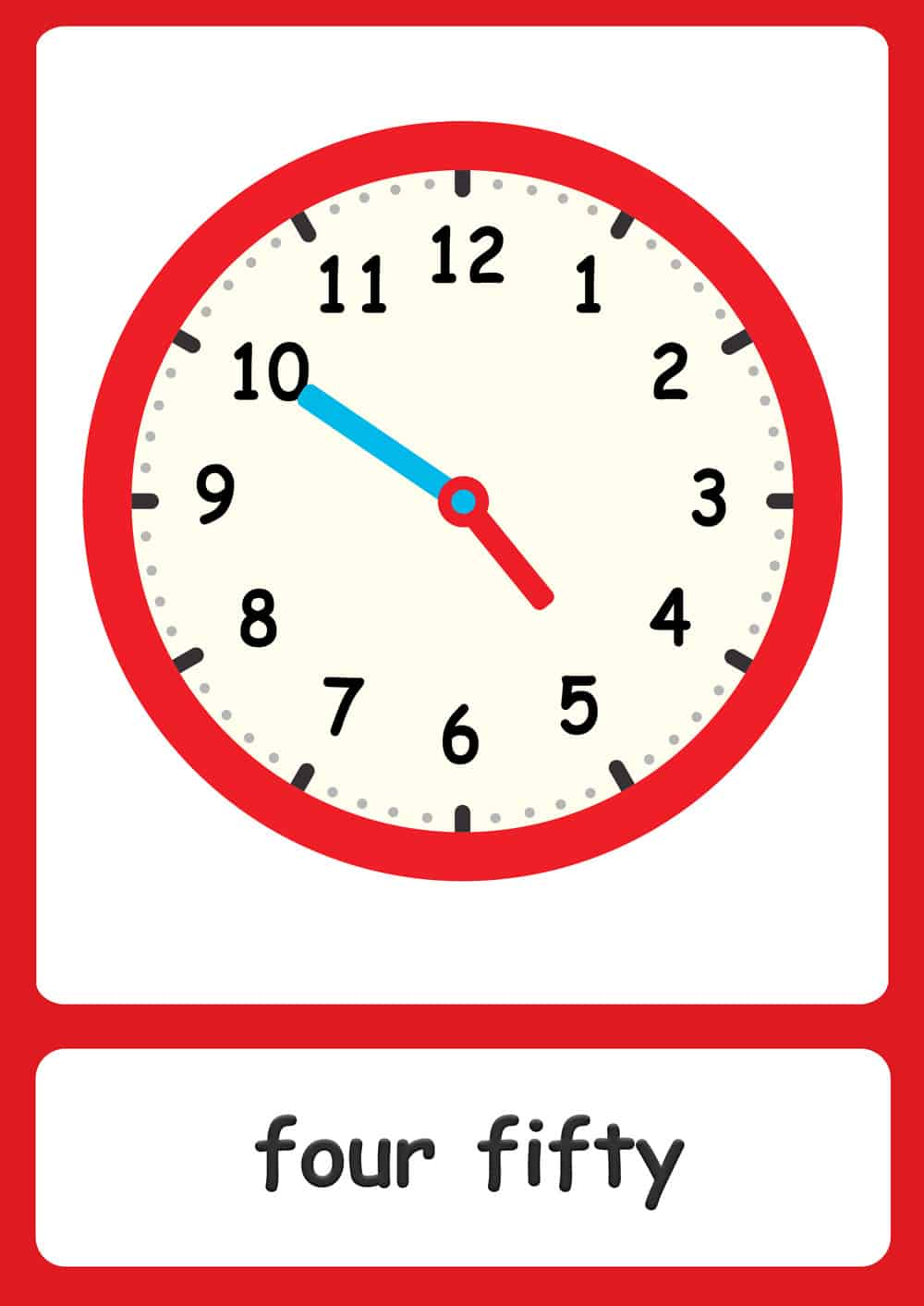
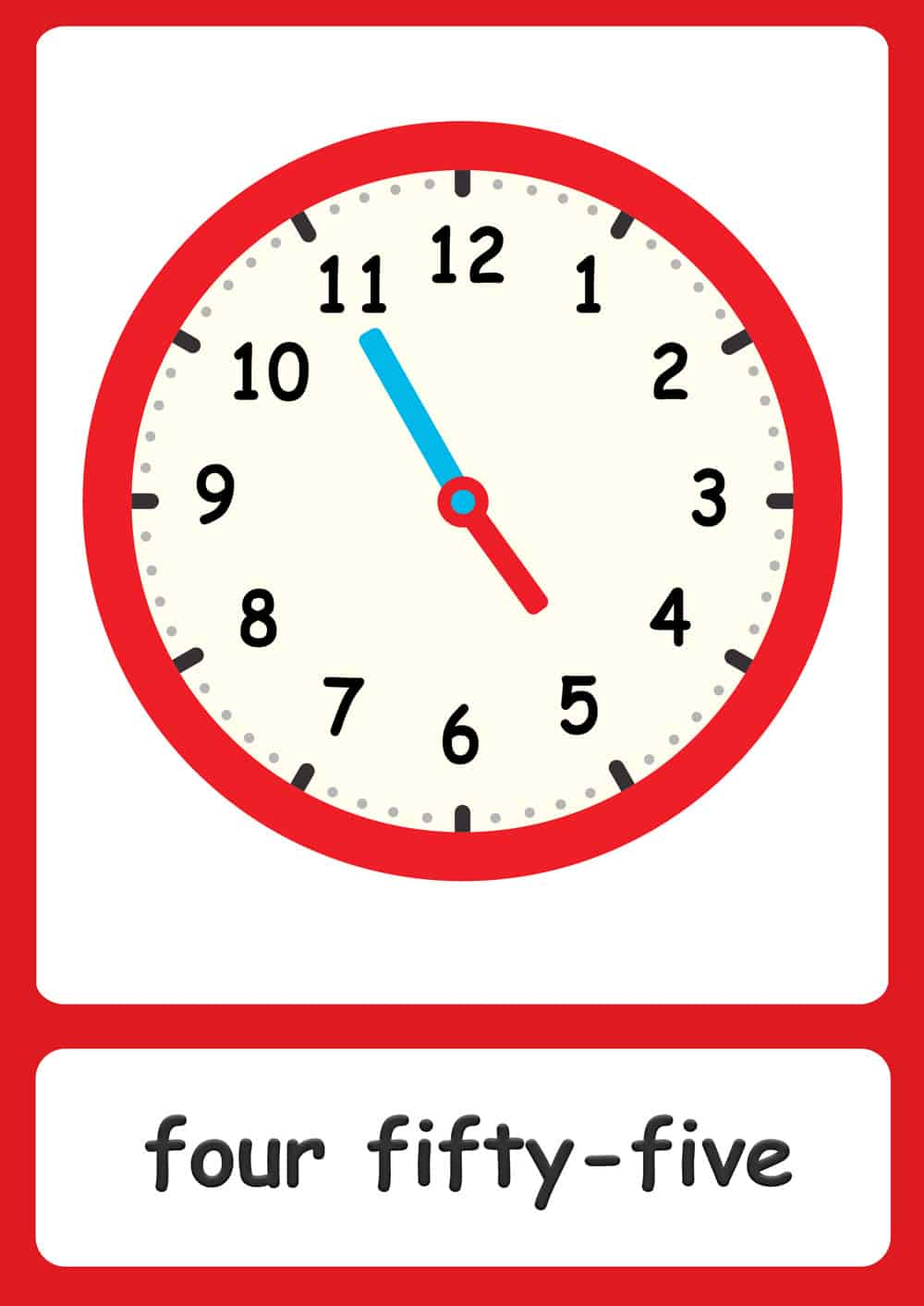
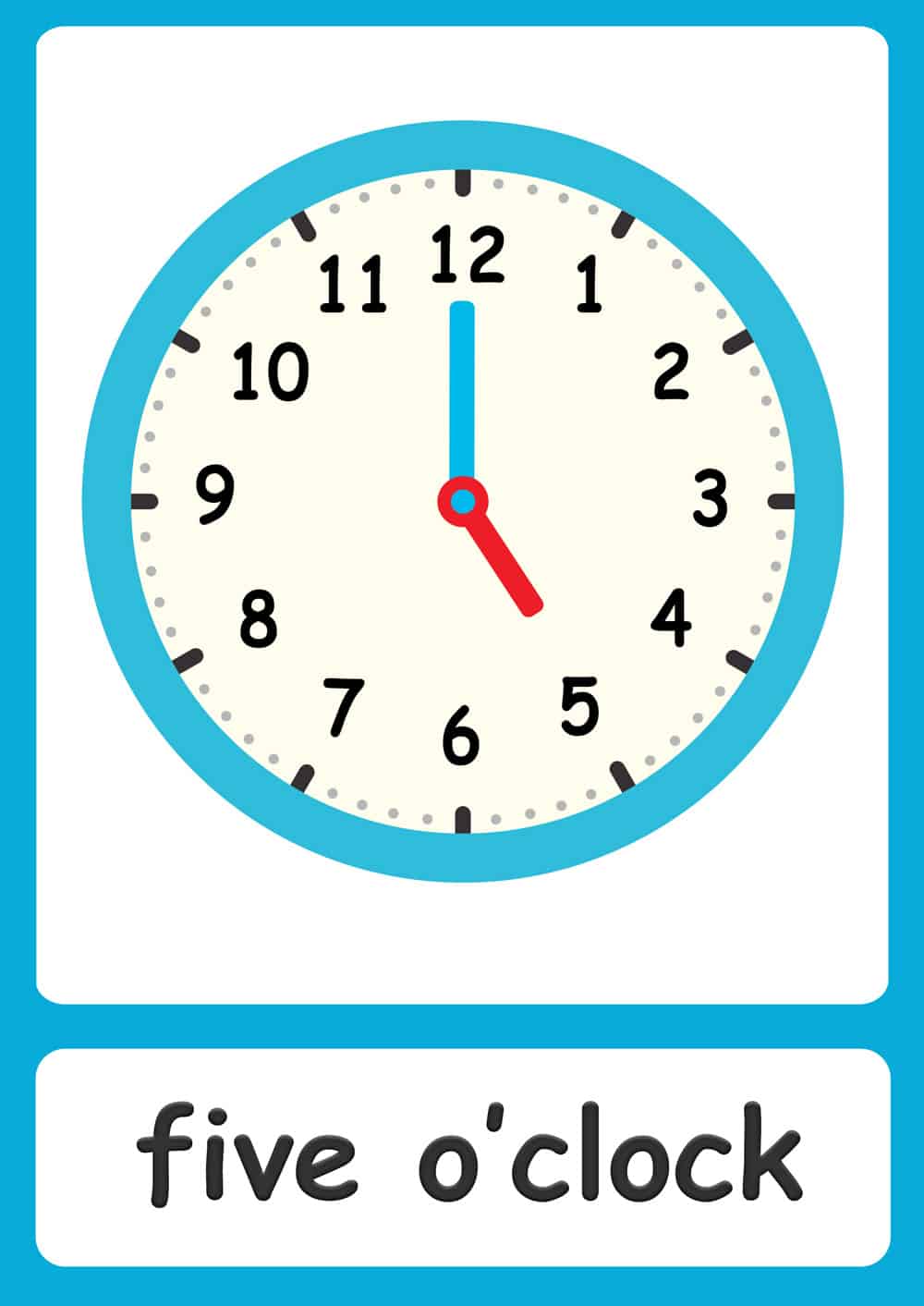
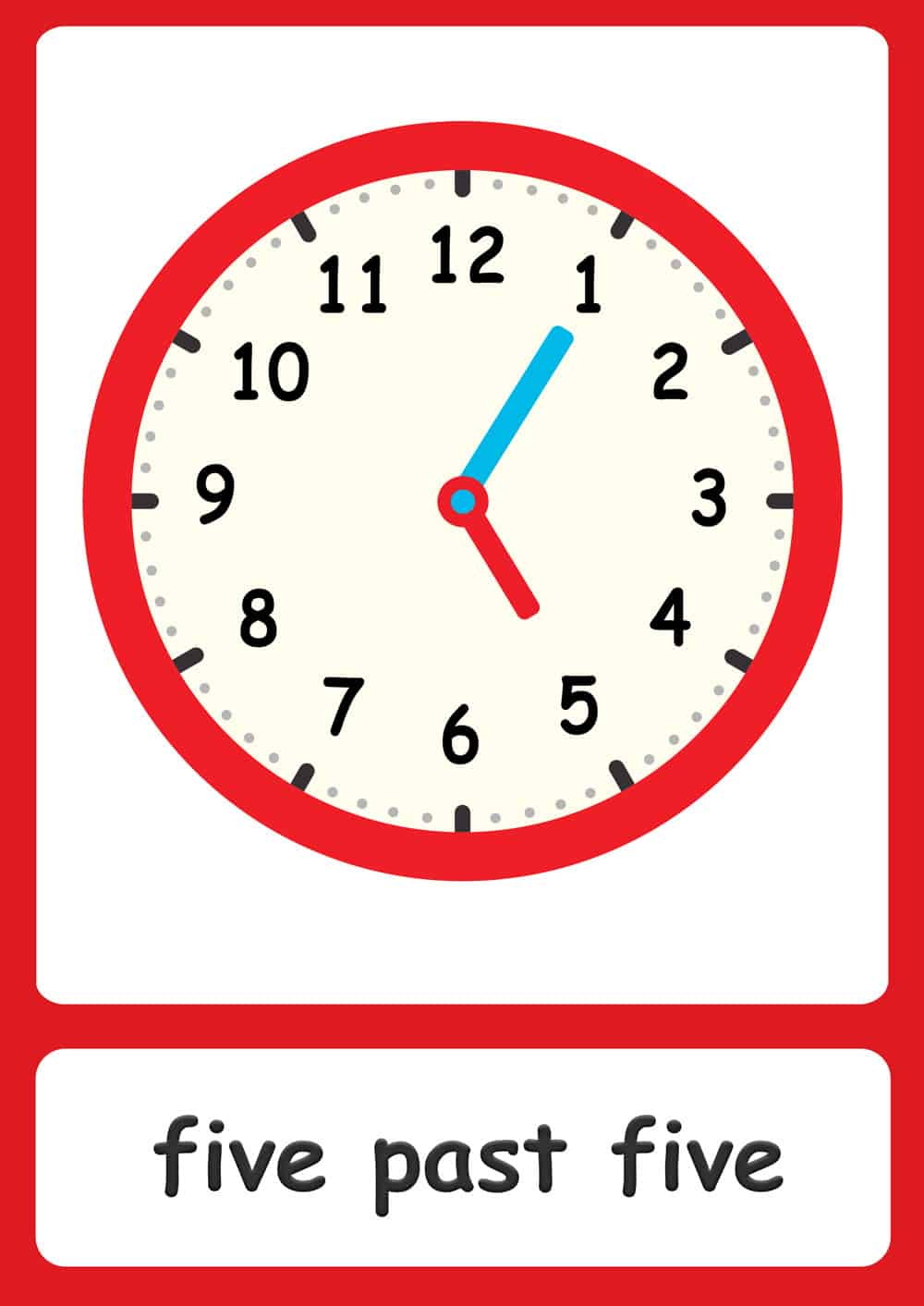
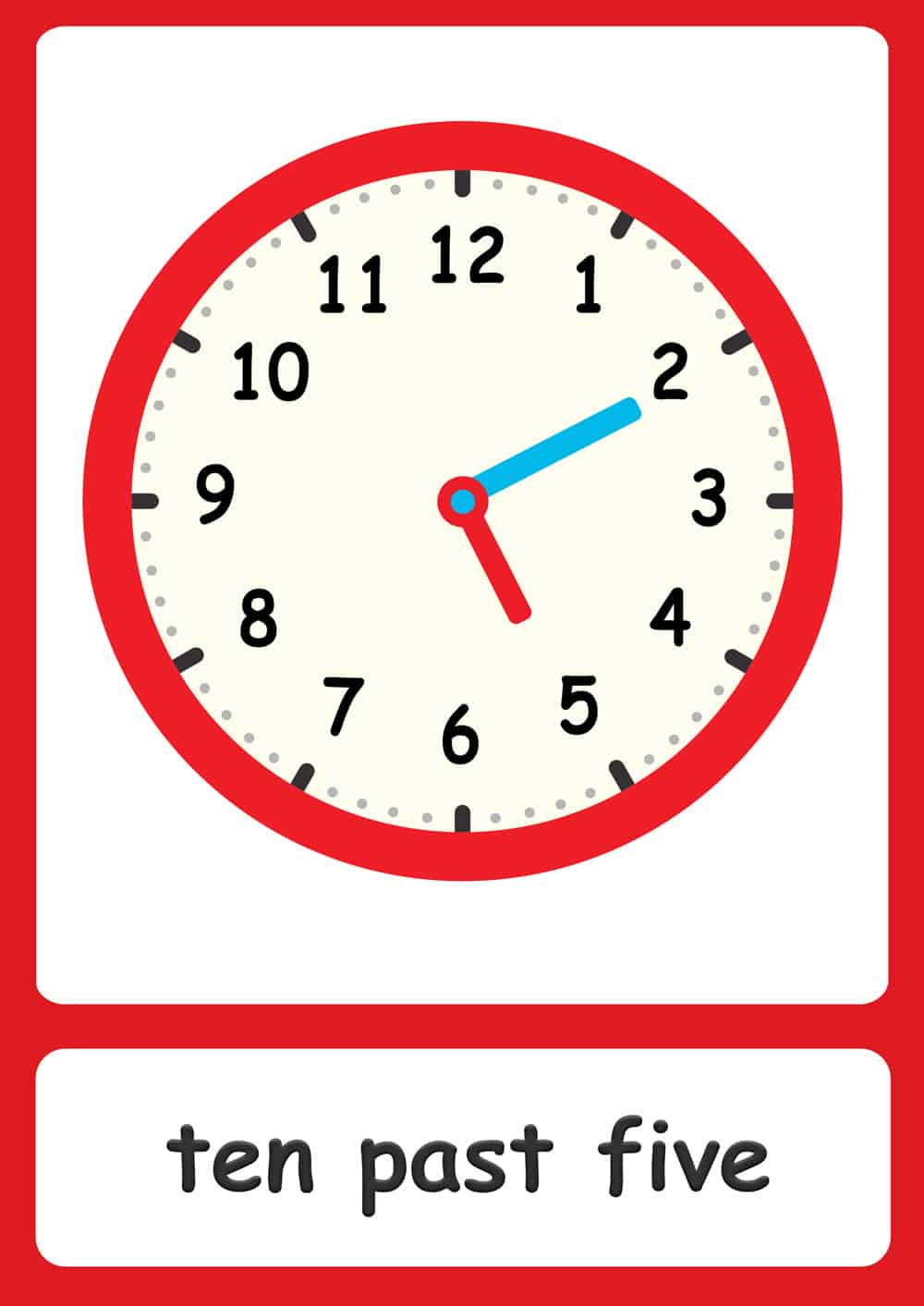
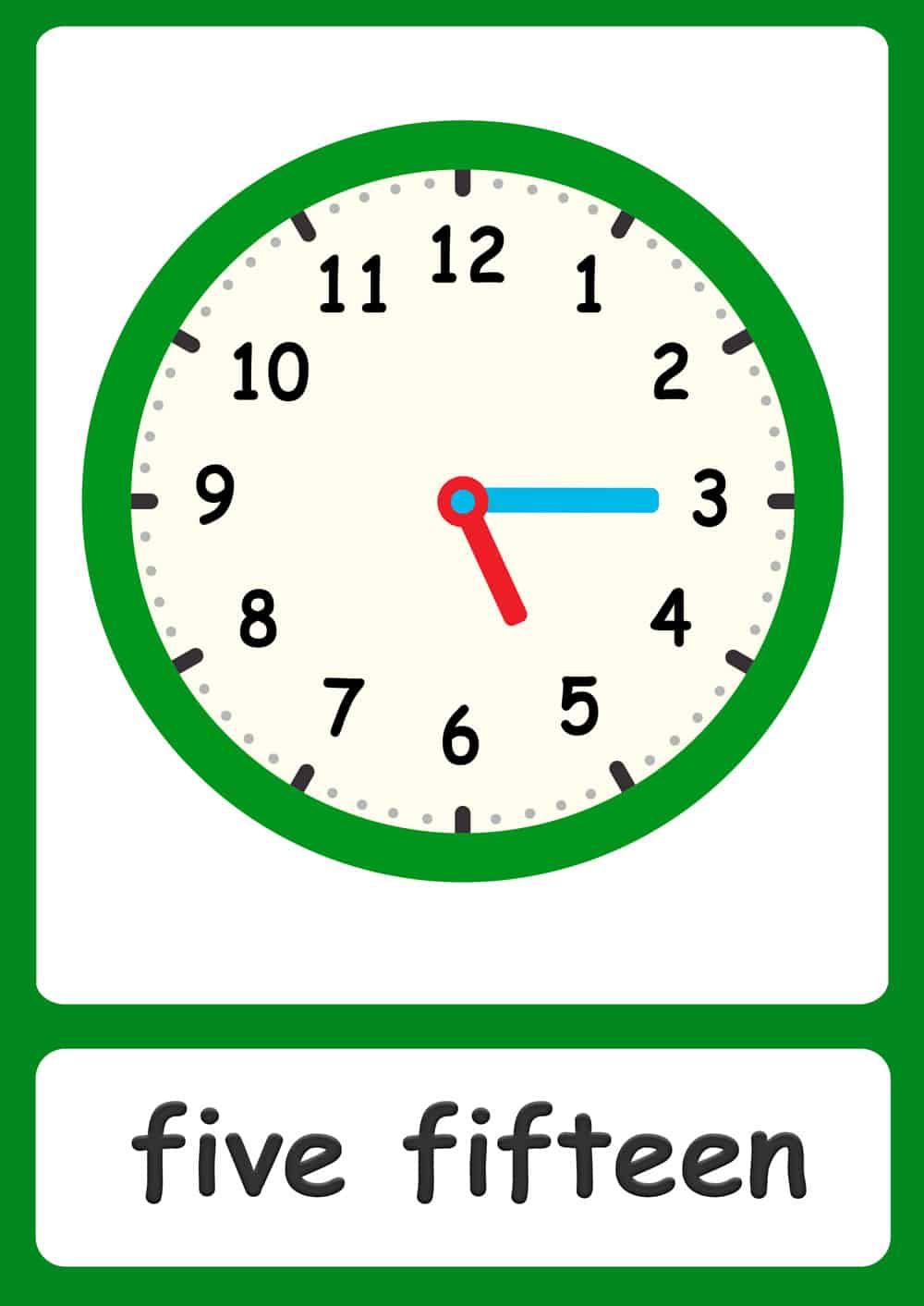
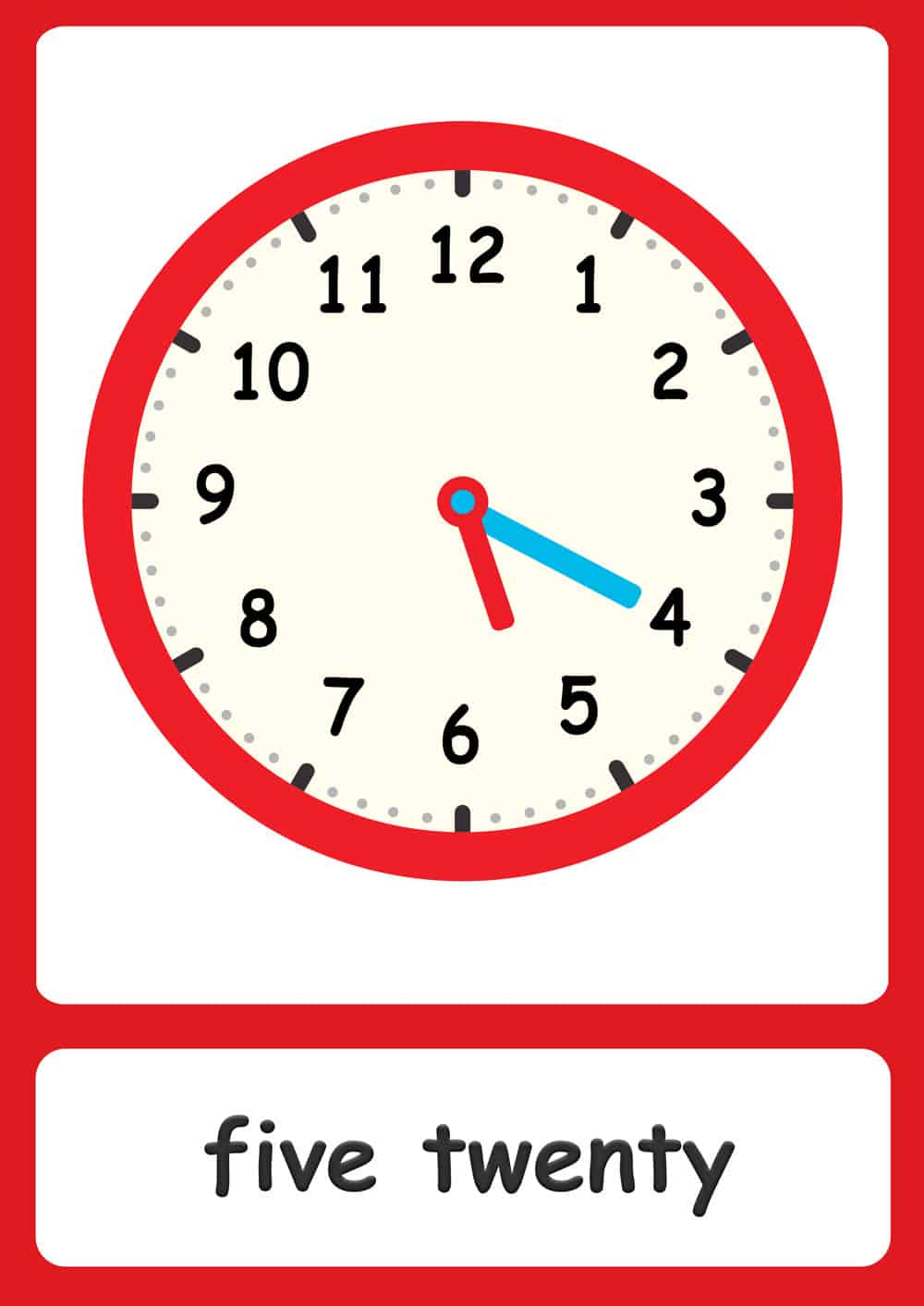
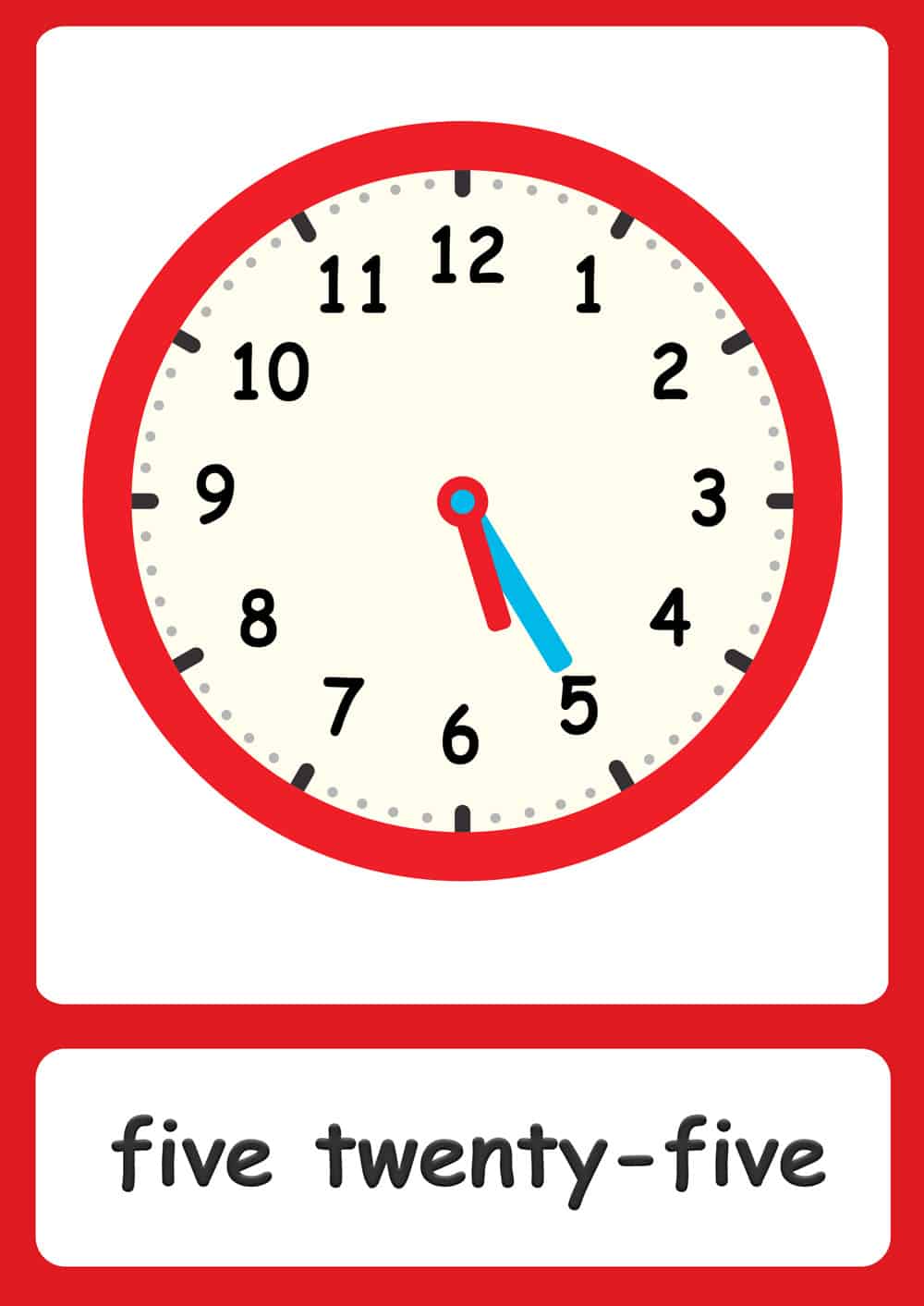
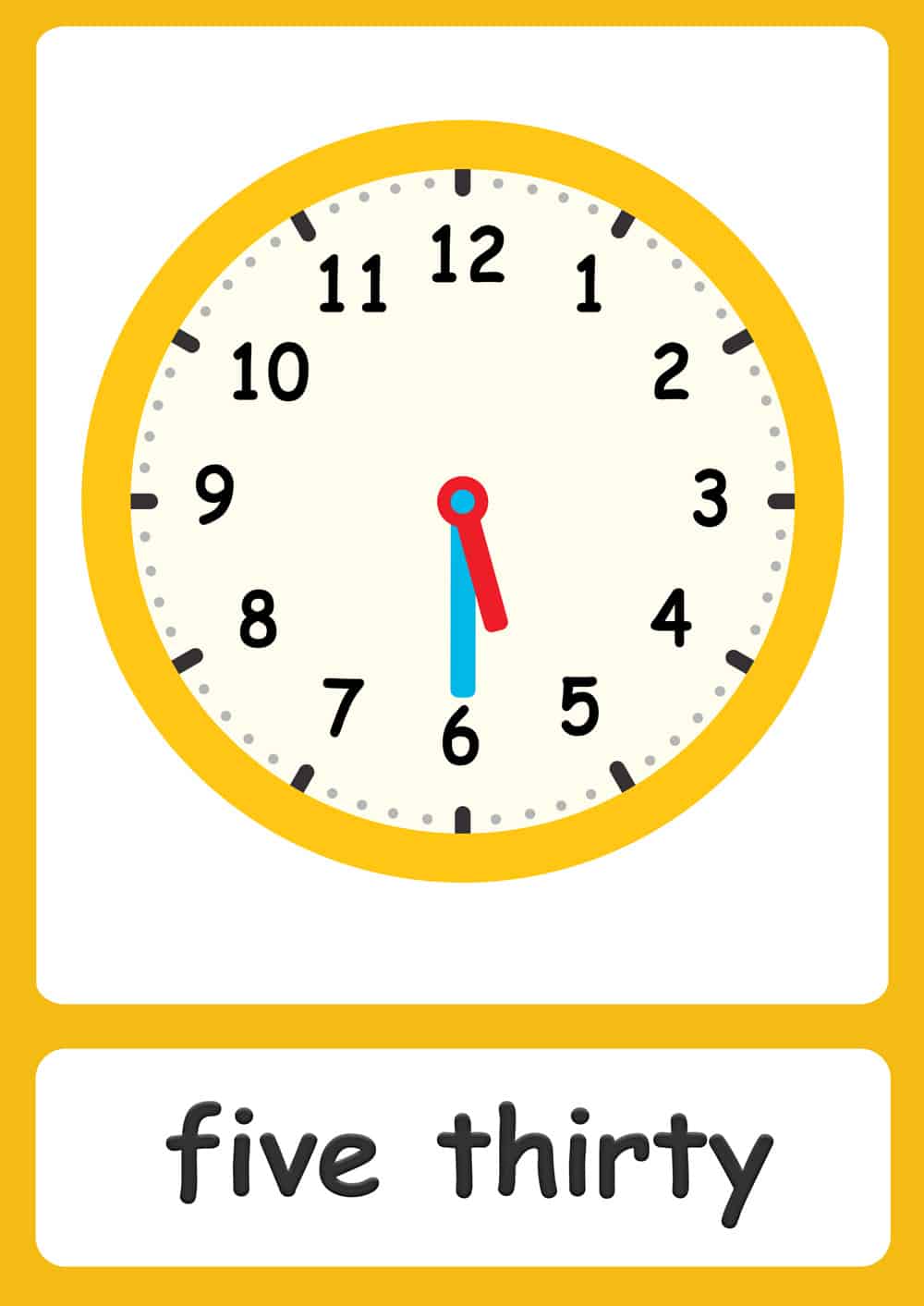
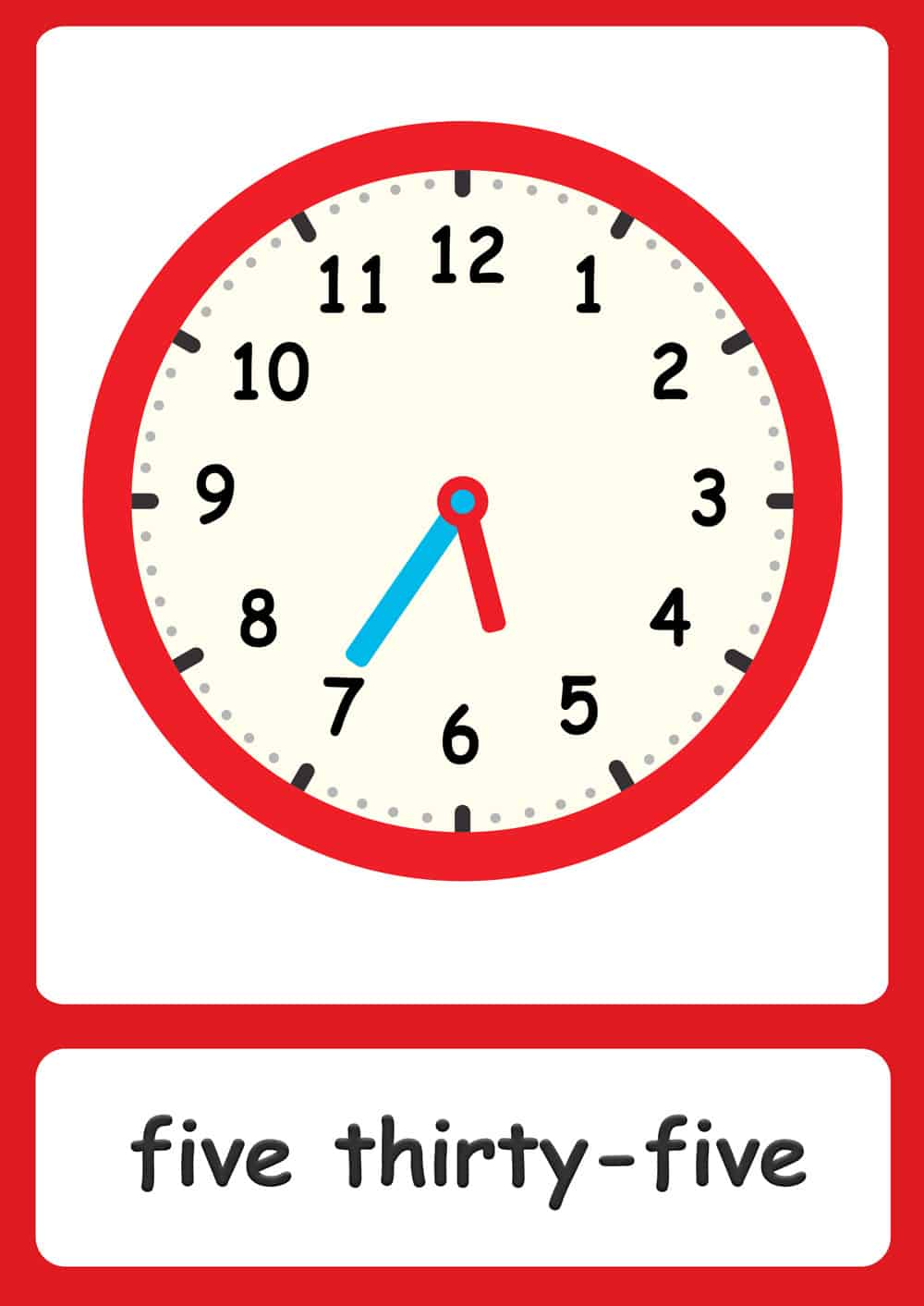
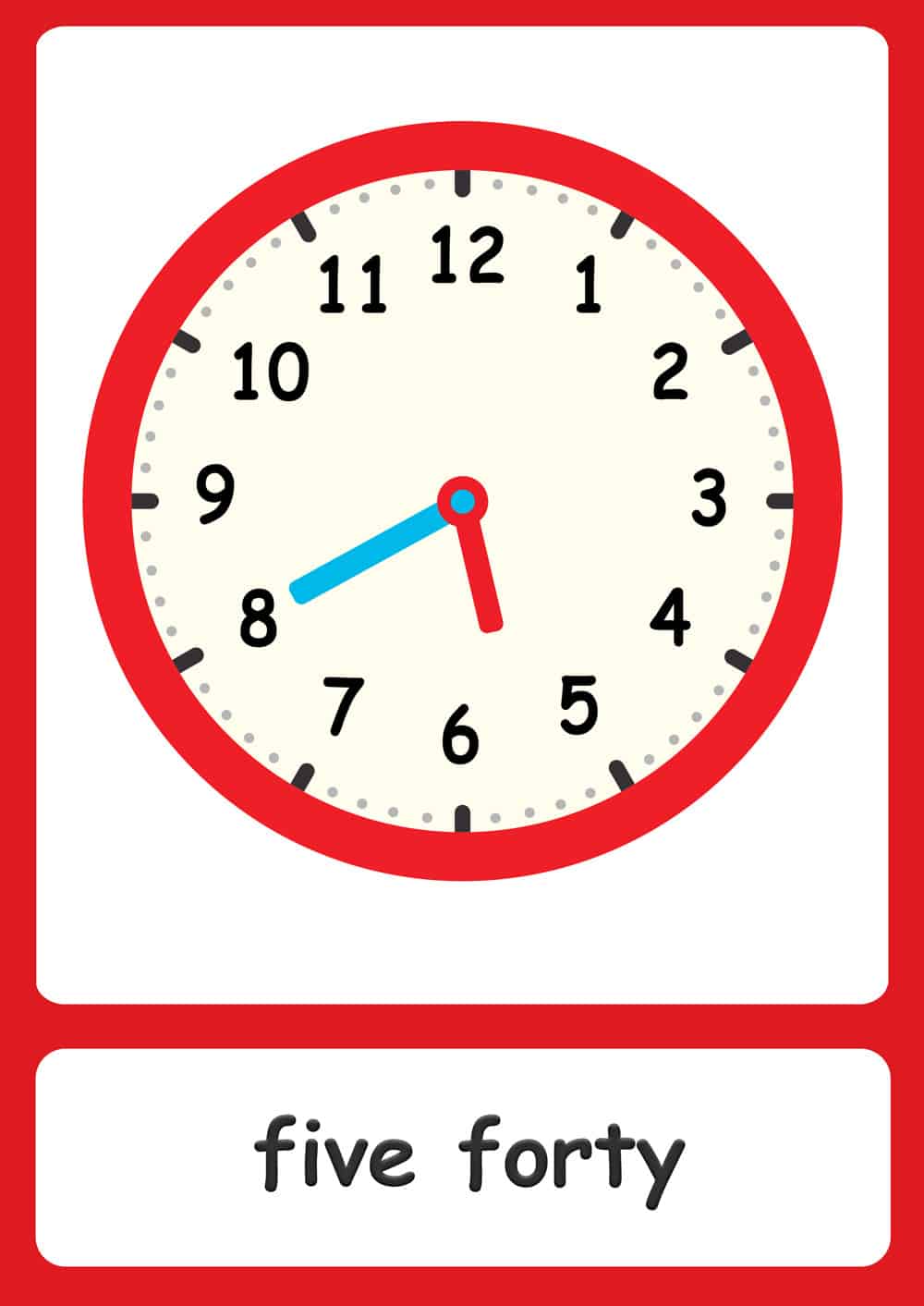
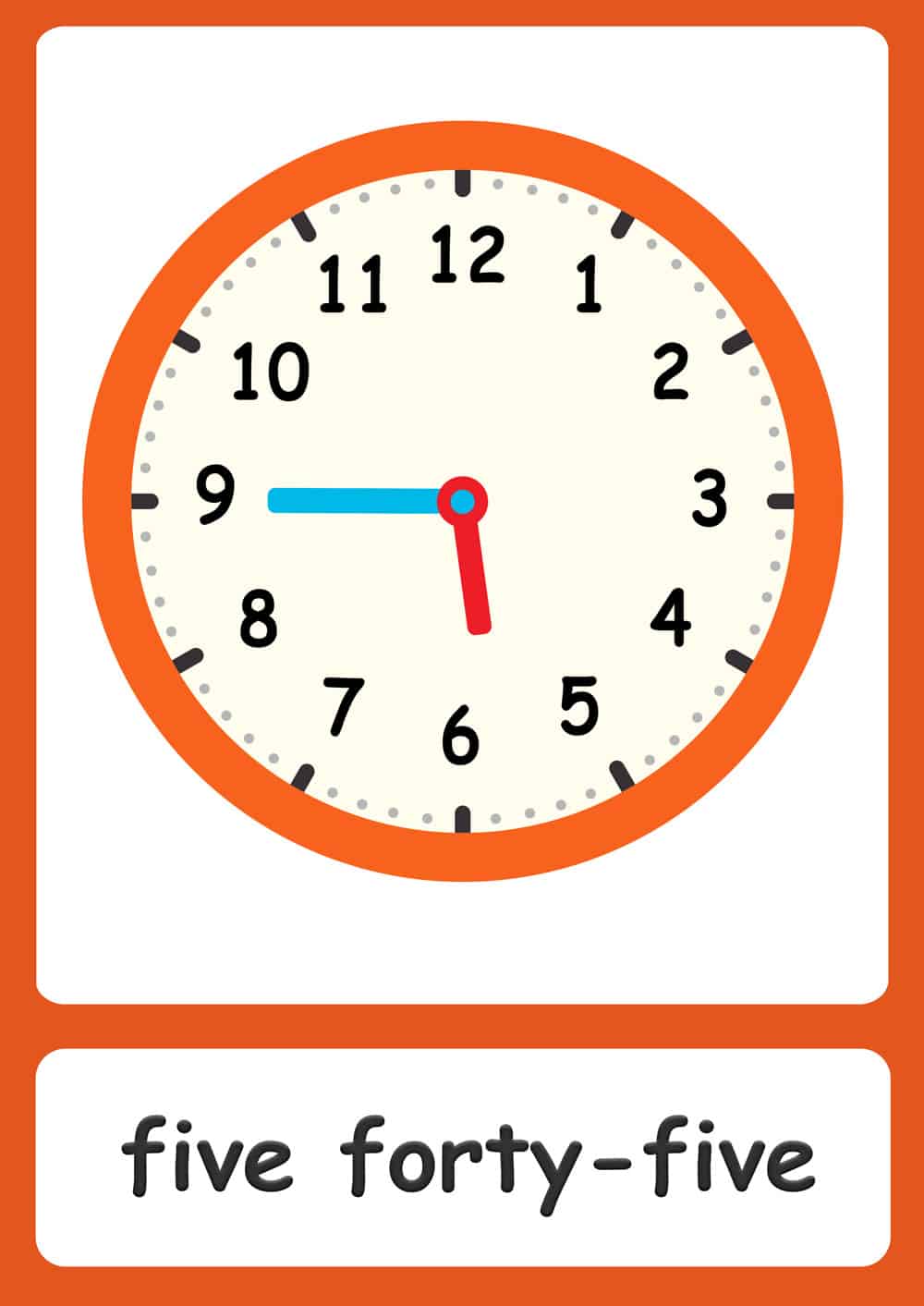
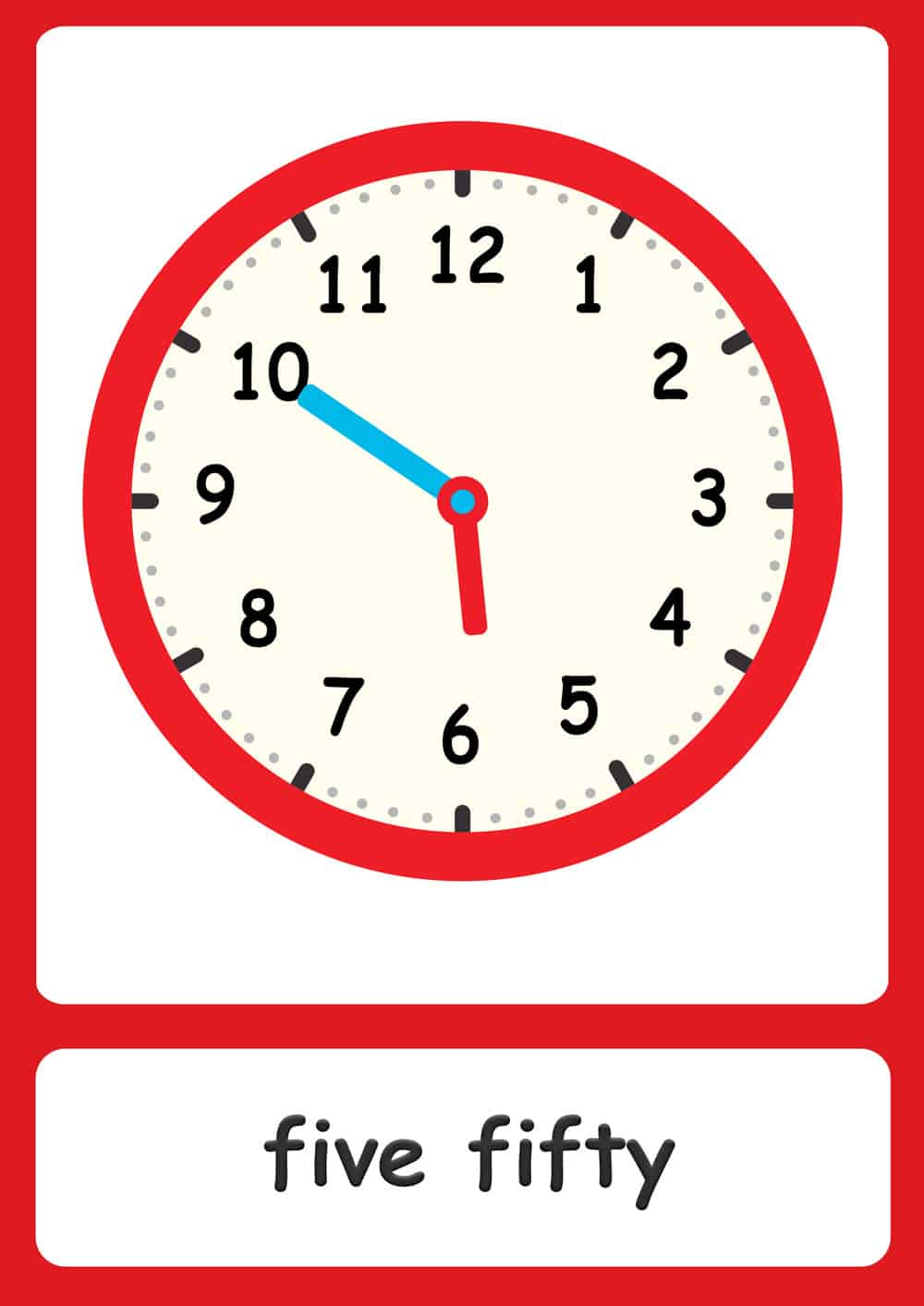
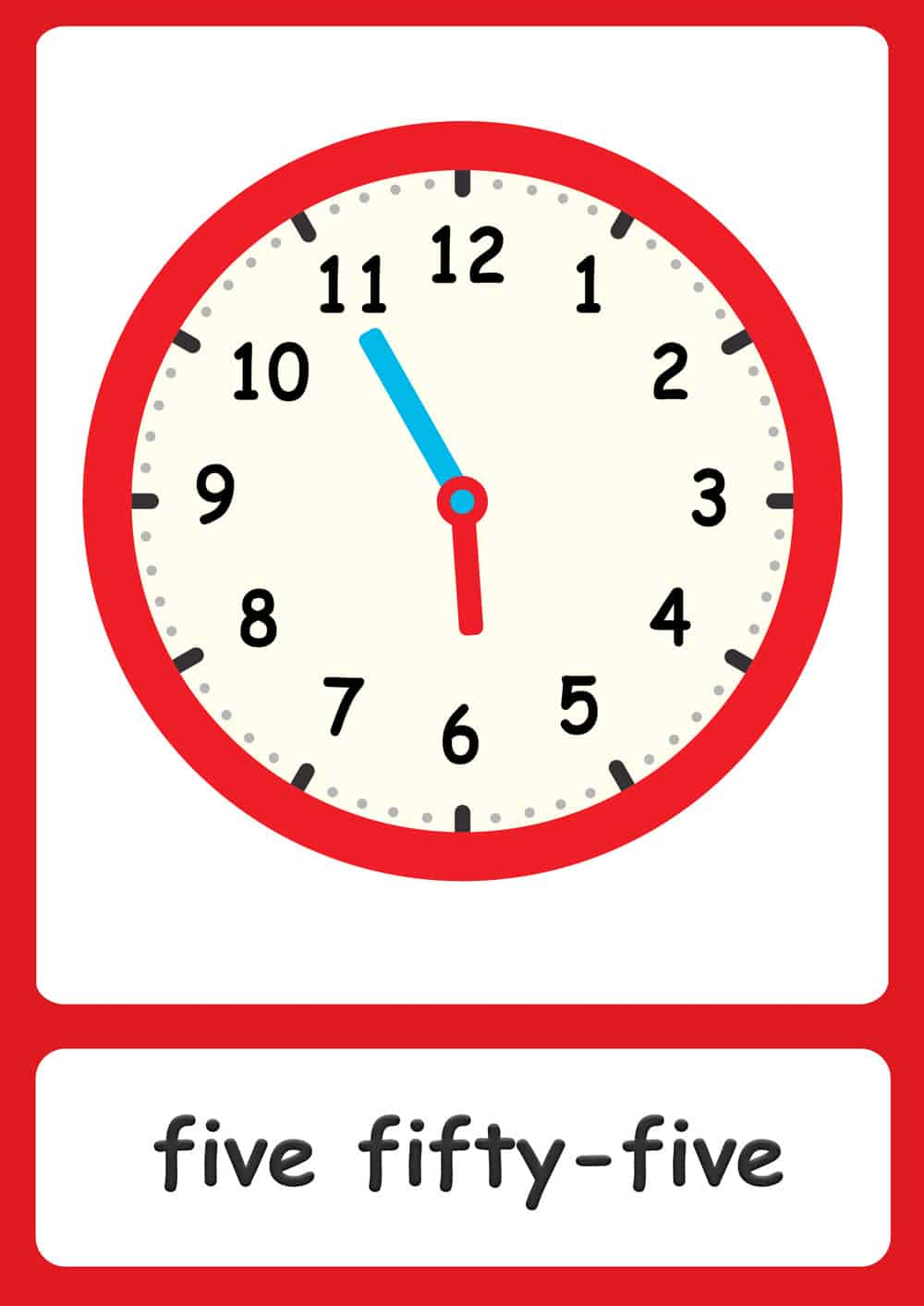
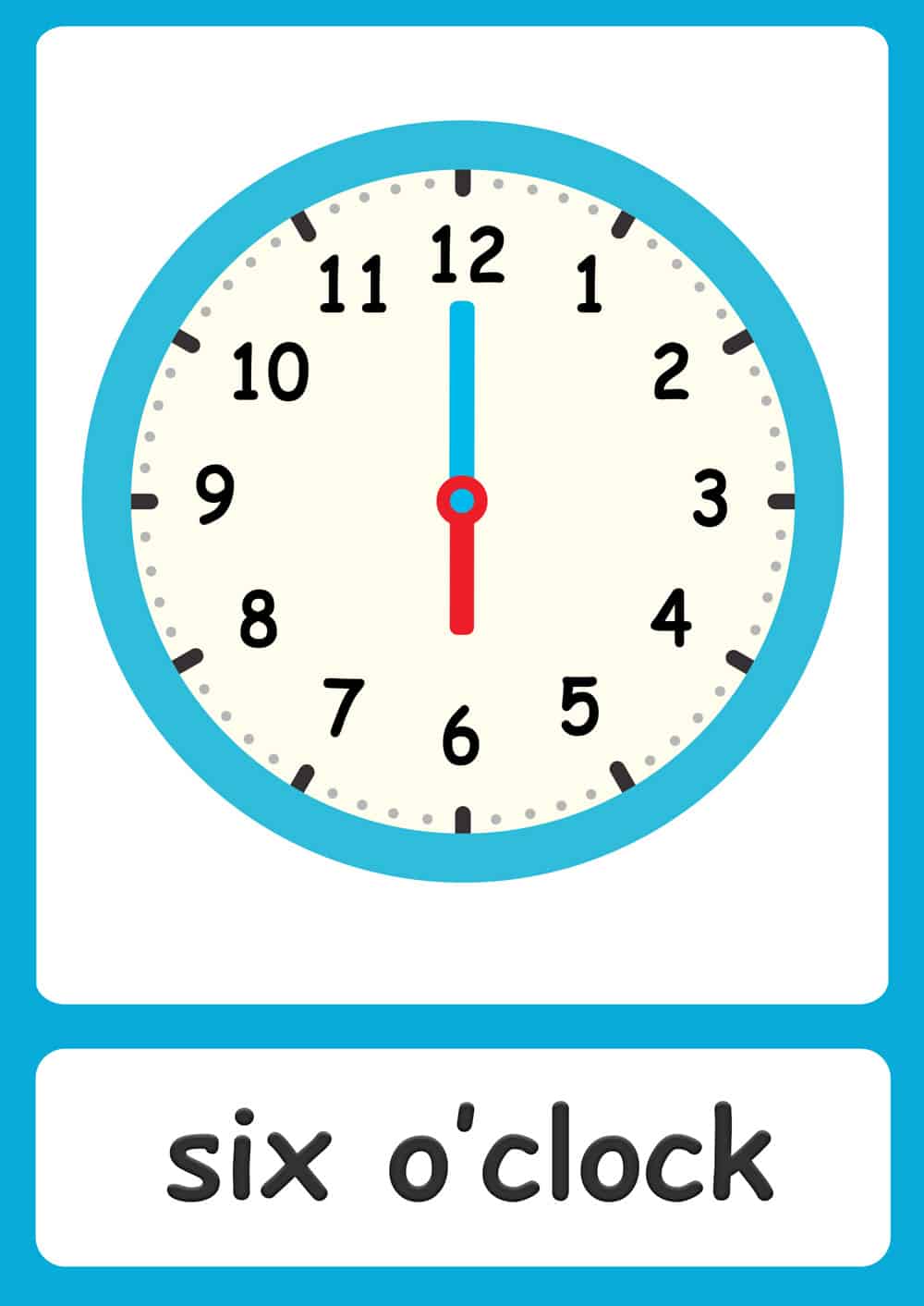
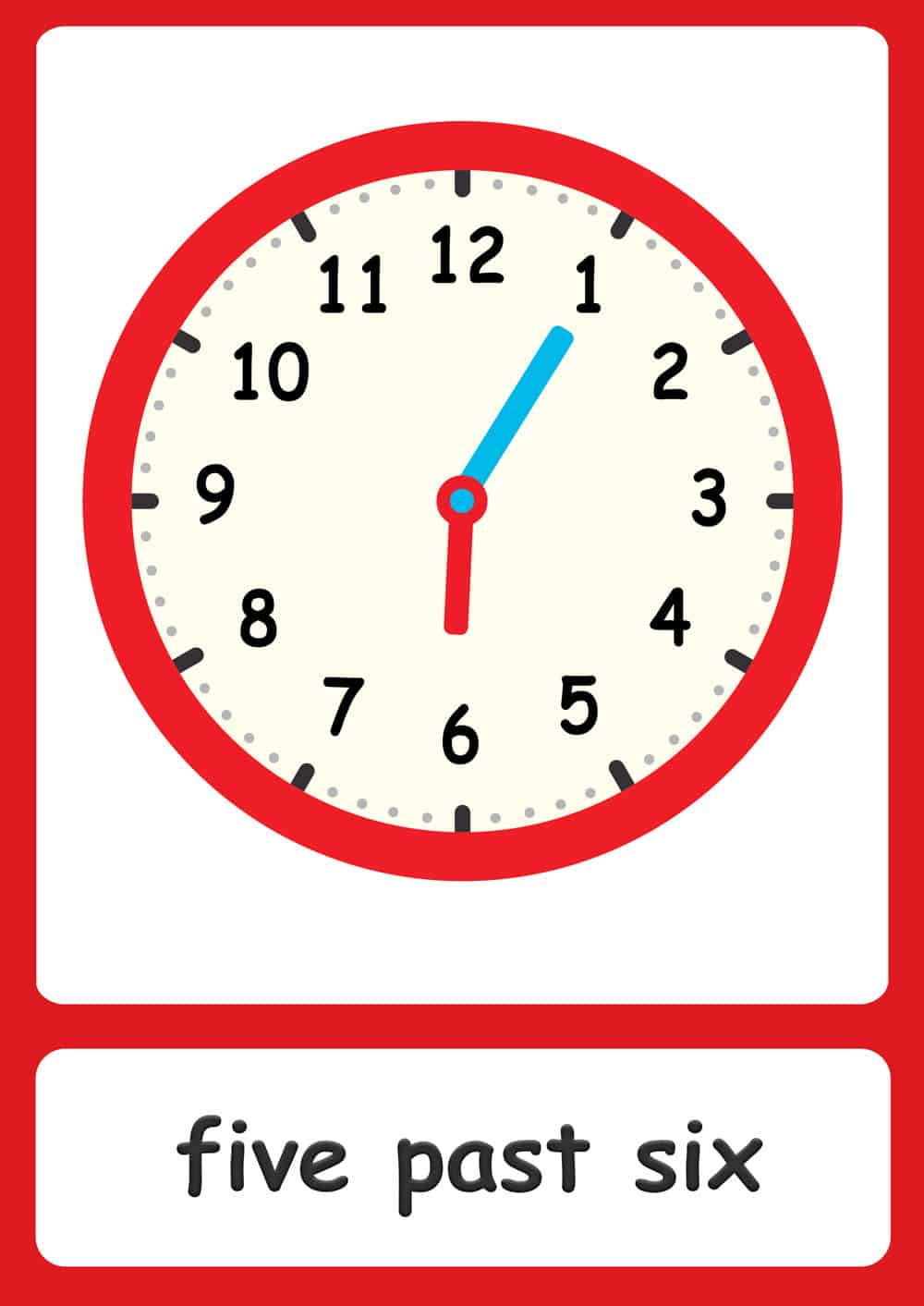
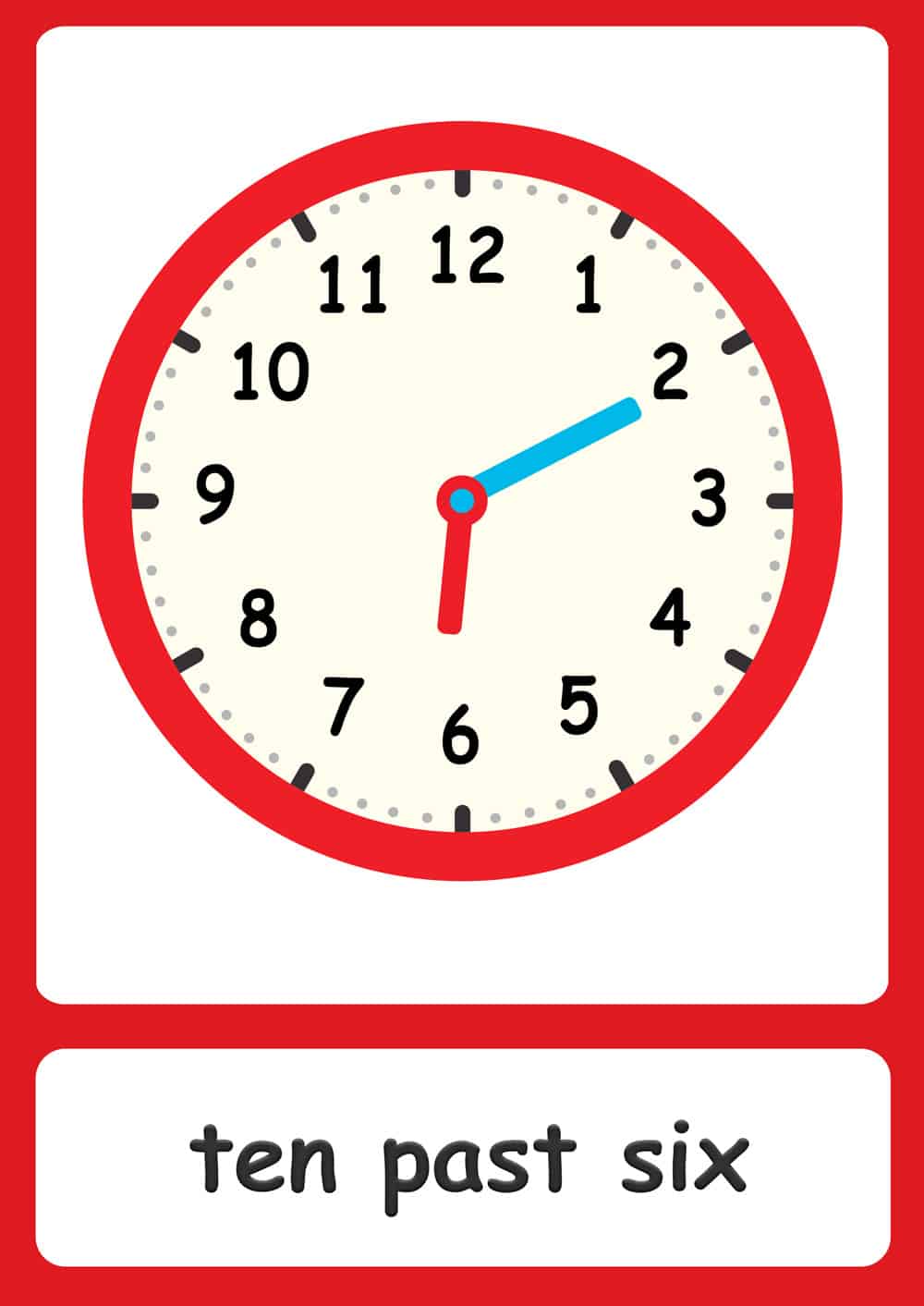
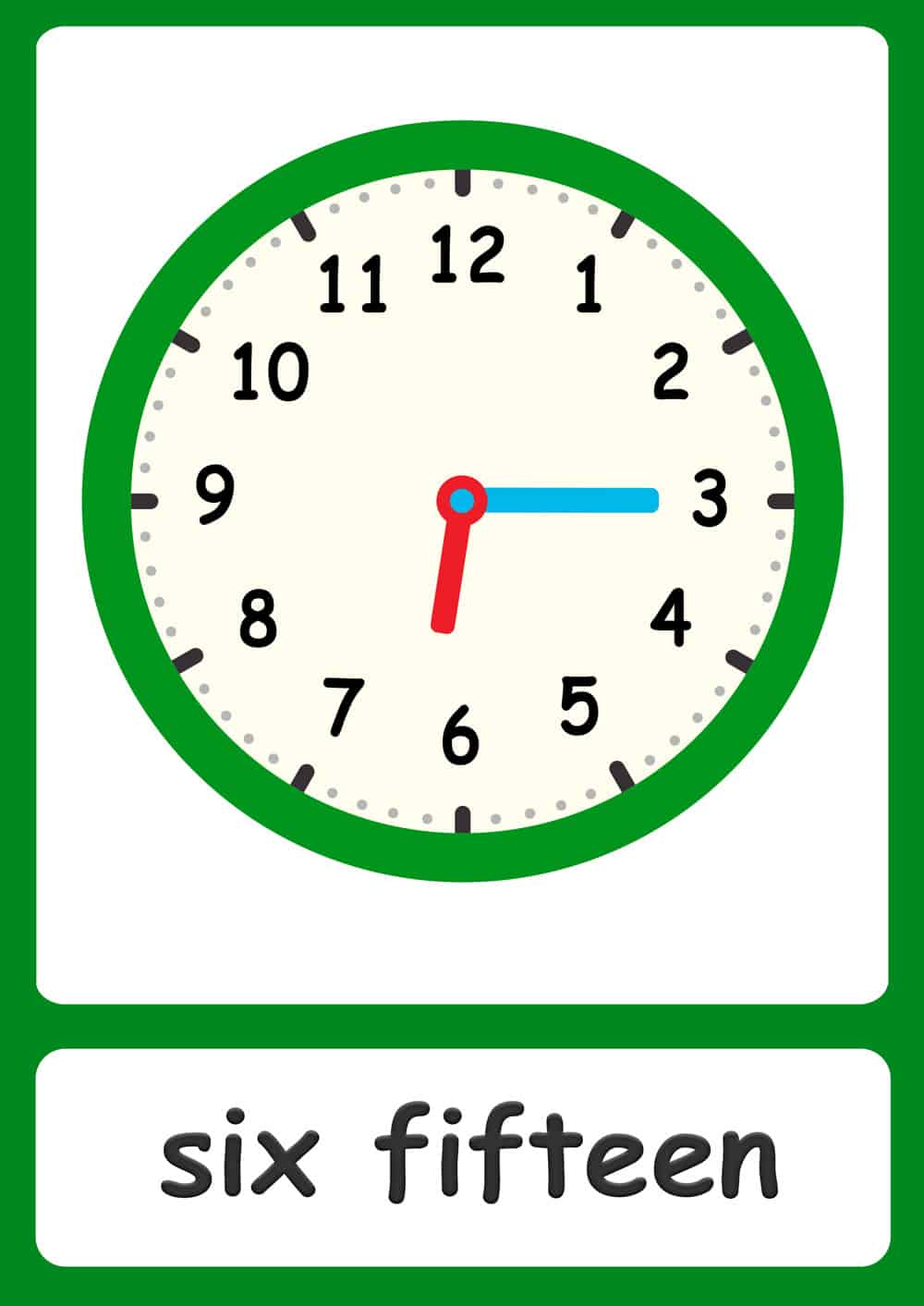
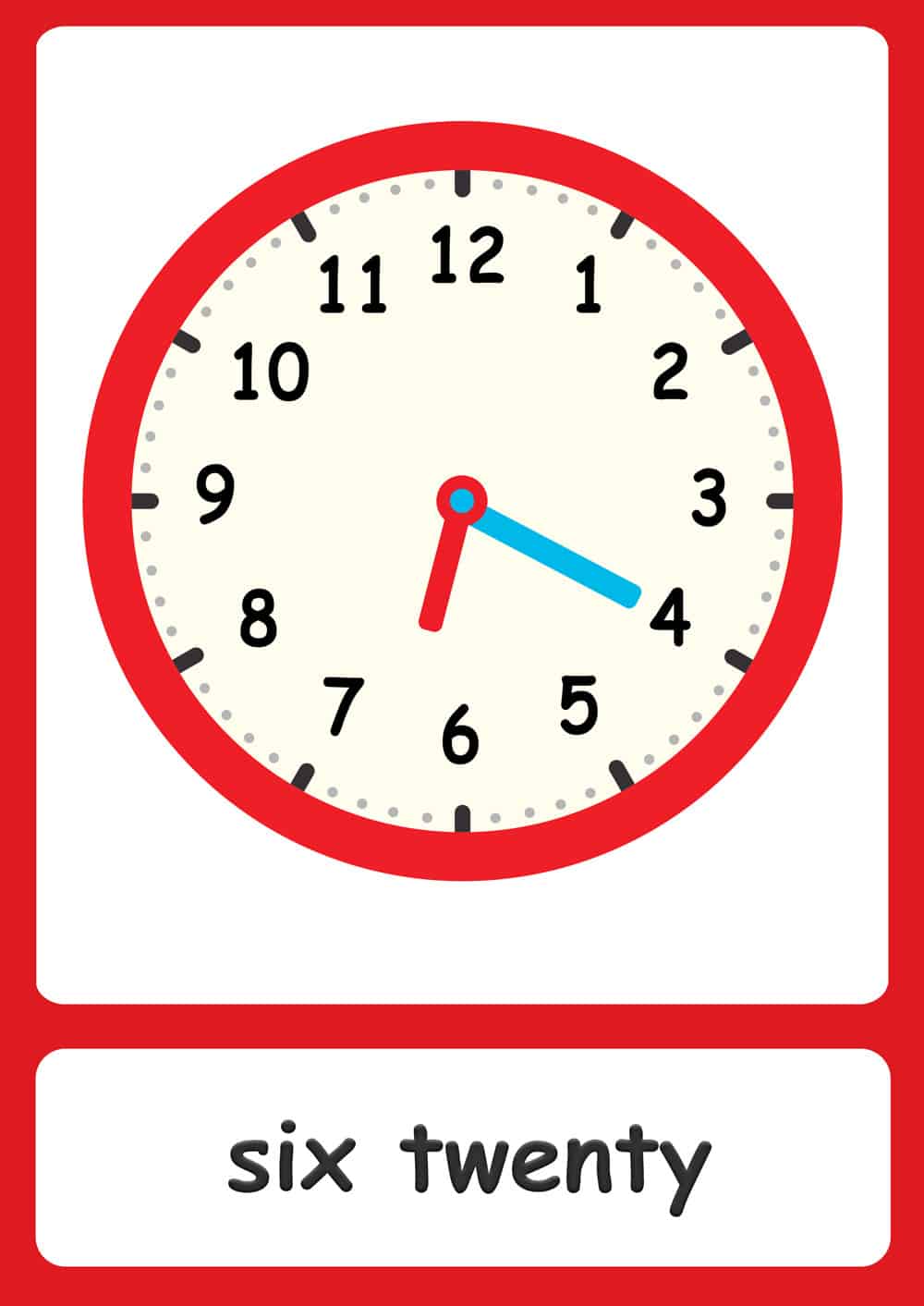
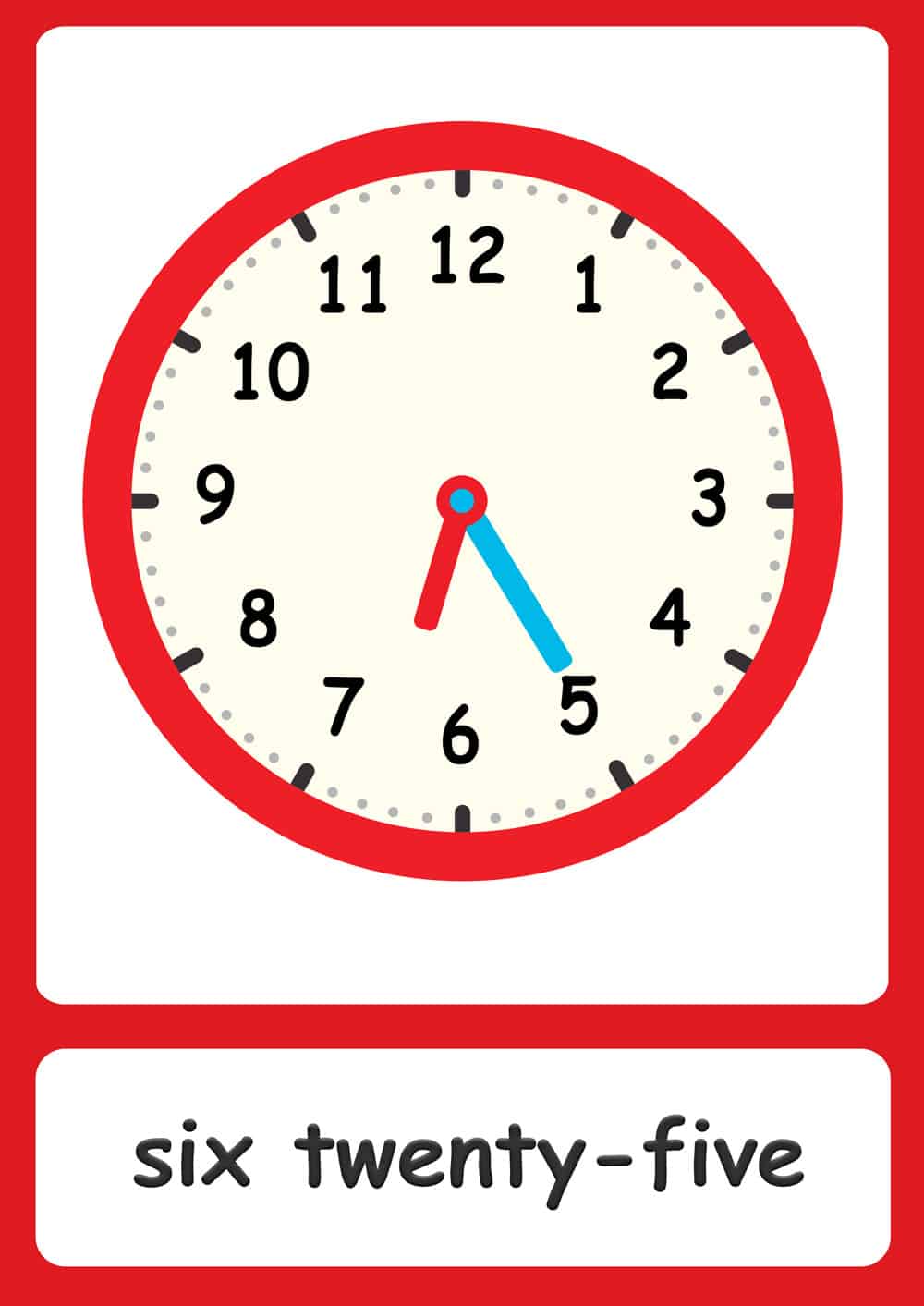
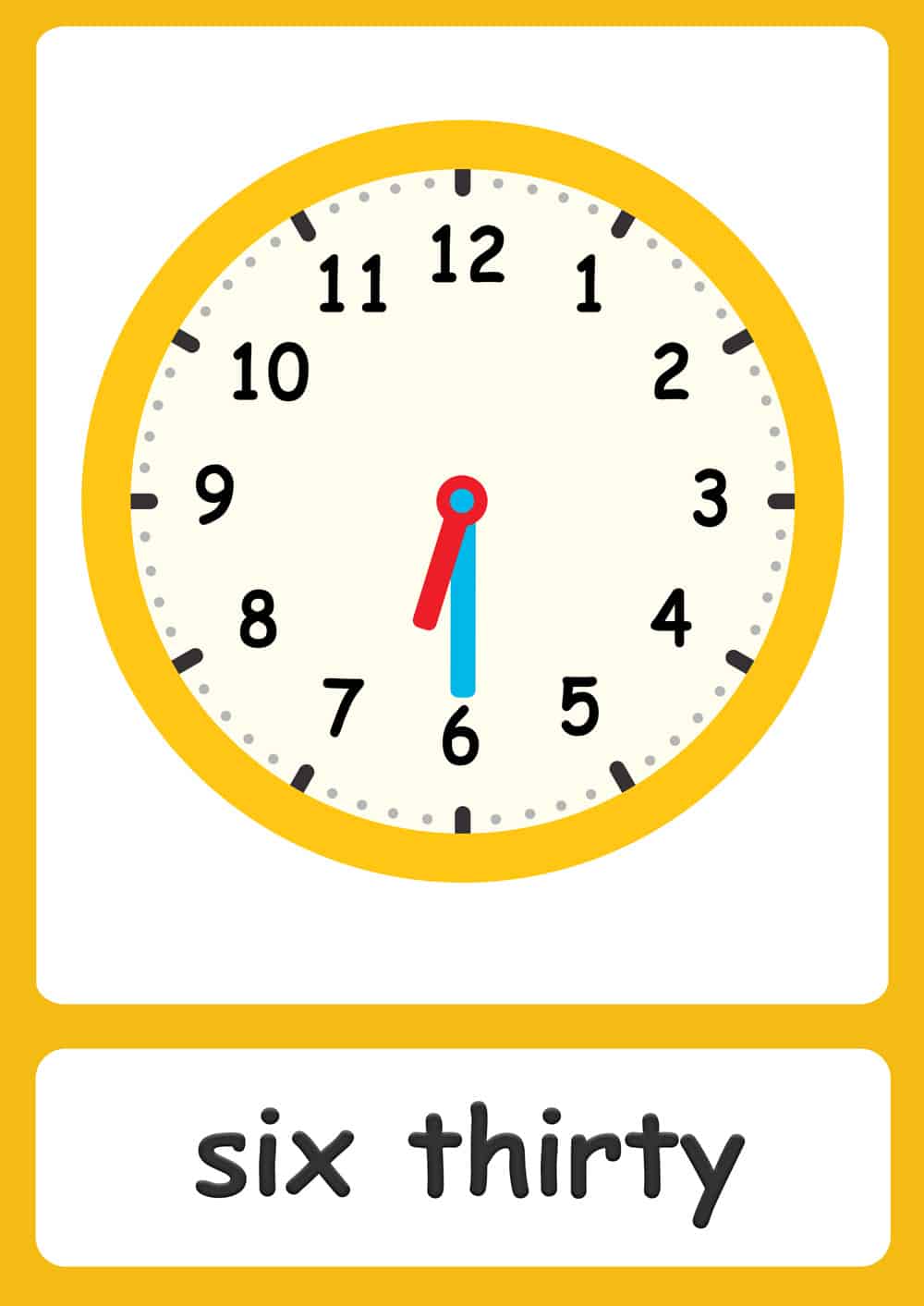
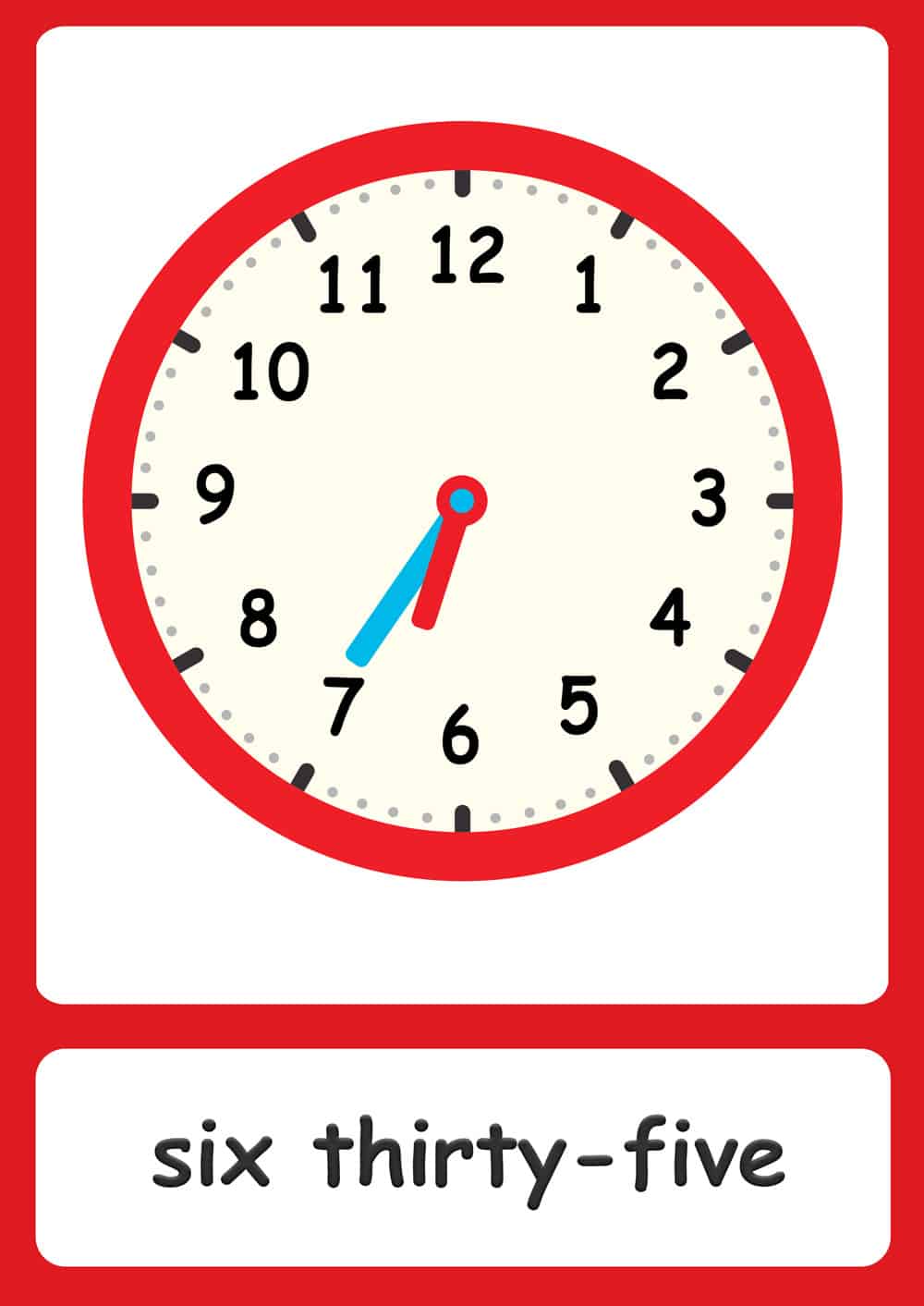
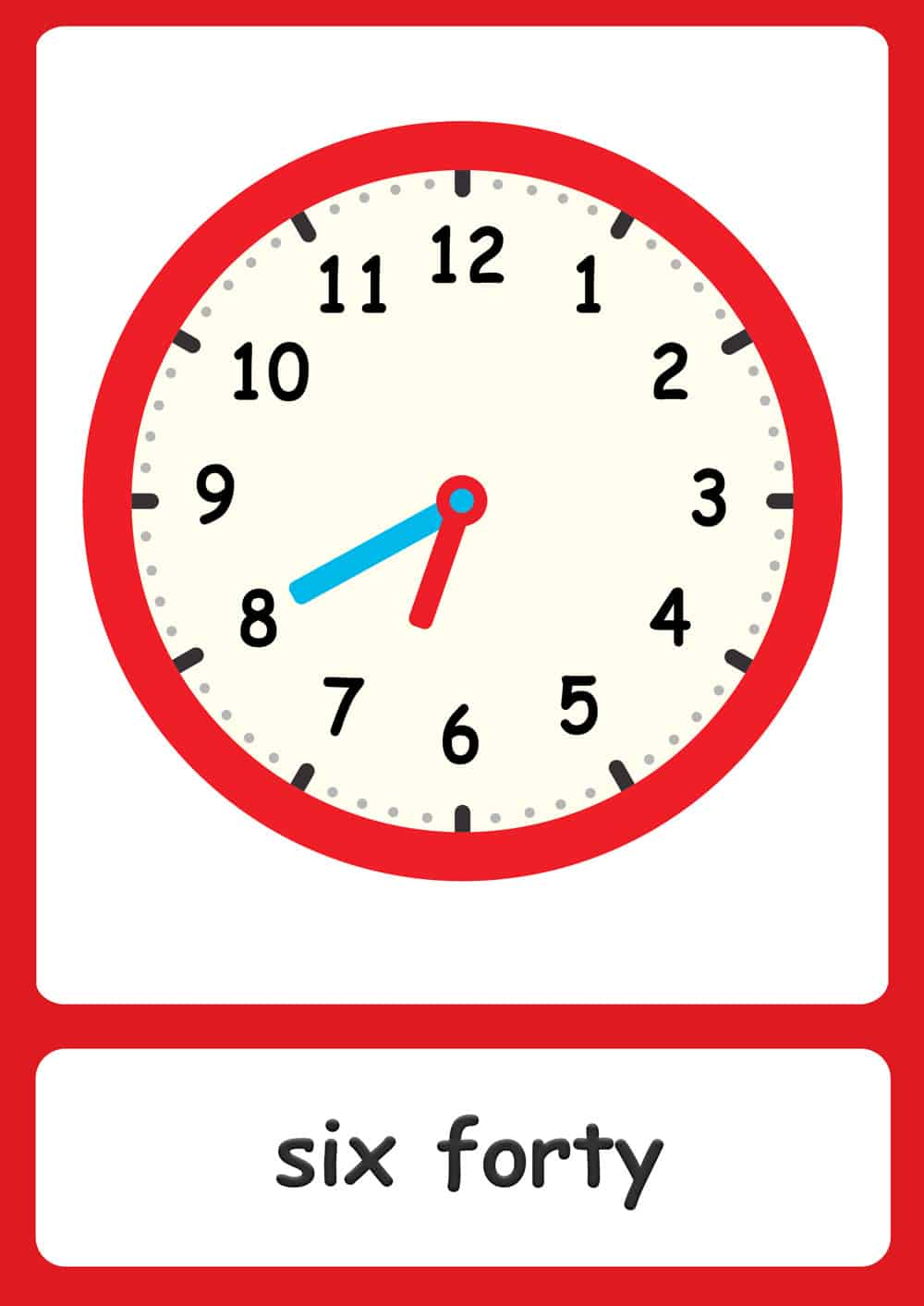
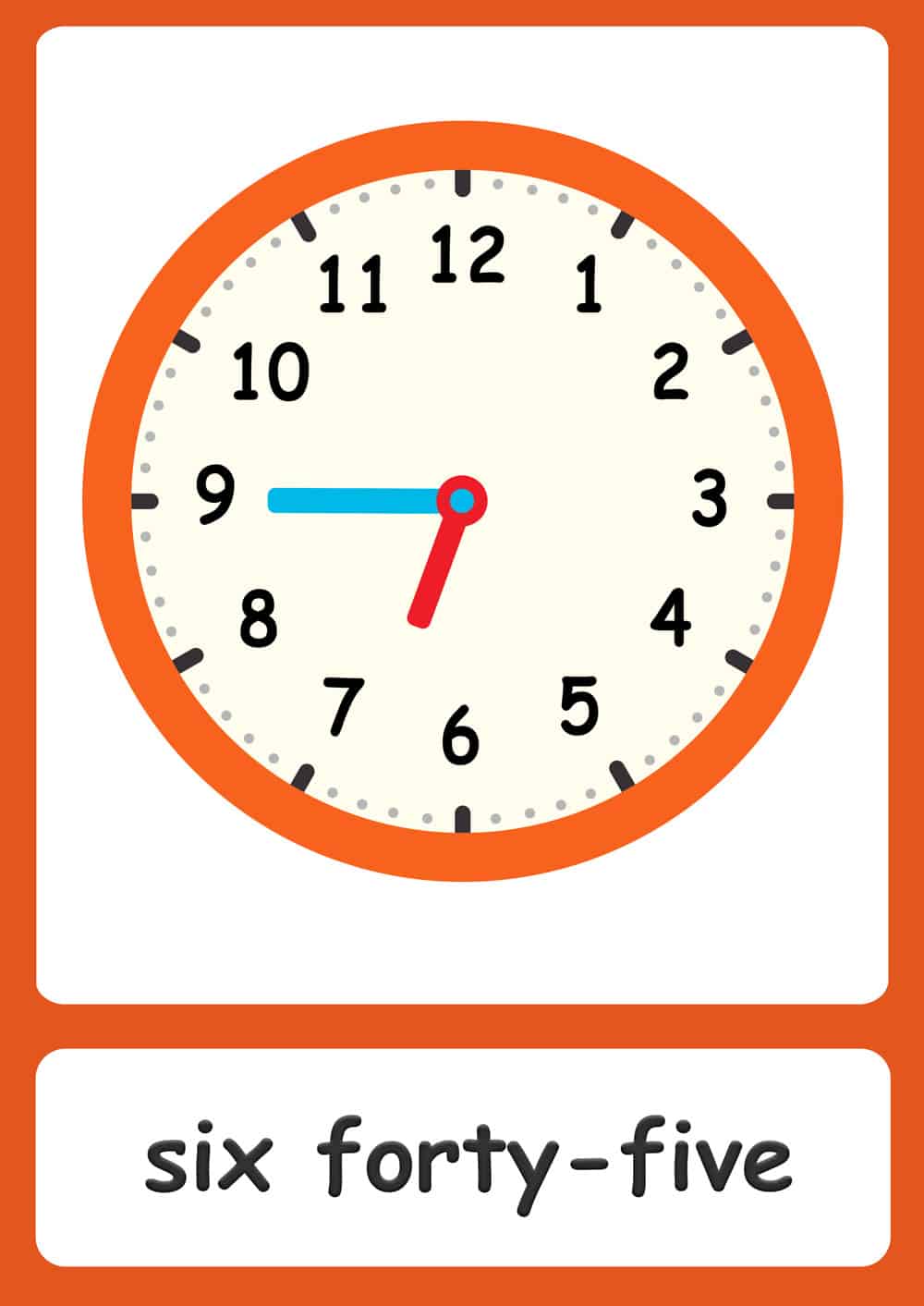
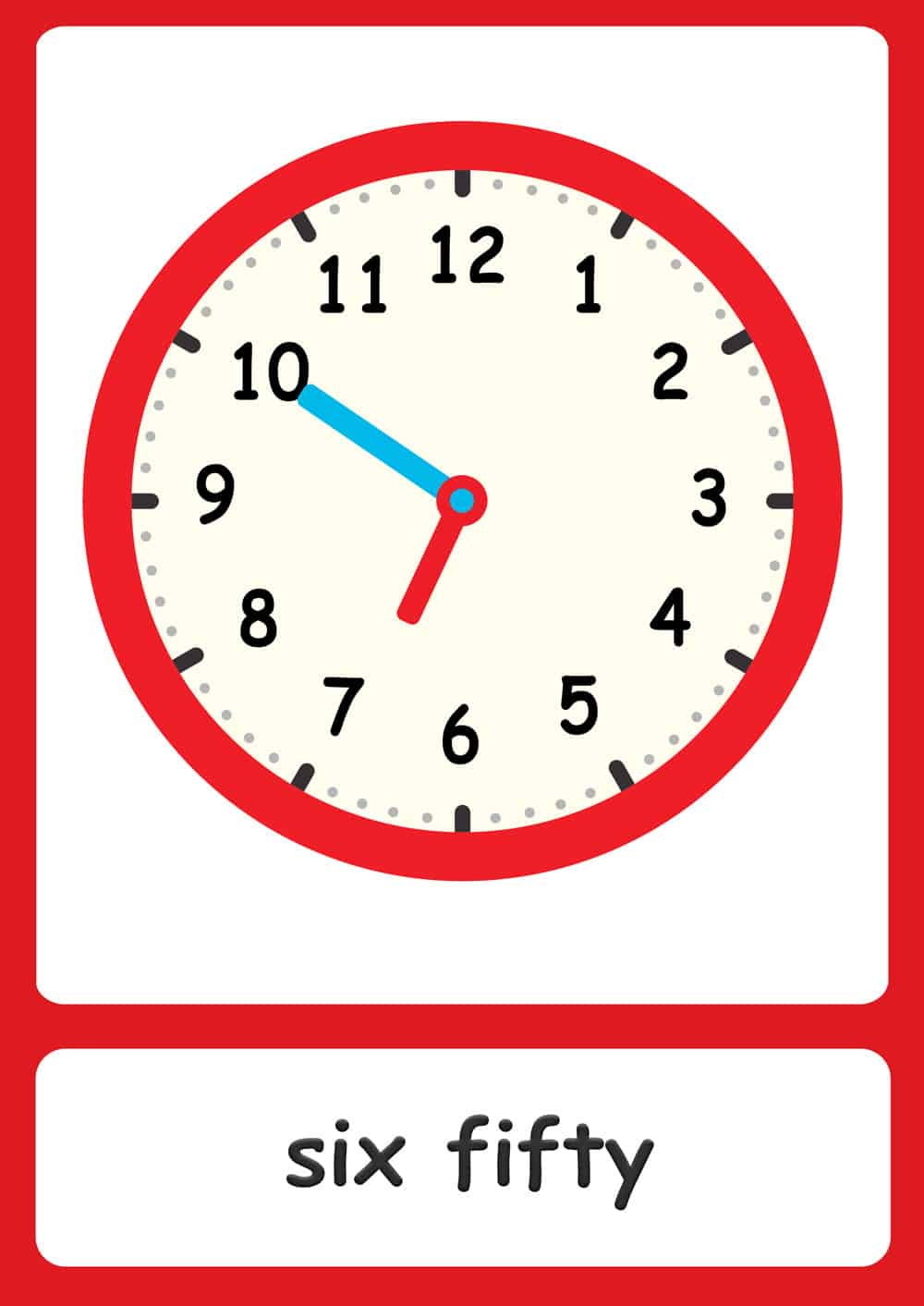
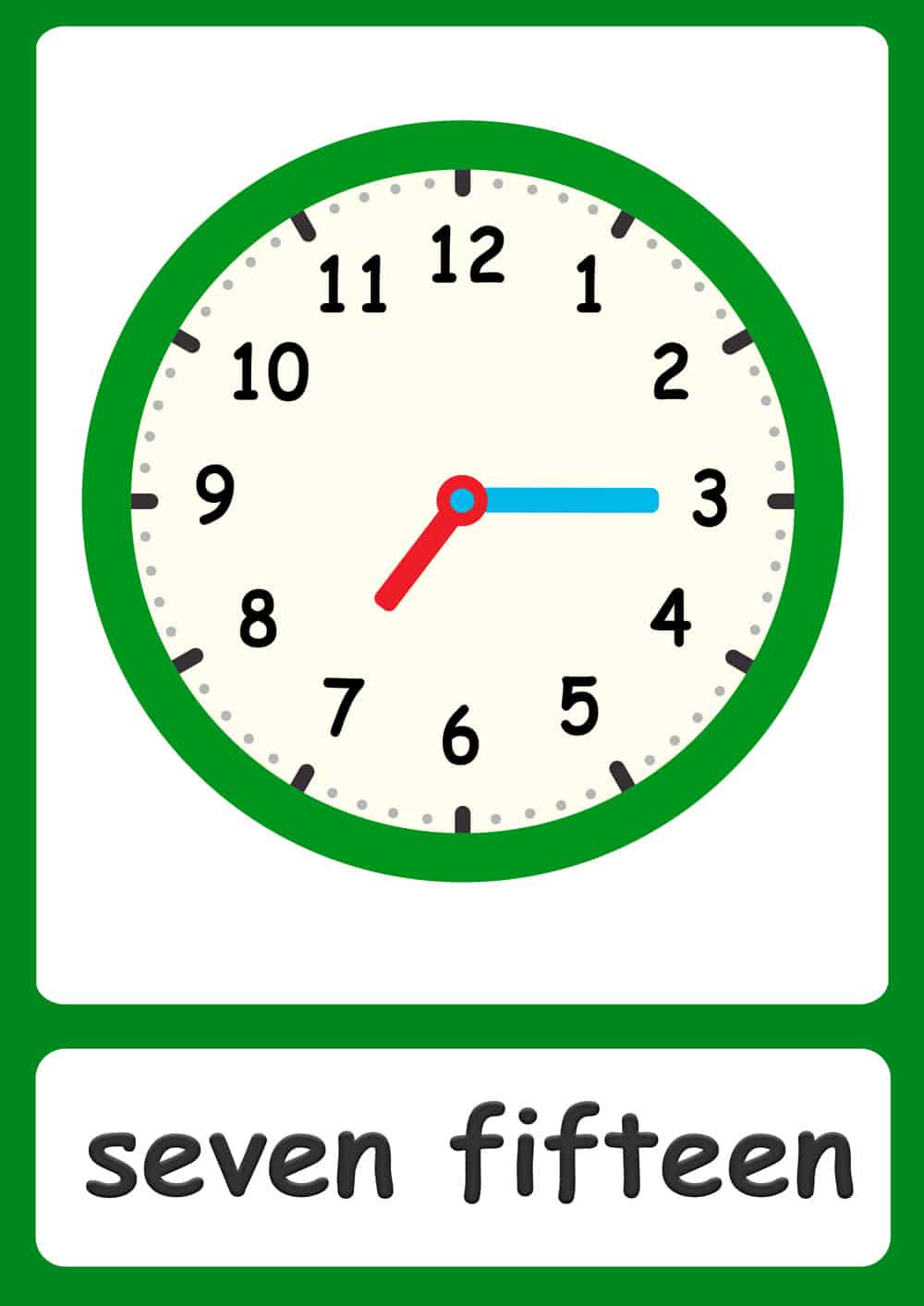
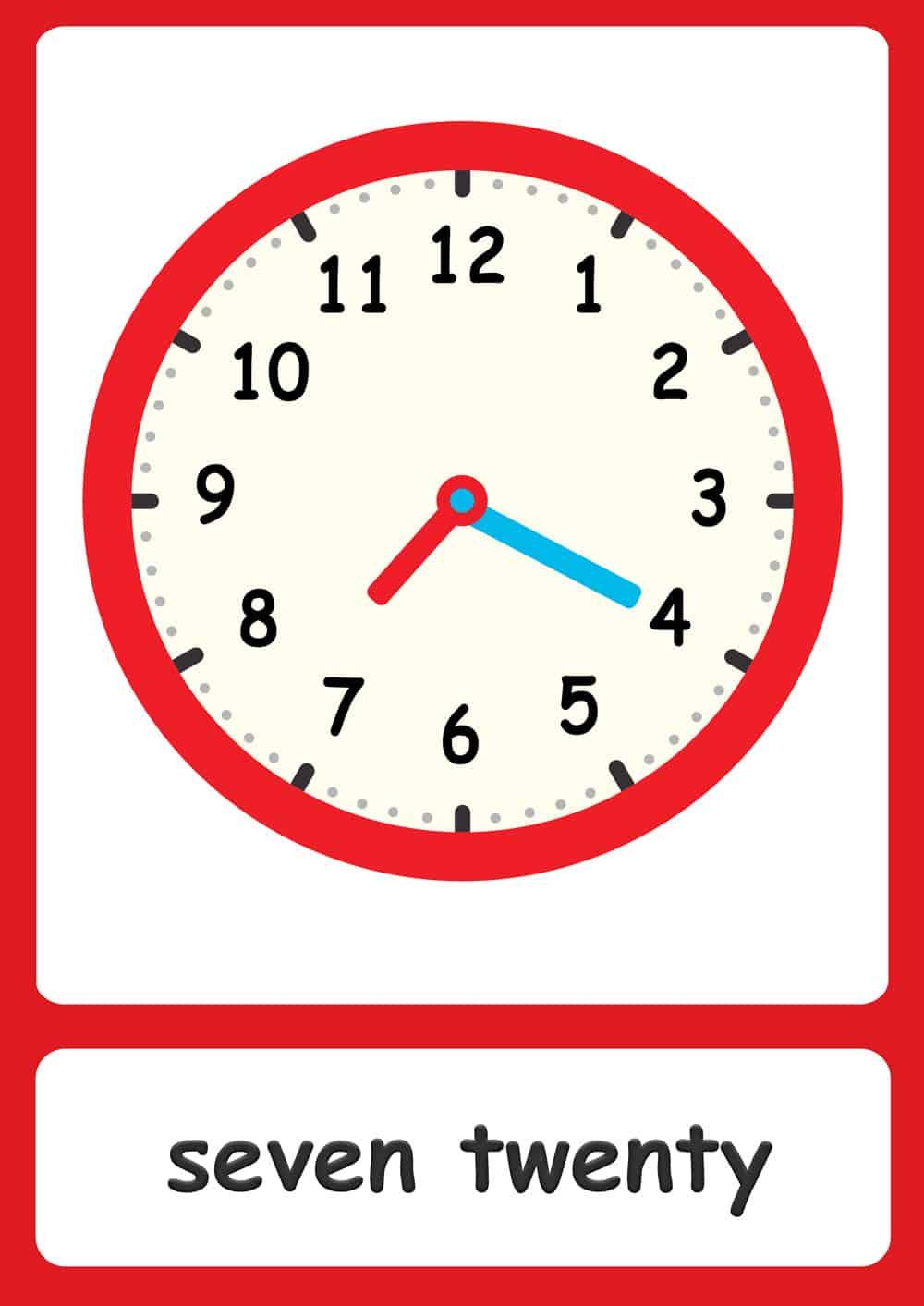
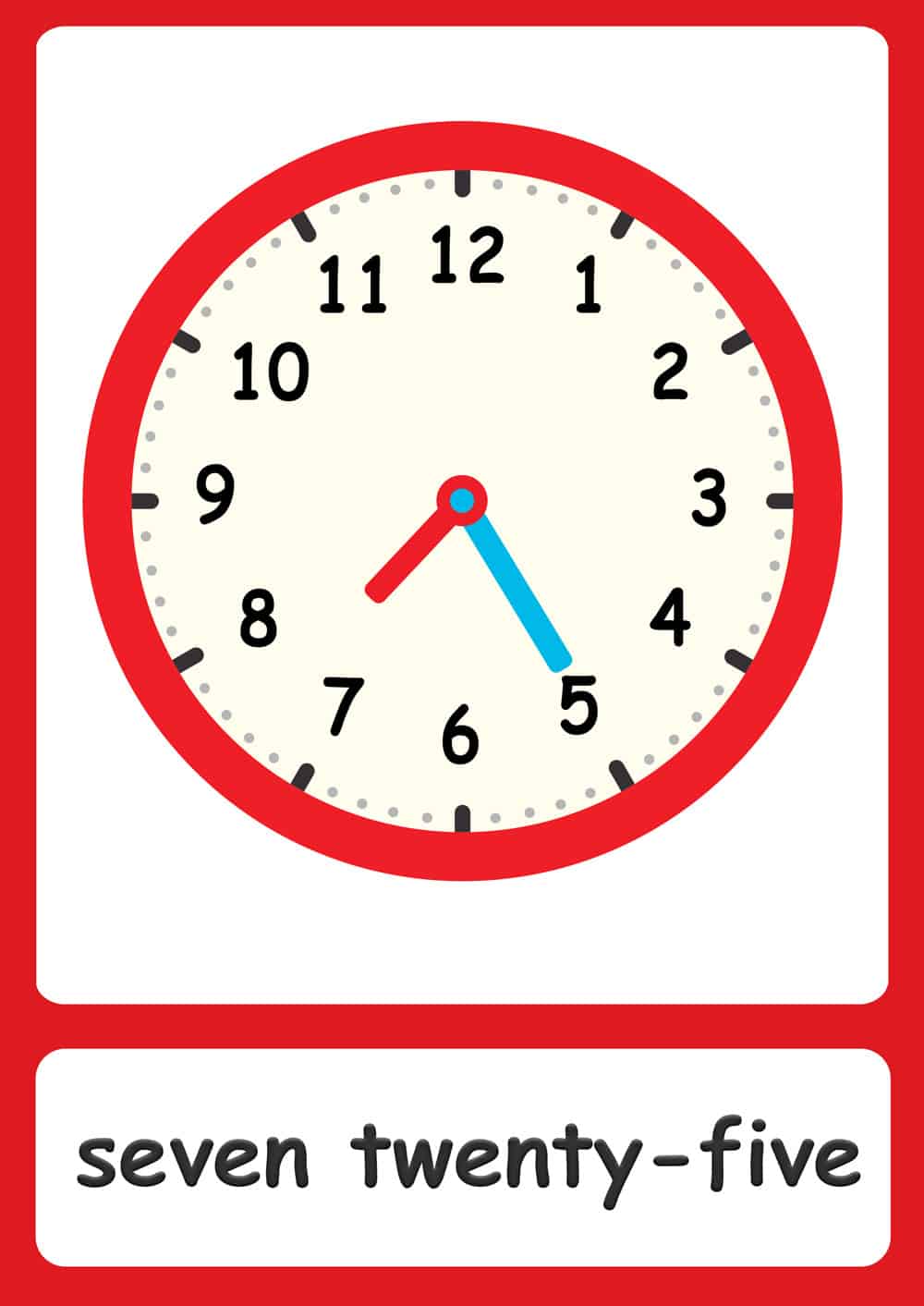
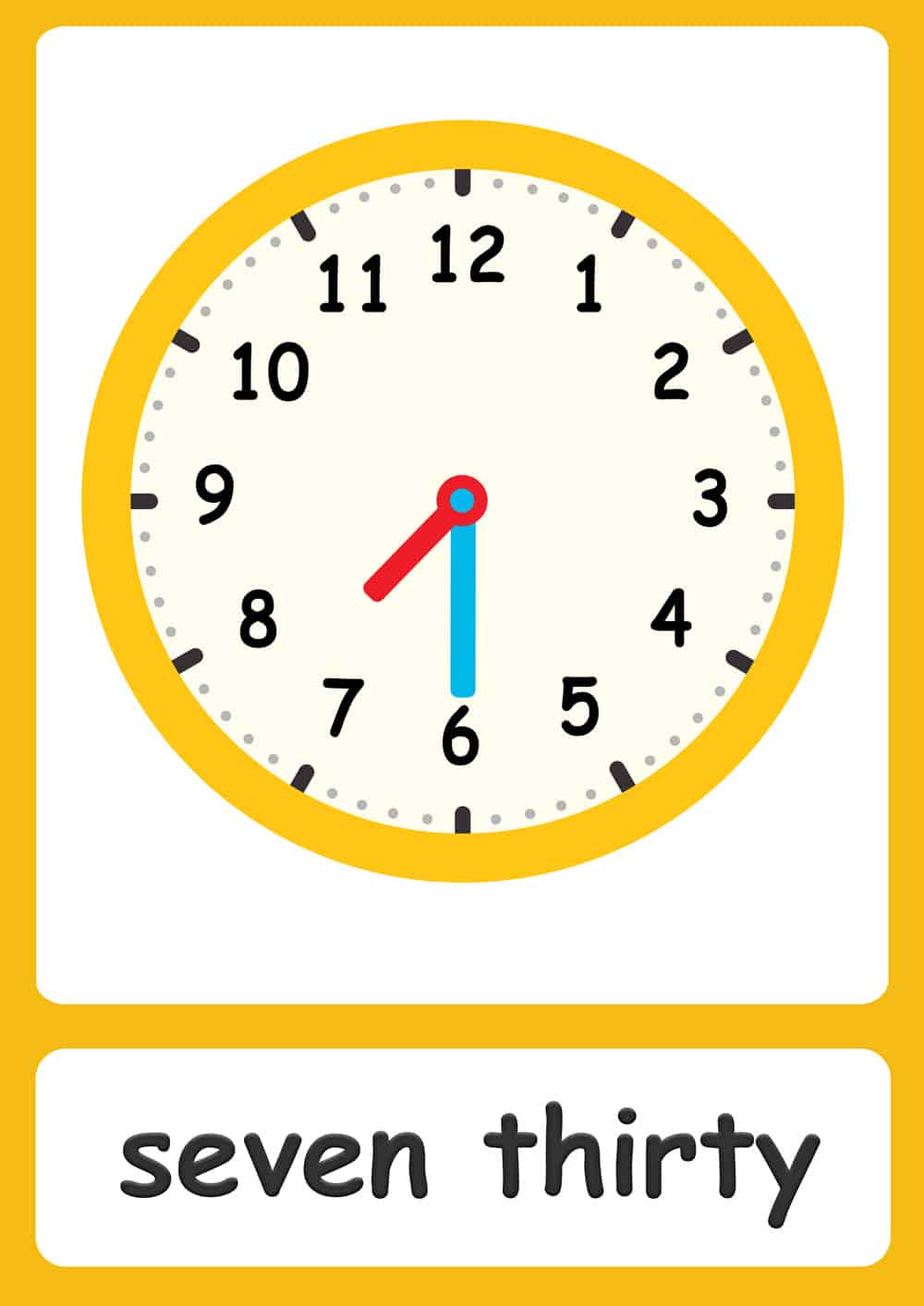
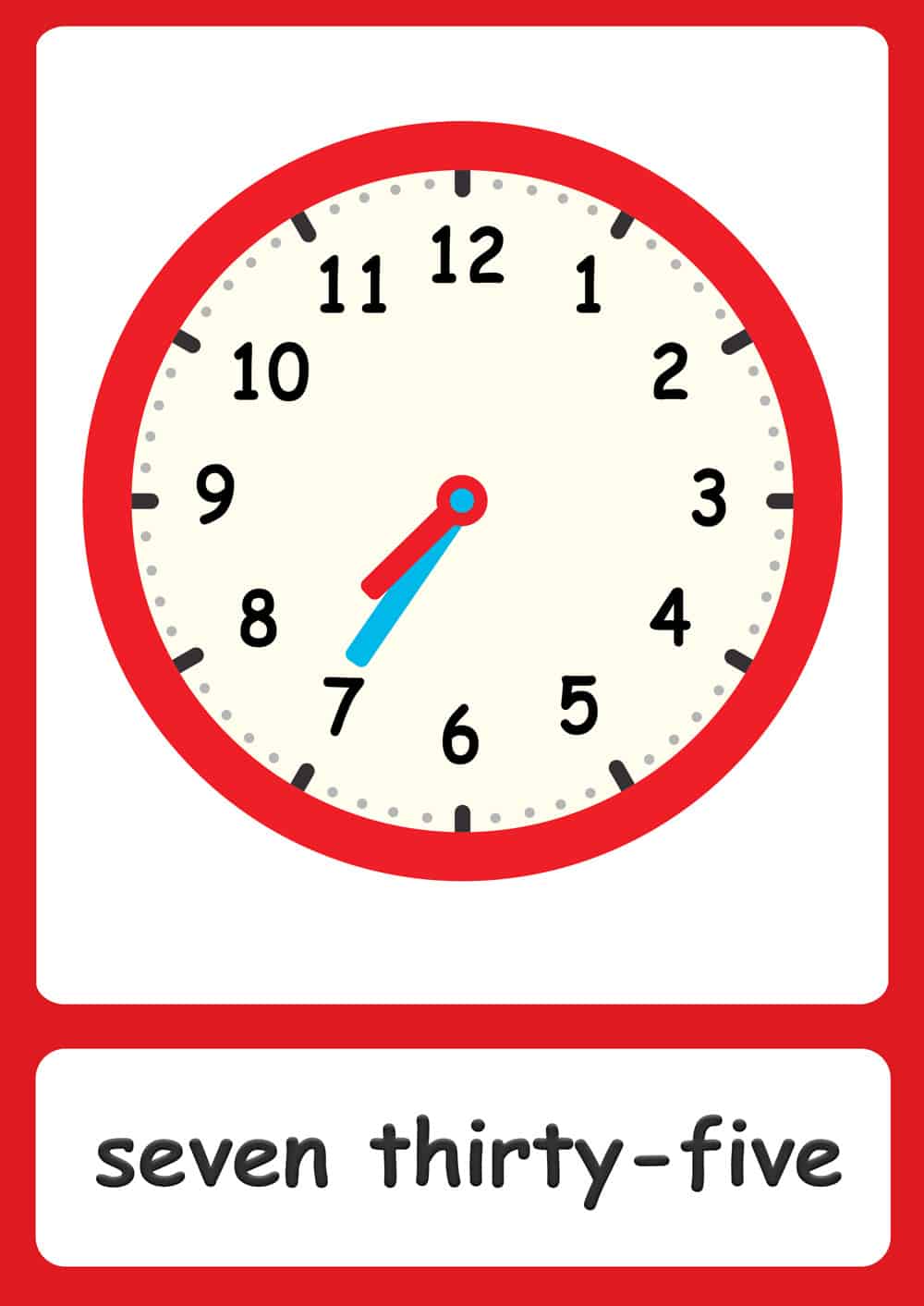
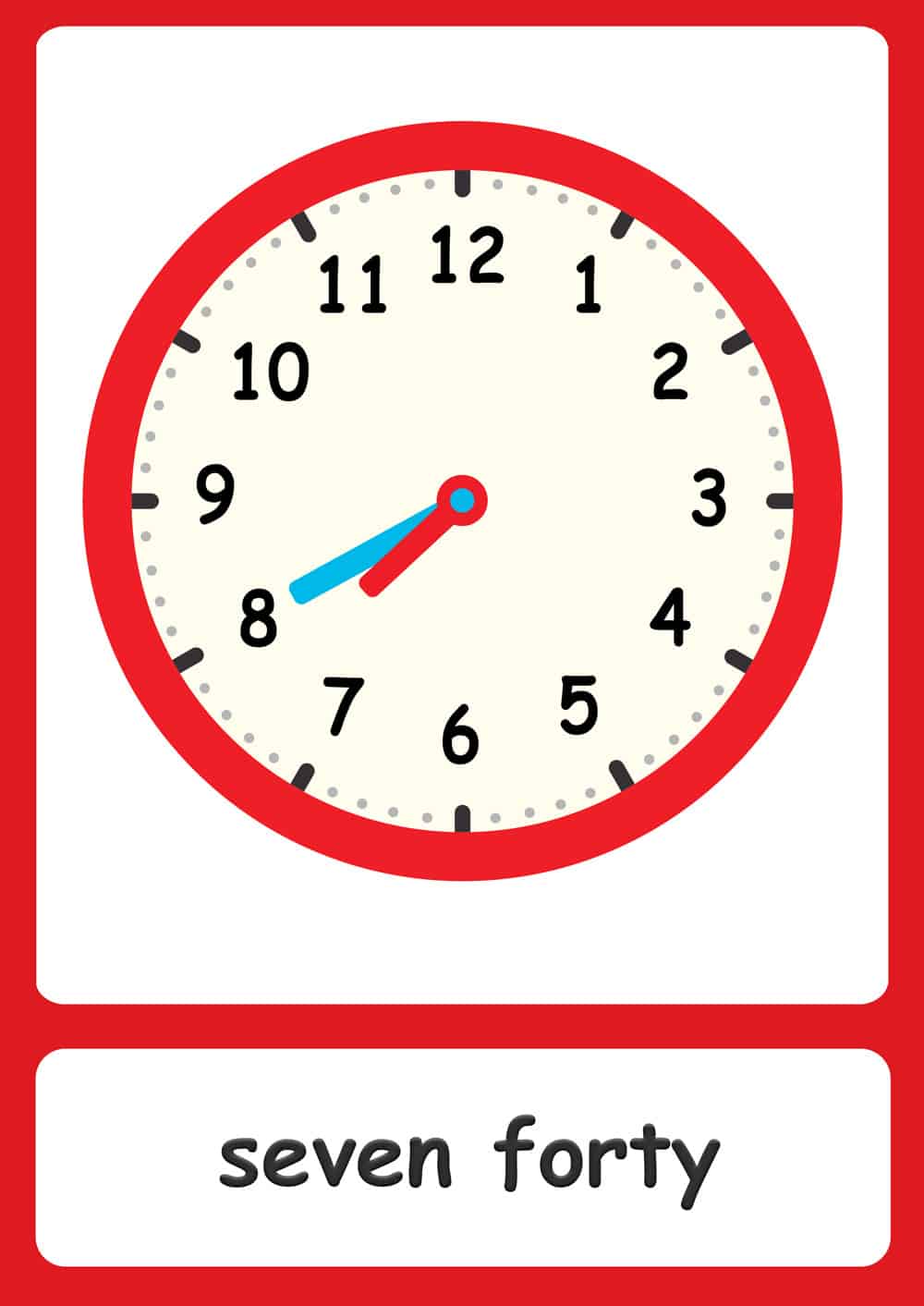
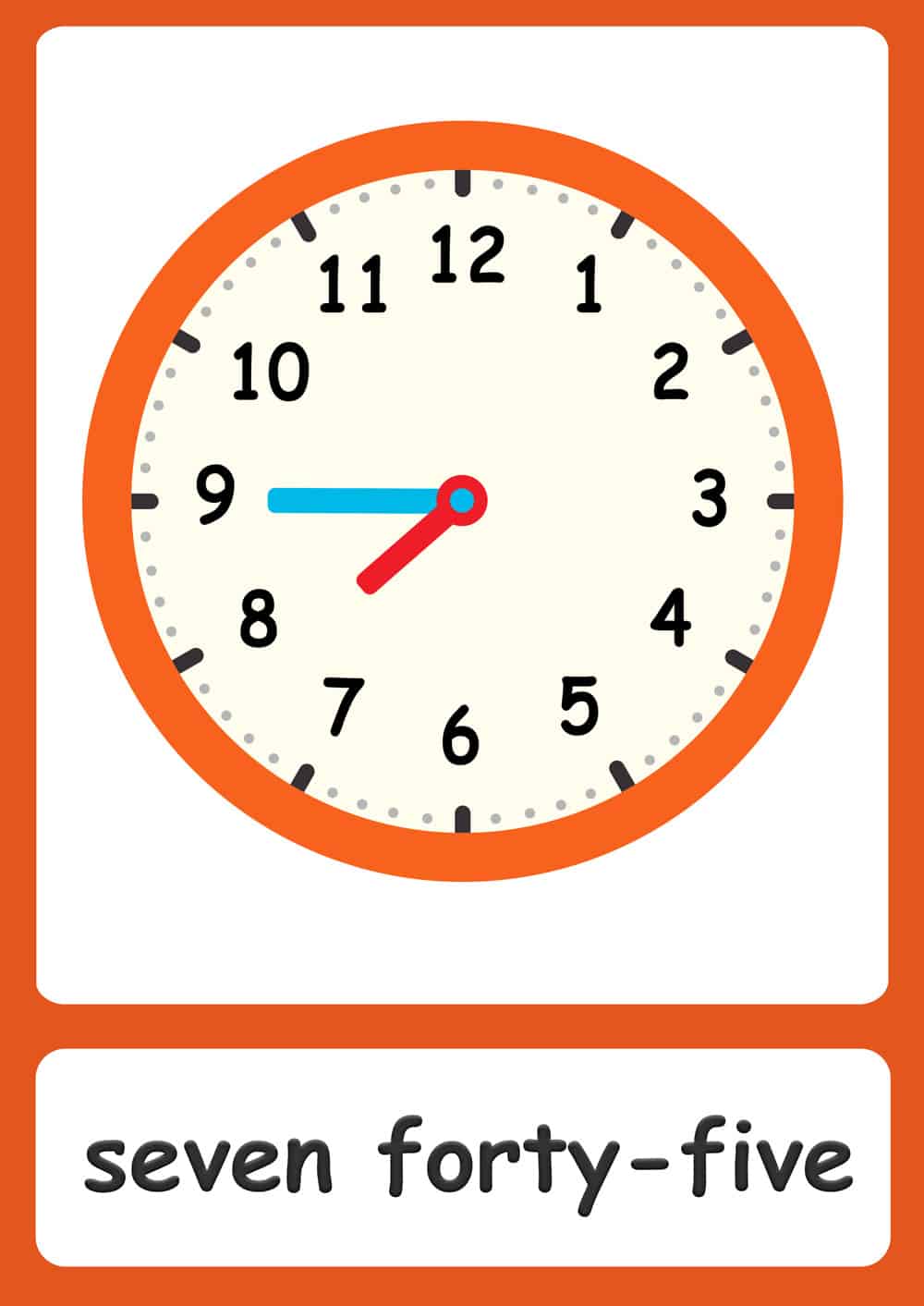
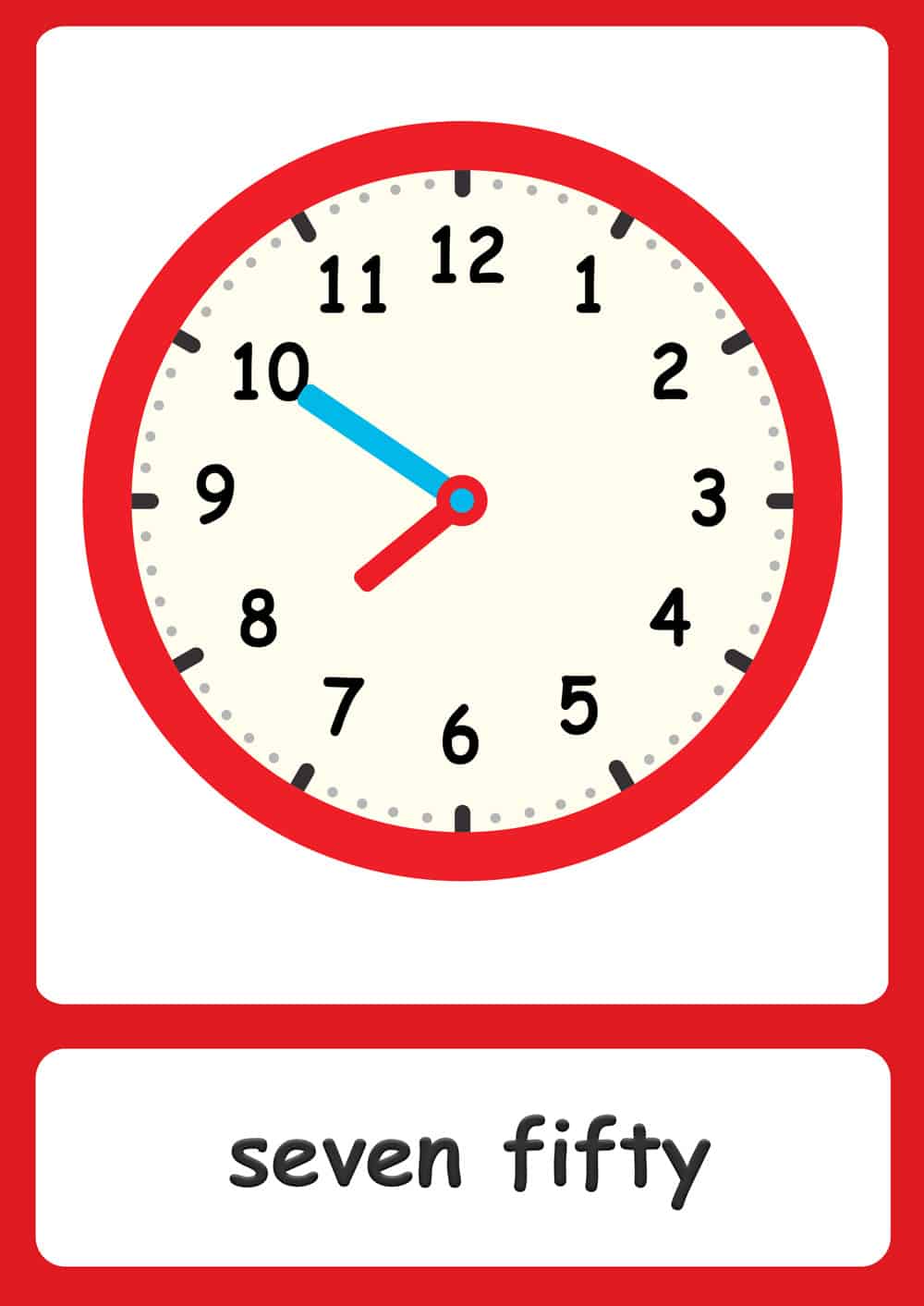
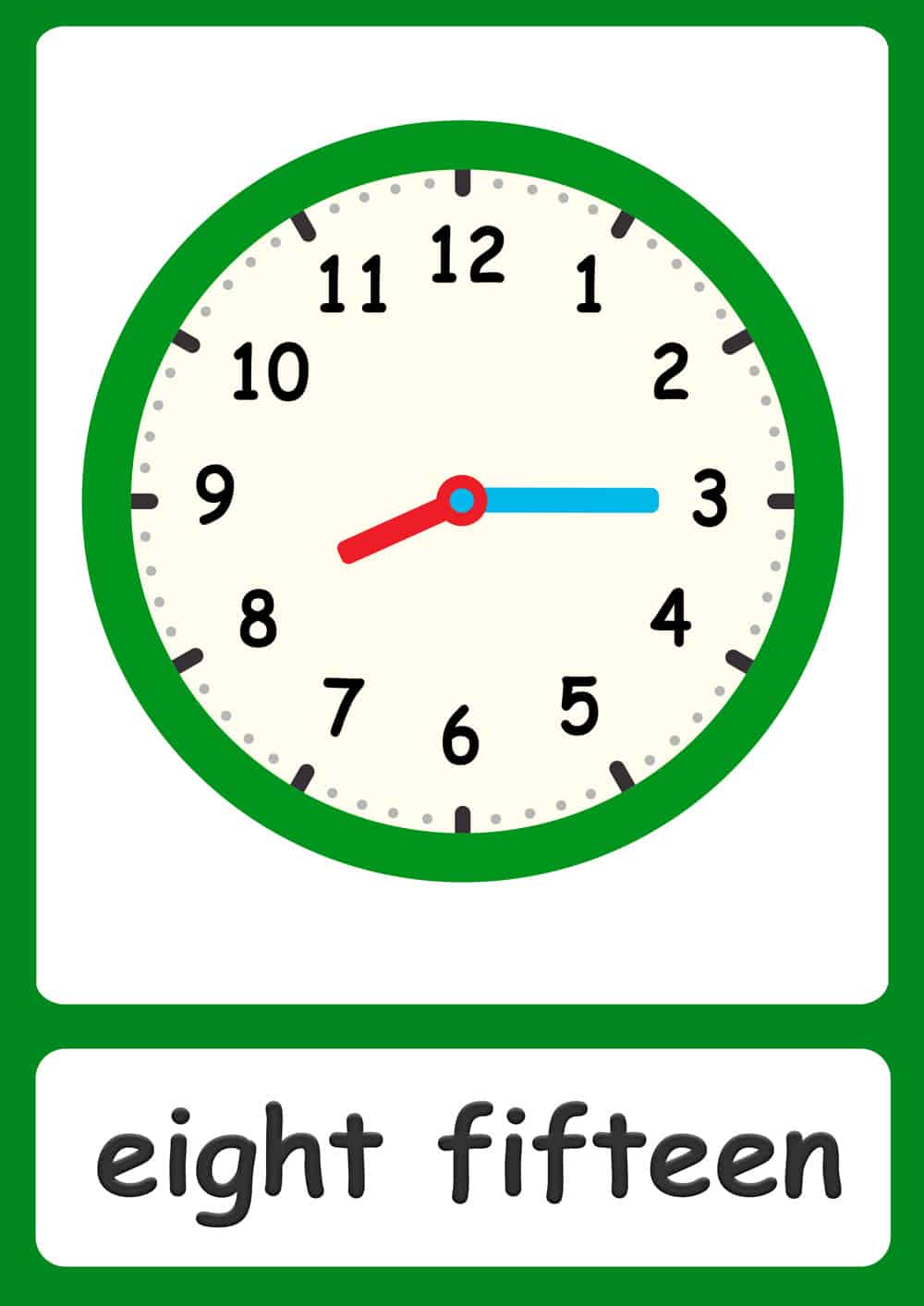
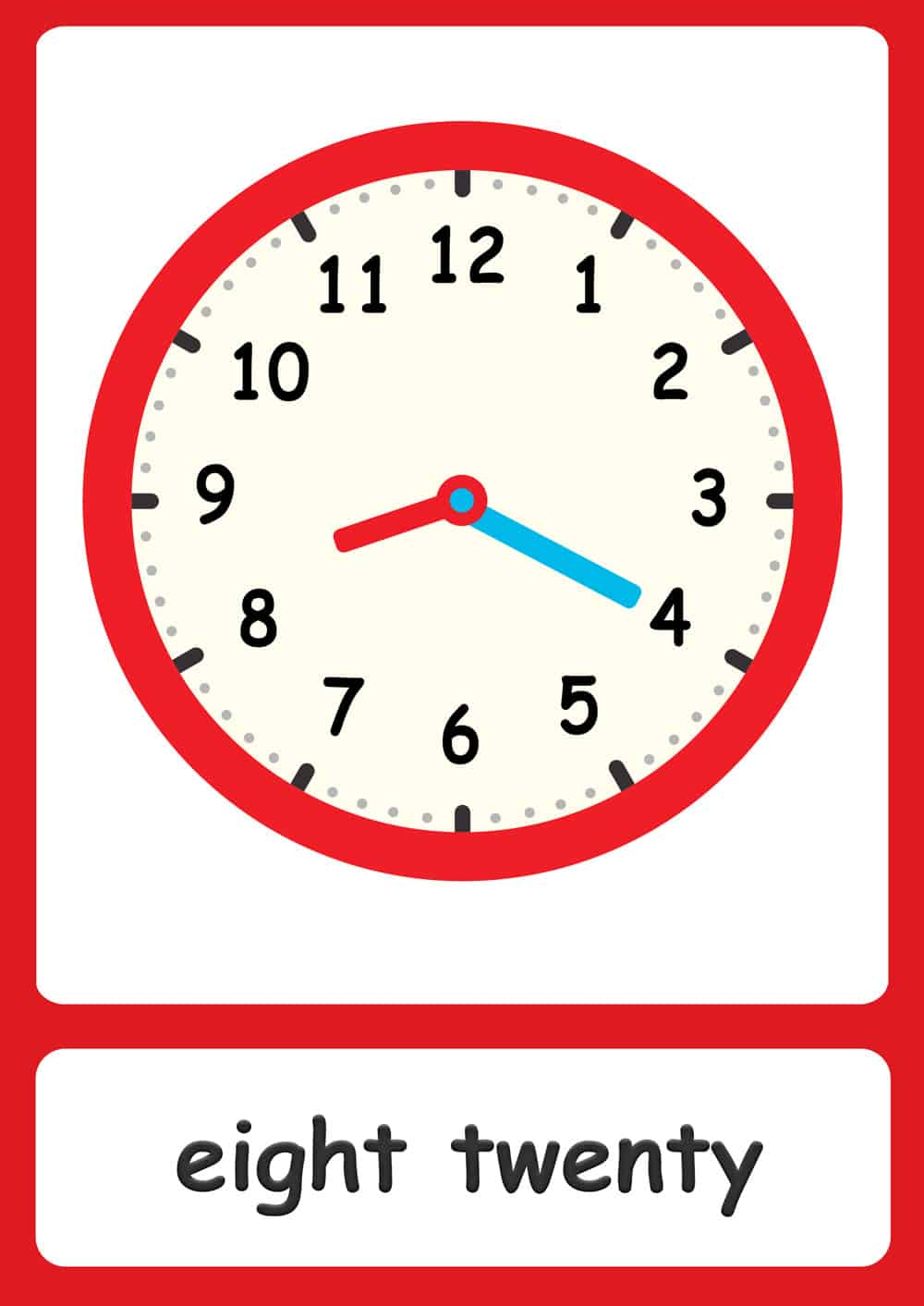
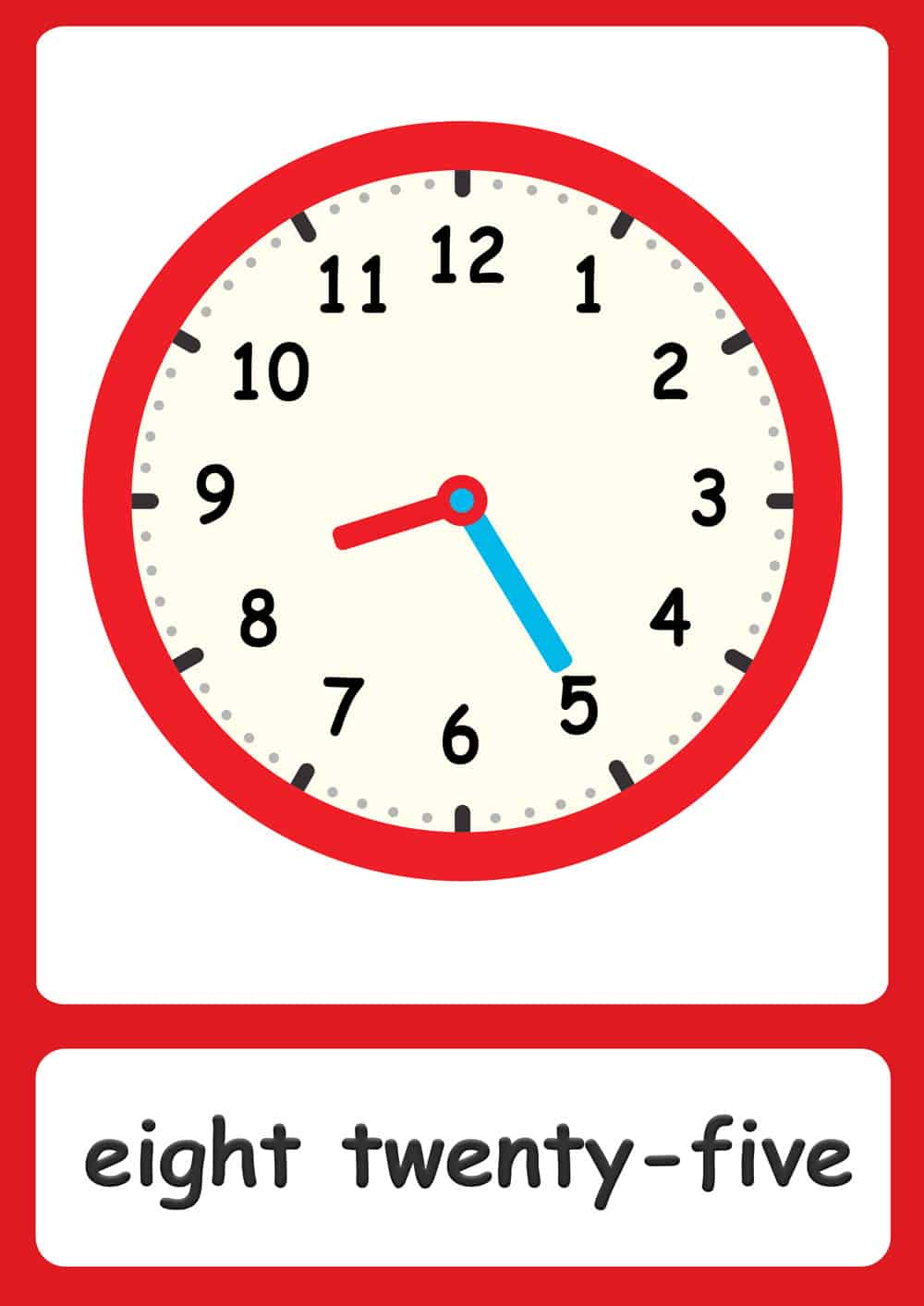
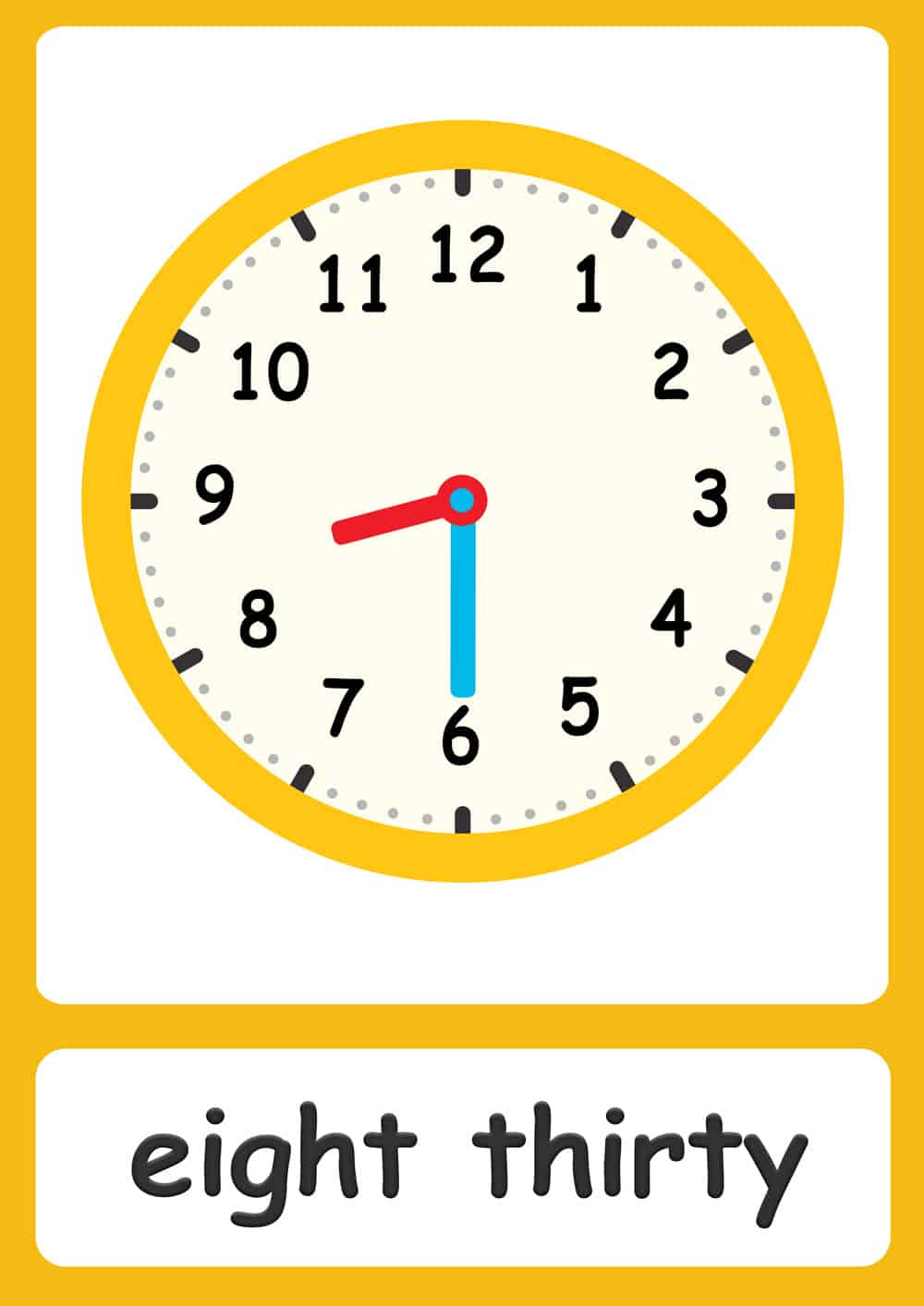
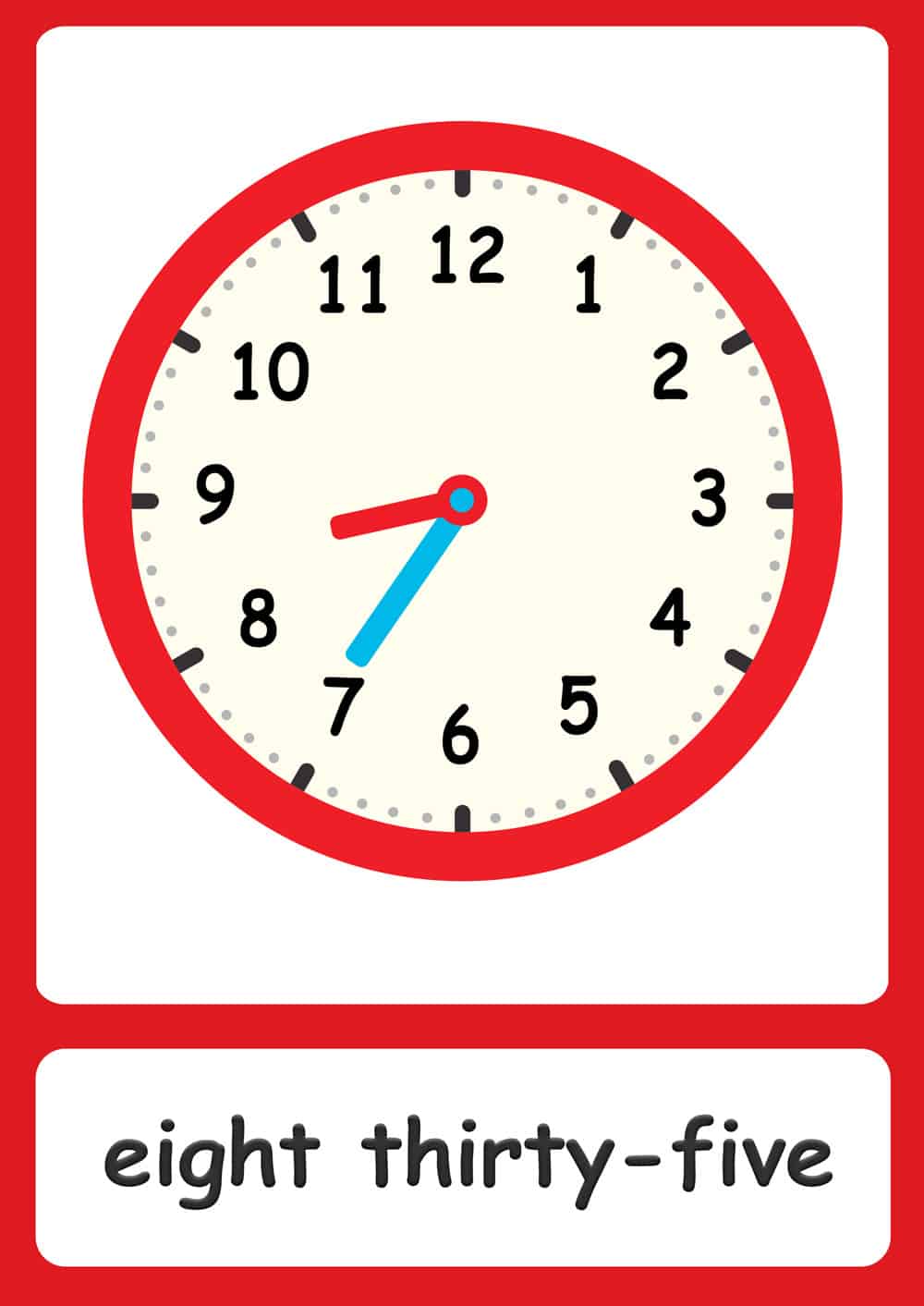
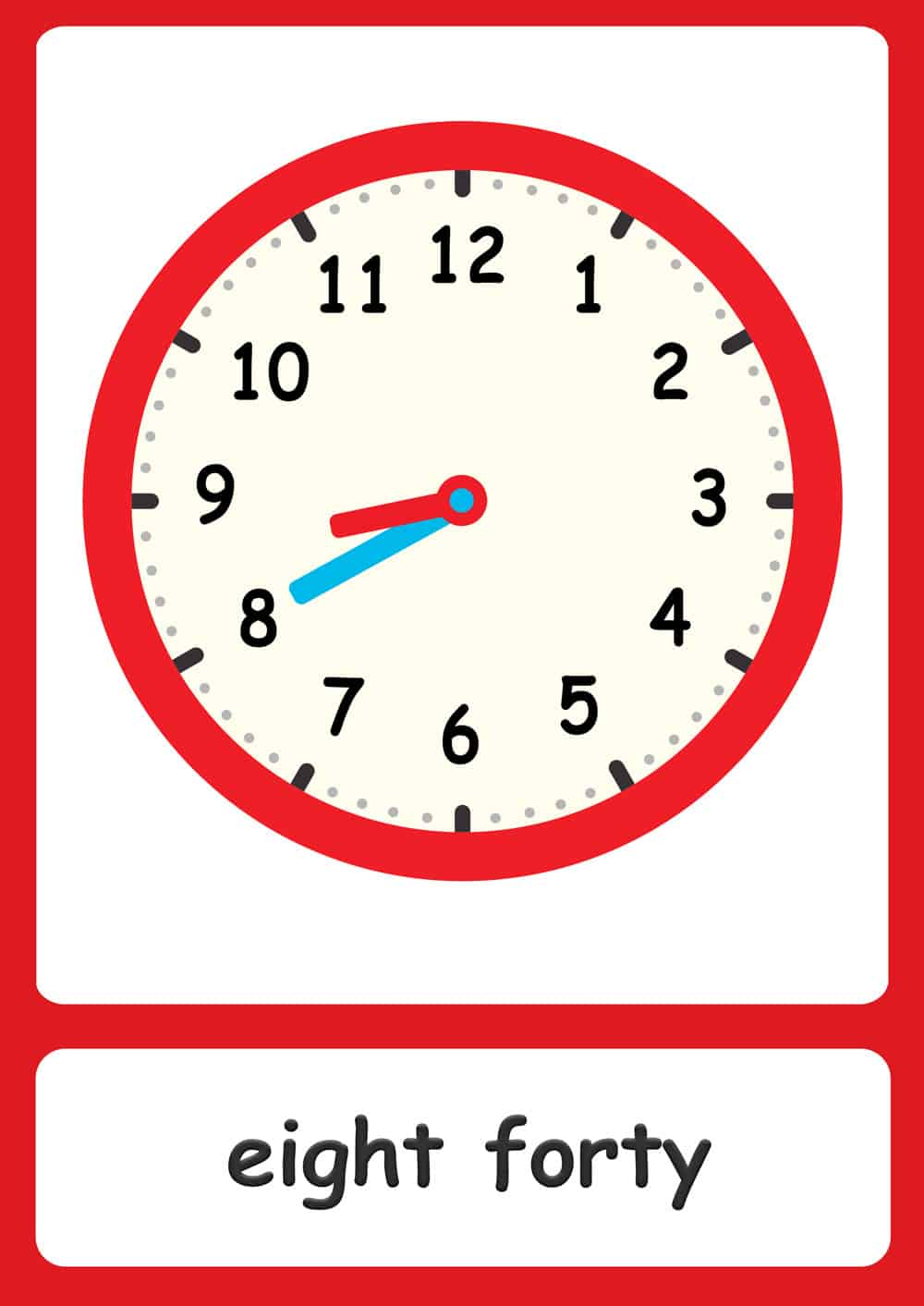
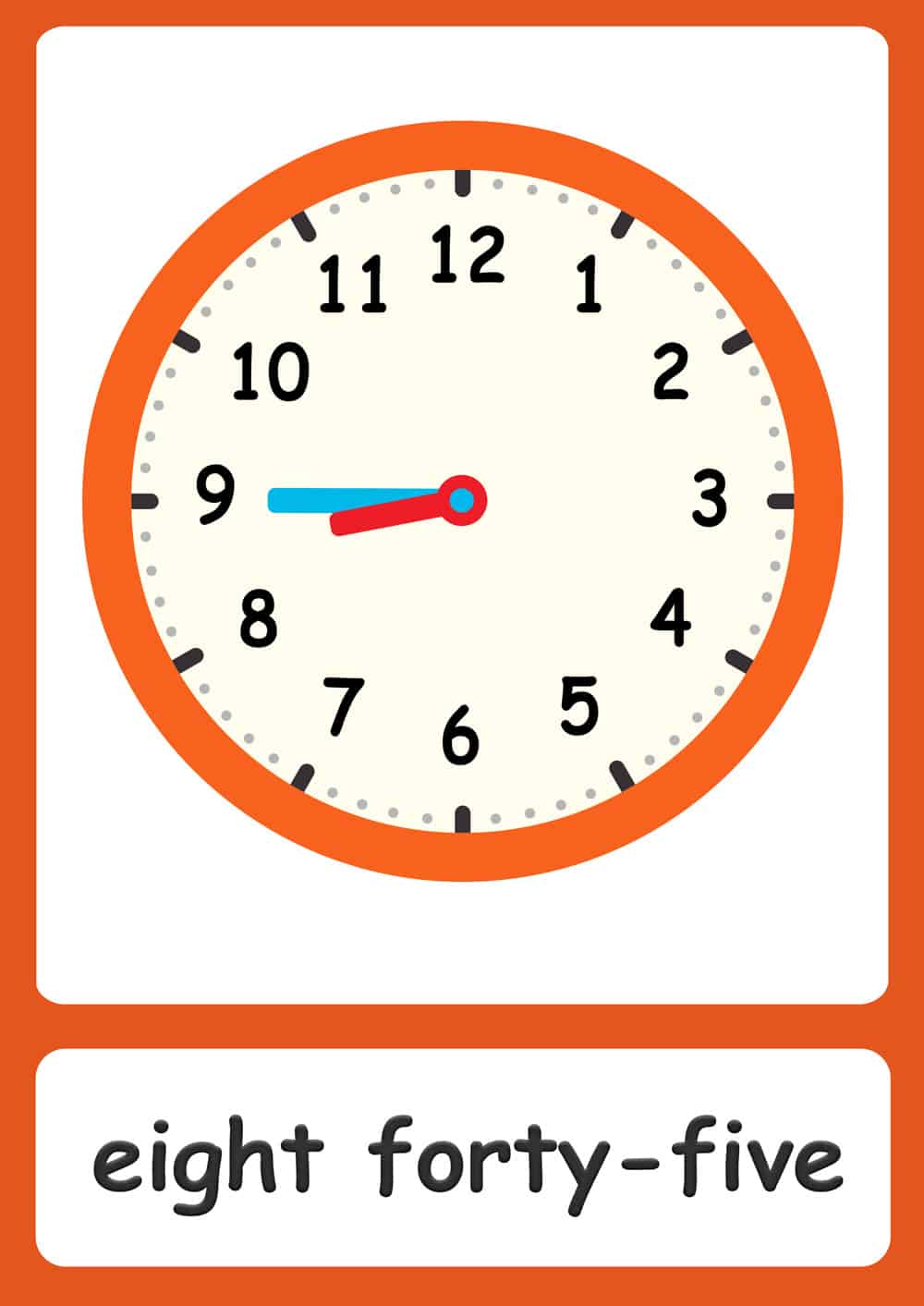
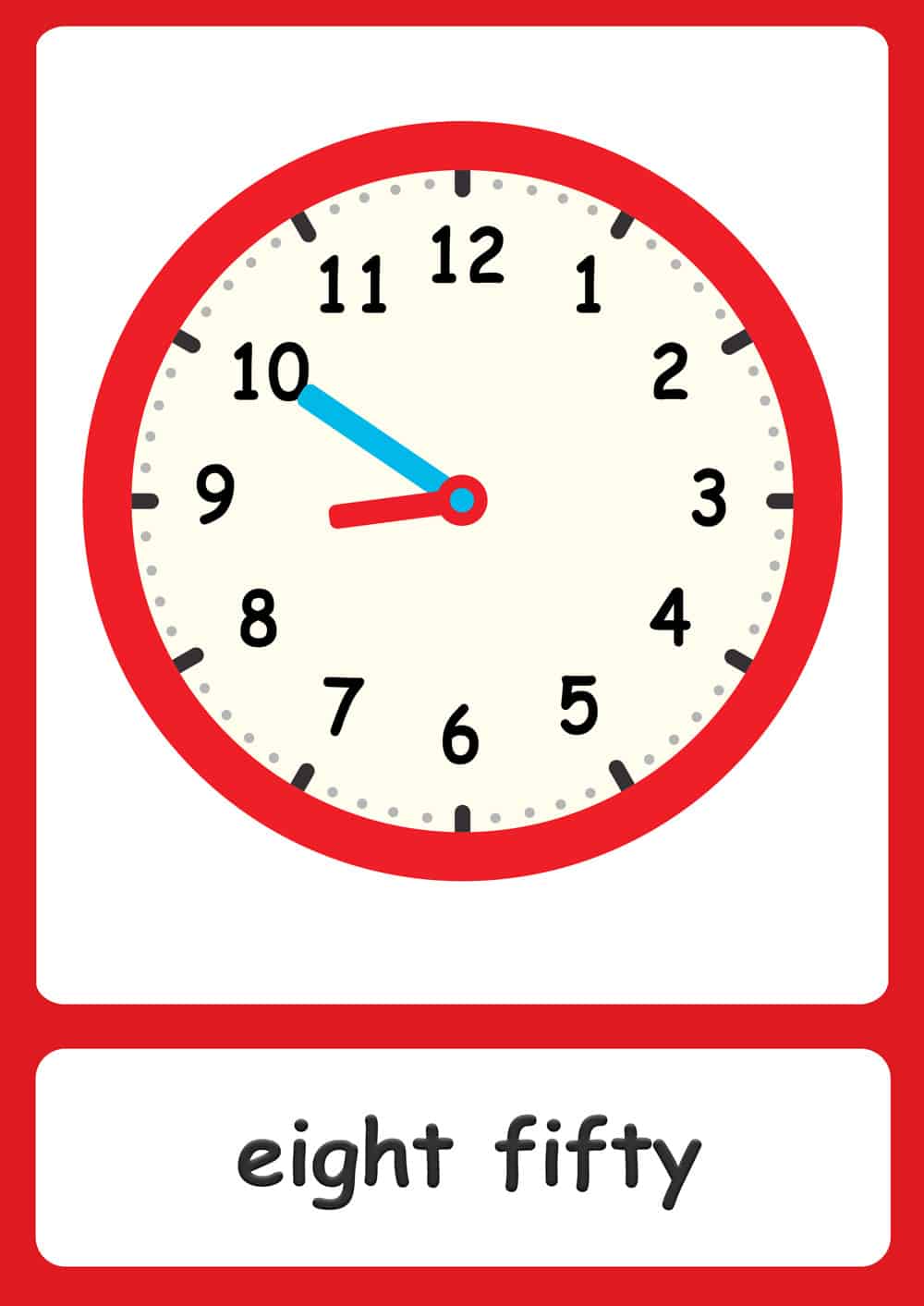
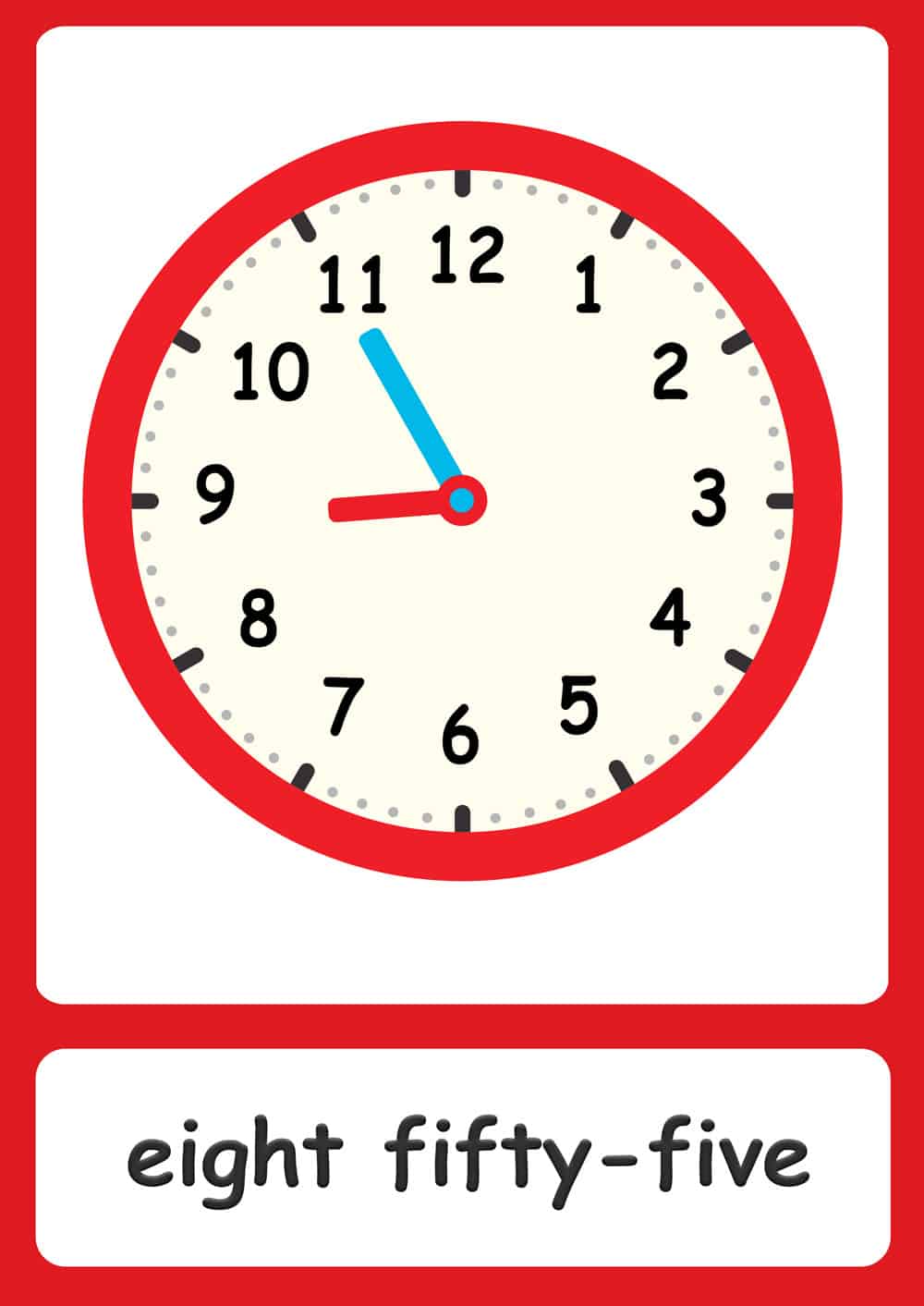
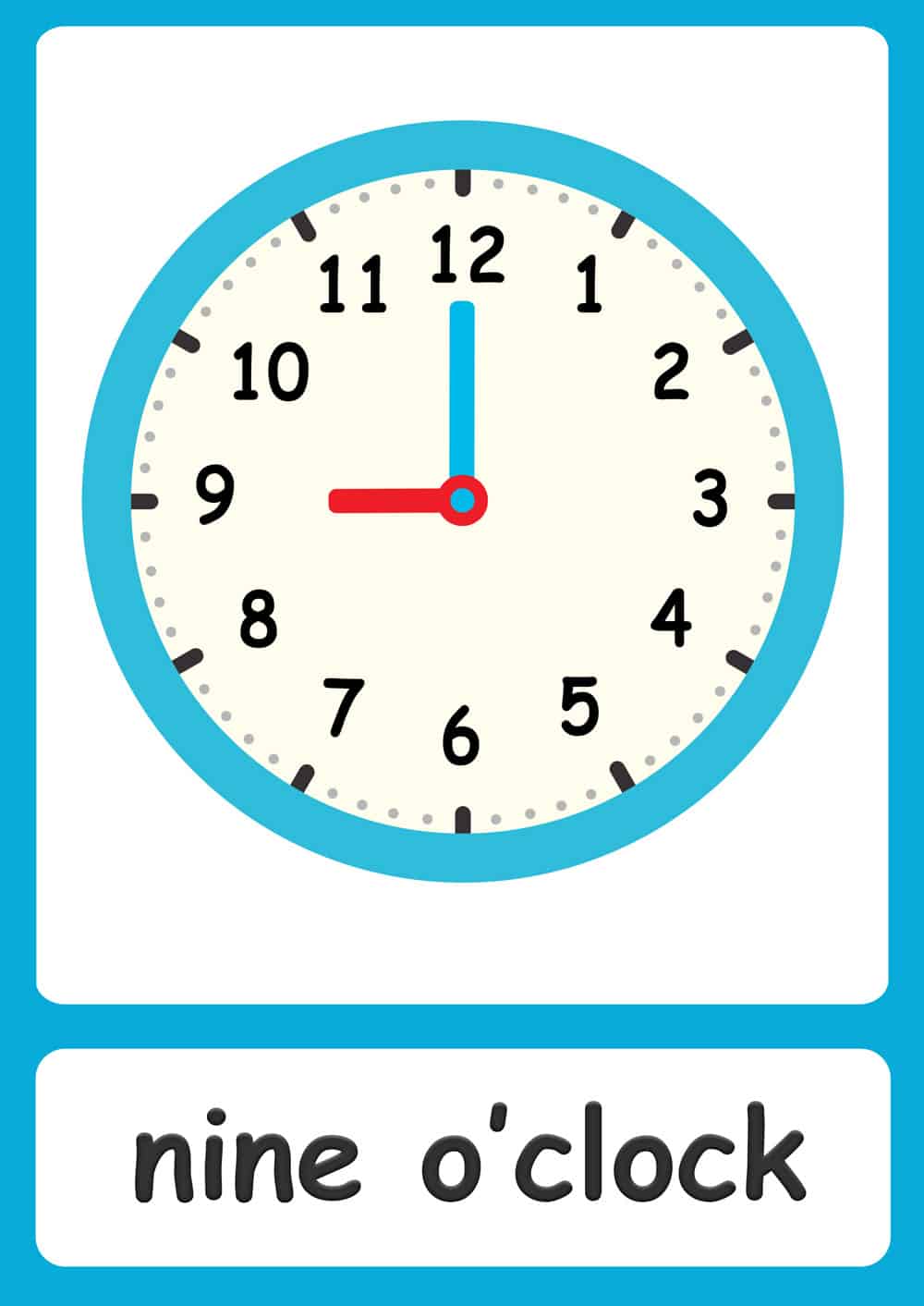
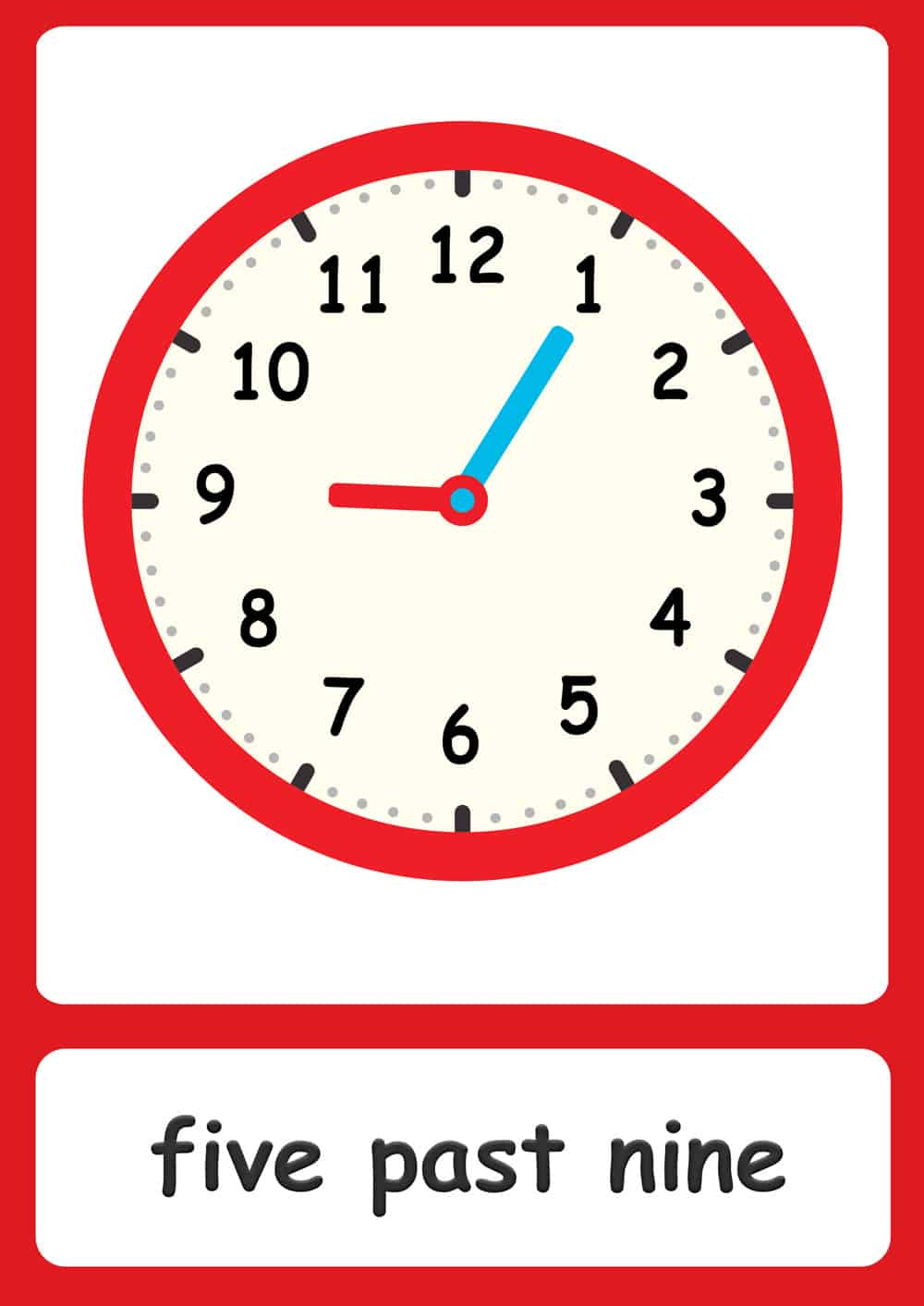
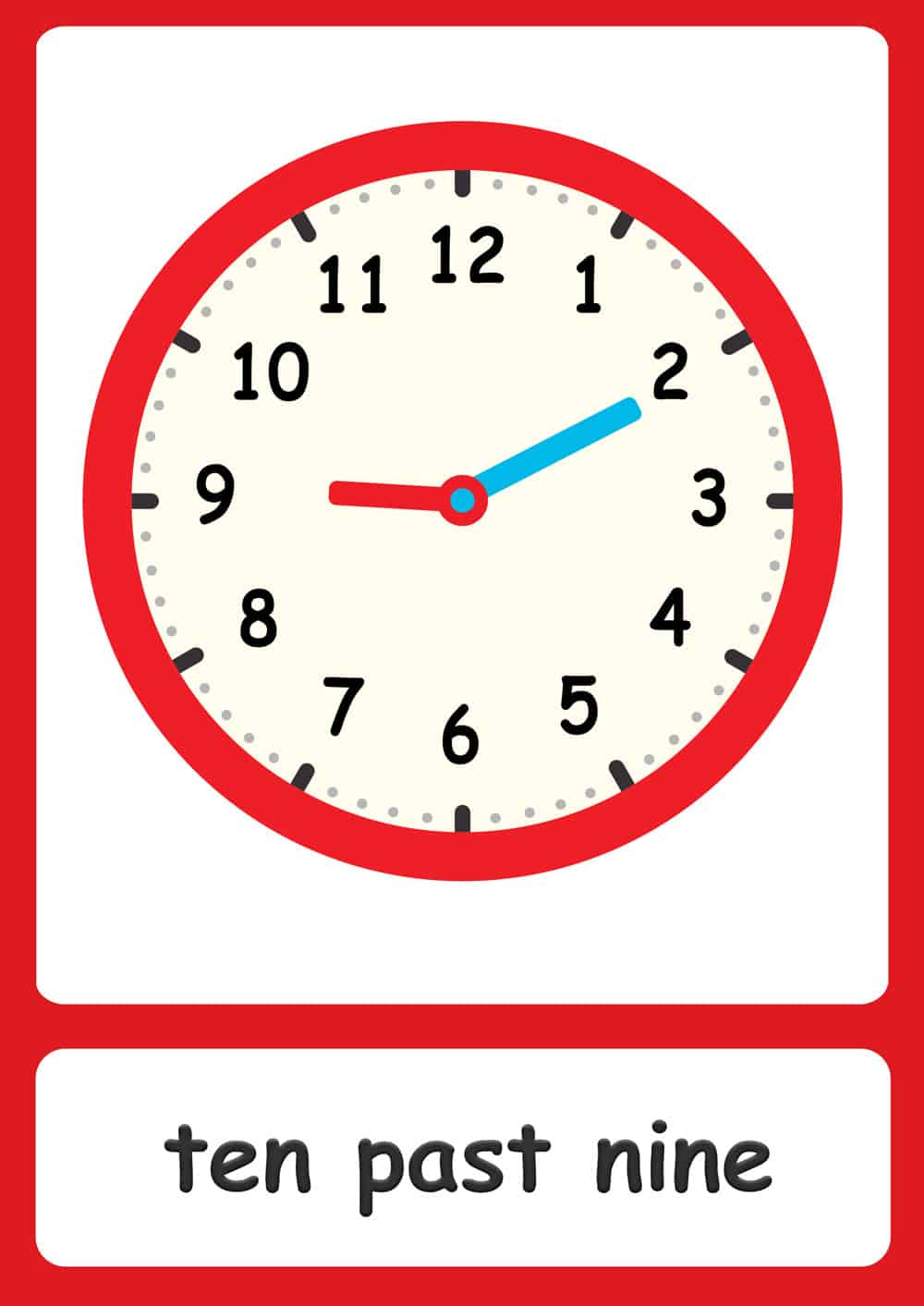
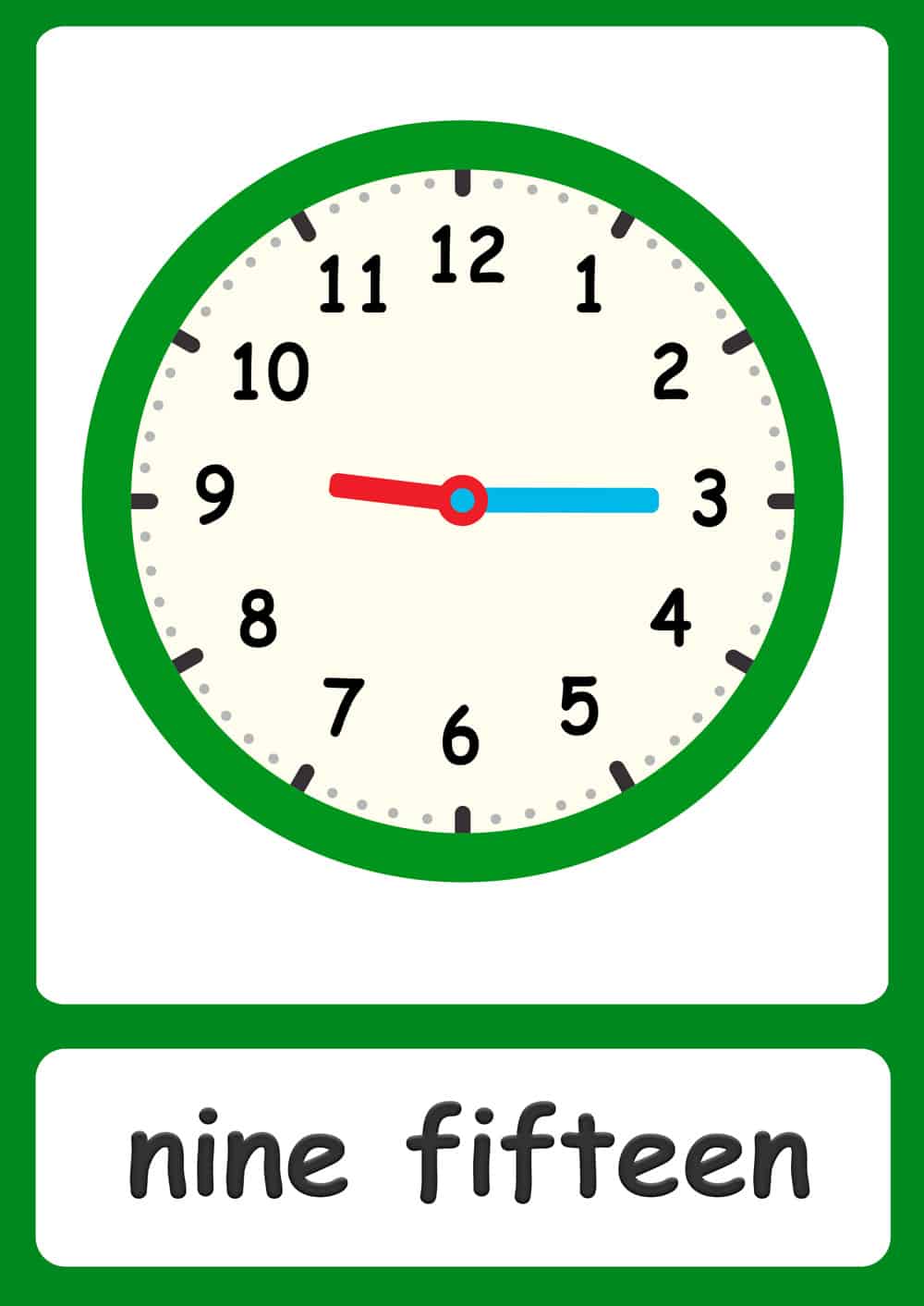
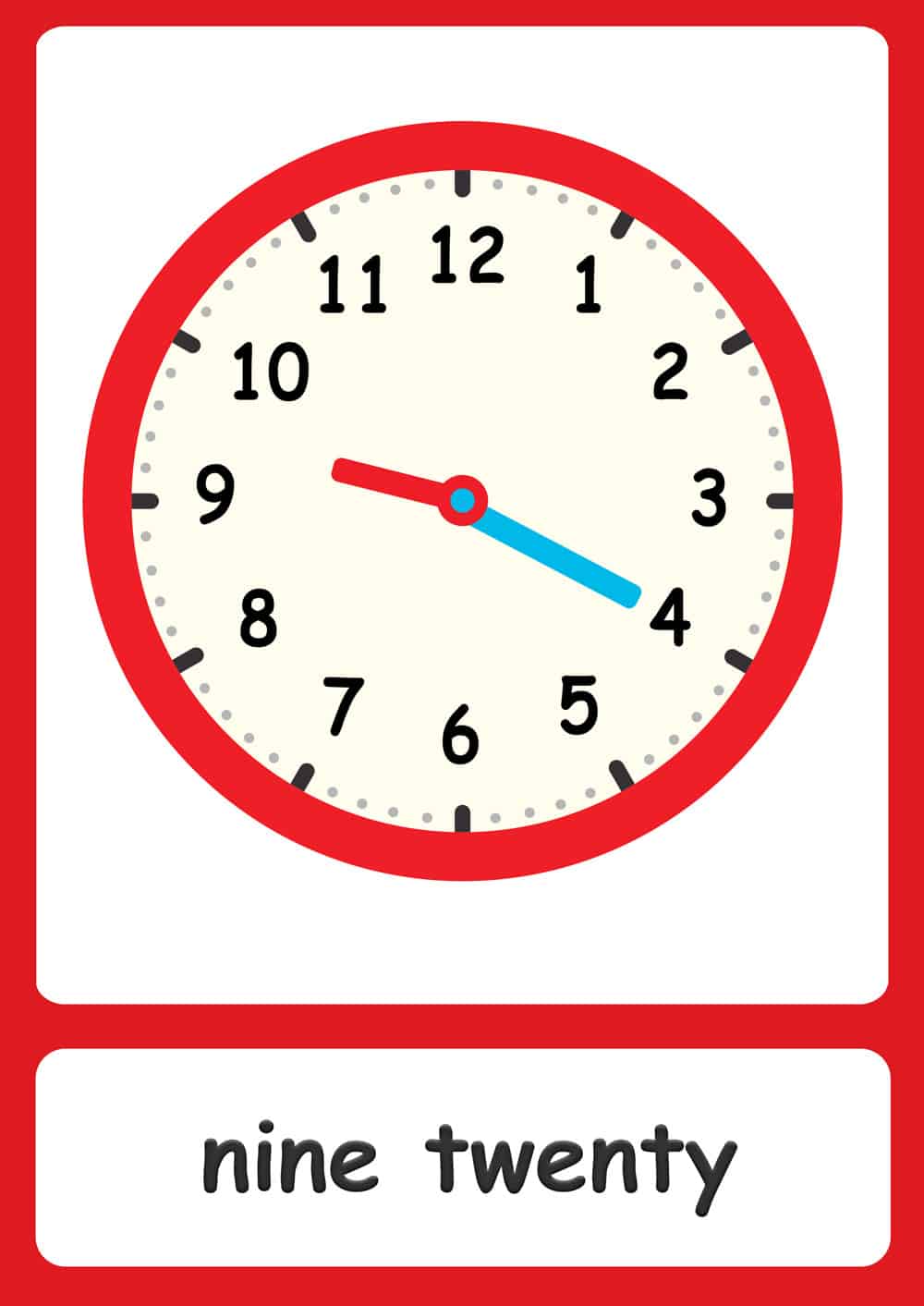
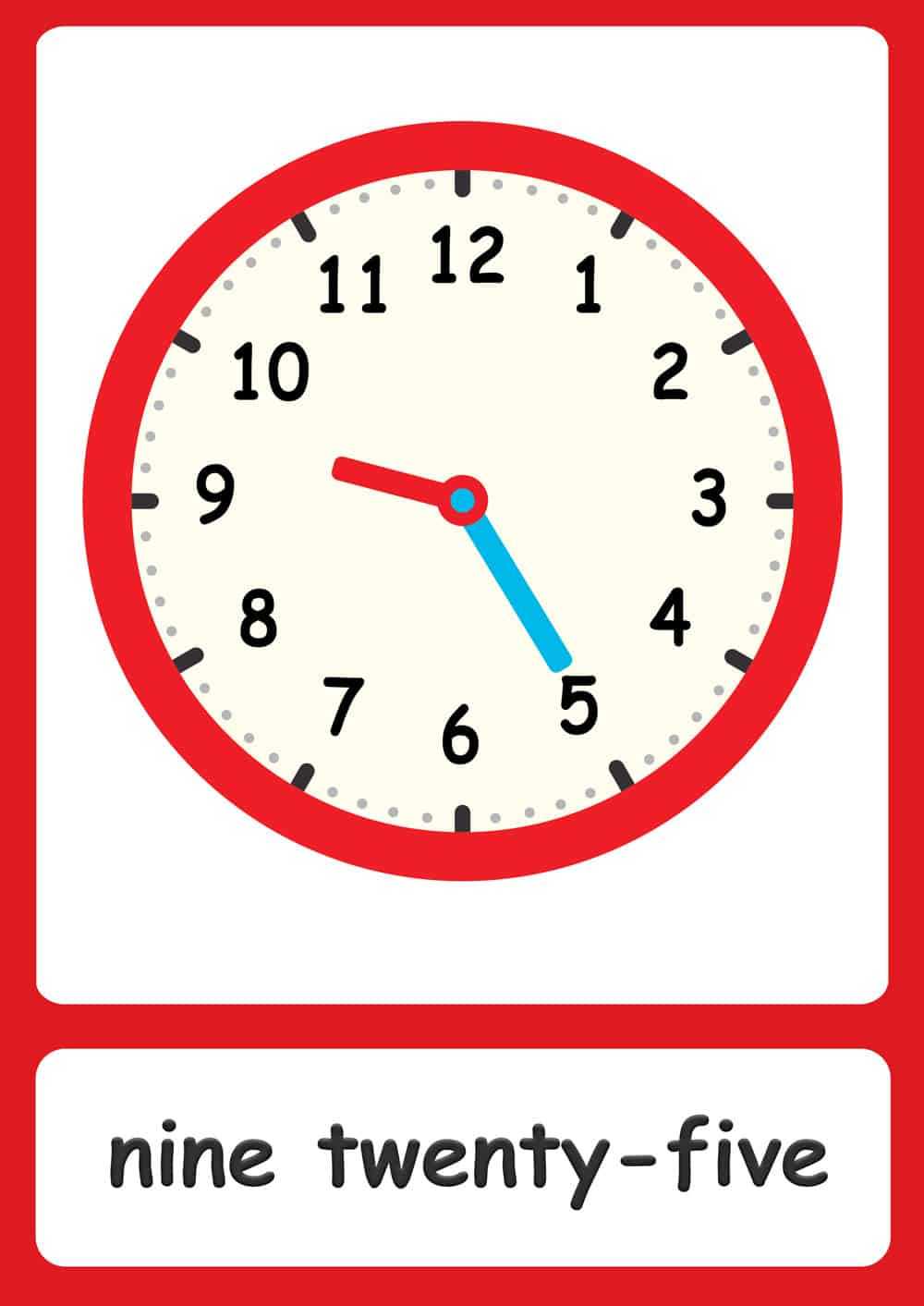
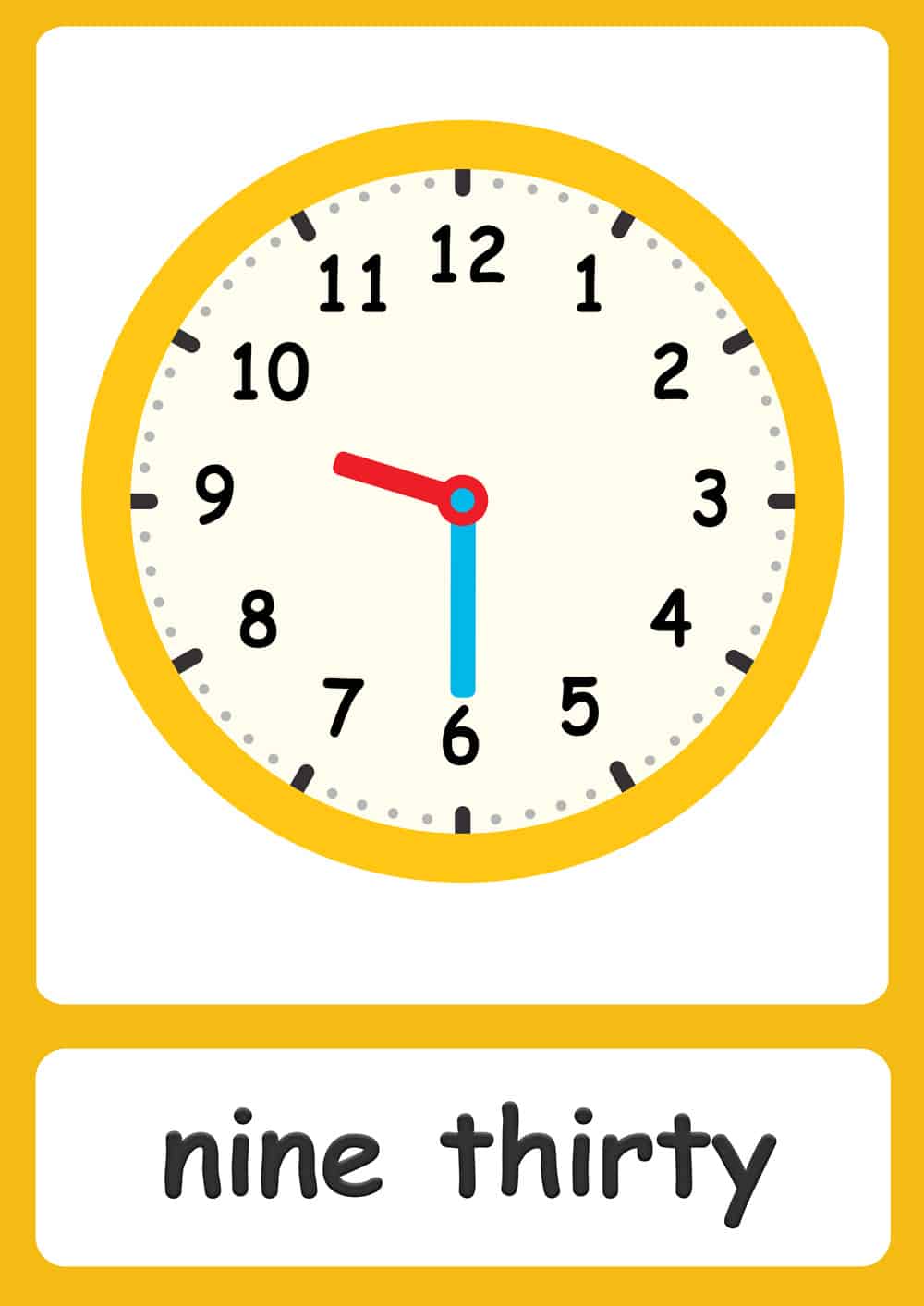
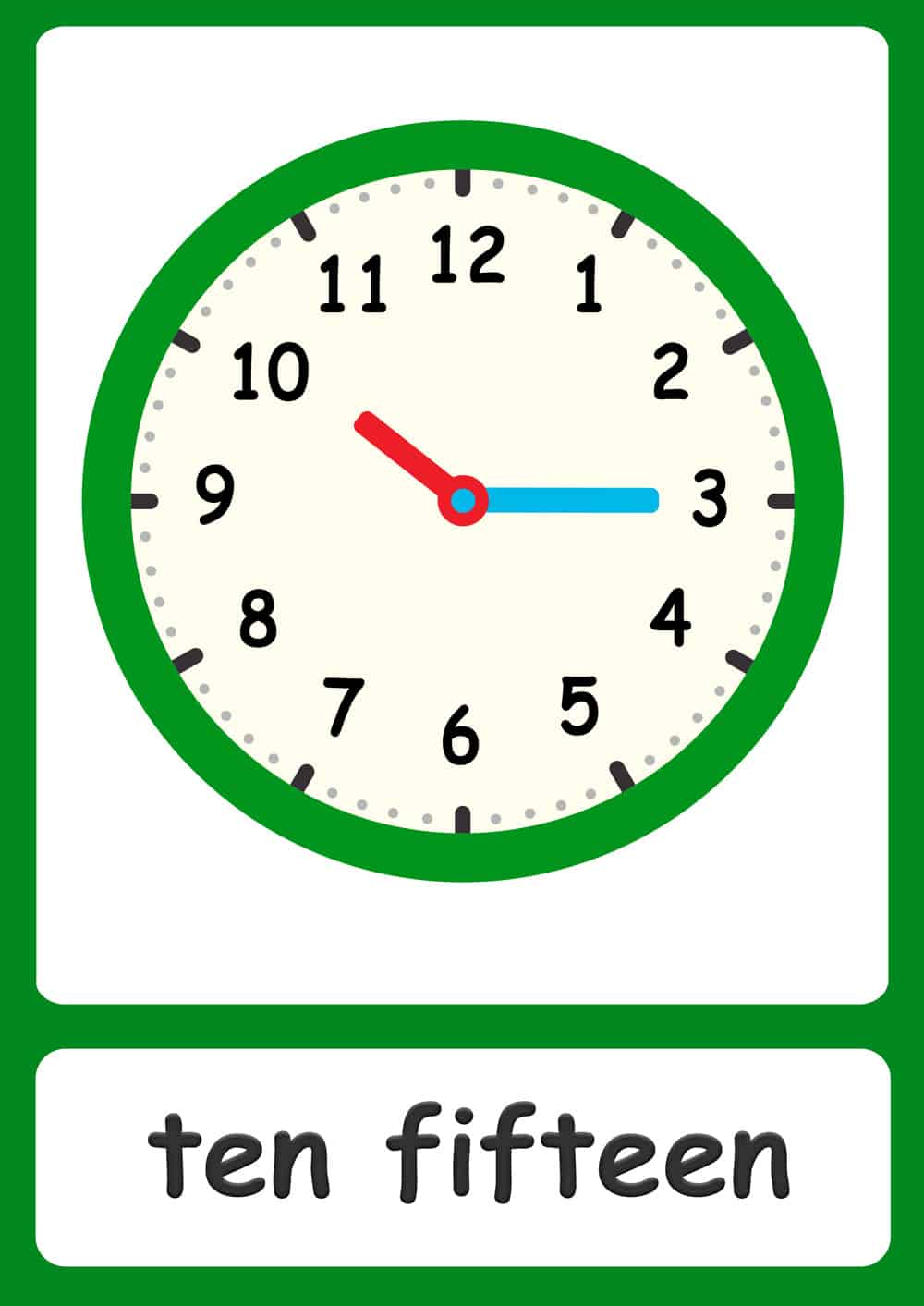
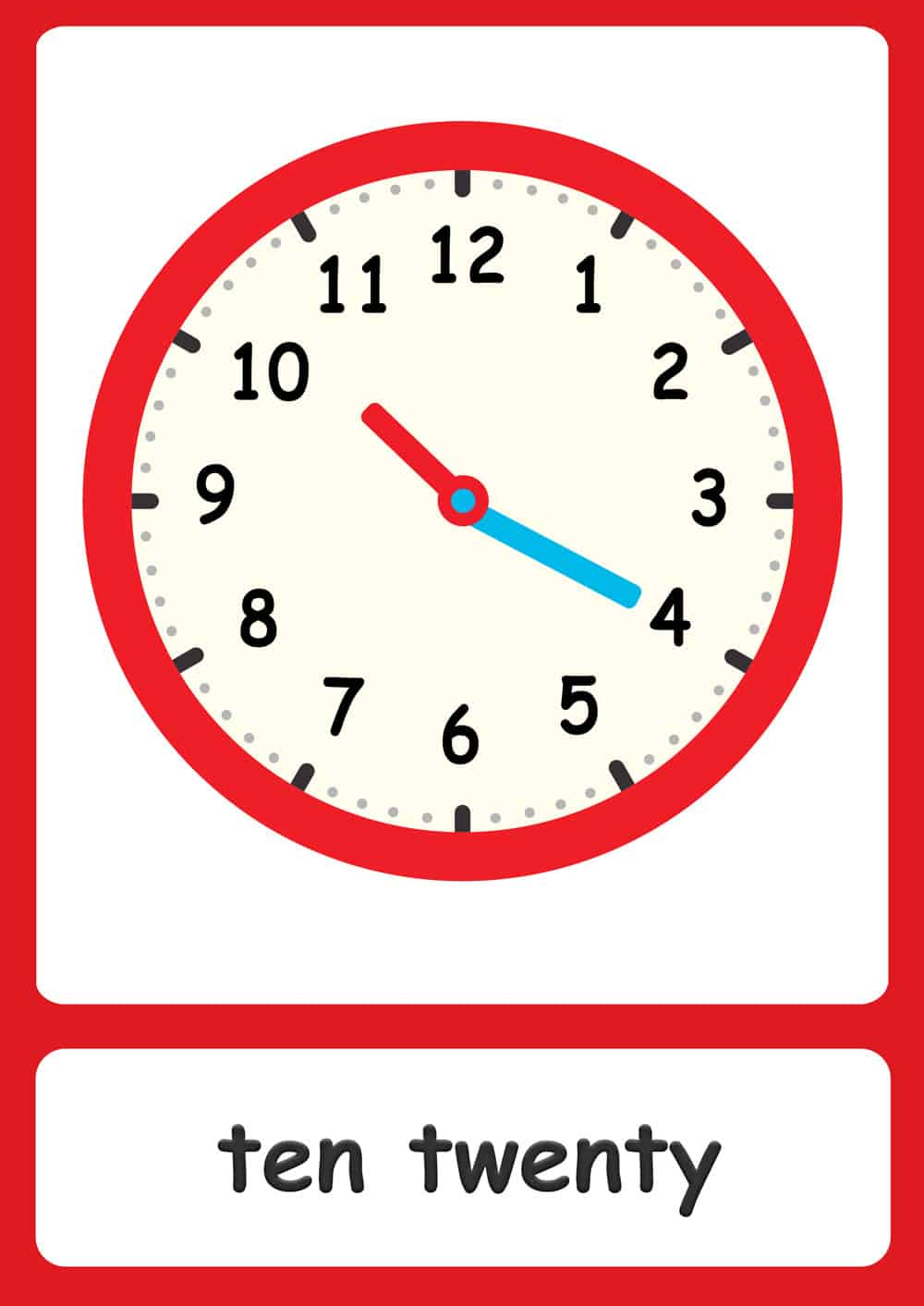
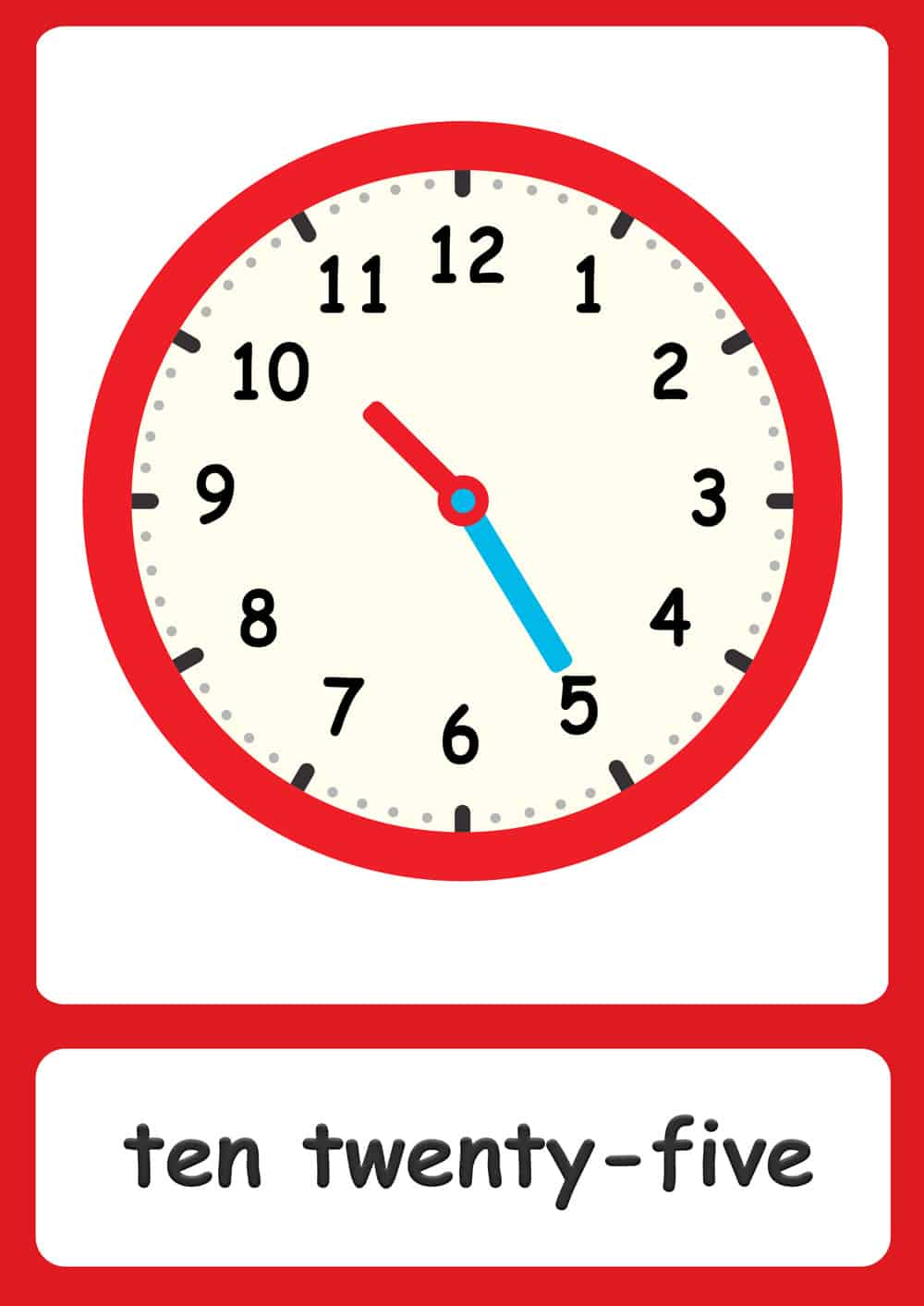
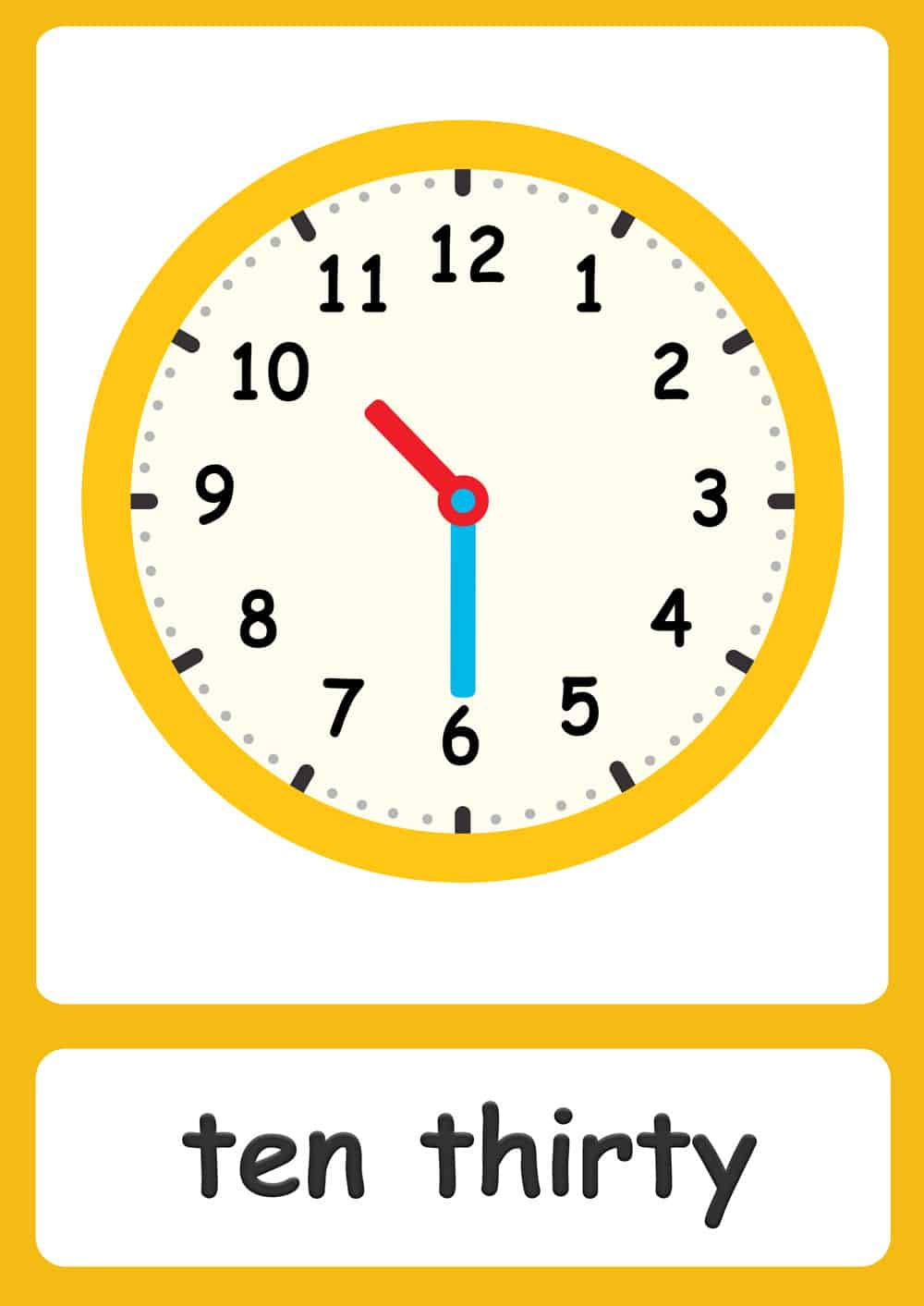
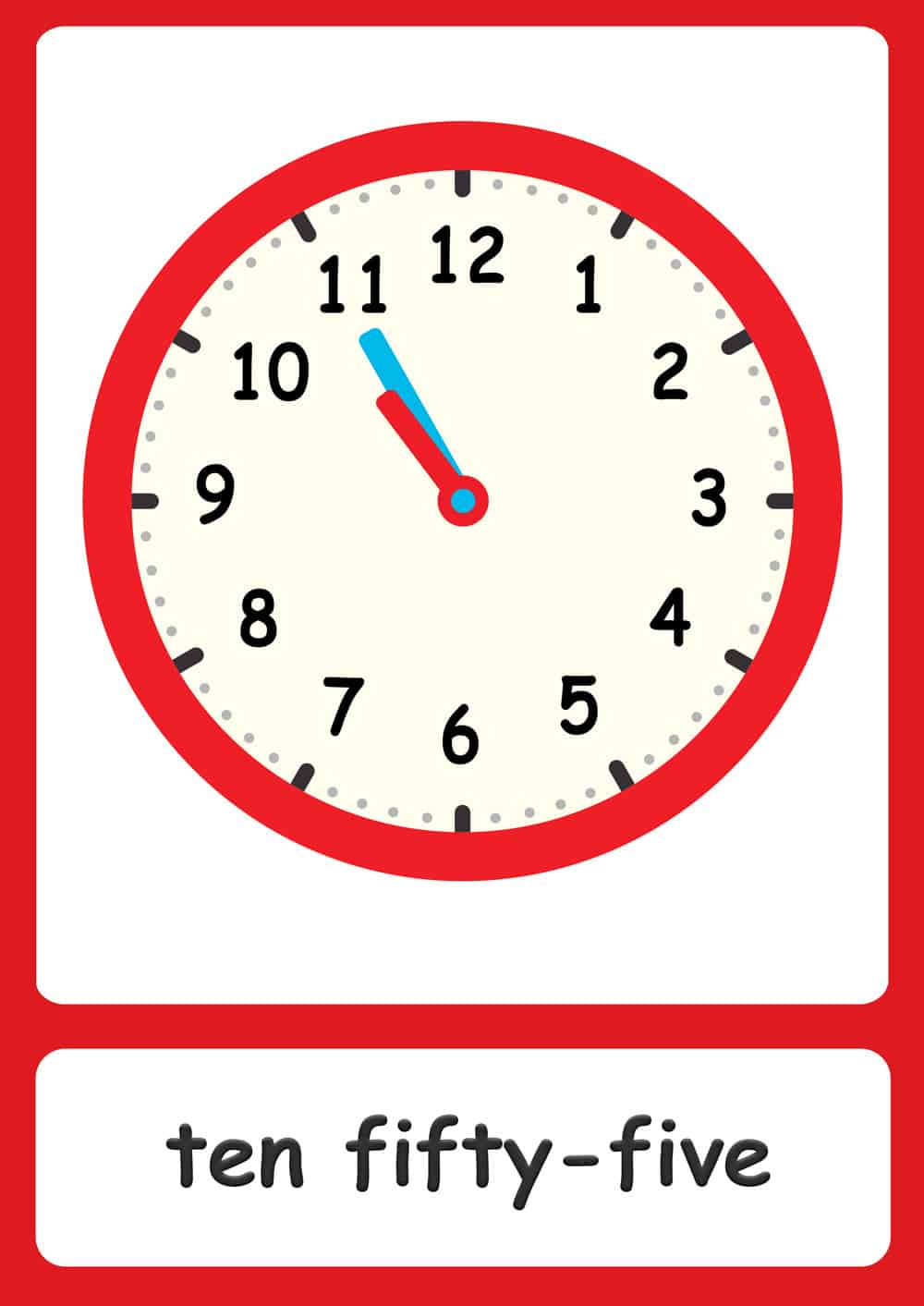
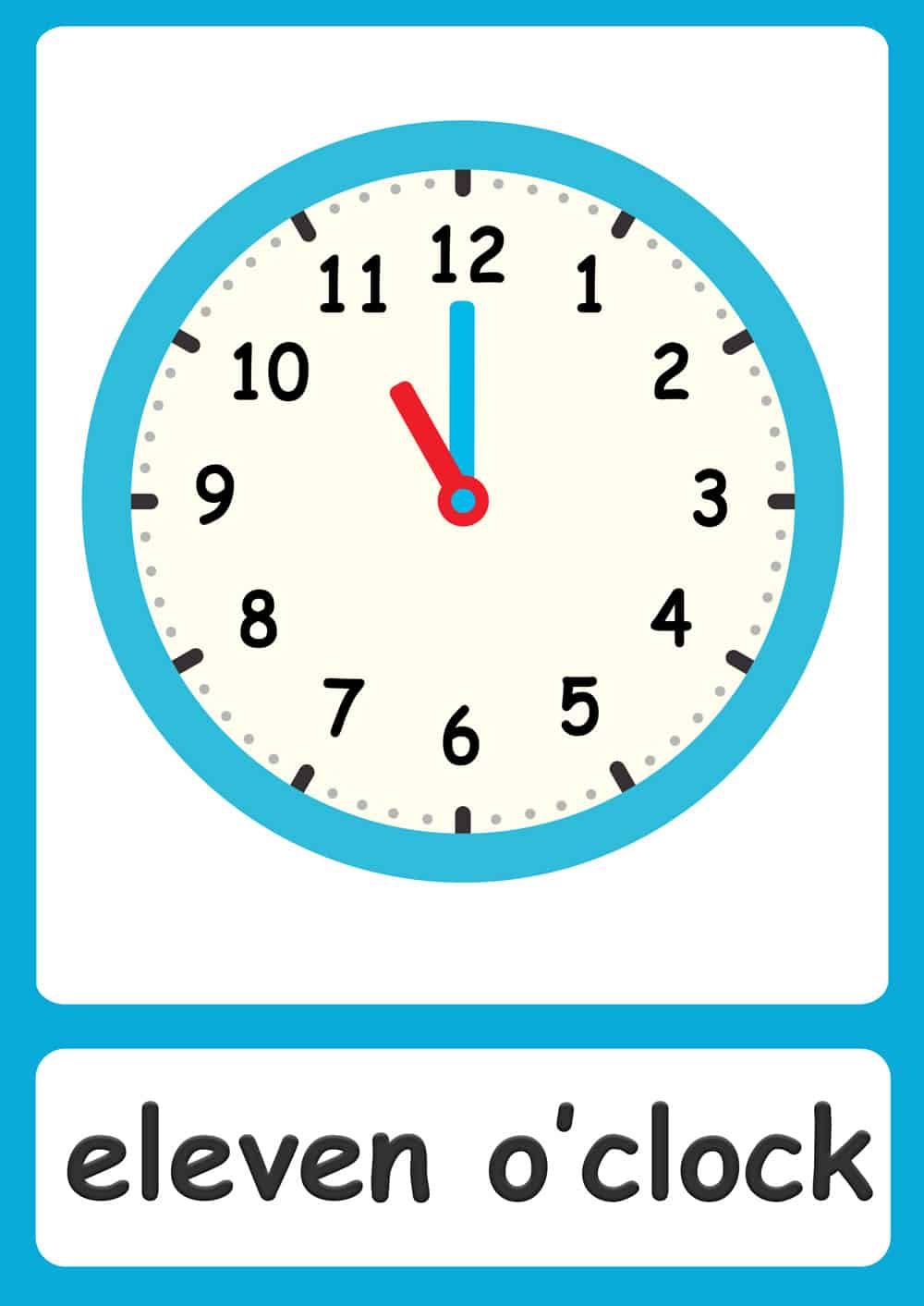
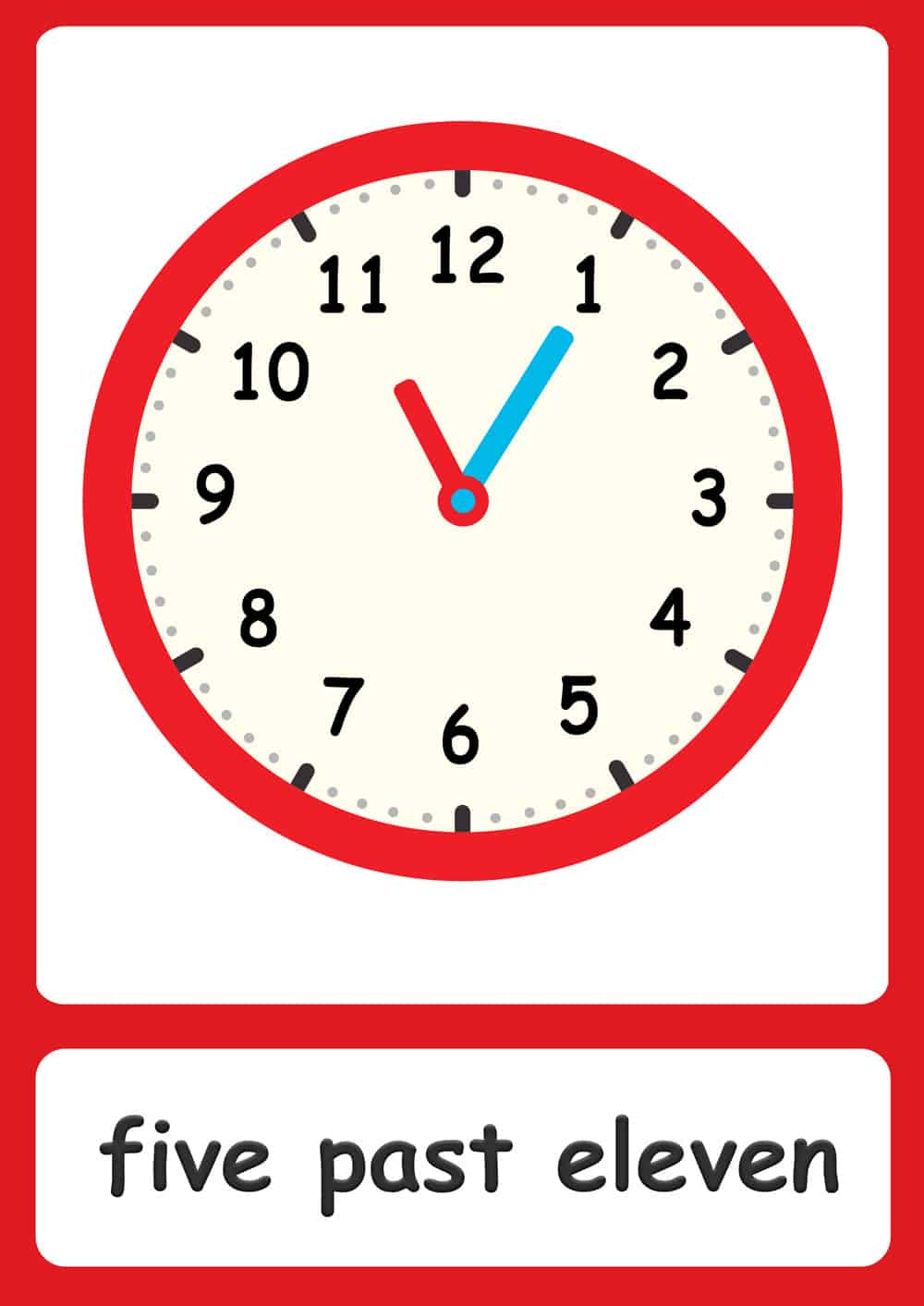
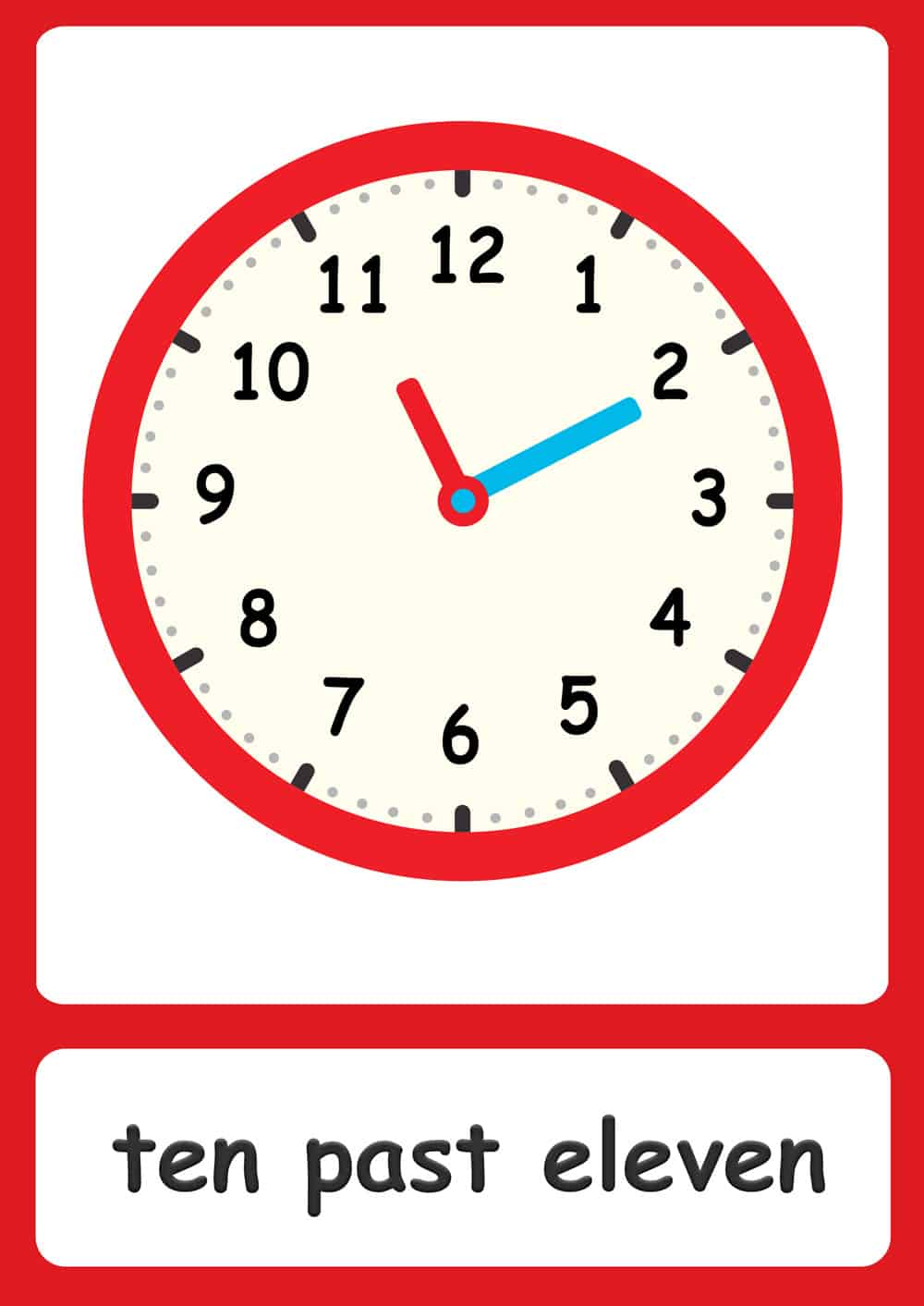
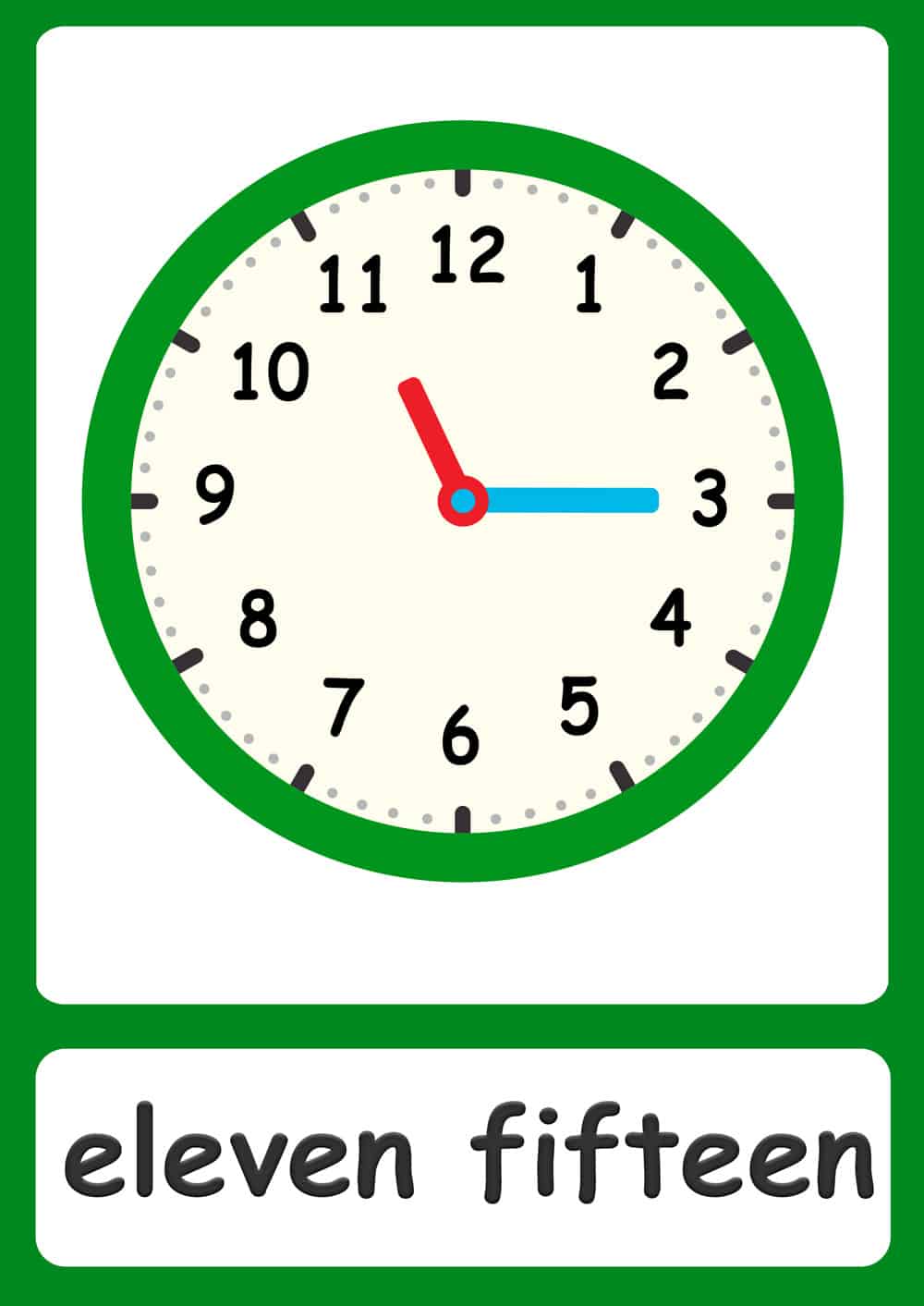
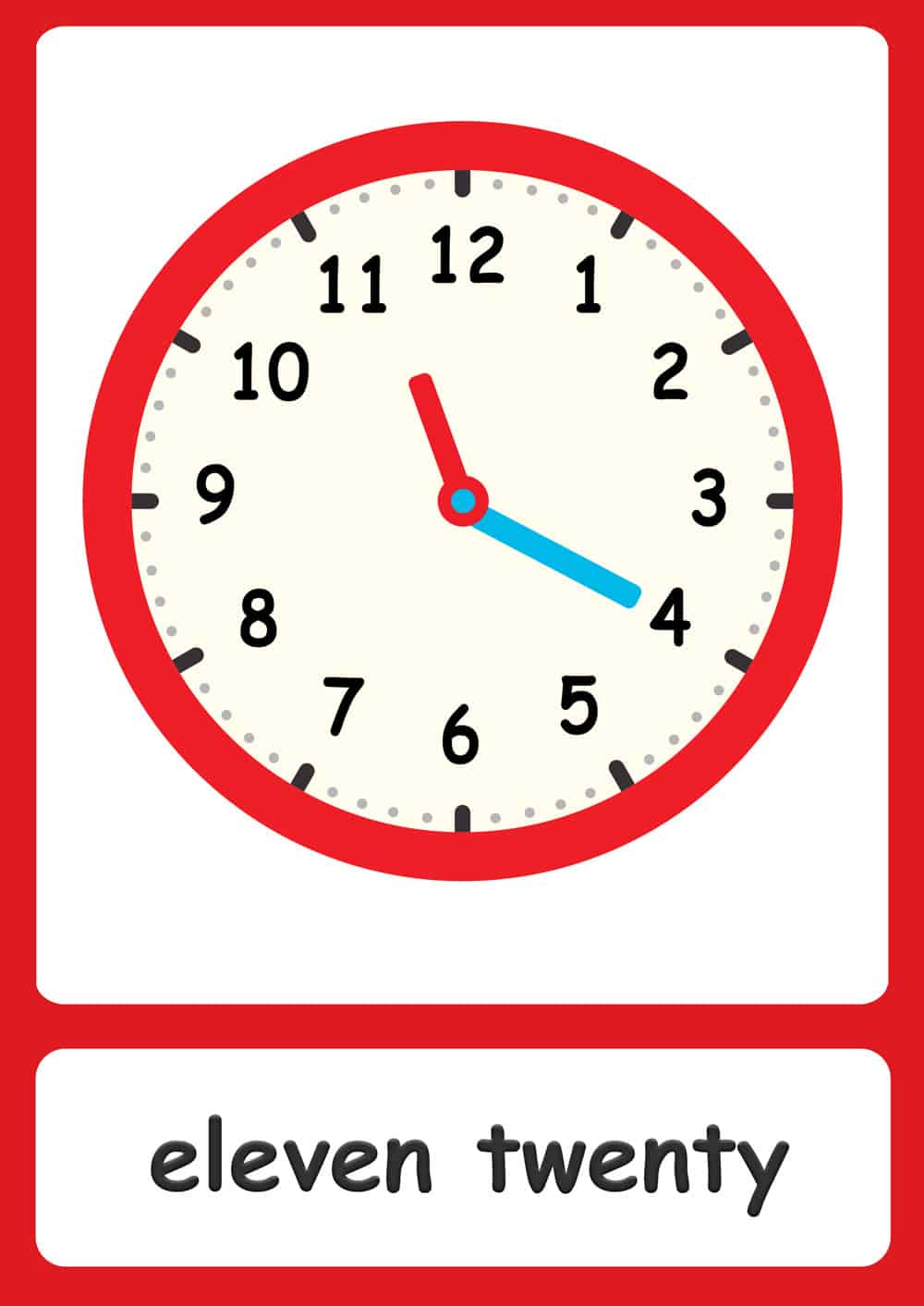
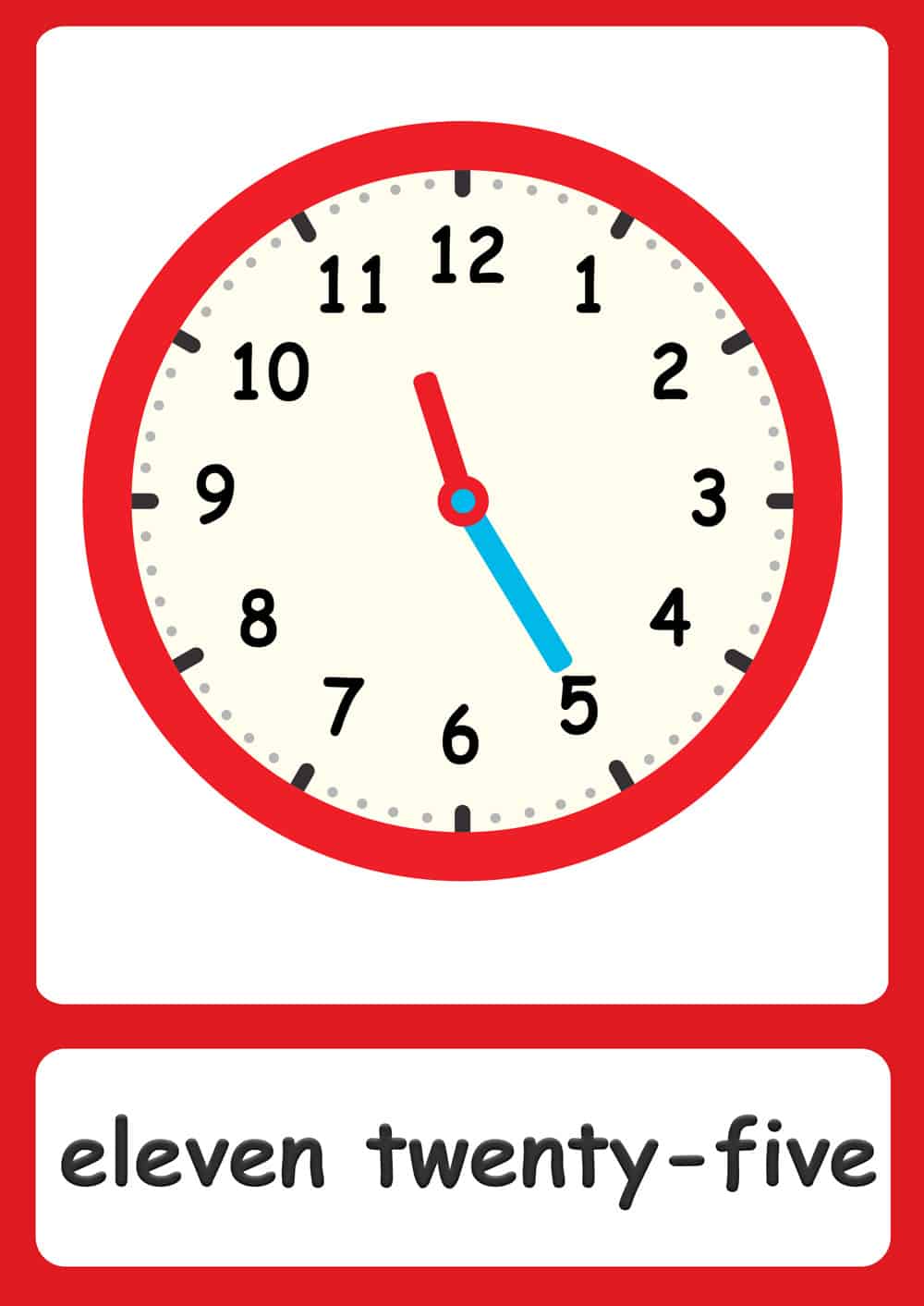
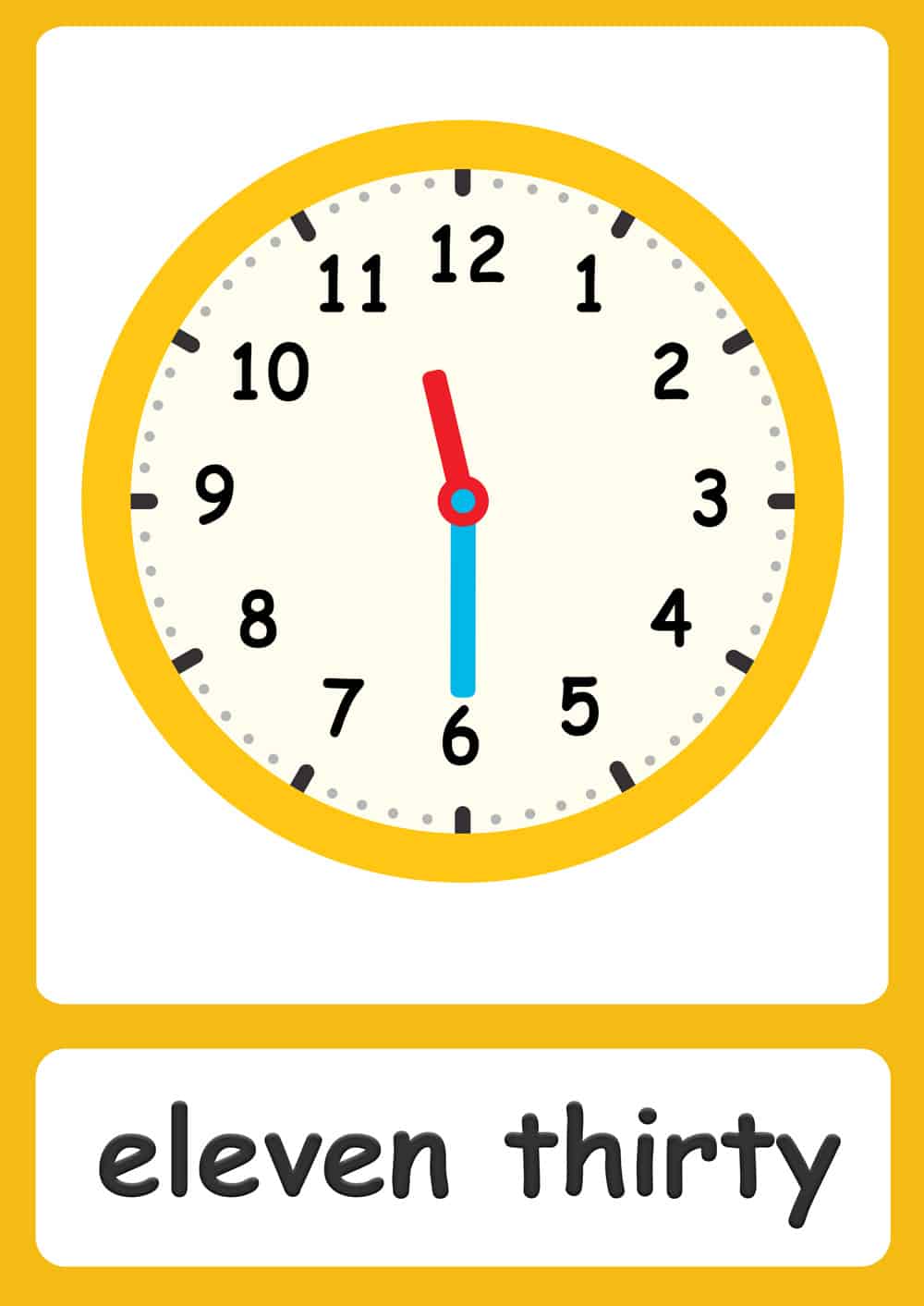
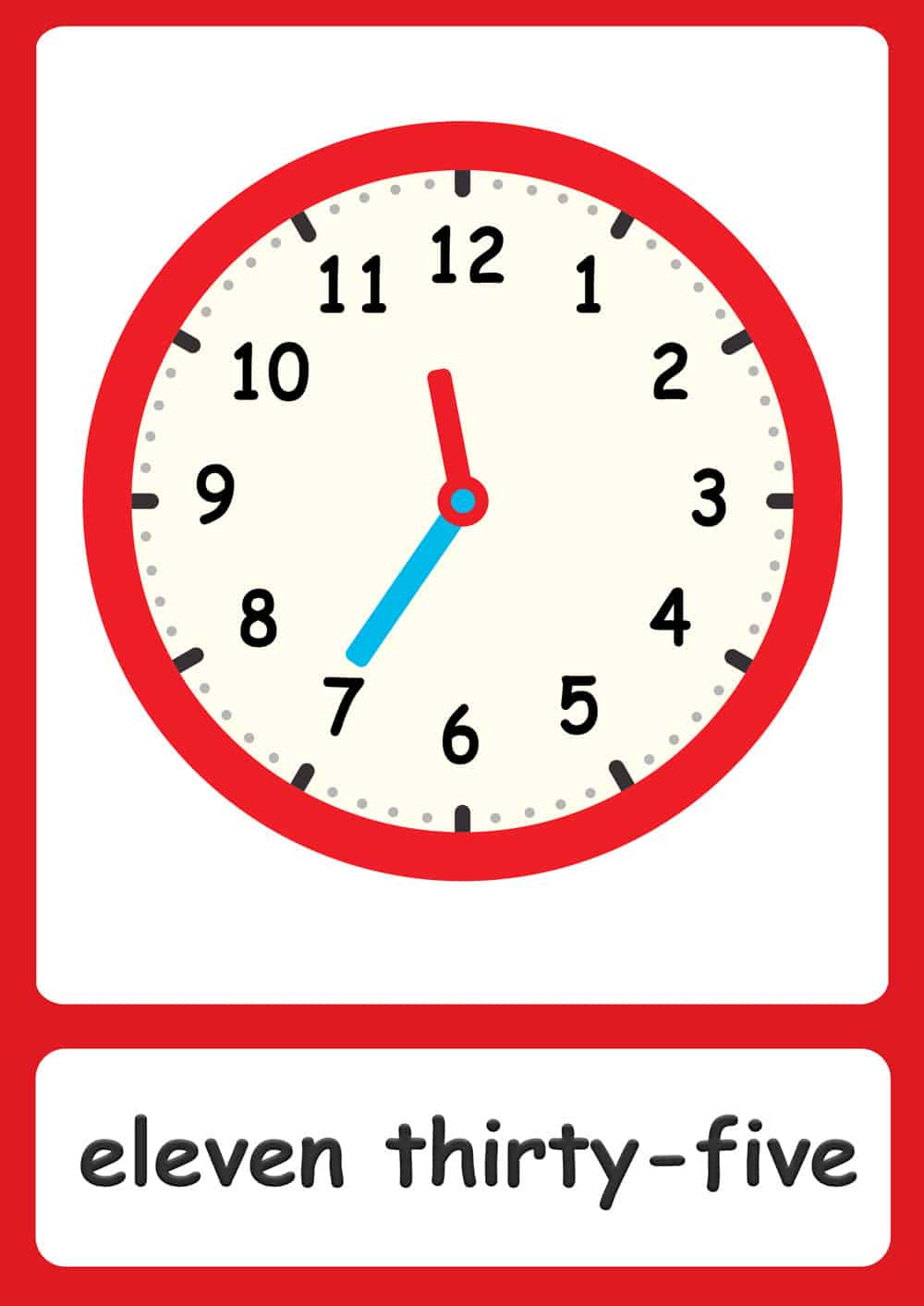
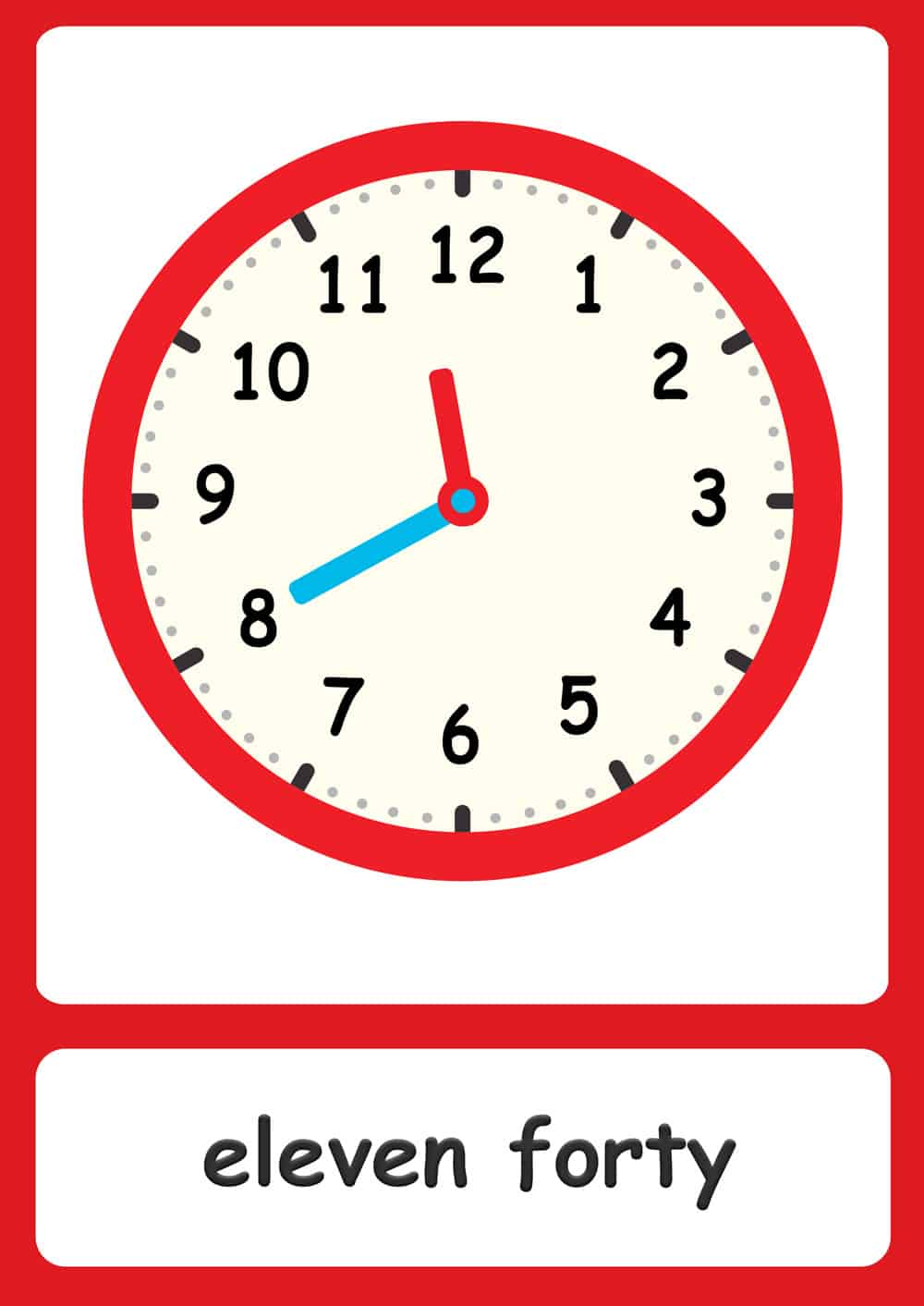
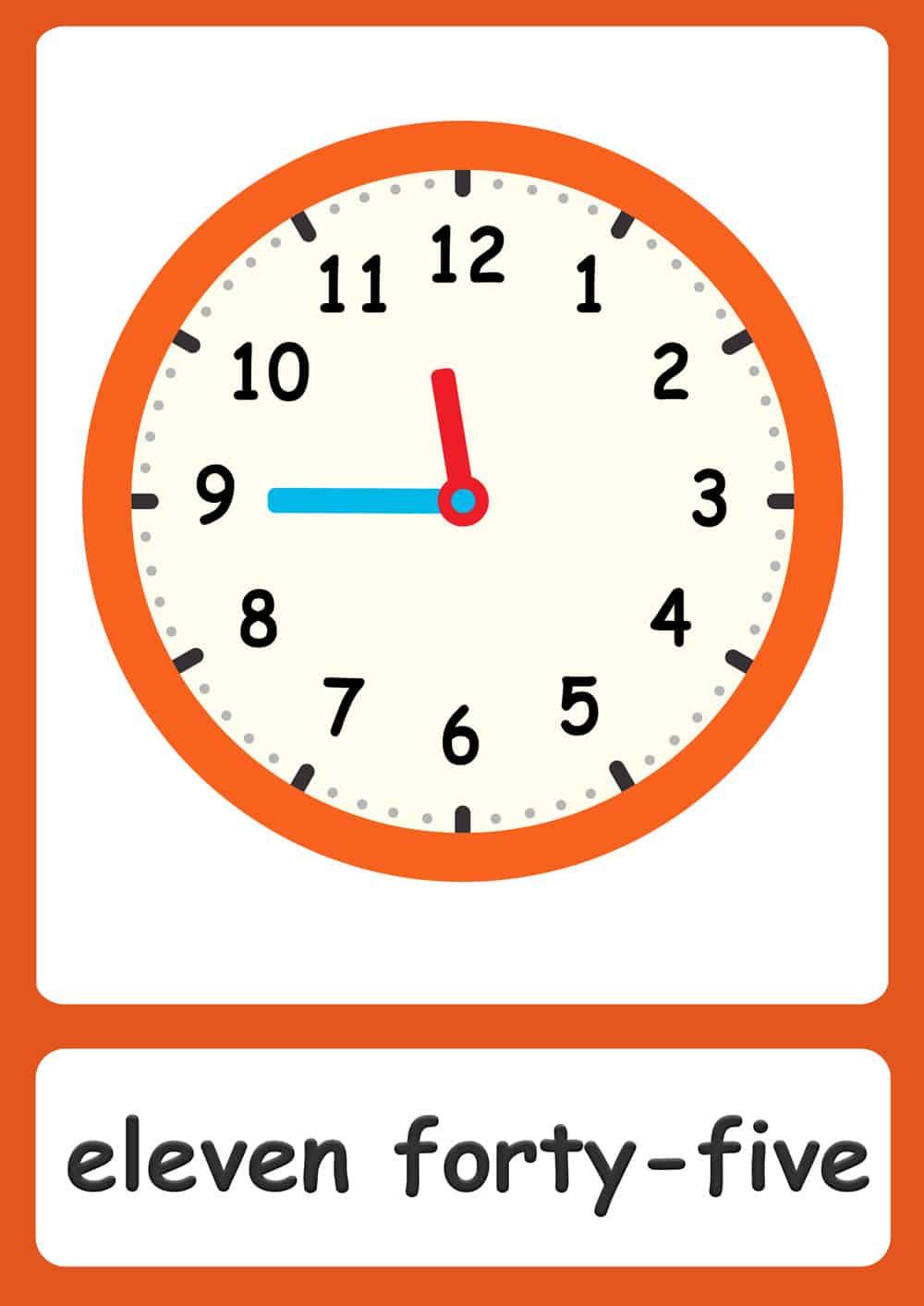
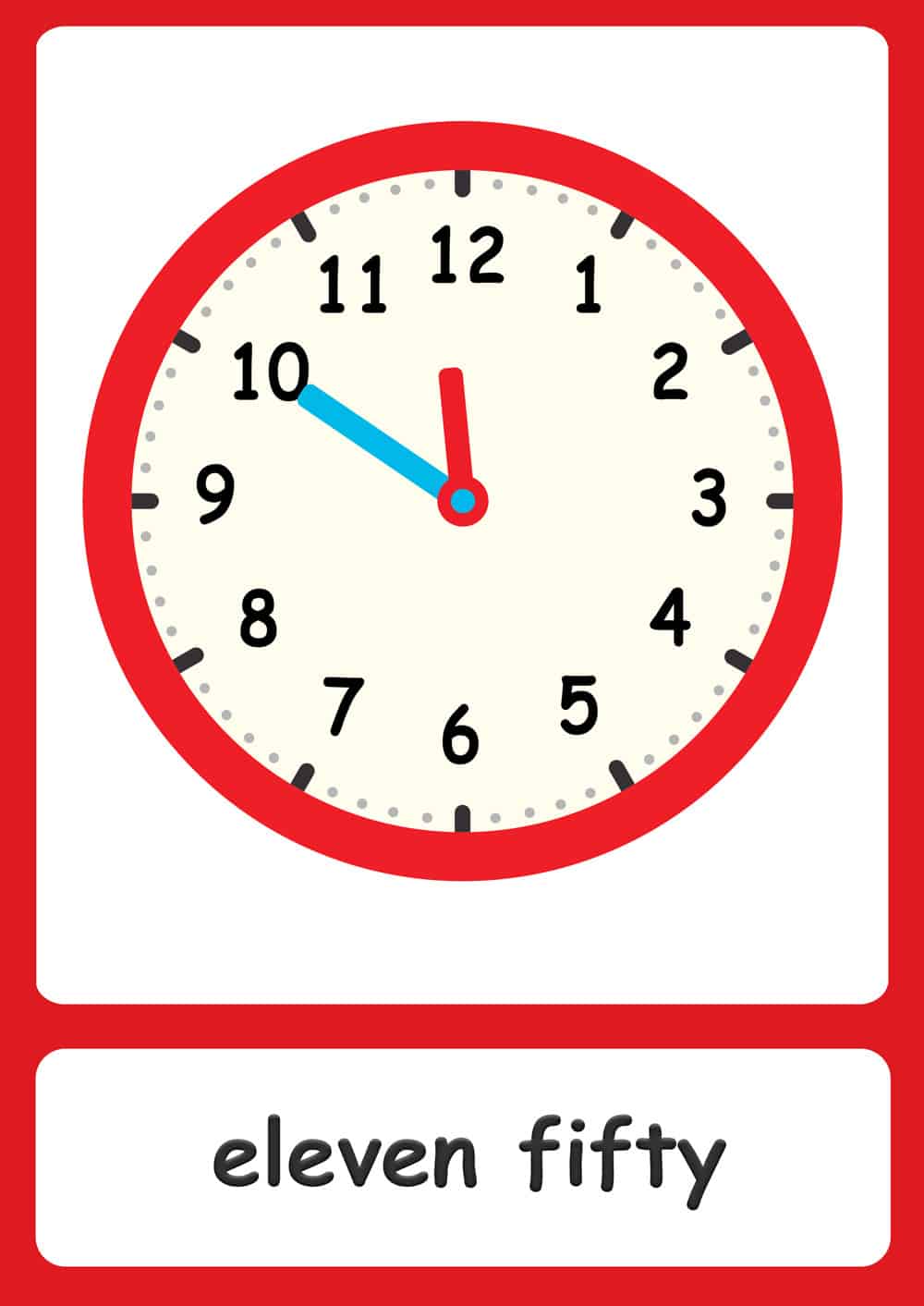
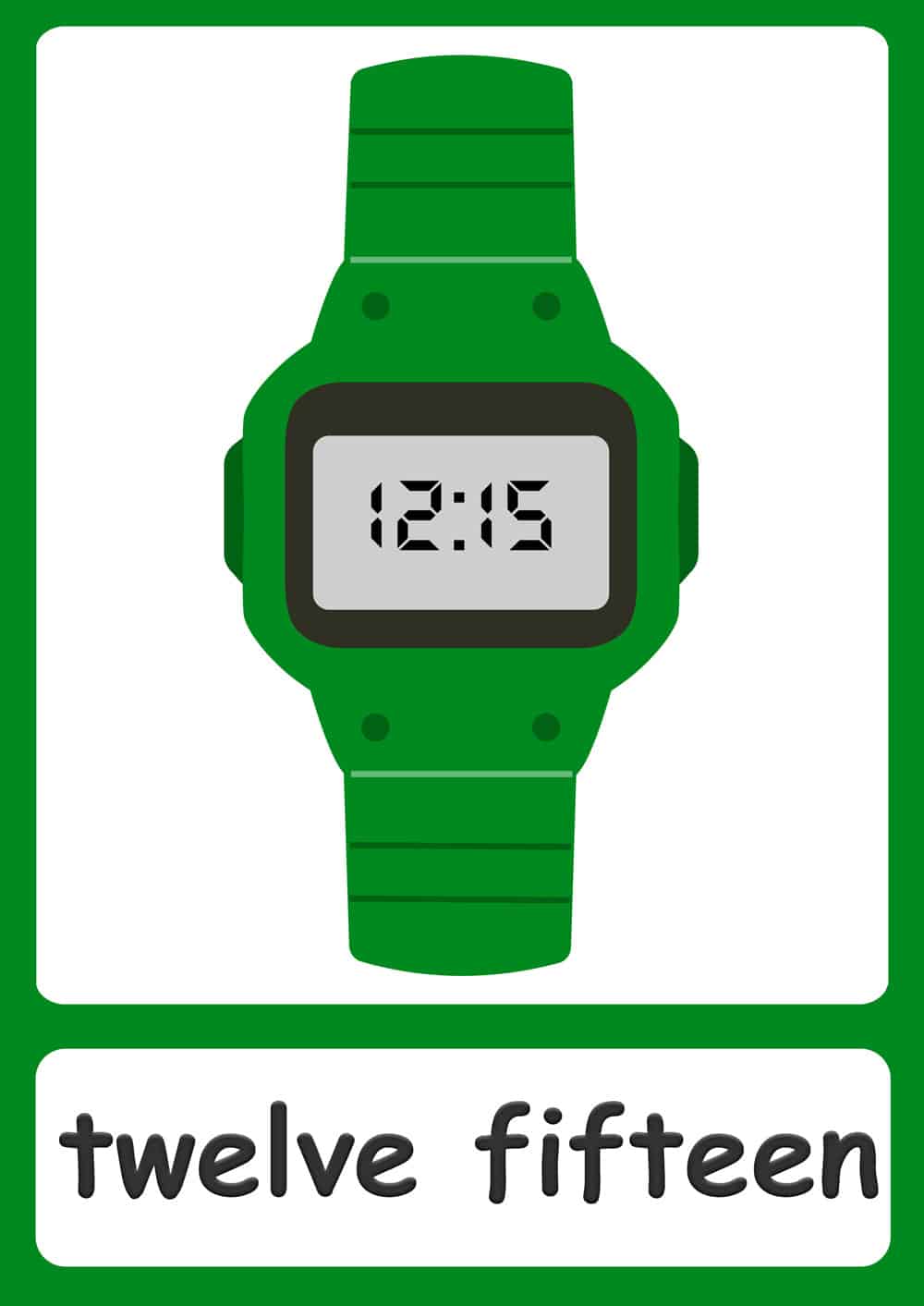
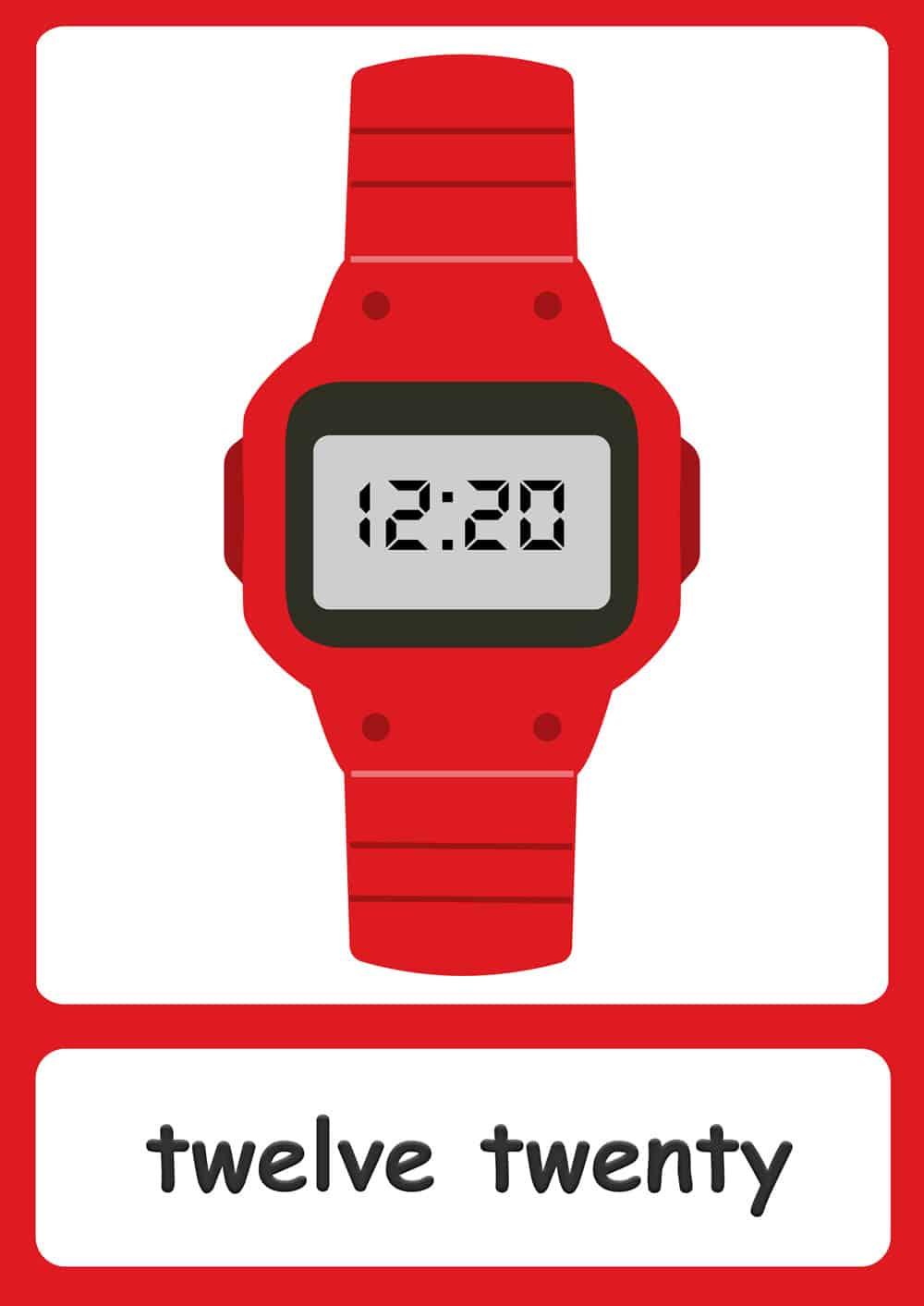
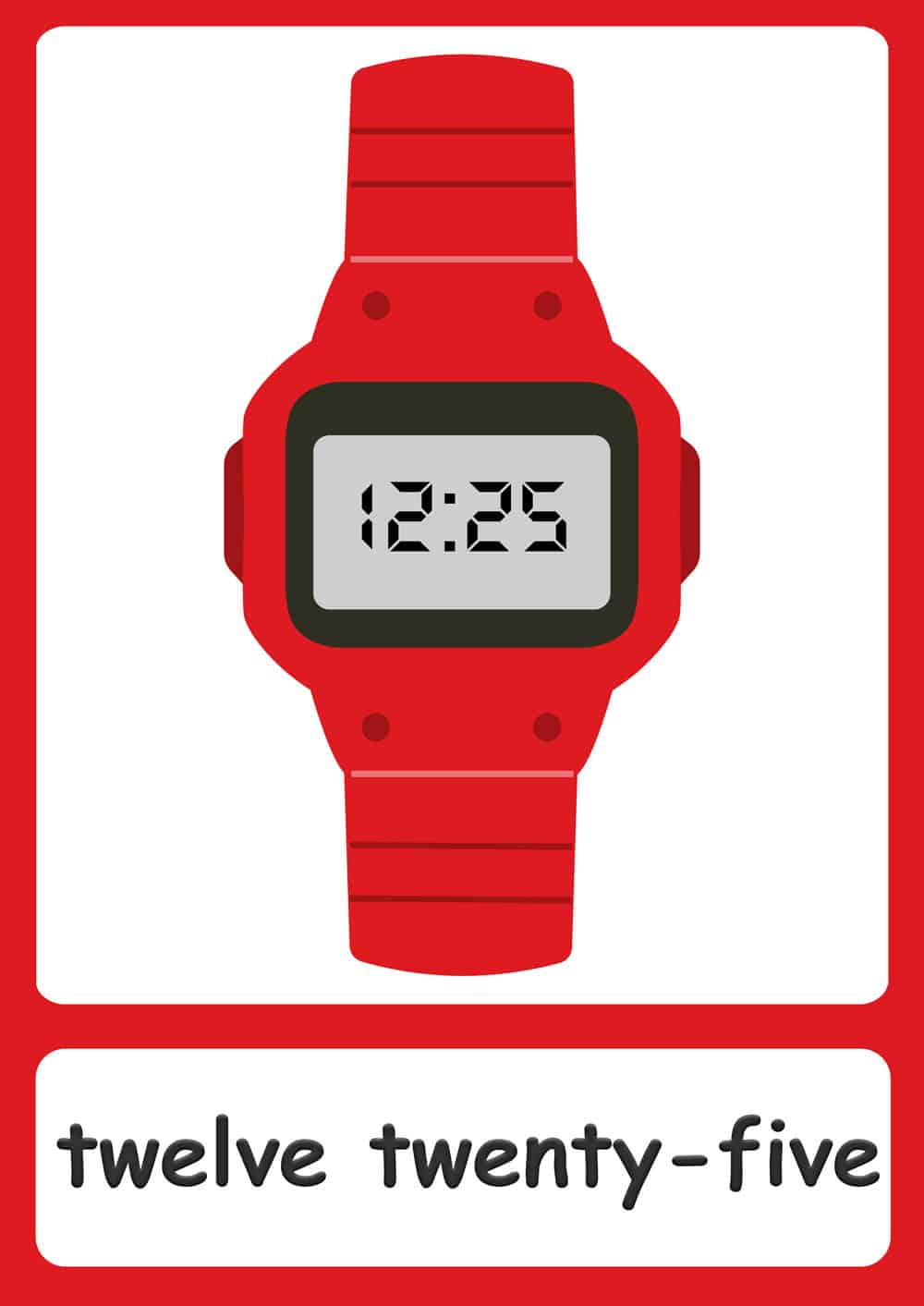
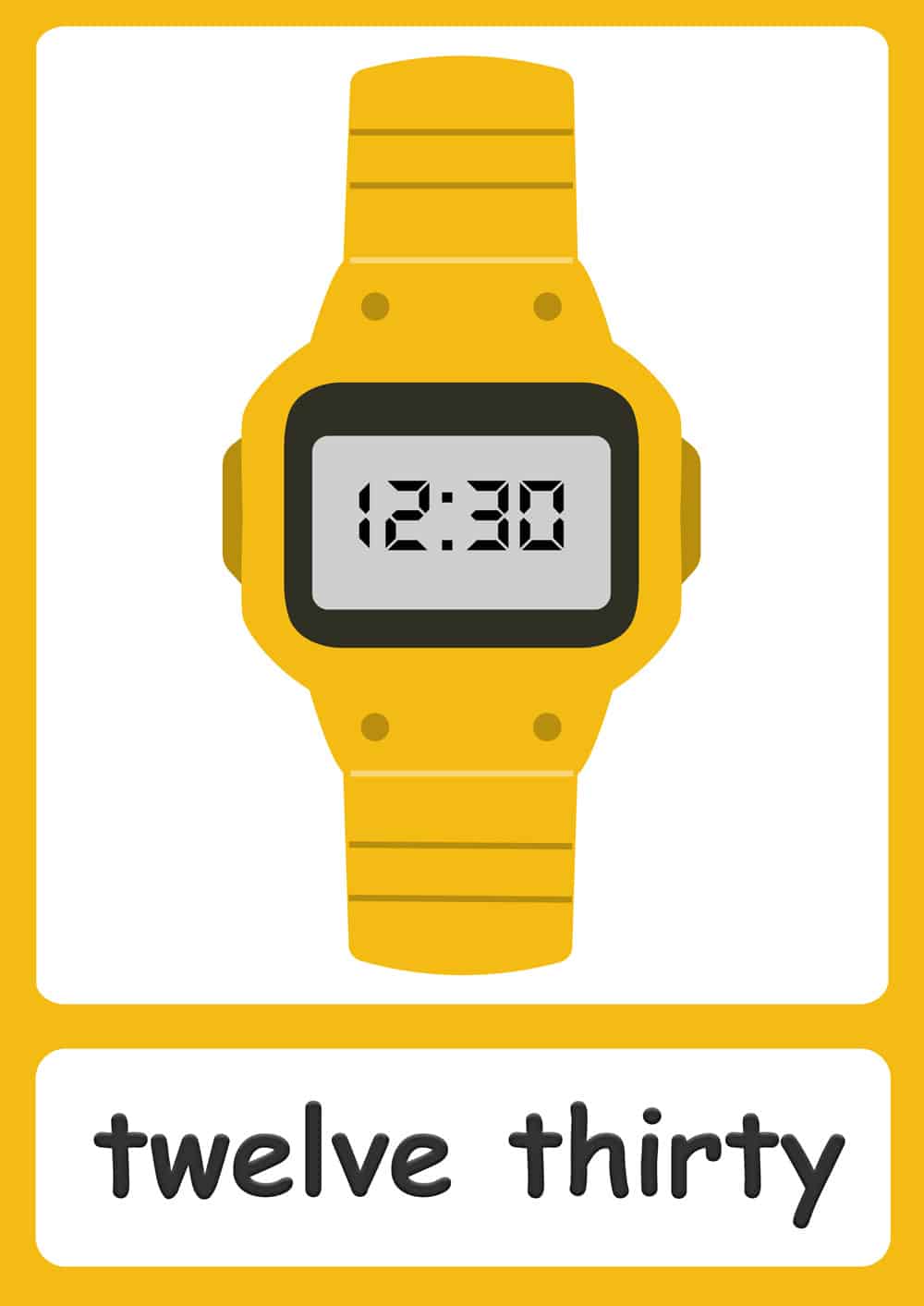
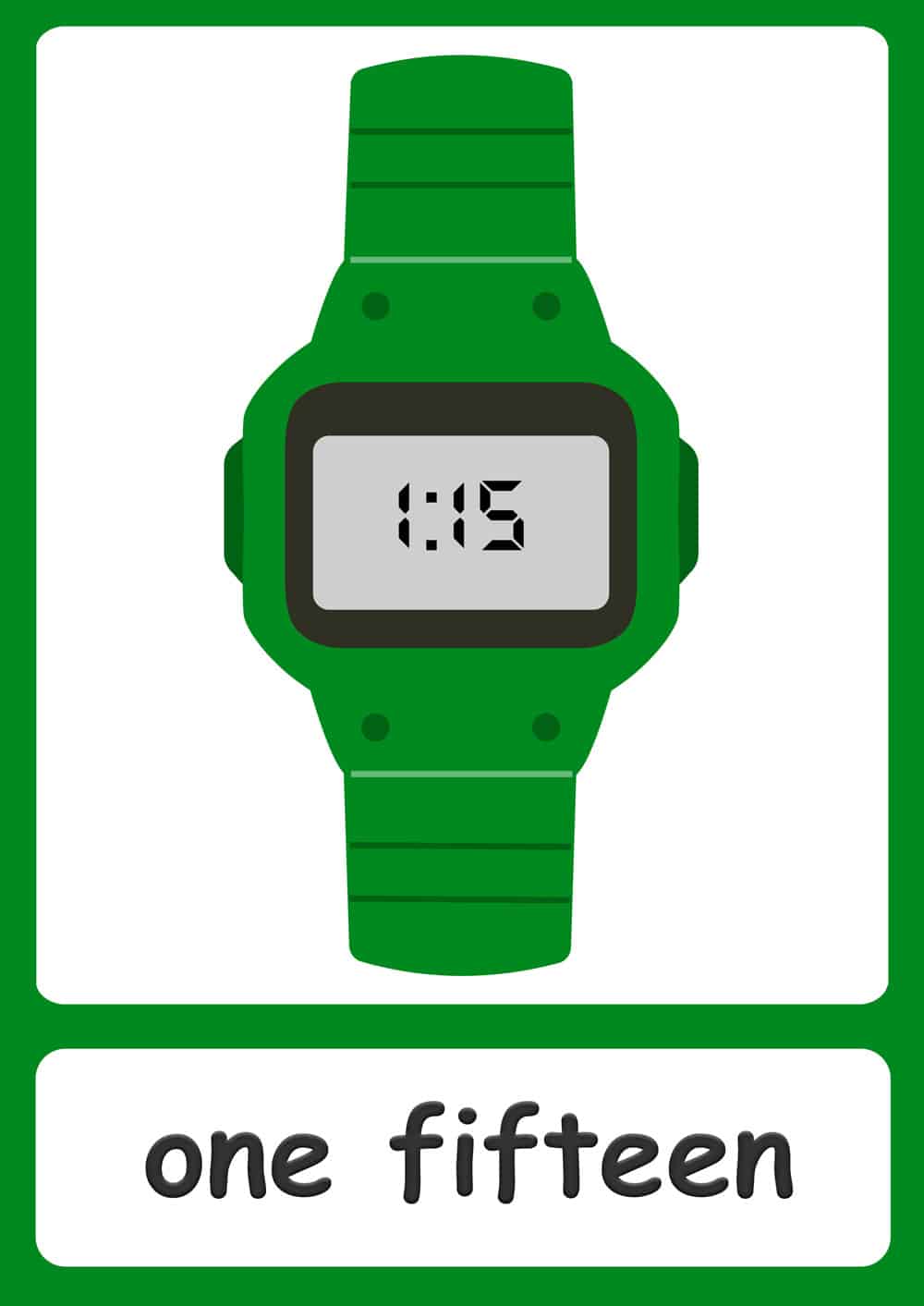
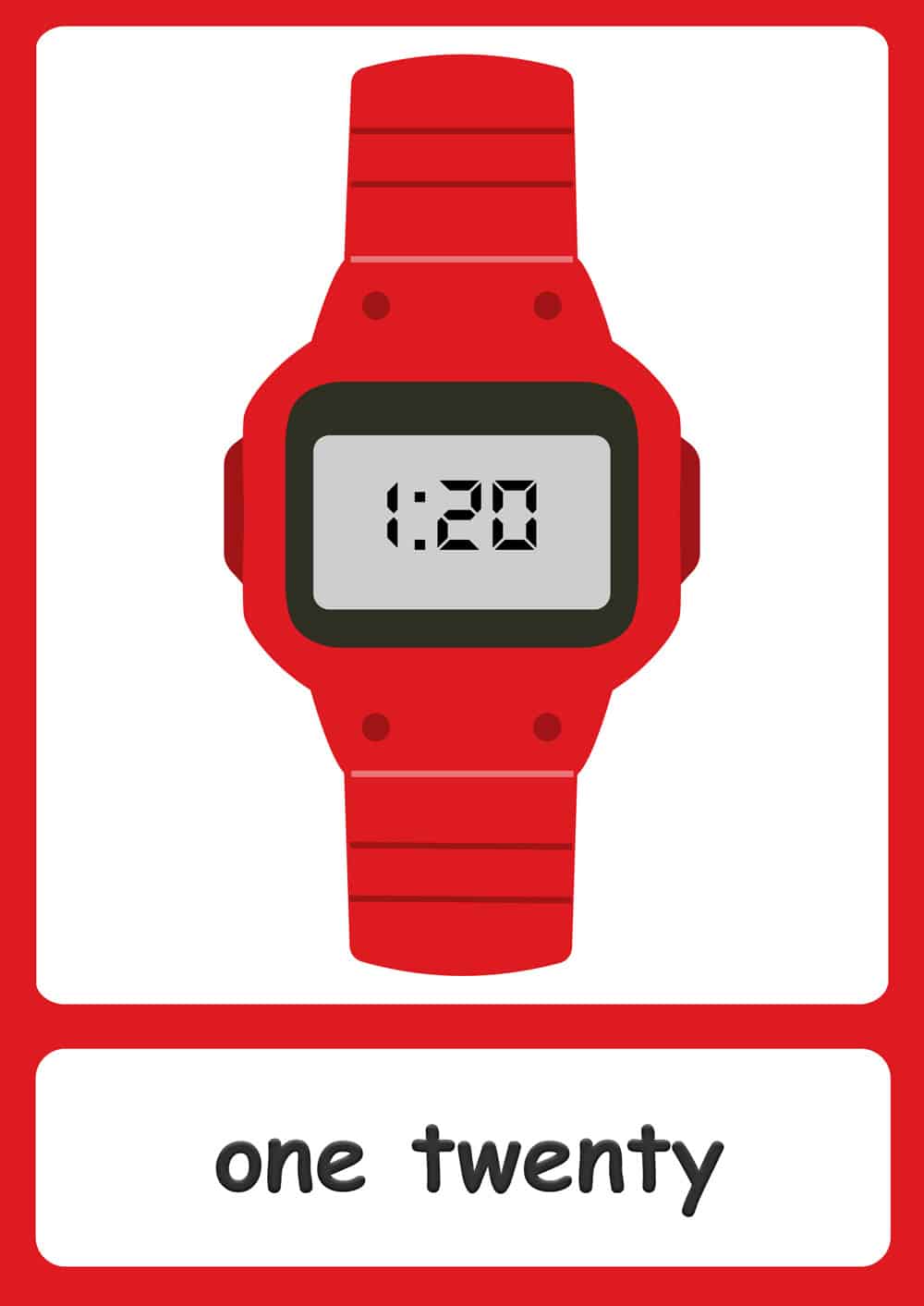
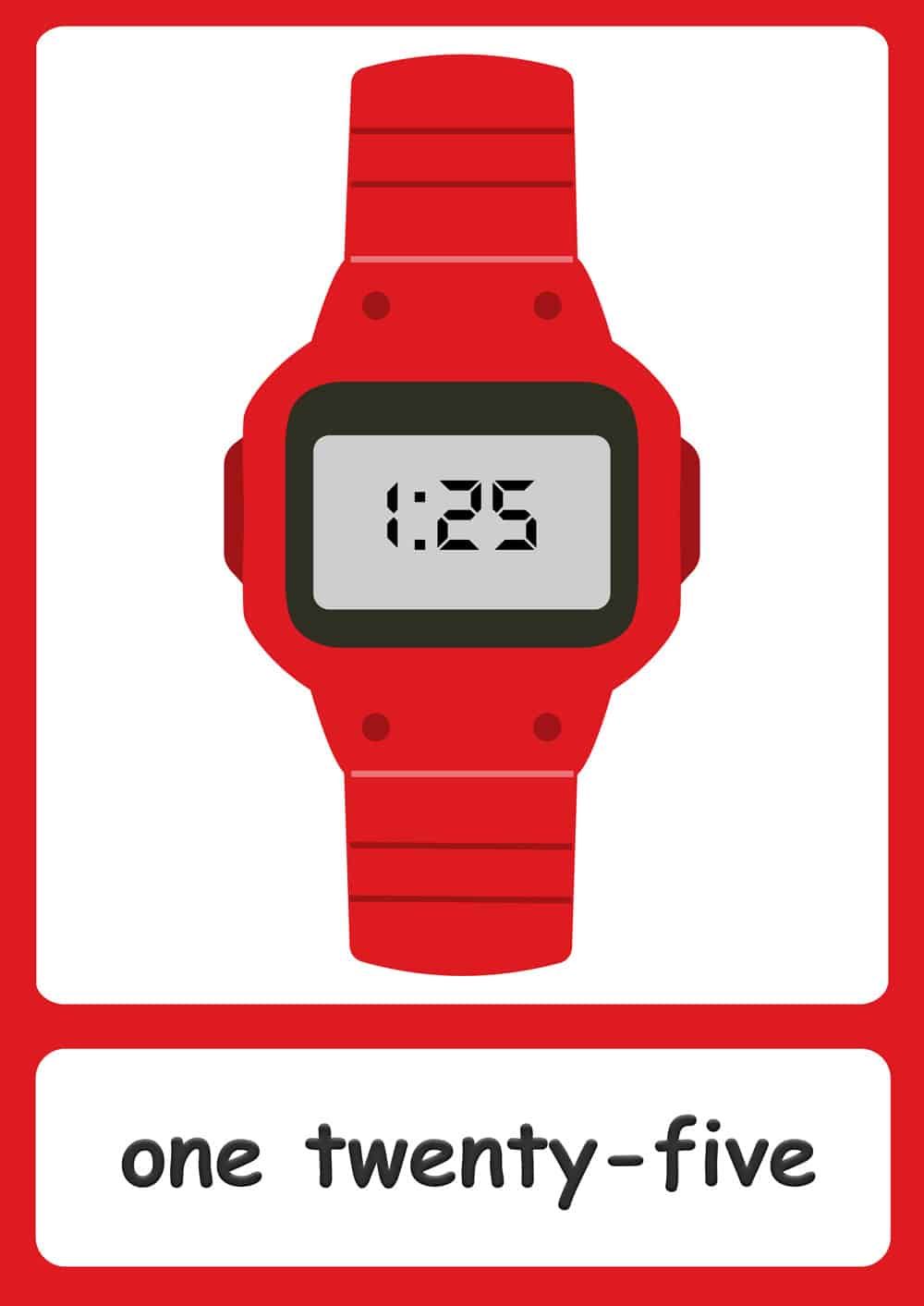
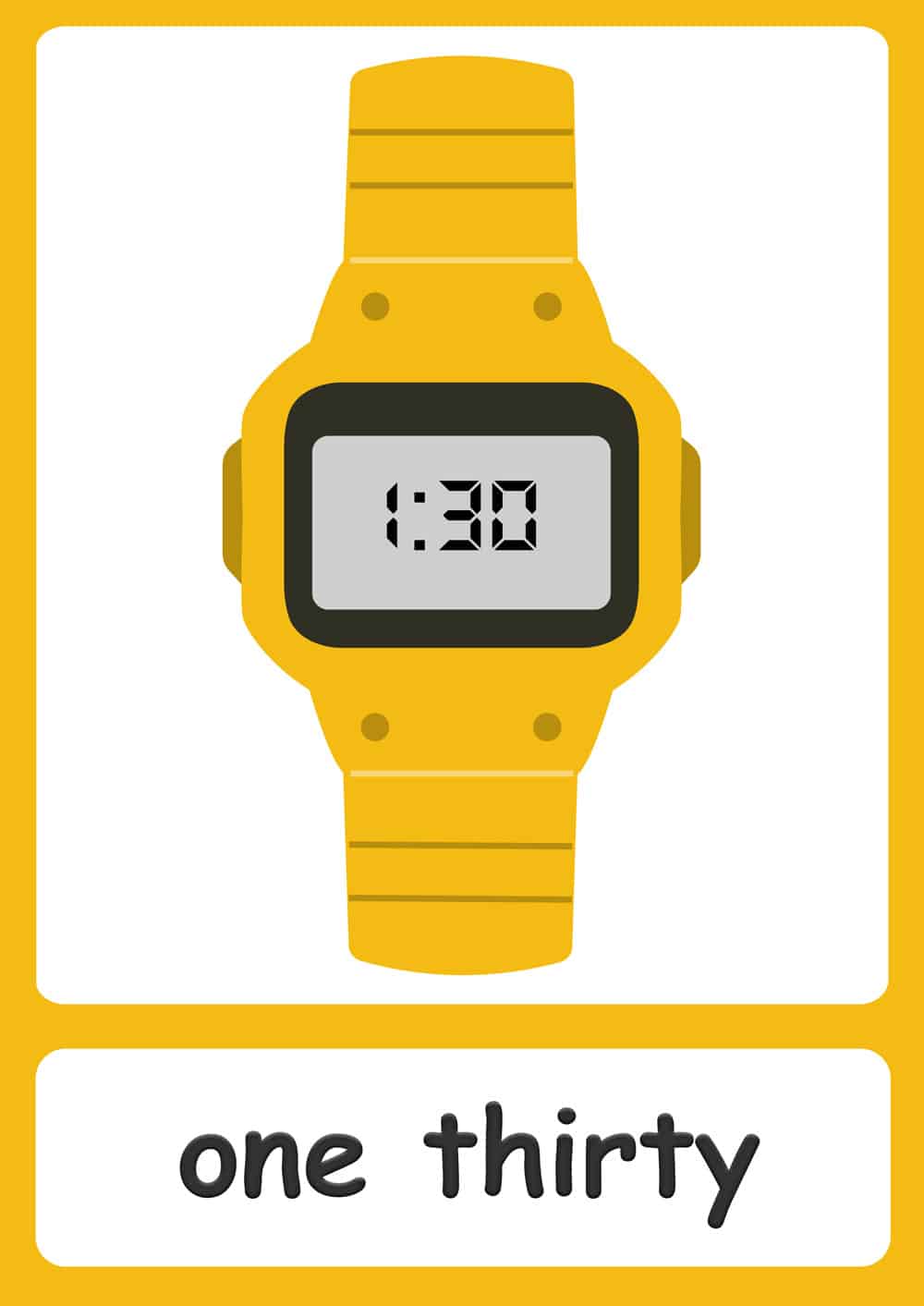
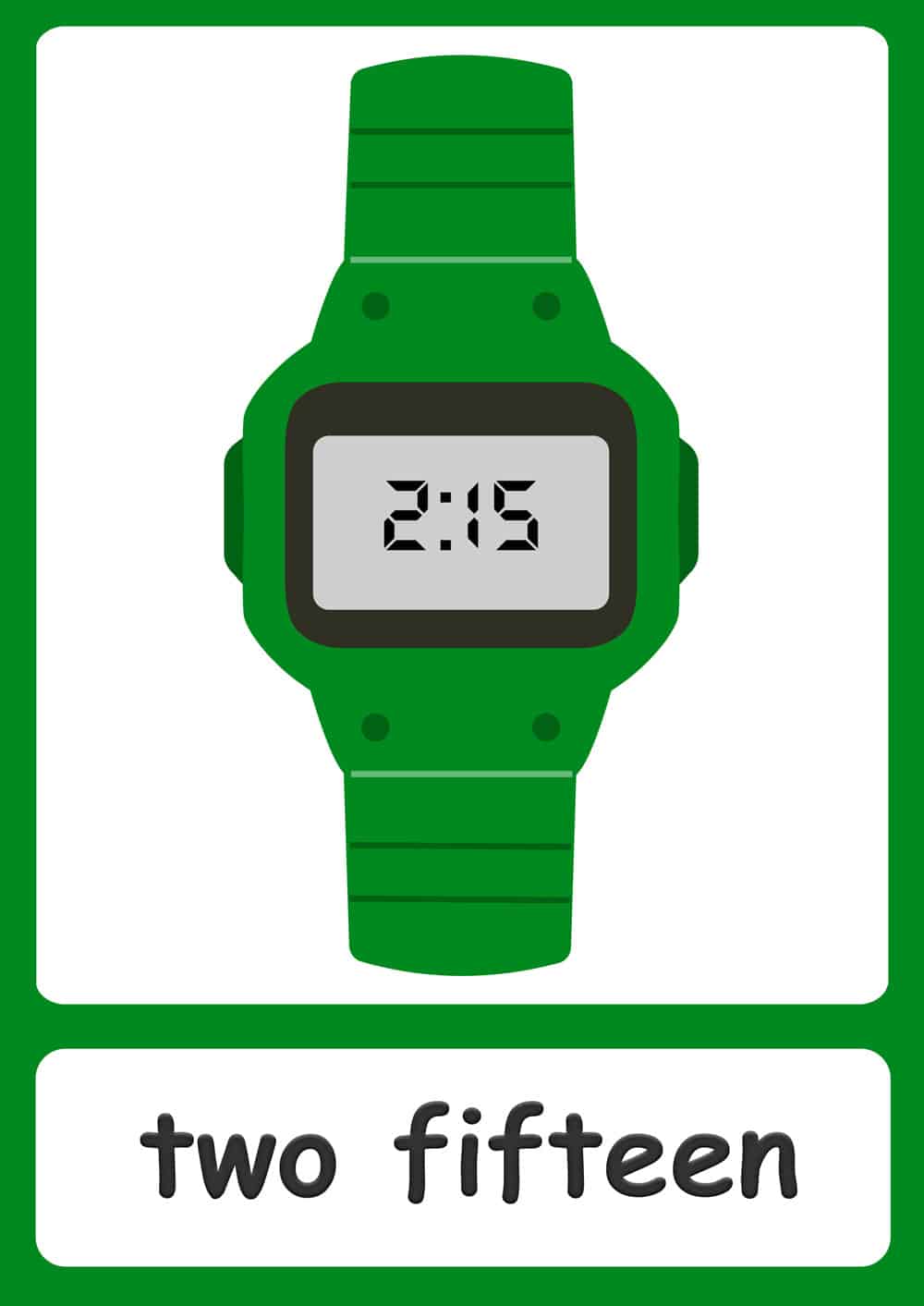
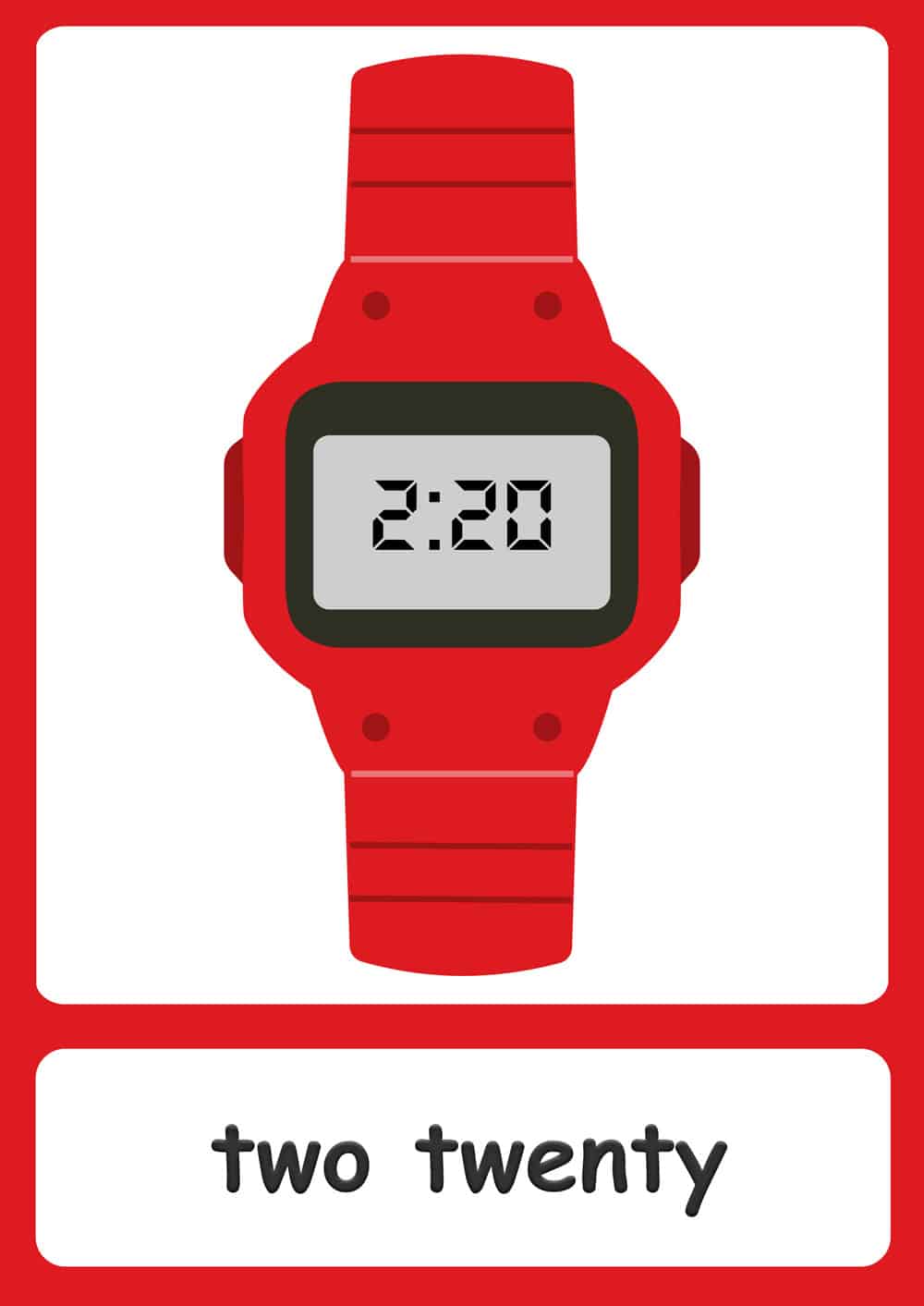
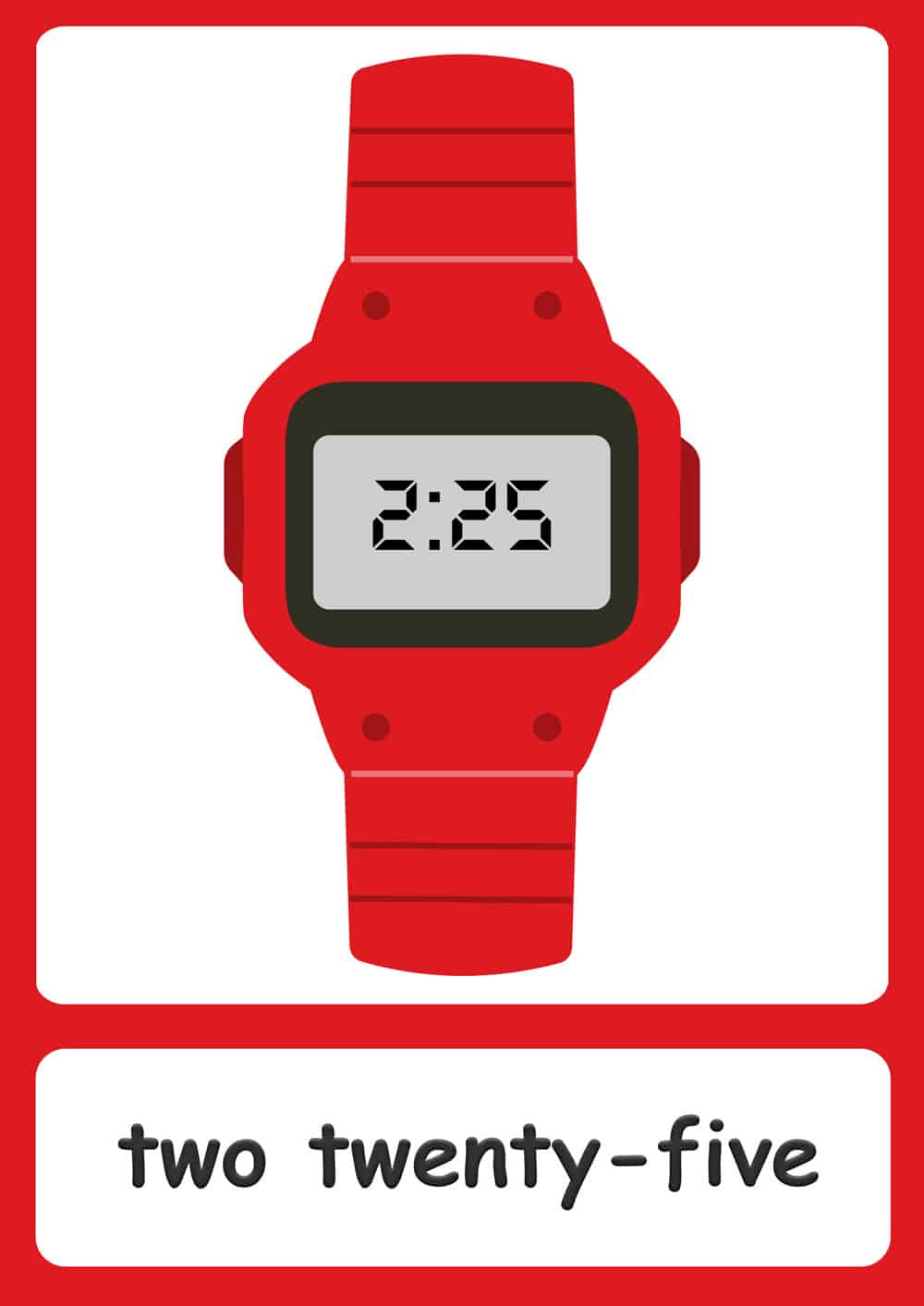
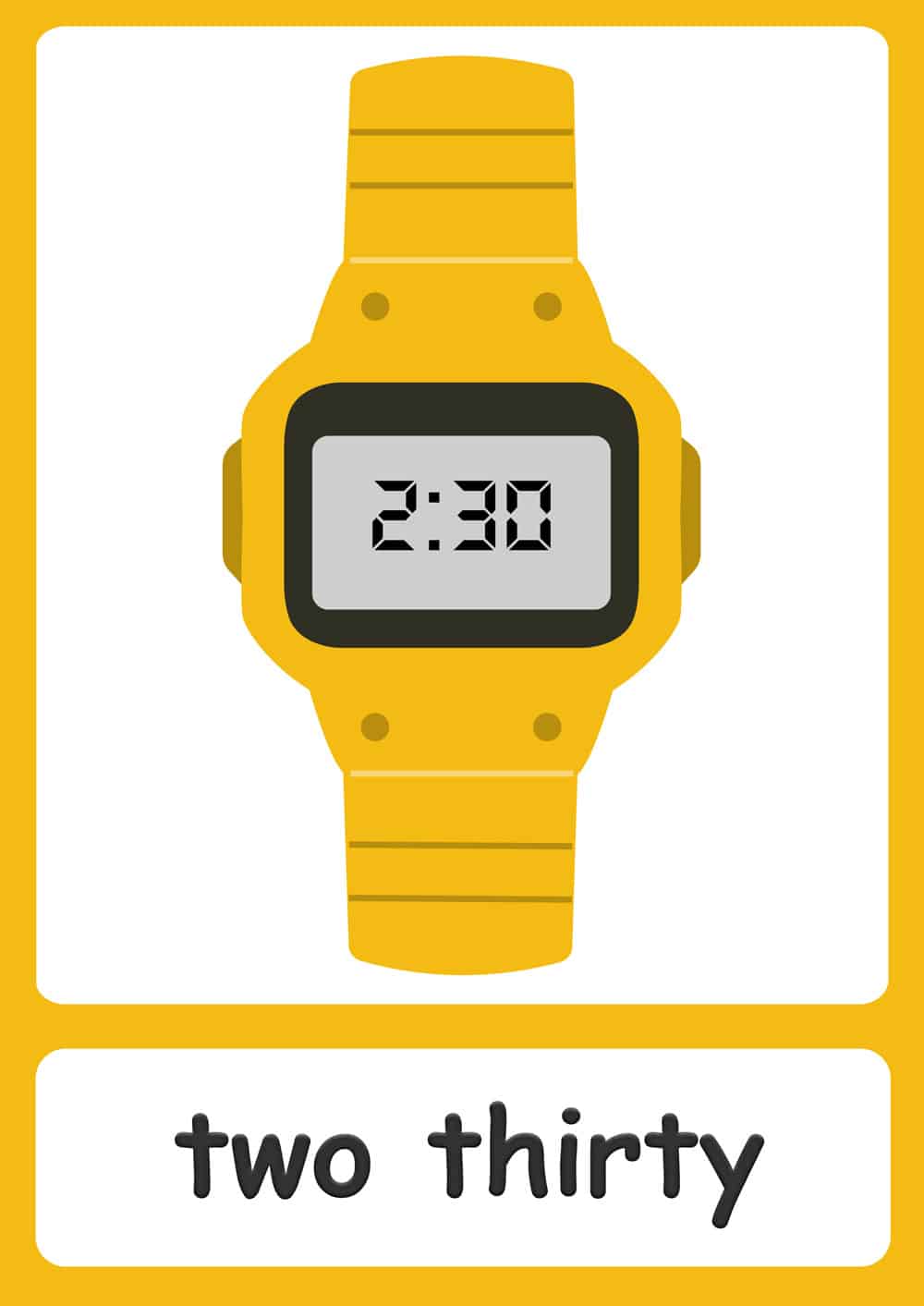
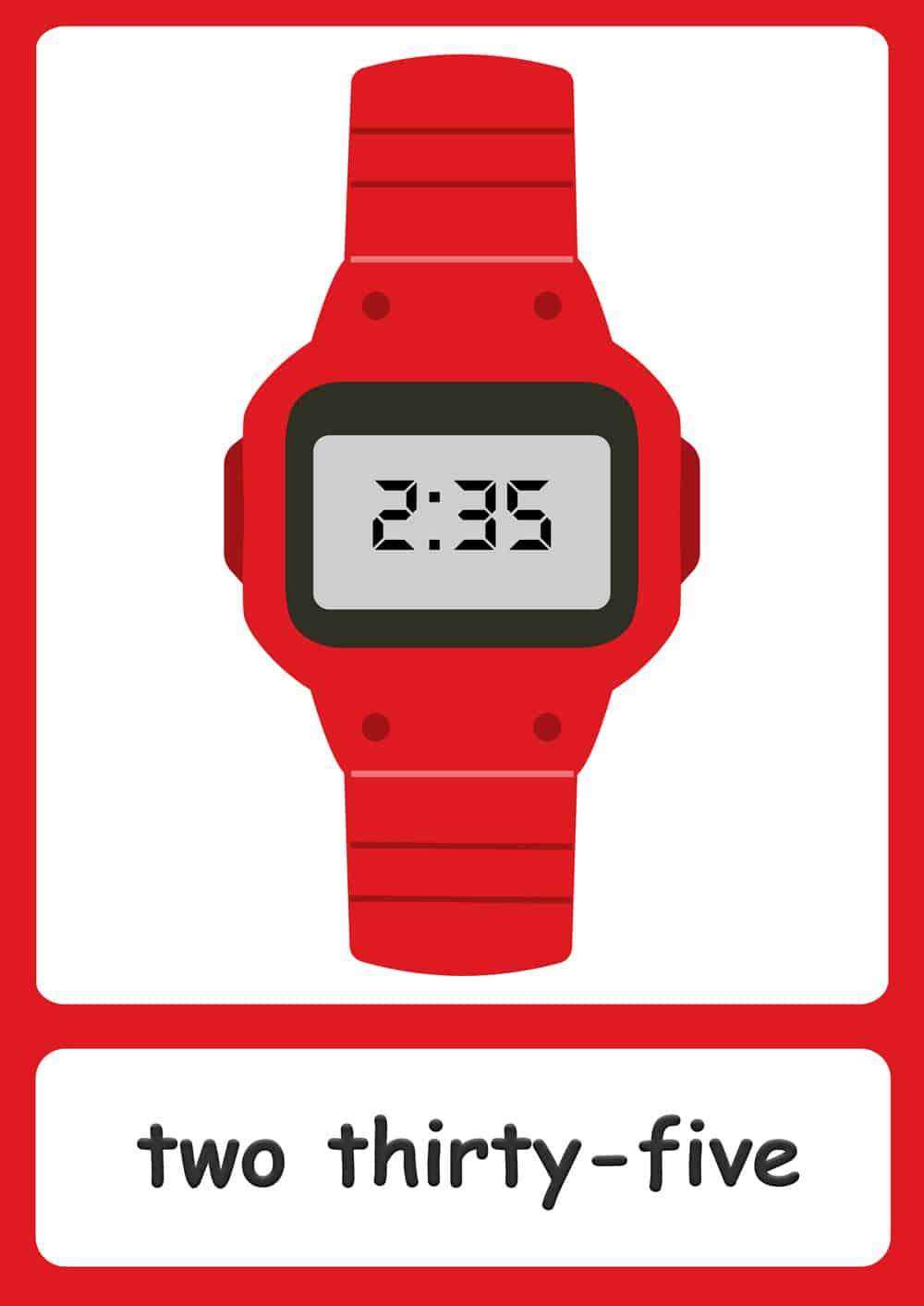
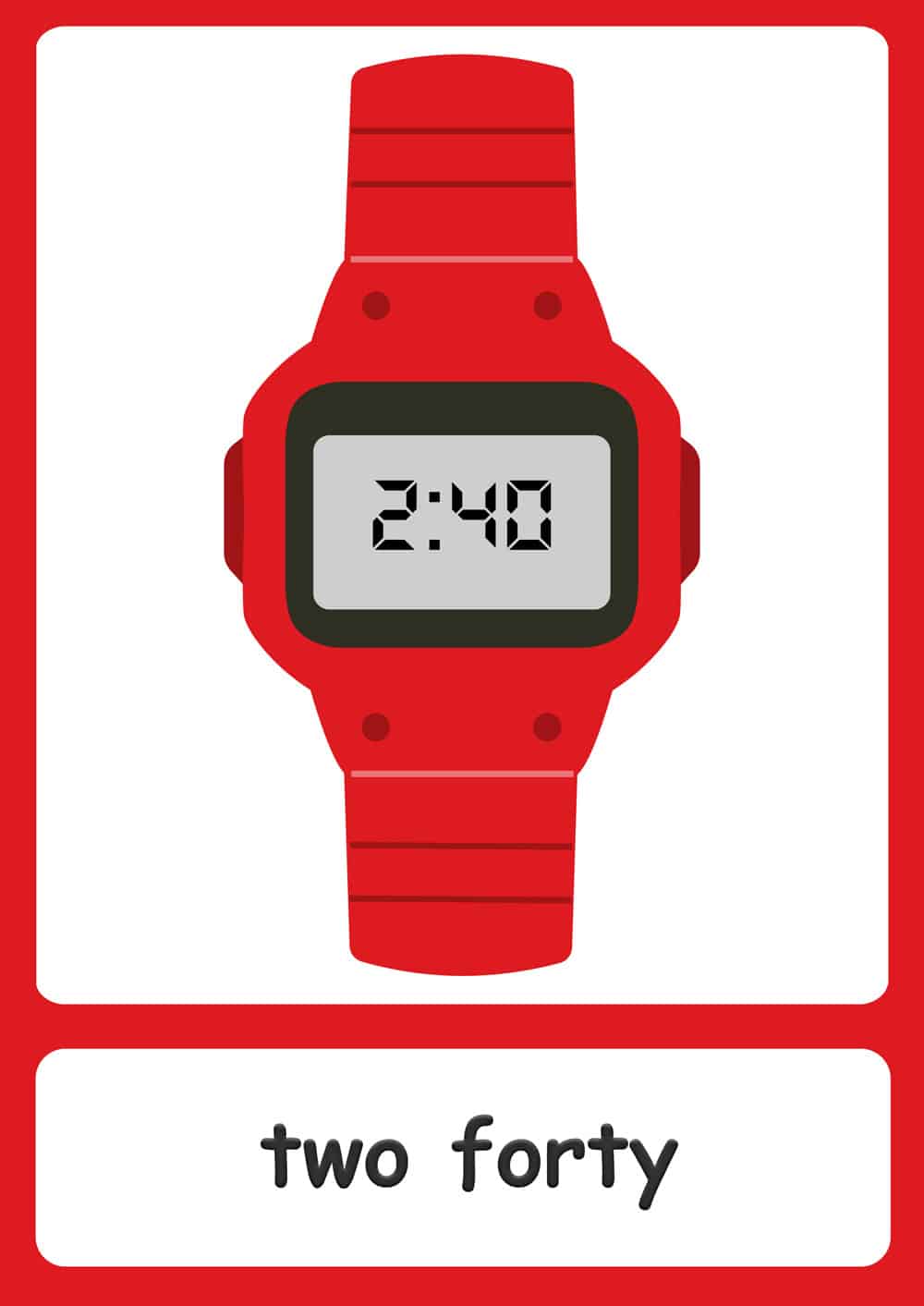
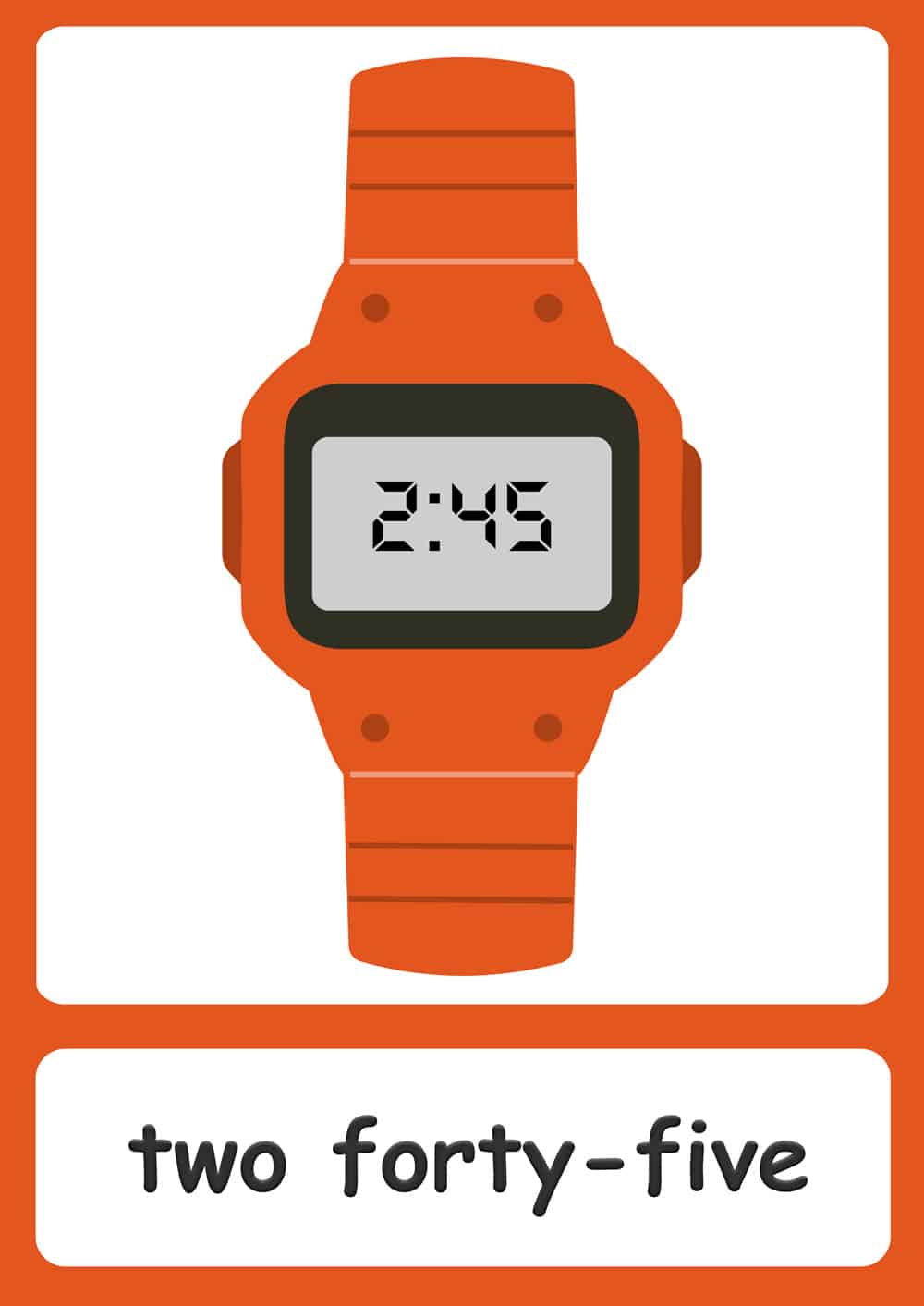
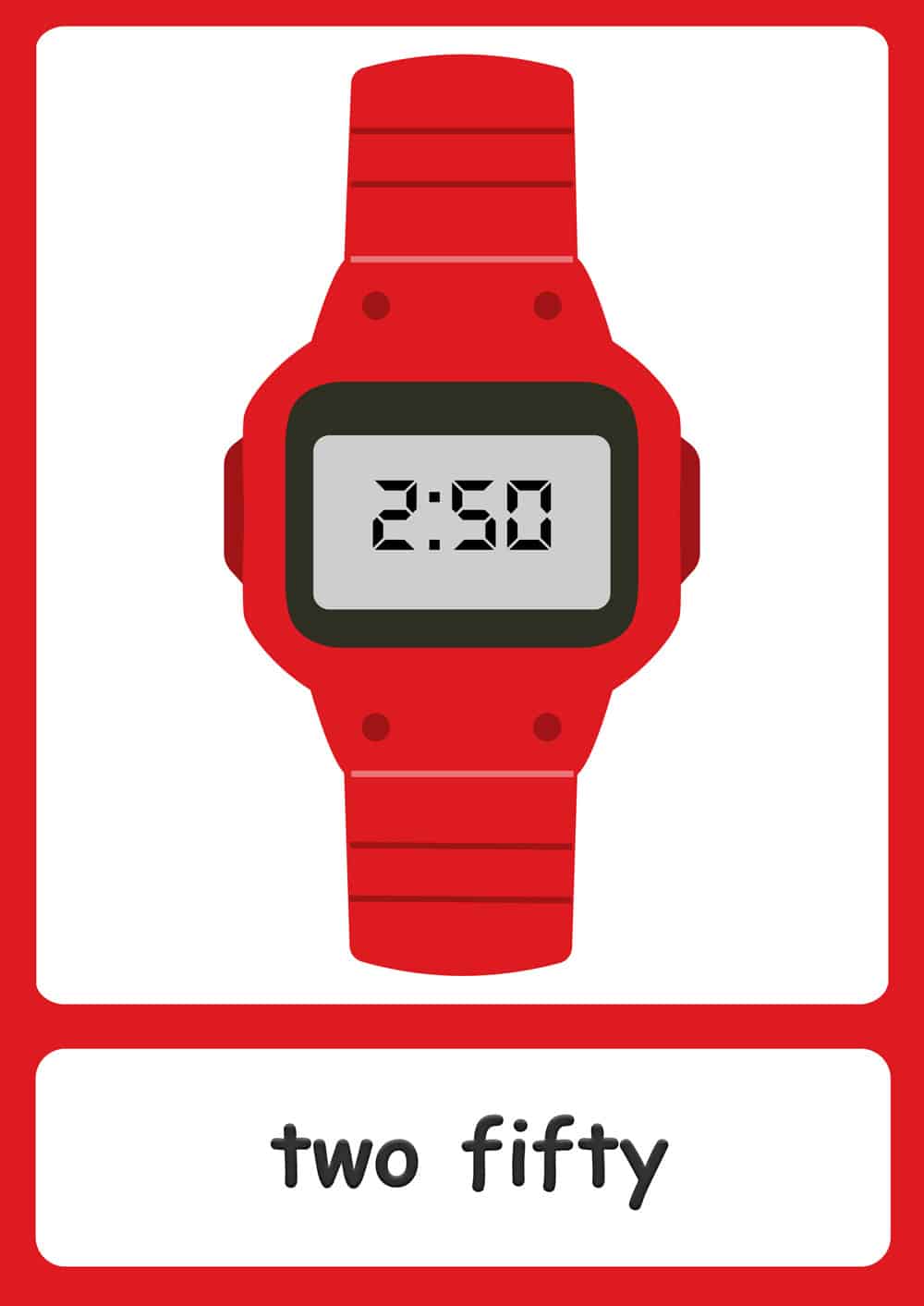
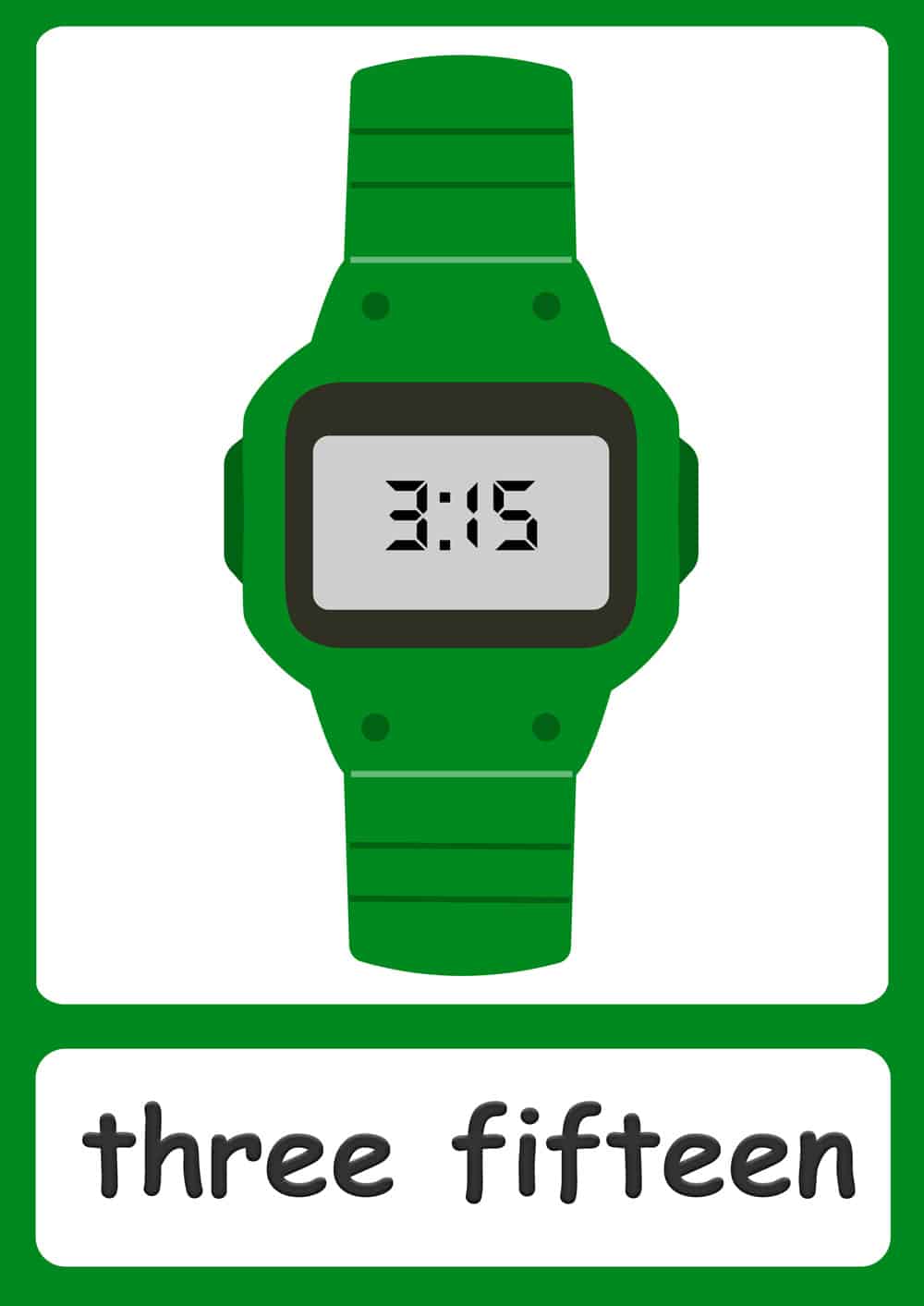
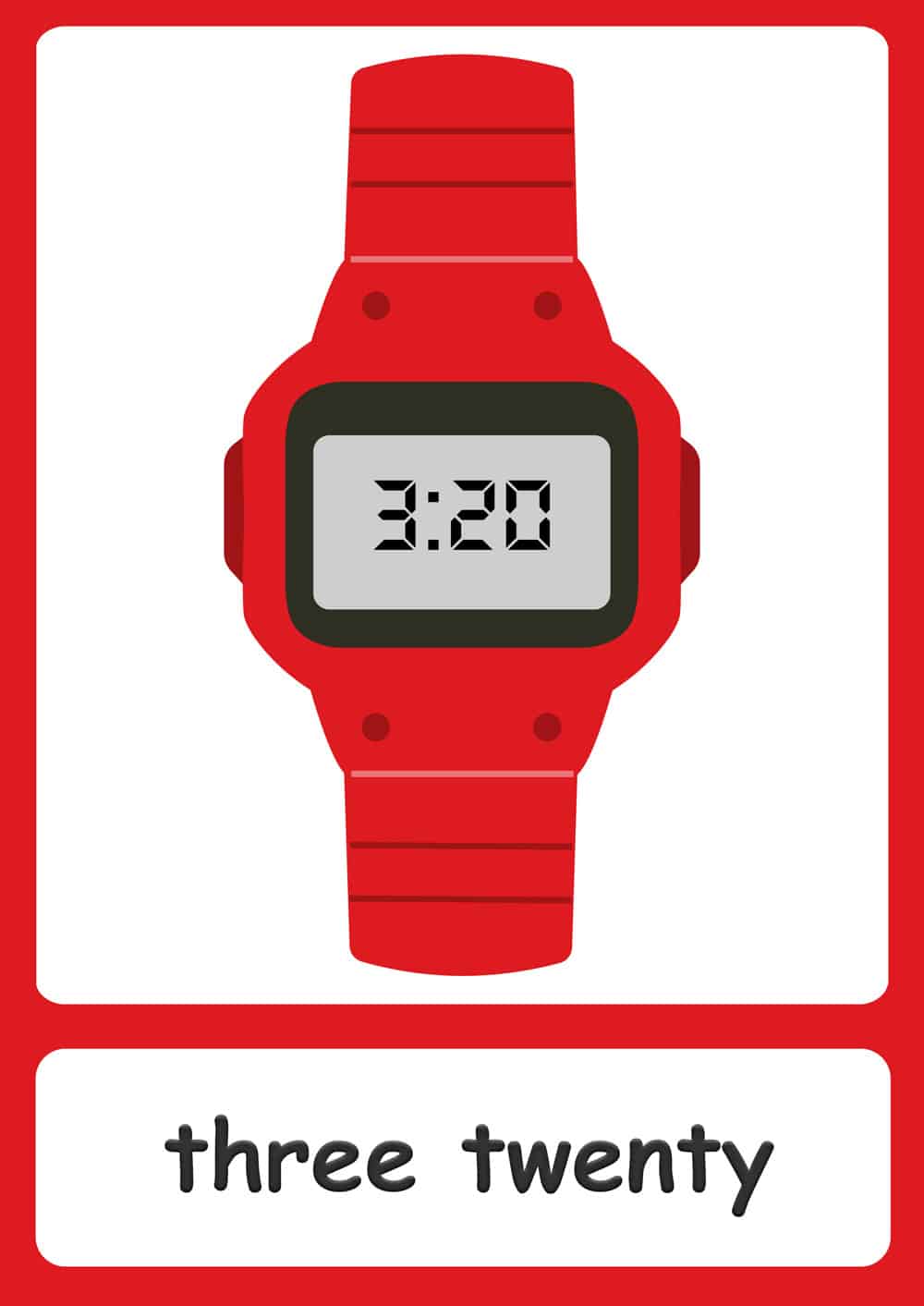
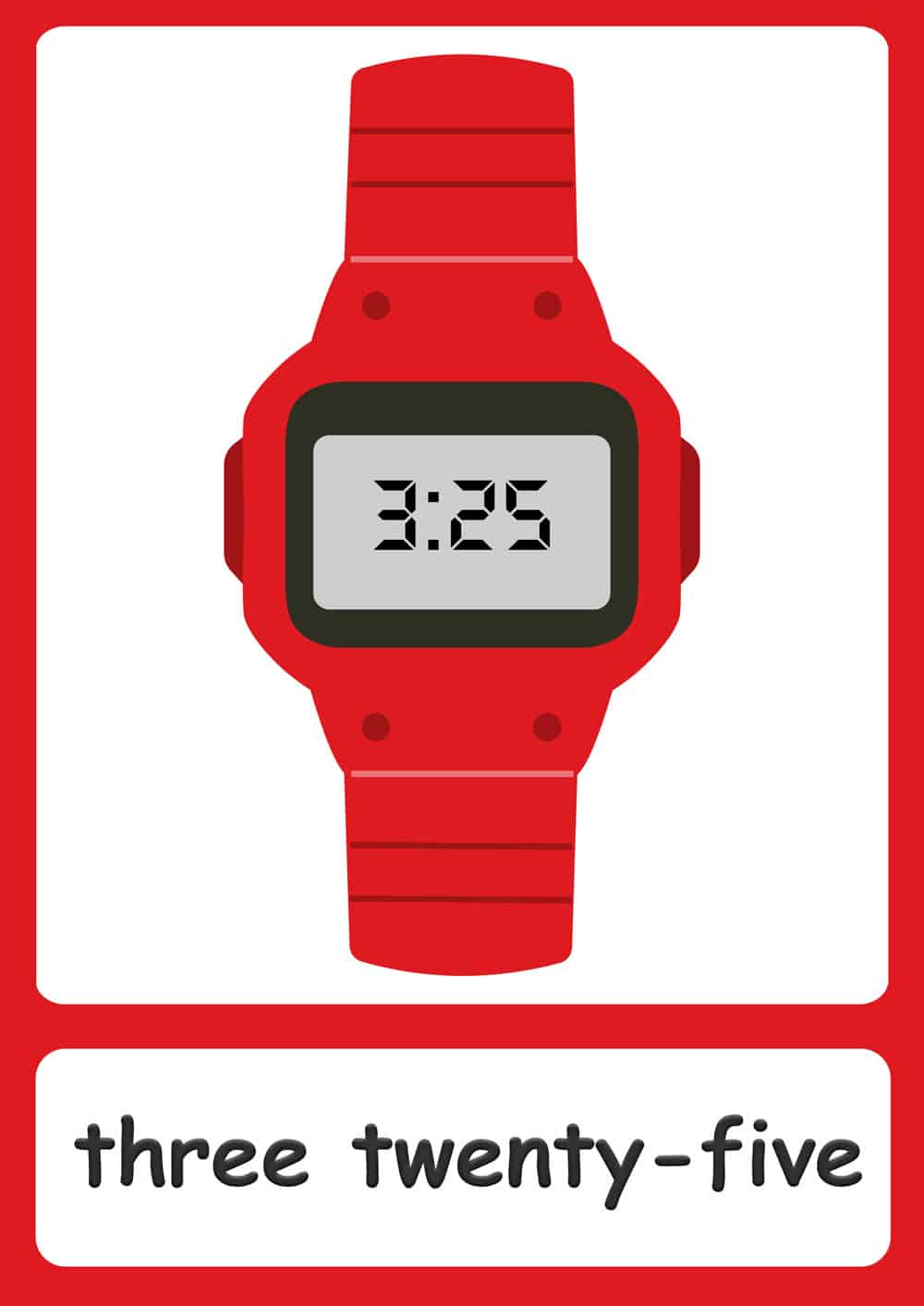
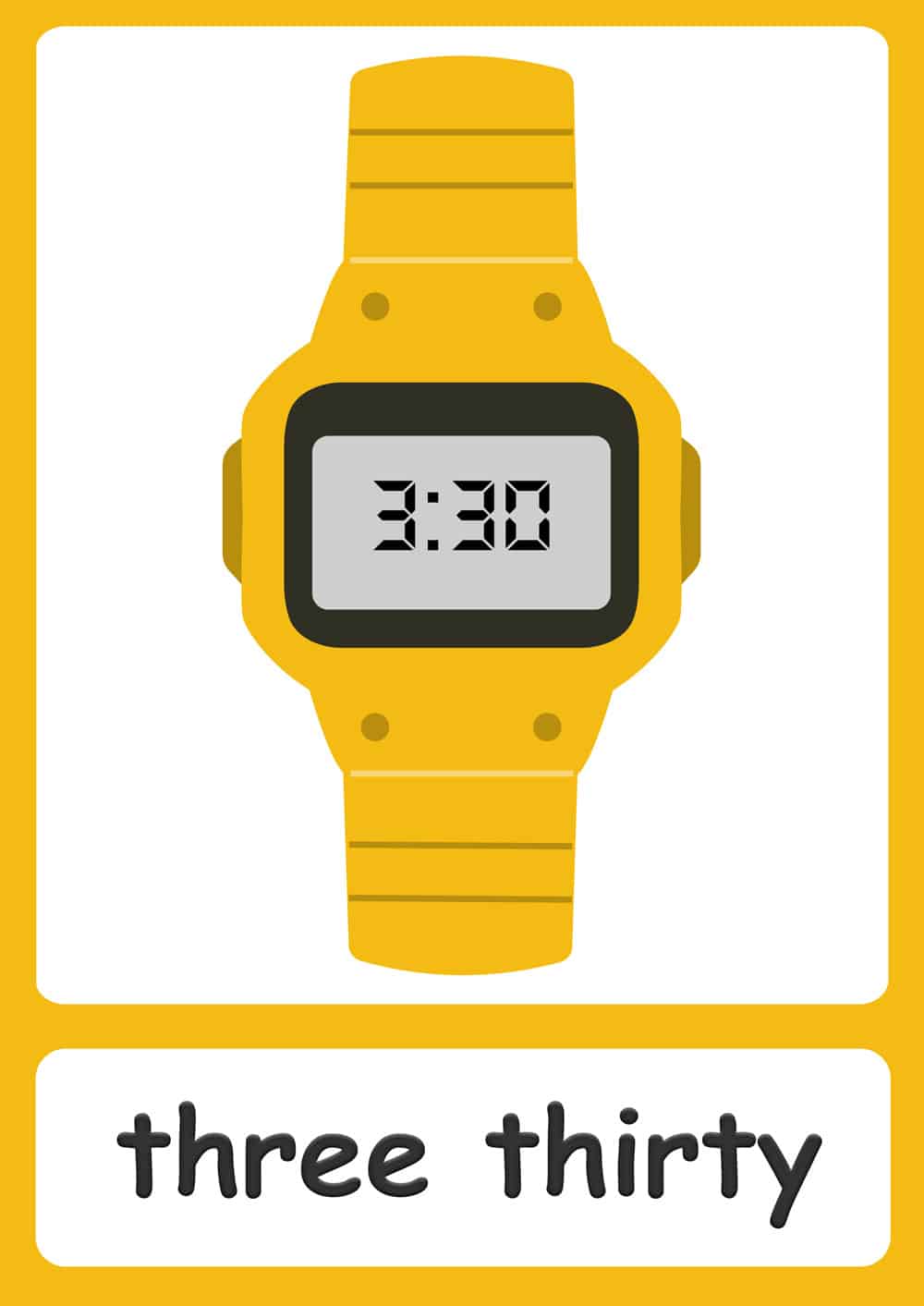
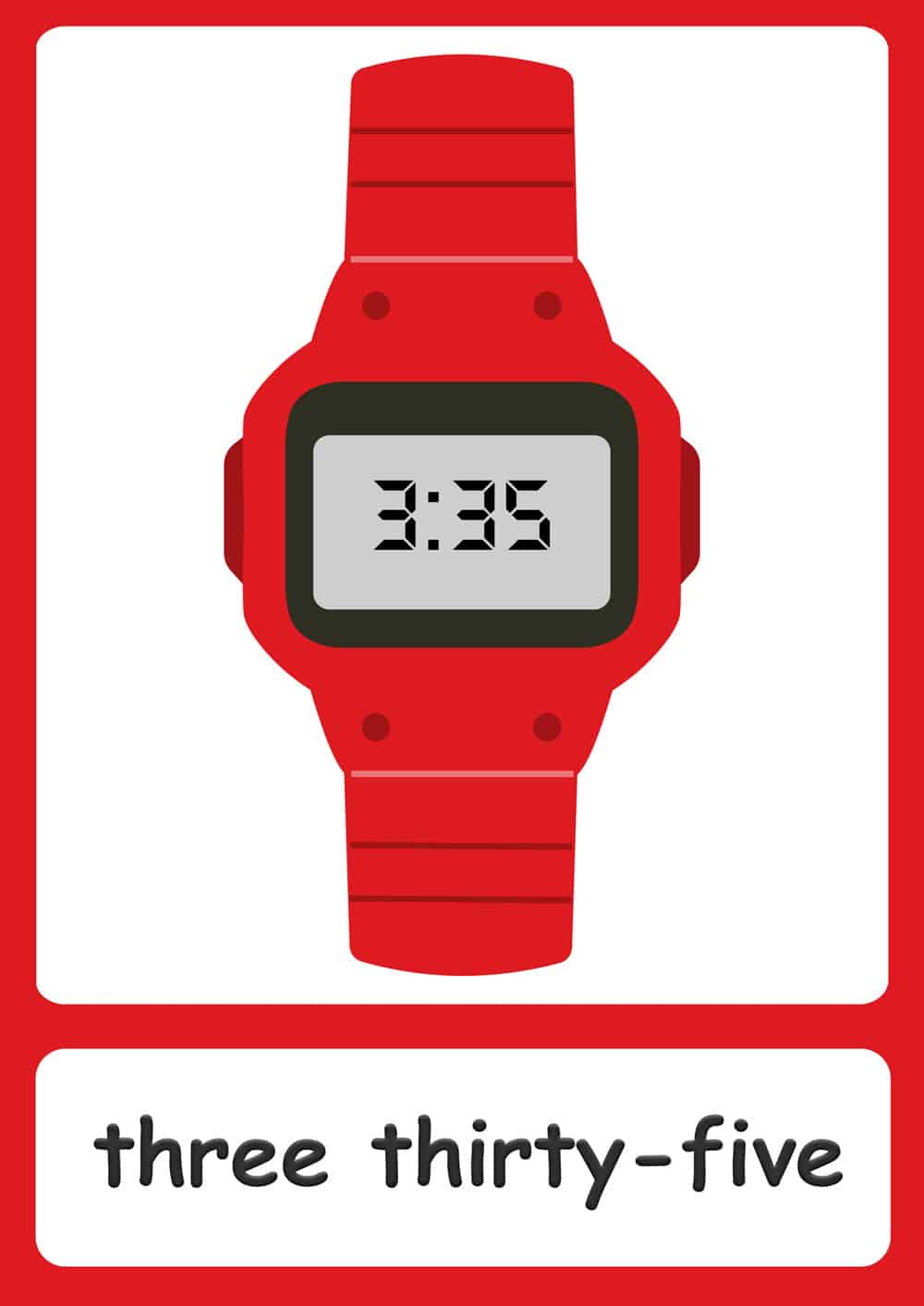
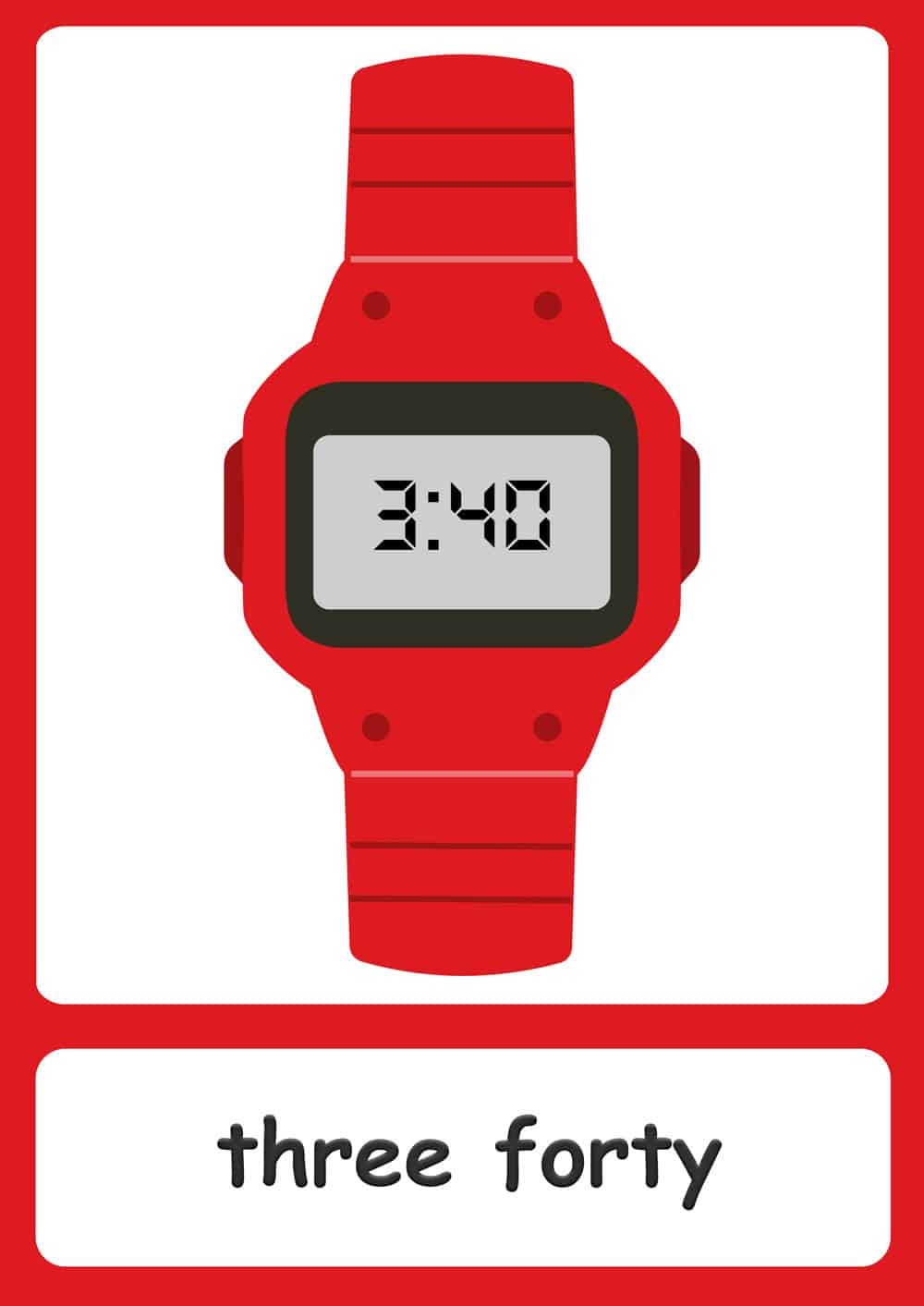
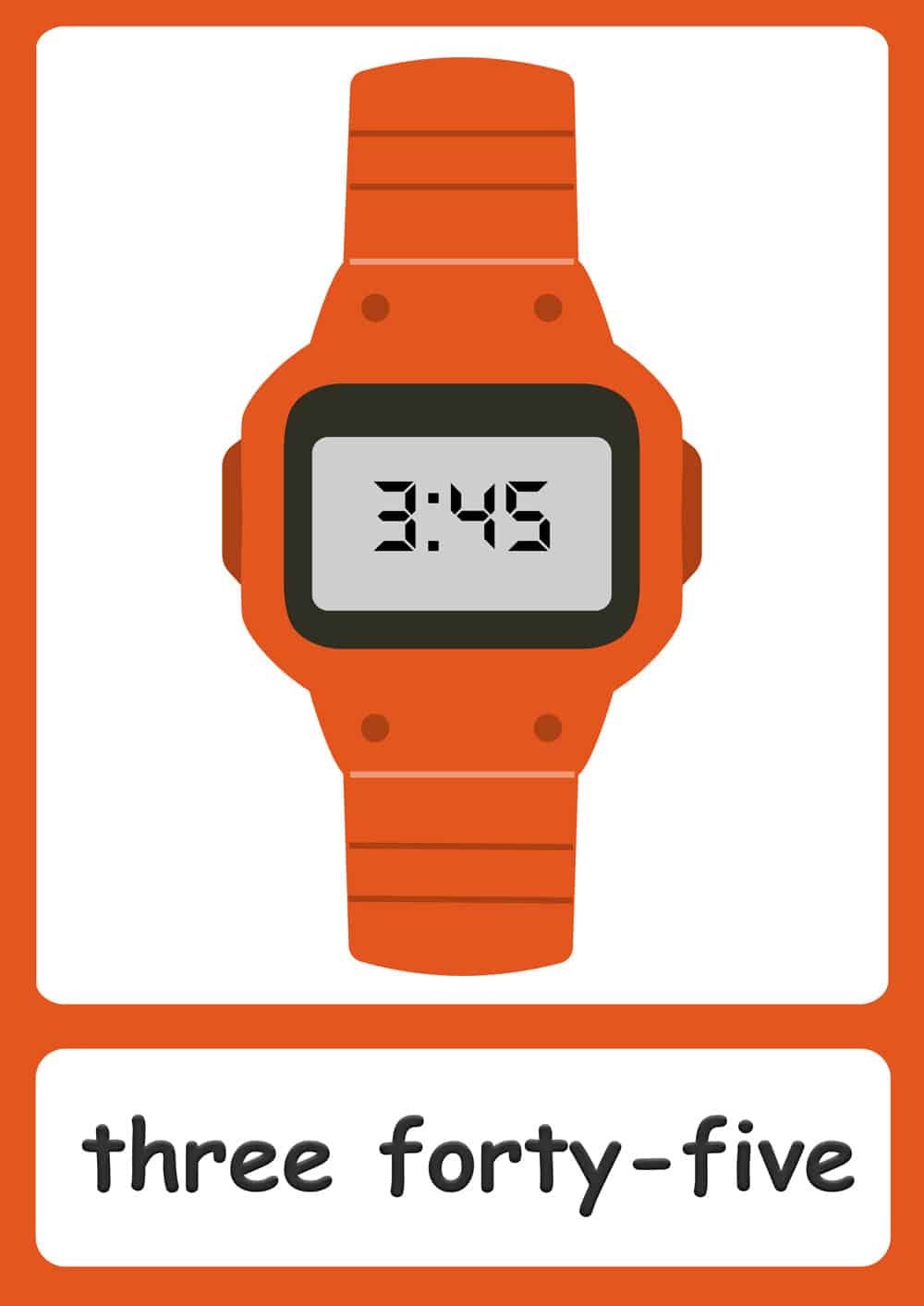
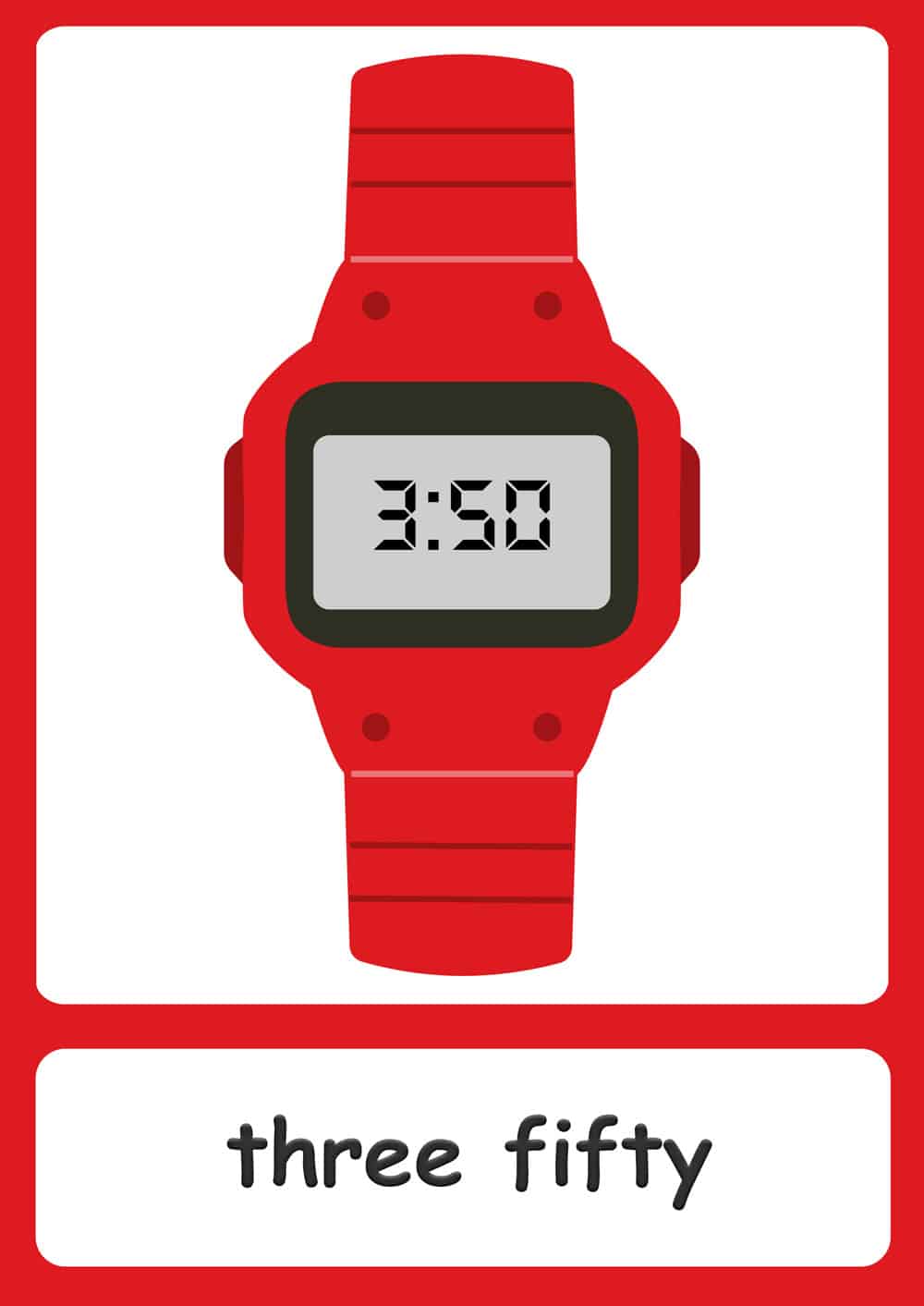
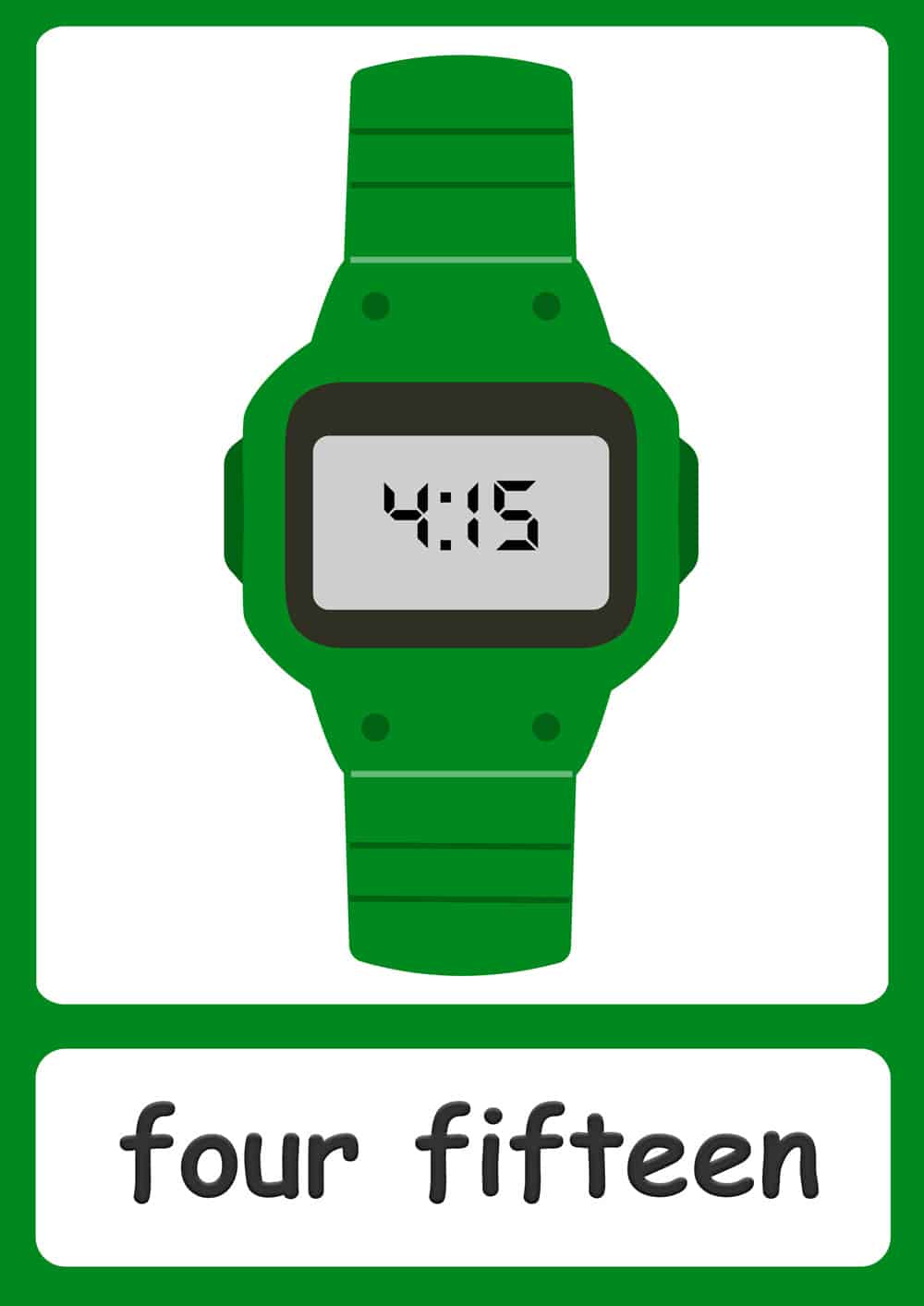
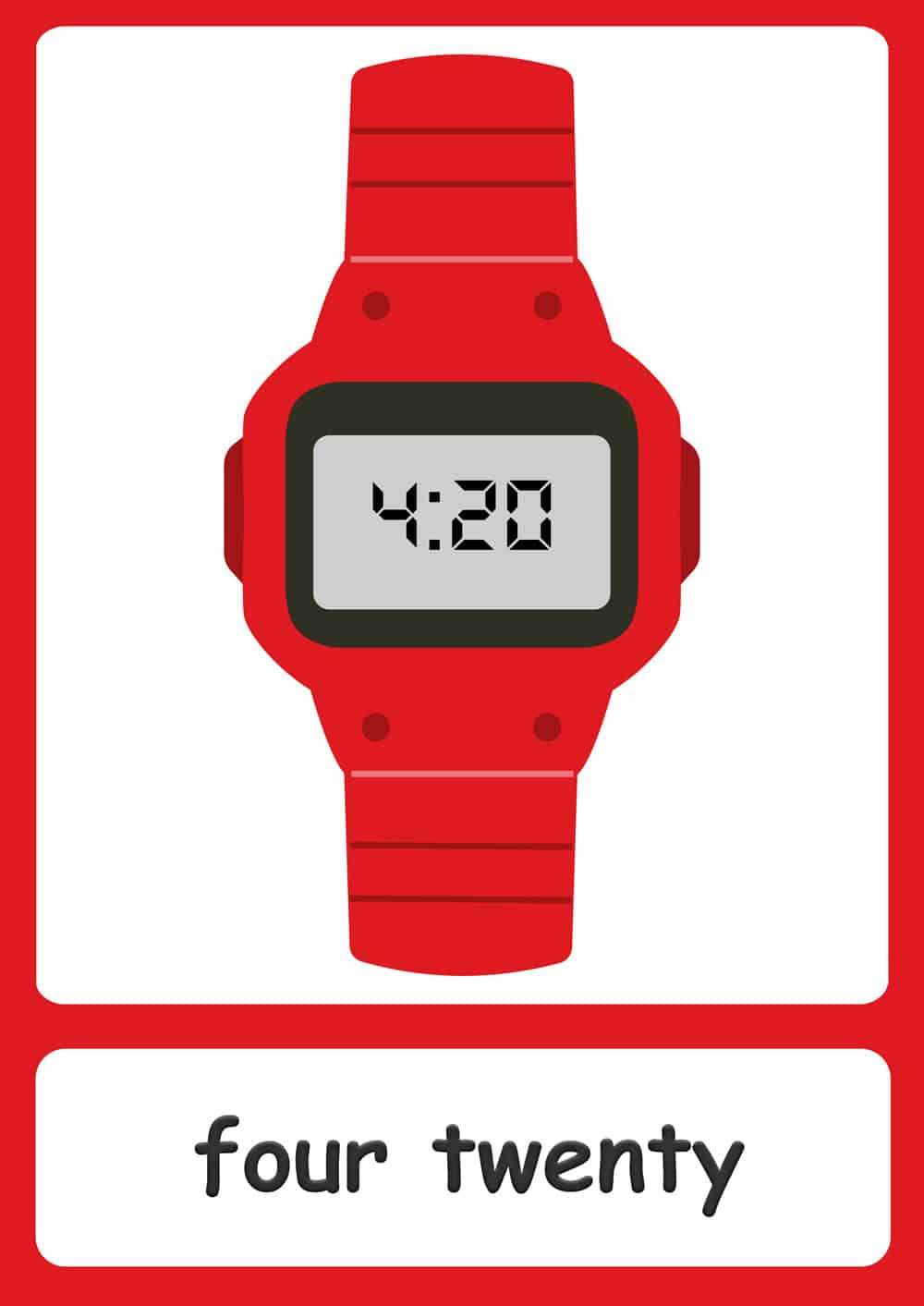
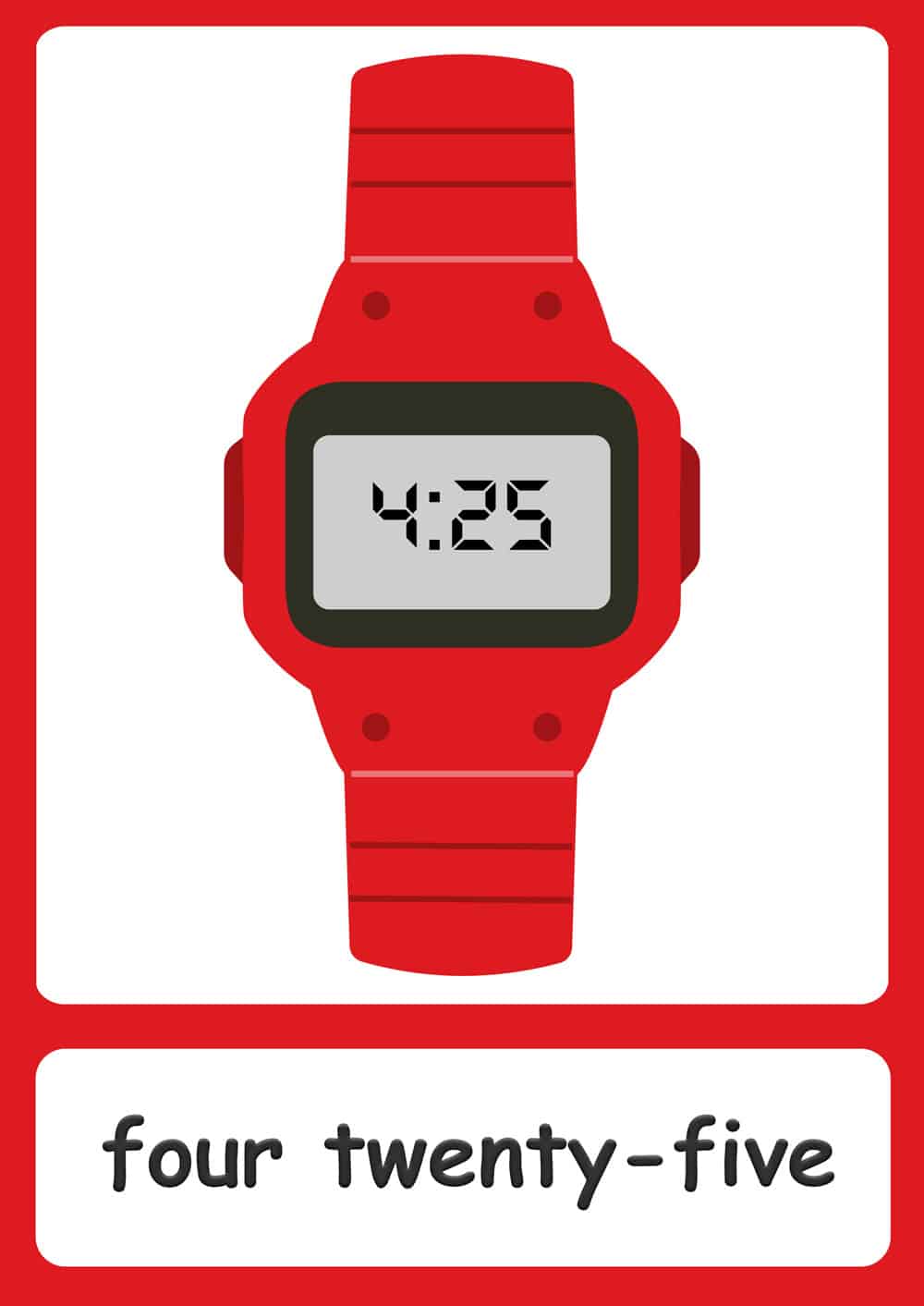
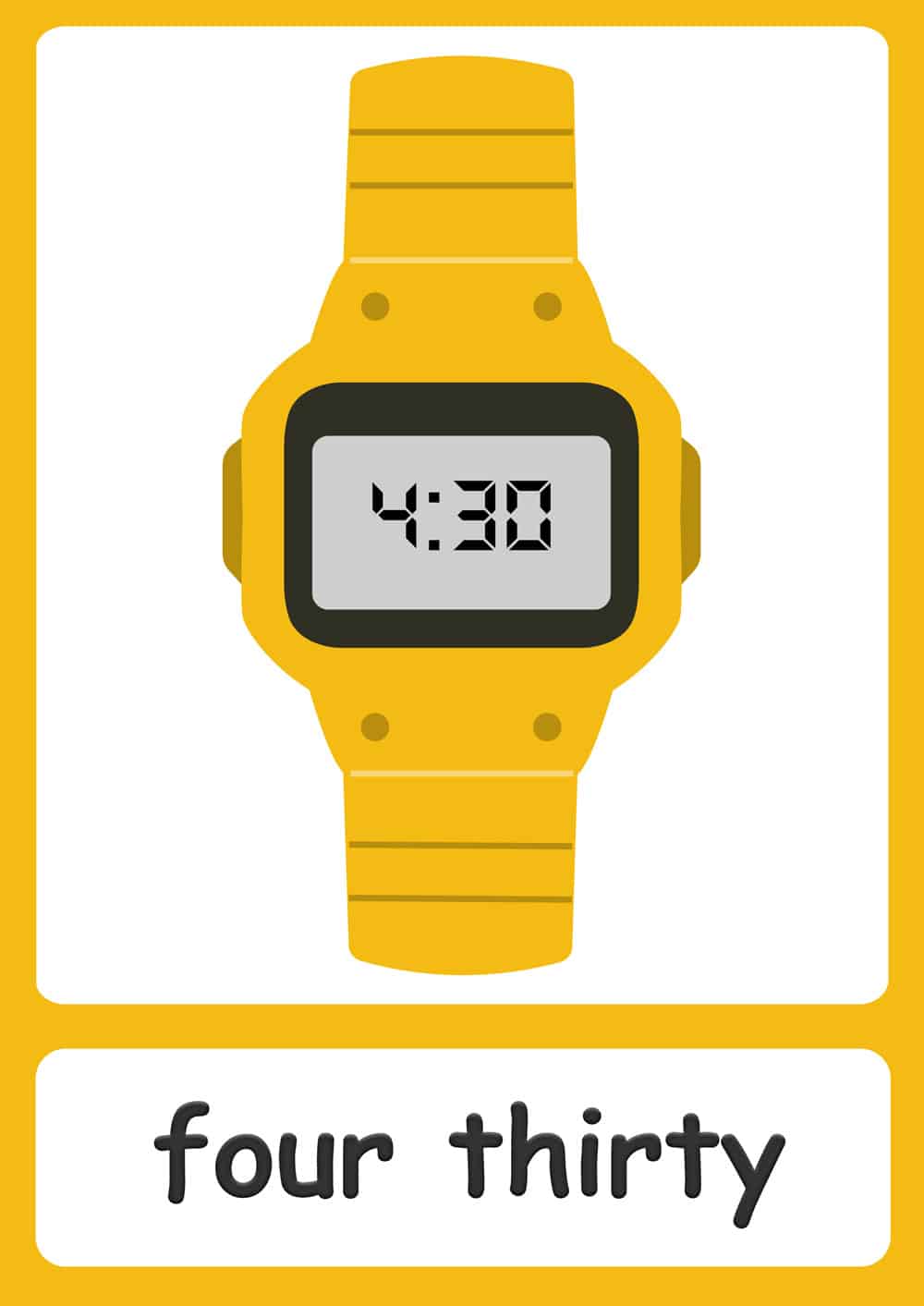
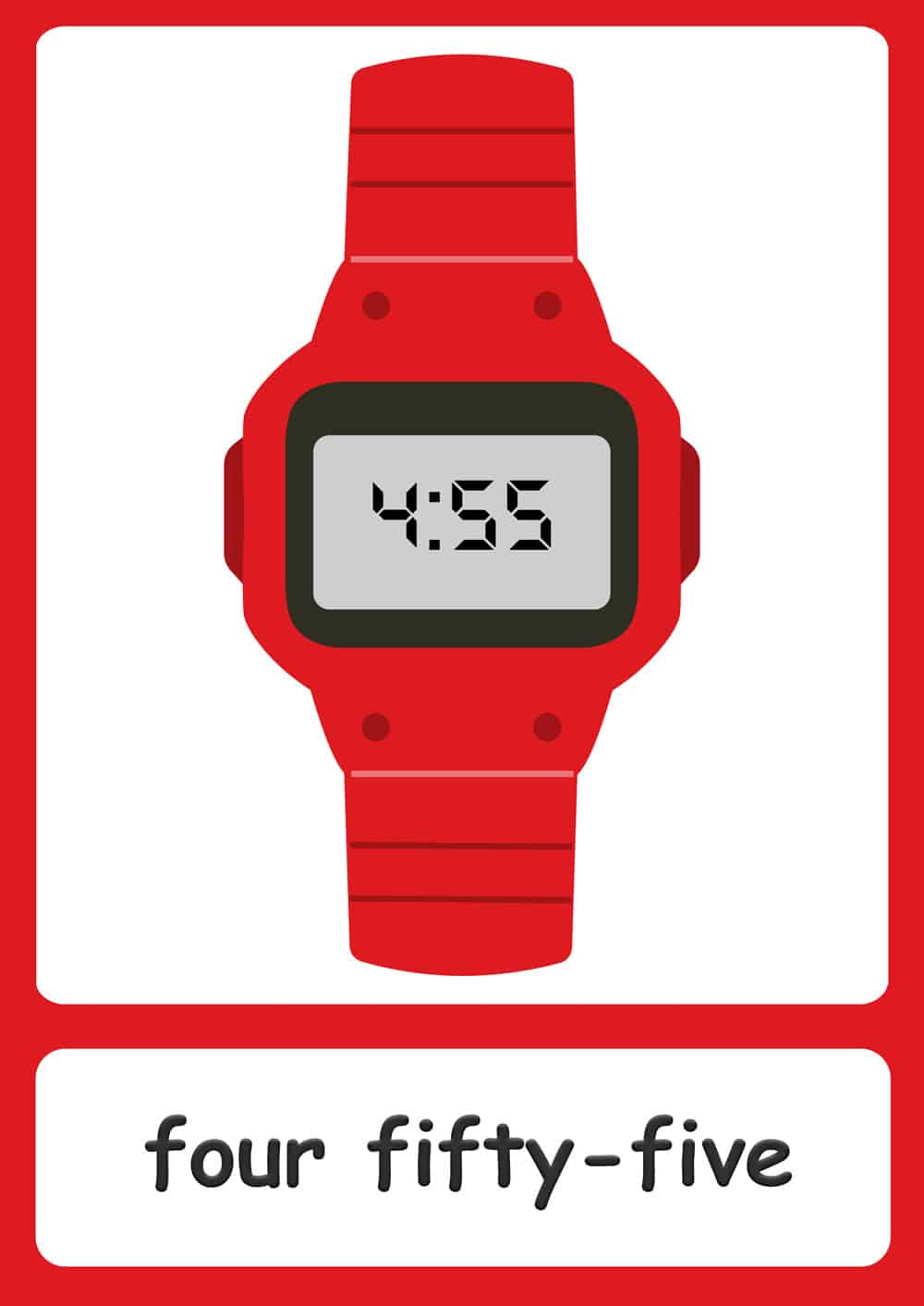
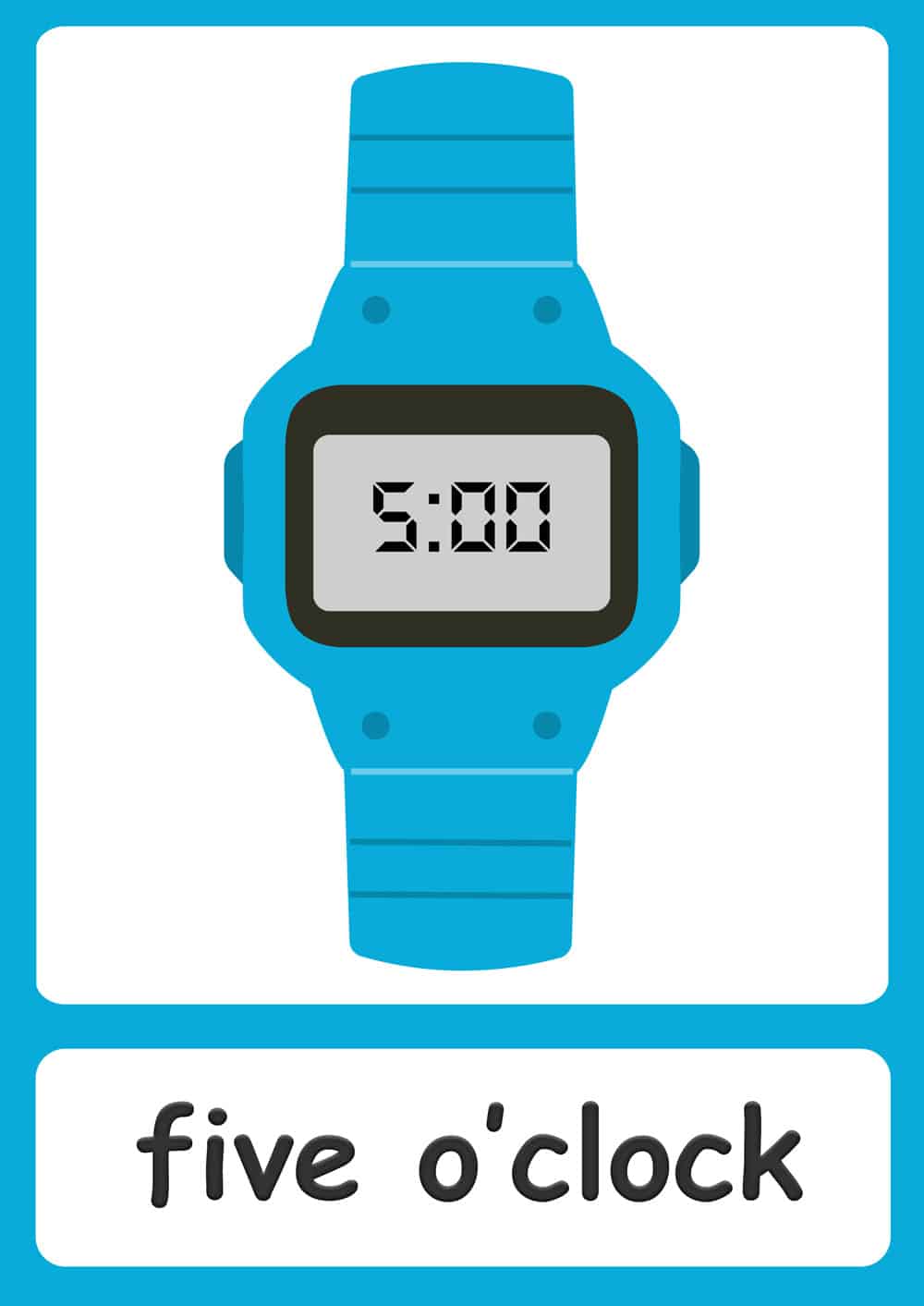
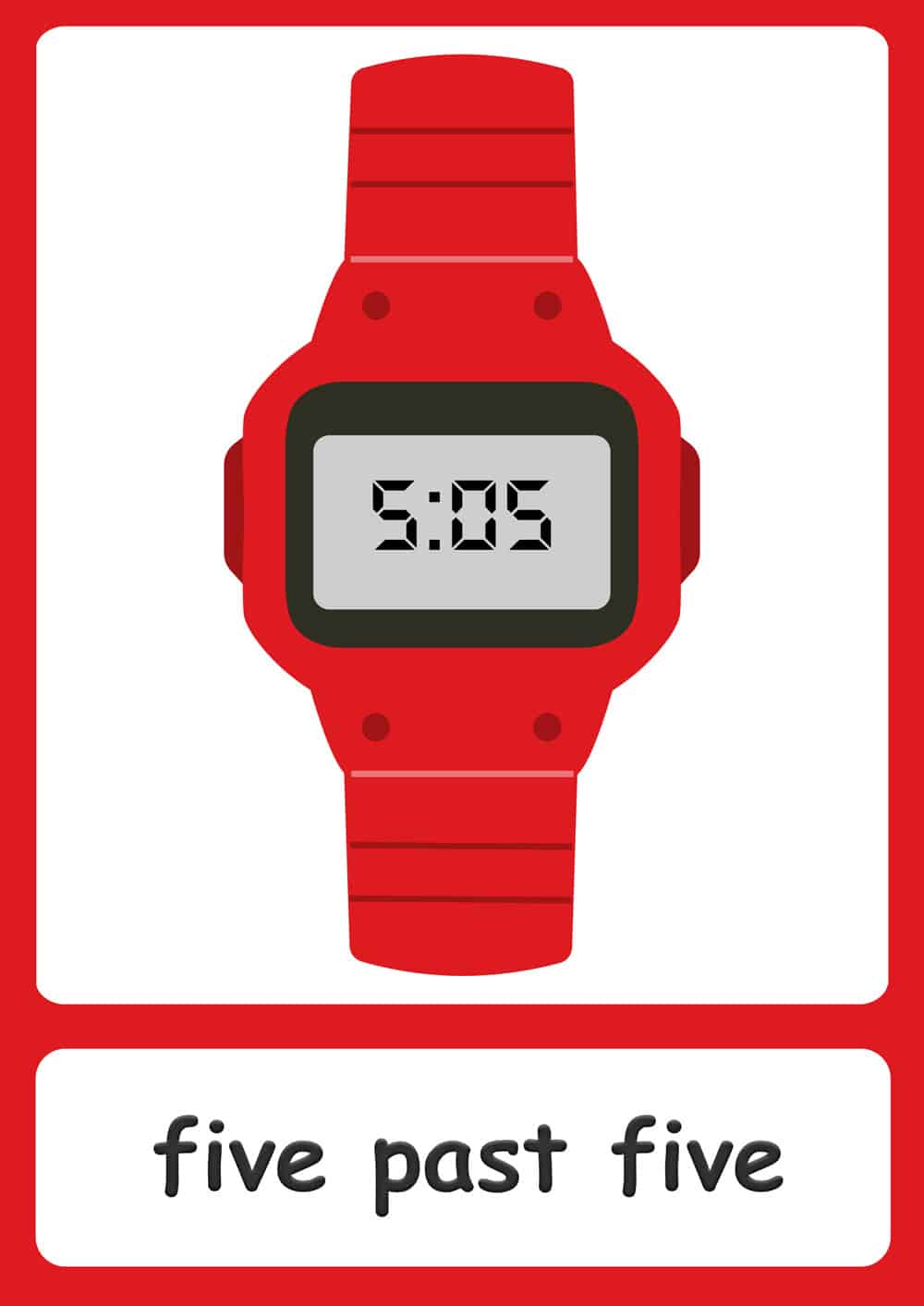
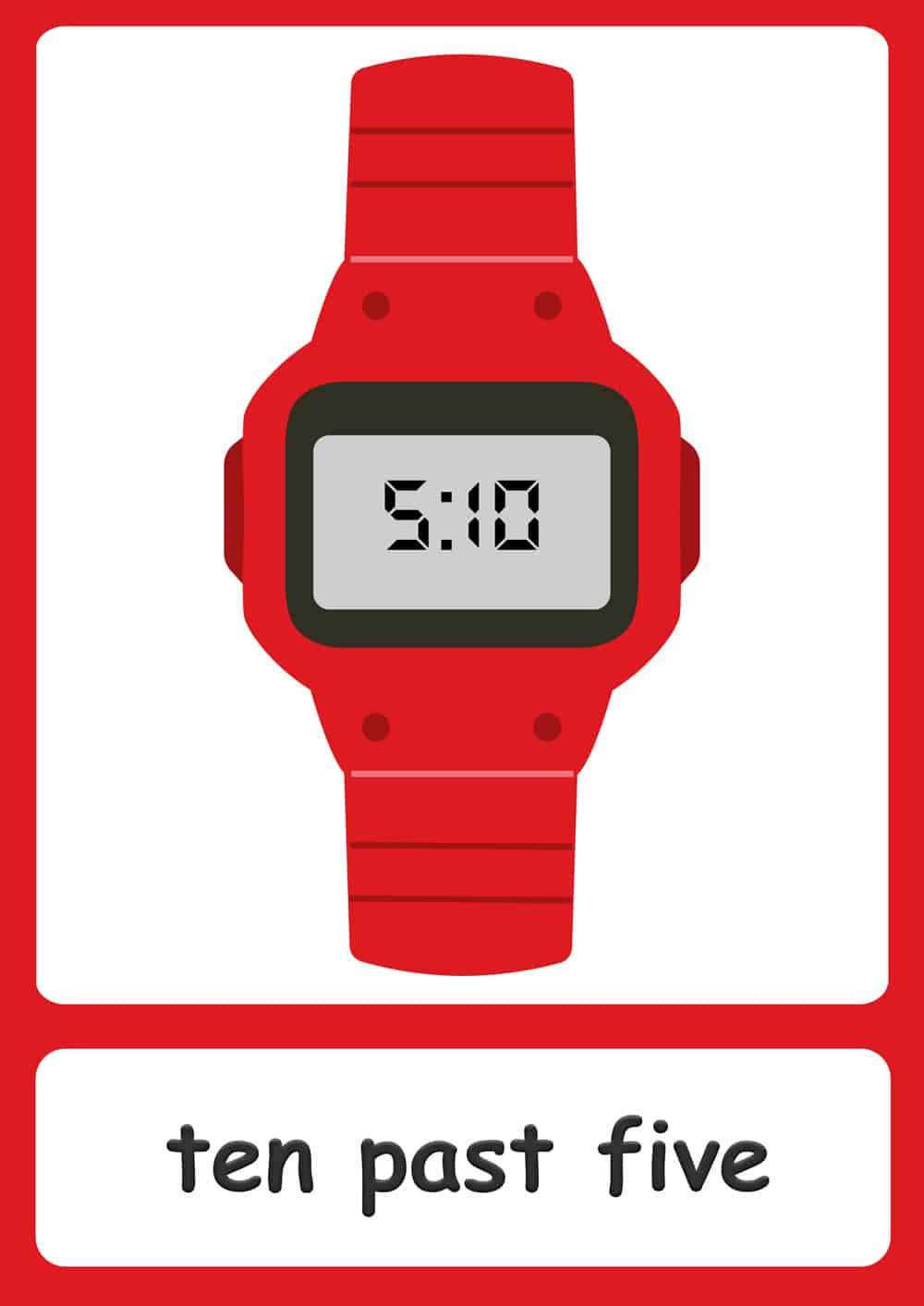
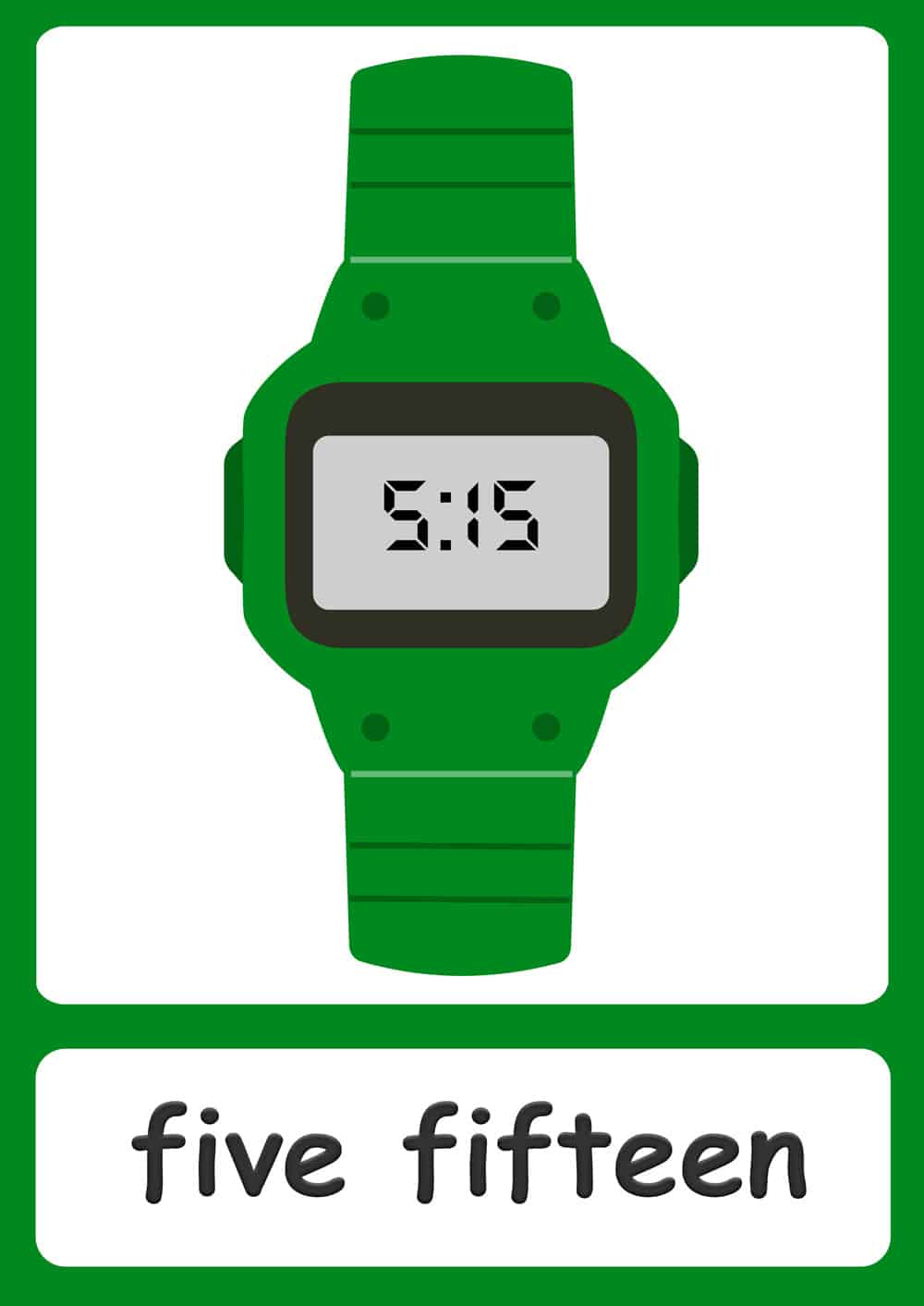
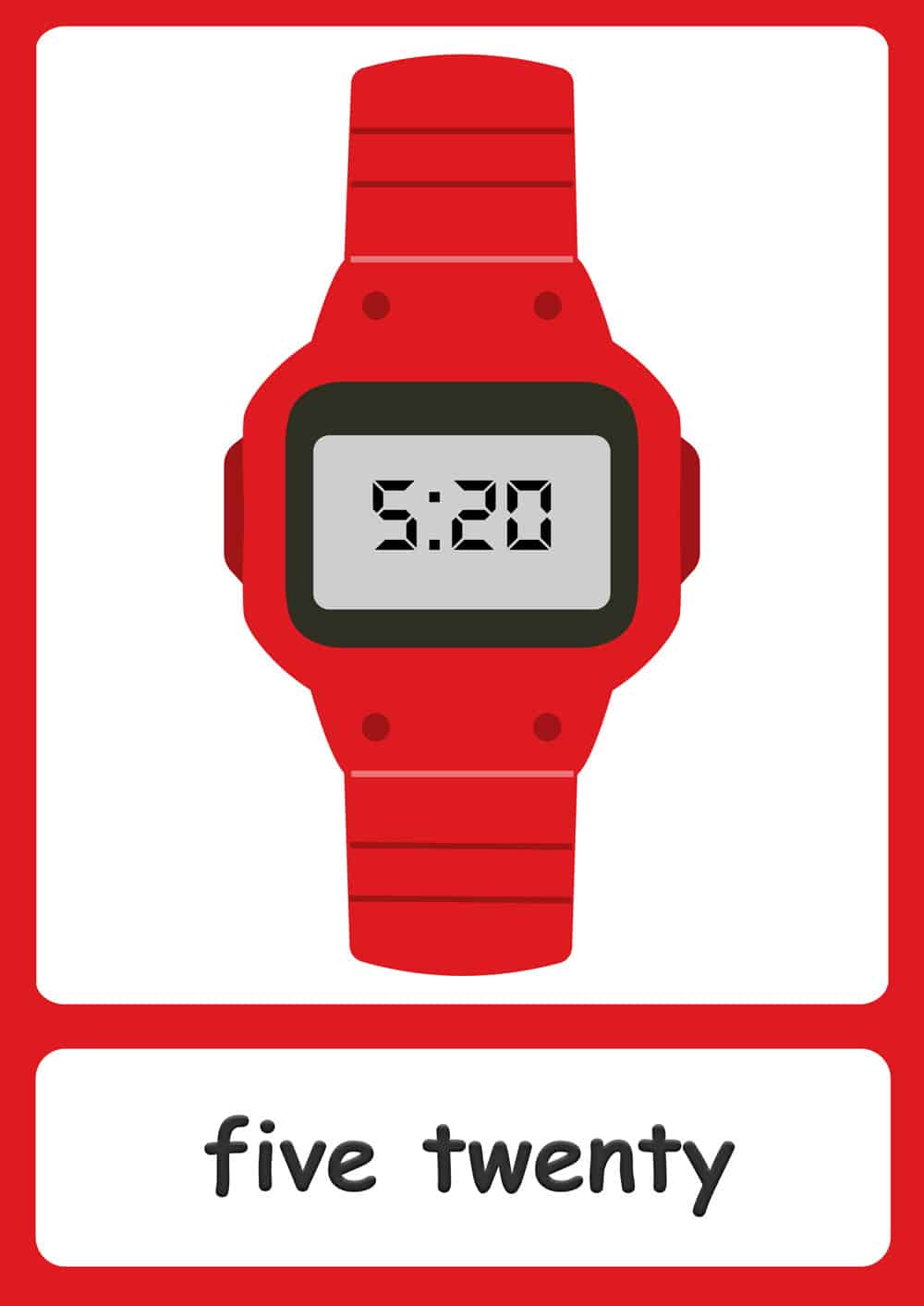
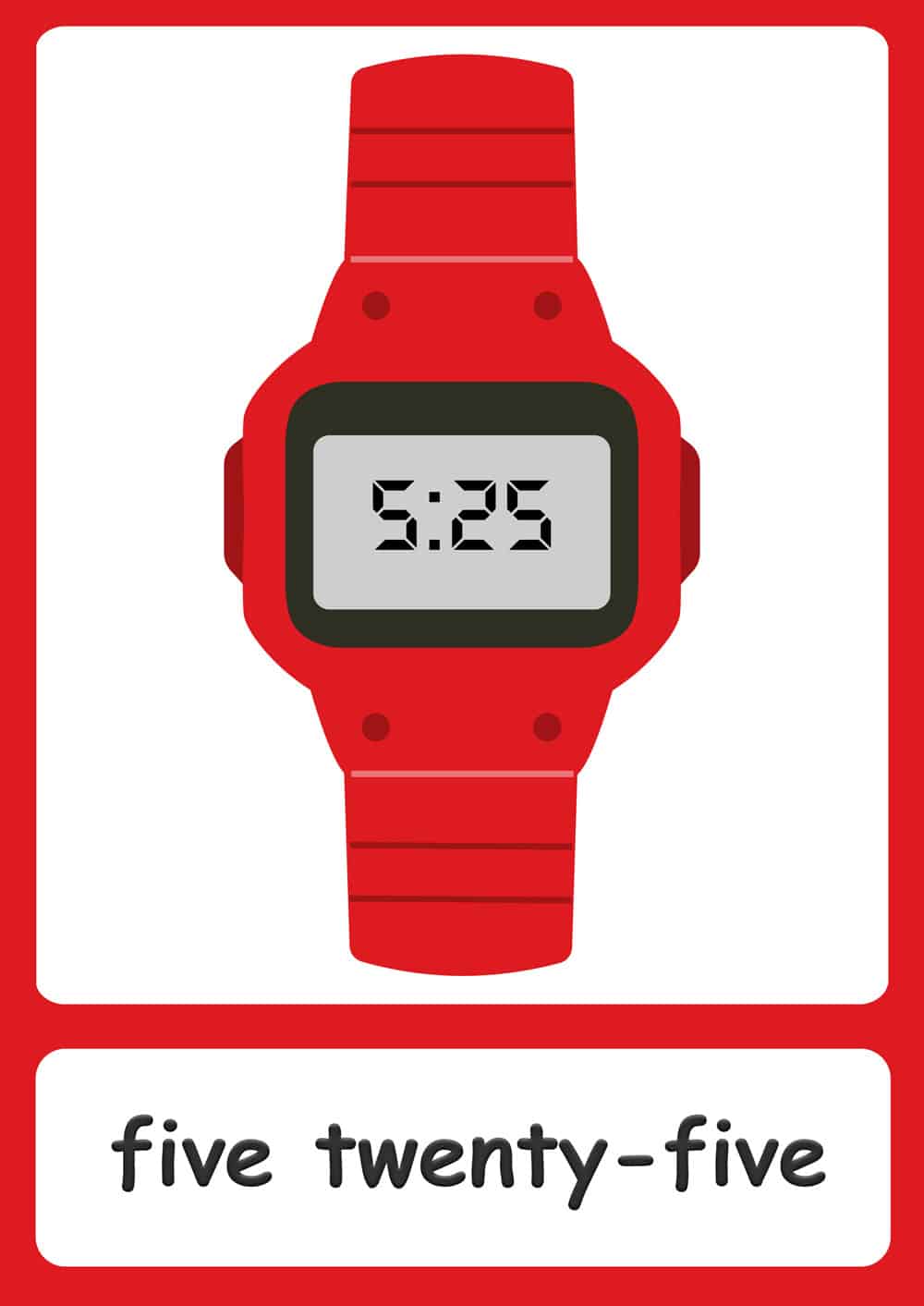
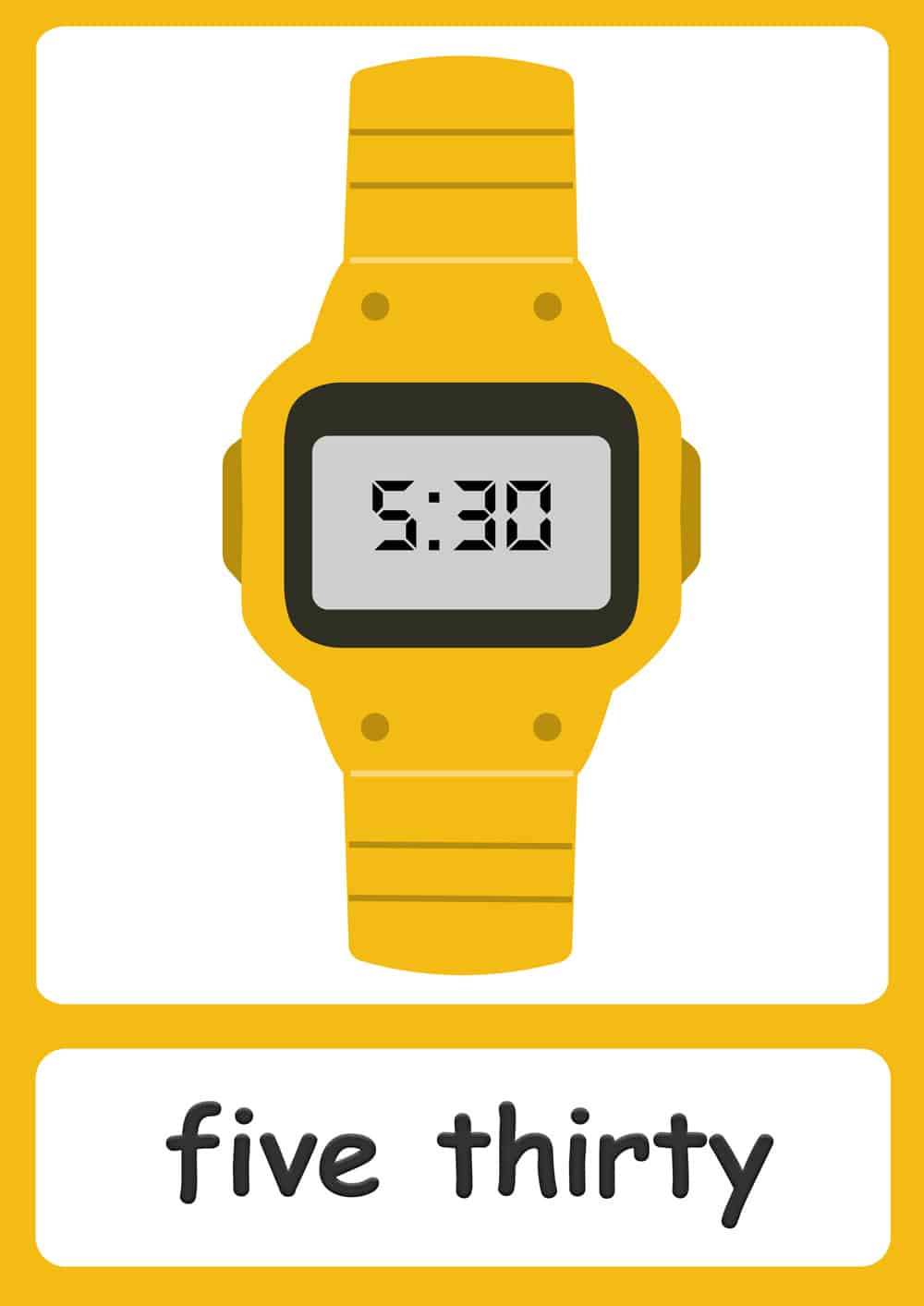
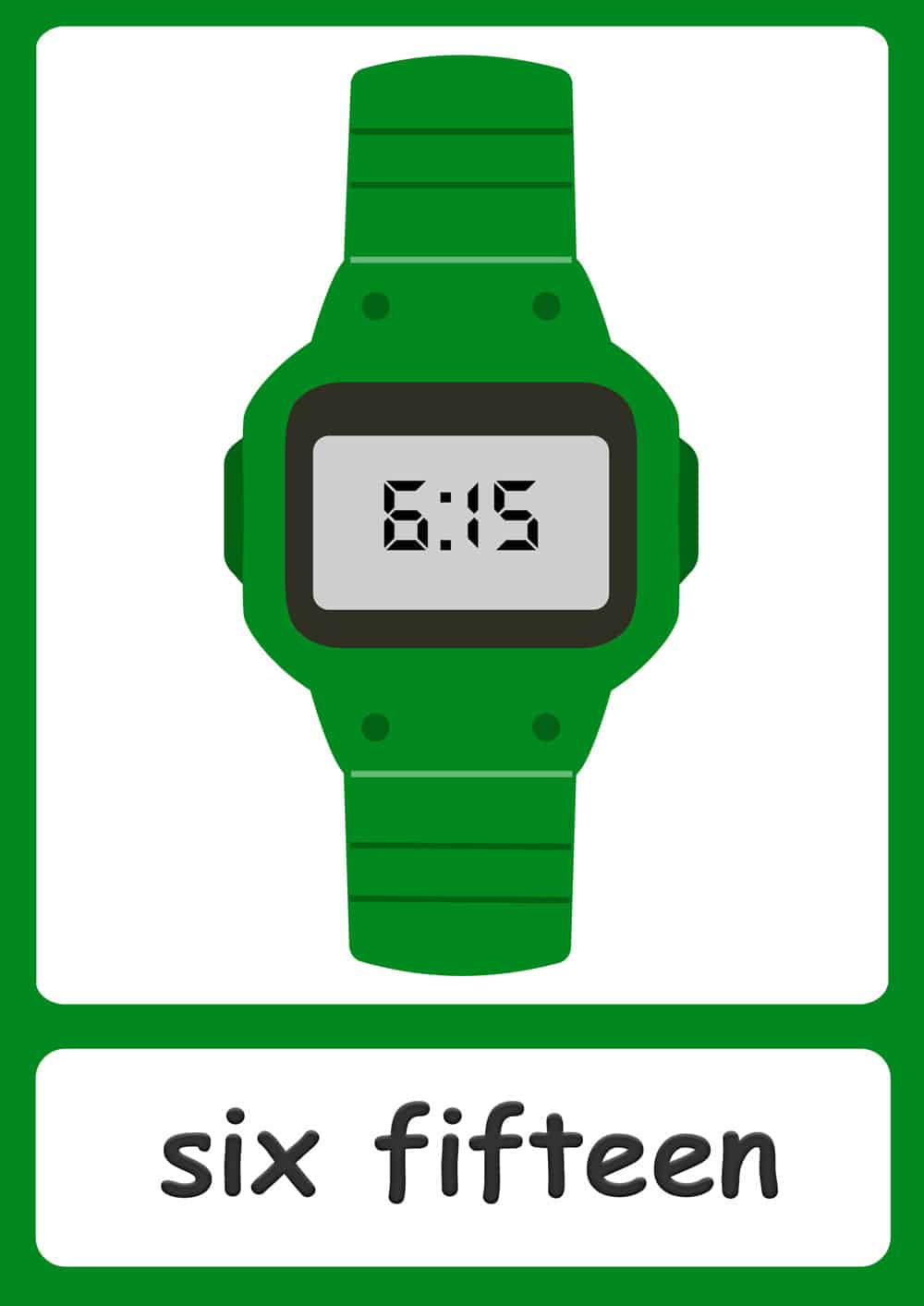
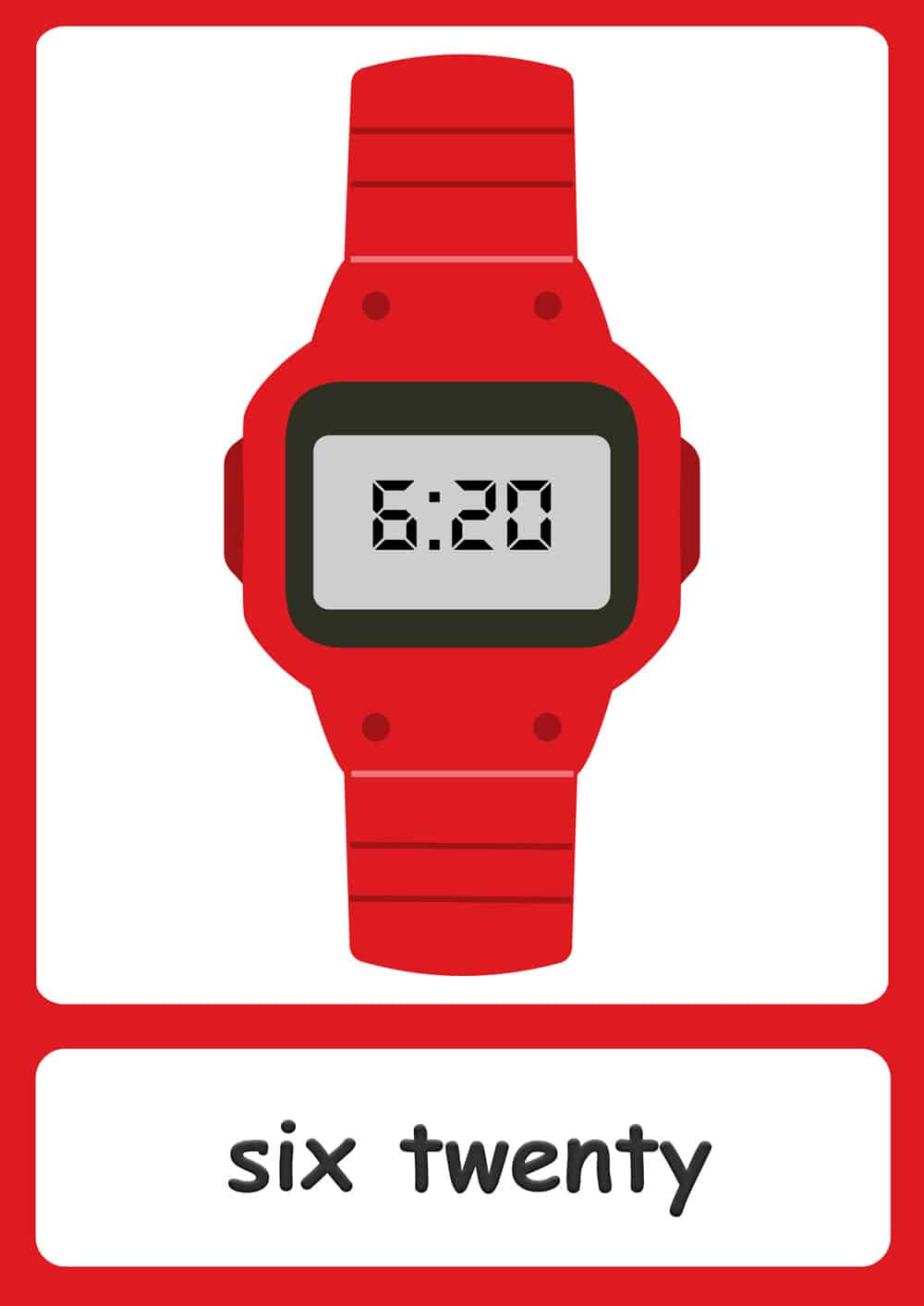
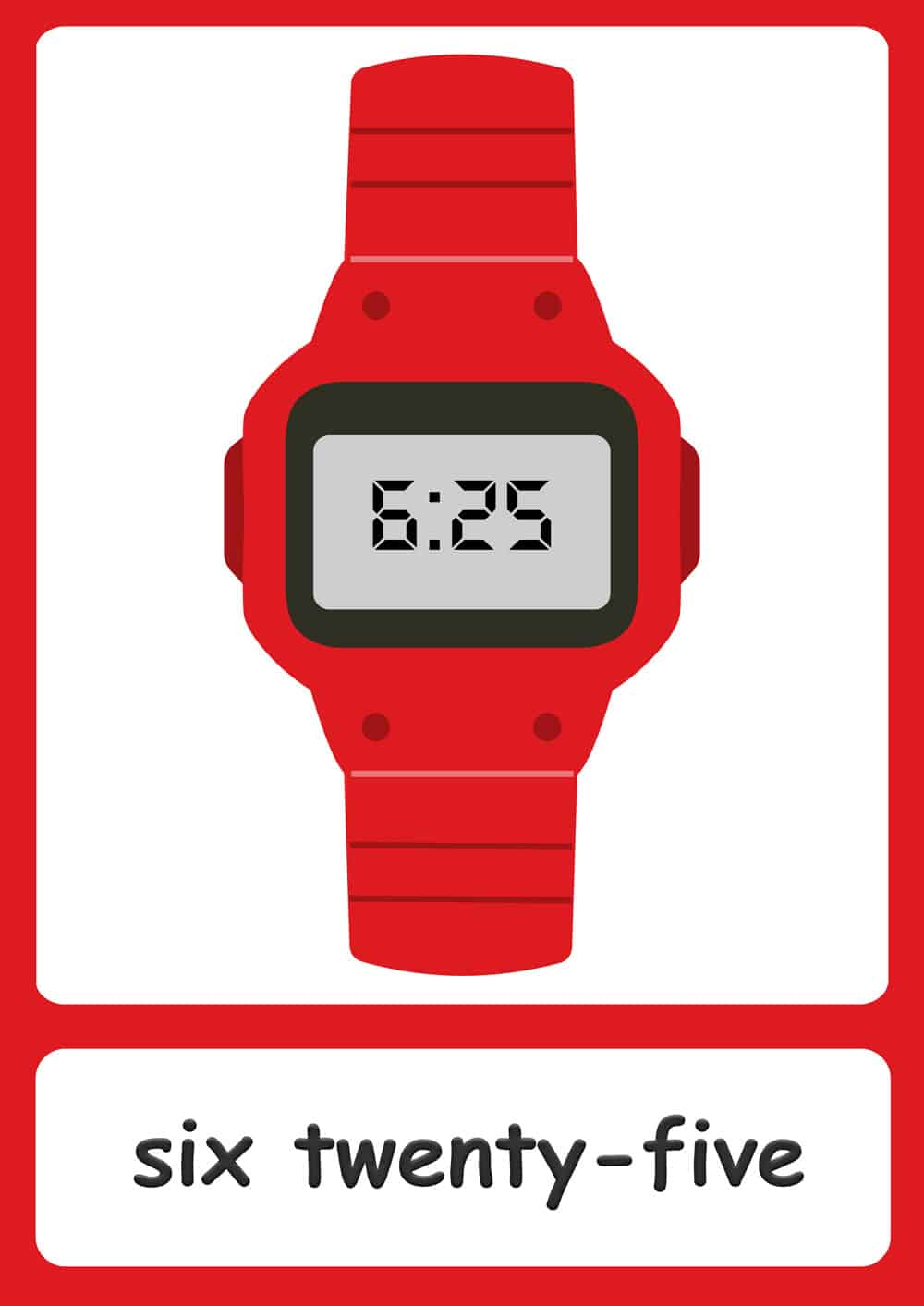
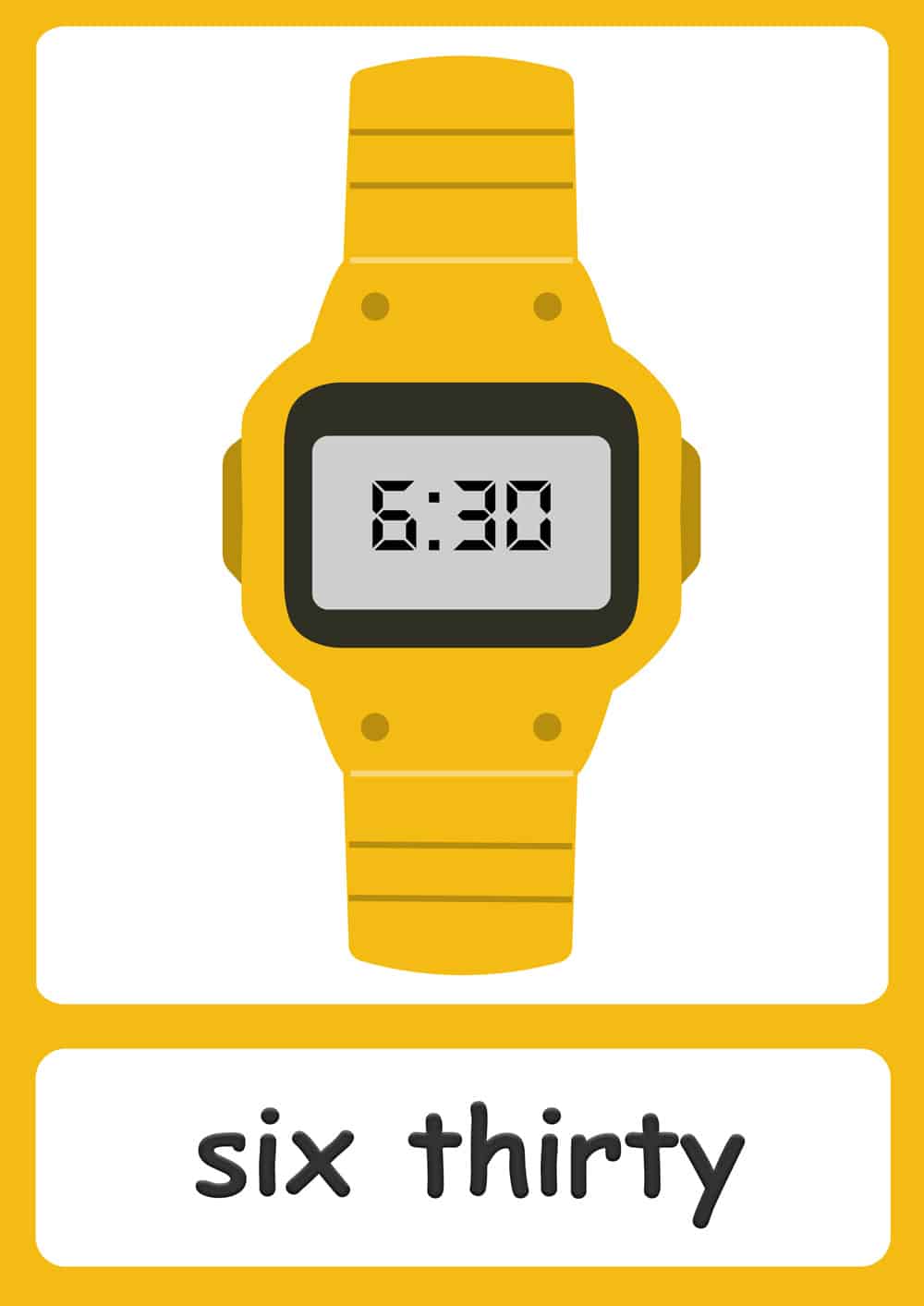
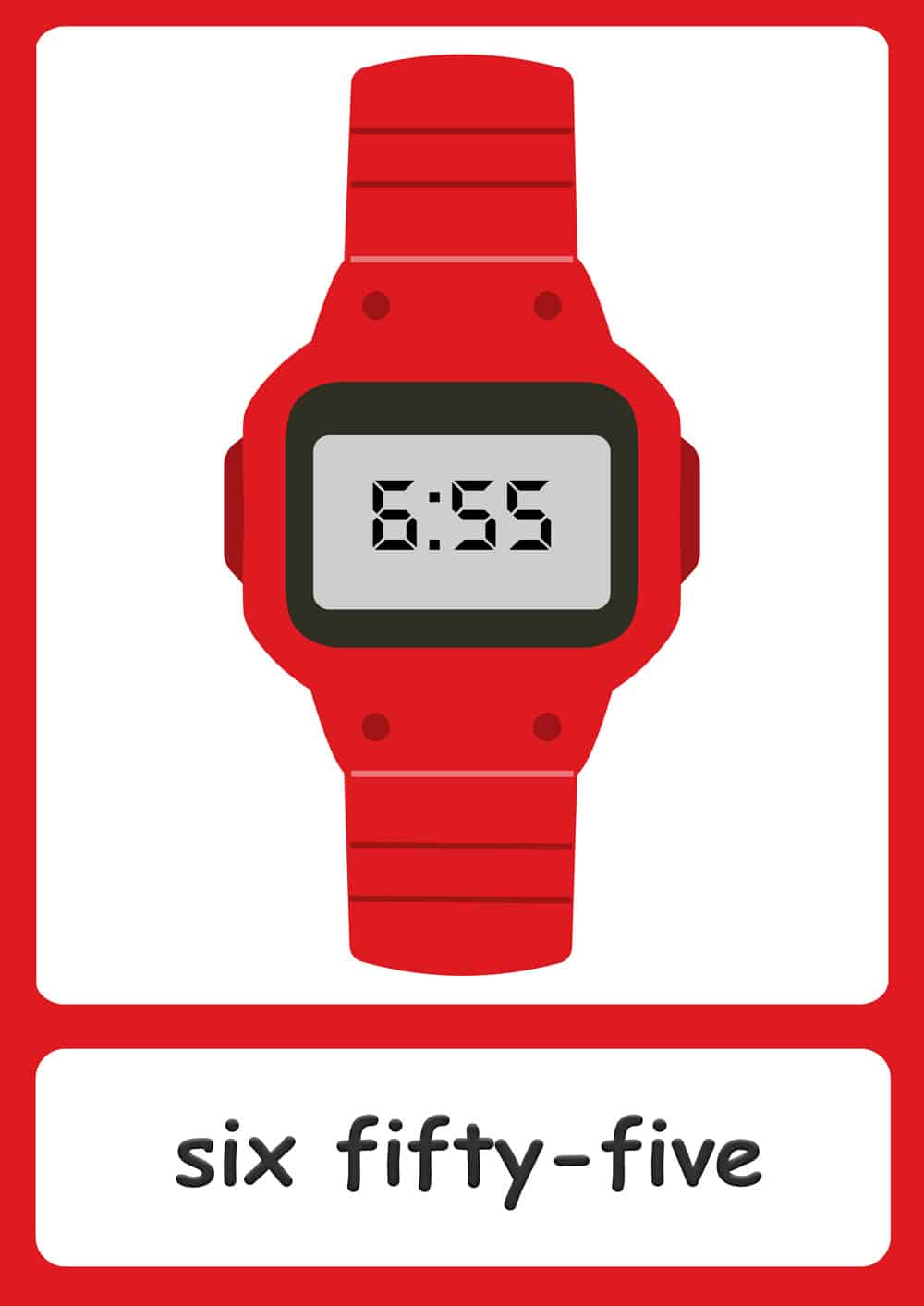
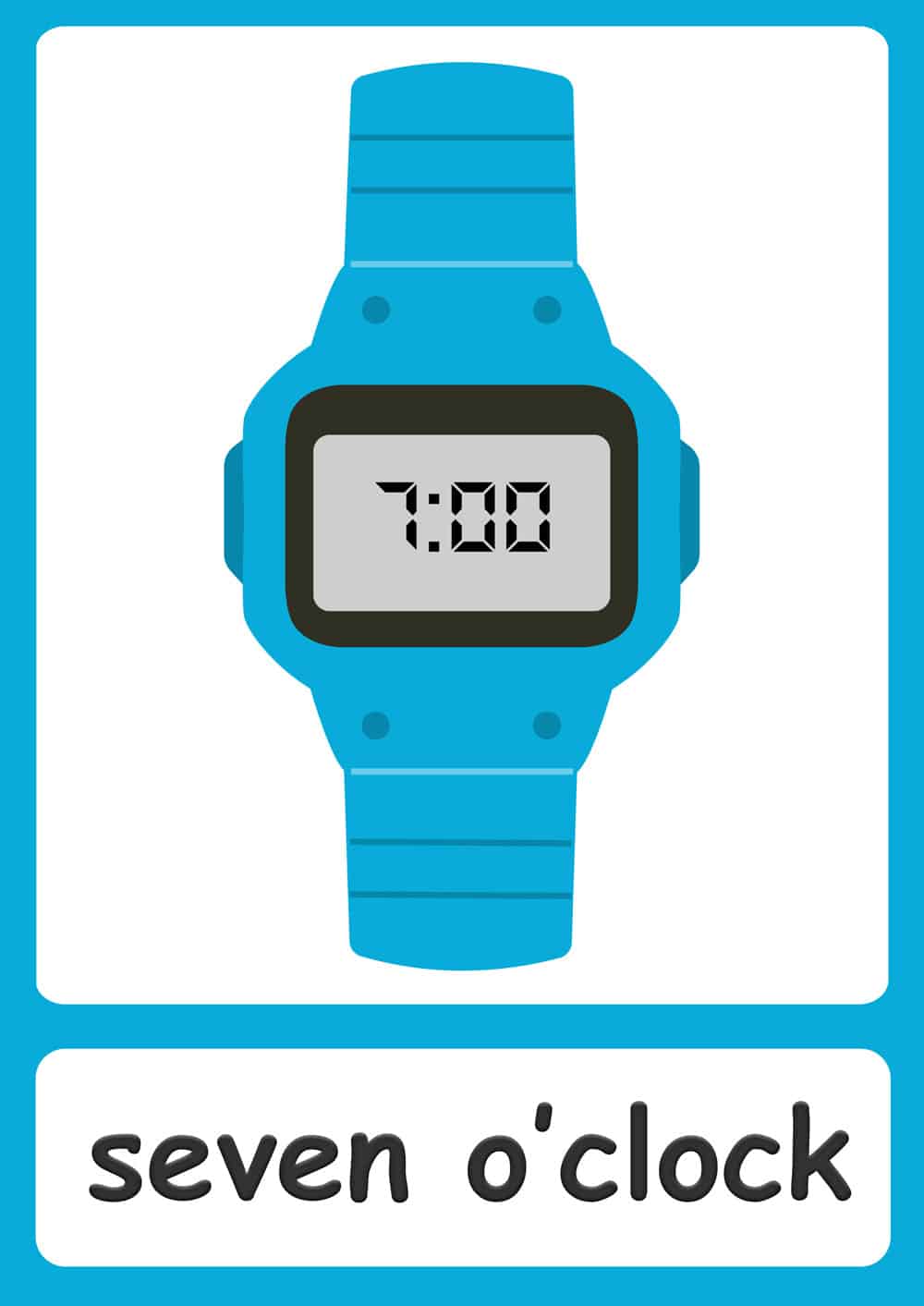
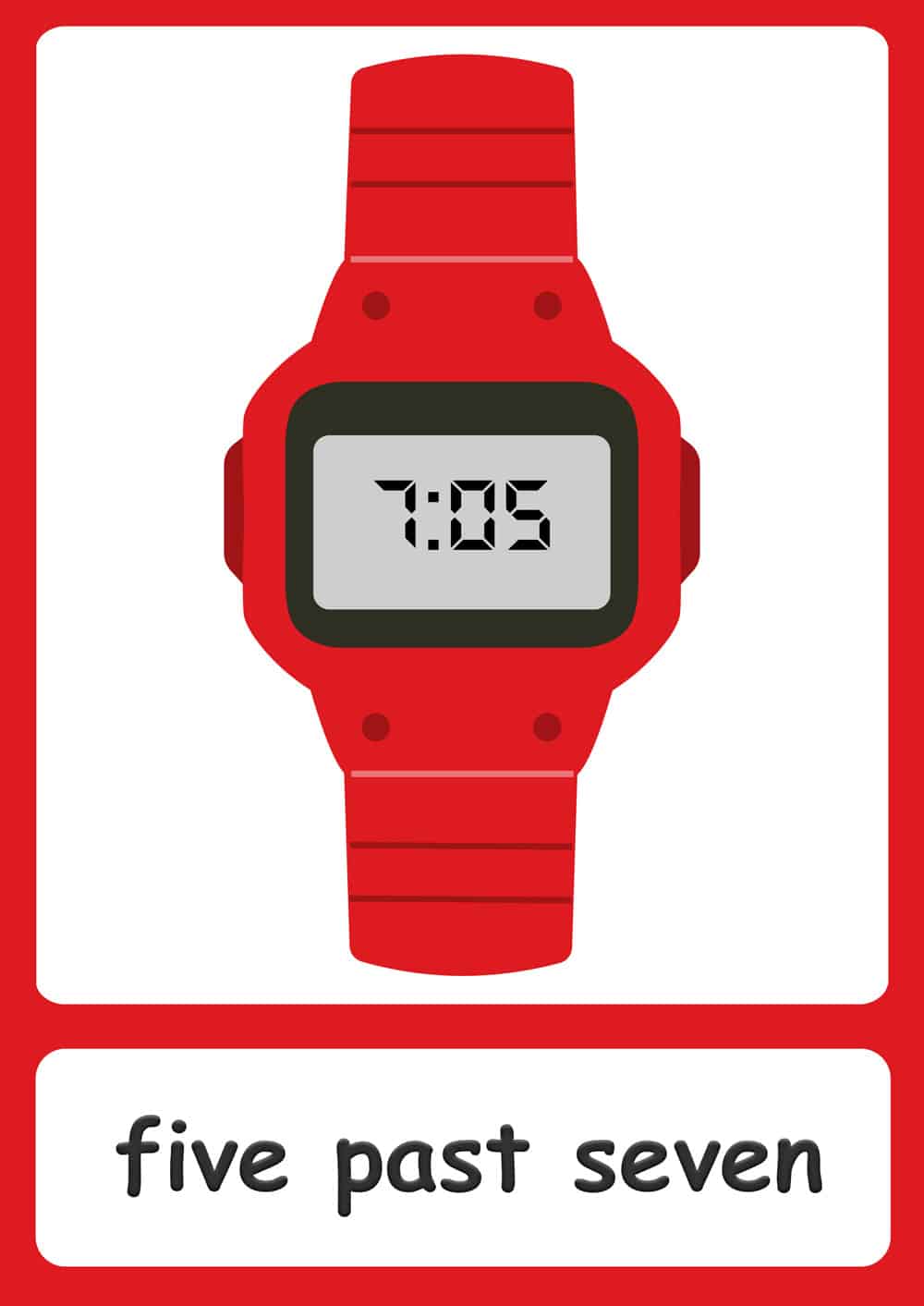
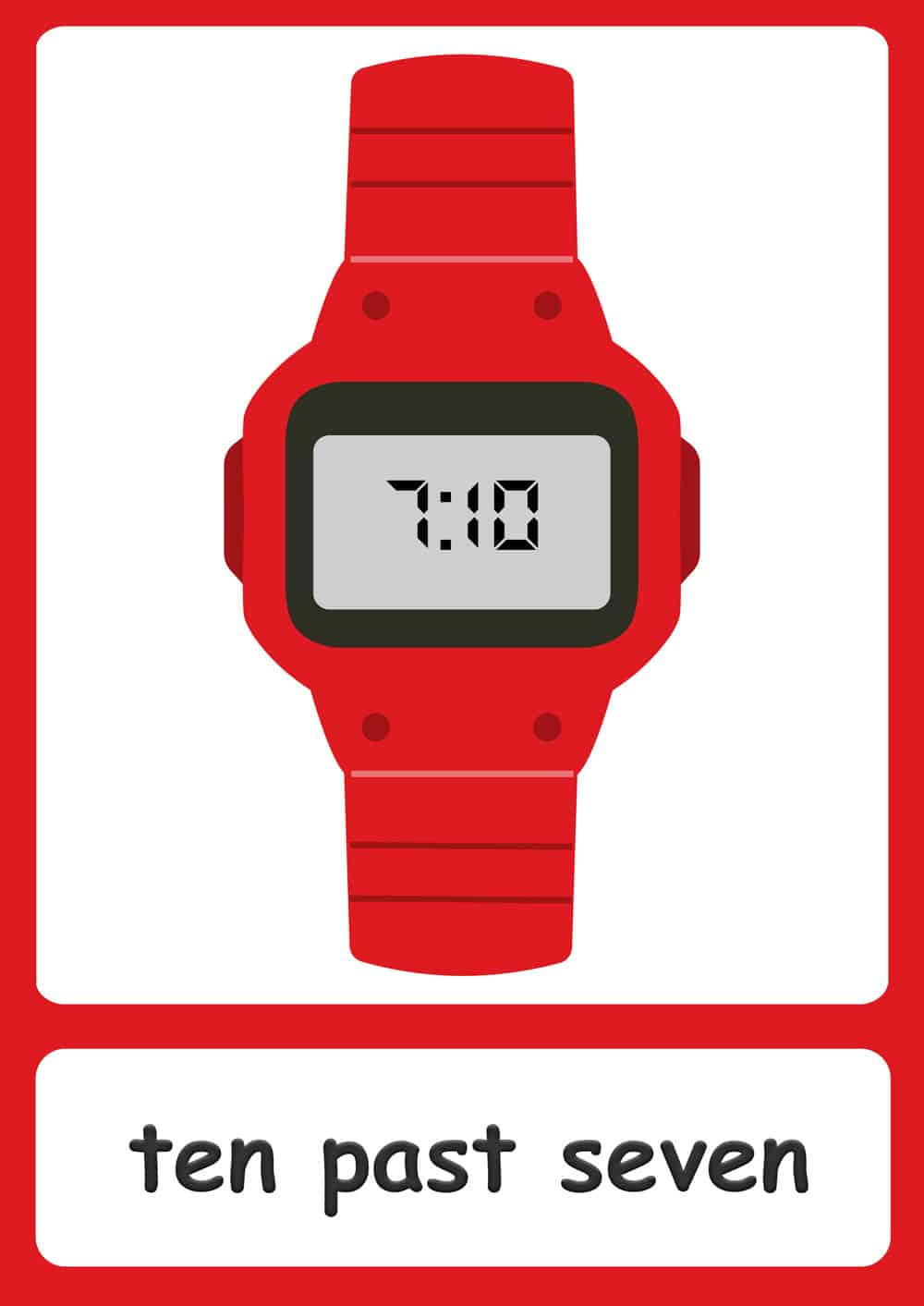
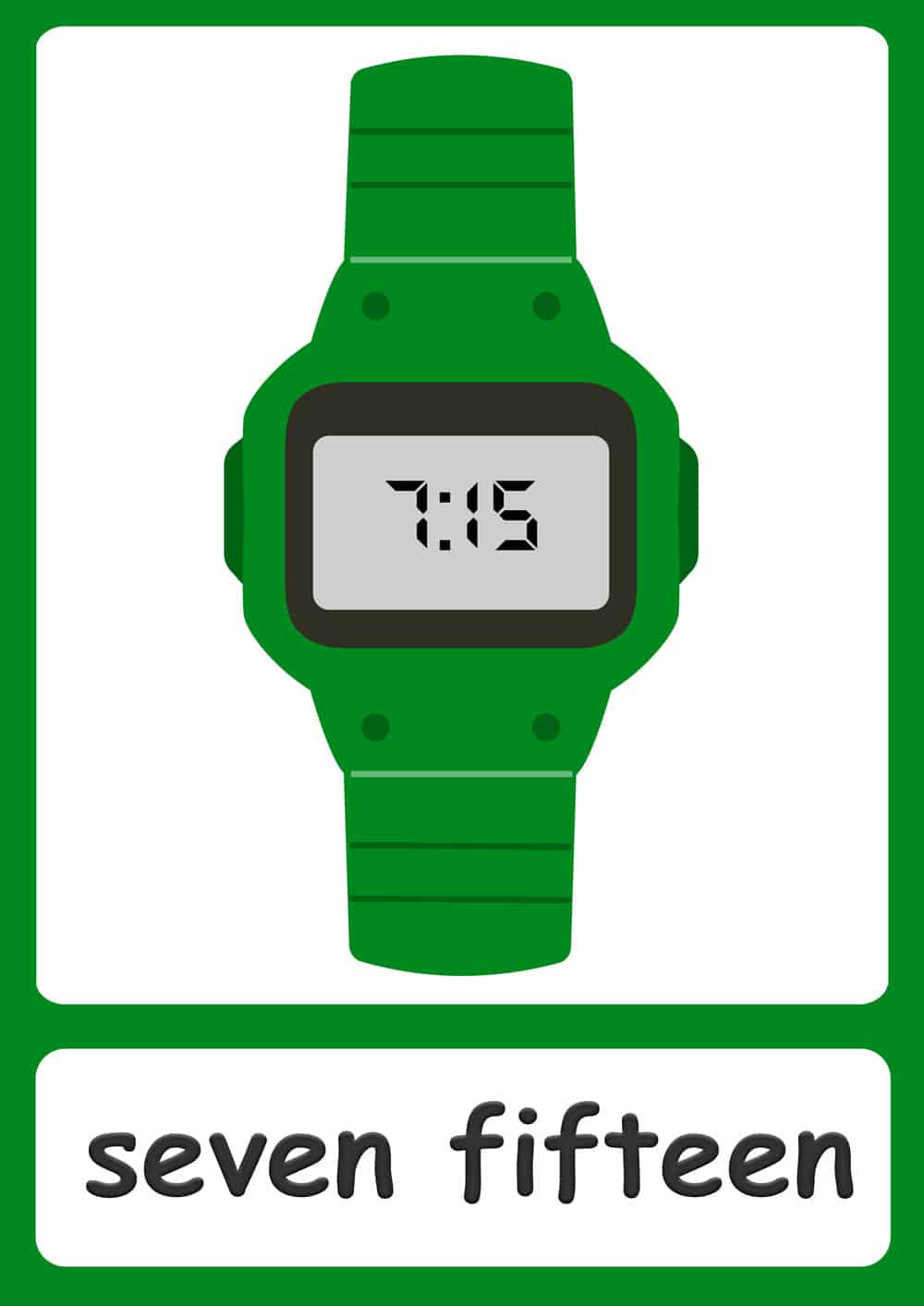
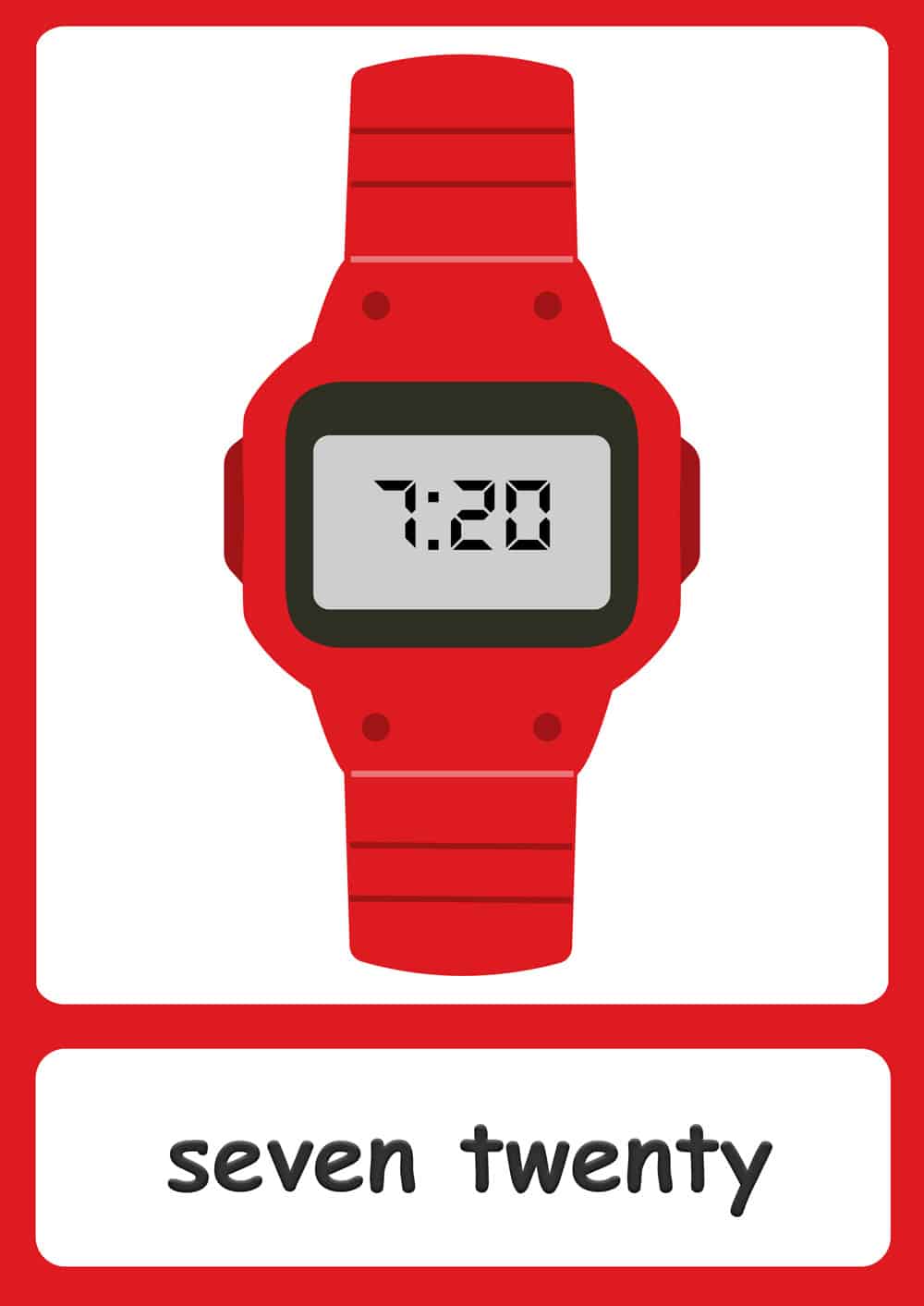
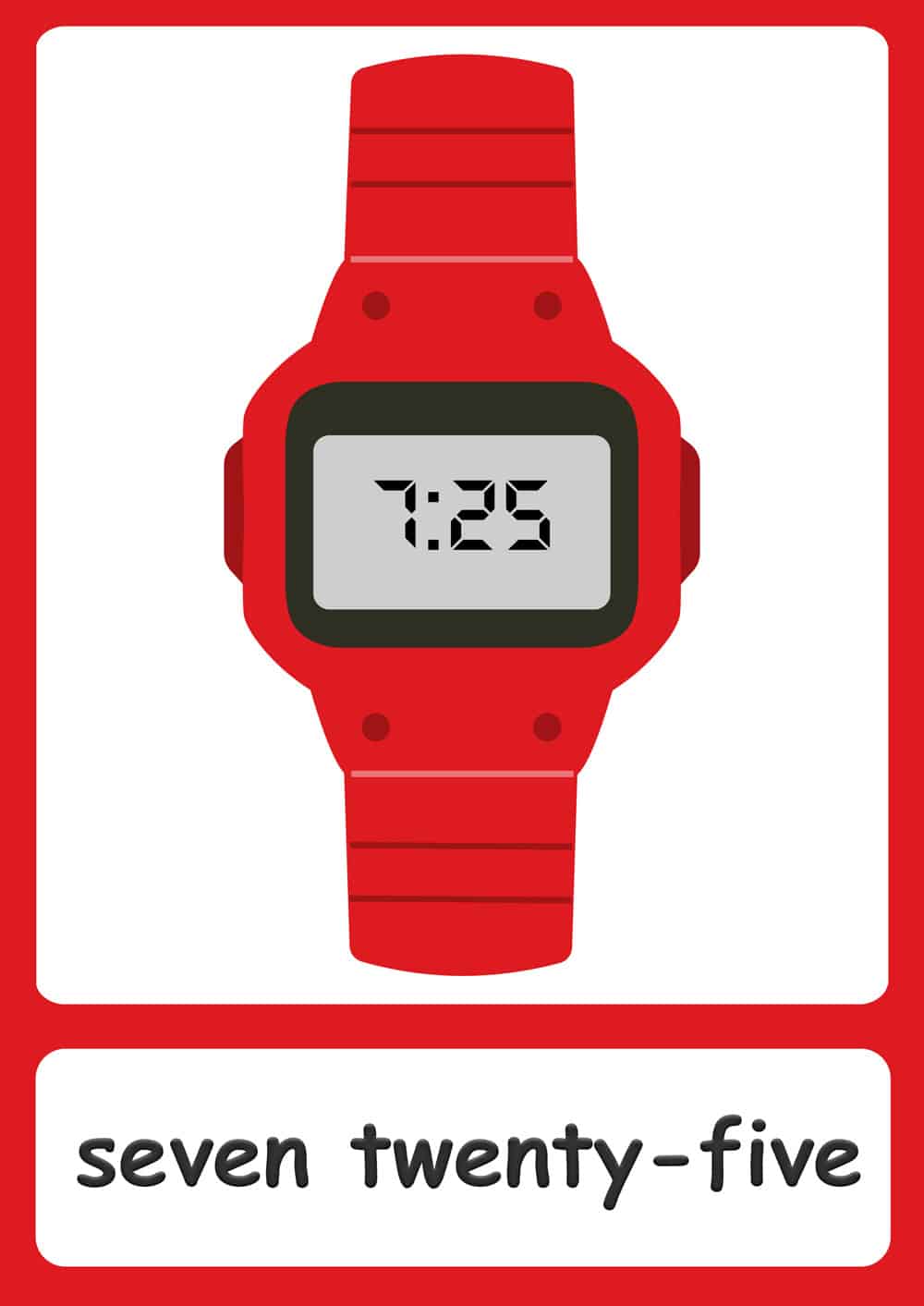
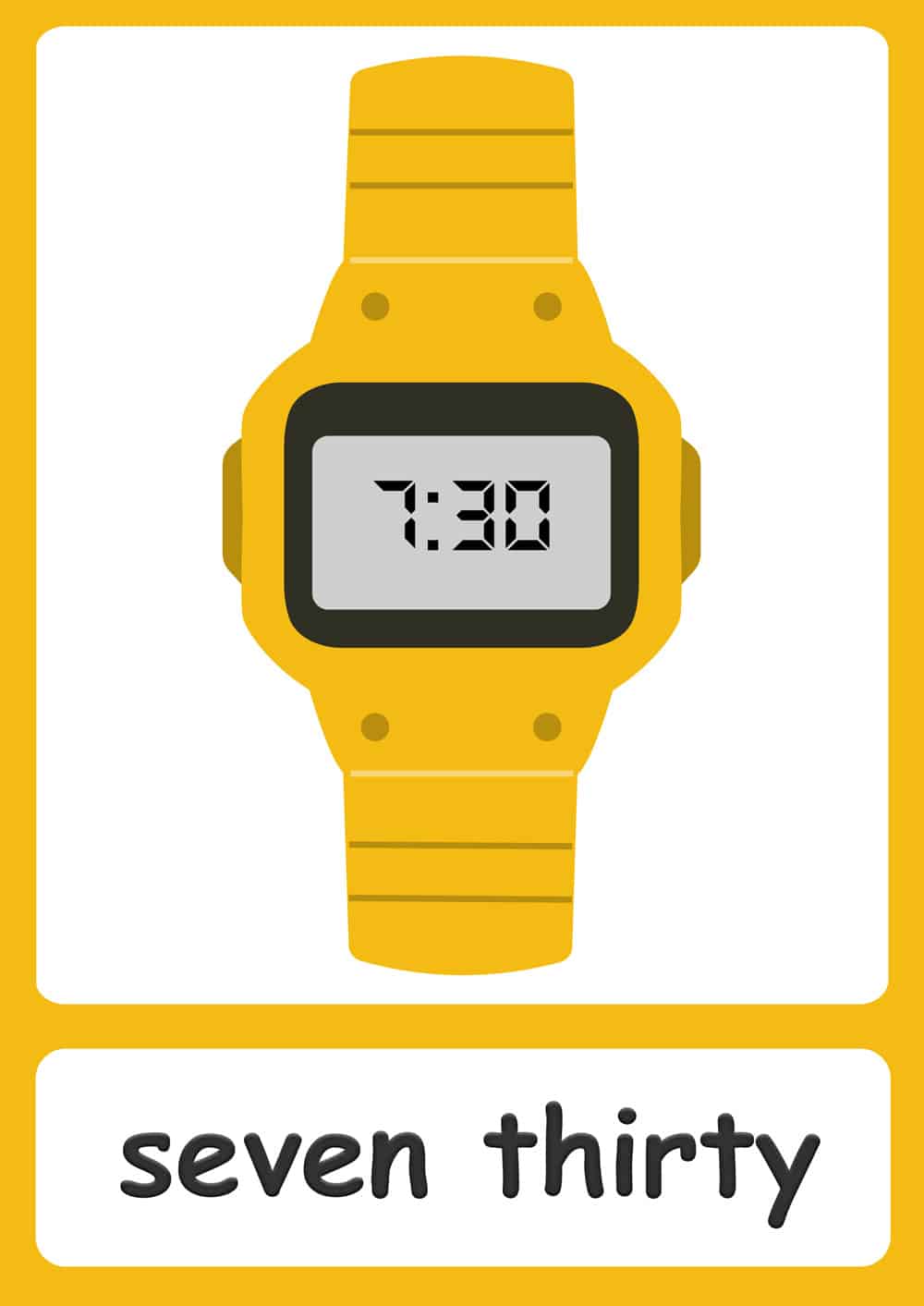
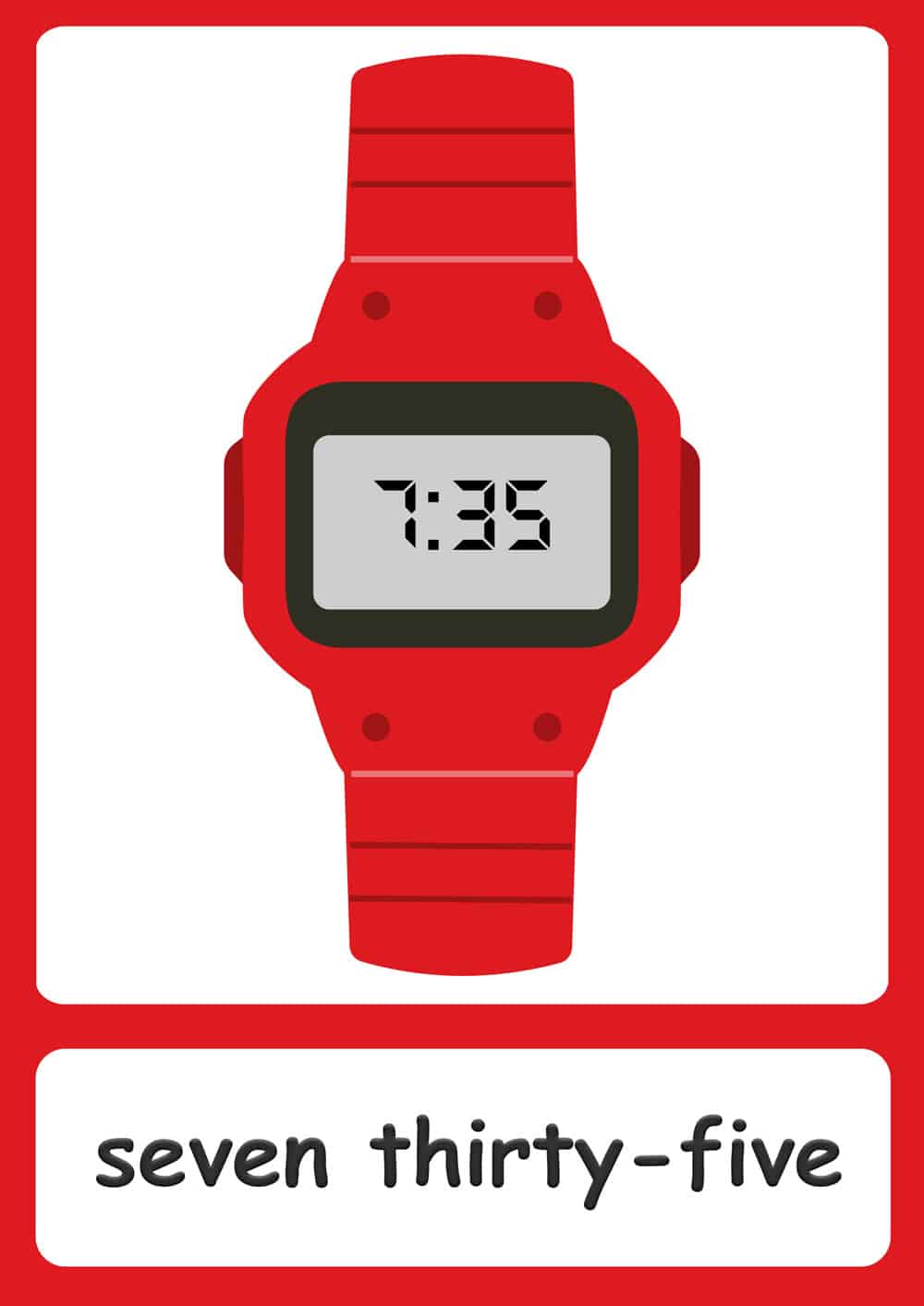
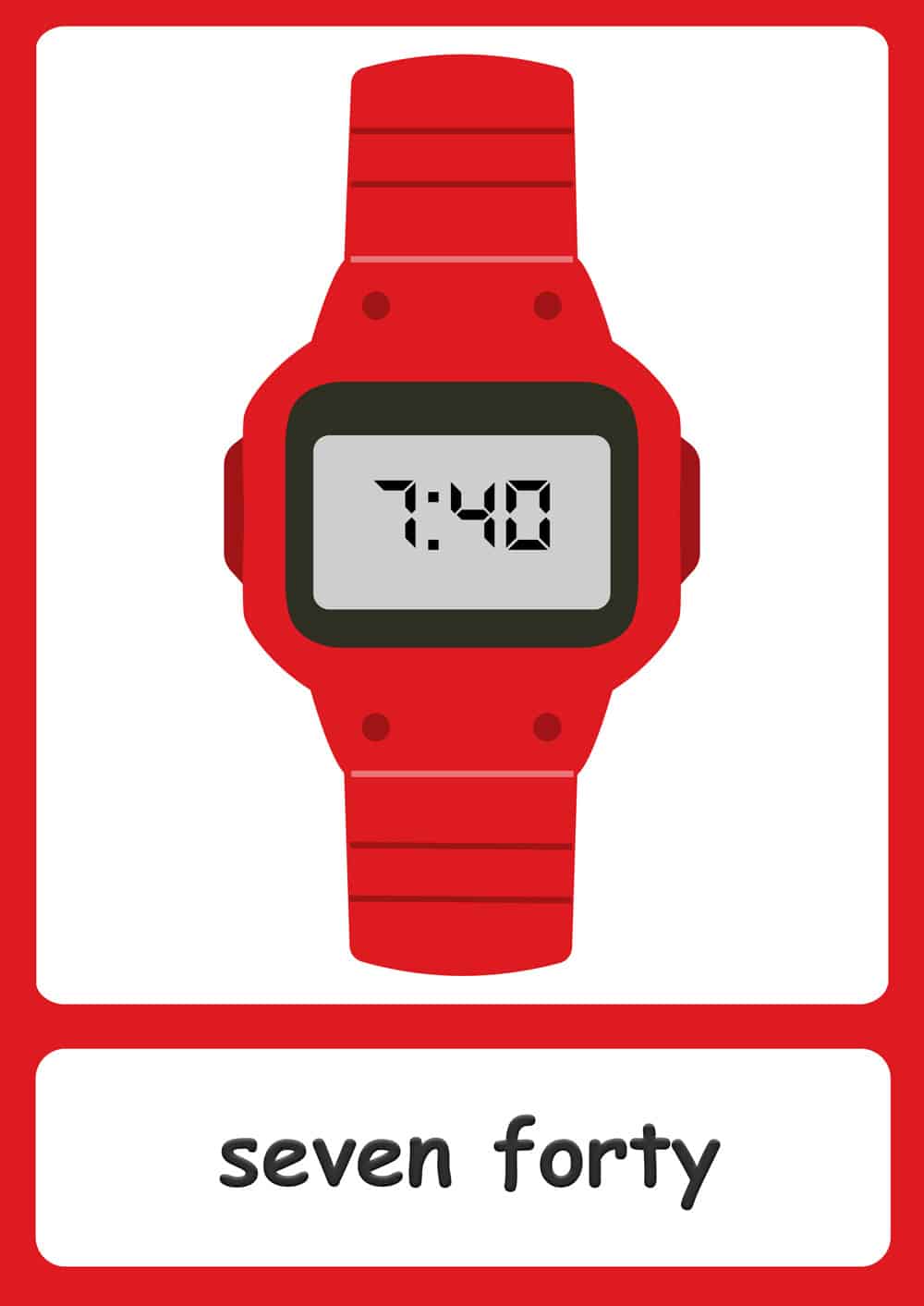
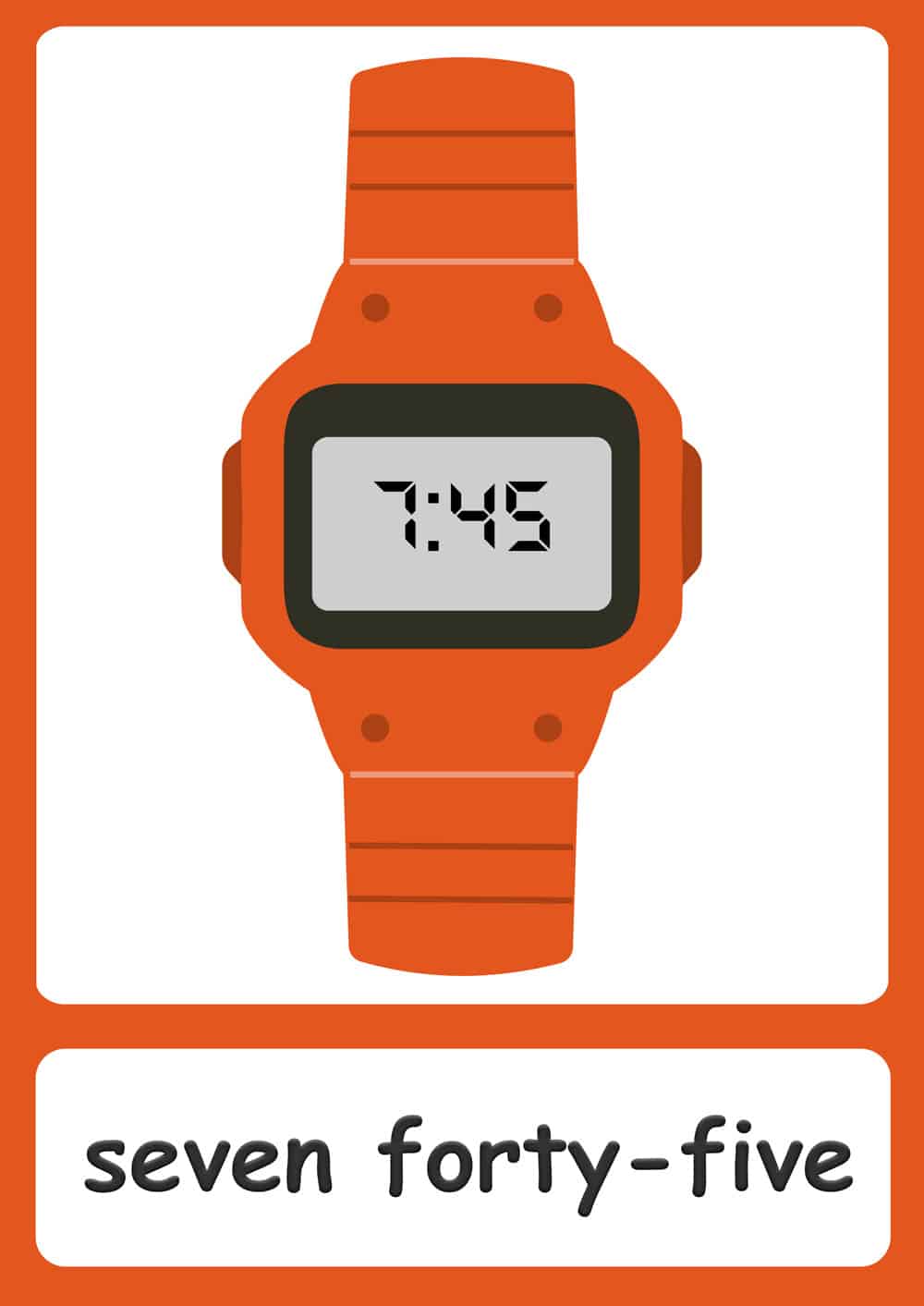
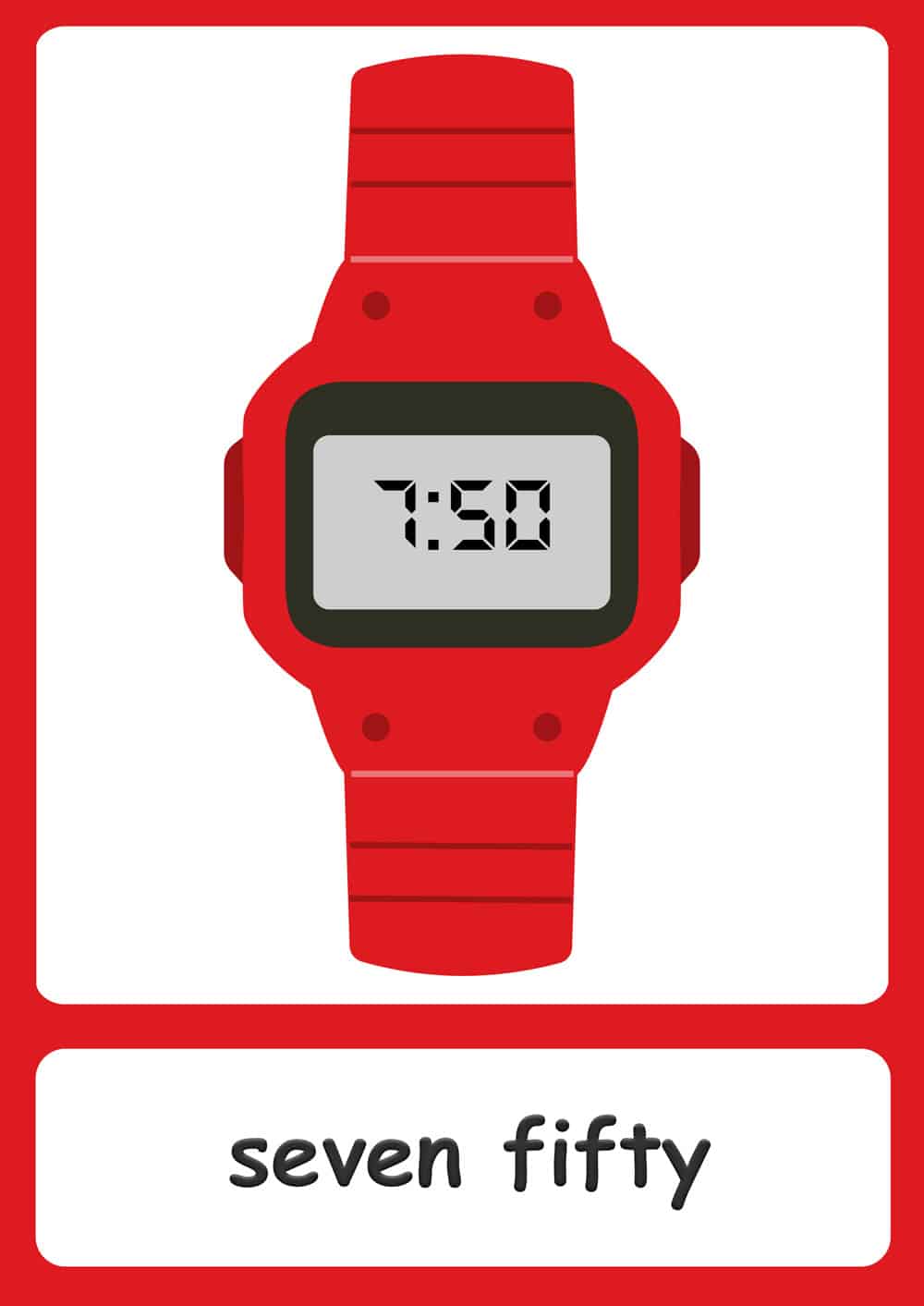
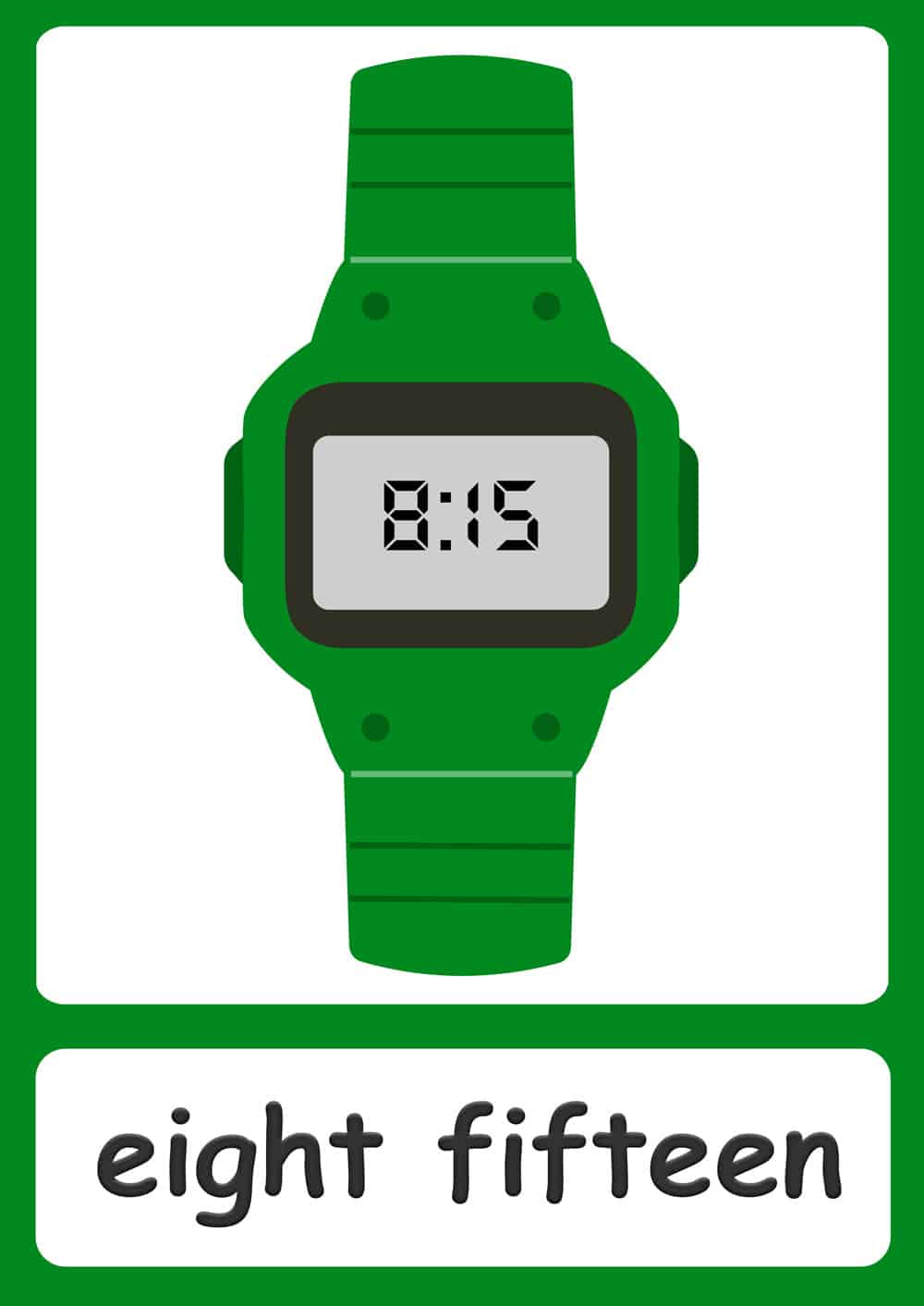
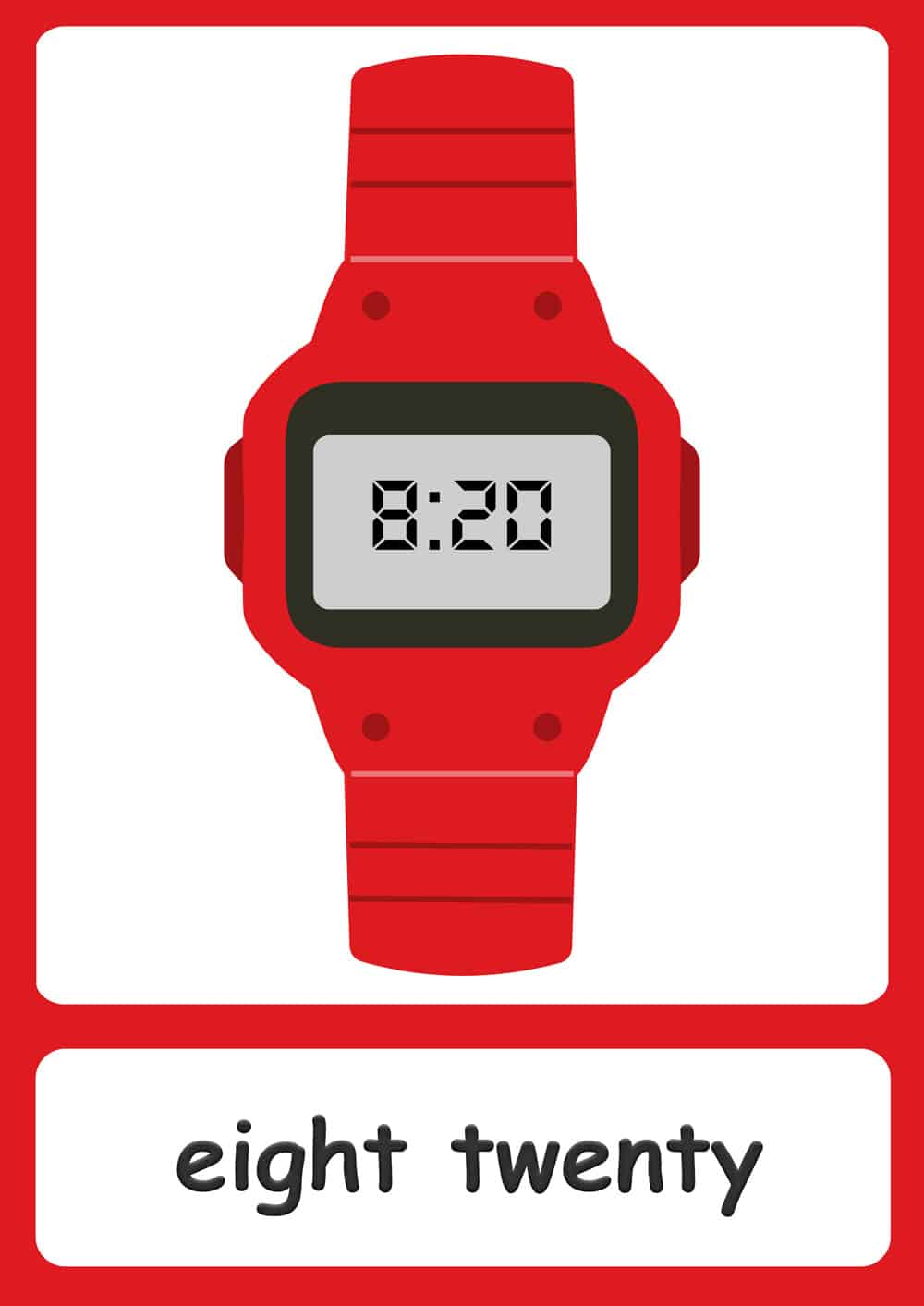
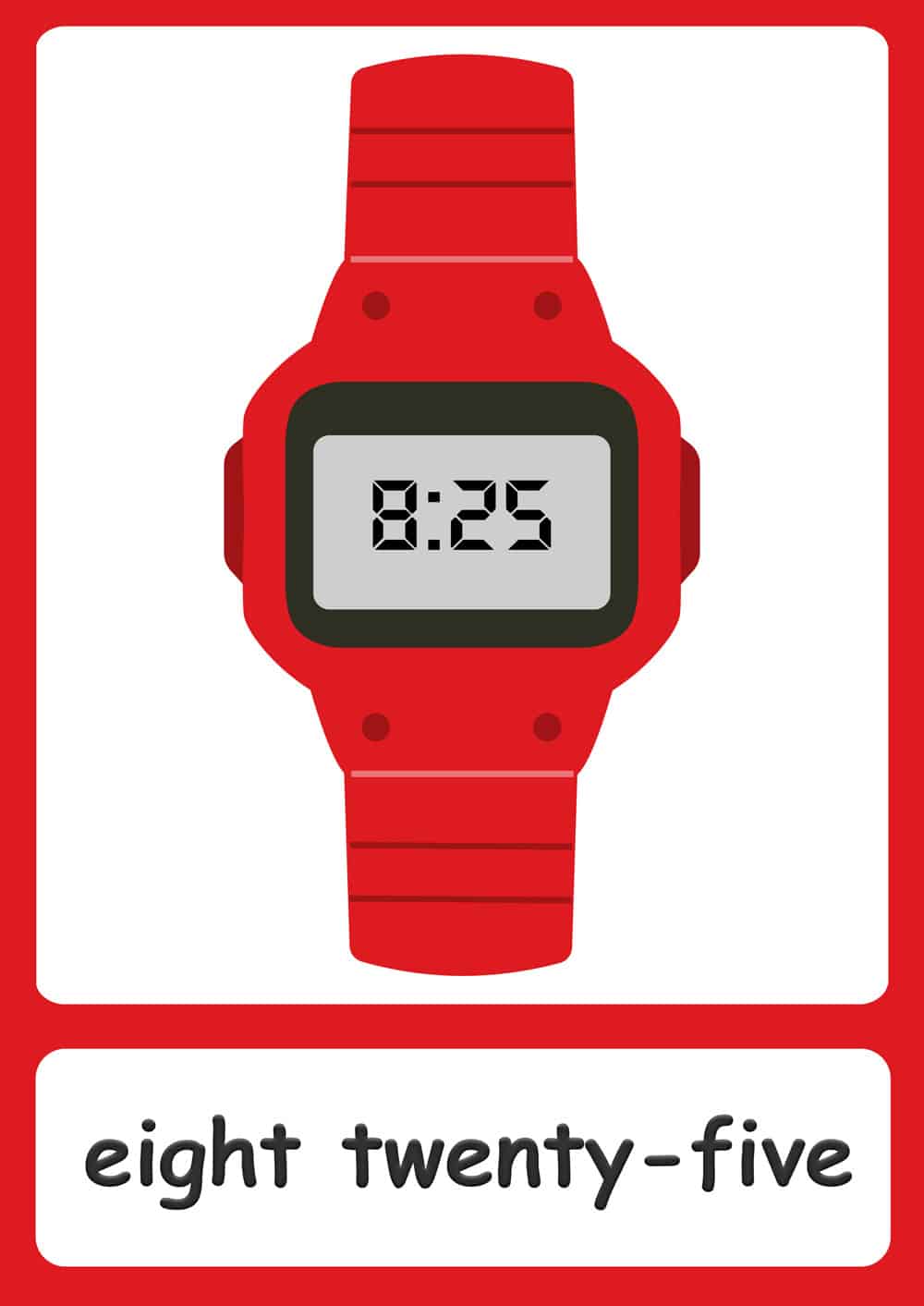
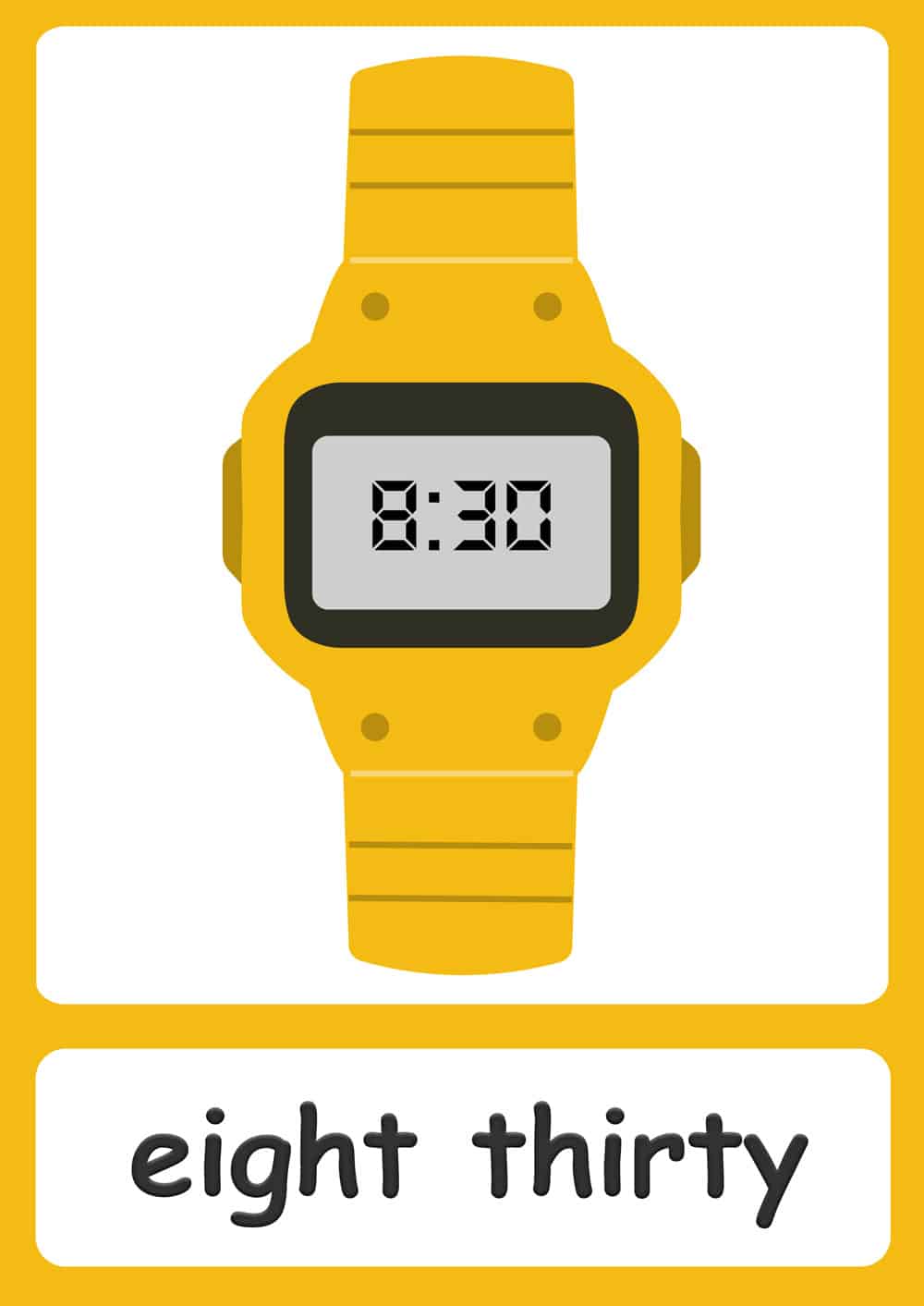
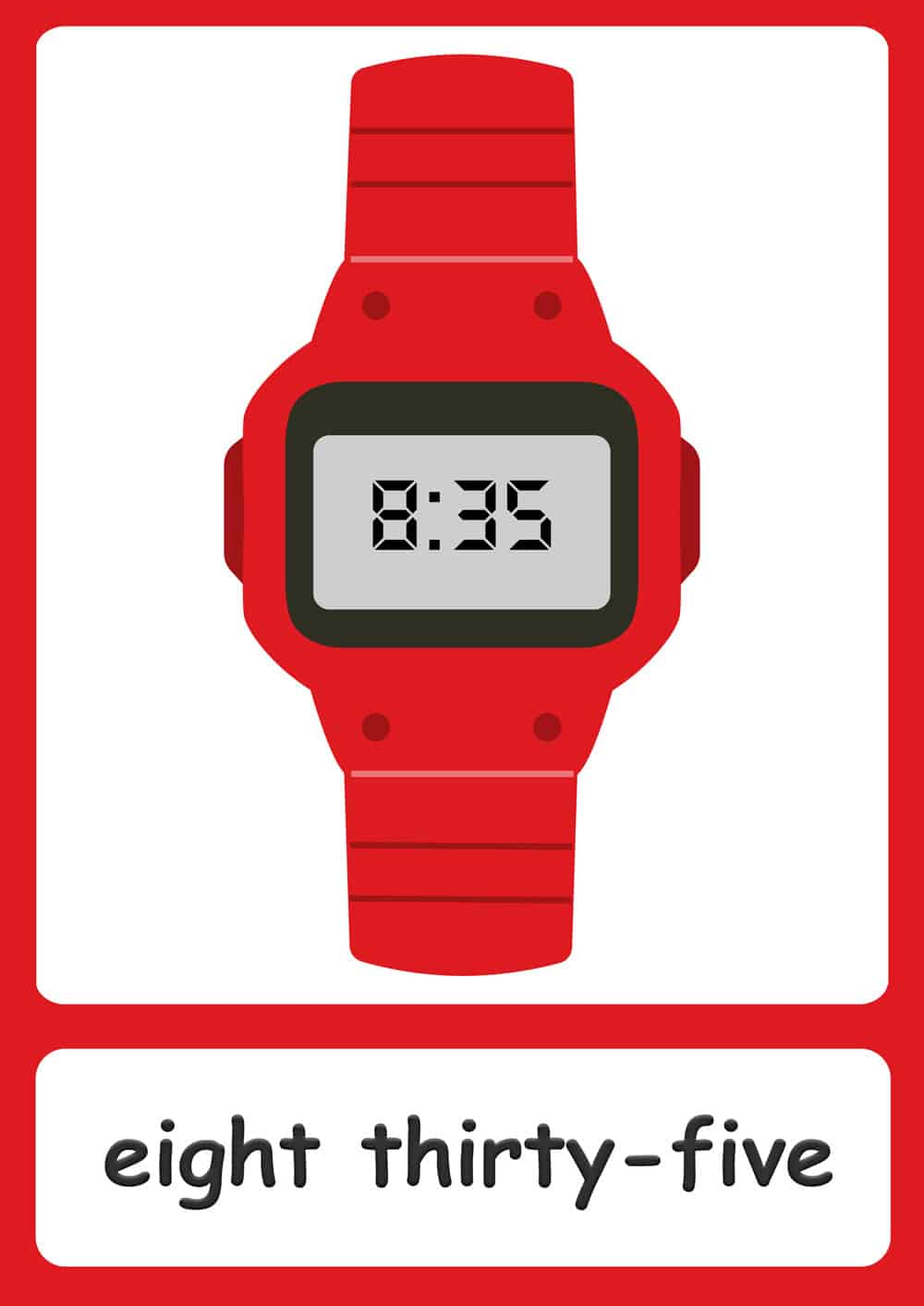
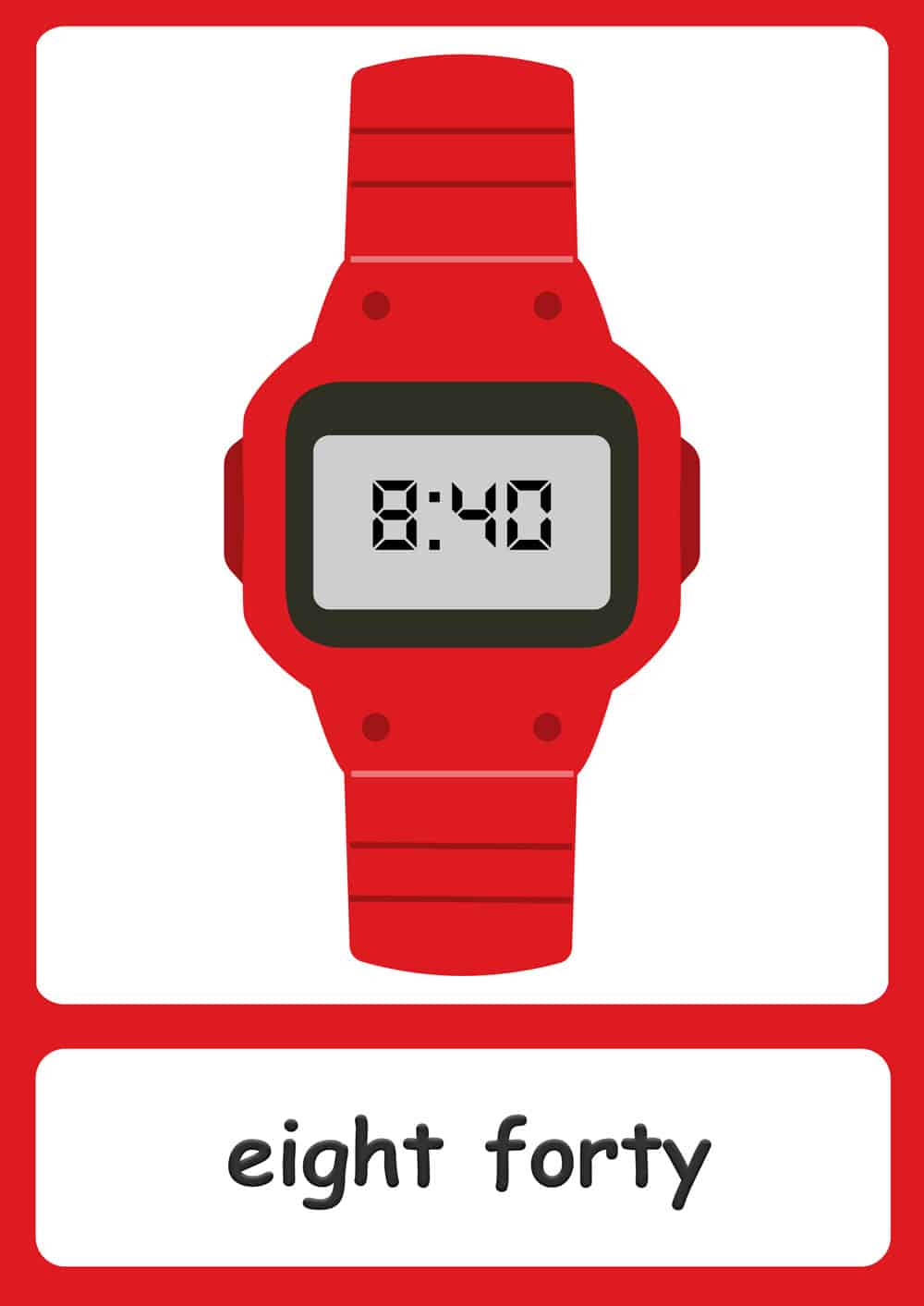
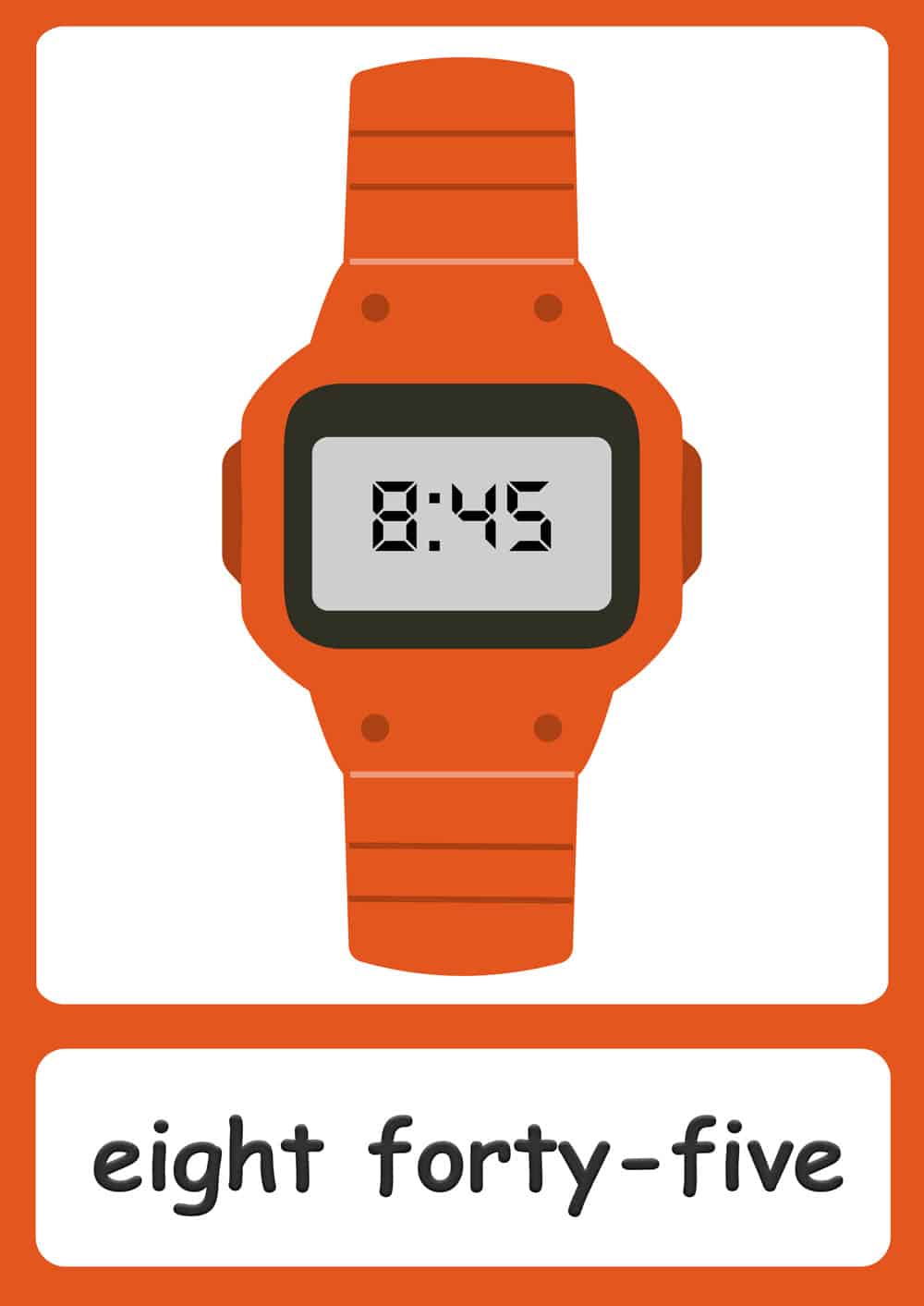
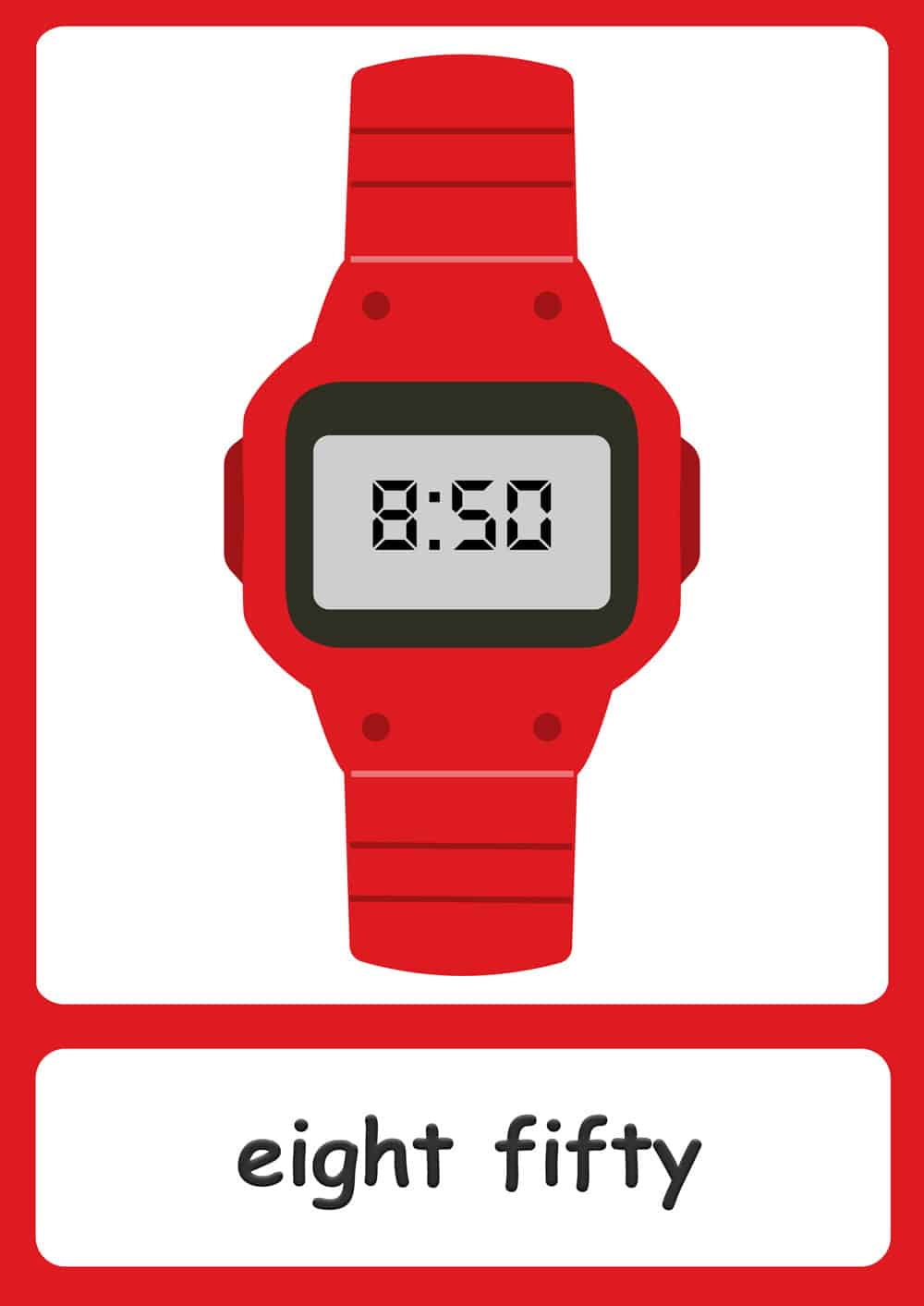
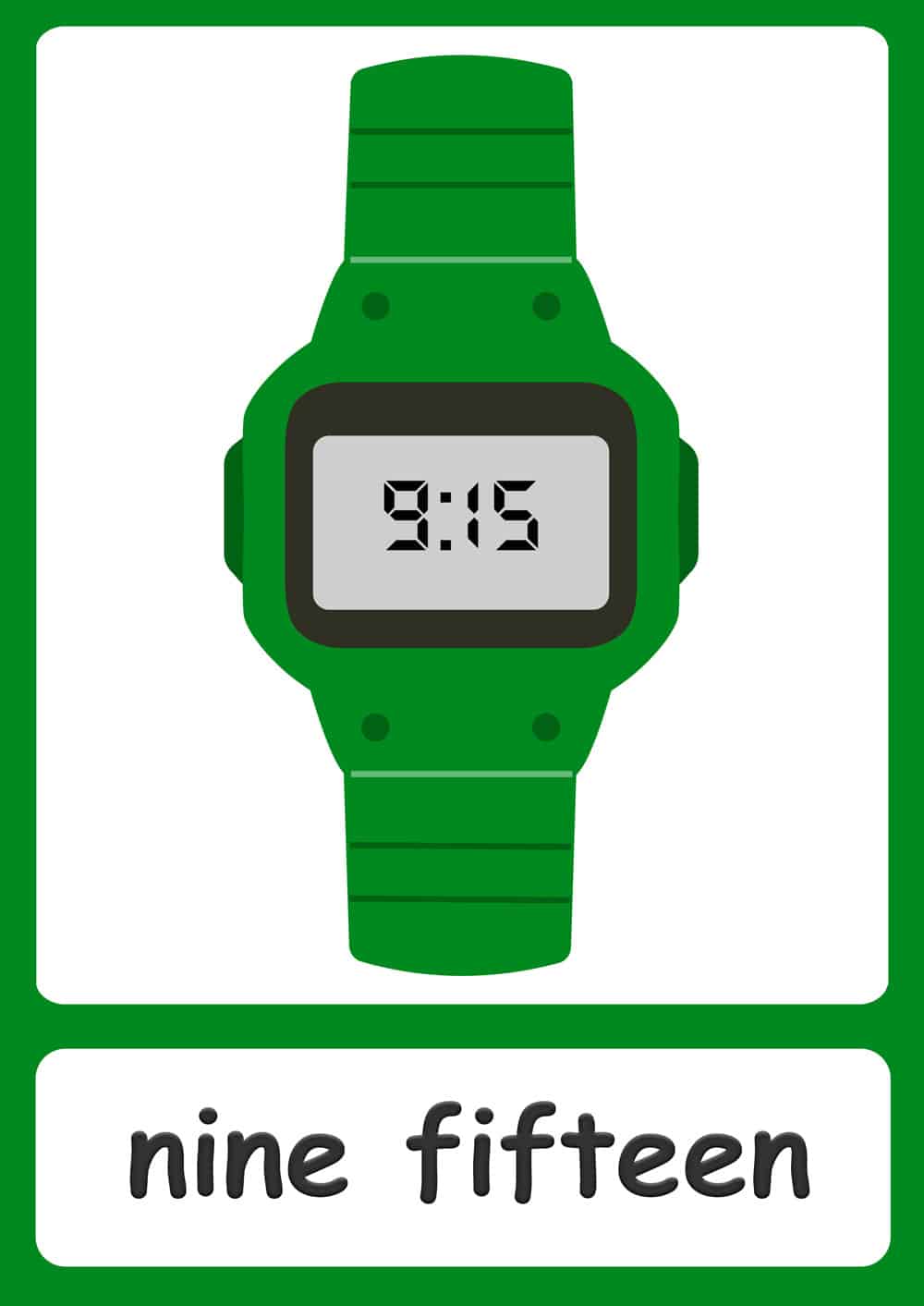
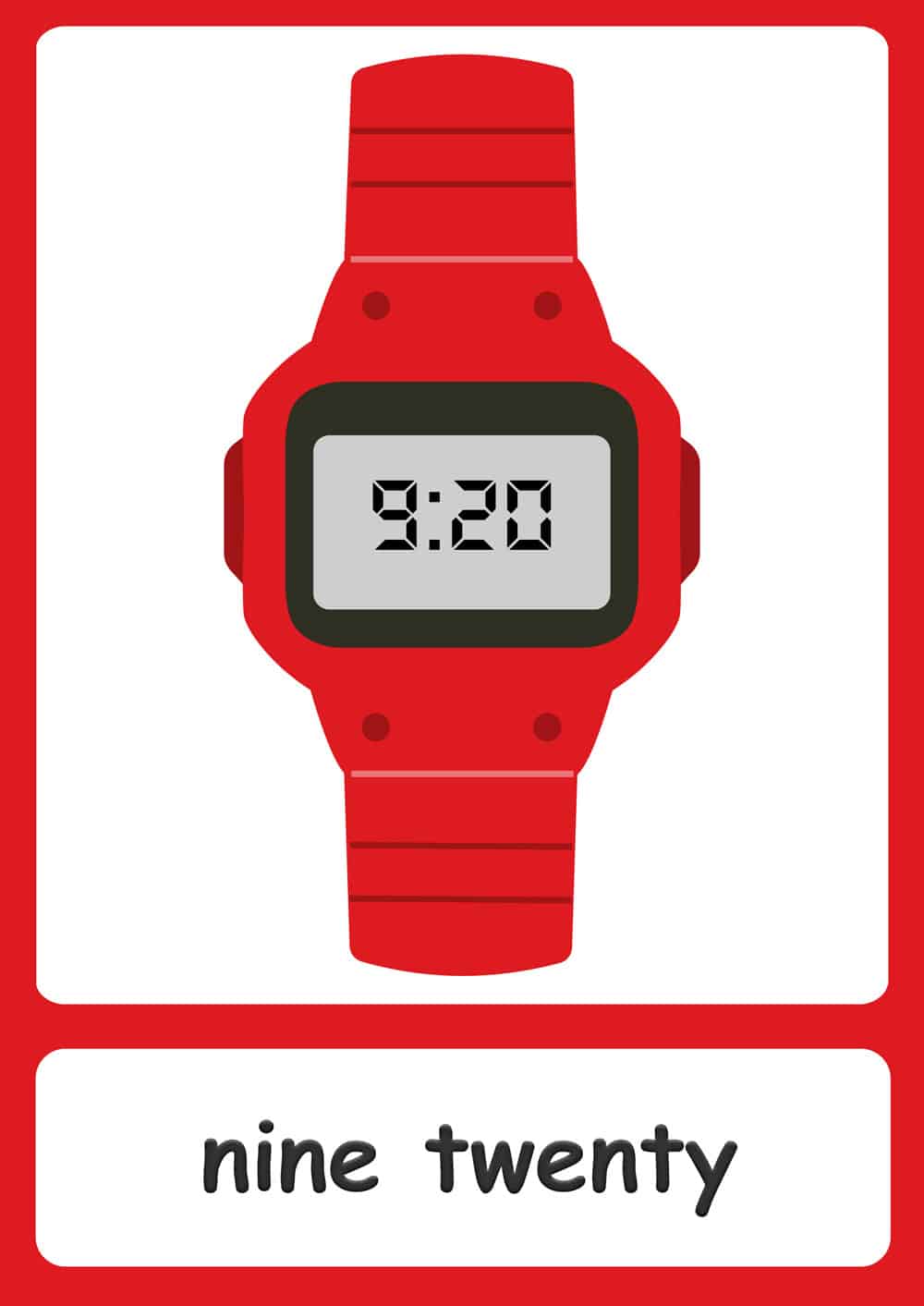
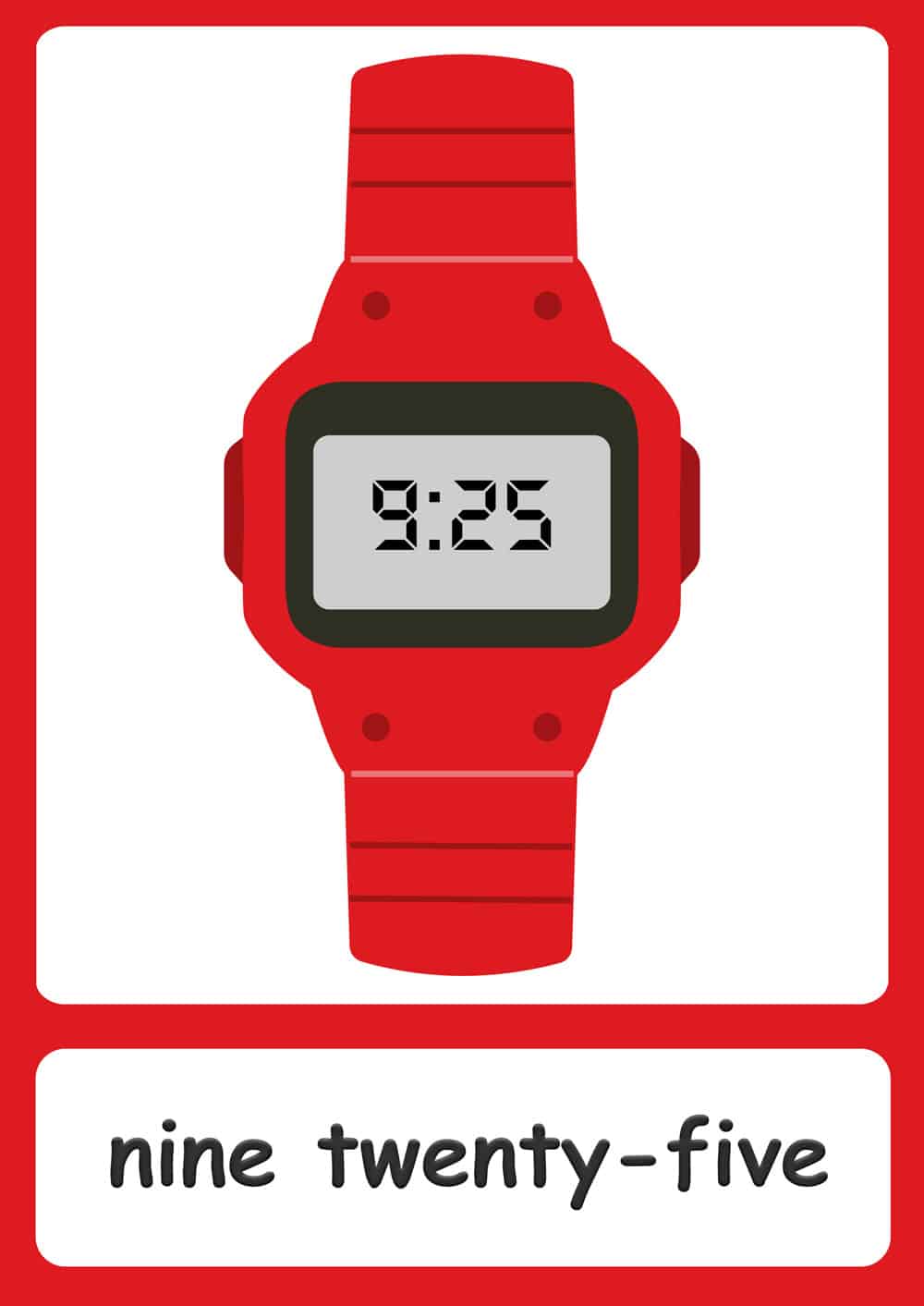
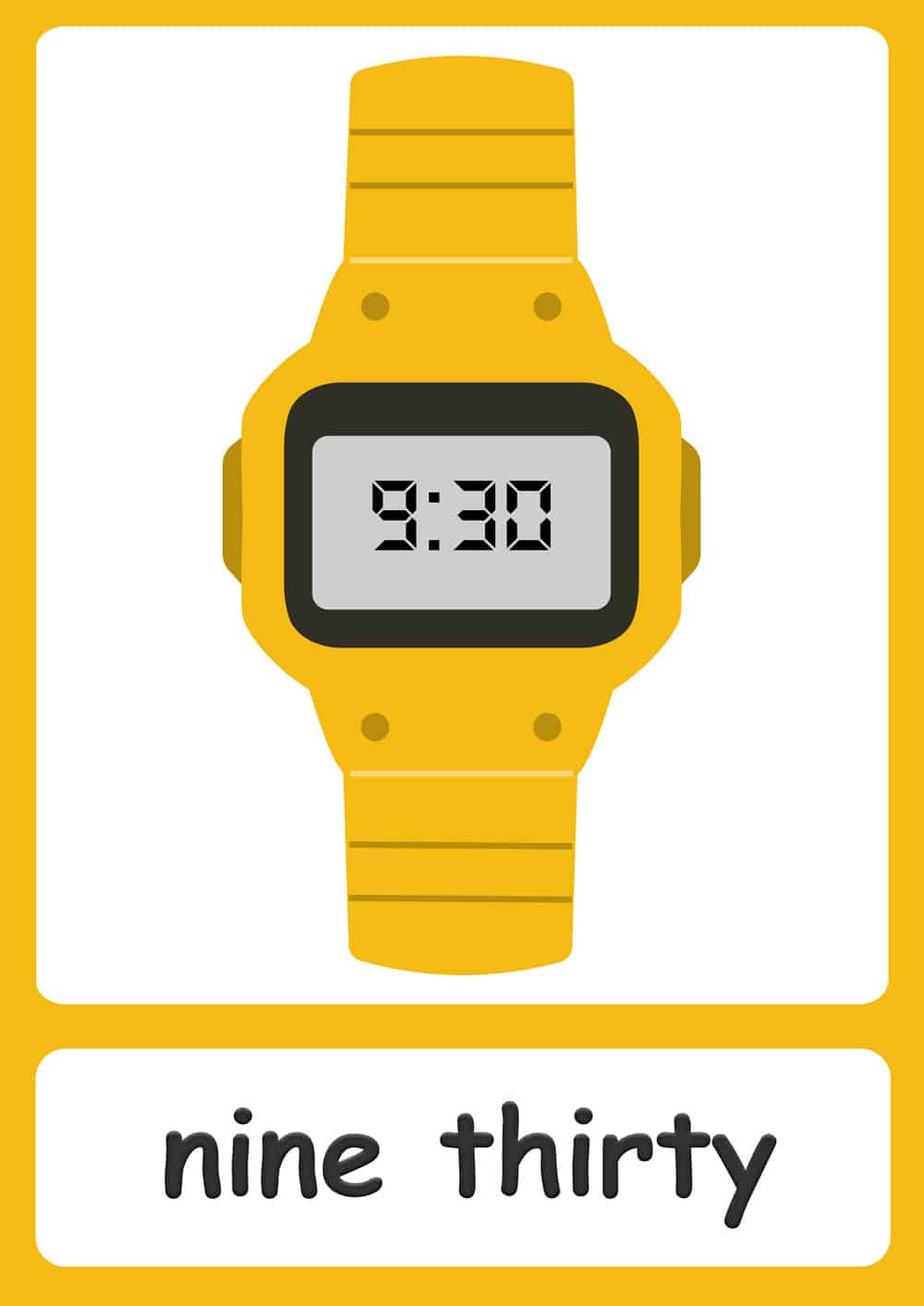
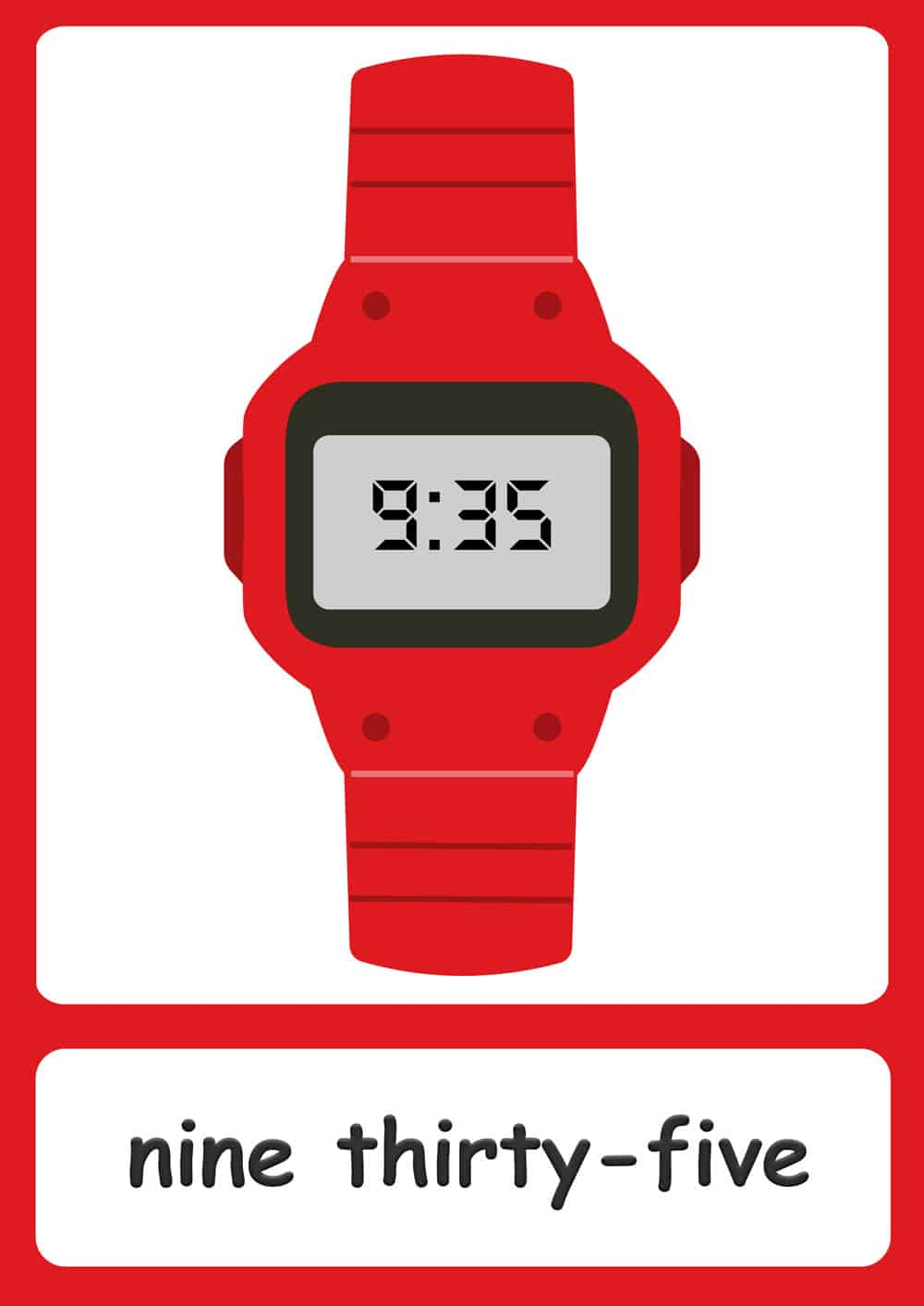
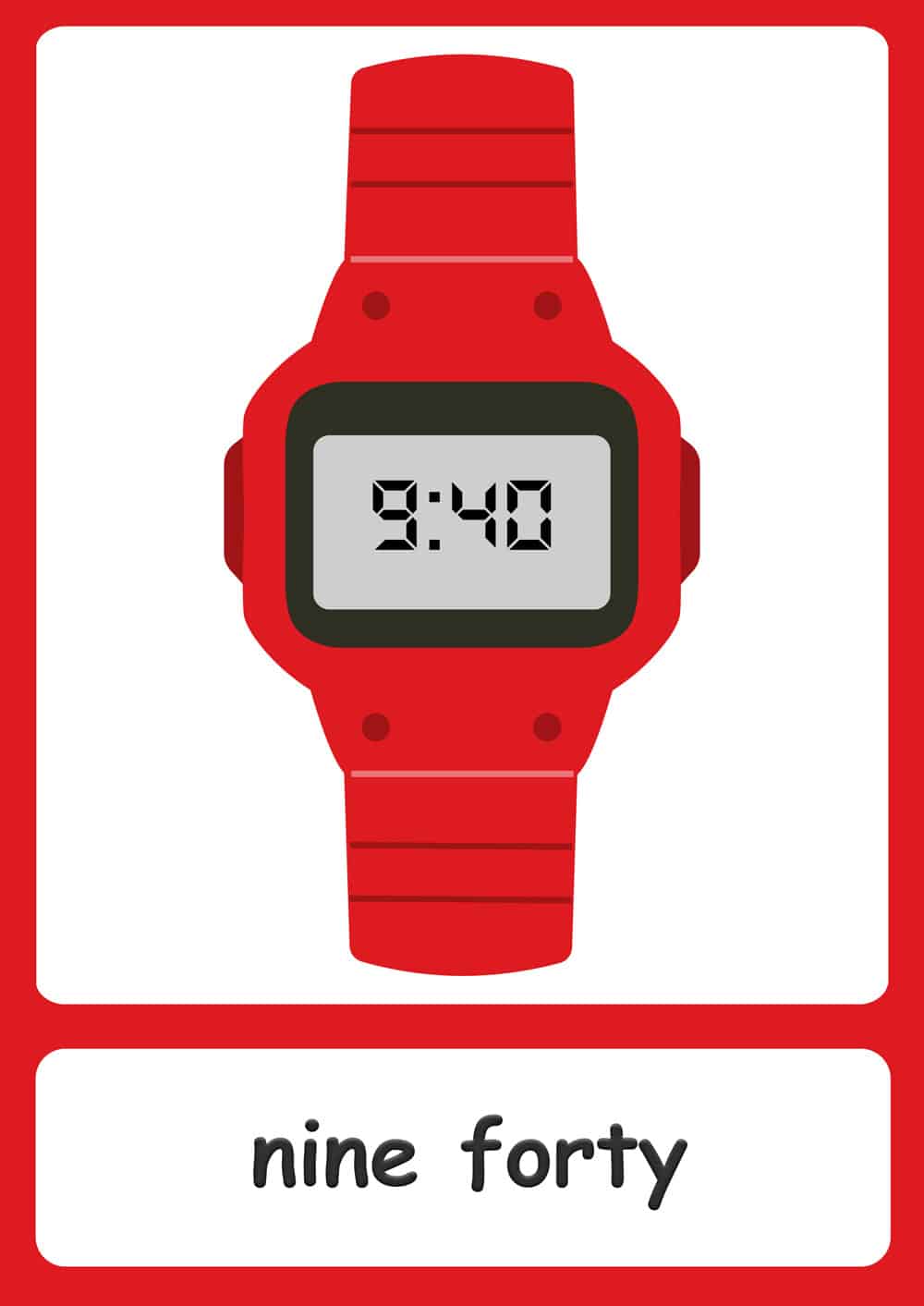
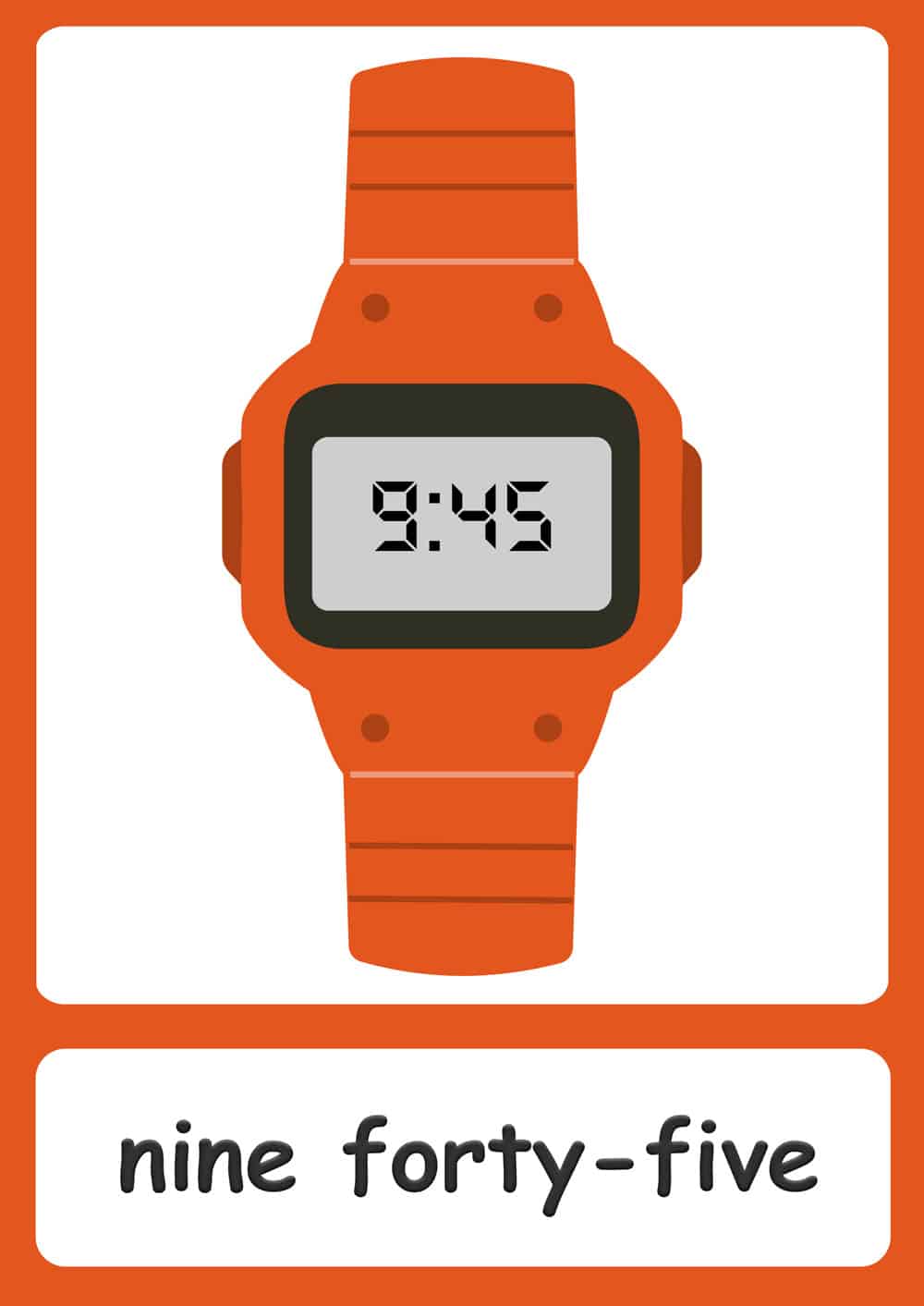
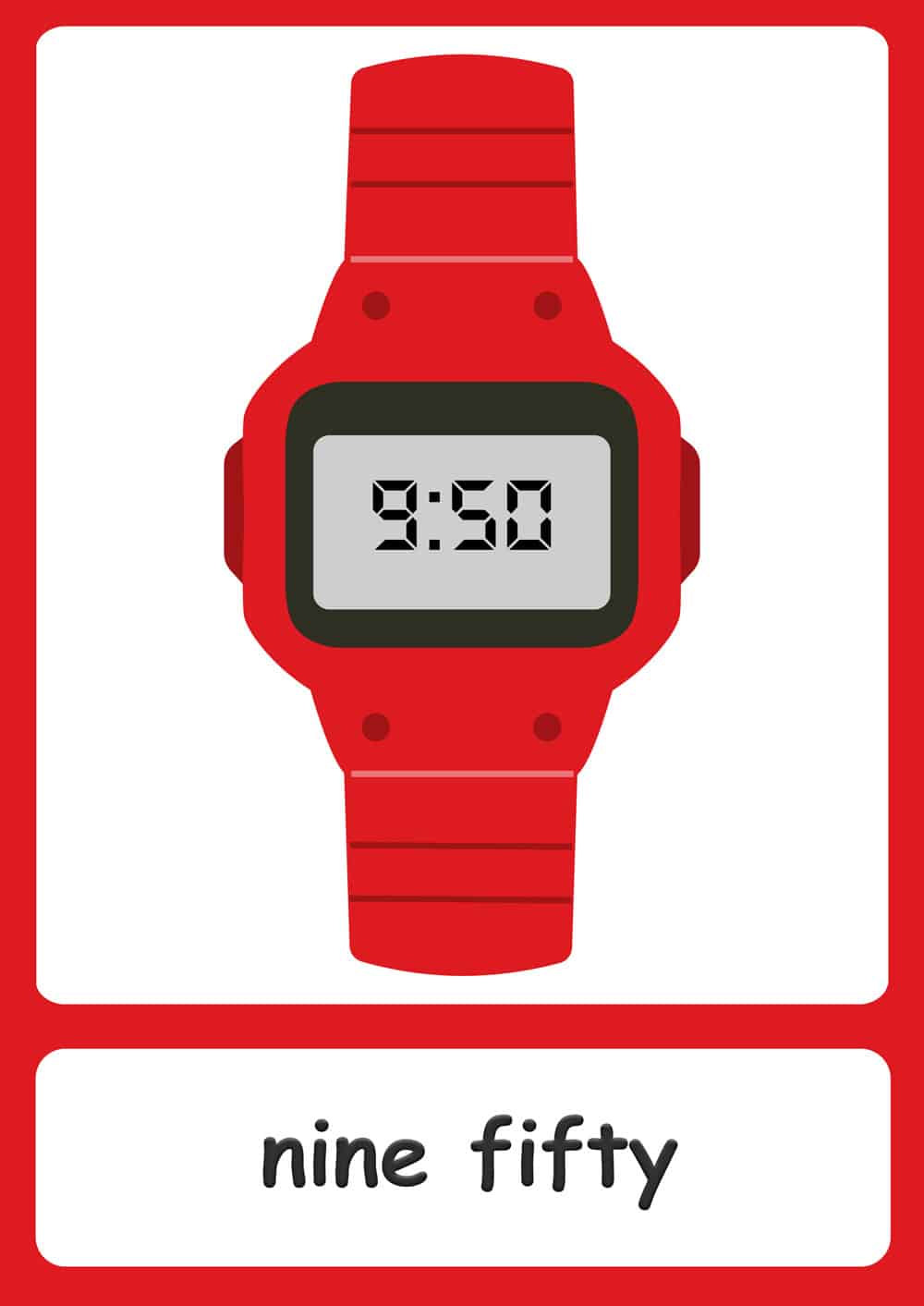
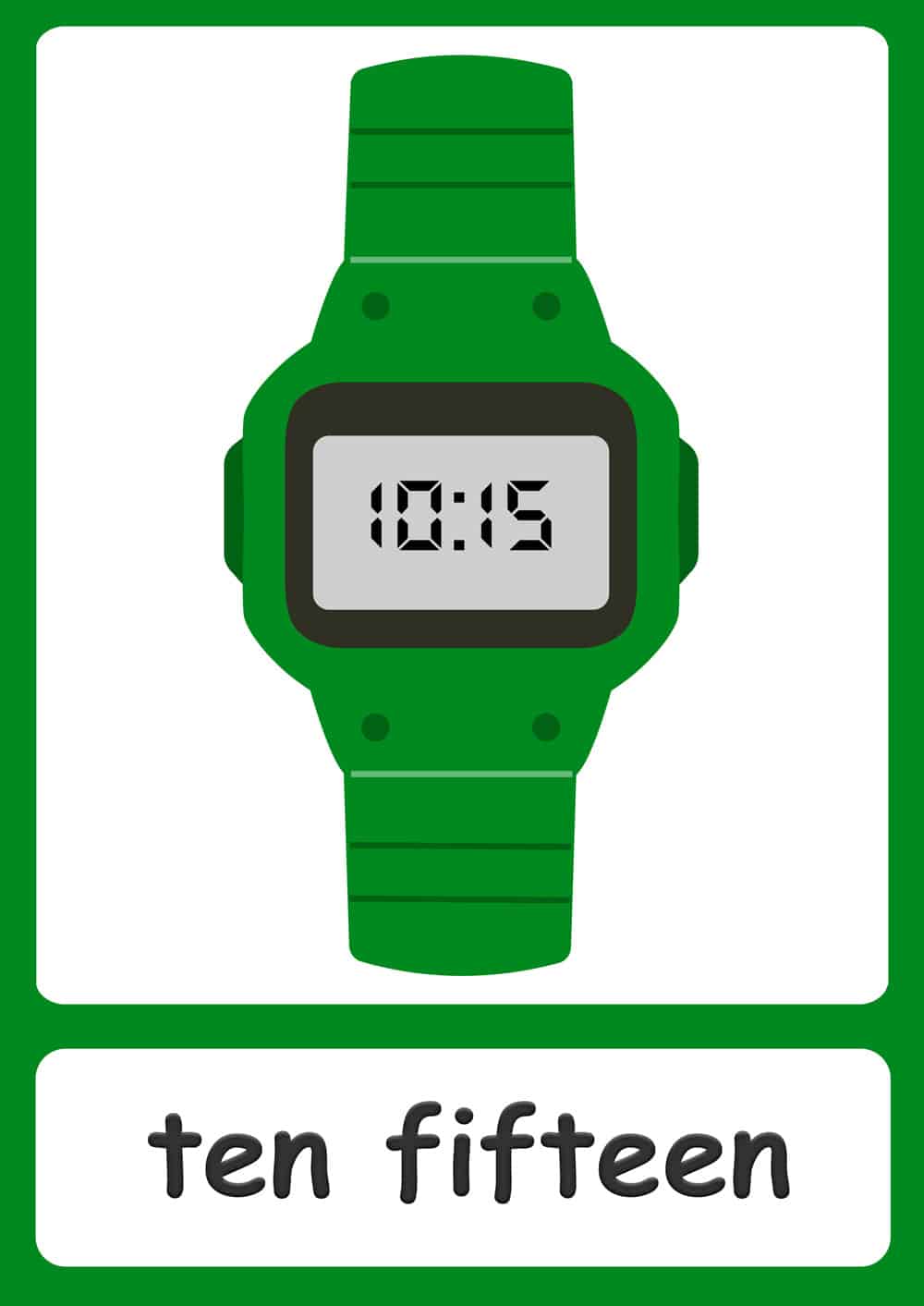
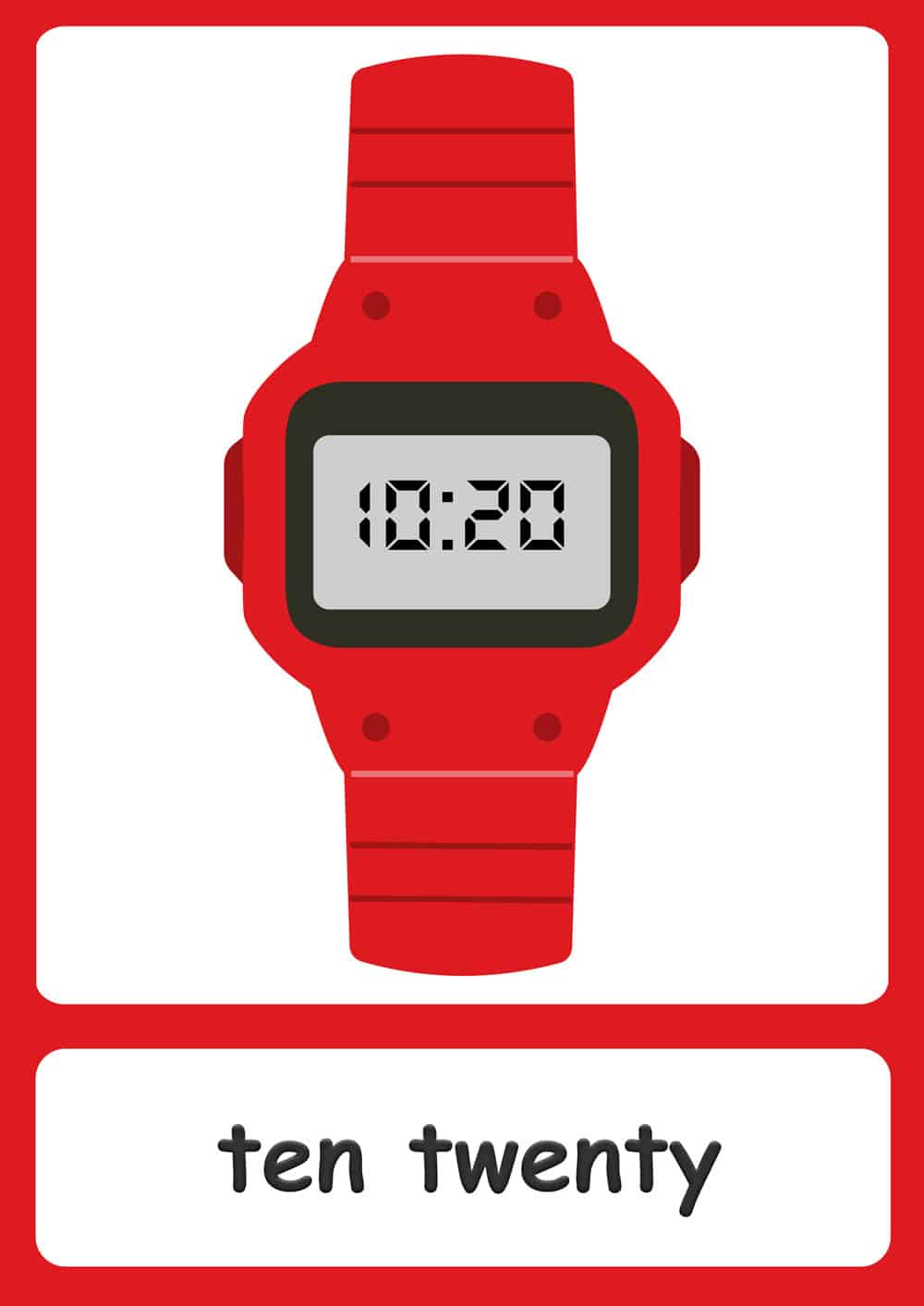
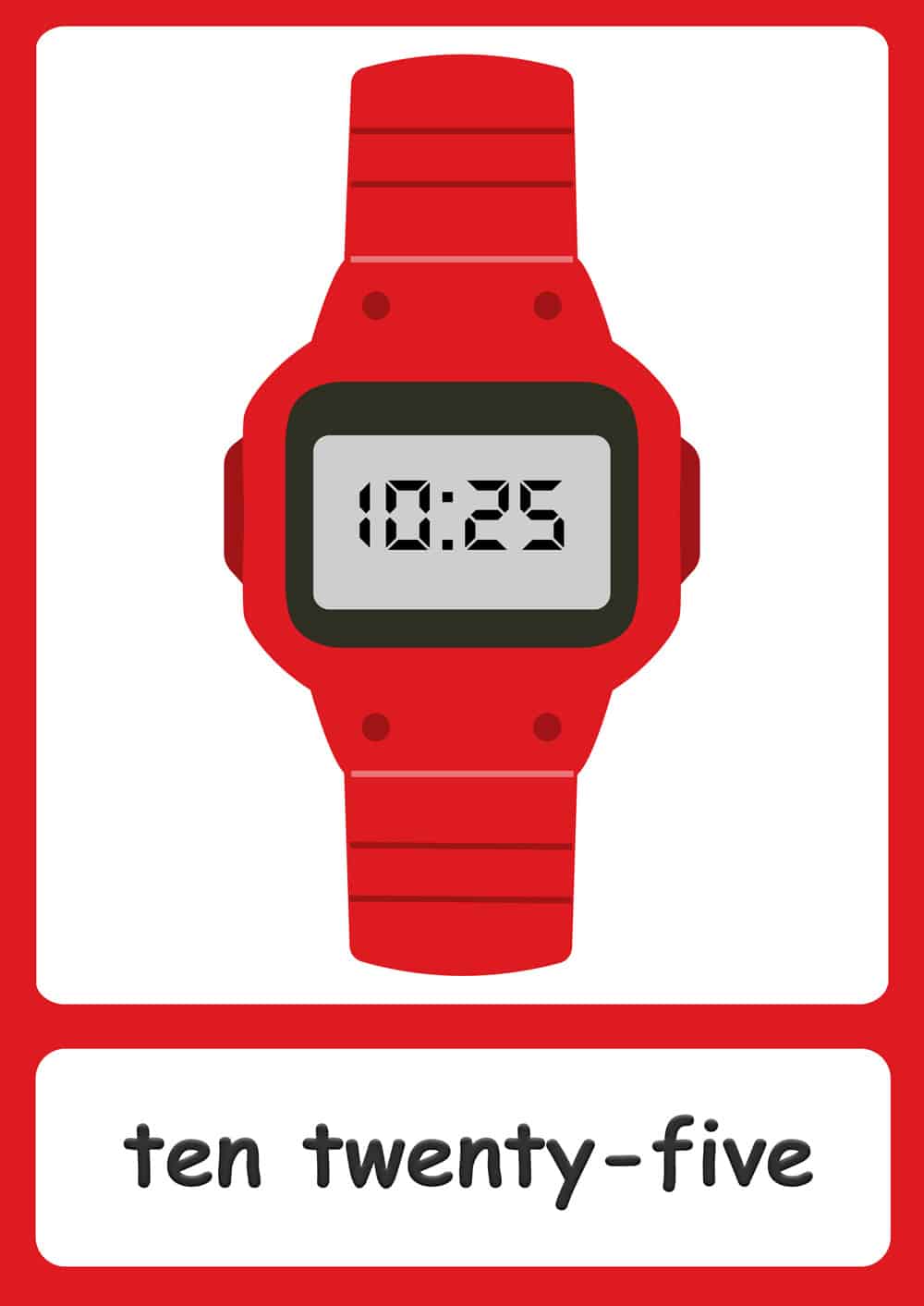
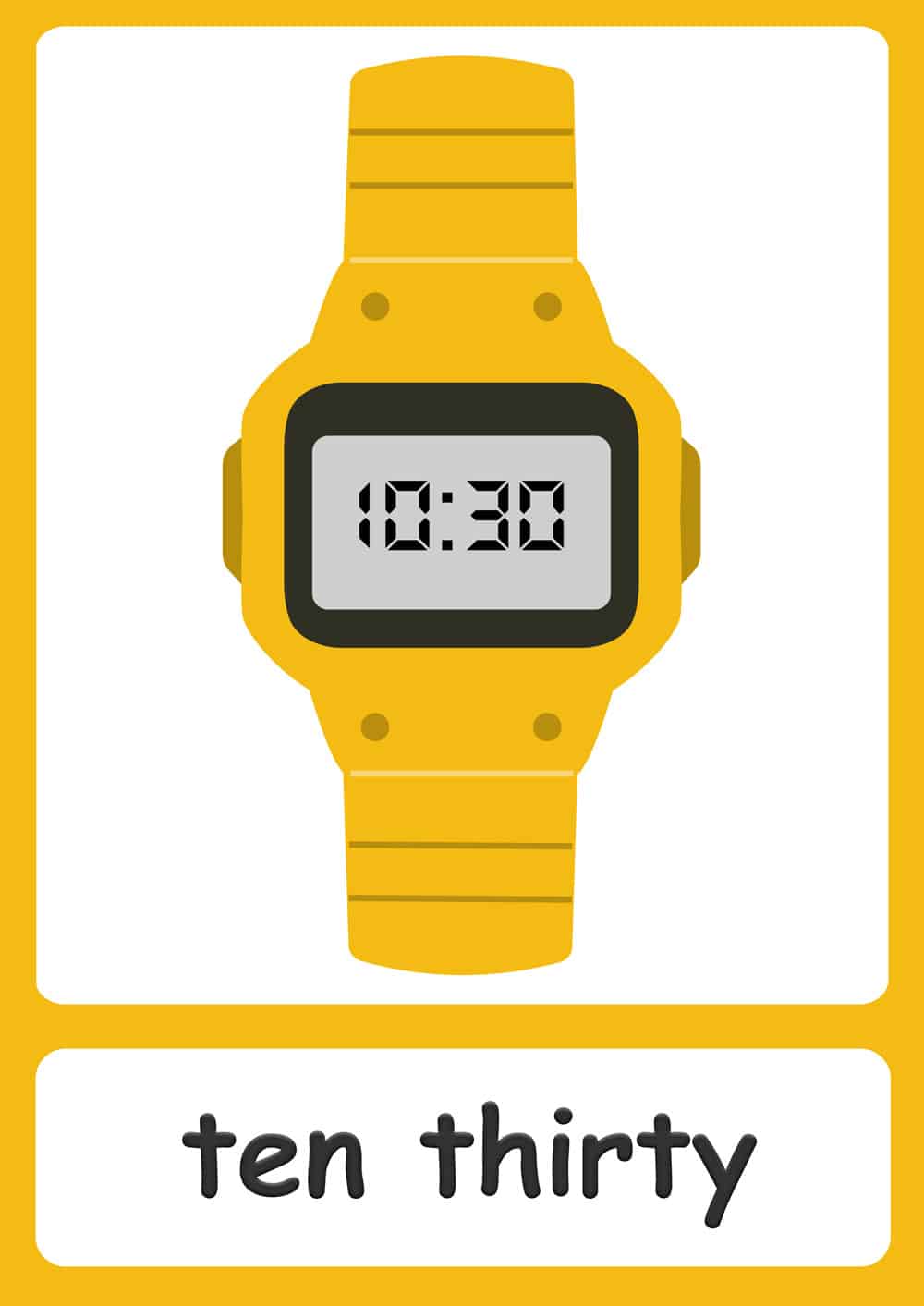
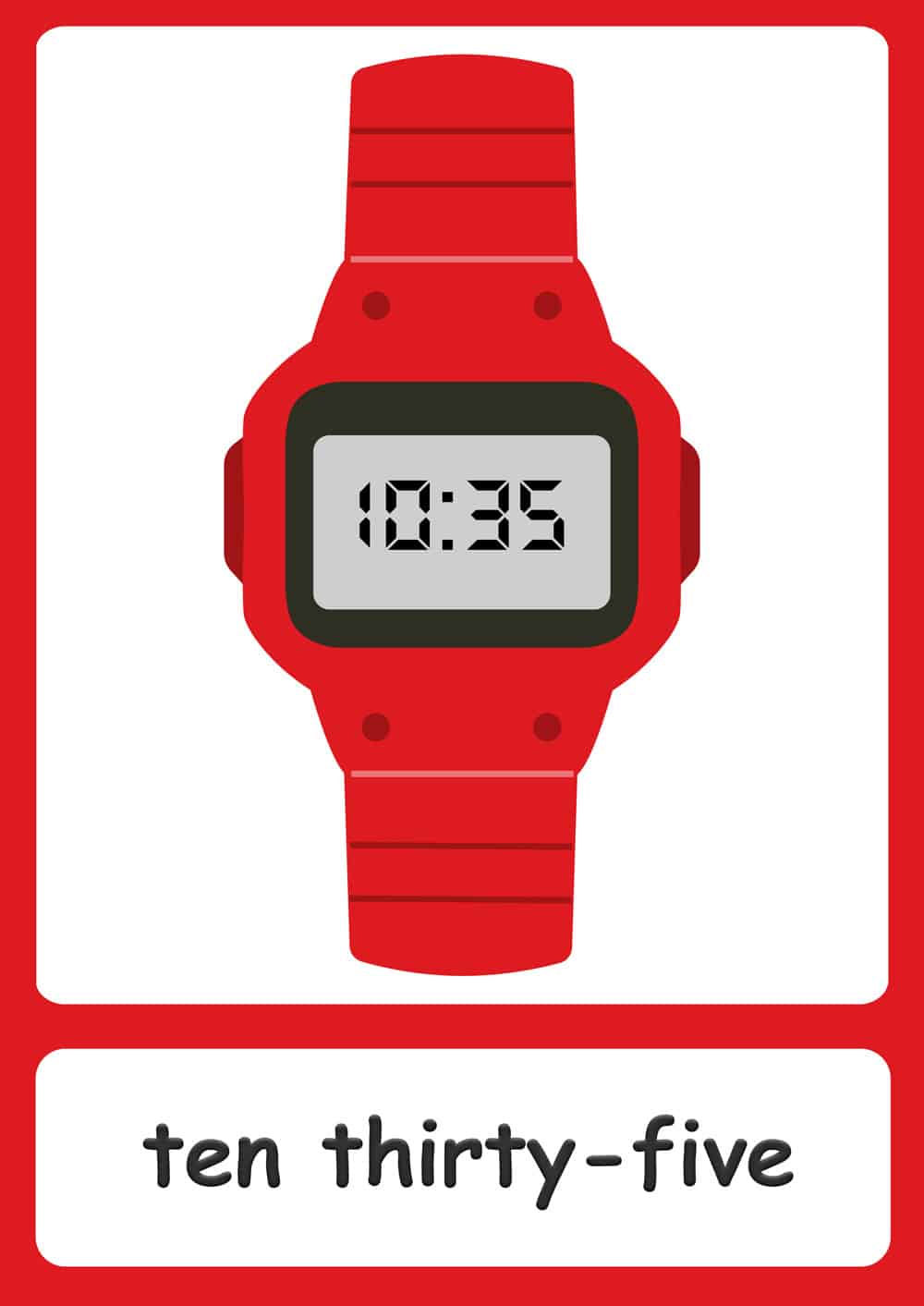
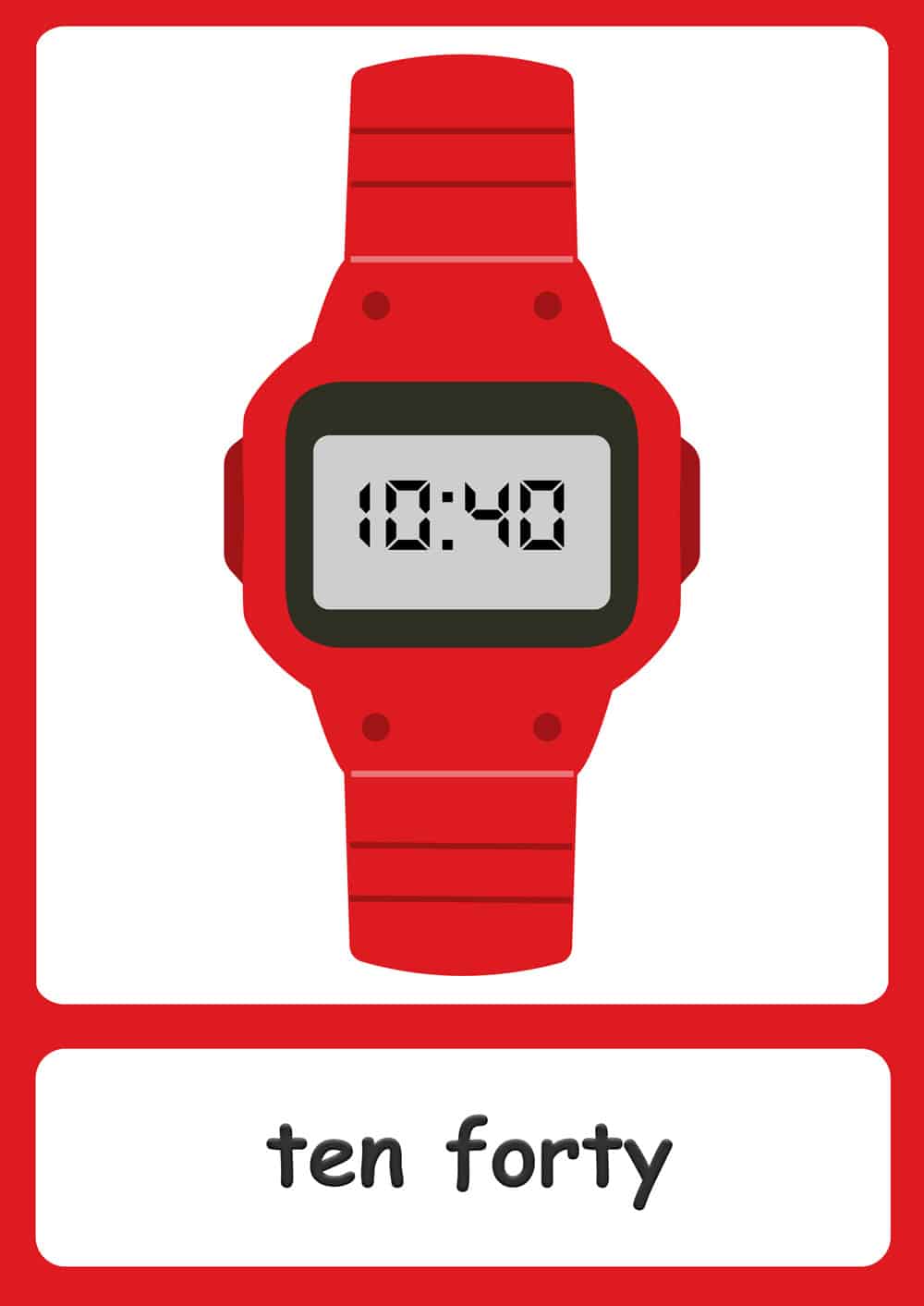
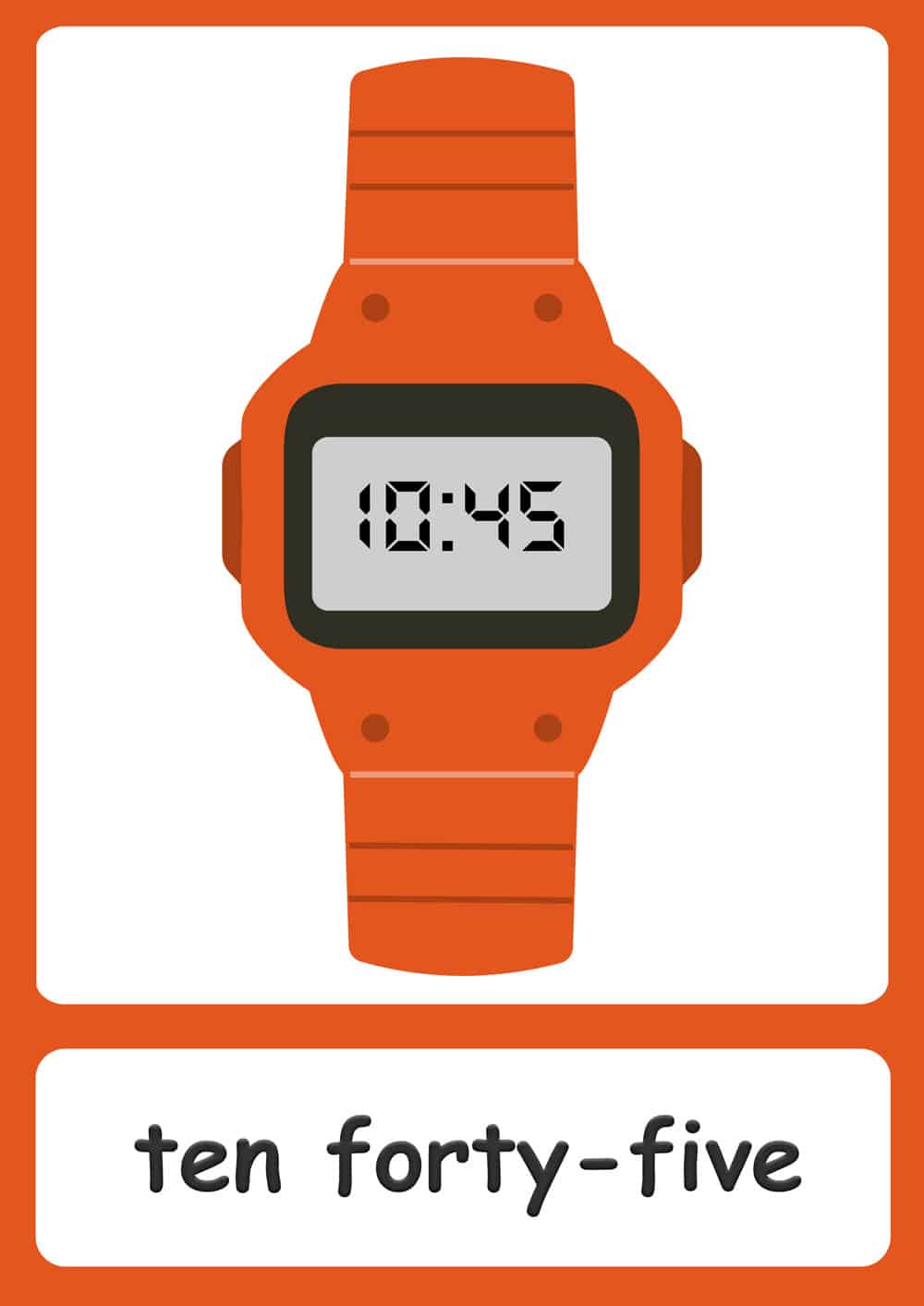
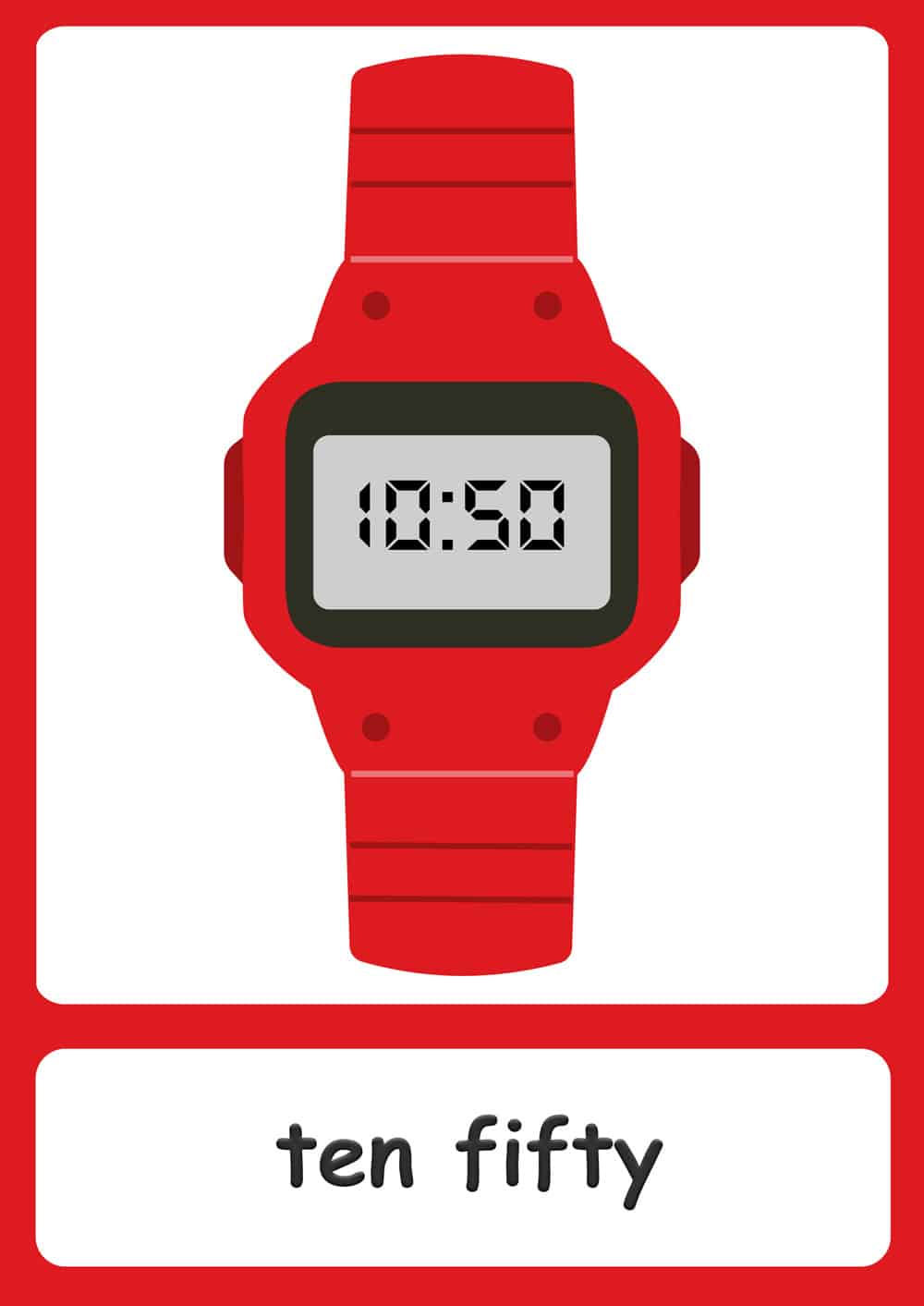
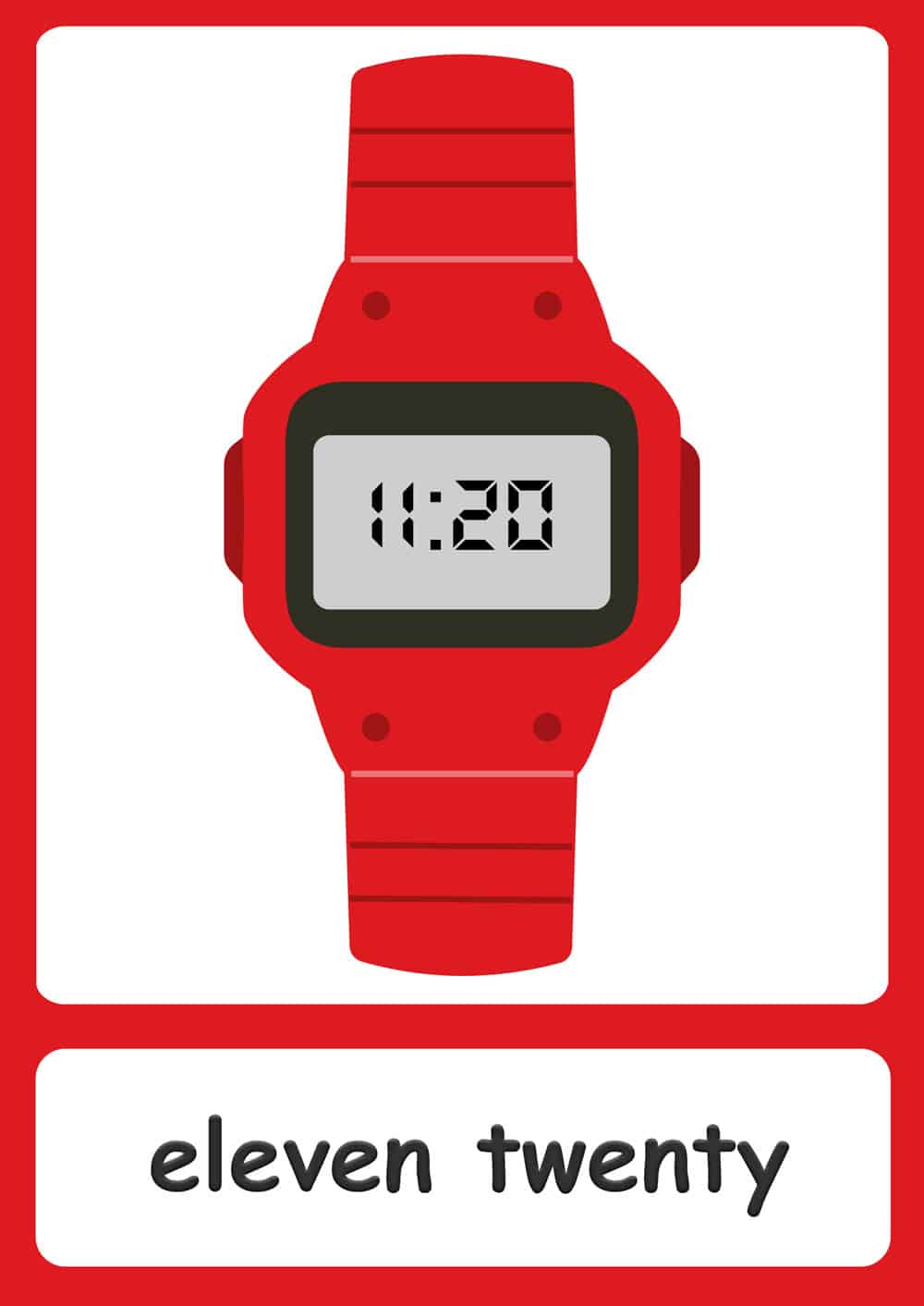
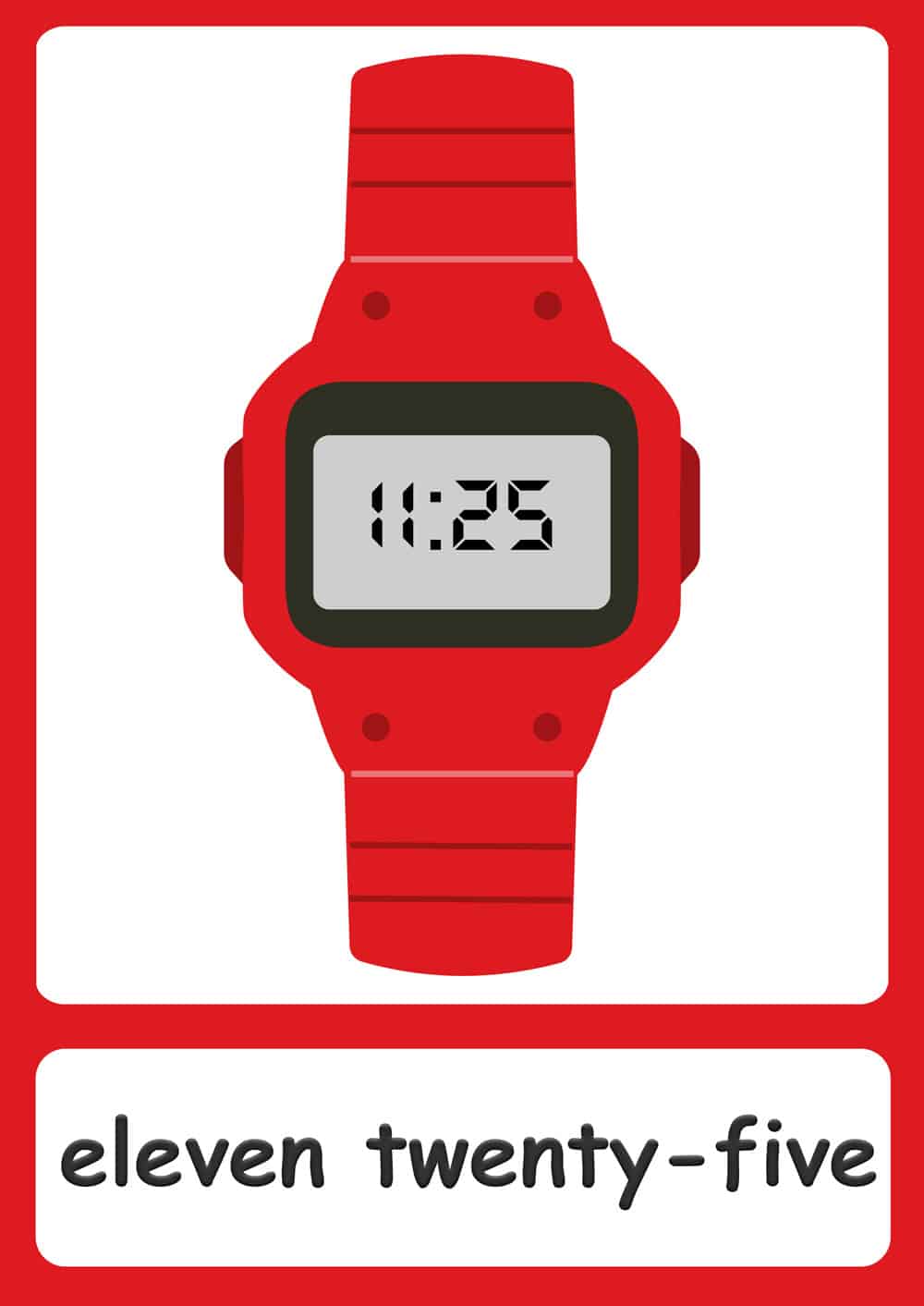
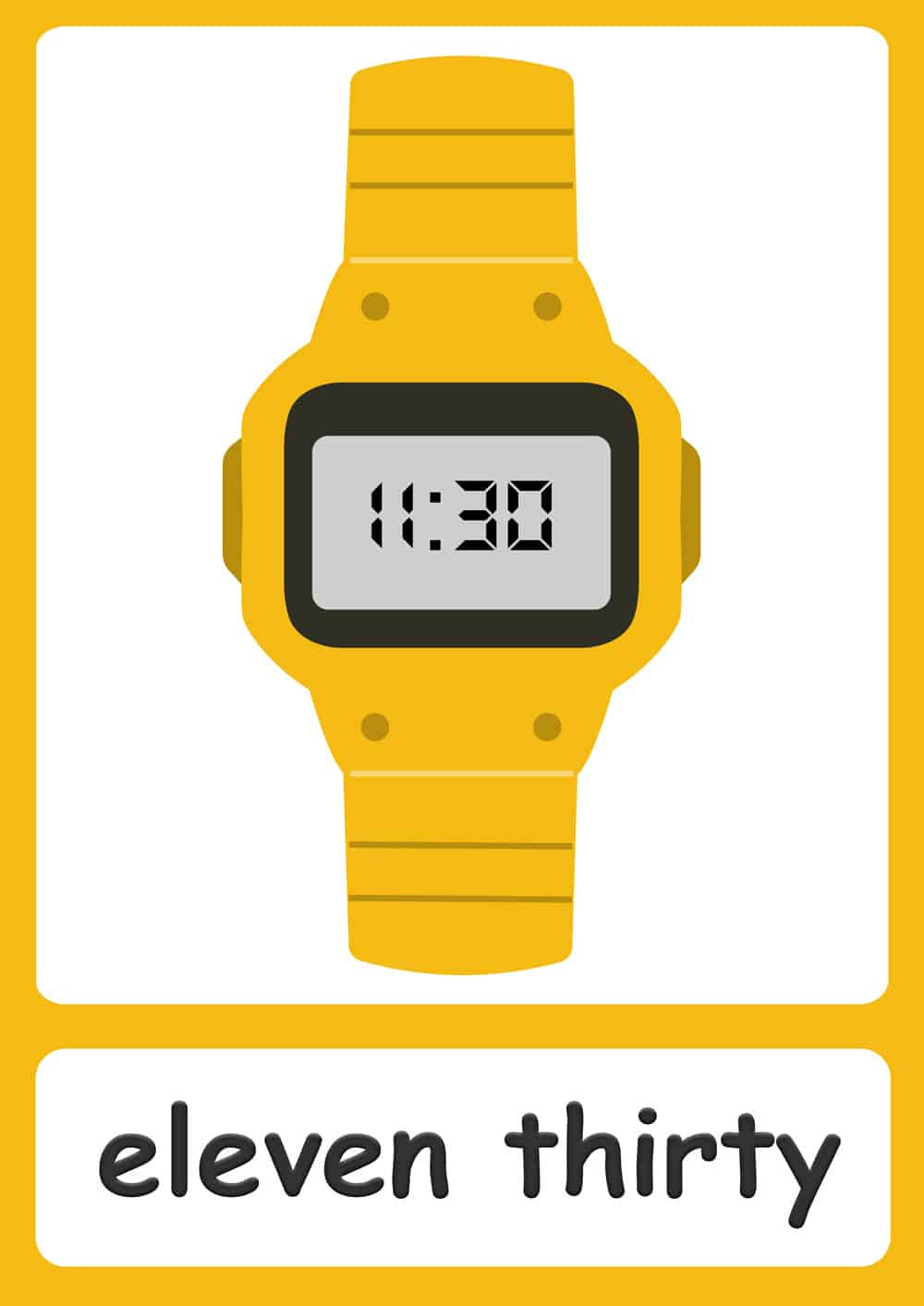
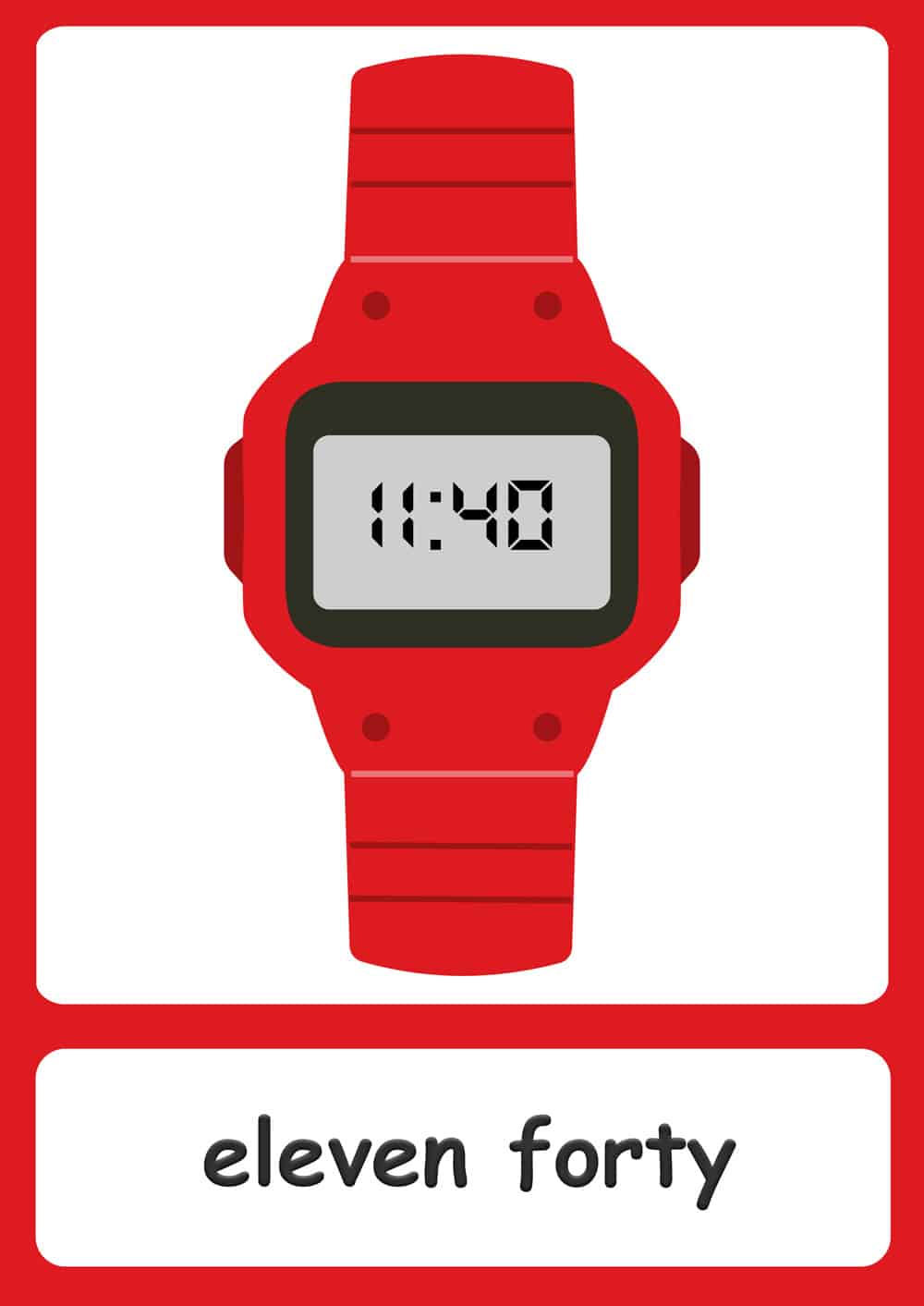
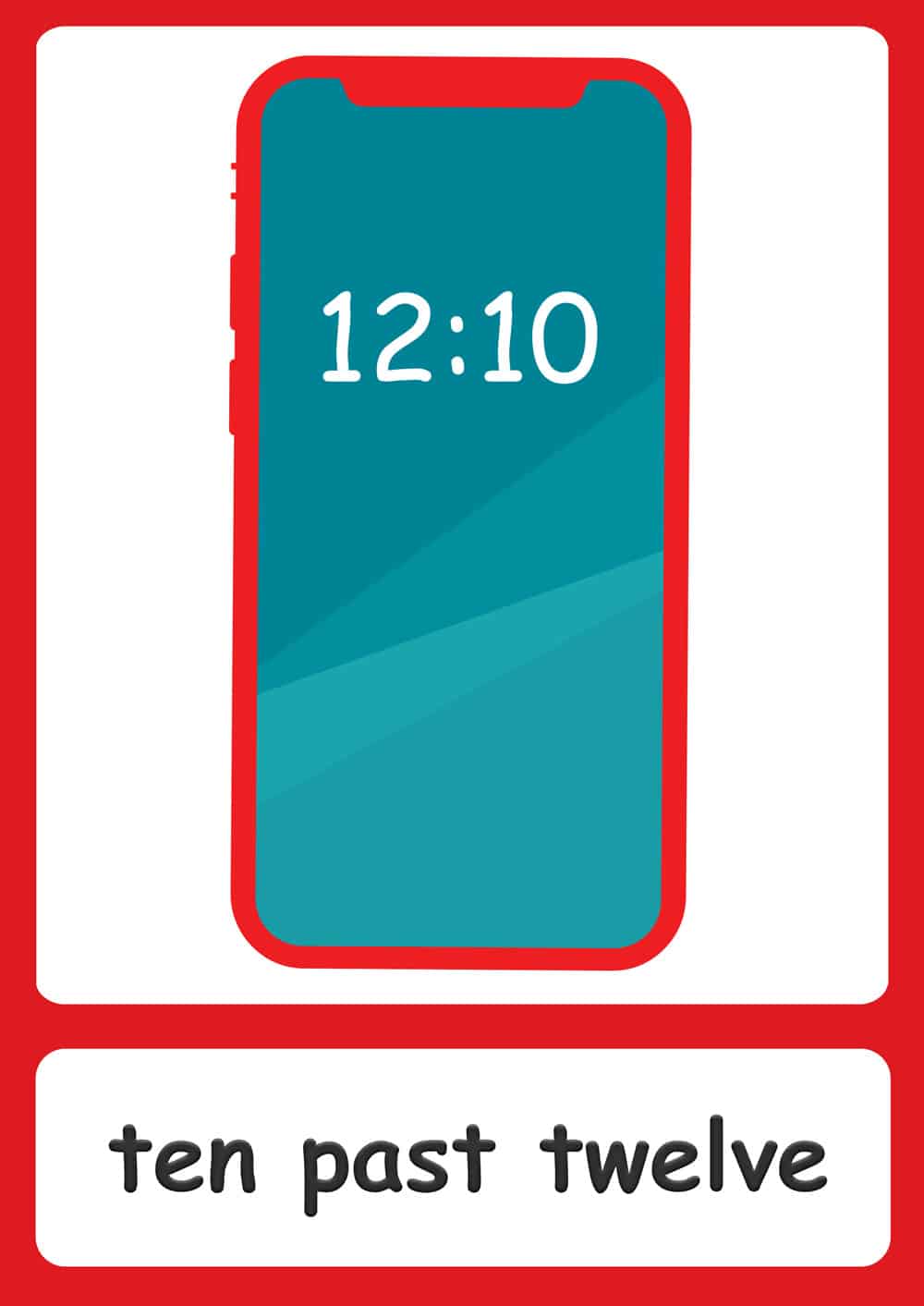
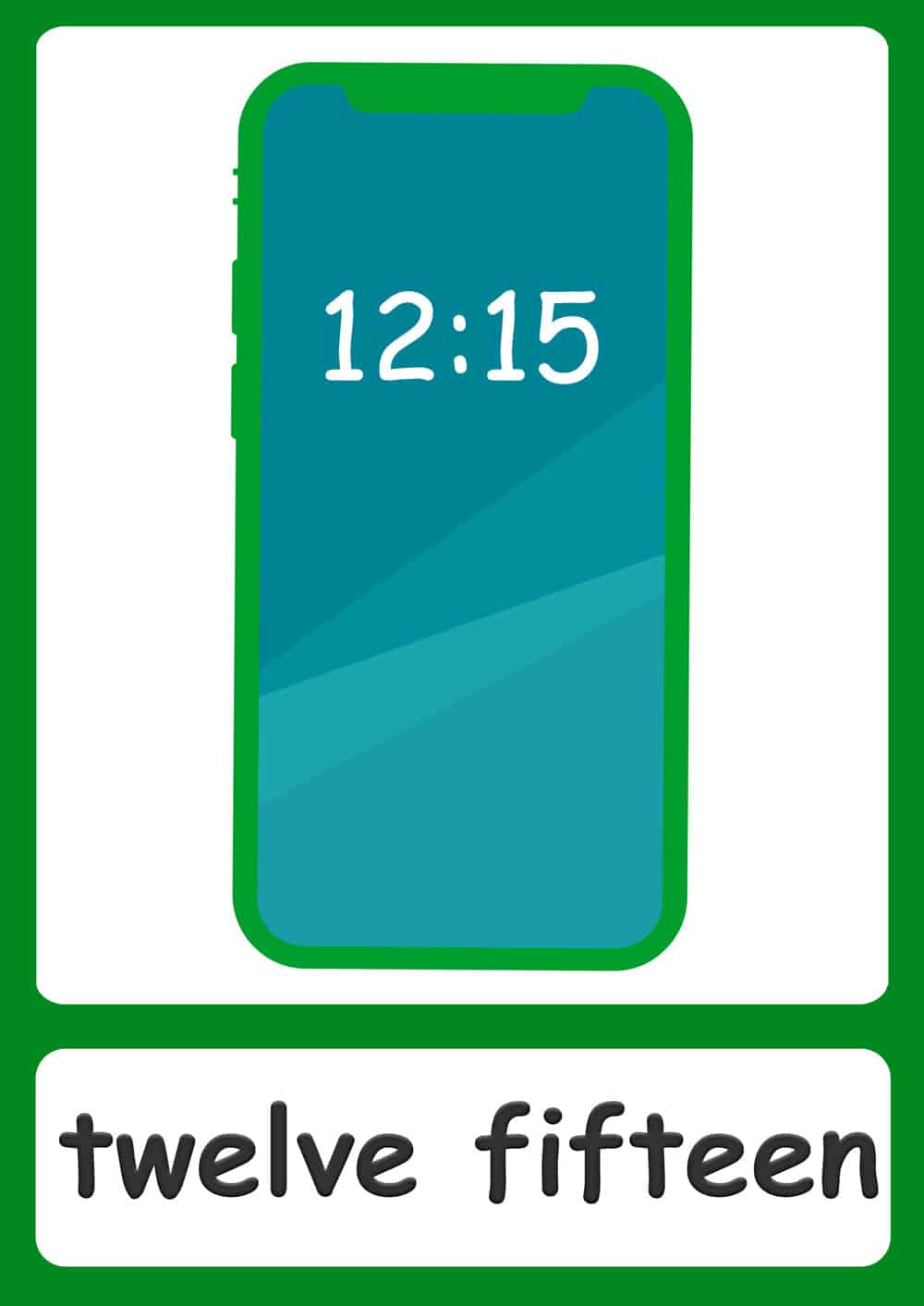
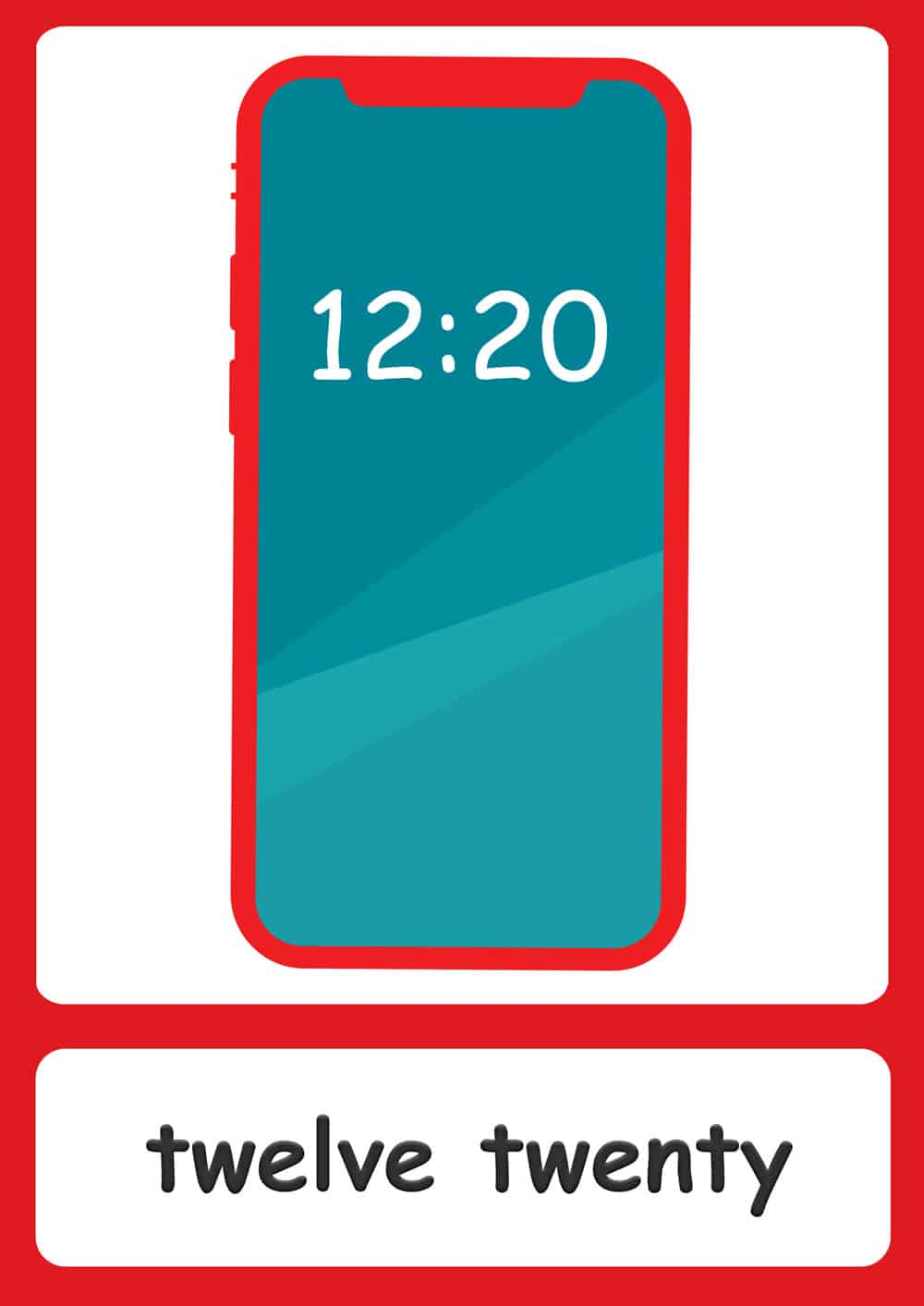
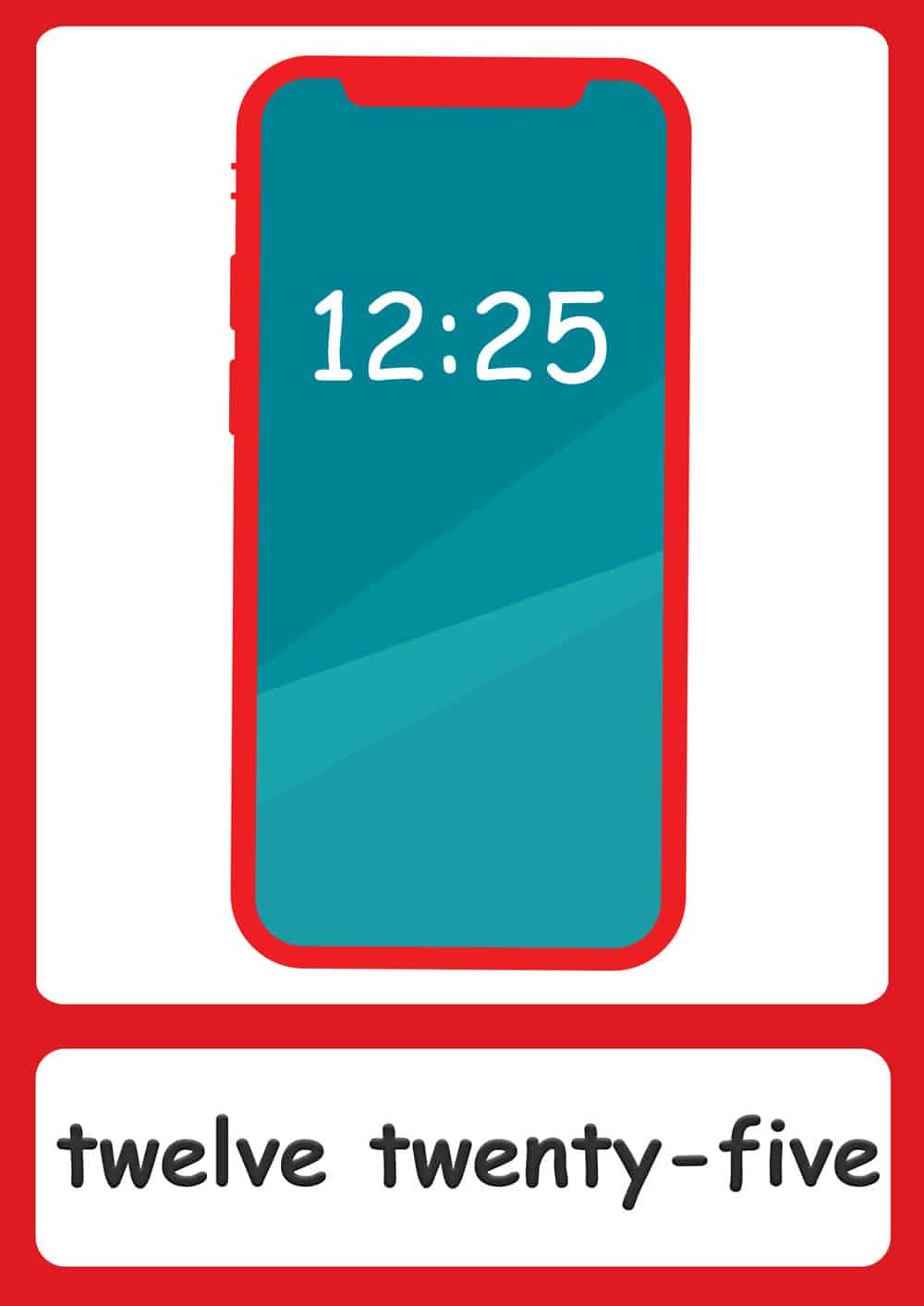
All of the flashcards are color coded to help simplify the process of learning the time. The categories include o’clock, ~ fifteen, ~ thirty and ~ forty five. The flashcards also include time in all increments of time in 5 minute intervals E.G 12:05, 12:10 and so on.
I recommend teaching o’clock first, then half past. When your children have mastered those, introduce them to ~ fifteen and ~ forty-five. After this, continue to teach in 5 minute increments. It may help to practice skip counting before learning how to tell the time.
Practice asking “What time is it?” and teach the answers. A great activity suggestion would be to play ‘What time is it Mr. Wolf?’. The teacher can model the game and then when the children are familiar with the rules, the students can take over. Soon you will see children playing this game by themselves in the playground!
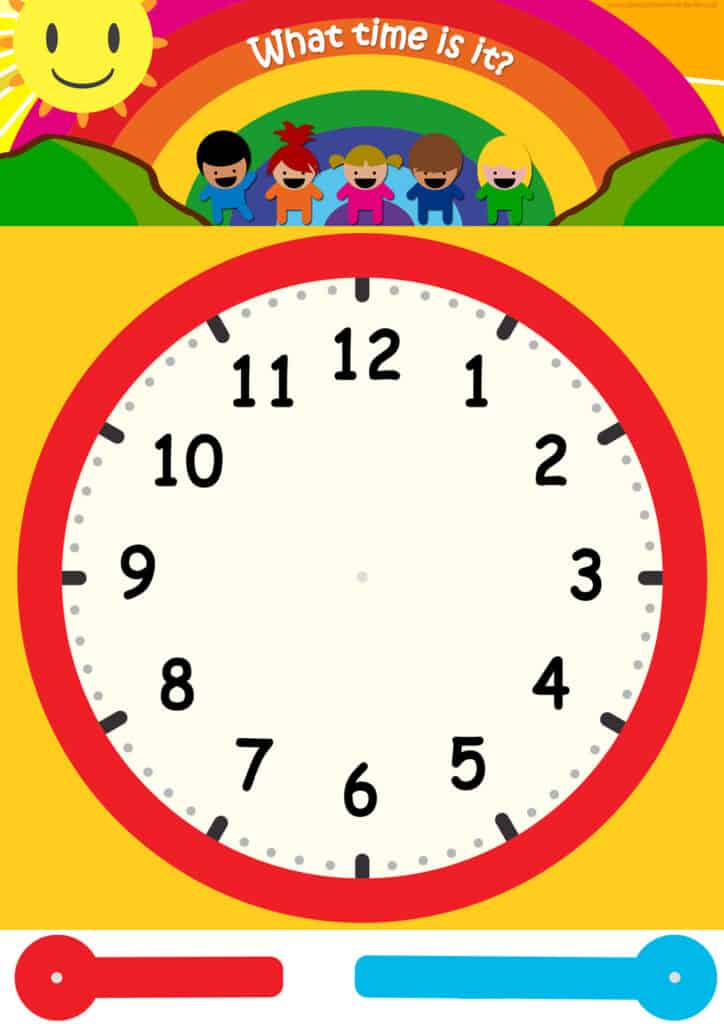
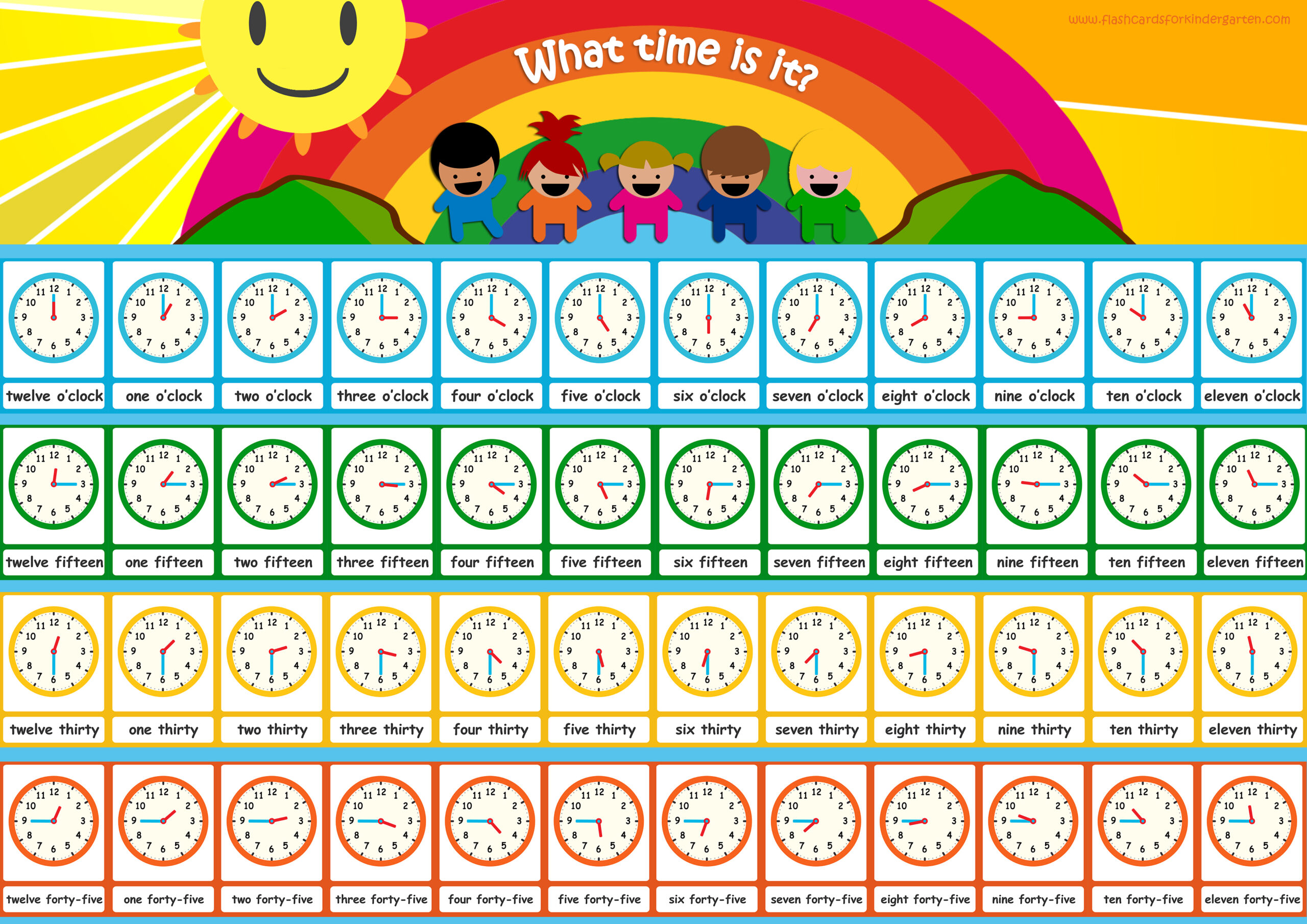
If all of the FREE time flashcards were not enough, why not download the time posters and clock cut out! All are available as a free download. Having the time posters on your classroom wall will encourage children to practice telling the time in their own time.
Clock Flashcards DOWNLOAD
Phone Clock Flashcards DOWNLOAD
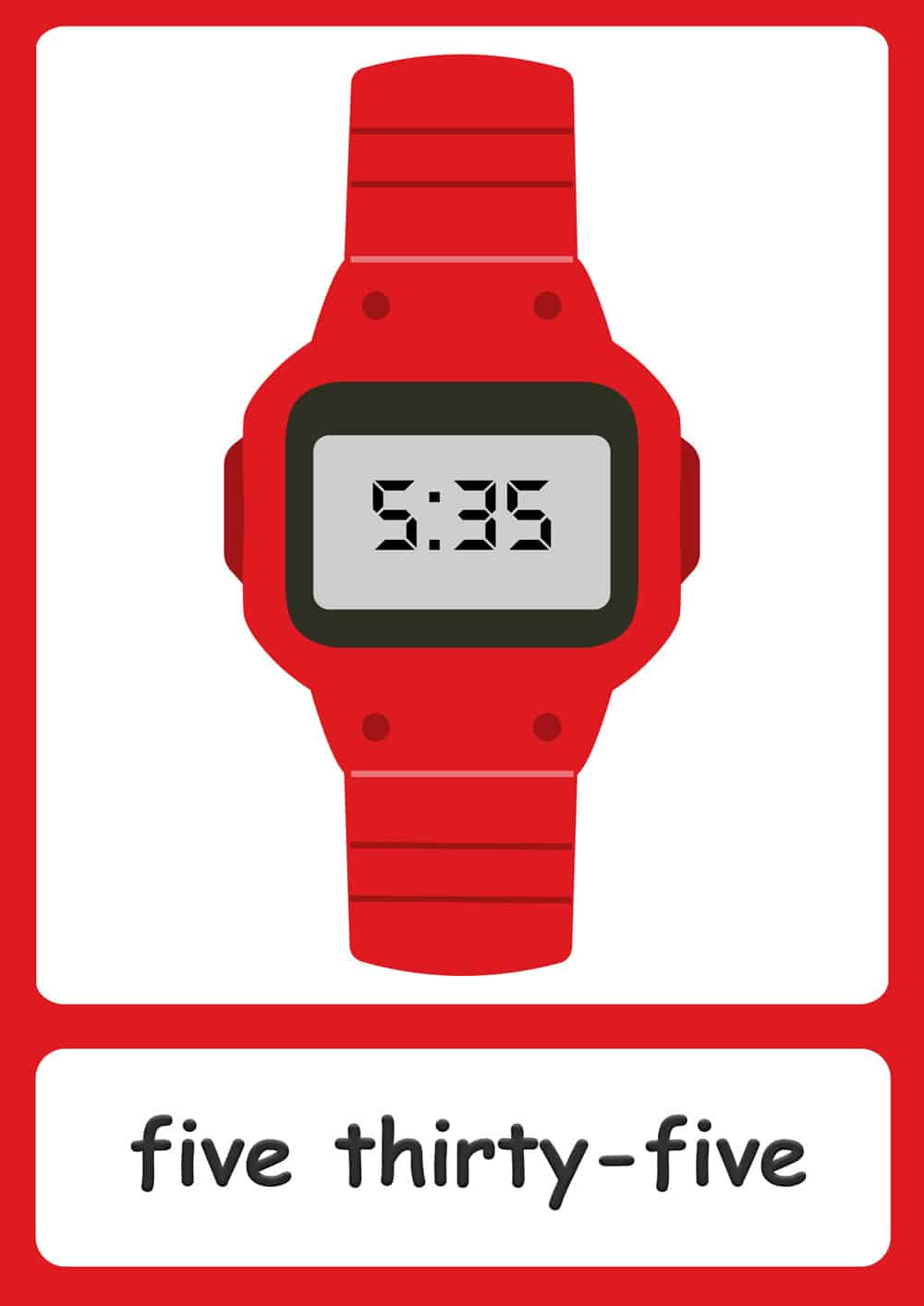
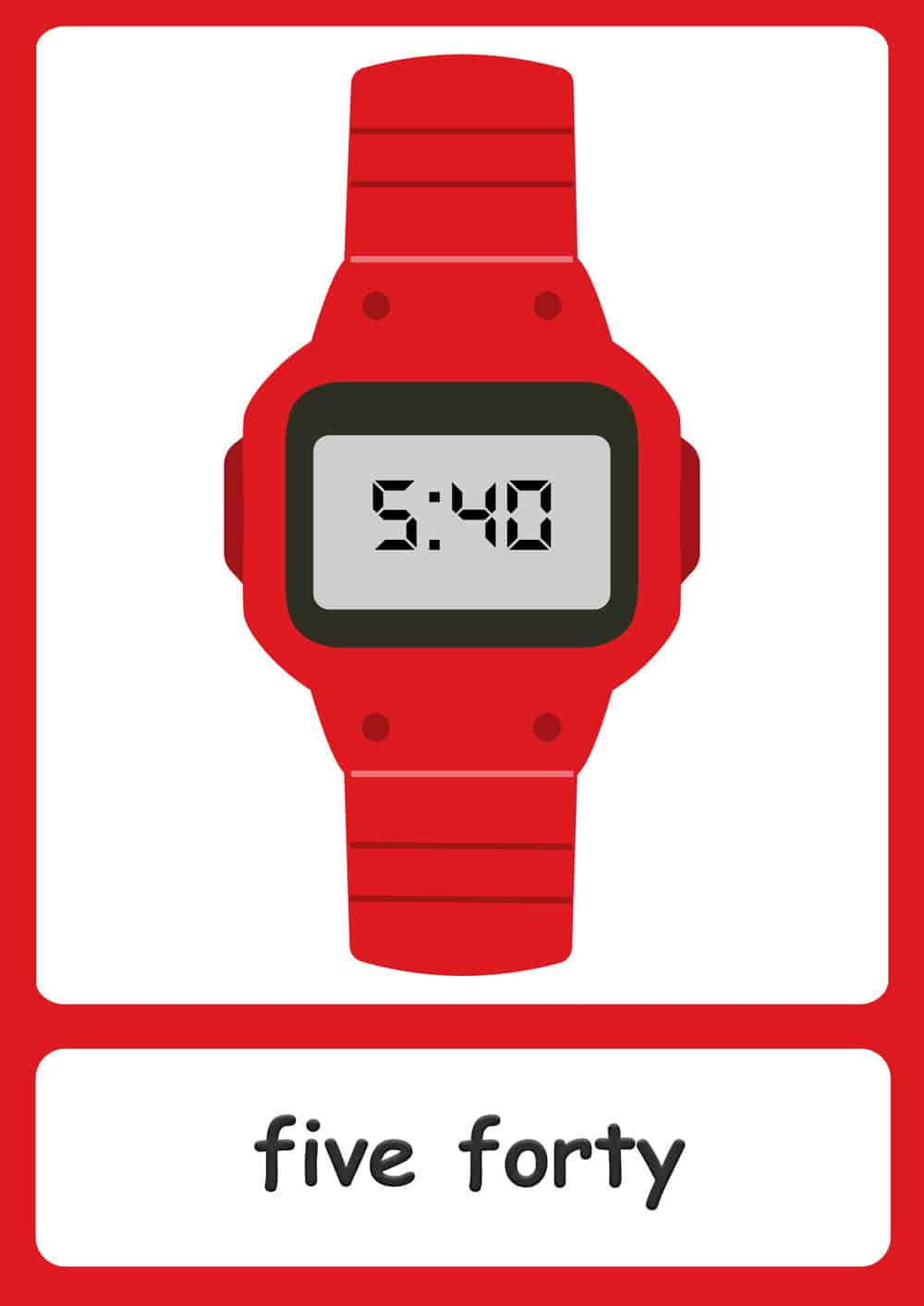
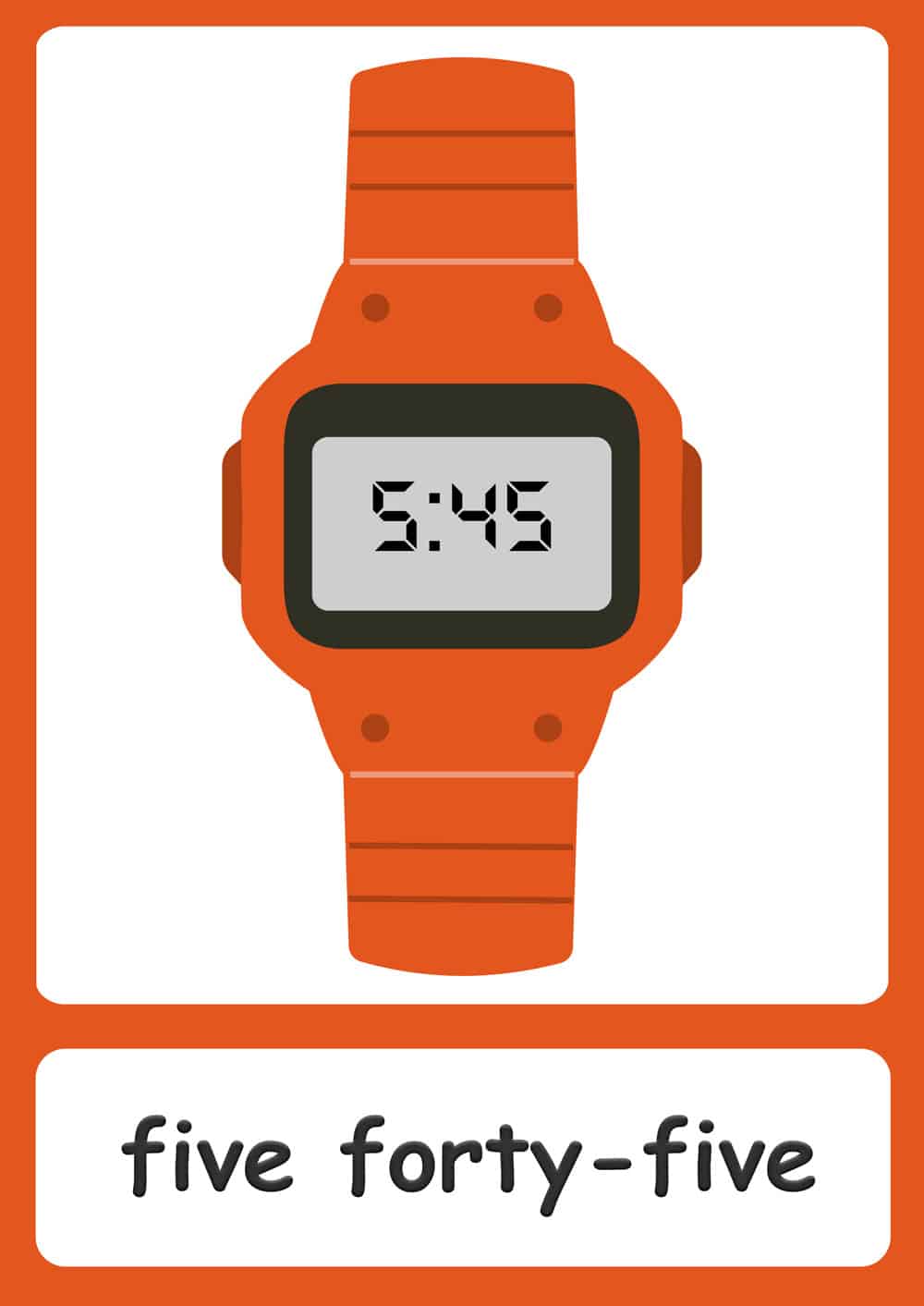
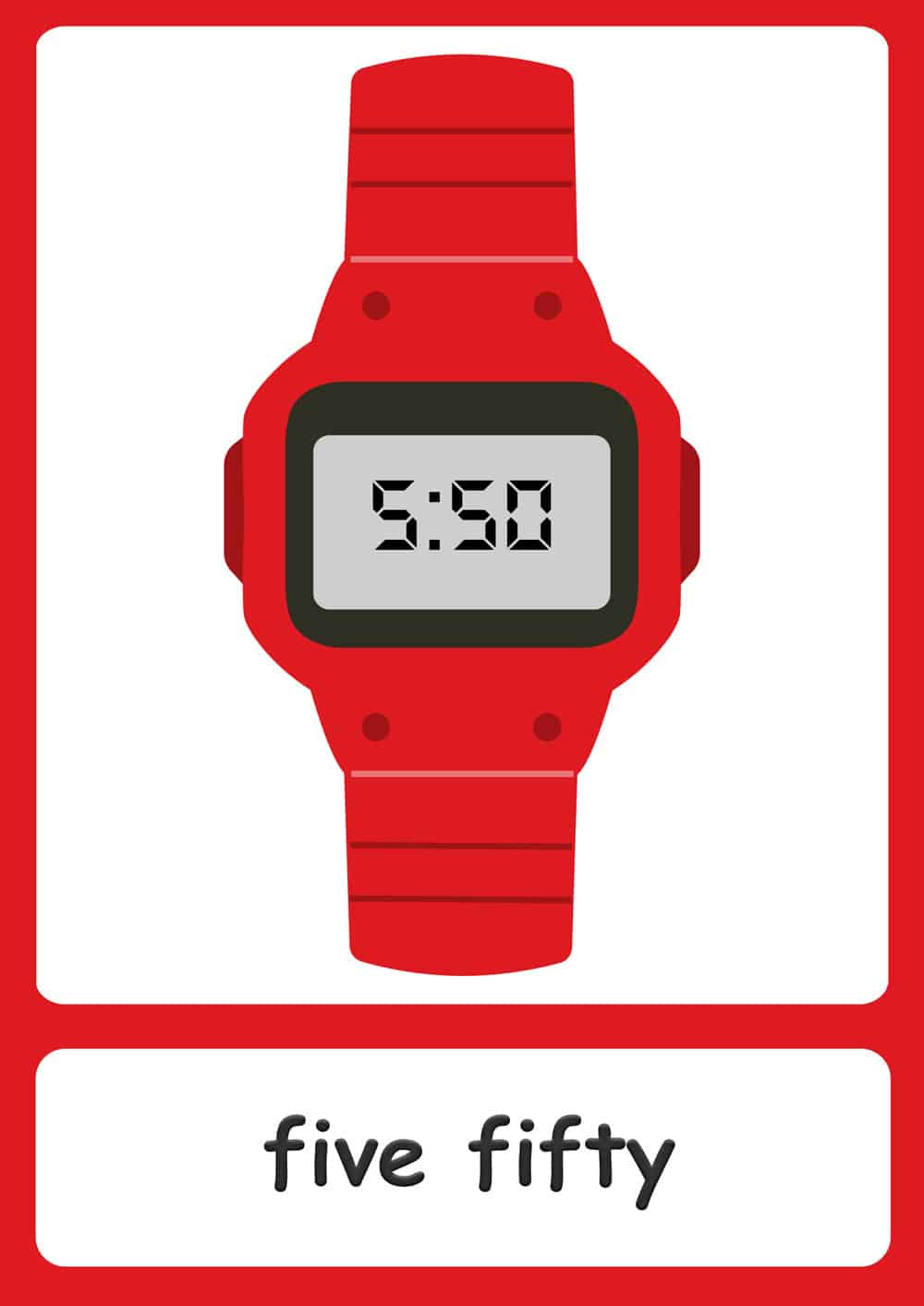
Watch Flashcards DOWNLOAD
How to Use These Time Flashcards
These time flashcards are designed to help children learn how to tell the time using both analogue and digital clocks.
Start by teaching o’clock times first, as these are the easiest for children to recognise. Once students are confident, introduce half past, quarter past, and quarter to before moving on to five-minute intervals.
Use the colour-coded flashcards to help students identify different time categories and recognise patterns more easily.
The clock, watch, and smartphone flashcards can be used separately or together. This allows students to practise reading time in different formats and understand that the same time can be displayed in multiple ways.
For best results, combine the flashcards with a classroom clock or the free clock cut-out. Regular short practice sessions help children build confidence and accuracy over time.
What Vocabulary is included?
| Time flashcards |
|---|
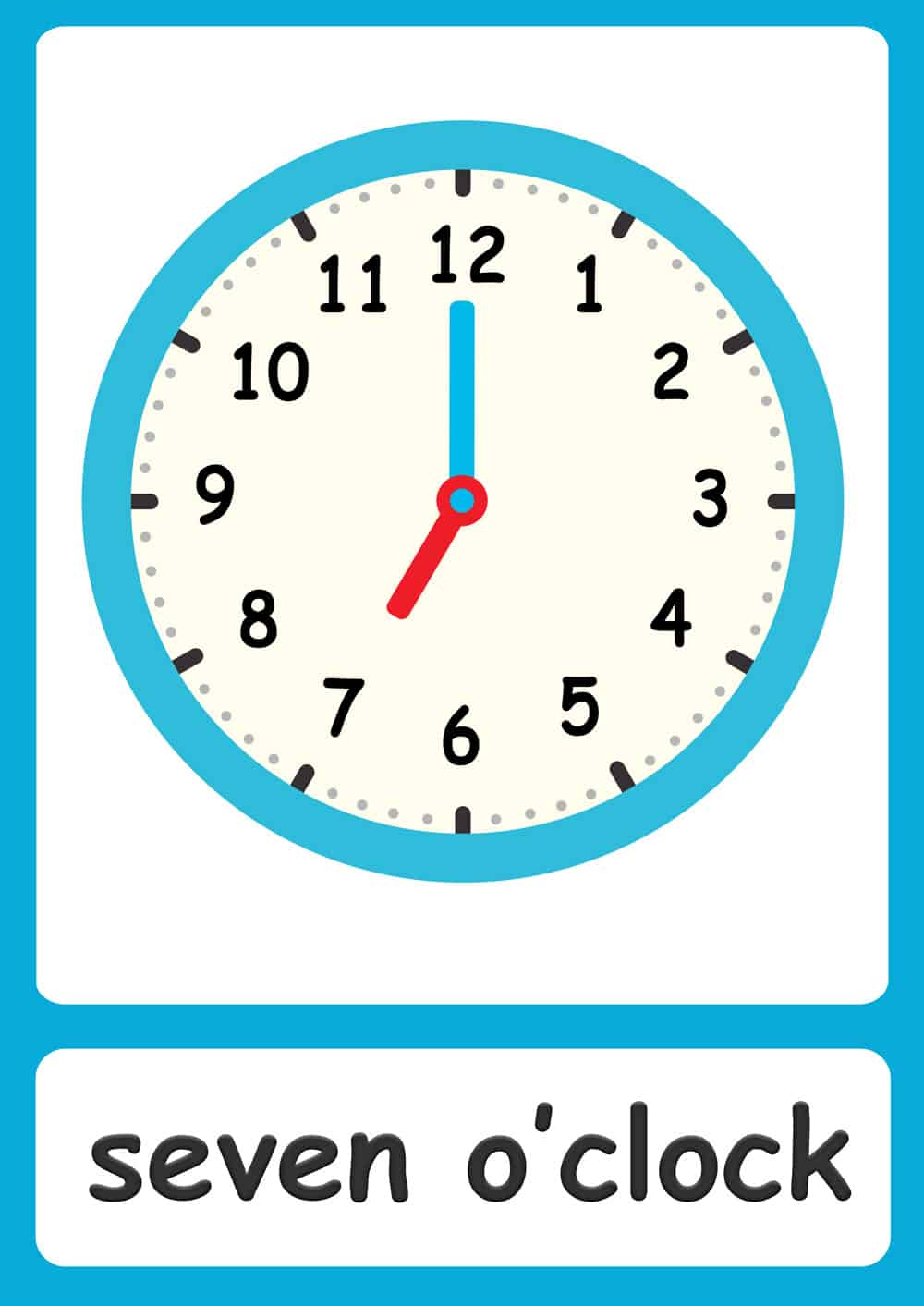
| ~ o’clock. |
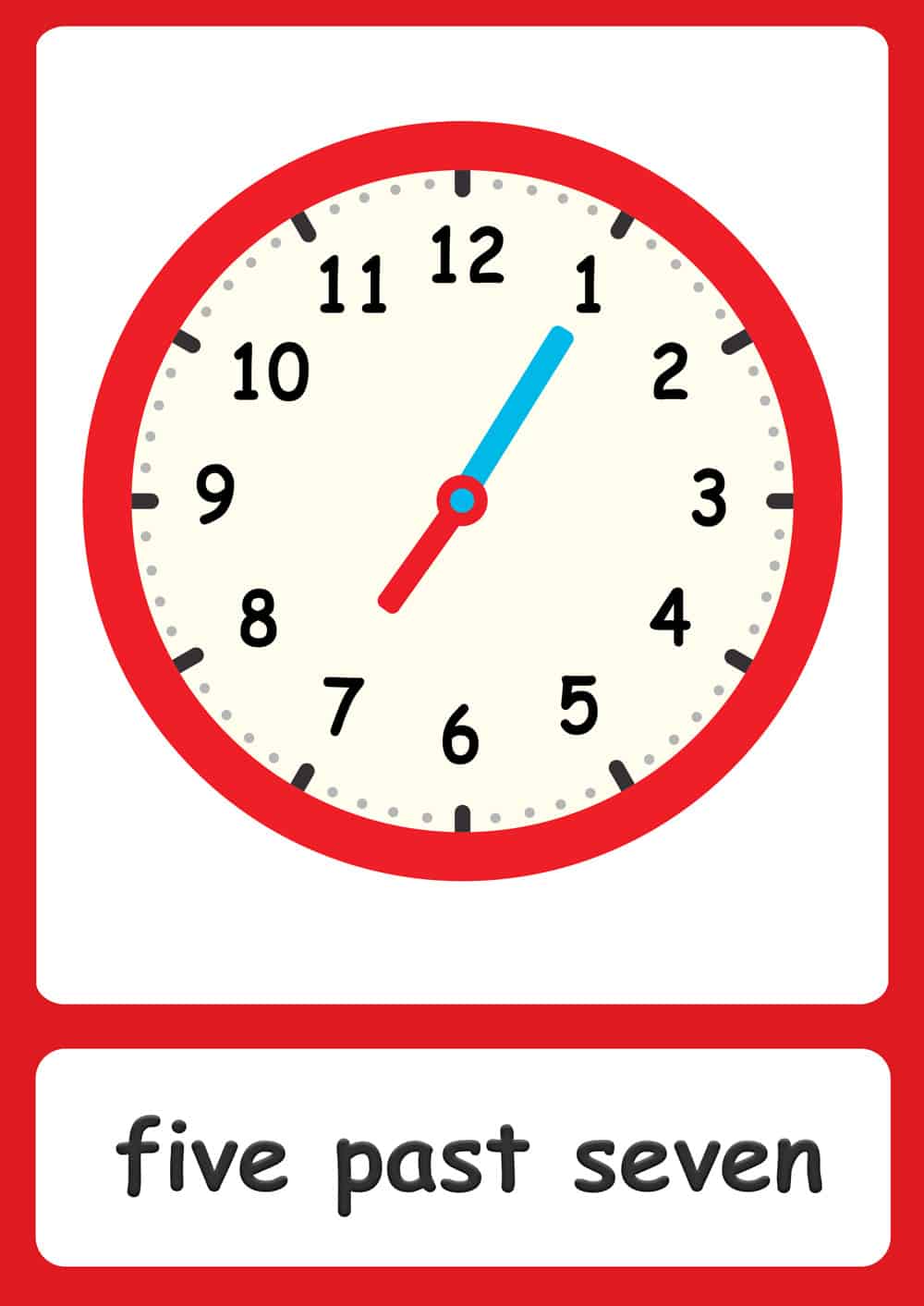
| five past ~ . |
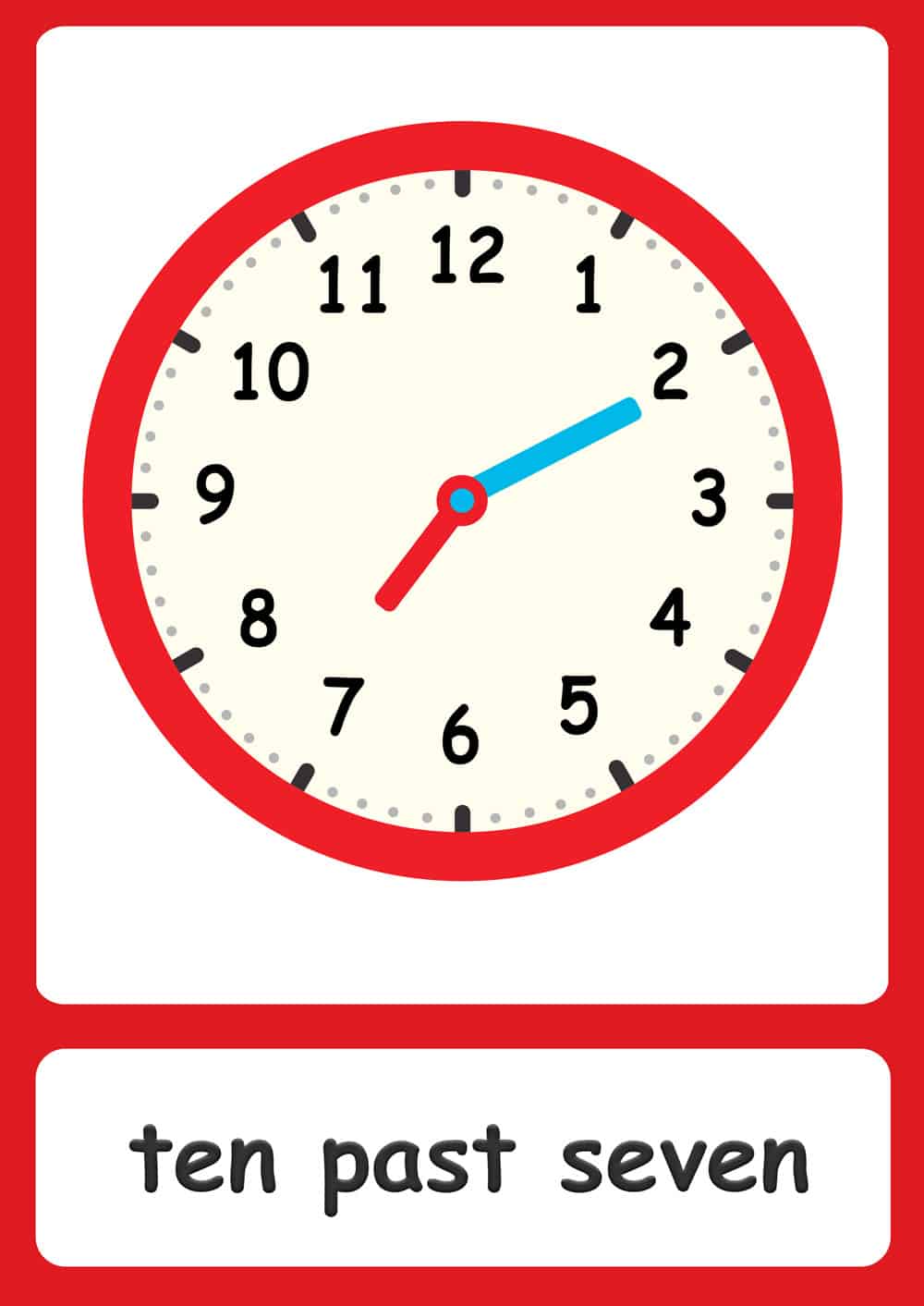
| ten past ~ . |
| ~ fifteen. |
| ~ twenty. |
| ~ twenty five. |
| ~ thirty. |
| ~ thirty five. |
| ~ forty. |
| ~ forty five. |
| ~ fifty. |
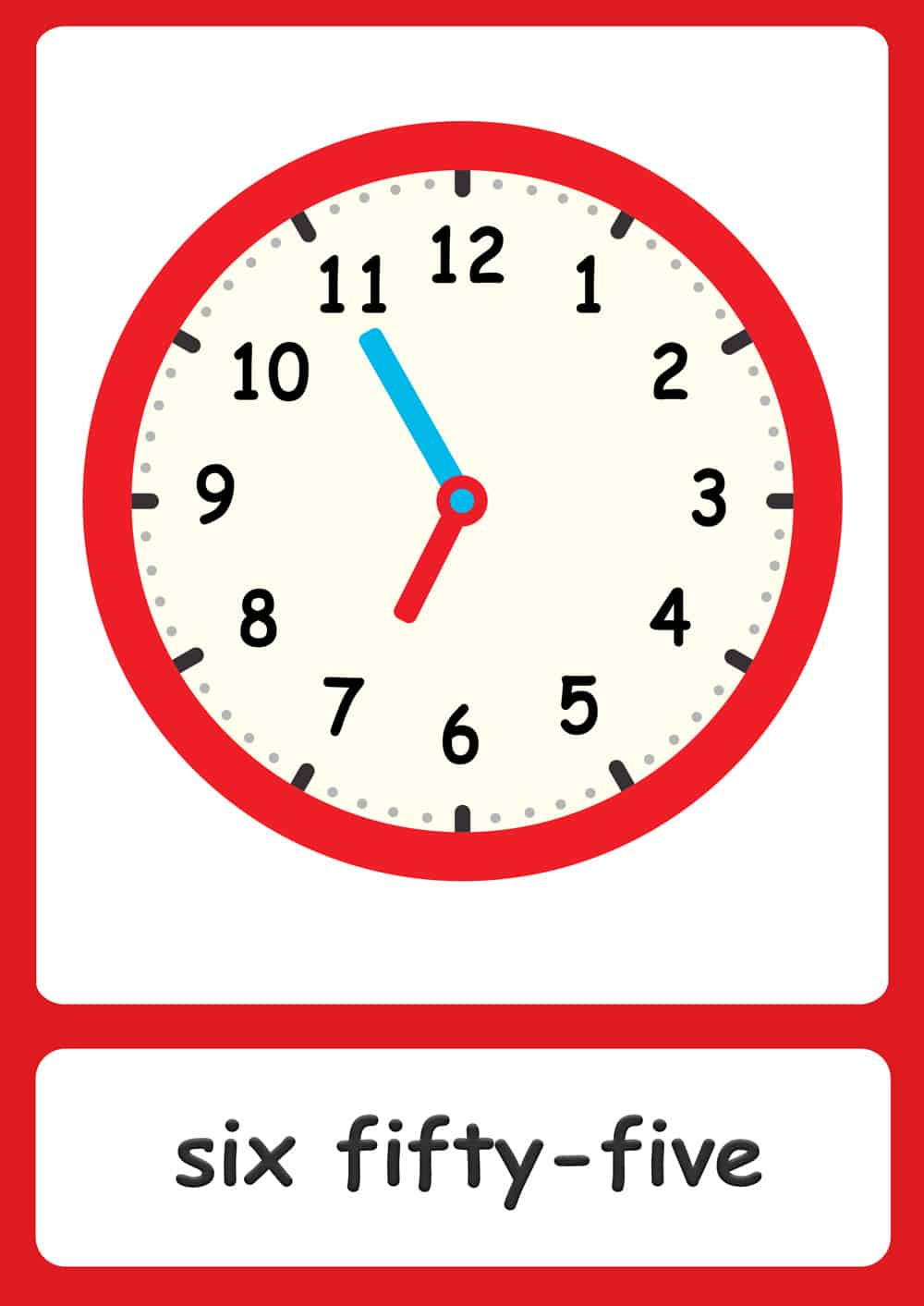
| ~ fifty five. |
Time Flashcard Activities
Time Match-Up
Place analogue and digital flashcards face up on the table. Students match cards showing the same time.
What Time Is It?
Show a flashcard and ask:
“What time is it?”
Students answer using a complete sentence:
“It is three o’clock.”
Beat the Clock
Place several flashcards on the floor. Call out a time and have students race to touch the correct card.
Clock Hands Challenge
Using the free clock cut-out, call out a time and ask students to move the hands to the correct position.
Daily Schedule Match
Show common daily activities and ask students to match them with suitable times.
For example:
Breakfast → 7:00
Lunch → 12:00
Bedtime → 8:00
What Time Is It, Mr. Wolf?
Use the classic classroom game to practise telling the time while encouraging movement and listening skills.
Daily Schedule Match
Review 3–5 flashcards at the beginning of each lesson to reinforce previously learned times and build fluency.
Grammar Focus & Questions
| Questions | Answers |
|---|---|
| What time is it? | It’s ~ o’clock. |
| What time is it? | It’s ~ thirty. |
| What time is it? | It’s ~ fifteen. |
| What time is it? | It’s ~ forty-five. |
| What time is it? | It’s ten past ~ . |
Clock cut out Download!
Time posters Download!









Frequently Asked Questions
What age are time flashcards suitable for?
Time flashcards are ideal for kindergarten, elementary, homeschool, and ESL learners, typically ages 5–10.
What is the best order to teach telling the time?
Most teachers start with o’clock times, followed by half past, quarter past, quarter to, and finally five-minute intervals.
Should children learn analogue or digital clocks first?
Many teachers begin with analogue clocks because they help children understand how time works visually. Digital clocks can then be introduced for comparison.
Why do children find telling the time difficult?
Telling the time requires children to understand numbers, skip counting, and the relationship between hours and minutes. Regular practice helps build confidence.
Can these flashcards be used at home?
Yes. Short daily practice sessions are an excellent way to reinforce classroom learning and improve time-telling skills.
Do I need to teach five-minute intervals straight away?
No. It is usually best to master o’clock and half past first before introducing more advanced times.
Can these flashcards be used with the free clock cut-out?
Yes. The flashcards and clock cut-out are designed to work together, allowing students to practise setting and reading times hands-on.
Related Time Resources