
FREE Trigraph Flashcards!

Once children have mastered digraphs and consonant blends, they’re ready to explore more advanced letter patterns. This printable flashcard collection includes common three-letter phonics patterns, including trigraphs and frequently used beginning and ending letter combinations. Learning these patterns helps children decode longer words, improve reading fluency, and build confidence as their phonics skills develop.
Once children have mastered digraphs and consonant blends, they’re ready to explore more advanced phonics patterns. This printable flashcard collection features common three-letter letter patterns, including trigraphs and other frequently used beginning and ending letter combinations. Learning these patterns helps children decode longer words, improve reading fluency, and build confidence as they become more independent readers.
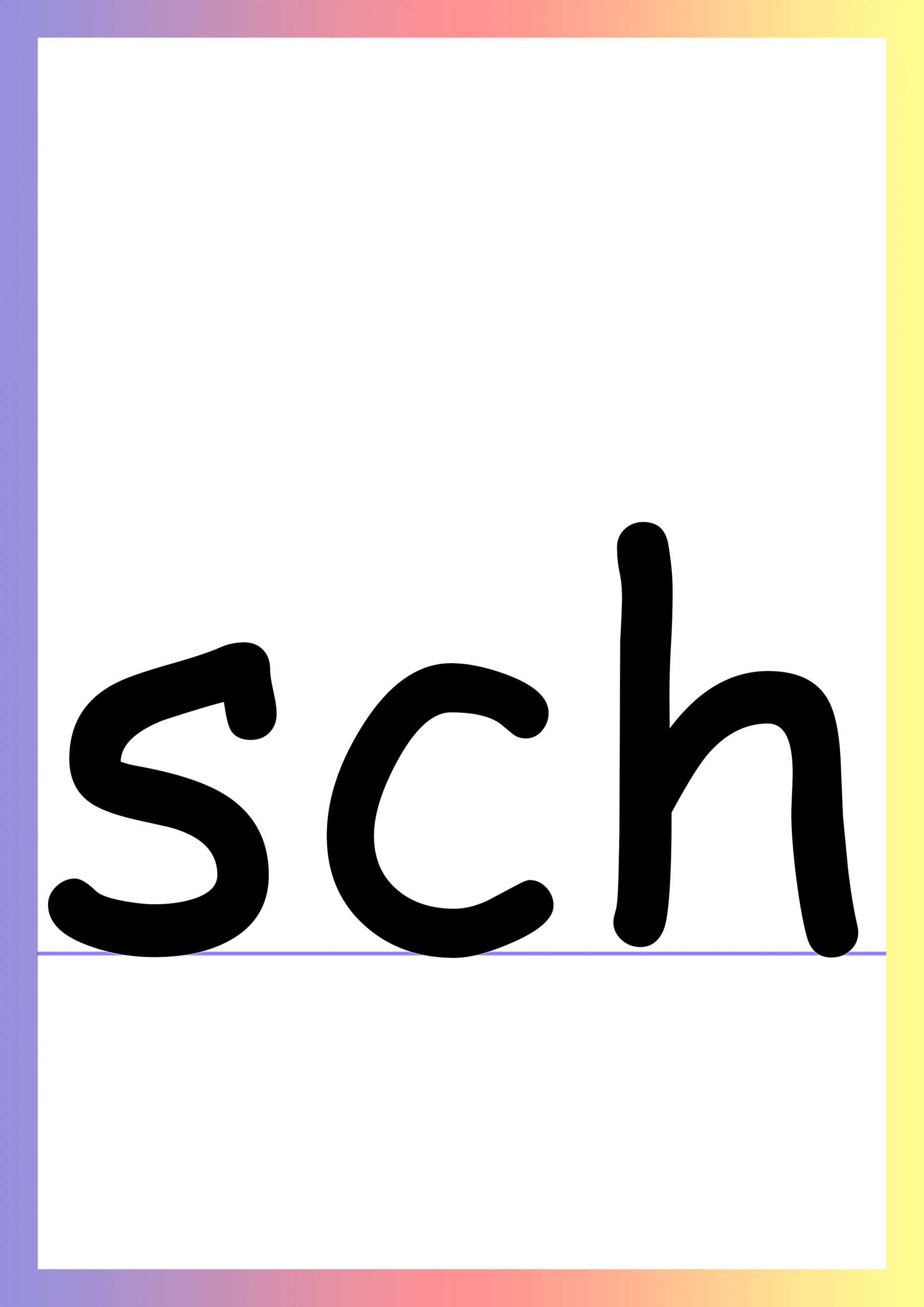
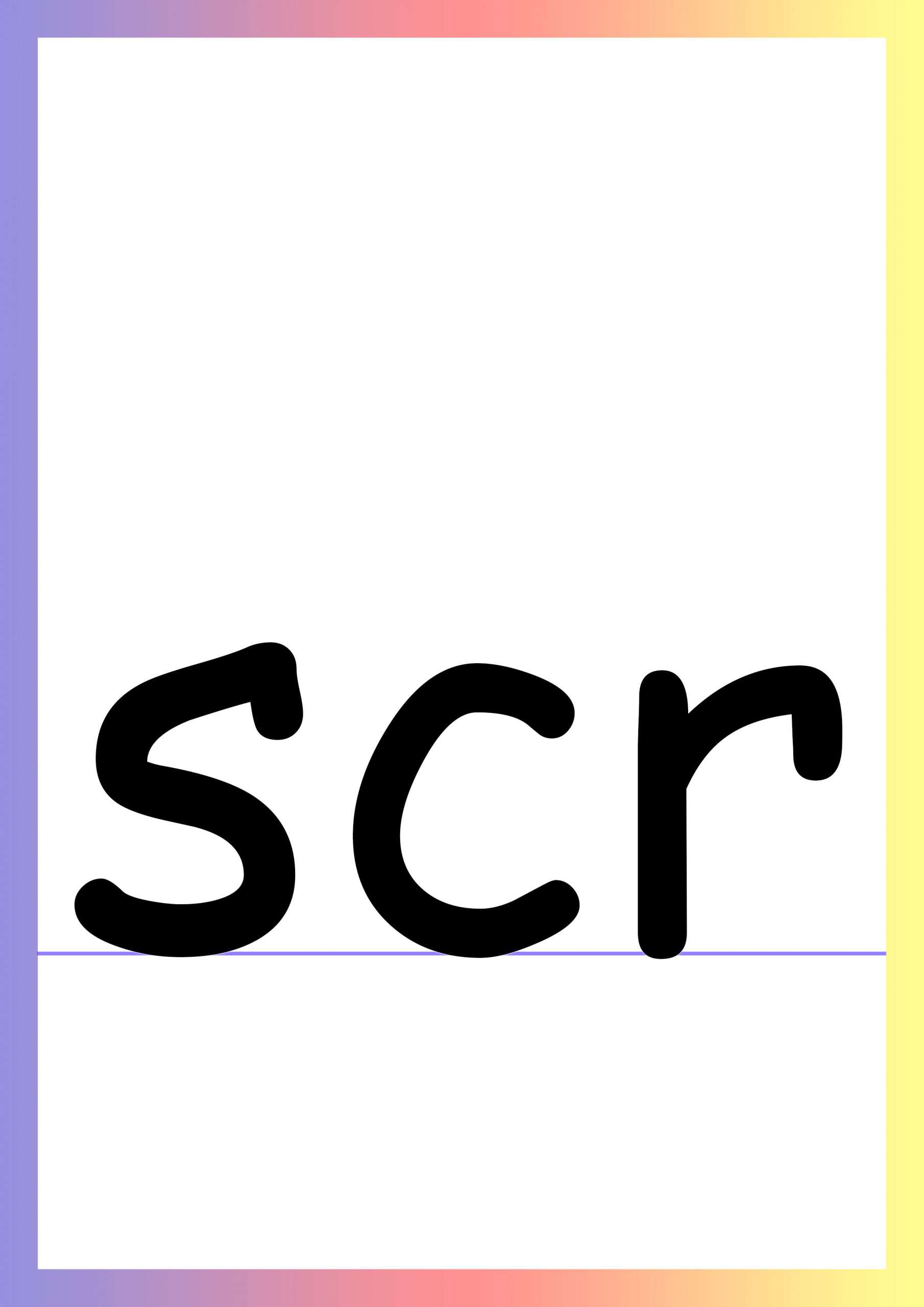
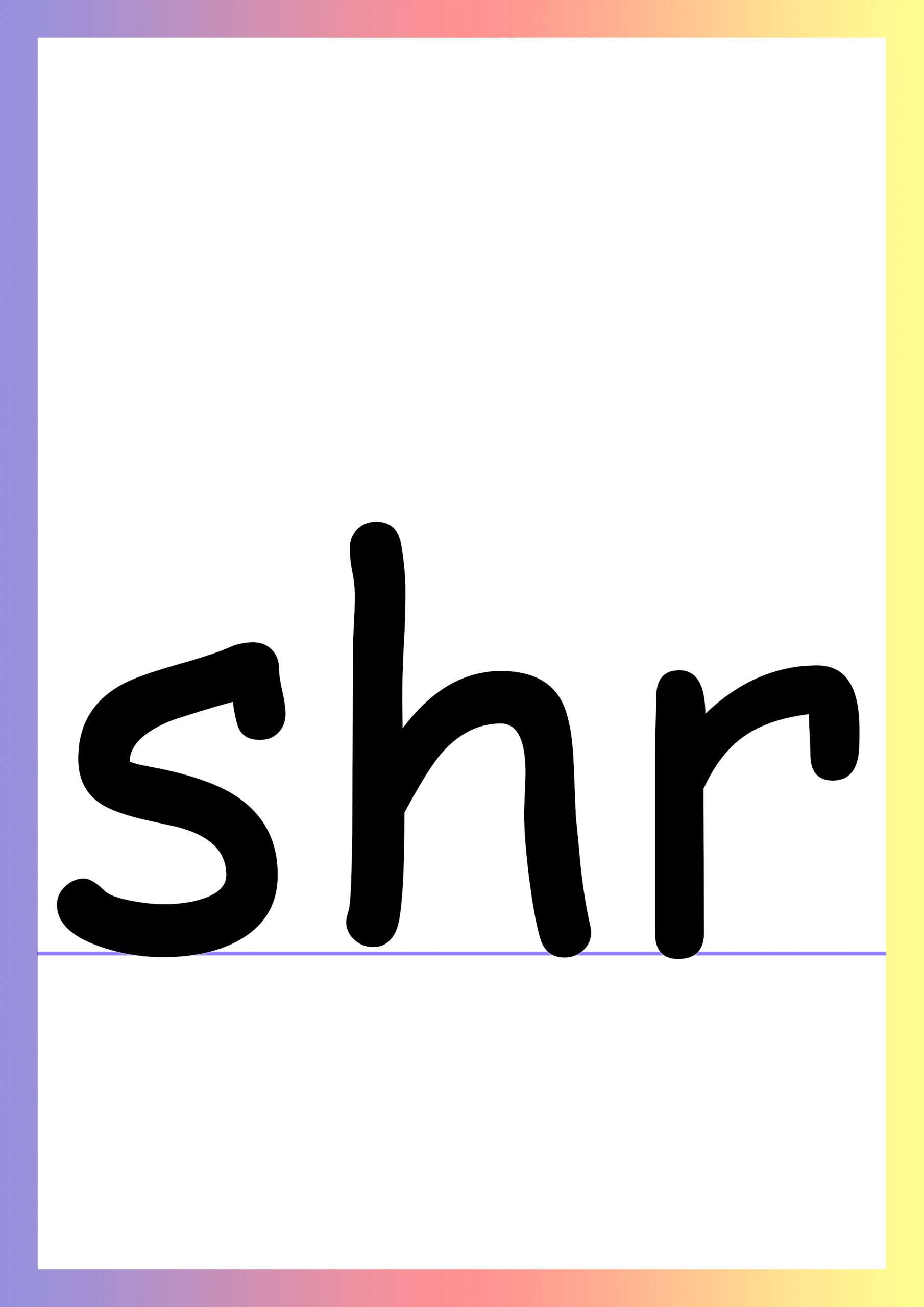
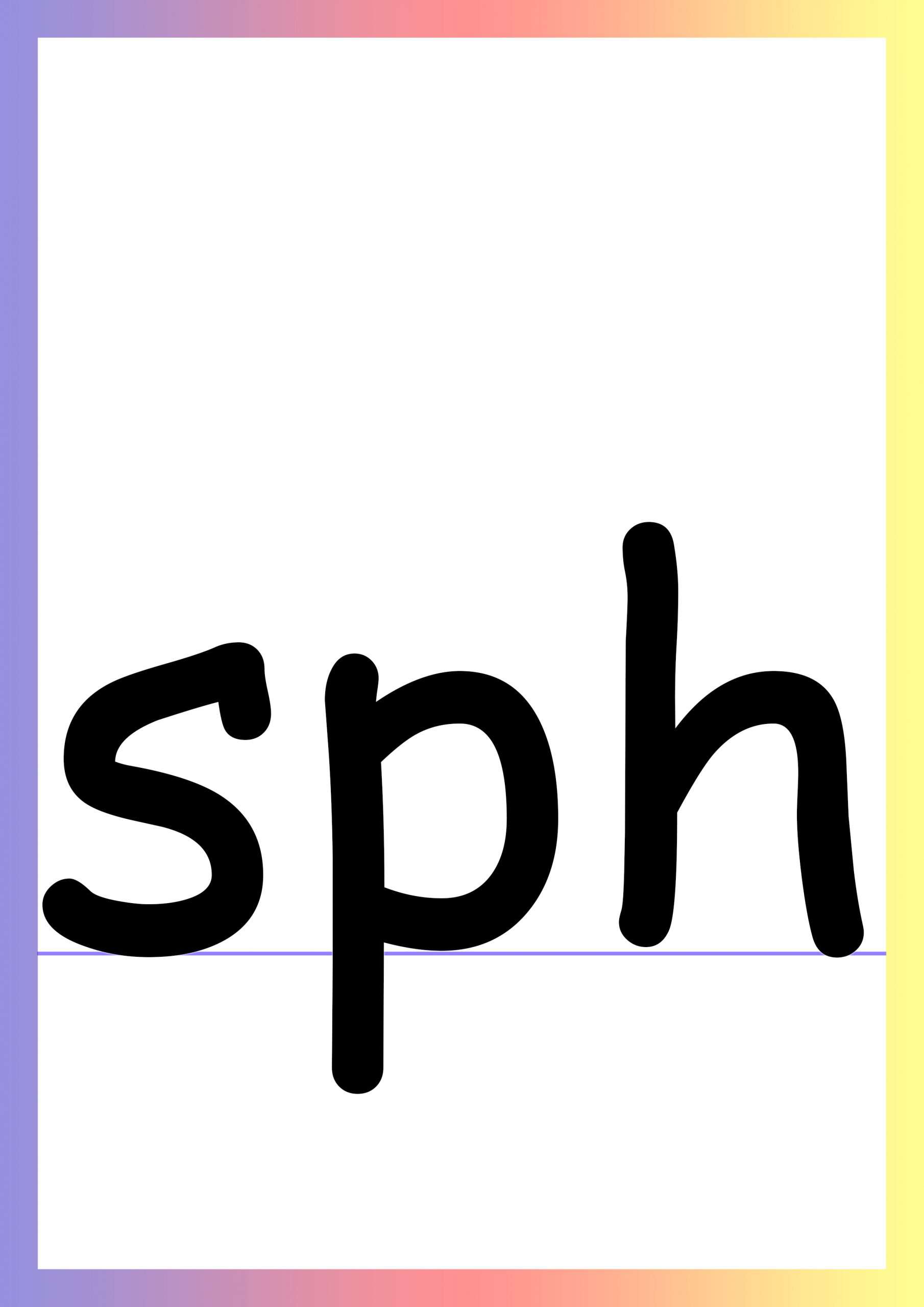
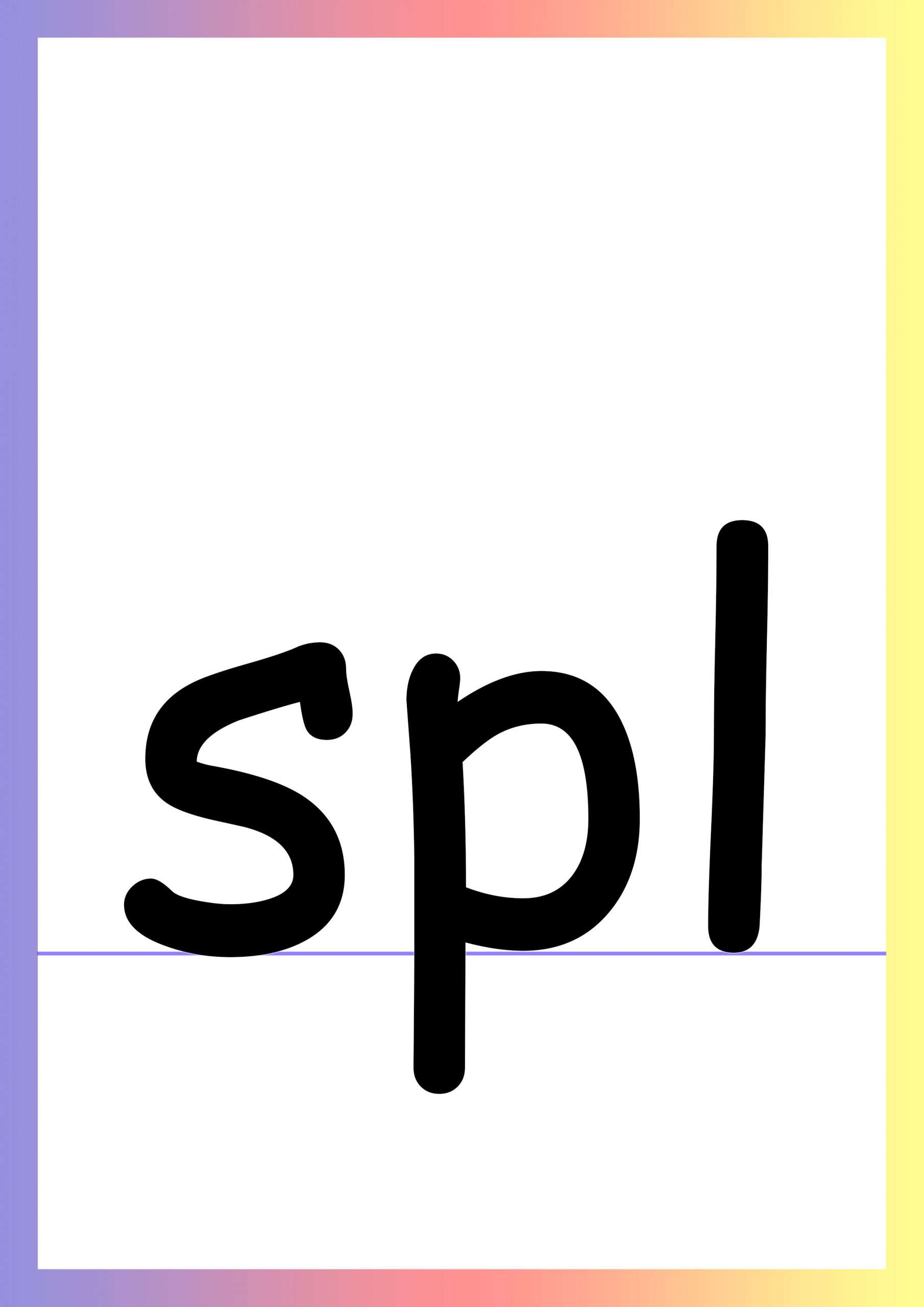
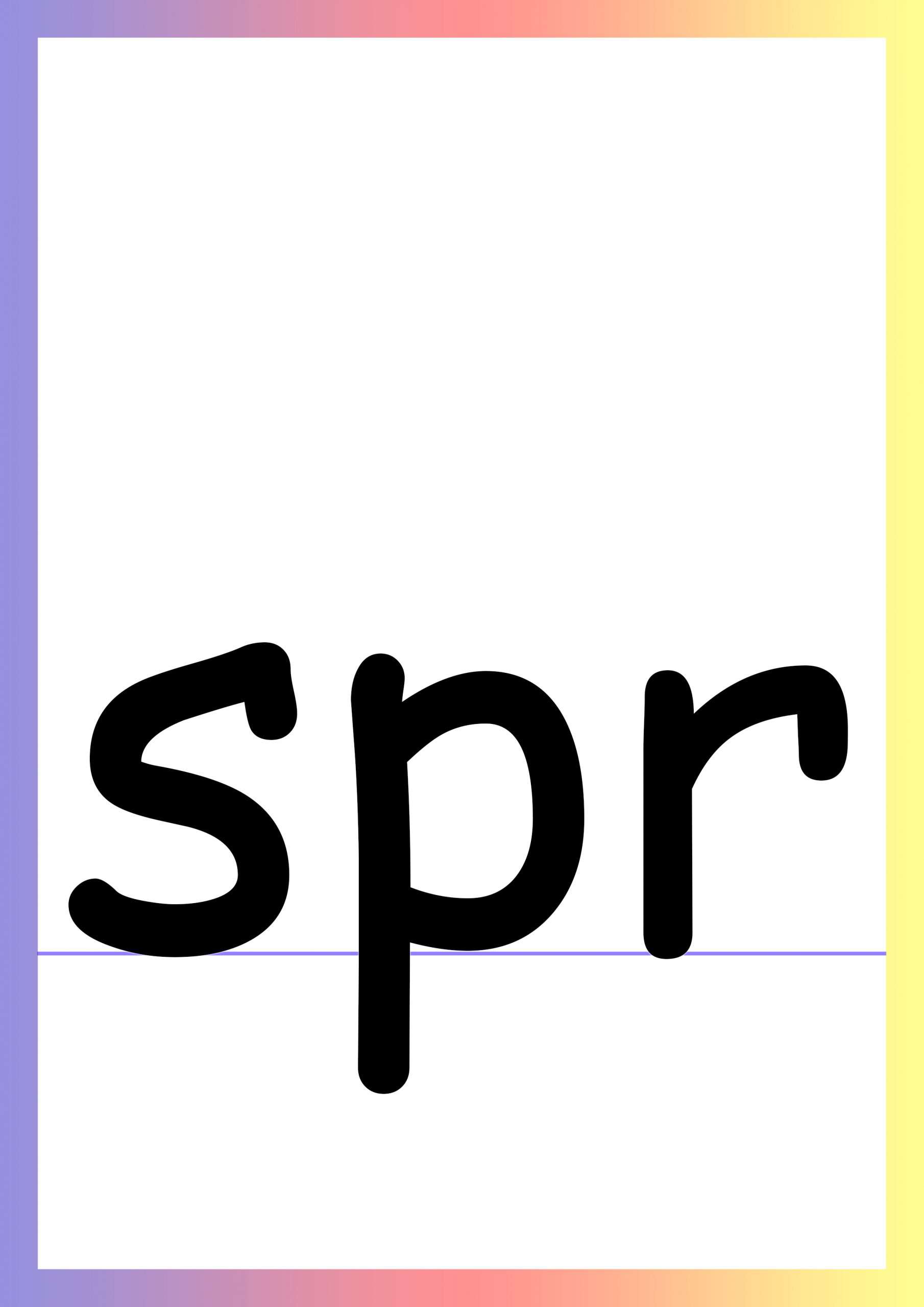
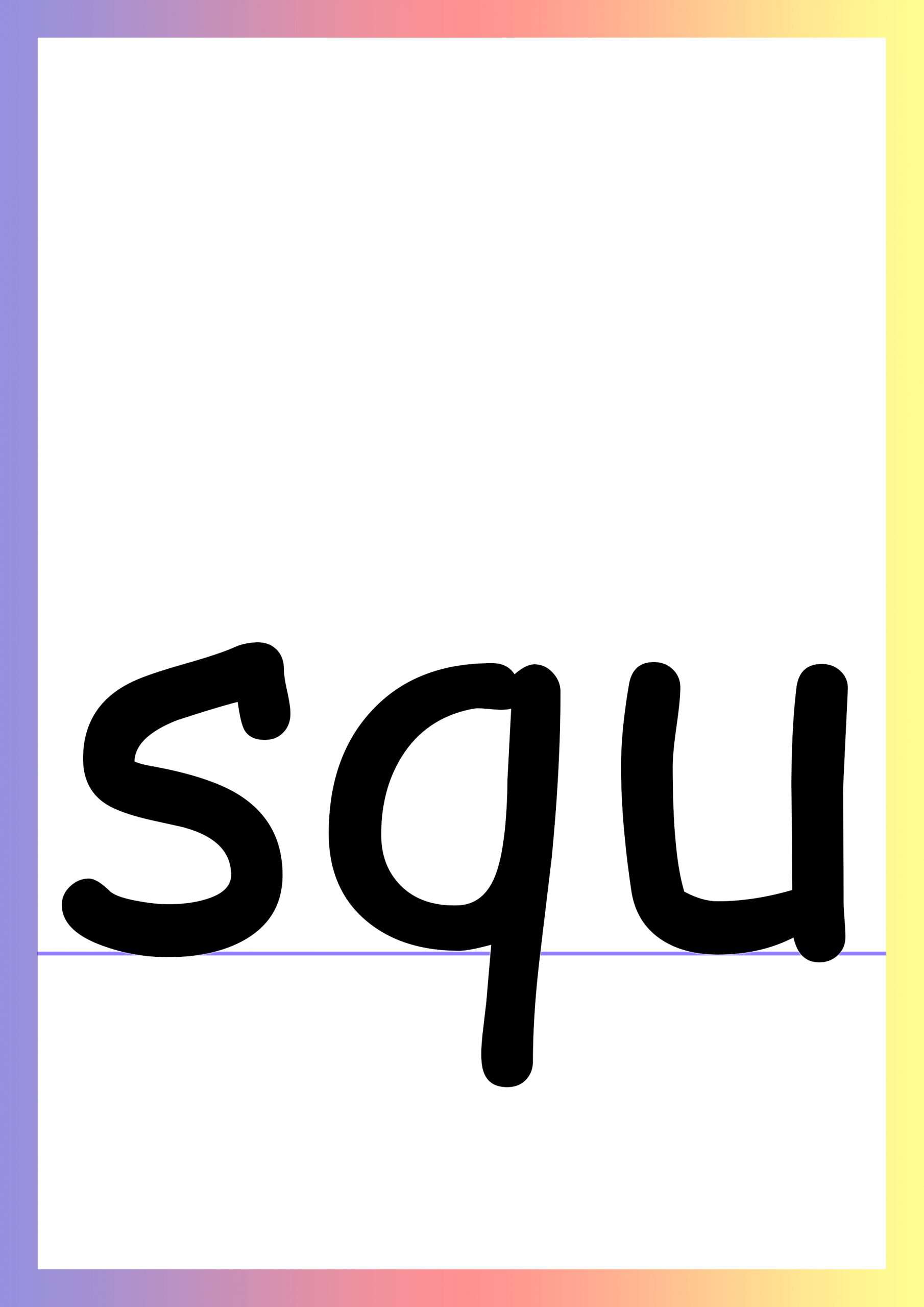
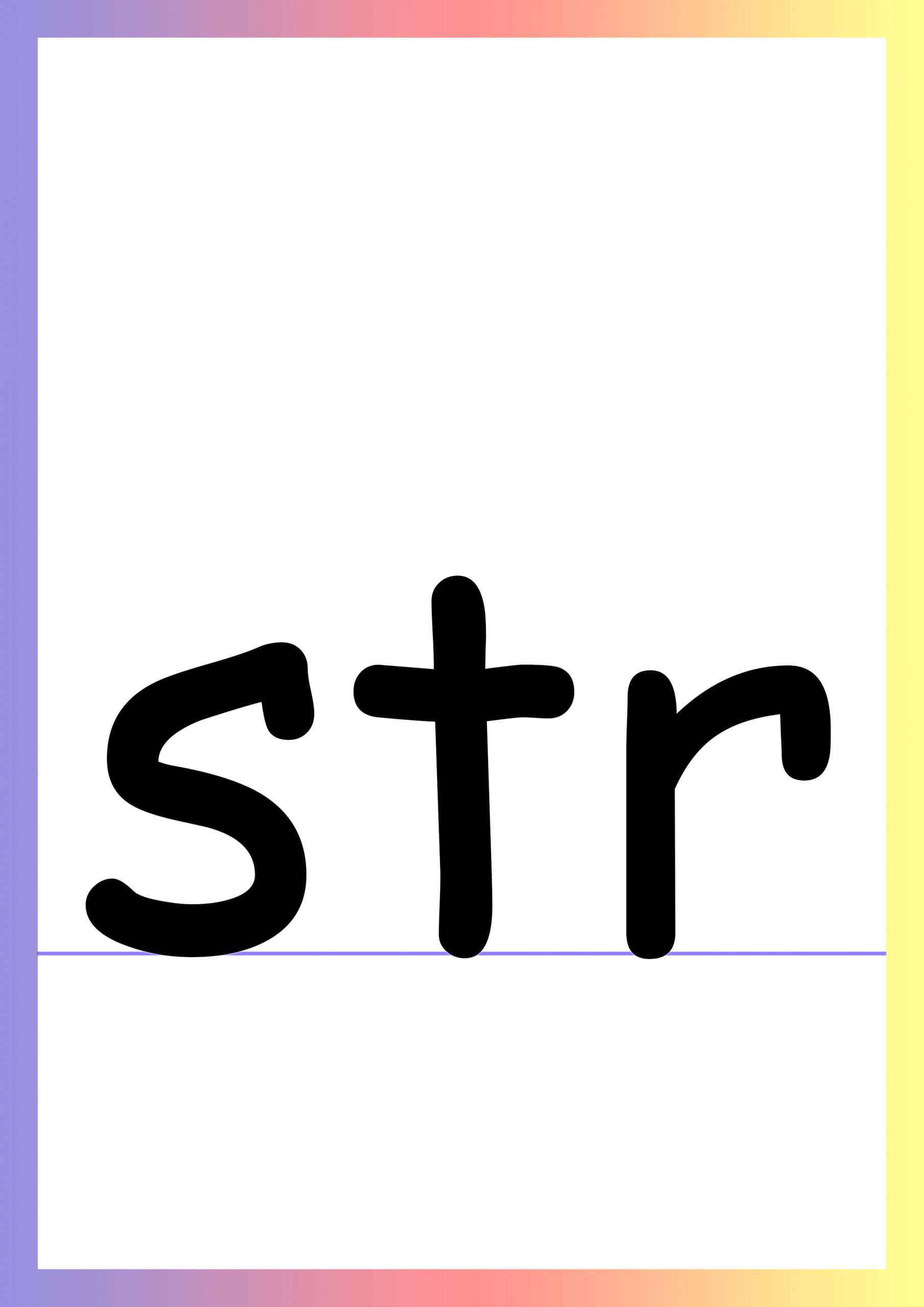
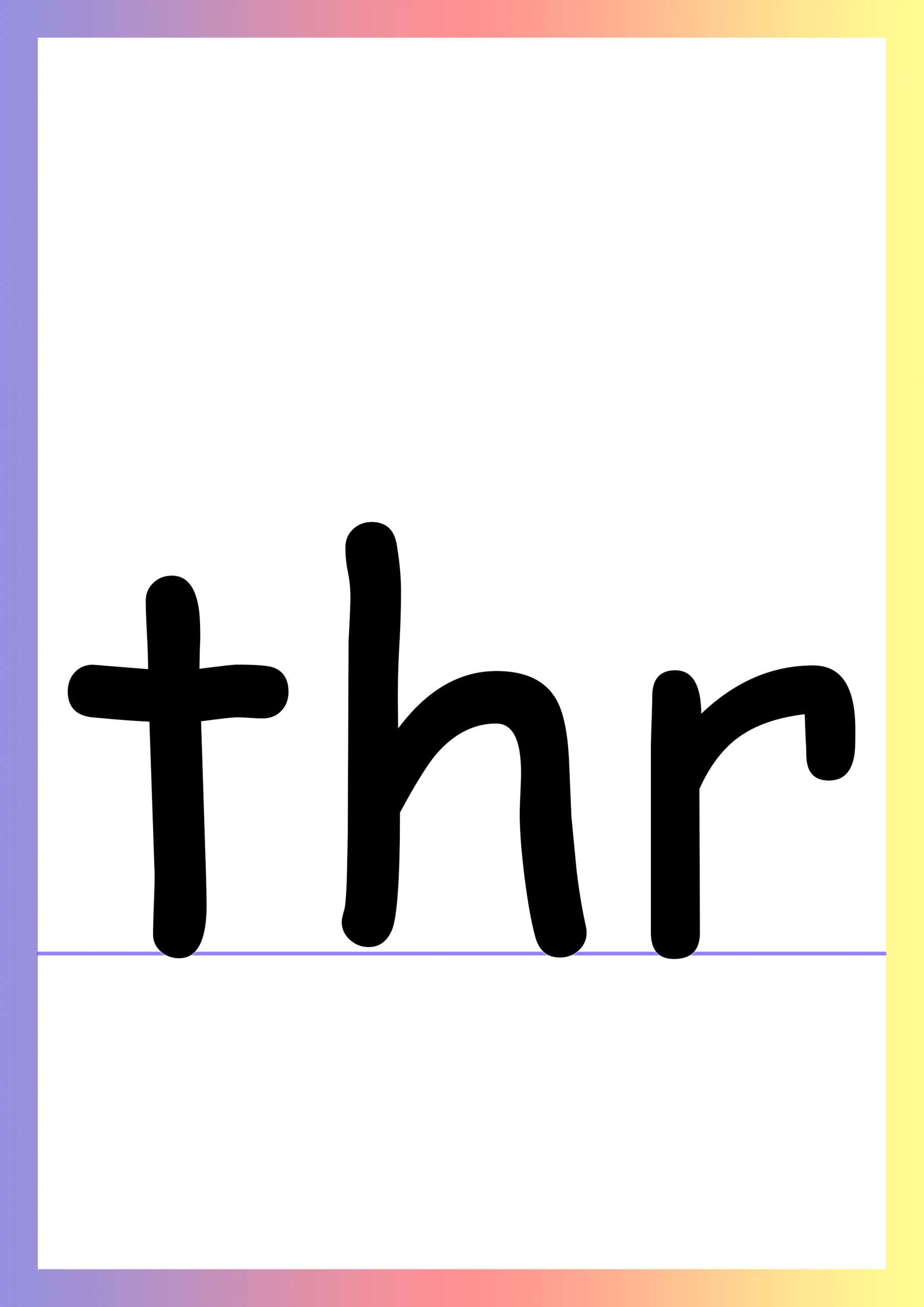
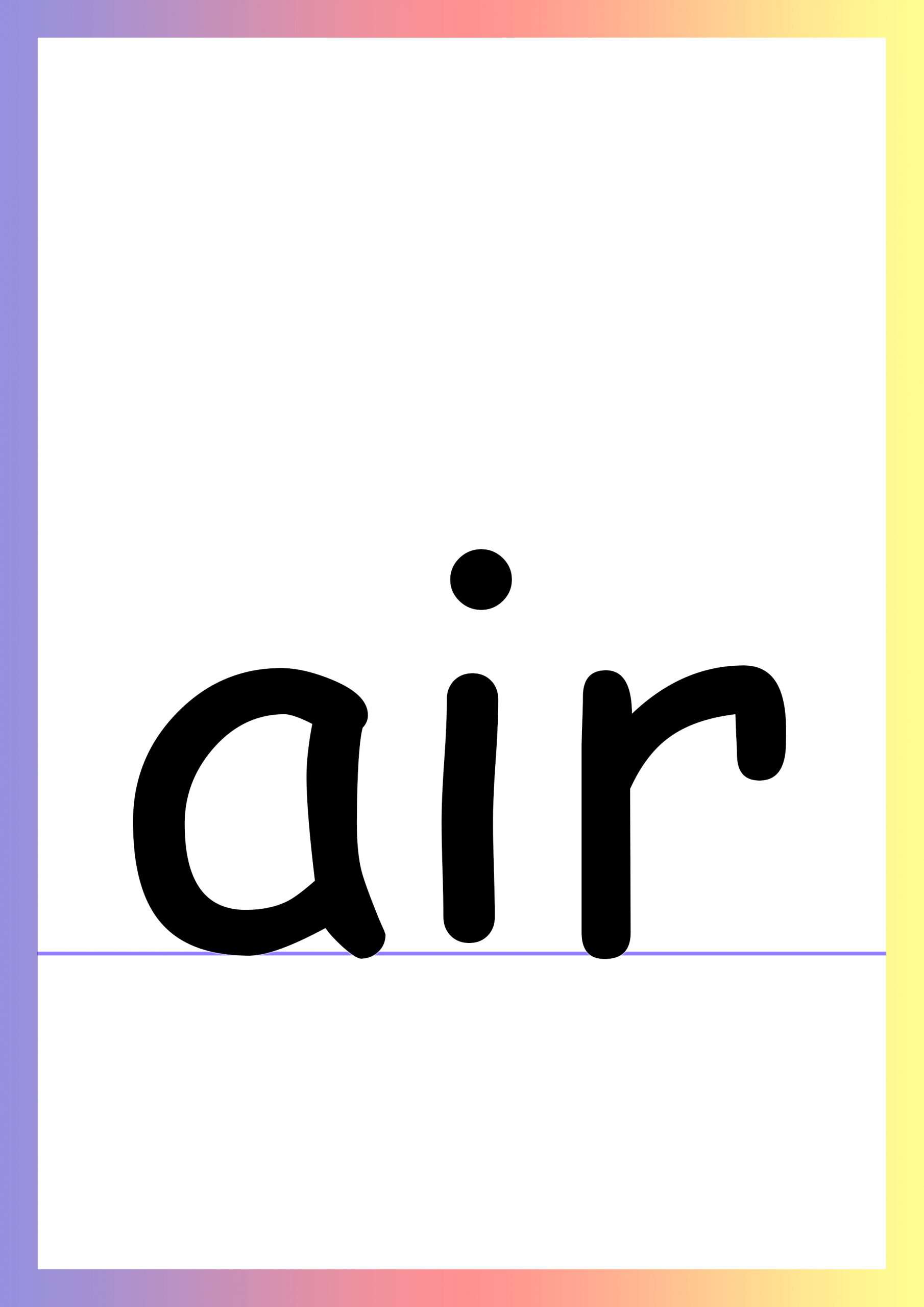
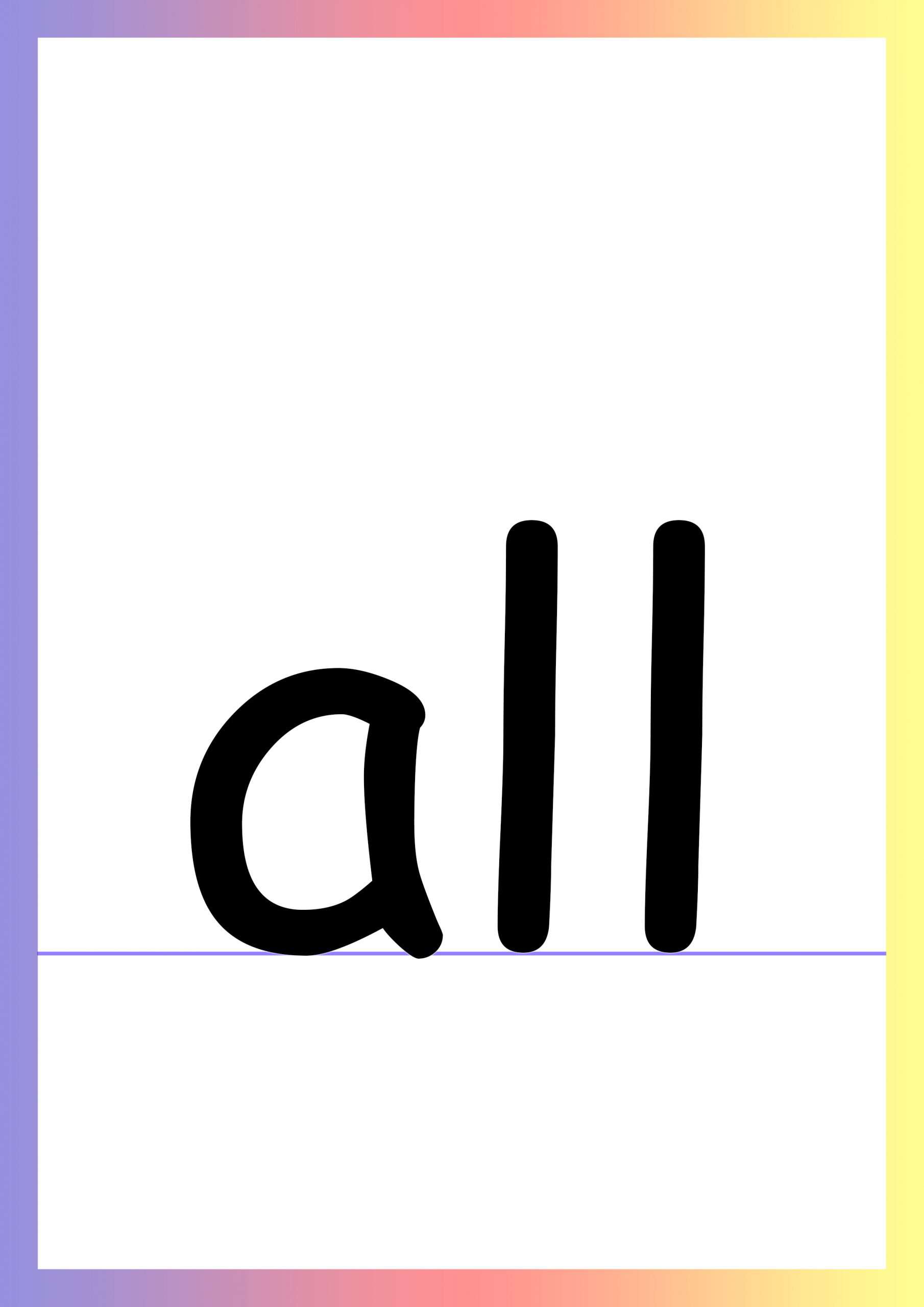
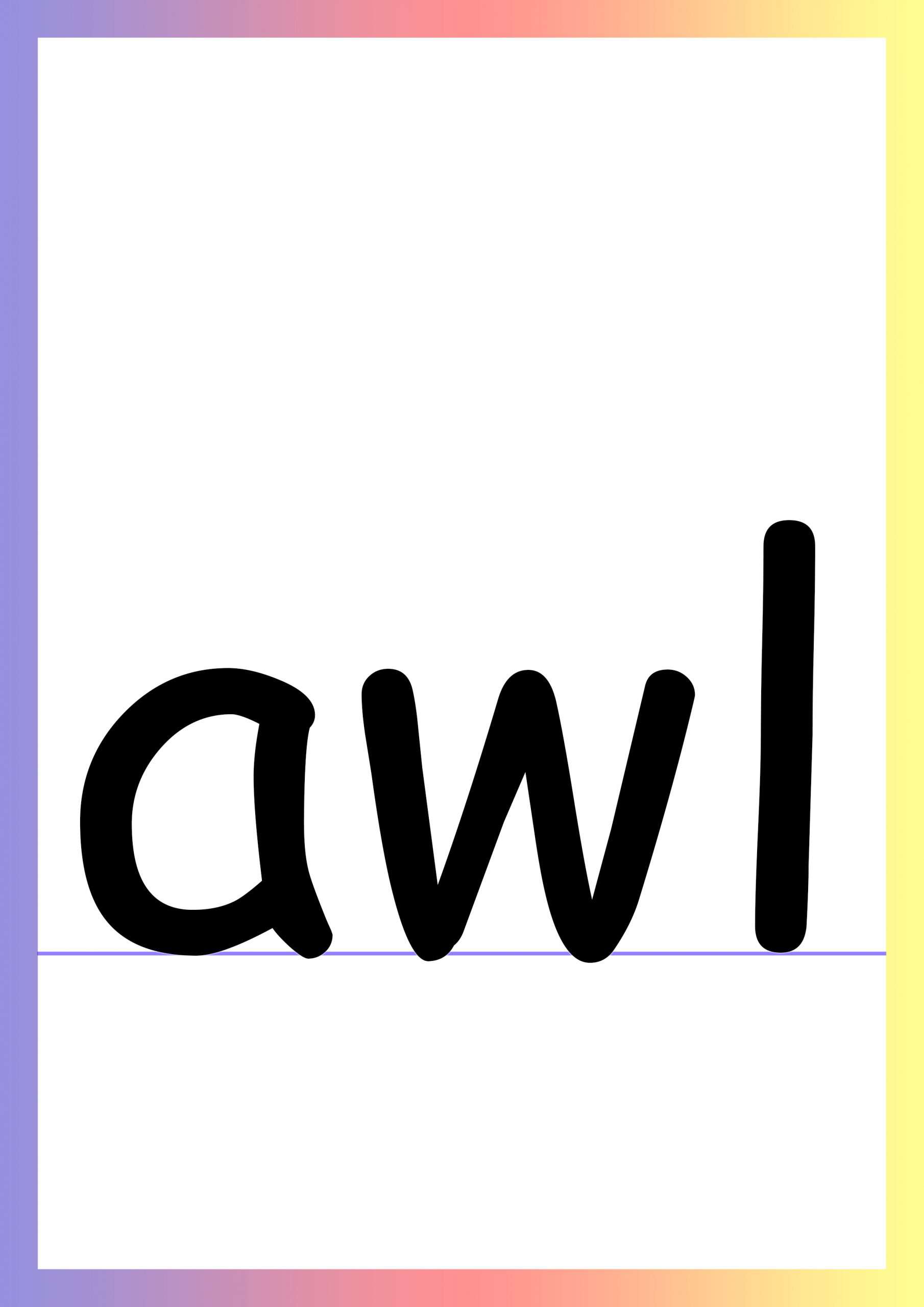
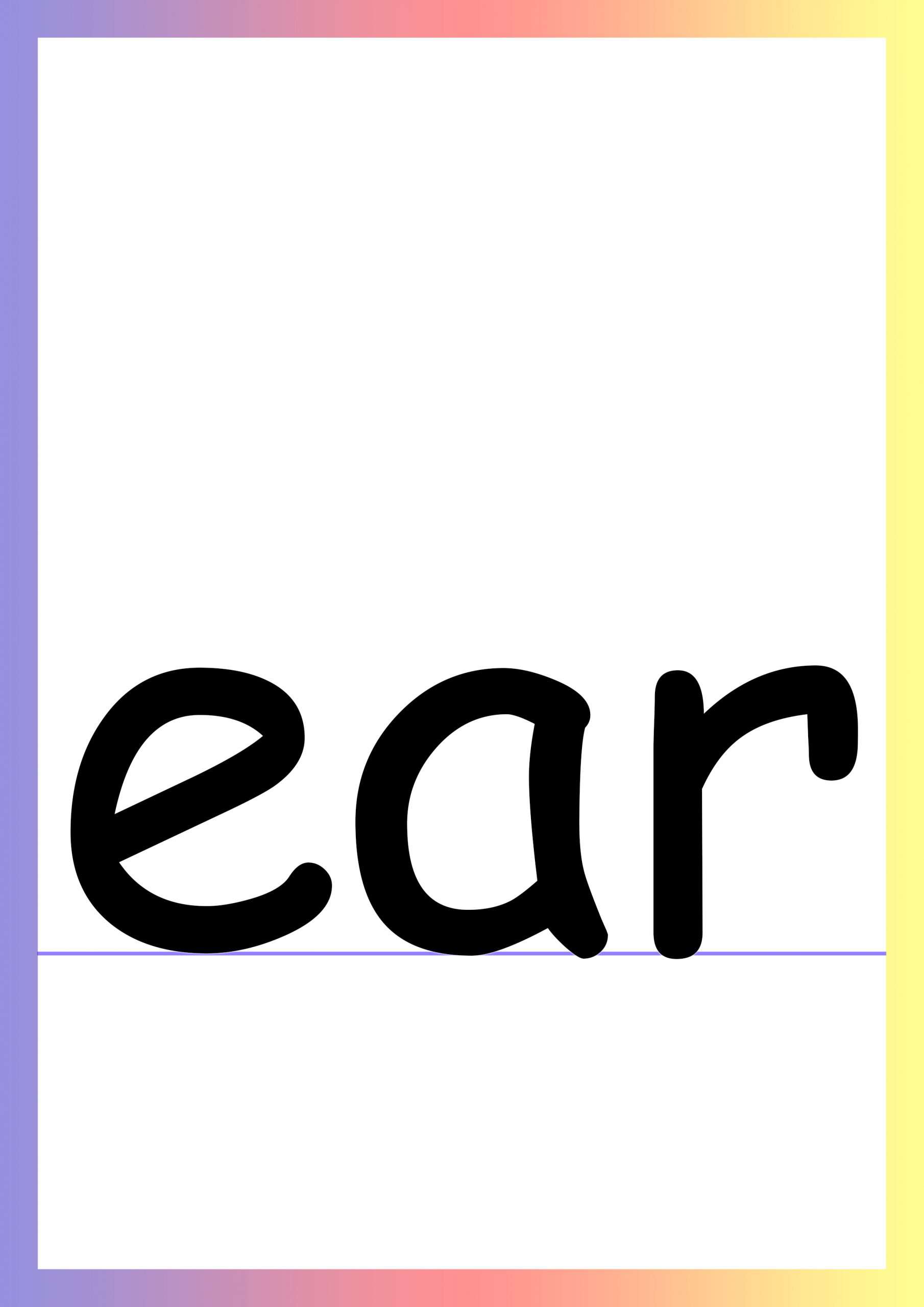
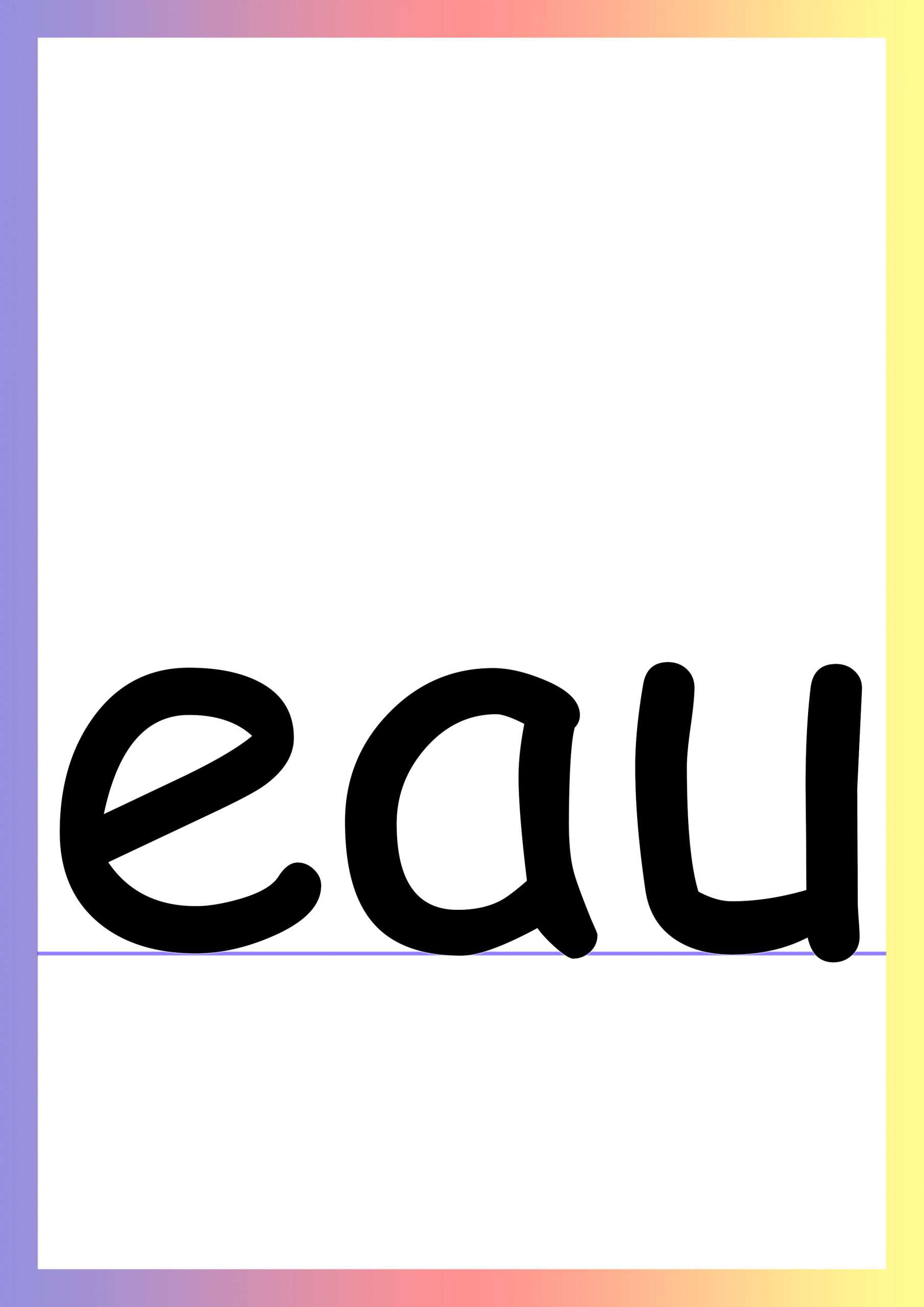
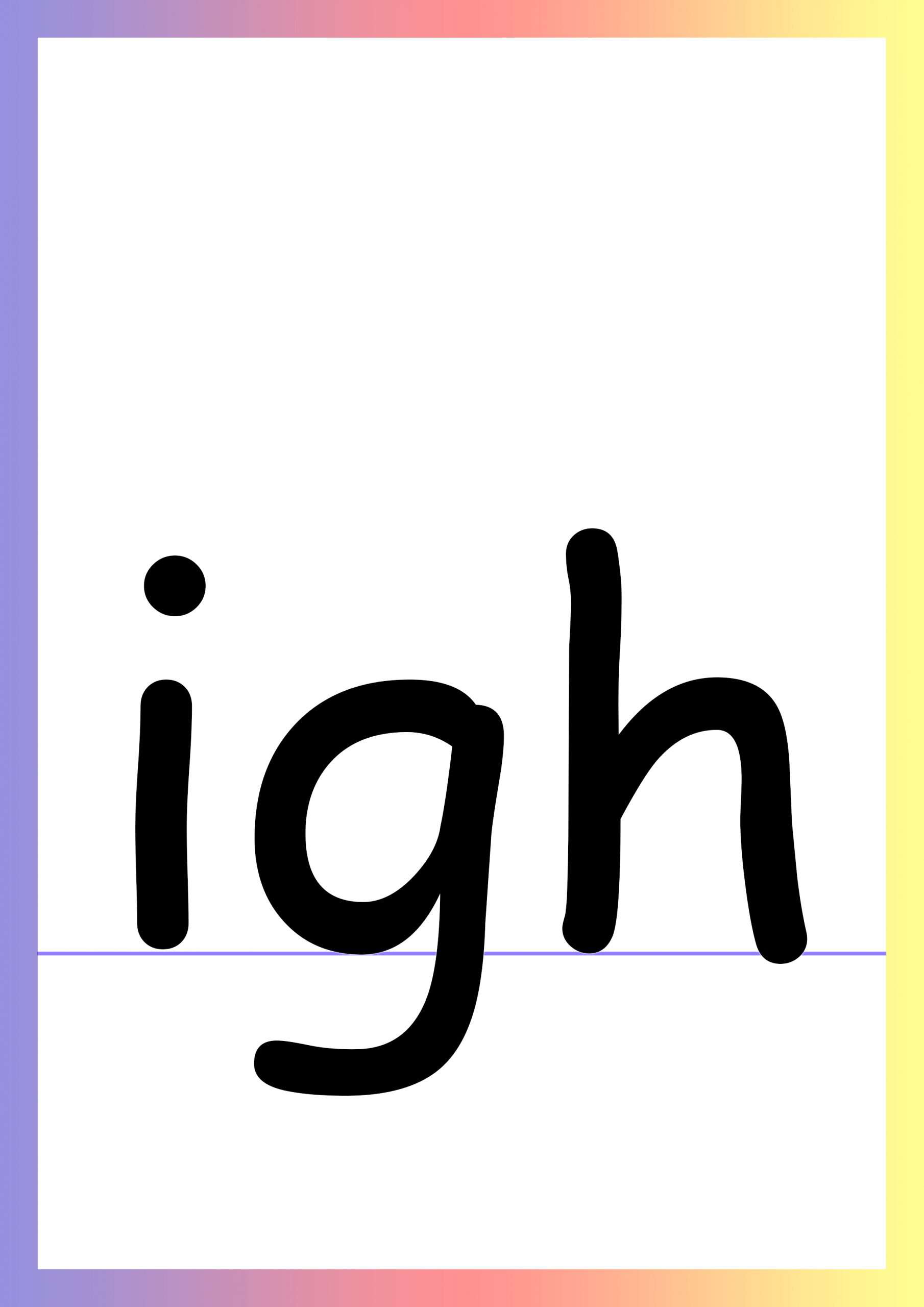
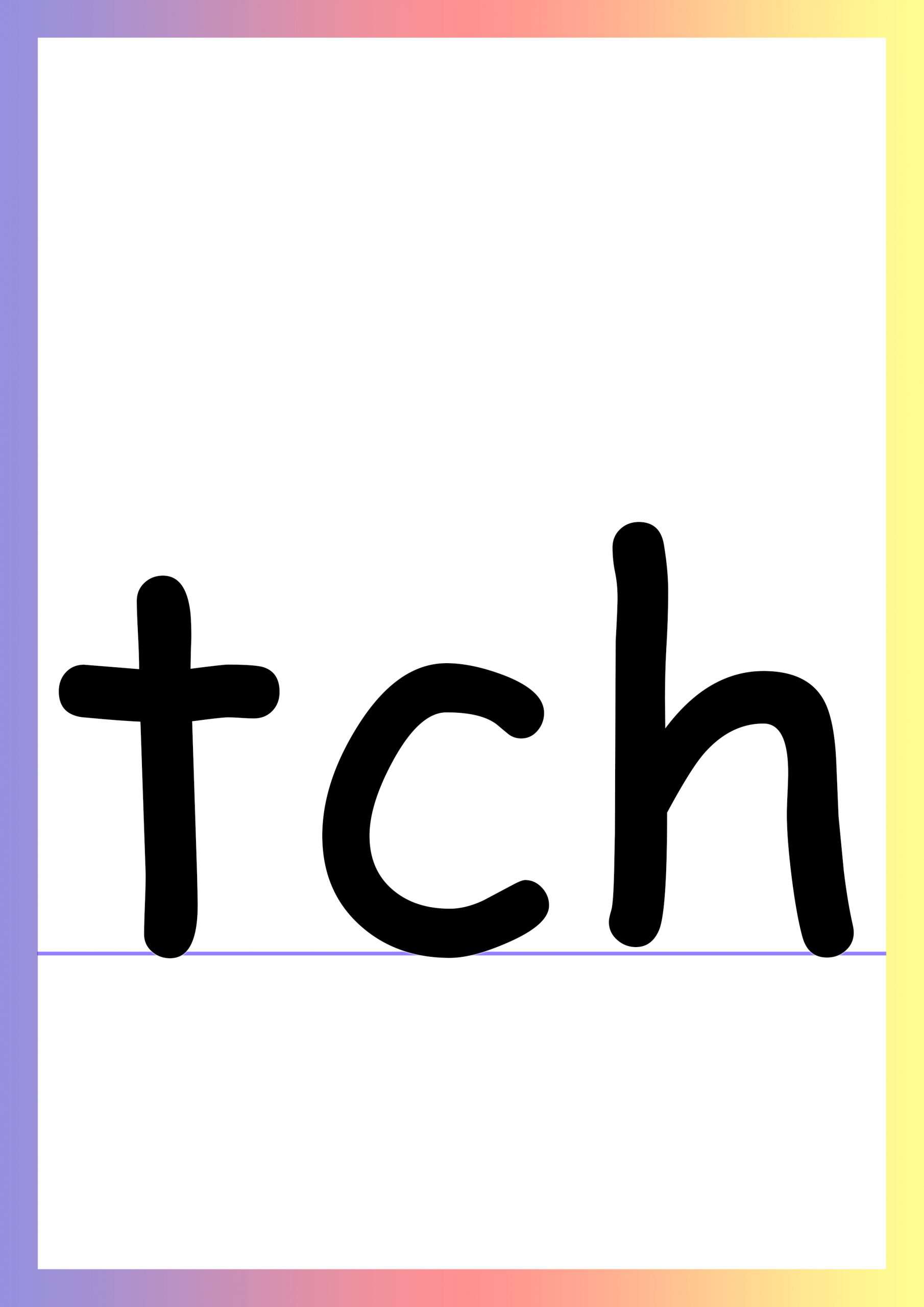
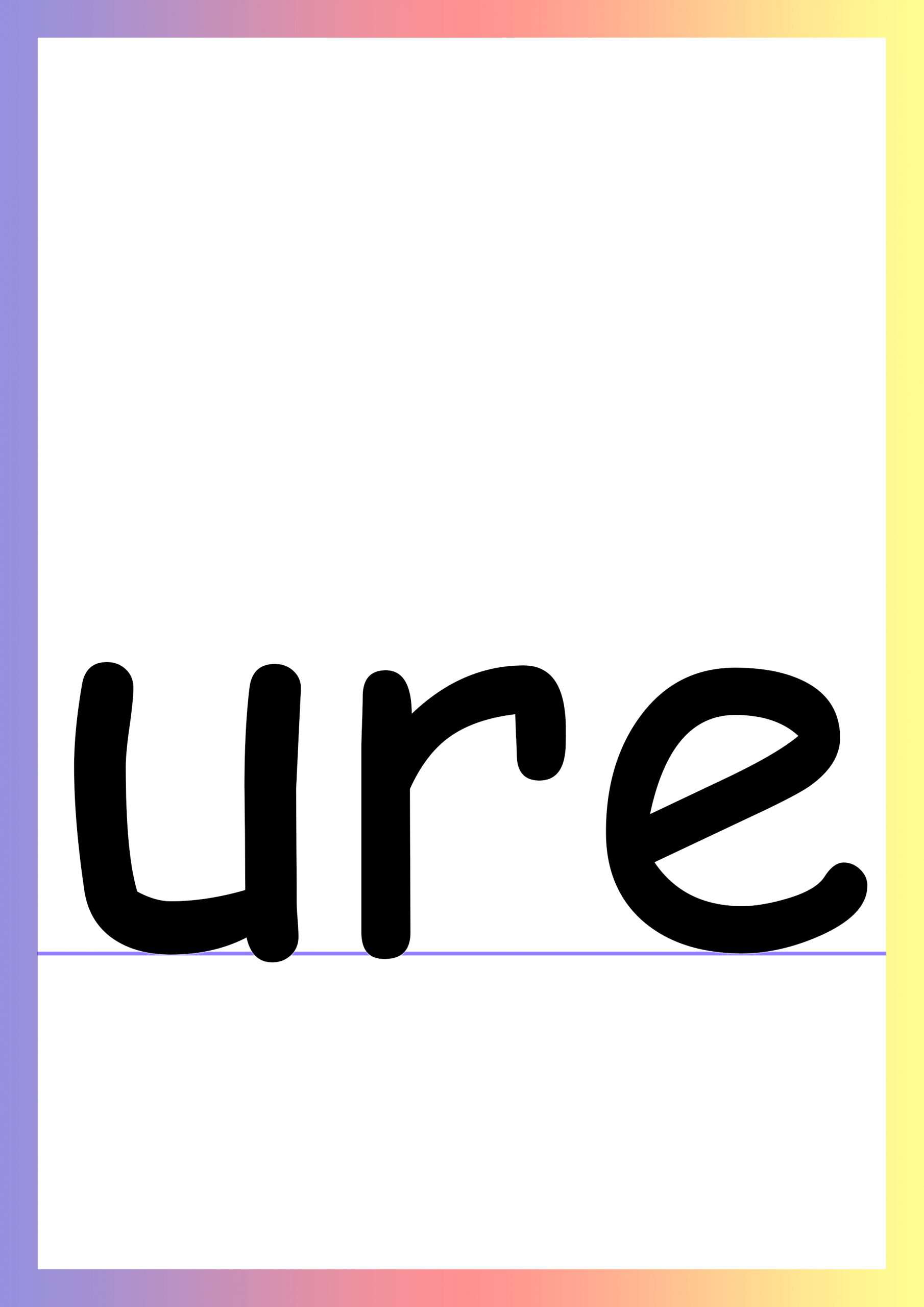
The table below shows the three-letter phonics patterns included in each flashcard set.
| Trigraphs | Ending trigraphs |
|---|---|
| sch | air |
| scr | all |
| shr | awl |
| sph | ear |
| spl | eau |
| spr | igh |
| squ | tch |
| str | ure |
| thr |
Advanced Three-Letter Phonics Flashcards (Elementary Level)

These printable flashcards introduce common beginning three-letter phonics patterns that appear in longer words. Use them after students have mastered digraphs and consonant blends to help build reading fluency and decoding skills.
Ending Trigraph Flashcards (Elementary level)

These printable flashcards focus on common ending three-letter phonics patterns found in longer words. Practising similar word endings together helps students recognise spelling patterns, improve pronunciation, and read with greater confidence.
If you need any help downloading the flashcards, or would like to see a step by step guide of how to print the flashcards, click here!
How to Teach These Three-Letter Phonics Patterns Using Flashcards
These printable flashcards are designed for children who have already mastered individual letter sounds, CVC words, digraphs, and consonant blends. Introduce one three-letter phonics pattern at a time and encourage students to read several example words before moving on to a new pattern.
Practice reading words aloud, identifying the letter pattern, and discussing how it changes the pronunciation of each word. As students become more confident, encourage them to use the patterns when reading books, completing phonics activities, and writing their own words and sentences.
These printable flashcards are ideal for advanced kindergarten students, Grade 1, Grade 2, homeschool, ESL, and elementary classrooms.
What Order Should Children Learn Phonics?
Every child learns at their own pace, but introducing phonics skills in a logical order helps children build confidence and develop strong reading skills. The resources below provide a simple progression from learning individual letters to reading more advanced words.
- Alphabet Flashcards
- Phonics Flashcards
- Letter Flashcards
- Word Family Worksheets
- Digraph Flashcards
- Consonant Blends Flashcards
- Three-Letter Phonics Patterns (This Page)
Following this sequence helps children gradually build the decoding skills needed to read longer and more challenging words with confidence.
Three-Letter Phonics Pattern Activities
Pattern Hunt
Choose one three-letter pattern and ask students to find as many words as possible that contain it in books, worksheets, or around the classroom.
Word Builder
Give students one flashcard and encourage them to think of as many words as possible that use the same letter pattern. Write the words together and read them aloud.
Word Sort
Mix several flashcards together and have students sort words into the correct three-letter phonics pattern before reading each group aloud.
Missing Pattern
Write words on the board with the three-letter pattern missing. Students choose the correct flashcard to complete each word before reading it aloud.
Speed Reading Challenge
Show one flashcard at a time and challenge students to read several matching words quickly and accurately. Repeat the activity regularly to improve reading fluency and confidence.
Related Reading Resources
Are these trigraph flashcards free?
Yes. All of the printable flashcards are free to download in PDF format for classroom and personal educational use.
Who are these flashcards suitable for?
These flashcards are ideal for advanced kindergarten students, Grade 1, Grade 2, homeschool, ESL, and elementary classrooms. They are designed for children who already have a good understanding of basic phonics.
When should children learn these phonics patterns?
Children should first master letter sounds, CVC words, digraphs, and consonant blends before moving on to more advanced three-letter phonics patterns. Teaching the patterns gradually helps build reading fluency and decoding skills.
What is the difference between a digraph and a trigraph?
A digraph is made up of two letters that work together to represent a sound, while a trigraph uses three letters. Learning both helps children recognize common spelling patterns and decode unfamiliar words more confidently.
How can I teach these flashcards?
Introduce one pattern at a time, practice reading words aloud, and reinforce learning with sorting games, word-building activities, and regular reading practice. Repeated exposure helps children recognize the patterns automatically as they read.
Related Reading Resources