
FREE Advanced Emotion Flashcards For Kindergarten!
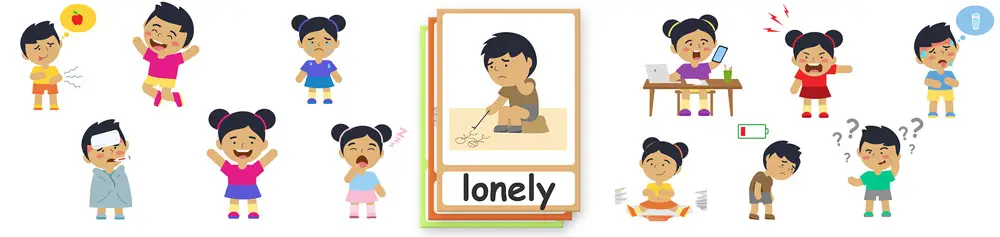
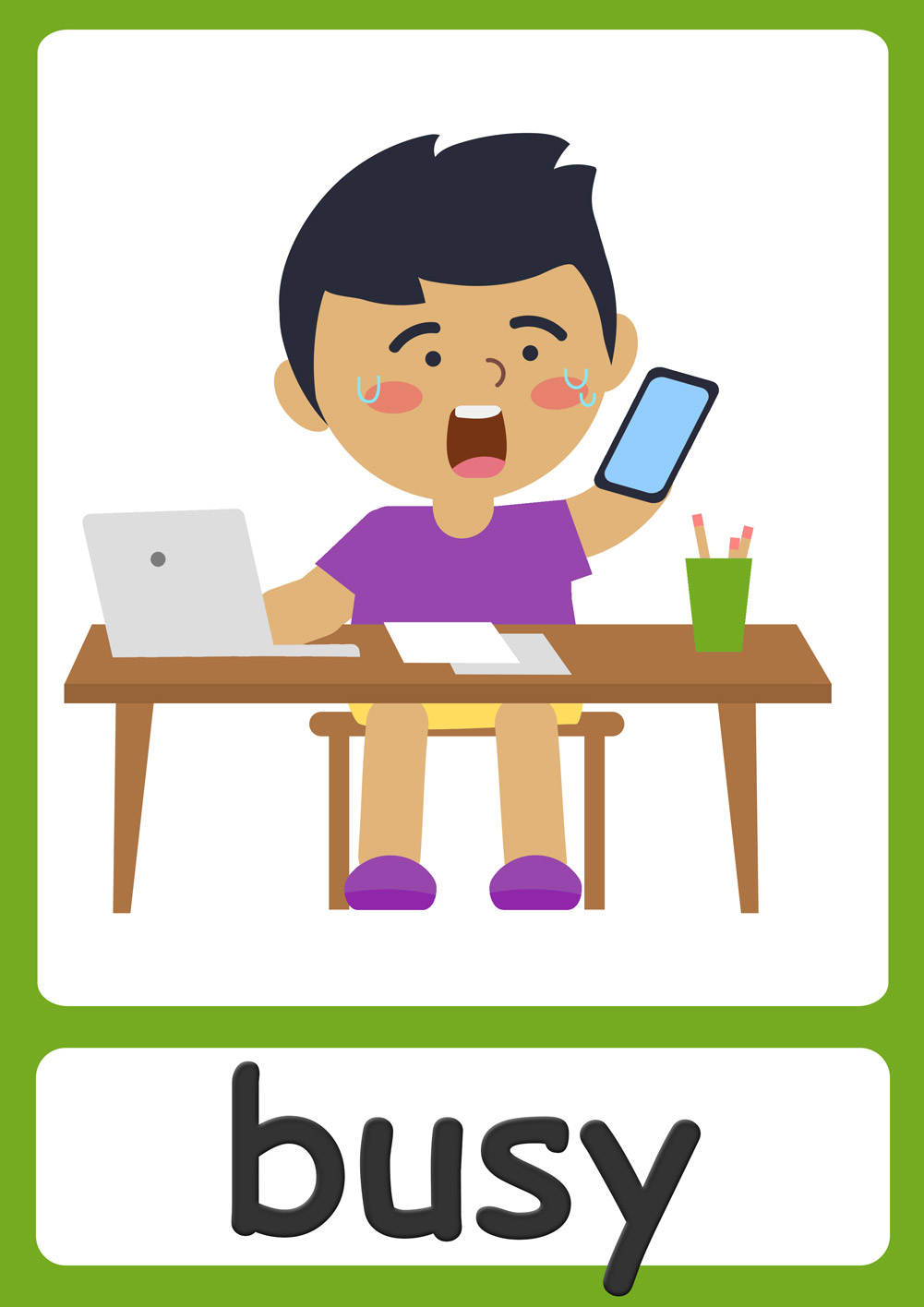
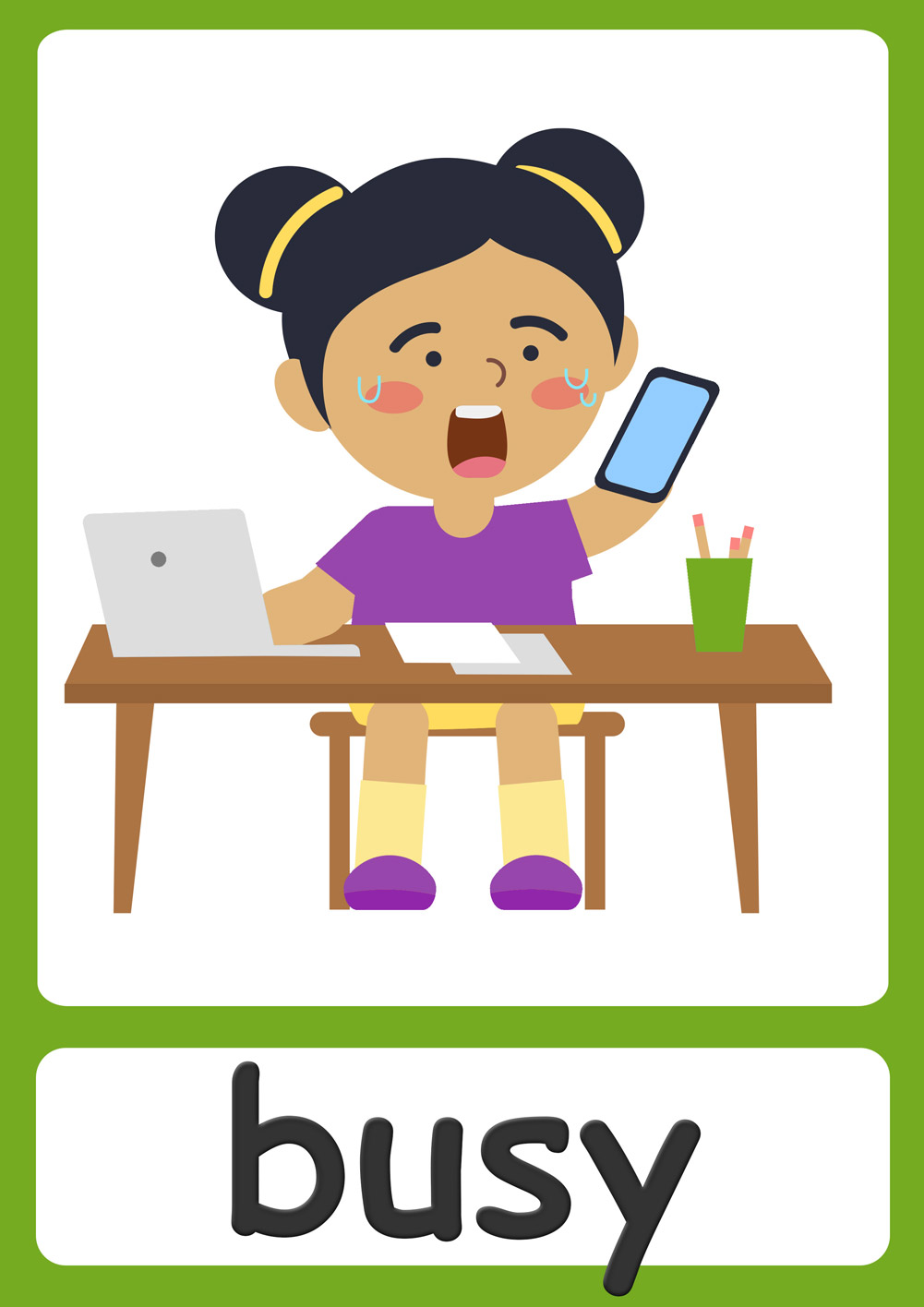
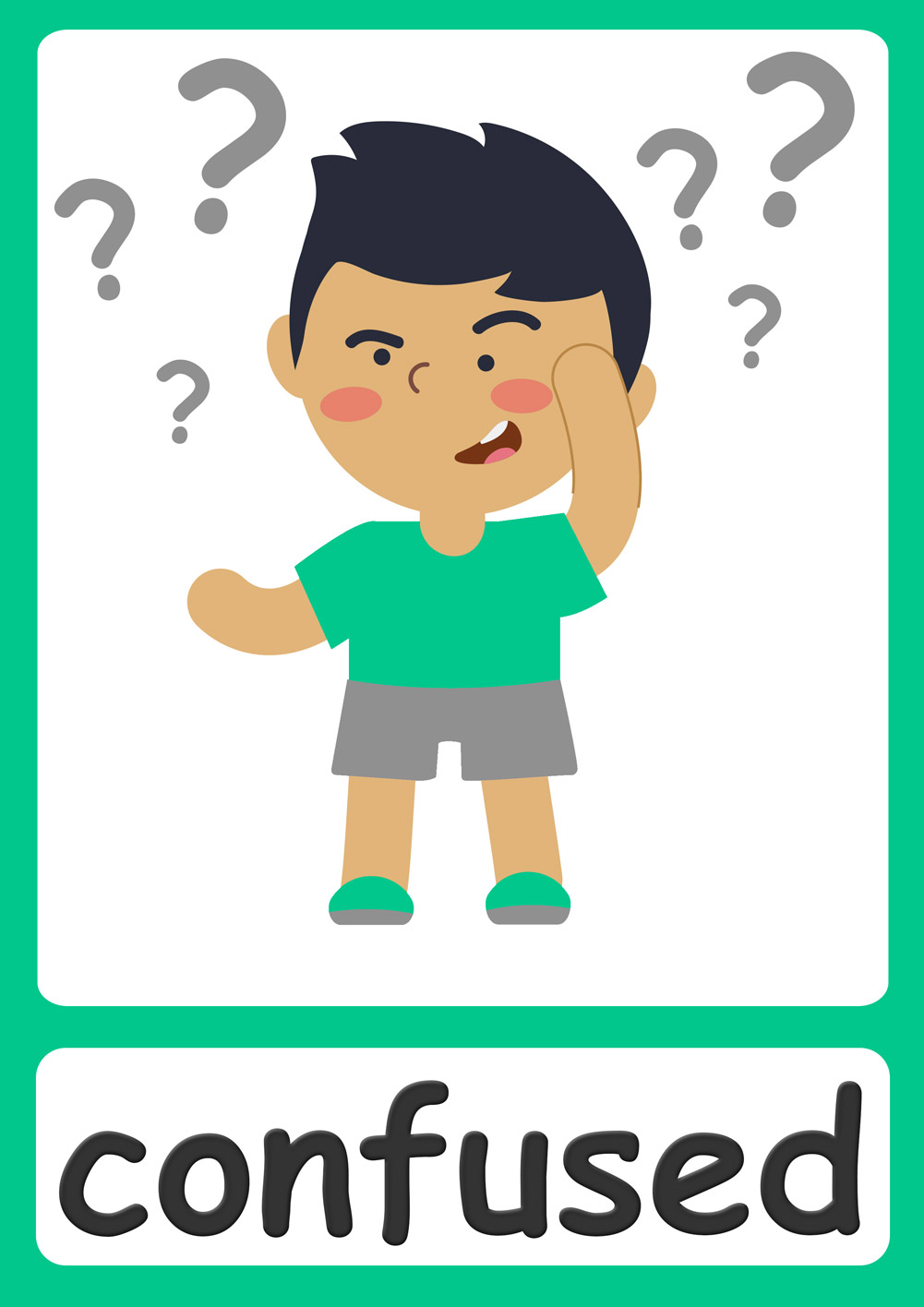
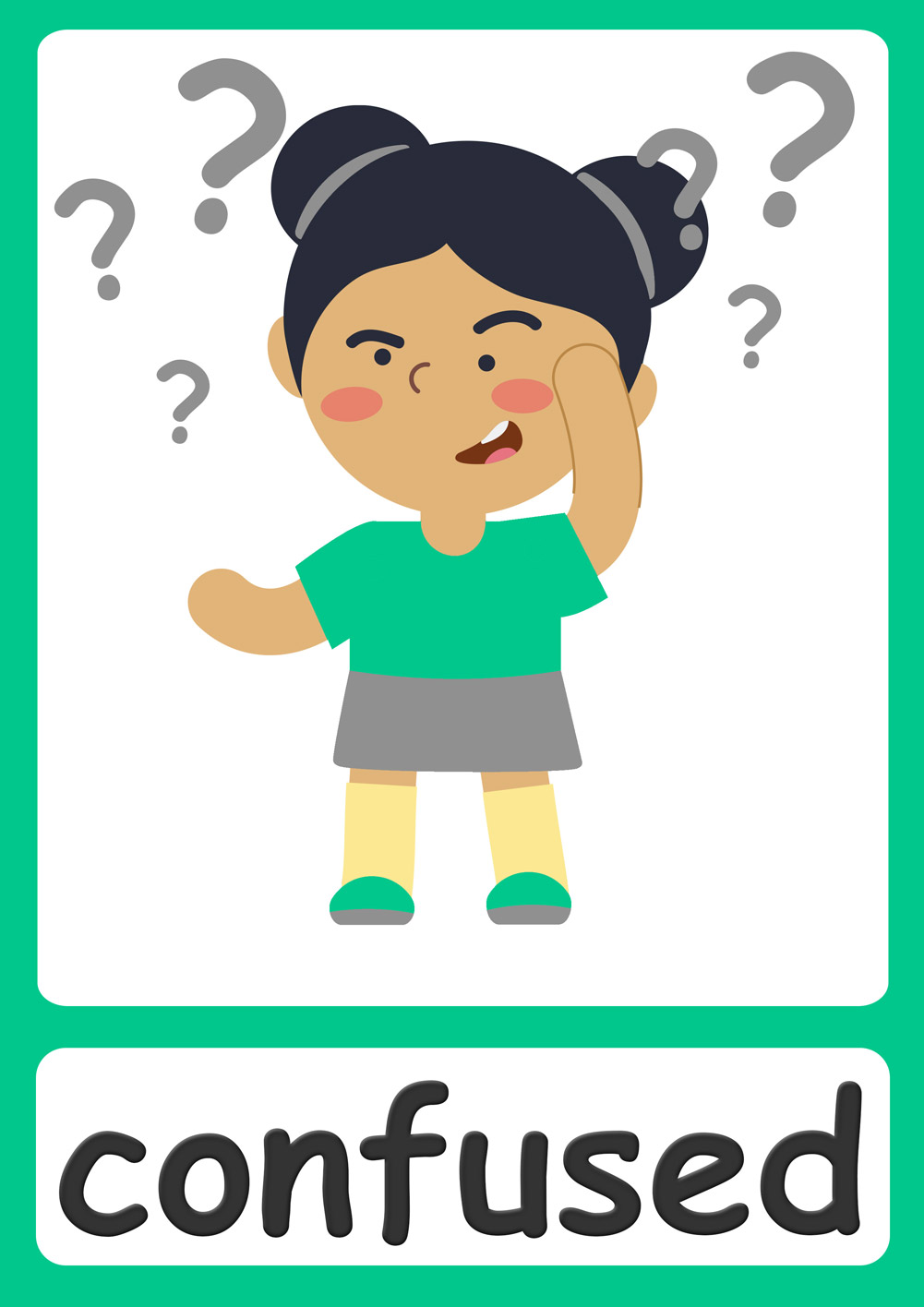
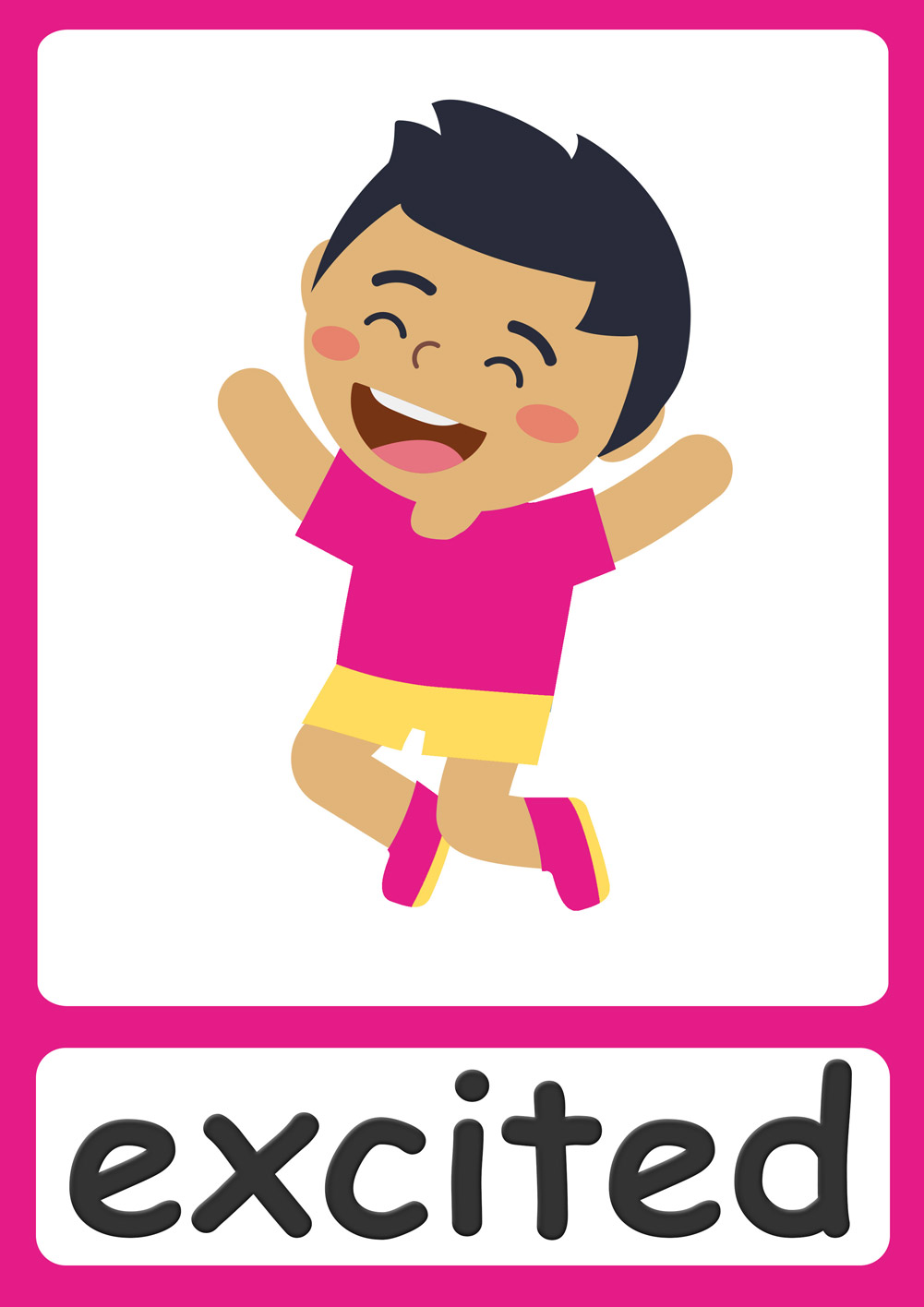
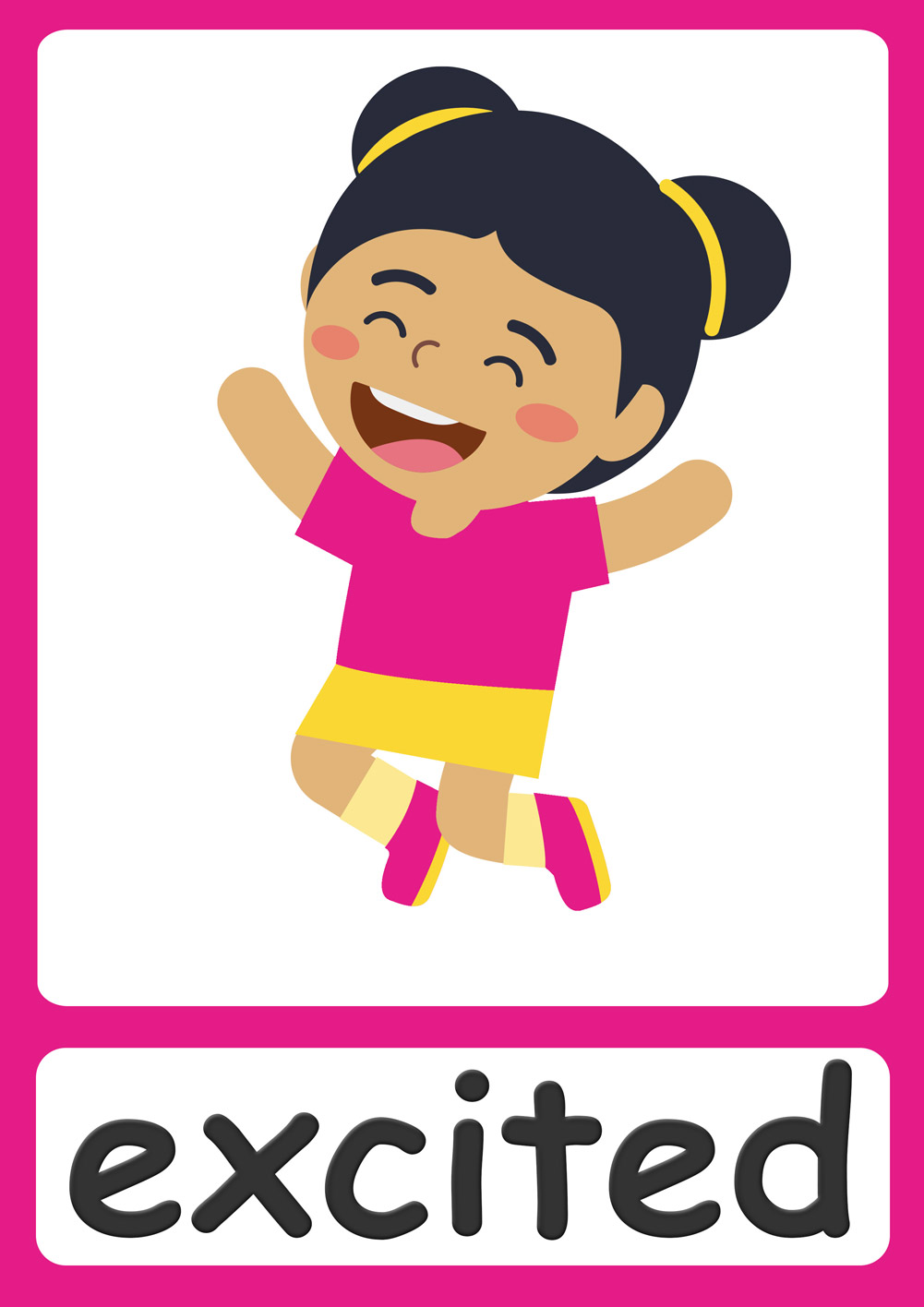
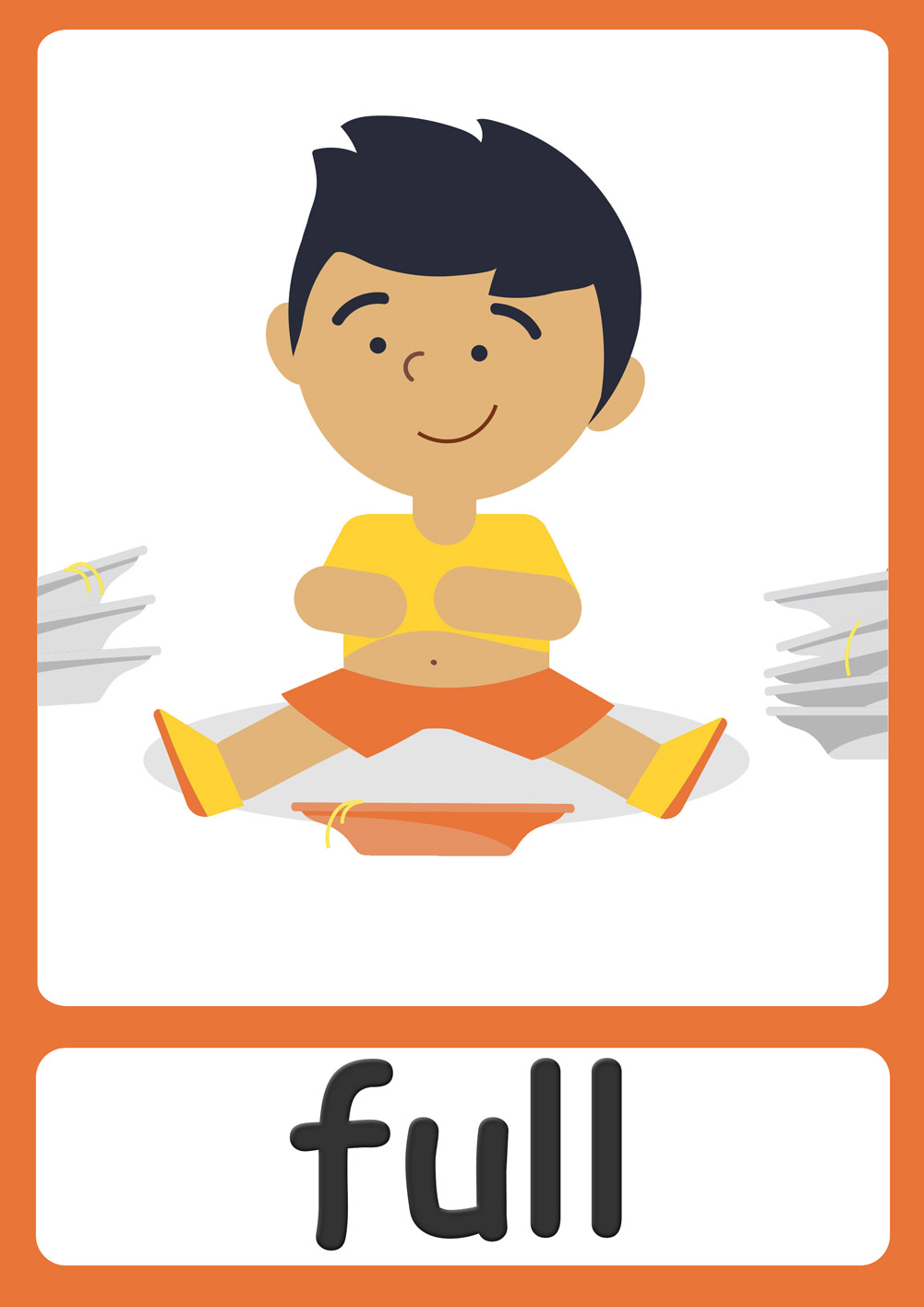
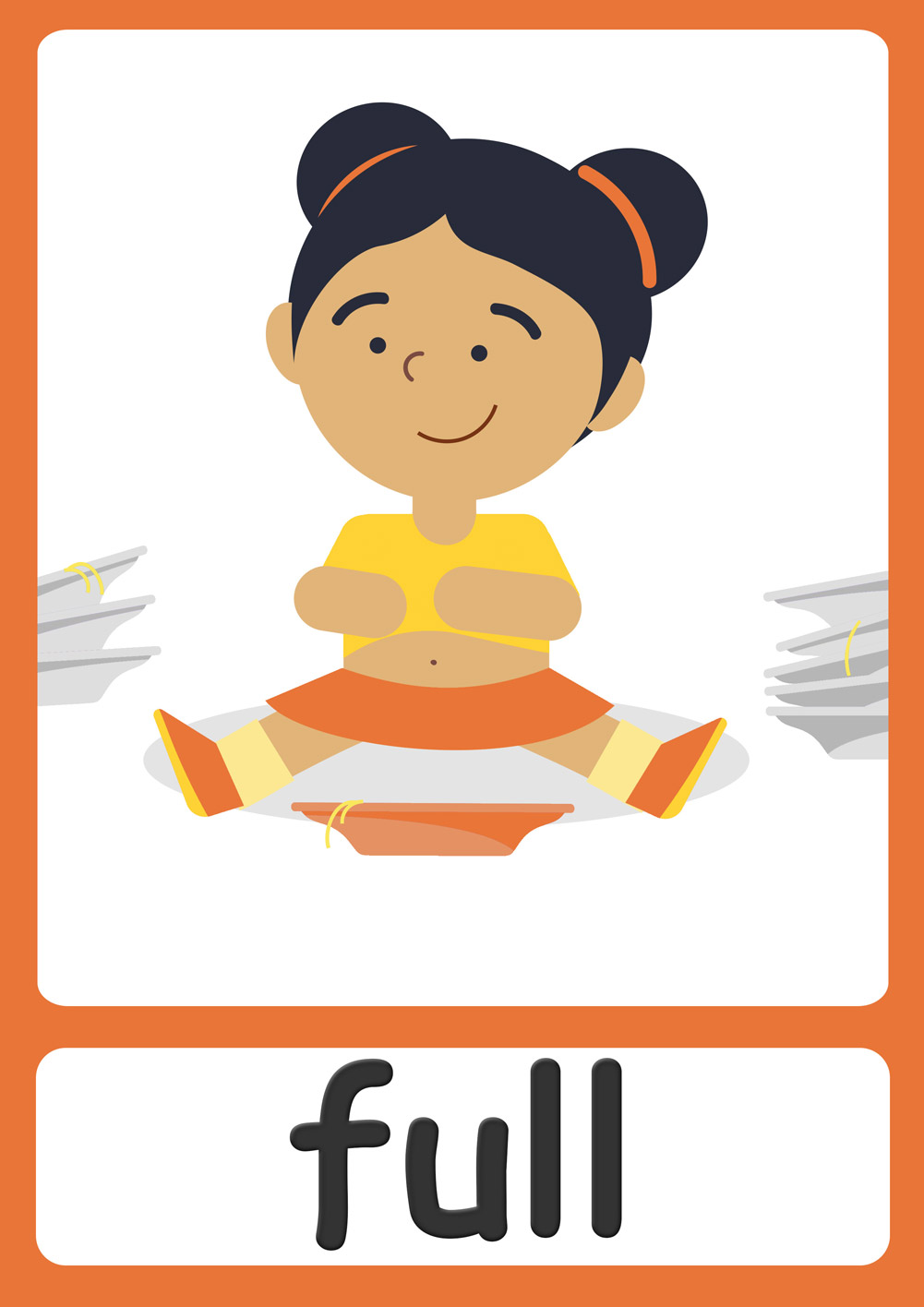
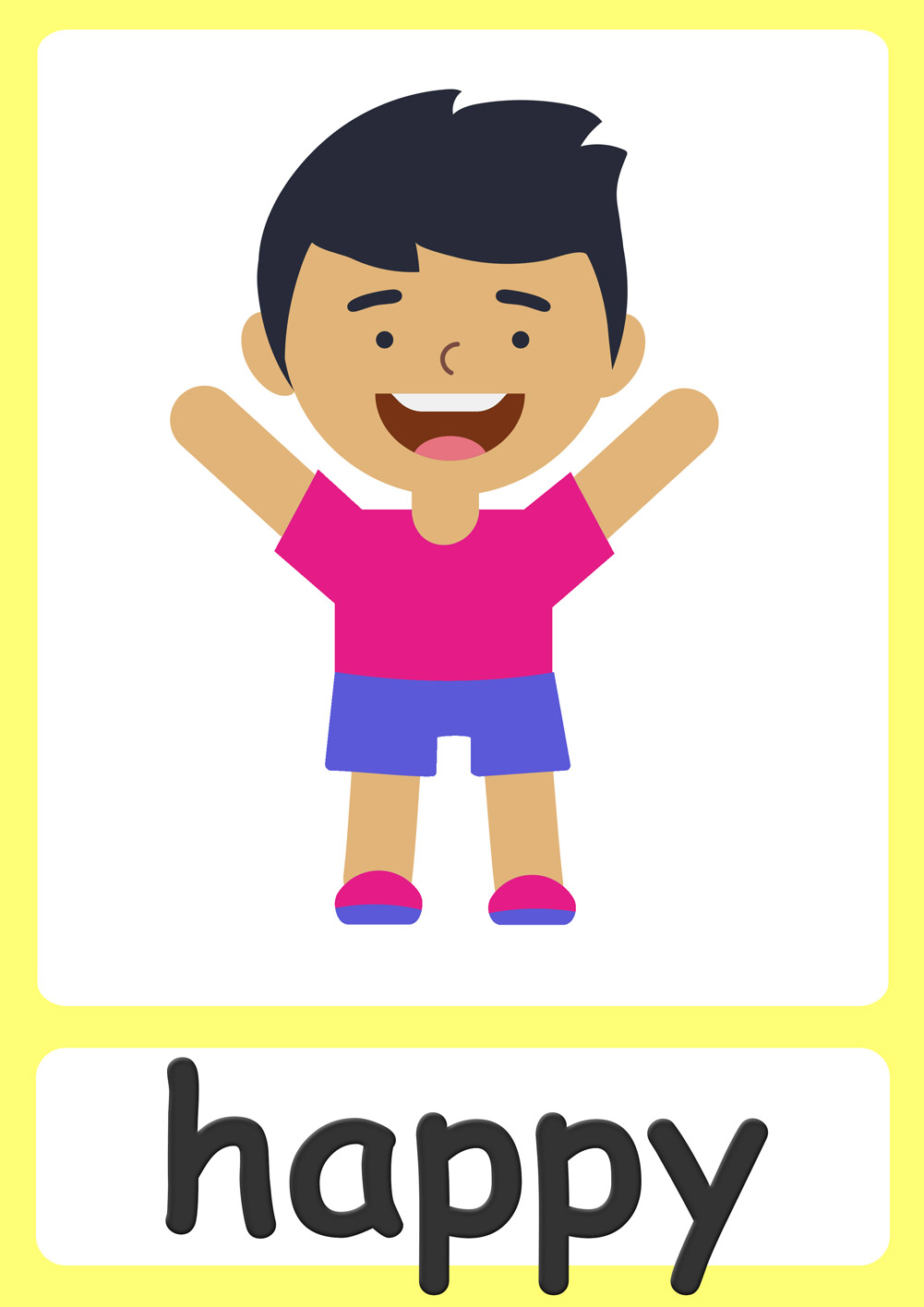
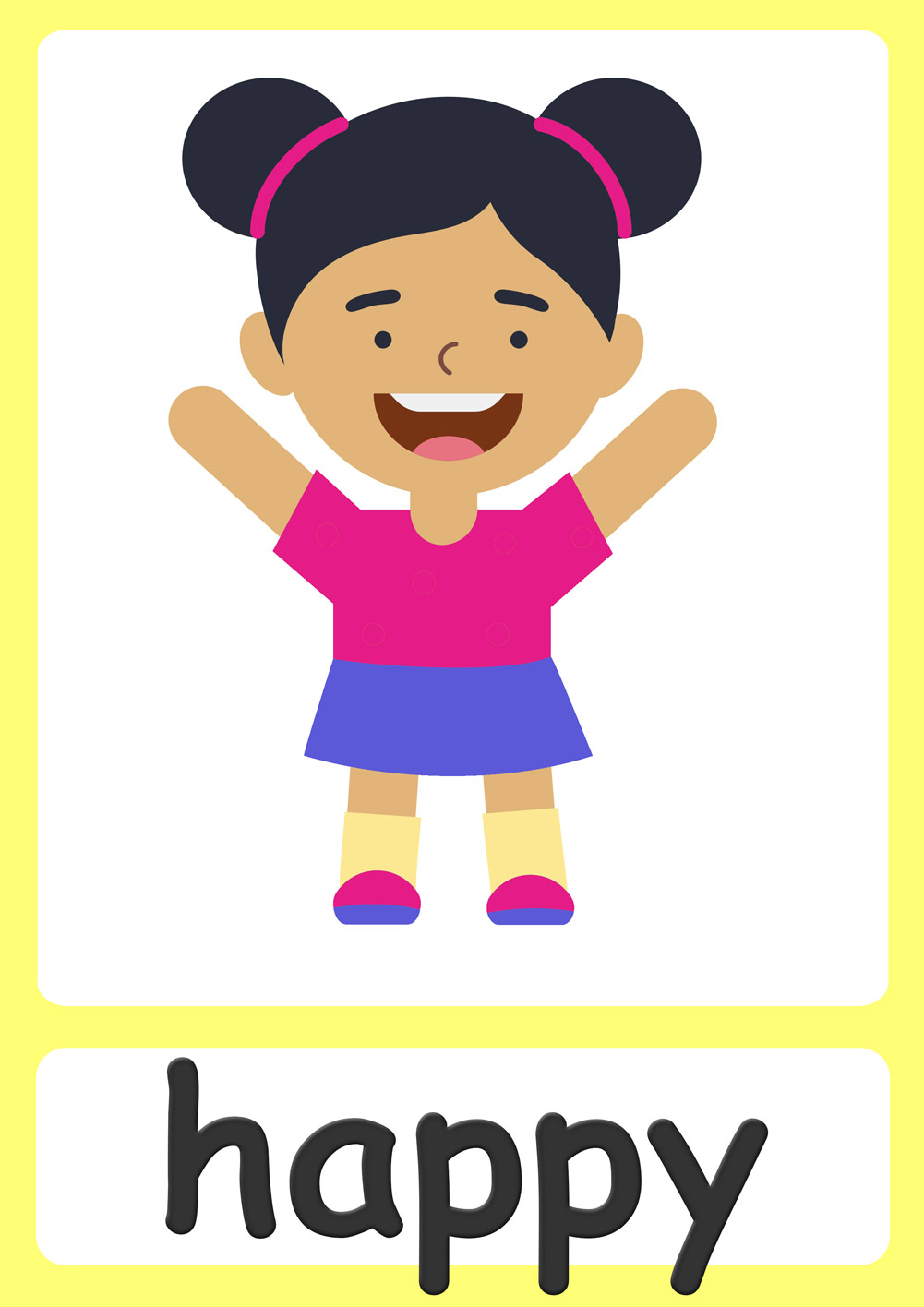
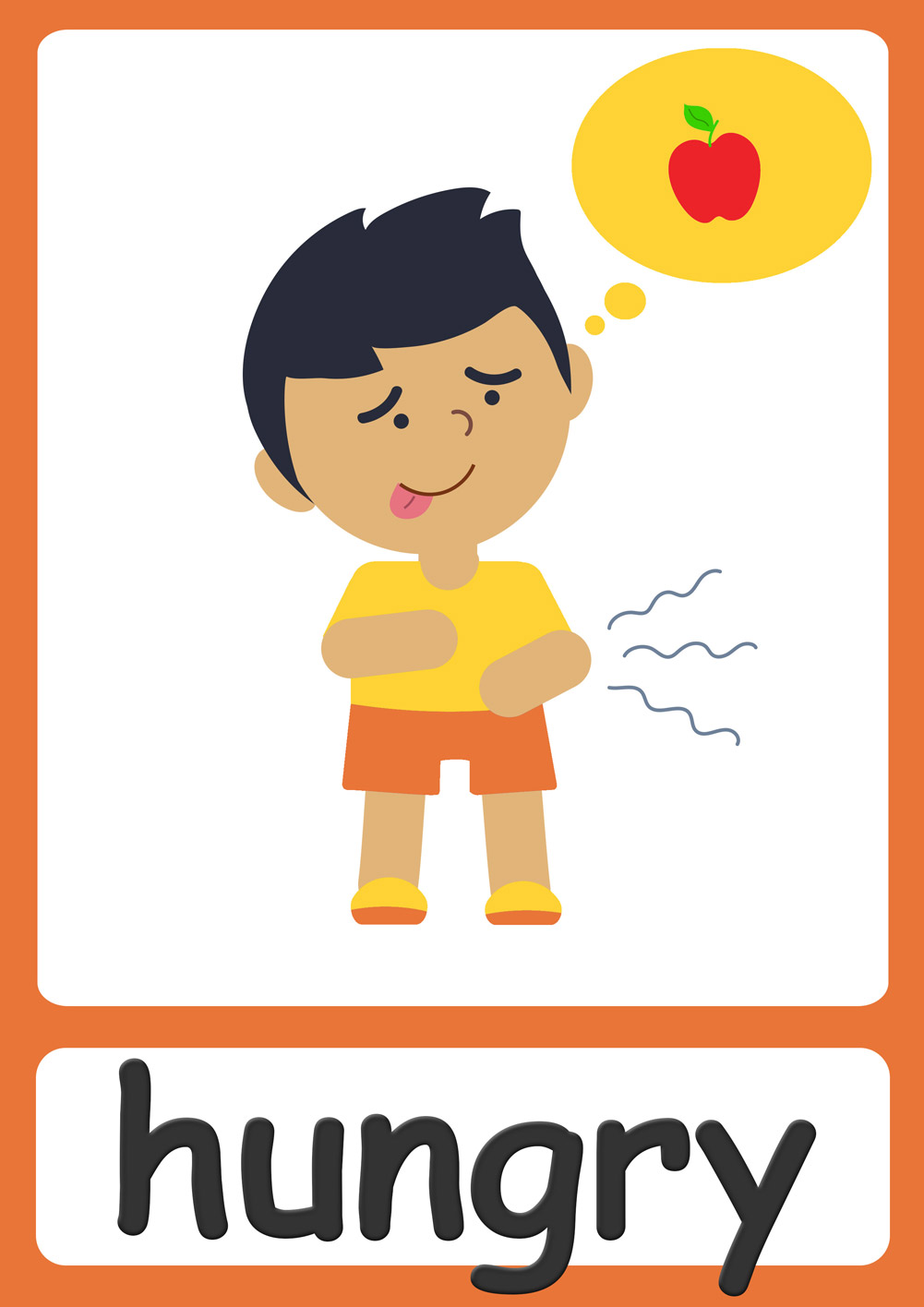
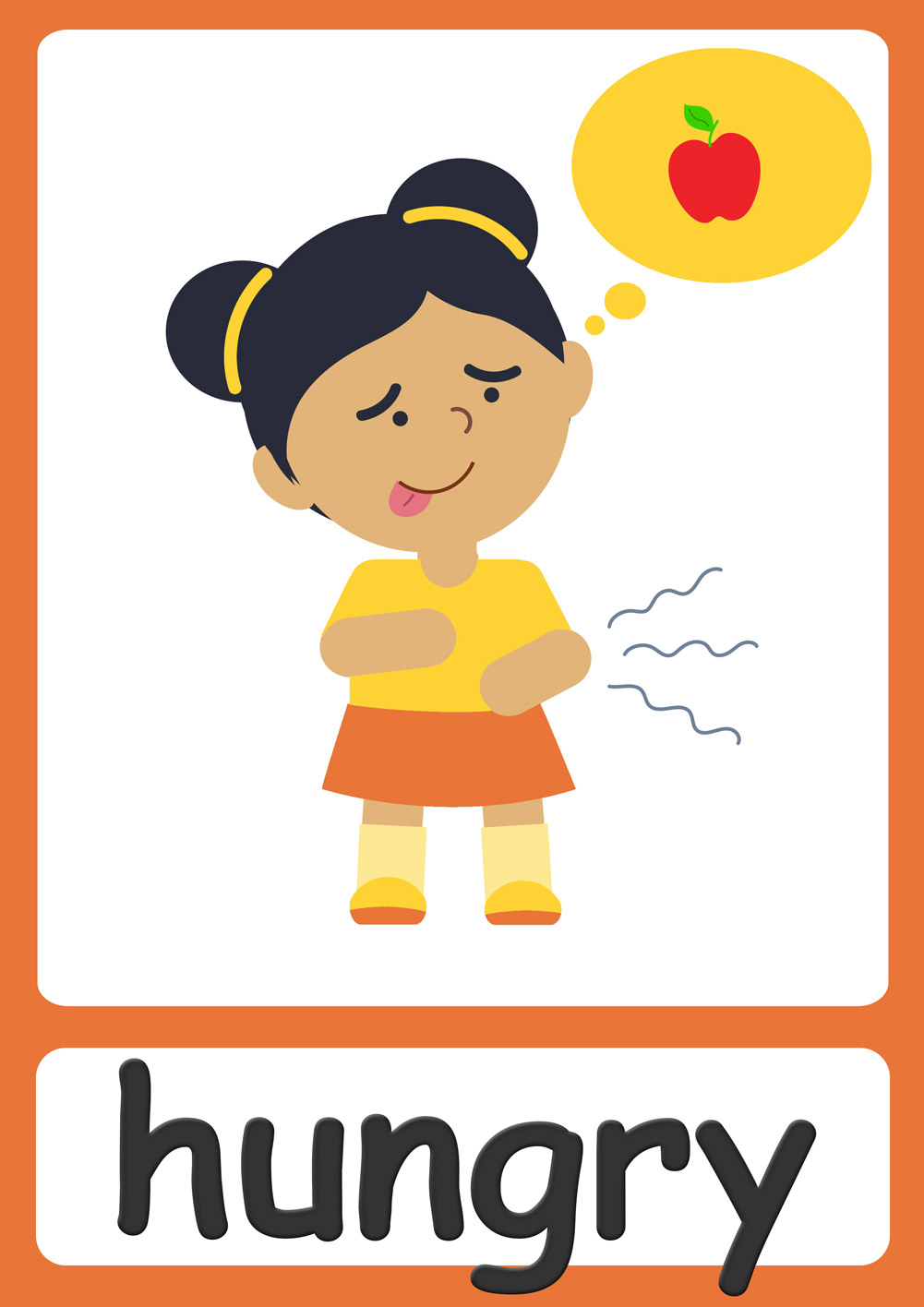
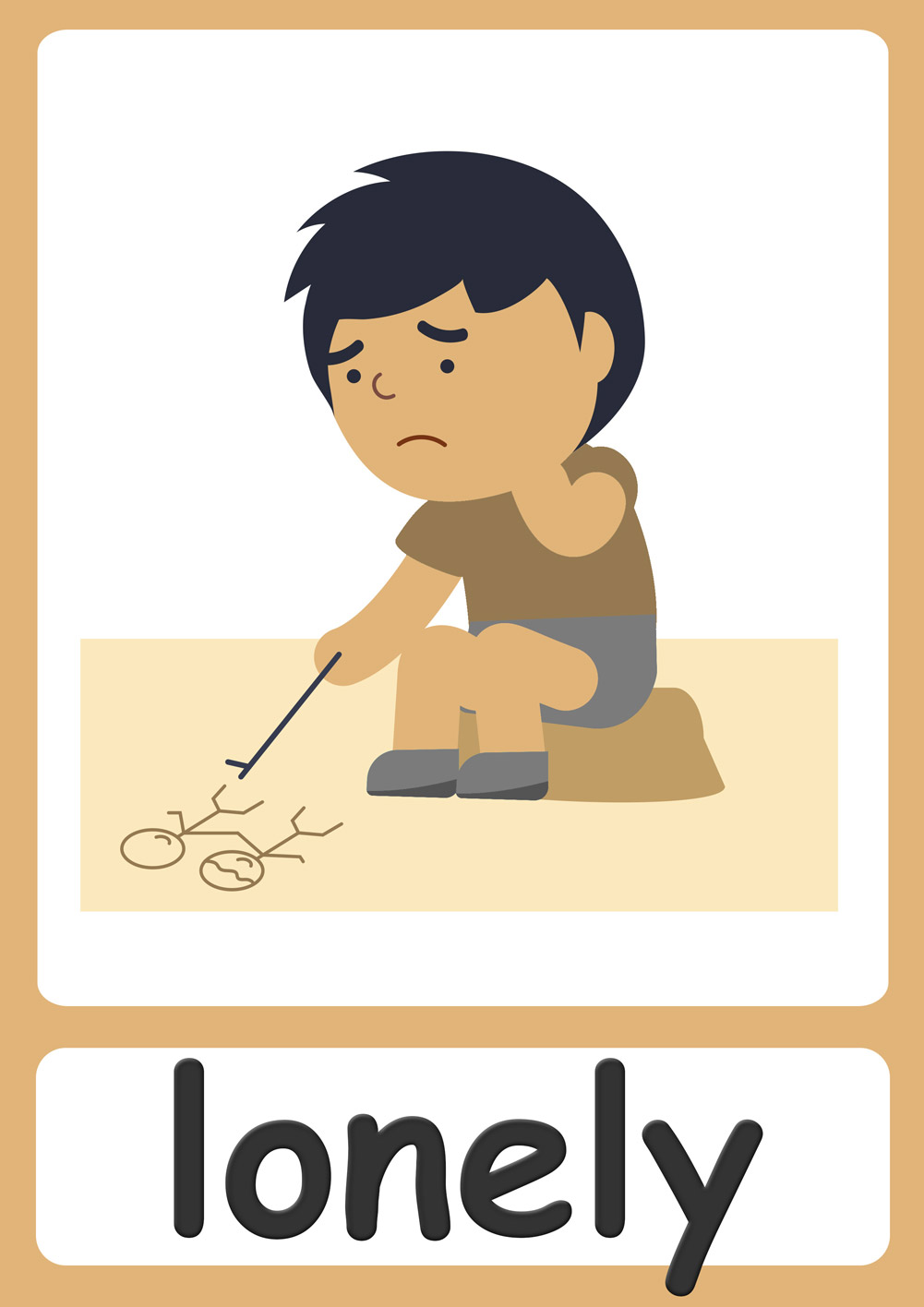
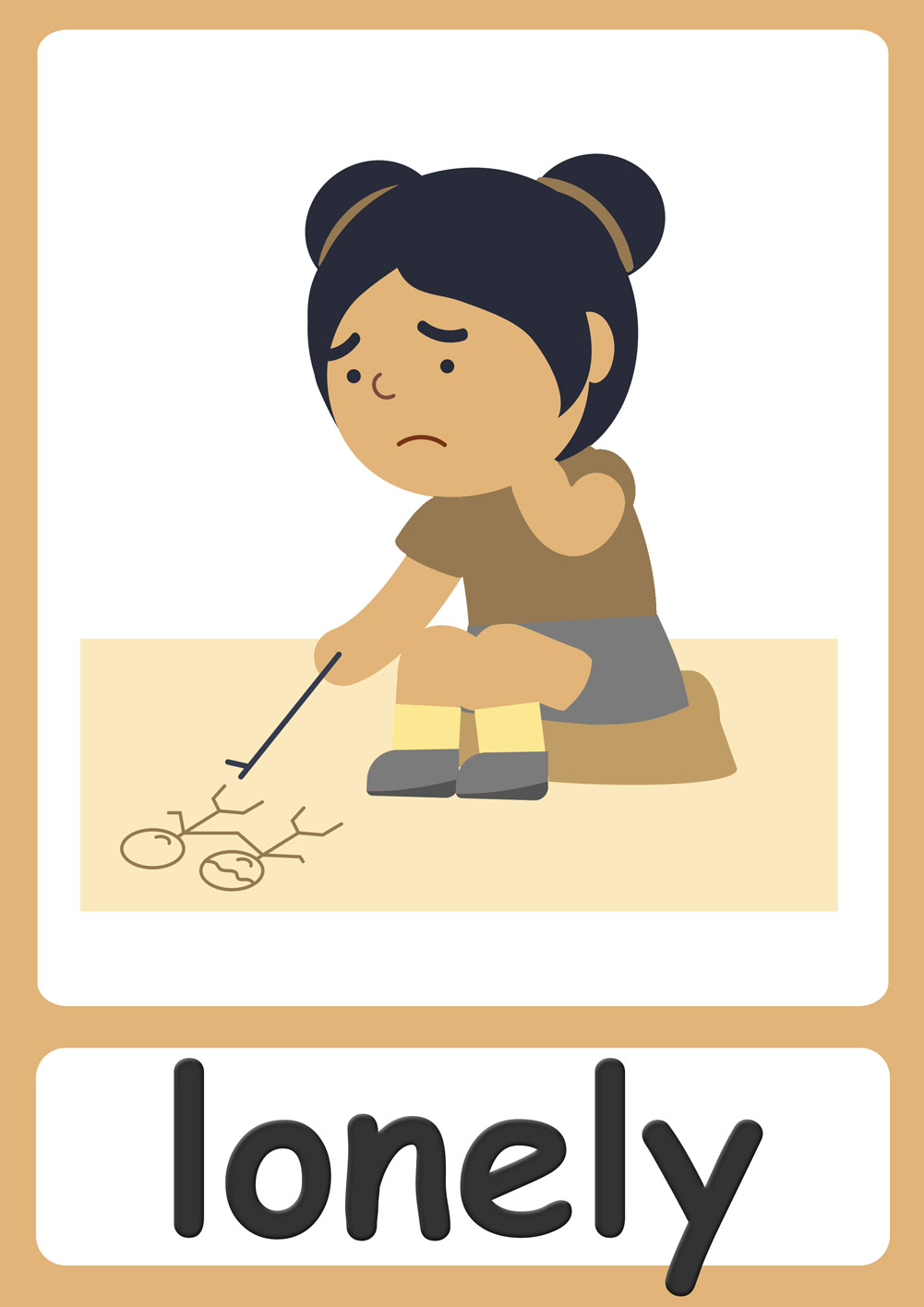
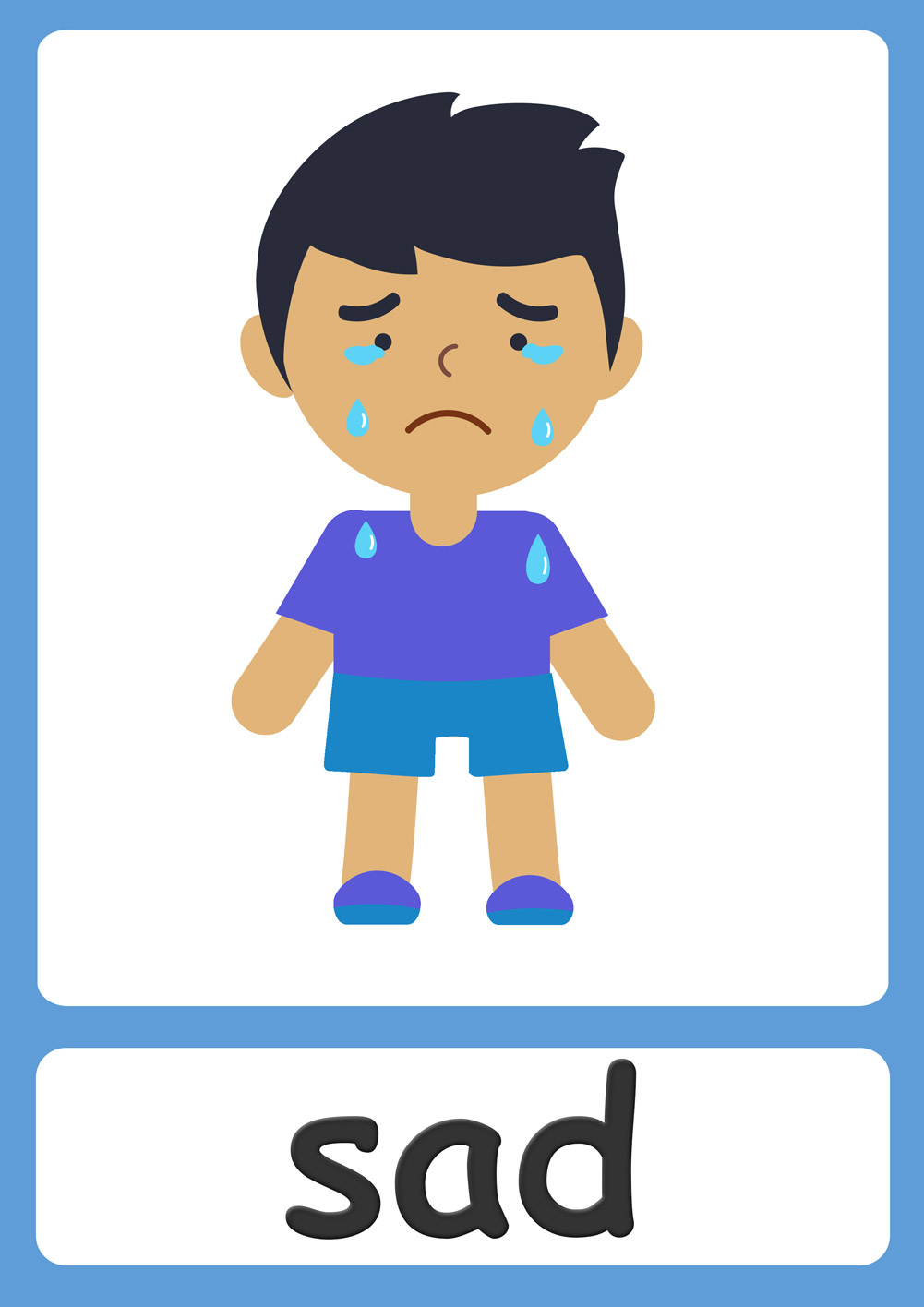
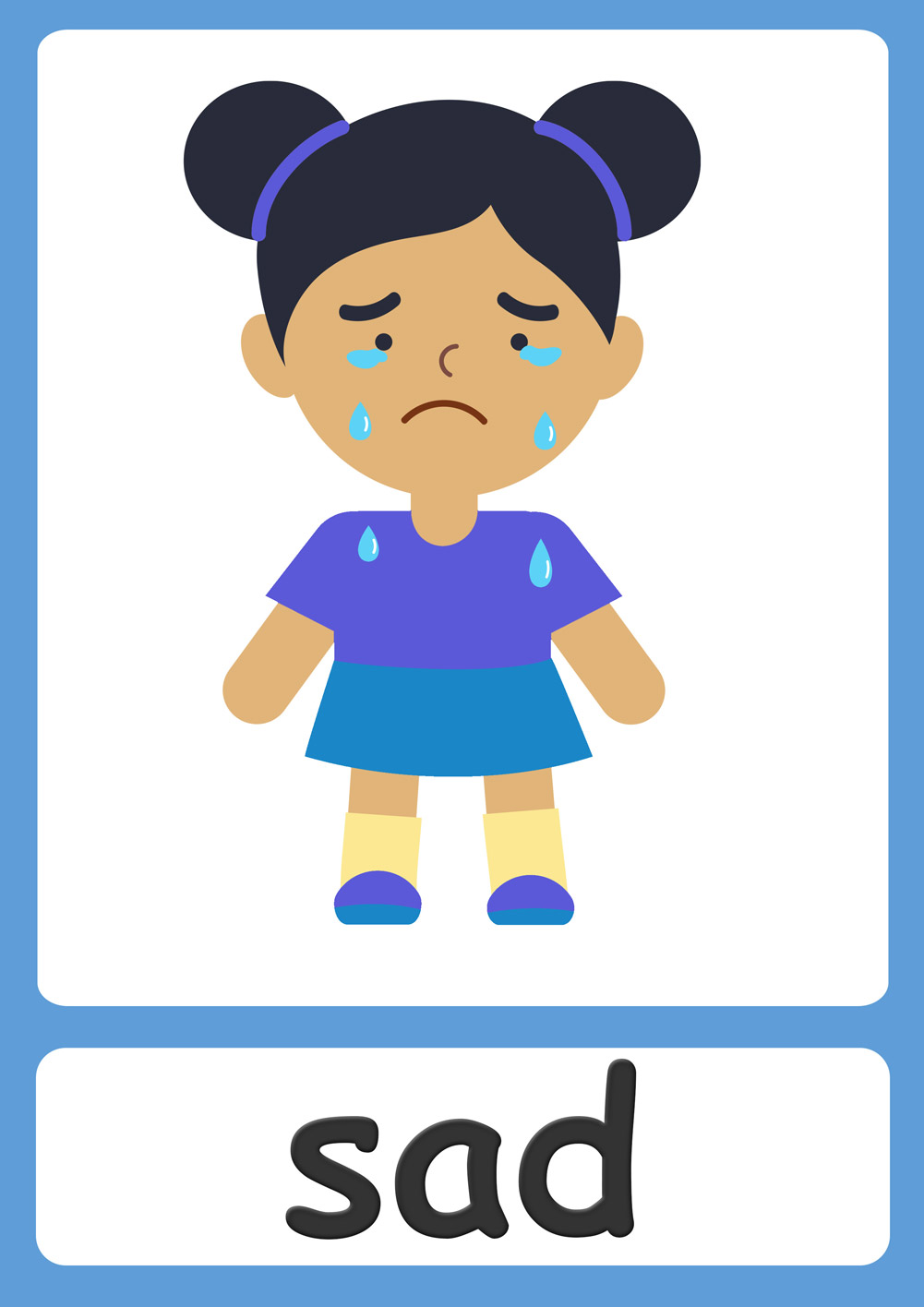
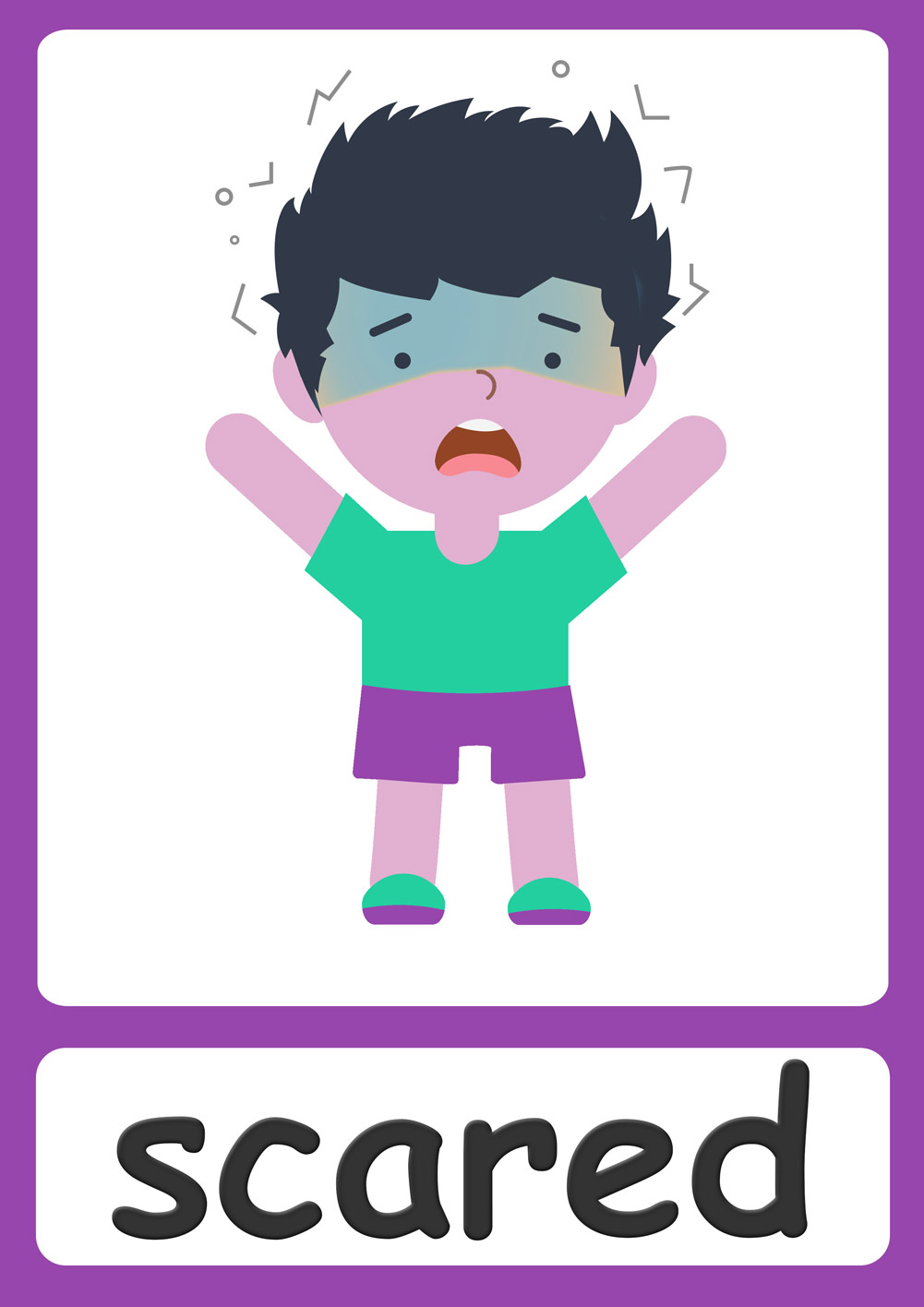
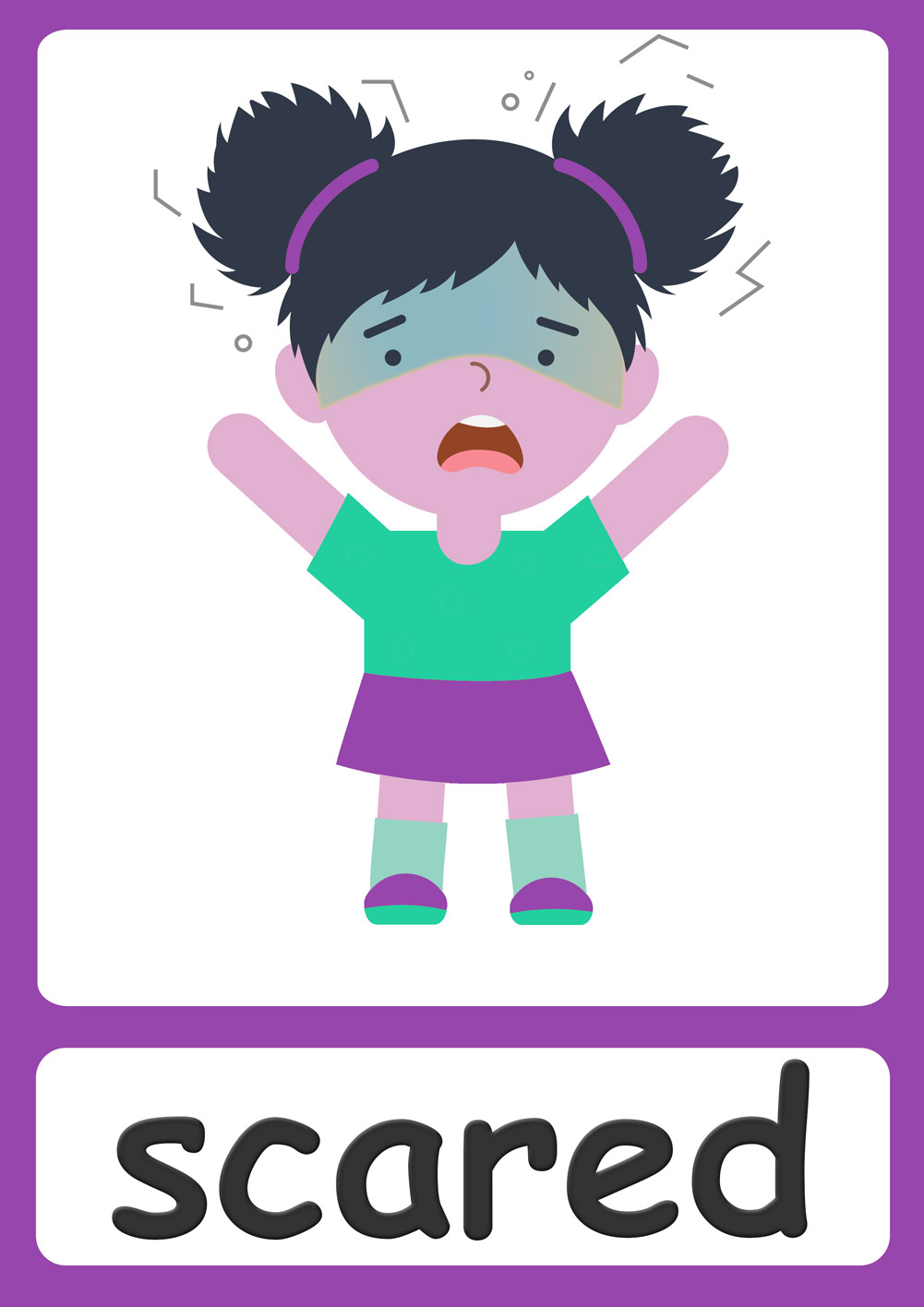
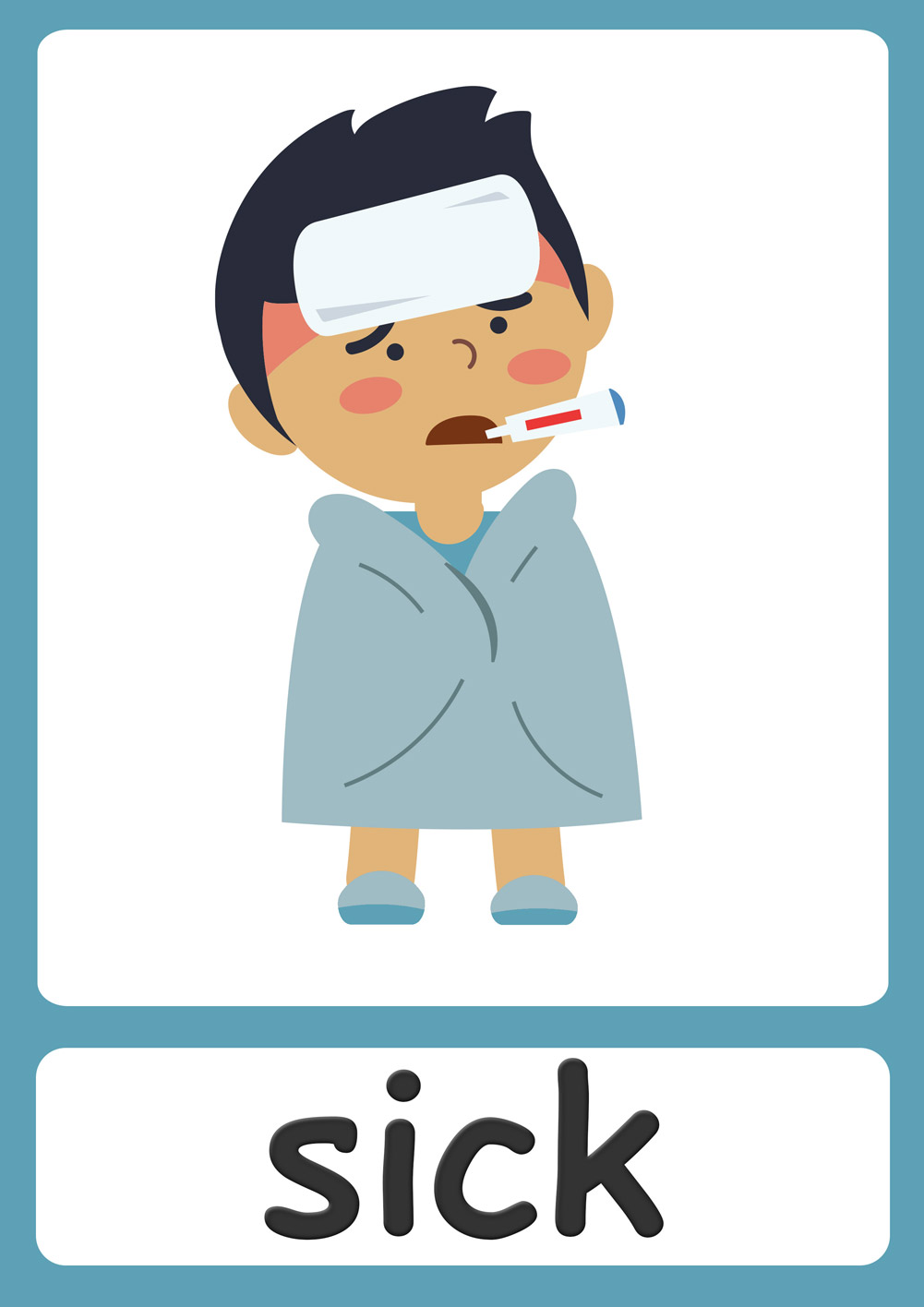
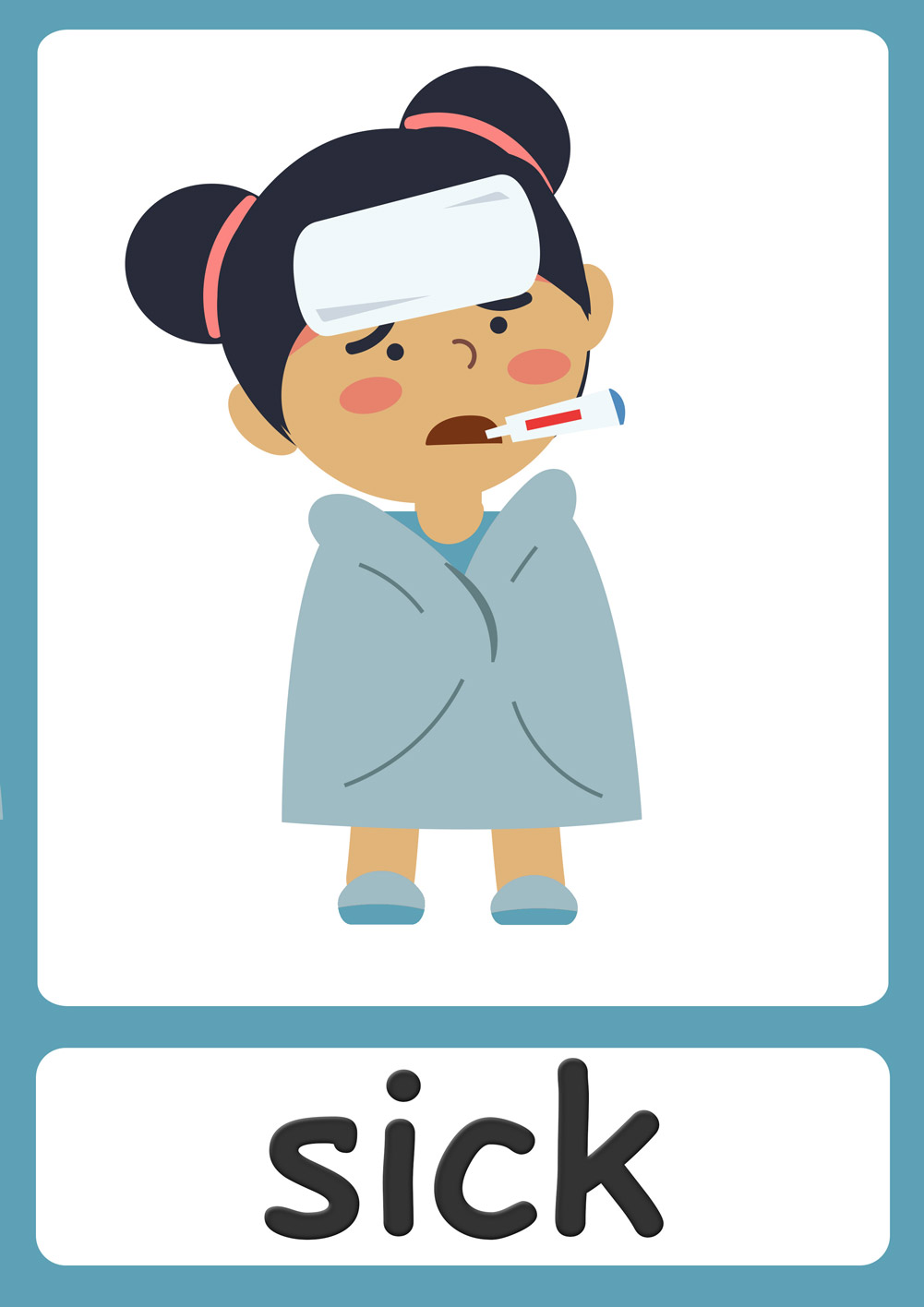
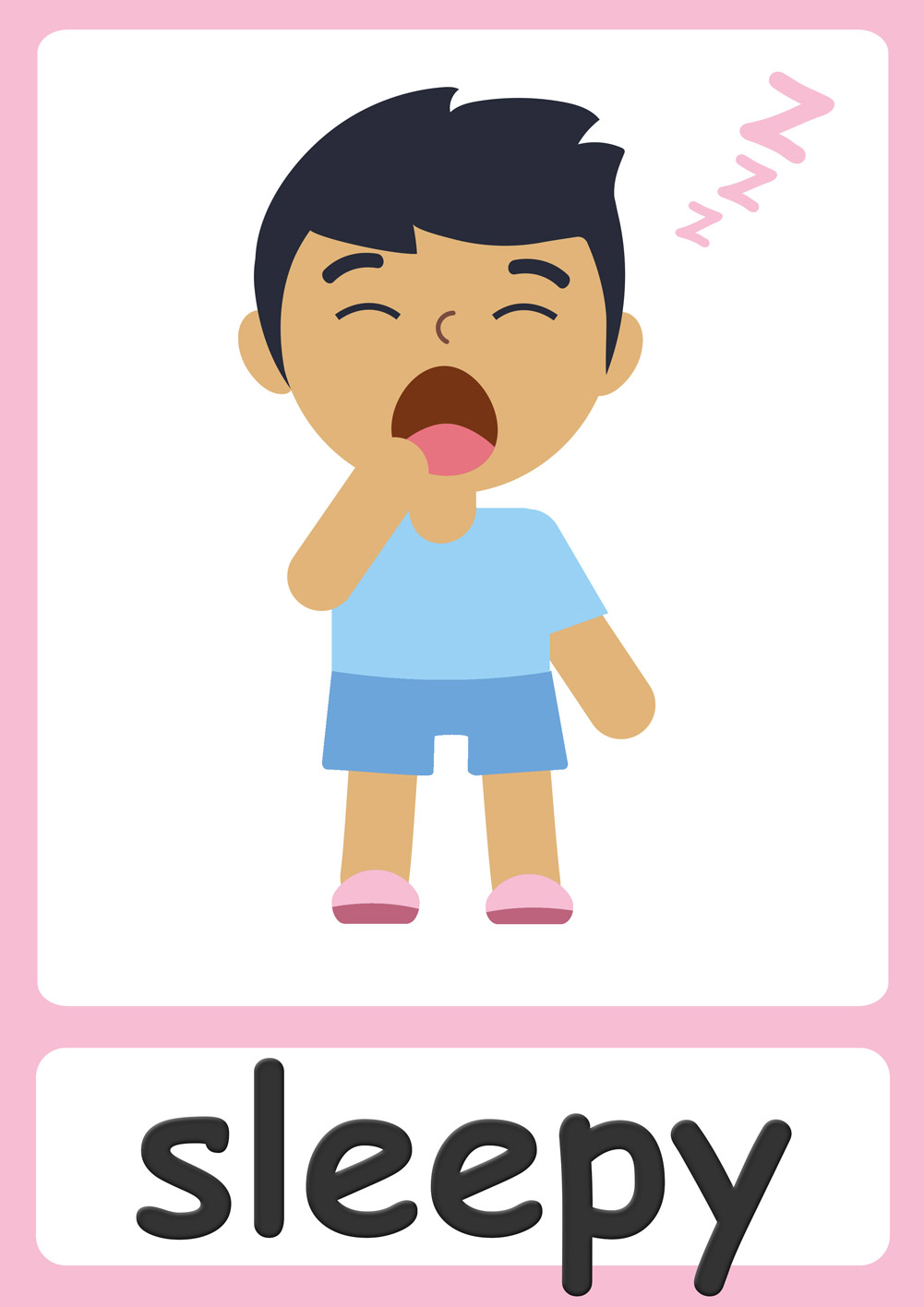
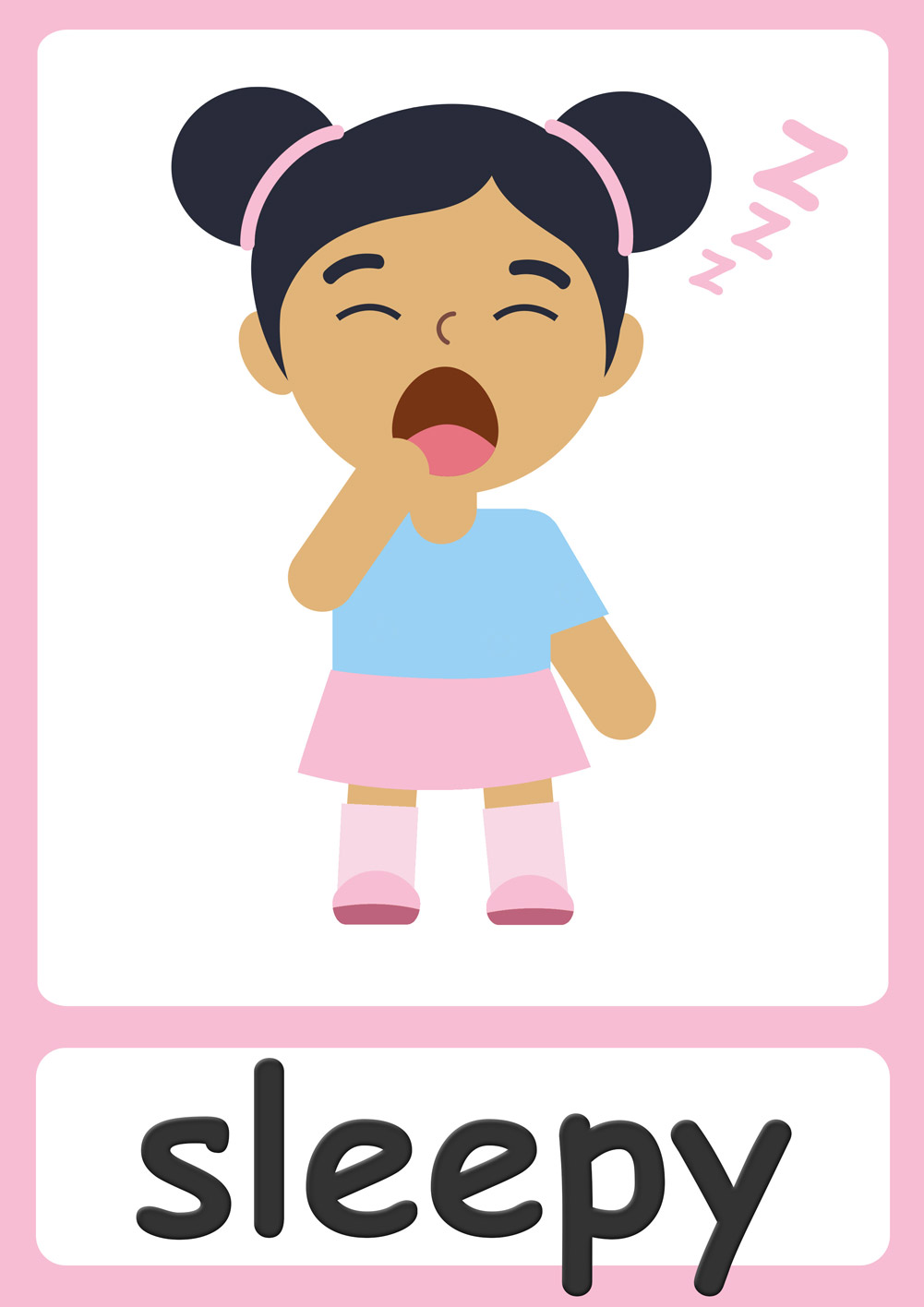
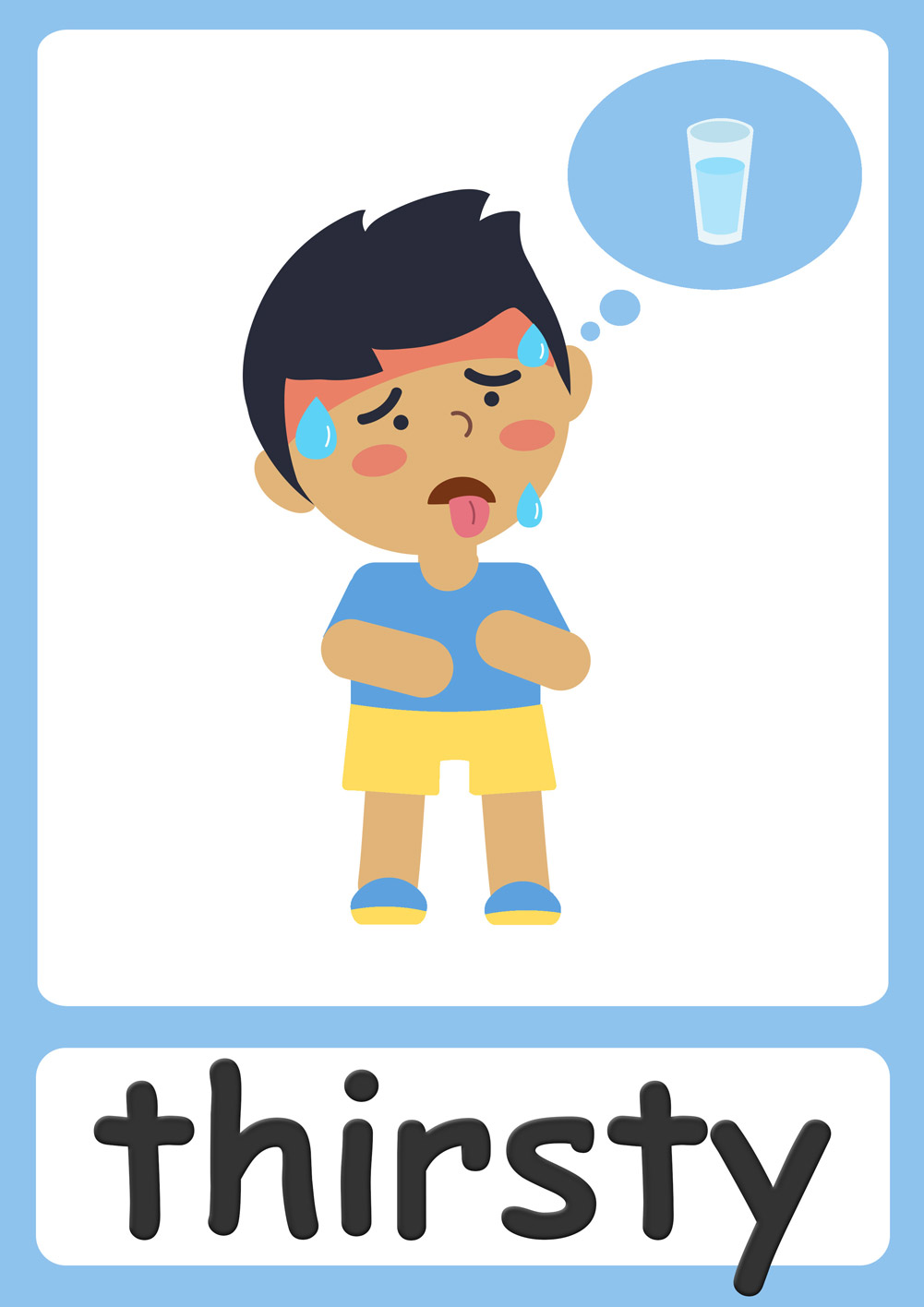
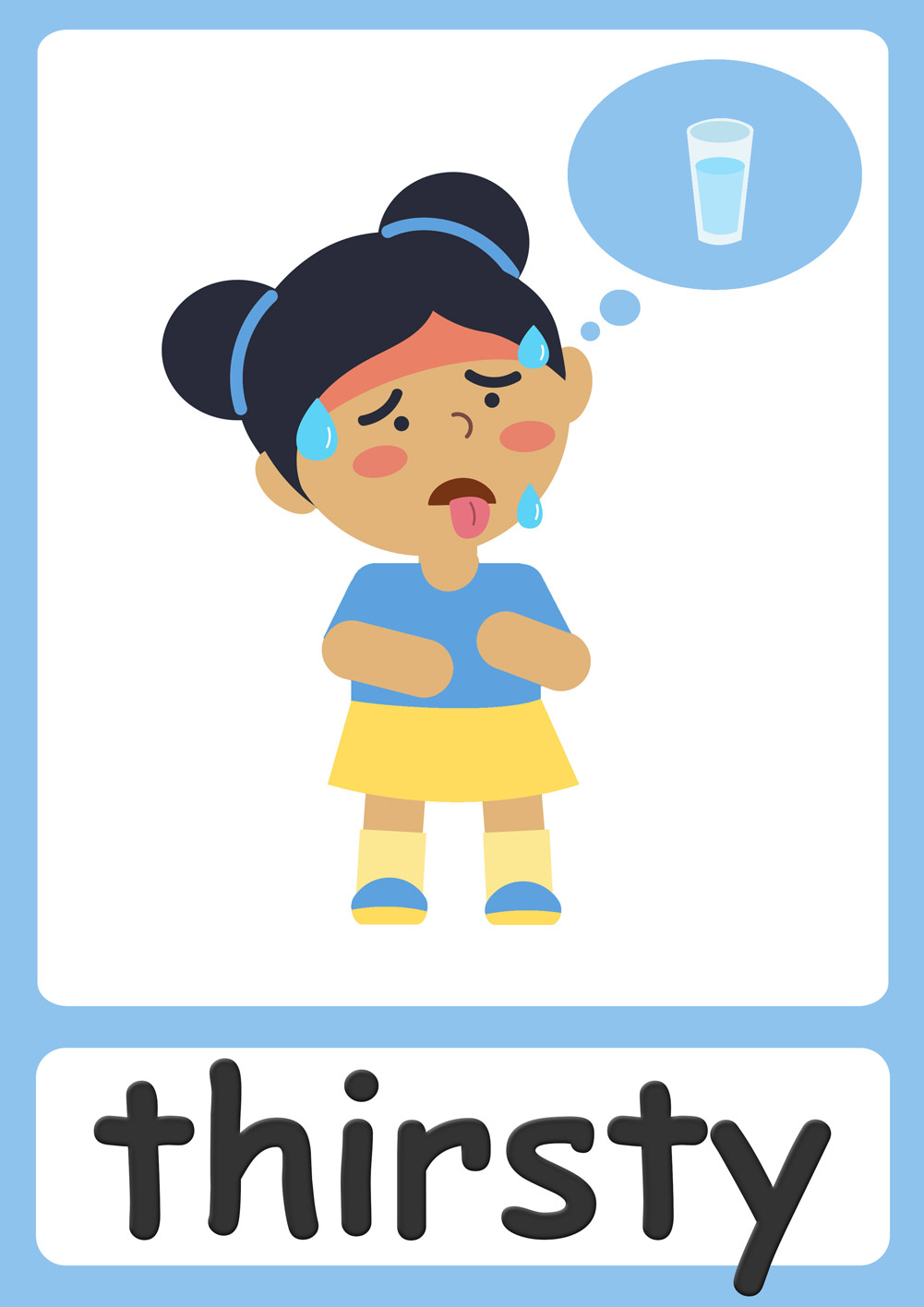
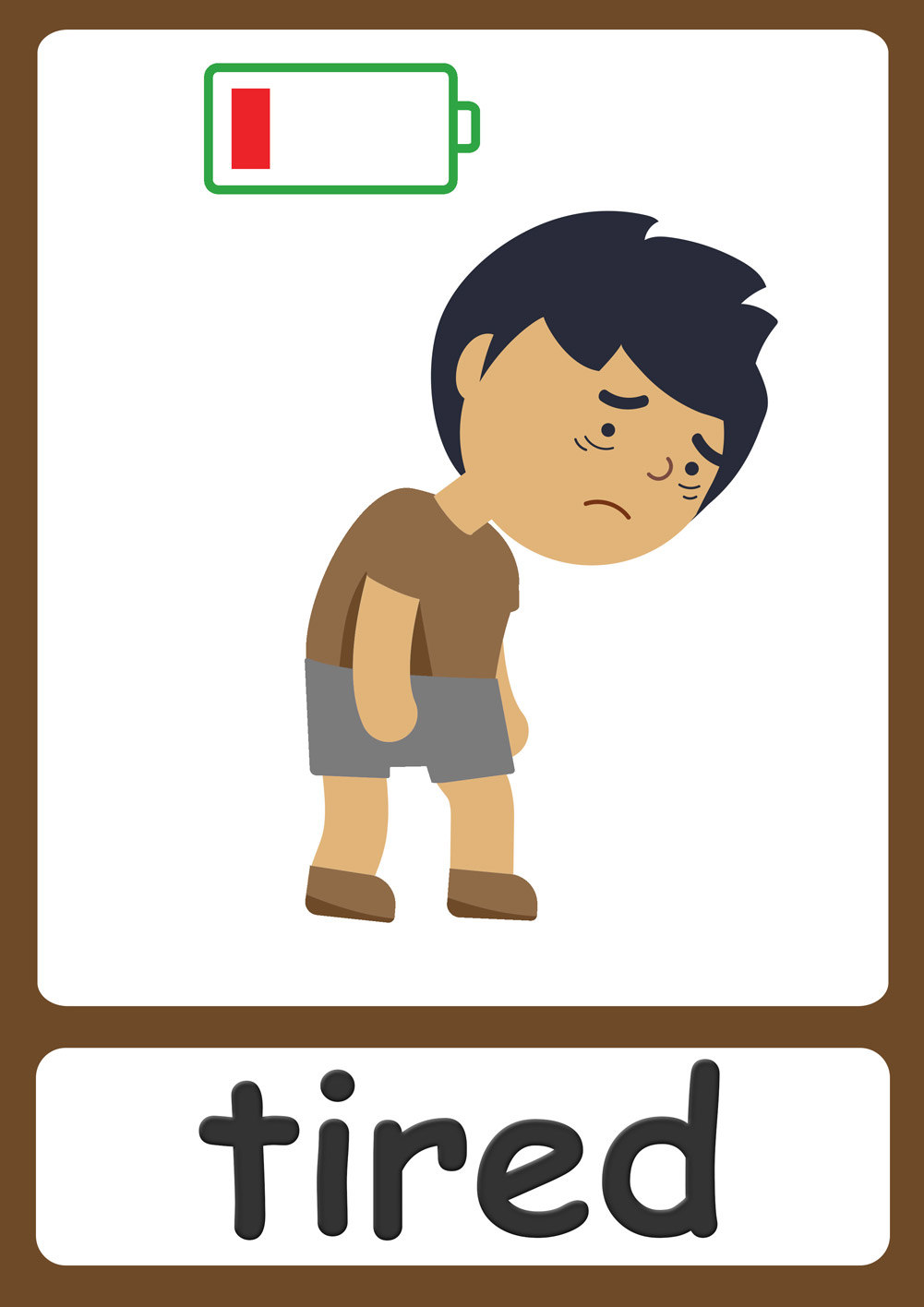
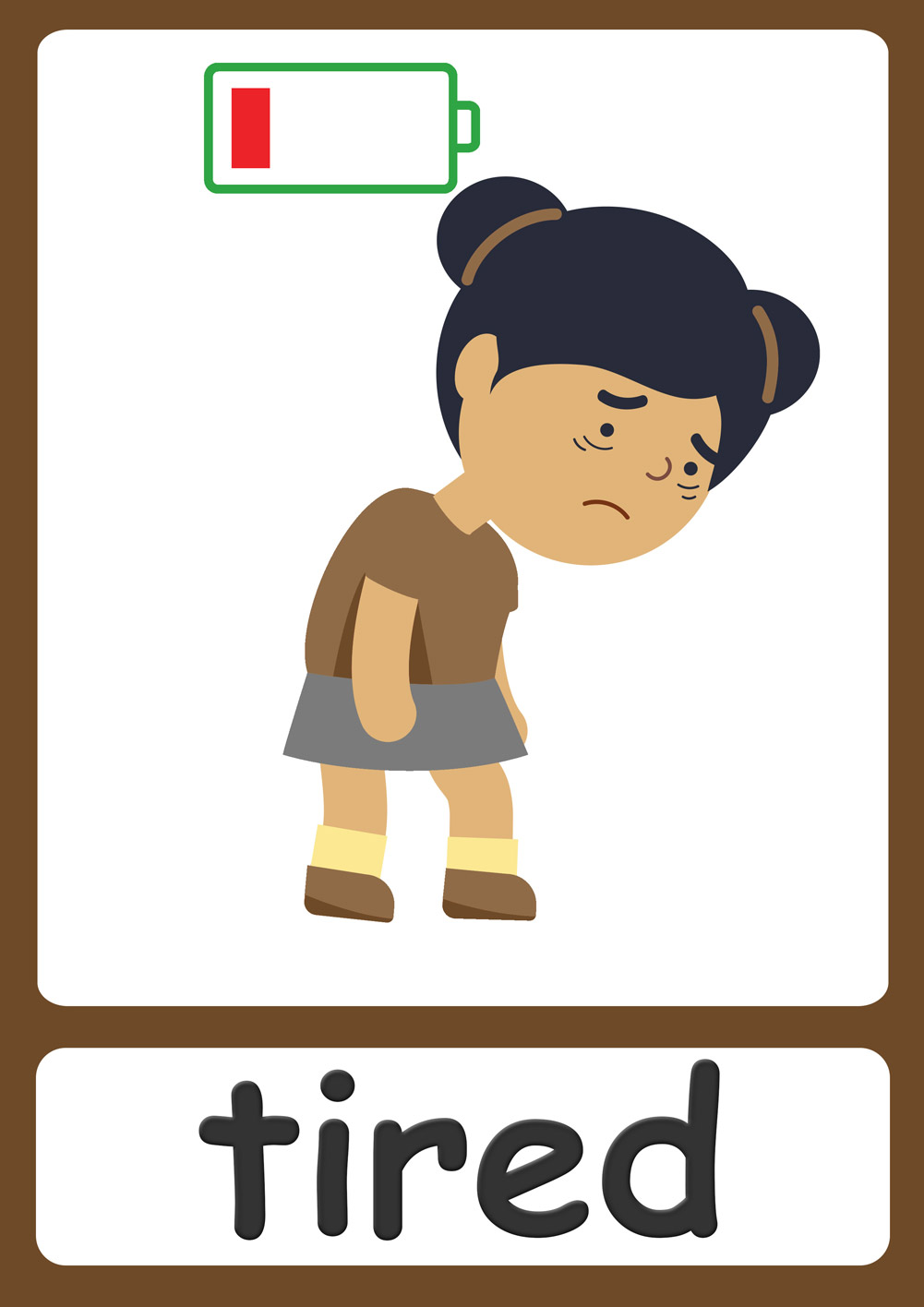
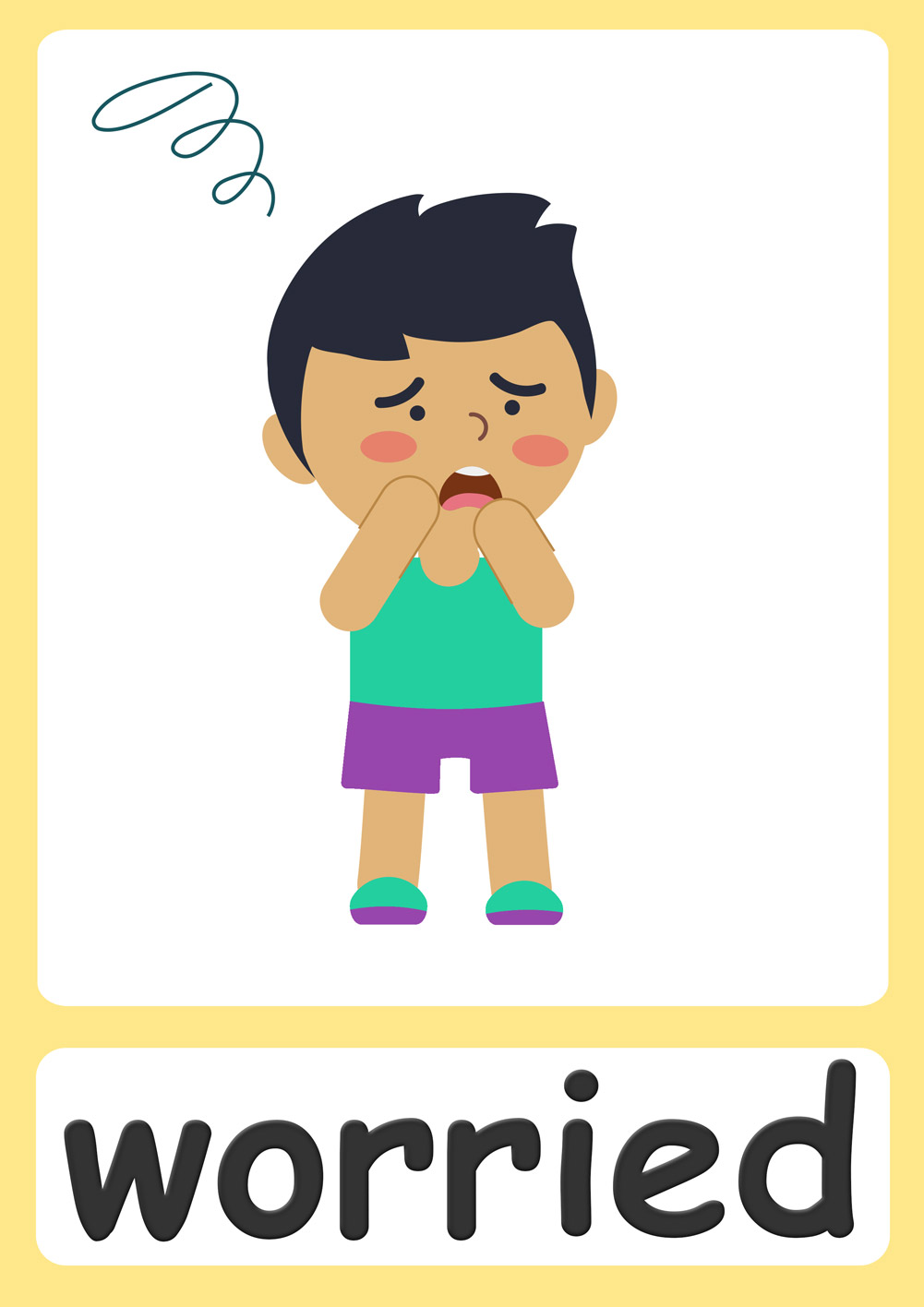
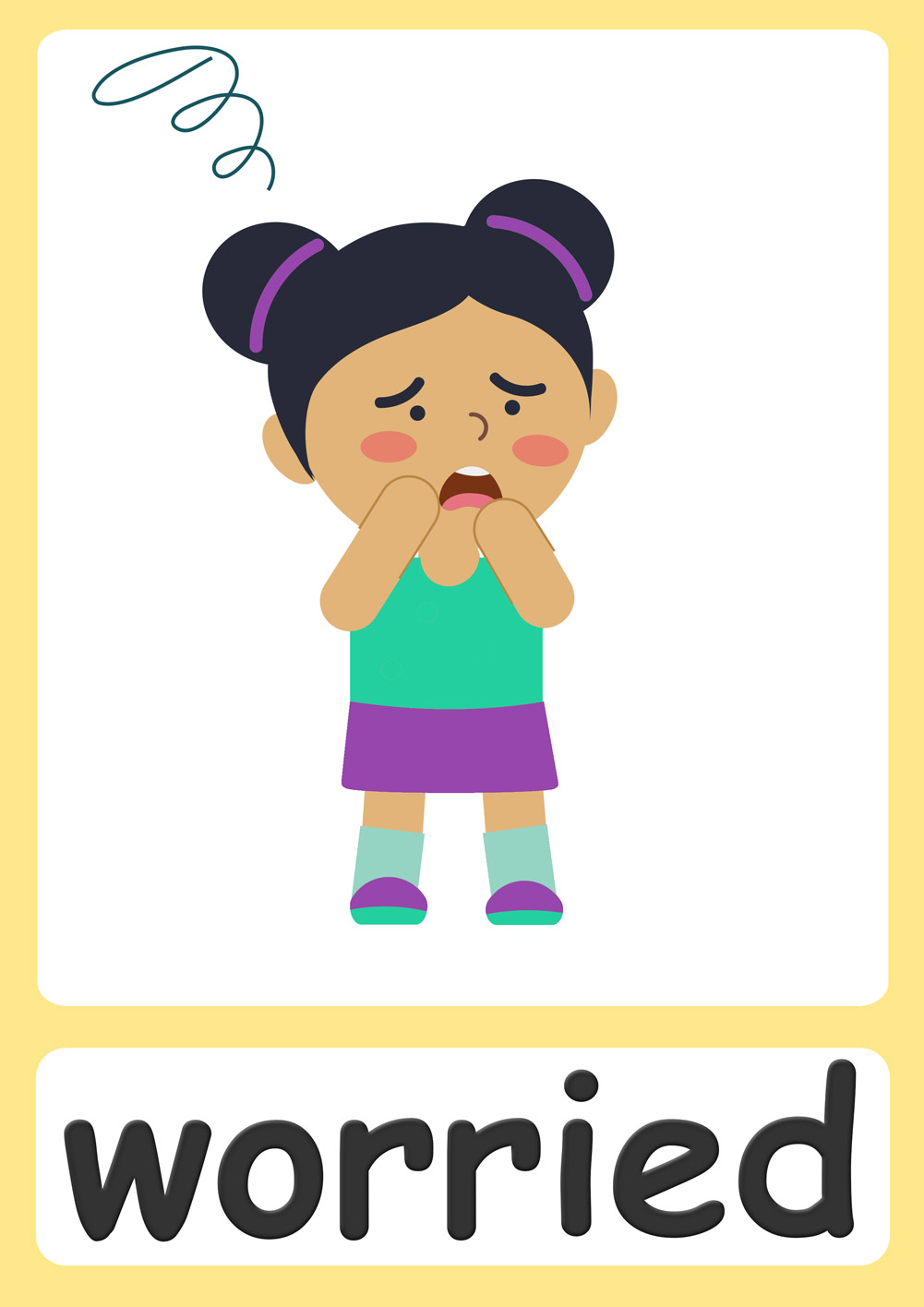
Teach advanced emotions to your children with these FREE advanced feelings flashcards. This flashcard set expands on our basic emotion flashcard set featuring emotions like happy, sad, angry, scared, tired, hungry and thirsty, and adds the new emotions: sick, full, sleepy, lonely, worried, bored, excited, busy, and confused.


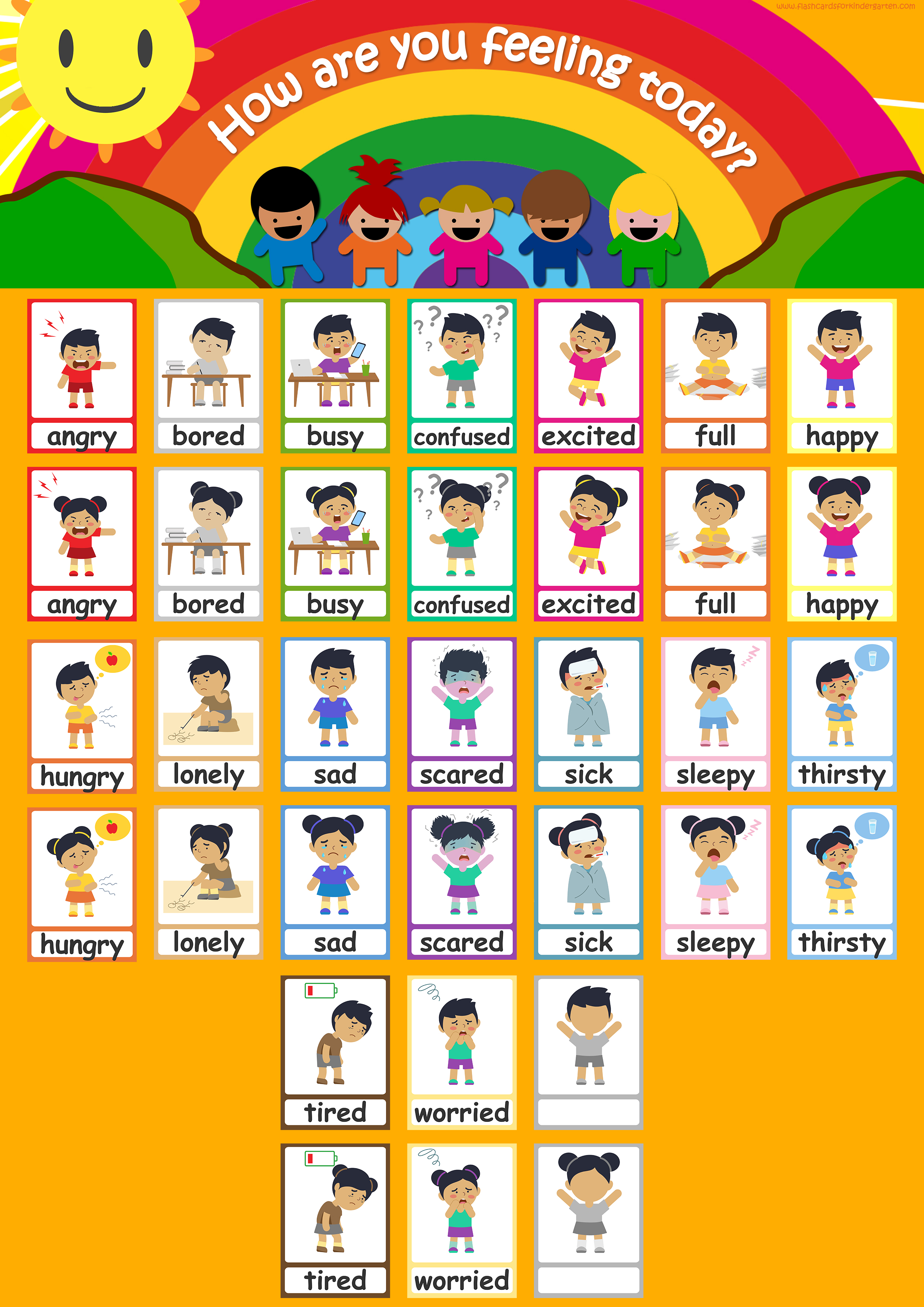
To help your children understand the feelings, it’s important to discuss the flashcards one by one. The key is to make it more relatable by using real life examples. Try to talk about scenarios where your student might experience the emotion and discuss them as a group in class.
Advanced Emotions Flashcards DOWNLOAD Pack 1

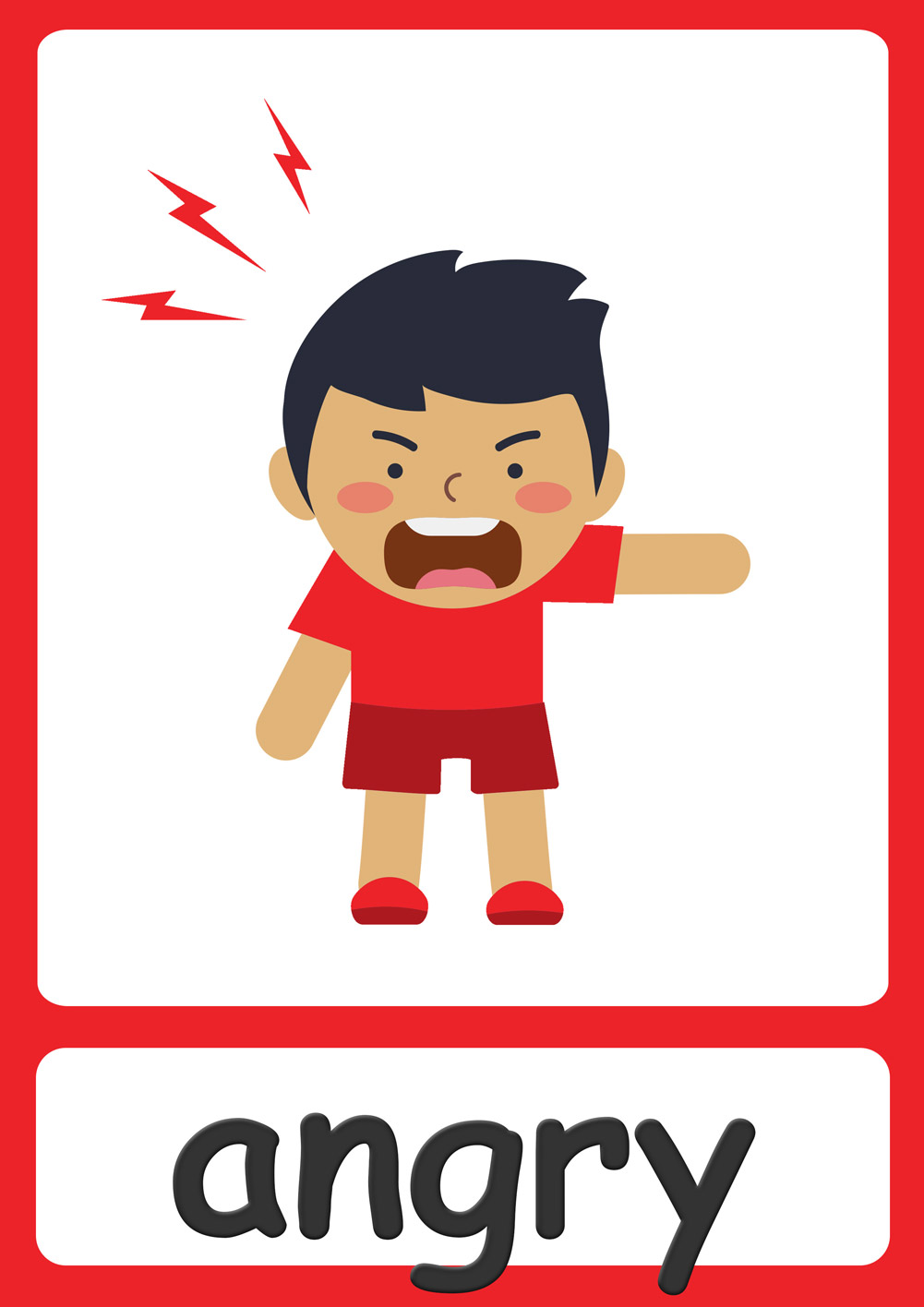
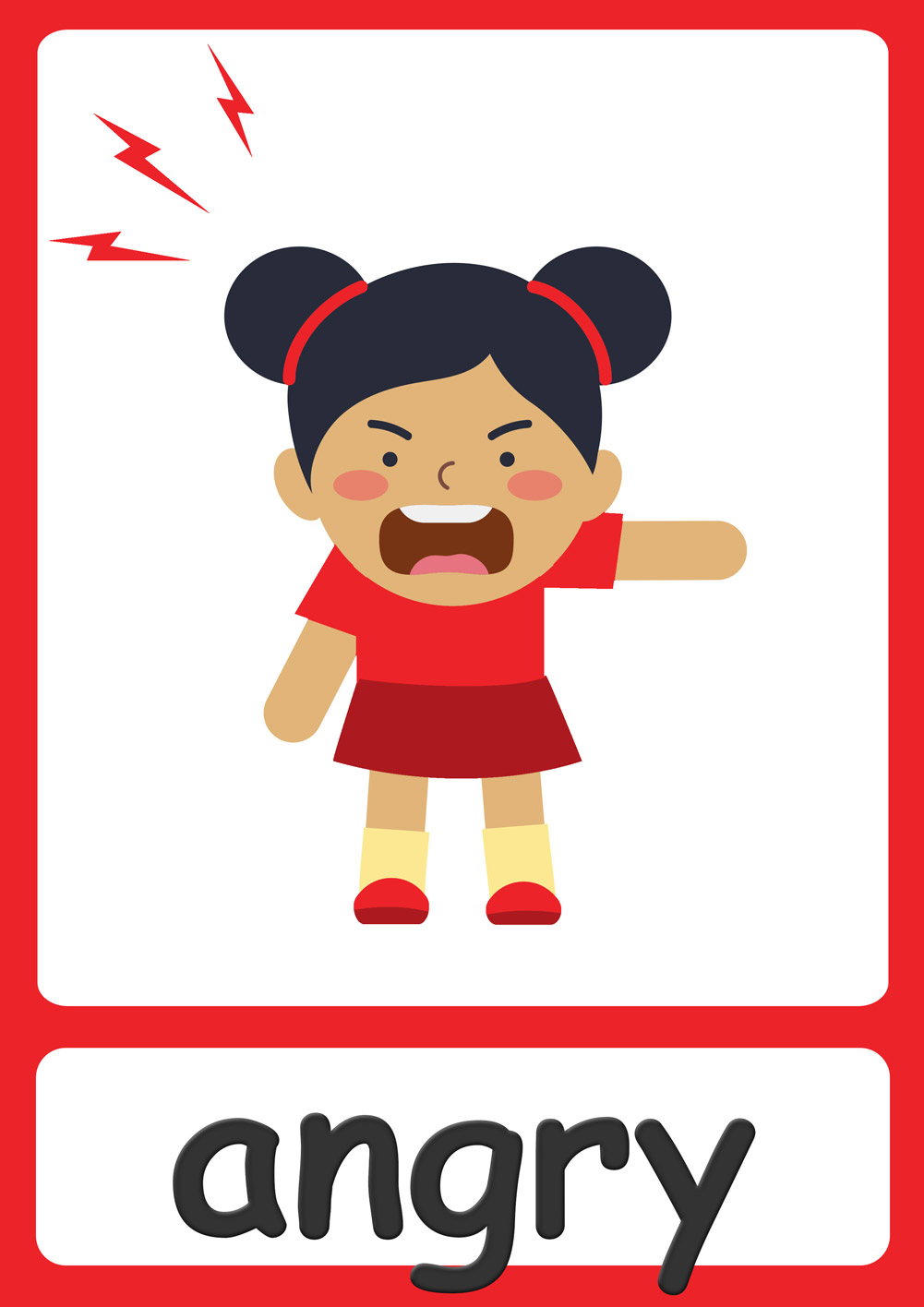
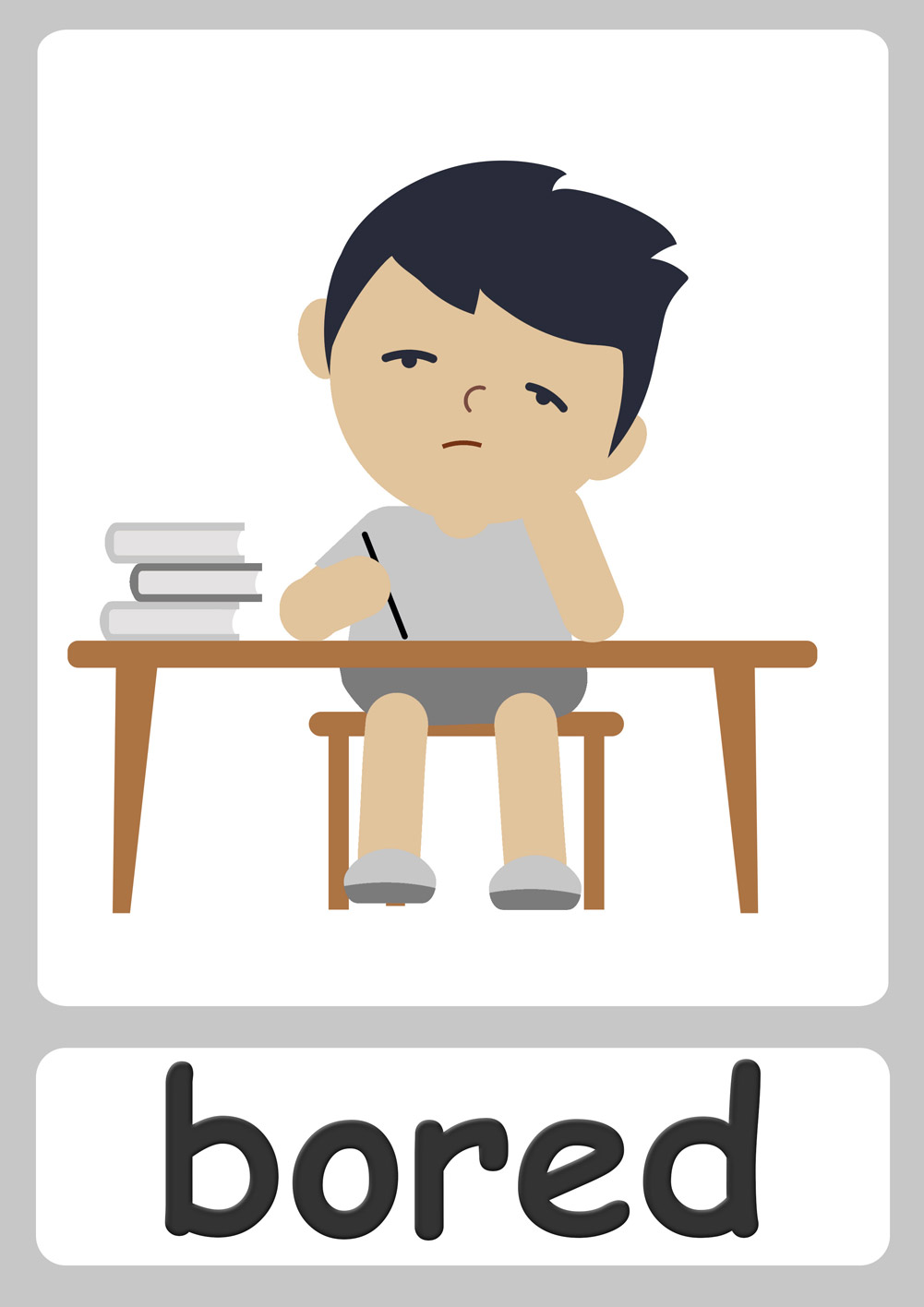
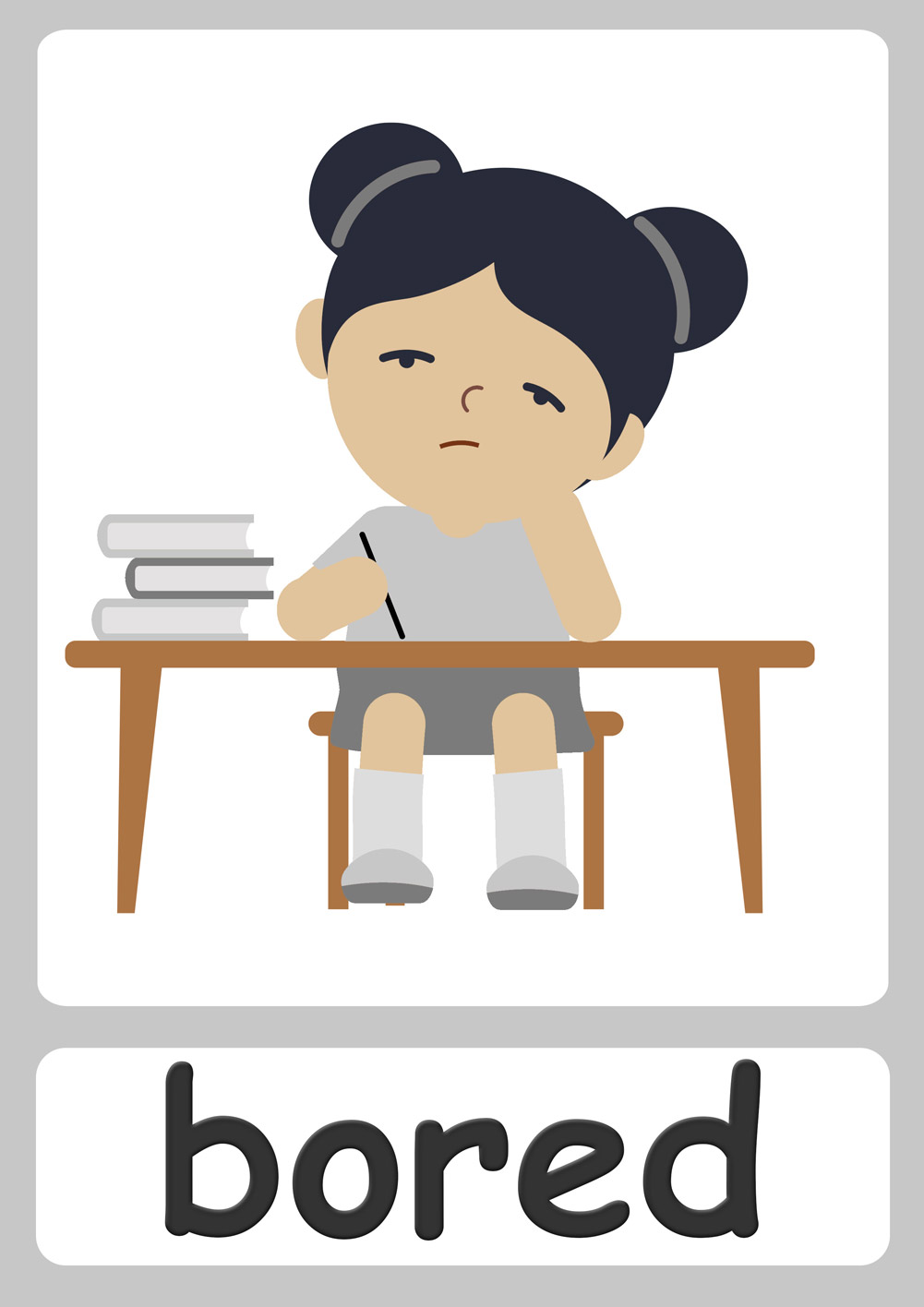
The set also includes a boy and a girl version, giving the teacher a lot of control over what sentence patterns they would like to use in class. This enables the teacher to teach feelings & emotions, but also enables teachers to teach the pronouns using sentence patterns like ‘He is _____, She is _____ , and They are _____.’
To ensure the flashcards are easy to understand, each emotion uses a relevant color that also reflects the feeling. For example, the flashcards representing ‘angry’ have a red color in their color palette. This is especially helpful for younger learners when playing matching games and so on.
The flashcards can be used in vocabulary drills, games or used as a decoration for your classroom. There is even a blank template card so children can draw their own feelings. I recommend printing and laminating the cards so they can be reused with whiteboard markers.
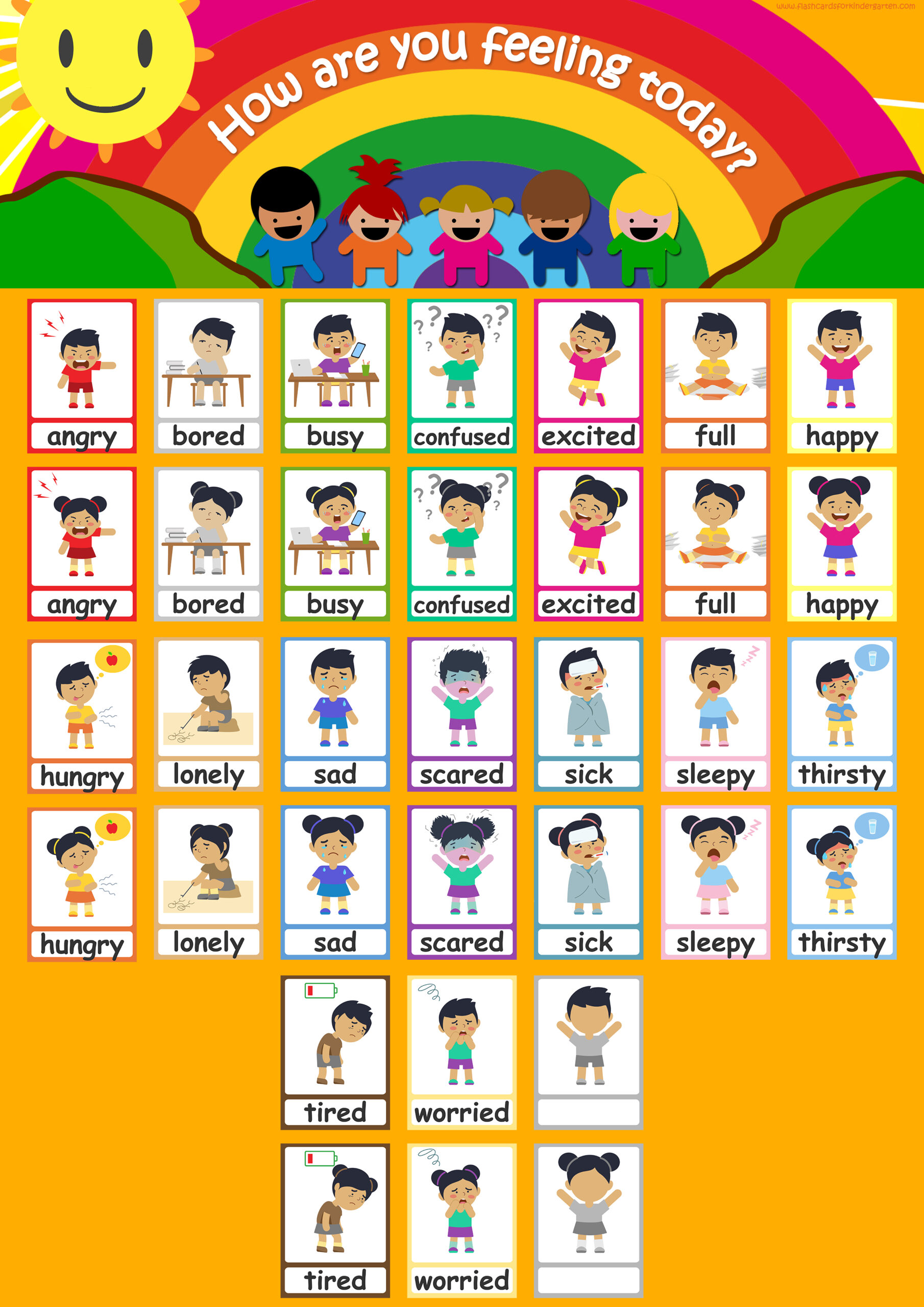
FREE Advanced Feelings Chart DOWNLOAD!
How To Use These Advanced Feelings Flashcards
These advanced feelings flashcards can be used to help children expand beyond basic emotions and learn more detailed emotional vocabulary such as nervous, frustrated, confused, proud, and disappointed.
Start by reviewing basic feelings first, then gradually introduce more complex emotions one at a time. Repeat regularly so students become confident understanding both meaning and context.
Use the flashcards during classroom discussions, speaking activities, or morning check-ins to encourage students to express how they feel in more detail.
Once students are confident, encourage full sentences such as:
“I feel frustrated because…” or “I feel proud when I…”
These cards also work well for social emotional learning (SEL) activities, role-play situations, and classroom behaviour reflection.
If these flashcards seem too advanced for your class, why don’t you try our simple feelings cards, which are more catered towards early learners.
What Vocabulary is included?
| feelings vocabulary |
|---|
| happy |
| sad |
| angry |
| scared |
| tired |
| hungry |
| thirsty |
| sick |
| full |
| sleepy |
| lonely |
| worried |
| bored |
| busy |
| confused |
Advanced Feelings Flashcard Activities
Emotion Scenario Discussion
Show a flashcard and ask students:
“When might someone feel this way?”
Encourage real-life answers such as school situations, friendships, or home life.
Finish the Sentence
Show a feeling card and ask students to complete the sentence:
“I feel ___ when…”
Example: “I feel frustrated when I can’t finish my work.”
Role-Play Emotions
Give students a feeling card and ask them to act out a short situation where someone might feel that emotion. The class guesses the feeling.
Why Do You Feel That Way?
Show a flashcard and ask:
“Why do you feel ___?” or “Why might someone feel ___?”
This helps build deeper emotional understanding and speaking practice.
Emotion Ranking Game
Give students a group of feeling cards and ask them to sort them by intensity (e.g. calm → excited → overwhelmed).
Story-Based Feelings
Read a short story or describe a situation and pause to ask:
“How does the character feel?” and “Why?”
Personal Reflection Circle
Students choose a flashcard that matches how they feel today and explain their choice using a simple sentence:
“I feel ___ because ___.”
Grammar Focus & Questions
| Question | Answer |
|---|---|
| How are you? | I’m _____. |
| How do you feel? | I feel _____. |
| How are you feeling? | I’m feeling _____. |
| How is he? | He is _____. |
| How is she? | She is _____. |
| How are they? | They are _____. |
| How does he feel? | He feels _____. |
| How is he feeling? | He is feeling _____. |
| How is she? | She is _____. |
| How does she feel? | She feels _____. |
| How is she feeling? | She is feeling _____. |
| How are they? | They are _____. |
| How do they feel? | They feel _____. |
| How are they feeling? | They are feeling _____. |
FAQ – Advanced Feelings Flashcards
What age are advanced feelings flashcards suitable for?
They are best suited for early elementary and upper elementary learners, usually ages 6–10, as well as ESL students developing stronger speaking skills.
What is the difference between basic and advanced feelings?
Basic feelings include simple emotions like happy, sad, and angry. Advanced feelings include more detailed emotions such as frustrated, nervous, proud, confused, or disappointed.
How do I teach advanced feelings to children?
Introduce one emotion at a time, explain it using real-life examples, and practise it through speaking activities and role-play.
Can these flashcards be used for ESL learners?
Yes, they are very effective for ESL students because they help build emotional vocabulary and improve speaking fluency with real-life expressions.
How can I help students remember advanced emotions?
Use repetition, storytelling, and real classroom situations. Asking “Why do you feel this way?” helps reinforce understanding.
Should I teach basic feelings first?
Yes. Students should be confident with basic emotions before moving on to advanced vocabulary for best learning progression.
How often should I use these flashcards?
Short, regular practice sessions work best, especially during speaking warm-ups, reflection time, or classroom discussions.
Related Feelings Resources