
A-Z Flashcards! Teach kids phonics, ABCs and how to read!
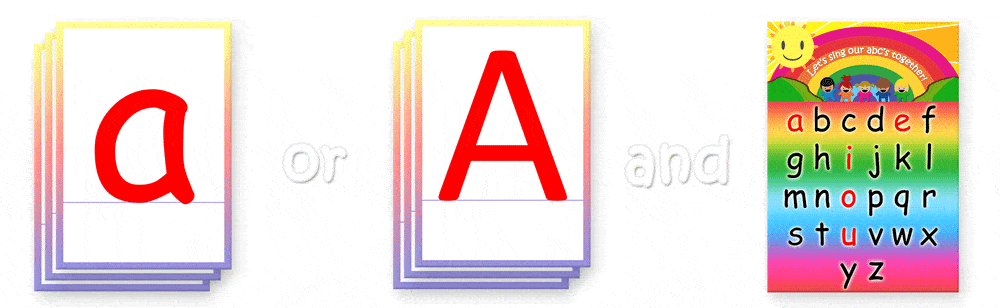
These free printable A–Z phonics flashcards are designed to help children learn letter sounds, alphabet order, and early reading skills in a simple, hands-on way.
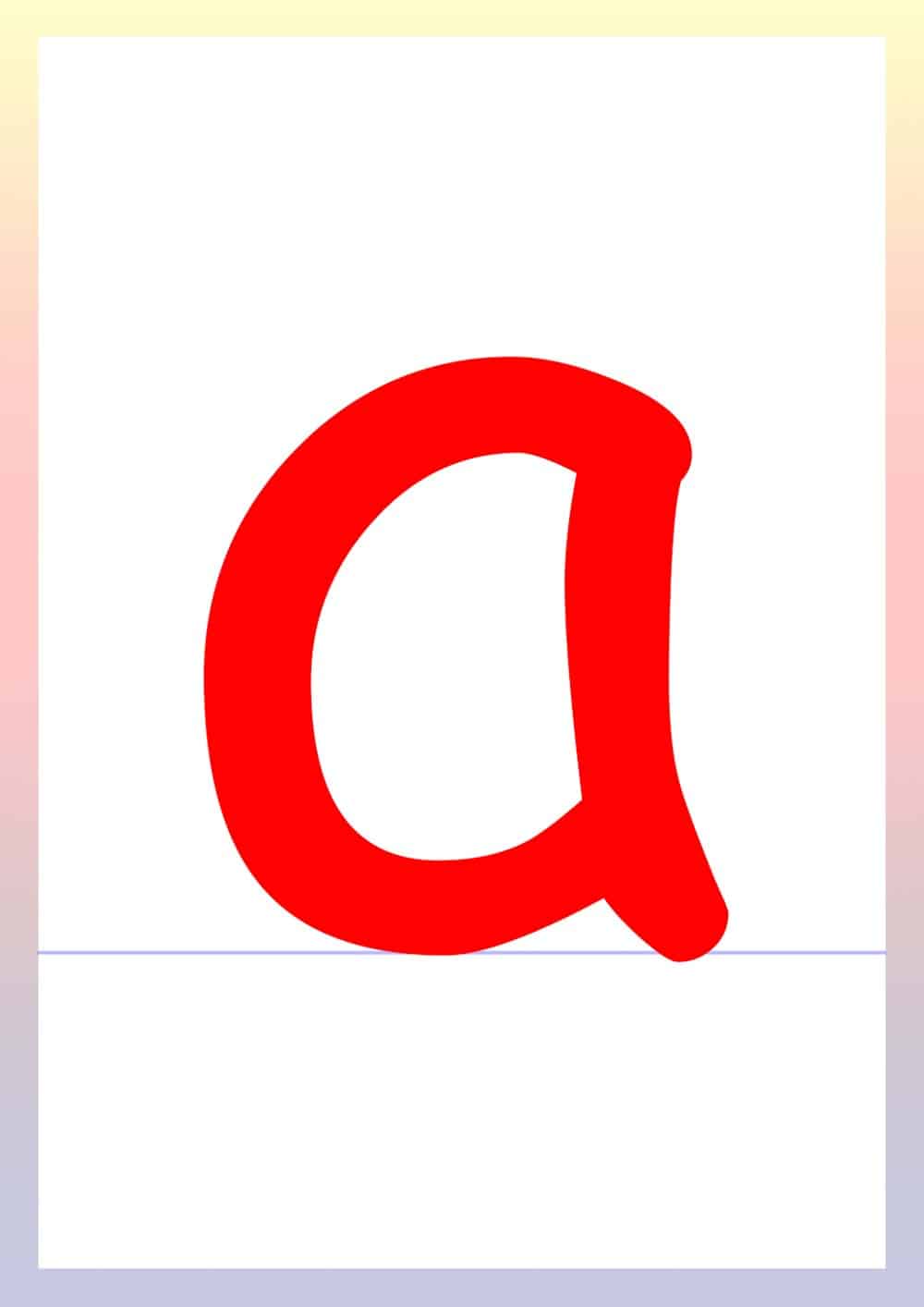
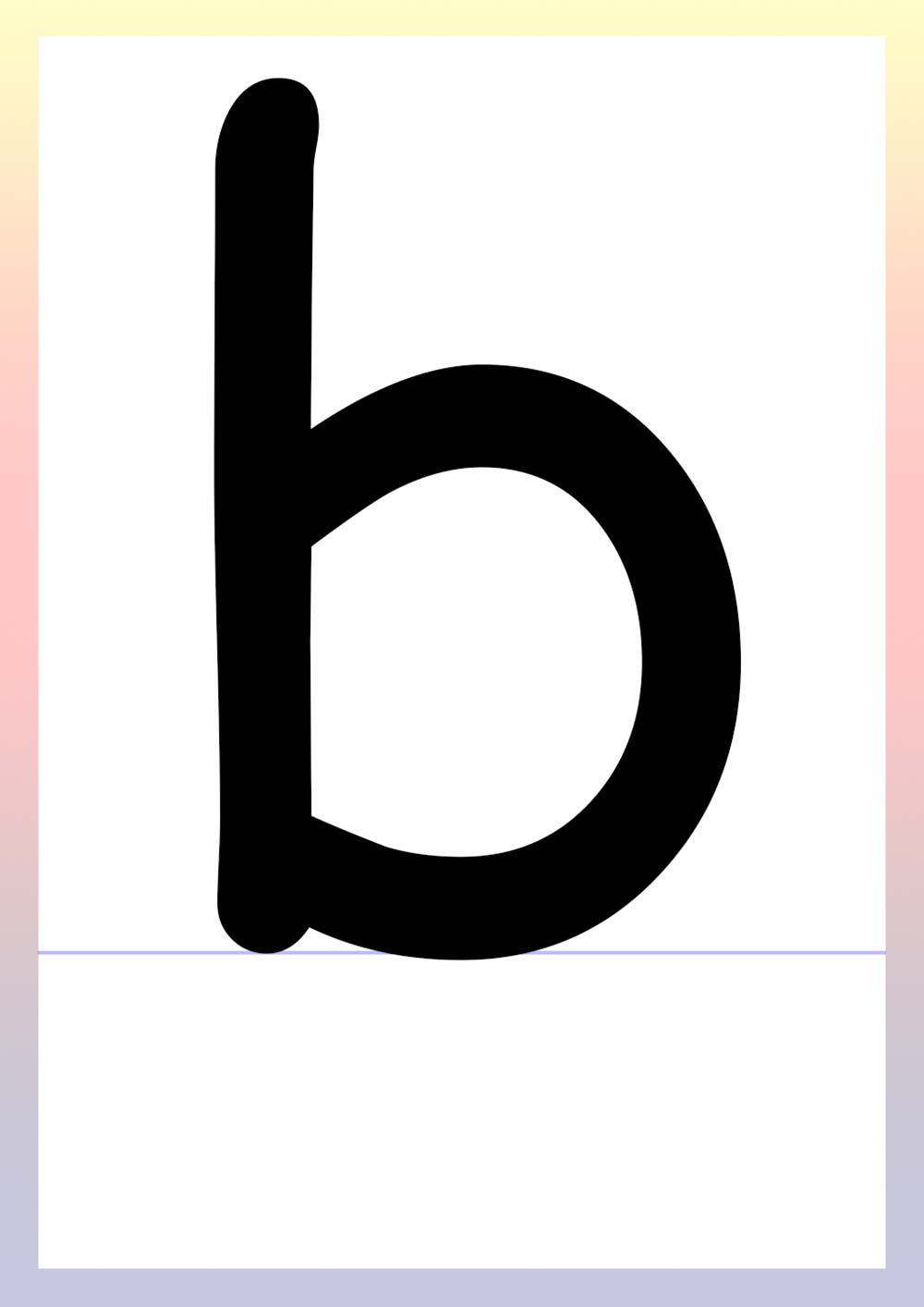
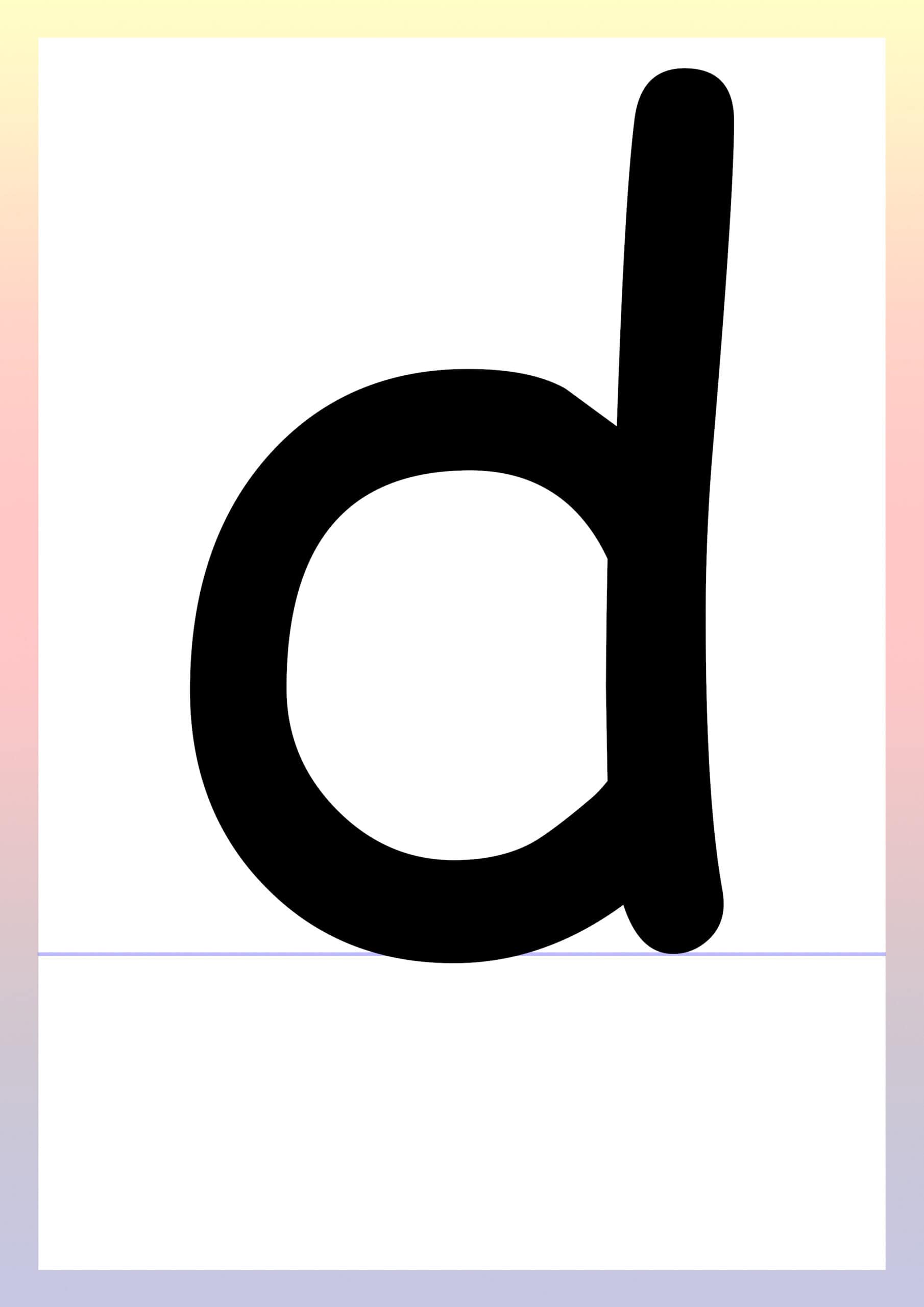
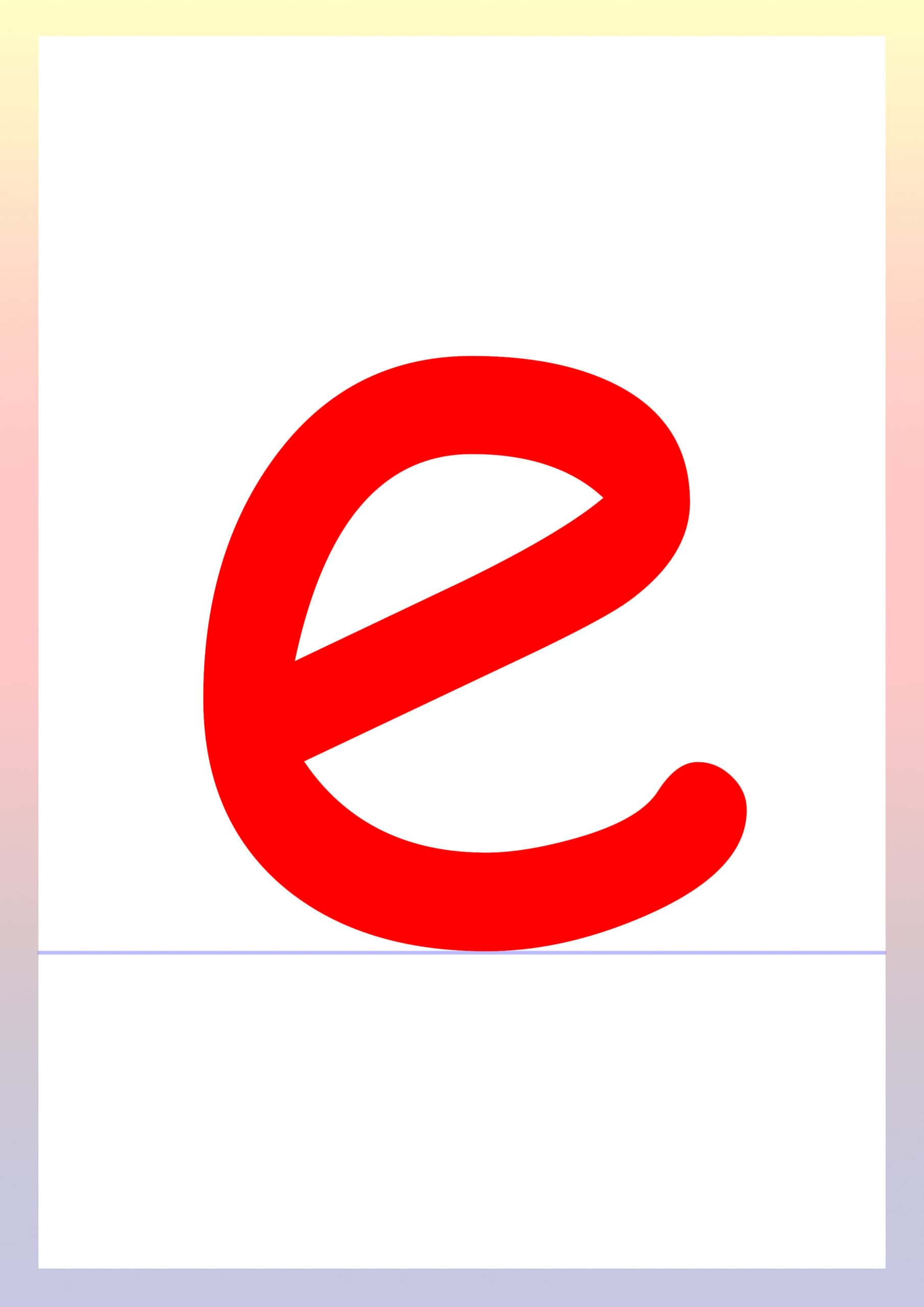
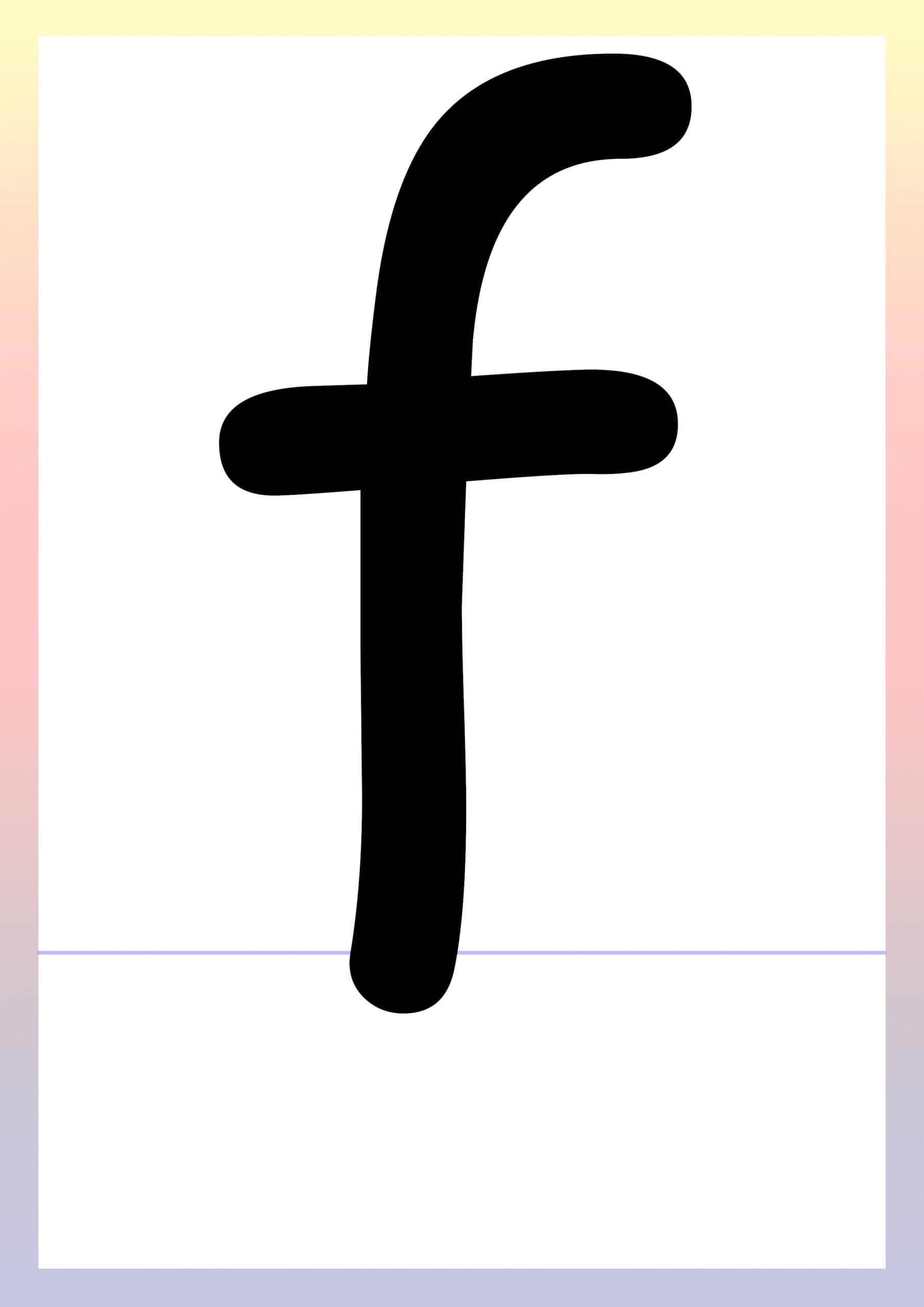
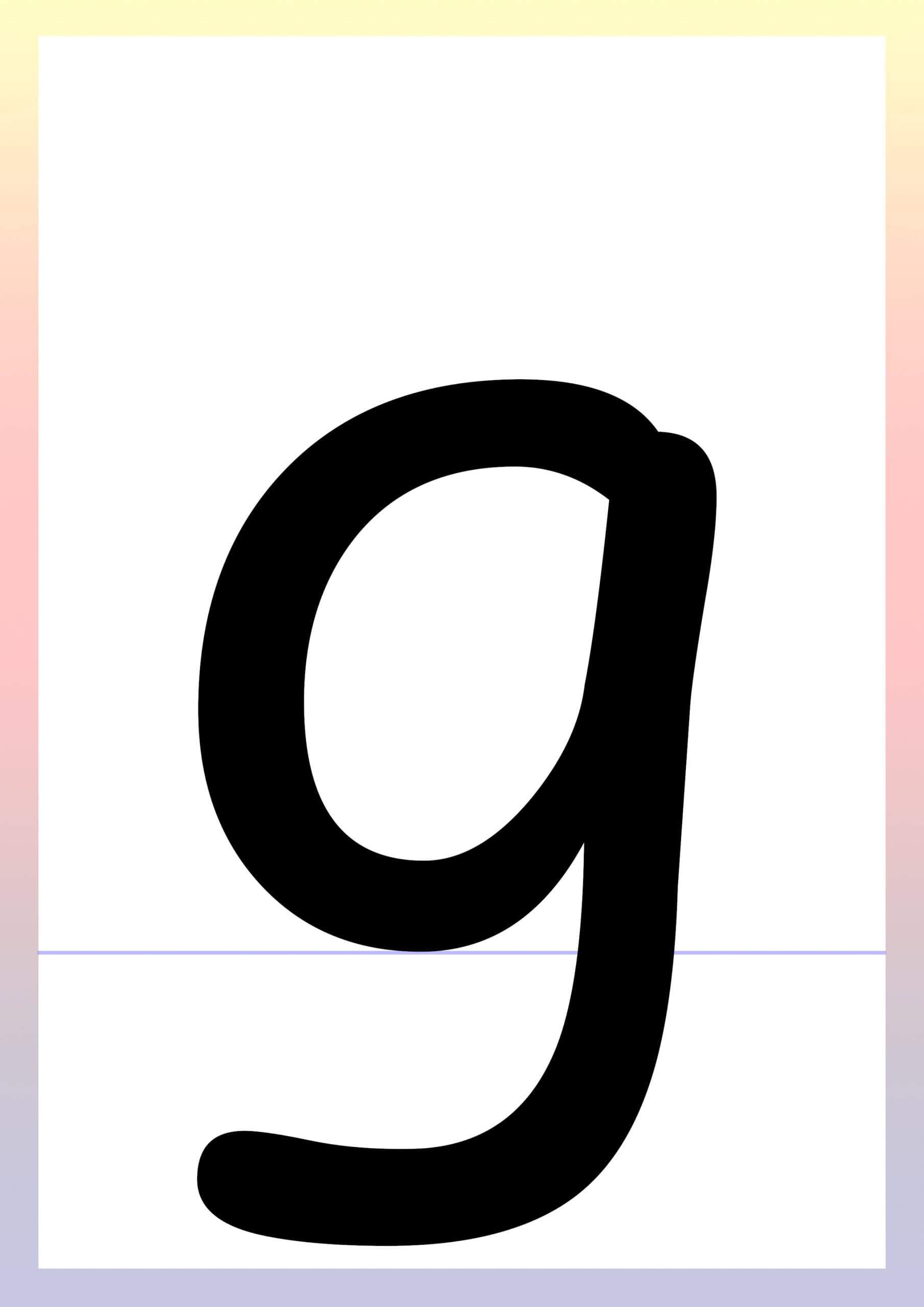
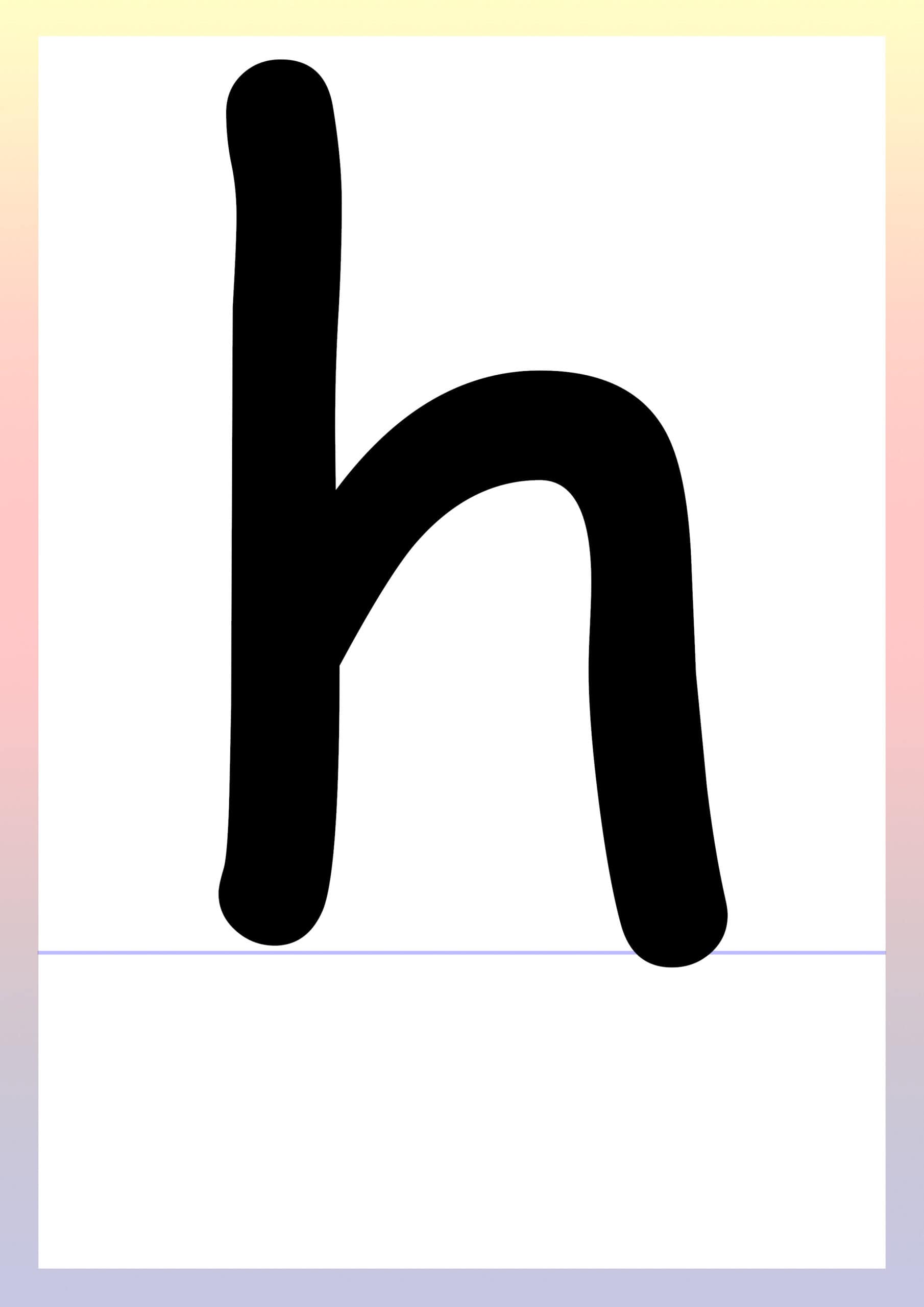
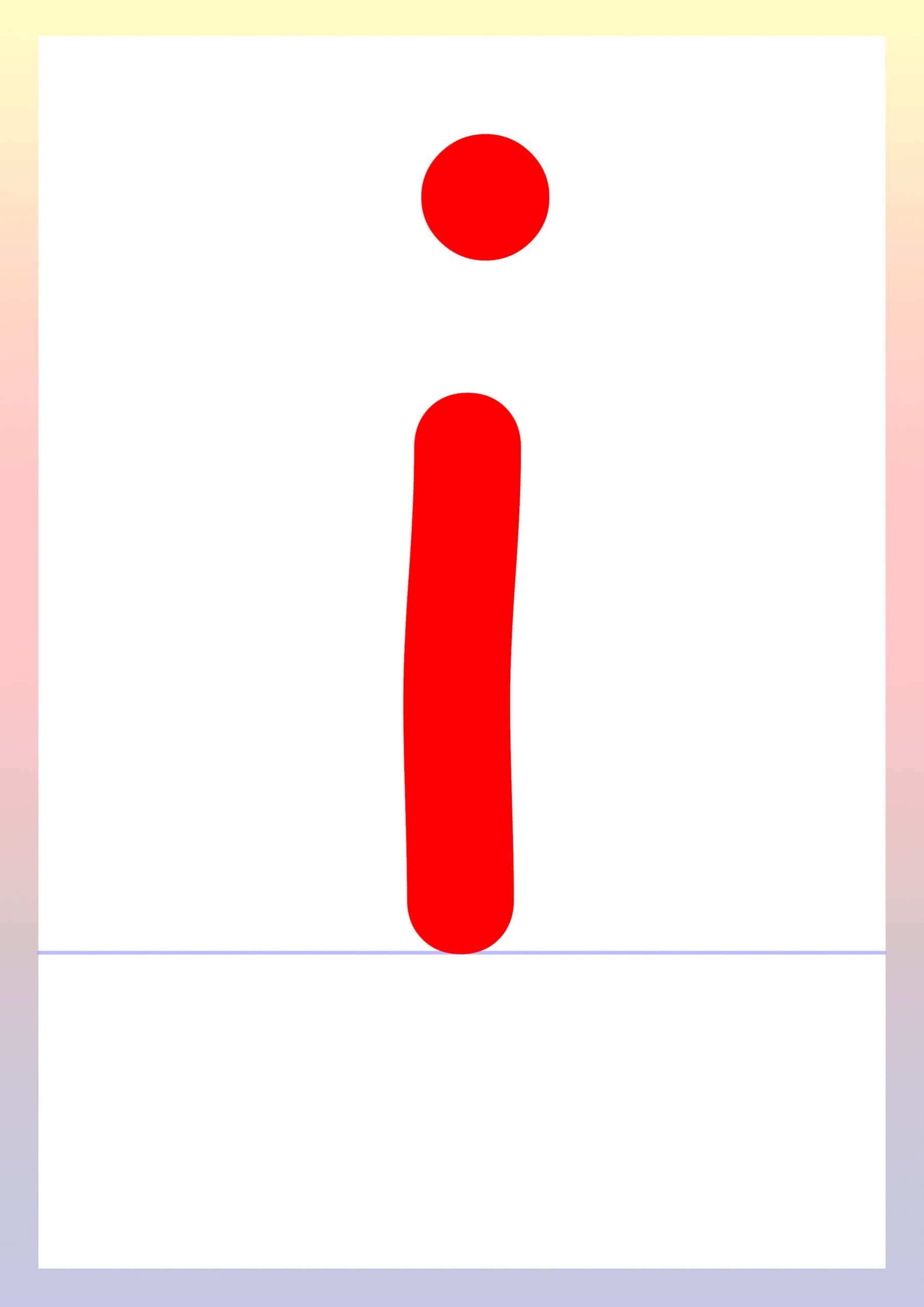
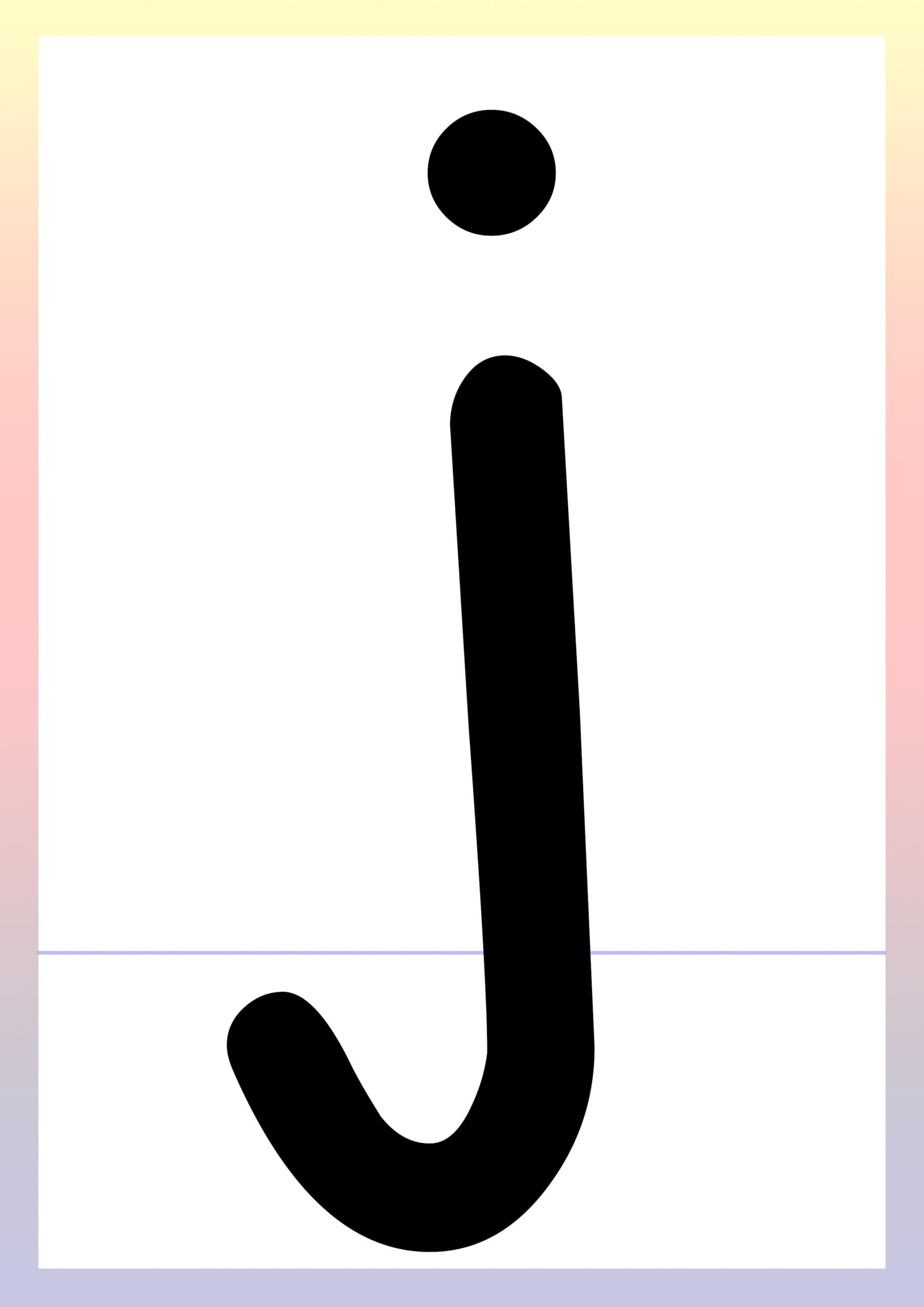
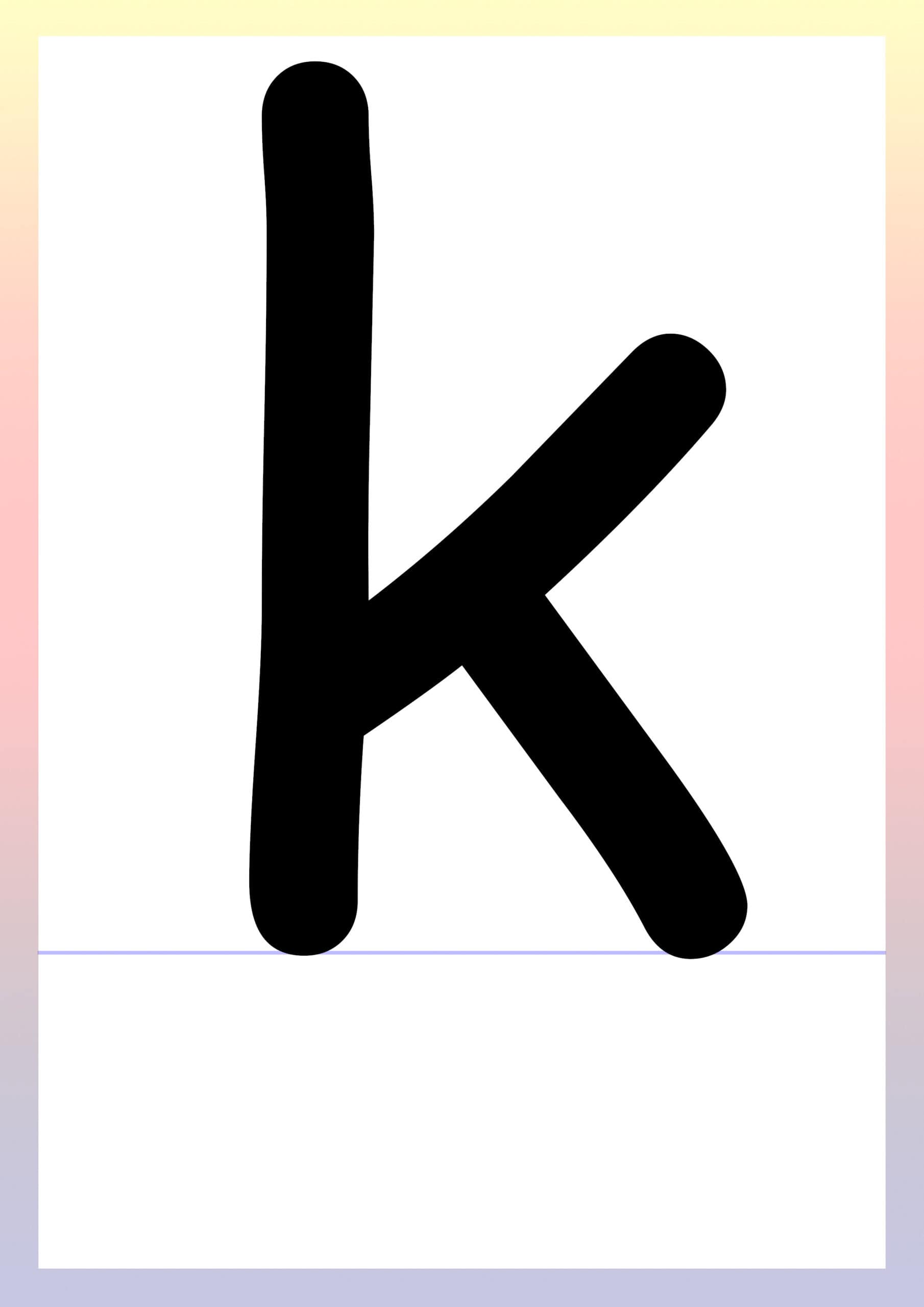
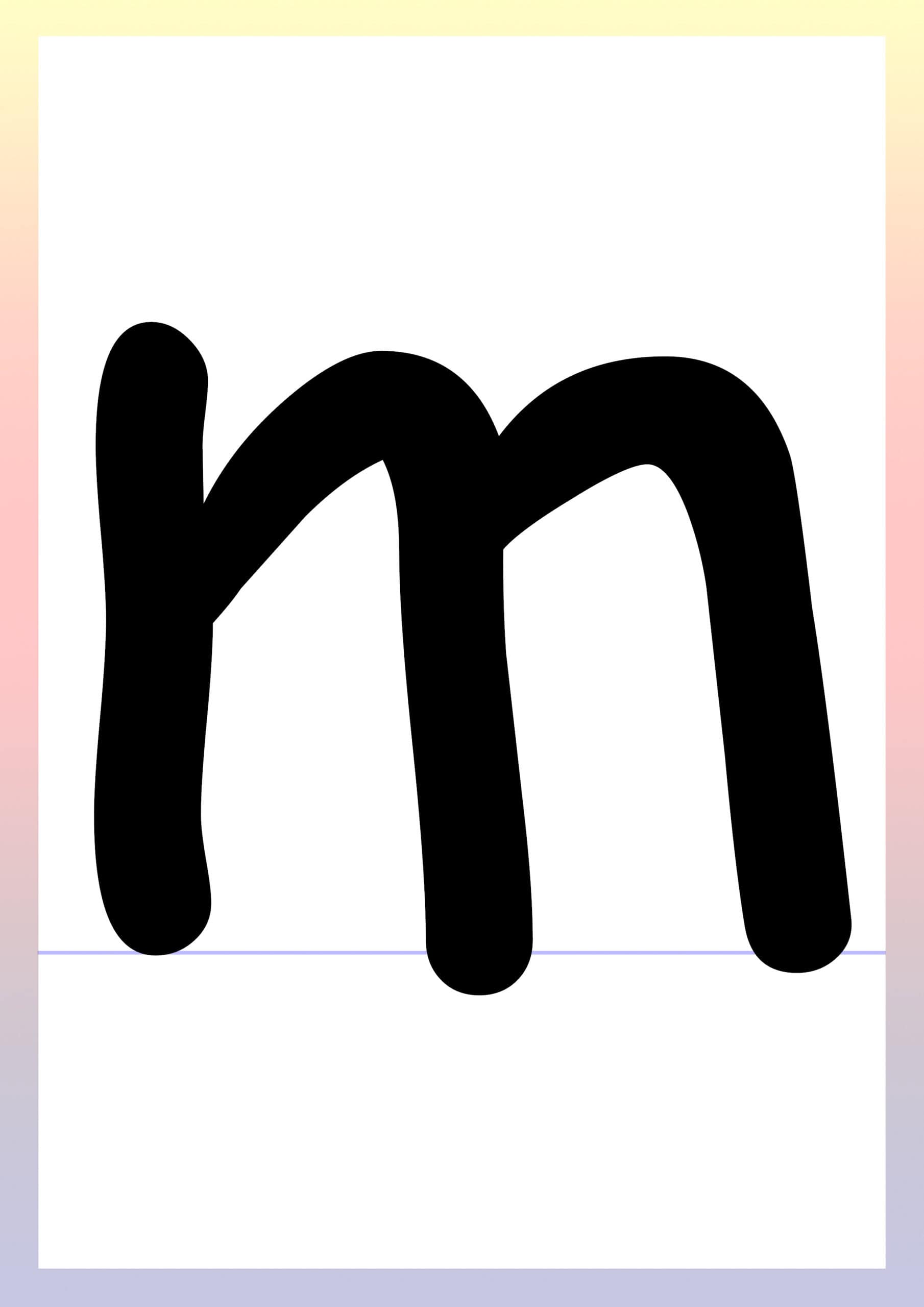
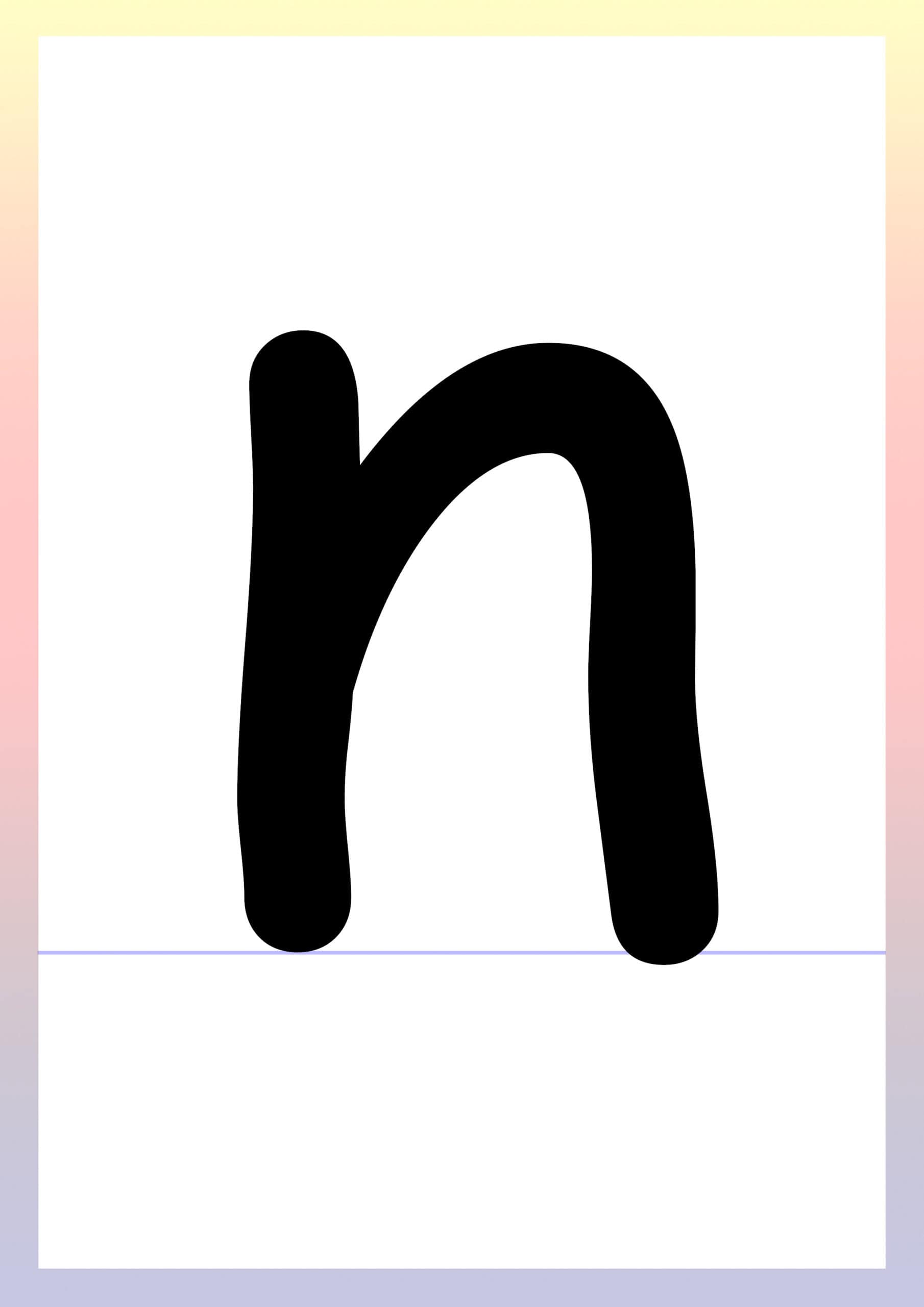
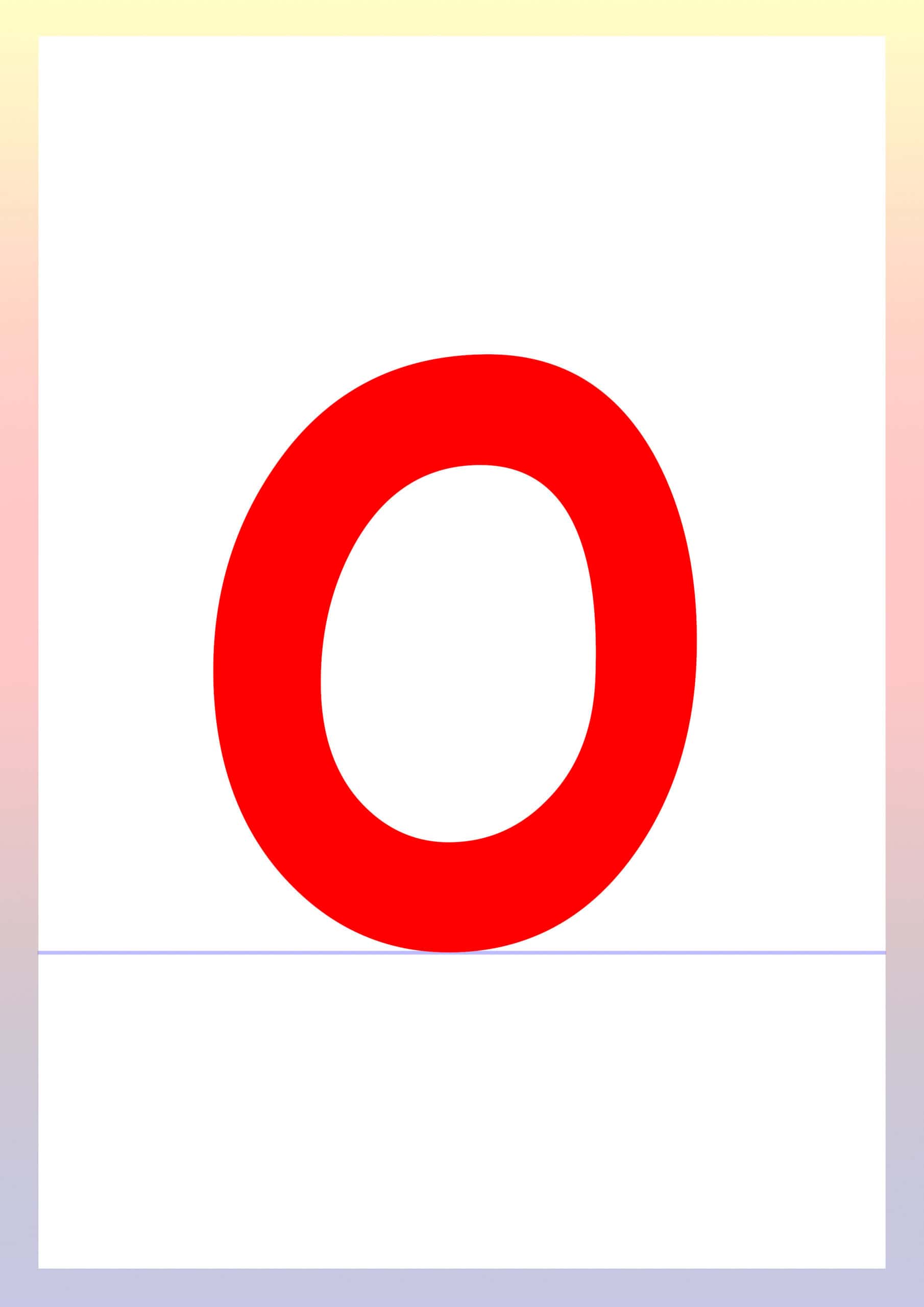
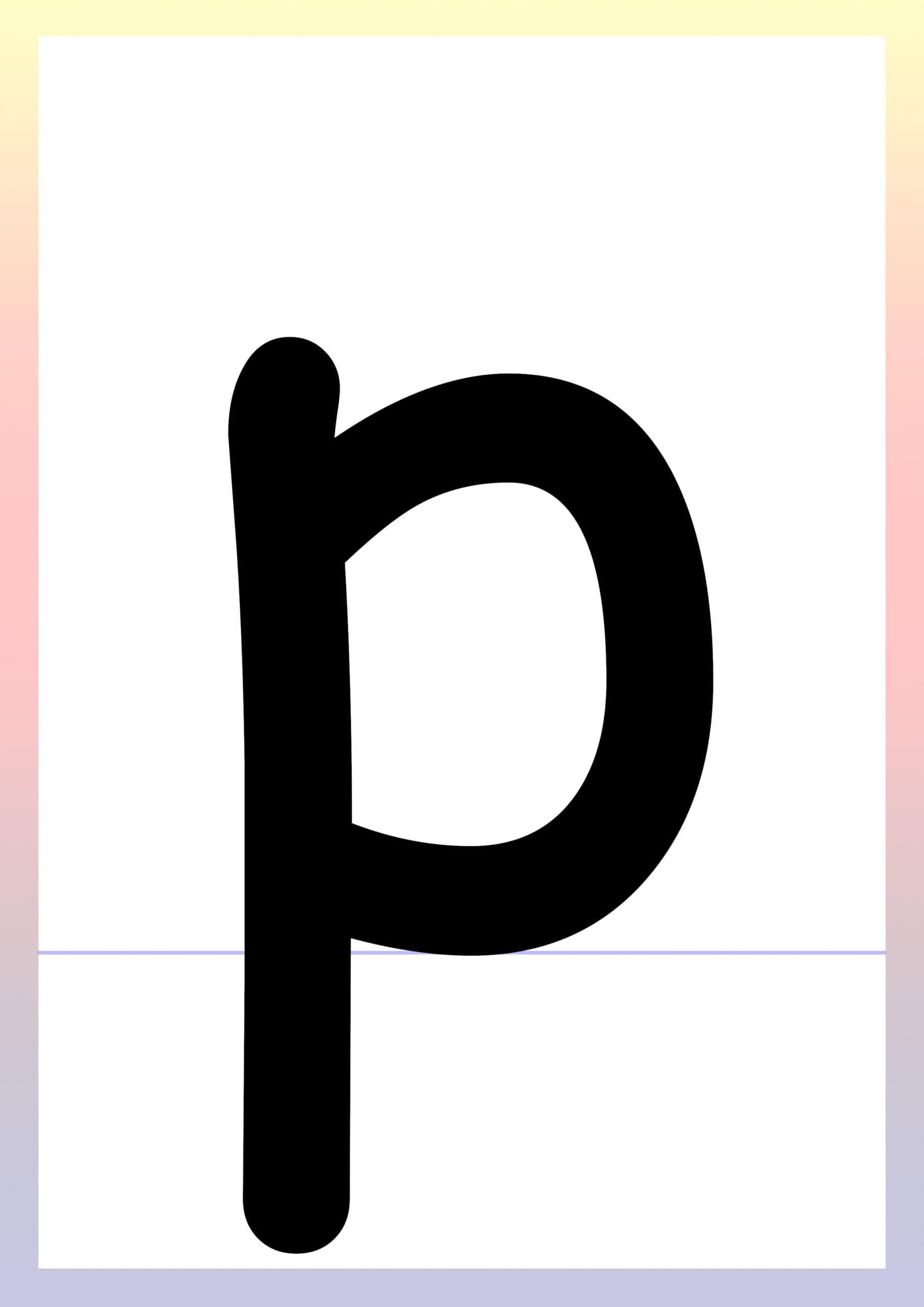
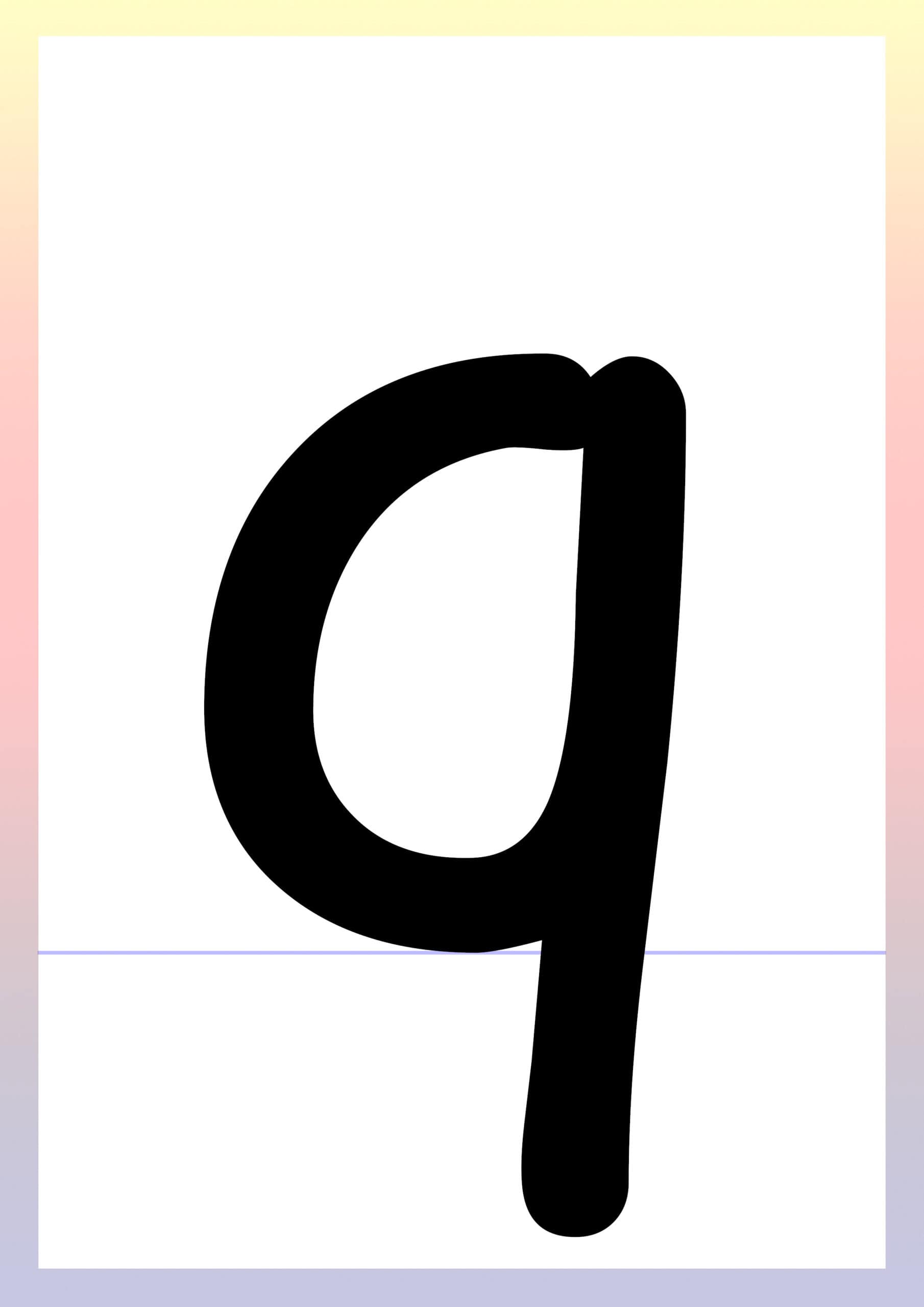
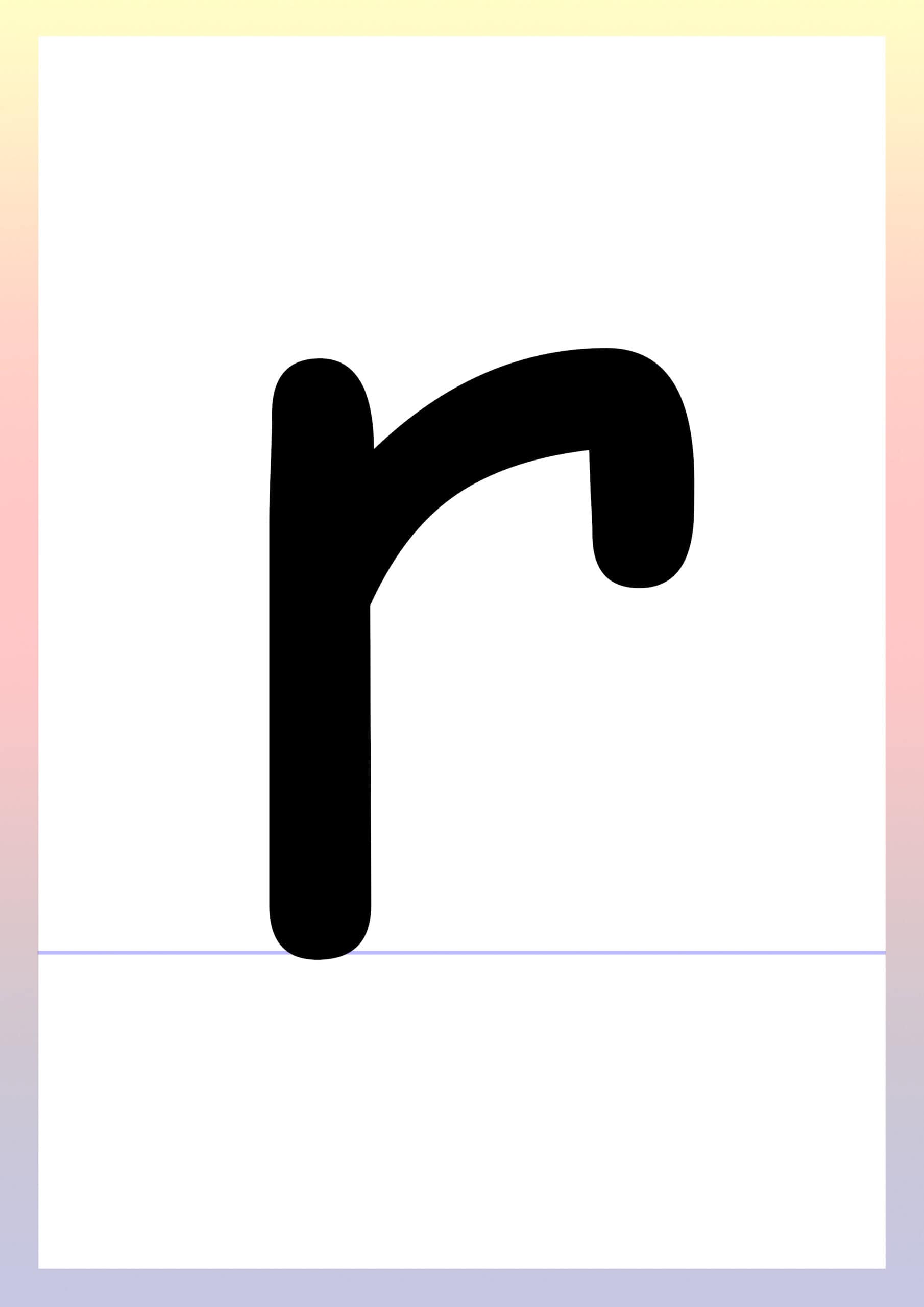
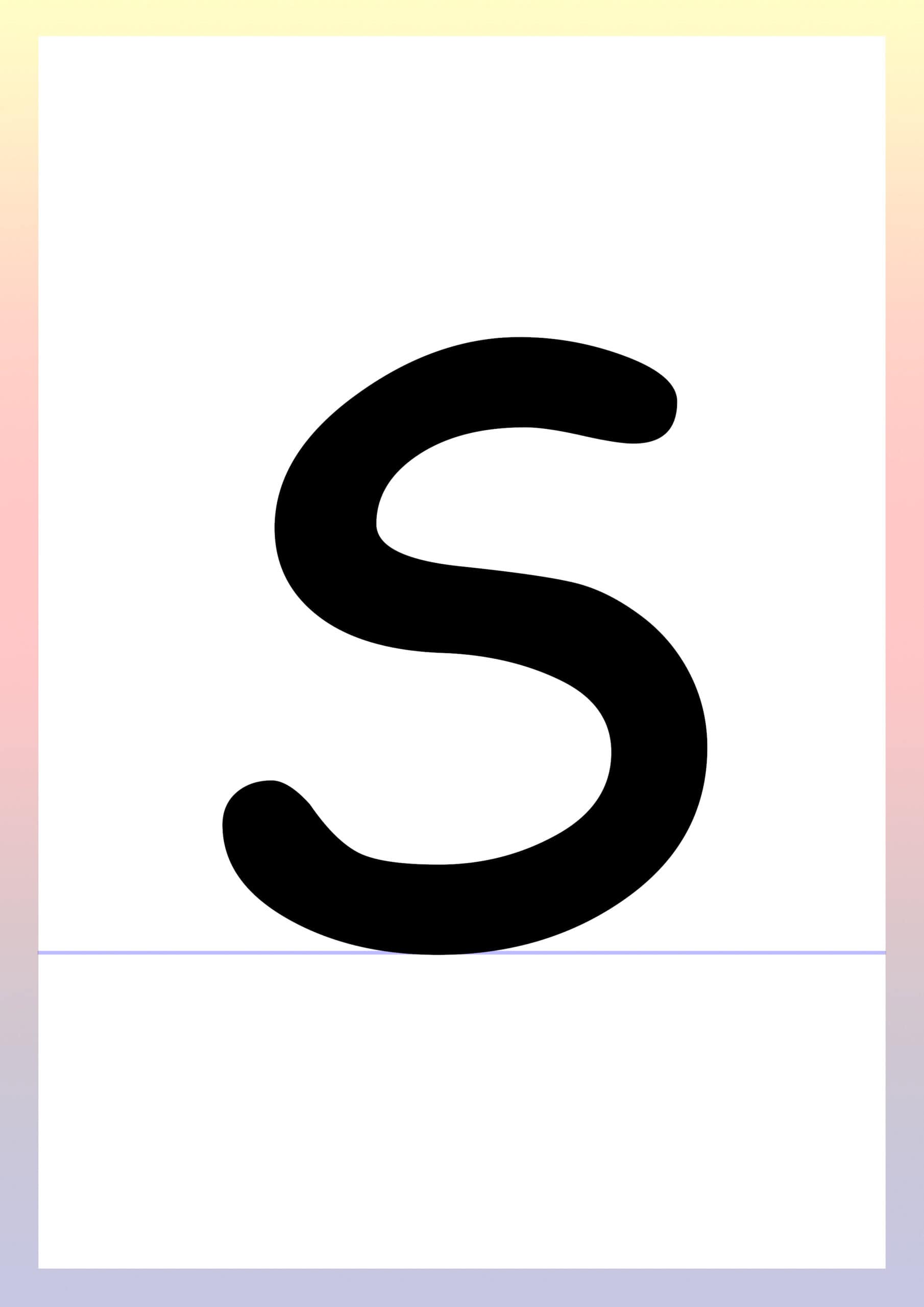
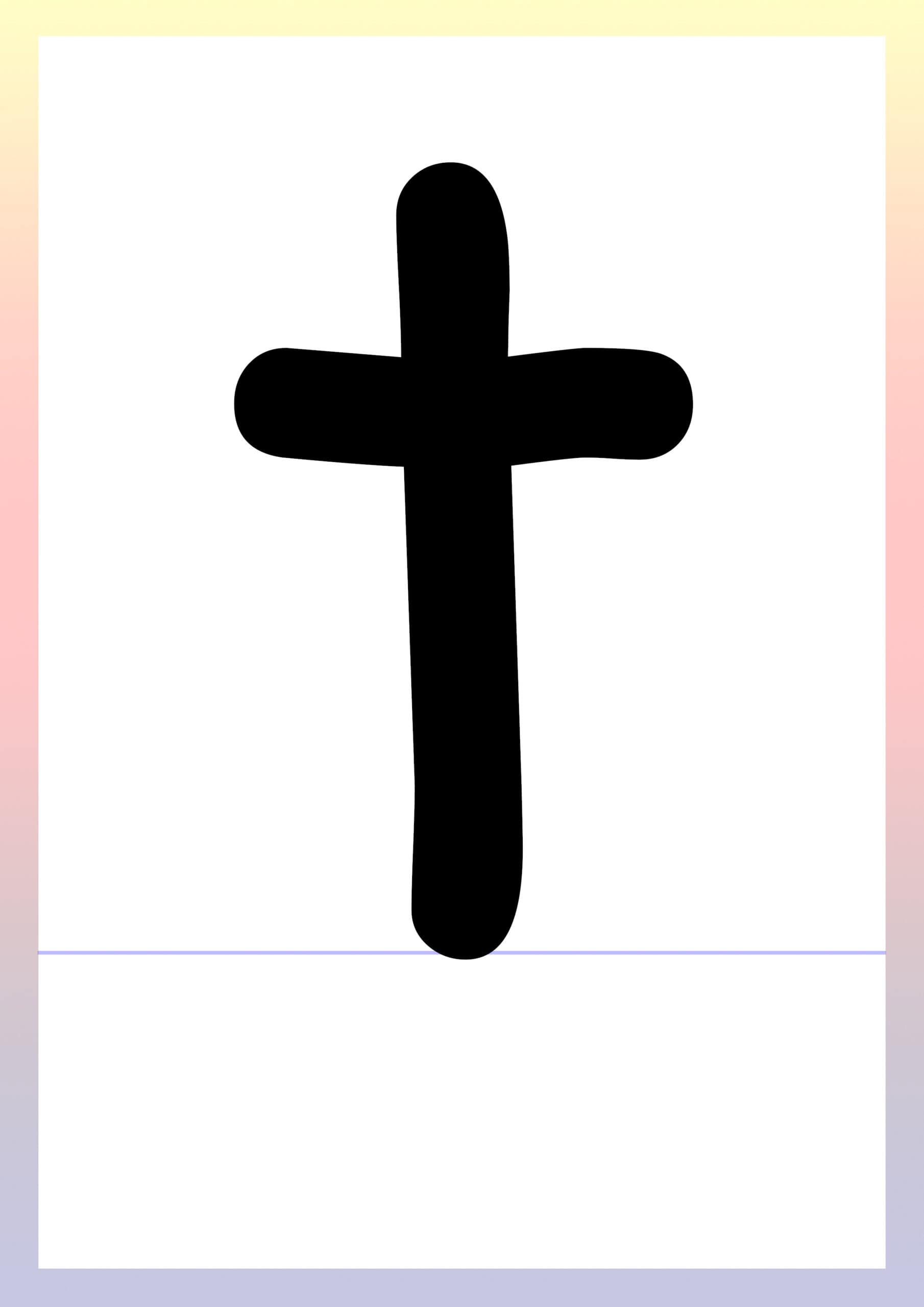
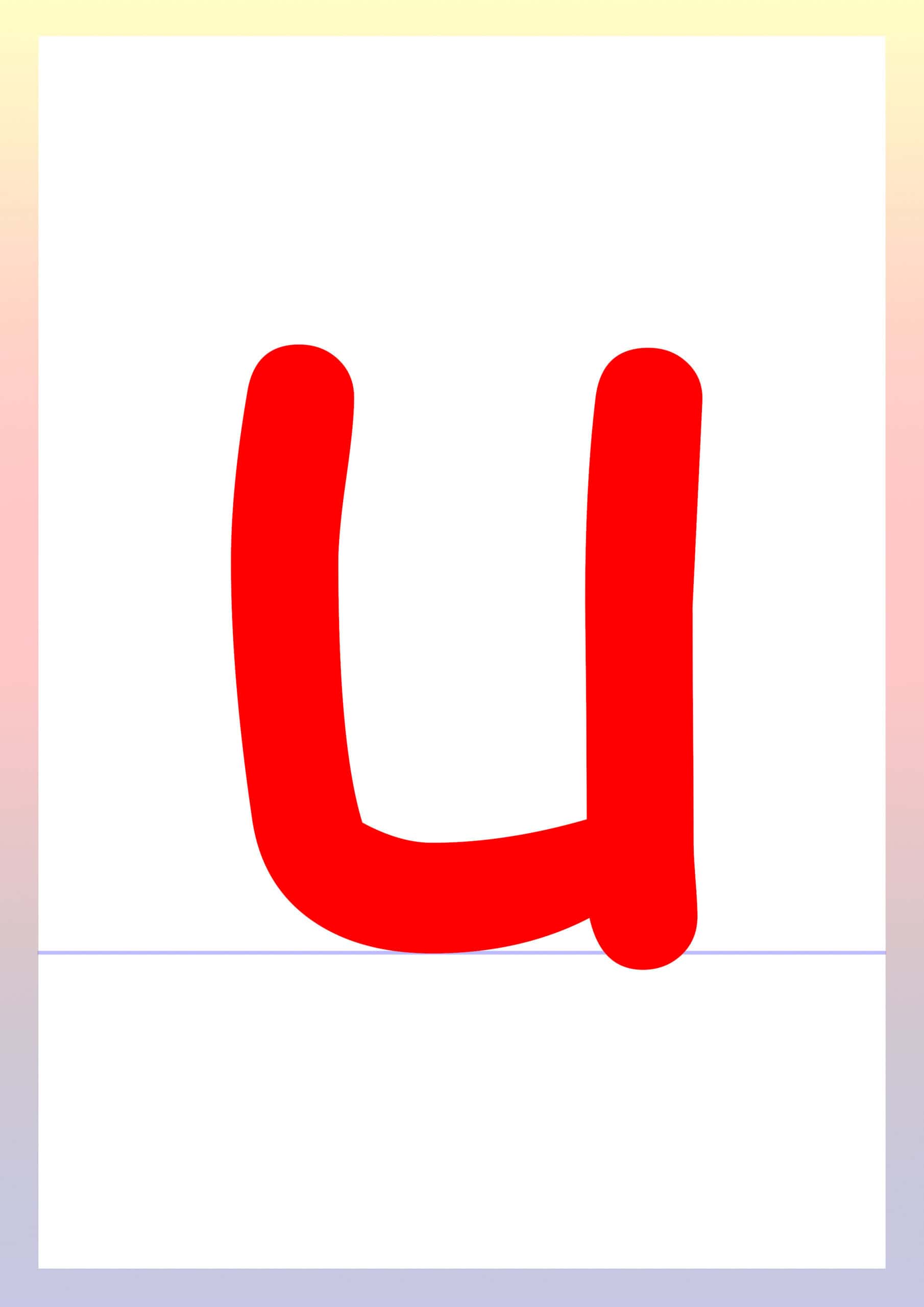
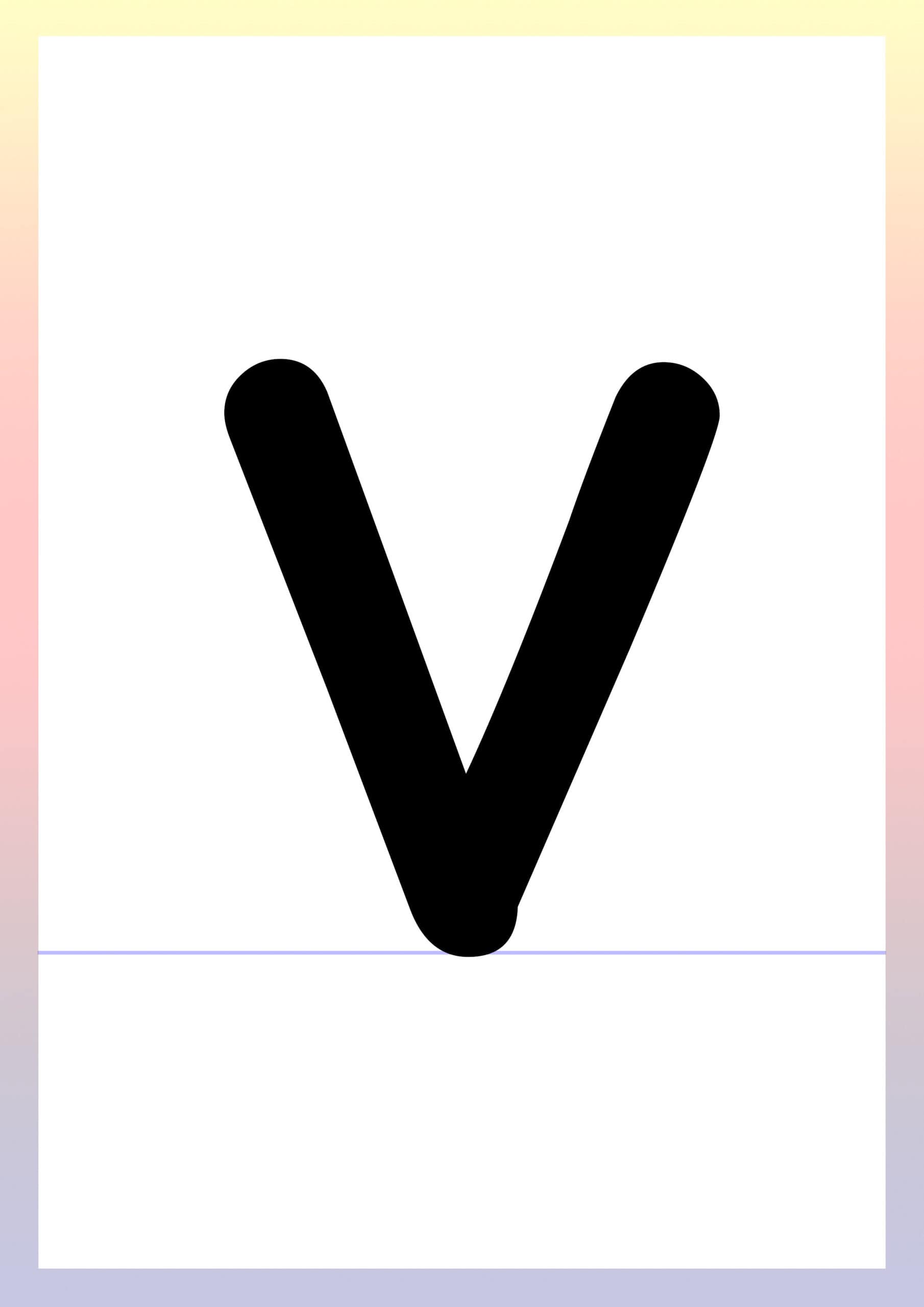
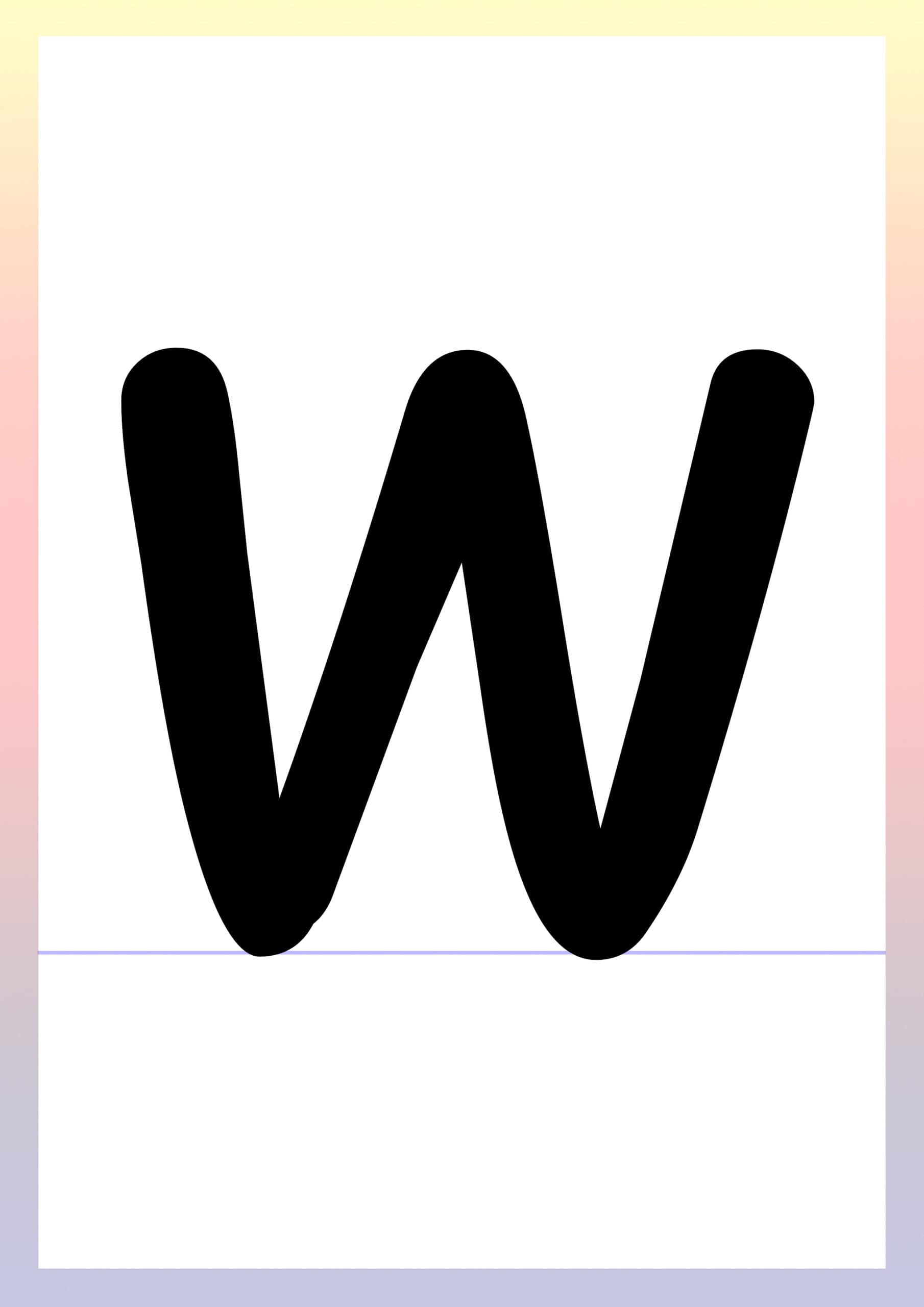
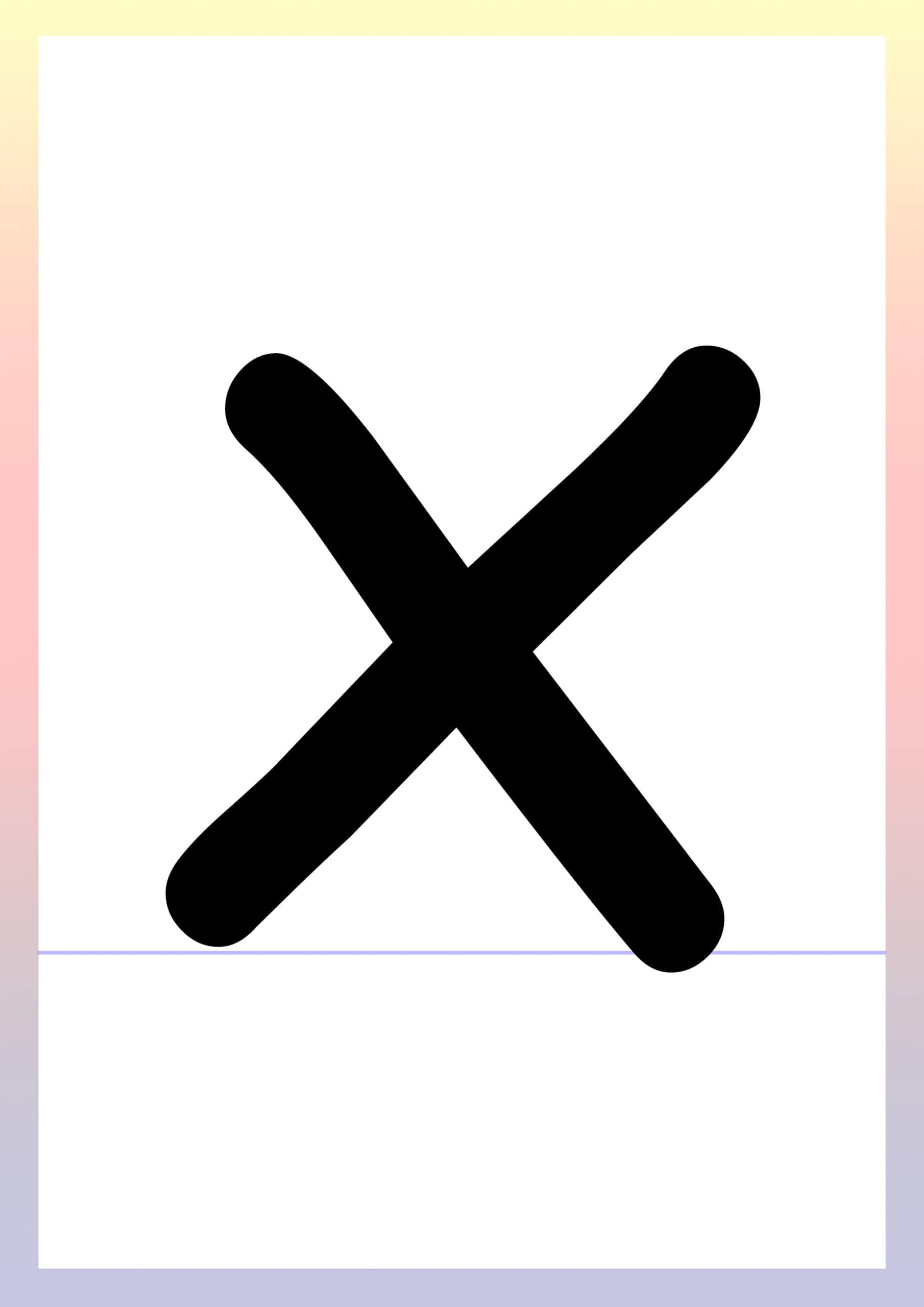
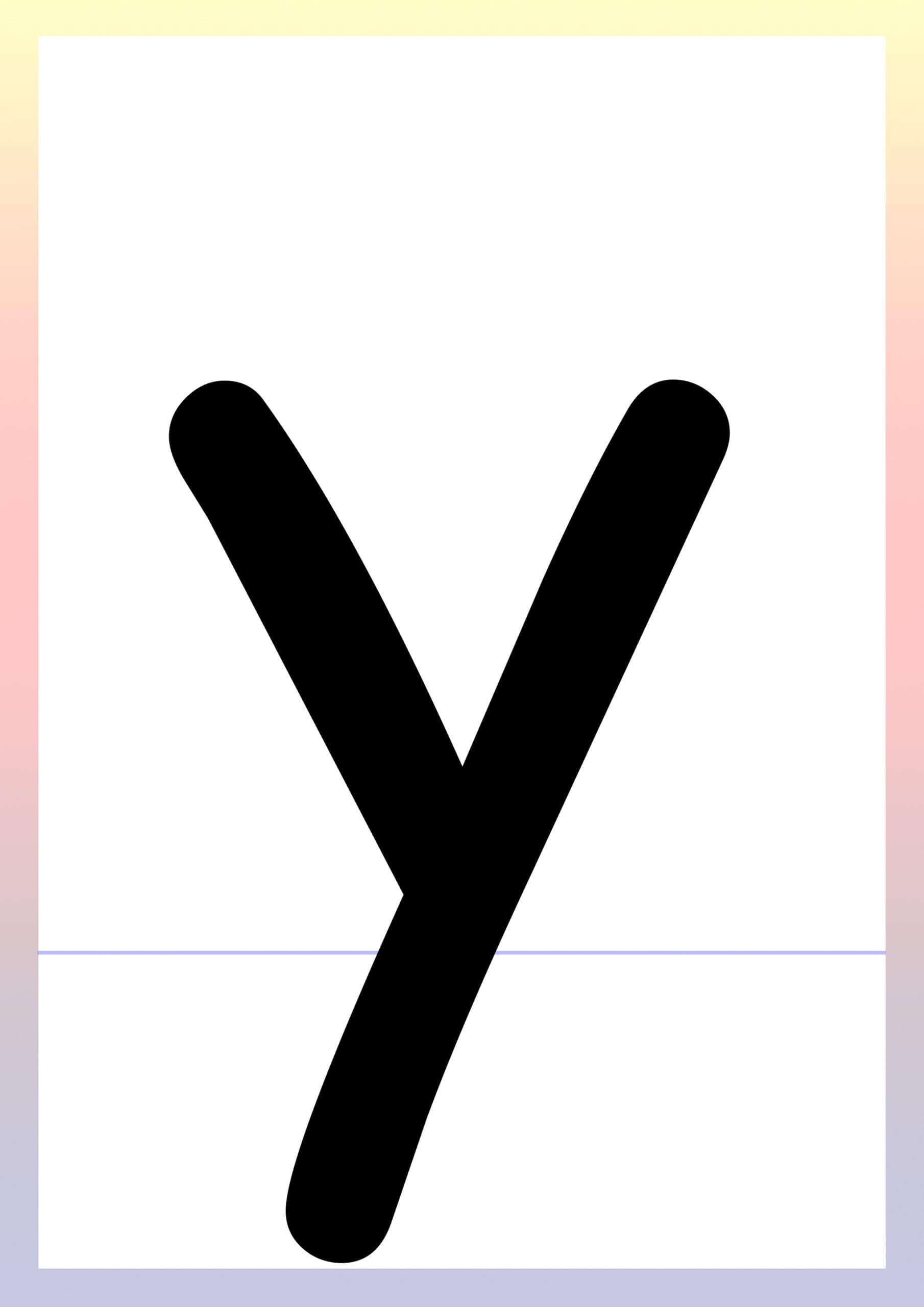
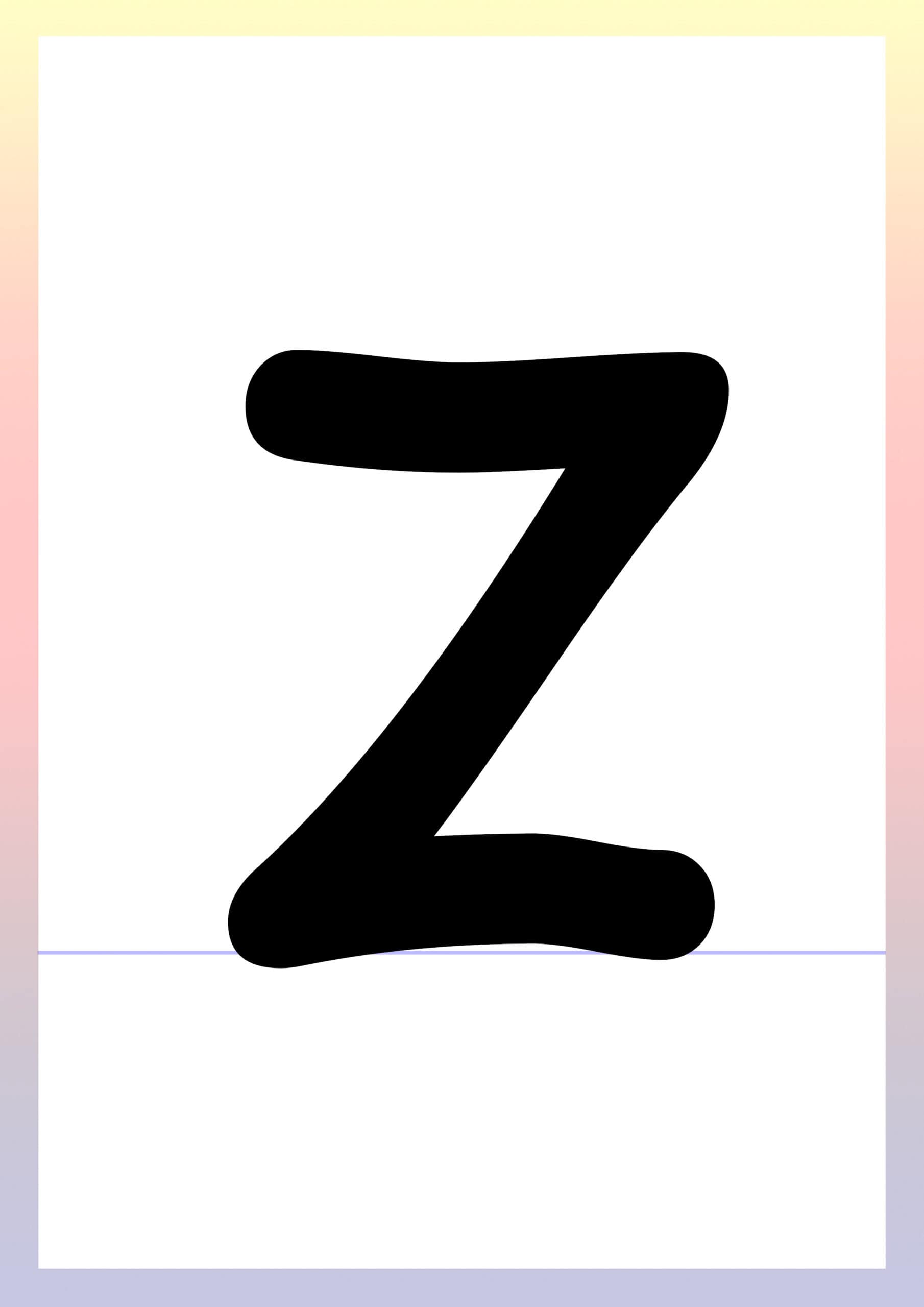
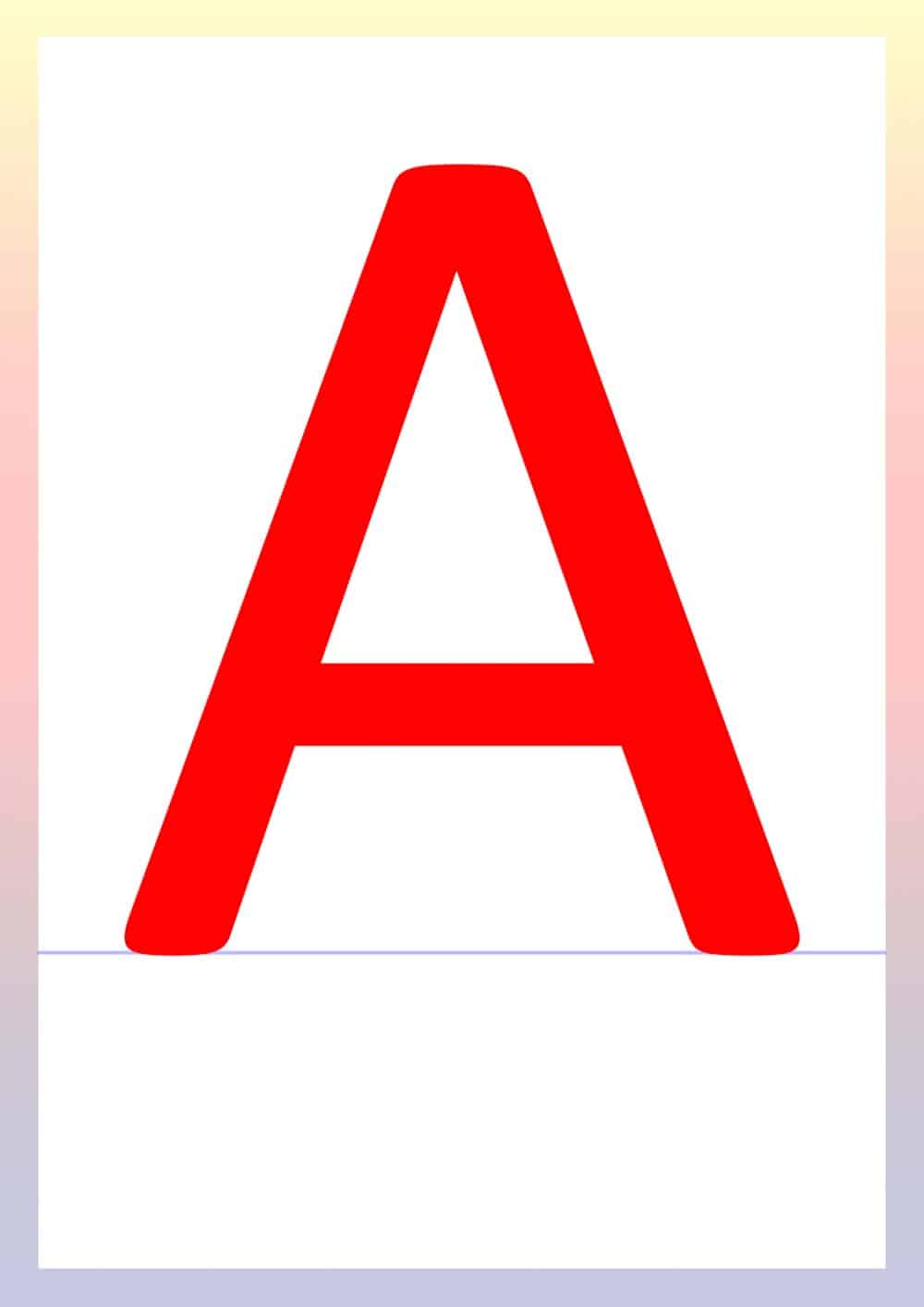
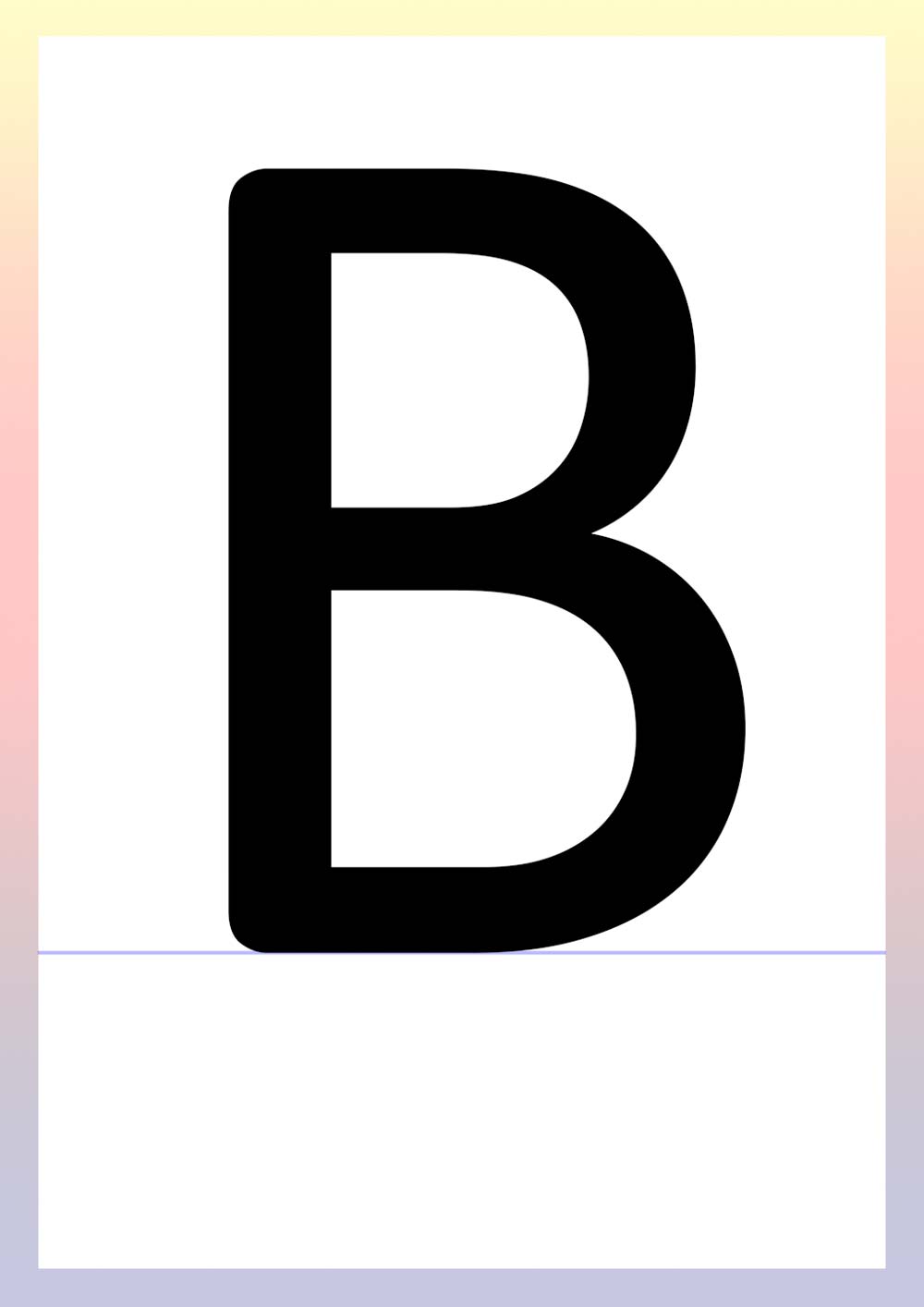
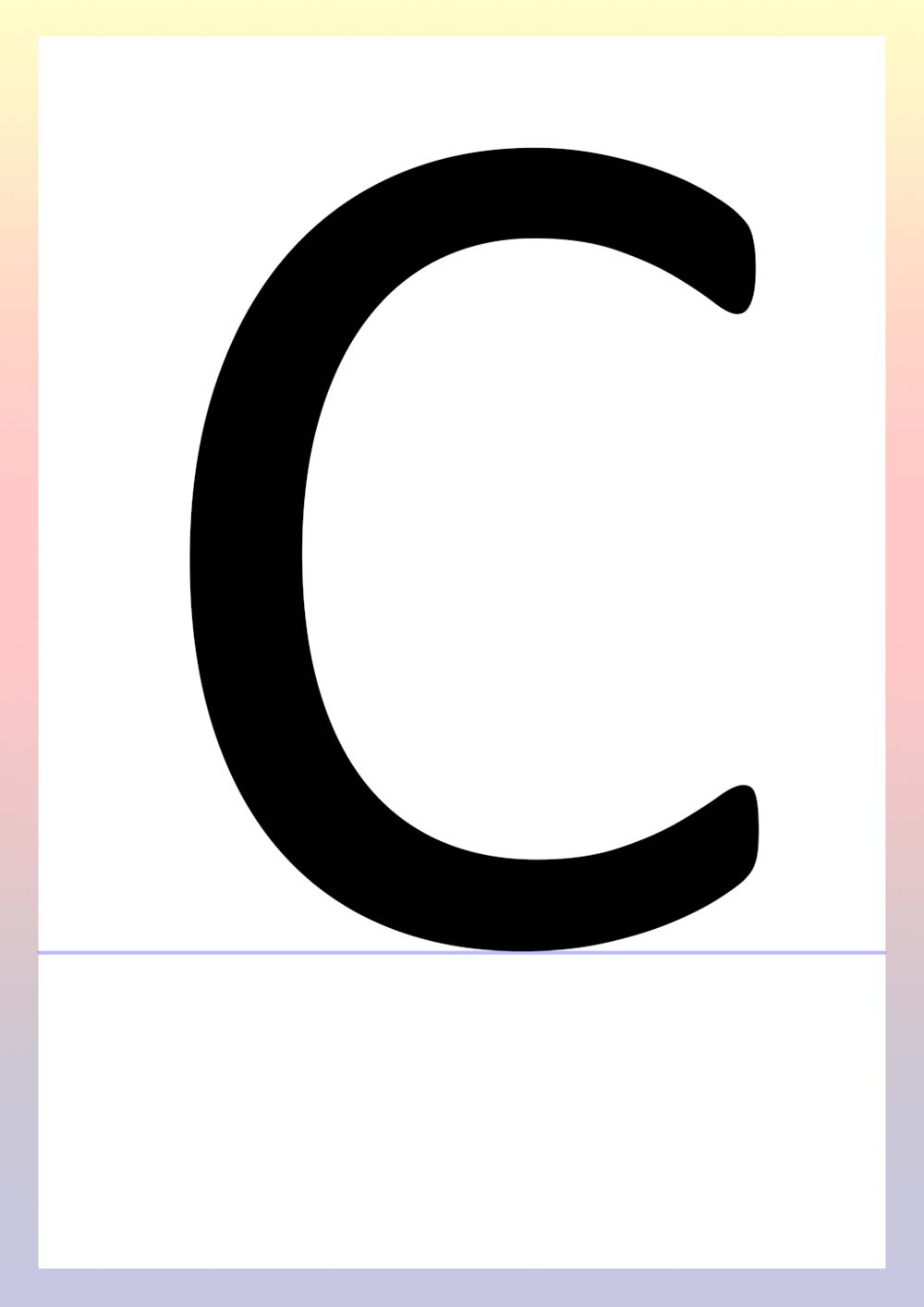
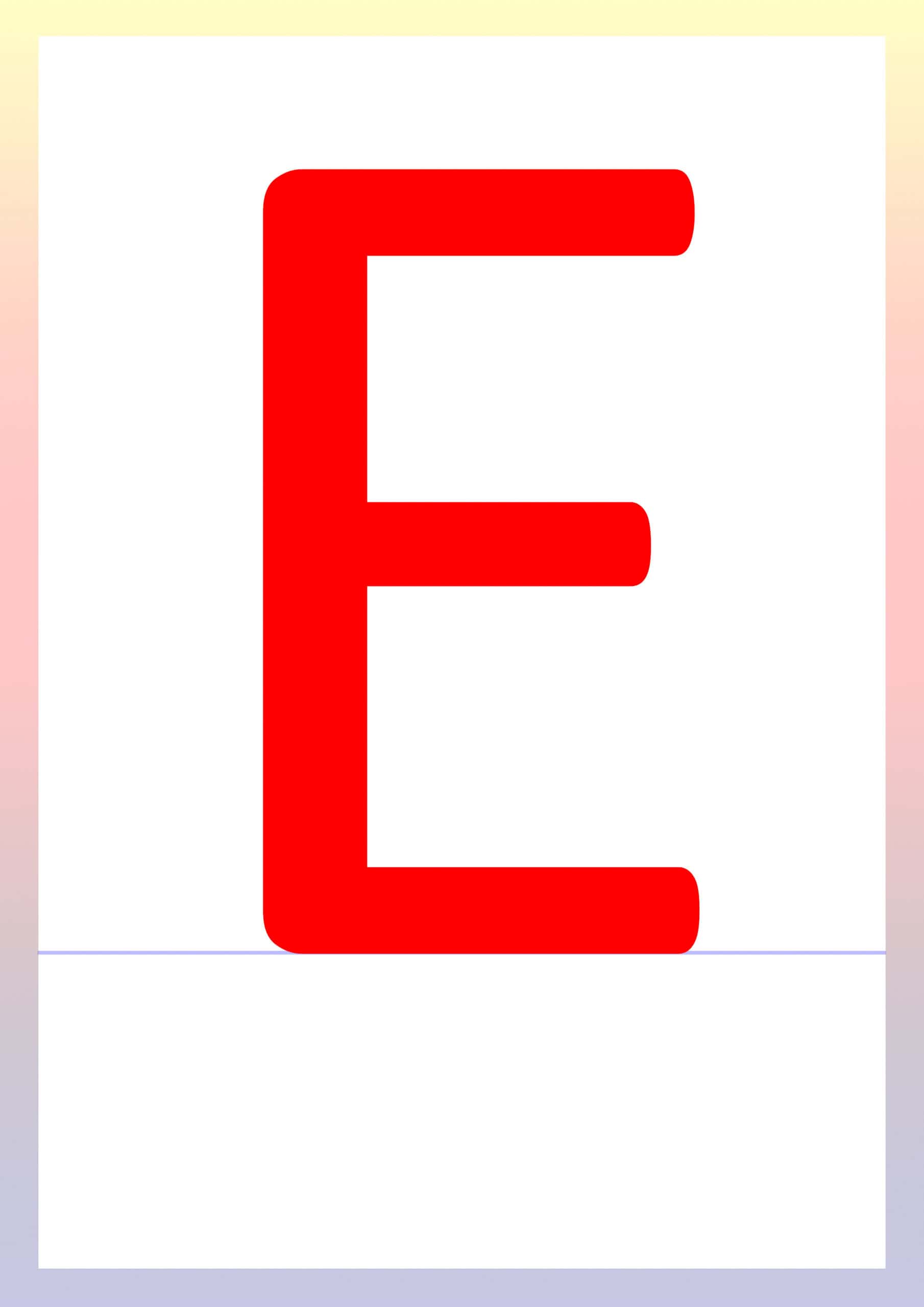
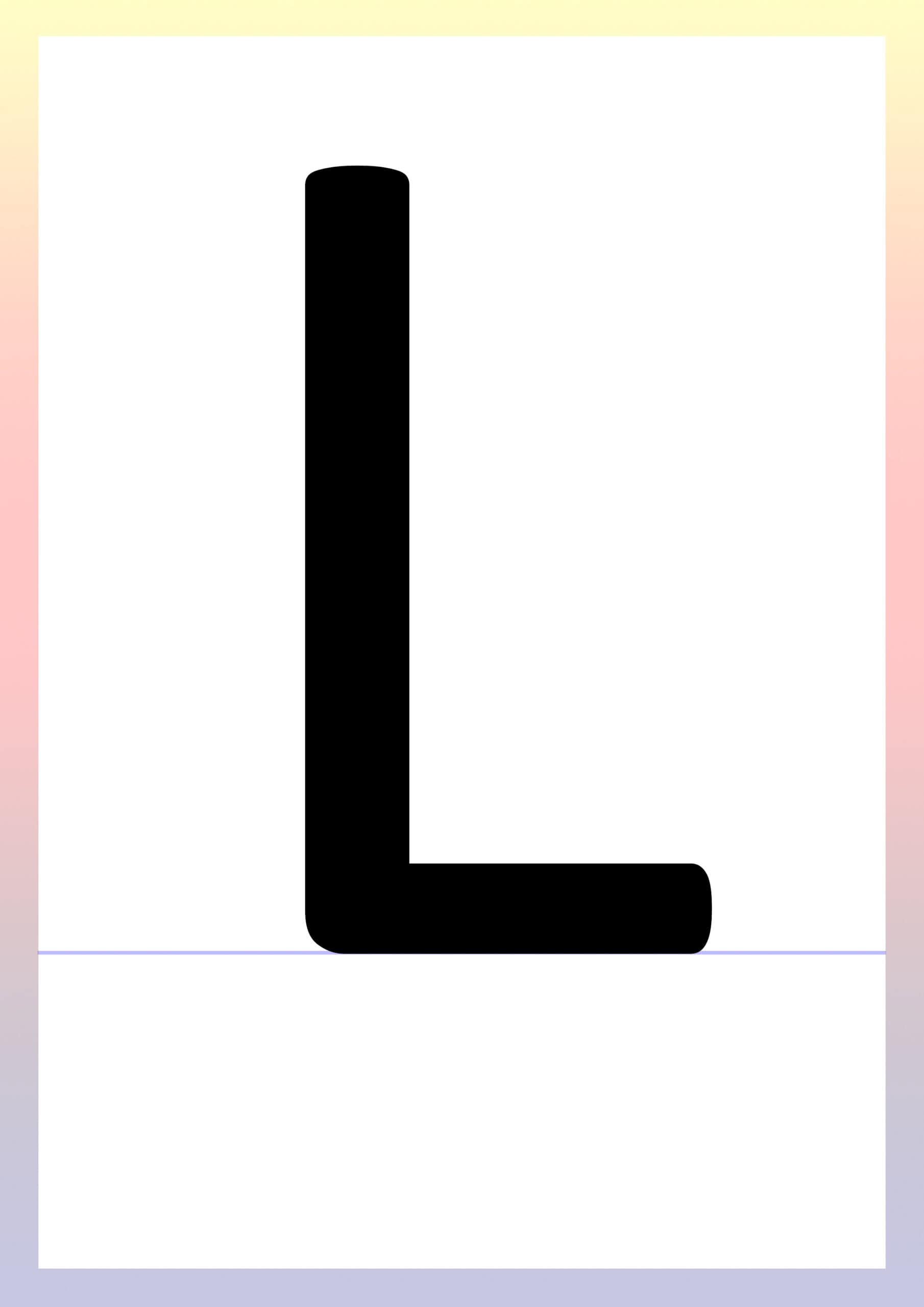
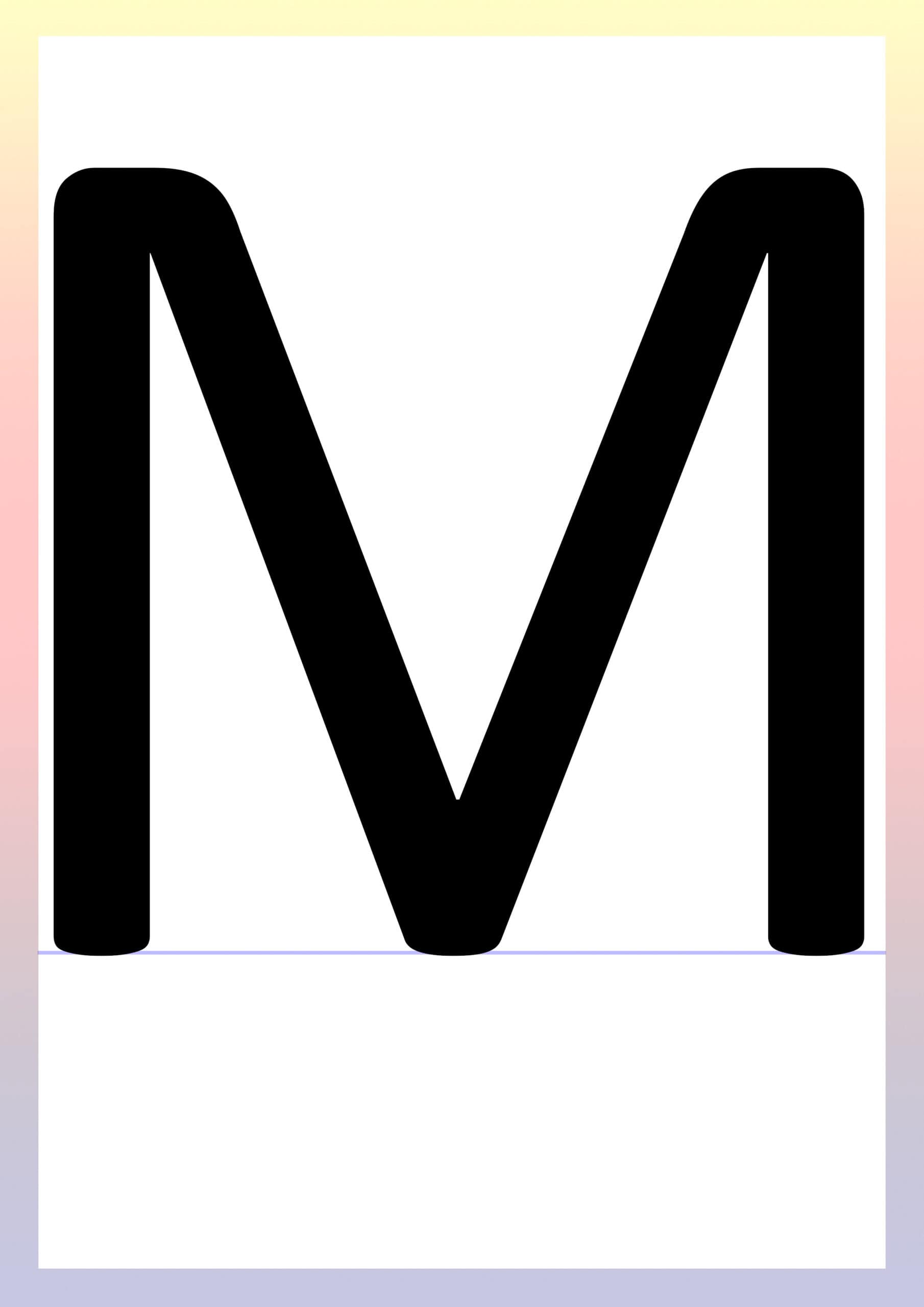
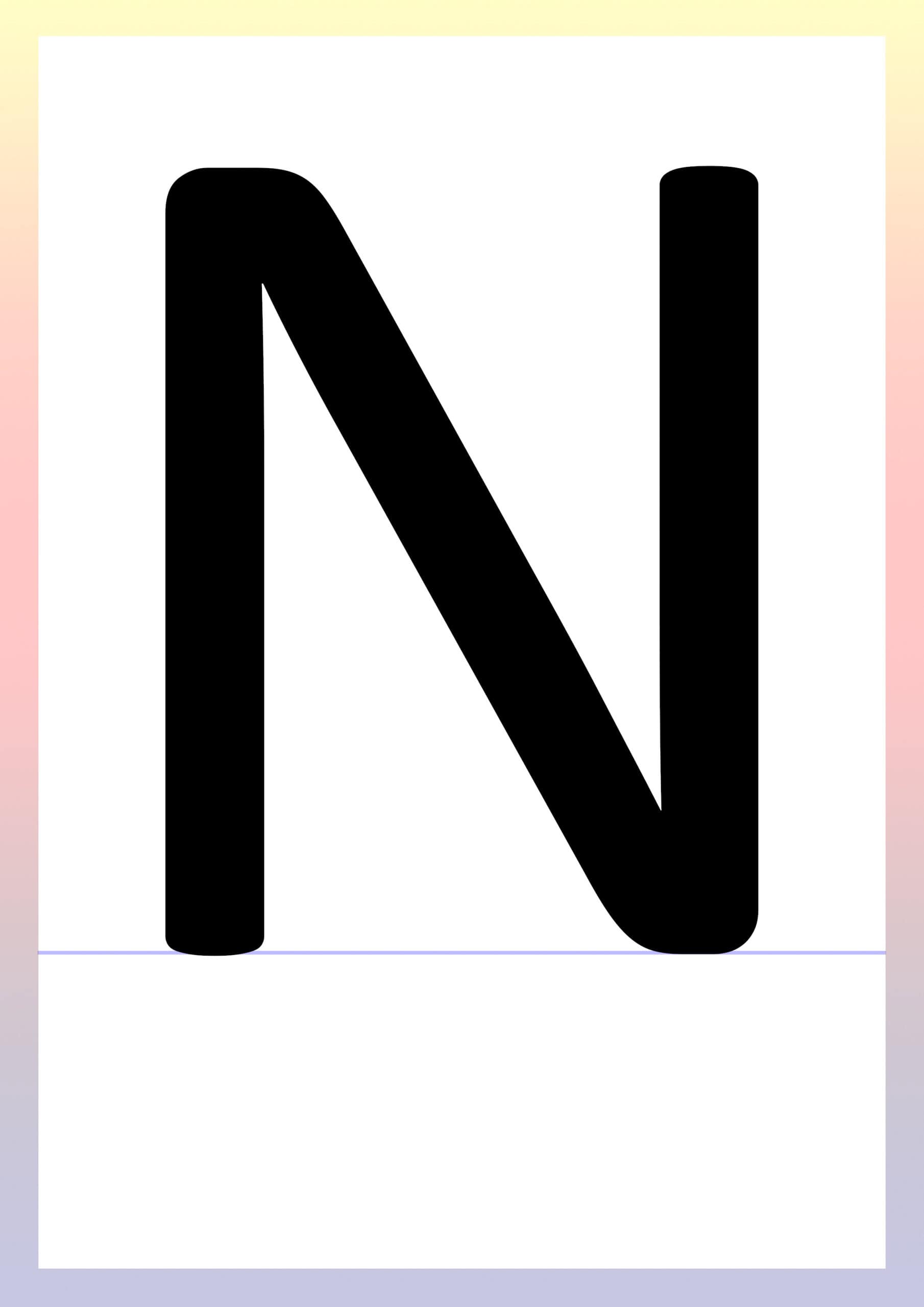
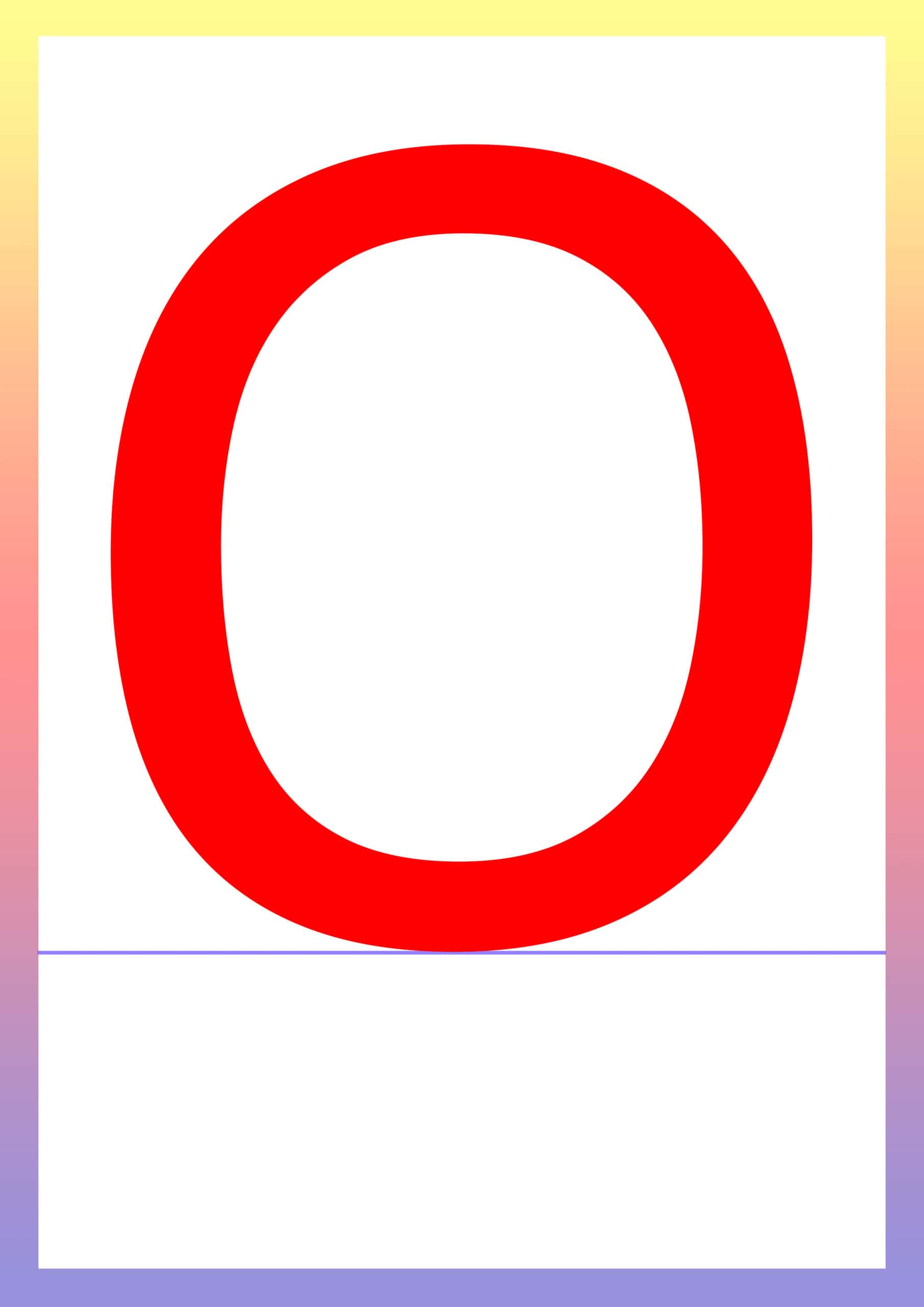
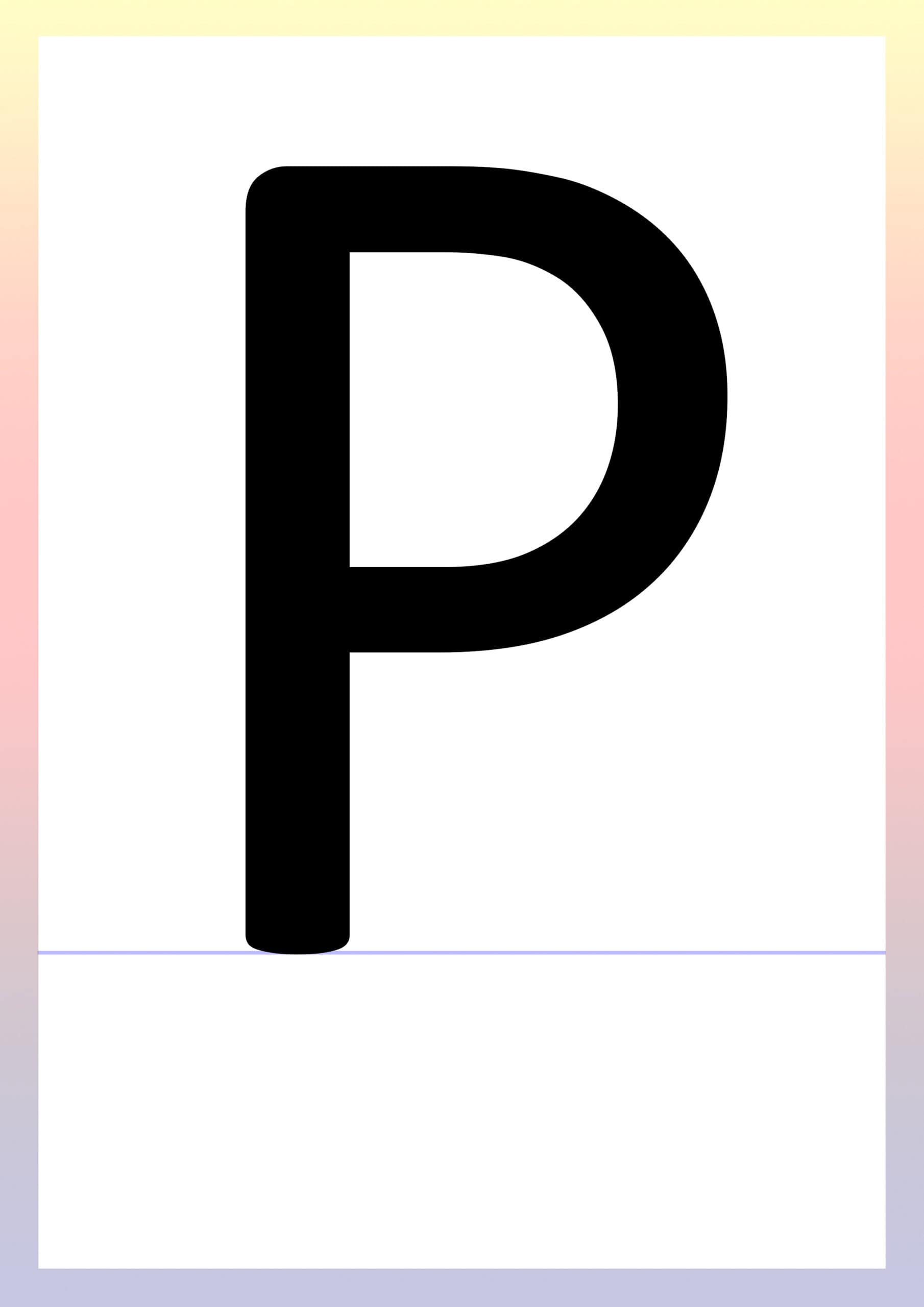
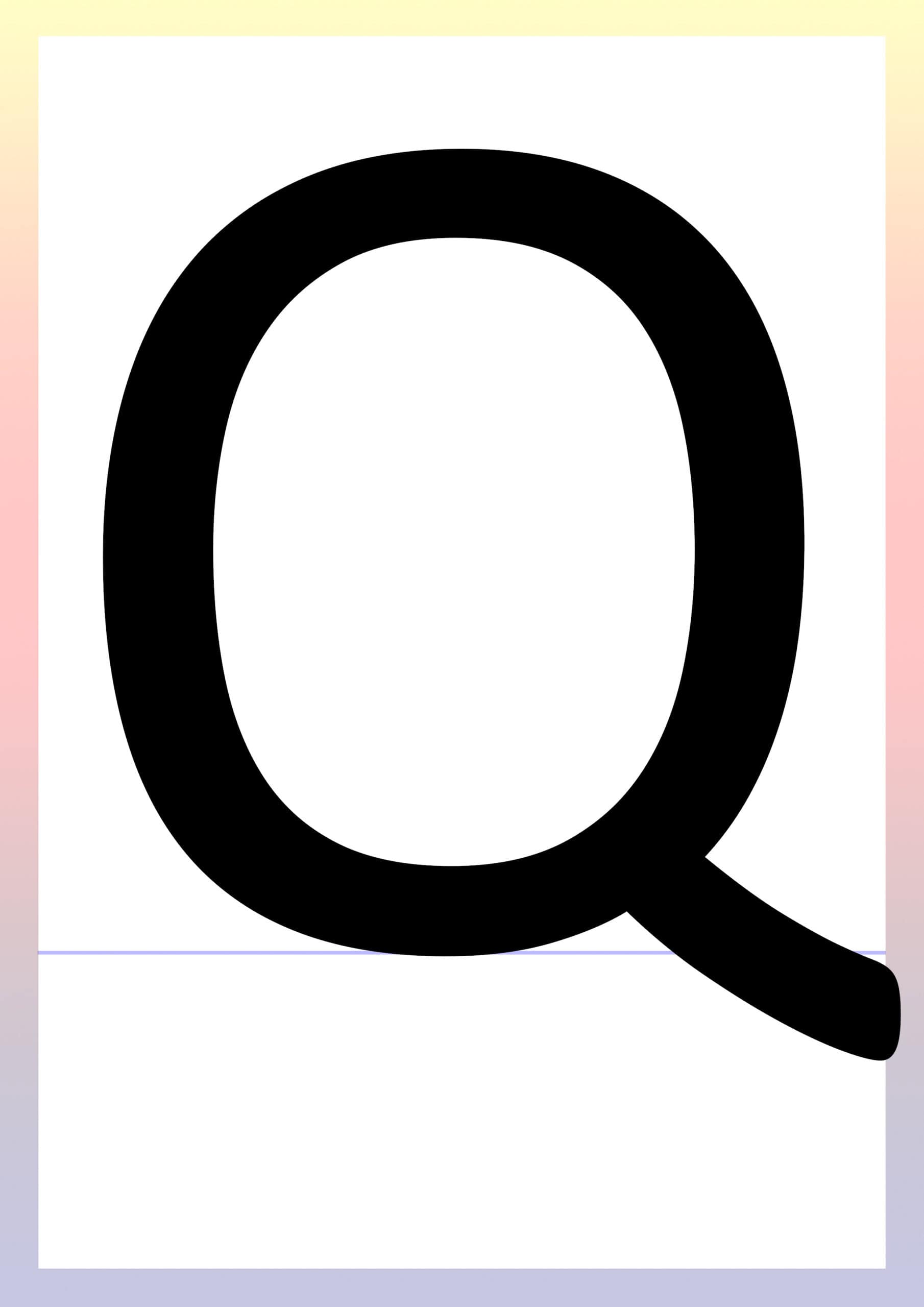
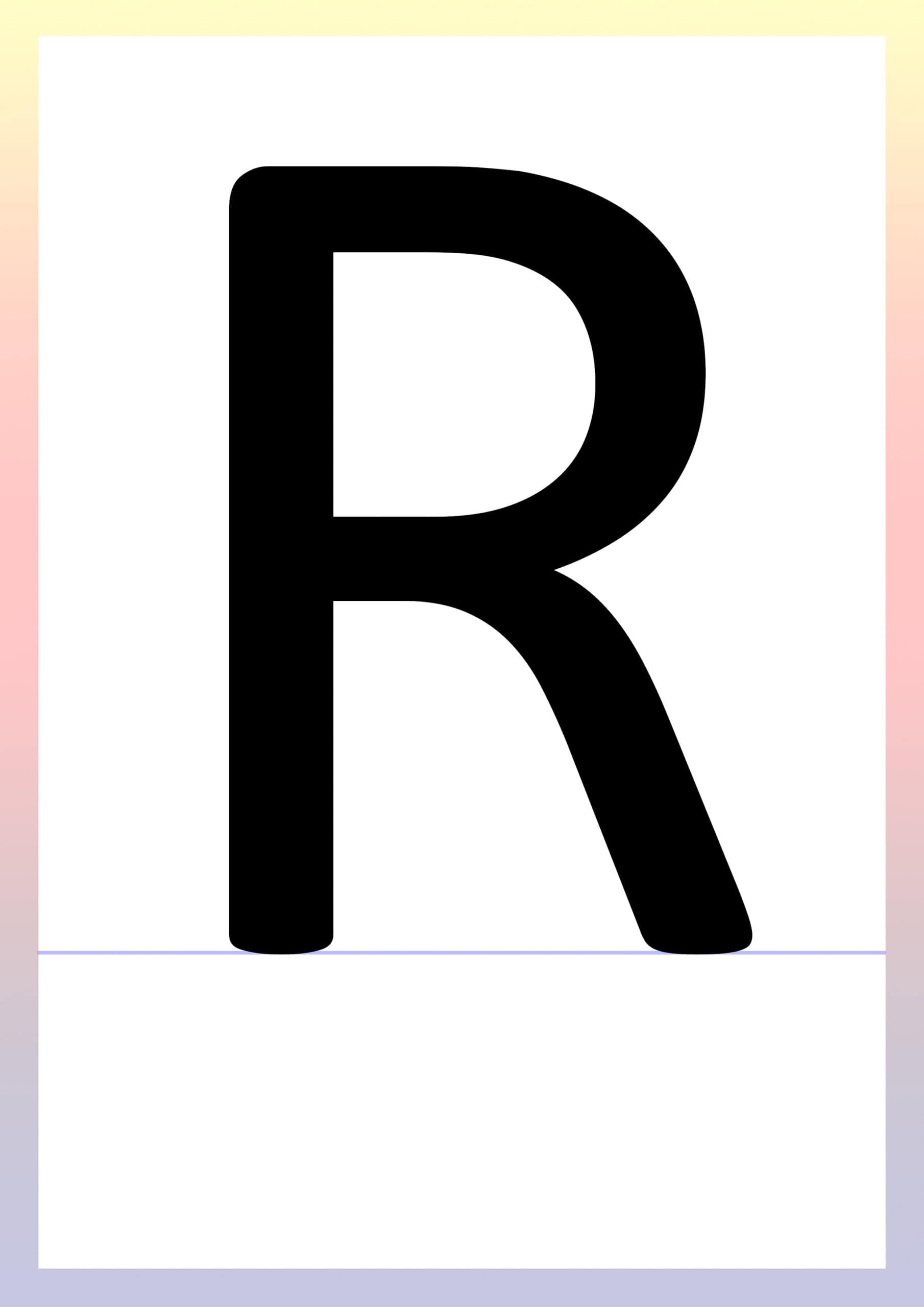
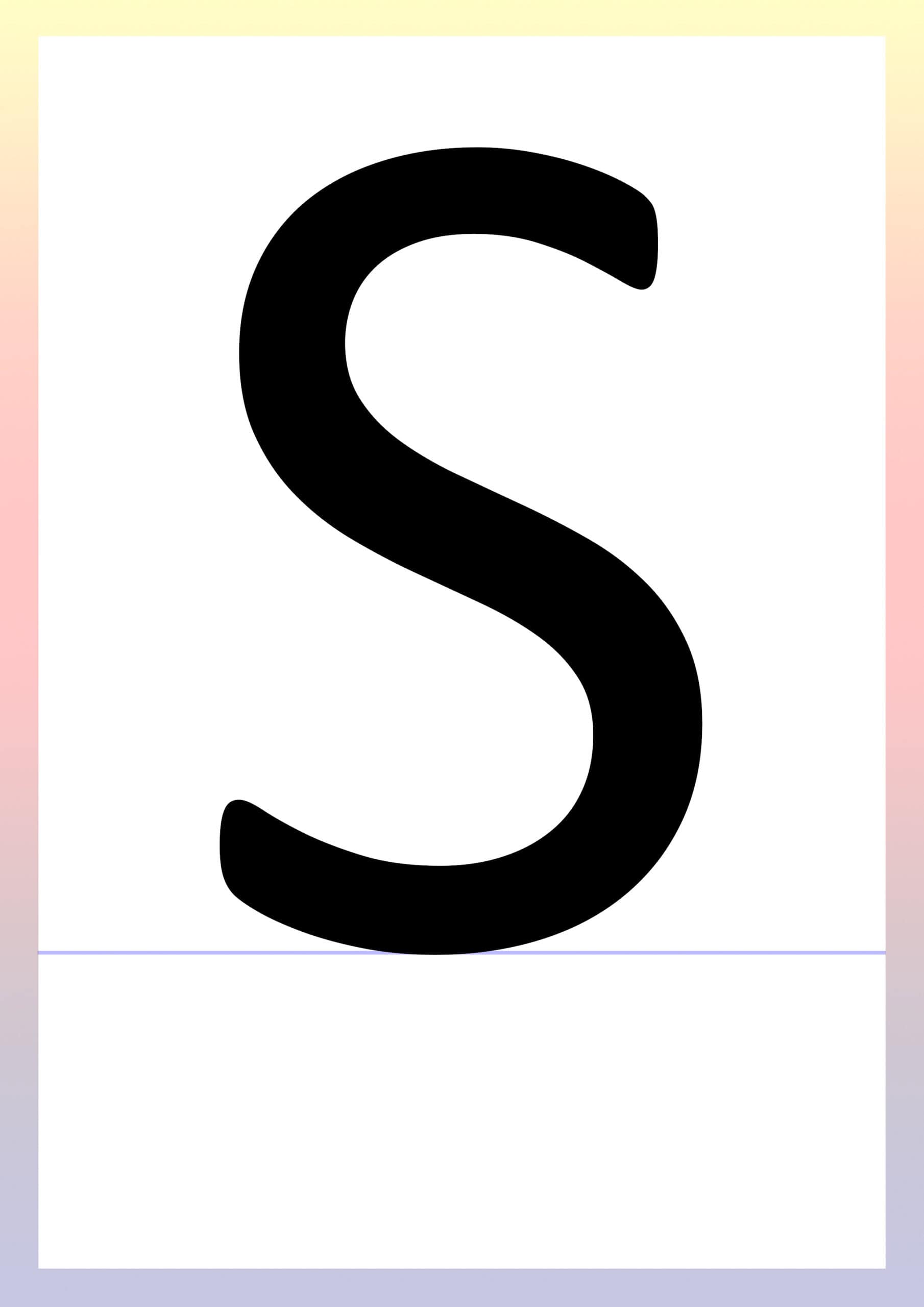
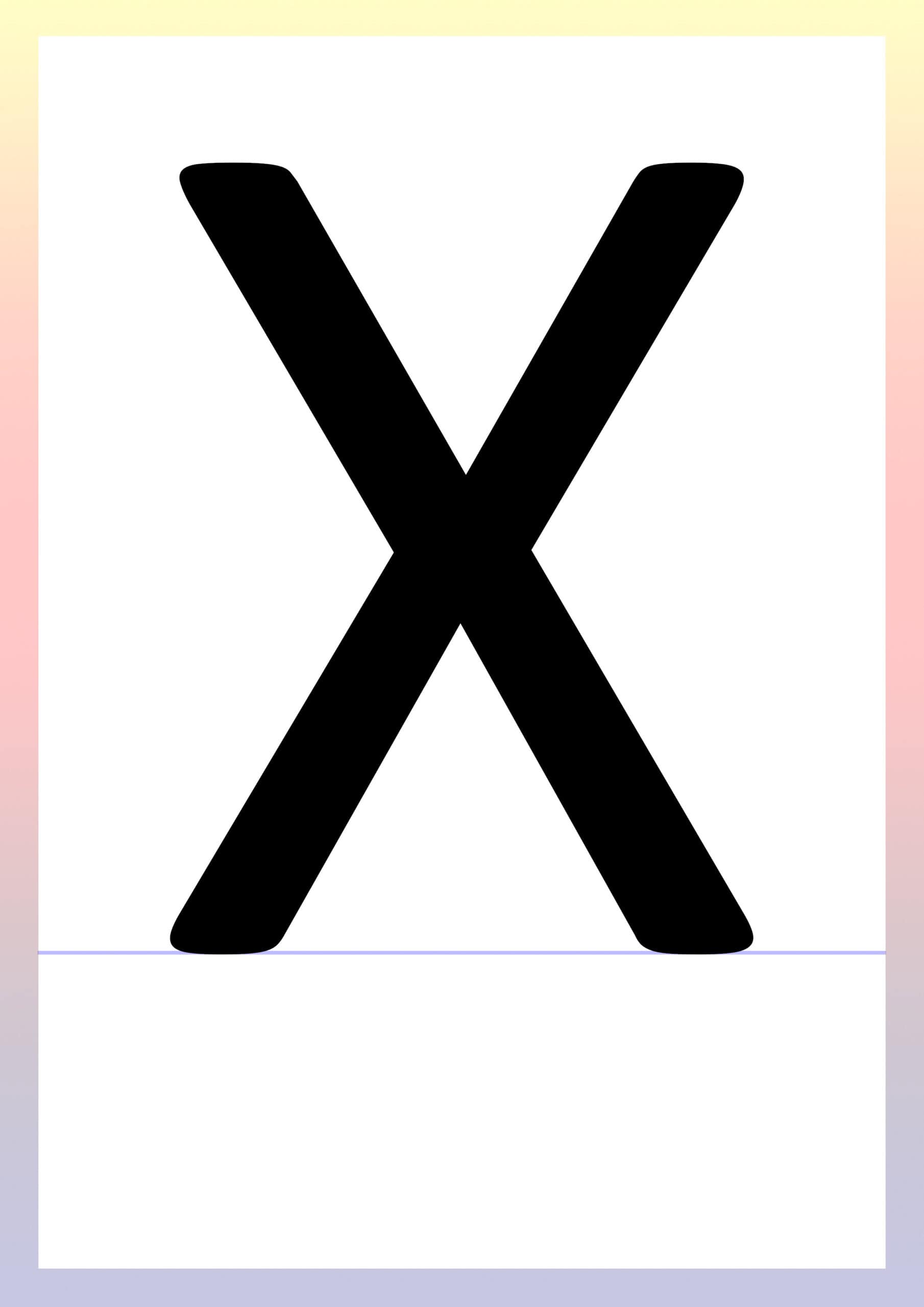
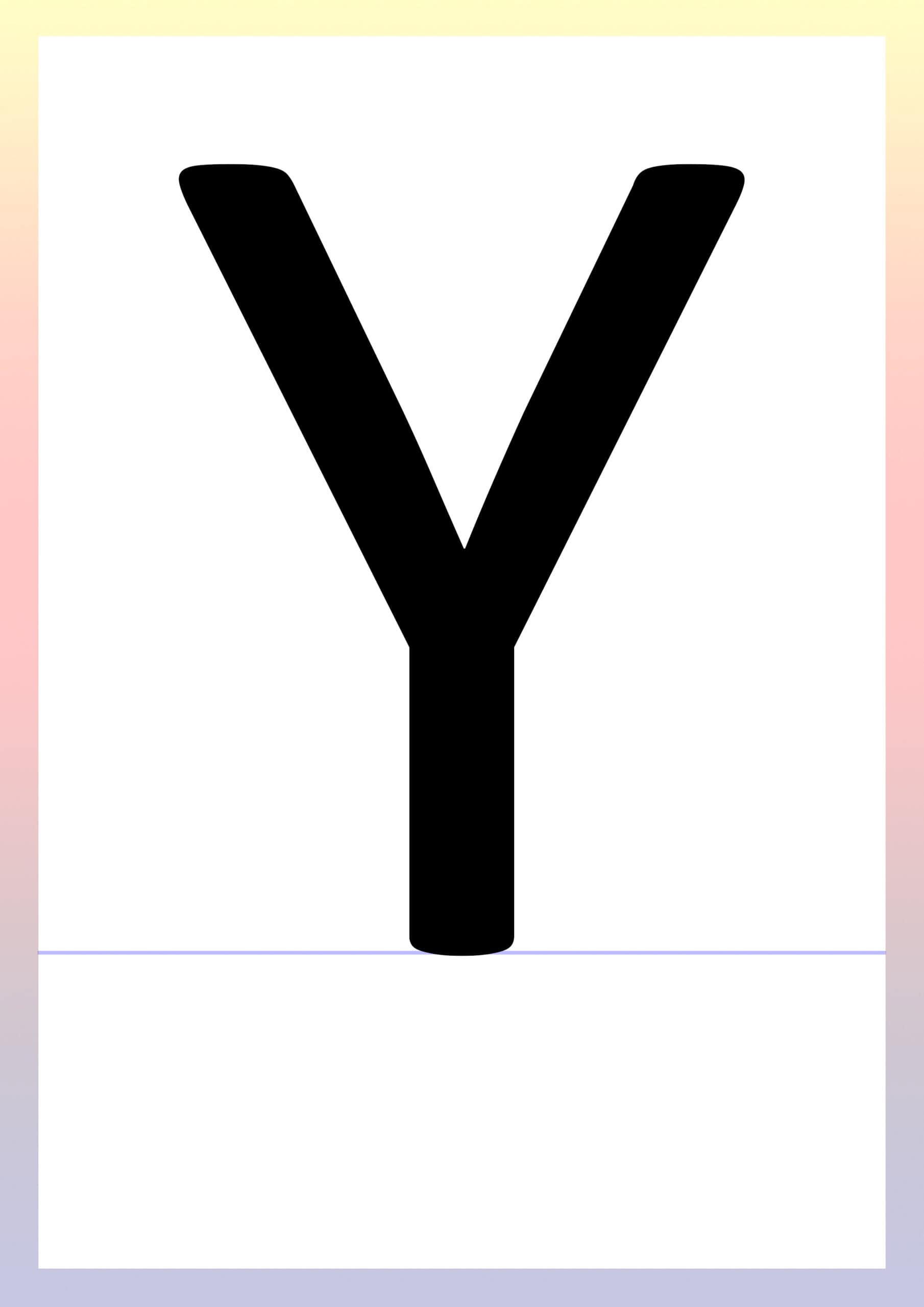
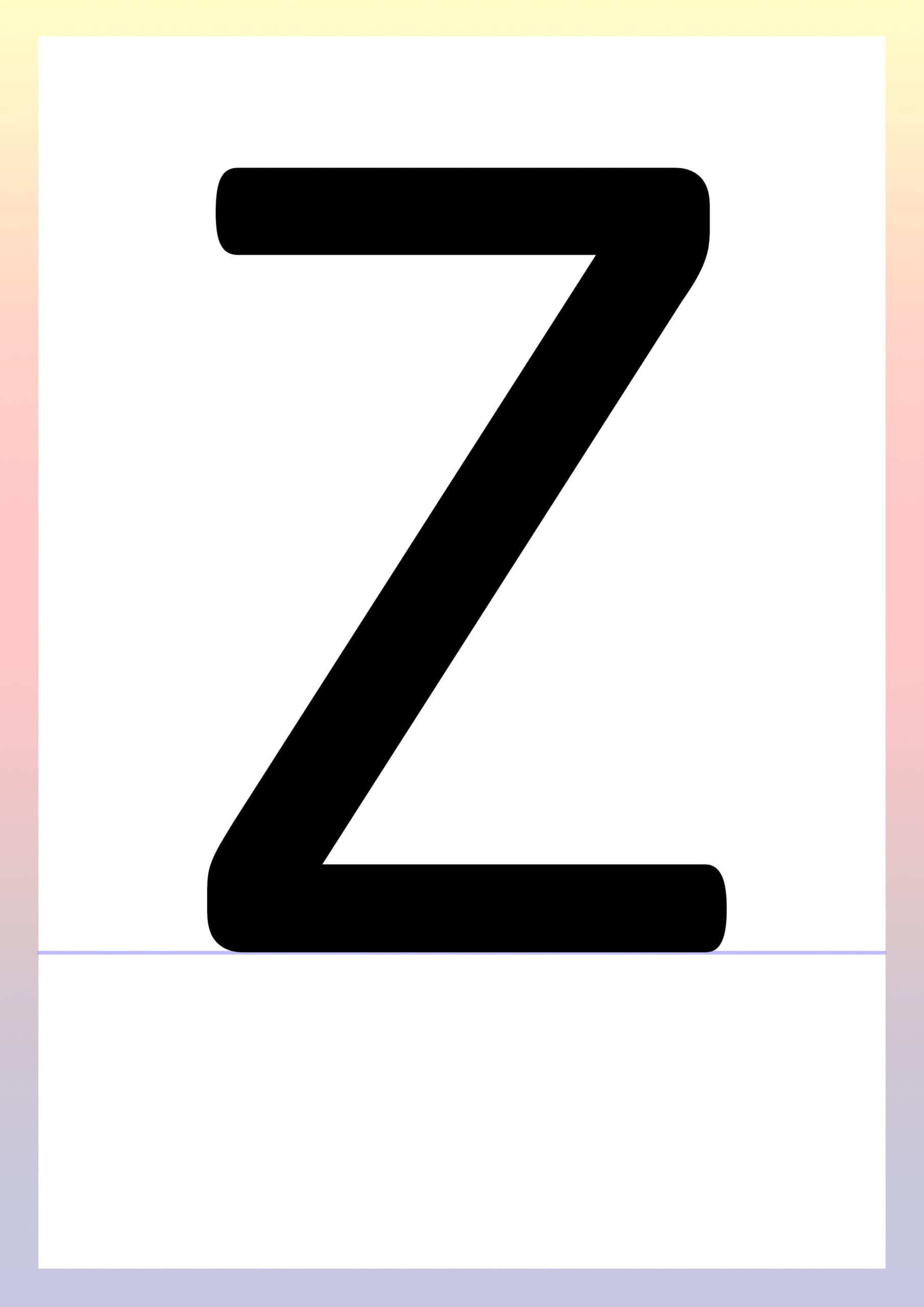
The set includes both uppercase and lowercase letters using a clear, classroom-style font that helps young learners quickly recognise each letter. Each letter is placed on a writing line to support correct formation, including letters like g, j, q, and y that sit below the line.
A key feature of this set is the colour-coded vowels (a, e, i, o, u), helping children quickly recognise vowel patterns and build simple CVC words such as man, can, and van.
These flashcards also support matching, sequencing, and early spelling activities, and can be used individually or combined depending on lesson level.
As a bonus, a FREE ABCs poster is also included.


a-z Phonics Flashcards DOWNLOAD Pack 1 (Preschool level – Elementary level)

Pack 1 lowercase phonics cards can be used to teach the sounds of each letter (e.g. a-a-apple, b-b-ball). Teaching phonics is one of the first steps in learning how to read, and these cards give students a hands-on way to practise both reading and spelling.
A simple warm-up activity is to sing a phonics song using the cards, or ask students to think of objects that begin with each letter sound.
These cards can also be used for:
- Alphabet ordering activities
- Vowel and consonant recognition
- Early spelling practice
They are a flexible tool that can be adapted for a wide range of phonics games and classroom exercises.
If you are looking for more colourful cards with pictures, you can find them on the alphabet cards page. For animal-themed phonics practice, check out the animal phonics cards as well.
A-Z Phonics Flashcards DOWNLOAD Pack 2 (Preschool level – Elementary level)

Pack 2 uppercase phonics cards are identical to Pack 1, apart from being in uppercase letters. Although this is the second pack, some children may find it easier to start with uppercase letters when they are first learning phonics.
Once students are confident with letter recognition and sounds, teachers can use both uppercase and lowercase sets together, or focus on lowercase for reading practice.
These flashcards can be used for:
- Alphabet ordering activities
- Basic phonics games
- Uppercase letter recognition
They also work well alongside Pack 1 for uppercase and lowercase matching games, helping children build strong letter recognition skills.
If you need any help downloading the flashcards, or would like to see a step by step guide of how to make flashcards click here!
FREE ABC’S Poster DOWNLOAD!

How to Use These Phonics Flashcards
Teaching children how to read can sometimes feel confusing, especially in the early stages. These tips are included to help you get the most out of this flashcard set.
When introducing reading for the first time, it is best to focus on the individual letter sounds. Try to avoid introducing blends or long vowel sounds too early, as this can make learning more difficult for beginners.
After drilling the flashcards or singing a phonics song, reinforce learning through simple activities and phonics games such as phonics bingo. This helps children apply what they have learned in a more engaging way.
Once students have a solid understanding of basic phonics sounds, you can begin introducing simple three-letter words (CVC words).
A helpful method is to place the vowels in a vertical line on a table. Consonants can then be added on either side to form simple words using familiar sounds. Words like sun, man, and dog are good examples.
This approach may take time, but once children understand the pattern, it builds strong confidence and supports early reading fluency.










Phonics Flashcard Activities
Teach Letter Sounds
Show one card at a time and clearly say the letter sound (not the letter name). For example:
“a = a-a-apple”, “b = b-b-ball”.
Repeat regularly to build strong sound recognition.
Practice Alphabet Order
Shuffle the cards and ask students to place them in the correct alphabetical order. This helps build familiarity with letter sequencing.
Match Uppercase and Lowercase Letters
Use both Pack 1 and Pack 2 together. Students can match uppercase letters with their lowercase pairs to strengthen recognition skills.
Build Simple Words (CVC Words)
Once students know basic sounds, use the flashcards to build simple three-letter words such as:
cat, man, dog, sun.
A useful method is to place vowels in a vertical line and add consonants on either side.
Play Phonics Games
Turn learning into a game to improve engagement:
Memory matching games
Phonics bingo
“Find the sound” scavenger hunt
Fast letter recognition races
Daily Warm-Up Activity
Use a few flashcards at the start of each lesson as a quick warm-up to reinforce sounds and build confidence.
Grammar Focus & Questions
| Letter-sound recognition (phonics foundations) |
| Identifying vowels and consonants |
| Short vowel sounds (a, e, i, o, u) |
| Building and reading simple three-letter words (CVC words) |
| Early spelling practice with basic vocabulary |
| Word formation using consonant-vowel patterns |
FAQ – A–Z Phonics Flashcards
What age are these phonics flashcards suitable for?
These flashcards are ideal for preschool, kindergarten, and early elementary learners, usually ages 3–7. They also work well for ESL beginners learning basic English sounds.
Do these flashcards teach letter sounds or letter names?
The focus is on letter sounds (phonics), not just letter names. For example, “a = a-a-apple” and “b = b-b-ball”. This helps children build strong early reading skills.
Should I teach uppercase or lowercase letters first?
Both can be used, but many teachers start with uppercase letters for recognition, then move to lowercase once children are confident. Using both together helps strengthen matching skills.
How do I use phonics flashcards in the classroom?
They can be used for short daily practice sessions, group lessons, or one-on-one learning. Common uses include letter-sound practice, alphabet order, matching games, and simple word building.
What is the best way to teach phonics with these cards?
Start with individual letter sounds and repetition. Once children are confident, move on to blending simple sounds together to form short CVC words like cat, man, and dog.
Can these flashcards help with spelling and reading?
Yes. These cards support early spelling, reading fluency, and sound recognition. Once children understand letter sounds, they can begin building and reading simple words.
What makes these flashcards different from others?
This set includes both uppercase and lowercase letters, a clear classroom-style font, writing lines for correct formation, and colour-coded vowels to support early word building.
Can I use these at home as well as in school?
Yes. These flashcards are designed for both classroom and home learning. A few minutes of daily practice at home can significantly reinforce what children learn at school.
Do I need to use all the packs together?
No. Each pack can be used on its own or combined depending on the learner’s level. Teachers can mix packs to adjust difficulty and keep lessons flexible.
What should I do after children learn the alphabet sounds?
Once children are confident with letter sounds, you can introduce simple CVC words (like sun, man, and dog) and begin early spelling activities.
Related Phonics Resources