
Line Tracing Worksheets!

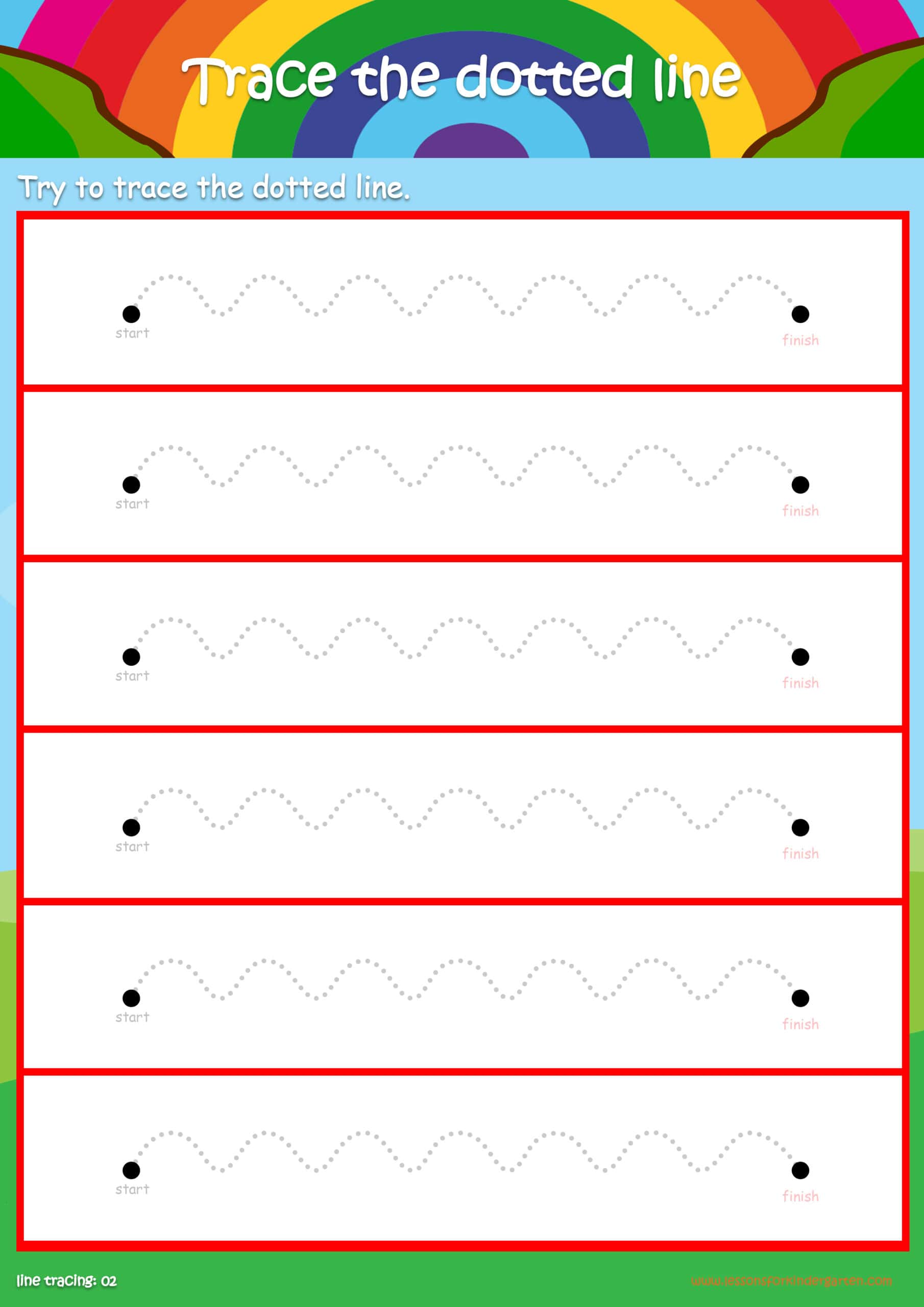
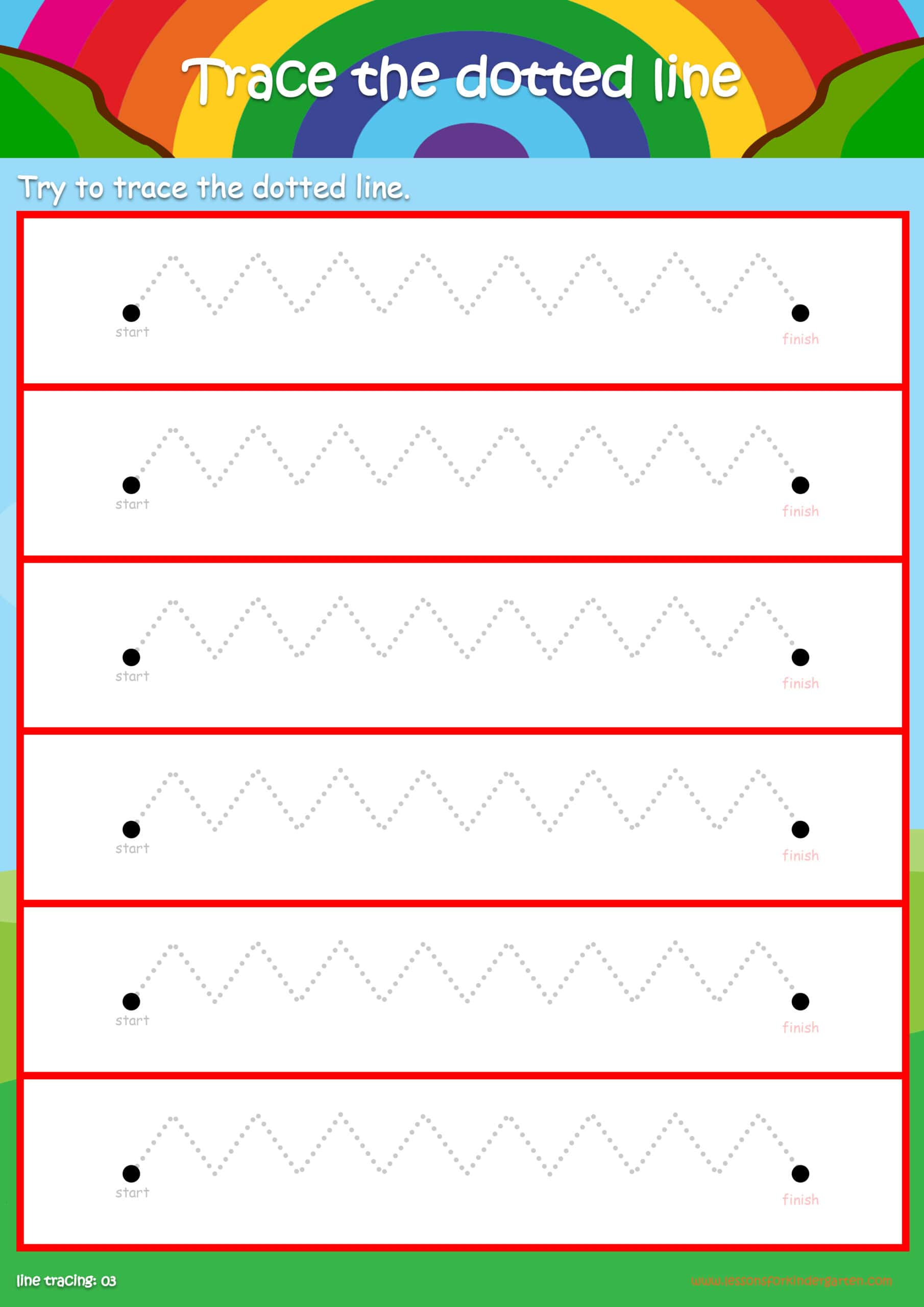
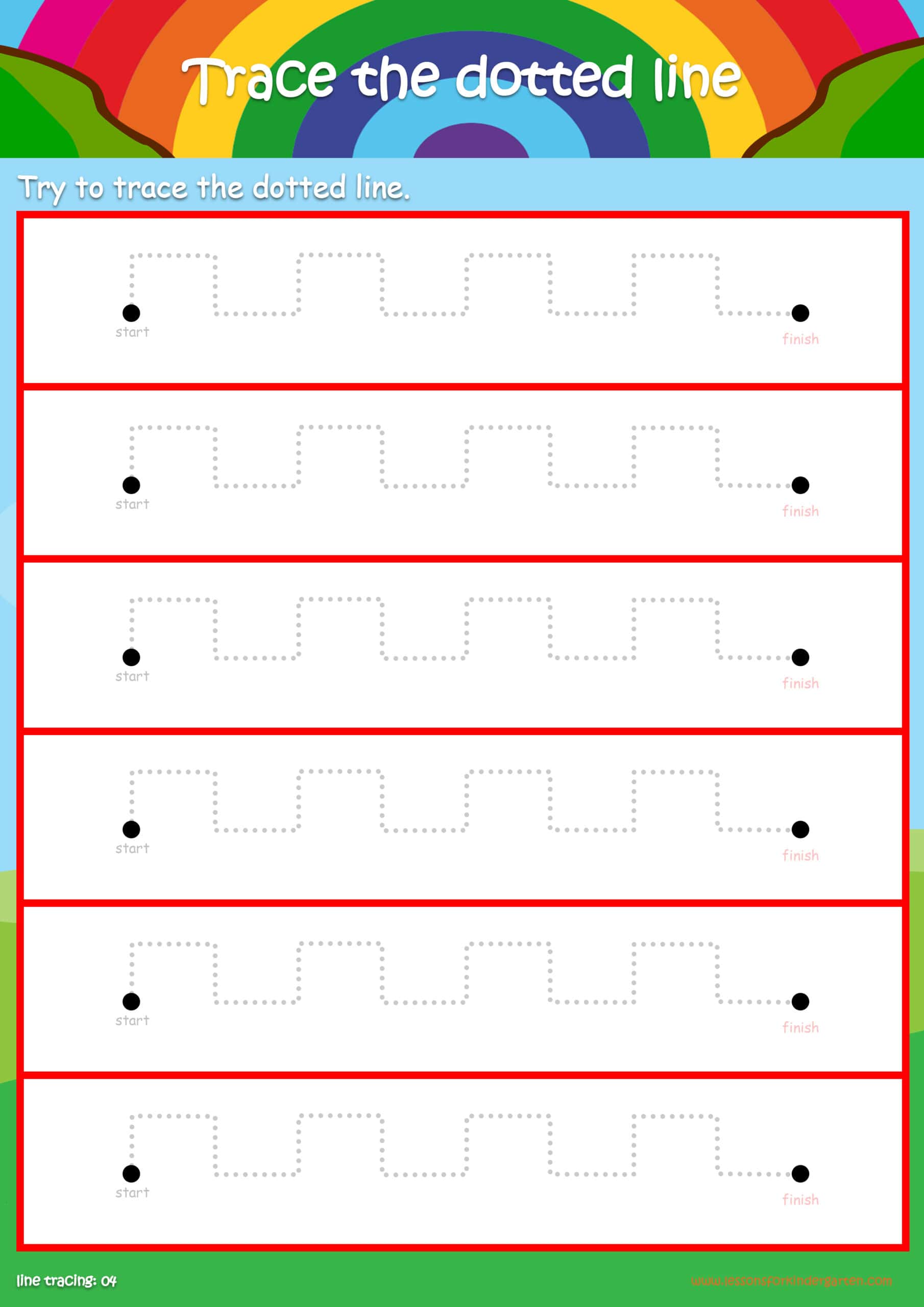
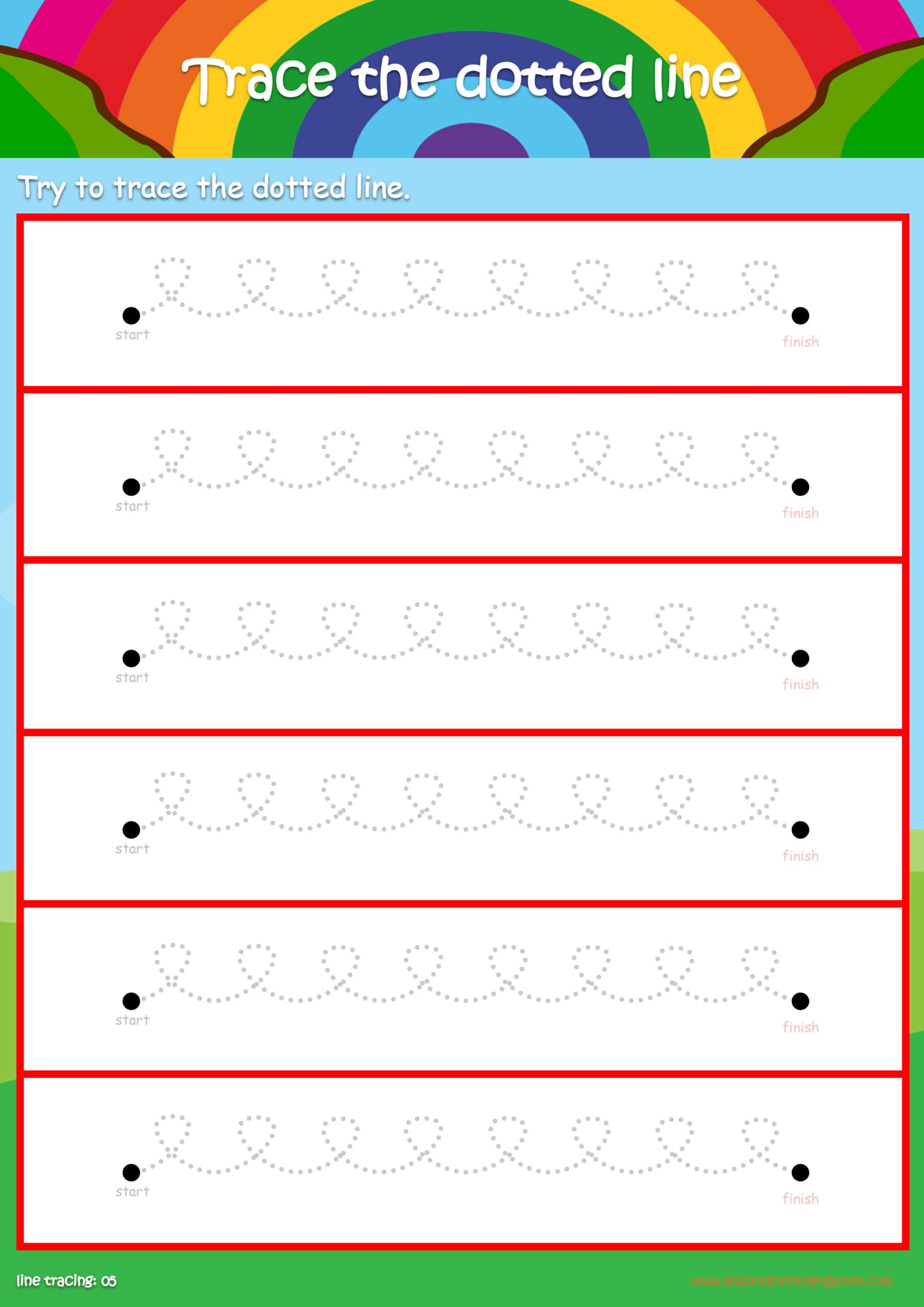
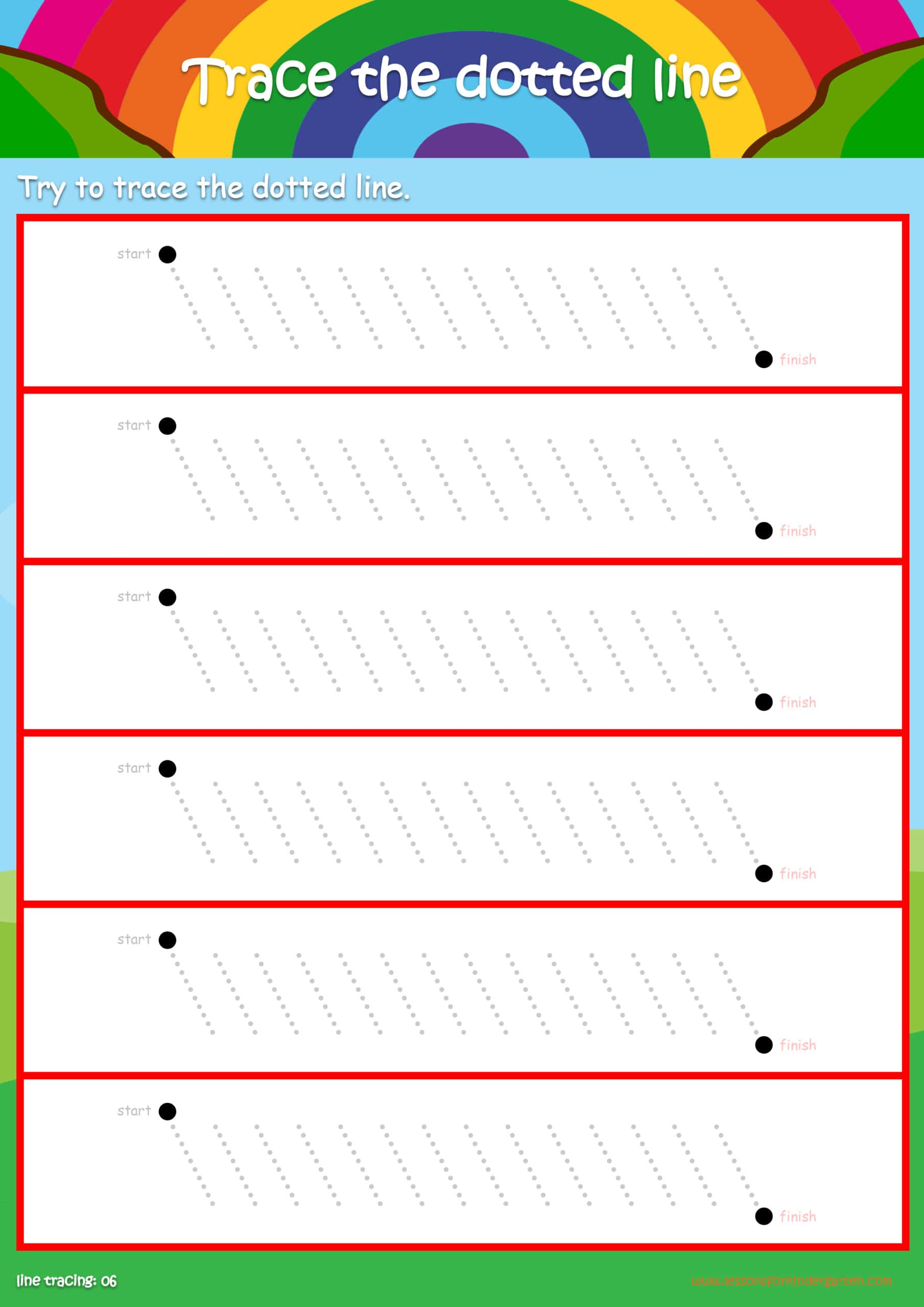
Do you want to teach your children how to write? These simple tracing lines worksheets are a great place to start! Tracing lines is one of the first skills children practice as they learn to hold a pencil correctly.
First, demonstrate a few times to show your children what to do. Next, encourage your child to draw along the lines being careful to stay on the dotted line. For repeated use, laminate the worksheets and incorporate them into your daily routine. You can use white board markers to fill in the letters and then easily wipe away the letters later : )
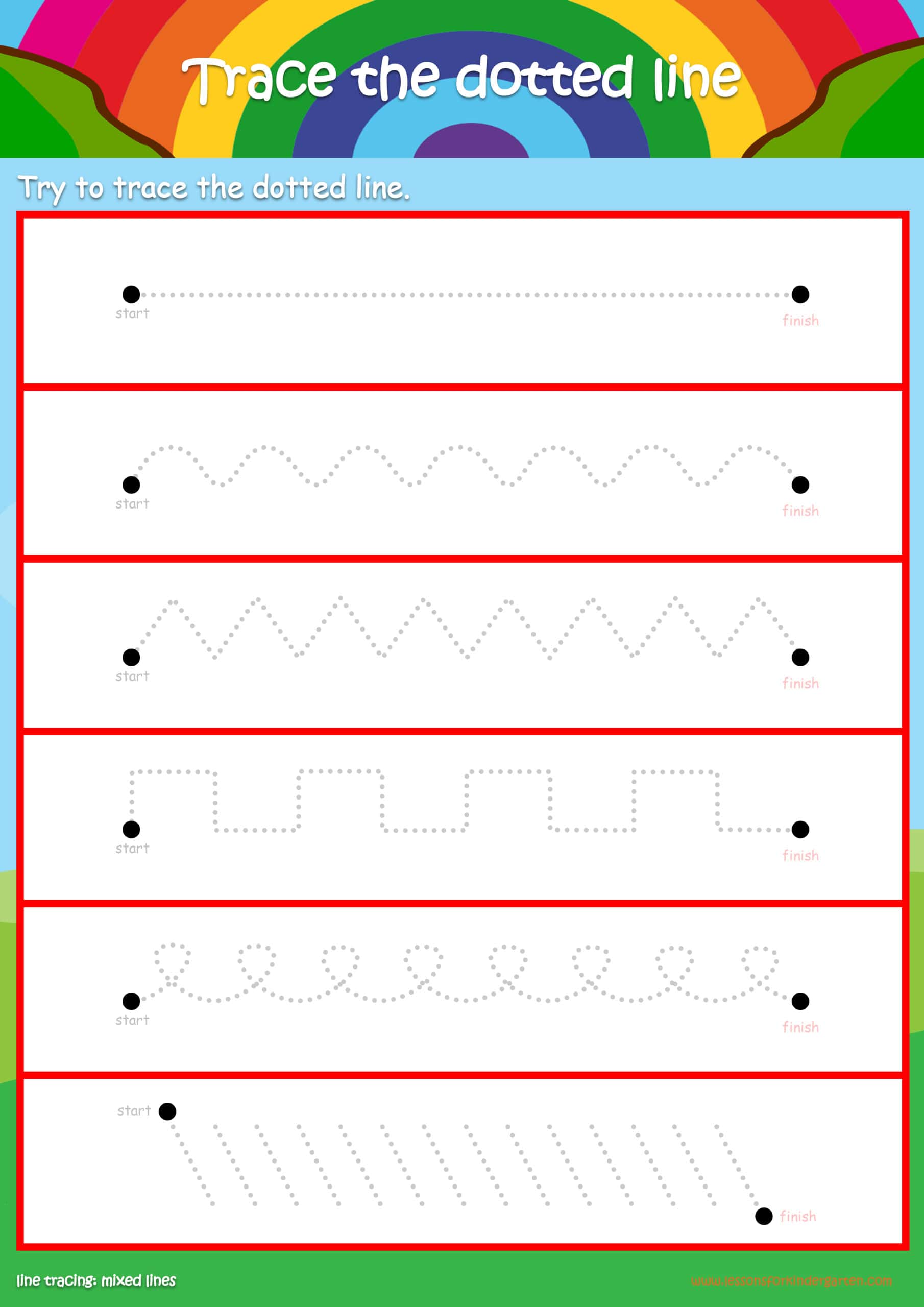
The Line tracing sheets come in different levels of difficulty ranging from straight lines, to wavy and zig-zag lines. Once your children have mastered these, why not try our Aa-Zz writing sheets also availiable here! Have fun!
Related Reading & Writing Resources
| Worksheet | Description |
|---|---|
| Line Tracing (mixed sheet) | A simple line tracing sheet that contains all of the line patterns! |
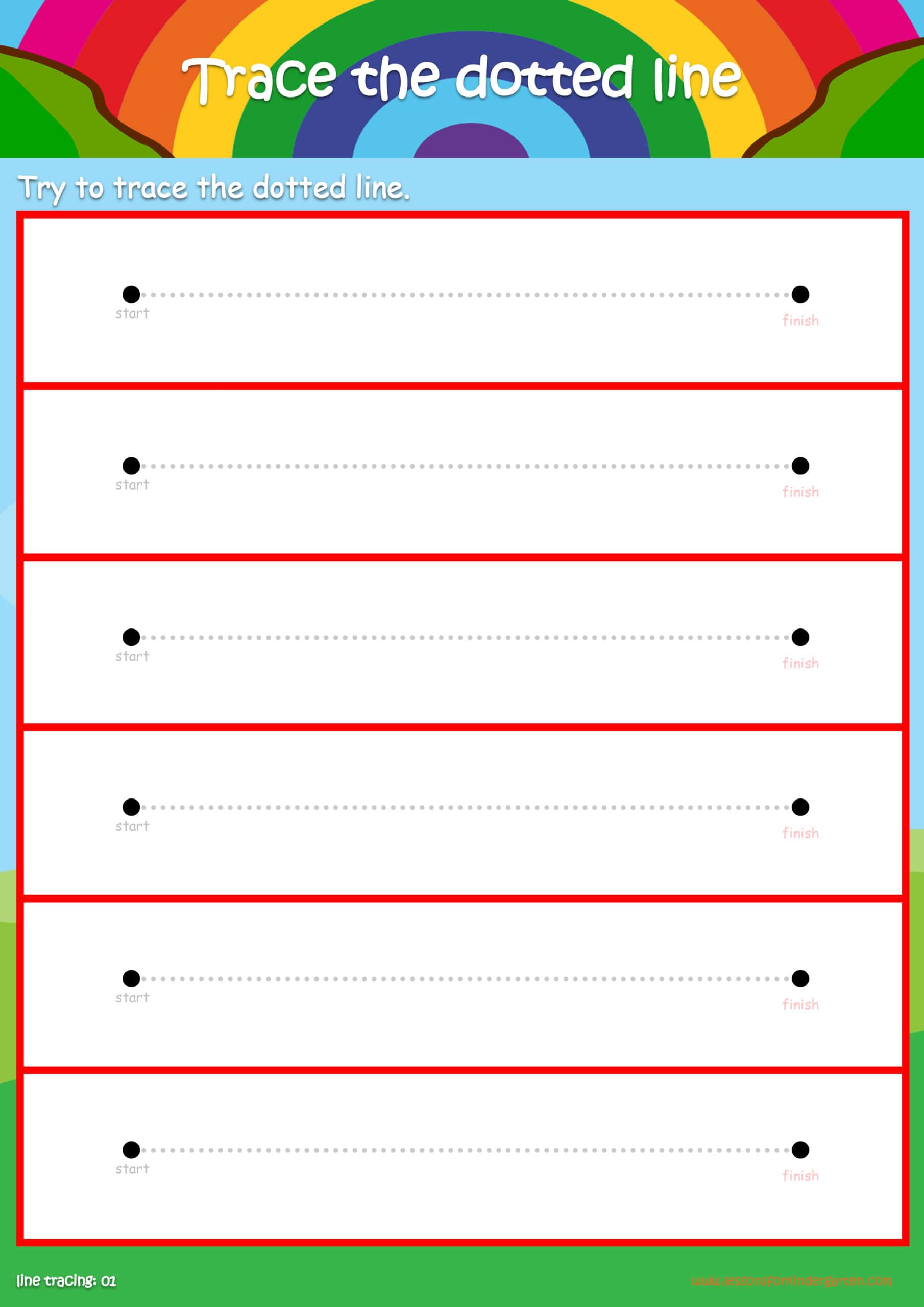
| Line Tracing (6 x patterns) | A set of line tracing worksheets that increase in difficulty. |
How to Use These Line Tracing Worksheets
Begin with simple straight lines before gradually introducing curved, zigzag, and wavy lines as your child’s pencil control improves. Encourage children to trace each line slowly and carefully, focusing on accuracy rather than speed.
These printable line tracing worksheets are ideal for preschool, kindergarten, homeschool, and early years classrooms. They can be used during morning work, literacy centers, fine motor stations, independent practice, or at home. For repeated use, laminate the worksheets and use dry-erase markers so children can practice again and again.
Why Is Line Tracing Important?
Line tracing is one of the first pre-writing skills children develop before learning to write letters and numbers. Practicing different line patterns helps children improve pencil control, hand-eye coordination, fine motor skills, and the muscle strength needed for handwriting.
By mastering straight, curved, zigzag, and wavy lines, children build the confidence and control needed for letter formation, drawing, and other classroom activities. Regular tracing practice creates a strong foundation for handwriting success.
What Order Should Children Learn the Alphabet?
Letter recognition is the foundation of early reading. Once children can confidently identify both uppercase and lowercase letters, they are ready to begin learning letter sounds and building simple words.
A common teaching sequence is:
- 1. Letter Recognition Worksheets
- 2. Alphabet Flashcards
- 3. Alphabet Writing Worksheets
- 4. Phonics Flashcards
- 5. Word Family Worksheets
- 6. Digraph Flashcards
- 7. Consonant Blend Flashcards
- 8. Early Reading Books and Simple Sentences
Following this progression helps children develop confidence step by step as they move from recognizing le
Related Reading & Writing Resources