
Alphabet Writing Worksheets!
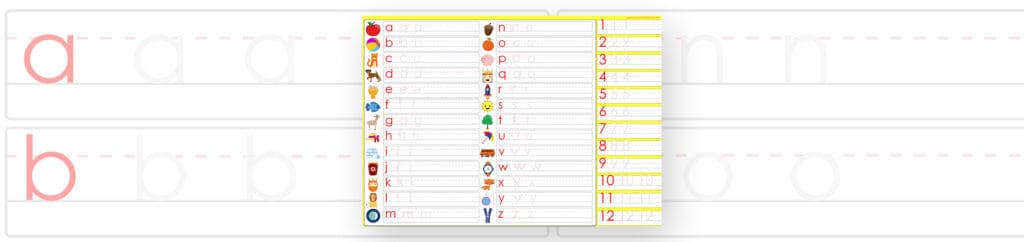
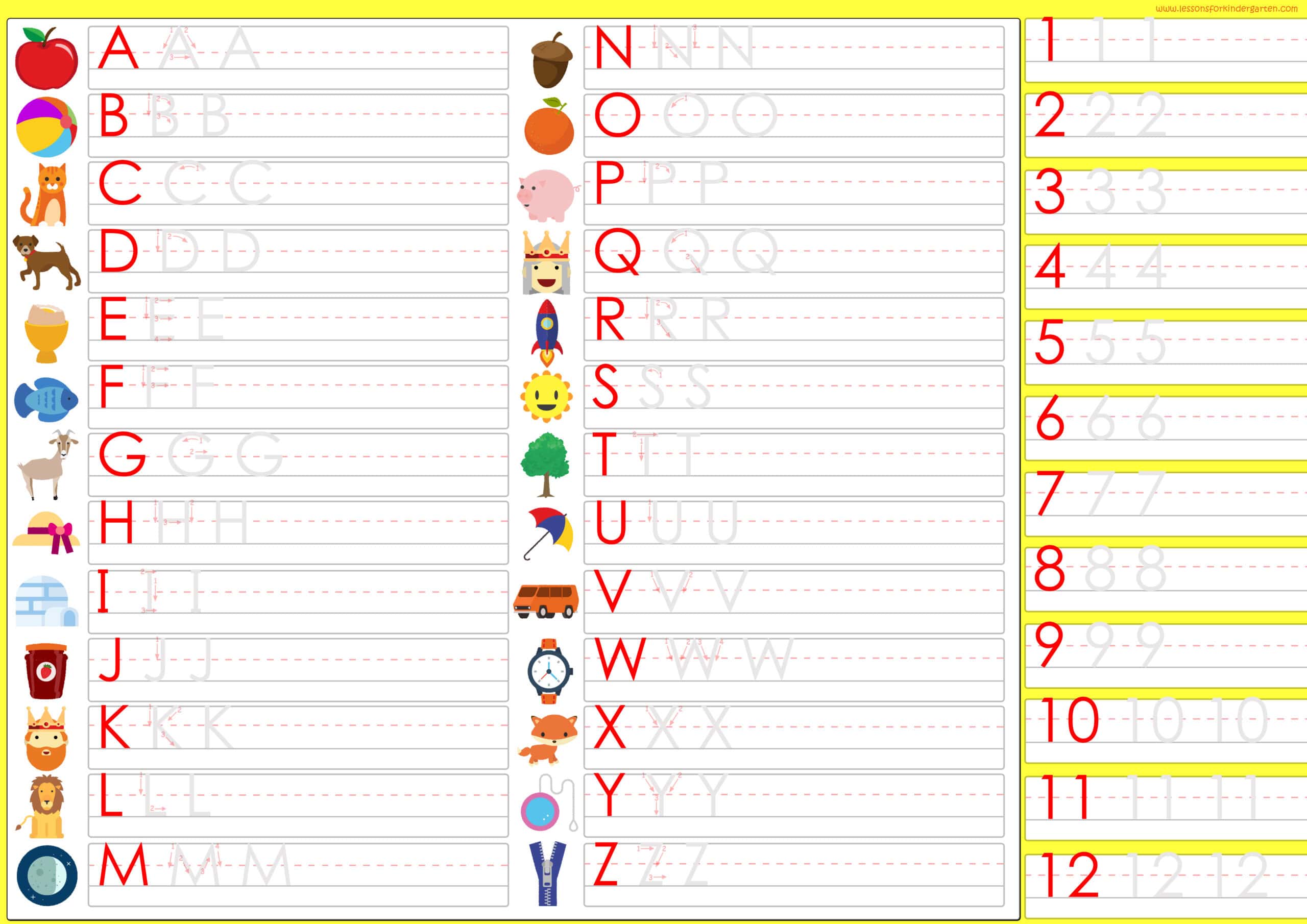
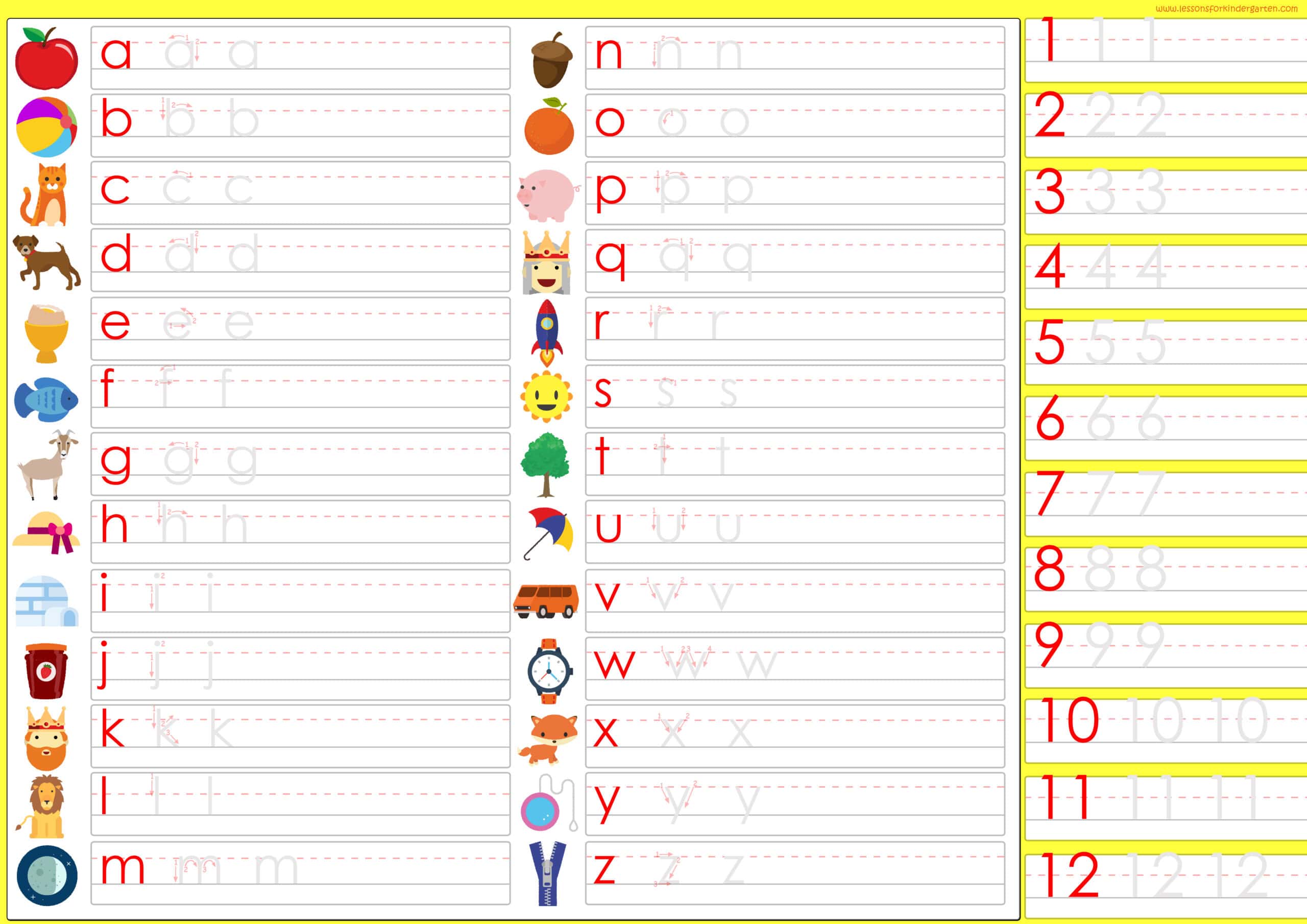
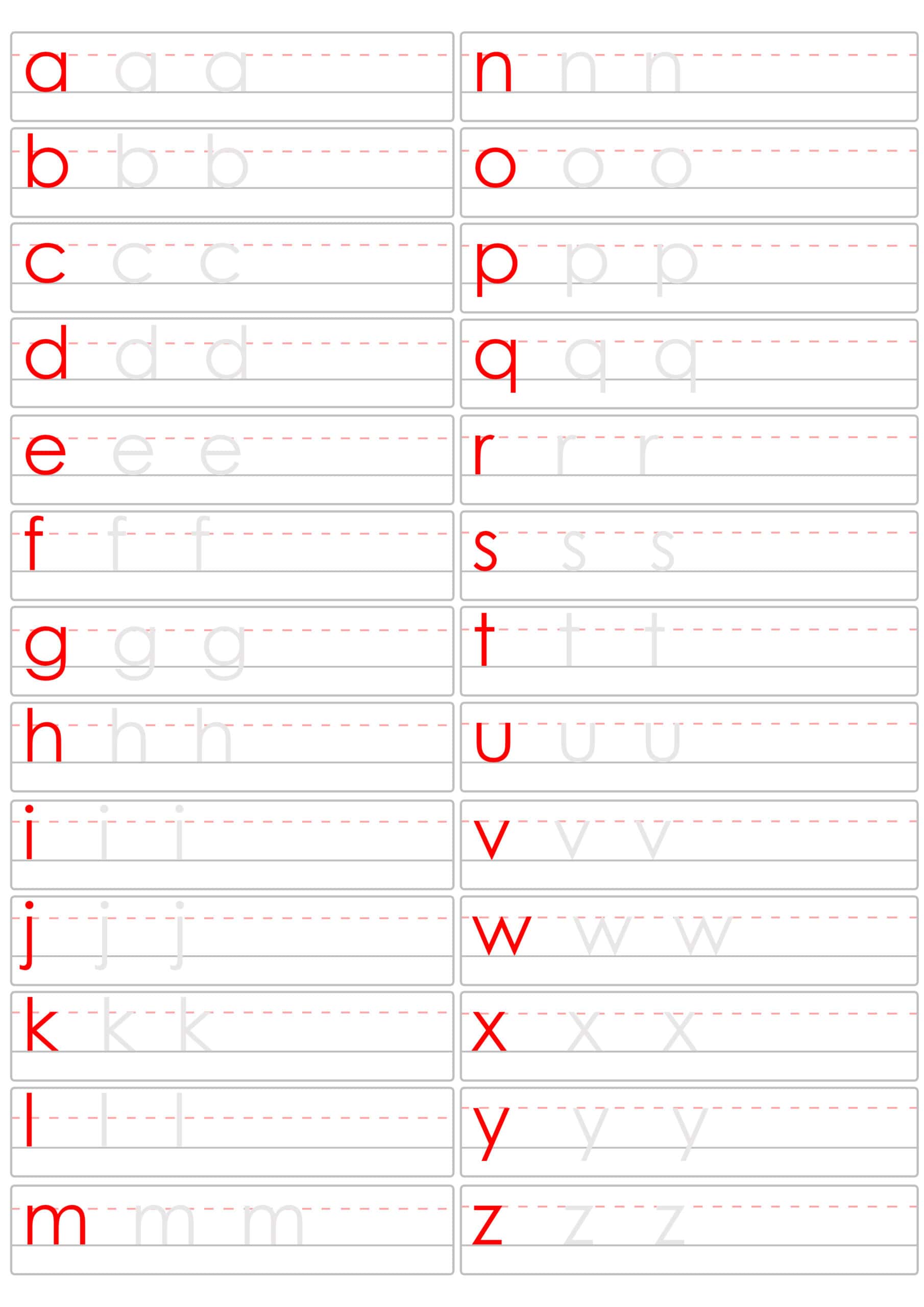
These free printable alphabet writing worksheets help children practice letter formation, handwriting skills, and early literacy development.
Looking for colourful alphabet tracing worksheets that students will enjoy? Explore our A–Z tracing sheets, available in both uppercase and lowercase letters.
For best results, print the worksheets in A3 size and laminate them. Children can use whiteboard markers to trace the letters, then simply wipe them clean for repeated practice.
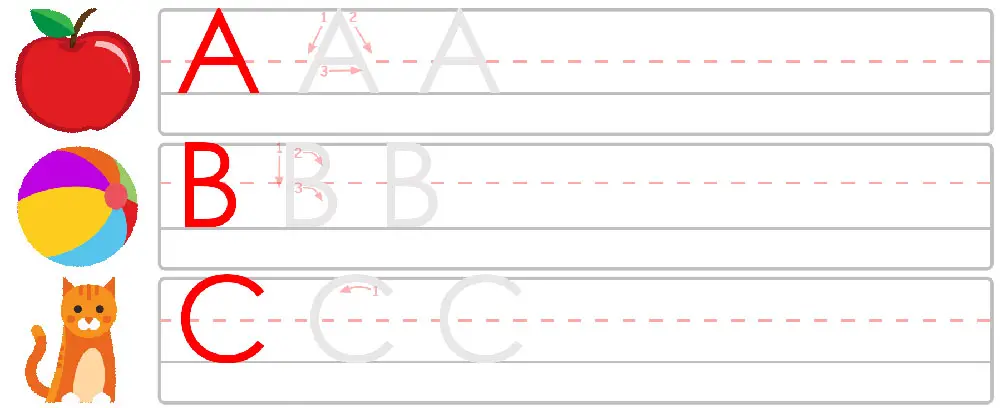
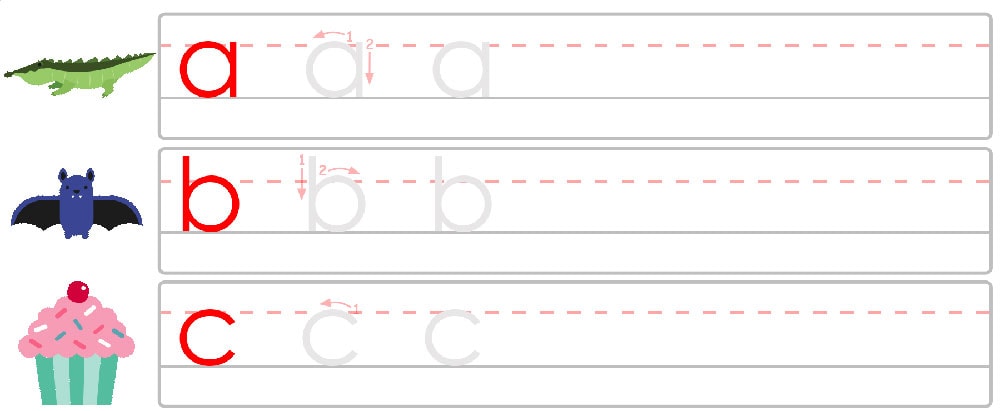
These worksheets are an effective way to teach correct stroke order while also strengthening fine motor skills, grip, and hand coordination in young learners. They also work well as a warm-up activity before handwriting lessons or other writing tasks.
We recommend starting with uppercase letters before moving on to lowercase for best learning progression.
How to Use These Worksheets
These alphabet writing worksheets can be used in a variety of ways to support early handwriting development.
- Trace uppercase and lowercase letters
- Practice correct letter formation step by step
- Use in classroom handwriting lessons or home learning
- Combine with phonics lessons for letter-sound reinforcement
- Repeat practice for difficult letters such as g, j, q, and y
Students can complete one sheet per day for consistent handwriting improvement.
These writing sheets are designed to match the images used in our free phonics flashcards, helping children connect letter sounds with written letters for stronger learning.
We recommend printing the sheets in A3 size and laminating them for reuse. Children can practice writing using dry-wipe markers, making the worksheets reusable and engaging.
Both worksheet packs have been tested in classrooms with positive results. With regular practice, children gradually build strong muscle memory and confidence in writing.
Writing Sheet Activities
Rainbow Writing
Have students trace each letter several times using different colored pencils or crayons. This fun activity helps reinforce correct letter formation while making handwriting practice more engaging.
Say and Write
As students trace or write each letter, encourage them to say the letter name and its sound aloud. Combining handwriting with phonics helps strengthen letter recognition and early reading skills.
Letter Hunt
After completing a worksheet, ask students to find the same letter in classroom books, posters, or around the room. This helps children connect their handwriting practice to real-world reading.
Write a Word
Once students have practiced writing a letter, challenge them to think of a word that begins with that letter. Older students can write the entire word, while younger learners can simply say it aloud.
Uppercase and Lowercase Match
Have students match uppercase and lowercase letters before practicing writing both forms on the worksheet. This activity reinforces letter recognition and helps children understand when each form is used.
Alphabet Challenge
After completing several worksheets, ask students to write the alphabet from memory in the correct order. This is a great way to review letter formation, alphabetical order, and handwriting fluency.
Worksheet Descriptions
| Worksheet | Description |
|---|---|
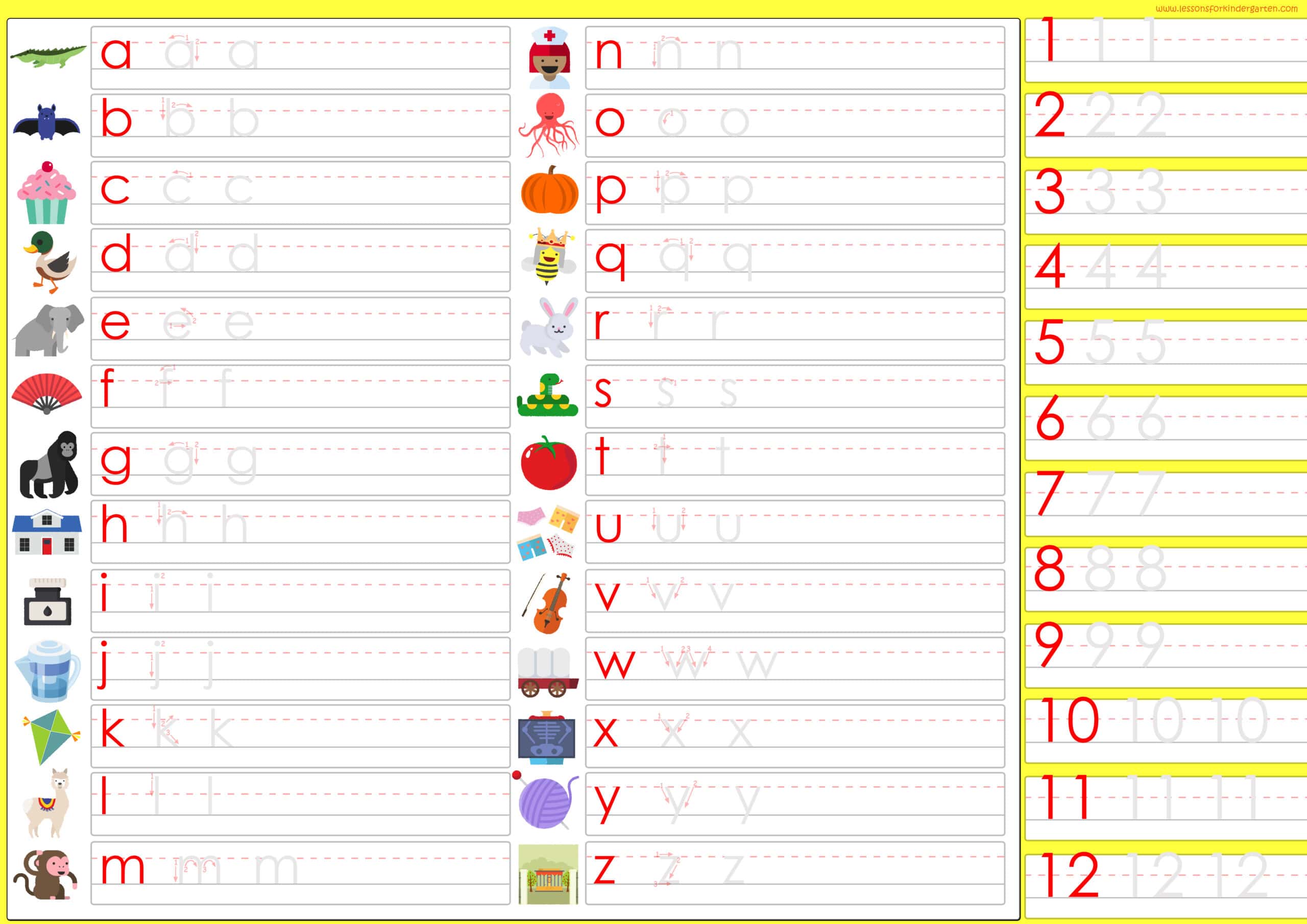
| Aa-Zz uppercase & lowercase (mixed nouns set A) | Colorful uppercase & lowercase letters worksheets with mixed nouns. |
| Aa-Zz uppercase & lowercase (mixed nouns set B) | Colorful uppercase & lowercase letters worksheets with an alternative set of nouns. |
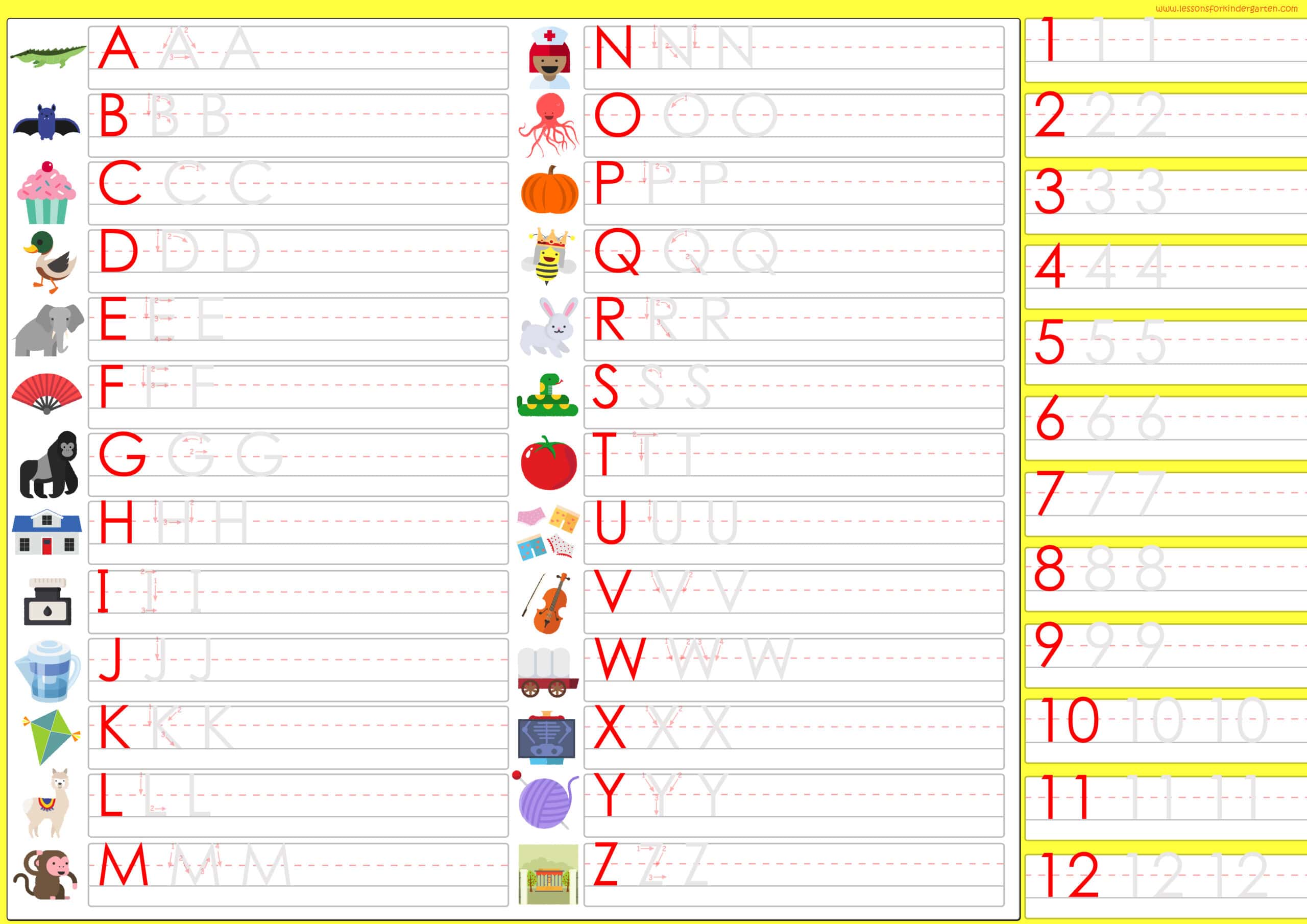
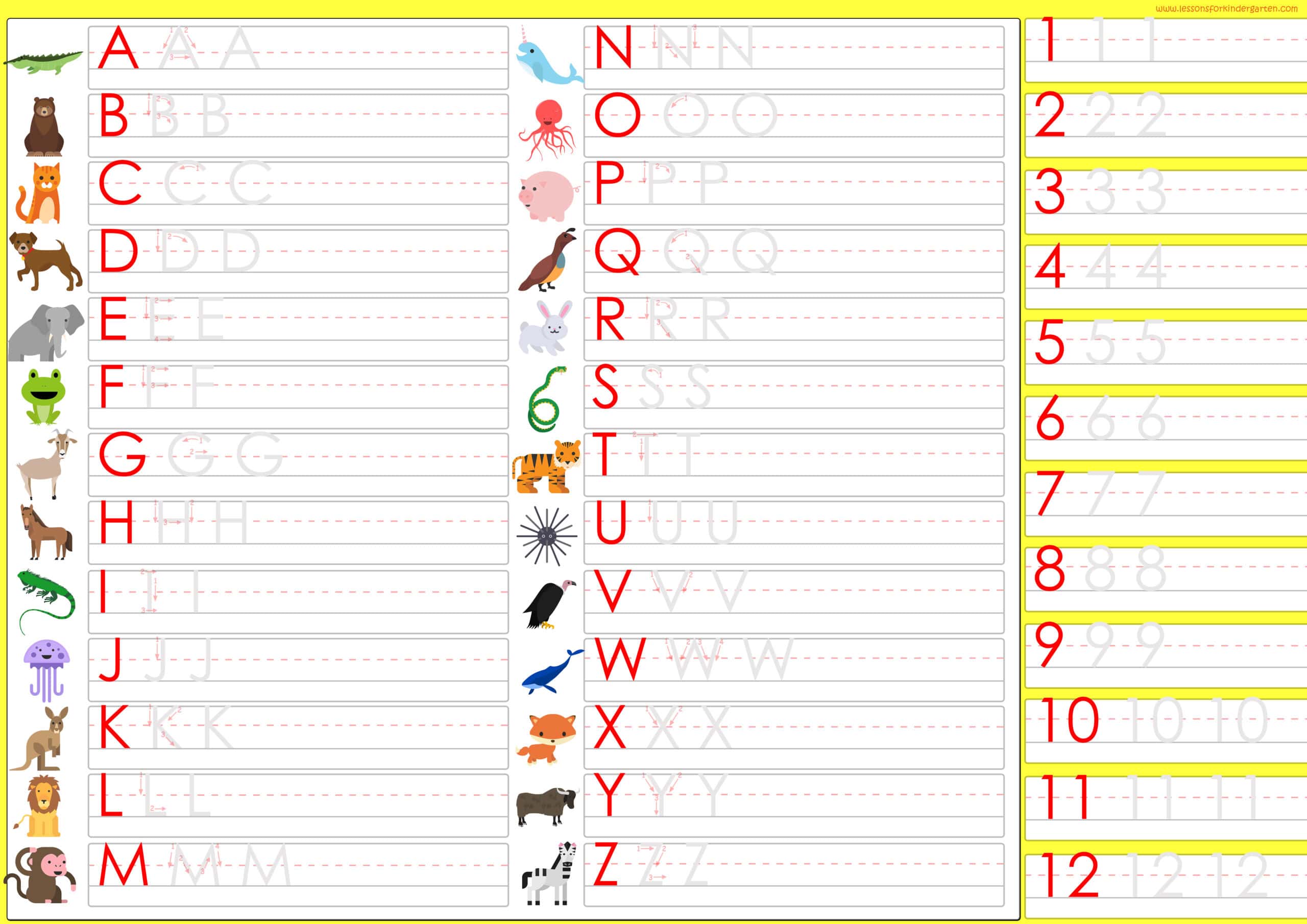
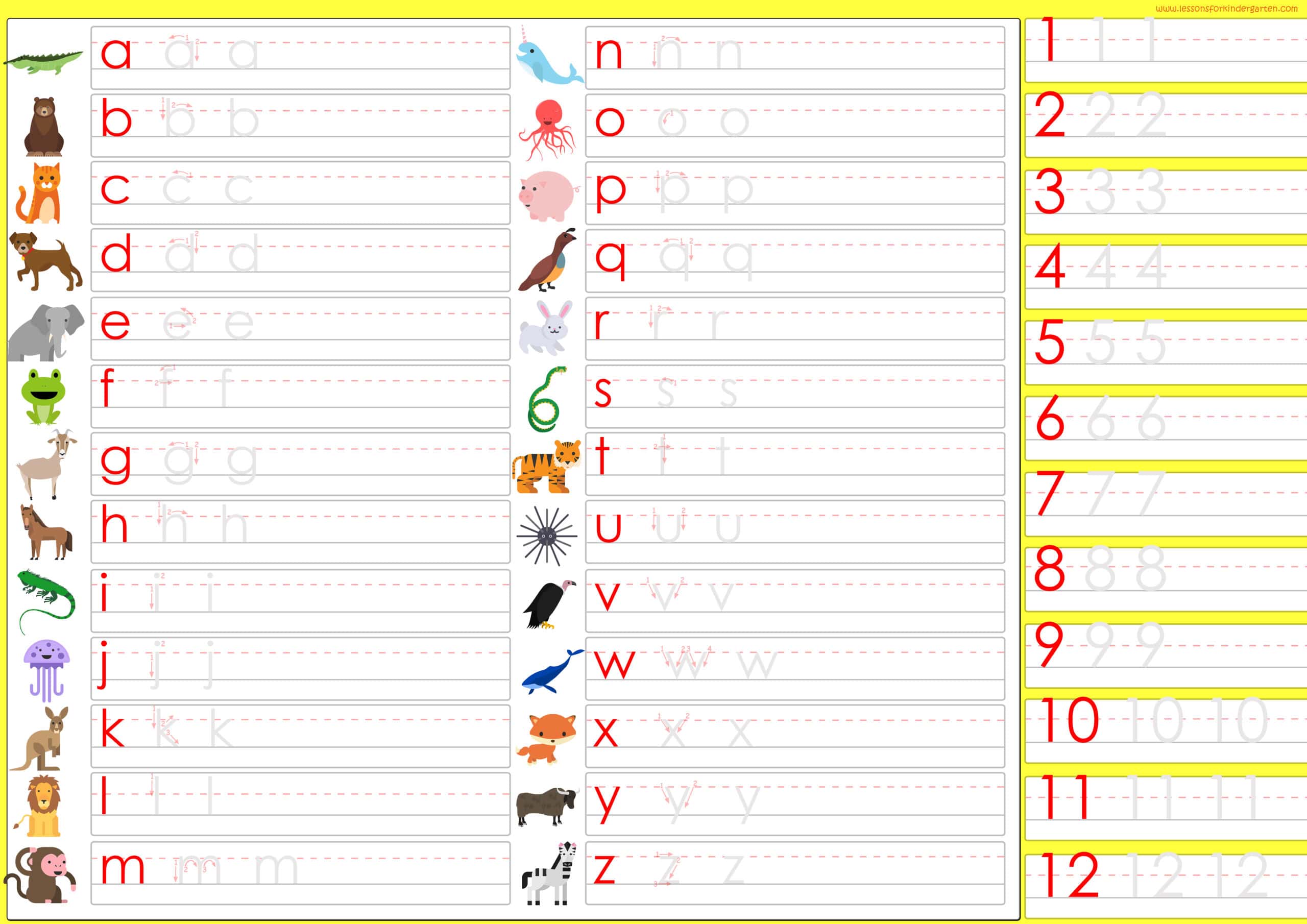
| Aa-Zz uppercase & lowercase (animals) | Uppercase & lowercase alphabet worksheets that teach animals. |
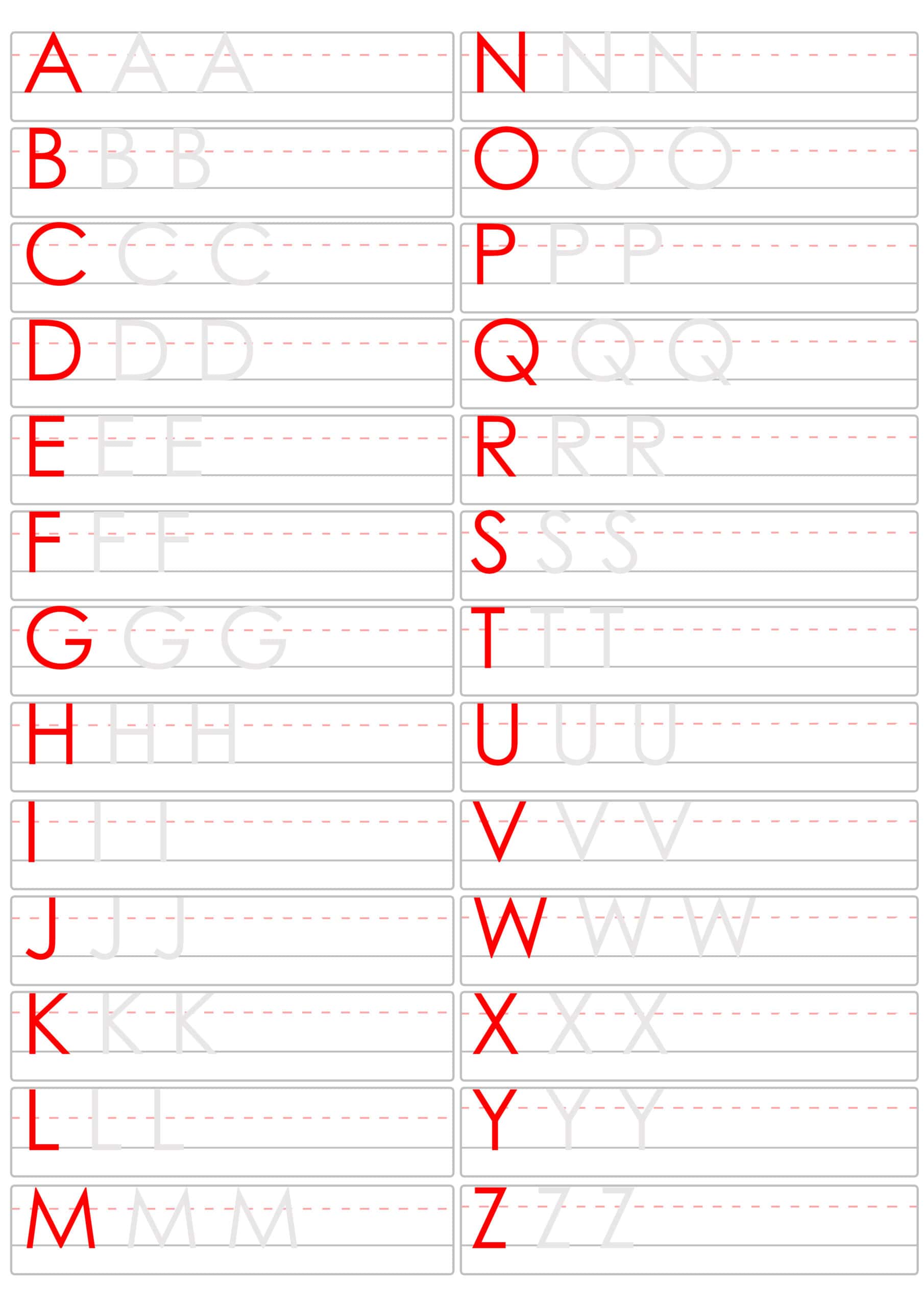
| Aa-Zz Uppercase (basic no images) | A basic uppercase tracing sheet for older students. |
FAQ
Do these worksheets help with handwriting?
Yes, they help children learn correct letter formation and improve fine motor skills.
Should children learn uppercase or lowercase first?
Many teachers start with uppercase, but both can be taught together.
How often should children practice writing letters?
Short daily practice sessions (5–10 minutes) are most effective.
Do these worksheets work with phonics learning?
Yes, they can be used alongside phonics to connect sounds with written letters.
Related Reading & Writing Resources