
FREE Weather Flashcards! + FREE weather chart for your kindergarten!
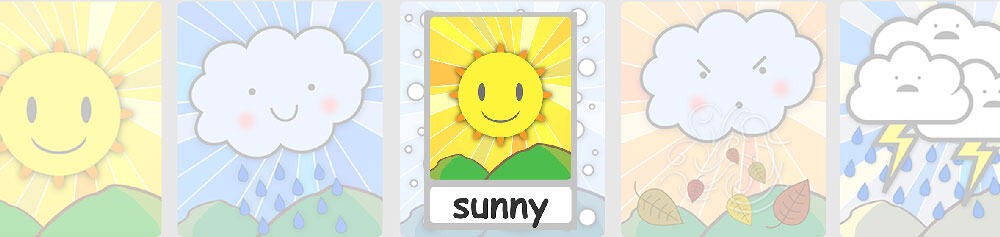
Printable weather flashcards that are easy to recognize for young learners. Teach your children the weather of all seasons with these flashcards! As a FREE bonus, I have also included a FREE printable weather poster chart that has a moving arrow so the kids can interact with the weather poster! Why not incorporate it into their morning routine and maybe even sing a weather song!
Learn the weather with Flashcardsforkindergarten.com! have fun learning sunny, cloudy, rainy, snowy, windy and stormy with weather sounds! Watch the exciting 4K video now!
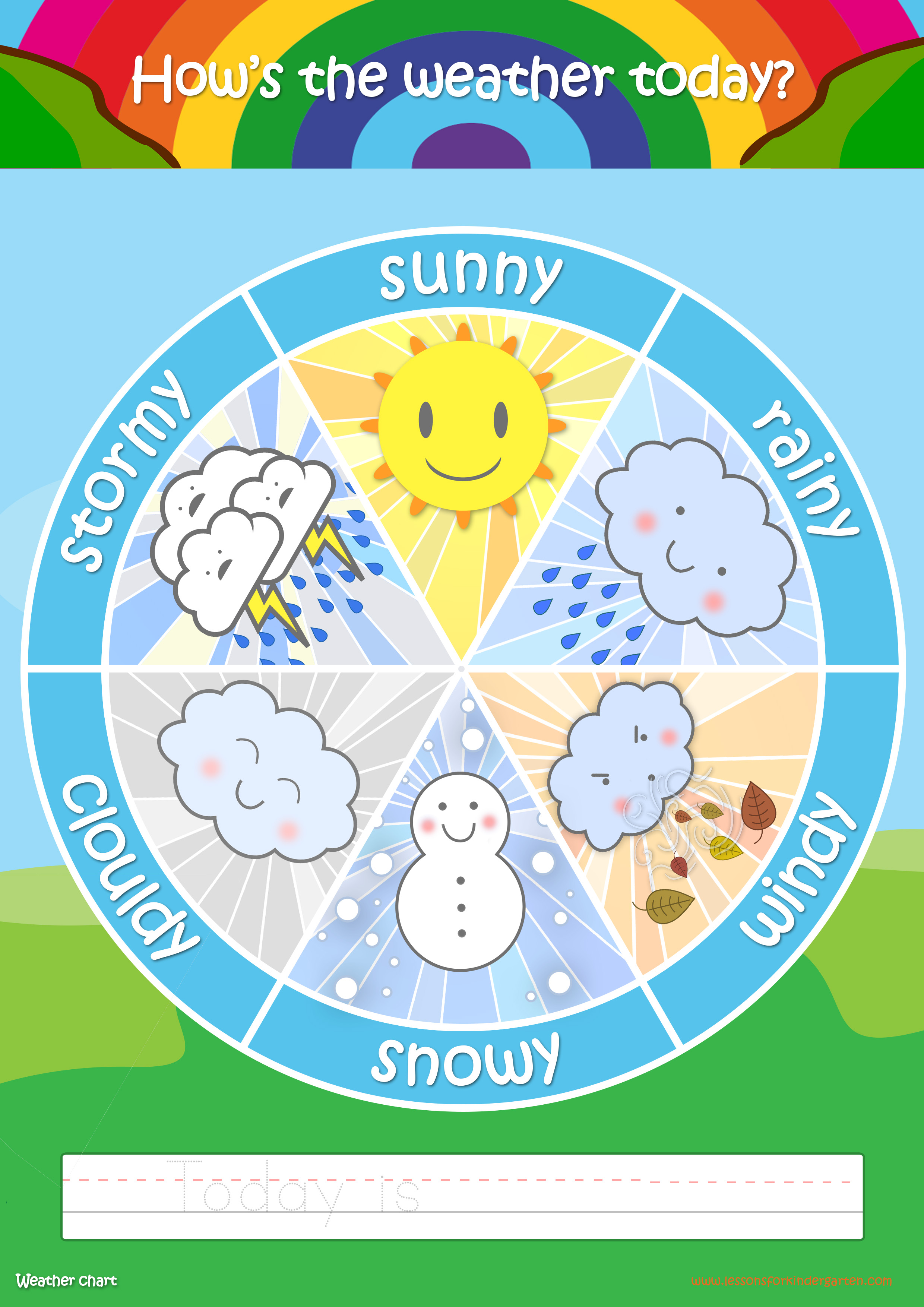
FREE Weather Flashcards DOWNLOAD Pack 1 (Preschool – Elementary level)

The weather cards are cute and easy to understand. The weather included in the pack are sunny, rainy, windy, cloudy, snowy and stormy. All the flashcards have easy to understand bold words. Feel free to cut these words to make a matching game, or to simplify the cards for younger learners! The cards can also be used with the weather chart download to play games!
FREE Weather Poster Chart DOWNLOAD!
How to Use These Weather Flashcards
These weather flashcards can be used in simple, structured ways to help children build confidence with basic weather vocabulary and speaking skills.
Start by introducing a small set of weather types and repeat them regularly so students become familiar with the words and sounds.
Use clear modelling when speaking, for example:
“It is sunny”, “It is rainy”, “It is cloudy”.
These flashcards work well in daily routines such as morning circle time, calendar time, or quick lesson warm-ups.
You can also connect learning to the real world by asking students to look outside and match today’s weather with the correct flashcard.
For best results, keep activities short, repetitive, and consistent so children can naturally build recognition over time.
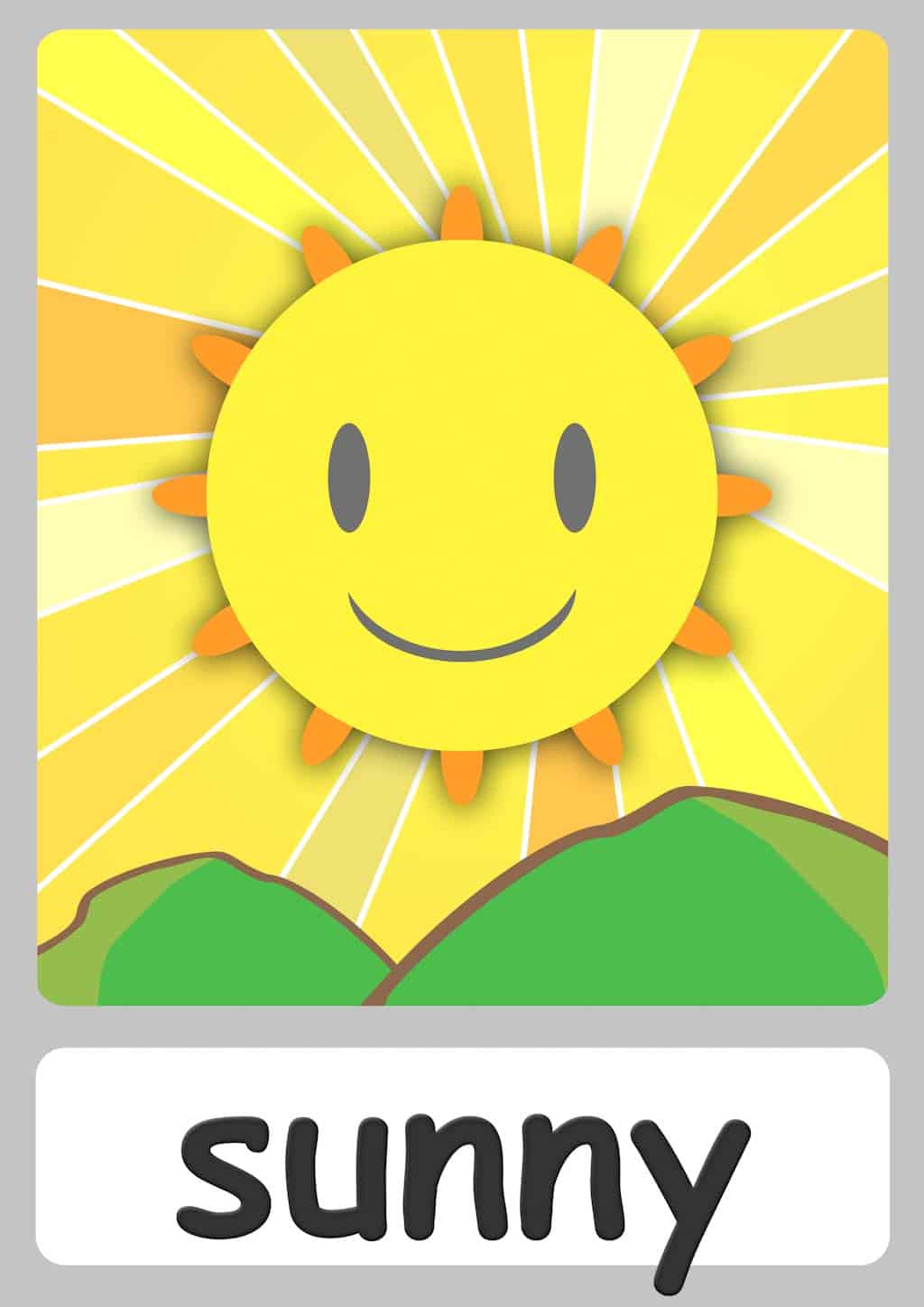
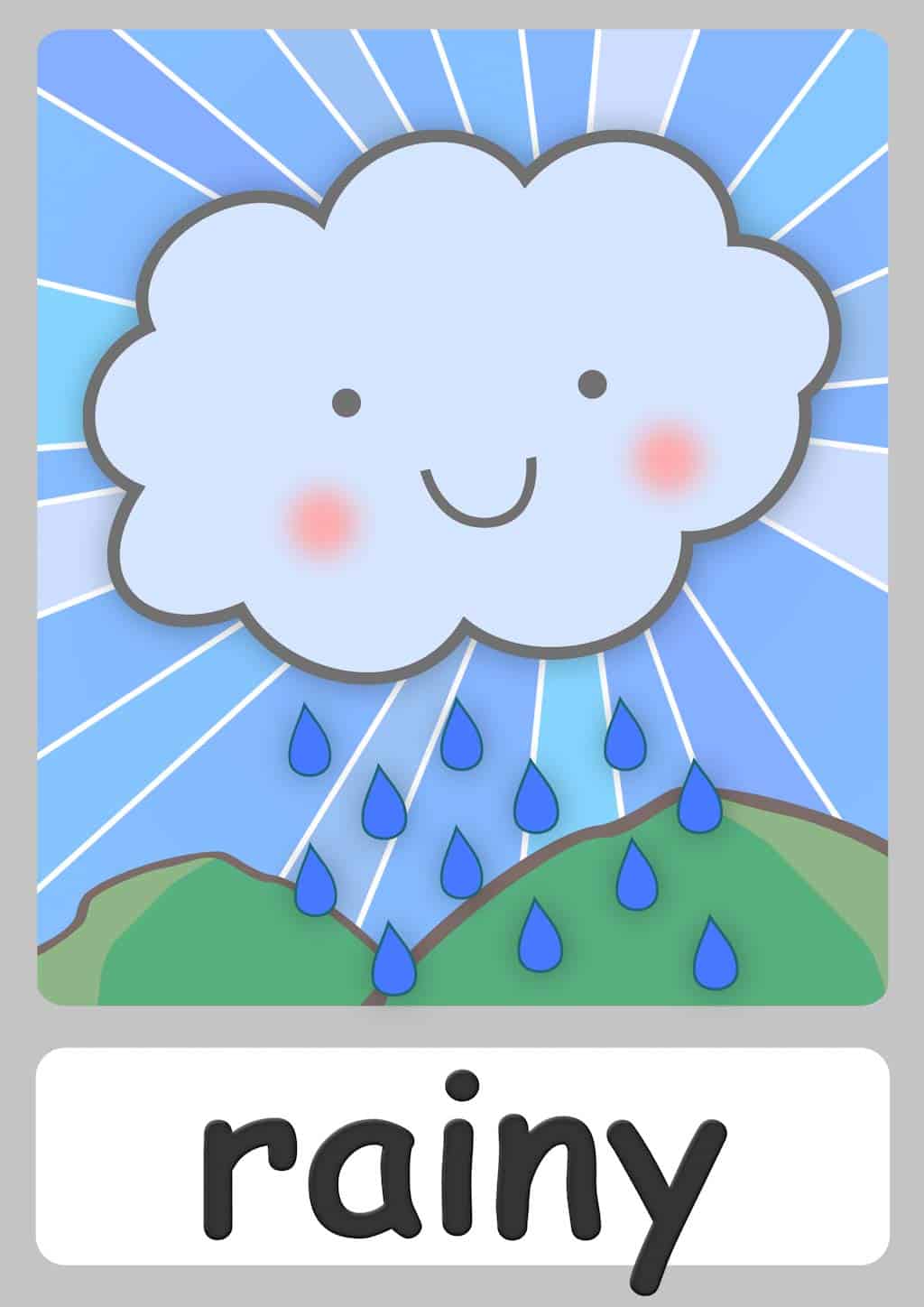
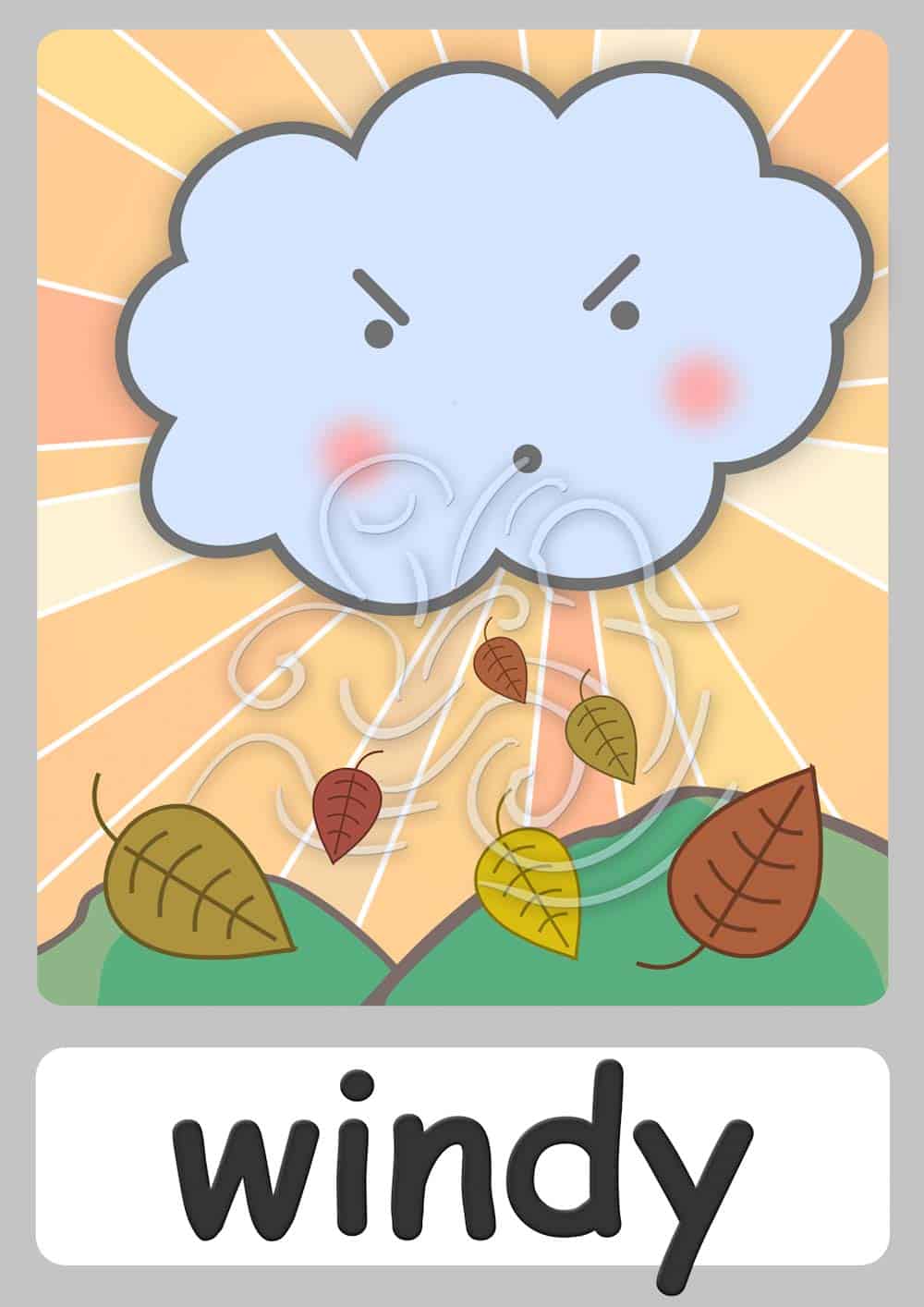
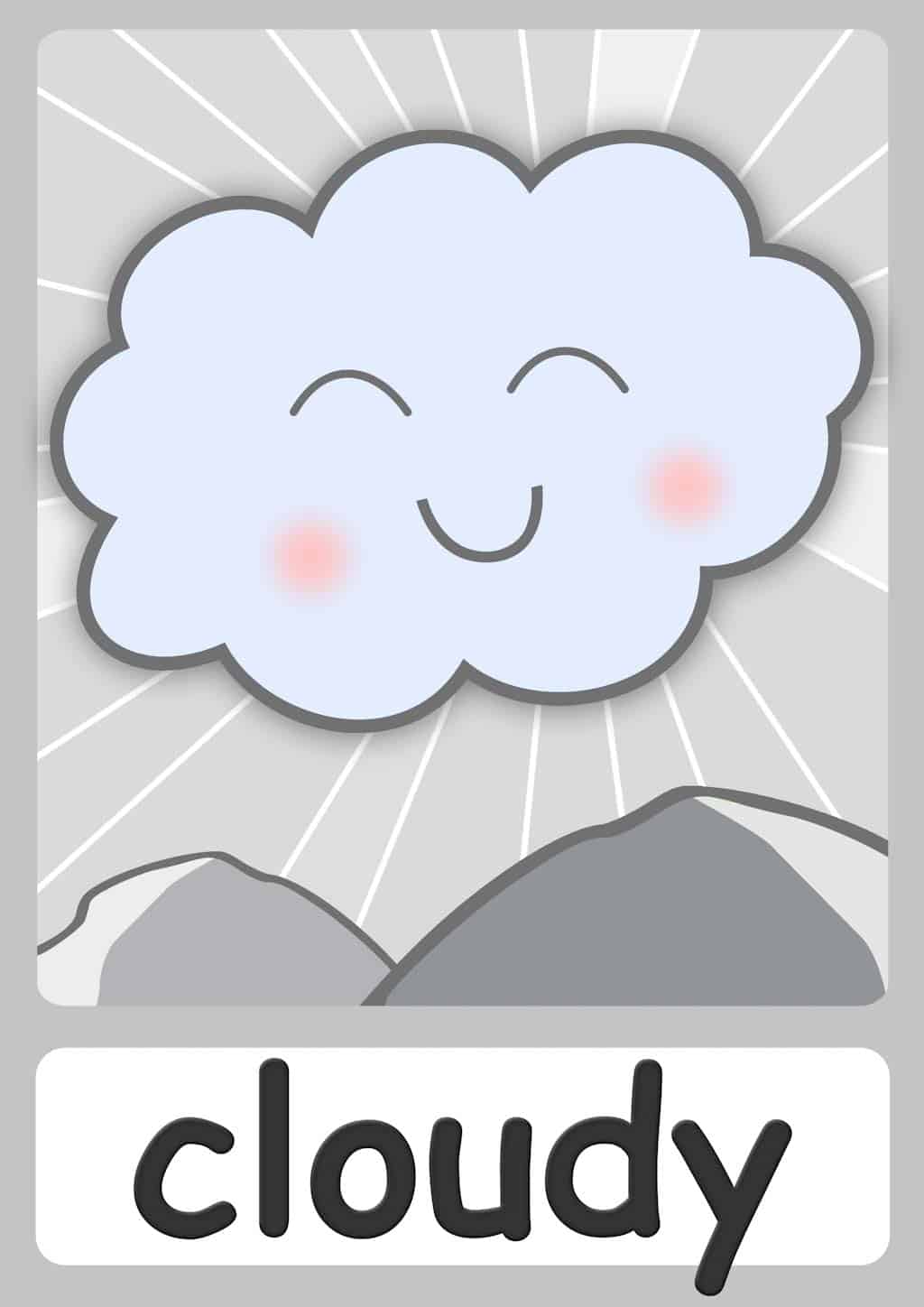
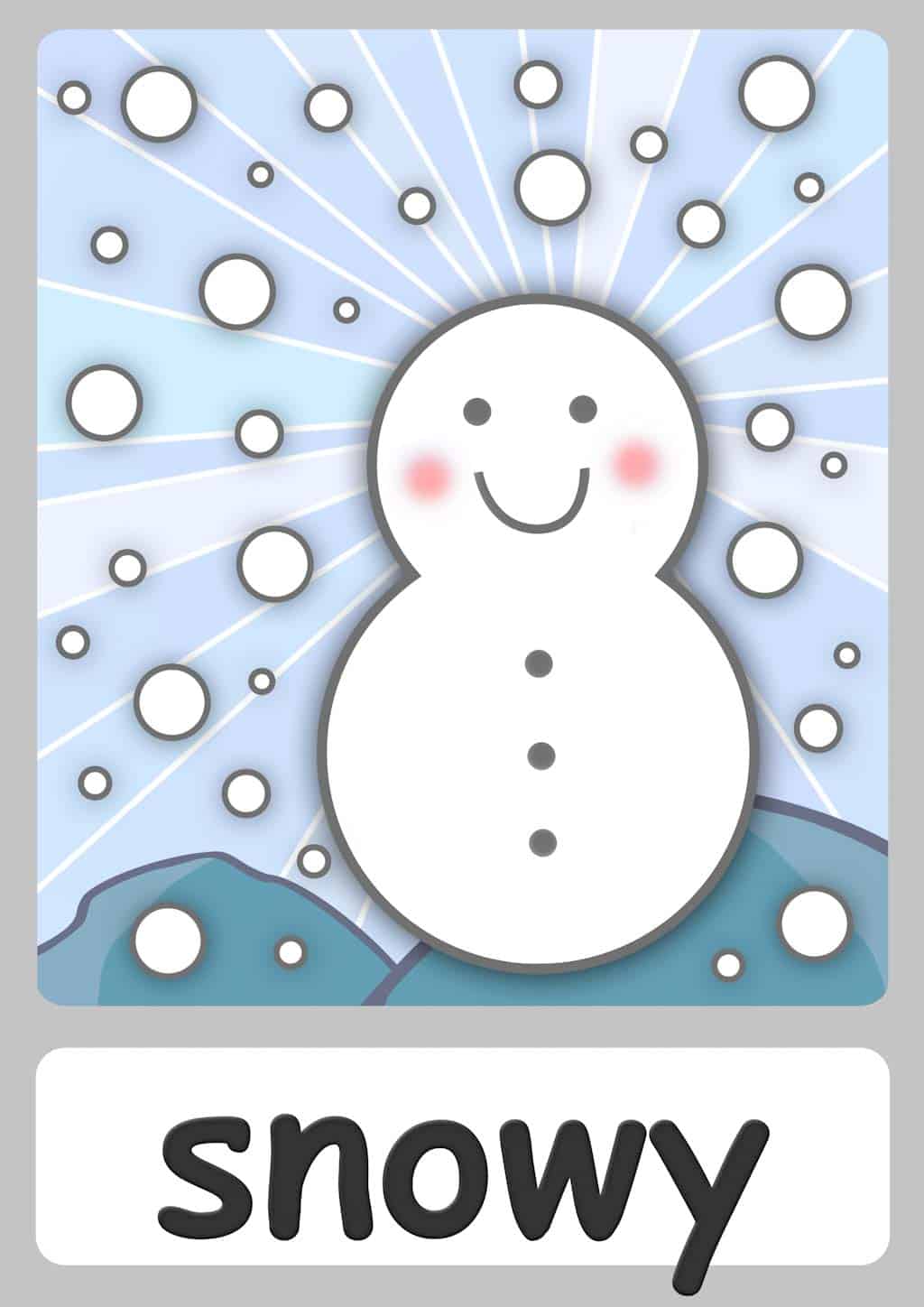
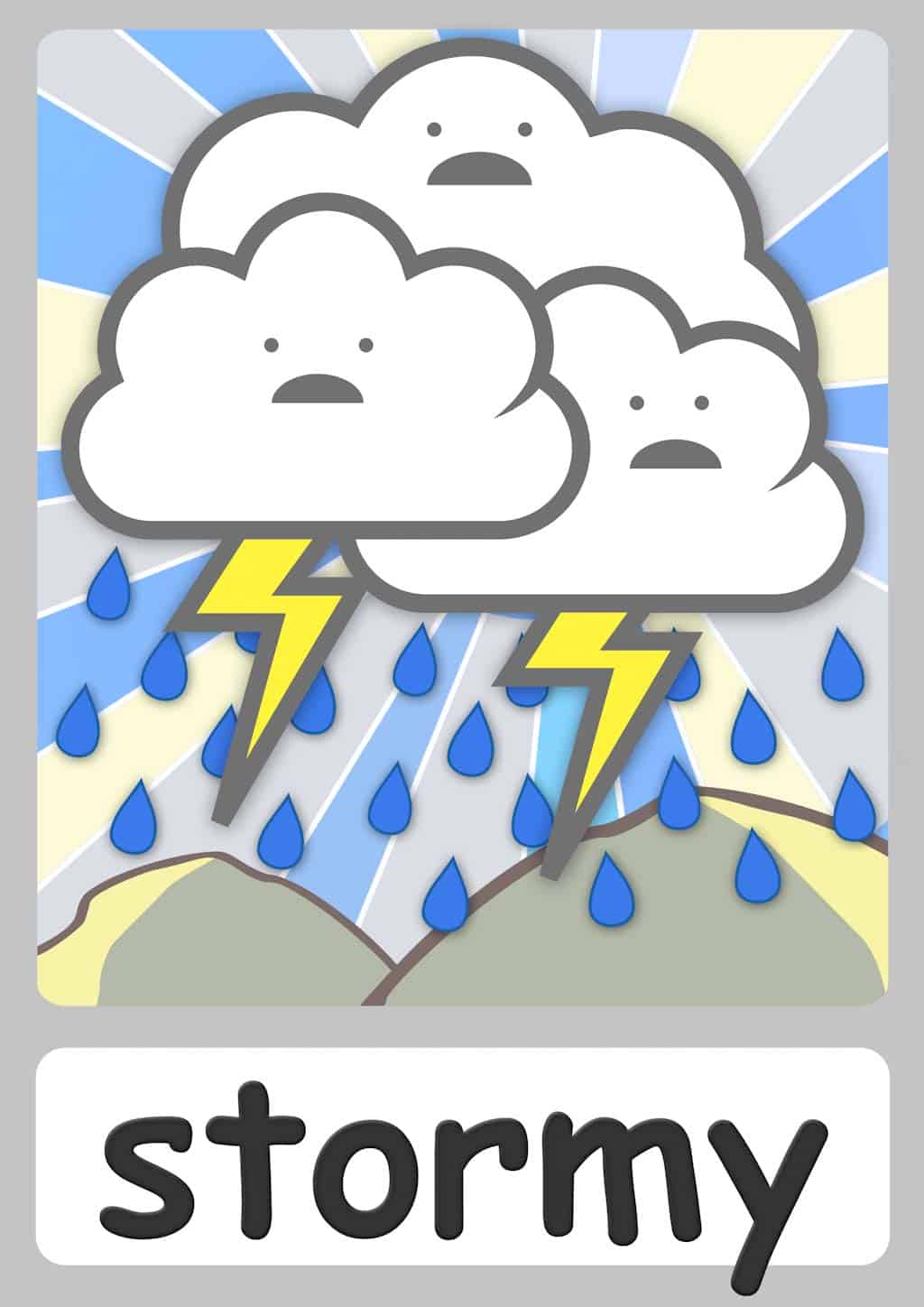
What Vocabulary is included?
| Weather vocabulary |
|---|
| sunny |
| rainy |
| windy |
| cloudy |
| snowy |
| stormy |
Weather Flashcard Activities
Weather Report Game
Show a flashcard and ask students to act as a weather reporter: “Today it is sunny / cloudy / rainy.”
Find the Weather
Place flashcards around the classroom. Call out a weather type and have students move to the correct card.
Classroom Weather Check
Ask students to look outside, then choose the flashcard that matches today’s weather.
Weather Sorting Game
Group flashcards into categories such as sunny, rainy, windy, snowy, and cloudy. This helps build classification skills.
Memory Match
Place cards face down and have students find matching weather pairs. Great for memory and vocabulary reinforcement.
Daily Warm-Up
Use 2–3 flashcards at the start of each lesson for quick review and speaking practice.
Grammar Focus & Questions
| Question | Answer |
|---|---|
| How is the weather? | It is (weather). |
| How is the weather today? | It is (weather) today. |
| Is it cold or hot today? | It is (hot/cold) today. |
| Is it hot / cold today? | Yes, it is / No, it isn’t. |
| How was the weather yesterday? | Yesterday was (weather). |
| Was it hot / cold yesterday? | Yes, it was. / No, it wasn’t. |
FAQ – Weather Flashcards
What age are weather flashcards suitable for?
These flashcards are ideal for preschool, kindergarten, and early elementary learners (ages 3–7). They also work well for ESL beginners.
How do I teach weather using flashcards?
Start with a small set of weather types and repeat them daily. Combine flashcards with real-life observation outside to reinforce learning.
How many weather types should I introduce at once?
It is best to introduce 2–4 weather types first, then gradually add more as students become confident.
Can these be used at home?
Yes. They are great for short daily practice and can easily be combined with looking at the real weather outside.
What is the best way to help children remember weather vocabulary?
Repetition, daily routines, and linking flashcards to real-world weather conditions are the most effective methods.
Do these help with speaking skills?
Yes. They support simple sentence practice such as “It is sunny” or “It is raining.”
Related Weather Learning Resources